The Boxer Trying to Save Kids in Detroit's Black Community with Youth Football
At one point, they called Detroit the "Paris of the Midwest." The American middle class was born there, in the factories that built shiny steel cars, the ultimate expression of new-world muscle and ingenuity.
Detroit wasn't just powerful; it was beautiful, too. The opulent Albert Kahn-designed Fisher Building, the city's largest art object, set the standard for modern American architecture, and Berry Gordy's Motown made West Grand Boulevard Hitsville U.S.A.
It's hard to imagine that Detroit today. The picture you see in your mind's eye instead is the American Beirut, a once-great city fallen to shambles, it's challenges too big for a mere car commercial to fix. As the New York Times explained, Detroit's fall has been a long time coming:
TOP NEWS
Live Later: Smith vs. Puello 🥊
Later: Emanuel Navarrete vs. O'Shaquie Foster

Yaxel: Luka Not MJ 🗣️
"At the start of the 1950s, the Big Three car companies began to leave the city, seeking lower taxes and lower wages and brand-new corporate campuses elsewhere, and they whittled their work forces through automation. Most retail and other manufacturing jobs and almost all of the white residents followed suit, fleeing en masse to the suburbs or to other places entirely. In the half-century since, the city's population has sunk to 700,000 from a peak of close to two million, and almost a third of its vast housing stock sits vacant.
"
Detroit's storied boxing community has followed a similar path. Once, men like Joe Louis, "Sugar" Ray Robinson and Tony Harrison's (21-1, 18 KOs) grandfather, Henry Hank, called the city's Brewster Wheeler Recreation Center home.
Later, legendary trainer Emanuel Steward and his protege, Thomas "The Hitman" Hearns, flew the flag for Detroit out of the fabled Kronk Gym on the city's southwest side. Today's Detroit boxing scene has no such marquee names, and with Steward's 2012 death, a resurgence seems unlikely.
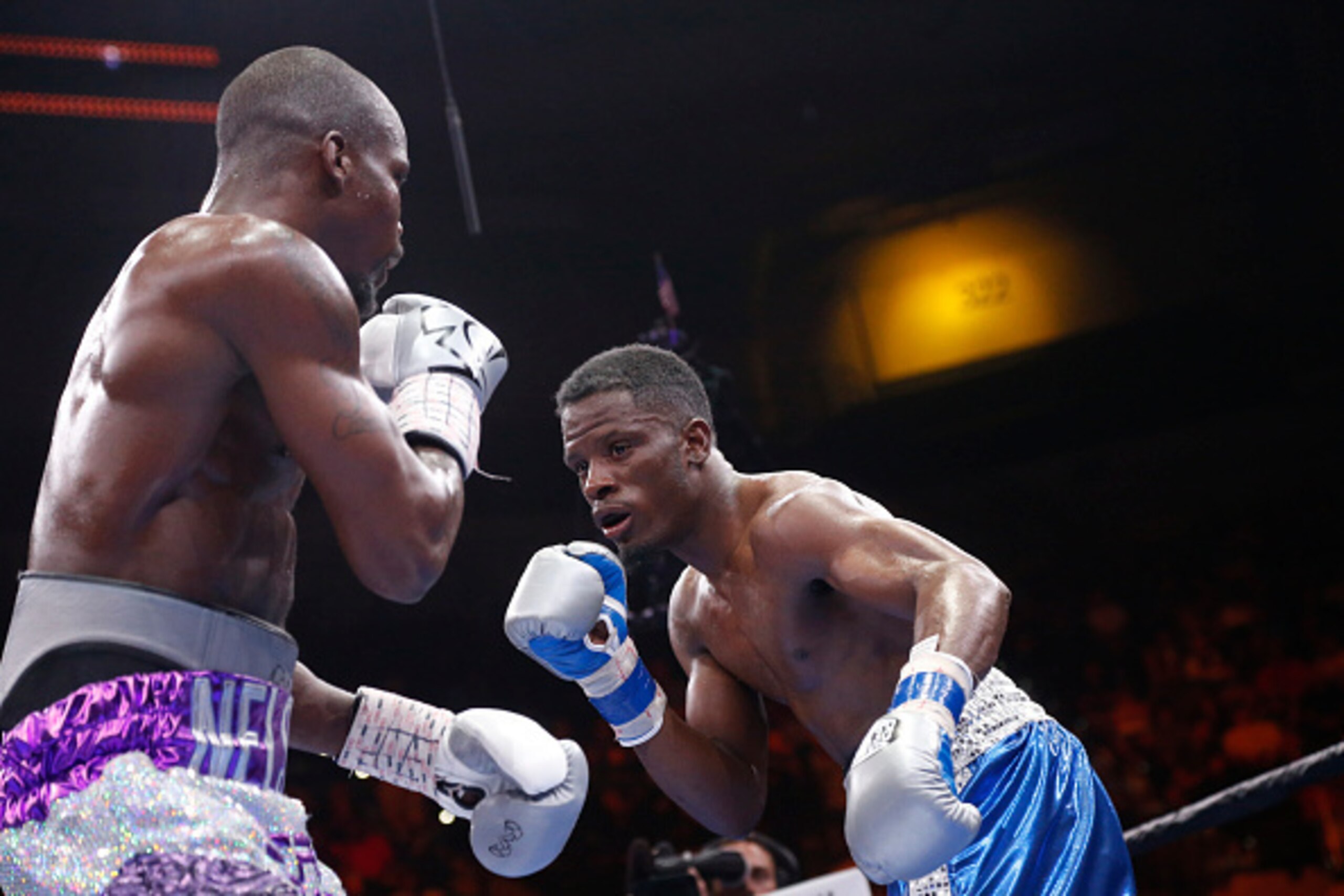
It's a metaphor that doesn't sit well with Harrison, a Steward protege who fights Cecil McCalla (20-2, 7 KOs) on Saturday night on NBCSN for Premier Boxing Champions. Not while men like Cornelius Bundrage and Domonique Dolton are still fighting and Steward's assistant trainer, Johnathon Banks, is still coaching heavyweight champion Wladimir Klitschko.
"Emanuel's legacy didn't die," Harrison said. "And it never will die, as long as there are fighters like me who can pass down what he taught. Because Emanuel shined his light on everybody that he came in contact with. He was that special. The boxing heritage hasn't faded here. It's rich, and this city is just waiting for something special to happen here. Bring a fight here, and you'll see how special it is. And you're going to ask, 'Why did it take so long?'"
Detroit breeds fighters. Boxing requires sacrifice. It requires participants to face their fears, master them and turn rage into science. No one enters the cauldron that is a boxing ring without getting burned. Surviving the streets of Detroit takes a similar mettle, especially for African-Americans trapped in the poverty cycle.
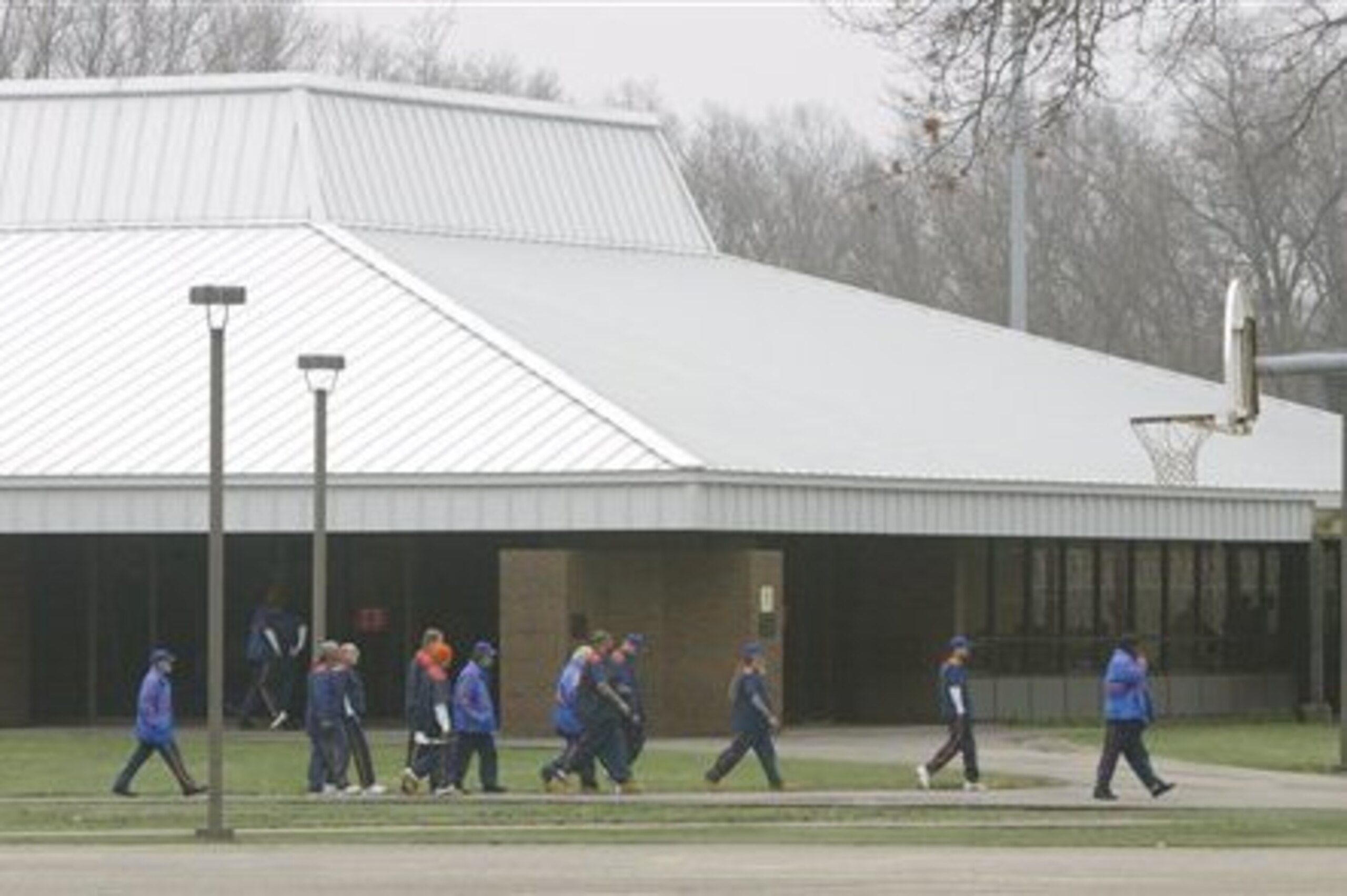
In 2000, more than one of every 10 black males in the United States between the ages of 20 and 40 were incarcerated, as noted in the book African American Families by Angela J. Hattery and Earl Smith. That's a stark figure, but as bleak as it is nationally, it's even more grim in Michigan, where it costs the state more than $5 million a day to imprison more than 50,000 people, per the Detroit News.
From 1980 to 2010, the state's prison population grew at a clip 29 times faster than its general population, per Citizens Alliance on Prisons and Public Spending. That's because Michigan residents have been fleeing in droves, as moving company United Van Lines noted (via Forbes).
As Ta-Nehisi Coates explained in a recent polemic for the Atlantic, among the many victims of this prison epidemic are African-American children:
"These consequences for black men have radiated out to their families. By 2000, more than 1 million black children had a father in jail or prison—and roughly half of those fathers were living in the same household as their kids when they were locked up. Paternal incarceration is associated with behavior problems and delinquency, especially among boys.
"More than half of fathers in state prison report being the primary breadwinner in their family," the National Research Council report noted. Should the family attempt to stay together through incarceration, the loss of income only increases, as the mother must pay for phone time, travel costs for visits, and legal fees. The burden continues after the father returns home, because a criminal record tends to injure employment prospects. Through it all, the children suffer.
"
Harrison and his cousin, San Diego Chargers tight end and future Pro Football Hall of Famer Antonio Gates, don't need to read Coates to understand the plight of children in Detroit's urban boscage of dilapidated buildings, a place where hope is in short supply. They see those children with their own eyes, not just on the streets when visiting old haunts, but every time they look in the mirror.
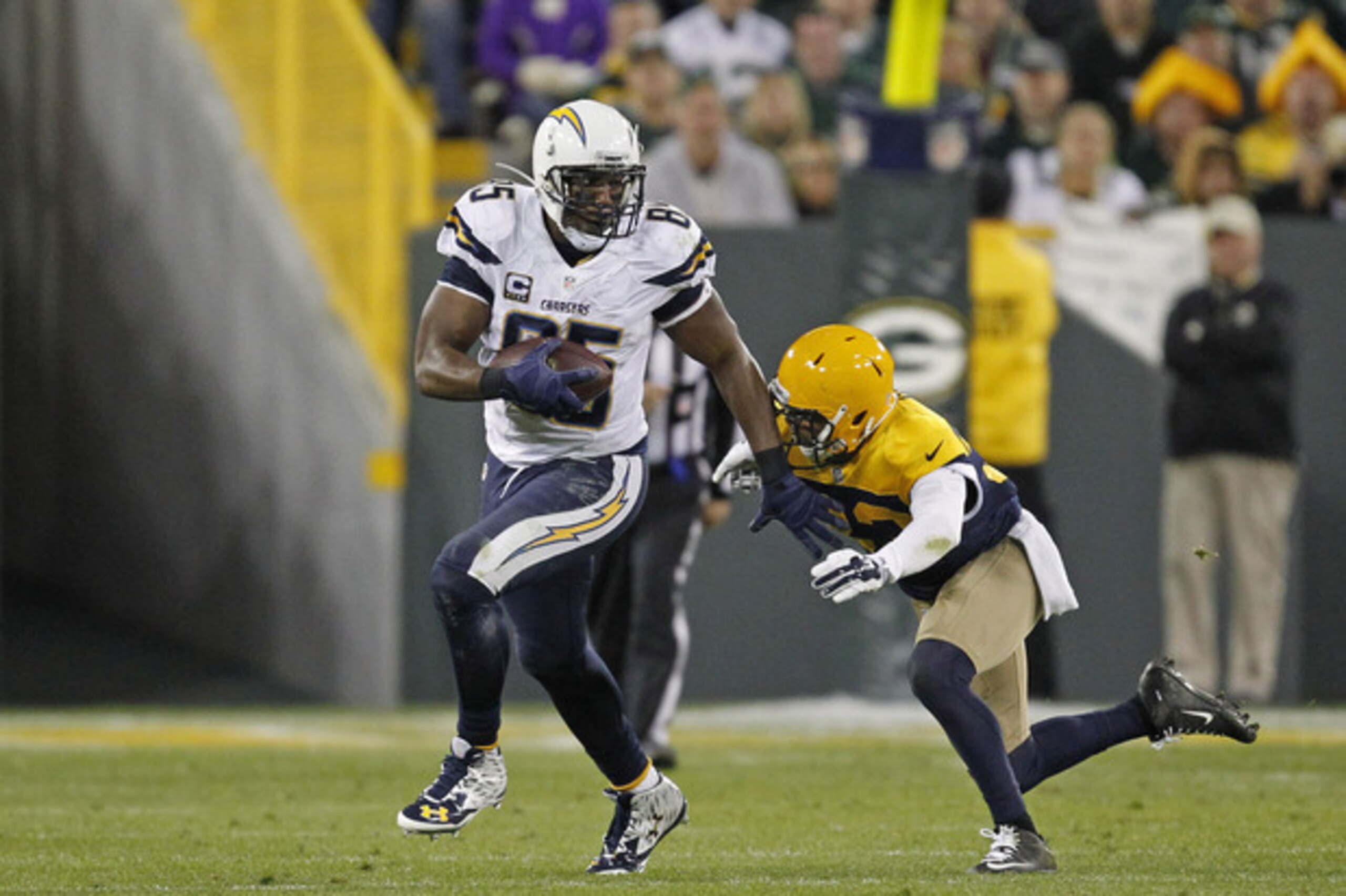
"Most of them are like myself when I was growing up in the inner city of Detroit," Gates said. "They need to know that they can make it out just like I did if they keep their head on right and stay focused. I've witnessed the same things they they may be witnessing now. I come from poverty and violence, but I managed to stay focused on my dreams and goals, and it worked out for me. That may not happen for all of these kids, but if my presence can help just one kid, I think that's a step in the right direction."
Gates and Harrison, possessed of an athletic gift and familial support, found their way out of desperate circumstances. And while they can't necessarily share their genetics, they can help provide the structure and adult male role models that have vanished from the community, collateral damage from the war on drugs.
The Michigan Bulldogs, an American Youth Football team for kids from the second to ninth grades, was their solution. Together with another cousin, Graham Hester, and team founders Carey Morgan, Gary Morris, Greg Wilson and Alfredo Harris, they looked to instill the core values of their own success in kids who might not otherwise have men in their lives who can light up a path to a prosperous future.
"We teach them strength. We teach them leadership, brotherhood. We teach that everything in life isn't always going to be as spectacular as you want it to be," Harrison said. "You get scored on. You get knocked down. But you get up. Our goal is to teach respect and help them grow up to be different than the messed-up generation that is Detroit's African-American men right now."
Two weeks ago, Harrison's team of 10-year-olds lost for the first time in the three years he's been coaching it. It was stopped on the 1-yard line in overtime then gave up the winning score on a fourth-down play that left his team in tears. But after the hurt faded, Harrison was left with hope.
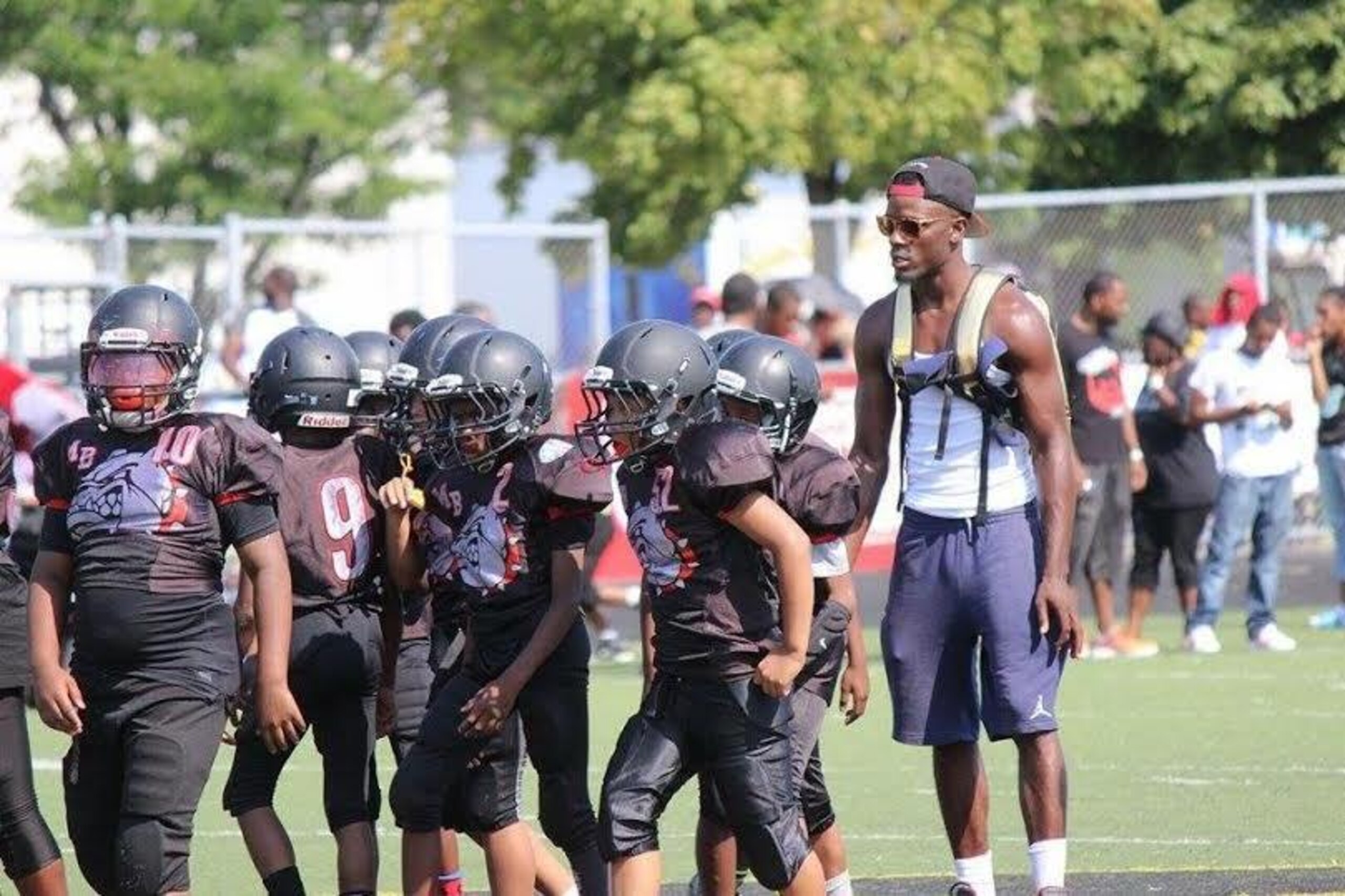
"You could see the pain in their faces," Harrison said. "And it was good to see that they cared. To see African-American people in the heart of a ruptured city like this, one that's supposed to be so bad and so evil, shine such light. It's so much deeper than football."
The next week at practice, Coach TJ knew just what to say. After all, he was no stranger to losing. One of the most heralded prospects at junior middleweight, Harrison was knocked down by a Willie Nelson right hand this summer. His promising career and future, once seemingly a birthright, now hangs precariously, another loss almost certain to end his dream of being a championship-level fighter.
"I've been down. So when it hits them, I can pick them up. I have answers. Because unlike most coaches, I'm out there living it just like they are," Harrison said. "I told them I just lost a fight. On national TV. But that does not stop a moving train. When you're derailed, you find a way, and you get back on track. We lift our heads up and find a way to keep going. That's what life is about. When you get knocked down, you get right back up. You don't sit in sorrow. You find a way to make yourself better."
Harrison's impact on the Bulldogs extends far beyond the 120 yards of playing surface on the infamous 8 Mile Road. He's become part of the fabric of a growing team family, there for kids and parents alike.
"I don't know what I would do without him sometimes," parent Deacarla Ward said. "He's just an all-around wonderful person. It's not just sports. It's everything. And it's very important to have someone like that."
Ward's son, Dae'Tom King, like many rambunctious 10-year-olds, found himself in trouble at school. Her voice at times didn't seem like enough. That's when she called Coach Harrison to step in.
"He got up out of his bed to go up to the school and help keep him focused," Ward said. "He's not just a disciplinarian or a trainer. He's like a big brother and a mentor."
Harrison picked up the story from there.
"Dae'Tom didn't even know I was coming. I asked his mom, 'Can I get him out of class?' and she said, 'Do whatever you want to.' I got him out of class, took him to the bathroom, and I straightened his a-- up. Like he was my own son," he said. "I told him, 'This ain't comedian class. This ain't where we joke around.' And I told him, 'If I ever have to come up here again, I'm going to embarrass you in front of every student in this class. It won't be in private next time. I'm going to do it in front of everybody.'"
Dae'Tom, an outside linebacker, ended up apologizing to both his mother and his coach. It's a pattern Harrison has noted, kids with little respect for adults or themselves becoming the kind of young men that can rescue Detroit from itself.
"His energy comes from helping other people. He gives the children drive. They want to get out and do things. They're so excited," Ward said. "My son has done a 360 since being involved with the program. We talk to Coach TJ about the good and the bad, and it really seems to have gotten through to my son. He's not just there for the bad things to pull his coattail. When the school is having a function, a play or something, he's there then, too."
"Tony's an inspiration to all of the kids," Gates said. "He always has a positive attitude about things that may come his way. He treats all the kids with genuine love from his heart, and he takes time out each and every day to try to make a positive impact on these kids' lives.
"For the kids to be around Tony and the rest of these great gentlemen, it gives them hope. It shows them that men are supposed to take care of their kids and be the providers although they may be in single-parent homes. Breaking the cycle of fatherless homes and being living testaments for these kids are what we strive for, and we hope it resonates with the kids for the rest of their lives."
It's a positive relationship that goes both ways. The 22 kids on the team energize Harrison, who trains at the Superbad Fitness Center by day and works with the team every afternoon. It helps drive him to the gym every day because he knows the bigger his impact in the ring, the bigger his potential impact outside of it.
And there's the not-so-small matter of redeeming the Nelson loss. While he was able to turn it into positive energy to get his kids through a tough loss, it's a setback that still burns.
"I had that fight in the palm of my hand. I was about to have this city in the palm of my hand. And I let it just drop," Harrison, who was ahead on the judges' scorecards when the fight was stopped in the ninth round, said. "He didn't knock it out of my hand. I dropped it on my own. That fuels me. All I think about is going 10 times harder. I'm back to the block. I'm back to blood, sweat and tears. I'm back to the sledgehammer and the tire. I'm back to the later night workouts. I'm back to being that same hungry fighter that I was in the beginning."
When he steps into the ring in Houston on Saturday, his largest cheering section will be back at home. But their infectious enthusiasm will be embedded in his heart.
"Anytime he has a fight, we have a big TJ party," Ward said. "We have a Tony Harrison party. When he fights, we're there to support him. Because he's always there to support us."
Jonathan Snowden covers combat sports for Bleacher Report.

.jpg?w=2560 "Colts Football")
.jpg?w=2560 "NFL House in Paris Closes for Protests (AP)")


.jpg?w=2560 "Trevon Diggs Cut by Seahawks")