Athletes Misdirecting Their Anger
Elite athletes are true competitors. What makes them different is a combination of physical talent and an ability to channel their emotions to gain an advantage over their opponent. And this is what makes sports so entertaining—we feed off the performance of athletes, and the athletes feed off the energy and enthusiasm of the fans.
It makes for great theater, but it also means most athletes at the college and pro level are subject to the scrutiny of the spotlight; win or lose, their life and career unfolds publicly. So, when competitive desire transforms into resentment and anger, the result almost always has an audience. Over the years, there have been some spectacular moments when an athlete's anger boiled over and became another chapter in their career.
Athletes may be physically gifted, but they also get irrationally angry like the rest of us. These are 10 ways athletes misdirect their anger.
At Inanimate Objects
1 of 10We’ve all had that moment in life where something—or someone—started a runaway chain reaction of hot, fissile rage in our mind, anger so acute and total that the very universe itself could be destroyed unless it is properly disposed, posthaste. And the only proper method of disposal is to smash something—perhaps a dinner plate, drywall or a package of Halloween Peeps.
Smashing an inanimate object in order to channel rage in a reasonably safe manner is a nearly universal human trait. It’s irrational, but sometimes it happens.
After a brief, bench-clearing scuffle between the Pittsburgh Pirates and the Chicago Cubs in the seventh inning of the 2015 NL Wild Card Game, Pirates first basemen Sean Rodriguez returned to the dugout and started wailing on the club’s Gatorade cooler like it was some kind of impenetrable pinata.
At the Media
2 of 10The media is a time-tested villain of opportunity and convenience for any public figure that is facing criticism. When all else fails, blame the bad news on the ones who report it. An athlete is expected to answer questions from the press, regardless of how the game ended, how they played or what happened off the field.
Sometimes when an athlete lashes out, the vitriol is directed at the circle of reporters (or in this case a specific reporter) standing around them—like this moment last January when then-Toronto Maple Leafs winger Phil Kessel responded to a question from Toronto Star reporter Dave Feschuk about whether he is "difficult to coach."
At Their Coaches
3 of 10Under the watchful eye of head coach Bill Belichick, the New England Patriots are part NFL franchise, part secret society—like the Free Masons, or Fight Club. The Patriots Way means that players and coaches nearly always put on a tight-lipped, stoic public face. As a result, the team operates like some kind of shadowy championship-winning entity; we all know something nefarious is going on behind the scenes, but there is nothing we can do about it.
And on the field, it all starts with quarterback Tom Brady, the four-time Super Bowl winner who rarely goes off script. In 2011, however, Brady proved that even the most dedicated company man can let his emotions boil over and take it out on the chain of command, screaming at then-offensive coordinator Bill O’Brien, who exchanged words with the star quarterback after throwing a pick against the Washington Redskins.

.jpg?w=2560 "Colts Football")
At the Ball Boy
4 of 10In professional tennis, the ball boy or ball girl is crucial to keeping a match running smoothly—scrambling across the court to collect the ball when play has stopped, providing a game ball for service and fetching water, towels and other items for the players as needed. Therefore, the selection process for the position can be insanely rigorous.
However, the ball boy is also a target of opportunity (or collateral damage) for a star tennis player like Novak Djokovic, who is locked in a tough match and ready to vent his frustration, like in this incident during Djokovic’s showdown against Andy Murray at the 2015 Miami Open (and he did it again at Wimbledon.)
This phenomenon isn’t exclusive to tennis, either.
At Their Own Teammates
5 of 10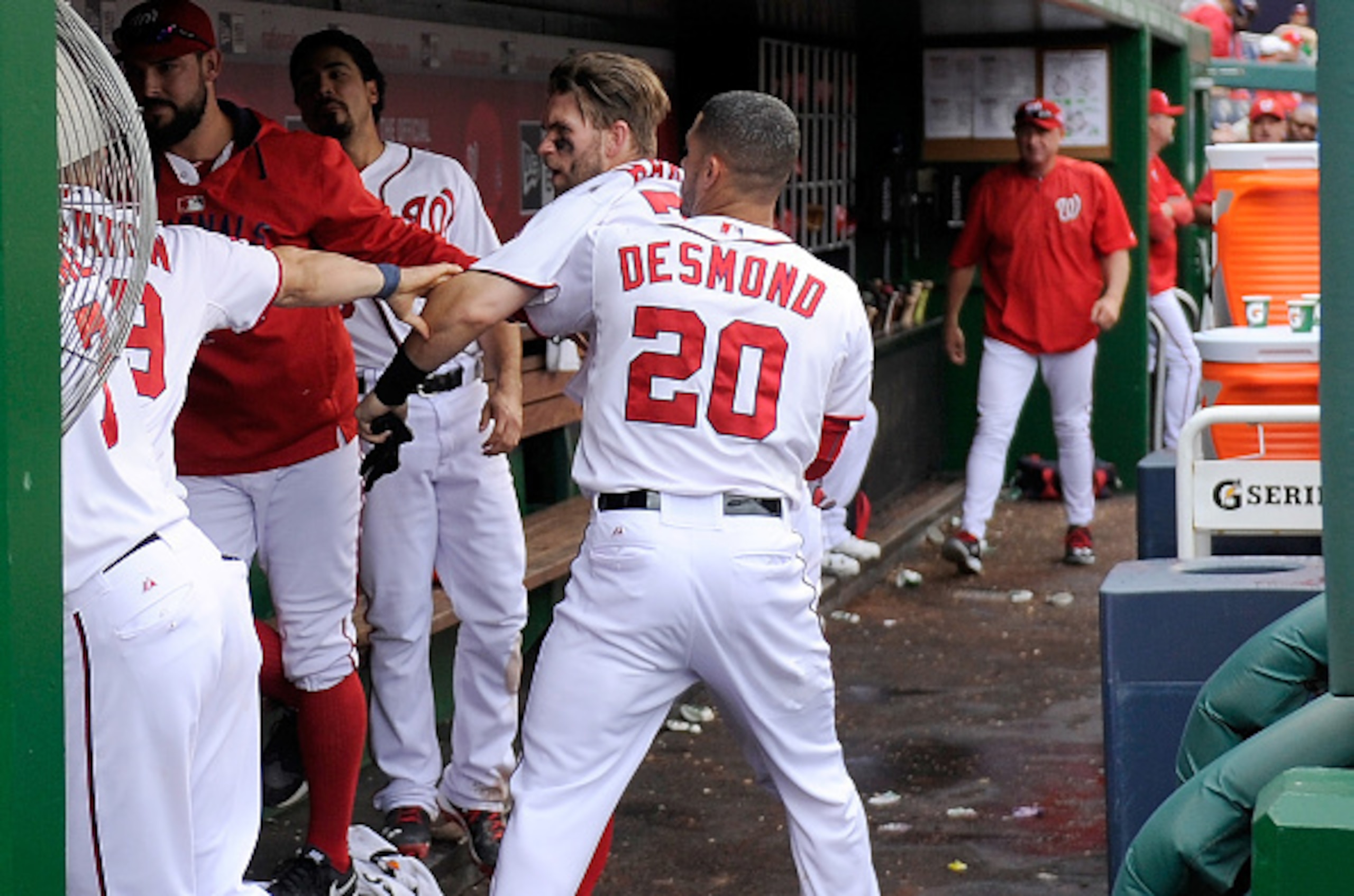
Turning against one of your own teammates is essentially sports sacrilege—especially when a game is being played. If an athlete fails to put the interests of the team above his own, whether that means playing harder or keeping his emotions in check, then he is essentially helping the opponent.
But sometimes it happens, as evidenced when former Washington Nationals reliever Jonathan Papelbon started choking teammate Bryce Harper in the club's dugout after exchanging words during a game in late September.
At the Fans
6 of 10Sports fans can be obnoxious, delusional or even violent, but the vast majority are just passionate about their team. Though athletes are exposed to hecklers, social media trolls and other bad actors, fans are fundamentally tied to the success of sports clubs—fans buy tickets and merchandise; fans fill the seats and support the team.
But it’s not surprising that it happens—sports fans are true innovators when it comes to verbal skullduggery. However, athletes are supposed to be better than the heckler in the stands, and are often paid to be above the fray.
In this case, Karl Colley, former captain of the semi-pro Goole AFC in Yorkshire, England, let a heckler get to him, as he eventually charged into the stands after him. He was kicked off the team as a result.
Going after a fan is taboo in sports; if an athlete gets into a verbal or physical altercation with a fan, they’ve breached the sacred firewall between athlete and spectator.
At a Higher Power
7 of 10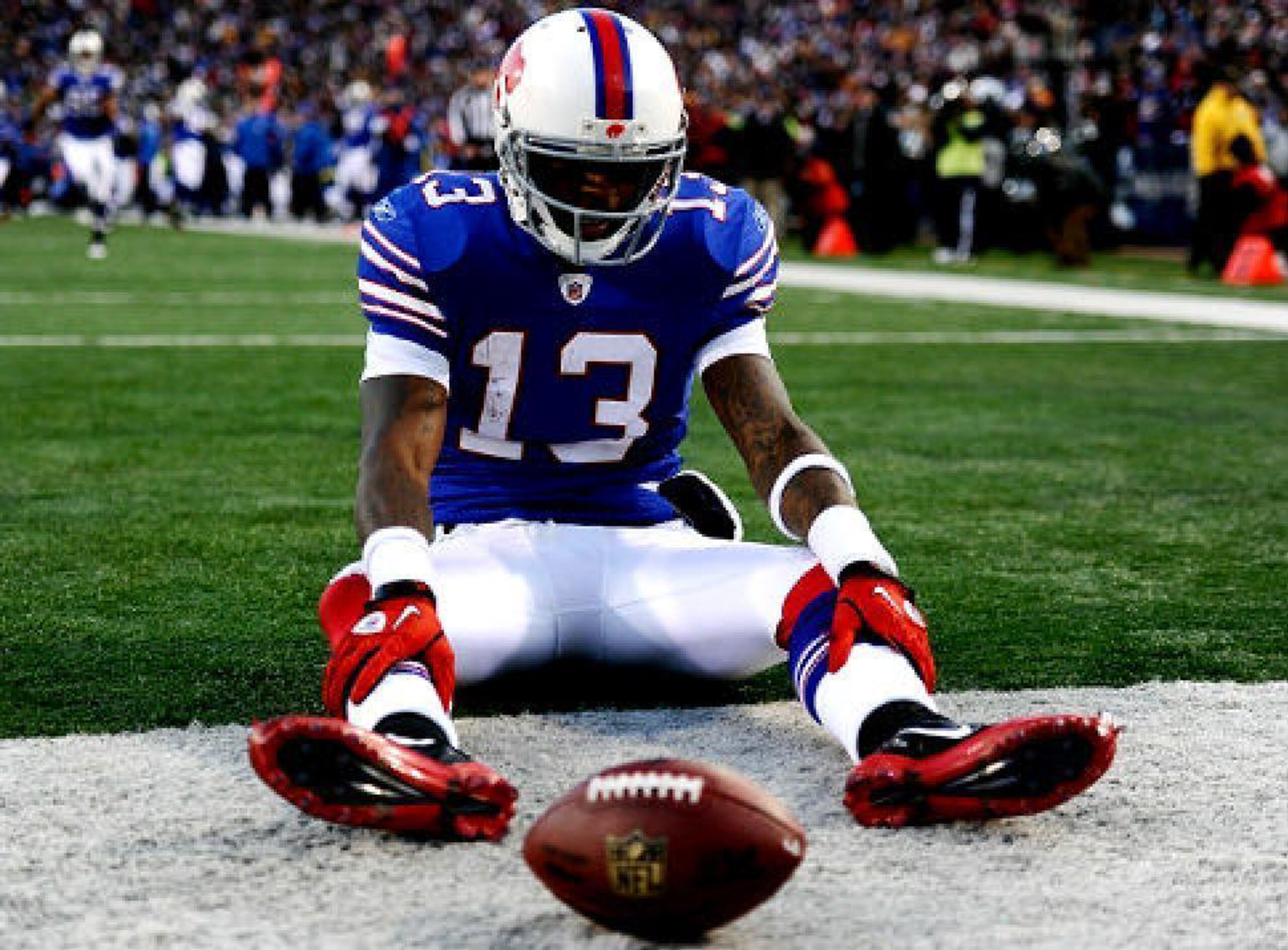
If you’re fascinated by athletes going off the rails, Twitter is a veritable gold mine of misguided outbursts and regrettable statements. Twitter is also a great place to gain insight into how an athlete handles adversity.
While still a member of the Buffalo Bills in 2010, San Diego Chargers wideout Steve Johnson dropped a perfectly thrown pass in the end zone during overtime against the Pittsburgh Steelers; the catch would have sealed the victory for the Bills.
Being the guy who dropped the game-winner is a tough and lonely place to be, so Johnson chalked it up to the divine providence—a strategy that is as old as mankind itself. And he used Twitter as platform to express his exasperated resignation with God (in ALL CAPS no less):
"I PRAISE YOU 24/7!!!!!! AND THIS HOW YOU DO ME!!!!! YOU EXPECT ME TO LEARN FROM THIS??? HOW???!!! ILL NEVER FORGET THIS!! EVER!!! THX THO...
"
At Their 'Madden NFL' Rating
8 of 10The marketing campaign leading up to the release of EA's newest Madden NFL game has evolved into an annual spectacle—a true sports-pop culture phenomenon. Many of the NFL athletes in the game count themselves among the devoted Madden players who get caught up in the hype. But one aspect of the game is always contentious among the NFL players featured in the video game: their ratings.
Madden ratings dictate how the virtual NFL player performs in the game, with attributes like the ability to break tackles and quarterback accuracy. And as you can see in this clip, there is a disconnect between how the real players evaluate their abilities and what the developers at EA concluded.
No one wants to be a virtual chump in a video game, but no one in the record books ever had an asterisk by their name because of a Madden rating.
At All the 'Haters'
9 of 10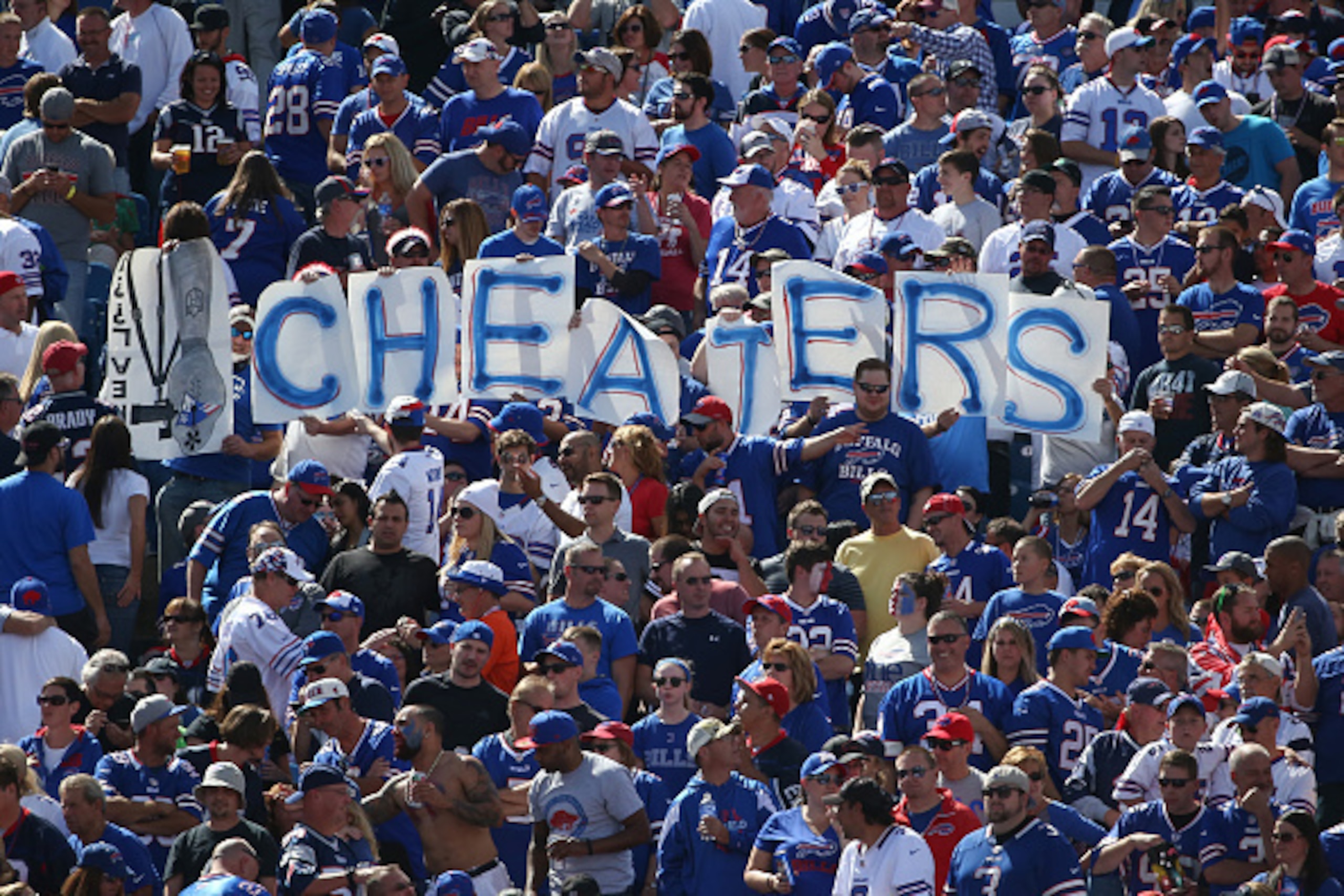
"Hater" is a generic, 21st century term for any person who isn’t impressed by what you have to say, or is otherwise critical of you. And though some people may have a real hater or two in their life, the term is effectively just a blanket dismissal of thoughts and opinions that someone perceives as negative—especially via a social media app like Facebook or Twitter. Why step back and evaluate the situation when you can block all the haters in your life?
Athletes are no different and have leaned on all the haters—real or imaginary—as a nebulous scapegoat for criticism. The cycle usually starts when an athlete posts thoughts and/or pics that provoke a social media backlash, leading to the hater dismissal punctuated by a flurry of hater-related hashtags. It’s a futile exercise guaranteed to drive more hater traffic in your direction.
At Participation
10 of 10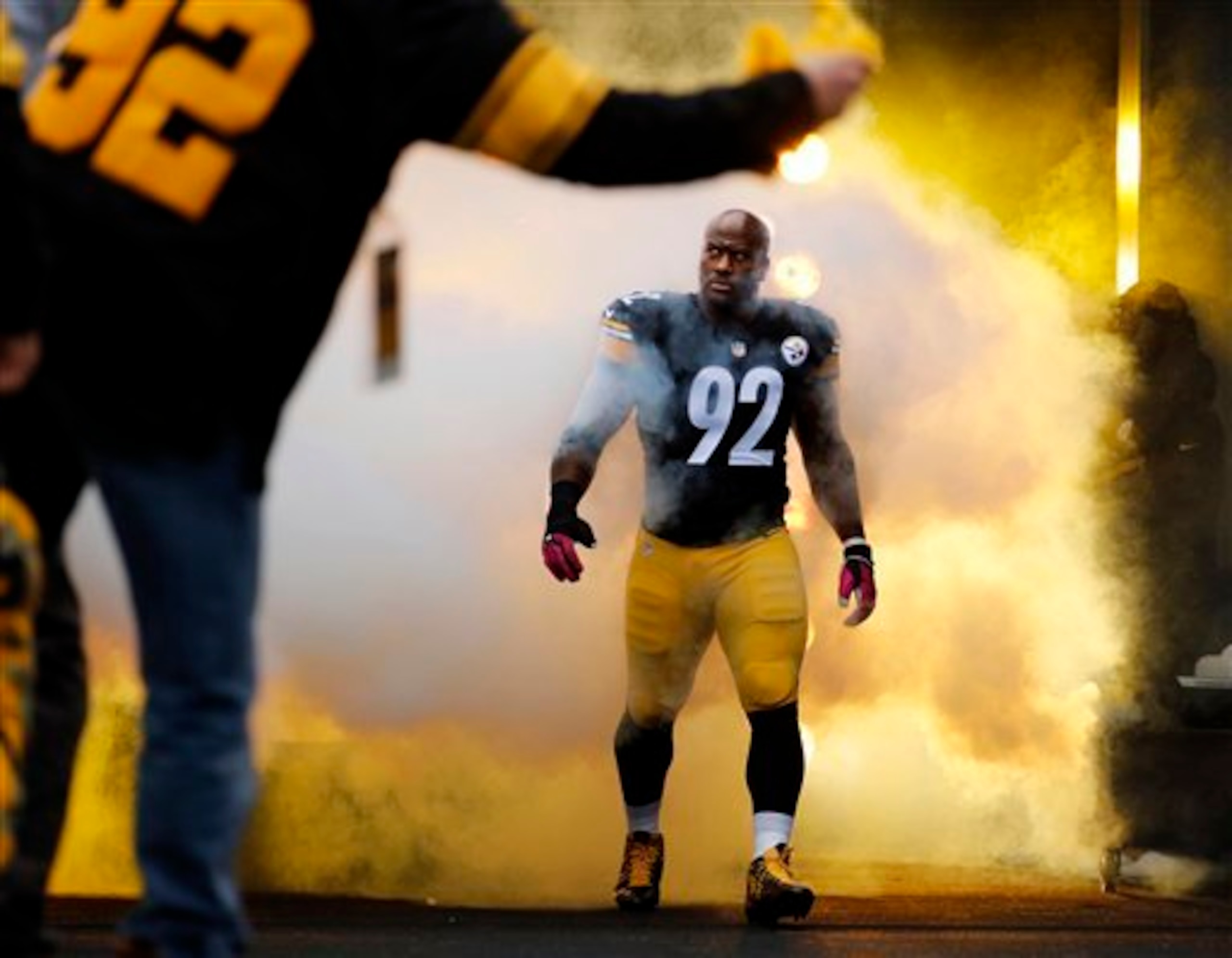
The relationship between sportsmanship and competition has always been a tenuous one, especially in the world of youth sports. The overwhelming drive to win that exists at the highest levels of competition inevitably trickles down into recreational sports, and even something as innocent as a game of pickup basketball.
No one wants to lose, but for some individuals, the desire to win makes all of the other potential benefits of playing a sport irrelevant. Pittsburgh Steelers linebacker James Harrison proved as much when he made headlines after posting a diatribe on Instagram about his two sons receiving participation trophies at a football camp.
.jpg?w=2560 "NFL Paris Football")

.jpg?w=2560 "Trevon Diggs Cut by Seahawks")