Why Valtteri Bottas Will Be the Driver to Watch at the 2015 Russian Grand Prix
In the final moments of qualifying at last year's Russian Grand Prix, the Sochi Autodrom became a four-corner racetrack in the eyes of Valtteri Bottas.
He had been quickest in the first sector and faster than anyone in the second, but it would be those irritating, 90-degree, final four turns of this 18-corner circuit—one to the left, three to the right—that would decide whether Bottas would claim his first pole position in Formula One.
At the exact moment he needed to keep his driving neat and tidy, however, one of F1's most consistent, reliable performers did anything but.


.jpg?w=2560 "Colts Football")
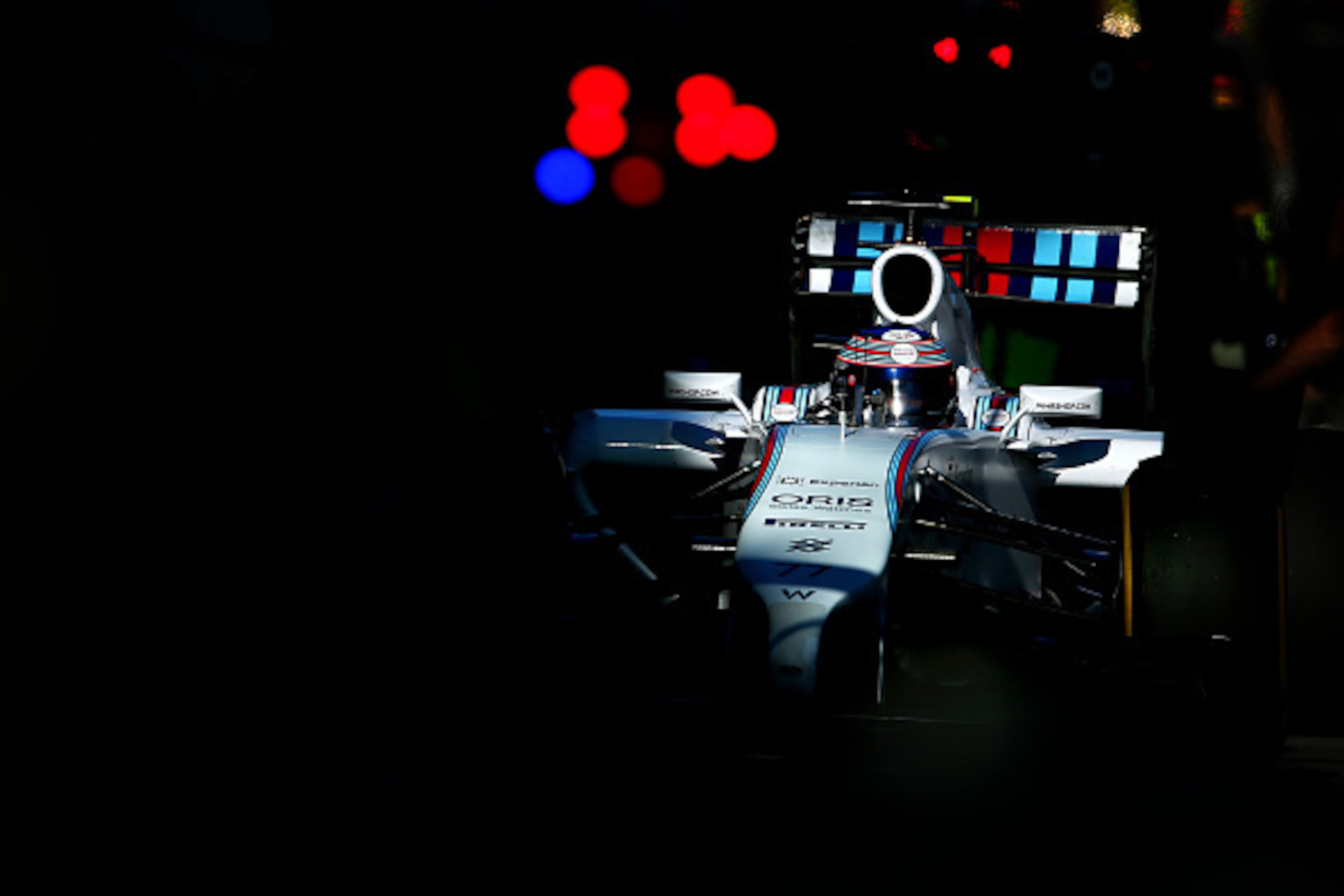
Running wide on the exit of Turn 15 compromised his entry into Turn 16, with a twitch of the rear losing Bottas further momentum on the short straight toward the penultimate corner.
A front-right lockup at Turn 17 left him frantically sawing at the steering wheel to keep his car on track as his peers were stabilising theirs, and he could only aim and hope as he entered the final corner, missing the apex and running off the circuit.
The Williams FW36, the car he had jostled with such confidence around Sochi barely a minute earlier, had suddenly become his worst enemy.
And rather than sweeping across the finish line, Bottas staggered and stumbled.
The result? A potential pole became a deficit of 0.407 seconds, per BBC Sport, as Bottas was forced to settle for third behind the Mercedes' of Lewis Hamilton and Nico Rosberg.
Initially, this felt no different to his missed opportunity in the Australian GP, where he clouted a barrier and suffered a puncture and cost himself a probable podium finish, or his mistake in Q3 in Austria, where an off-track excursion gifted pole position to his team-mate, Felipe Massa.
In other words, it felt like an error typical of a young racing driver, someone still adjusting—and still vulnerable—to the demands and pressures of competing at the very front of Formula One.
Yet it soon became clear—as Bottas, according to an emailed Williams press release, per Sky Sports, explained how he "took a bit too much out of the tyres in the first two sectors"—that it was nothing more, nothing less than a calculated risk.
Having been the only threat to Mercedes throughout qualifying, it seemed the 26-year-old took the decision to rag his car and punish the tyres around the first two sectors and hope the FW36—which, in any case, was bound to struggle in the tighter, twistier Sector 3—would hang on at the end of the lap.
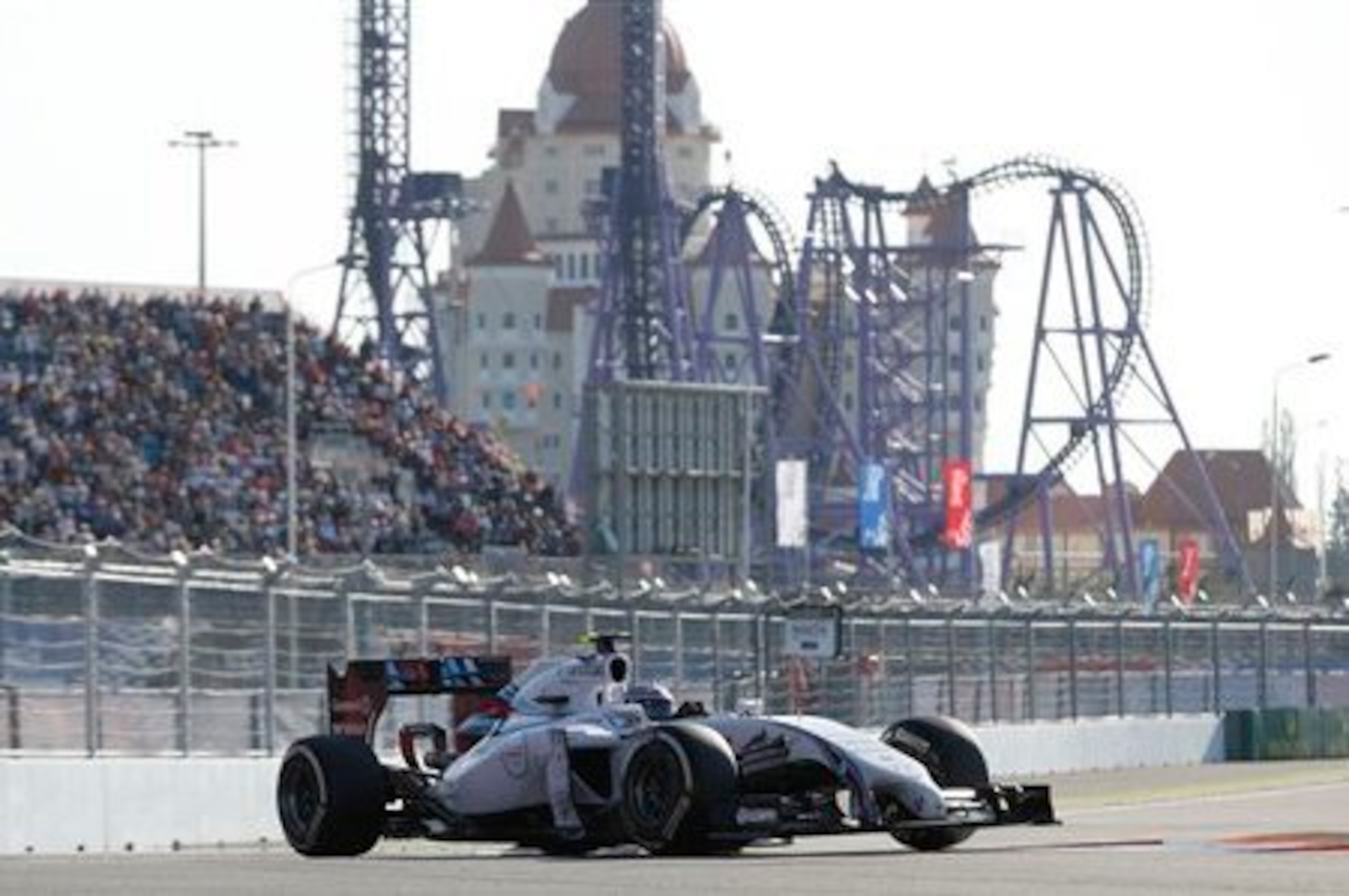
The worst outcome would have been third, but the best-possible result would have been one of the most-spectacular pole positions of the 2014 season and, indeed, modern-day F1.
And although the plan backfired, Bottas—who reinforced his speed the following day by securing his first-ever fastest lap—displayed a certain aggression he had rarely shown until that point and, in truth, has never shown since.
F1's return to the scene of the most-confident, complete performance of his career, therefore, should offer a strong indication of just how much Bottas, the racing driver, has changed over the last 12 months.
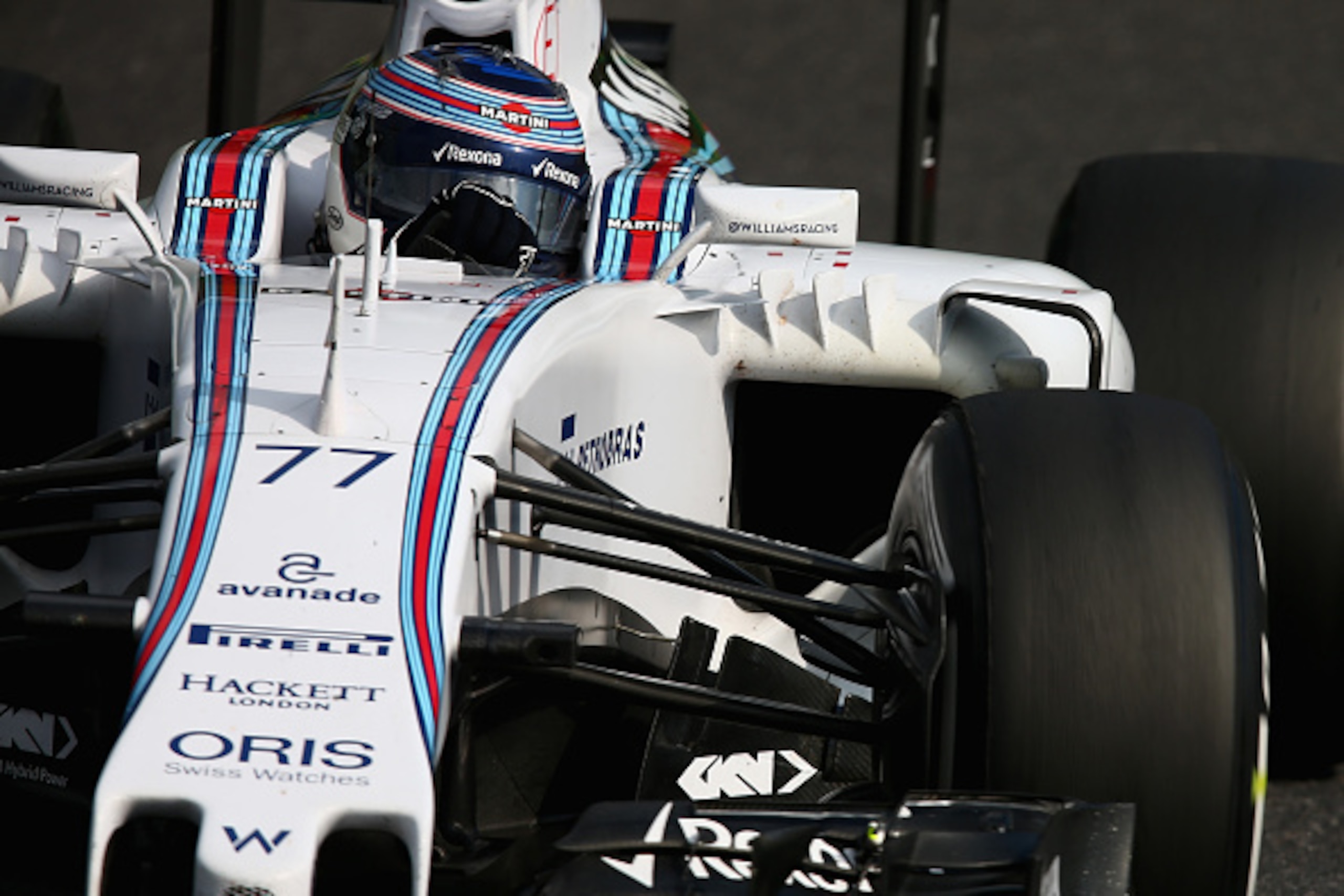
Regarded alongside Daniel Ricciardo as a world champion in waiting at this stage a year ago, he is now Williams' answer to Nico Hulkenberg—someone who, if offered title-winning machinery, would probably get the job done, but is no longer as convincing as he could and, perhaps, should be.
His development, as noted following September's Italian GP, appears to have stalled and Bottas, in many ways, has become an embodiment of his team's motor-racing philosophy.
Since their re-emergence as a major force at the beginning of 2014, Williams have been defined by their conservatism.

The team have often evaded opportunities to win races in favour of cementing their position in the constructors' standings and entering each grand prix, as Rob Smedley told their official website, simply "looking to reduce the gap to the teams in front and extend the gap to the teams behind."
Bottas is adept at playing the percentages and extracting as much as possible from a grand prix weekend, with the Finn recording nine top-five finishes in 13 starts in 2015.
But that consistency has blunted his competitive, racing instincts—see Hamilton's unobstructed pass on Bottas on the first lap at Silverstone, or Rosberg's overtake on the Williams driver at Suzuka—to the point where it is difficult to envisage him making another ambitious assault on pole position if he found himself in a promising position this weekend.
With this year's FW37 chassis retaining many of the characteristics of its predecessor, Williams are likely to be competitive at a venue where Mercedes-powered cars finished in the top five in 2014.
And while Pirelli's decision to use softer compounds at the second Russian GP should theoretically hurt the team, Williams' respectable performance on the soft and super-soft tyres at the recent Singapore GP—Bottas qualified seventh and finished fifth—suggests they have eradicated their early season issues.
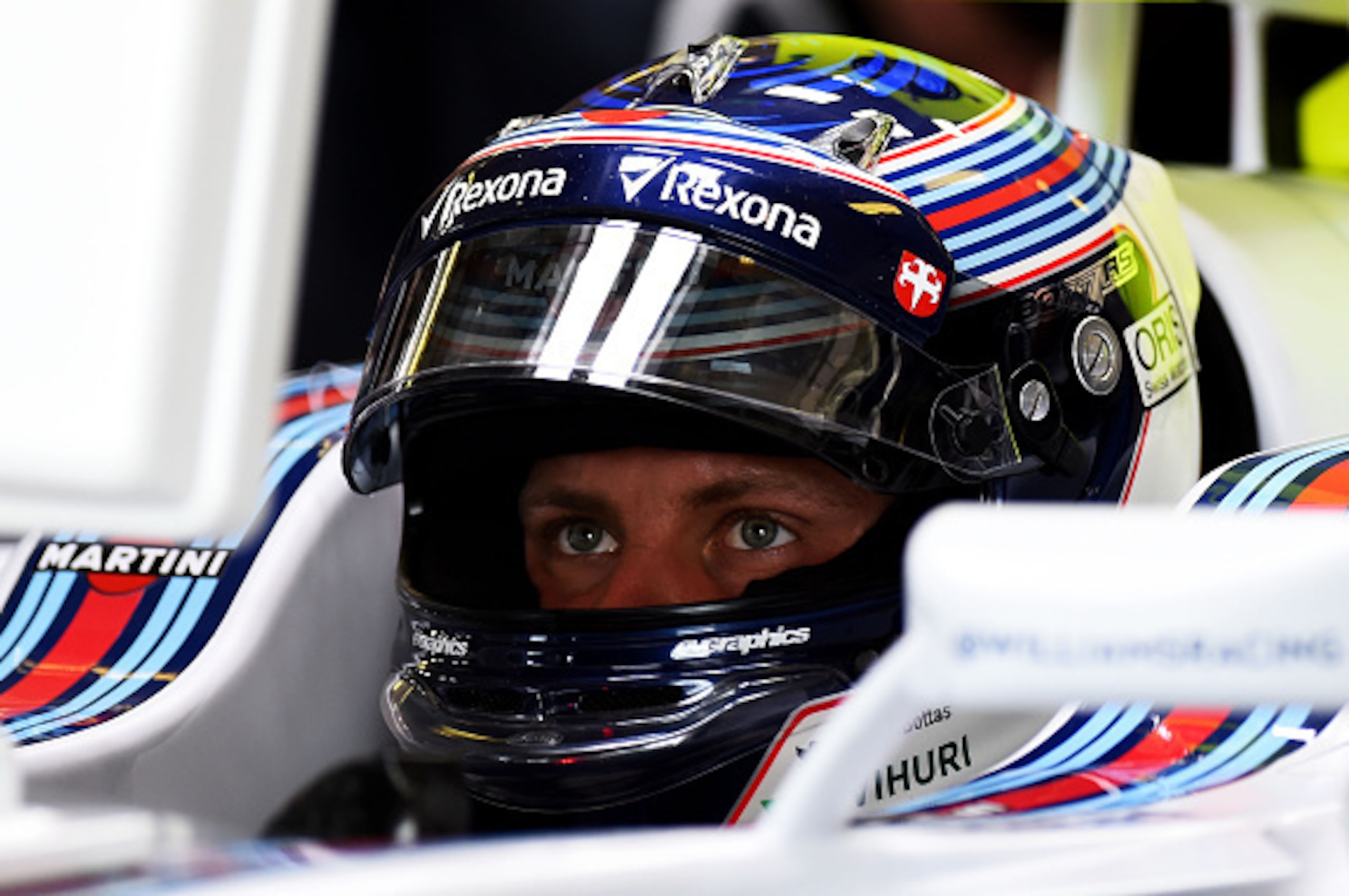
The one question mark hanging over Williams' weekend, in fact, is just which Valtteri Bottas will roll out of the Sochi pit lane: The adventurous, unperturbed talent who took on the might of Mercedes and very nearly succeeded, or the tame, trudging plodder who exists to add points to his team's tally?
The answer may reveal where Bottas really stands at this stage of his career.
.jpg?w=2560 "NFL Paris Football")

.jpg?w=2560 "Trevon Diggs Cut by Seahawks")