5 Players England Must Pick in the Post-World Cup Era
The Pool stage is not yet over and the hosts are out.
But the English corpse must twitch back into life in Manchester on Saturday to finish the job before it can be buried once and for all.
Uruguay have a front row seat at the funeral of England’s World Cup campaign, and must feel like intruders on a very public grief.

.jpg?w=2560 "Colts Football")

Once the game is out of the way, English rugby’s hierarchy must begin looking for the answer to the biggest question of the lot: What now?
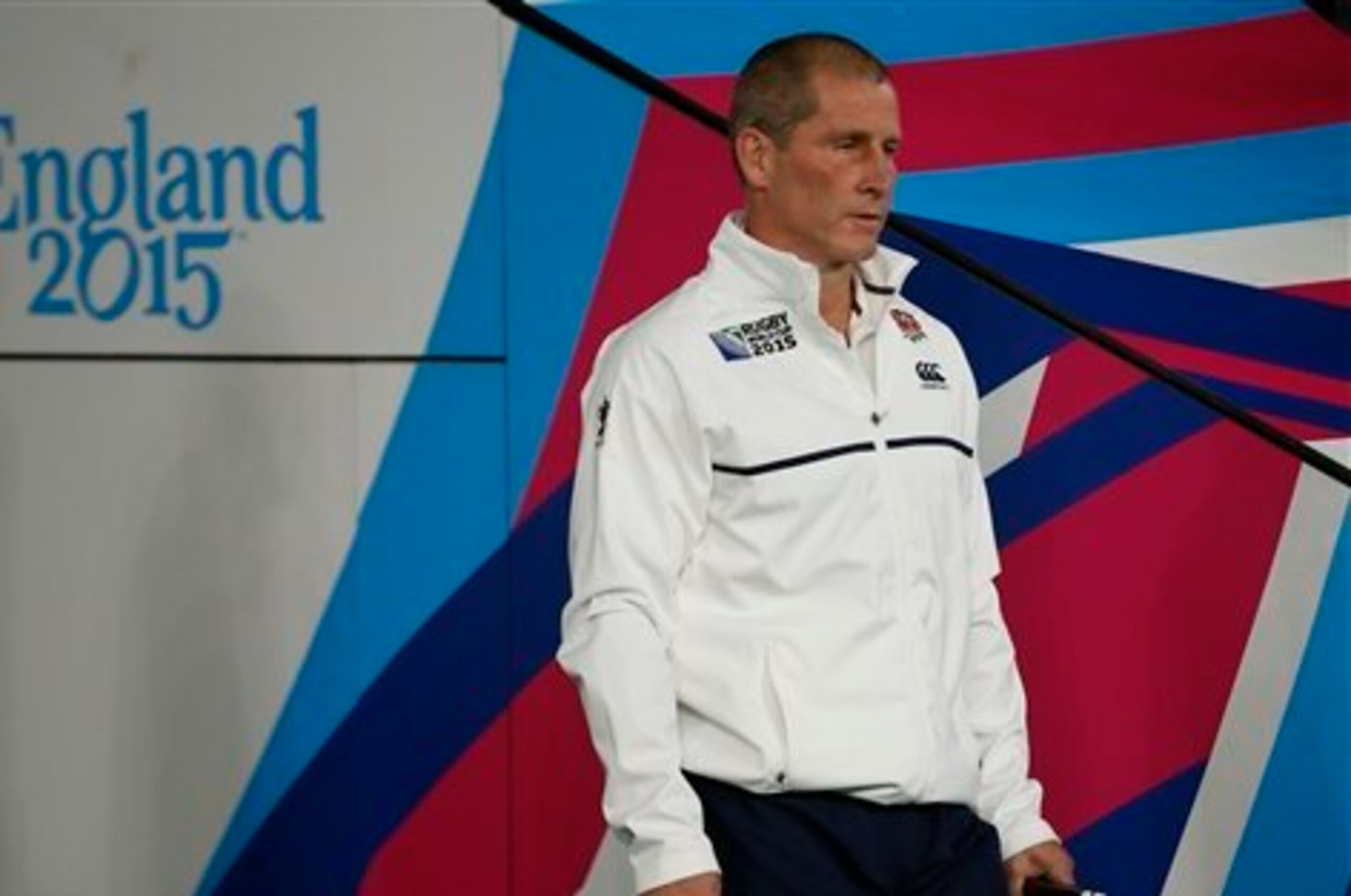
One of the biggest criticisms of Stuart Lancaster has been his selection.
From the French-based players ignored to the faith put in a callow rugby-league convert and the panicked dropping of George Ford; These examples add to a catalogue of inconsistencies during Lancaster’s reign that have left England no nearer knowing their best team than they did when he took over.
The review will take its course and the investigations will continue, but the conclusion must ultimately be that a change is gonna come, both in the coach and in the players used.
In terms of the man at the helm, the debate will doubtless ensue as to whether it’s vital he is English, or more important that he has a track record of success wherever he has been.
And that, Stephen Jones of the Sunday Times insisted on BBC 5 Live, must consist of more than just Leeds.
That search will get under way soon, and there is far from an obvious candidate who ticks all the boxes. But the same cannot be said for the players England must turn to. Here are five men who must start when England run out in Edinburgh on February 6 to start the 2016 Six Nations.
Steffon Armitage
England’s refusal to pick Armitage was eventually shown to be disastrous against Australia, who had two players in the mould of the Toulon man who terrorised the home side at the breakdown.
Armitage, 30, has had a stint in the national side before, and it didn’t go spectacularly well, but the game has moved on, and the No. 7 position has become the key position on the field.
England decided not to go for a specialist in that jersey, and have ended up being punished for it. Time to change philosophy.
It’s not even so much a fixation with Armitage—he is doing what he’s doing behind the biggest, meanest pack in Europe, let’s not forget—England just need a player of his ilk.
Matt Kvesic is the closest England came to a like-for-like player, and he was rubbed off the list long before Lancaster got down to his final 31.
Henry Slade
Exeter man Slade was picked in the squad, then given no time at all on the field. This despite shining in England’s first warm-up game against France.
In truth, he should have been given a chance in the side much earlier. Slade is a natural footballer who can slide along 10, 12 or 13 comfortably.
The 22-year-old is not a banger, not a heavy hitter, and England must surely wake up to the fact that picking such players does not get them anywhere against the best sides in the world.
Pick Slade at No. 12 and see what he can do alongside Jonathan Joseph of Manu Tuilagi.
George Ford
The more you think about it, the more ludicrous the decision to drop Ford for the Wales game seems.
The Bath No. 10 was the architect of England’s win in Cardiff during the Six Nations, and shone in a win over the Wallabies the previous autumn. The World Cup hosts had begun to score tries for fun with Ford at the tiller.
And for some reason, when England reached the crunch phase of their World Cup campaign, they backed away from that approach, and picked a midfield trio for how they could defend, not for what they offered in attack.
When Ford, 22, was brought on at half-time against Australia, he immediately got England going forward with his natural passing game and positional sense.
Dylan Hartley—and make him captain
Another decision that now looks hugely questionable is the call to jettison Dylan Hartley on the grounds he was banned for just the opening game against Fiji.
The Northampton hooker’s overall disciplinary record was used by Lancaster as the basis for the decision, citing the red-hot heat of battle coming England’s way and wondering whether it would be too much for the 29-year-old’s short fuse.
But Lancaster lost more than a player with a patchy history.
He lost his best lineout thrower and, as Worcester coach Dean Ryan explained on Sky Sports, was therefore forced to pick Geoff Parling rather than Joe Launchbury to ensure Tom Youngs didn’t go wayward with his throwing.
Hartley's missing strength at scrum time also impacted on England, as Ryan explained:
"We then ended up in scrums when we had to play the ball where we have always got a penalty and kicked for touch and then got the drive on. By playing the ball we are then highlighting the fact that we have not got a cohesive midfield.
"
He also lost a player with over 50 caps from a side which could ill-afford to shear off that sort of experience if it had any hope of winning the World Cup.
As for the captaincy? Why not? Martin Johnson did not walk around with a halo hovering over his sizeable melon, and neither did Lawrence Dallaglio.
Talk of handing it to Joe Launchbury is premature, just when England have discovered a lock with the sort of work rate and influence on a game Paul O’Connell and Simon Shaw exerted in their pomp.
Now is not the time to burden him with the decision making that metaphorically paralysed Chris Robshaw.
Maro Itoje
Itoje is already an England captain in waiting, and if Hartley is perceived to be too much of a risk, why not hand the young Saracen the job right now? He led the Under-20 side to the World Cup in 2014 and has already skippered Saracens.
Will Carling was 22 when Geoff Cooke gave him the job, remember. Itoje, 20, was involved in the wider squad but got no further on account of his lack of experience.
Now is the time to make the next step for a player who has all the natural physical attributes for international rugby. Perhaps a season or two under Hartley and Itoje would be ready to assume the top job.
.jpg?w=2560 "NFL Paris Football")

.jpg?w=2560 "Malik Beasley Negotiating Plea Deal (AP)")