

Strengths and Weaknesses for Every NHL Team in 2015-16 Season
Drop the puck already.
It seems like it's been a long summer, and with hockey set to start in a matter of days, the excitement is building.
Because of the parity of today's league, there could be plenty of surprises this season. We'll take a look at the strengths and weaknesses for all 30 teams in this slideshow to get you thinking about who might improve and who still has things to fix.
Hint: There's no such thing as a perfect team.
Now, every team has multiple strengths, and even the best squads have more than one perceived weakness, so there are plenty of options to consider. We've listed the candidate on both the pro and con sides that stands out the most when looking at every team and what it has done in the offseason.
Read on to see the judgment for your team and feel free to judge me and offer your own picks in the comments.
Anaheim Ducks
1 of 30
Strength: Depth…everywhere
Offense, defense, even in goal where three NHL goalies battle for a couple of positions—the Anaheim Ducks have a ton of depth. There’s a reason they finished with the best record in the Western Conference and were just four points behind the New York Rangers for tops in the league. They have elite stars in Ryan Getzlaf and Corey Perry, and there is a lot of support behind them as well with Ryan Kesler as a prototypical second-line center.
Weakness: Goaltending
This is going to be a controversial section right off the top with many people looking at Frederik Andersen’s stats from the 2015 playoffs and suggesting the goalie was just fine. But his shaky play against the Calgary Flames actually had many watching the second-round series—myself included—feeling he was just one more bad goal away from getting the hook in favor of John Gibson. I’m not sold he will be a true No. 1 who can win a title with the talented Ducks.
Arizona Coyotes
2 of 30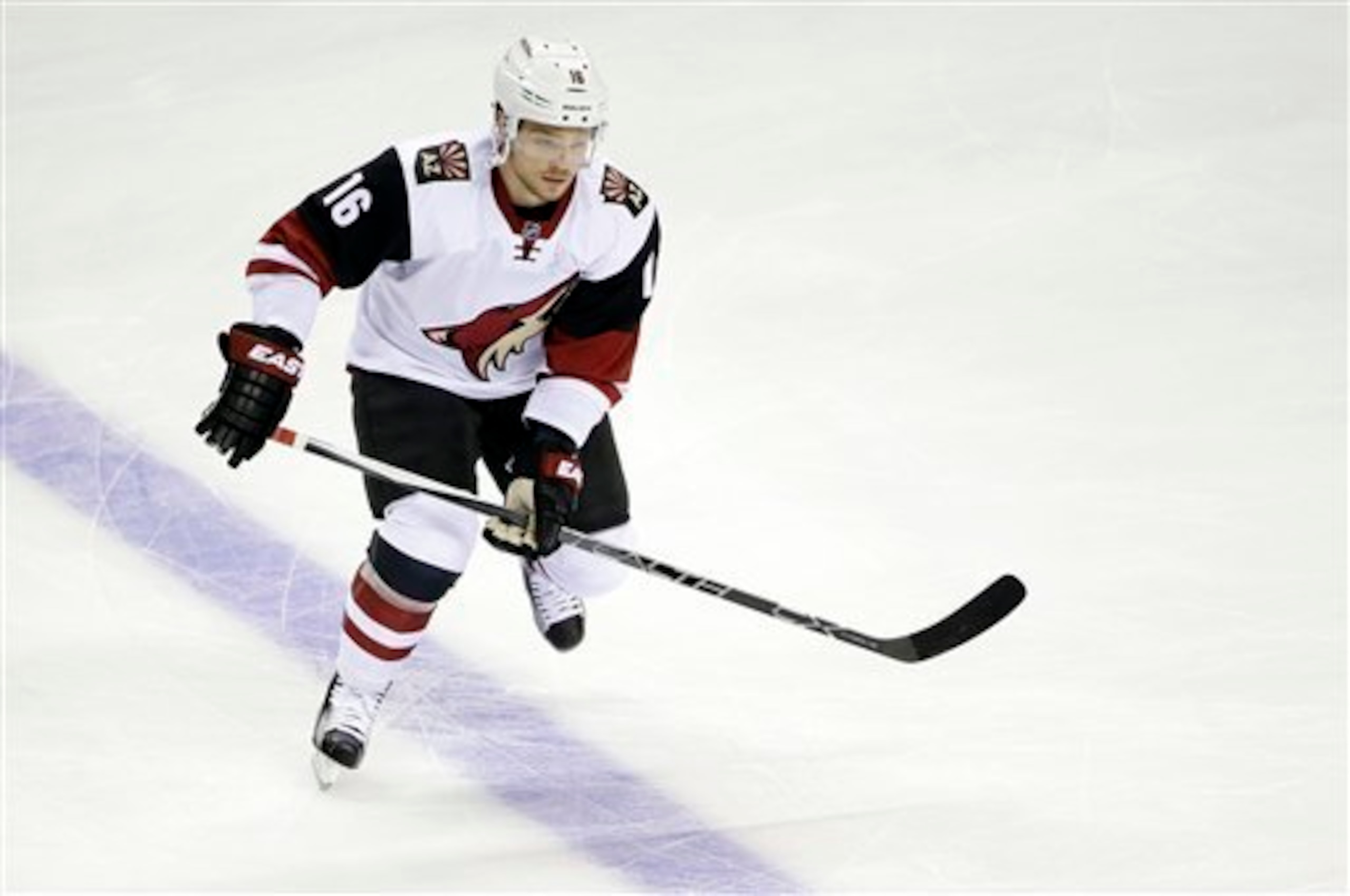
Strength: Youth movement
With Max Domi, Anthony Duclair and Tobias Rieder all looking at prominent roles in the top-nine forward group, the Arizona Coyotes will enjoy some youthful enthusiasm and speed in the lineup this season. It’s a much-needed element for a team that has been struggling with developing an identity for years and a crowd base that needs something to latch onto.
Weakness: Defense
Not only will the young guns have growing pains defensively, but the group of defenders behind Oliver Ekman-Larsson is lackluster at best. The Coyotes brought back Zbynek Michalek in free agency, but he is more suited to a five/six role than a top-pairing blueliner. They signed Nicklas Grossmann for his veteran presence as well, but his best years are well behind him. The team will miss Keith Yandle this year in a big way.
Boston Bruins
3 of 30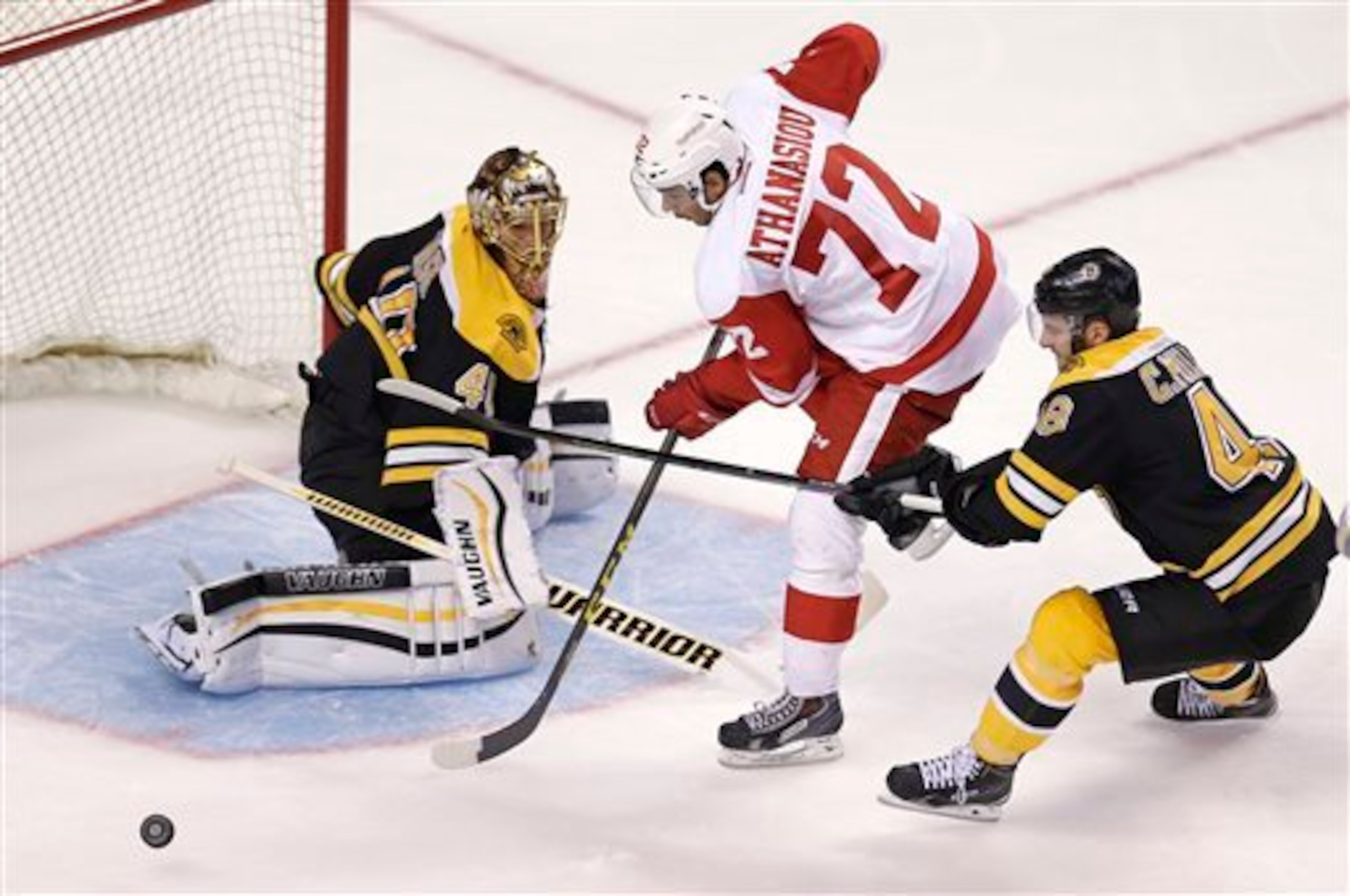
Strength: Goaltending
I fully expect goalie Tuukka Rask to bounce back to Vezina-worthy form after an inconsistent season took him below his stellar career averages statistically. Even with the drop in numbers, he was still among the league’s better ‘tenders and finished with 34 wins.
Weakness: Defensive depth
The potential for Zdeno Chara’s slow decline is pretty high now that he’s had some injury difficulty. Dennis Seidenberg (34) is also getting long in the tooth, and with the departure of Dougie Hamilton, Torey Krug is the lone potential star youngster in the lineup. The top six is rounded out by Zach Trotman, Kevan Miller and Adam McQuaid. Are you underwhelmed?


Buffalo Sabres
4 of 30
Strength: Potential at forward
With Sam Reinhart and Jack Eichel joining the remade Buffalo Sabres this year, there is a lot to like among the forward ranks while looking ahead to the future. The future success may be a few years away still, but the anchors of this group are teenagers and 20-somethings with a whole lot of upside.
Weakness: Chemistry
Not only are the young kids looking to crack the NHL for the first time, but a bunch of newcomers are looking to find a way to jell this season after Buffalo shook things up with some key trades in the past seven months or so. Evander Kane was a distraction in Winnipeg. Ryan O’Reilly has had off-ice difficulties this summer. Returning Sabres will be playing with new-look linemates across the board.
Calgary Flames
5 of 30
Strength: Dynamic defense
When healthy, you can rank the Calgary Flames defensive group as arguably the best in the league with Mark Giordano and T.J. Brodie, Kris Russell and Dougie Hamilton, and Deryk Engelland and Dennis Wideman forming a formidable top six. Brodie is hurt to start the season, but it isn’t too serious; once he’s back, that group is going to do some serious damage on the scoresheets. Minus Engelland, they are all mobile two-way players with power-play potential.
Weakness: Experience with expectations
The Flames were a plucky bunch with little pressure last year before surprising everyone and making the playoffs—and then winning their first round since 2004 for good measure. This year, the team’s fans and some of the skeptics they’ve won over will be expecting a fight for the playoffs. That means pressure the team didn’t have in the locker room a year ago. How they focus could determine their playoff fate. They casually came back from a lot of deficits last year, feeling there was nothing to lose.
Carolina Hurricanes
6 of 30
Strength: Justin Faulk
If there was one huge positive from last season, it’s that defenseman Justin Faulk developed into one of the league’s most impressive defensemen and gave the Carolina Hurricanes a cornerstone for the blue line. They added veterans around him such as James Wisniewski and Ron Hainsey before the team goes into total rebuild mode—something that will be sparked by the dealing of captain Eric Staal. Faulk is a gem the team can build around.
Weakness: Goal scoring
The Hurricanes were done in by a dismal offense last season thanks to a decline in Eric Staal’s play and a subpar supporting cast. Not much has changed, unfortunately, and the fifth-worst offense isn’t likely to make any major jumps forward even with better seasons from Staal and brother Jordan or youngsters Jeff Skinner (23) and Elias Lindholm (20).
Chicago Blackhawks
7 of 30
Strength: Stars
While it is true the Chicago Blackhawks parted ways with some special parts of their last two Stanley Cup championship teams—saying goodbye to the likes of Patrick Sharp, Johnny Oduya and Brandon Saad—they have retained the guys who are game-changers: Patrick Kane and Jonathan Toews up front and Duncan Keith and Brent Seabrook on the back end. The guys coming in to replace Saad and Sharp have plenty of potential to grow into those kinds of big roles as well.
Weakness: Salary-cap situation
According to GeneralFanager.com, the Hawks are still tight against the cap with little breathing room even after a summer spent shedding wages. They’ll need a healthy roster all season long in order to avoid potential pitfalls there.
Colorado Avalanche
8 of 30
Strength: Improved top four on defense
Defense has been a glaring weak spot for years on this Colorado Avalanche team. Trading for Nikita Zadorov and signing Francois Beauchemin as partners for Erik Johnson and Tyson Barrie gives the group a shot at better possession numbers and some more responsibility in its own end—at least when it comes to Beauchemin.
Weakness: Centre depth
Trading Ryan O’Reilly might have become a necessity for team chemistry, but it left the Avs with a huge hole down the middle. O’Reilly was a Selke-type player who could chip in offense but also play a sound defensive game. The signing of Carl Soderberg helps, but with Mikhail Grigorenko and John Mitchell as the third- and fourth-line centers, respectively, it’s a spot that takes a hit. Nathan MacKinnon could move there over time, but the team wants to bring him along as a winger first if possible.
Columbus Blue Jackets
9 of 30
Strength: Starting at full strength
In terms of key roster moves, the Columbus Blue Jackets made one big addition in Brandon Saad. But it will feel like a brand-new team thanks to having a full complement of regulars healthy after a year littered with injuries last season. The depth of the Jackets is incredible up front and has plenty of scoring potential through all four lines.
Weakness: Unproven defense
No changes came on the back end that will affect the top six blueliners this season, so the Blue Jackets are relying on the same crew that allowed the sixth-highest total against last year. David Savard and Ryan Murray should benefit from added experience but need more seasoning to make the team a real contender.
Dallas Stars
10 of 30
Strength: Elite scoring
With Tyler Seguin and Jamie Benn supported by Patrick Sharp and Jason Spezza, the Dallas Stars are going to be hard to top as the best offense in the NHL this season. They were just two goals off the pace set by the Tampa Bay Lightning a year ago and added Sharp in a big offseason deal with the Chicago Blackhawks to bring in even more firepower.
Weakness: Defensive question marks
The Stars made an effort to shore up the blue line with the addition of Johnny Oduya in free agency. But the top four will be reliant on sophomore John Klingberg showing he is as good as his rookie season suggested. It will also need to see improvement from Jason Demers to be considered improved after dealing away Trevor Daley after a career year.
Detroit Red Wings
11 of 30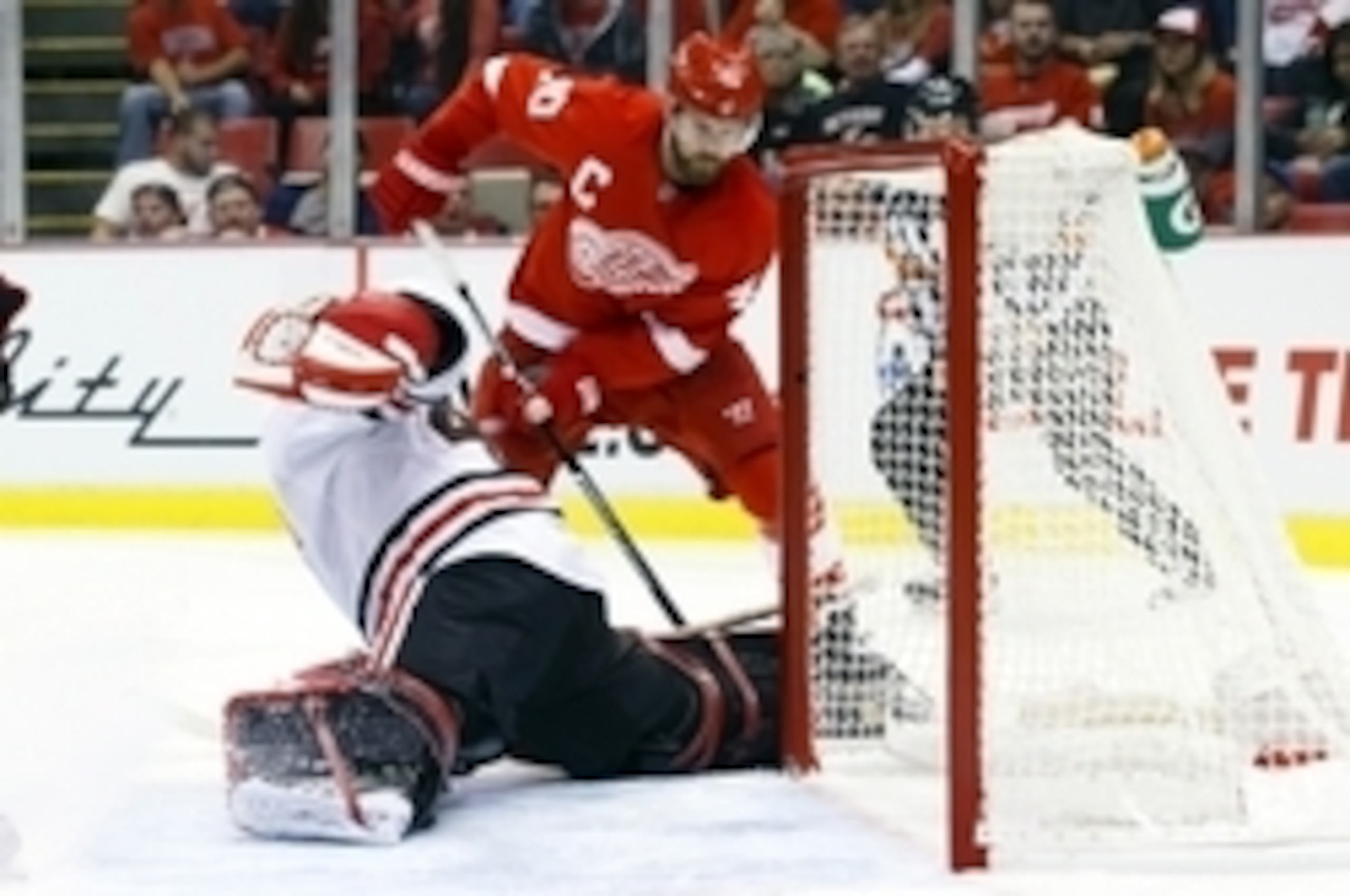
Strength: Goaltending
The emergence of Petr Mrazek in the playoffs was a great thing to see in Detroit. The Red Wings now have two potential starters with the sophomore and veteran Jimmy Howard, and they can run a platoon that sees competition lead to the hot player holding the crease.
Weakness: Injury-prone stars
It’s one thing to have either Henrik Zetterberg or Pavel Datsyuk out. It’s another entirely when both are out of the lineup at the same time. Datsyuk had offseason ankle surgery and will not be ready to start the season. Zetterberg has had back troubles and scored just a pair of goals in his final 19 games last season. There are players ready to fill in offensively at some point, but hurrying them along isn’t an ideal situation, so the health of Datsyuk and Zetterberg is important.
Edmonton Oilers
12 of 30
Strength: Top-end forward talent
Talent is not something the Edmonton Oilers lack with the likes of Taylor Hall, Jordan Eberle, Ryan Nugent-Hopkins, Nail Yakupov and now generational player Connor McDavid. The team needs the group to achieve its potential, however. The stockpiling of first-round and first overall picks has to pay off eventually.
Weakness: Defense and goaltending
Although the defense could be better with the addition of Andrej Sekera and Eric Gryba, they aren’t the kind of game-changing players the team needs at either end of the ice. Depth and talent are still questionable on the back end. Worse, though, is the idea of leaning on former Rangers backup Cam Talbot as the starter as he transitions from playing part time behind one of the best defensive groups in the league to full time behind one of the worst.
Florida Panthers
13 of 30
Strength: An exciting top line
The addition of Jaromir Jagr last season at the trade deadline propelled Jonathan Huberdeau to the best stretch of his young career. Reunited for a full season—assuming Jagr sticks around at the deadline with the Florida Panthers still in a playoff hunt—the numbers should improve for each of them. The 22-year-old Huberdeau had six goals and 21 points in the 21 games after Jagr joined the team last year.
Weakness: Special teams
Seventh-worst on the penalty kill at 80 percent and seventh-worst on the power play at 16.3 percent, the Panthers are in need of a boost in both areas to make a difference in the standings. Offensively, the team scored the sixth-fewest goals in the league, but that number can climb significantly with some more success on the man advantage. They were better defensively but can take some pressure off goaltender Roberto Luongo to deal with that workload.
Los Angeles Kings
14 of 30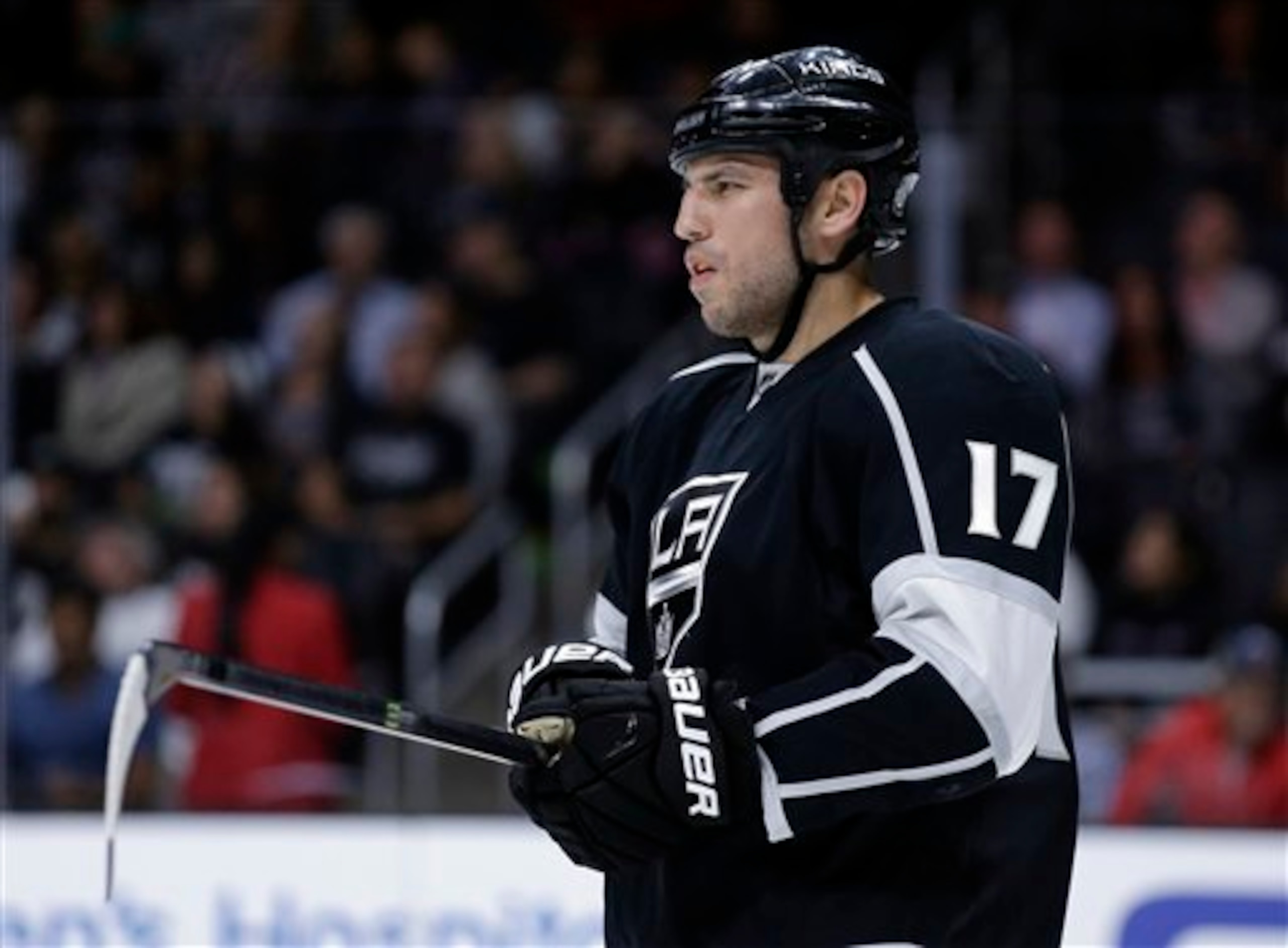
Strength: Rested restart
The Los Angeles Kings were among those named as Cup favorites by many heading into last season, but they had played a lot of hockey over the previous three seasons, winning Stanley Cups and losing out in the Western Conference Final in the other attempt. The physical play they value takes a toll on opponents but also their own bodies, and it appeared to catch up to them last winter. They should be back to bruising and as motivated as ever this fall.
Weakness: Streaky offense
The Kings have plenty of firepower with Milan Lucic joining Anze Kopitar and Marian Gaborik up front and the now healthy second trio—That '70s Line—formed by Jeff Carter, Tanner Pearson and Tyler Toffoli. But goals haven’t been the Kings’ priority on the ice under coach Darryl Sutter. And with the defense-first mindset, the team has been a middle-of-the-road scoring team. Justin Williams was L.A.'s fourth-ranked sniper, and he left in free agency, so Lucic needs to produce.
Minnesota Wild
15 of 30
Strength: Balance
The Minnesota Wild lack superstars up and down the lineup but boast plenty of positional depth and balance thanks to some young players who are beginning to contribute. Behind Zach Parise at forward and Ryan Suter on defense, a cast of role players and rising stars committed to playing team defense and making the most of their chances makes the Wild competitive.
Weakness: Goaltending wonder
As in one-year wonder. Can goaltender Devan Dubnyk repeat the spectacular steadiness he displayed down the stretch last year? Before he came around, the team was floundering and nowhere near the playoff picture. When your goaltender is your brightest star, it can make up for the lack of top-end talent at other positions.
Montreal Canadiens
16 of 30
Strength: Goaltending
It’s hard to beat Carey Price as the NHL’s top goaltender. What he did in a Hart Trophy-winning season was incredible with the Montreal Canadiens offense so atrocious and yet the defensive numbers up near the top of the league. The defense is good, but Price deserves the credit for the Habs again being a playoff team capable of doing damage in the spring.
Weakness: Goalie doesn't score
The aforementioned offense is abysmal, and although the team added a formerly lethal scorer in the offseason by signing Alexander Semin to a prove-it NHL contract for this season, he’s proved to be unreliable in the past. He scored just six goals last year before the Carolina Hurricanes bought out his contract. He’ll be motivated, but if Semin can’t add scoring punch, the team will rely too heavily on Max Pacioretty again.
Nashville Predators
17 of 30
Strength: Defensive corps
It doesn’t get much better than the Nashville Predators back end, with top pairing Shea Weber and Roman Josi able to produce points at an elite level but also keep the puck away from their own end. Furthermore, the drop-off behind the elite duo is not steep. Seth Jones and Ryan Ellis are another dynamic pairing with plenty of big years ahead. And adding veteran Barret Jackman to the mix with Mattias Ekholm was a solid addition to round out the top six.
Weakness: Lack of elite offense
The Preds were decent offensively last season thanks to a breakout by Filip Forsberg and bounce back by Mike Ribeiro, among other surprise performances. But big-name addition James Neal was disappointing in his first season in Music City, and the utter lack of star power up front means it’s tough to rely on the cast of scorers who did well enough last year but don’t yet have a proven track record of success.
New Jersey Devils
18 of 30
Strength: Up-and-coming defense
The New Jersey Devils have not had a great deal of success through the draft in recent years, but on the back end, things are somewhat promising. Former fourth-overall draft pick Adam Larsson finally showed real signs of progress last season, and youngsters Damon Severson and Eric Gelinas form a potential-laden second pairing.
Weakness: Old, stale offense
The Devils finished with the league’s third-worst offense last season. Only Michael Cammalleri reached 20 goals, and no player had more than 45 points. The long-in-the-tooth lineup was destined to fail, and unfortunately for the Devils, there aren’t many promising prospects waiting in the wings, either. At least not up front, where Patrik Elias (39) and Travis Zajac (30) seem as old as time.
New York Islanders
19 of 30
Strength: Skilled young forwards
John Tavares was edged for the NHL scoring title on the final night of the season back in May, and although there was a steep drop in points on the team behind the New York Islanders captain, plenty of young forwards with potential contributed to the league’s fourth-best offense. Ryan Strome and Brock Nelson are in their early 20s, and Anders Lee and Josh Bailey are both 25 and on the upswing of their careers.
Weakness: Special teams
Impressively, the team primarily did the offensive damage at regular strength. On the power play, the Isles clicked at a success rate of 18.7 percent, which ranked 16th in the league. Worse was the penalty killing, which was successful at shutting the opposition down just 78 percent of the time. That was the fifth-worst rate in the NHL.
New York Rangers
20 of 30
Strength: Defense
Looking to get back to the Stanley Cup Final for the second time in three seasons, the New York Rangers will rely heavily on a talented veteran group that may rank atop the league’s seven-man defensive units. On the left side, the Rangers have Ryan McDonagh, Marc Staal, Dan Boyle and newcomer Raphael Diaz. On the right, Dan Girardi, Keith Yandle and Kevin Klein provide a nice mix of puck movement and sound positional play.
Weakness: Salary-cap pinch
The Rangers are flirting with the cap ceiling. The wiggle room is around $800,000 heading into the season, according to GeneralFanager.com. This means very little flexibility in case of injury. It hasn’t been uncommon over the past few years to see teams in this kind of crunch suit up with a less-than-capacity roster because of these limitations.
Ottawa Senators
21 of 30
Strength: Spread-out production
The Ottawa Senators had five 20-goal scorers last season, and both Bobby Ryan (18 goals) and Clarke MacArthur (16) got close as well. There is a great deal of talent among the young Sens forwards, and three of the four lines will have the potential to score on any shift. Mismatches will fall in the team’s favor at times because of the depth.
Weakness: Goaltending tandem unproven
The biggest reason for the Sens’ lightning-in-a-bottle finish was the goaltending of The Hamburglar, Andrew Hammond, down the stretch. He went 20-1-2 heading into the playoffs, pushing the team into the postseason. He signed a new deal in the offseason and should eventually take over top duties from veteran Craig Anderson (34 years old). But the team traded away Robin Lehner, who represented the backup plan with the aging Anderson's play tailing off and Hammond good only over a small NHL sample size.
Philadelphia Flyers
22 of 30
Strength: Power play
A third-ranked man advantage clicked at a 23.4 percent success rating last year with names such as Claude Giroux, Jakub Voracek, Mark Streit and Wayne Simmonds leading the charge. Giroux had more than half of his 73 points on the power play and led the league with 37 points on the man advantage.
Weakness: Five-on-five scoring
As good as the team was on the power play, it was brutal finding the net at full strength play. The Flyers' 138 goals at five-on-five were the sixth-lowest in the league ahead of only the Arizona Coyotes, Buffalo Sabres, New Jersey Devils, Carolina Hurricanes and Edmonton Oilers. Giroux had just 11 of his 25 goals at even strength.
Pittsburgh Penguins
23 of 30
Strength: Elite scorers
It’s hard to believe the Pittsburgh Penguins boast Sidney Crosby, Evgeni Malkin and Phil Kessel, three of the most electrifying offensive players in the league. But with the deal made to bring Kessel aboard, the Pens should jump up into the top offenses in the league this season. That will only be helped by the health of a dynamic blue line with Kris Letang and Olli Maatta back to full strength and sophomore Derrick Pouliot taking on a larger role.
Weakness: Defensive depth
The Pens lost a couple of solid veteran defensemen this offseason with Paul Martin and Christian Ehrhoff exploring greener pastures as free agents. So behind top pairing Letang and Maatta, you’re looking at the green tandem of Pouliot and Ian Cole, neither of whom can be mistaken for solid stay-at-home defenders. Rob Scuderi and Ben Lovejoy are more experienced but shouldn’t eat up much ice time outside of penalty killing and the occasional shift to give the others a break.
San Jose Sharks
24 of 30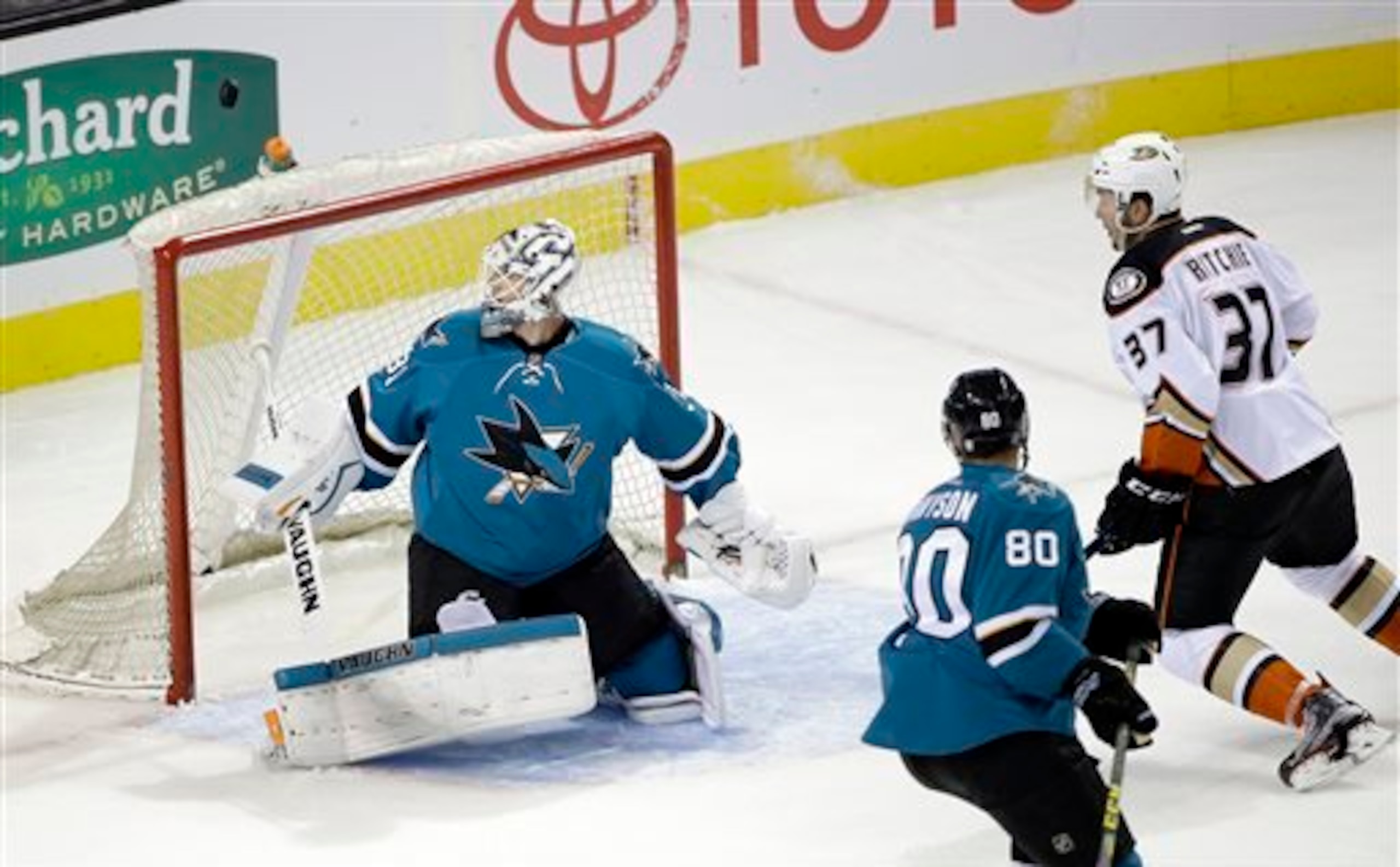
Strength: New leadership
Things didn’t go well for the San Jose Sharks last season, with no captain and the same old look both on the ice and off following a brutal bouncing from the 2014 playoffs at the hands of the Los Angeles Kings after the Sharks held a three-game lead in the best-of-seven series. A shake-up saw general manager Doug Wilson bring in new coach Peter DeBoer to see if he can’t get more out of Patrick Marleau, Joe Thornton and crew. It at least changes the dynamic and gives the Sharks players a shot at redemption.
Weakness: Is Martin Jones a No. 1 goalie?
The answer to the above question is yes, by default. We’ll soon see if the former Los Angeles Kings backup can rise to the challenge of being the go-to guy in Northern California, but it’s a big risk for the playoff-hungry Sharks to take, who sent their former top netminder Antti Niemi to the Dallas Stars and gave up a first-round pick for Jones.
St. Louis Blues
25 of 30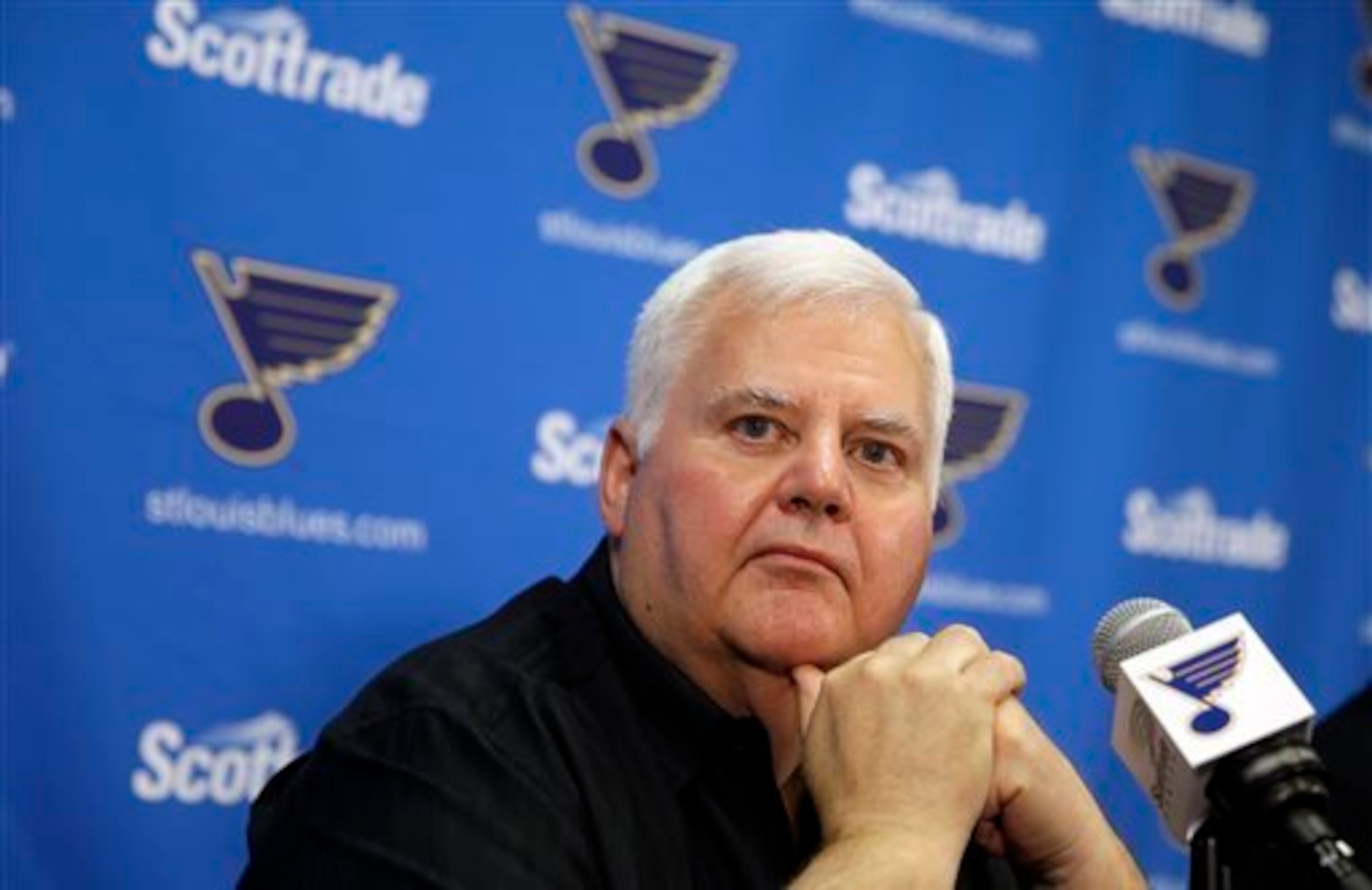
Strength: Top nine forwards
It doesn’t get much better than the St. Louis Blues when it comes to depth across the board, especially with the first three lines up front. Every trio has the potential to do some damage offensively once it goes over the boards, and the Blues finished near the top of nearly every team category a year ago at even strength and on special teams.
Weakness: Playoff pressure
For some reason, the Blues fail to live up to expectations when spring hockey rolls around. They have made the playoffs in four straight seasons but have won just one round—their first in 2012—in that time, losing the last four straight series. When that happens, the pressure mounts, and the players (as well as bench boss Ken Hitchcock) know this season is their last chance to prove they should remain together.
Tampa Bay Lightning
26 of 30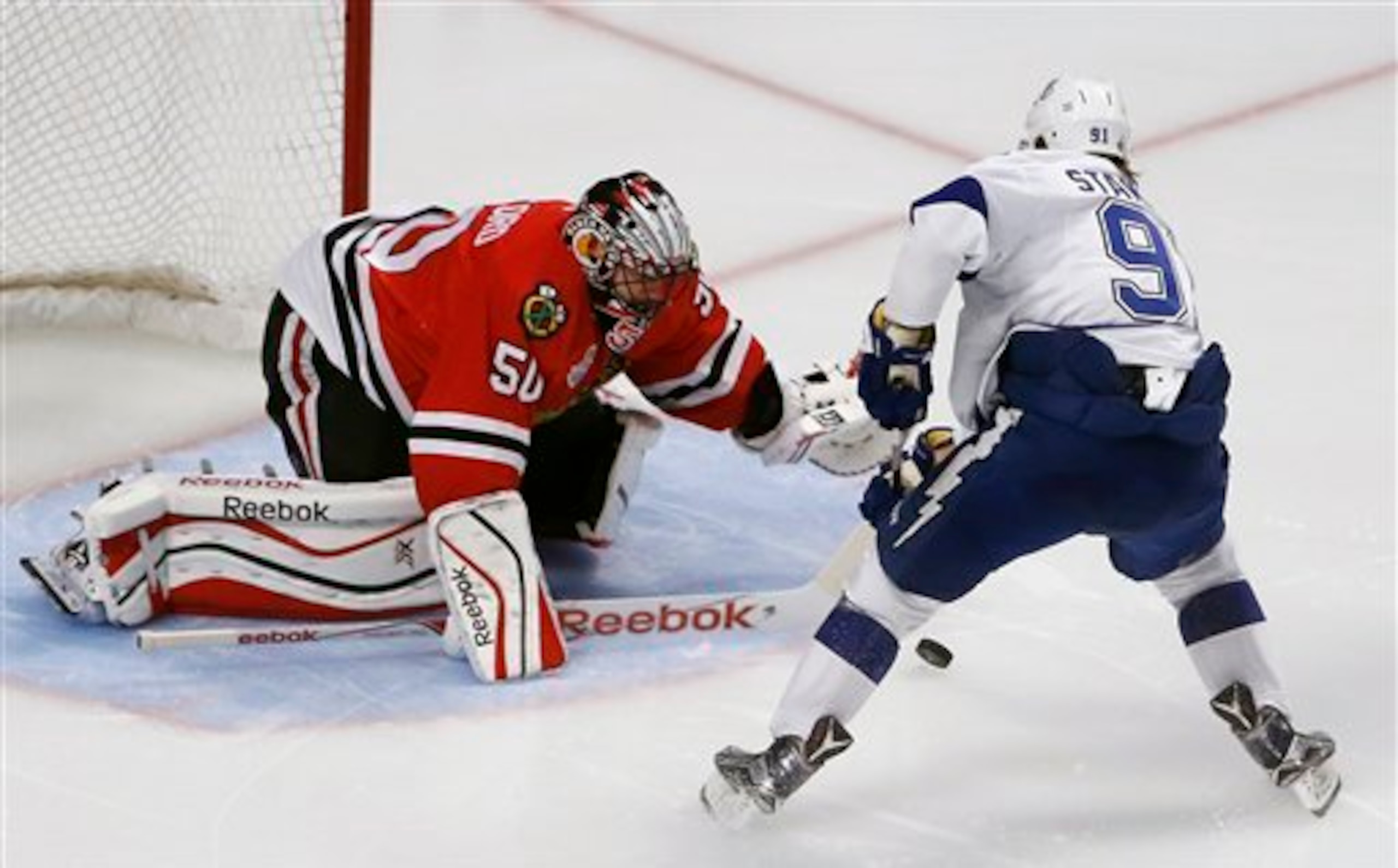
Strength: Offensive firepower
Last season's top offense only looks to be capable of more. The Tampa Bay Lightning scored 3.16 goals per game thanks to the Triplets line of sophomores Tyler Johnson, Ondrej Palat and Nikita Kucherov as well as captain Steven Stamkos and his linemates Ryan Callahan and Valtteri Filppula. If Jonathan Drouin can break out as a sophomore and bump out one of the top six forwards, the Bolts could separate themselves even more from the pack.
Weakness: Stamkos contract situation
However you want to interpret the meaning of the captain entering the final year of his current contract with no word of an extension being close to final, it's a distraction. And if it isn't at the moment, it will be when reporters are asking endlessly about progress or the potential for a trade as the season wears on. For his part, Stamkos told the Associated Press' Fred Goodall via the National Post he's still the captain and is focused on winning the Stanley Cup...in Tampa...for now. In the same article, you can feel Bolts GM Steve Yzerman's frustration already.
Toronto Maple Leafs
27 of 30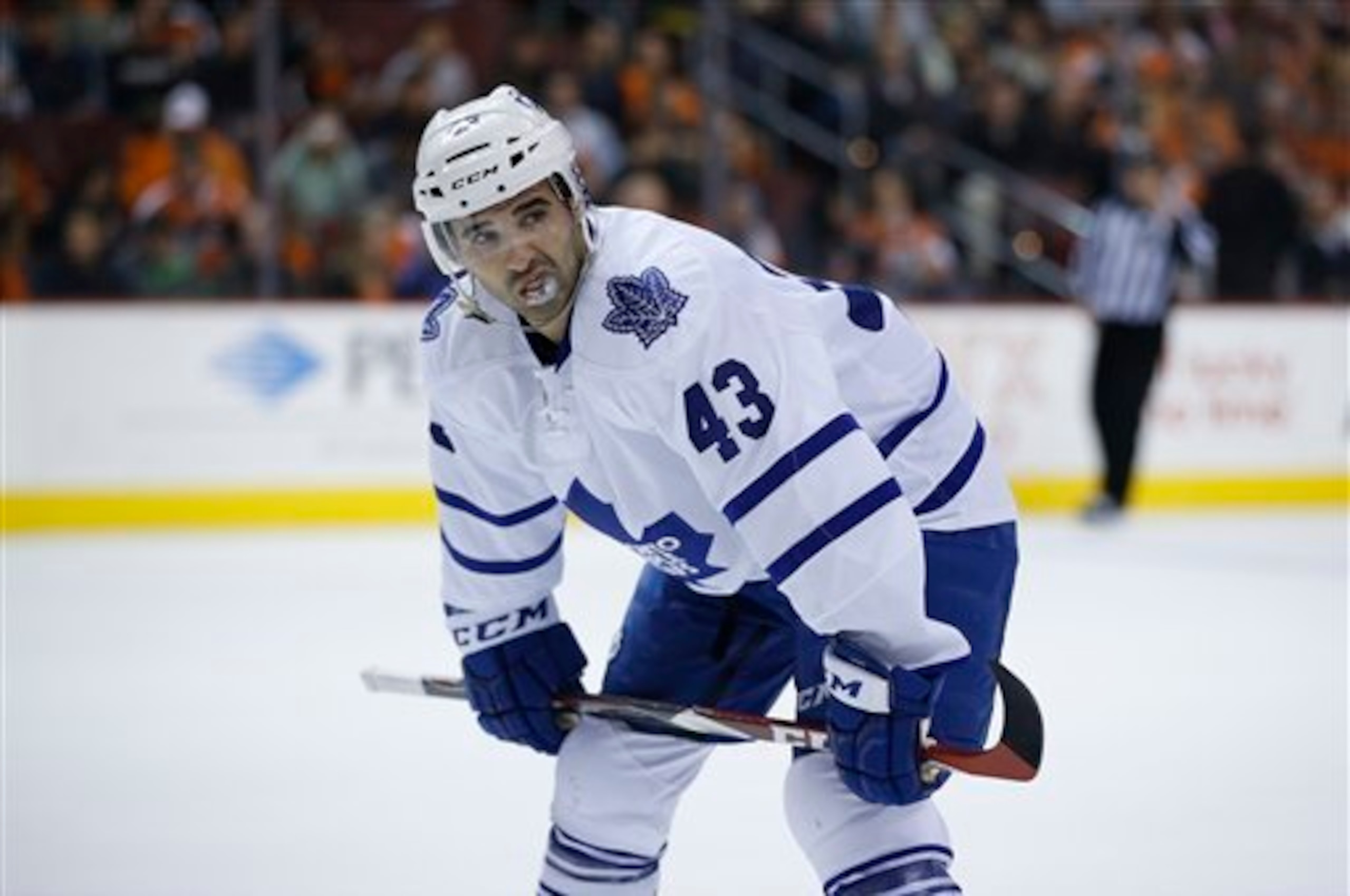
Strength: A fresh start
Things were ugly last year for the Toronto Maple Leafs and likely won't be any better this season. However, the hiring of Mike Babcock as new head coach and Lou Lamoriello as general manager—a couple of massive offseason surprises courtesy of Leafs president of hockey operations Brendan Shanahan—offers some new hope for the long term.
Weakness: Who's going to score?
Part of the shuffle included the departure of perennial 30-goal scorer Phil Kessel, who was the lone offensive bright spot for a Leafs team that finished 24th in the league in that category a year ago. That leaves James Van Riemsdyk, Nazem Kadri and Joffrey Lupul as the only members of the squad who have been able to crack 50 points in the past few years.
Vancouver Canucks
28 of 30
Strength: Reliance on the Sedin twins
The Vancouver Canucks finished with the third-lowest goal total in the NHL last season, and a big reason is how heavily the team relied on Daniel and Henrik Sedin up front to do all the damage. Well, the twins and whichever forward was lucky enough to be on their line. Last year, the Sedins and on-again, off-again linemates Radim Vrbata and Alexandre Burrows accounted for 87 of the team's 191 goals.
Two of the team's next three top snipers of a year ago—Shawn Matthias and Nick Bonino—are gone, with two-way center Brandon Sutter coming in, which leavs the Canucks to rely more on young guys such as Bo Horvat, Sven Baertschi and Linden Vey to take steps forward.
Weakness: Back-end depth
Lumping together the goaltending position and defensive group, the team parted ways with some of its top players from last season by dealing away netminder Eddie Lack and blueliner Kevin Bieksa. Lack was statistically the Canucks' best goaltender in 2014-15 by a landslide, yet the team will roll with veteran Ryan Miller and backup Jacob Markstrom, who's making the leap from the AHL.
Only Alex Edler contributed more than 30 points from the defense last year, and adding Matt Bartkowski wasn't a big enough move to improve the group.
Washington Capitals
29 of 30
Strength: Scoring prowess
Just when you think the Washington Capitals can't get any more dangerous, they add T.J. Oshie and Justin Williams to the mix of top-six forwards. With Alex Ovechkin and Nicklas Backstrom as reliable as a top tandem gets, the secondary scoring from the newcomers and the progression of Evgeny Kuznetsov and Andre Burakovsky could find the Caps among the top few teams in scoring.
Weakness: Penalty kill
Half of the team's top penalty-killing forwards have moved on, with Troy Brouwer now in St. Louis, Eric Fehr in Pittsburgh and Joel Ward in San Jose. Those men ranked first, third and sixth in overall minutes on the unit, and Brouwer (two) and Fehr were the only forwards to score short-handed goals for the Caps last season. The team is fortunate the top four short-handed defenders remain intact, but the group will have to adapt up front.
Winnipeg Jets
30 of 30
Strength: Top four defensemen
The Winnipeg Jets have a stellar top four featuring Dustin Byfuglien, Jacob Trouba, Tyler Myers and Tobias Enstrom. All four of those guys can contribute offensively and drive puck-possession numbers, which was an unexpected strength of the team last year as well. They may not be the most solid shutdown group, but when you play with the puck more often than without it, that worry is lessened.
Weakness: Goaltending
A big reason for the Jets' playoff appearance was a career year from netminder Ondrej Pavelec, who posted a .920 save percentage and 2.28 goals-against average while sharing duties with newcomer Michael Hutchinson. But the save percentage was well above Pavelec's career average of .908, so if he regresses, the team will have to hope the inexperienced Hutchinson can be as good as he showed as a rookie last season.
Statistics are courtesy of NHL.com and salary information is via GeneralFanager.com.

.jpg?w=2560 "NHL Trade Grades Connor Hellebuyck")

.jpg?w=2560 "Raiders Could Start Mendoza")


.jpg?w=2560 "Rodgers Iced Out on Plane 💎")

.jpg?w=2560 "Big Trade to Shake Up East 💡")