
10 Saddest Comeback Fails in Sports
America loves a comeback story almost as much as it loves an underdog, because both are essentially about the same thing: defying the odds. And on the exceedingly rare occasions that a true underdog succeeds in making a comeback, ESPN plunges into full meltdown status.
The biggest comeback stories in sports are never ambiguous: The athlete either goes out in a blaze of glory or fails spectacularly. The reason? A comeback isn't a comeback unless the person coming back is all in—for better or worse. And sports history is filled with comeback fails.
Sometimes what they're coming back from makes the final outcome a predictable affair, like coming out of retirement when it was obvious years before that calling it quits should have happened sooner than later. Others are doomed by good old-fashioned bad luck.
But when examining the smoldering landscape of comeback rubble, some comeback fails are simply unmatched in their sad, sad narratives. These are 10 of the saddest comeback fails in sports.
Tim Tebow, NFL
1 of 10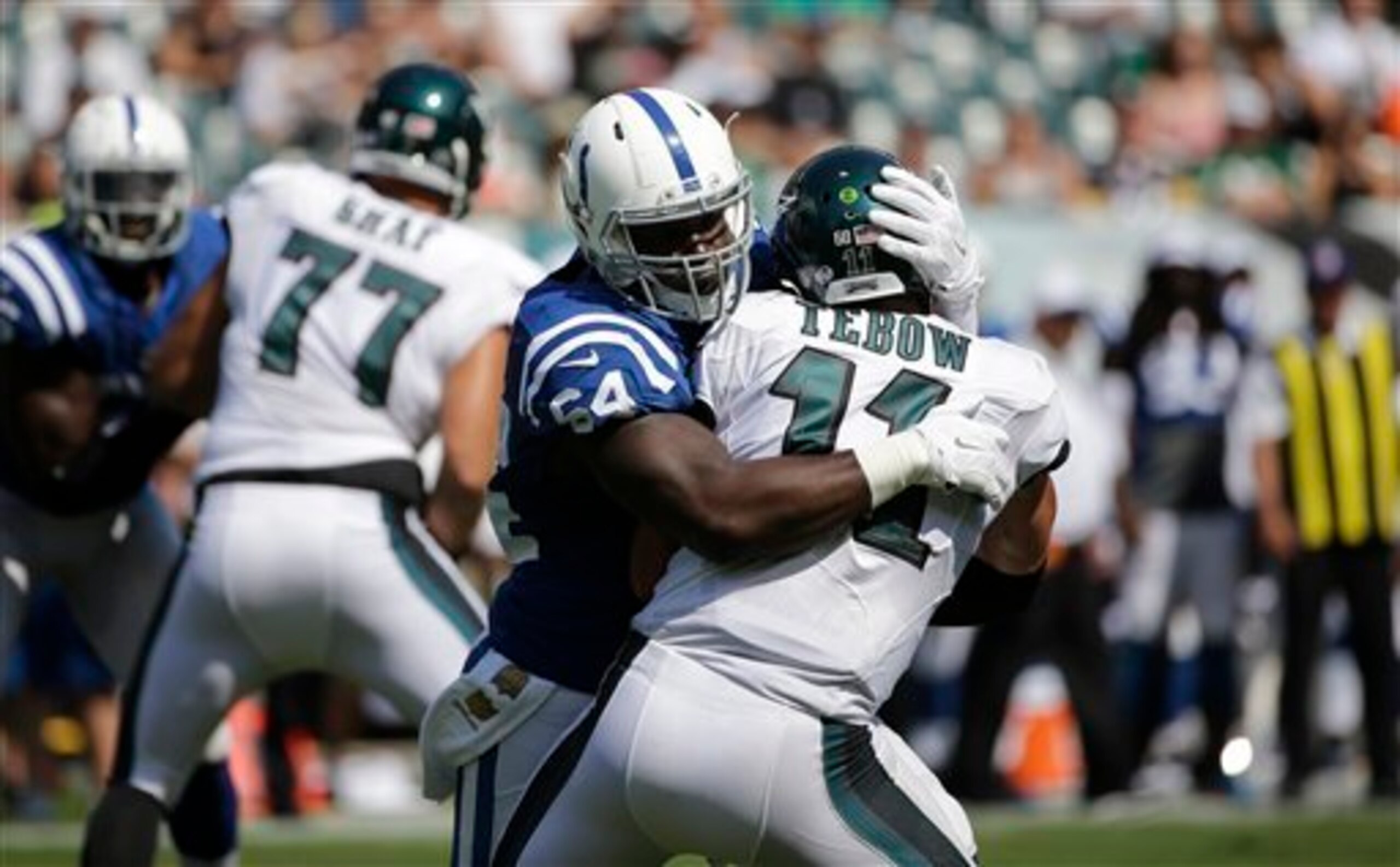
Arguably one of the greatest college football players in history, if not the greatest, quarterback Tim Tebow had three roller-coaster seasons in the NFL after being drafted in the first round by the Broncos in 2010. He played his last game in 2012 and eventually landed behind a desk on ESPN, where he remained until Eagles coach Chip Kelly brought him into this year’s training camp.
Despite speculation that Tebow had performed well enough in the preseason to earn the third-string position, the Eagles cut him loose (in favor of nobody) in early September, and he returned to ESPN. There has been speculation that the whole thing was nothing more than an elaborate publicity stunt, as noted by Damon Salvadore of the Latin Post.
Jose Canseco, MLB
2 of 10
Now that MLB has largely moved on from the Steroid Era, it’s obvious that PEDs helped some really good baseball players become great, while others may have gone from average to record-setting sluggers.
Where Jose Canseco falls on that spectrum is up for debate, but no other player from that era embodied the excesses and sideshow atmosphere like Canseco, who retired in 2001. When the disgraced former star announced a comeback in 2006—signing a deal with the San Diego Surf Dawgs of the Golden Baseball League—it didn’t seem like a resurrection as much as a floundering attempt to do something.
Greg Oden, NBA
3 of 10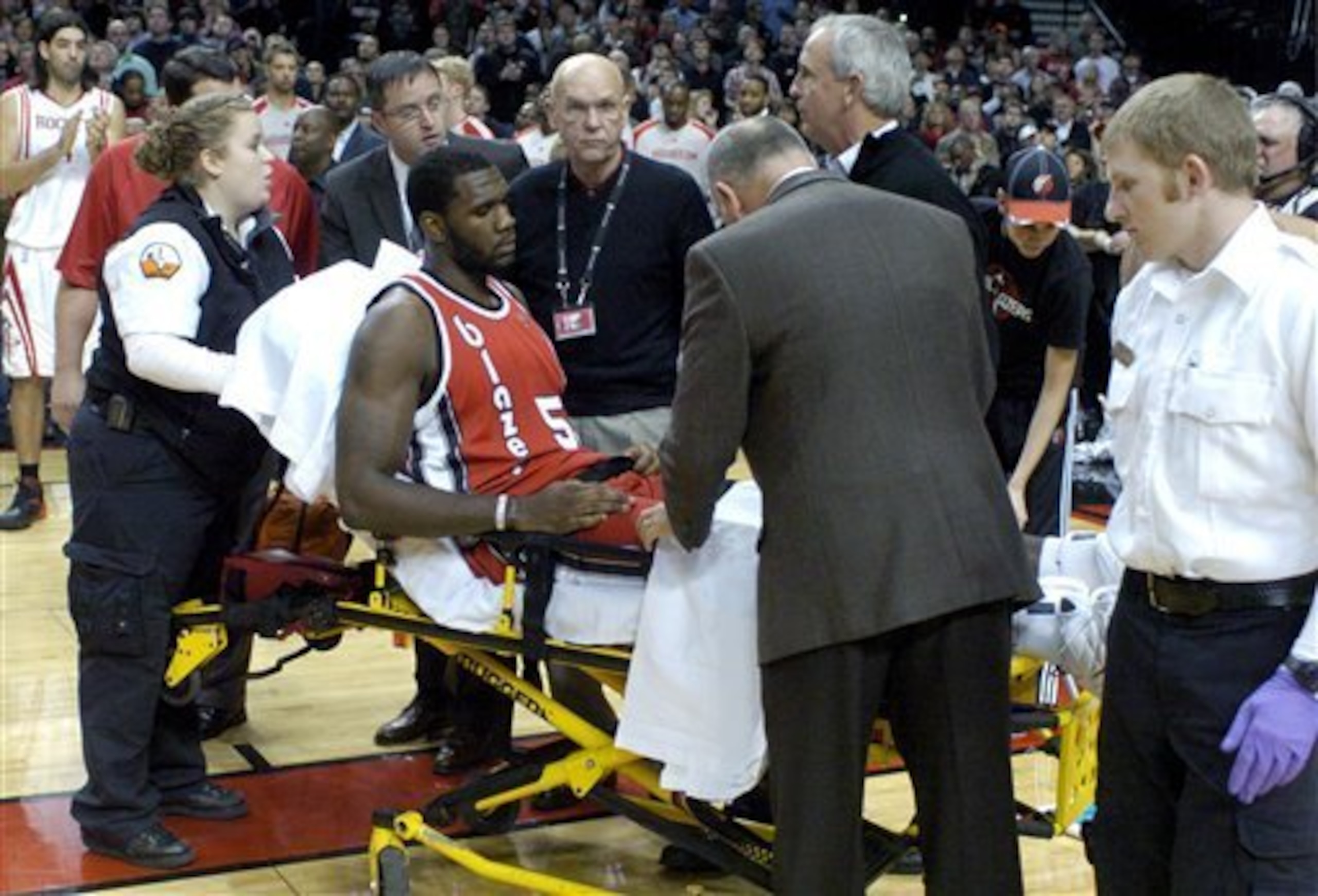
"Hindsight is 20/20" is less a phrase than a defense mechanism, or exercise in masochism. No event in sports, outside of sports betting, is responsible for more postmortem soul-searching than the draft. The draft is essentially a game of chance, but with the livelihood of young men at stake (as well as the future of a franchise). And few failed draft picks truly capture the full scope of the consequences like former Portland Trail Blazers first-overall pick Greg Oden.
The most wrenching draft busts in sports history often feature Hall of Fame-caliber "next picks"—the superstars who were passed over—in this case, it was Kevin Durant who became a superstar. What exacerbates the folly of it all even more is that Oden failed in gut-wrenching fashion because he initially made us cheer for him to succeed. Injured from the get-go, the towering Ohio State center underwent microfracture surgery and recovered only to get injured again, and each comeback has been more gut-wrenching than the one before.

Bjorn Borg, Tennis
4 of 10
Swedish tennis sensation Bjorn Borg retired in 1983 following two straight losses to John McEnroe in the U.S. Open—he was just 26. Ten years later he attempted one of the most ill-fated comebacks in sports history. Borg wasn’t physically prepared to play the game, and by that time the wooden racket he was still using belonged in a museum, not on a tennis court.
The only thing good about his comeback was that it was mercifully short-lived—Borg played his final match in 1993.
Roger Clemens, MLB
5 of 10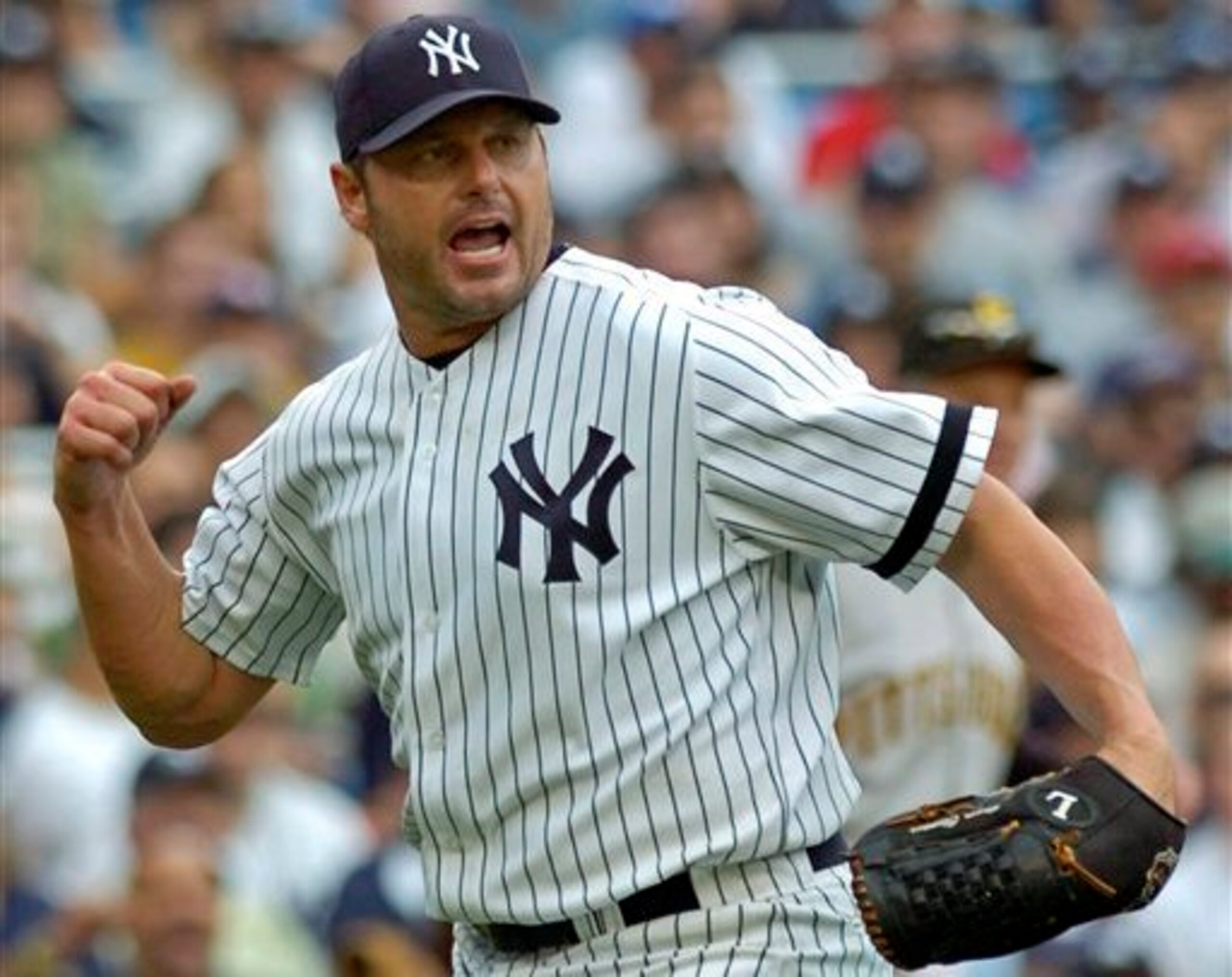
Former MLB pitcher Roger Clemens actually had a number of successful “comebacks,” having retired in 2003, 2004, 2005 and 2007. It wasn’t until he tried it again in 2012 that things really got absurd. Clemens, at the tender age of 50, was signed by the minor league Sugar Land Skeeters.
Though he insisted the whole spectacle was all about having fun rather than a return to the pros, there was speculation that the pitcher formerly known as The Rocket may have had ulterior motives, according to the National's Carroll Rogers. Whatever his reasoning, Clemens played the first and last game of what was hopefully his final comeback in 2012.
Lance Armstrong, US Cycling
6 of 10
After winning seven straight Tour de France championships, American cyclist Lance Armstrong decided to call it a career in 2005. An endless campaign of whispers and outright allegations of doping followed him over the next four years, leading to an ill-fated comeback launched in 2009. According to an interview Armstrong did with Vanity Fair's Douglas Brinkley, the reason for his return was to “bury the notion, once and for all, that drugs helped propel him to victory, that his generation of cyclists were deviants.”
The only problem with that admirable plan was, of course, that Armstrong had, in fact, doped throughout his career. And even though he almost certainly doped during his comeback, he would finish a disappointing third at the Tour de France in 2009 and an even more disappointing 23rd in 2010. Armstrong retired for good in 2011, having since been outed as a serial doper and one of the most maniacal villains in sports history.
Mark Spitz, Olympic Swimmer
7 of 10
Talk about going out on top. American swimmer Mark Spitz impressed at the 1968 Olympics in Mexico City with four medals, but it was the unprecedented seven gold medals he won at the 1972 Munich Olympics that set a record that would stand until it was broken by Michael Phelps in 2008. The only thing more surprising than Spitz’s performance in Munich was his decision to retire immediately at the age of 22.
After 18 years away from the sport, Spitz stunned the world once again, announcing that he was training for a comeback ahead of the 1992 Olympics in Barcelona. It turned out that his newfound passion for swimming had more to do with the $1 million offered up by documentary filmmaker Bud Greenspan if he qualified. Unfortunately for Spitz and his bank account, he came up just short in his comeback bid.
Ryan Leaf, NFL
8 of 10
When a player was picked second overall in his NFL draft class and was only two years into a rookie megadeal, any talk about a comeback should get the Ron Burgundy response: “That's not a good start, but keep going.”
Yet that’s where NFL bust-to-rule-all-busts Ryan Leaf found himself after two disastrous, injured seasons as quarterback of the San Diego Chargers. After shoulder-surgery prematurely ended his sophomore redemption campaign, Leaf was re-energized and ready to prove the naysayers wrong.
His “comeback” lasted four games, before a wrist-injury put the brakes on the new-and-improved Ryan Leaf—the ne’er-do-well never played in another NFL game, spending more time in prison than on an NFL roster. But, that hasn’t stopped the comeback stories or Leaf’s ability to grab headlines.
Jim Palmer, MLB
9 of 10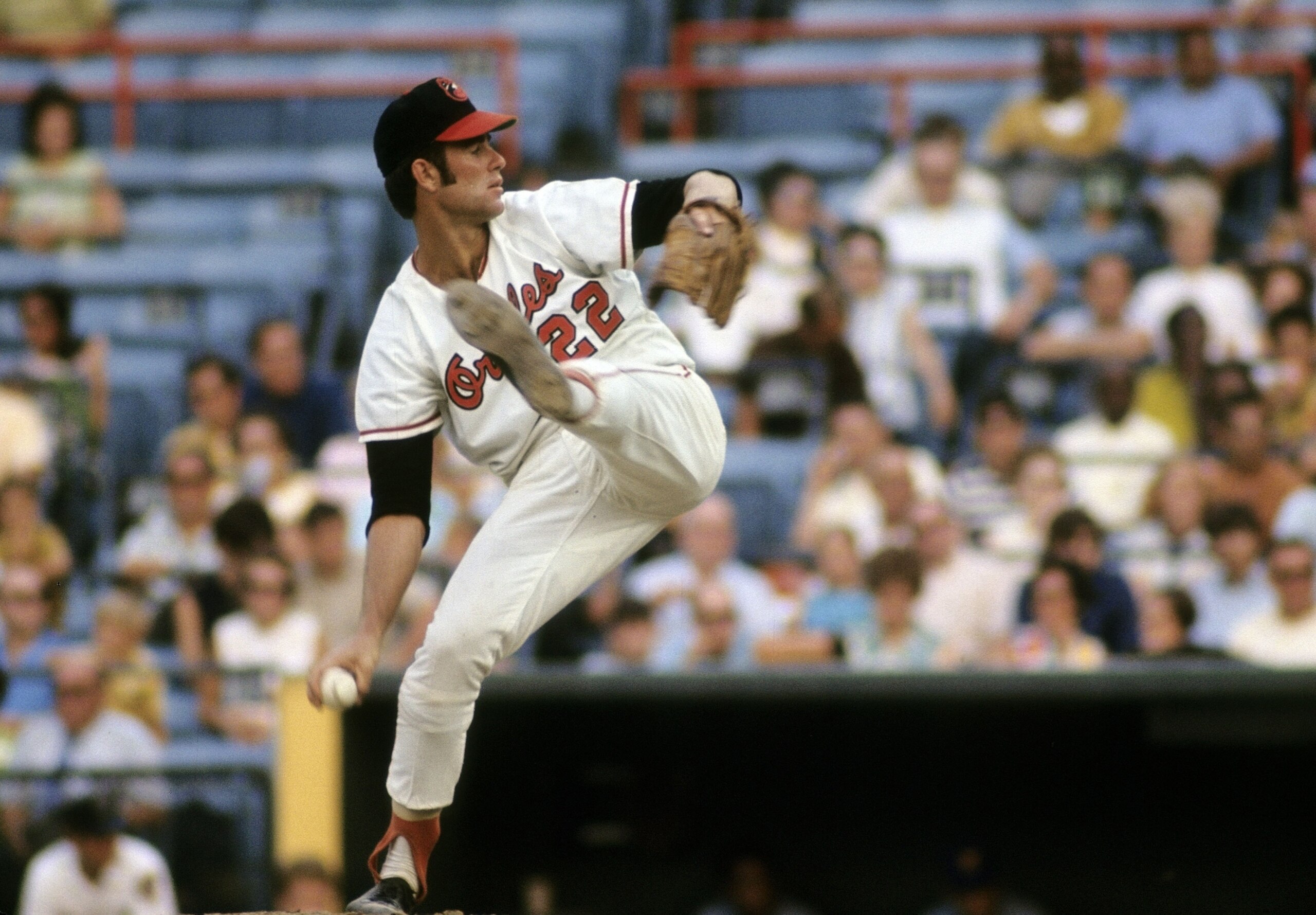
Pitching Jim Palmer played for the Orioles every season of a storied career that spanned nearly two decades. When he retired in 1984, the six-time All-Star had 268 career victories, three Cy Young Awards, four Gold Gloves and three World Series championships to his name. Which is why it was so vexing when Palmer decided to attempt a comeback in 1991, seven years after walking away and one year after being inducted into the Hall of Fame.
He joined the team at spring training, where he gave up five hits and two runs in the first two innings of his first game. Palmer could read the writing on the wall and very wisely abandoned his comeback not 24 hours later.
Muhammad Ali, Boxing
10 of 10
Boxing great Muhammad Ali had a well-known flair for dramatics. His 1979 retirement couldn’t have gone better if it were scripted in Hollywood. It came just months after a rematch with Leon Spinks, the man who had taken his heavyweight title seven months prior. A record-breaking crowd was on hand to witness Ali become the first heavyweight champion in history to wear the coveted belt three separate times.
Unfortunately, the storybook ending wasn’t an ending after all. The following year, the 38-year-old Ali attempted a comeback, despite his obvious declining health, agreeing to fight his former sparring partner, 30-year-old Larry Holmes. He lasted just 10 of 15 rounds, a humbling experience for the world’s most aggressively confident competitor. Ali’s last fight was in December 1981, a loss by decision to Trevor Berbick.




.jpg?w=2560 "Weather Channel Trolls Texans-Titans 💀")
.jpg?w=2560 "Grading WWE Raw 🔠")