

Could Catalan Independence Ruin Barcelona's Future in La Liga?
Delving into the murky waters of politics, it appears football—specifically Futbol Club Barcelona—is being used as leverage.
Ahead of September 27 elections in Catalonia, which have potential to disrupt the Spanish state as presently constituted, Catalan's foremost sporting symbol has come under threat.
La Liga's president and Spain's Secretary of State for Sport, Javier Tebas and Miguel Cardenal respectively, have publicly disclosed that should Catalonia break from Spain, Barcelona (and other Catalan clubs) would be exempt from participation in Spanish football.
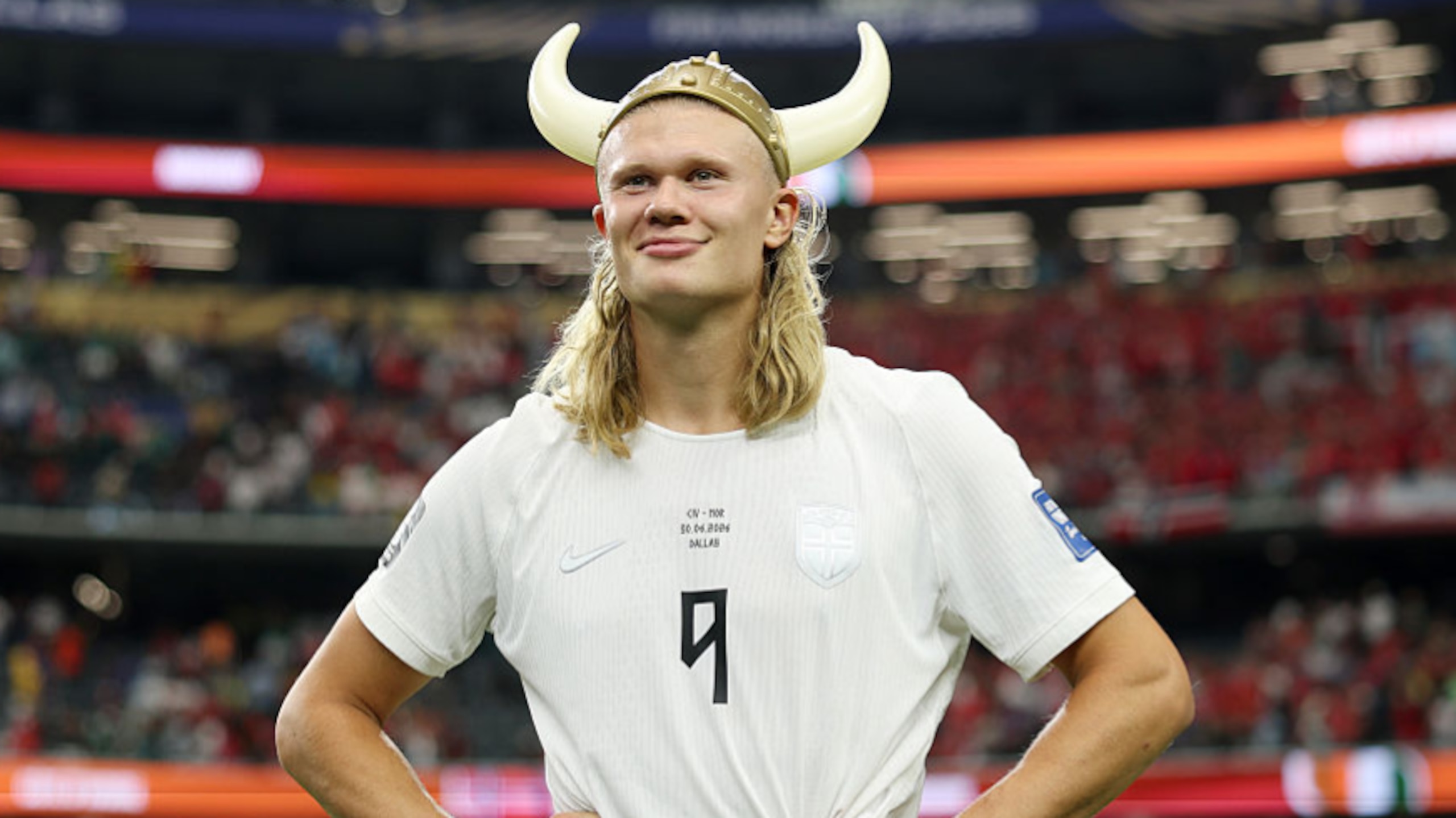



Tweeting to his 26,000 followers, Tebas wrote (via the Daily Mail's translation): "If Spain splits, so too does La Liga. Let's hope we never reach that absurd situation."
Josep Maria Bartomeu, who retained his position as Barcelona president in July, has decided to remain neutral in the ongoing debate. He told journalists, as reported by Canal+ (via Marca): "I won't comment. Away from the campaign we all have our opinions, but there are parties striving to get votes right now and Barca will stay neutral, as ever, on this score."
Catalan president, Artur Mas, announced he would declare unilateral independence were a pro-independent majority formed in the upcoming elections. Speaking on Onda Cero (via Yahoo), Mas said: "If all the options which are in favour of the yes have an absolute majority of lawmakers, we will move forward."
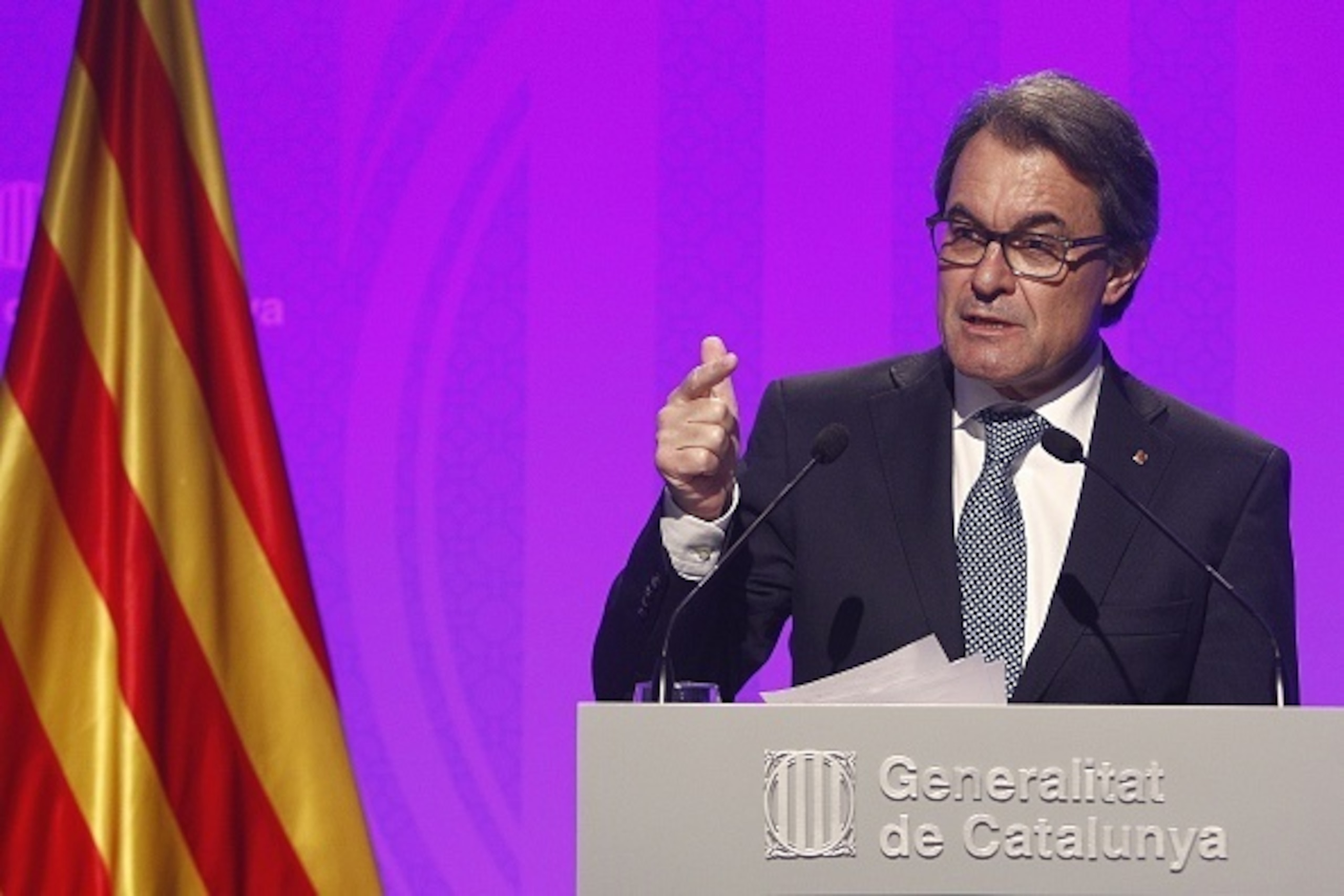
In November 2014, Mas held what Yahoo described as "a symbolic independence referendum." Almost 80 percent of the 2.2 million voted to secede from Spain—but turnout was just over 40 percent.
Barcelona is one of the largest economic powers in Europe, and Spain's government will not act as the United Kingdom did with Scotland in 2014. Spanish Prime Minister Mariano Rajoy cannot exactly afford to allow his second-largest metropolitan hub becoming independent.
Football fans, unfortunately, are caught betwixt and between.
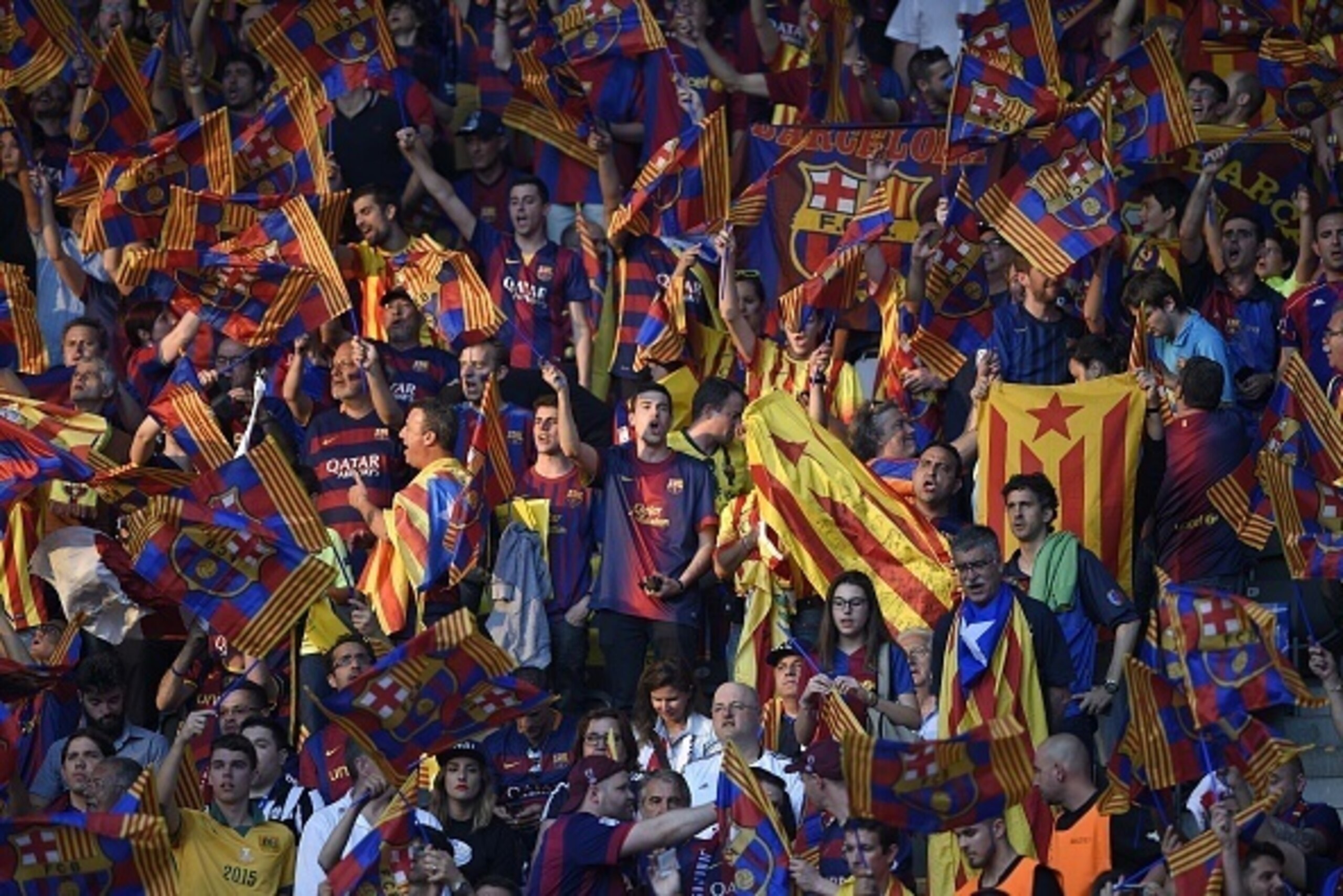
By the nature of their positions, Tebas and Cardenal have every incentive to make Catalonia think twice about voting for independence; if a yes vote means losing their standing in Spanish football, it stands to reason a portion of Catalan society might reject the notion altogether.
What happens in the Iberian peninsula's north east is entirely dependent on the wishes of that population. No politician, nor writer, should attempt to persuade or convince them of what is best for their own lives. If leaving Spain makes Catalonia a stronger entity—it should leave. If leaving makes the region weaker—it should stay.
In a sporting context, though, independence presents other considerations.
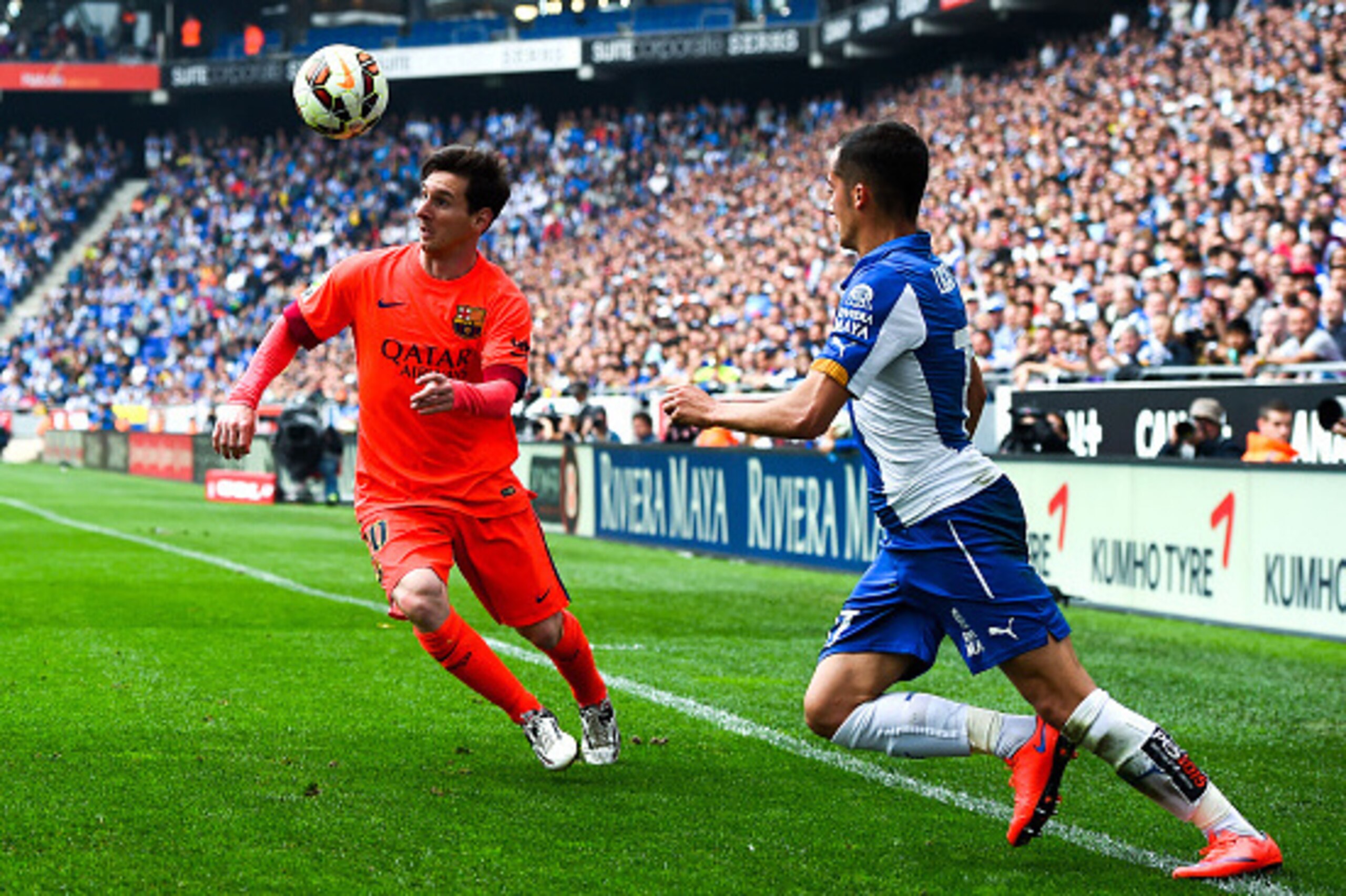
Barcelona, Espanyol and other clubs would find themselves in limbo. Many contend La Liga would never neglect possibly their pre-eminent club (Real Madrid would argue)—especially if they were interested in continuing with Spanish football—as the economic ramifications of losing Barca would be punitive.
Formed in 1899, and playing in the Primera Division since 1928 (never being relegated), Barcelona have survived all manner of independence campaigns, and remain a giant symbol of Spanish football.
Moreover, eight of the 13 outfield players who received an appearance in Spain's victorious 2010 World Cup final (Gerard Pique, Carles Puyol, Sergio Busquets, Xavi, Andres Iniesta, Cesc Fabregas, Pedro and David Villa) had ties to Barcelona and Catalonia—more than any other club. It could be suggested Barca's style and ethos created the greatest European dynasty in history.
Is La Liga prepared to lose that portion of its identity?
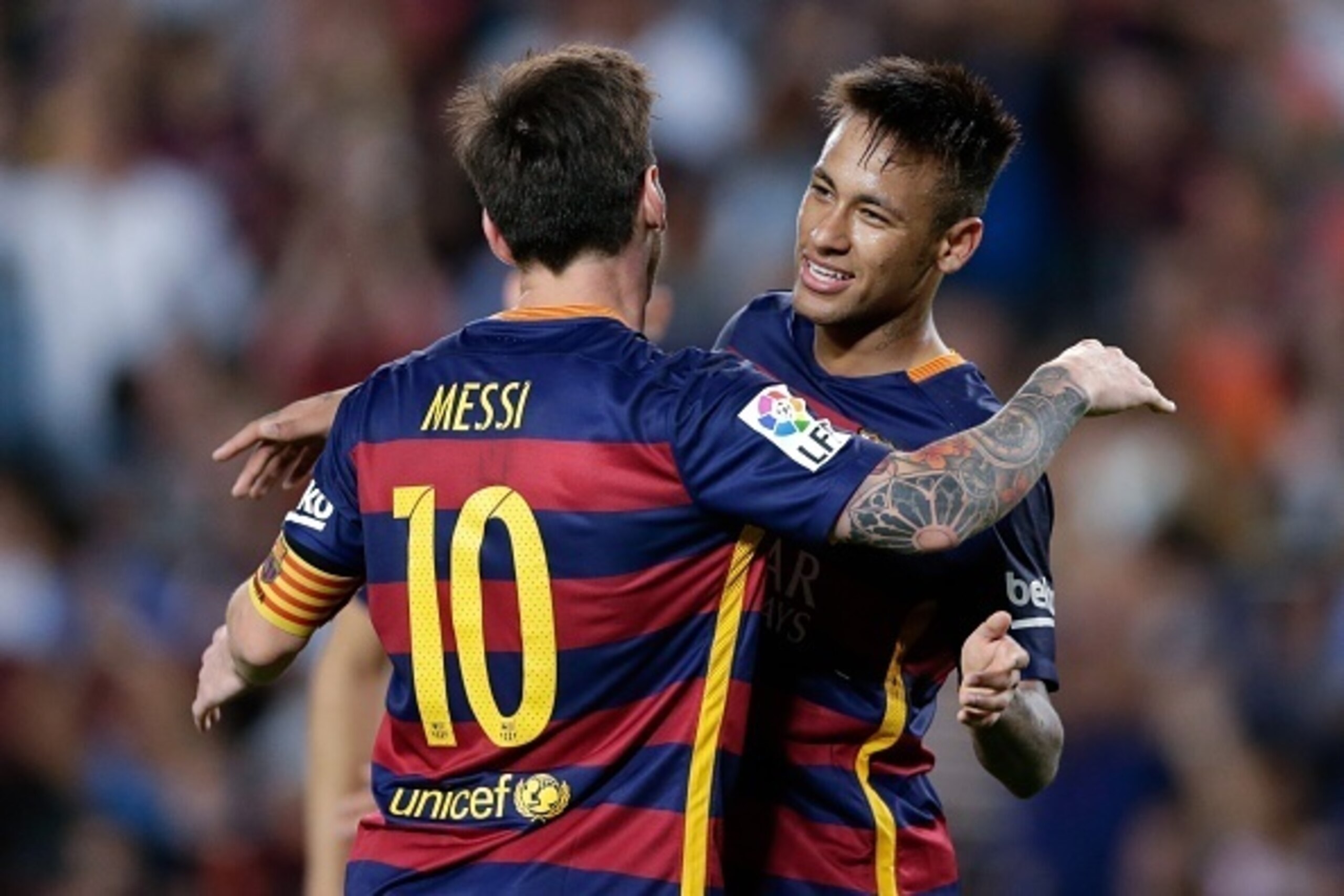
Possibly more appropriate: Is La Liga willing to forgo the millions in revenue the Blaugrana generate every season?
One can complain about the relationship between politics and football, but business and football are forever linked—and the bond is infinitely more powerful.
Until Catalonia are officially independent, every statement from the Spanish government regarding secession could easily be looked at with finance at the root.
FC Barcelona, as the world's second-most lucrative football club according to Forbes, are not a mere pawn, but the chessboard's queen. Control perception of Barcelona's future, and you control—within reason—Catalonia's future as well.
We are simply witnessing the opening gambits.
*Stats via WhoScored.com; transfer fees via Soccerbase where not noted.




.jpg?w=2560 "Weather Channel Trolls Texans-Titans 💀")
.jpg?w=2560 "Grading WWE Raw 🔠")