

Caris LeVert's Back on Road to the NBA After Unexpected Turn
At this time last year, most would have thought the 2015-16 season would be Caris LeVert's first in the NBA. Instead, it will be his last at Michigan, where he'll have something to prove coming off a second major foot surgery and unconvincing 17-game pitch to scouts.
Though he'd been producing before going down in January (14.9 points per game), a 42.1 percent field-goal mark and disappearances during December losses to Eastern Michigan (4-of-12 shooting), Arizona (2-of-9 shooting) and SMU (1-of-8 shooting) prevented LeVert from ever catapulting up draft boards.
LeVert would still go on to ask for an evaluation in March from the NBA Undergraduate Advisory Committee, which is meant to advise and inform the prospects on their standing and projected draft range. He'd even eventually file for a second evaluation once more players declared.
TOP NEWS

'Over-Under' Predictions for Every NBA Team's Record 🔮

Trades That Should've Happened During NBA Offseason 🏀

LeBron's Special Helicopter Deal
LeVert's decision to ultimately return suggests he didn't receive the feedback or assurance he was looking for. But with reports of good health and added bulk—as well as significant upside left to pursue—LeVert still has a legitimate opportunity to reignite his stock.
"When people see him, they're really going to be surprised the strength in his upper body," Michigan coach John Beilein told Bill Simonson of The Huge Show, via MLive.com's Brendan F. Quinn.
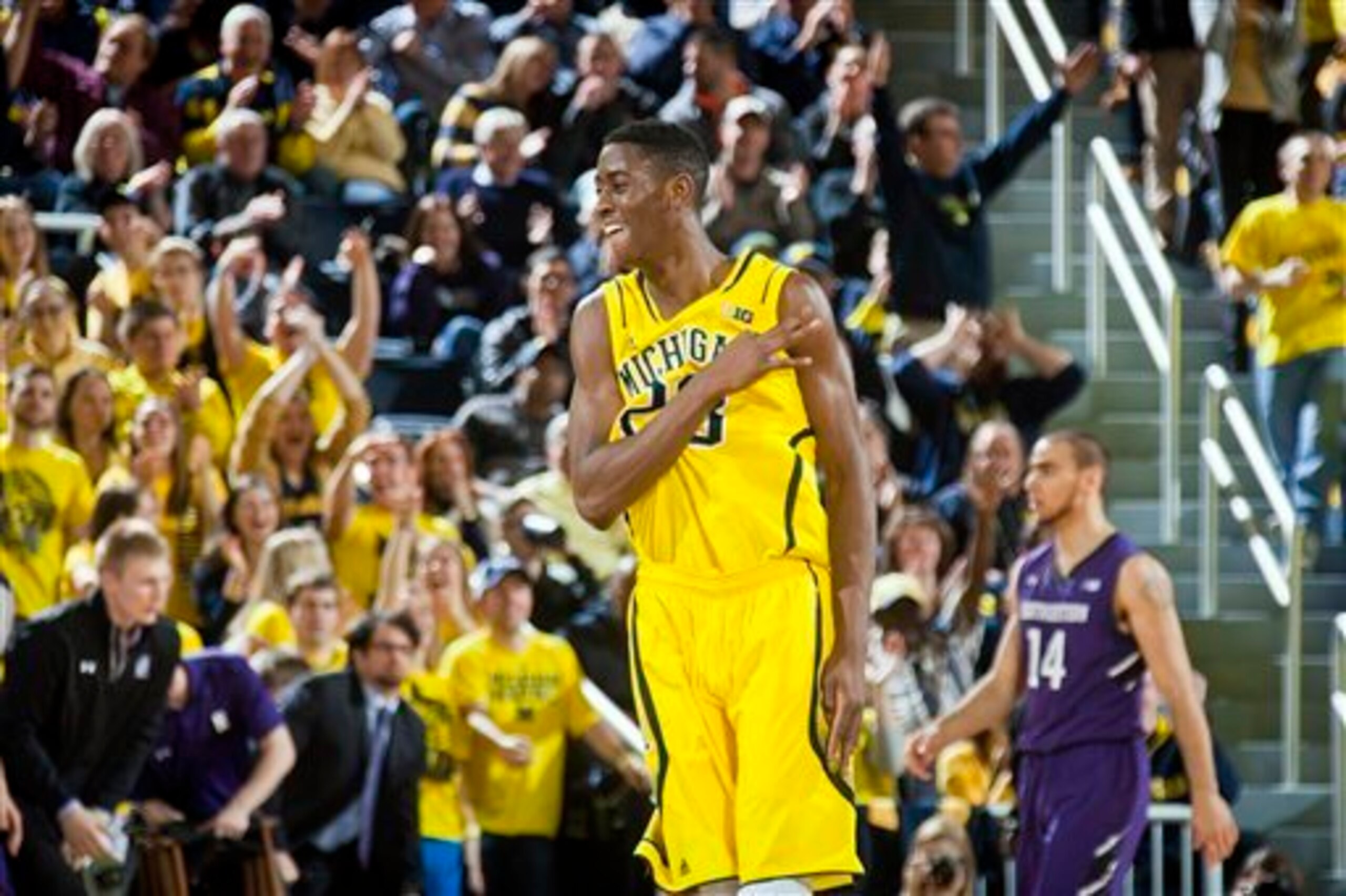
At 6'7", 205 pounds (last year's listing), LeVert's physical tools and athleticism were tailor-made for the NBA 2-guard position. He looks the part of a pro wing, and though his foot will be under the microscope, a full season without setbacks could help diminish some of the concern over LeVert's durability.
In terms of his basketball development, he's continued to flash strengths the NBA has traditionally coveted. They revolve around versatility fueled by playmaking and shooting skills.
He just knocked down at least 40 percent of his threes for the second consecutive year. LeVert shot 44 percent on catch-and-shoot opportunities, per DraftExpress' Jonathan Givony, highlighting his potential to threaten a defense off the ball.
Still, it's what LeVert can do with it that helps differentiate him from most at his position.
Michigan frequently called on LeVert to set the table and facilitate. He assisted on 25 percent of his team's buckets when on the floor, per Sports-Reference.com. LeVert was often used as a pick-and-roll ball-handler, a situation he passed out of 40.3 percent of the time, per DraftExpress' Mike Schmitz.
Along with the ability to create scoring opportunities off ball screens, LeVert has proved capable of generating offense in isolation thanks to a quick first step and the bounce to separate over defenders. He's a player whom coaches can ask to make something out of nothing.
And having guarded positions 1 through 3 over the years, LeVert's length and lateral quickness also translate to defensive versatility.
Injury history aside, there is already a strong case to be made for LeVert as a surefire first-round talent. But sharpening some of his well-documented weaknesses could potentially launch him into a more highly regarded tier.
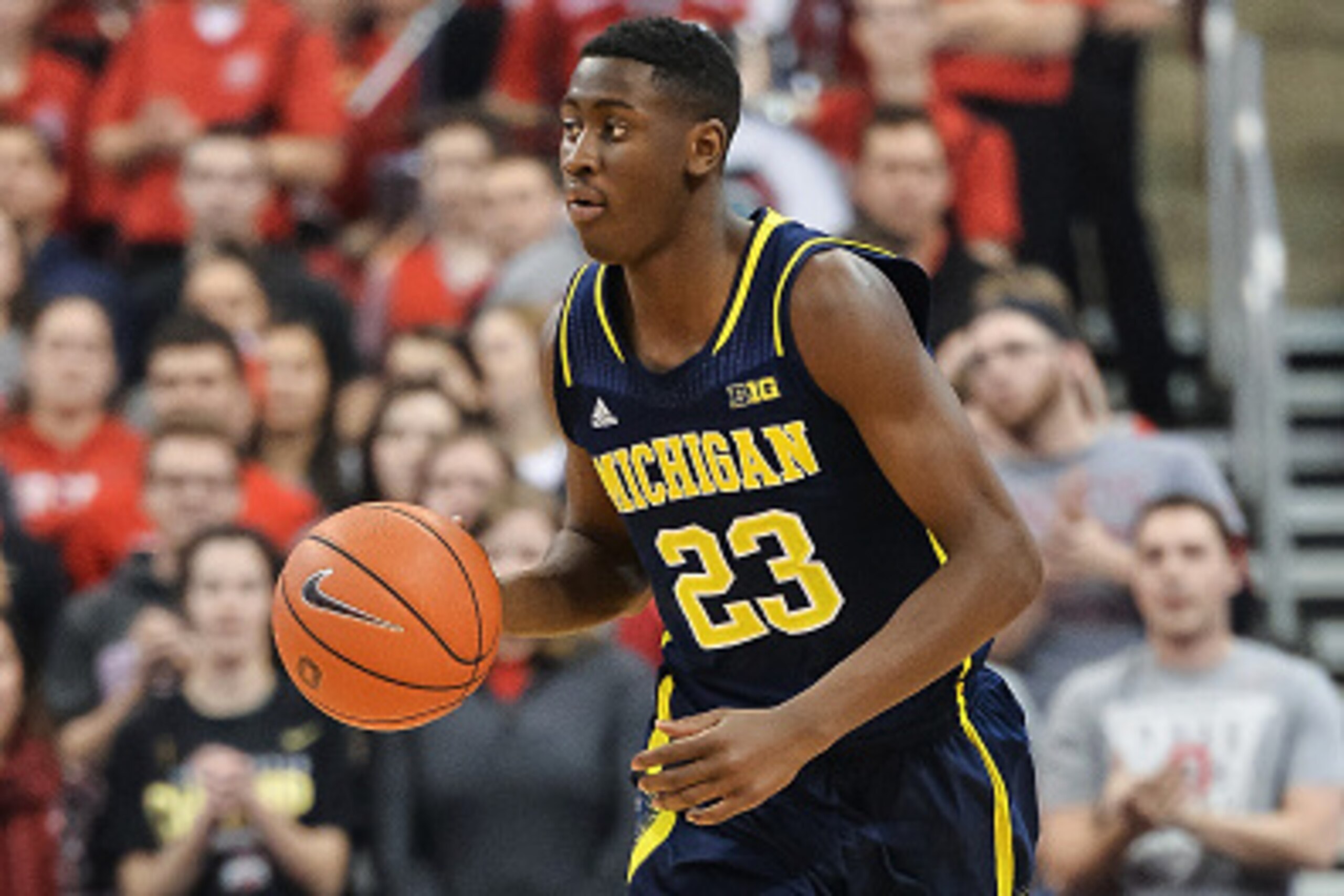
As a scorer, he's struggled converting inside the arc (43 percent last season), an issue that stems from a lack of strength and in-between game in the mid-range.
For a player who's struggled finishing at the rim (50 percent as a junior, 48 percent as a sophomore, per DraftExpress), LeVert would really benefit from an effective pull-up and floater. He only made 47 of 186 shots off the dribble in 2014-15, and through three seasons, he's never made more than 32 percent of his two-point jumpers, per Hoop-Math.com.
The other question is how well he'll perform as Michigan's top gun. LeVert wasn't overly efficient or visibly comfortable last season in that role. His willingness to prioritize distributing over hunting for shots has been admirable, but we didn't see LeVert take control enough as the focal point of the offense.
On one hand, it's natural to expect LeVert's impact to result in wins and consistent production given his experience and heavy usage. But on the other, it's not a request teams should put much stock in. LeVert doesn't project as a player NBA coaches will feature. His shooting stroke and ability to create shots for teammates—LeVert's core strengths—are best suited for a complementary role that asks him to support the offense's primary options.
As long as he gets through the season unscathed, LeVert's shot-making and passing, which might remind some of a mix between Jamal Crawford and Evan Turner, should hold enough value to draw plenty of NBA interest.
His road to the pros may have been delayed, but it's not closed off. A year of good health will help LeVert bounce back into the first-round discussion and ultimately restore some of the excitement tied to his outlook.




.jpg?w=2560 "Grading WWE Raw 🔠")
.jpg?w=2560 "Viral Rams Coach Vid 🖕")