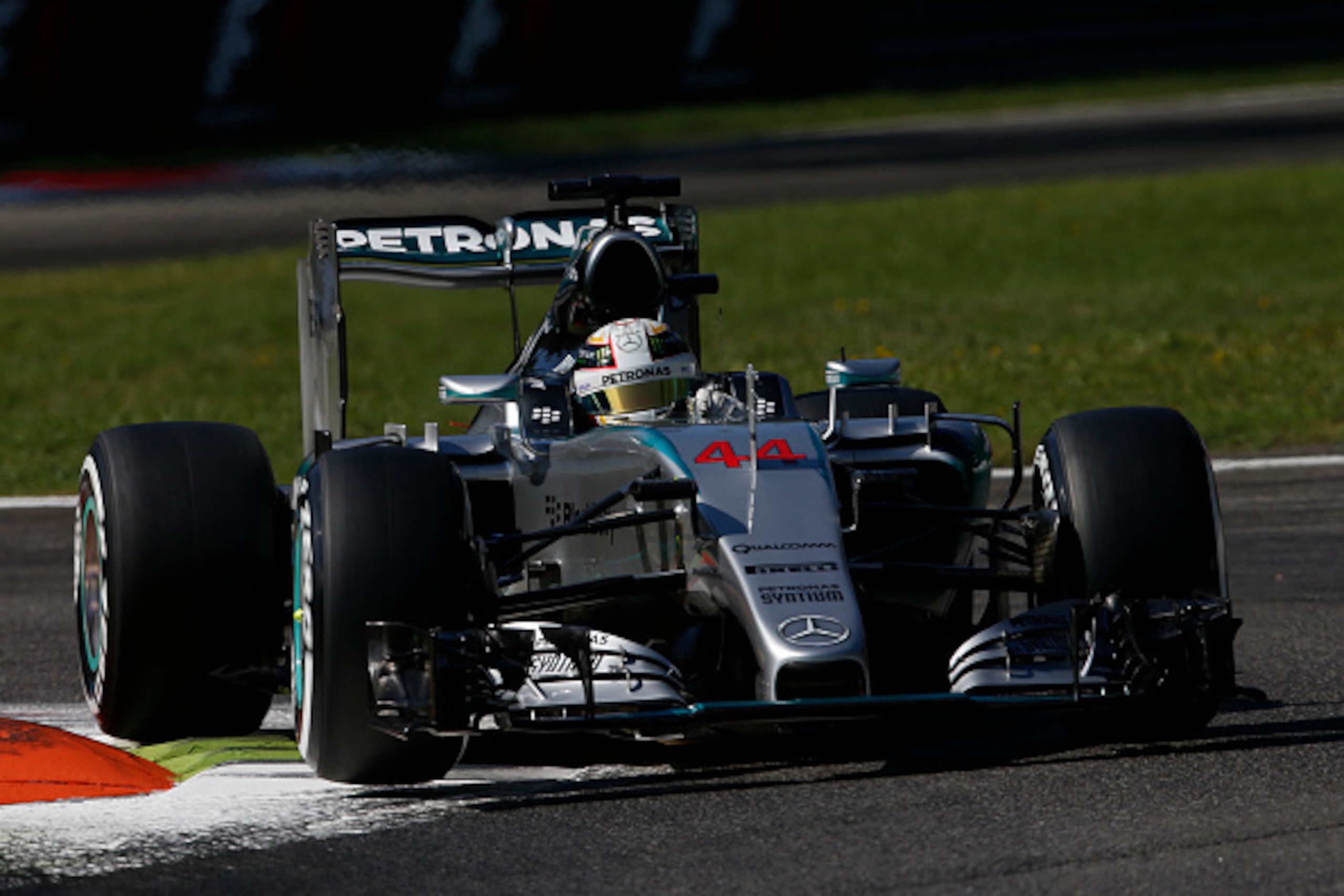

Lewis Hamilton's 2015 Italian GP Pole Overshadowed by Mercedes Engine Concerns
The result, they will argue, speaks for itself.
Lewis Hamilton has another pole position, his 11th of the year, and Mercedes have maintained their 100 per cent record in qualifying in the 2015 Formula One season.
The team's decision, as reported by Motorsport.com's Jonathan Noble, to spend all their remaining engine-development tokens in time for the Italian Grand Prix—giving them a welcome power boost at the high-speed Monza circuit—was justified by a glance at the timing screens alone.

.jpg?w=2560)
"Thank you guys! The car was great today. #TeamLH #ItalianGP #BestTeam @mercedesamgf1 photo by Steve Etherington pic.twitter.com/sLkrJ2xyVX
— Lewis Hamilton (@LewisHamilton) September 5, 2015"
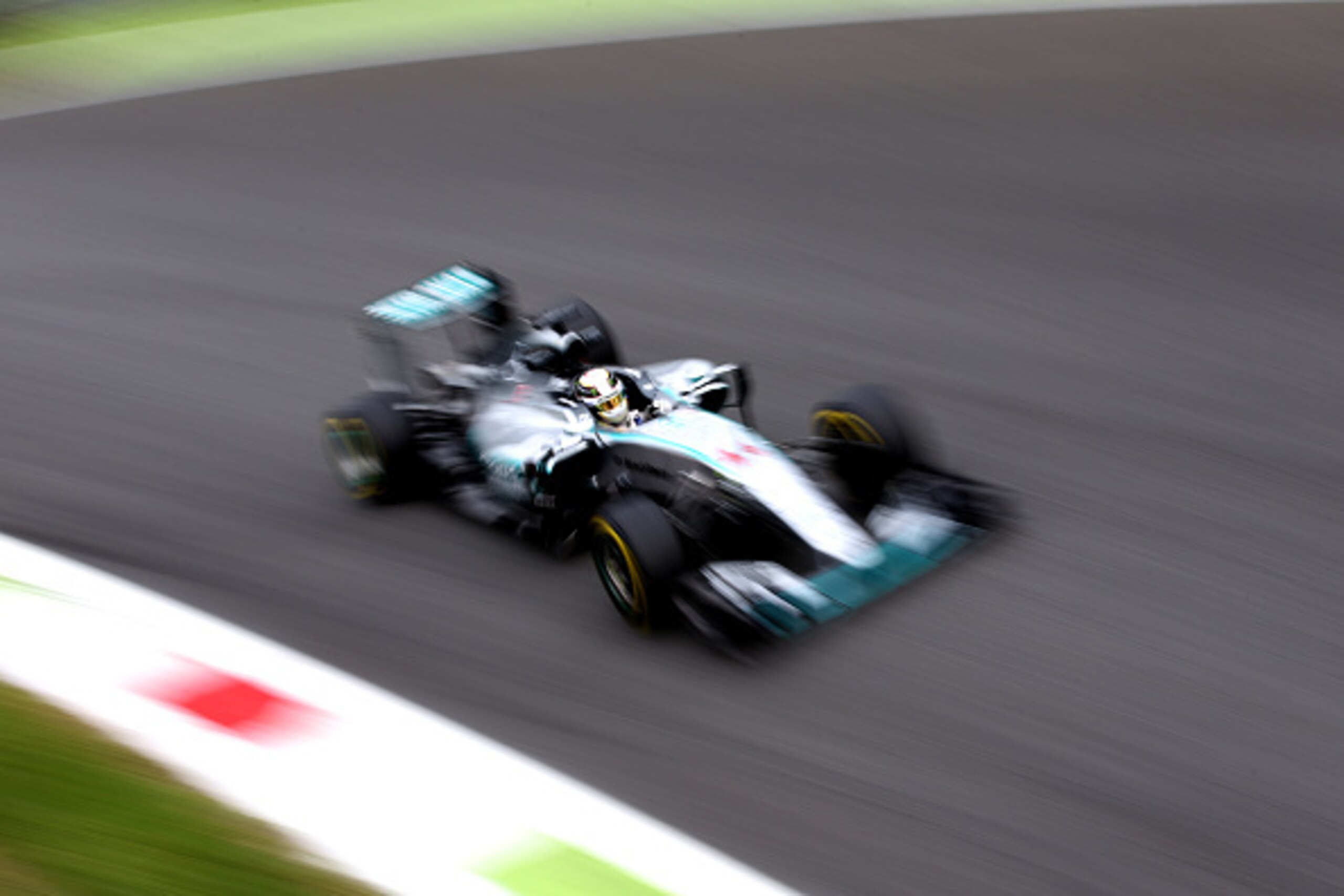
Hamilton's latest pole-setting time of one minute, 23.397 seconds was just 0.234 seconds faster than the lap produced by second-placed Kimi Raikkonen, per the official F1 website, an advantage that may well have been a deficit had Mercedes decided against introducing the latest specification of their V6 turbo power unit in Italy.
But while the reigning world champion was reflecting on his latest outstanding performance in this most impressive of campaigns, waving to the crowd—and, far more significantly, perfecting the art of swapping his crash helmet for a team cap without revealing his new blond hairdo to the globe—his team-mate was out the back.
Beaten. Again.
Like Hamilton, Nico Rosberg had been gifted his third of four allotted engines at Monza, yet his had developed what the team's official Twitter account called an "un-diagnosed problem," forcing them to reinstall an older powertrain into the German's car.
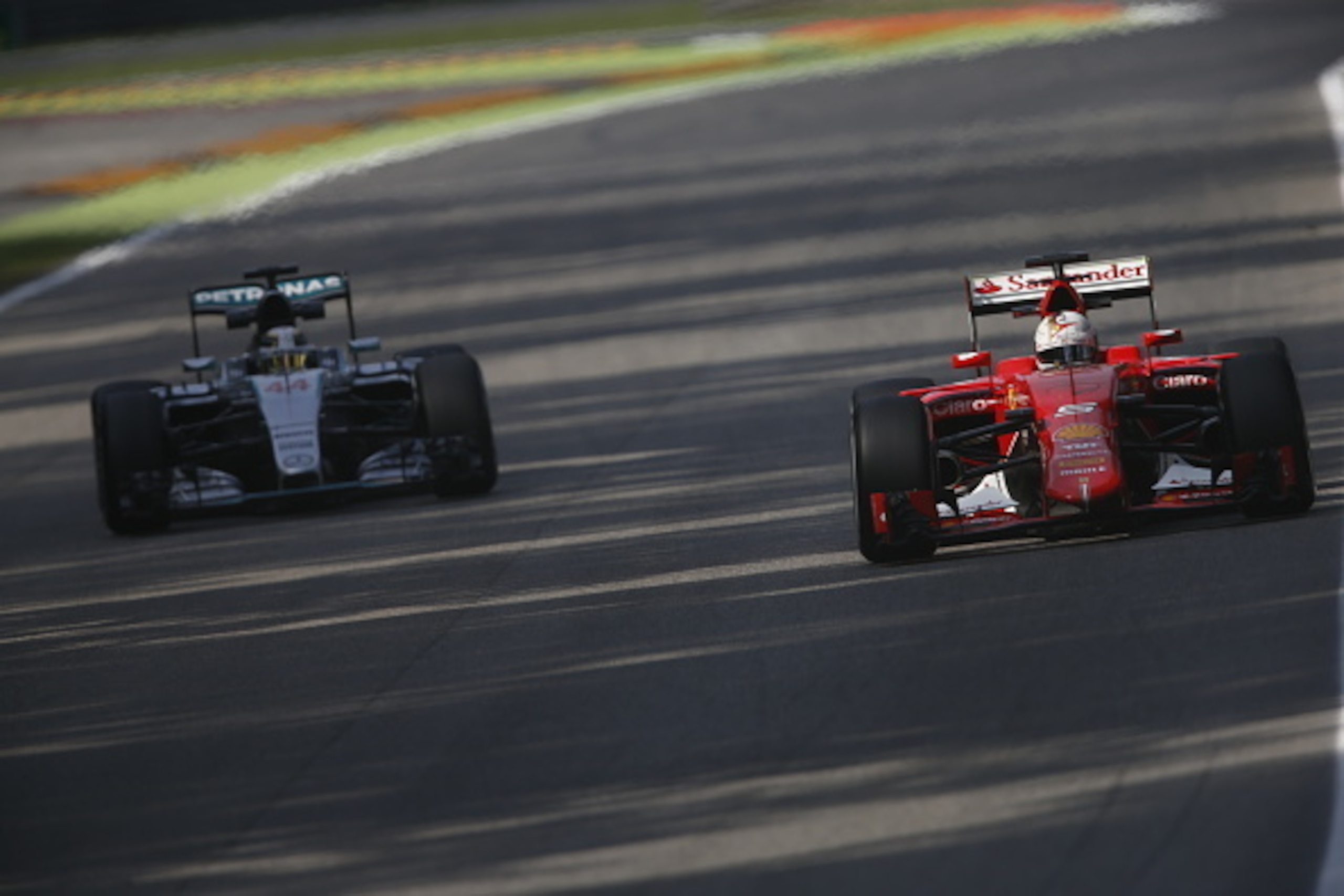
That—perhaps surprisingly when you consider the ageing engine was the undisputed class of the field throughout its intended shelf life—reduced Mercedes to a one-man team, with Rosberg outpaced by the Ferraris of Raikkonen and Sebastian Vettel in Q2 and Q3.
What could have been a landmark weekend for the team, on the evidence of their thunderous pace during Friday practice, is now one of contrasting fortunes.
And it has raised questions over Mercedes' wisdom to bring their new engine to Monza of all places, where 74 per cent of the lap is spent on full throttle (according to a UBS infographic), making the Italian GP by far the most rigorous test of any engine, never mind the fresh-out-of-the-box units.
While there are valid performance-related reasons to fast-track the power unit (Noble claimed the "majority" of upgrades have been made with next season in mind), Mercedes also seem to have embarked upon something of an ego trip.
Dominating proceedings at Ferrari's home track, after all, would have given the team plenty of satisfaction, and the sheer scale of their update, while their rival manufacturers have all adopted a step-by-step approach to in-season development, would have reinforced Mercedes' status as the masters of the V6 era.
Renault and Honda, for instance, continue to make minimal progress in their search for improvements, lost in a world of energy recovery systems.
And although Ferrari have made considerable advancements from last season to this, their tendency to spend three tokens at a time—team boss Maurizio Arrivabene told the official F1 website how they used three in Italy, having used the same amount at June's Canadian GP—suggests the Prancing Horse are reluctant to push their luck.
Mercedes' decision to spend seven tokens in one go, however, was the act of a team with the skill, expertise and confidence to work effectively and efficiently, to succeed at whatever is asked of them.
But their confidence, this time, appears to be misplaced—their aggressive development strategy uncharacteristic of the team who breezed to drivers' and constructors' championship triumphs in 2014.
The most alluring aspect of Mercedes' success a year ago was their refusal to complicate matters, take unnecessary risks or develop an arrogant mindset despite having the fastest car on the grid at their disposal.
Much of this was driven by the fear of failing to make the most of their opportunities and the fear—as team principal Toto Wolff admitted to Noble in an Autosport article—that the Hamilton-Rosberg championship battle could ultimately be decided by a reliability issue.
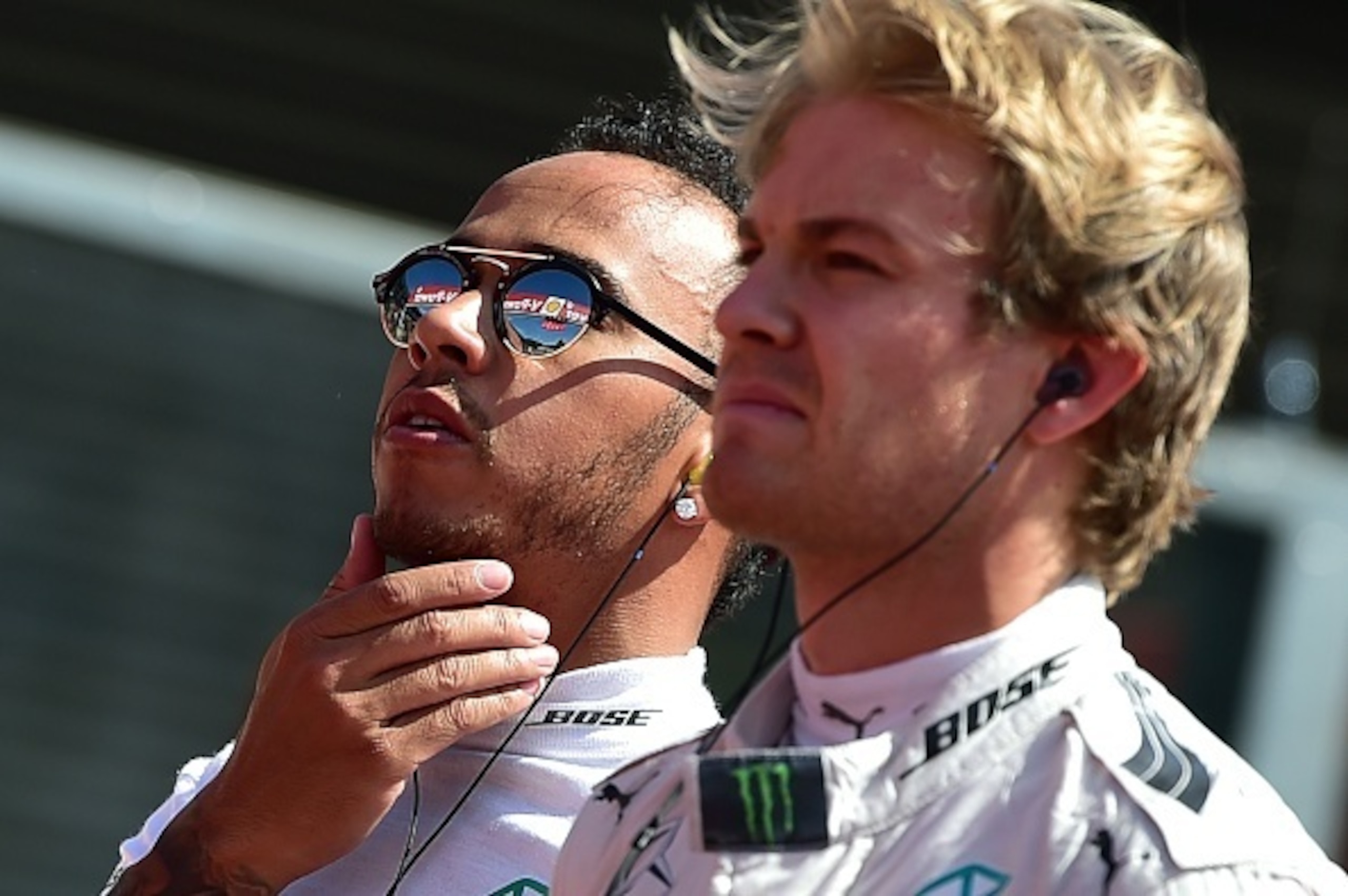
The improvements made by the opposition over the winter, and the potential gains the likes of Ferrari could make between 2015 and '16, has almost certainly encouraged the team to be more adventurous and daring.
But introducing such a major raft of updates in one go seems like one risk they didn't need to make when Hamilton and Rosberg are separated by 28 points, especially when, as we noted over the Canada weekend, improving the modern engines can cause, rather than solve, problems.
With Rosberg informing Sky Sports' that his fallback engine is entering its sixth grand prix, losing power all the while, and Hamilton still using the new-spec powertrain, both Mercedes cars could resemble ticking time bombs during the race.
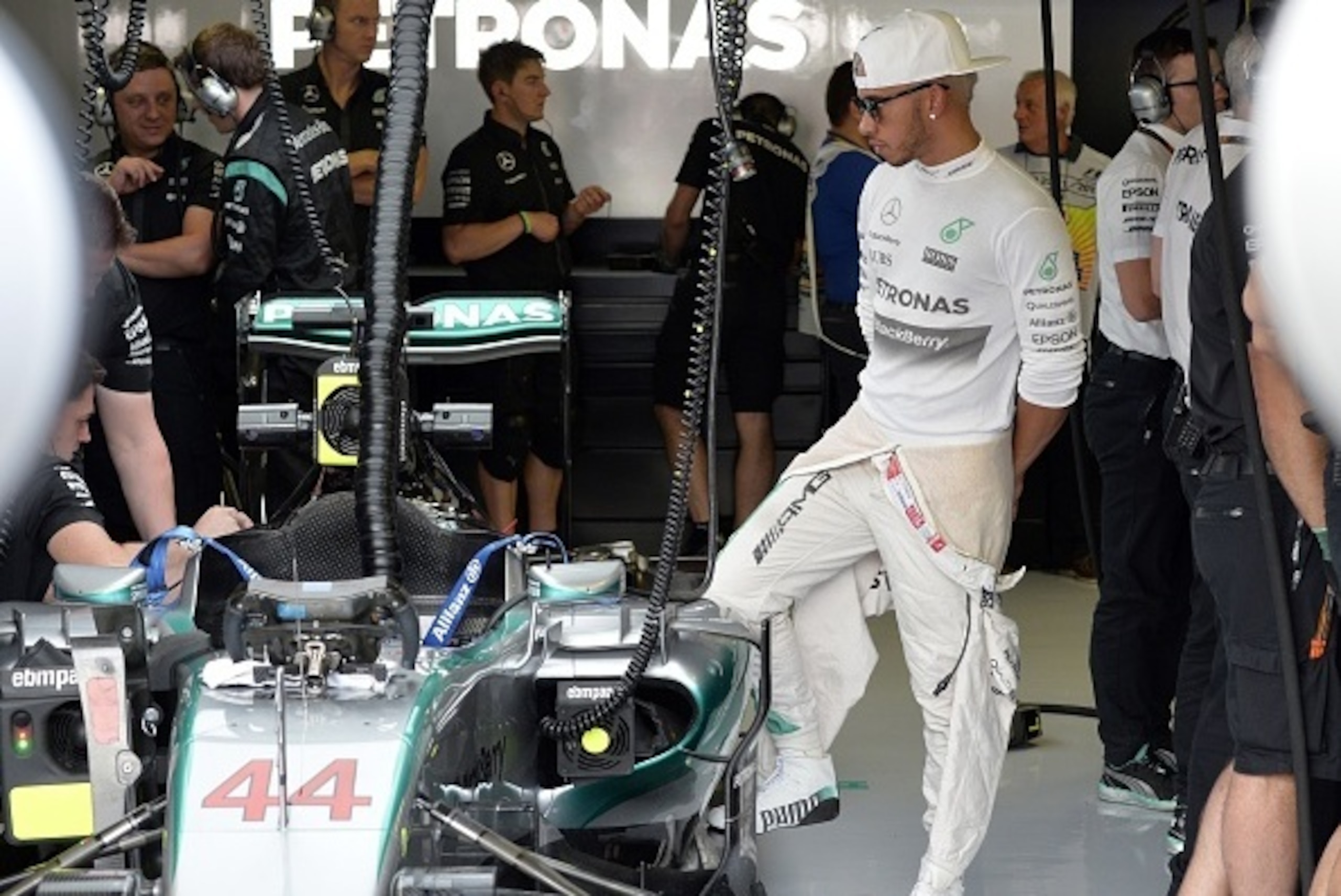
The Silver Arrows have prided themselves on their reliability record this season, finishing each of the first 11 races inside the points—an outstanding achievement when you consider the infancy of the V6 regulations.
But they may be set to throw it all away.
Having looked so comfortable in practice, the Italian GP is now a question of whether Hamilton and Rosberg can last 53 laps around the most engine-dependent track of them all.



.jpg?w=2560 "Viral Rams Coach Vid 🖕")