Athletes Who Should've Stayed in School 1 More Year: Part 1
Stay in school. This isn't a Ronald Reagan public service announcement. It's a rule that a lot of young athletes should follow.
The allure and flashing lights of being a professional hoops player, gridiron warrior or anything in between are gravitationally powerful. Without any dosage of doubt, it has to be hard for guys to pass on a chance to secure big dollars.
Many find lots of success when they decide to leave school early. Others aren't as lucky. As part of an ongoing series, we now present athletes who should've stayed in school one more year.
Austin Rivers
1 of 10
The time Austin Rivers spent at Duke produced hype-induced results. Rivers, son of Los Angeles Clippers head coach Doc, spent one year with the Blue Devils.
He averaged 15.5 points per game by the time that 2011-12 season concluded. The scoring was there, but nothing else seemed to follow.
You could tell just by watching Rivers that he needed a lot more polishing before he could become an effective NBA player. But he dipped from the comforts of Durham, North Carolina, and threw his name into the draft pool.
His NBA career has gotten off to a tumultuous start. Rivers has averaged seven points and 2.1 assists over his three seasons. Maybe now that he's playing with his father in Los Angeles, he will turn a corner. At the end of the day, Rivers is still only 23 years old.
Cordarrelle Patterson
2 of 10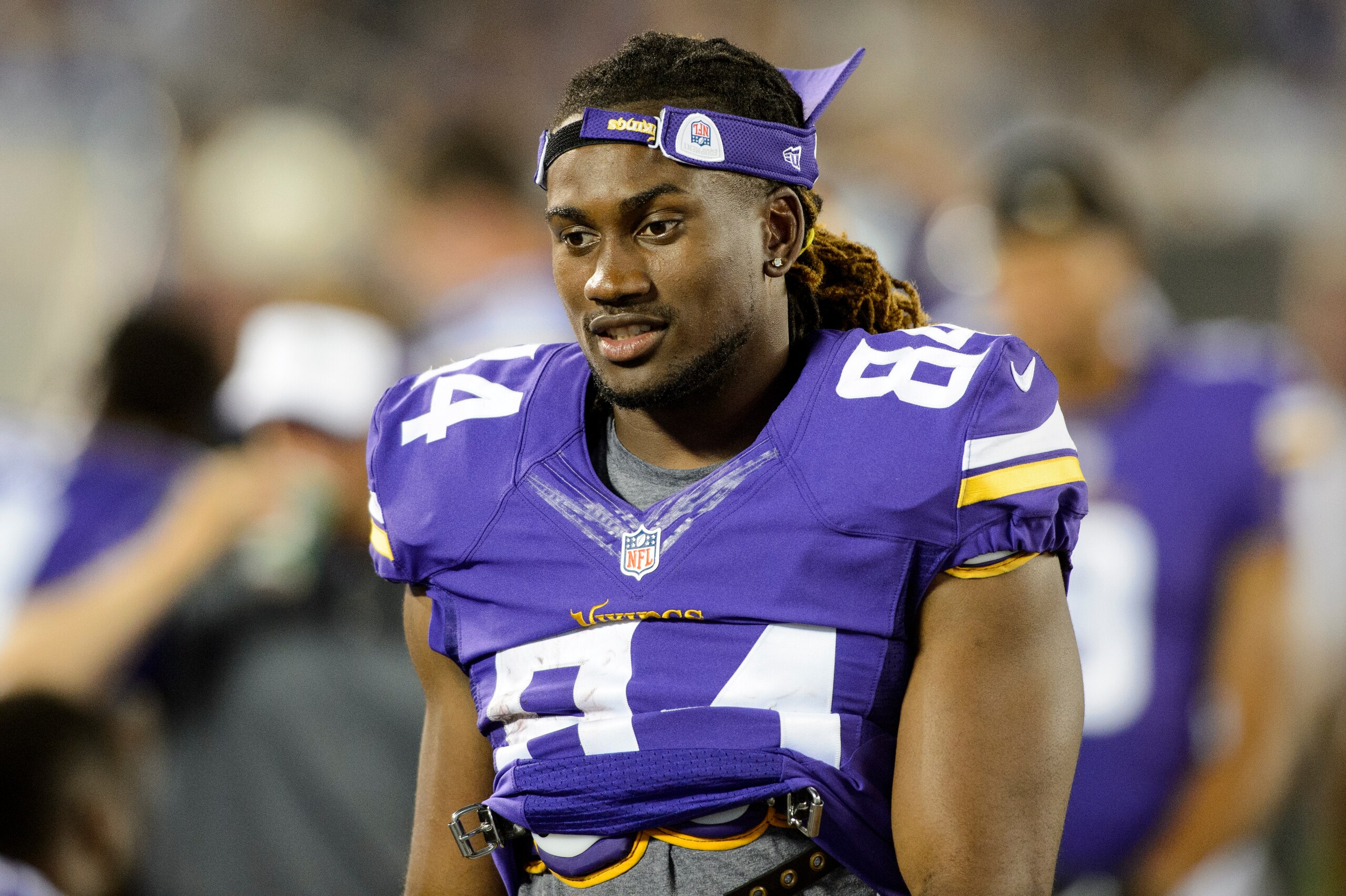
The Minnesota Vikings desperately wanted a playmaker to fix their offensive woes. They decided to address that situation by drafting unpolished wide receiver Cordarrelle Patterson No. 29 overall in the 2013 NFL draft.
CP84 went off like a stick of dynamite during his rookie year. Even as a raw route-runner, he caught 45 passes for 469 yards and four touchdowns. When you tack on two rushing and two return scores to that total, you see why the Vikings fell in love with this kid.
Instead of flourishing his sophomore season, Patterson wavered. He caught only 33 balls for 384 yards and one TD. Those totals were created by a regression in all aspects of his game.
The 24-year-old would have probably benefited from a little more seasoning at the collegiate level. Though it's not a guarantee his receiving skills would have translated over to the pro game, it would have at least exposed him to more opportunities of growth.
Michael Beasley
3 of 10
At one point prior to the 2008 NBA draft, you could make a case for picking Kansas State's Michael Beasley over Derrick Rose.
Rose wound up going No. 1 overall to the Chicago Bulls, while Beasley dropped to the Miami Heat at pick No. 2. This hyper-talented scoring forward was so good in college. Even today, it's hard to fathom how he dropped off the grid and became a terrible player.
It's even more frustrating when you realize he showed flashes of solid play with the Minnesota Timberwolves during the 2010-11 NBA season. Those strides allowed him to score 19.3 points per game over the course of 73 games.
Now he's nothing more than afterthought in terms of his ability. Maybe another year or two of school would have exposed those flaws to NBA teams? If anything, perhaps the 26-year-old could have worked out the mental aspect of his game and developed quicker.

Blaine Gabbert
4 of 10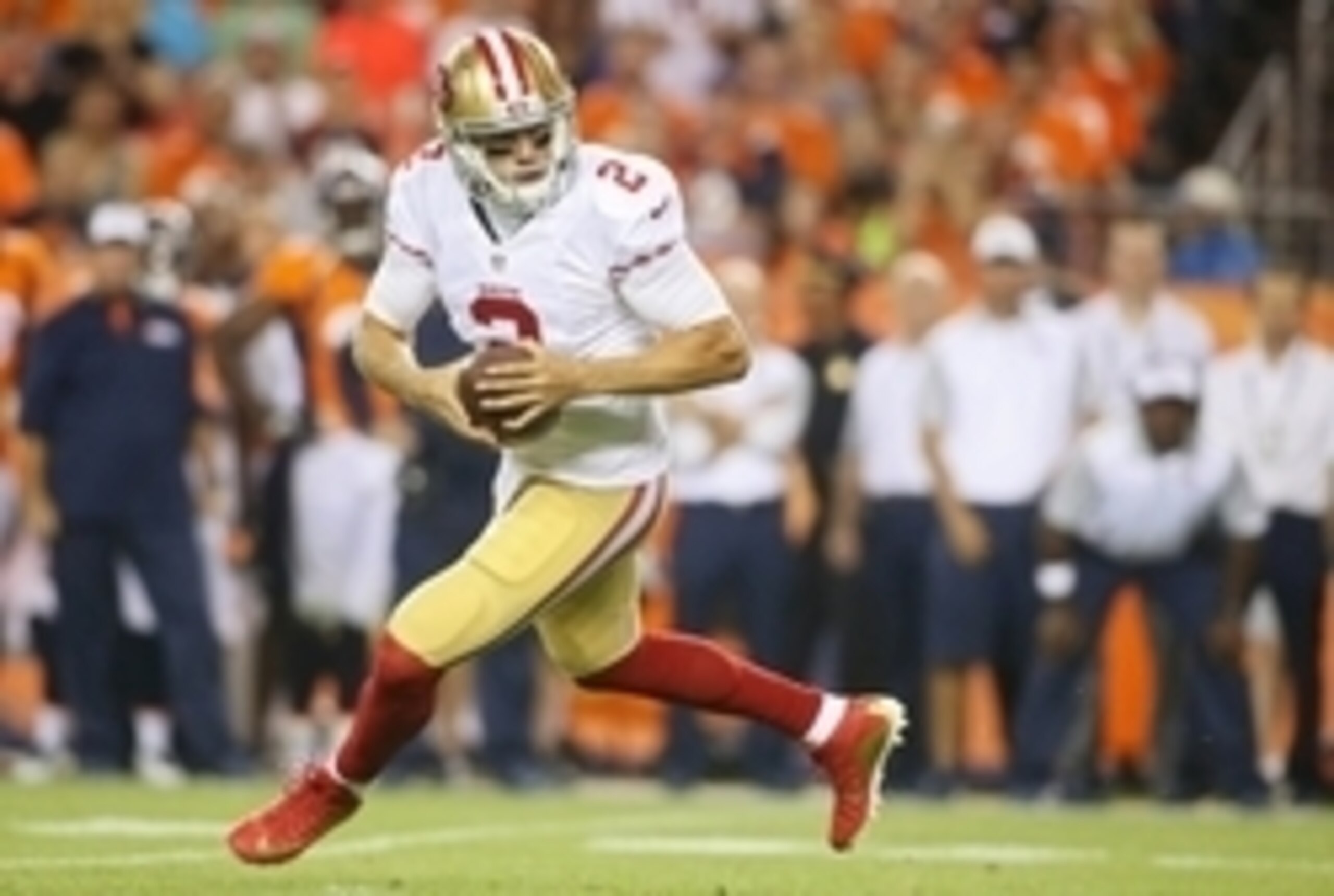
Quarterbacks these days are a delicate breed. For all of the Peyton Manning types, we have way more guys who turn out to resemble Blaine Gabbert.
Gabbert spent his college days slinging the pigskin at Missouri. Watching Gabbert at Mizzou was never a mind-blowing endeavor. He had a strong arm and looked the part of a quarterback, but he had so many flaws, and his lack of accuracy at times was astonishing.
During the two years he started for the Tigers, Gabbert completed 61.1 percent of his passes. Forgoing his senior season, somehow this brawny, blonde QB became a hot prospect leading up to the 2011 NFL draft.
The Jacksonville Jaguars took the bait when they selected Gabbert No. 10 overall. What they got was the opposite of a franchise quarterback. Gabbert struggled to mature, tossing 22 touchdowns to go along with 24 interceptions before he was traded to the San Francisco 49ers.
Another year in college could have really helped this guy out. Playing behind the comforts of a collegiate offensive line sure beats getting battered at the NFL level.
Marvin Williams
5 of 10
Leaping into the draft early is commonplace in the NBA. Ever since we were stripped of our Kwame Brown high school moments, we've seen a cluster of one-and-done players use their freshman years as a springboard into the pros.
Marvin Williams is a quintessential example of a player who left school way too early. His 36-game career at North Carolina showed off immense potential. Williams averaged 11.3 points and 6.6 rebounds per game.
Despite looking the part, he wasn't ready for that transition to the pro ranks. If you do a little digging and go back to his NBADraft.net profile, scout Mike Apodaca wrote that Williams "would greatly benefit from a year or two in college."
Williams left, and the rest became a tale in mediocre history. The 29-year-old's career per-game averages of 10.4 points and 5.1 rebounds aren't superstar material. It's role-player level at best.
Now we're left to ponder if those extra years would have resulted in Williams maximizing his potential.
Mike Williams
6 of 10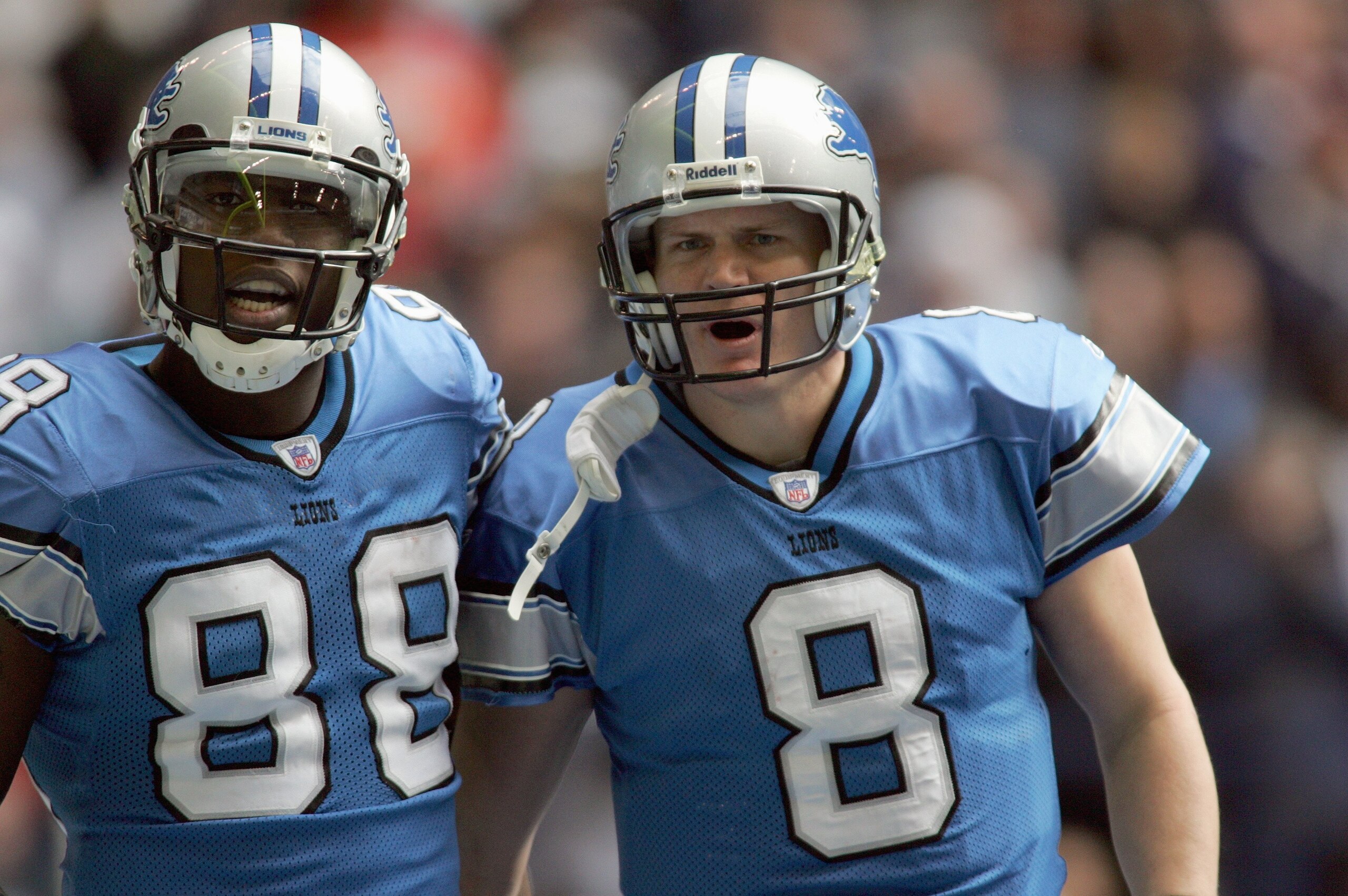
Mike Williams crushed it at USC. The 6'5" wide receiver caught 176 passes for 2,579 yards and 30 touchdowns in two seasons.
He was a sure thing, a can't-miss stud, bound to create mismatches for a decade or so. After Ohio State running back Maurice Clarett challenged the NFL's eligibility rules by declaring for the NFL draft as a sophomore, Williams followed suit when the courts ruled in Clarett's favor.
But when the court's original decision was overturned, Williams was out of luck. He couldn't go back to college. The former USC monster was forced to sit out a year.
A year on the shelf didn't stop the Detroit Lions from selecting him 10th overall in 2005. The result was disheartening. Williams spent three seasons in the Motor City, hauling in 37 catches for 449 yards and two TDs.
His career never picked up after that, spending time between the Oakland Raiders, Tennessee Titans and Seattle Seahawks.
Jonny Flynn
7 of 10
If you were like me, you wanted former Syracuse point guard Jonny Flynn to thrive in the NBA. The defiant offensive guard was beyond entertaining playing collegiate ball.
After serving two years under head coach Jim Boeheim, Flynn decided he was ready to leap across the basketball pond and join the ranks of the NBA—and the glamorous side of his game made you think he was ready.
The realistic scouting side said he probably should have spent another year honing his craft. On his NBADraft.net profile, Kevin Duffy described two things Flynn needed to succeed at the pro level: "Adding a strong three-point shot and even a consistent 12-15-foot shot to his game would make Flynn virtually unguardable."
Flynn was selected No. 6 overall by the Minnesota Timberwolves. He went on to have a decent rookie year, averaging 13.5 points and 4.4 assists in 81 games. Despite those totals, Flynn soon faltered. His struggles were magnified with each passing season, and by the time 2012 had ended, Flynn was on his way out of the NBA.
Maurice Clarett
8 of 10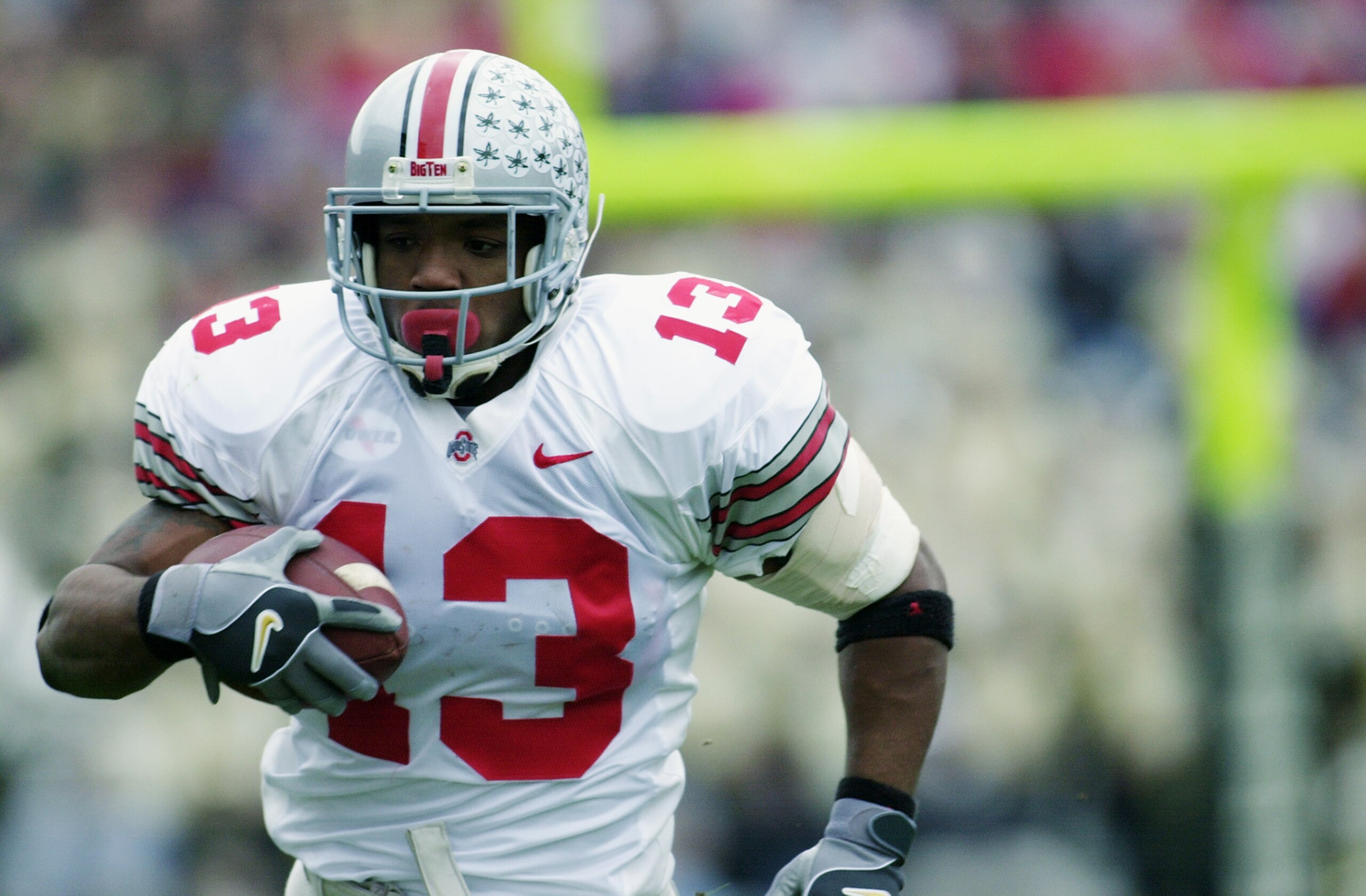
After Ohio State's football program dismissed him in 2003, Maurice Clarett challenged the NFL's eligibility rule and lost. Like Mike Williams, Clarett's loss in court forced him to sit out a season before he was deemed fit to play.
This case isn't as cut and dry as Williams' mistake. Clarett got himself into trouble, which forced him to apply for the NFL. In any event, his actions cost him the chance to enjoy another year of learning and improvement at Ohio State.
By the time the 2005 NFL draft came rolling along, Clarett's future was up in the air. He was eventually selected by the Denver Broncos in the third round of the draft, but that didn't turn into anything besides more trouble.
Clarett was released before he could play a single down in the league.
Omar Cook
9 of 10
Omar Cook was the pride of St. John's University in 2000. The 6'1" point guard was a New York City kid, and because of that—not to mention his skills—he earned cult-hero status playing in the Big Apple.
After Cook finished his freshman year with the Red Storm, he randomly decided to take his talents to the NBA. Kenneth Garner of Rumble in the Garden cultivated an outstanding profile of Cook's career. He touched on Cook's sudden departure from college.
"What came next shocked many observers," Garner wrote. "In May of 2001, Cook decided to enter the NBA draft, a move that shocked his coach Mike Jarvis and many scouts. Everyone knew that Cook had the playmaking ability, but his shot needed a lot of work. He had only shot 36 percent from the field at St. John’s."
The result of that decision was destructive in NBA terms. Cook spent two seasons in the league with the Portland Trail Blazers and Toronto Raptors. The 33-year-old averaged 1.7 points per game and was quickly sent packing.
Had he stuck around St. John's, we probably would have seen the development of an outstanding prospect.
Mark Sanchez
10 of 10
Mark Sanchez was the prince of USC. He played three seasons at Southern California—starting two—before he suddenly left for the NFL.
You can't really argue his decision from a financial point of view. Sanchez was selected No. 5 overall and immediately signed a five-year, $44.5 million deal with the New York Jets. That was the richest deal in team history, per Rich Cimini, who was writing for the New York Daily News at the time.
The issue was Sanchez's ability and his readiness to become a starting quarterback in the NFL. His former head coach at USC, Pete Carroll, was the main guy who questioned Sanchez's early departure.
It turned out the old ball coach was right. Sanchez may have played in back-to-back AFC Championship Games, but that was more a product of a talented running attack and a daunting defense.
Four seasons with the Jets resulted in 68 touchdowns, 69 interceptions and a completion percentage of 55.1. Oh yeah, there was the Butt Fumble, too.
Financially, Sanchez made the right choice. Development-wise, he should have stayed in school.
All stats and information provided by Sports-Reference.com unless noted otherwise.




.jpg?w=2560 "Weather Channel Trolls Texans-Titans 💀")
.jpg?w=2560 "Grading WWE Raw 🔠")