Right or Wrong: 13 Gray Areas in Sports
Is it wrong to run up the score? What about oversigning college athletes?
Most of the following 13 practices are not technically illegal, but they might seem at least a little wrong to some people. Maybe one of these issues gives your conscience a stir or your sense of sports morality a little jog. Or maybe you think blitzing the victory formation is totally legit, and that's OK too.
So, is it right or wrong? That is the question of the day. Actually, some of these things aren't fully "right," so instead, let's talk about whether something is wrong or "not wrong." The following are opinions only, of course.
Let's take a deep dive into the gray areas of sports, shall we?
Tanking
1 of 13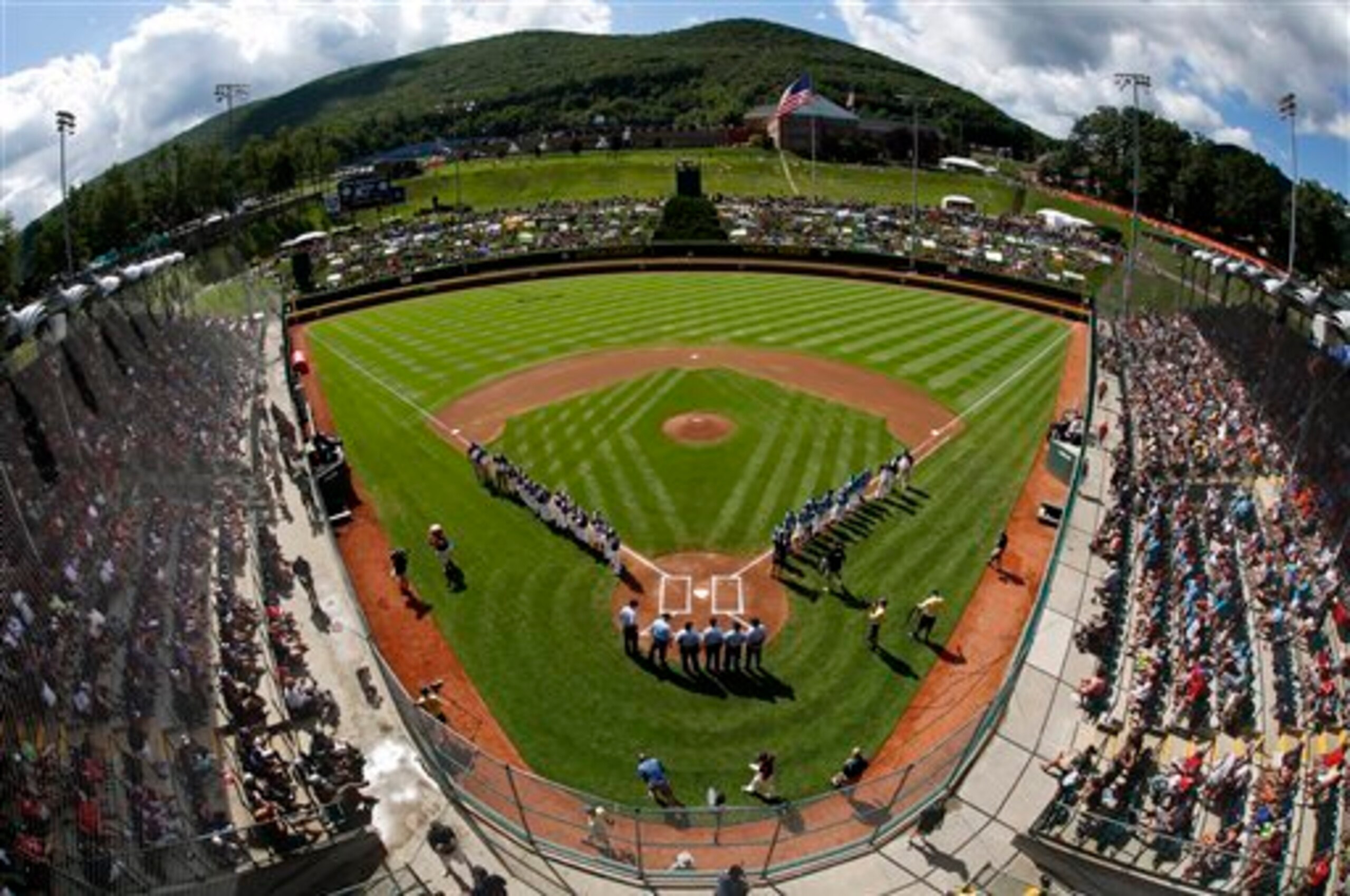
No teams really come out and say they plan to tank, but some professional sports drafts are set up in such a way that losing on purpose could be beneficial.
The NBA, in particular, poses an issue since its draft lottery system is weighted, which means the worst teams have the best odds at getting the top draft pick.
Or, consider the Little League girls softball team from Snohomish, Washington, that got no-hit in a World Series game. It would appear the team lost on purpose, unless benching your starters and a whole lot of bunting is a legitimate strategy.
Washington had already qualified to move on, but a loss would have meant a different opponent in the next round (presumably a more preferable one).
This idea of intentionally losing speaks to integrity—a concept kids should be taught to value. As for the pros, any hypothetical tanking that goes on would (hypothetically) diminish the product.
Wrong or Not Wrong? Wrong.
Blitzing the Victory Formation
2 of 13
Speaking of fighting until the bitter end, what about blitzing the victory formation? If tanking is wrong, shouldn't that be too?
Ehh. Not so fast.
Former Tampa Bay Buccaneers head coach Greg Schiano famously refused to submit to the victory formation on two separate 2012 occasions. Losing late in games against the New York Giants and Dallas Cowboys, Schiano's defense rushed the kneeling offense, hoping to cause a fumble.
Schiano wanted to fight till his last breath, but opponents largely thought his actions caused undue injury risk. It is a gray area, but Schiano probably should've just focused on how to avoid the victory formation in the first place. Some unwritten rules are there for a reason, and there is such a thing as losing gracefully.
Wrong or Not Wrong? Wrong.
Using Pine Tar 'The Right Way'
3 of 13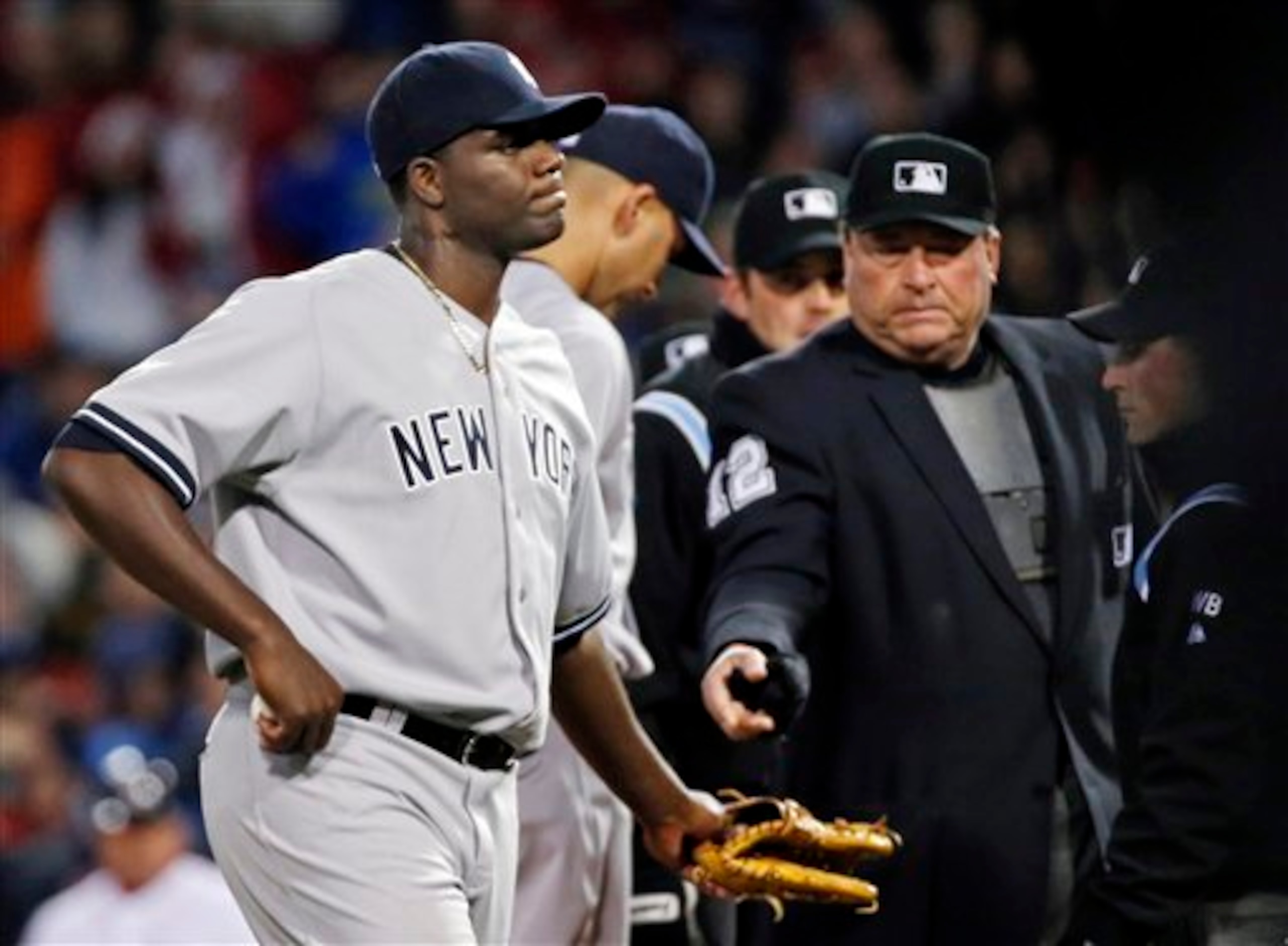
Pine tar is legal in baseball—for hitters, and only on a certain part of the bat. It is not technically legal for pitchers. Those are the facts.
The gray area is this: Most people passively allow pitchers to use pine tar, as long as they aren't obvious about it. New York Yankees pitcher Michael Pineda was ejected from a 2014 game for using pine tar, but probably only because he was too obvious about it.
The opposing manager, John Farrell of the Boston Red Sox, said, "When it's that obvious, something has got to be said," according to Ted Berg of For The Win.
Nick Cafardo of the Boston Globe reported David Ortiz said: "Everybody uses pine tar. No big deal."
If that's the case, then just make it legal (with parameters, if necessary) so we can all stop having this debate every time someone notices a shiny spot on a glove. Thanks.
Wrong or Not Wrong? Not wrong.

.jpg?w=2560 "Chiefs Giants Football")
.jpg?w=2560 "Steelers Saints Football")
Running Up the Score
4 of 13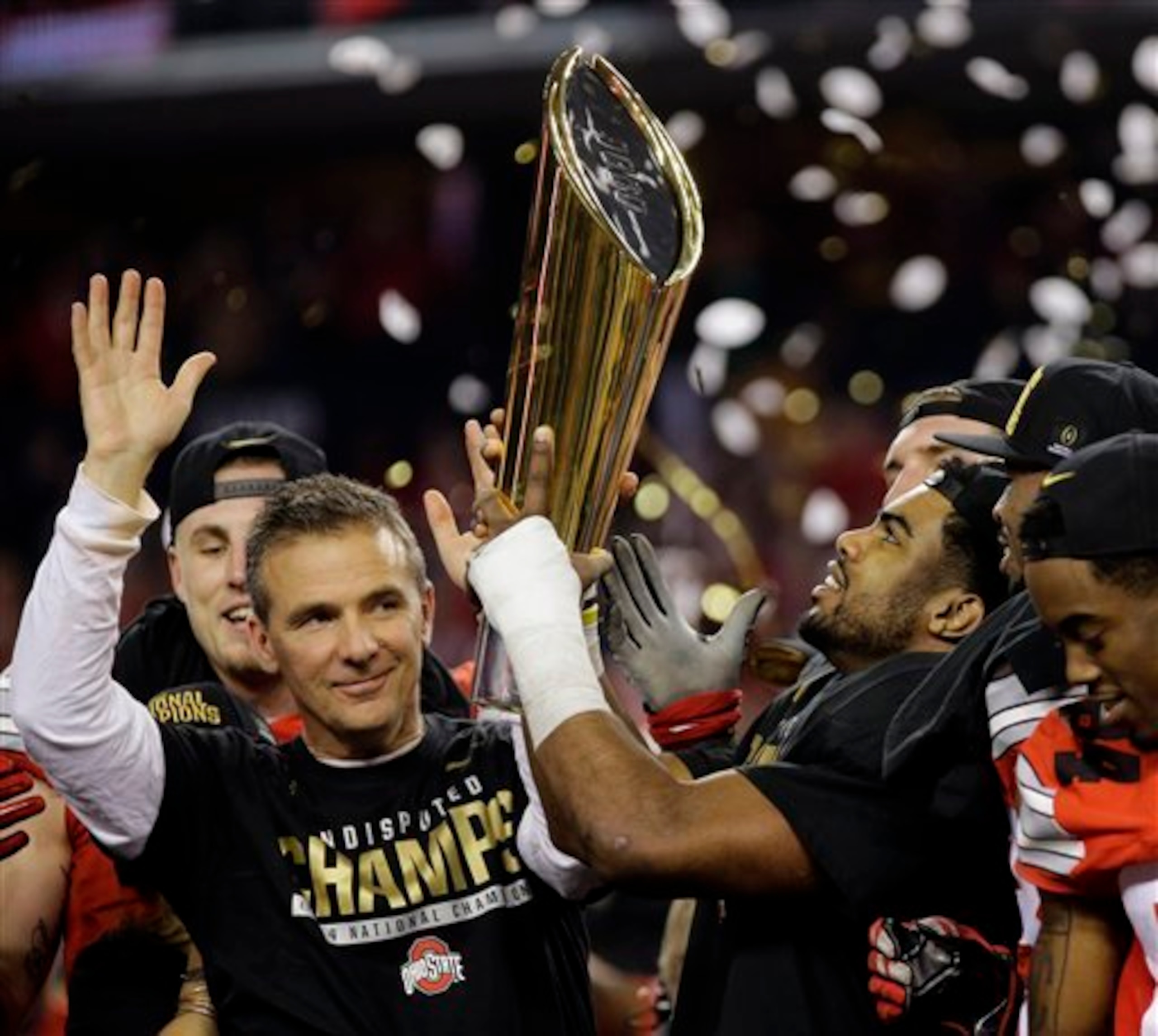
Running up the score isn't illegal, obviously, but it is often seen as needless twisting of the knife.
A high school basketball coach in California was suspended in January after winning a game 161-2. Urban Meyer faced criticism for scoring an unnecessary touchdown against Oregon in the college football national championship game.
Sports are competitive by nature. Then again, just as losing gracefully is a thing, so is winning gracefully, particularly when students are involved.
Wrong or not wrong? Wrong.
Oversharing on Twitter
5 of 13
The Twittersphere is a dangerous place—so easy to type, so little time to consider consequences.
In July, New York Giants defensive end Jason Pierre-Paul had to have his finger amputated after a fireworks-related accident. If you want to see the medical records, you can, courtesy of a tweet from ESPN's Adam Schefter.
Schefter faced criticism for posting the records, which should generally be kept private (HIPAA, anyone?). However, as a reporter, Schefter is not technically in the wrong for sharing, and he told Sports Illustrated: "In trying to be thorough and accurate, we delivered that news as soon as possible with the supporting proof if it happened. To me, that's just doing my job."
Schefter did go on to say, "...in hindsight I could and should have done even more here due to the sensitivity of the situation."
Wrong or Not Wrong? Wrong.
Pitcher Retaliation in Baseball
6 of 13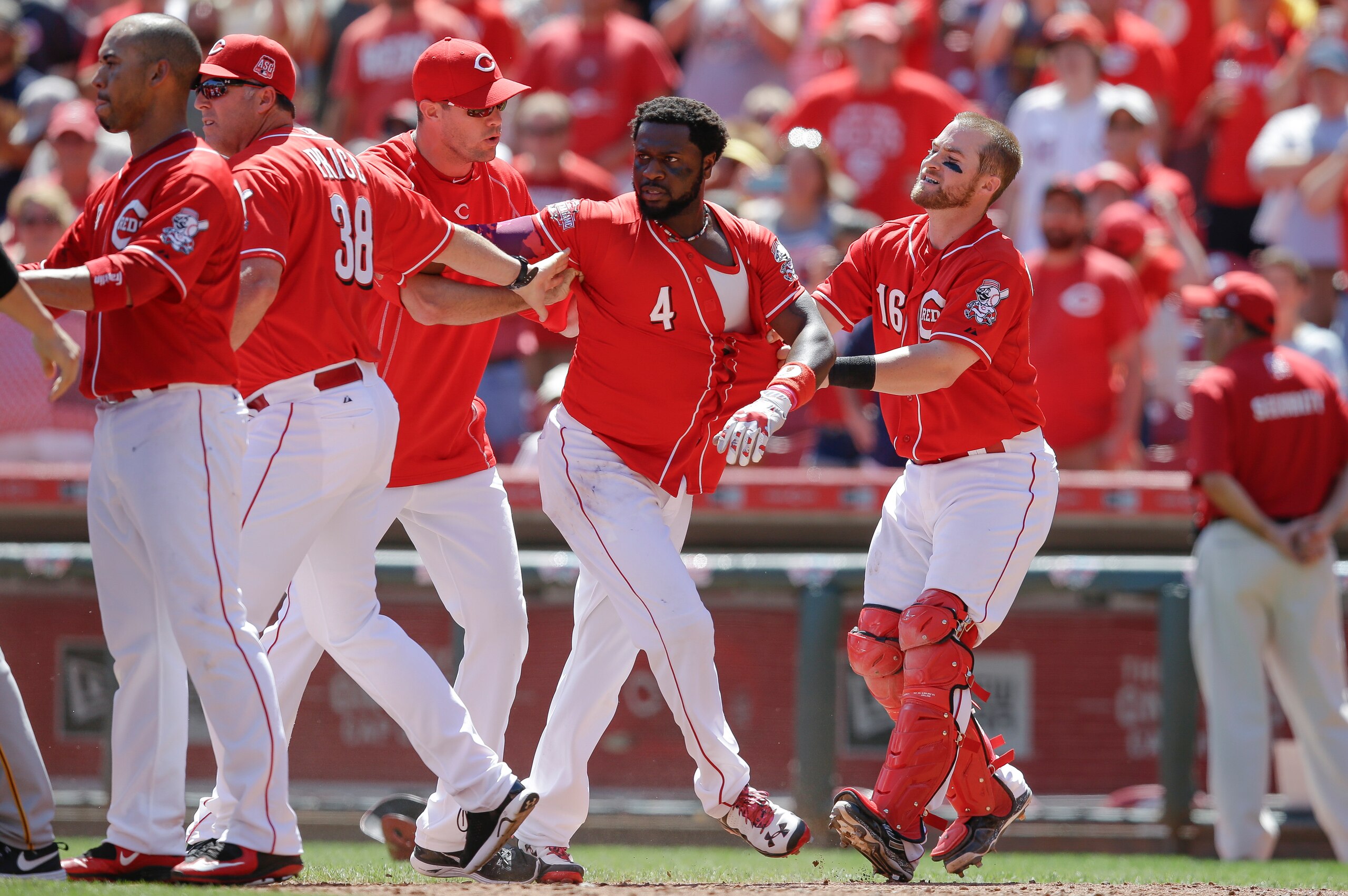
Baseball has an unreal amount of unwritten rules, and given their lack of existence in an actual book, gray areas naturally exist.
In terms of pitcher retaliation, it has generally gone like this: If your guy gets hit, you hit one of their guys, and at some point, you might get bull-rushed at the mound. It's not exactly black and white, and it doesn't always happen right away or even at all anymore, but if it does happen, it's an issue that should be addressed.
Some of baseball's unwritten rules are understandable—don't steal with a big lead or gloat after a home run—but when it involves intentionally hitting someone with a baseball? Tradition is sacred, yes, but come on.
Wrong or Not Wrong? Wrong.
Daily Fantasy Sports
7 of 13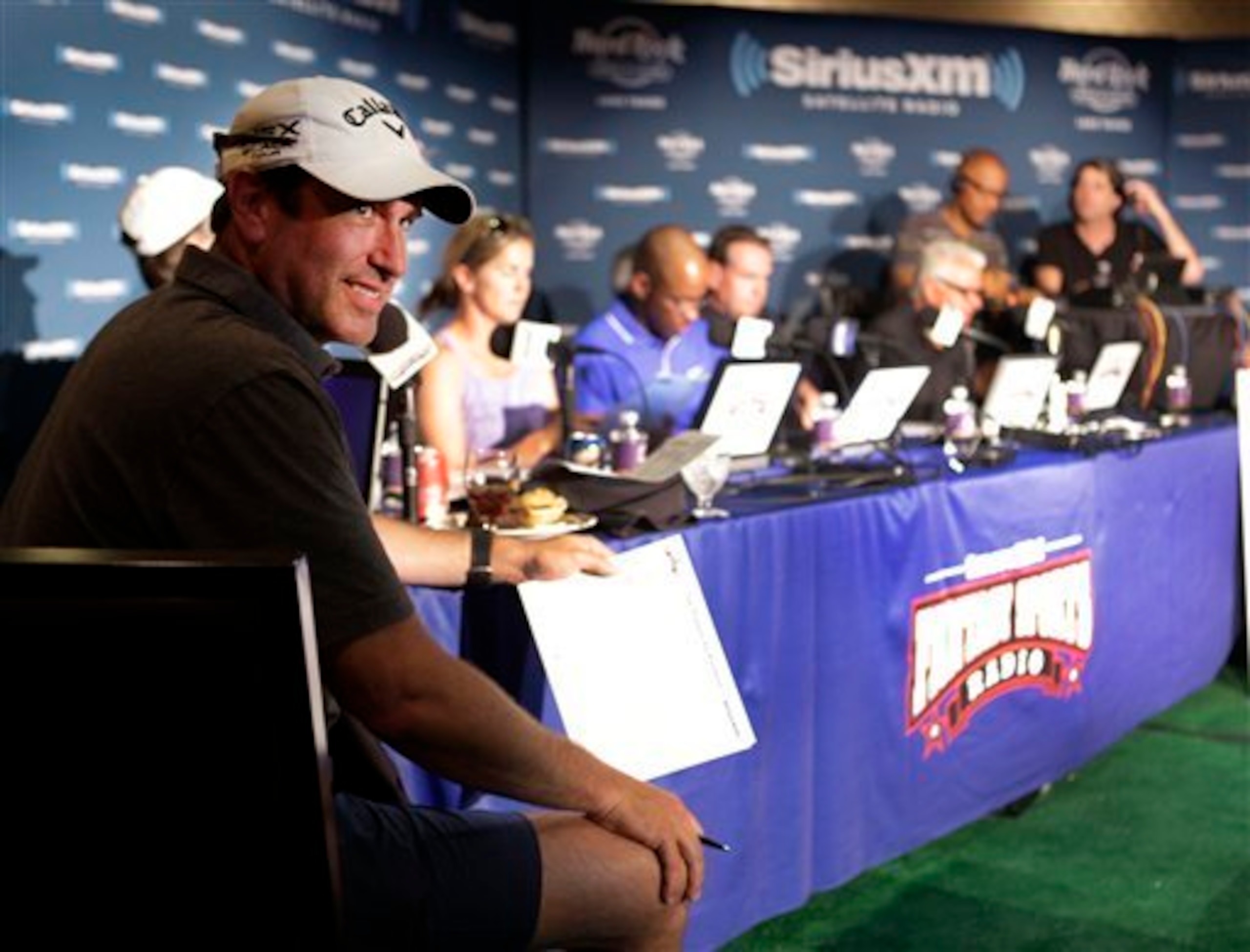
This one is not so much a question of morality but rather legality. As daily fantasy sports continue to boom, many wonder, how is this even legal? Well, it is (in most states), and the reason has to do with the level of skill involved (as opposed to simple chance).
According to David J. Apfel and Andrew Kim of CNBC, however, the line between legal and illegal is thin, and future questions regarding legitimacy are likely. But for now, play away—and play responsibly.
Wrong or not wrong? Not wrong.
Oversigning College Athletes
8 of 13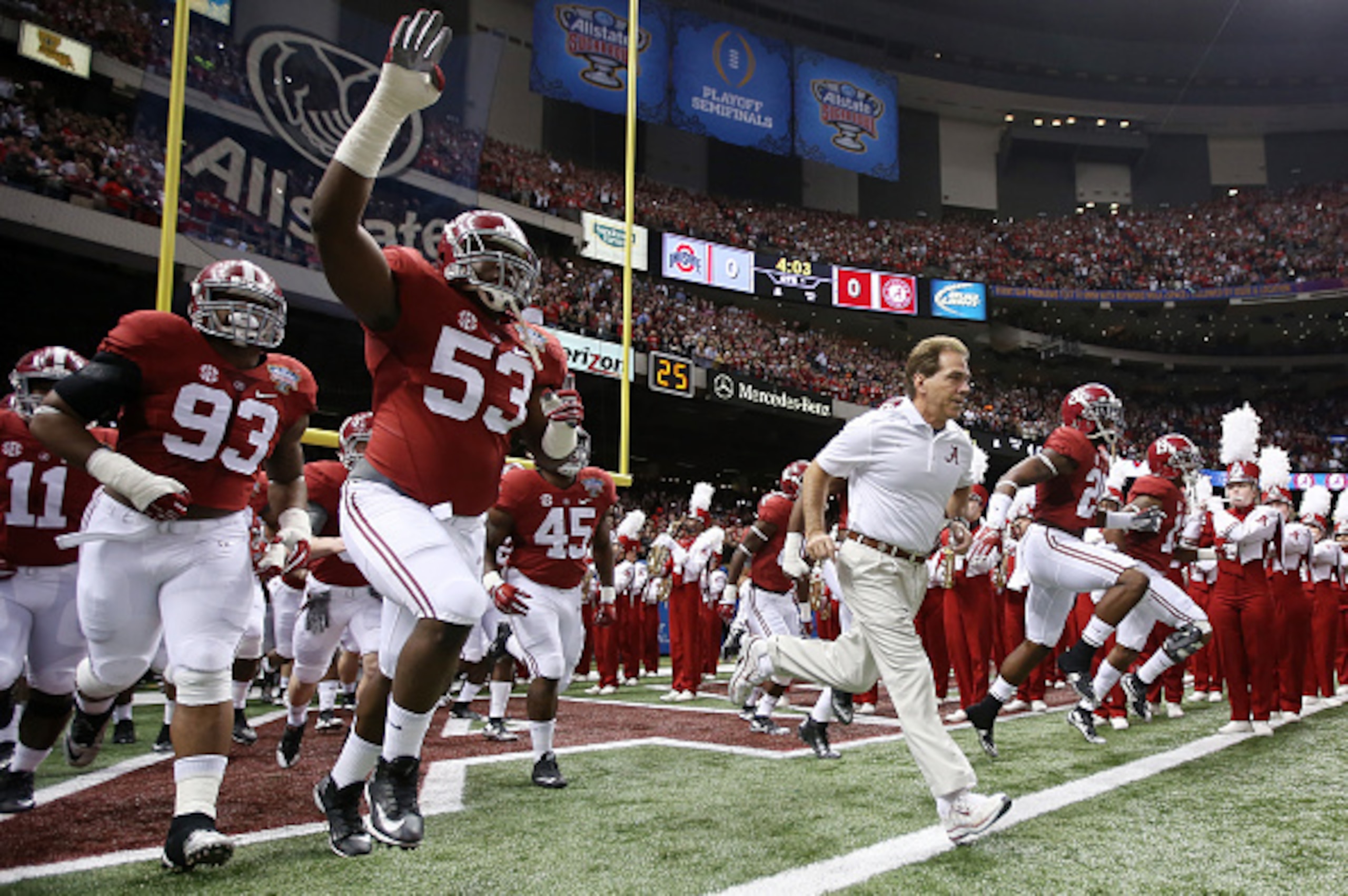
Oversigning in college athletics is just what it sounds like—offering scholarships to more students than the NCAA allows and then cutting a few later on (or losing them to injury or transfer). This is not technically illegal, but it sounds a little shady, doesn't it?
This is a strategic move made famous by the SEC, although that conference is certainly not the only offender. Listen, if this were professional sports, fine. But oversigning is just another illustration of how some teams put winning above the interests of the student-athlete.
Not to sound naive, but the NCAA hangs its hat on providing a "collegiate model of athletics in which students participate as an avocation, balancing their academic, social and athletics experiences."
Oversigning, as a practice, just doesn't seem to have the well-being of the student-athlete at its core.
Wrong or Not Wrong? Wrong.
Stealing Signs
9 of 13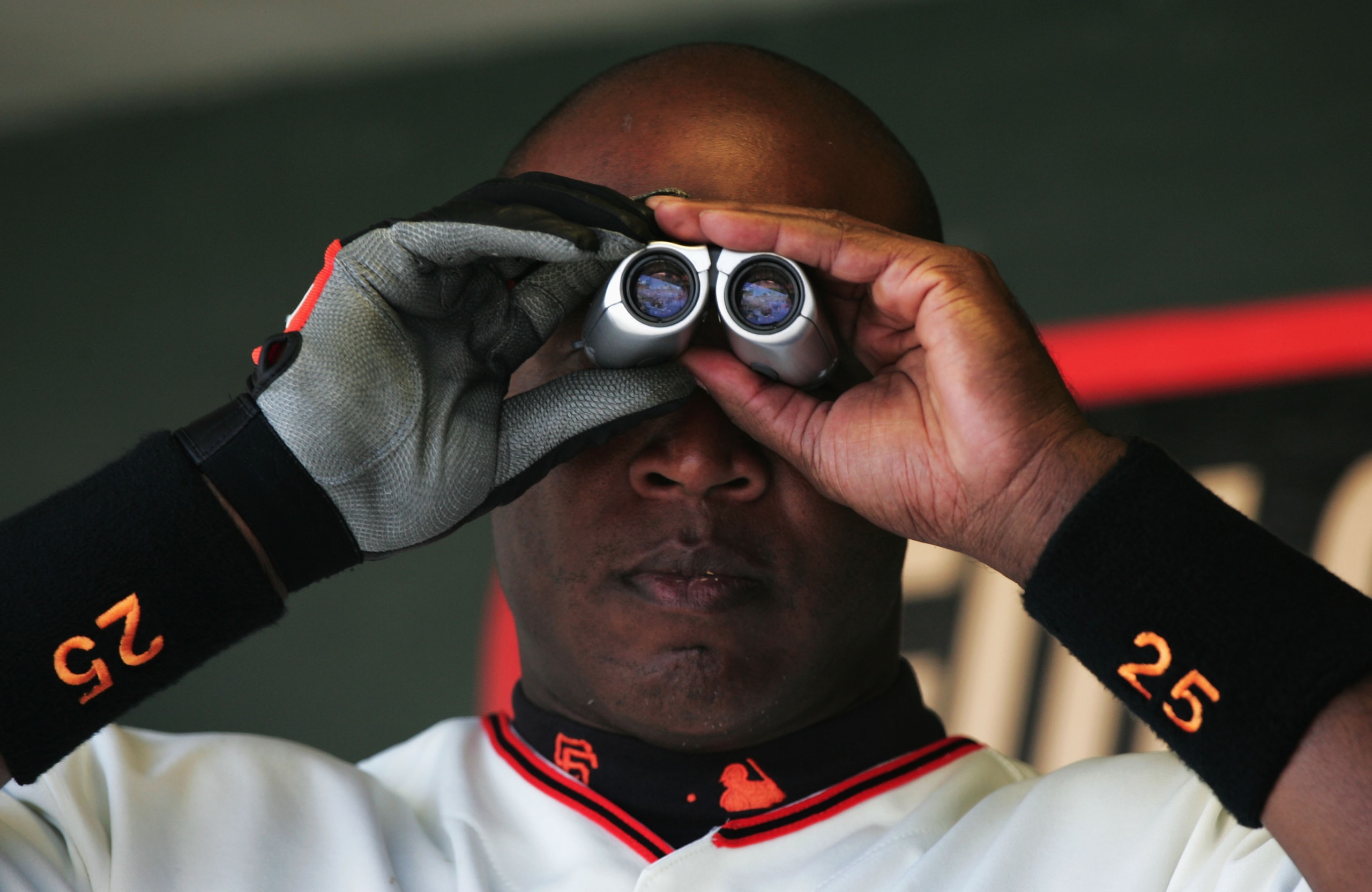
Stealing signs without electronic assistance isn't illegal in baseball, but it is certainly frowned upon. Sure, peering through binoculars in the dugout like you're on some kind of police sting seems a little shady. Then again, isn't it part of the opposing team's job to combat that type of legal espionage?
Doug Miller of MLB.com reported in 2010 that former player Matt Stairs said: "The bottom line is that it's tough to win games in this league and there's a lot of pressure to win games. So teams are going to look for every type of edge within the rules, and you can't really blame them for it."
Everyone is trying to get a leg up, so if it's not technically illegal (and doesn't involve intentionally beaning a guy with a baseball) then, well, game on.
Wrong or not wrong? Not wrong.
Keeping Steroid Guys out of the Hall of Fame
10 of 13
Ah, this is a tough one, one of the great contemporary debates in sports. Since the height of the steroid era in baseball, the Hall of Fame voters have spoken: No one with a connection to performance-enhancing drug use (admitted or not) should be allowed in.
Some of the greatest baseball players in history are not in the Hall of Fame despite multiple turns on the ballot—Barry Bonds and Roger Clemens, for instance. There are many opinions and valid arguments on both sides of the coin.
One could argue, however, that it's all a matter of semantics. The baseball Hall of Fame is actually called the National Baseball Hall of Fame and Museum (key word: museum). Right there on the website, the text reads, "First and foremost, the National Baseball Hall of Fame and Museum is a place to honor the game."
If that's true, then critical parts of baseball's history—positive or negative—shouldn't be left out. Make a separate "asterisk wing" if you want, but as long as it's a museum, those guys should be there.
Wrong or not wrong? Wrong.
Stacking the Team
11 of 13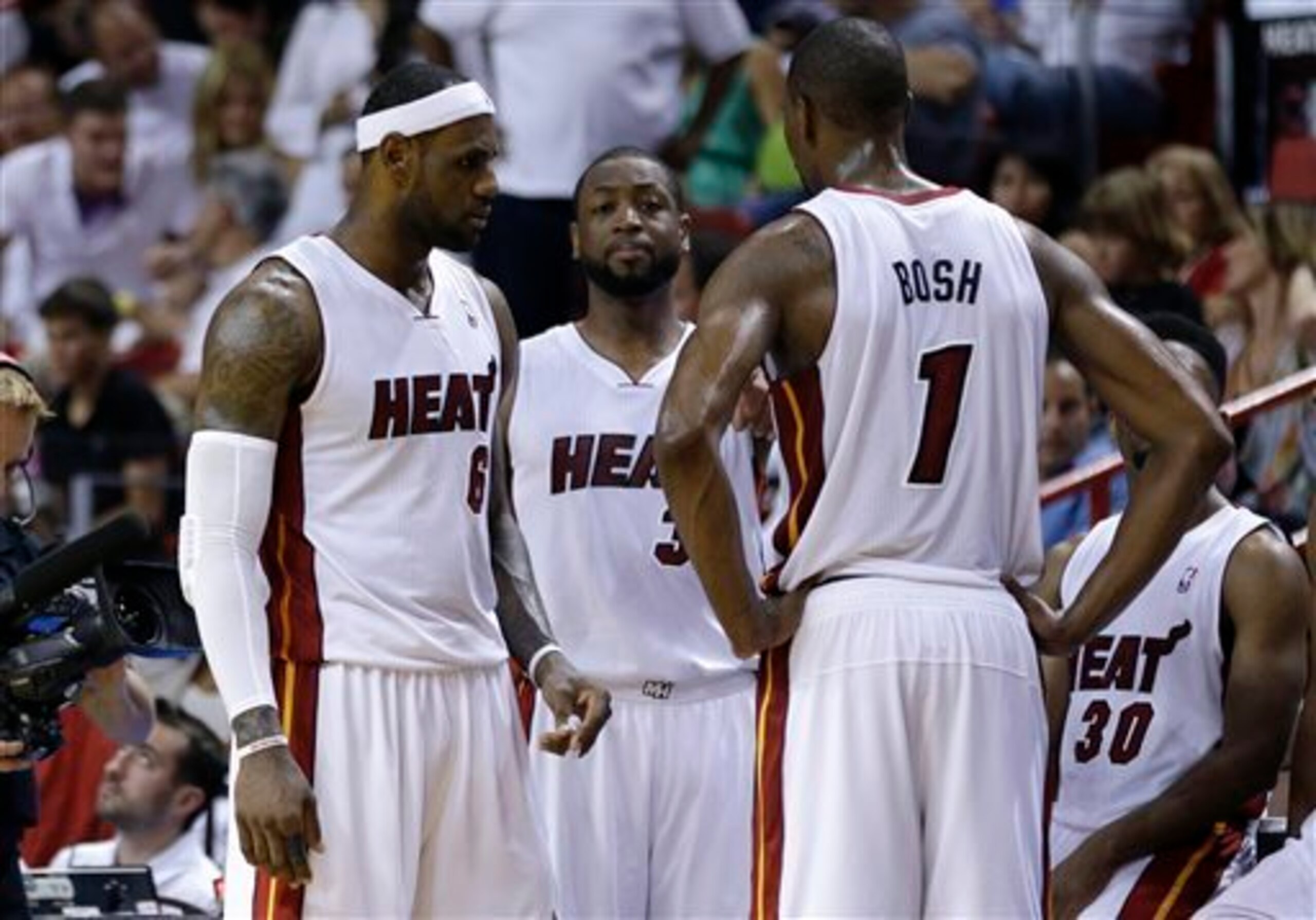
Raise your hand if you did this in middle school: stacked the pickup soccer team in order to keep winning and therefore keep playing. No, just me? OK.
Anyway, it always seemed a little wrong. So when LeBron James decided to team up with Dwyane Wade and Chris Bosh in Miami, that seemed a little off as well.
It's hard to imagine competitive legends like Kobe Bryant or Michael Jordan leaving their teams and joining up with rivals in the quest for a championship.
So, is it a shady practice, or is it just where the NBA is headed? Sports evolve over time, and sometimes you either have to get on board or be left behind.
Wrong or not wrong? Not wrong.
Pulling a Marshawn Lynch with the Media
12 of 13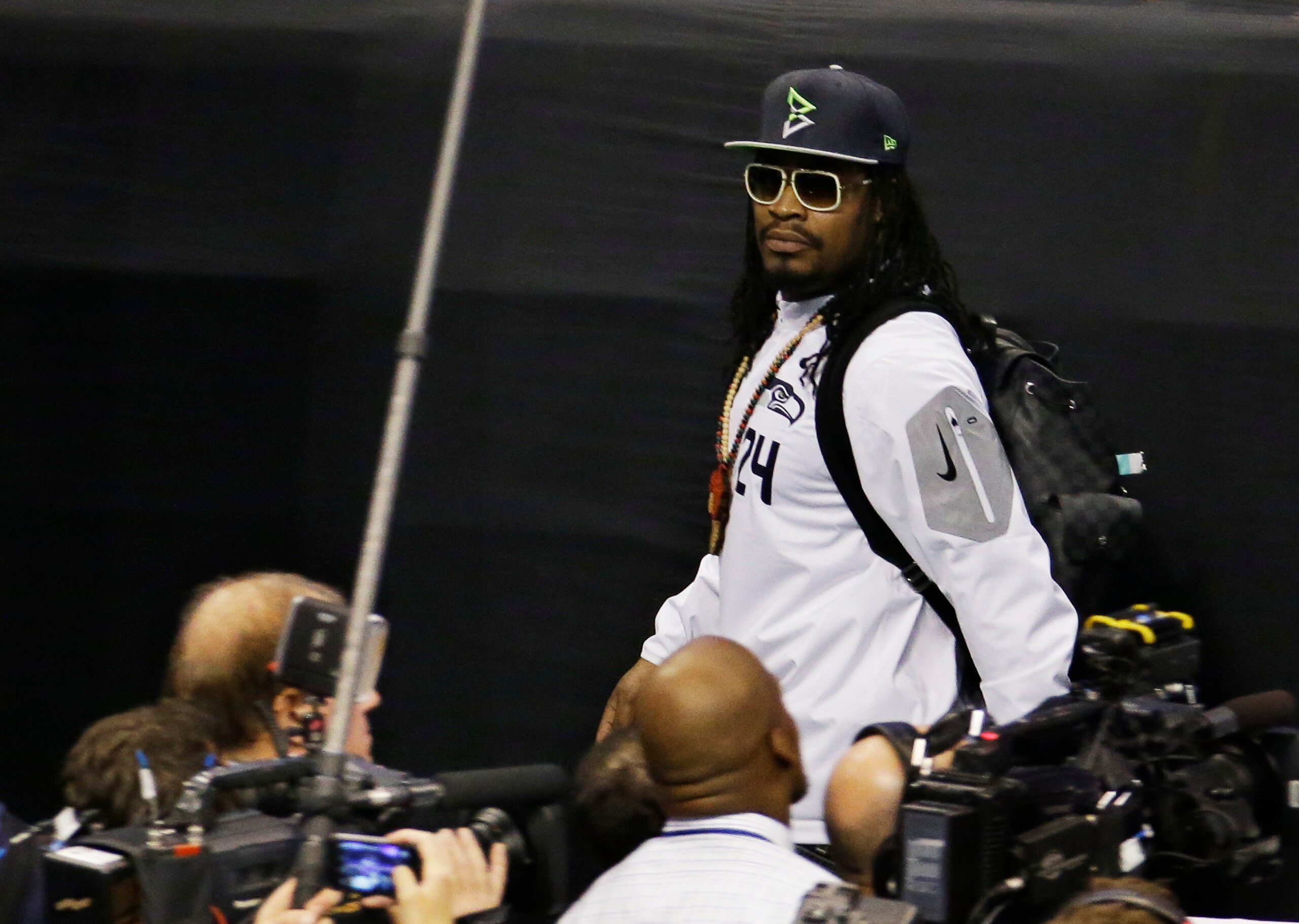
Athletes and coaches often have contractual obligations when it comes to media time. Failure to meet those obligations can (and does) result in fines.
So, Marshawn Lynch came to Super Bowl media day with an idea. He would meet the obligations, but he wouldn't provide any substantive commentary. In fact, he answered every question with, "I'm here so I won't get fined."
Media obligations are surely irritating for some players and coaches. Listen, Gregg Popovich shouldn't have to do an interview during a game. Still, the media is a vessel through which athletes can talk to fans (aka, the consumers of their product and ultimate driver of those big salaries).
Even with the rise of social media as an alternative vessel, athletes shouldn't metaphorically spit in the faces of their fans like that.
Wrong or not wrong? Wrong.
Not Paying College Athletes
13 of 13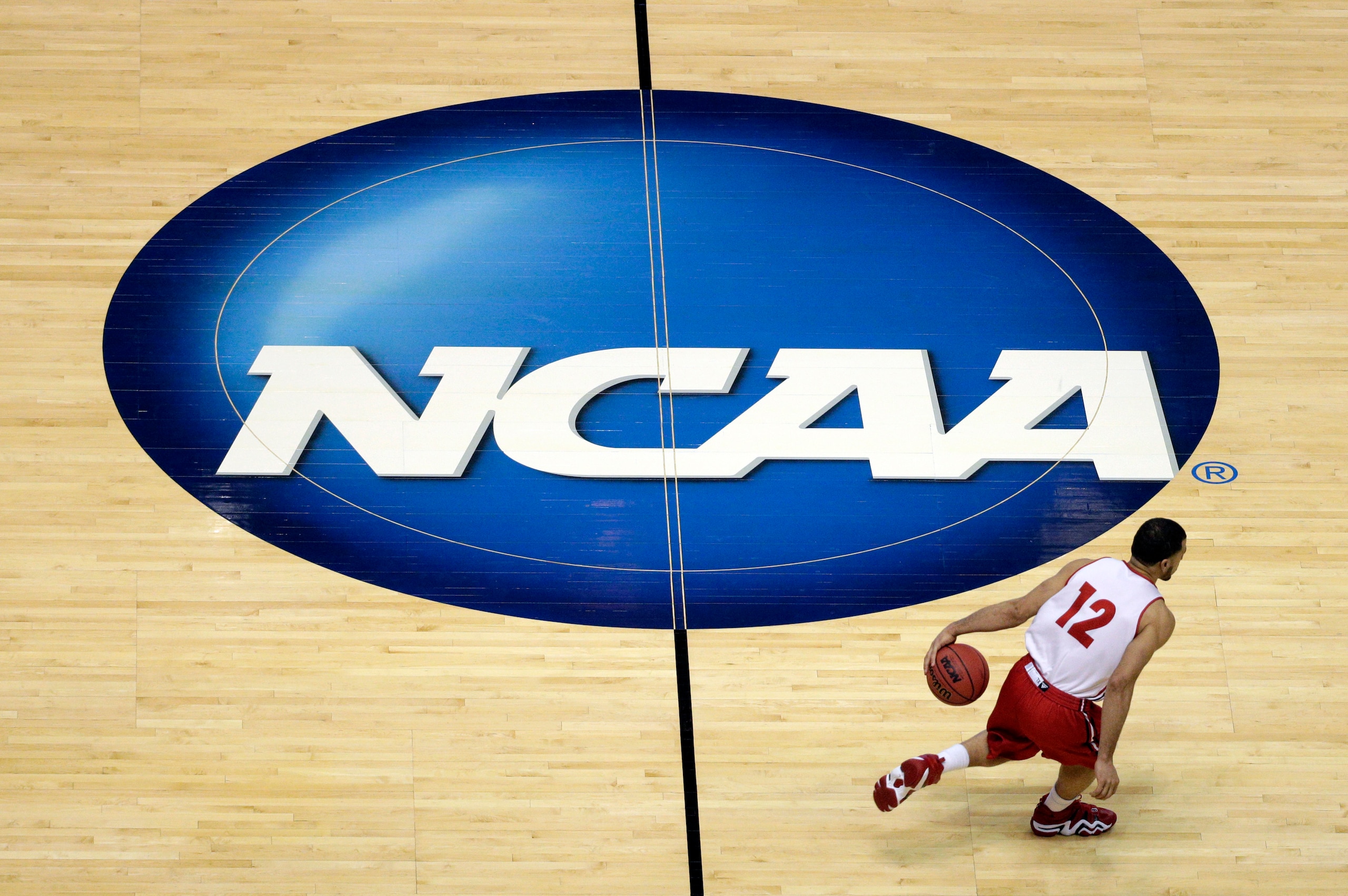
This is another big one. A humdinger, really, and not a debate that be settled in a few paragraphs. The NCAA's mere existence rests on the concept of amateurism, and paying athletes like professionals could throw a house-sized wrench in that.
Athletes are paid, in a way, via scholarship, and now there is an additional stipend at some universities. Then again, the NCAA men's basketball tournament annually brings in obscene amounts of revenue. Back and forth, gray on gray.
One thing is certain, however: The issue should continue to be discussed to ensure fairness for student-athletes. The Ed O'Bannon lawsuit—that one that contends a rule that prevents former student-athletes from profiting off their likenesses after leaving school—was a good thing.
Wrong or not wrong? Sorry, still gray.
.jpg?w=2560 "AP Poll Top Five Week 9")


.jpg?w=2560 "Lamar Being Out Shocked Ravens")
.jpg?w=2560 "Raiders Could Start Mendoza")