

We've seen or heard countless versions of the NBA's GOAT debate for decades.
Typically, it's revolved around Michael Jordan and LeBron James. Occasionally, you'll stumble across a Bill Russell, Wilt Chamberlain or Kareem Abdul-Jabbar acolyte. There's a handful of people out in right field arguing for Stephen Curry or Kobe Bryant.
But there's a pretty significant problem with the debate, regardless of who you support. And it's the drastic changes the game has undergone over the course of the NBA's eight-decade history.
When you watch highlights from the league's earliest eras, it almost looks like an entirely different sport. Even clips from Jordan's or Kobe's era look startlingly different from today's game.
The safer (and probably more accurate way) to approach this discussion would be to separate those eras or to, as we've done here, break it down by decade.
To do so, we concocted a formula that gave every NBA player from each decade credit for MVP award shares, All-NBA selections, team success, win shares and Defensive Player of the Year wins and All-Defensive team nods.
The results can be found below, and a more in-depth explanation of the methodology will close us out.
Welcome to NBA GOAT week, where the B/R staff names the 50 Best Dunkers, 99 Best Defenders, 99 Best Shooters and 50 Best Trash-Talkers in league history, as well as the best player from every decade.
1940s and 1950s: George Mikan and Bob Cousy
1 of 9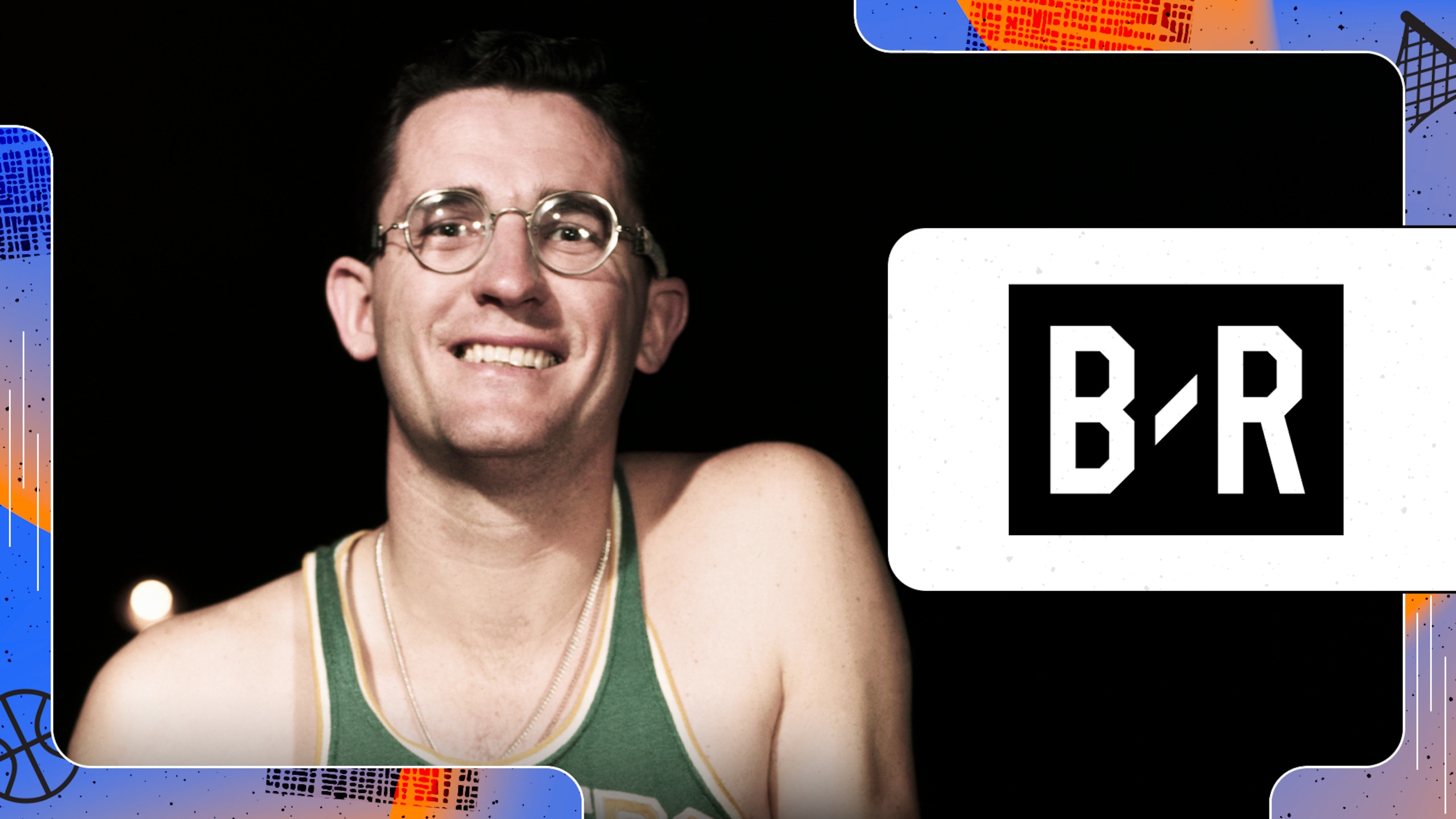
Mikan
Your knowledge of George Mikan might begin and end with the "Mikan Drill" (look it up if you have a youngster who needs to improve around the basket), but his legacy is much bigger than that.
Mikan was one of the first truly great big men in the NBA's history. He led the league in scoring in each of his first three seasons. And for the years sampled for this exercise, he put up 27.8 points and 3.2 assists (rebounds weren't tracked until the 1950s).
More importantly, Mikan won titles in both 1949 and 1950. And in both of those playoff runs, he cleared 30 points per game.
During his era, the 6'10" center was a physical behemoth who often bullied much smaller opponents, but he also brought plenty of skill (hence, the Mikan Drill!). His coach at DePaul, Ray Meyer, had him cross-train by punching a speed bag, putting him in dancing lessons and having him jump rope.
The result, again, was a revolutionary big man who would establish the trend of big men dominating the league for decades.
Rest of the Top Five: Max Zaslofsky, Joe Fulks, Jim Pollard, Bob Feerick
Cousy
That's obviously not the best segue to Bob Cousy, a 6'1" point guard long known for his ball-handling and passing, but it is a testament to him.
In a decade with Bob Pettit, Dolph Schayes, the end of Mikan's career and the beginning of Bill Russell's, Cousy's accomplishments stacked up to a higher total score for the 1950s than anyone else's.
During the decade, he won an MVP, finished top six in MVP voting four other times, made nine All-NBA teams (all First Team!), led the league in assists per game eight times and averaged 19.4 points, 7.6 assists and 5.8 rebounds.
As Mikan was sort of a blueprint for big men for years after his career, Cousy was for lead playmakers. He engineered possessions with the ball in his hands, set up and found open teammates and helped pioneer transition basketball.
Rest of the Top Five: Bob Pettit, Dolph Schayes, Bill Sharman, Bill Russell
1960s: Bill Russell
2 of 9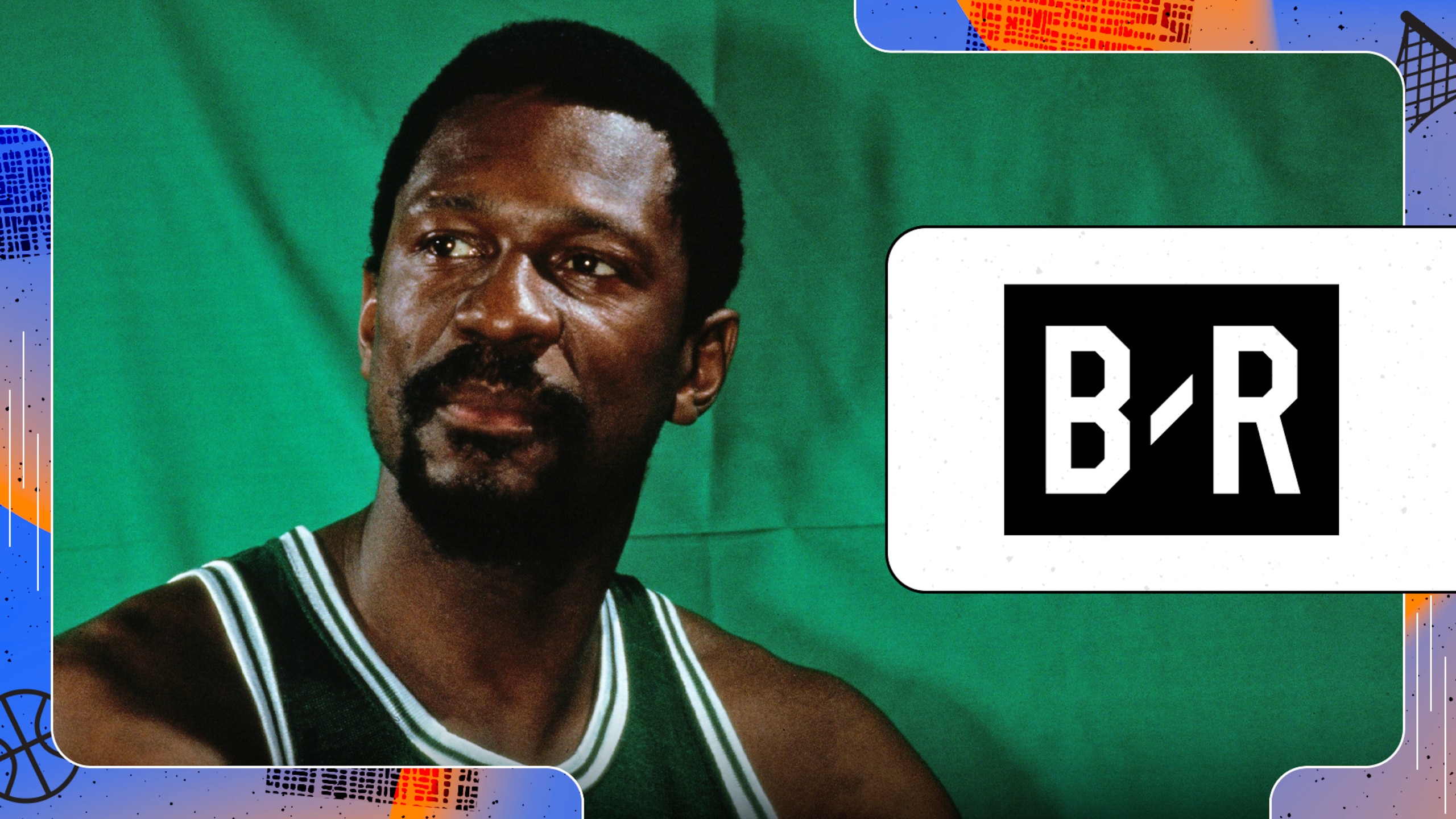
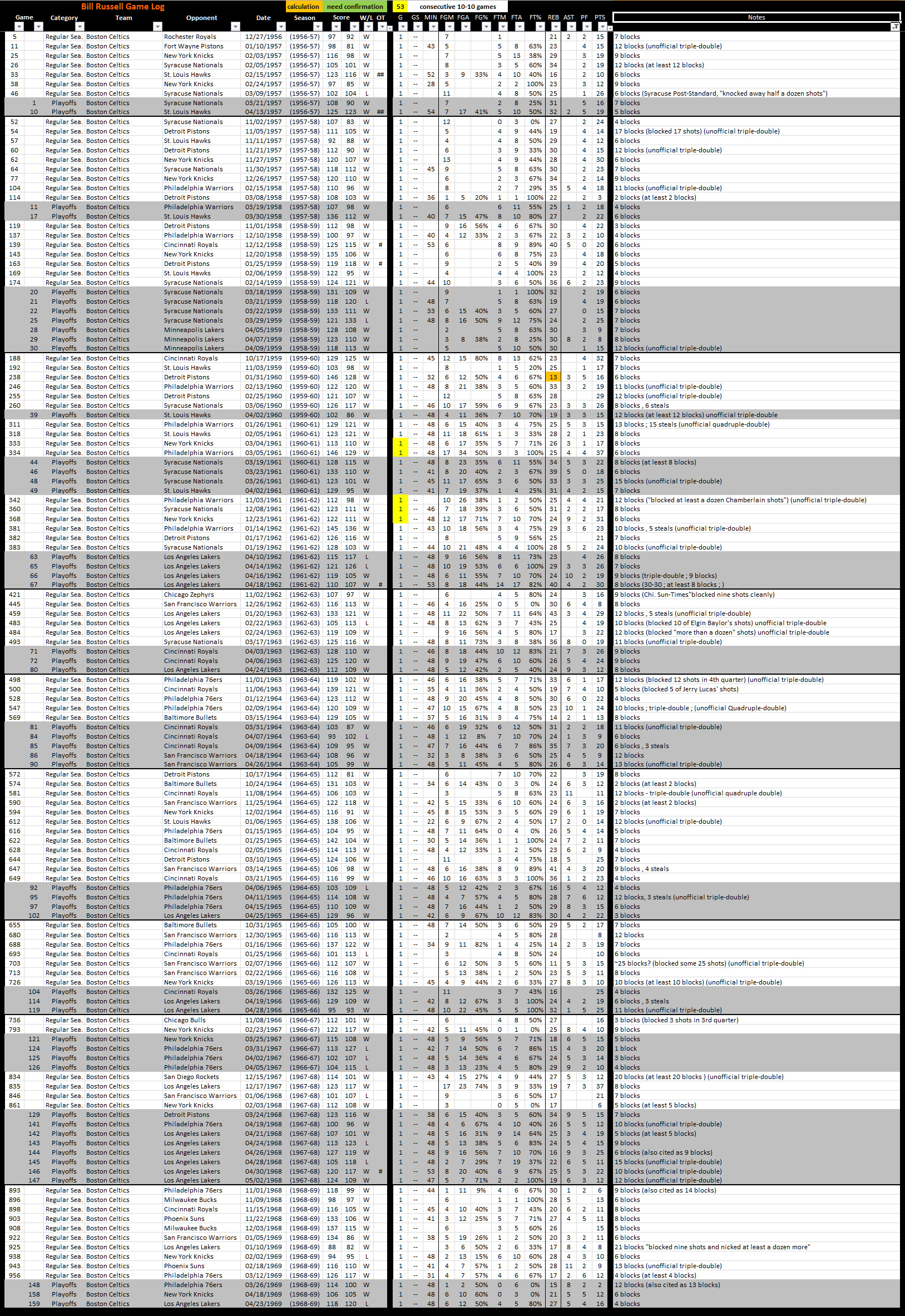
1960s: 22.4 rebounds, 14.5 points, 4.7 assists, 4x MVP, 9x All-NBA, 8x champion, 119.2 win shares
Despite only playing in nine of the 10 seasons set aside as the '60s, Bill Russell edged out Wilt Chamberlain with dominant defense still widely regarded as the best the league has ever seen.
It's tough to measure Russell's rim protection, since blocks weren't officially counted till a few years after he retired, but estimates have him well over five per game. And his contemporaries didn't need the column in the box score to understand his impact.
"Everybody was just afraid of Russell, including the guys who were shooting from outside when they wanted to go in and take a layup," former Russell teammate Sam Jones said. "They knew they were not going to get a layup, so they would stop short and take a jump shot. He just intimidated people."
With Russell as the defensive anchor, Boston won a whopping eight titles in his nine 1960s campaigns. And his willingness to do all the things that didn't show up on the stat sheet (literally, at the time) allowed teammates like Jones and Cousy to thrive elsewhere.
Russell is not only the GOAT of this decade—if you're among those who place more weight on who was most dominant relative to their respective eras, he has a real case for the all-time debate.
Rest of the Top Five: Wilt Chamberlain, Oscar Robertson, Jerry West, Elgin Baylor
1970s: Kareem Abdul-Jabbar
3 of 9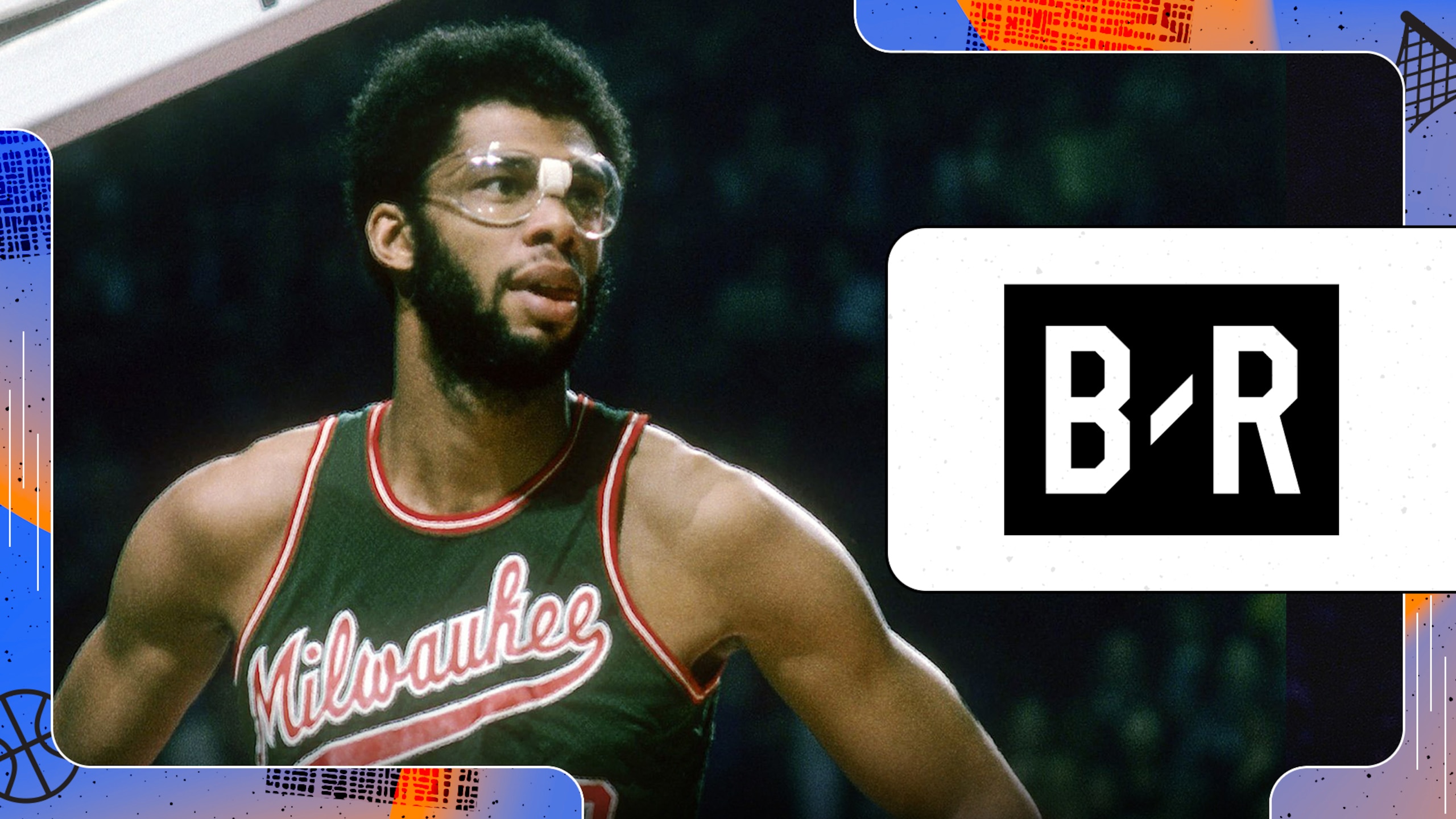
1970s: 28.2 points, 14.4 rebounds, 4.5 assists, 3.5 blocks, 1.2 steals, 6x MVP, 9x All-NBA, 8x All-Defensive, 1971 Finals MVP, 2x champion, 177.0 win shares
Yes, those numbers are correct. No typos. Kareem Abdul-Jabbar was really that productive throughout the 1970s. And spoiler alert: when the final scores were tallied for each decade, none of the other GOATs on this list had a bigger lead over their peers than Kareem did in the '70s.
Somehow, Kareem was sort of the next evolutionary link in the big-man chain from Mikan on offense and Russell on defense.
His footwork and patented skyhook made him borderline unstoppable in the post. And his absurd combination of length and tenacity on the other end made him a wildly productive rim protector and shot blocker.
Being arguably the best offensive and defensive player in the league is exceptionally rare, and Kareem was for much of an entire decade.
Rest of the Top Five: John Havlicek, Dave Cowens, Elvin Hayes, Walt Frazier

1980s: Larry Bird
4 of 9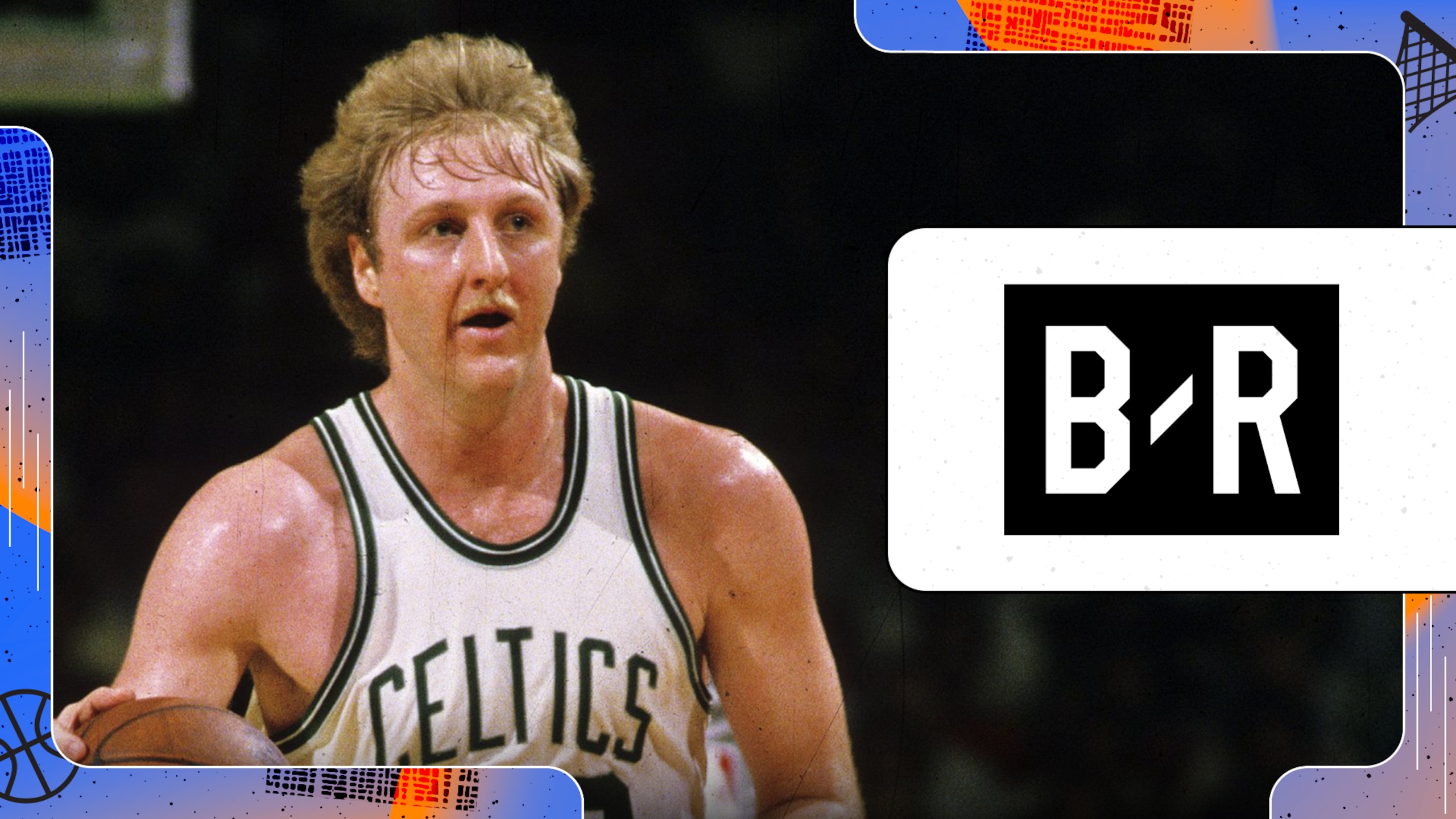
1980s: 25.3 points, 10.1 rebounds, 6.5 assists, 1.8 steals, 0.9 blocks, 3x MVP, 9x All-NBA, 3x All-Defensive, 2x Finals MVP, 3x champion, 122.5 win shares
It's worth spending a little time on the debate between the top two here, as it's the closest finish of any of the decades in the exercise.
Just last summer, Bleacher Report's staff voted Magic Johnson the fourth-greatest player of all time and Larry Bird eighth. Six years earlier, B/R had Magic and Bird fourth and fifth, respectively.
So, how did Bird get the edge for the 1980s when both did the overwhelming majority of their damage in that decade?
First of all, there's really no right or wrong answer on these two. For each of the aforementioned lists, reasonable arguments certainly could've been made to have Bird higher.
And in this particular exercise, Bird having a comfortably higher total for MVP shares went a long way. He was top-two in MVP voting in six straight seasons from 1980-81 through 1985-86 and top-three in eight straight years from '81 to 1987-88.
That level of dominance over the league's most prestigious individual award is undeniable. And the play that generated all those votes was mesmerizing.
Bird was as well-rounded a player as the NBA had ever seen to that point. He was a cold-blooded scorer and shooter, one of the league's best creators and passers, a dogged rebounder and an ultra-competitive and crafty defender.
He was also as cerebrally dangerous a player as the league has ever had—a basketball supercomputer that existed long before actual supercomputers were ubiquitous. Bird was capable of diagnosing the problem in any given possession, solving it and delivering the solution in a heartbeat.
And he problem-solved his way to three titles and the '80s throne in this exercise.
Rest of the Top Five: Magic Johnson, Kareem Abdul-Jabbar, Moses Malone, Michael Jordan
1990s: Michael Jordan
5 of 9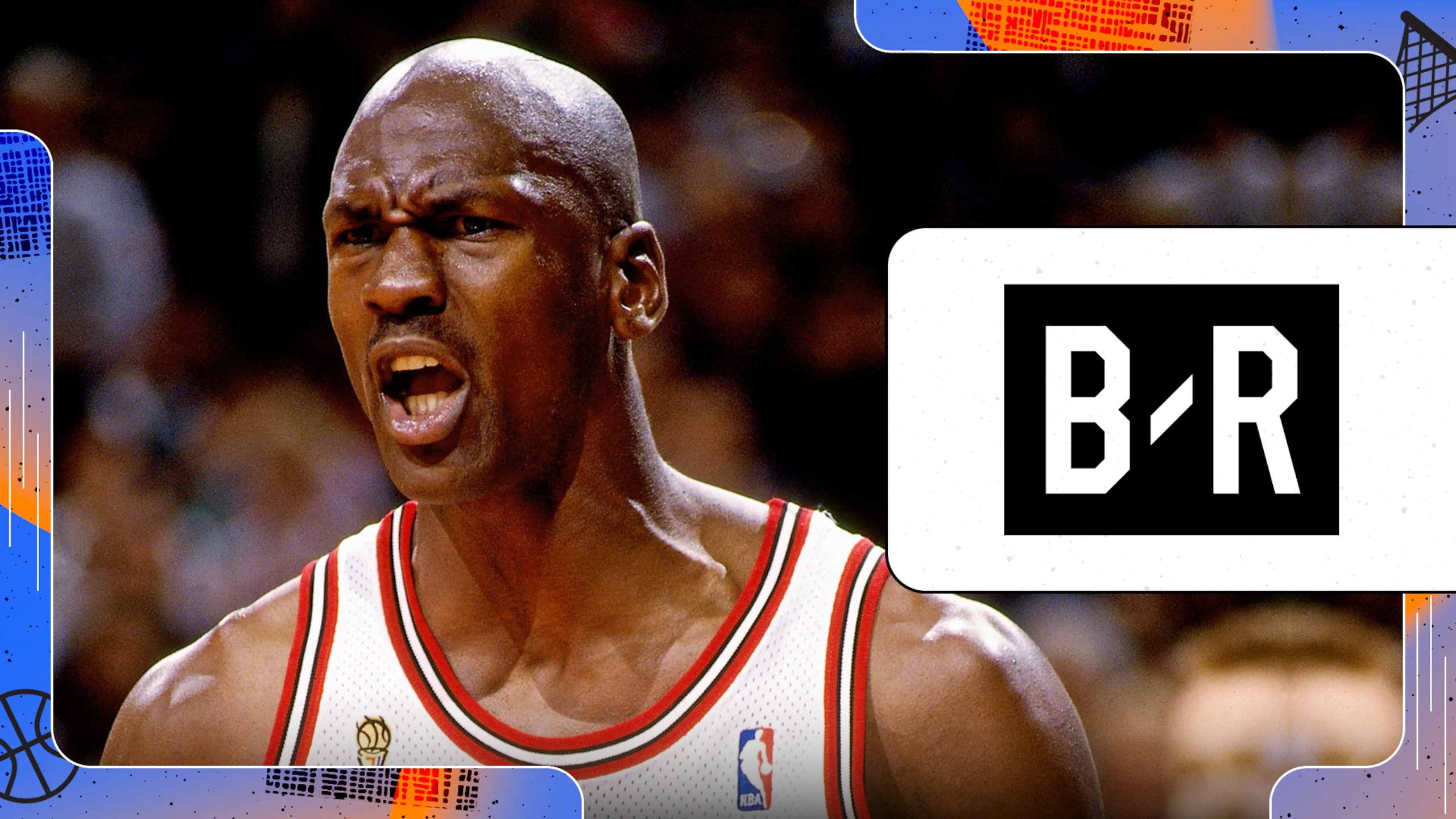
1990s: 30.3 points, 6.2 rebounds, 4.9 assists, 2.2 steals, 0.7 blocks, 4x MVP, 6x All-NBA, 6x All-Defensive, 6x Finals MVP, 6x champion, 112.1 win shares
No suspense here, but there are some factors that make Michael Jordan's utter dominance of the 1990s even more impressive.
For one thing, he may have had his very best individual stats over the four years that immediately preceded this decade, when he averaged 34.5 points, 6.4 rebounds, 6.2 assists, 2.9 steals and 1.1 blocks. None of that was included in this exercise.
And that's not all that was left on the table. While most of the other "GOATS" are bringing nine or 10 seasons' worth of a sample size to the decades they won, Jordan only played seven in the '90s (thanks to two different retirements).
The fact that he still emerged as the overwhelming high scorer in our criteria is remarkable.
But again, not surprising.
No player in the modern era was accompanied by the same level of inevitability as Jordan. Somehow, especially in the highest-leverage games and moments, you just knew he'd win (even if you knew, logically, he sometimes lost).
The slashing, the patented fadeaway, the acrobatic finishes around the rim and the tenacious defense were all part of the package. Whenever his team might need a bucket, Jordan could produce one.
He was so effective (and forceful) that in an era that included legends like Charles Barkley, Karl Malone, Hakeem Olajuwon, David Robinson and Patrick Ewing, Jordan won championships (and Finals MVPs) in six of the seven seasons he participated in.
Rest of the Top Five: Karl Malone, Scottie Pippen, David Robinson, Hakeem Olajuwon
2000s: Kobe Bryant
6 of 9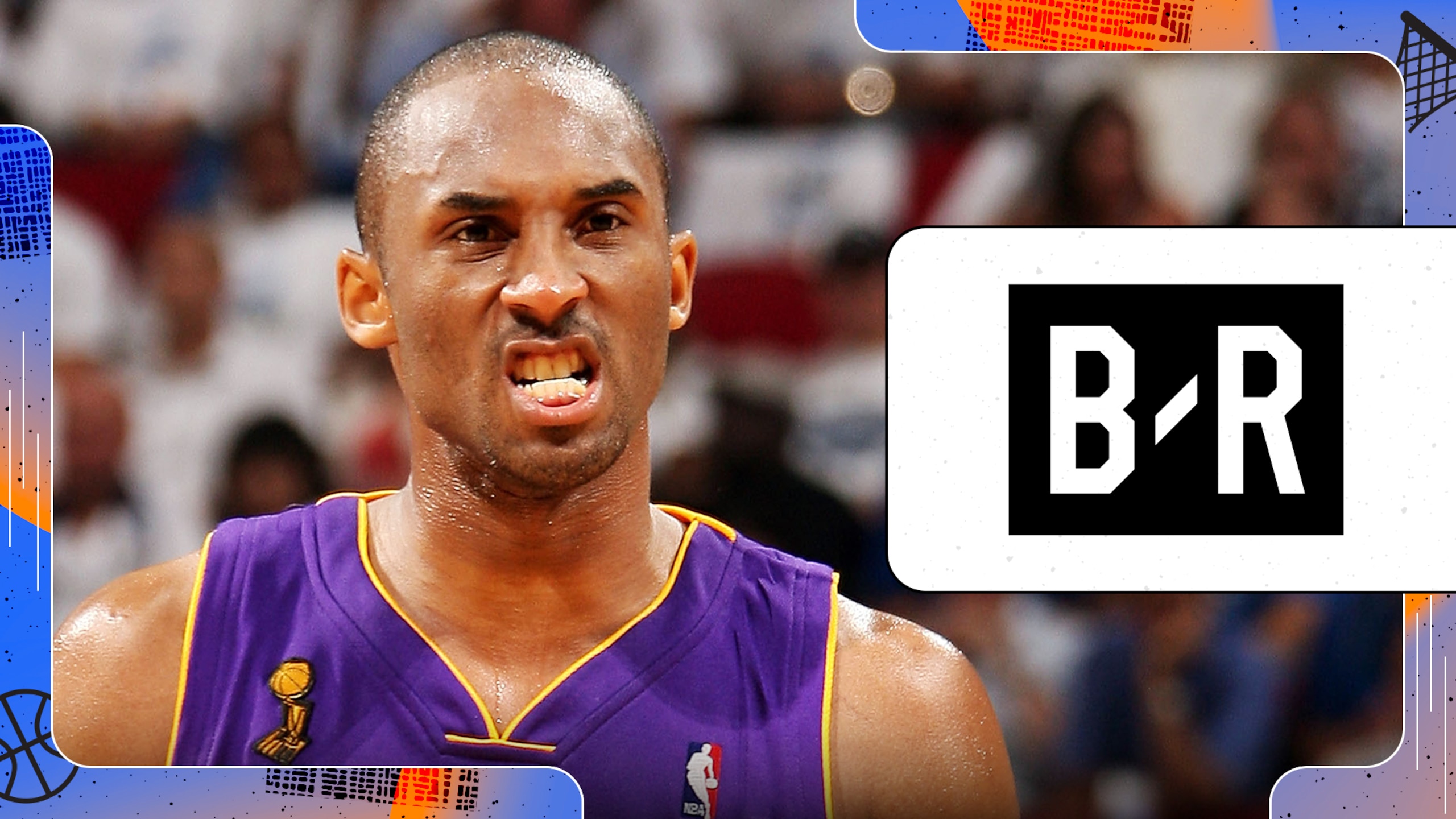
2000s: 28.5 points, 5.8 rebounds, 5.2 assists, 1.7 steals, 0.5 blocks, 2007-08 MVP, 10x All-NBA, 9x All-Defensive, 2x Finals MVP, 4x champion, 122.1 win shares
This race wasn't quite as close as Bird and Magic, but Tim Duncan was nipping at Kobe's heels. And, as is the case with the '80s, there are surely reasonable arguments out there for a different No. 1.
But it's also not hard to defend Kobe Bryant being here, despite the fact that he was the No. 2 on those first two championship teams (behind Shaquille O'Neal).
In fact, that might actually strengthen Kobe's 2000s GOAT case.
He proved capable of being the ultimate second option at the top of the decade, lost the generational big man who won all the Finals MVPs from the threepeat and eventually carried an entirely different Los Angeles Lakers team to back-to-back titles in 2009 and 2010.
The determination to prove that he was capable of being "the guy" on another championship winner was a testament to Kobe's competitiveness. He did that twice.
And that drive to be the best is what secured this spot and made him one of the absolute best players in NBA history.
Kobe was sort of the spiritual successor to Jordan. So much of his game looked the same, but some still nitpick the efficiency gap between the two. Where they're almost indistinguishable (and where Kobe might even have the edge) is in that immeasurable category that separates the best: competitive drive.
Rest of the Top Five: Tim Duncan, Shaquille O'Neal, Kevin Garnett, LeBron James
2010s: LeBron James
7 of 9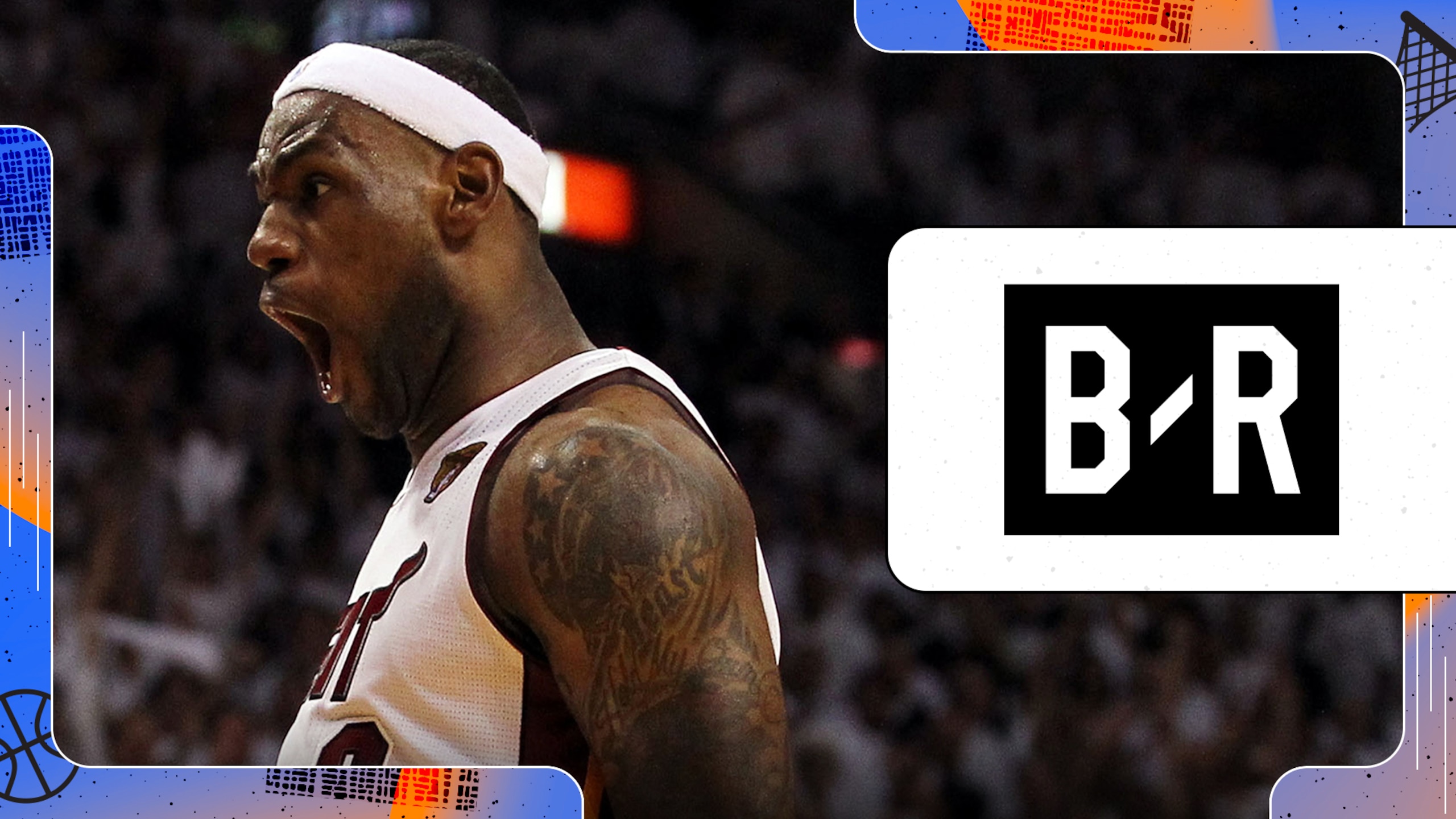
2010s: 26.5 points, 7.7 rebounds, 7.7 assists, 1.5 steals, 0.7 blocks, 2x MVP, 10x All-NBA, 4x All-Defensive, 4x Finals MVP, 4x champion, 133.2 win shares
Like Jordan, LeBron may have had his best pure statistical seasons in the years immediately preceding his GOAT decade.
But once he ceded a little of his statistical dominance to all-time great teammates like Dwyane Wade, Chris Bosh, Kyrie Irving, Kevin Love and Anthony Davis, he found new heights as a team and individual player.
At that point, LeBron seemingly shifted some reliance from his otherworldly combination of size and athleticism to his basketball IQ and the wisdom gleaned from falling short.
Experience really is the best teacher, and following LeBron's lackluster (or embarrassing, depending on who you ask) performance in the 2011 Finals, he never shrank from the big moments again.
He trusted and empowered his Hall of Fame teammates, but he also knew there were moments, quarters or entire games when he had to impose his will on a game.
By the end of this decade, he'd figured that out to the point that he might've been the best ever, regardless of time period. The argument, as it often seems to be, is just between him and Jordan.
Rest of the Top Five: Kevin Durant, James Harden, Stephen Curry, Kawhi Leonard
2020s: Nikola Jokić
8 of 9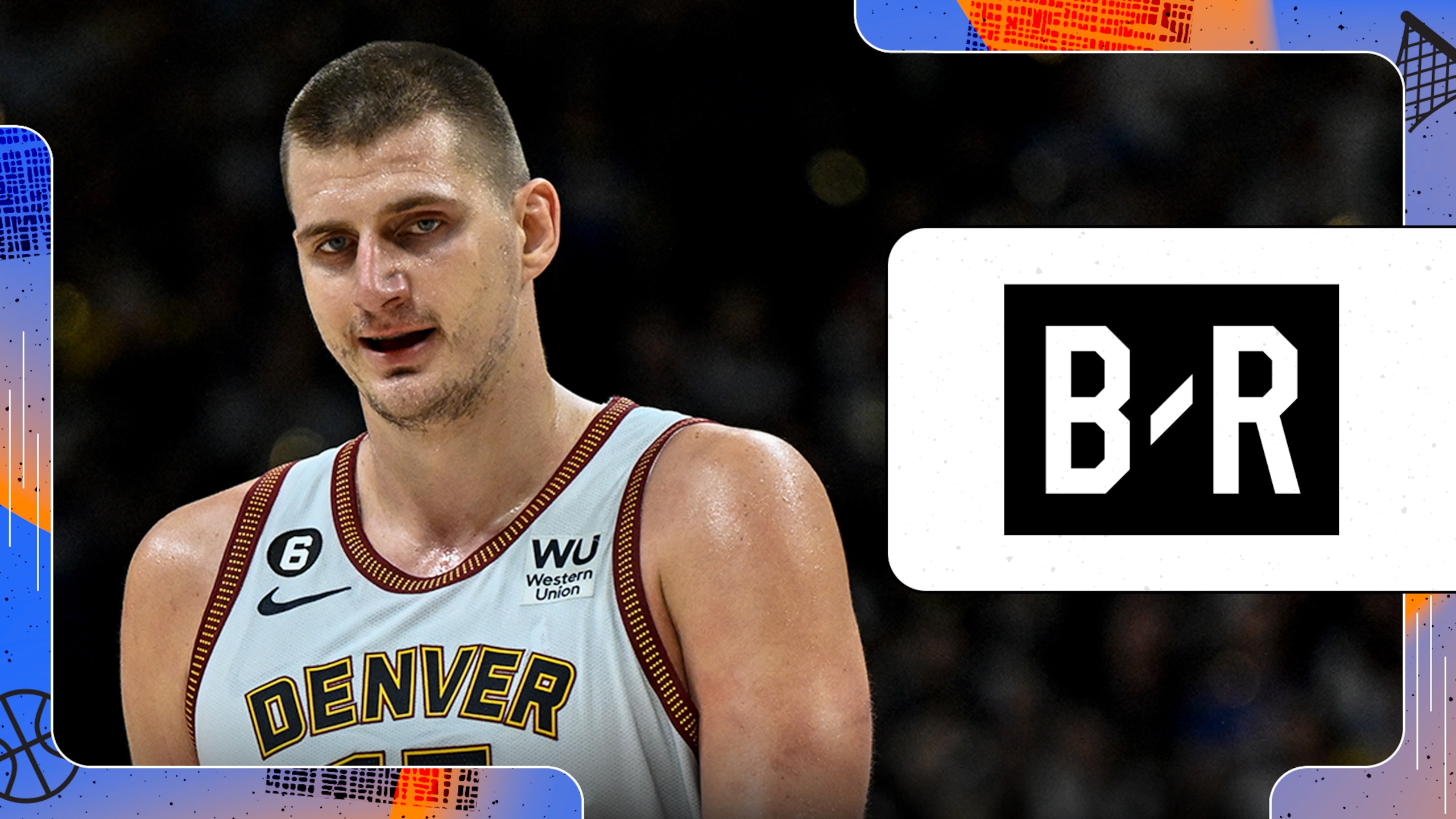
2020s: 26.9 points, 12.4 rebounds, 9.3 assists, 1.4 steals, 0.8 blocks, 3x MVP, 6x All-NBA, 2023 Finals MVP, 2023 champion, 94.2 win shares
Jordan had seven seasons to put together his '90s resume. Nikola Jokić has put up the truly absurd numbers and collected all the accolades above in six.
We have, quite literally, never seen anything like the six years Jokić just had.
When you combine playoff and regular-season games, he leads the decade in total points, rebounds, assists, steals and raw plus-minus. It's absolutely bonkers.
And those obviously aren't just empty numbers (hence, the plus-minus).
Jokić has mastered the art of manipulating defenses and then taking advantage with a pass no one else saw coming. His touch from the floater zone all the way out to the three-point line may be the best any NBA player's ever had. He's a dominant rebounder, has the hands of an elite pass-catching tight end and is an underrated positional defender.
Perhaps more than any other basketball player we've ever seen, he simply seems to have mastered playing offense. And incredibly, he has four more seasons to add to his 2020s resume.
Rest of the Top Five: Giannis Antetokounmpo, Shai Gilgeous-Alexander, Jayson Tatum, Stephen Curry
Interactive Leaderboard Across the Decades
9 of 9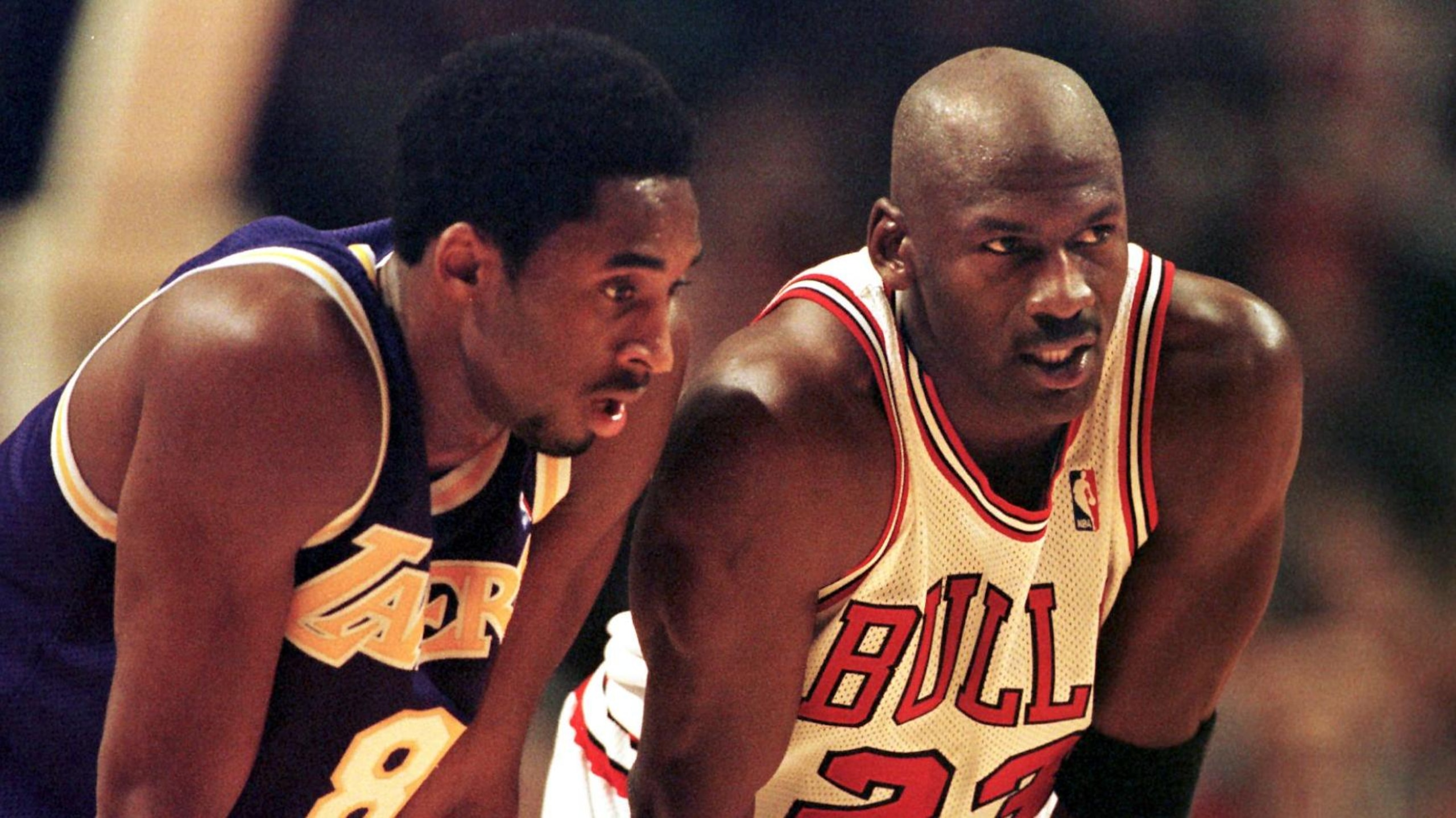
We scored every player in league history against the rest of each decade, using six categories—from MVP votes to championships to defense. Tap "how the scoring works" for a complete explanation.
Think we weighted it wrong? Drag the sliders and watch the rankings change in real time.

.jpg?w=2560 "Report: Rams Changing Kickers 😬")
.jpg?w=2560 "Bears Edge Suspended for PED Violation")
.jpg?w=2560 "Buzz: Browns Shopping Jeudy")
.jpg?w=2560 "Jerry Defends Dak Heckler")
.jpg?w=2560 "Trade for NFL's Best Teams 📦")