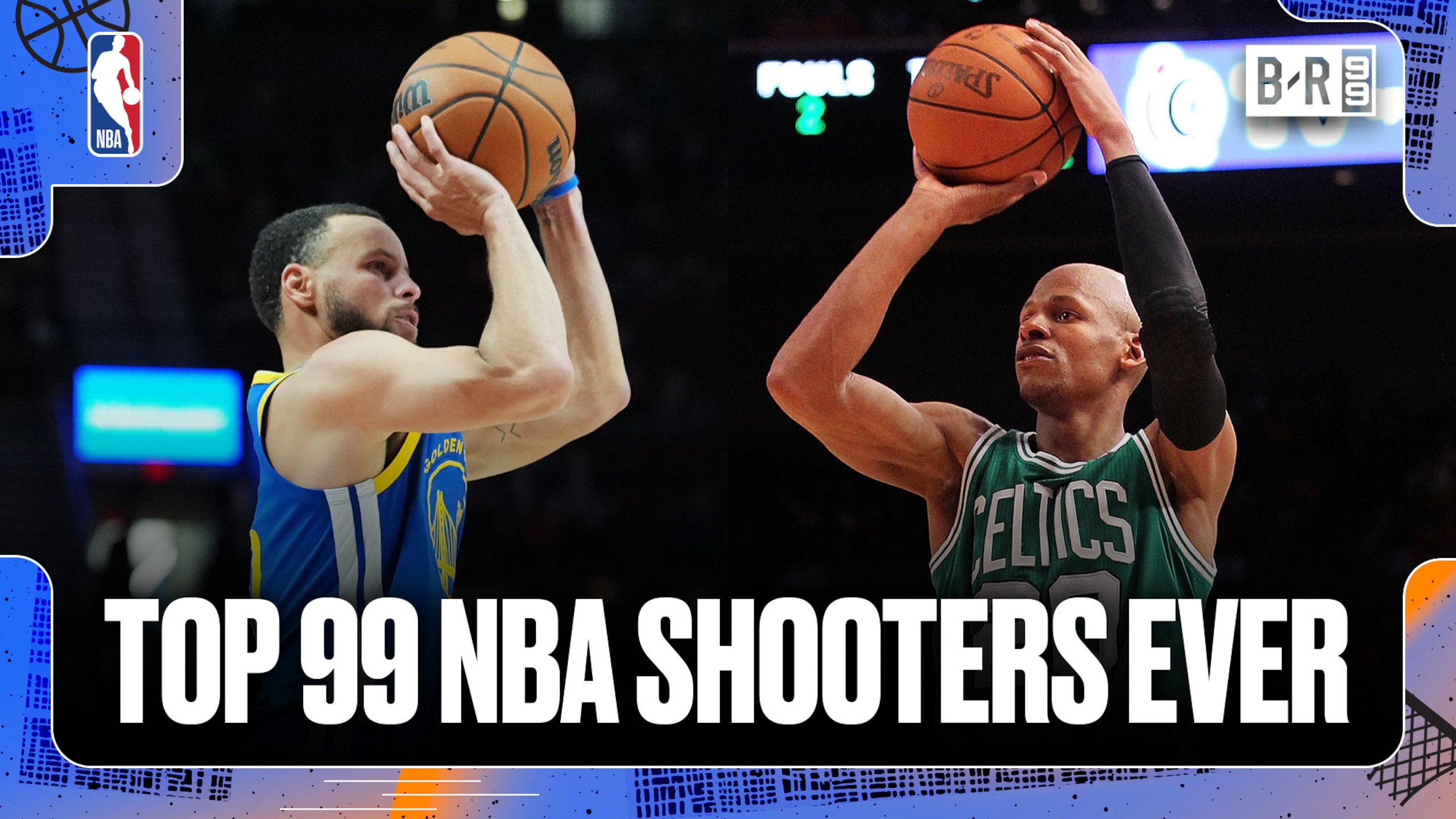

B/R 99: Ranking the NBA's 99 Best Shooters of All Time
At its core, arcing a 22-ounce basketball into an 18-inch steel hoop from anywhere between 10 and 24 feet is an amazing feat of physics.
To do it repeatedly for years on end with elite stoppers bent on preventing just that can be downright godlike—and can burn a player's form into the minds of NBA fans everywhere.
To determine the best to ever do it, Bleacher Report's NBA writers and editors convened for a staff vote. The panel was instructed to weigh standard and advanced metrics as well as era context. Not only did this mean they had to consider both pre- and post-three-point line shooters, but also a swath of defensive rule changes and approaches.
In general, voters were instructed to prioritize great three-point shooters but to also leave room for mid-range masters.
The result is our ranking of the 99 greatest shooters in NBA history.
Disagree with our list? Sound off in the app comments.
Welcome to NBA GOAT week, where the B/R staff names the 50 Best Dunkers, 99 Best Defenders, 99 Best Shooters and 50 Best Trash-Talkers in league history, as well as the GOAT of Every Decade. Check back every day this week for each installment.
Player summaries by Andy Bailey.
99. Desmond Bane, G
1 of 99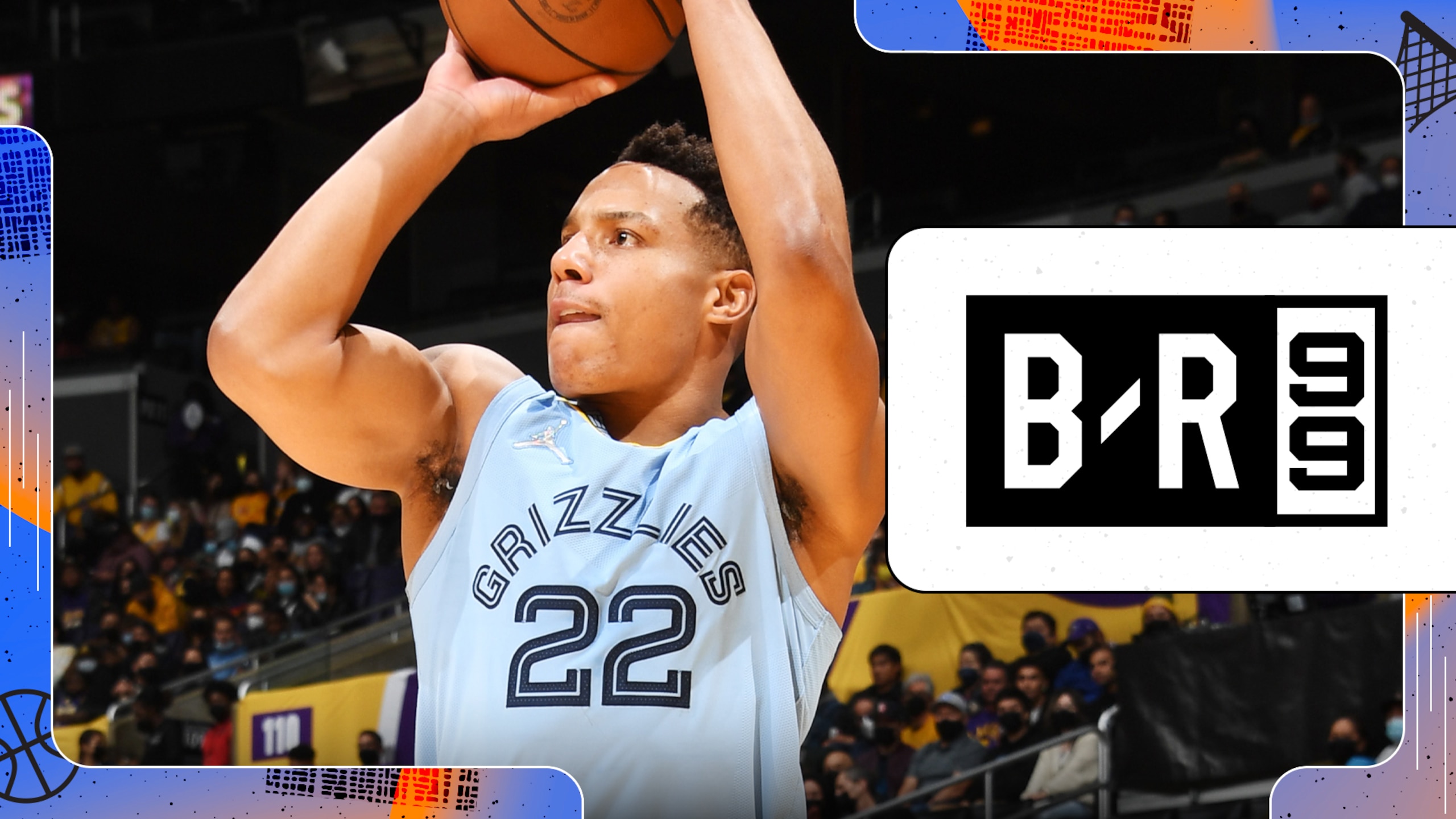
Career Stats: 47.5 FG%, 40.7 3PT%, 2.5 3PM/G, 0.434 3PAr, 89.0 FT%, 59.9 TS%, 56.3 EFG%
Years: 2020-present | Teams: MEM, ORL
Era: 3PT revolution
If we were to redo this exercise in five or 10 years, Desmond Bane would almost certainly be higher.
For his career, he's averaged 2.5 threes, while shooting 40.7 percent from deep. Stephen Curry and Klay Thompson are the only players in league history who match or exceed both marks.
Yes, part of the rarity is due to the fact that Bane came along well into the three-point revolution. But there are certainly others who've had the time to match his prowess, and they simply haven't.
Bane isn't just doing this as a standstill, catch-and-shoot threat either. He does a lot on the move or off the dribble, and his compact, technically sound form stays consistent throughout.
High Vote: 17
98. Terry Porter, G
2 of 99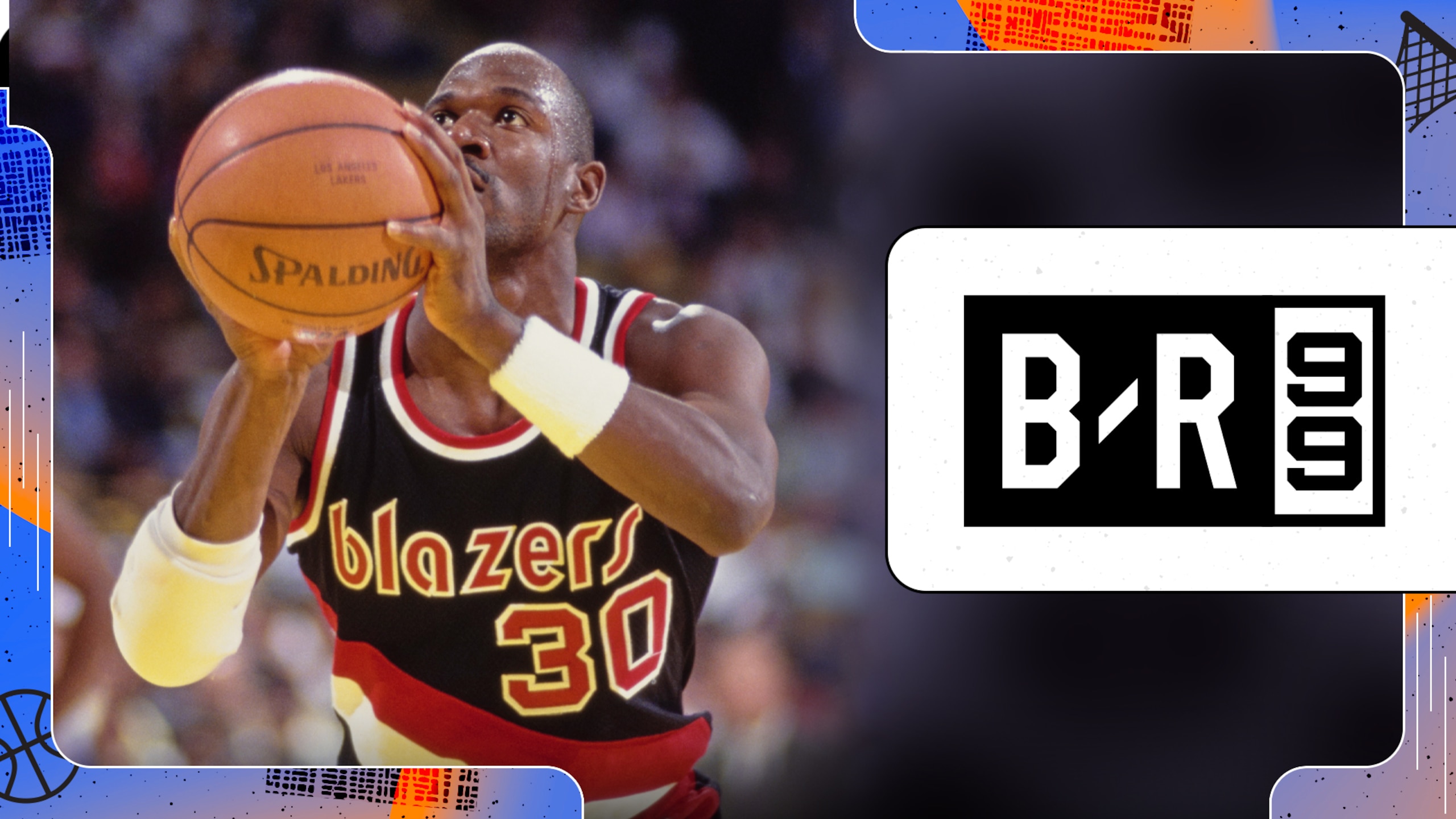
Career Stats: 46.3 FG%, 38.6 3PT%, 1.0 3PM/G, 0.286 3PAr, 83.6 FT%, 57.6 TS%, 51.8 EFG%
Years: 1985-2002 | Teams: POR, MIN, MIA, SAS
Era: Early 3PT
Early in his career, Terry Porter made a name for himself as one of the league's best playmakers and distributors.
From the start of his second season through the end of his sixth, he averaged 9.1 assists in 35.3 minutes. But he was quietly emerging as a three-point threat too (in an era in which that simply wasn't as big a deal).
For the rest of his career, he zeroed in a little tighter on the outside shooting. And by the end of it, he had a whopping nine seasons with at least one three per game and a 38-plus three-point percentage. At the time, Reggie Miller (who had 11) was the only player with more.
High Vote: 41
97. Austin Reaves, G
3 of 99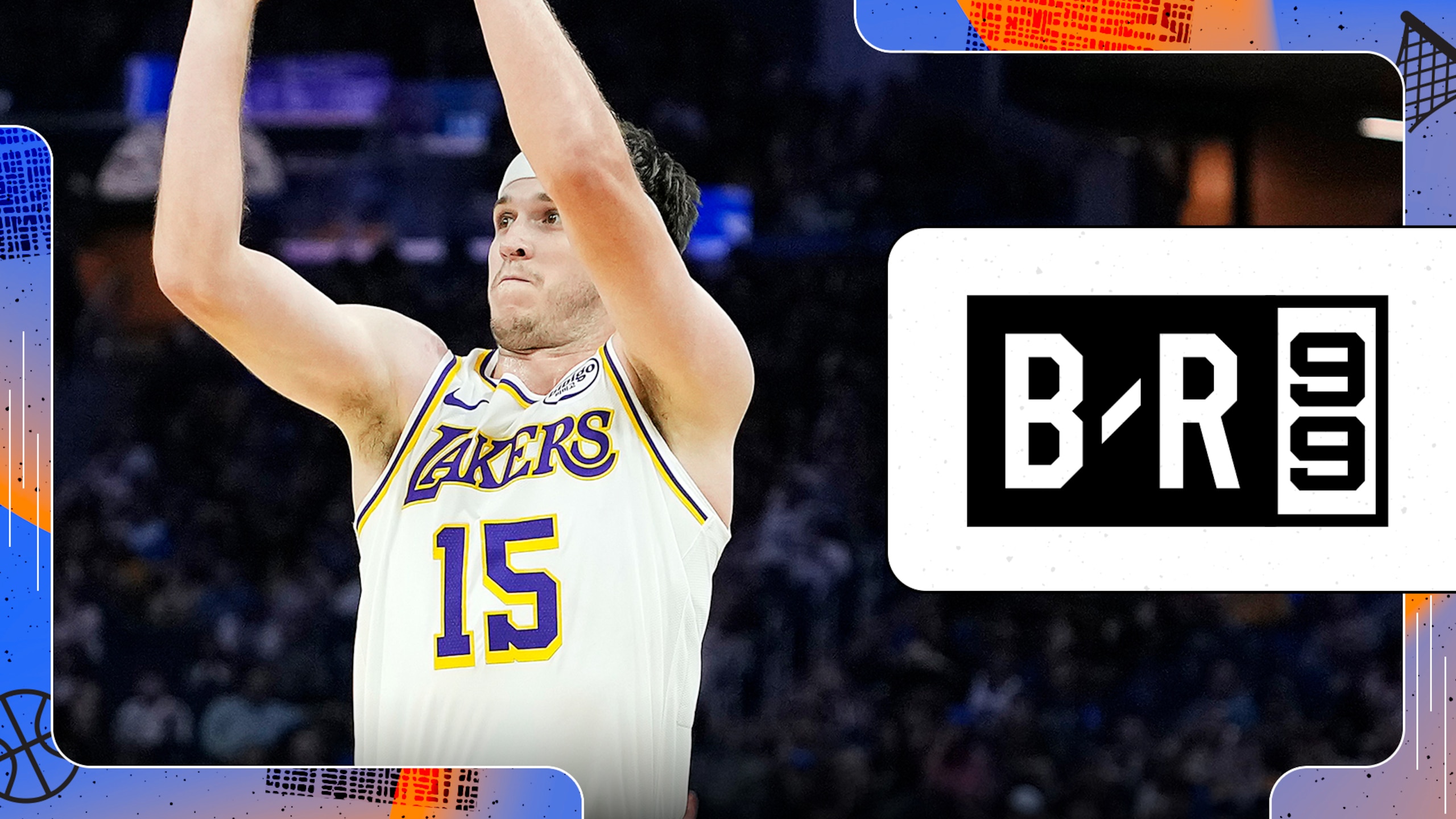
Career Stats: 48.3 FG%, 36.8 3PT%, 1.8 3PM/G, 0.469 3PAr, 86.5 FT%, 63.0 TS%, 56.9 EFG%
Years: 2021-present | Teams: LAL
Era: 3PT revolution
Another inclusion that might feel "too soon" to some of the older-school fans in the bunch, Austin Reaves has quickly risen from undrafted feel-good story to one of the most dynamic offensive players in the NBA.
His career three-point percentage may not leap off the screen quite like some others in this exercise, but it's above average for his career, and a big chunk of his attempts are off the dribble, contested or both.
And tough shot-takers (and -makers) can take a ton of pressure off the rest of an offense.
High Vote: 43
96. Detlef Schrempf, F
4 of 99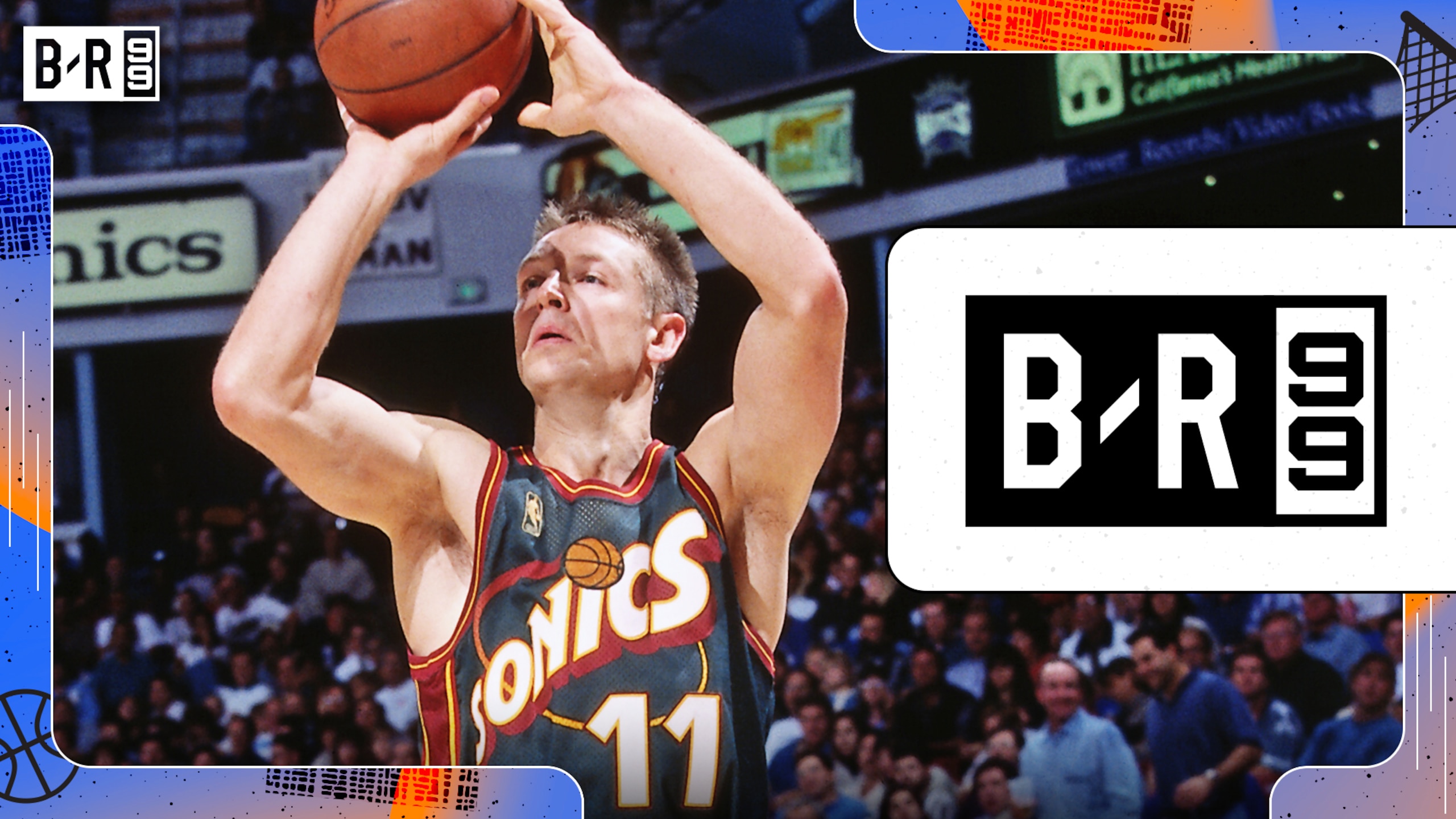
Career Stats: 49.1 FG%, 38.4 3PT%, 0.4 3PM/G, 0.112 3PAr, 80.3 FT%, 58.6 TS%, 51.3 EFG%
Years: 1985-2001 | Teams: DAL, IND, SEA, POR
Era: Early 3PT
Detlef Schrempf has to be a common answer for the "if only he'd been born a little later" question.
At 6'10", Schrempf was allowed to do a lot of things that players his size typically weren't—like create a little for others and launch threes—but the volume wasn't close to what he might've done in the modern era.
The outside shooting, in particular, was on vivid display during the 1994-95 season. That year, Schrempf averaged 1.1 threes (a lot, at the time) and shot a blistering 51.4 percent from deep. It was a weapon that helped the Seattle SuperSonics finish with one of the best records in the West, but it's hard not to think about how much more they could've done with it.
High Vote: 49
95. Chauncey Billups, G
5 of 99
Career Stats: 41.5 FG%, 38.7 3PT%, 1.8 3PM/G, 0.414 3PAr, 89.4 FT%, 58.0 TS%, 49.5 EFG%
Years: 1997-2014 | Teams: BOS, TOR, DEN, MIN, DET, DEN, NYK, LAC
Era: 3PT expansion
Chauncey Billups is one of the more underrated pioneers of the three-point revolution.
Around the time he was entering his prime, point guards were still mostly expected to set the table for others, and pass and shoot only when the best opportunities arose.
While Billups did check all those boxes, at least to some degree, he was one of the earlier examples of a 1 who also did a lot of the things we typically expect of a 2. That included volume three-point shooting.
At the time he retired, Ray Allen (12) and Reggie Miller (nine) were the only players in league history with more two-threes-per-game seasons than Billups' seven.
High Vote: 31
94. Tyler Herro, G
6 of 99
Career Stats: 45.0 FG%, 38.2 3PT%, 2.7 3PM/G, 0.452 3PAr, 87.8 FT%, 57.2 TS%, 53.7 EFG%
Years: 2019-present | Teams: MIA
Era: 3PT revolution
Injuries have plagued Tyler Herro's still-young career, but he's been among the league's best and most dynamic movement shooters throughout it.
Even in the modern era, 7.1 three-point attempts in 32.5 minutes per game is a lot. And the degree of difficulty on his shots is higher than that on a lot of other volume shooters.
Three-point shooting isn't the only indicator of his ability either. For his career, Herro has hit 87.8 percent from the charity stripe, and he led the league in that category in 2022-23 (when he shot 93.4 percent).
High Vote: 36
93. Dana Barros, G
7 of 99
Career Stats: 46.0 FG%, 41.1 3PT%, 1.3 3PM/G, 0.371 3PAr, 85.8 FT%, 57.2 TS%, 53.6 EFG%
Years: 1989-2004 | Teams: SEA, PHI, BOS, DET
Era: Early 3PT
Another early adopter of three-point volume, Dana Barros led the league in three-point percentage in 1991-92 (at 44.6) and then really broke out when the league shortened the three-point line for three years (from 1994-95 through 1996-97).
During those years with the closer line, Barros put up 16.3 points and 2.1 threes, while shooting 43.4 percent from deep. He also canned 89.2 percent of his free-throw attempts in that stretch.
Most of the rest of his career was spent as a reserve, but at 5'11", Barros did a lot to pave the way for undersized specialists.
High Vote: 39
92. Ricky Pierce, G/F
8 of 99
Career Stats: 49.3 FG%, 32.2 3PT%, 0.3 3PM/G, 0.084 3PAr, 87.5 FT%, 57.3 TS%, 50.7 EFG%
Years: 1982-1998 | Teams: DET, LAC, MIL, SEA, GSW, DEN, CHA
Era: Early 3PT
One of the first inclusions on this list who really isn't here for three-point shooting at all, Ricky Pierce only made 296 threes in his career and shot 32.2 percent from deep.
At the time he retired (in 1997-98), that total ranked outside the all-time top 100, and the percentage was well below average.
But Pierce absolutely belongs here as a mid-range sniper and one of the most dangerous reserve scorers of his era.
The two-time Sixth Man of the Year winner averaged 19.7 points in 29.6 minutes from 1986-87 through 1992-93, and he did a significant chunk of his damage from outside the paint (but inside the three-point line).
High Vote: 32
91. Manu Ginóbili, G
9 of 99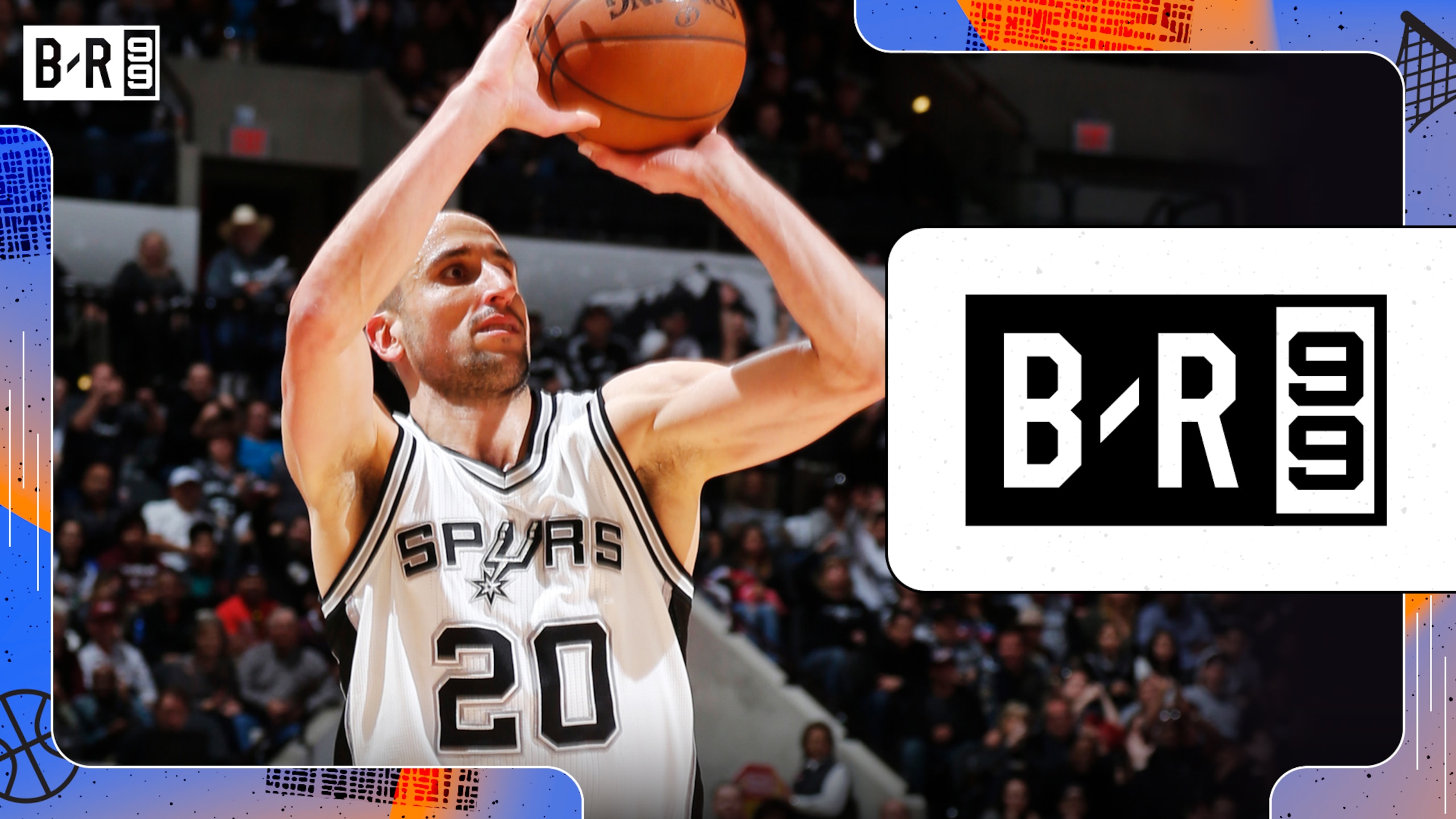
Career Stats: 44.7 FG%, 36.9 3PT%, 1.4 3PM/G, 0.395 3PAr, 82.7 FT%, 58.2 TS%, 52.0 EFG%
Years: 2002-2018 | Teams: SAS
Era: 3PT expansion
He was known more as a slasher and playmaker for much of his career, but part of what made Manu Ginóbili so dangerous on those fronts was his shooting ability from the mid-range and beyond.
He was particularly dangerous off the dribble. Defenses had to play him for the drive or the pass to a teammate out of the pick-and-roll, and Ginóbili was a master at recognizing when the defense was just far enough out of position to strike with the pull-up jumper.
All of the above applied when Ginóbili was inside the three-point line, too; maybe even more so. He had a variety of leaners, fadeaways, flip shots and more that he could get up under duress. And he hit them at what seemed like an alarming rate.
High Vote: 46
90. Jamal Crawford, G
10 of 99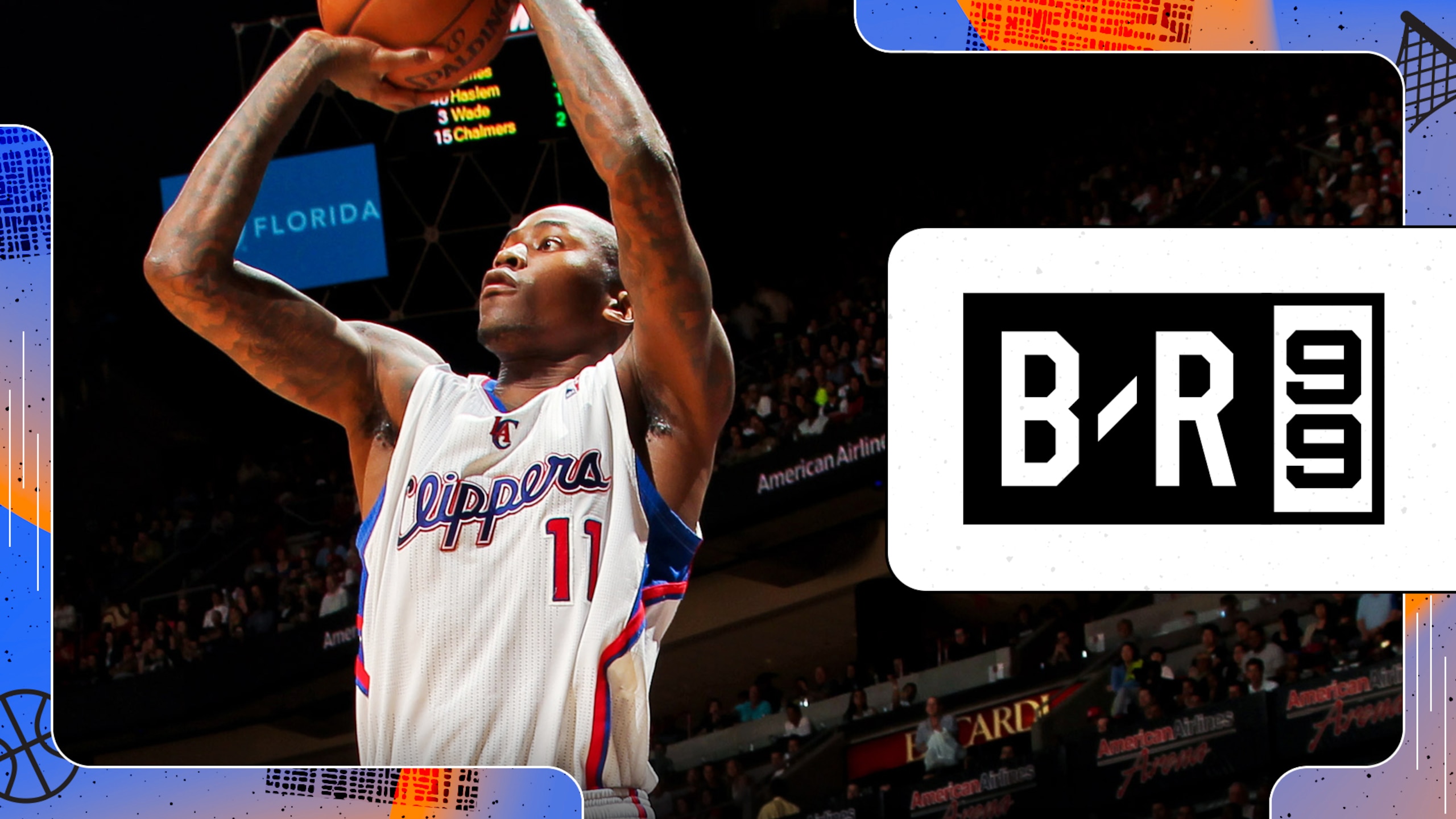
Career Stats: 41.0 FG%, 34.8 3PT%, 1.7 3PM/G, 0.387 3PAr, 86.2 FT%, 52.9 TS%, 47.7 EFG%
Years: 2000-2020 | Teams: CHI, NYK, GSW, ATL, POR, LAC, MIN, PHX, BKN
Era: 3PT expansion
We're on a real run of Sixth Man of the Year winners and heat-check scorers now. You can almost follow the evolutionary line from Pierce to Ginóbili to Jamal Crawford, though all three certainly had unique elements to their games.
For Crawford, it's the ball-handling. Throughout his career, he was known as one of the most adventurous, dynamic and stylish dribblers. And his deep reservoir of moves was often used to set up a jumper.
He finished his career with a slightly below-average three-point percentage, but a lot of his attempts were tightly contested (part of the reason he had so many four-point plays), and he shot 88.5 percent from the free-throw line over the last nine seasons of his career.
High Vote: 52
89. Bill Sharman, G
11 of 99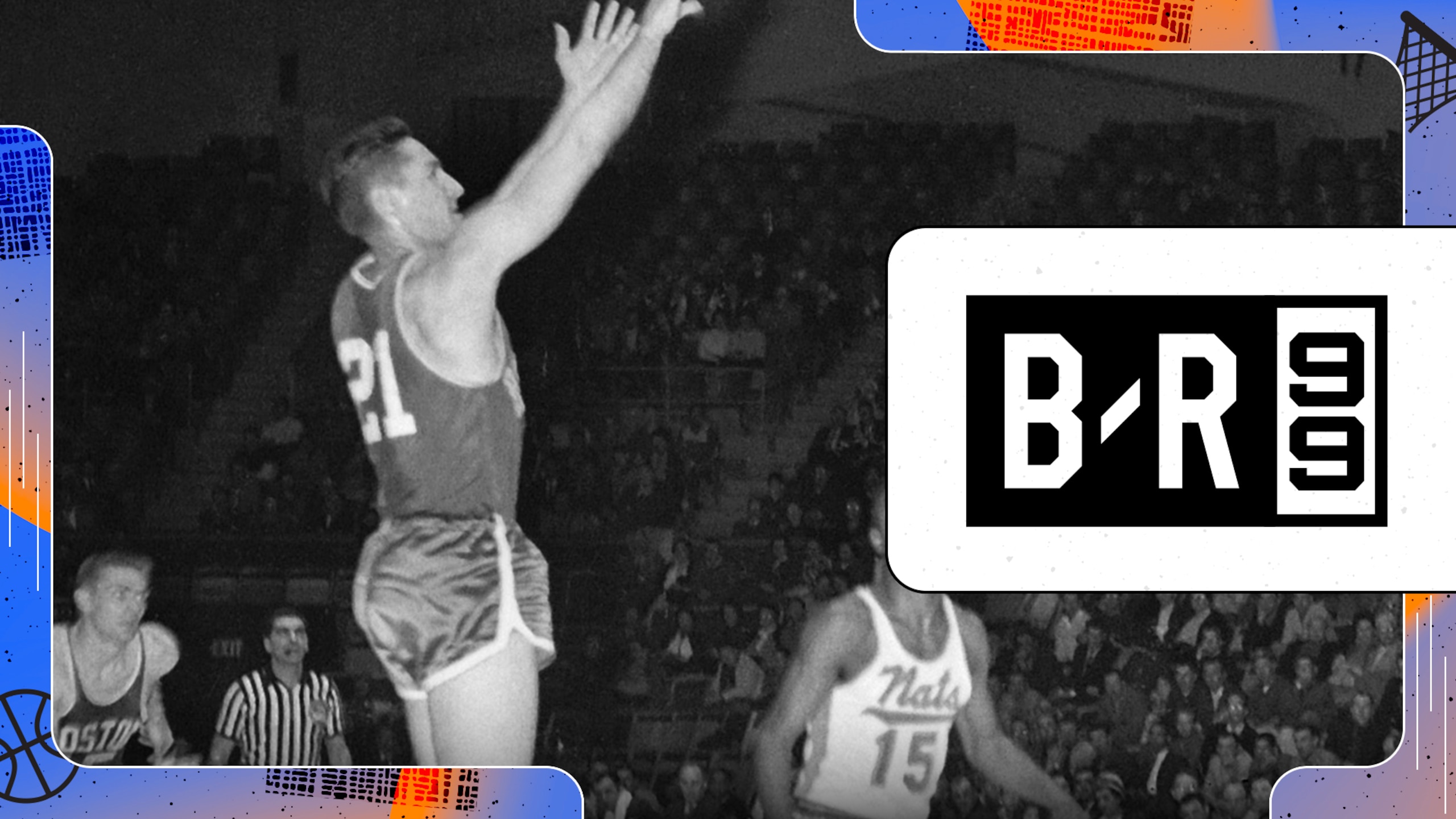
Career Stats: 42.6 FG%, 88.3 FT%, 49.7 TS%, 42.6 EFG%
Years: 1950-1961 | Teams: WSC, BOS
Era: Pre-3PT line
It's obviously a little tougher to analyze shooters from before the three-point era. It's harder still to do it with players who spent the bulk of their careers in the 1950s and '60s.
Bill Sharman played from 1950-51 through 1960-61. The league-wide true shooting percentage over those 11 years was a paltry (when compared to modern numbers) 45.1. The average field-goal percentage was 38.5. Put simply, shots just didn't go in as often as they do now.
But Sharman was well clear of both of those league-average marks. And he was maybe the best of his era at one spot that's existed as long as the NBA.
Sharman shot 88.3 percent from the free-throw line for his career, and he led the league in that category in seven of his 11 seasons.
High Vote: 29
88. Dan Majerle, G/F
12 of 99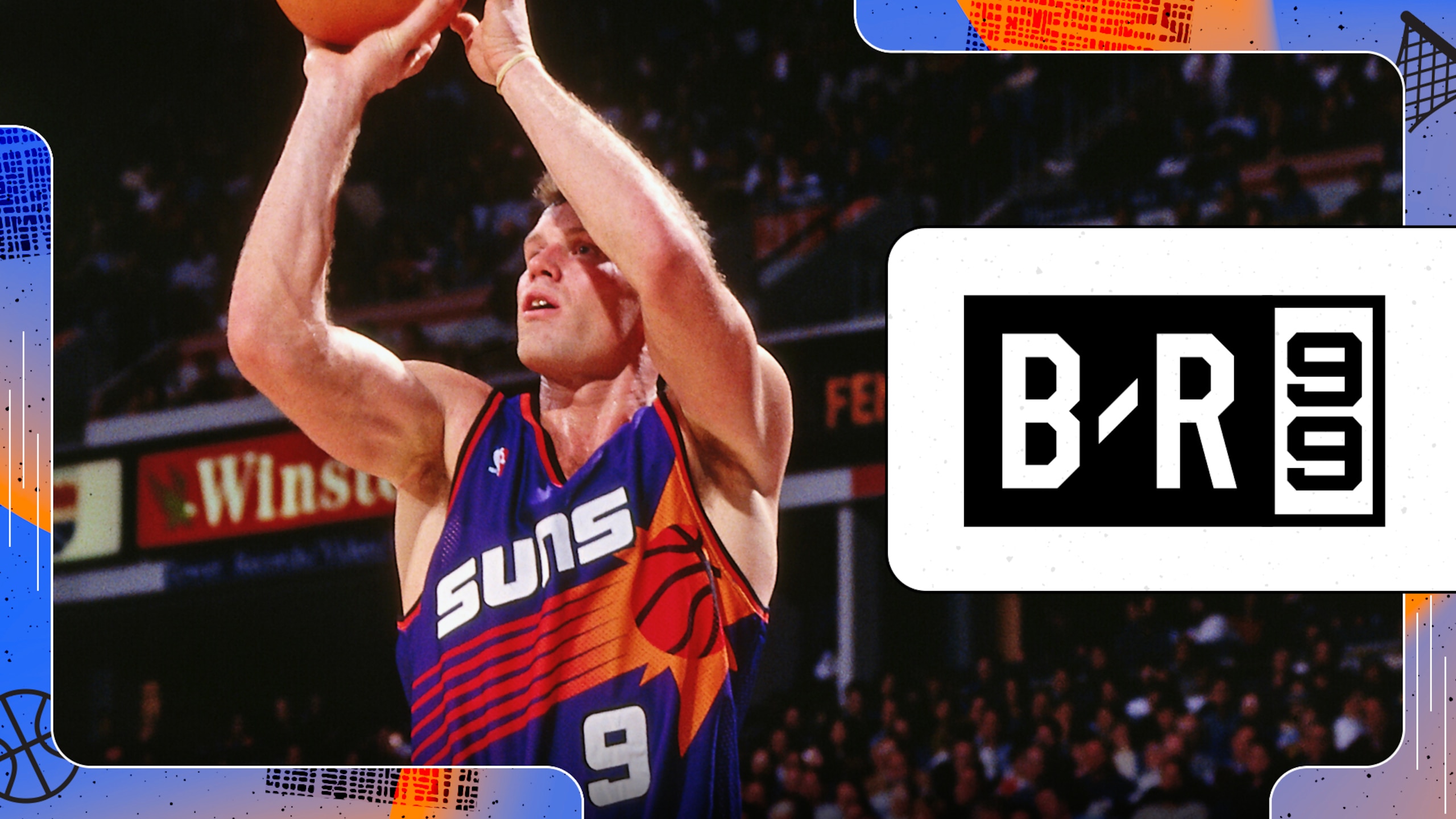
Career Stats: 43.1 FG%, 35.8 3PT%, 1.4 3PM/G, 0.414 3PAr, 74.1 FT%, 53.8 TS%, 50.5 EFG%
Years: 1988-2002 | Teams: PHX, CLE, MIA
Era: Early 3PT
Fans who may not remember the early years of Dan Majerle's career may be surprised to learn that he looked like something of a defensive specialist to start.
In his first five years, he made two All-Defense teams, had a top-five Defensive Player of the Year finish and shot a good (though unspectacular) 36.1 percent from three.
Through the middle of his career, he was very much the kind of three-and-D wing we so commonly see now.
From 1991-92 through 1994-95 (when he made the last of his three All-Star teams), he averaged 16.6 points and 2.0 threes, while shooting 37.6 percent from three.
High Vote: 58
87. Zach LaVine, G
13 of 99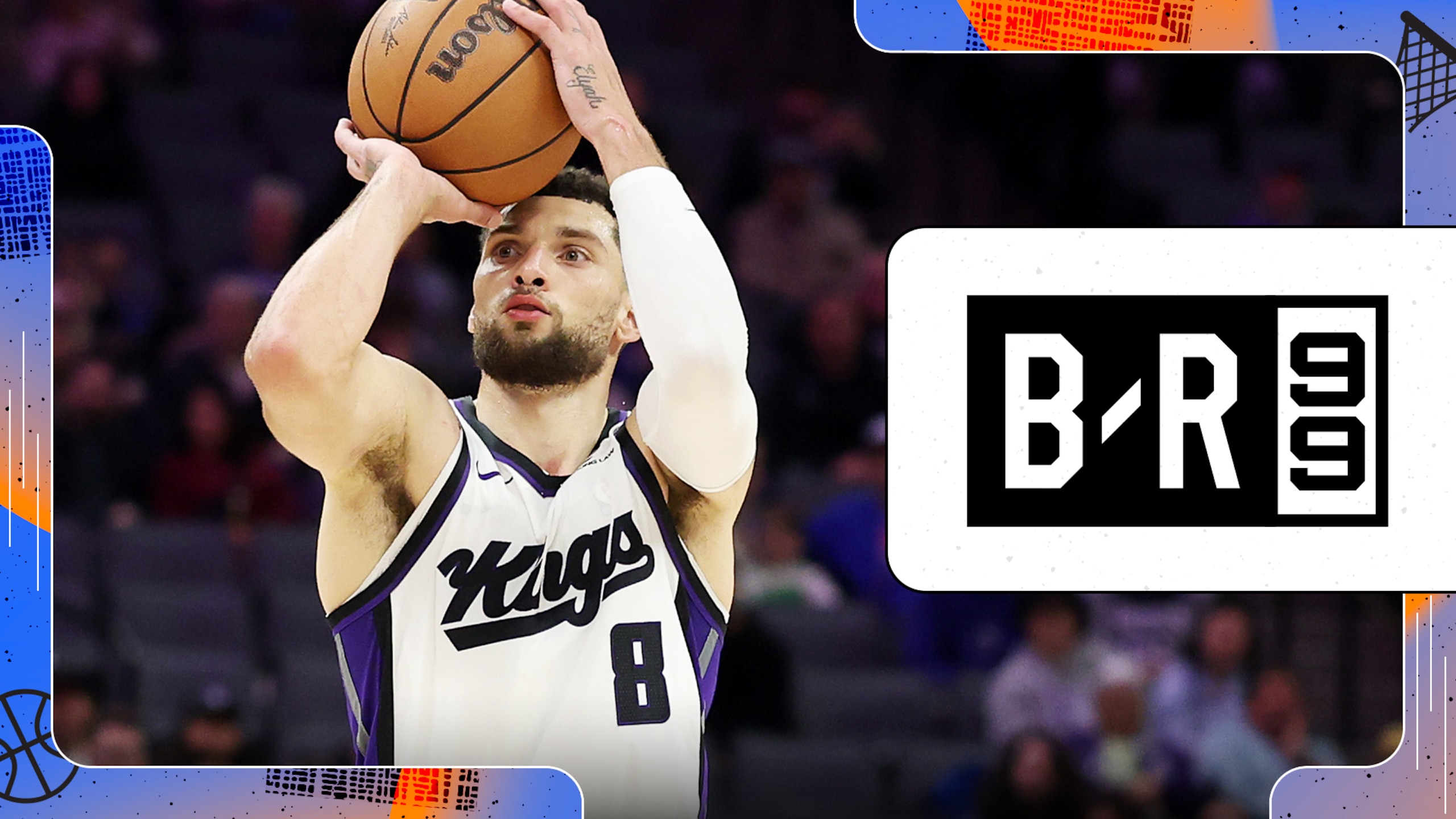
Career Stats: 47.0 FG%, 39.1 3PT%, 2.4 3PM/G, 0.384 3PAr, 83.5 FT%, 58.8 TS%, 54.5 EFG%
Years: 2014-present | Teams: MIN, CHI, SAC
Era: 3PT revolution
One of the unfortunate realities of the modern era is that the analysis of players is often inextricably linked with their contracts, especially if it seems like they're overpaid.
Zach LaVine has absolutely been the subject of that kind of analysis, and it's taken a lot of shine off otherwise eye-popping shooting numbers.
A lack of defense and maybe playmaking (though 3.9 career assists for a shooting guard isn't bad) are the reasons he's considered overpaid, but LaVine has hit 39.1 percent of his career three-point attempts, while making 2.4 per game. There are only 11 players in league history who match or exceed both of those marks.
And LaVine isn't just a standstill shooter. He's often coming off screens or cuts. He hits plenty off the dribble. And while a lot of modern players barely get off the ground when shooting these days, LaVine is still an old-school, "elevate and release at the top of your jump" jump shooter.
High Vote: 31
86. World B. Free, G
14 of 99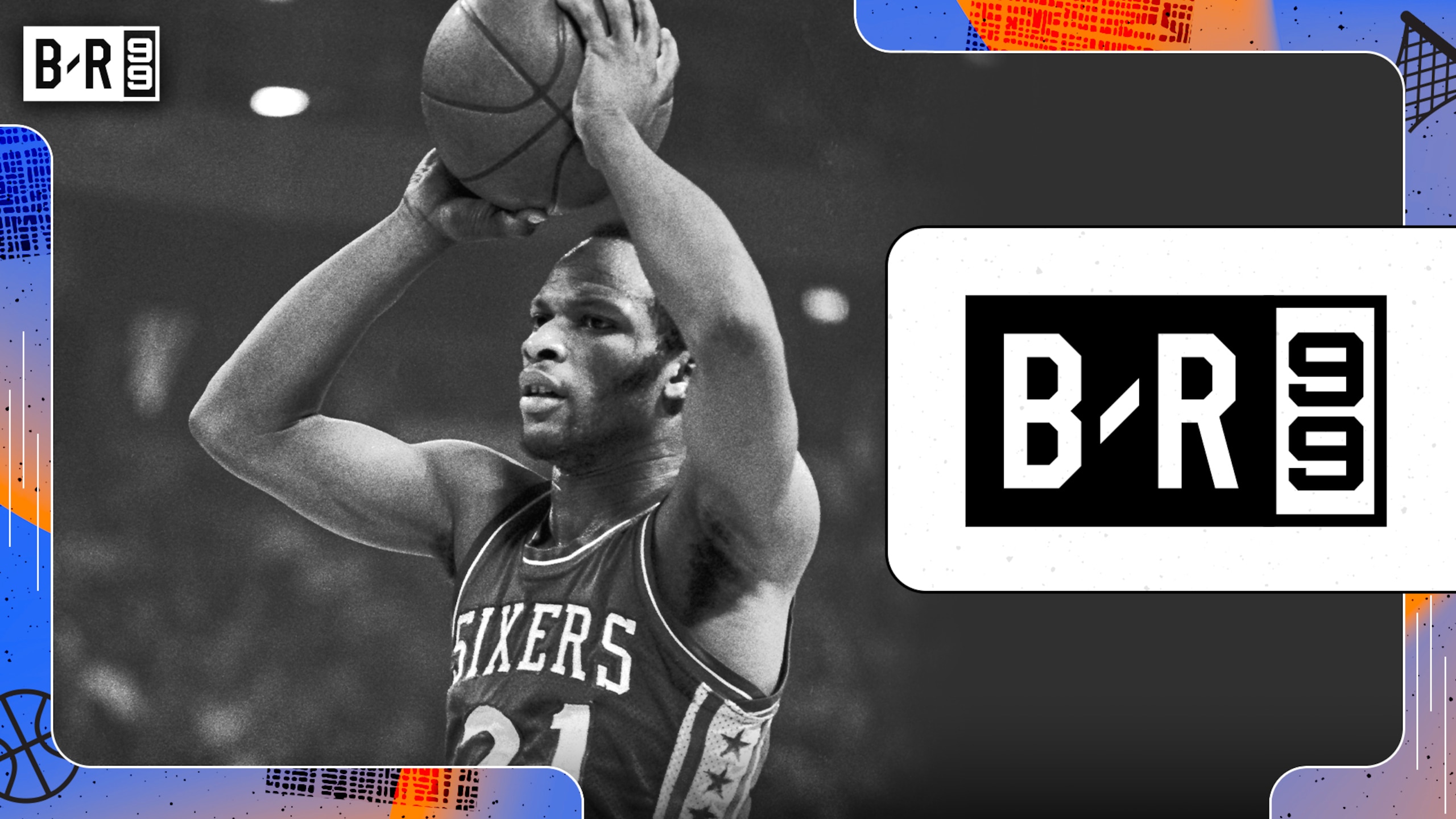
Career Stats: 45.6 FG%, 33.7 3PT%, 0.2 3PM/G, 0.044 3PAr, 75.3 FT%, 52.7 TS%, 46.3 EFG%
Years: 1975-1988 | Teams: PHI, LAC, GSW, CLE, HOU
Era: Pre-3PT line
World B. Free is another player who was likely voted here as much on volume and degree of difficulty as he was on efficiency.
In every season of his career, he had a below-average effective field-goal percentage (and was below that line in true shooting percentage in eight out of 13 years).
But again, percentages aren't the end-all, be-all. There's value in commanding the kind of defensive attention that Free did. It relieves pressure from teammates and applies it to the defense.
And the volume contributed to a scoring average of 24.7 points from 1978-79 through 1985-86.
High Vote: 33
85. Joe Ingles, G/F
15 of 99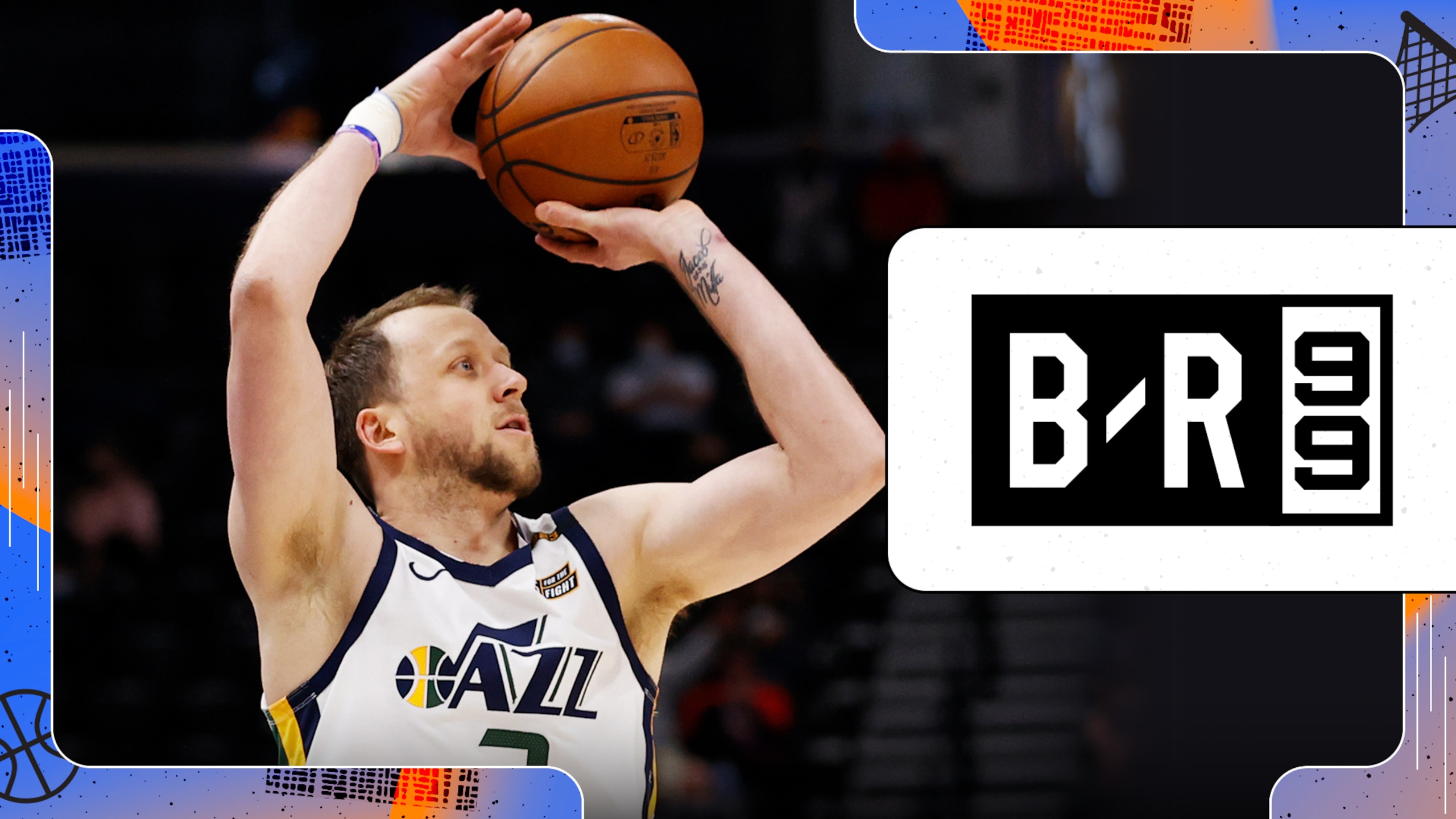
Career Stats: 44.8 FG%, 40.9 3PT%, 1.6 3PM/G, 0.664 3PAr, 77.5 FT%, 60.0 TS%, 58.4 EFG%
Years: 2014-present | Teams: UTA, POR, MIL, ORL, MIN
Era: 3PT revolution
Joe Ingles didn't come over to the NBA till his age-27 campaign, but he very quickly established himself as a high-end role player for one of the best teams in the West.
Opportunistic hands and good awareness on defense made him effective on that end. A sort of "slow-motion Ginóbili" playmaking and pick-and-roll style was big for the Utah Jazz's offense.
But the skill that may have really made him a longtime, helpful rotation player (despite the late start) was his deadeye, lefty three-point shot.
Ingles was one of the most dangerous catch-and-shoot release valves in the league for nearly a decade. He had a high, quick release. And from 2016-17 through 2023-24, he averaged 9.1 points and 2.0 threes, while shooting 41.6 percent from deep.
High Vote: 32
84. Robert Horry, F
16 of 99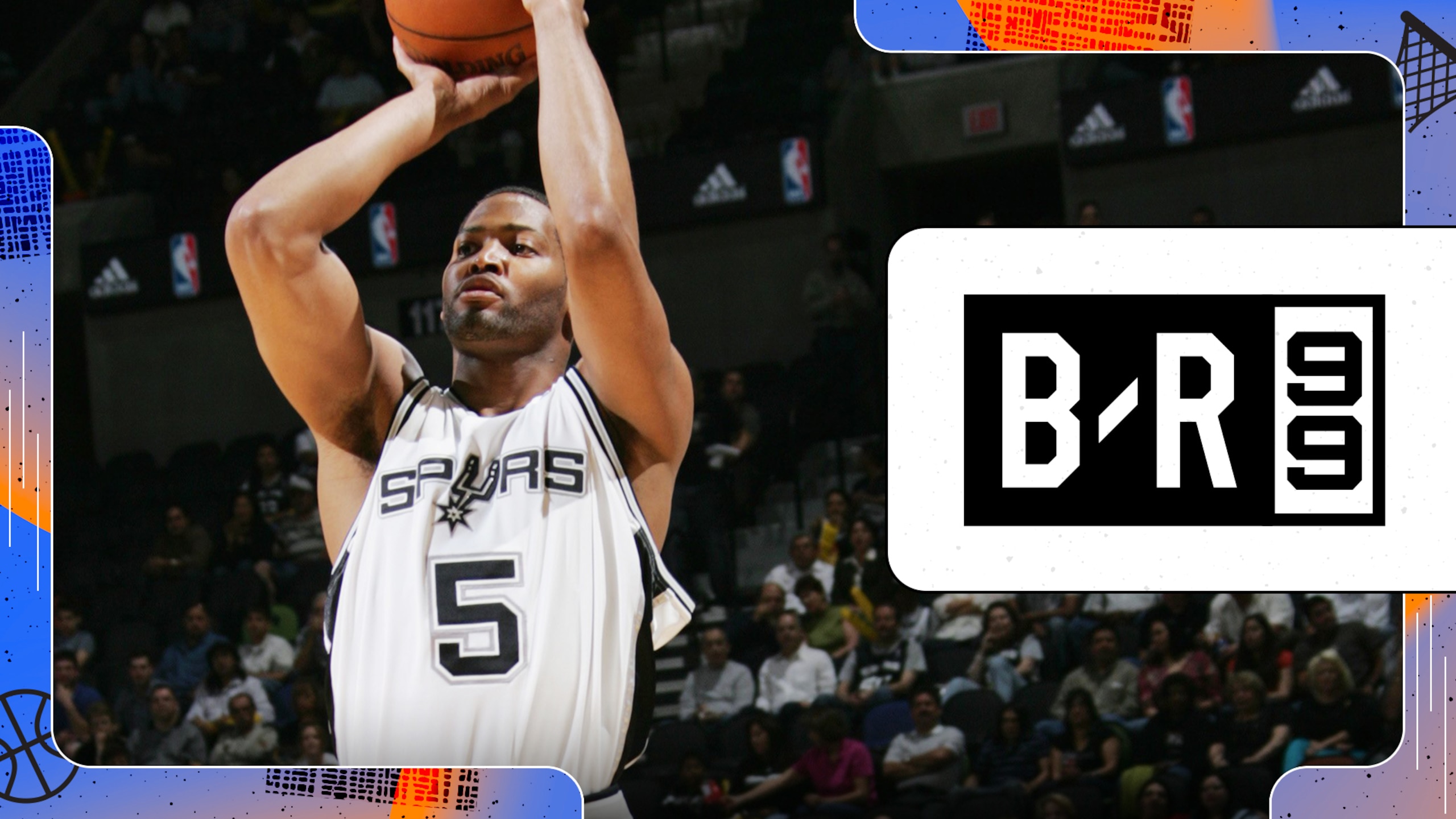
Career Stats: 42.5 FG%, 34.1 3PT%, 0.7 3PM/G, 0.351 3PAr, 72.6 FT%, 52.0 TS%, 48.4 EFG%
Years: 1992-2008 | Teams: HOU, PHX, LAL, SAS
Era: Early 3PT
Robert Horry had a career three-point percentage of 34.1 and a career playoff three-point percentage of 35.9. Neither mark is likely to blow anyone away. The regular-season one was below average.
But he's still a good inclusion on this list for a couple reasons.
First, Horry took 2.1 threes per game during his career, which was a good amount for a big man in his era. He obviously didn't do as much as someone like Dirk Nowitzki for the idea of a "stretch big," but he's definitely one of the pioneers.
And even more important, Horry had an almost preternatural knack for hitting game-swinging (or in some cases, game-winning) jumpers at the biggest possible moments. His ability to hit high-leverage triples under immense pressure absolutely drove him up this list.
High Vote: 36
83. Joe Dumars, G
17 of 99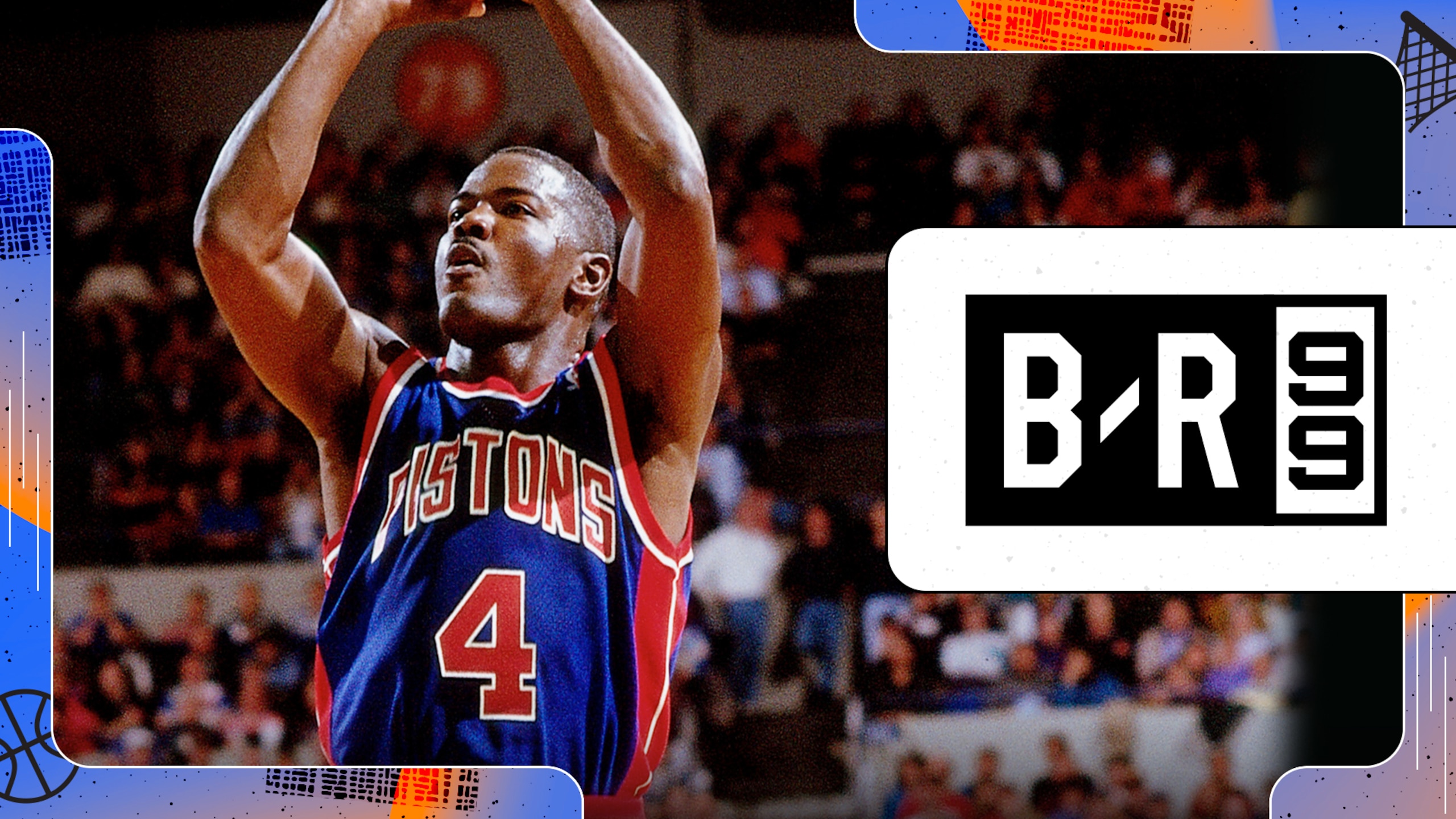
Career Stats: 46.0 FG%, 38.2 3PT%, 1.0 3PM/G, 0.199 3PAr, 84.3 FT%, 55.4 TS%, 49.8 EFG%
Years: 1985-1999 | Teams: DET
Era: Early 3PT
Joe Dumars is another player who, at least at the time, may have been known as much for his defense as he was his shooting. Three-point prowess wasn't celebrated to quite the same degree it is now, but Dumars certainly deserved some celebration.
Over the first six years of his career, when the shot was still sort of a novelty, Dumars only attempted 0.4 threes per game. But someone clearly got in his ear to take a few more, because from 1991-92 through 1998-99, he averaged 4.4 attempts and shot 38.3 percent from deep. In his second-to-last season, he led the league in attempts per game.
As the defense tailed off a bit, Dumars remained one of the most effective guards in the league, thanks in large part to that embrace of outside shooting.
High Vote: 40
82. Grayson Allen, G
18 of 99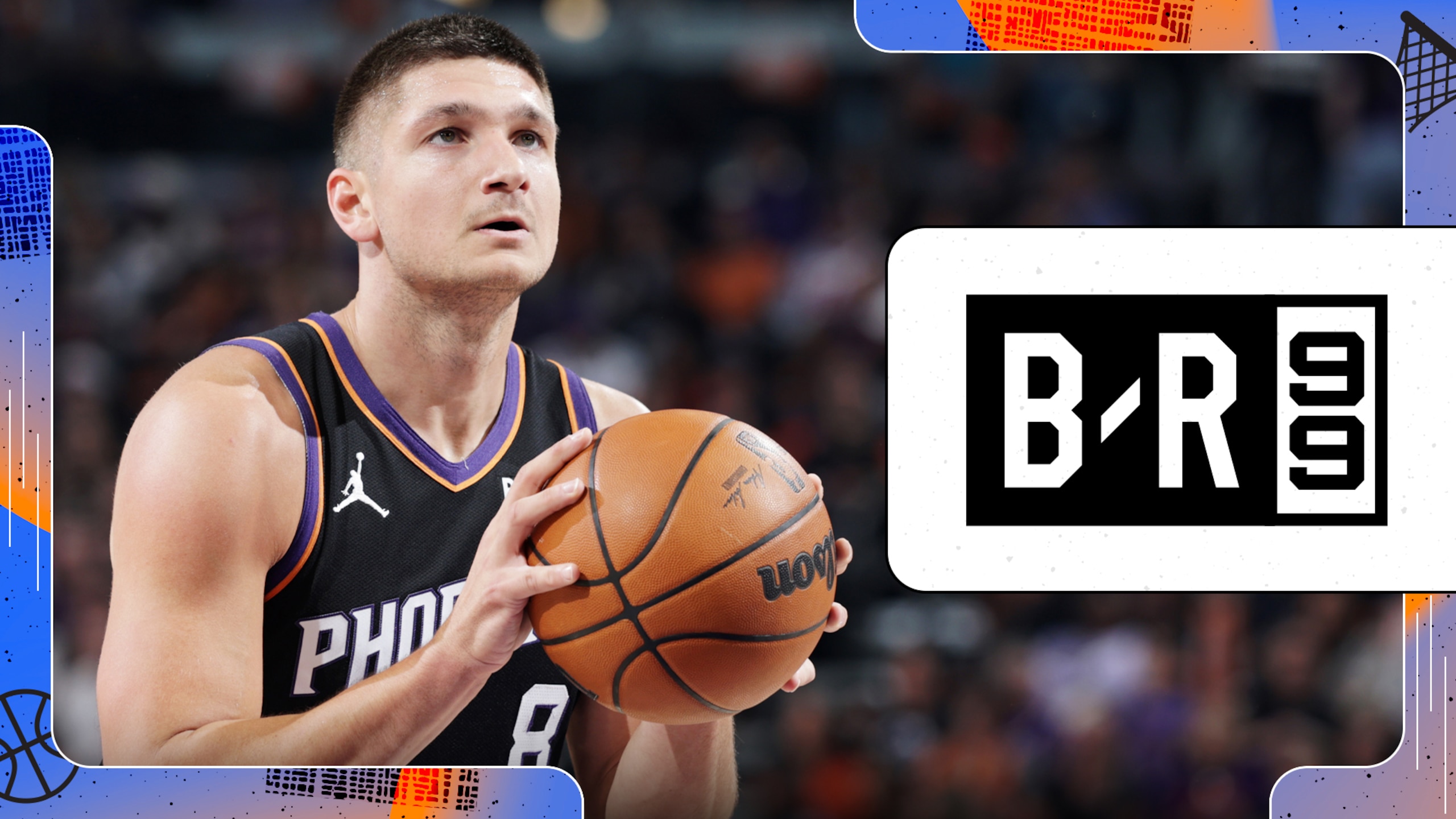
Career Stats: 44.3 FG%, 40.3 3PT%, 2.2 3PM/G, 0.662 3PAr, 85.7 FT%, 61.0 TS%, 57.6 EFG%
Years: 2018-present | Teams: UTA, MEM, MIL, PHX
Era: 3PT revolution
His reputation might be as tied to tripping incidents and other close-to-the-line tactics as it is to shooting, and that's a shame, because he's become one of the league's most effective outside shooters over the last several years.
The percentage dropped off in 2025-26, but his volume skyrocketed to 8.9 attempts per game(!), and his mark over the previous six campaigns was 41.9. In 2023-24 alone, he shot a league-leading 46.1 percent from deep.
Allen isn't entirely confined to catch-and-shoot triples either. He's great at that, but when the occasion calls for it, he can do some damage as a pull-up shooter.
High Vote: 20
81. Vince Carter, G/F
19 of 99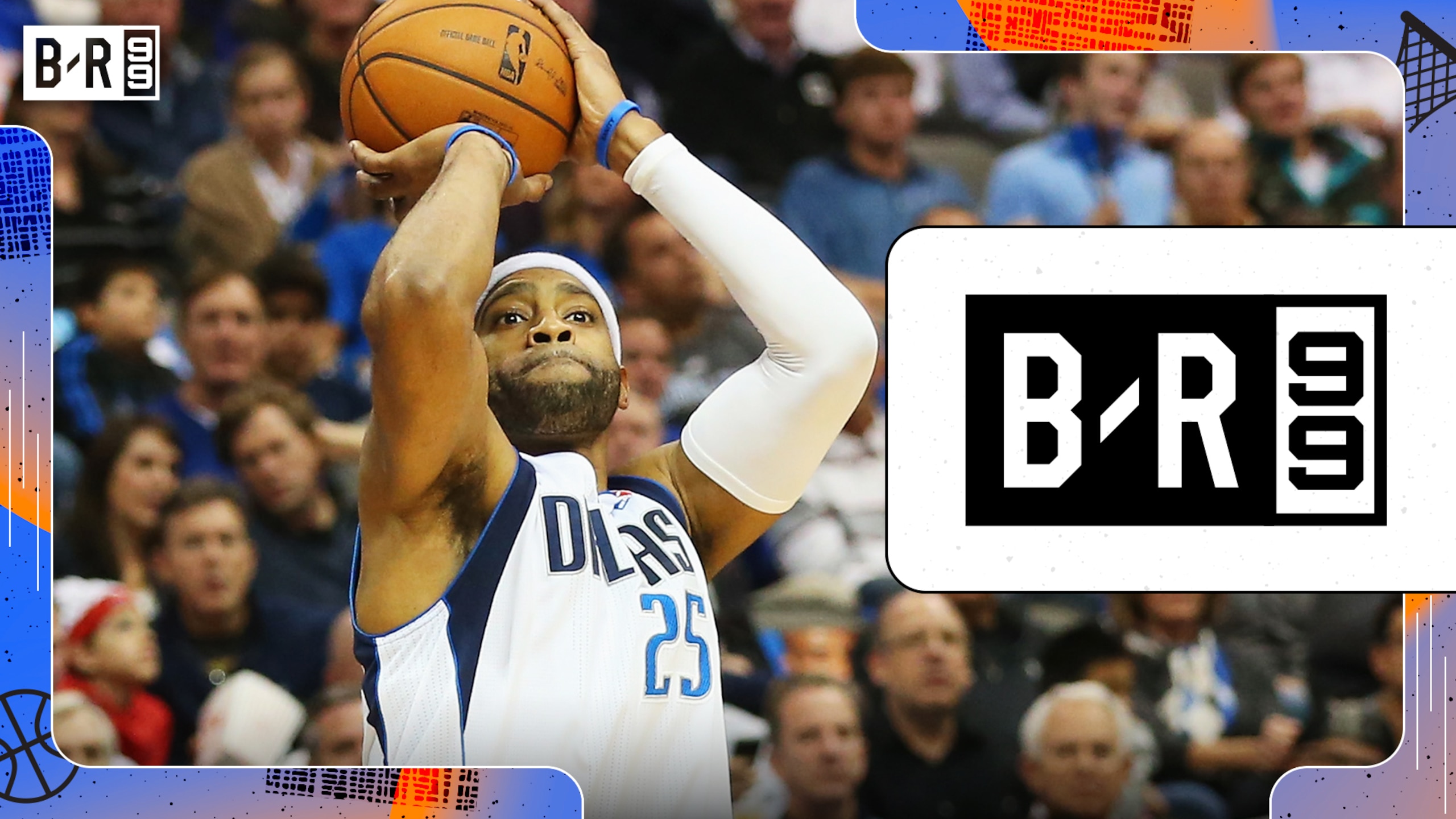
Career Stats: 43.5 FG%, 37.1 3PT%, 1.5 3PM/G, 0.289 3PAr, 79.8 FT%, 53.6 TS%, 48.9 EFG%
Years: 1998-2020 | Teams: TOR, BKN, ORL, PHX, DAL, MEM, SAC, ATL
Era: Early 3PT
He entered the NBA as one of the most exciting dunkers it had ever seen (and still maintains that distinction to this day), but Vince Carter quickly became a dynamic three-point threat too.
By his second season, he was already shooting over 40 percent from deep. By the end of his career, he had nine campaigns over 38 percent.
And Carter came up in an era when mid-range jumpers weren't as frowned upon as they are now. Almost half of his career shot attempts were two-pointers from more than three feet away.
To finish with a career effective field-goal percentage right around average and a true shooting percentage above it, with that kind of shot diet, is a feat. That's especially true when you consider the fact that Carter was far from afraid of taking fadeaways, leaners and plenty of other traditionally difficult shots.
High Vote: 24
80. Chuck Person, F
20 of 99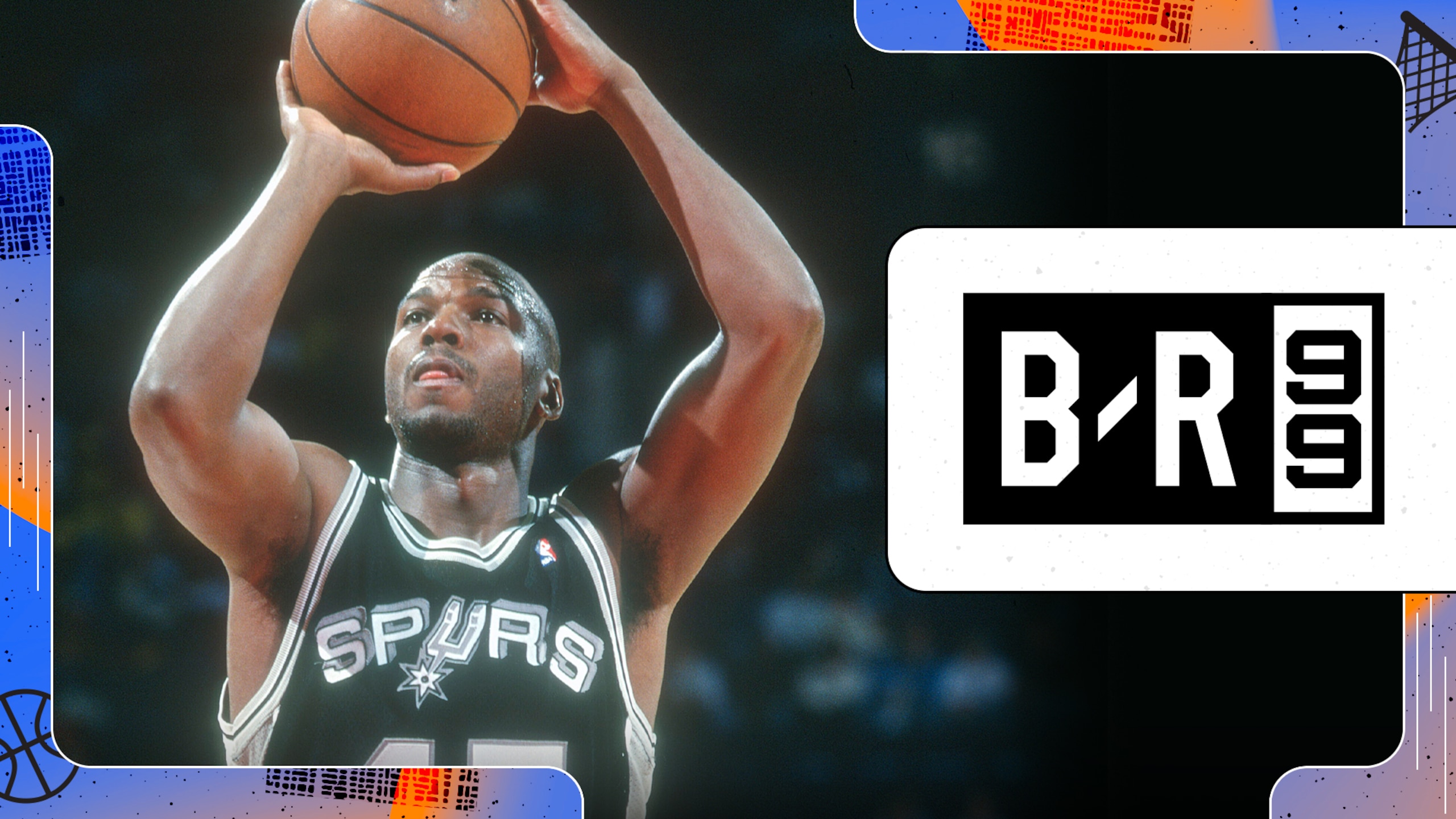
Career Stats: 45.8 FG%, 36.2 3PT%, 1.3 3PM/G, 0.277 3PAr, 72.3 FT%, 53.0 TS%, 50.8 EFG%
Years: 1986-2000 | Teams: IND, MIN, SAS, CHA, SEA
Era: Early 3PT
When your nickname is "The Rifleman," there's a decent chance you were a pretty good shooter (or at least an unafraid one). And that's certainly true of Chuck Person.
The 1986-87 Rookie of the Year was a dynamic scoring threat for the first seven years of his career, when he averaged 18.7 points and 1.0 threes, while shooting 35.1 percent from deep.
And from that point to the end of his career, though the volume went down, his efficiency as an outside shooter went up. Over his last six years, he hit 37.2 percent of his three-point attempts.
Of course, since he played in the 1980s and 1990s, Person took plenty of jump shots from inside the three-point line too. Part of being a specialist in those days meant you had to hit the mid-rangers, and Person drilled more than his fair share.
High Vote: 75
79. Hubert Davis, G
21 of 99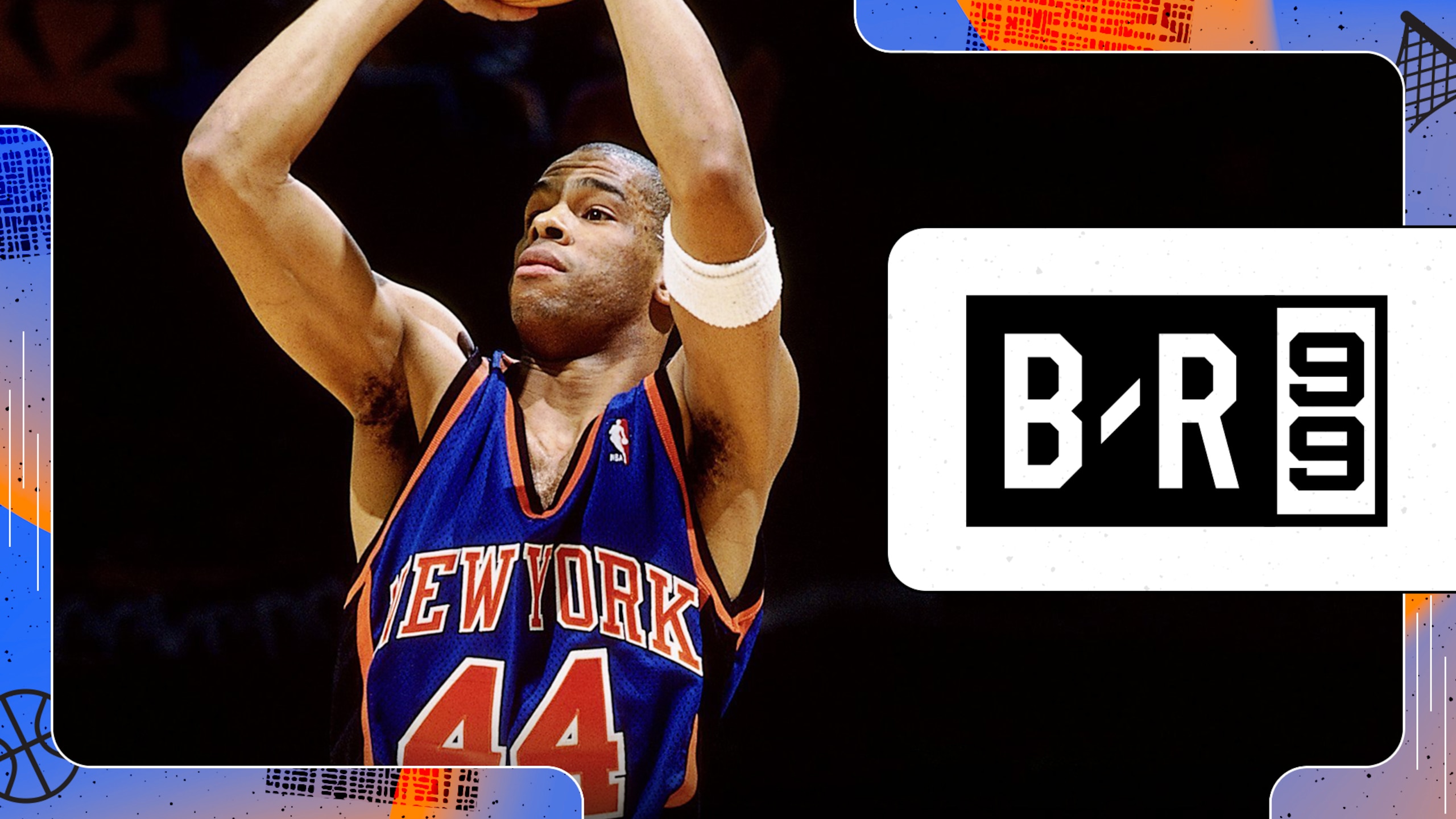
Career Stats: 45.8 FG%, 44.1 3PT%, 1.1 3PM/G, 0.359 3PAr, 83.7 FT%, 56.6 TS%, 53.7 EFG%
Years: 1992-2004 | Teams: NYK, TOR, DAL, WAS, DET, BKN
Era: Early 3PT
Hubert Davis played in an era in which three-point specialists were far more rare than they are now, but that's exactly what he was throughout his career.
Davis played 12 seasons, took about a third of his shots from deep (a huge portion for the 1990s and early 2000s) and drilled 44.1 percent of his attempts.
He didn't provide much in the way of ancillary stats or contributions, and he wasn't the most dynamic off-the-bounce shooter, but he's third all time in career three-point percentage. And when you're that good at one skill, you can carve out a decade-plus career.
High Vote: 44
78. Wesley Person, G/F
22 of 99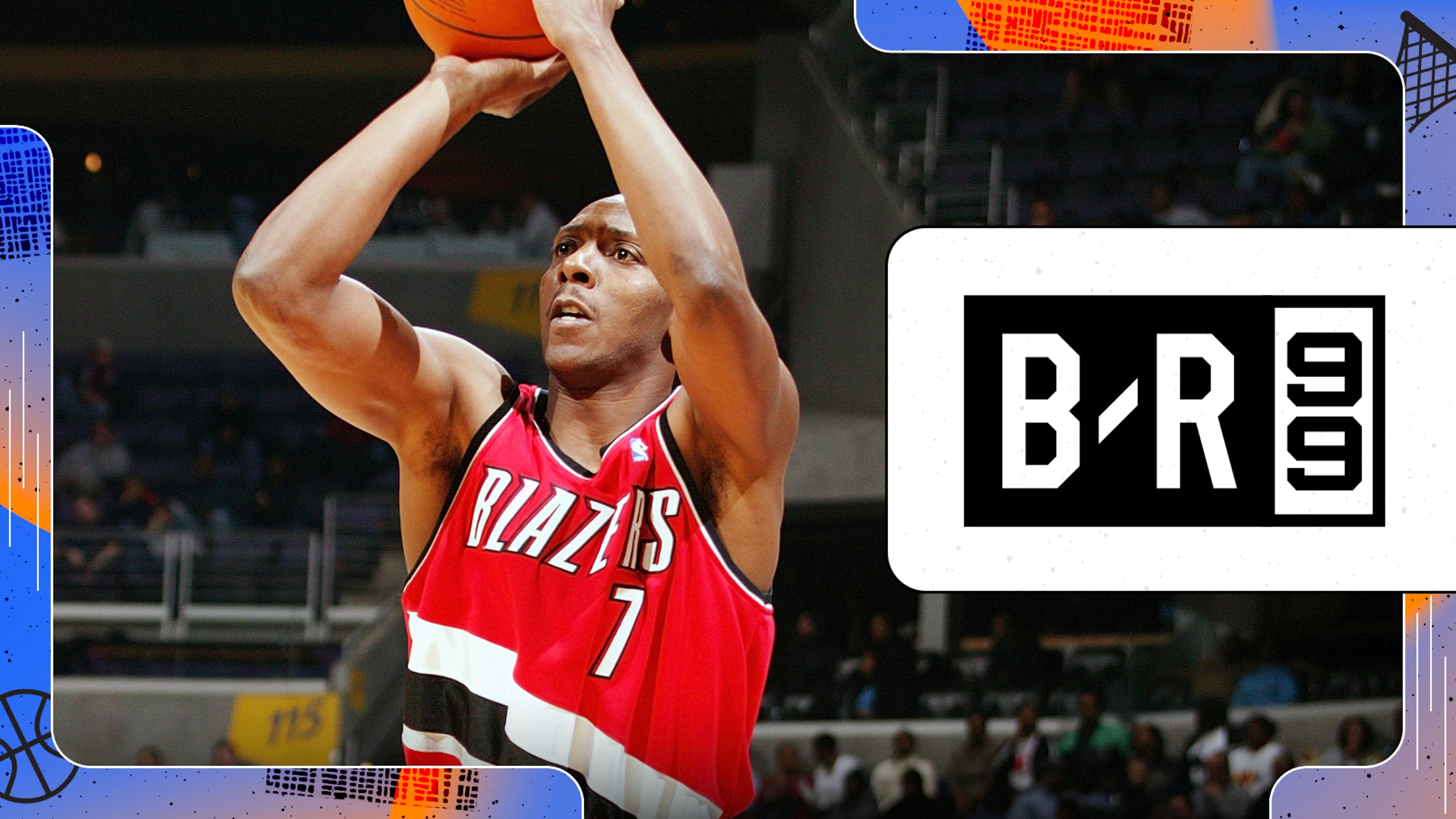
Career Stats: 45.7 FG%, 41.8 3PT%, 1.6 3PM/G, 0.402 3PAr, 77.8 FT%, 56.2 TS%, 54.1 EFG%
Years: 1994-2005 | Teams: PHX, CLE, MEM, POR, ATL, DEN, MIA
Era: Early 3PT
The younger brother of The Rifleman, Wesley Person came along nearly a decade later and was an even more prolific and proficient jump shooter.
Person was over 40 percent from deep in eight of his 11 campaigns. He led the league in threes per game in 1997-98. And to this day, he's still 16th all time in career three-point percentage.
He didn't score quite as much as his older sibling, but when it comes to pure jump shooting ability, this Person wears the crown.
High Vote: 39
77. Lauri Markkanen, F/C
23 of 99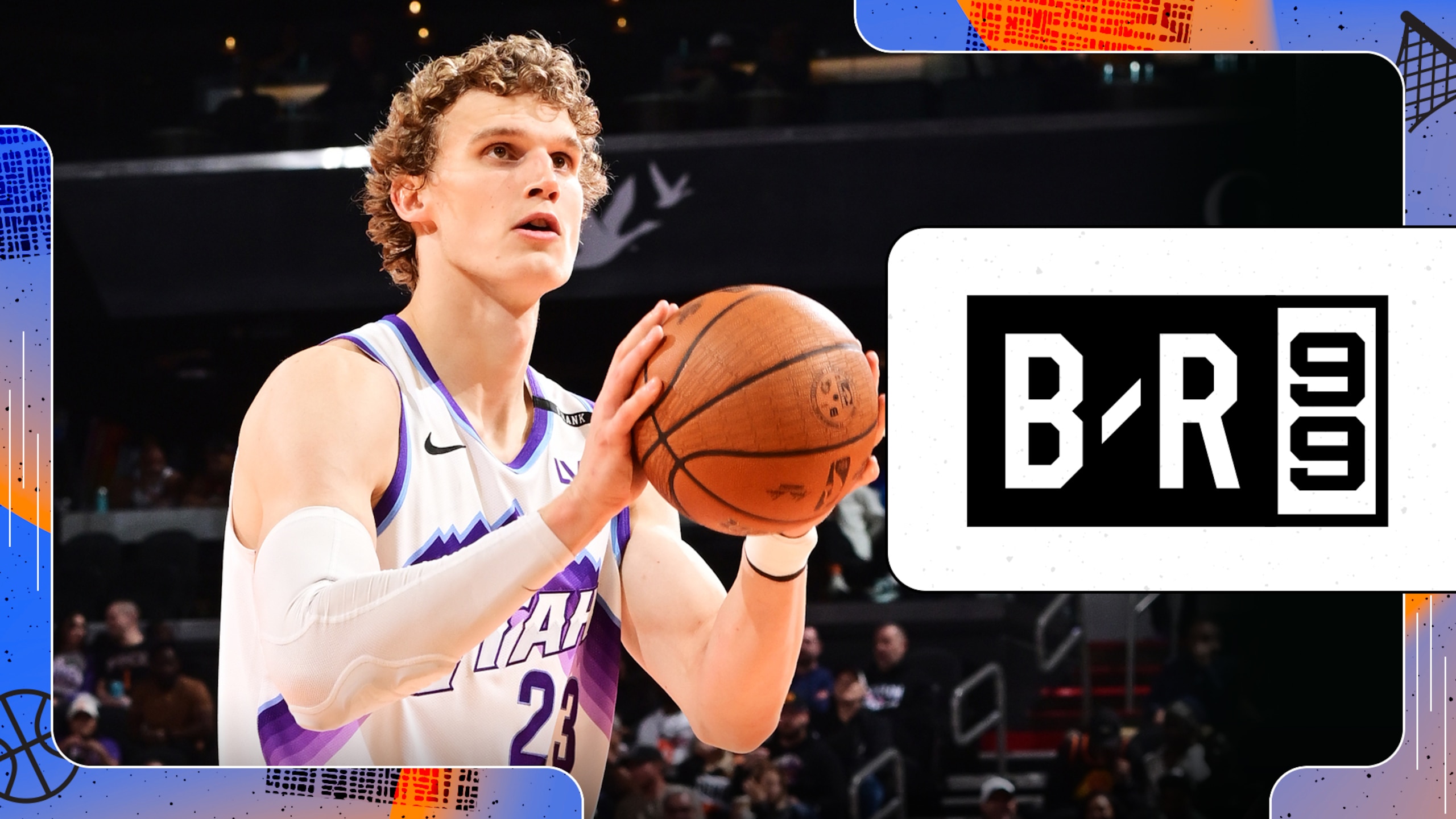
Career Stats: 45.8 FG%, 37.0 3PT%, 2.6 3PM/G, 0.485 3PAr, 87.1 FT%, 59.4 TS%, 54.7 EFG%
Years: 2017-present | Teams: CHI, CLE, UTA
Era: 3PT revolution
Lauri Markkanen plays basketball like he was programmed in a lab for the pace-and-space era. His shot diet consists of little more than dunks and three-point attempts, and it's part of why he's one of the best play finishers in the NBA (and why the Finnisher nickname works on multiple fronts).
Injuries have had a big impact on his last couple seasons with the Utah Jazz, but Markkanen still has an above-average three-point percentage on massive volume for a player of his size (7'1").
We're not talking about a Channing Frye-like floor spacer either. Markkanen isn't just finding a spot near the three-point line, waiting for a pass and then shooting when it comes his way. He's often coming off screens and out of cuts like a shooting guard. When he has to, he shoots off the bounce, too.
He's an underrated off-ball mover, and his quick decision-making once he gets the ball would make him a great fit on just about any team in any era.
High Vote: 23
76. Kevin Martin, G
24 of 99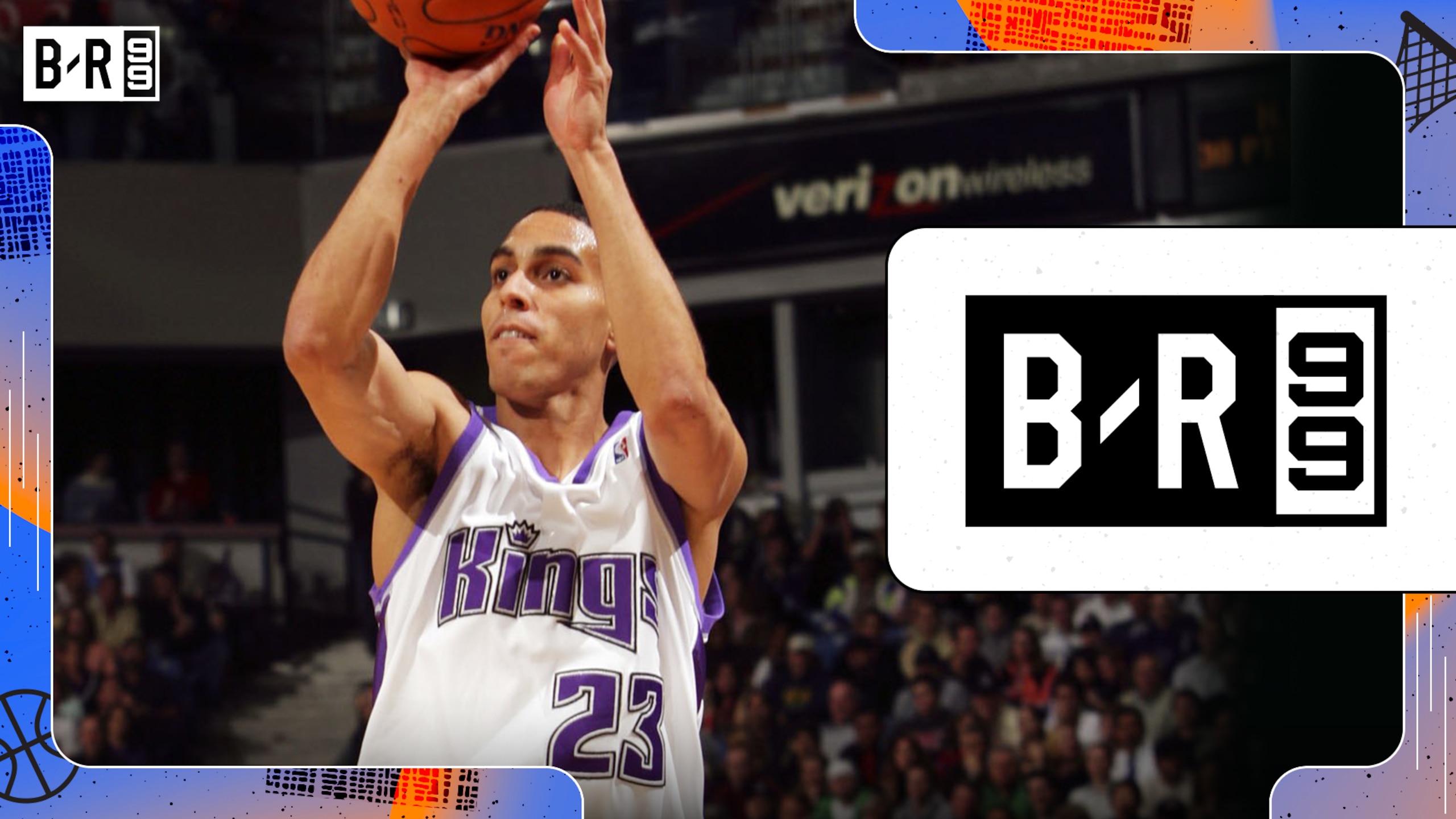
Career Stats: 43.7 FG%, 38.4 3PT%, 1.6 3PM/G, 0.338 3PAr, 87.0 FT%, 58.5 TS%, 50.2 EFG%
Years: 2004-2016 | Teams: SAC, HOU, OKC, MIN, SAS
Era: 3PT expansion
An all-timer we'll get to way down the list wears the crown in this category, but Kevin Martin is one of the greatest "funky delivery" shooters we've ever seen (and a testament to the fact that repetition is sometimes more important than flawless mechanics).
Martin's jumper started much lower than most. It started a little off to the side too. But after he slung that thing across his body and to its release point, it was one of the most dangerous weapons in the NBA.
For a nine-year stretch from 2006-07 through 2014-15, Martin averaged 20.2 points and 1.9 threes, while shooting 38.8 percent from deep. He was also a career 87.0-percent free-throw shooter, which was pretty important for a player who also averaged 6.7 free-throw attempts during the aforementioned nine-year stretch.
High Vote: 44
75. Dennis Scott, G/F
25 of 99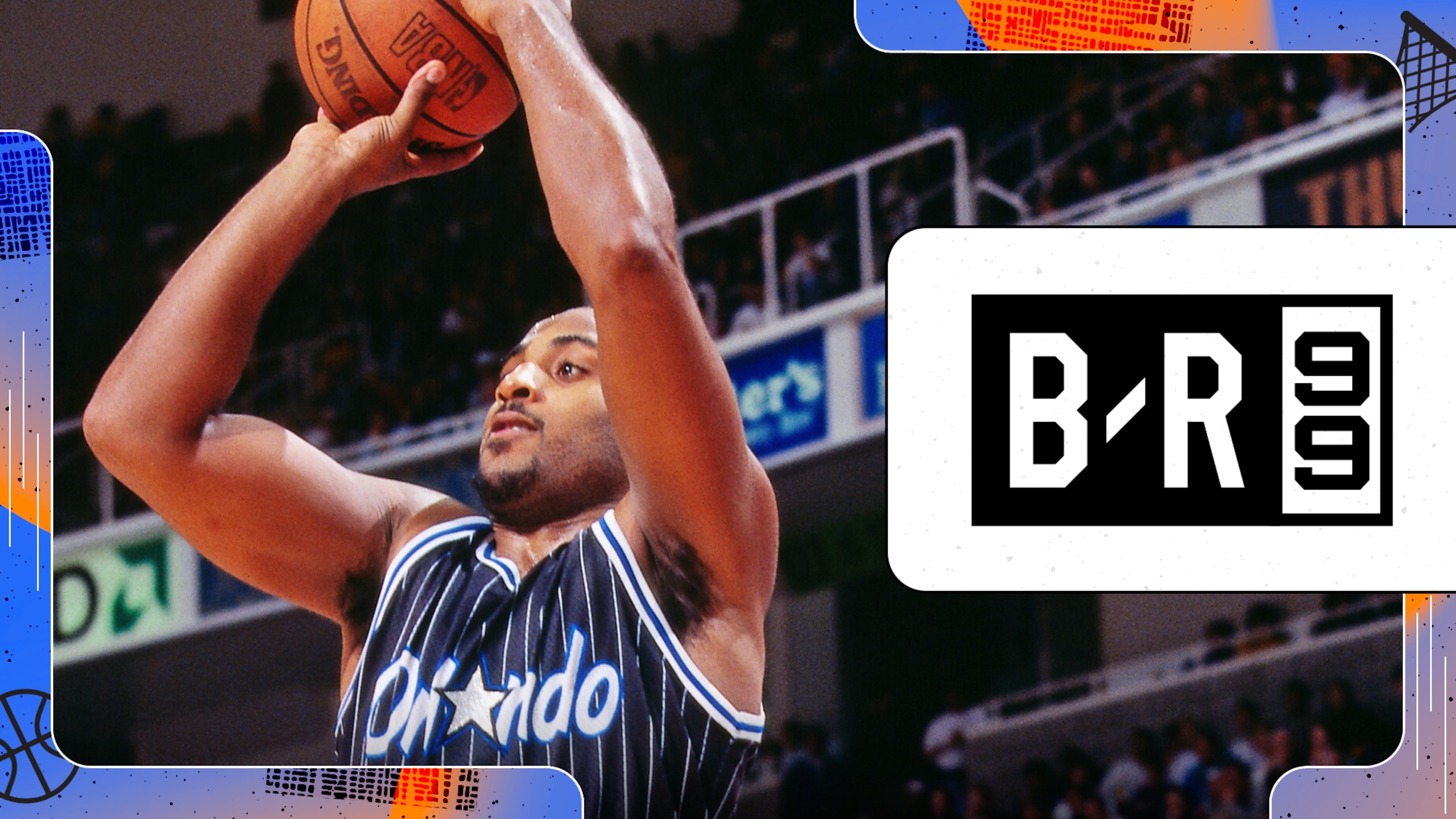
Career Stats: 41.7 FG%, 39.7 3PT%, 1.9 3PM/G, 0.430 3PAr, 79.3 FT%, 53.0 TS%, 50.2 EFG%
Years: 1990-2000 | Teams: ORL, DAL, PHX, NYK, MIN, MEM
Era: Early 3PT
Another entrant whose nickname is based on his jump shooting ability, Dennis Scott helped pave the way for other three-point specialists in the 1990s.
His three-point-attempt rate was an astronomical (for that era) 43.0 percent, and he converted on 39.7 percent of his long-range attempts.
On a team that had so much space in the middle of the floor accounted for (thanks to Anfernee Hardaway and Shaquille O'Neal), that kind of volume and accuracy from deep was crucial.
High Vote: 35
74. Bojan Bogdanović, G/F
26 of 99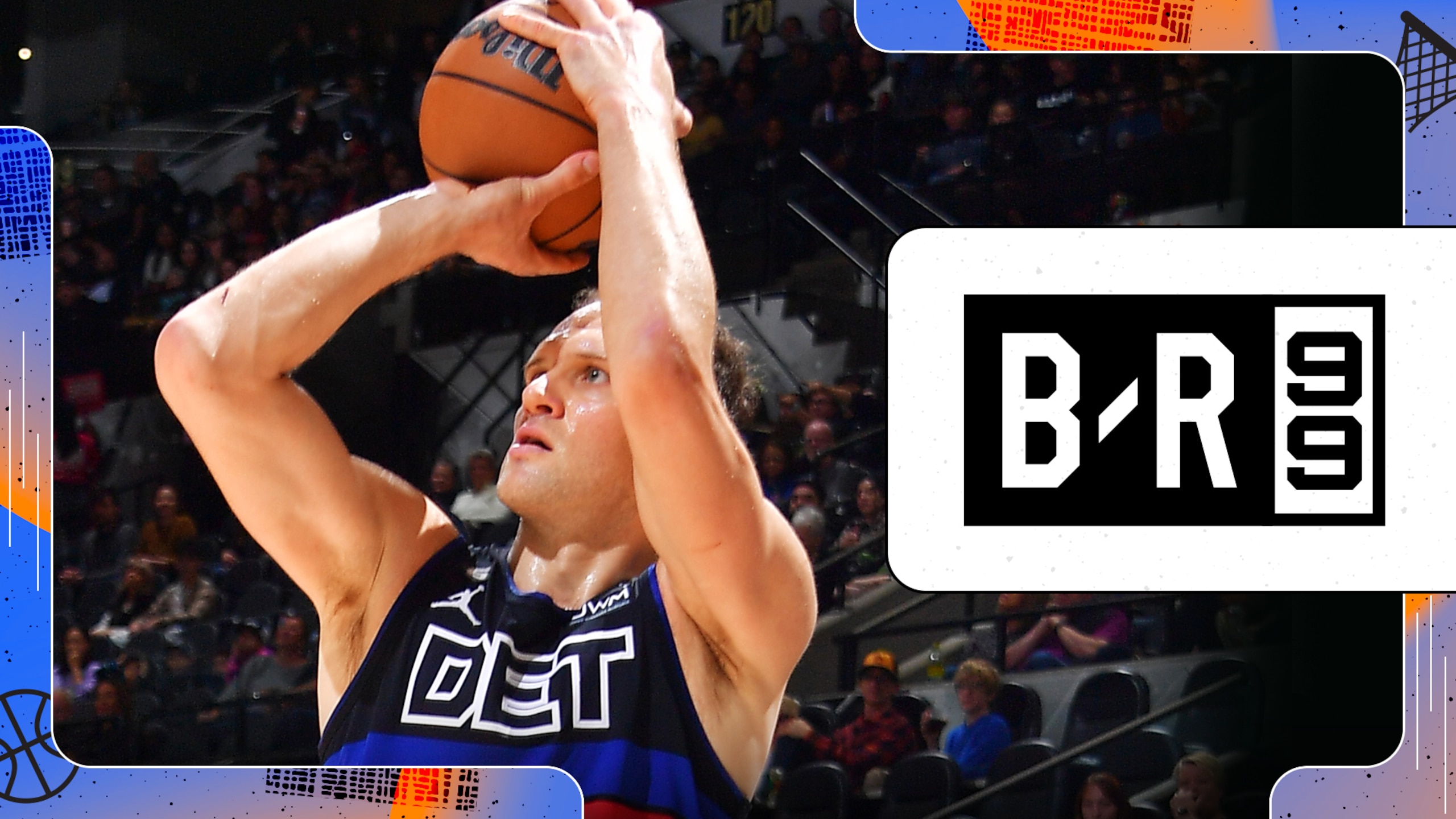
Career Stats: 46.0 FG%, 39.4 3PT%, 2.1 3PM/G, 0.455 3PAr, 85.9 FT%, 59.4 TS%, 54.9 EFG%
Years: 2014-present | Teams: BKN, WAS, IND, UTA, DET, NYK
Era: 3PT revolution
Another non-American hooper whose NBA career started a little later than most, Bojan Bogdanović came over for his age-25 campaign and was immediately impactful.
By his fourth campaign in the league (and first full one with the Indiana Pacers), he was one of the most effective mid- to high-volume outside shooters in the NBA.
With a lightning-quick release and the "catch-high, shoot-high" ability that's becoming increasingly important, Bogdanović averaged 17.6 points and 2.4 threes, while shooting 40.3 percent from deep, over his last seven seasons.
High Vote: 30
73. Craig Hodges, G
27 of 99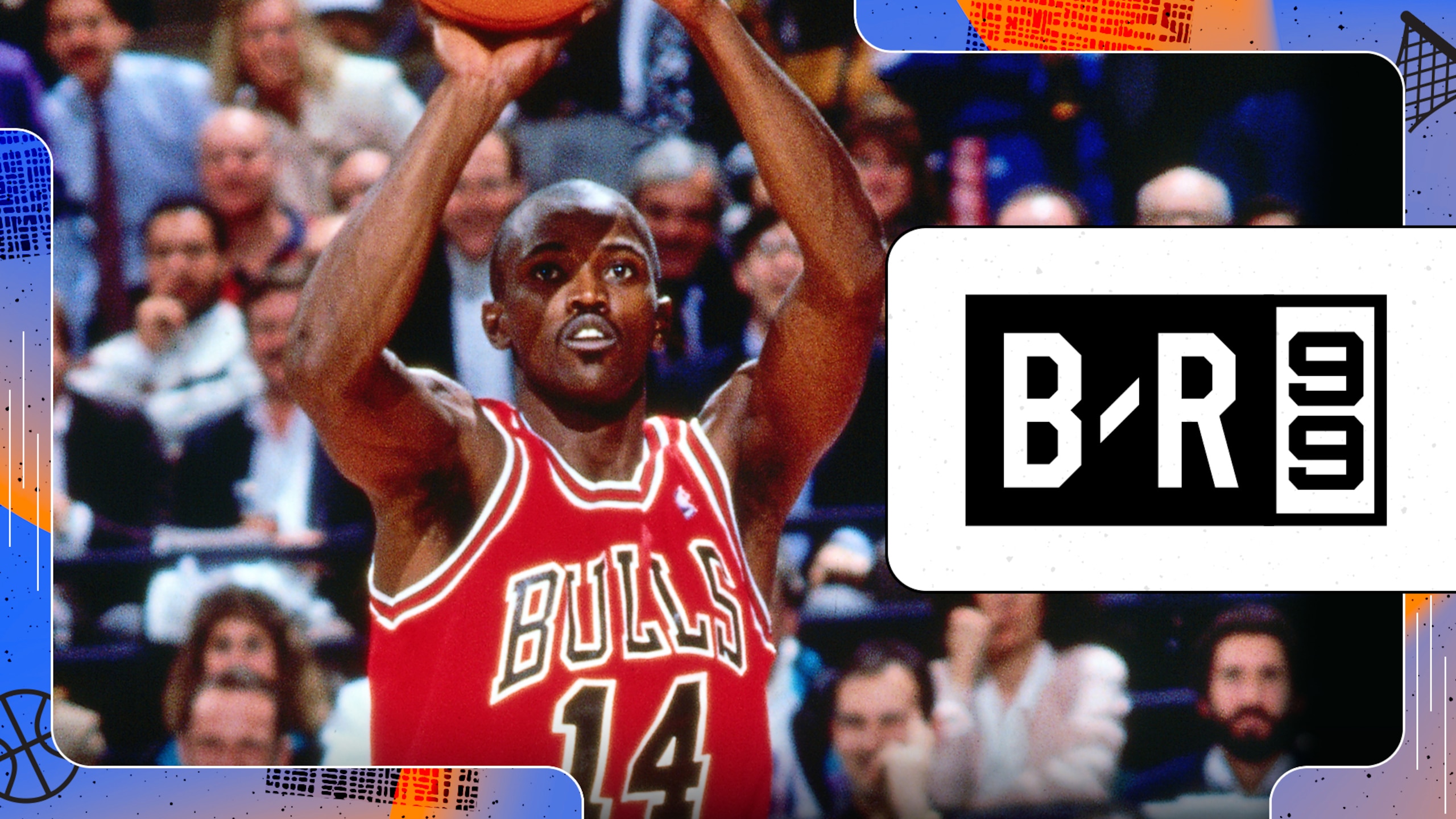
Career Stats: 46.1 FG%, 40.0 3PT%, 0.8 3PM/G, 0.275 3PAr, 82.8 FT%, 54.2 TS%, 51.6 EFG%
Years: 1982-1992 | Teams: LAC, MIL, PHX, CHI
Era: Early 3PT
Some fans have griped in recent years about Mac McClung competing in the dunk contest without being a full-time NBA player, but he's not the first player whose specific skill was worth highlighting regardless of his contract status.
In 1993, despite being a free agent at the time, NBA commissioner David Stern invited Craig Hodges to defend his title in the three-point contest. He came up short that year, but Hodges won each of the previous three. And he was far from just a contest participant.
Over the last seven seasons of his NBA career, Hodges shot 42.7 percent from deep and made 1.1 threes in just 19.5 minutes. Over the same stretch, he trailed only Barros in threes made per possession.
High Vote: 41
72. Danny Green, G/F
28 of 99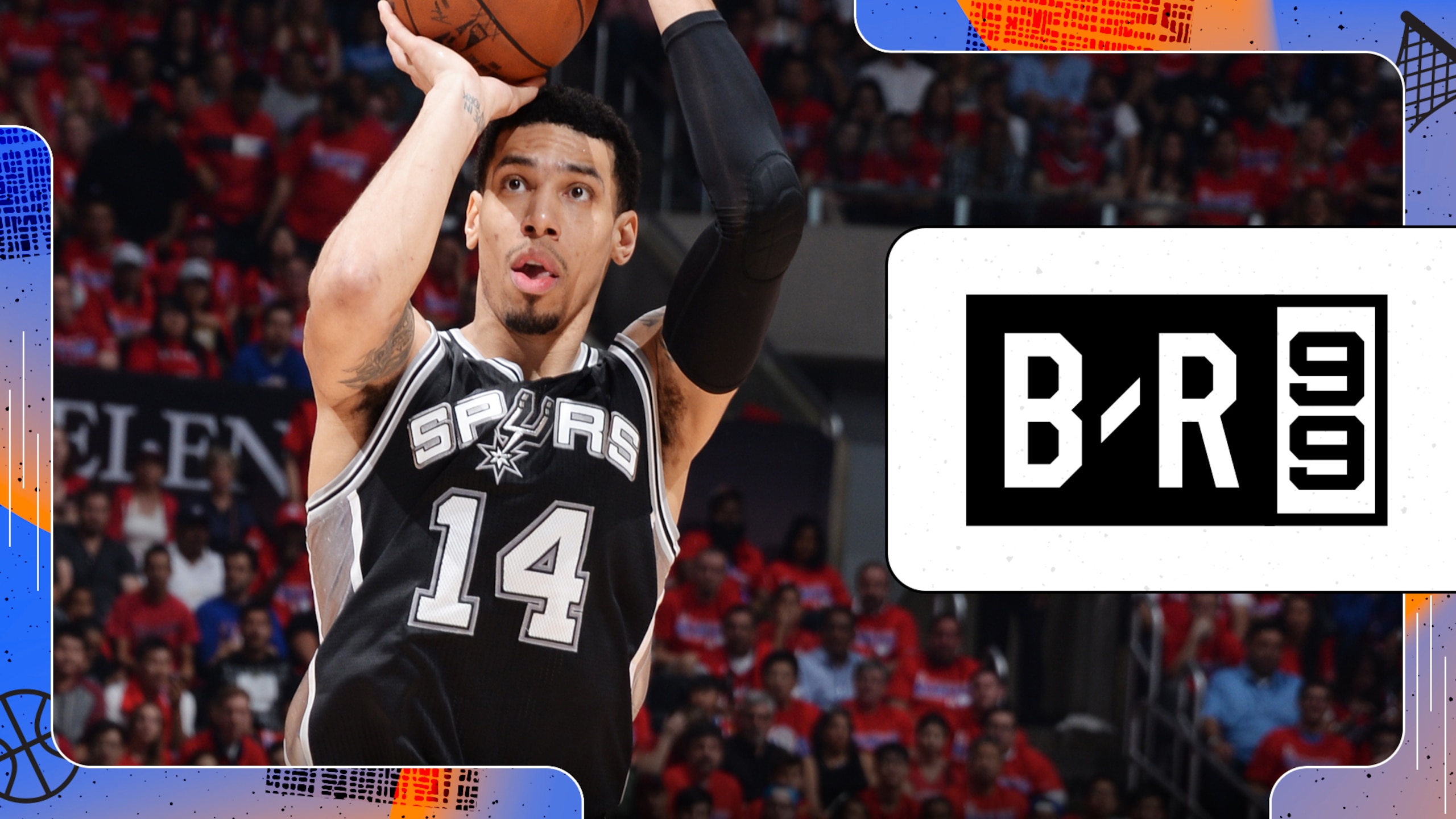
Career Stats: 42.1 FG%, 40.0 3PT%, 1.9 3PM/G, 0.653 3PAr, 80.5 FT%, 56.8 TS%, 55.1 EFG%
Years: 2009-2023 | Teams: CLE, SAS, TOR, LAL, PHI, MEM, CLE
Era: 3PT revolution
When you hear the term "three-and-D," Danny Green should be one of the very first names that comes to mind. Despite being picked over halfway through the second round of his draft and not finding a real role until his third season, Green became one of the ultimate examples of this archetype.
The defensive side of the equation is a discussion for another slideshow, but Green finished his career shooting exactly 40.0 percent from deep. And almost two-thirds of his career shot attempts were triples.
Beyond his path to the NBA, what really made his prowess as an outside shooter tough to understand was his form. It wasn't quite as unorthodox as Martin's, but Green's shooting elbow didn't quite extend all the way when he released. That made it seem like he might "short-arm" every attempt, but his swishes were every bit as pure as any other specialist's of his era.
High Vote: 28
71. Michael Porter Jr., F
29 of 99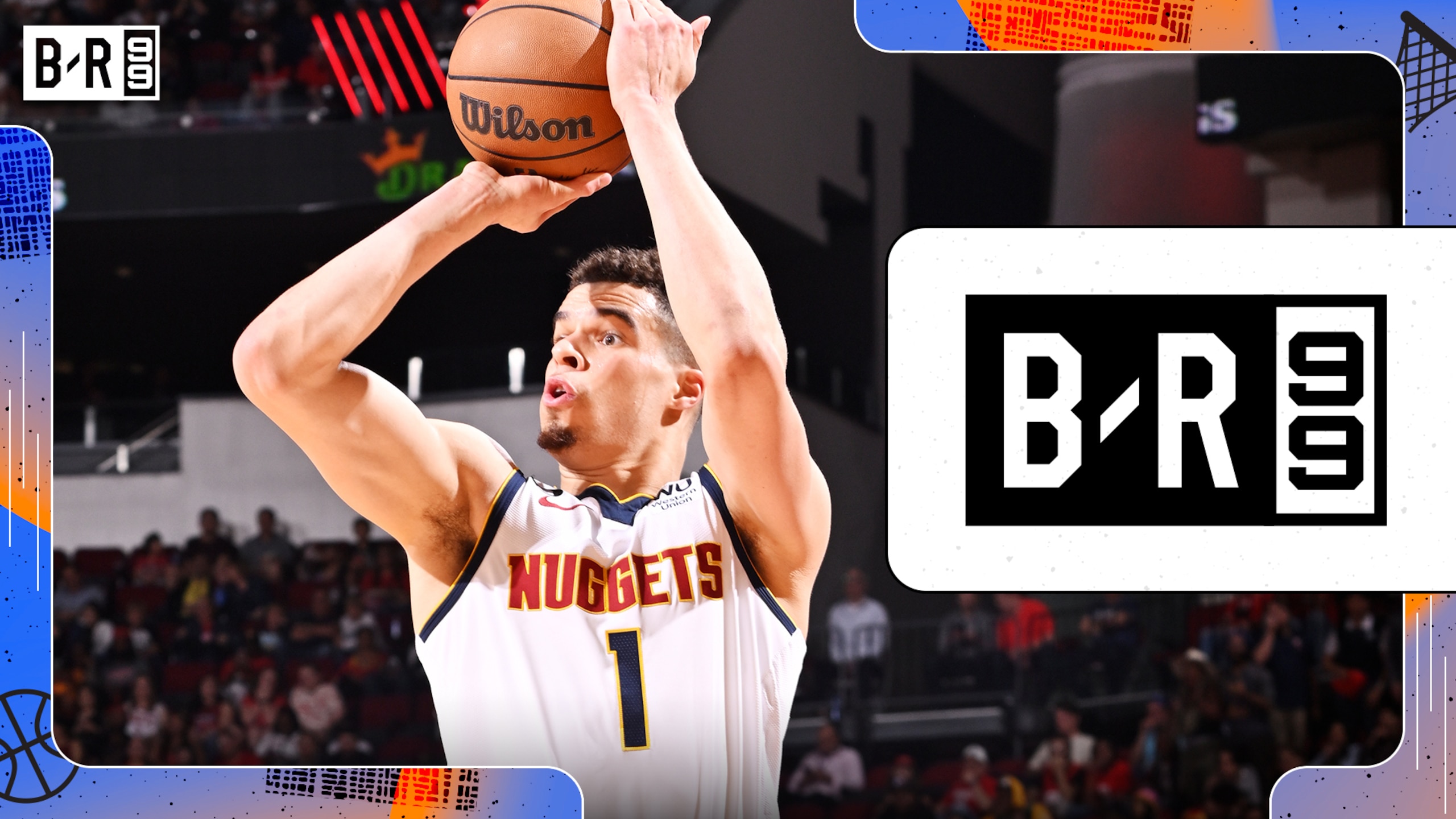
Career Stats: 49.3 FG%, 39.8 3PT%, 2.6 3PM/G, 0.492 3PAr, 81.2 FT%, 61.4 TS%, 59.1 EFG%
Years: 2019-present | Teams: DEN, BKN
Era: 3PT revolution
From a young age, Michael Porter Jr. was trained and developed to become one of the best shooters of all time.
"When I was younger, I worked with my dad, and he wouldn't let me move out until I got the right mechanics from mid-range," Porter told B/R. "He wouldn't let me shoot threes until I could do the same thing that I do from mid-range on threes. So, when I'm coming in transition and there may be someone right in front of me, I'm still going to shoot a jump shot."
Those mechanics are darn-near flawless to this day. And you've likely seen pull-ups just like the ones he described above (including in the NBA Finals).
MPJ is 6'10", has a high release point and is a true "jump" shooter. That makes his delivery nearly unguardable.
High Vote: 34
70. Jason Kapono, G/F
30 of 99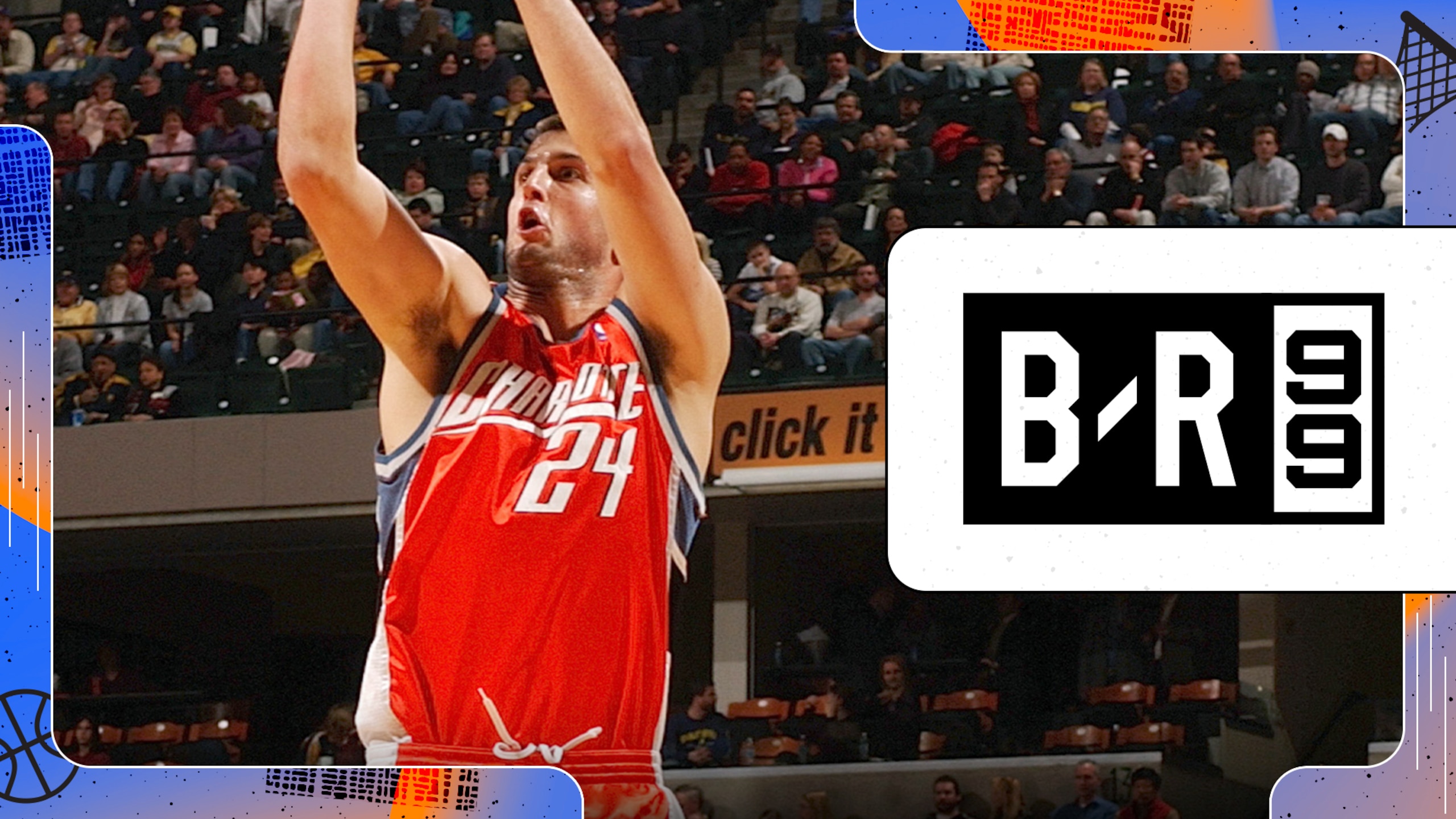
Career Stats: 44.2 FG%, 43.4 3PT%, 0.9 3PM/G, 0.348 3PAr, 83.5 FT%, 53.6 TS%, 51.7 EFG%
Years: 2003-2012 | Teams: CLE, CHA, MIA, TOR, PHI, LAL
Era: 3PT expansion
Jason Kapono had career averages of 1.7 rebounds, 0.8 assists, 0.4 steals and 0.0 blocks. That's a lack of production that would send most players out of the league within a year or two, but Kapono lasted nine because of an incredible outside shot.
To this day, Kapono is sixth all time in career three-point percentage, and that number includes a couple years when he was fighting for his NBA life and not getting the kind of minutes necessary for a shooting rhythm.
In his first six seasons, Kapono averaged 7.5 points and 1.0 threes, while shooting 45.4 percent from deep. He led the NBA in three-point percentage in 2006-07 (at 51.4) and 2007-08 (48.3).
High Vote: 43
69. Steve Smith, G
31 of 99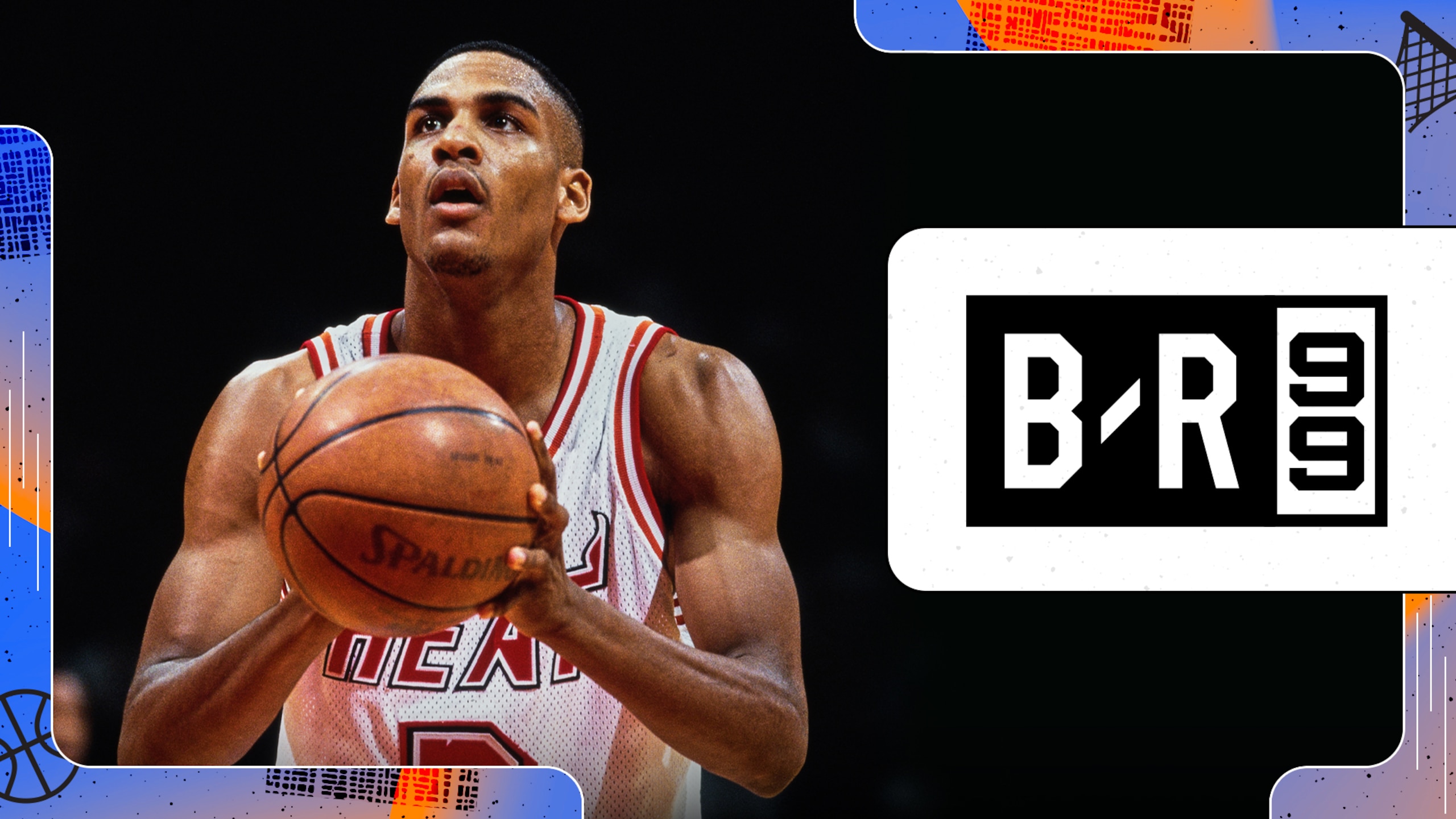
Career Stats: 44.0 FG%, 35.8 3PT%, 1.2 3PM/G, 0.306 3PAr, 84.5 FT%, 55.6 TS%, 49.4 EFG%
Years: 1991-2005 | Teams: MIA, ATL, POR, SAS, NOH, CHA, MIA
Era: Early 3PT
We're heading back to the 1990s and early 2000s, when Steve Smith was helping to lay the groundwork for the three-point revolution with the Miami Heat, Atlanta Hawks, Portland Trail Blazers and San Antonio Spurs.
The sharpshooter eventually played for six different teams, but he was better than your typical journeyman. Smith had a picturesque jump shot that made him dangerous from both the mid-range and deep.
His form was textbook, with the shooting elbow in, the jump consistent and the release always at the high point. And it's why he finished with five campaigns shooting 39-plus percent from deep (including a 2001-02 season in which he led the league at 47.2 percent).
High Vote: 28
68. Lou Hudson, G/F
32 of 99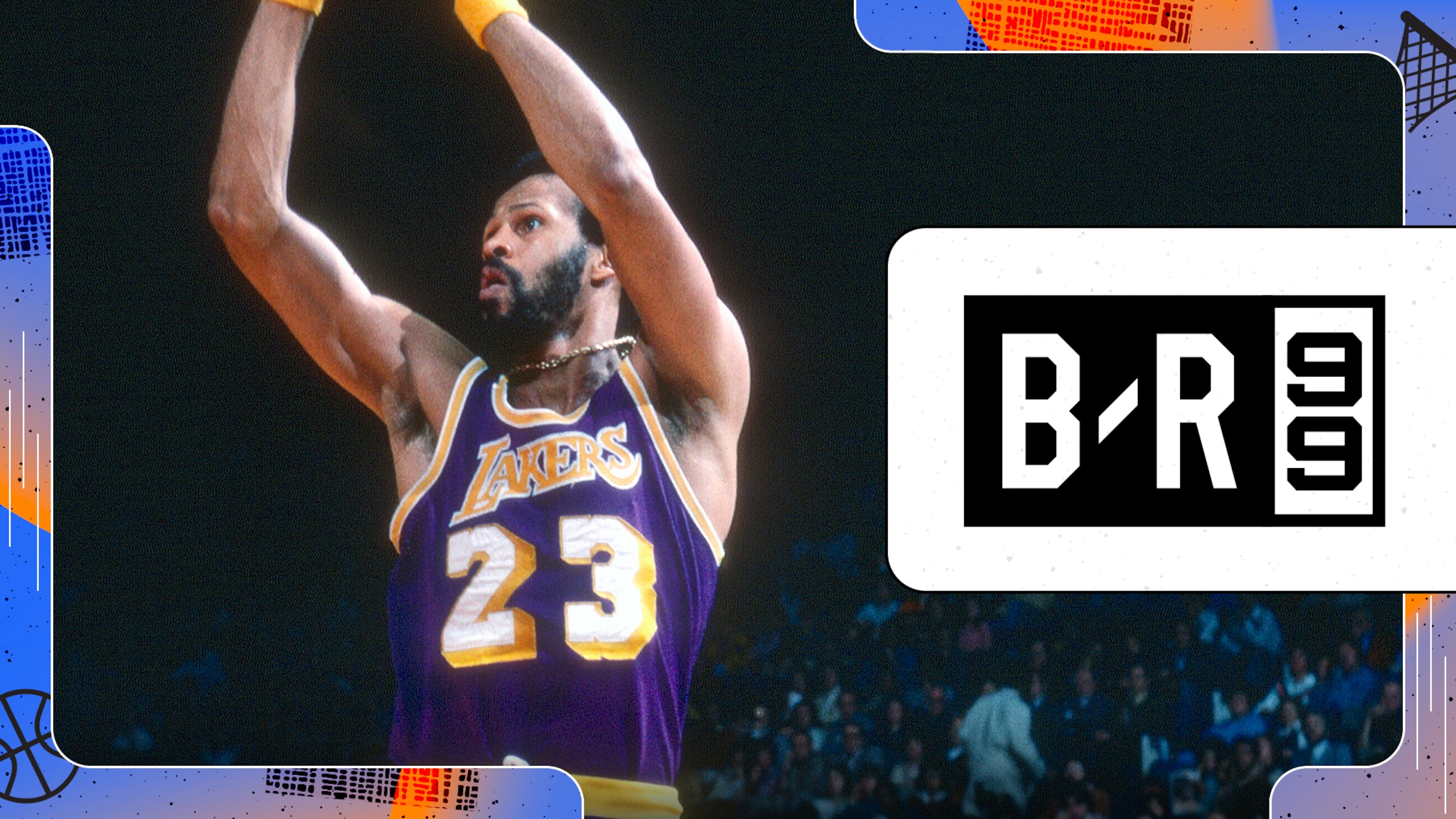
Career Stats: 48.9 FG%, 79.7 FT%, 53.2 TS%, 48.9 EFG%
Years: 1966-1979 | Teams: ATL, LAL
Era: Pre-3PT line
The 15-footer used to be a staple for high-level scorers and shooters, and "Sweet" Lou Hudson was one of the very best in the league at that specific shot.
Despite playing his entire career prior to the NBA's implementation of the three-pointer, Hudson relied heavily on his jumper and still crushed the league's average for scoring efficiency.
And from 1968-69 through 1974-75, the Hall of Famer made six All-Star teams, averaged 25.1 points and shot 49.6 percent from the field.
High Vote: 36
67. Brandon Roy, G
33 of 99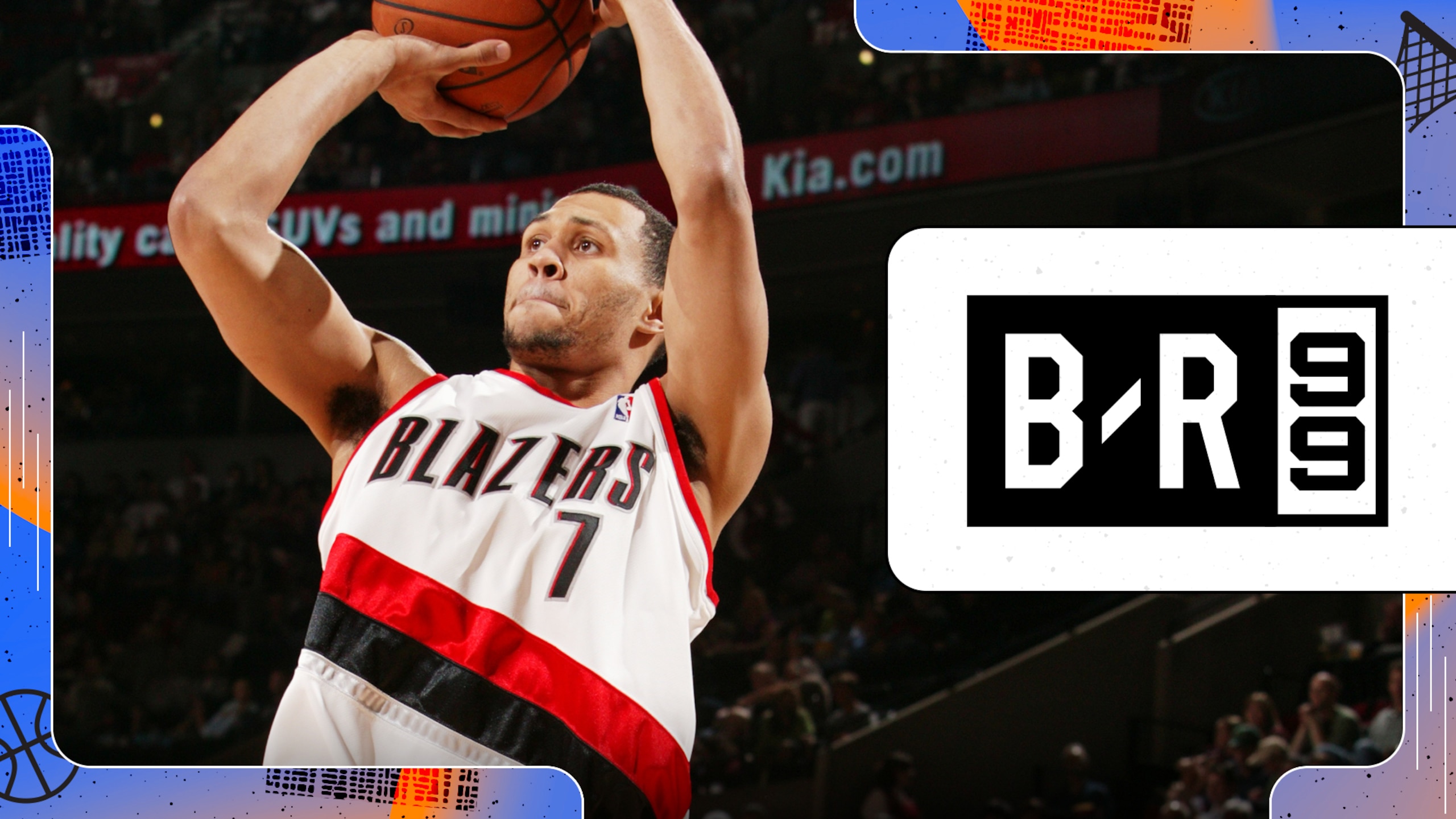
Career Stats: 45.9 FG%, 34.8 3PT%, 1.0 3PM/G, 0.191 3PAr, 80.0 FT%, 54.8 TS%, 49.2 EFG%
Years: 2006-2013 | Teams: POR, MIN
Era: 3PT expansion
One of the ultimate injury what-ifs, Brandon Roy was only in the NBA for about a half-decade (he missed all of his sixth season and appeared in just five games in the seventh and final one).
By the time he was officially done, Roy had a below-average career three-point percentage and a solid 80.0 free-throw percentage.
So how'd he climb into the top 70?
Roy had an almost Kobe Bryant-esque mid-range game that included fadeaways, floaters and all kinds of other in-between shots that made him one of the best second-level scorers of his (or any) era.
High Vote: 32
66. Wally Szczerbiak, G/F
34 of 99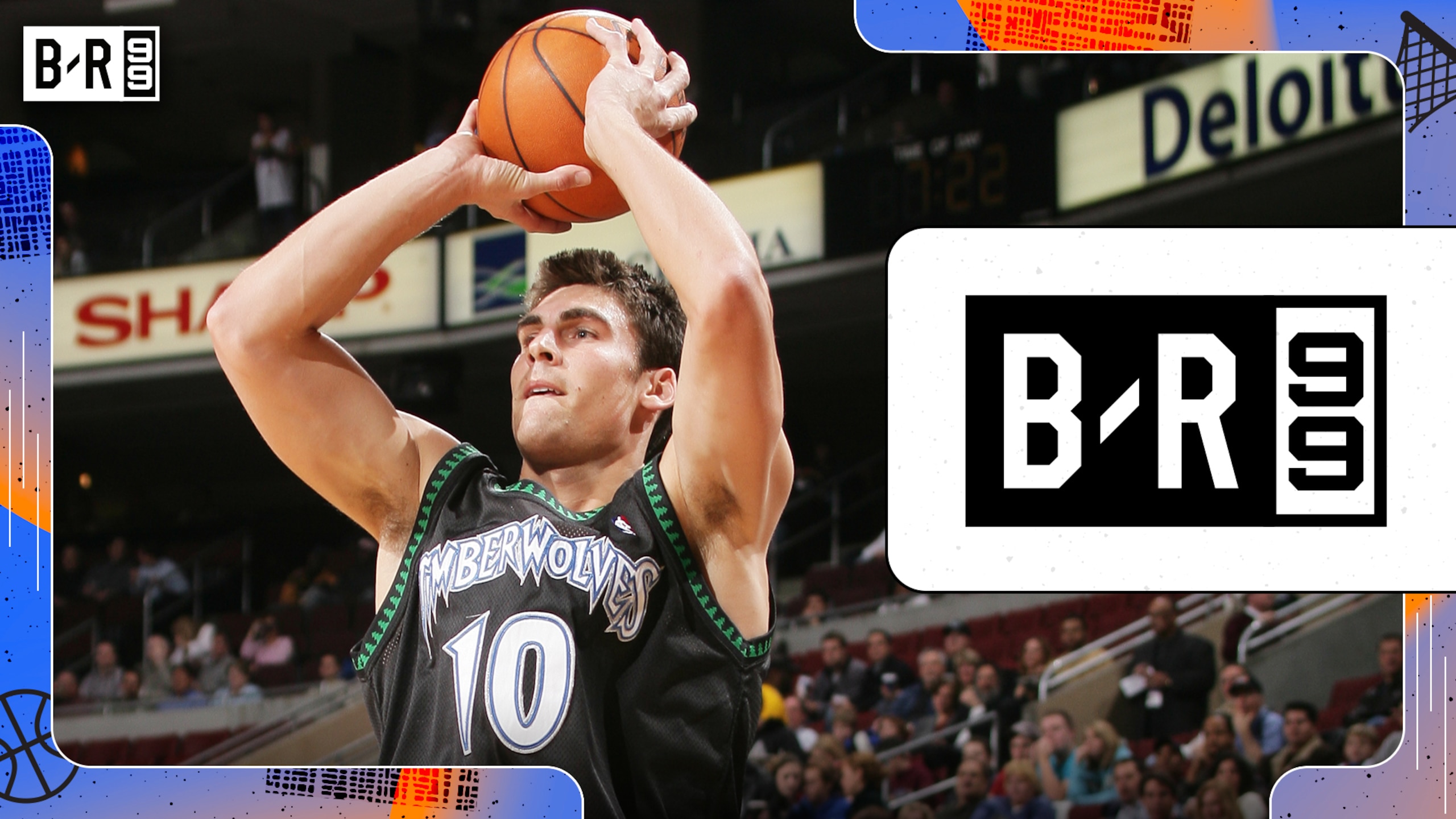
Career Stats: 48.5 FG%, 40.6 3PT%, 0.9 3PM/G, 0.202 3PAr, 86.0 FT%, 57.3 TS%, 52.6 EFG%
Years: 1999-2009 | Teams: MIN, BOS, SEA, CLE
Era: Early 3PT
Wally Szczerbiak was more than a mere three-point specialist. He had three different seasons in which he averaged at least three assists. He made an All-Star team in 2001-02. And he was a solid second option on some of the Minnesota Timberwolves teams led by Kevin Garnett.
But the rest of his game would've collapsed if not for the excellent jump shot at its foundation.
Over his 10 NBA seasons, Szczerbiak averaged 14.1 points and 0.9 threes, while shooting 40.6 percent from three.
He was also a deadeye mid-range shooter. Around 60 percent of his career shot attempts were twos that came from beyond three feet, and his percentage in that range was in the mid-40s.
High Vote: 28
65. Rashard Lewis, F
35 of 99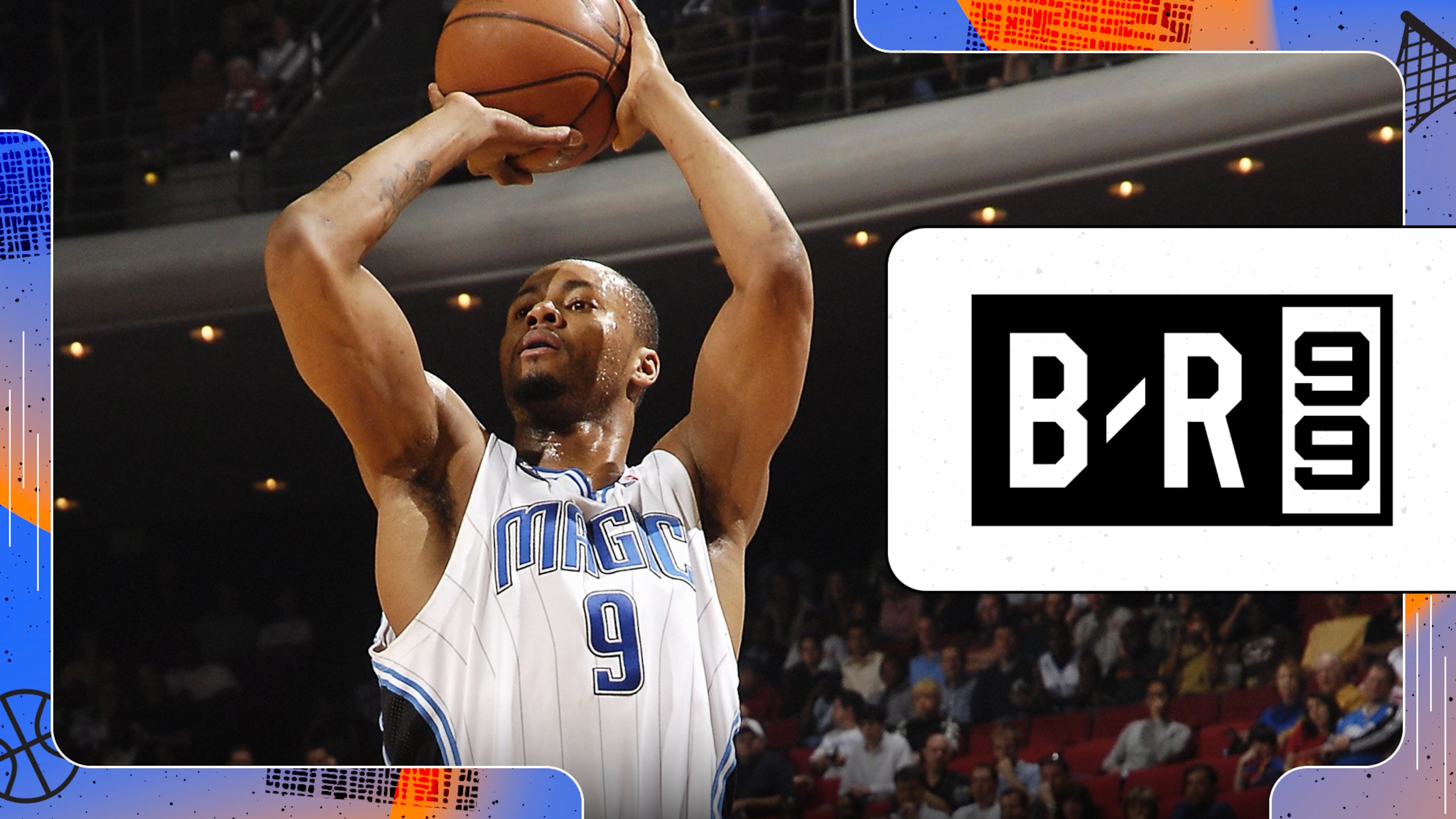
Career Stats: 45.2 FG%, 38.6 3PT%, 1.7 3PM/G, 0.371 3PAr, 80.5 FT%, 56.3 TS%, 52.4 EFG%
Years: 1998-2014 | Teams: SEA, ORL, WAS, MIA
Era: 3PT expansion
Rashard Lewis blended a lot of the elements we've already discussed into one near-seven-foot-tall, three-point shooting trailblazer.
Like MPJ, he was 6'10" with a high release. Like Martin or Green, his form was a little unusual (he'd quickly pull the ball from around his waist to well above his head, then the shot itself was just a quick flick of the wrist). And like several others detailed above who played in the 1990s or 2000s, he helped lay the groundwork for today's game.
Over a decade from 2000-01 to 2009-10, Lewis averaged 18.0 points and 2.1 threes, while shooting 39.4 percent from deep.
High Vote: 42
64. Joe Harris, G/F
36 of 99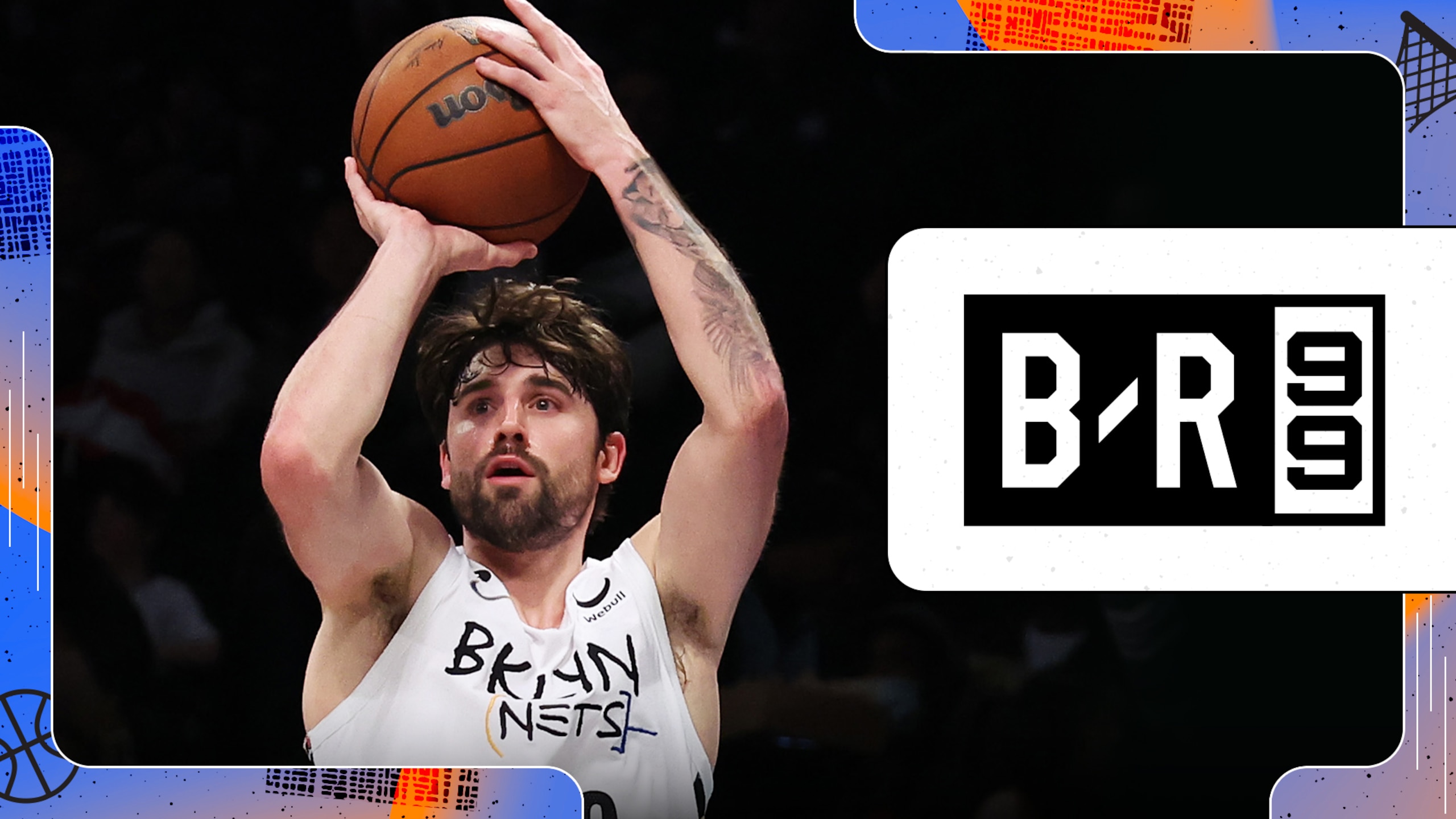
Career Stats: 47.9 FG%, 43.6 3PT%, 2.0 3PM/G, 0.596 3PAr, 77.1 FT%, 62.3 TS%, 60.9 EFG%
Years: 2014-2023 | Teams: CLE, BKN, DET
Era: 3PT revolution
A more recent vintage of the three-point specialist archetype, Joe Harris took the majority of his NBA shots from deep.
With a game that was similar to Kyle Korver's, Harris moved off the ball almost constantly and was shot-ready pretty much any time he caught the ball outside the three-point line.
During his seven years with the Brooklyn Nets, Harris averaged 11.6 points and shot 44.0 percent from deep. He led the league in that category in 2018-19 (at 47.4 percent) and 2020-21 (47.5).
High Vote: 19
63. Richard Hamilton, G
37 of 99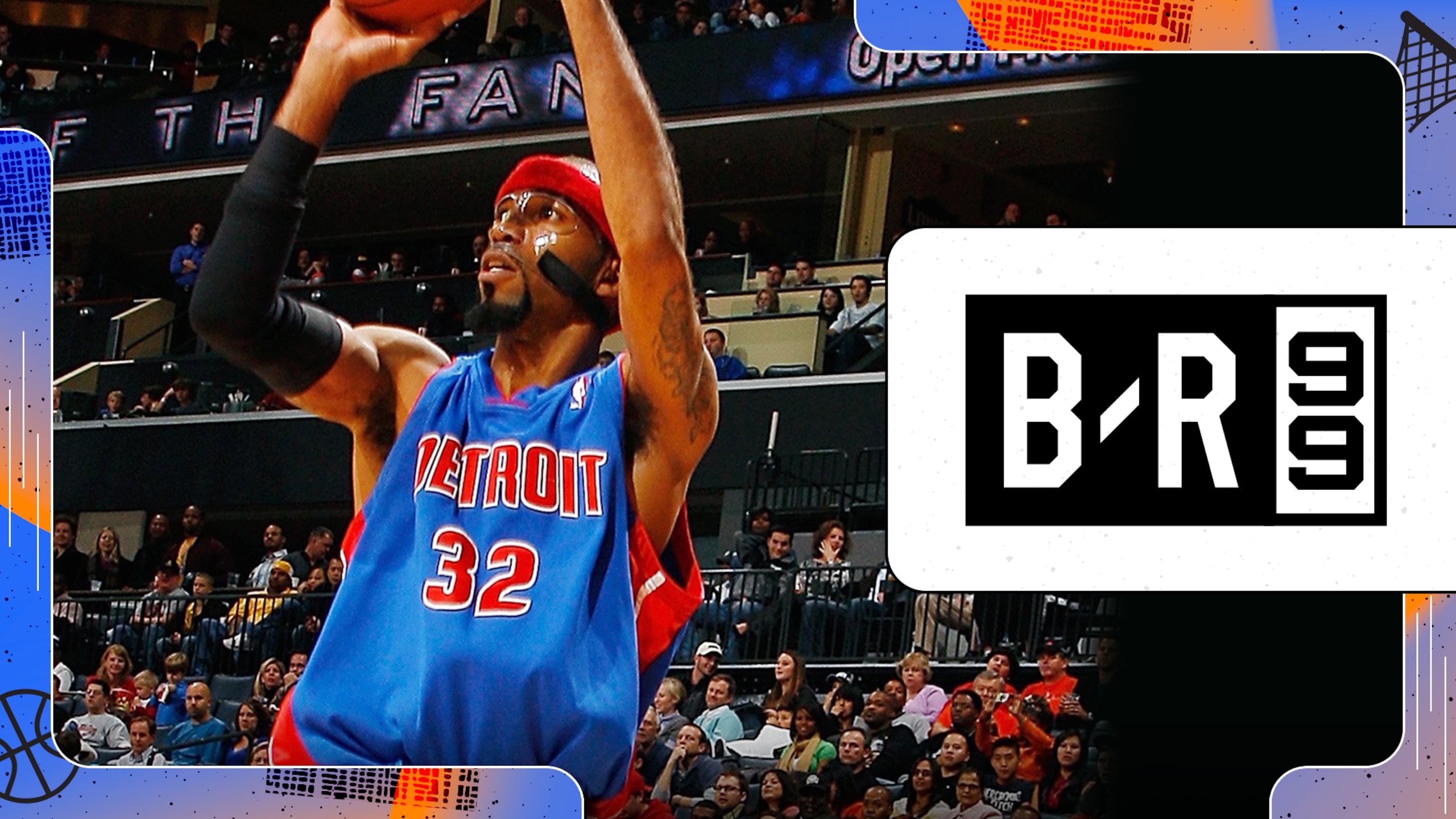
Career Stats: 44.9 FG%, 34.6 3PT%, 0.6 3PM/G, 0.115 3PAr, 85.2 FT%, 52.5 TS%, 46.9 EFG%
Years: 1999-2013 | Teams: WAS, DET, CHI
Era: 3PT expansion
From one of the more prominent specialists of the current era to one of the last vestiges of earlier ones, Richard Hamilton didn't take a ton of threes. And outside of a handful of outlier seasons (including 2005-06, when he led the league in three-point percentage), he didn't hit them at a very high rate either.
What Hamilton did do, at a pretty remarkable rate for any era, was dominate from the mid-range. He was particularly dangerous off the dribble or the catch on the baseline. His jumpers from there, typically several feet inside the three-point line, almost felt automatic. And they were critical components of an offense that helped the Detroit Pistons win the 2003-04 title.
Things certainly ebb and flow over the course of NBA history, but it's hard to imagine we'll see another relatively high-volume scorer quite like this one.
High Vote: 38
62. Sam Jones, G
38 of 99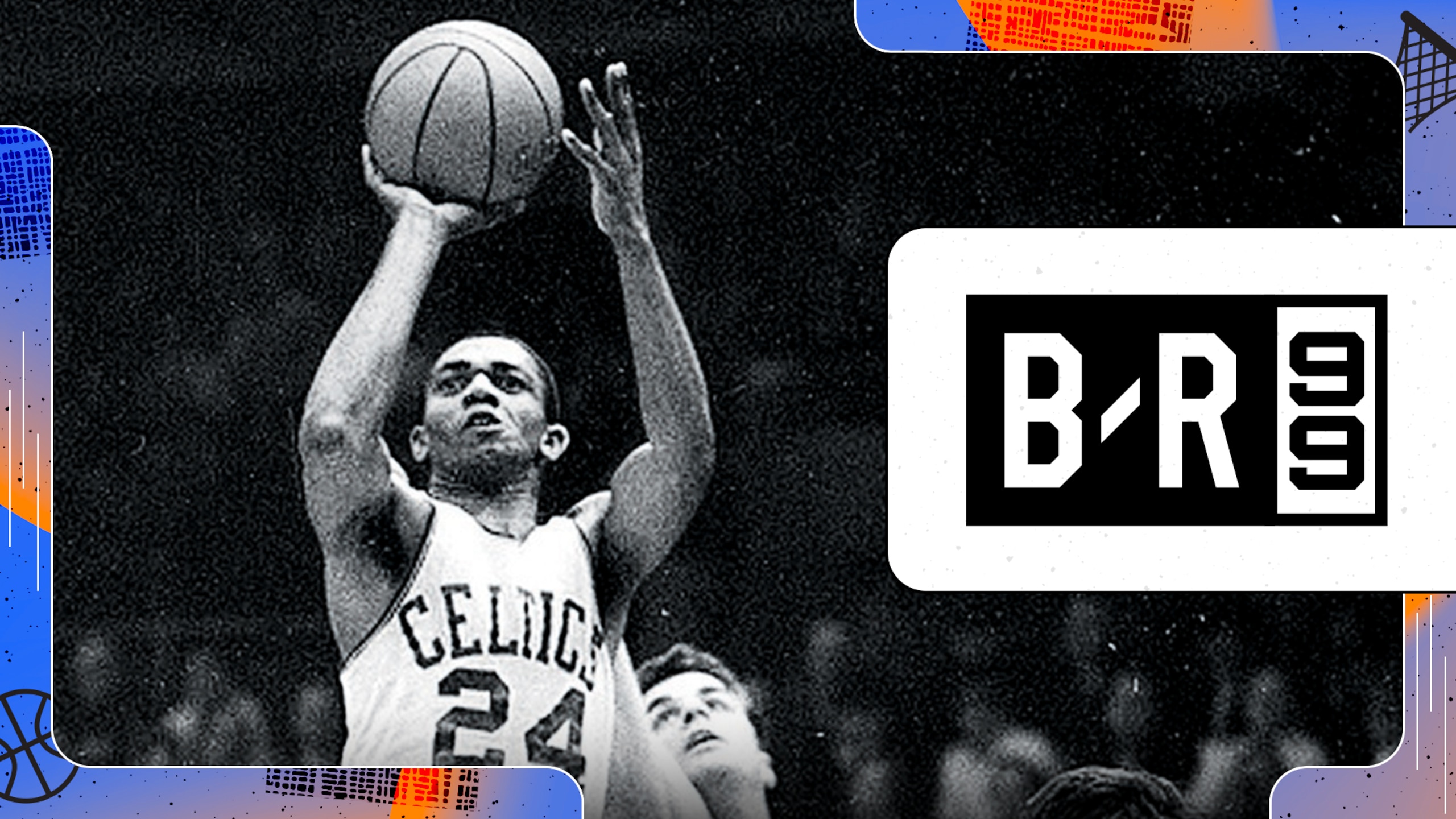
Career Stats: 45.6 FG%, 80.3 FT%, 50.3 TS%, 45.6 EFG%
Years: 1957-1969 | Teams: BOS
Era: Pre-3PT line
The Boston Celtics teams of the 1950s and '60s are mostly known for Bill Russell. The second-most prominent player on those rosters is probably Bob Cousy.
But the most prolific scorer on several of those title-winning teams was Sam Jones, a Hall of Famer and five-time All-Star who did plenty of his damage away from the hoop.
In an era when shooting wasn't emphasized to quite the same degree it is now, Jones put up 21.5 points with a way-above-average field-goal percentage from 1961-62 through 1967-68.
High Vote: 13
61. Trae Young, G
39 of 99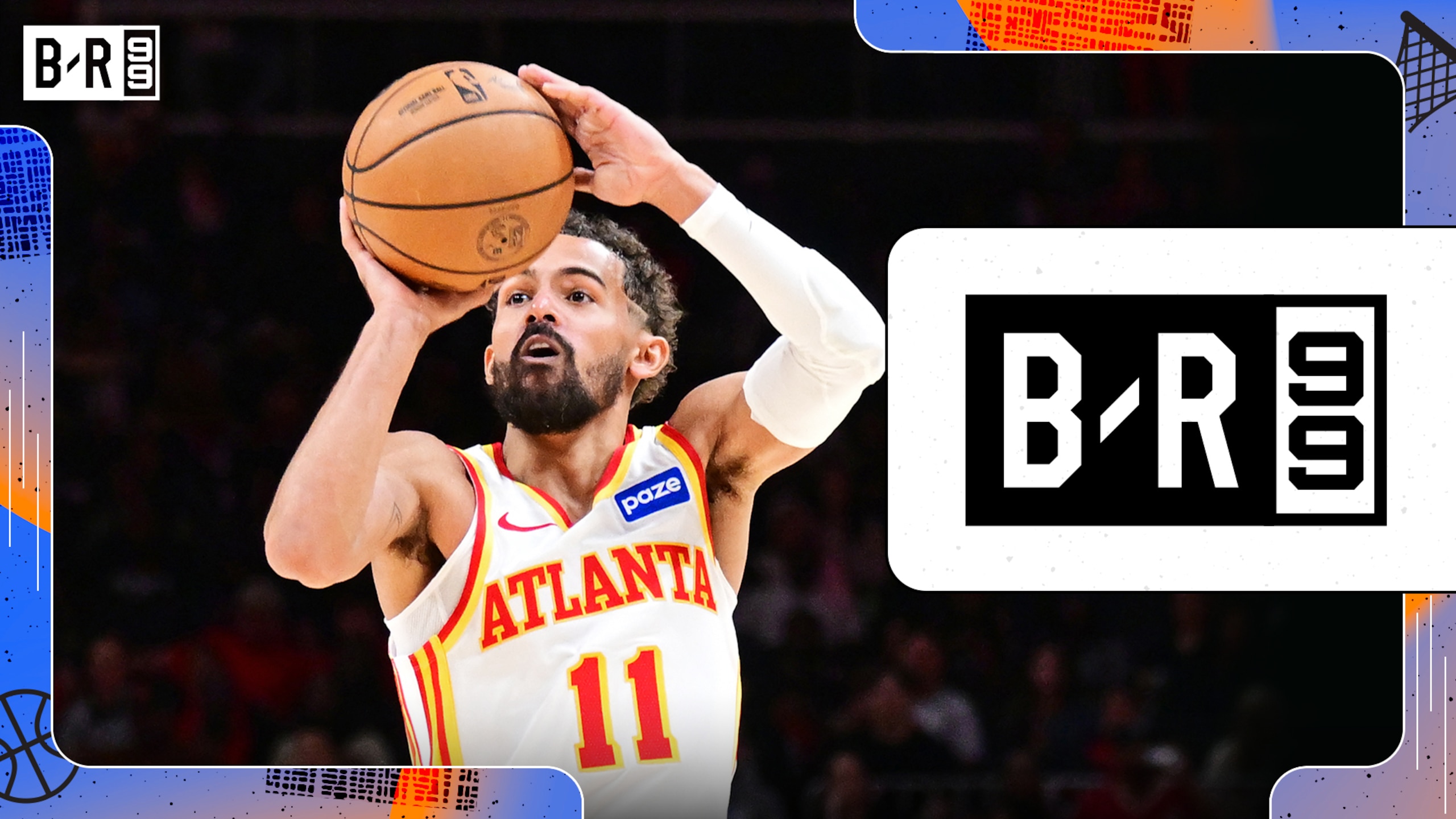
Career Stats: 43.3 FG%, 35.2 3PT%, 2.6 3PM/G, 0.407 3PAr, 87.2 FT%, 58.0 TS%, 50.5 EFG%
Years: 2018-present | Teams: ATL
Era: 3PT revolution
Trae Young is one of the most nit-picked players of all time, and his three-point percentage certainly hasn't been spared. For his career, he's slightly below average there.
But that number, all by itself, doesn't come close to telling the full story of Young's shooting. Stathead tracks shot distance back to 1996-97, and Young's 219 career makes from 30-plus feet out trails only Damian Lillard's 220. That kind of range changes the geometry of the court, and it's a big part of why Young is also such an effective playmaker. Because defenders have to honor his jumper several feet outside the three-point line, passing lanes are wider inside.
Young is also a prolific and efficient free-throw shooter. And his touch in the floater zone is a big part of him rising this high too.
High Vote: 39
60. Kevin Love, F/C
40 of 99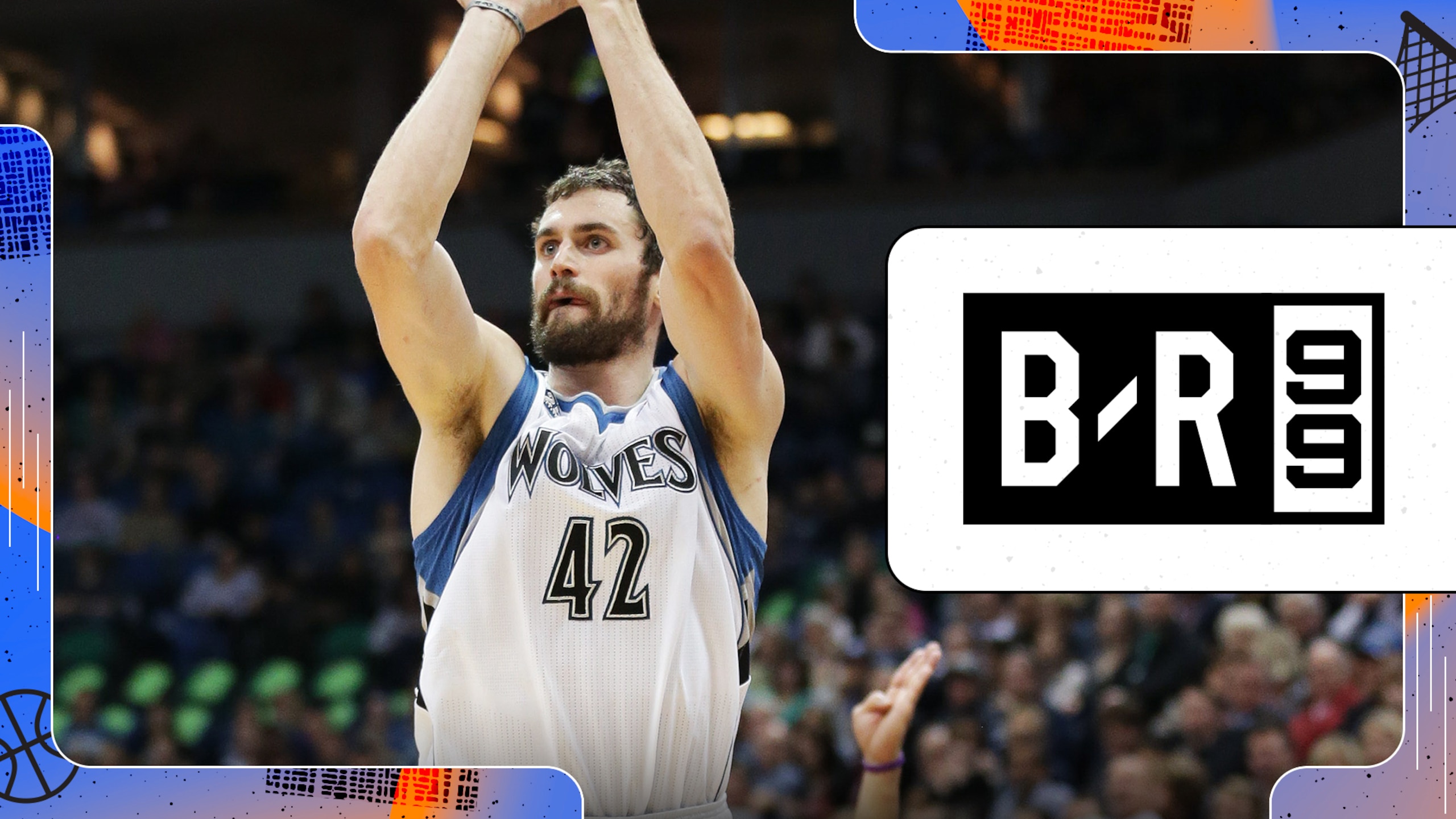
Career Stats: 43.7 FG%, 36.9 3PT%, 1.7 3PM/G, 0.398 3PAr, 82.8 FT%, 57.1 TS%, 51.1 EFG%
Years: 2008-present | Teams: MIN, CLE, MIA, UTA
Era: 3PT revolution
This is pretty remarkable, given what Kevin Love was expected to be coming out of college. Love took threes at a decent volume at UCLA, but he was known much more as a rebounder and interior scorer.
And while he checked both of those boxes in the NBA, he also developed into one of the league's most dynamic and reliable stretch bigs.
From 2010-11 through 2021-22, Love hit 2.1 threes per game and shot 37.5 percent from deep. Add a pretty reliable hook shot and a few other low-post staples, and it's not hard to see how Love cracked this top 60.
High Vote: 22
59. Jason Terry, G
41 of 99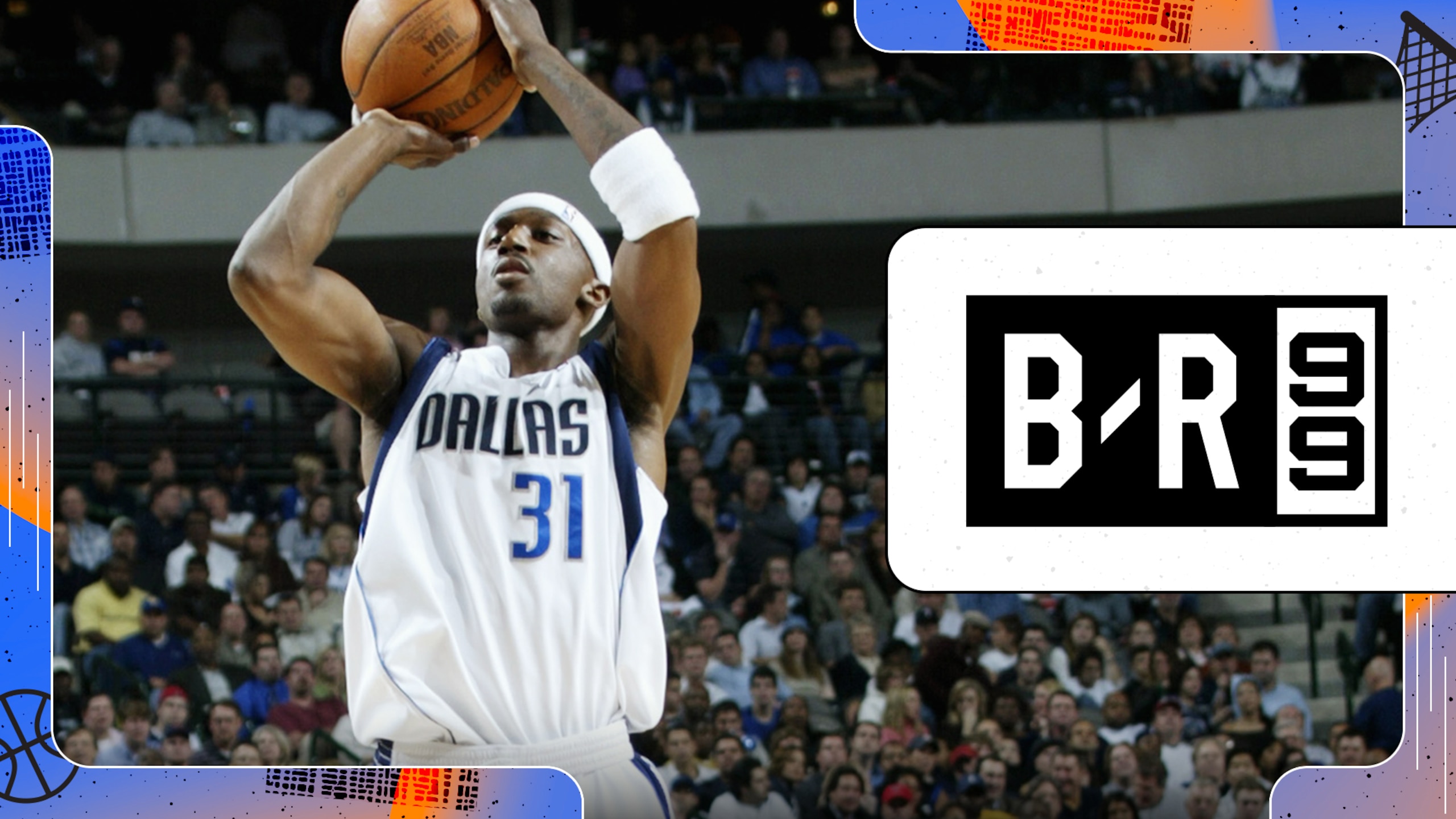
Career Stats: 44.4 FG%, 38.0 3PT%, 1.6 3PM/G, 0.386 3PAr, 84.5 FT%, 55.4 TS%, 51.7 EFG%
Years: 1999-2018 | Teams: ATL, DAL, BOS, BKN, HOU, MIL
Era: 3PT expansion
Another heat-check scorer off the bench, Jason Terry was something like Crawford with a bit more of a basketball conscience.
For five straight seasons with the Dallas Mavericks, Terry finished top three in Sixth Man of the Year voting (and he won it in 2008-09) and was the somewhat sneaky second-best player on the 2010-11 championship team.
Terry's prowess as an off-the-dribble or catch-and-shoot jump shooter made him a great complement to Dirk Nowitzki, who was a lot harder to double when Terry was on the floor.
And while Terry was still open to firing off contested jumpers, being slightly more judicious than some of his role and positional peers helped him finish his career with way-above-average scoring efficiency.
High Vote: 35
58. Tyrese Haliburton, G
42 of 99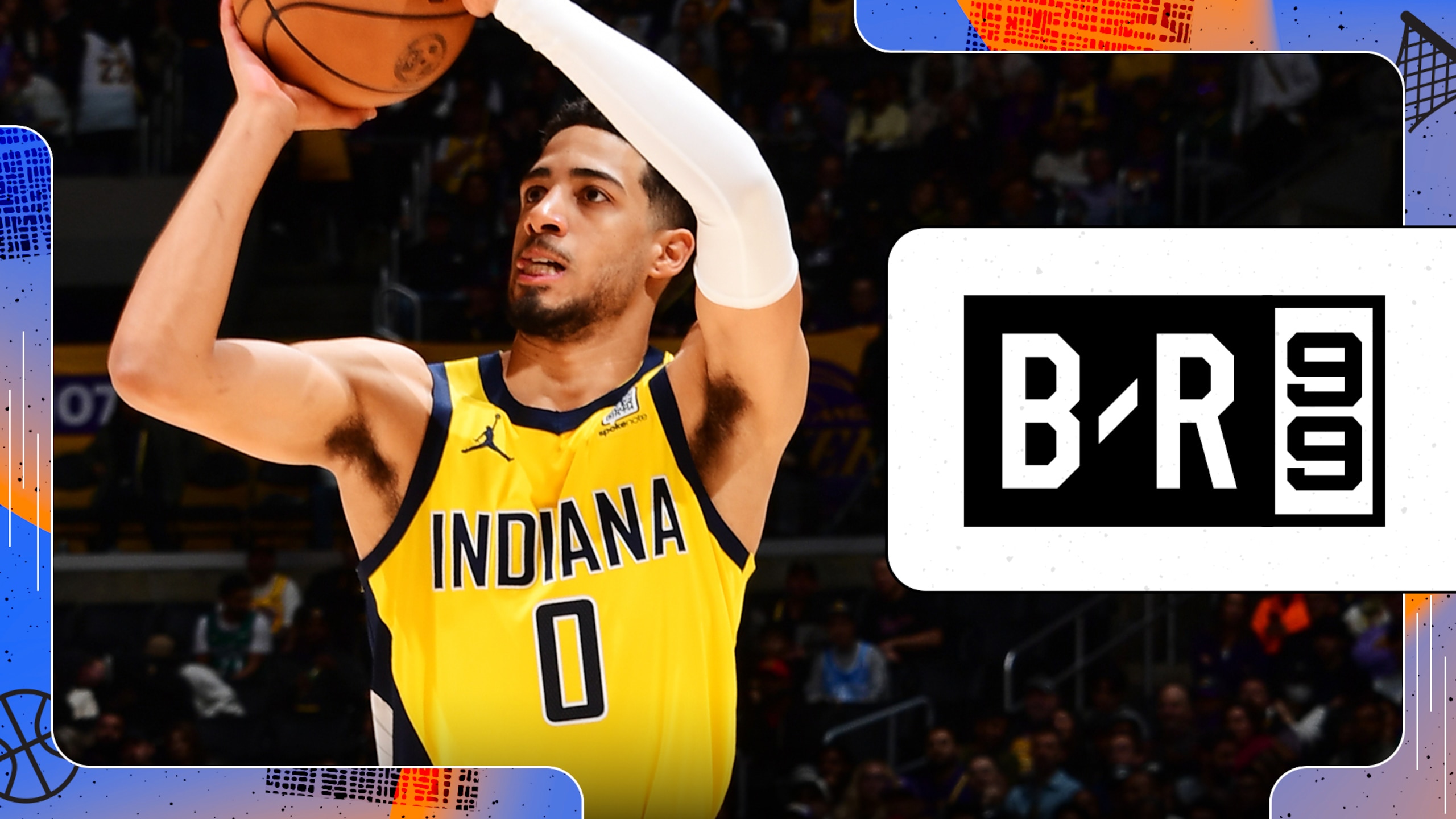
Career Stats: 47.7 FG%, 39.2 3PT%, 2.6 3PM/G, 0.494 3PAr, 85.5 FT%, 60.6 TS%, 57.4 EFG%
Years: 2020-present | Teams: SAC, IND
Era: 3PT revolution
Another member of the "funky delivery" club, Tyrese Haliburton's hands aren't quite in the textbook position on the ball when he starts his jumper. The wind-up is a little further to the side than most. And it almost always looks like there's a bit of a hitch near the release point.
But he's another player who's clearly shot the ball that way for long enough to become a master at it, because Haliburton has averaged 2.6 threes per game for his career, while shooting 39.2 percent from deep.
Beyond that, Haliburton also has a little bit of that Horry magic when it comes to taking the biggest shots in the most consequential moments of games. His run in the 2025 playoffs alone may have sealed his spot as one of the best clutch-shot makers ever.
High Vote: 22
57. Jamal Murray, G
43 of 99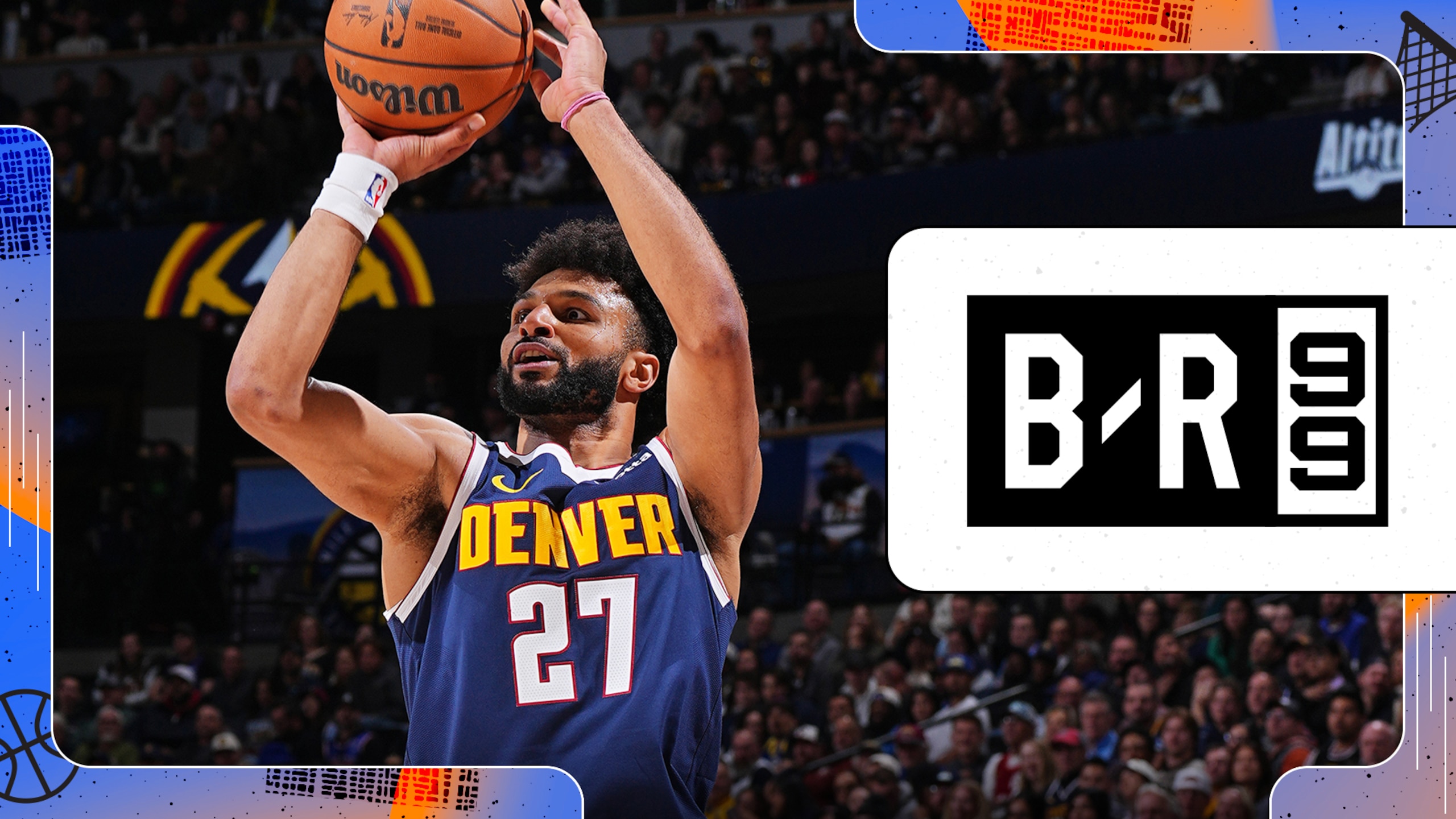
Career Stats: 45.9 FG%, 39.0 3PT%, 2.3 3PM/G, 0.389 3PAr, 87.4 FT%, 57.5 TS%, 53.5 EFG%
Years: 2016-present | Teams: DEN
Era: 3PT revolution
"The Blue Arrow" Jamal Murray has sort of been overshadowed by his all-time great teammate, but he's put together one of the best shooting resumes we've ever seen as a No. 2.
Beyond shooting 87.0 percent from the free-throw line and 41.3 percent from deep (on 6.5 attempts) over the last five seasons, Murray might have the best pull-up jumper (non-Stephen Curry division) currently in the NBA.
The degree of difficulty on a lot of his off-the-dribble attempts is off the charts, but he consistently converts both from three and from the mid-range.
High Vote: 20
56. Luke Kennard, G
44 of 99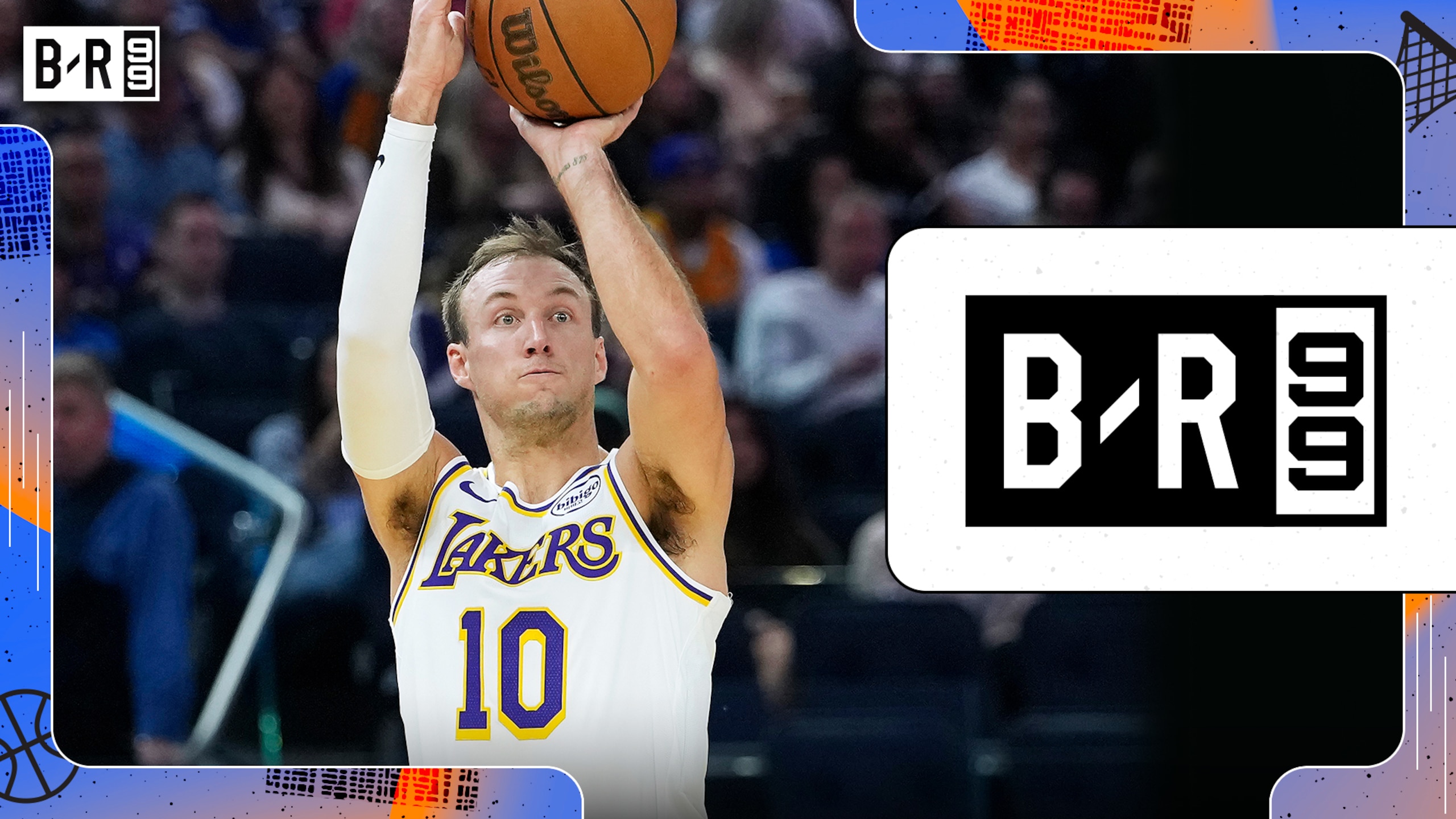
Career Stats: 46.6 FG%, 44.2 3PT%, 1.9 3PM/G, 0.584 3PAr, 88.5 FT%, 61.8 TS%, 59.5 EFG%
Years: 2017-present | Teams: DET, LAC, MEM, ATL
Era: 3PT revolution
Luke Kennard is often criticized for a lack of three-point volume (relative to his peers), but it's tough to nitpick his shooting numbers when they're compared to all of NBA history.
The sharpshooting lefty has impeccable form on his jumper. He's led the league in three-point percentage in three of the last five seasons. And his career three-point percentage ranks second all time.
Kennard isn't a one-dimensional catch-and-shoot threat either. He's long been a more dynamic off-the-dribble threat than he's given credit for. And in an era in which mid-range shooting is far less common, he still takes a decent number of shots from that range too.
High Vote: 18
55. Devin Booker, G
45 of 99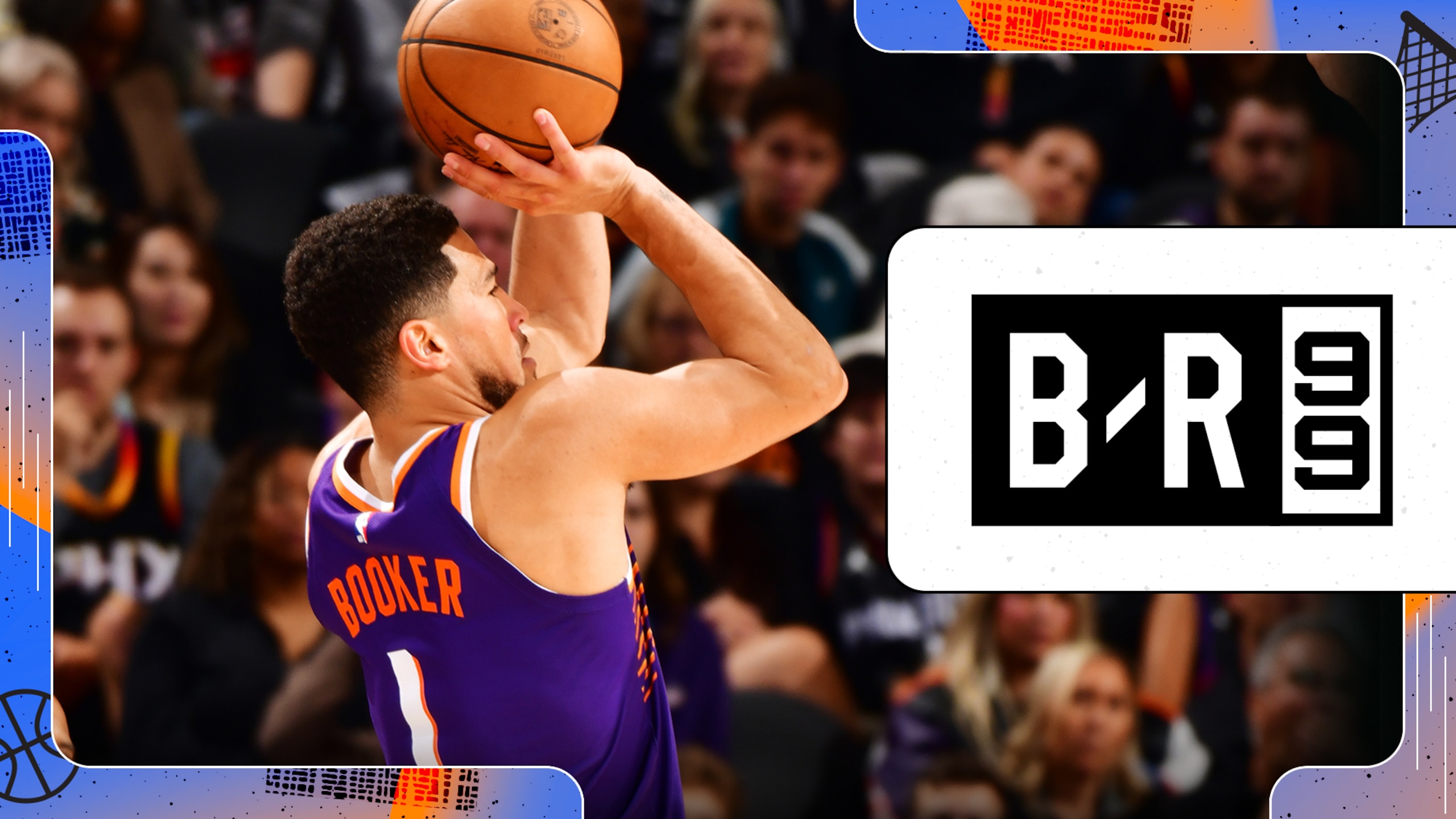
Career Stats: 46.3 FG%, 35.2 3PT%, 2.1 3PM/G, 0.323 3PAr, 87.3 FT%, 58.1 TS%, 52.0 EFG%
Years: 2015-present | Teams: PHX
Era: 3PT revolution
Devin Booker has one of the best-looking jump shots the NBA has ever seen. The form is seemingly identical every time he deploys it. All the mechanics look perfect.
So it's a bit of a surprise that Booker's career three-point percentage is a little below average (as is his effective field-goal percentage).
But, like several others on this list, Booker gets some credit for the degree of difficulty on his shots and a willingness to still do some damage inside the arc.
For his career, roughly half of Booker's attempts have been two-pointers from three feet and out, and he's made over 45 percent of those shots.
High Vote: 27
54. Jayson Tatum, F
46 of 99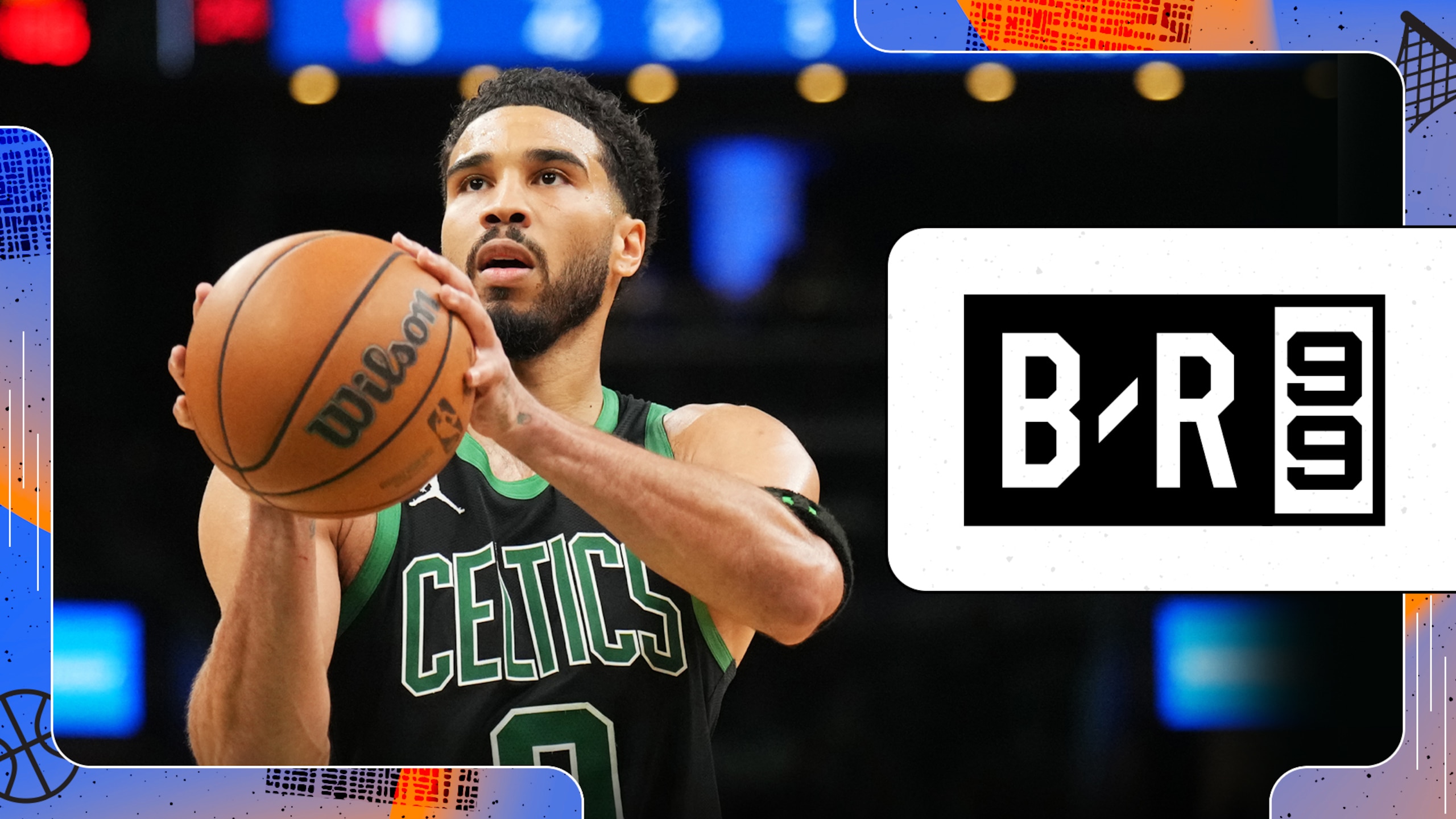
Career Stats: 45.8 FG%, 36.8 3PT%, 2.7 3PM/G, 0.404 3PAr, 83.9 FT%, 58.2 TS%, 53.2 EFG%
Years: 2017-present | Teams: BOS
Era: 3PT revolution
Working through this list makes one wonder if the mid-range shot truly is dead, because Jayson Tatum is another superstar who very clearly has not abandoned it.
Tatum gets up plenty of threes, but he's also taken nearly 40 percent of his career attempts from inside the arc but outside three feet from the rim. And knowing he can pull up from there makes it harder for defenses to exclusively play him for the drive.
That's not the only reason he's here, though. Tatum has also been an active participant in the three-point revolution. Over his last seven seasons, he's averaged 8.5 attempts per game, while shooting 36.4 percent from deep.
High Vote: 32
53. Kiki Vandeweghe, F
47 of 99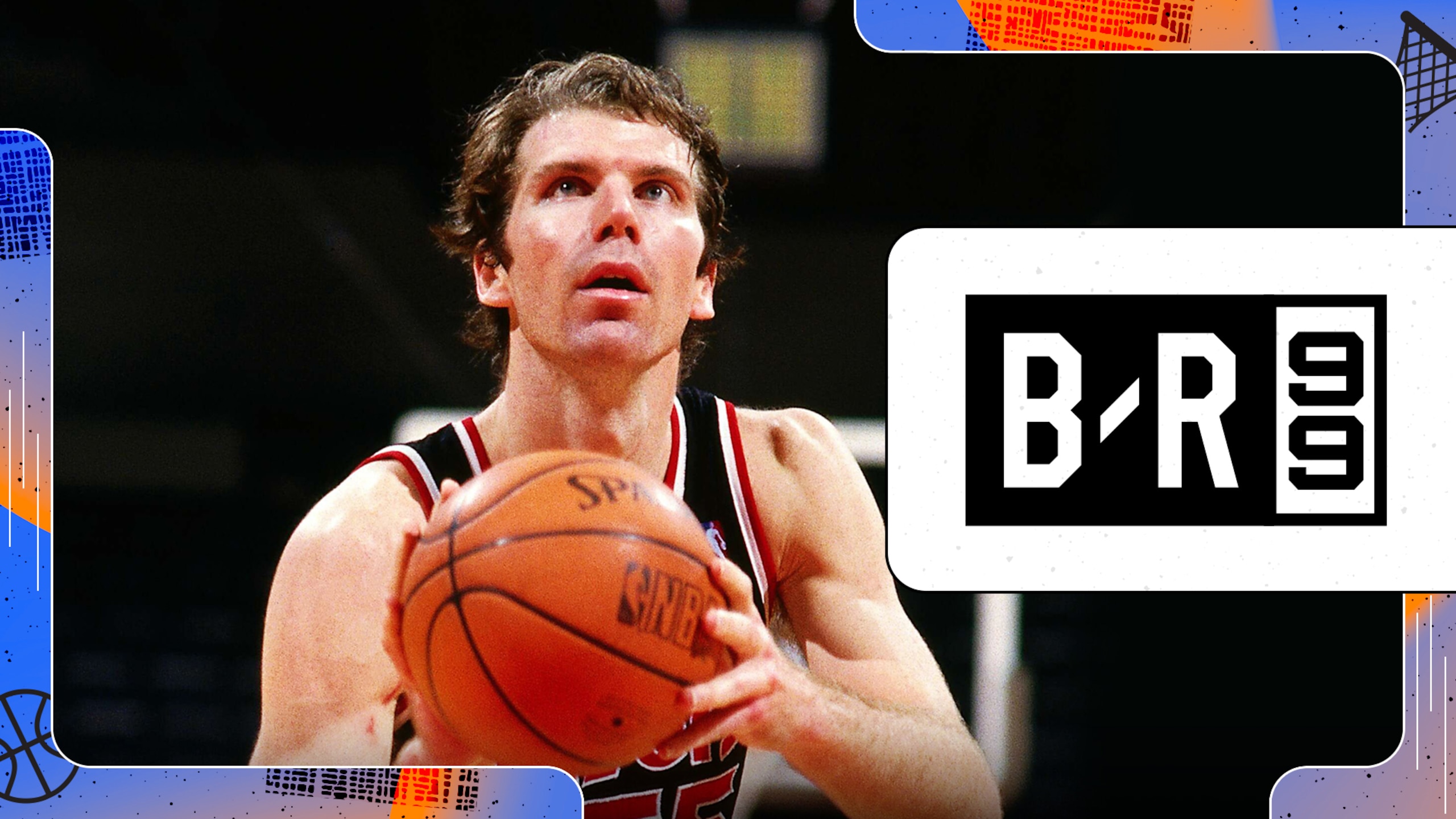
Career Stats: 52.5 FG%, 36.8 3PT%, 0.3 3PM/G, 0.051 3PAr, 87.2 FT%, 59.4 TS%, 53.4 EFG%
Years: 1980-1993 | Teams: DEN, POR, NYK, LAC
Era: Early 3PT
Another player who may have needed a little time with the three-point line before fully embracing it, Kiki Vandeweghe came into the league one season after the arc was added.
And for the first six years of his career, he attempted just 0.3 threes per game and only made 27.5 percent of his attempts.
Then, seemingly out of nowhere, he adopted the shot, led the NBA in three-point percentage (at 48.1 percent) in 1986-87 and had a pretty steady diet of triples (at least relative to his peers) for the rest of his career.
Of course, that's not the only reason Vandeweghe nearly cracked the top 50. He was also a high-level mid-range shooter and knocked down 87.2 percent of his career free-throw attempts.
High Vote: 29
52. Mahmoud Abdul-Rauf, G
48 of 99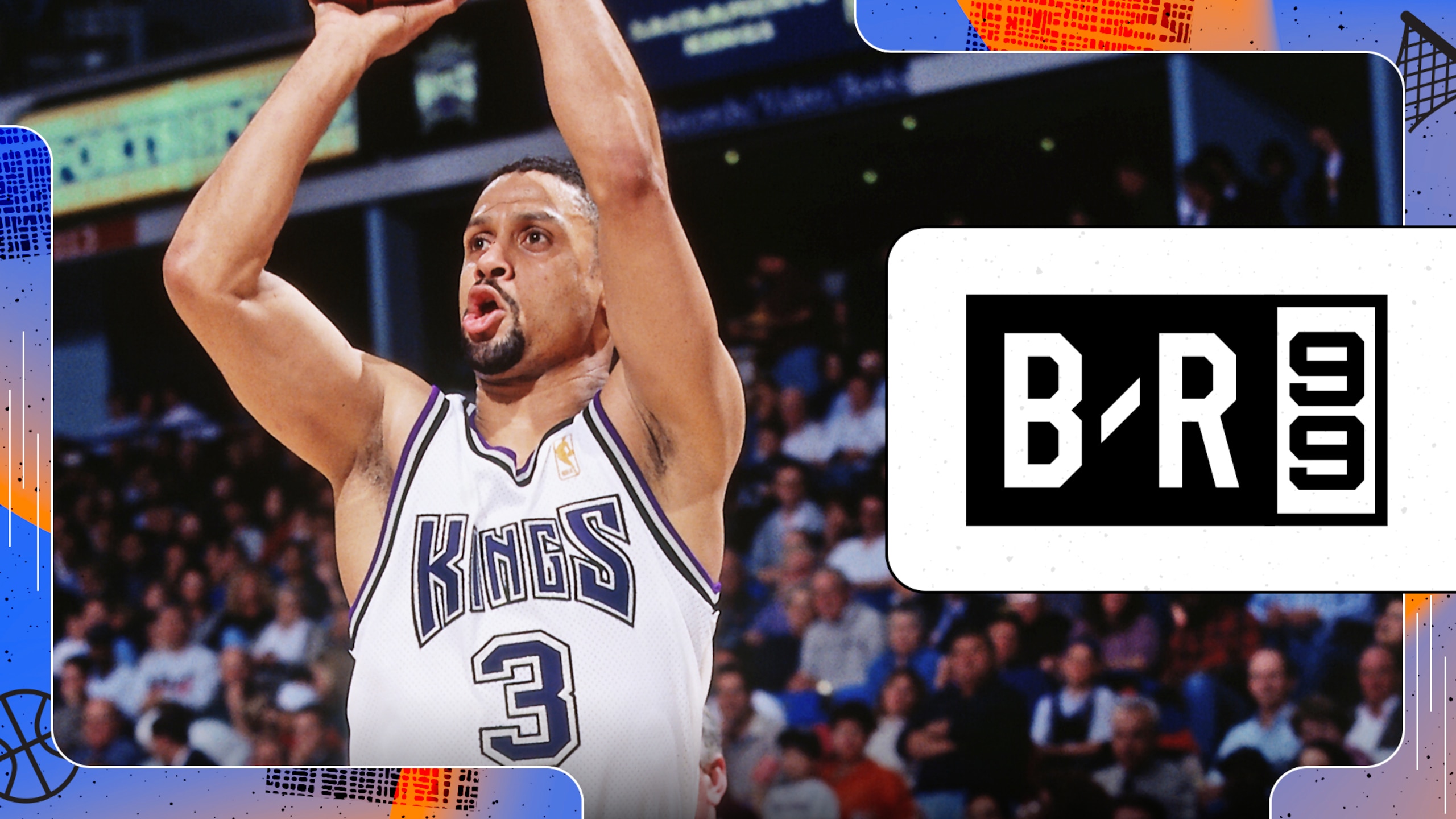
Career Stats: 44.2 FG%, 35.4 3PT%, 0.8 3PM/G, 0.169 3PAr, 90.5 FT%, 50.6 TS%, 47.2 EFG%
Years: 1990-2001 | Teams: DEN, SAC, MEM
Era: Early 3PT
Often described as something of a precursor to Stephen Curry, Mahmoud Abdul-Rauf was an electrifying scorer and off-the-bounce shooter in the 1990s.
Like Curry, Abdul-Rauf was completely unafraid of pulling up from anywhere, and with defenders in his face. His release was quick. And though his shot selection was sometimes brash, it was effective.
From the start of his Most Improved Player season (1992-93) through his last year with the Denver Nuggets (1995-96), Abdul-Rauf averaged 18.0 points and 1.1 threes, while shooting 37.0 percent from deep.
And that may not have even been the best indicator of his shooting ability. For his entire career, Abdul-Rauf shot 90.5 percent from the charity stripe, a mark that ranks second all time (behind only Stephen Curry) among players with at least as many attempts.
High Vote: 2
51. Paul Pierce, G/F
49 of 99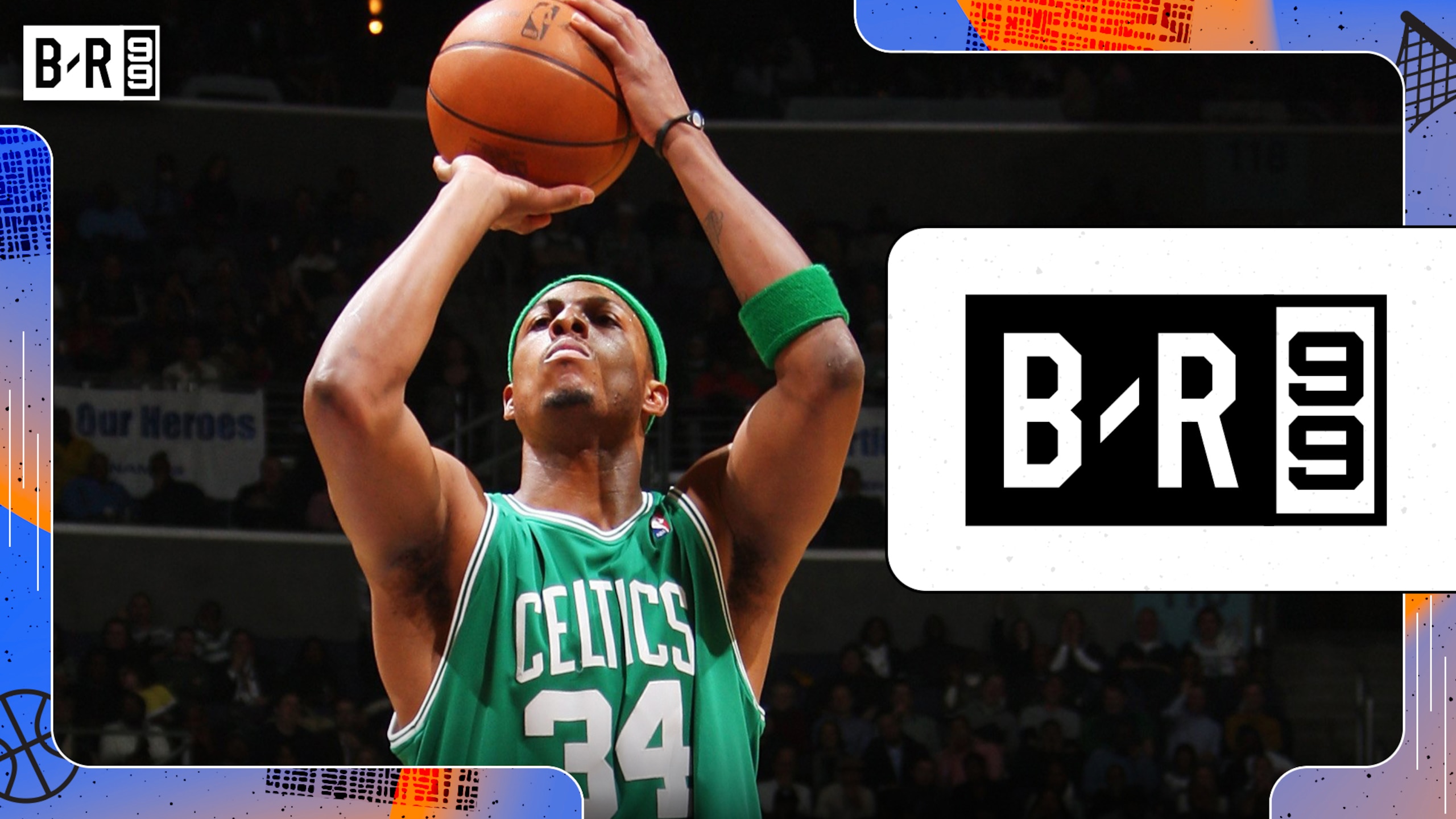
Career Stats: 44.5 FG%, 36.8 3PT%, 1.6 3PM/G, 0.299 3PAr, 80.6 FT%, 56.8 TS%, 50.0 EFG%
Years: 1998-2017 | Teams: BOS, BKN, WAS, LAC
Era: 3PT expansion
Another late-1990s, early-2000s volume scorer who put the ball in the hoop from all three levels, Paul Pierce was a master of methodically getting to his spot and hitting jumpers over nearby defenders.
He never looked like the quickest or fastest player on the floor, but Pierce could use a deceptive first step, fakes and footwork to get defenders out of position. And he had a reliable jumper to finish off those possessions.
And while he's probably known as much as a mid-range scorer as a longball threat, he did make 1.6 threes per game and shoot 38.5 percent from deep from 2006-07 through 2014-15.
High Vote: 21
50. Dell Curry, G
50 of 99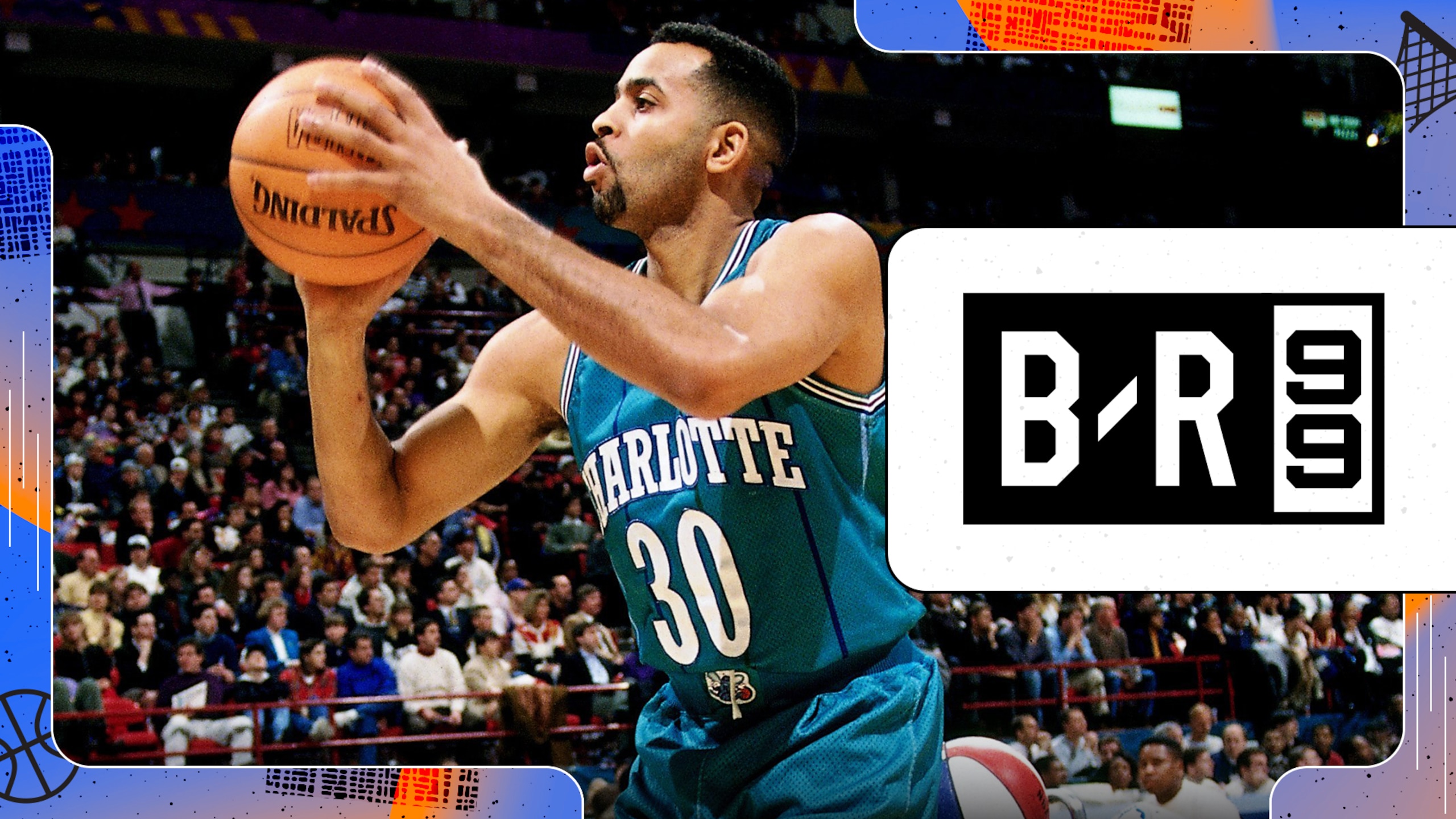
Career Stats: 45.7 FG%, 40.2 3PT%, 1.1 3PM/G, 0.278 3PAr, 84.3 FT%, 53.7 TS%, 51.3 EFG%
Years: 1986-2002 | Teams: UTA, CLE, CHA, MIL, TOR
Era: Early 3PT
It's not part of the exercise, but Dell Curry probably deserves a little credit for giving us Seth and Stephen Curry, both of whom are yet to be revealed on this list.
Even without it, the patriarch of the Curry clan did more than enough to get here on his own.
He took more mid-range shots than you probably remember (he played most of his career in the 1980s and '90s, after all), but his three-point prowess is still what's most impressive.
For a 10-year stretch from 1991-92 through 2000-01, Curry averaged 12.7 points and 1.5 threes, while shooting 41.4 percent from deep. And though he did lead the league in three-point percentage in 1998-99 (at 47.6 percent), that 10-year mark isn't pulled up by some wild outlier. Curry was remarkably consistent, shooting over 40 percent from deep in nine of those 10 years.
High Vote: 23
49. Tim Legler, G
51 of 99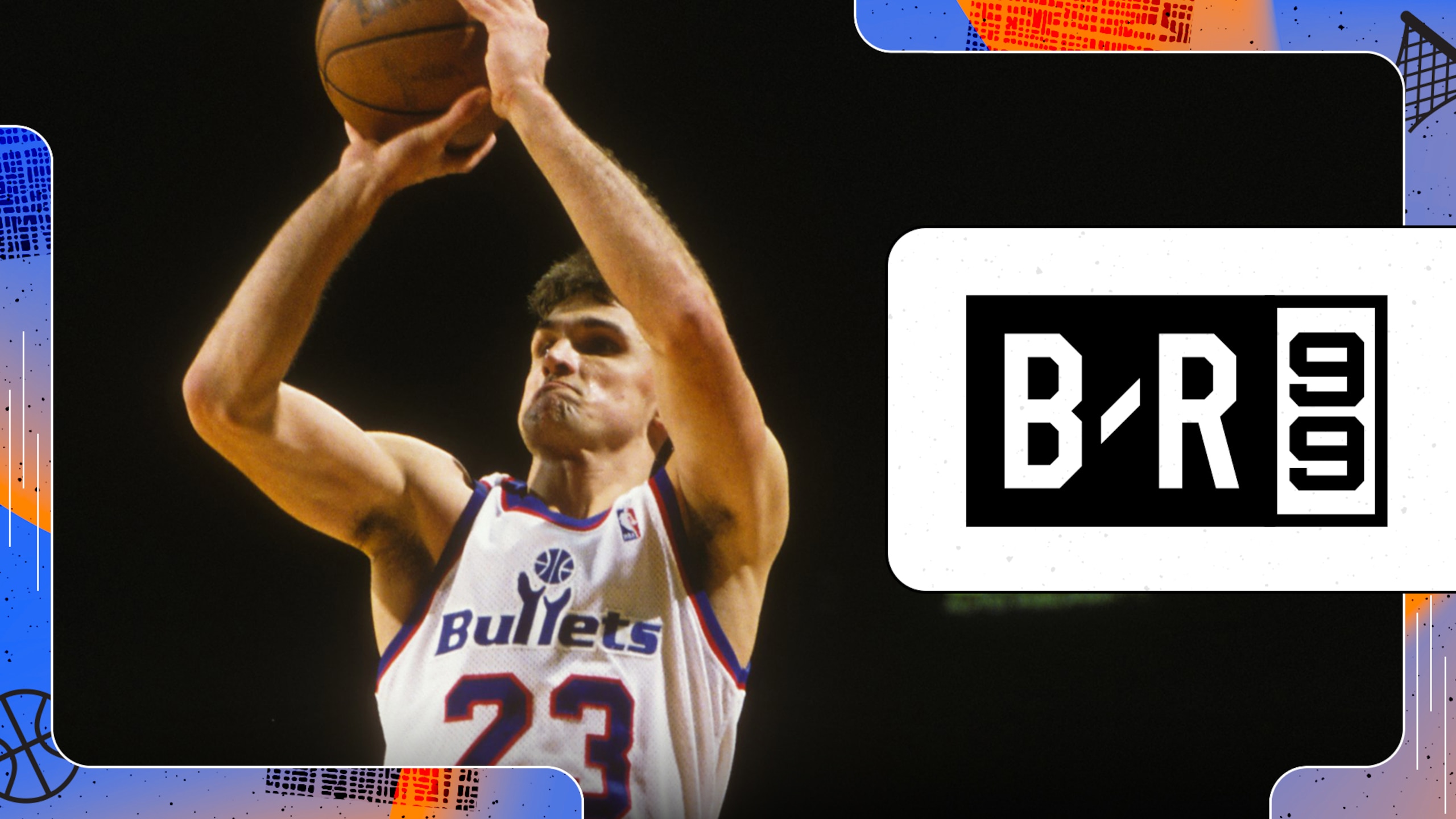
Career Stats: 44.7 FG%, 43.1 3PT%, 0.8 3PM/G, 0.354 3PAr, 84.0 FT%, 57.0 TS%, 52.3 EFG%
Years: 1989-2000 | Teams: PHX, DAL, WSB, GSW
Era: Early 3PT
A true three-point specialist, Tim Legler finished his career with ancillary averages of 1.6 rebounds, 1.3 assists, 0.5 steals and 0.1 blocks. As was said for Kapono, those aren't the kind of numbers that scream multi-year NBA player.
But Legler lasted a decade in the league despite recurring and often severe injury issues because he was one of the very best shooters of all time.
He finished his career shooting 43.1 percent from deep. And in the only three-year stretch in which he had anything resembling decent health, he shot 47.5 percent from three (and was over 52 in two of those campaigns).
High Vote: 21
48. Jalen Brunson, G
52 of 99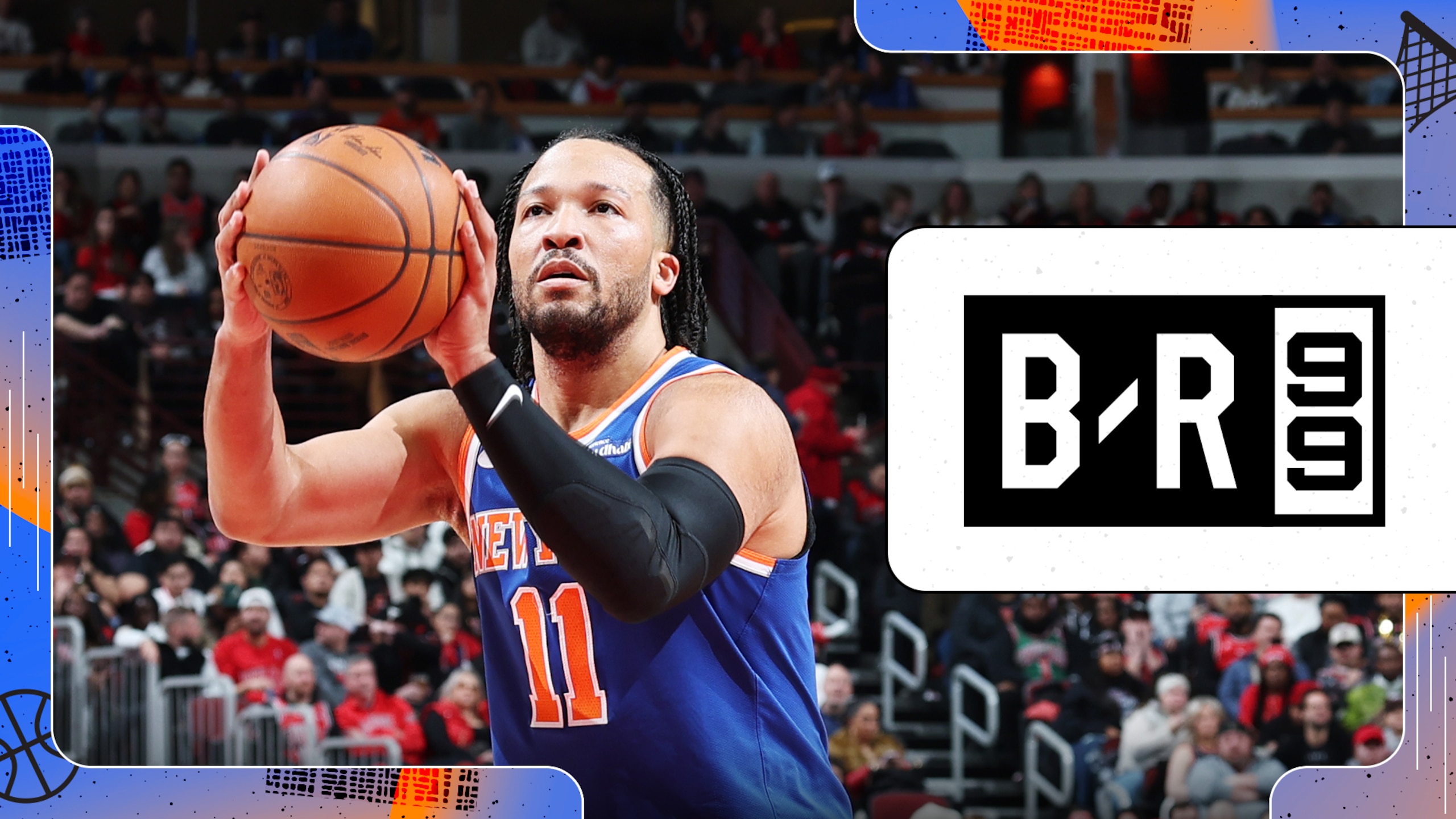
Career Stats: 48.5 FG%, 38.5 3PT%, 1.7 3PM/G, 0.312 3PAr, 82.6 FT%, 58.9 TS%, 54.5 EFG%
Years: 2018-present | Teams: DAL, NYK
Era: 3PT revolution
Perhaps the best clutch scorer currently in the NBA, Jalen Brunson just rode his knack for hitting big jumpers all the way to an NBA championship.
But this is far from recency bias at work here.
Since he joined the New York Knicks, Brunson has hit 2.4 threes per game, while shooting 39.0 percent from deep.
And when defenses are able to chase him off the three-point line, Brunson is one of the league's best at working his way to his preferred spot in the mid-range, rising up and hitting two-point jumpers.
To be as effective as Brunson is at his size, you almost have to be an elite shooter. And he's one of the best ever.
High Vote: 27
47. Hersey Hawkins, G
53 of 99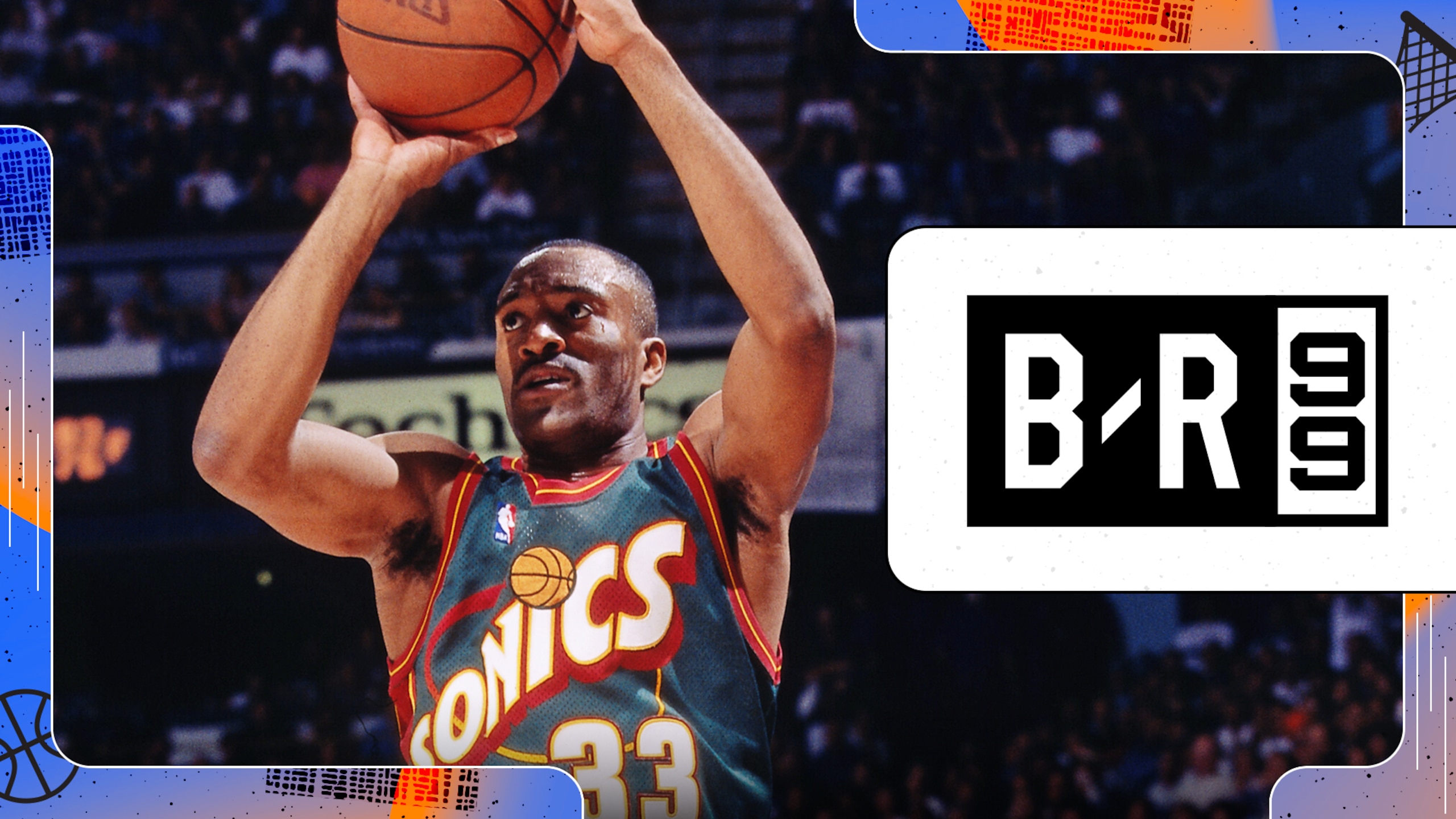
Career Stats: 46.1 FG%, 39.4 3PT%, 1.2 3PM/G, 0.293 3PAr, 87.0 FT%, 58.5 TS%, 51.8 EFG%
Years: 1988-2001 | Teams: PHI, CHA, SEA, CHI
Era: Early 3PT
Hersey Hawkins was a dynamic, well-rounded scorer throughout his career, but that was never more true than it was during his first five years with the Philadelphia 76ers.
In that stretch, he averaged 19.0 points and 1.2 threes, while shooting 40.6 percent from deep.
Over the rest of his career, the two-point volume got turned way down, but he actually averaged slightly more threes without sacrificing much efficiency.
Add the 87.0 free-throw percentage, and it's not hard to see how "The Hawk" made it into the top 50.
High Vote: 31
46. CJ McCollum, G
54 of 99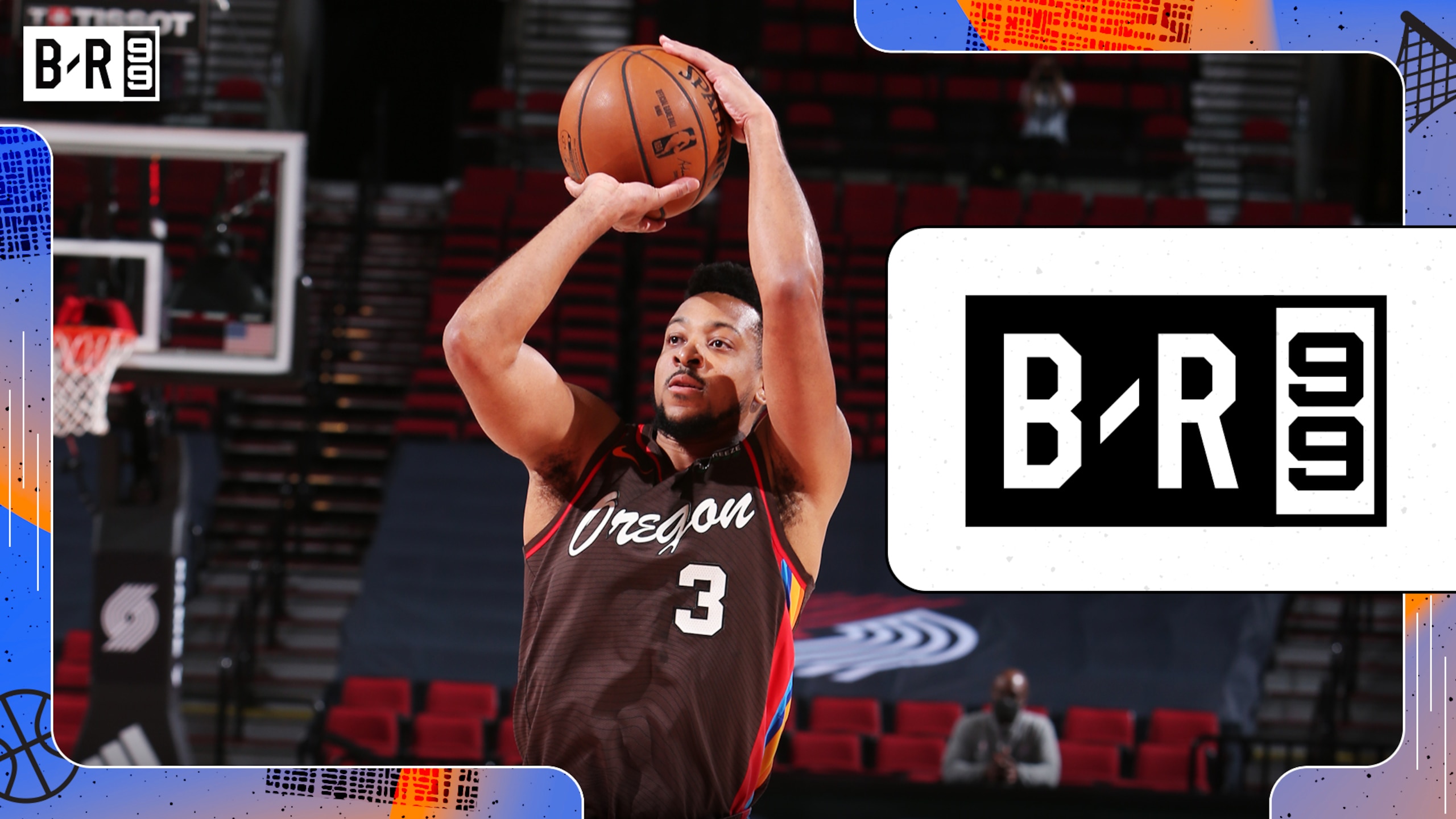
Career Stats: 45.3 FG%, 39.5 3PT%, 2.5 3PM/G, 0.391 3PAr, 79.6 FT%, 55.6 TS%, 53.0 EFG%
Years: 2013-present | Teams: POR, NOP, WAS
Era: 3PT revolution
CJ McCollum has certainly done his part to keep the mid-range jumper alive in the NBA.
Since the start of his career, he's sixth in twos made from 10 feet and out. And Chris Paul was the only player in that top five who had a lower percentage of his makes assisted by a teammate.
For as long as he's been in the NBA, McCollum has been one of the most dangerous pull-up jump shooters in the league. And that extends beyond the three-point line too.
Later in his career, McCollum started to embrace modern three-point volume a bit more. And as a result, he's averaged over three threes per game in three of his last six campaigns.
High Vote: 23
45. Mitch Richmond, G
55 of 99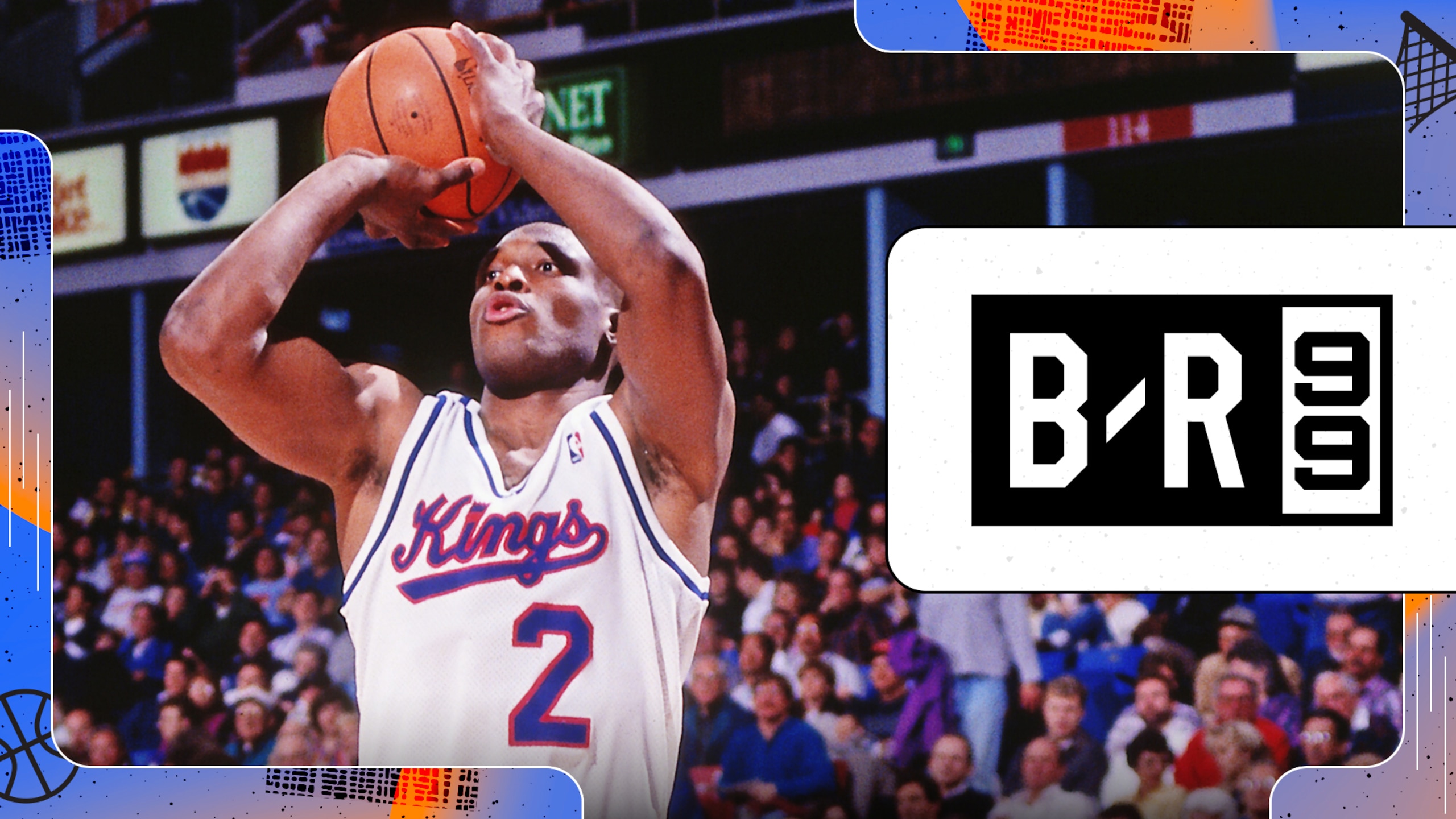
Career Stats: 45.5 FG%, 38.8 3PT%, 1.4 3PM/G, 0.213 3PAr, 85.0 FT%, 55.7 TS%, 49.7 EFG%
Years: 1988-2002 | Teams: GSW, SAC, WAS, LAL
Era: Early 3PT
Mitch Richmond isn't the only member of the Golden State Warriors' legendary "Run TMC" trio to make this list (stay tuned!), and he really didn't have his best shooting seasons for that team either.
From 1991-92 through 1997-98, Richmond averaged 23.3 points and 1.9 threes while shooting 40.4 percent from deep.
Richmond was dangerous as a pull-up threat or catch-and-shoot option throughout his career, and he was remarkably consistent from the charity stripe too. In 14 seasons, he was never worse than 81.0 percent from there.
High Vote: 29
44. Michael Redd, G
56 of 99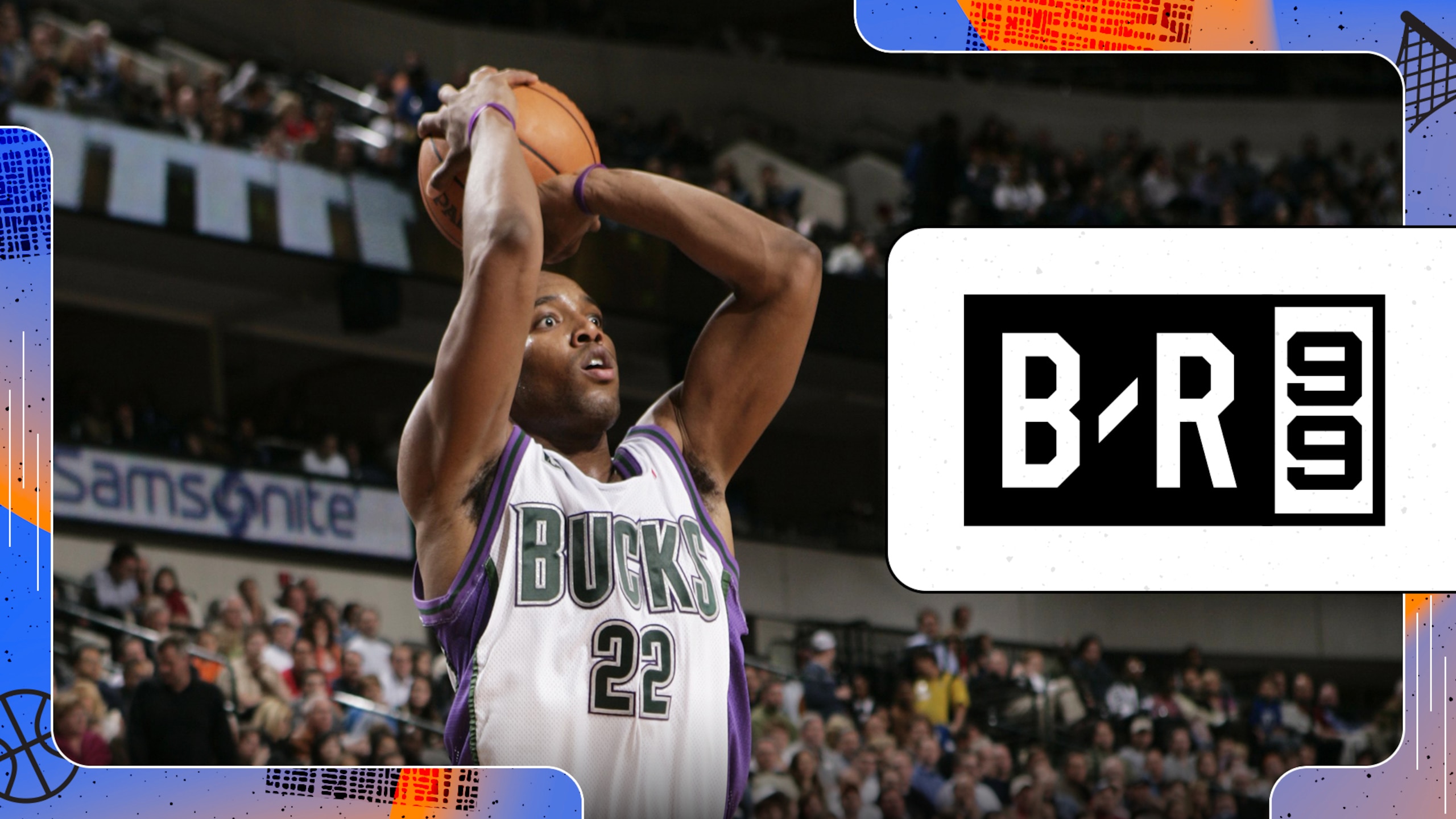
Career Stats: 44.7 FG%, 38.0 3PT%, 1.7 3PM/G, 0.293 3PAr, 83.8 FT%, 55.8 TS%, 50.3 EFG%
Years: 2000-2012 | Teams: MIL, PHX
Era: 3PT expansion
If someone were to ask NBA fans of a certain age who the best lefty shooters are, it's hard to imagine them thinking long before getting to Michael Redd.
He had one of the smoothest strokes (regardless of handedness) of anyone in the league throughout his career.
And that translated to a career 38.0 three-point percentage and over 1,000 two-pointers made from beyond 10 feet from the rim.
High Vote: 20
43. Joe Johnson, G/F
57 of 99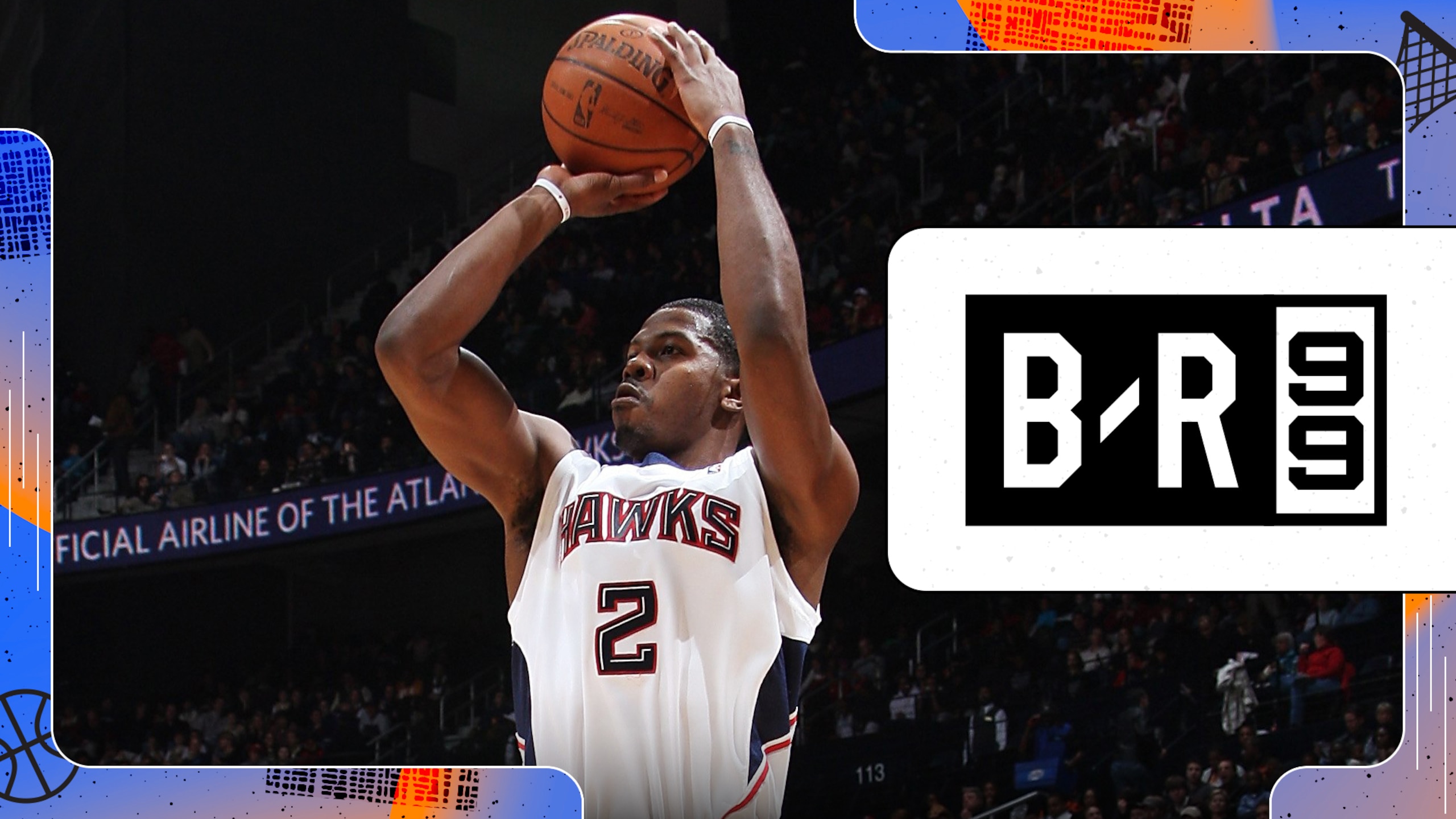
Career Stats: 44.1 FG%, 37.1 3PT%, 1.5 3PM/G, 0.301 3PAr, 80.2 FT%, 53.0 TS%, 49.7 EFG%
Years: 2001-2018 | Teams: BOS, PHX, ATL, BKN, MIA, UTA, HOU
Era: 3PT expansion
Speaking of smooth, it's hard to think of many players from any era who fit that descriptor better than "Iso" Joe Johnson.
Throughout his career, Johnson was among the league's best players at sizing up an opponent, lulling him to sleep or otherwise getting him out of position with a series of calculated dribble moves and then drilling a pull-up jumper in his face.
And regardless of how he got to that jumper, whether it was coming off a screen or out of a cut, off the dribble or fading away, the top of it always looked the same. The shooting elbow was tight, the release was quick and pure, and the results were often swishes.
High Vote: 30
42. Duncan Robinson, G/F
58 of 99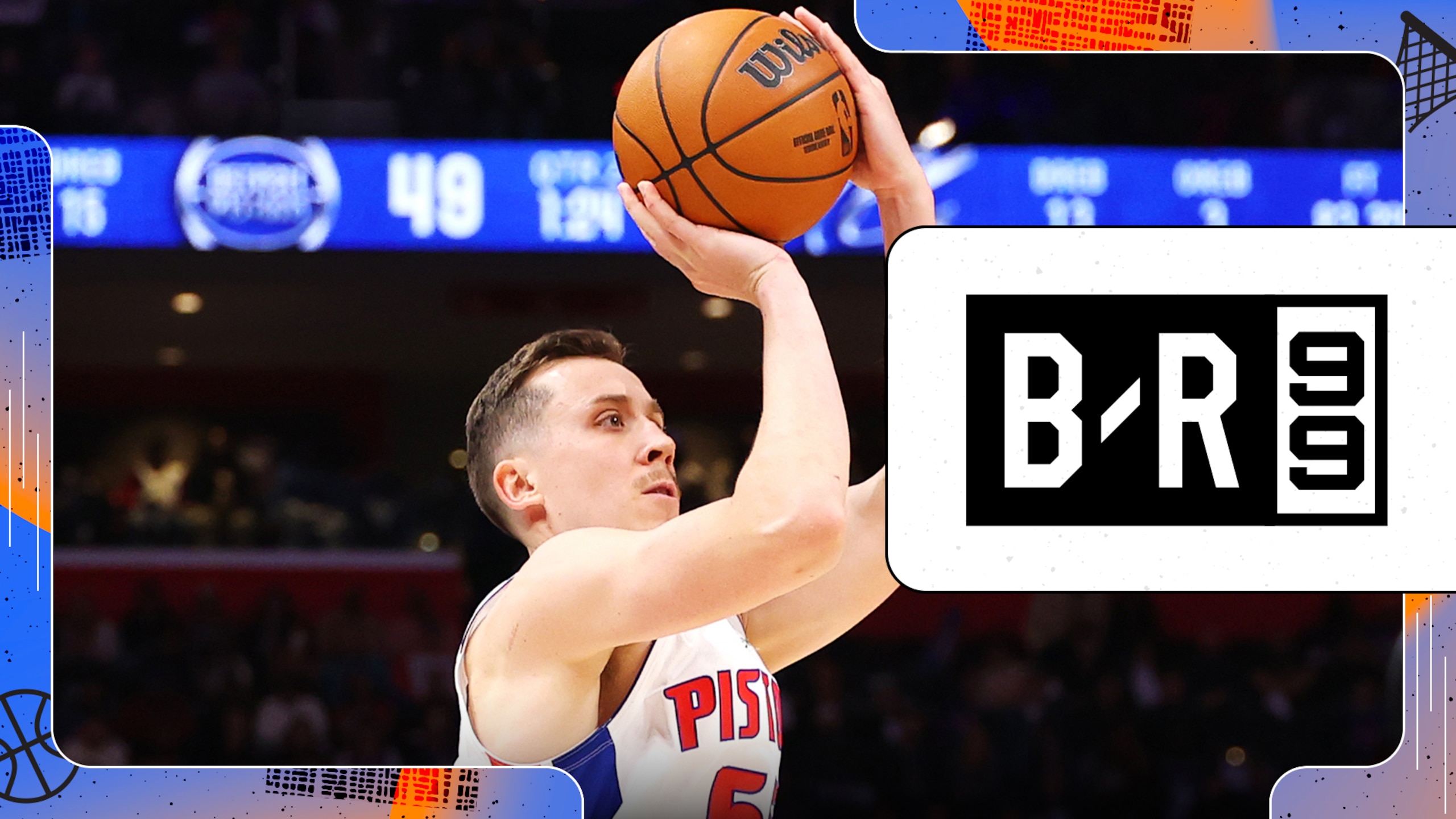
Career Stats: 43.7 FG%, 39.9 3PT%, 2.8 3PM/G, 0.801 3PAr, 84.8 FT%, 61.4 TS%, 59.7 EFG%
Years: 2018-present | Teams: MIA, DET
Era: 3PT revolution
Duncan Robinson is a lot like Harris, only with the volume turned up even higher.
He has a lower career three-point percentage, but has taken over four more threes per 100 possessions. That's a meaningful difference, and it's why defenses have to watch him so closely.
When he's on the floor, Robinson is almost constantly running all over it. At least one defender has to be on his hip at all times. If he's not, Robinson's quick trigger on the catch can burn him. And having to pay that much attention to one player running around the three-point line makes the room inside it a lot easier to operate in.
High Vote: 20
41. Donovan Mitchell, G
59 of 99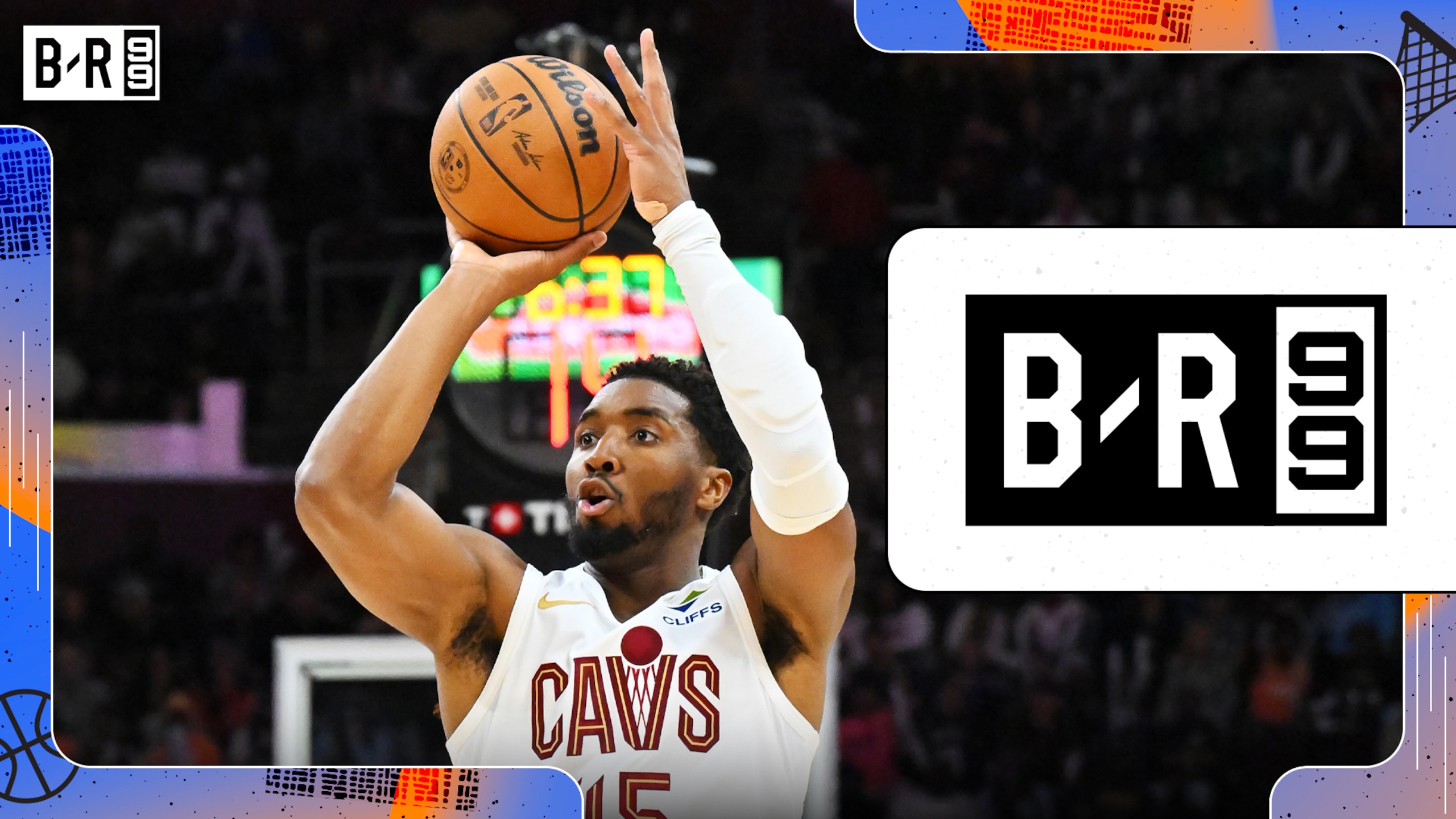
Career Stats: 45.3 FG%, 36.6 3PT%, 3.0 3PM/G, 0.423 3PAr, 84.4 FT%, 57.5 TS%, 53.0 EFG%
Years: 2017-present | Teams: UTA, CLE
Era: 3PT revolution
You may not think of Donovan Mitchell as one of the greatest volume three-point shooters we've ever seen, but he just wrapped up his age-29 season with 1,842 makes from deep.
Stephen Curry and James Harden are the only players in NBA history who hit more triples through their age-29 seasons.
When you play against Mitchell, you're almost certainly going to give up multiple threes, and that's far from the only way he hurts you as a shooter. His mid-range jumper is plenty dangerous, and he's become a nightmare to defend from the floater zone too.
There really isn't a jumper that's not in his repertoire, at this point.
High Vote: 24
40. Brent Barry, G/F
60 of 99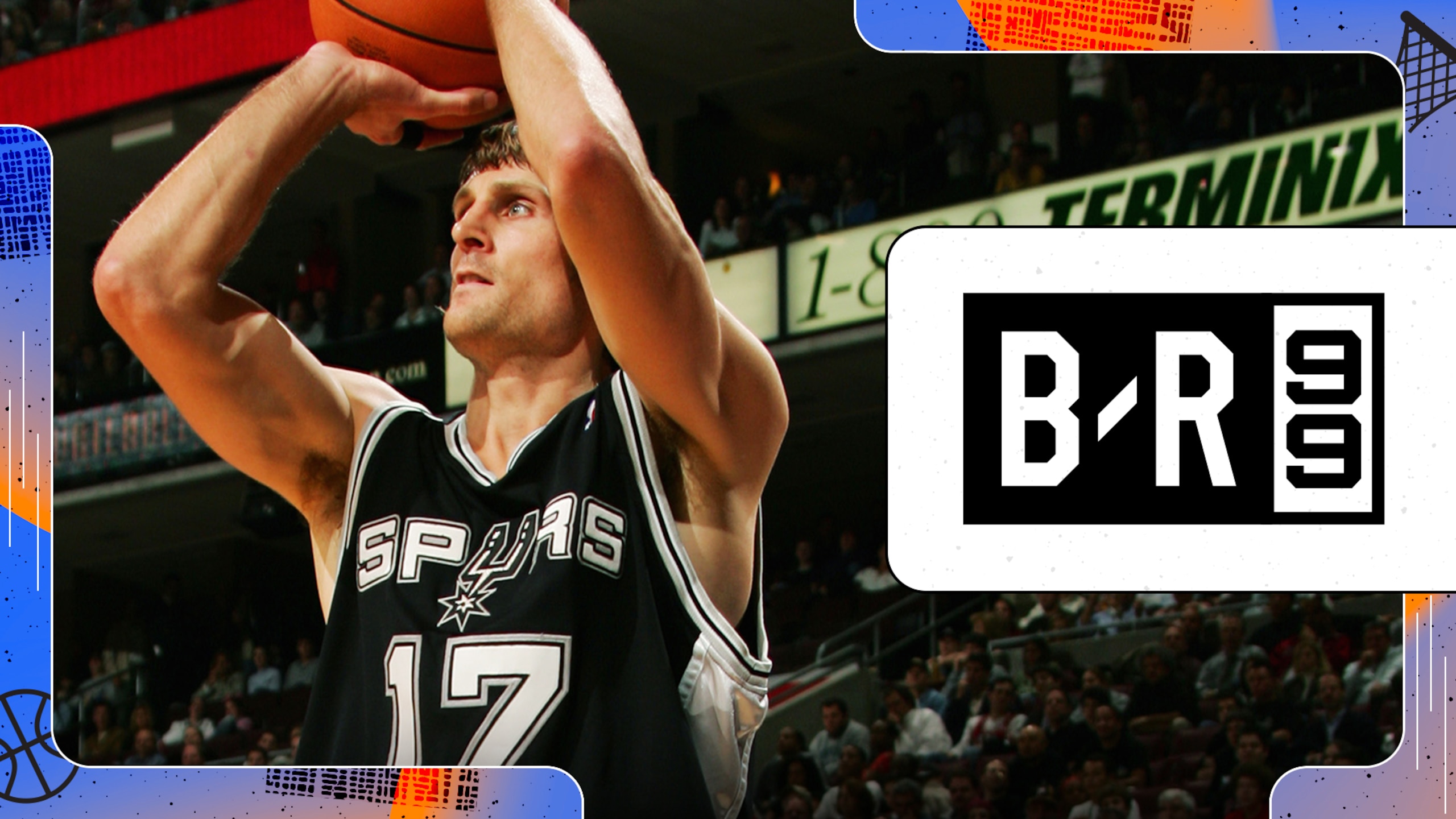
Career Stats: 46.0 FG%, 40.5 3PT%, 1.5 3PM/G, 0.546 3PAr, 82.3 FT%, 60.7 TS%, 57.0 EFG%
Years: 1995-2009 | Teams: LAC, MIA, CHI, SEA, SAS, HOU
Era: Early 3PT
One of the only dunk contest winners on this list, Brent Barry had one of the best and most streamlined offensive games of any role player in the 1990s and 2000s.
Barry led the league in three-point percentage once and effective field-goal percentage twice. He somehow even led the NBA in two-point percentage in 2001-02.
And among players with at least as many career three-point attempts, Barry trails only Robinson, Curry and Korver in career effective field-goal percentage.
High Vote: 18
39. Buddy Hield, G
61 of 99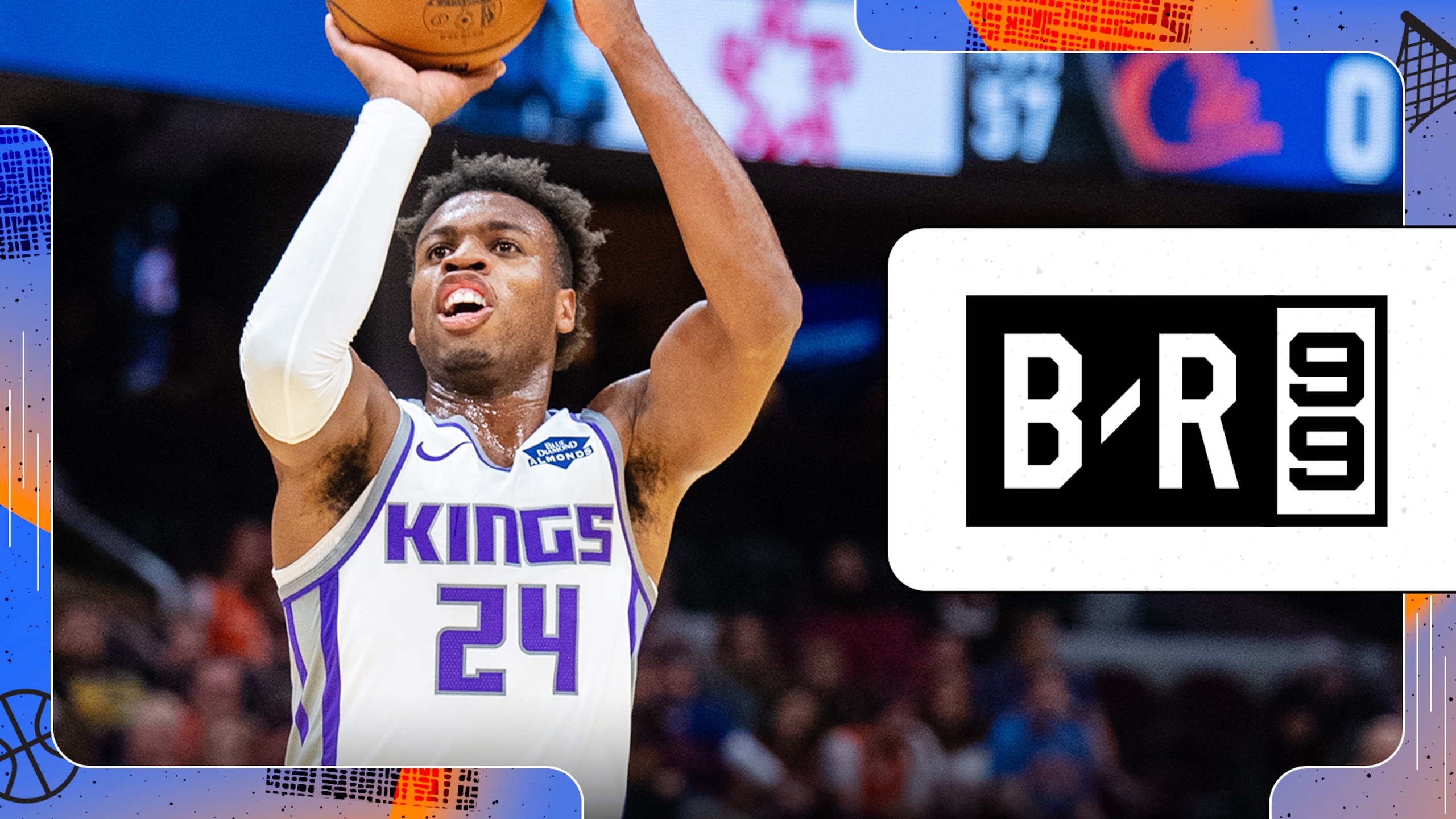
Career Stats: 43.3 FG%, 39.5 3PT%, 2.9 3PM/G, 0.598 3PAr, 85.6 FT%, 57.0 TS%, 55.1 EFG%
Years: 2016-present | Teams: NOP, SAC, IND, PHI, GSW
Era: 3PT revolution
There were questions about whether Buddy Hield's game would translate to the NBA after he won Player of the Year as a senior at Oklahoma. A more advanced age than most first-rounders of the time and a perceived lack of athleticism were the big concerns.
But no one should've doubted the shooting.
We're now a decade into his career, and Hield is averaging double-figures, making 2.9 threes per game (the ninth-highest average of all time) and shooting 39.5 percent from deep. And all while averaging fewer than 30 minutes per game.
High Vote: 23
38. Mike Miller, G/F
62 of 99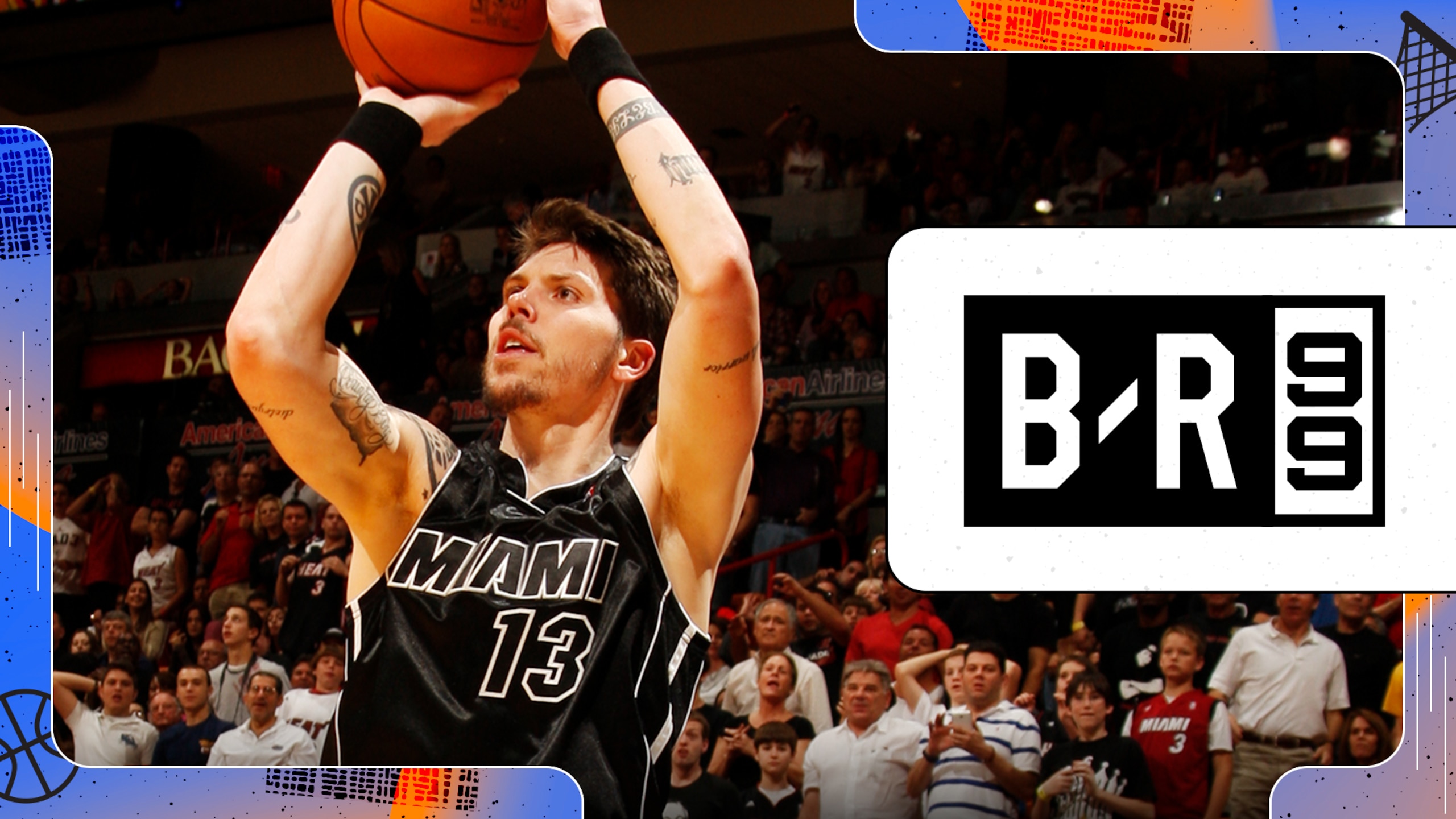
Career Stats: 45.9 FG%, 40.7 3PT%, 1.5 3PM/G, 0.447 3PAr, 76.9 FT%, 57.6 TS%, 55.0 EFG%
Years: 2000-2017 | Teams: ORL, MEM, MIN, WAS, MIA, MEM, CLE, DEN
Era: 3PT expansion
Like several others on this list, Mike Miller's career started on the trajectory of a star (or at least near-star). He won Rookie of the Year in 2000-01. By his age-26 and -27 campaigns, he was nearing a 20-points-per-game average.
But teams eventually asked him to be more of a three-point specialist, and he embraced the role well.
Throughout his entire 17-year run, the outside shot was dialed in. And despite starting his career prior to the three-point revolution, he still ranks fifth all time in total seasons with an average of at least one three per game and a 40-plus three-point percentage. Only Stephen Curry (13), Steve Nash (13), Kyle Korver (12) and Reggie Miller (10) have more than Mike Miller's nine such campaigns.
High Vote: 25
37. Khris Middleton, G/F
63 of 99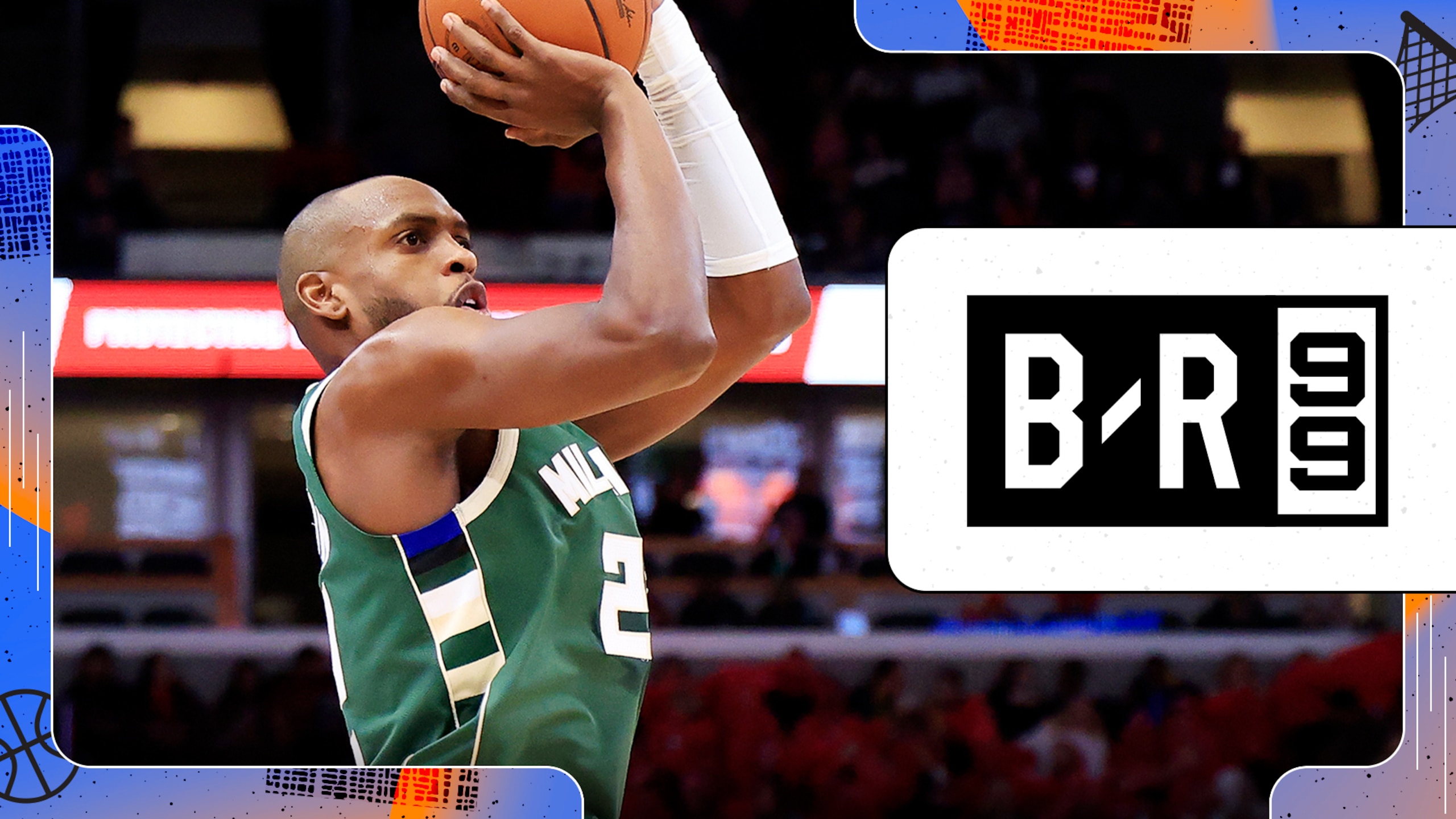
Career Stats: 45.8 FG%, 38.5 3PT%, 1.8 3PM/G, 0.357 3PAr, 87.8 FT%, 57.2 TS%, 52.7 EFG%
Years: 2012-present | Teams: DET, MIL, WAS
Era: 3PT revolution
In a lot of ways, Khris Middleton feels like the more efficient version of Johnson.
He has a similar sort of lull-you-to-sleep game. He has a technically precise jumper, both from deep and from inside the arc. And it's nearly impossible for defenses to speed him up.
With his patient approach, smooth jumper and ability to get to his spots, Middleton has hit 38.5 percent of his career three-point attempts and hit more mid-range twos than all but 12 players during the course of his career.
High Vote: 26
36. LeBron James, F
64 of 99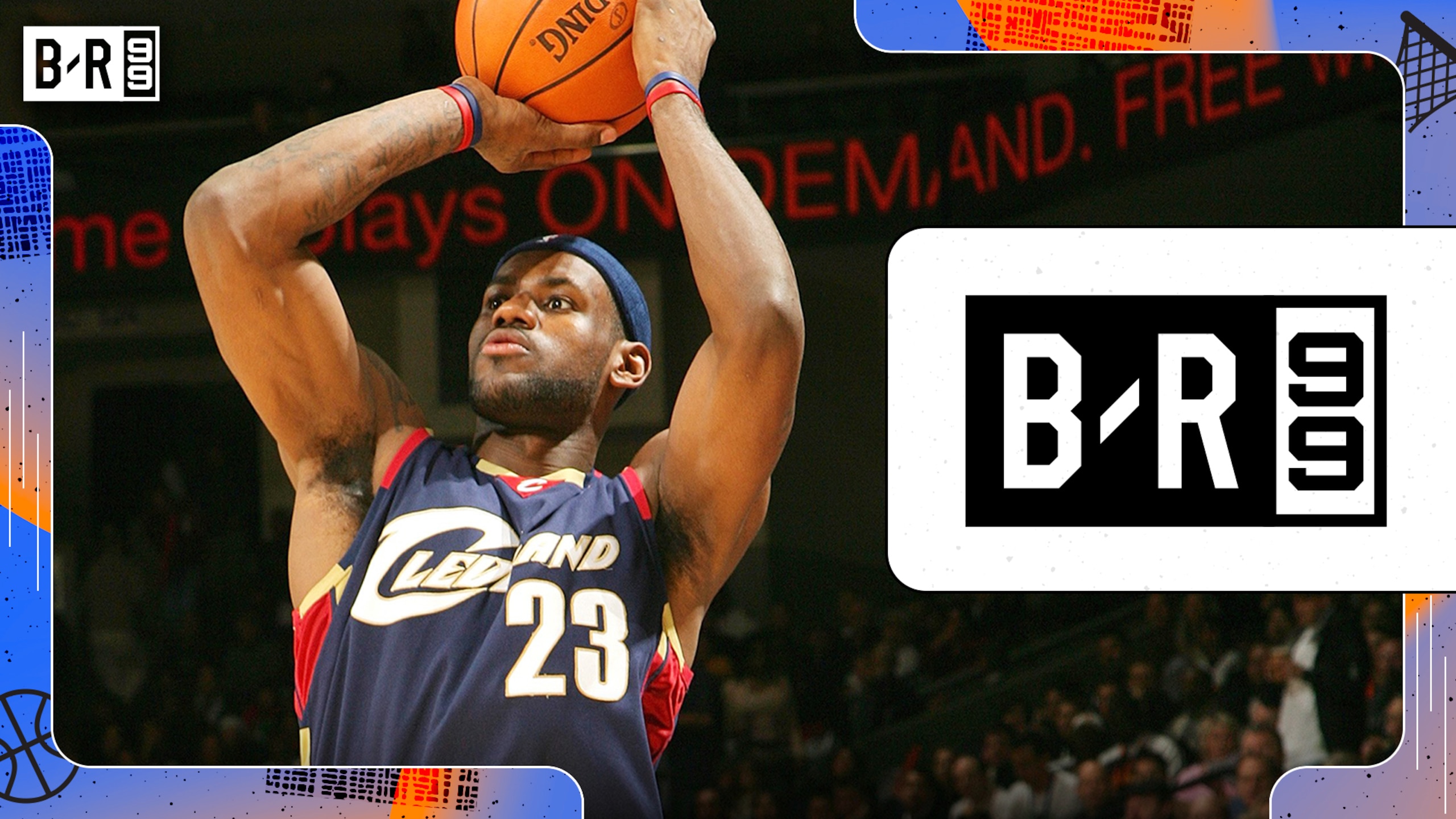
Career Stats: 50.7 FG%, 34.8 3PT%, 1.6 3PM/G, 0.240 3PAr, 73.7 FT%, 59.0 TS%, 54.9 EFG%
Years: 2003-present | Teams: CLE, MIA, LAL
Era: 3PT expansion
When his career started, it looked like the only hope defenses would have to contain LeBron James would be to play way off him and just hope he wouldn't drive.
And for stretches of his 20-plus years, that approach has kind of worked. But for most of it, especially after he went to the Miami Heat, James was truly unguardable (hence, the all-time scoring record).
From 2010-11 through 2024-25, James made 1.8 threes per game and shot 35.9 percent from deep. That was more than good enough to force defenses to respect his range. And that, in turn, opened up driving lanes and mid-range shots for him.
High Vote: 12
35. Carmelo Anthony, F
65 of 99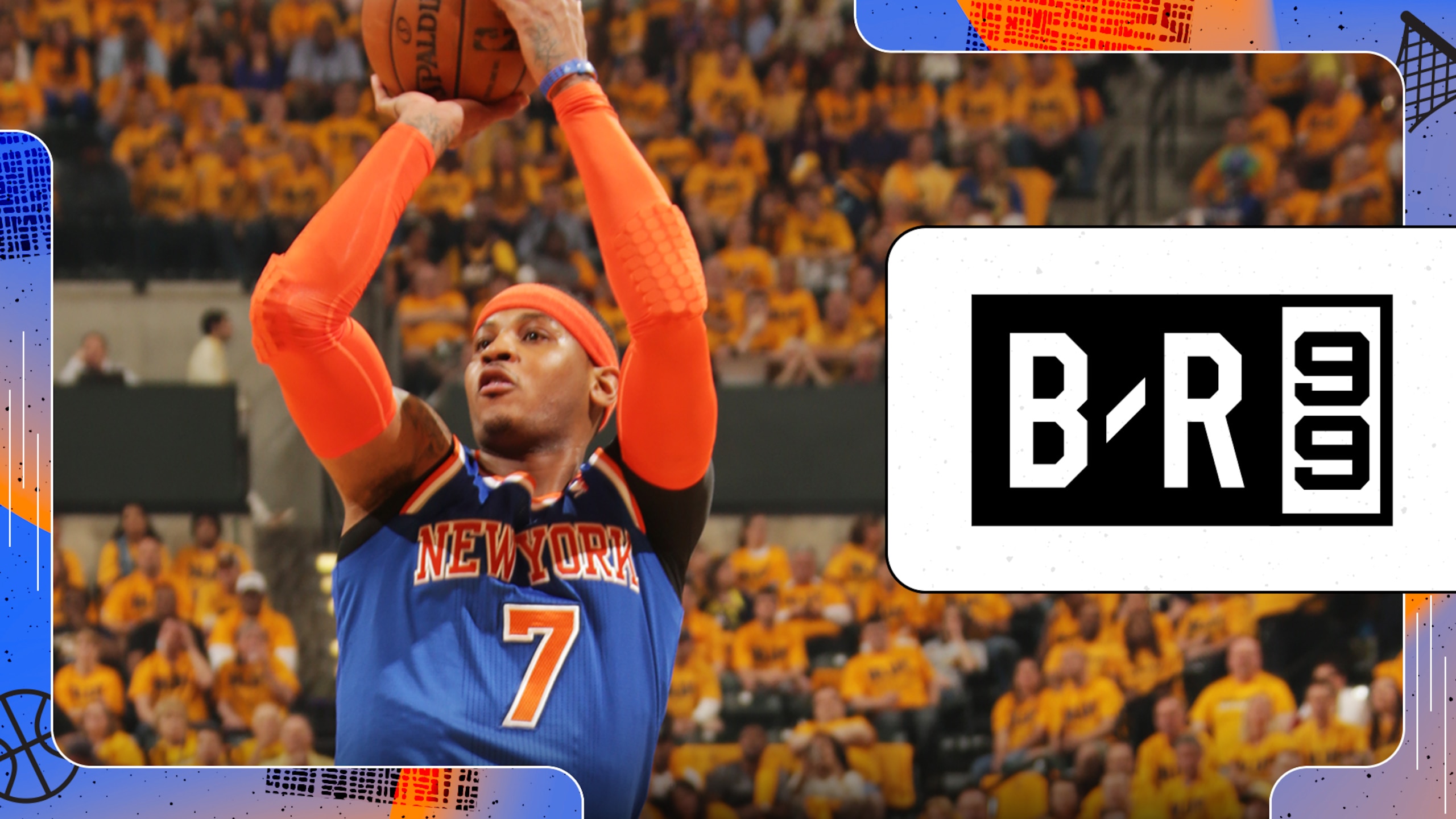
Career Stats: 44.7 FG%, 35.5 3PT%, 1.4 3PM/G, 0.215 3PAr, 81.4 FT%, 54.3 TS%, 48.5 EFG%
Years: 2003-2022 | Teams: DEN, NYK, OKC, HOU, POR, LAL
Era: 3PT expansion
Carmelo Anthony had similar struggles to LeBron at the start of his career, at least when it came to three-point shooting. But he always commanded respect from the mid-range and long mid-range. And by the time he left the Denver Nuggets, he'd mostly gotten that three-ball calibrated too.
From the start of the 2010-11 season through the end of his career, Melo averaged 1.8 threes and shot 37.0 percent from deep. And plenty of those triples were coming against the opposition's best defender and without being set up by someone else on his team.
The No. 1 options on this list (like Anthony) deserve a little extra credit for the difficulty inherent to that role, and it looks like the voters were happy to give it here.
High Vote: 25
34. Seth Curry, G
66 of 99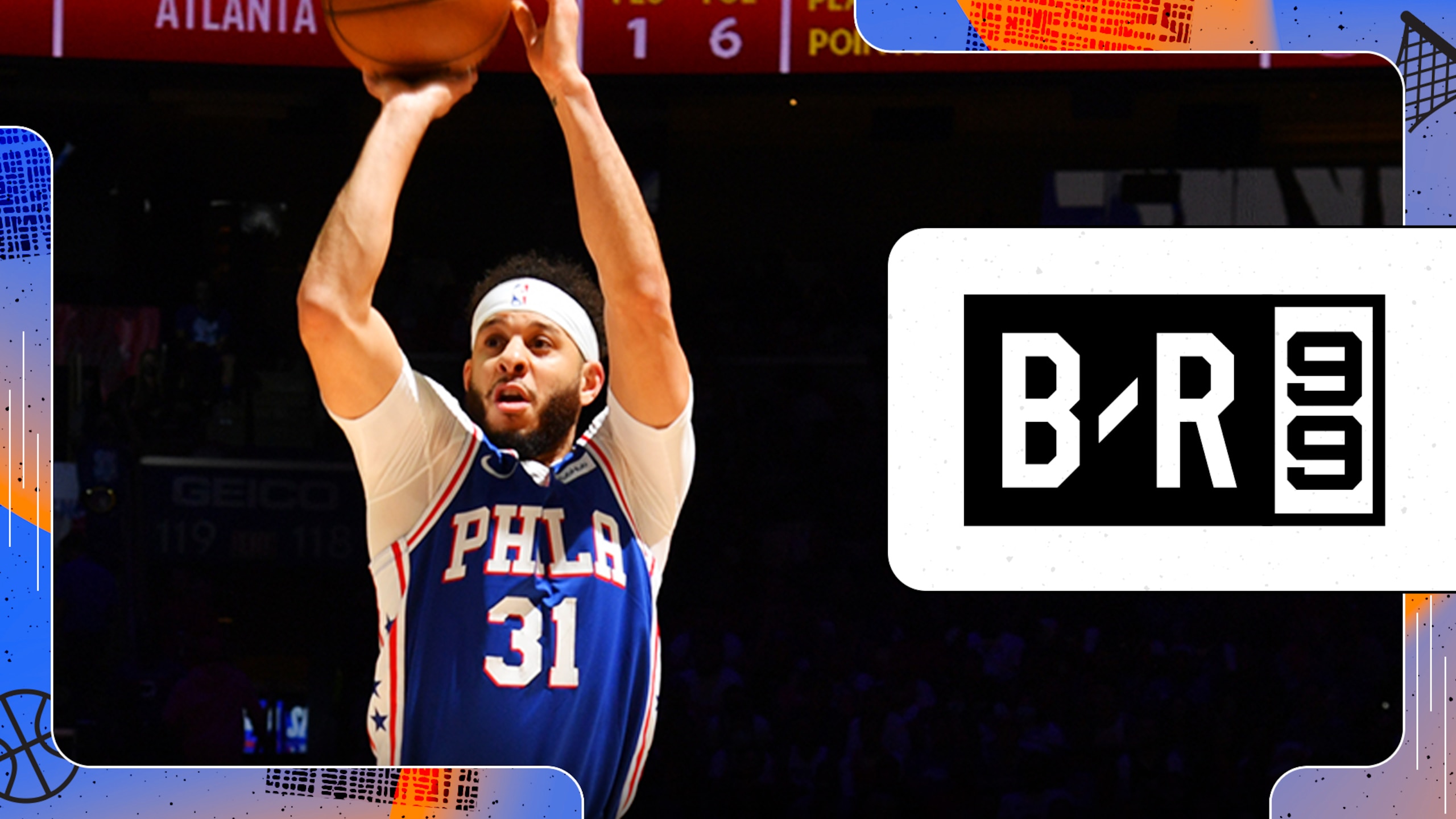
Career Stats: 47.1 FG%, 43.3 3PT%, 1.7 3PM/G, 0.513 3PAr, 86.4 FT%, 60.6 TS%, 58.3 EFG%
Years: 2013-present | Teams: MEM, PHX, SAC, DAL, POR, PHI, BKN, CHA, GSW
Era: 3PT revolution
It took Seth Curry a couple years to prove himself a rotation player in the NBA, but once he did, he quickly became one of the best outside shooters it's ever seen.
There aren't a lot of extra frills in Curry's game (he's averaged 2.0 rebounds, 1.9 assists and 0.6 steals for his career), and there really doesn't need to be.
When you're seventh all time in the league's career three-point percentage leaderboard, you don't need too much else to stick.
High Vote: 24
33. Karl-Anthony Towns, F/C
67 of 99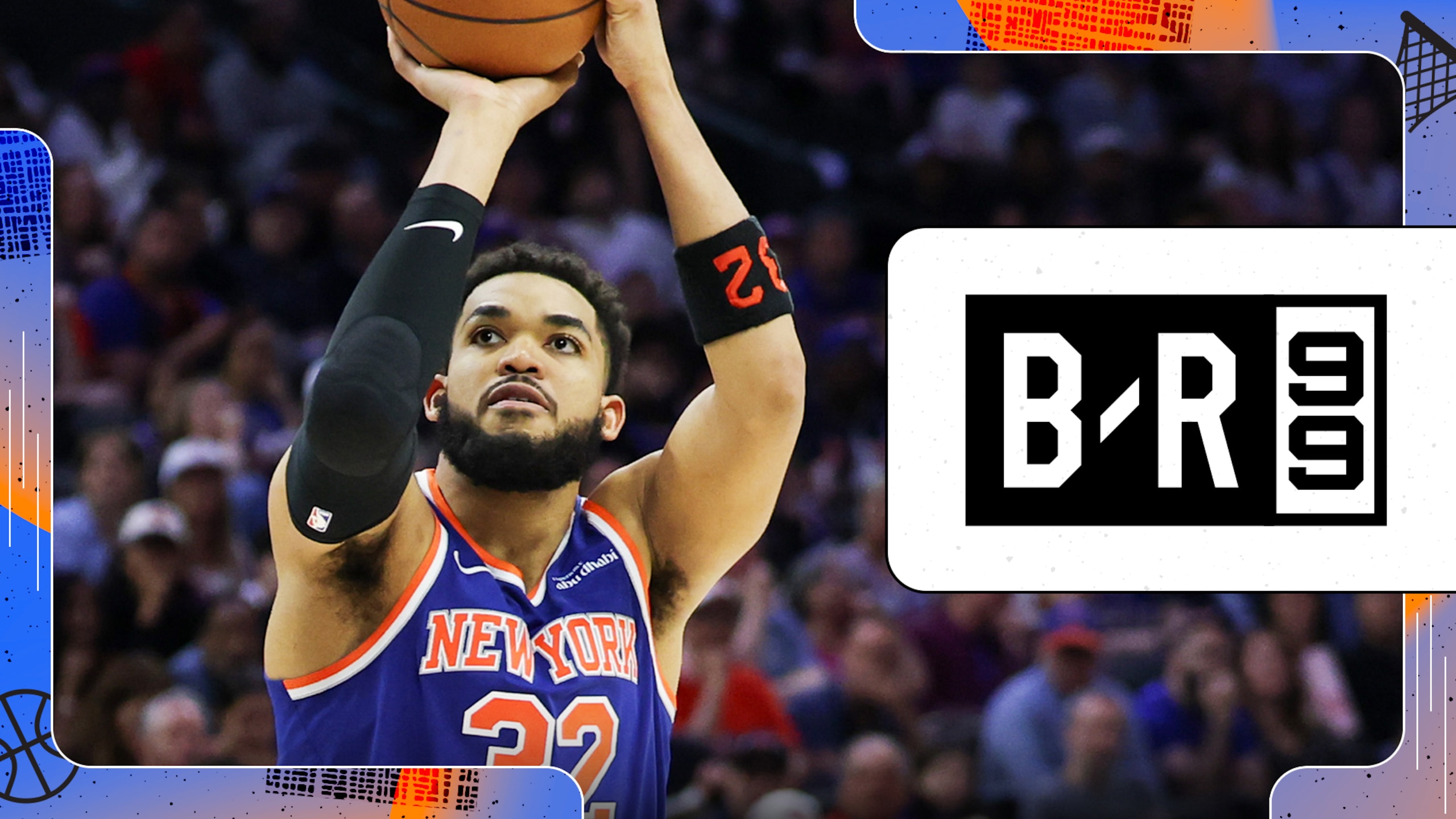
Career Stats: 52.2 FG%, 39.7 3PT%, 1.7 3PM/G, 0.270 3PAr, 84.0 FT%, 62.4 TS%, 57.5 EFG%
Years: 2015-present | Teams: MIN, NYK
Era: 3PT revolution
Another member of the 2025-26 Knicks squad that just won the title, Karl-Anthony Towns is clearly one of the greatest shooting big men in NBA history.
Among the 30 players listed at 7'0" or taller, he's first in three-point percentage. Among all seven-footers, he trails only Markkanen and Dirk Nowitzki in threes made.
Markkanen is a year younger, so Towns may not catch him, but Nowitzki's mark is absolutely in reach, especially if KAT starts to rely more on the jumper as he ages.
High Vote: 22
32. Dale Ellis, G/F
68 of 99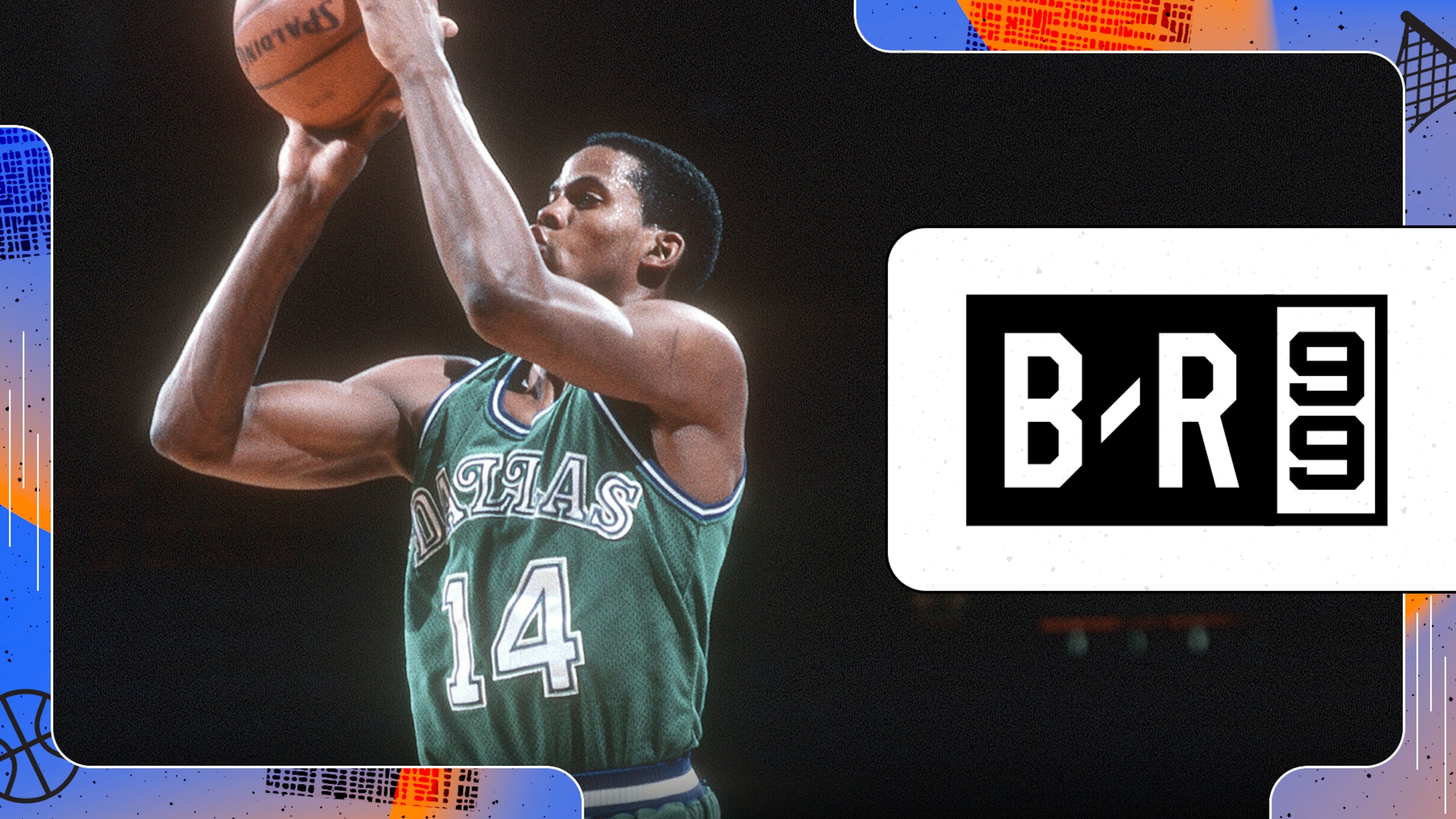
Career Stats: 47.9 FG%, 40.3 3PT%, 1.4 3PM/G, 0.279 3PAr, 78.4 FT%, 56.7 TS%, 53.6 EFG%
Years: 1983-2000 | Teams: DAL, SEA, MIL, SAS, DEN, CHA
Era: Early 3PT
Dale Ellis came along shortly after the three-point line was adopted in the NBA, and even he took a little time to adopt it himself.
He averaged 0.4 attempts per game as a rookie, jumped to 1.5 in his second year and led the league at 2.4 in Year 3.
From there, he was off. Over the next 14 seasons, Ellis took 4.0 triples a game and shot 40.5 percent from deep.
His game was about more than just long-range jumpers (he averaged over nine two-point attempts per game for his career), but Ellis was one of the league's first great three-point specialists and is understandably near the top 30.
High Vote: 18
31. Paul George, G/F
69 of 99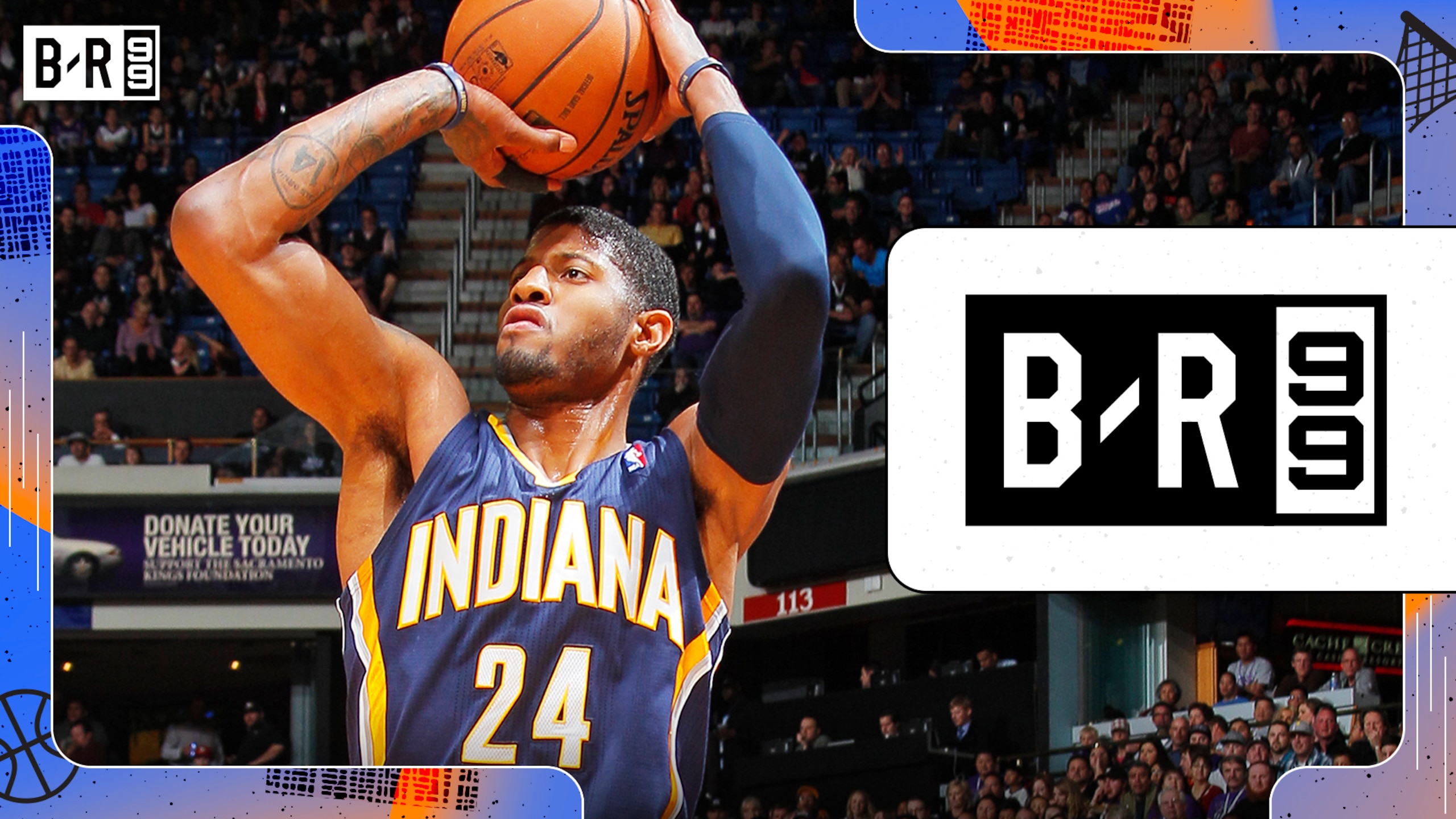
Career Stats: 44.0 FG%, 38.4 3PT%, 2.6 3PM/G, 0.424 3PAr, 85.2 FT%, 57.1 TS%, 52.1 EFG%
Years: 2010-present | Teams: IND, OKC, LAC, PHI
Era: 3PT revolution
Like LaVine, Paul George is a player whose reputation is probably unfairly tied to recent contracts that haven't aged all that well.
There's a reason he was paid big money in the first place, and it had a lot to do with a smooth offensive game and reliable jumper from multiple ranges.
George, at his peak, had a way of gliding past defenders and into his desired spot, elevating and then drilling jumpers.
And while that certainly included two-point shots, those aren't why he climbed all the way to this spot. George being ninth all time in career threes made feels like a wildly underdiscussed accomplishment.
High Vote: 29
30. Pete Maravich, G
70 of 99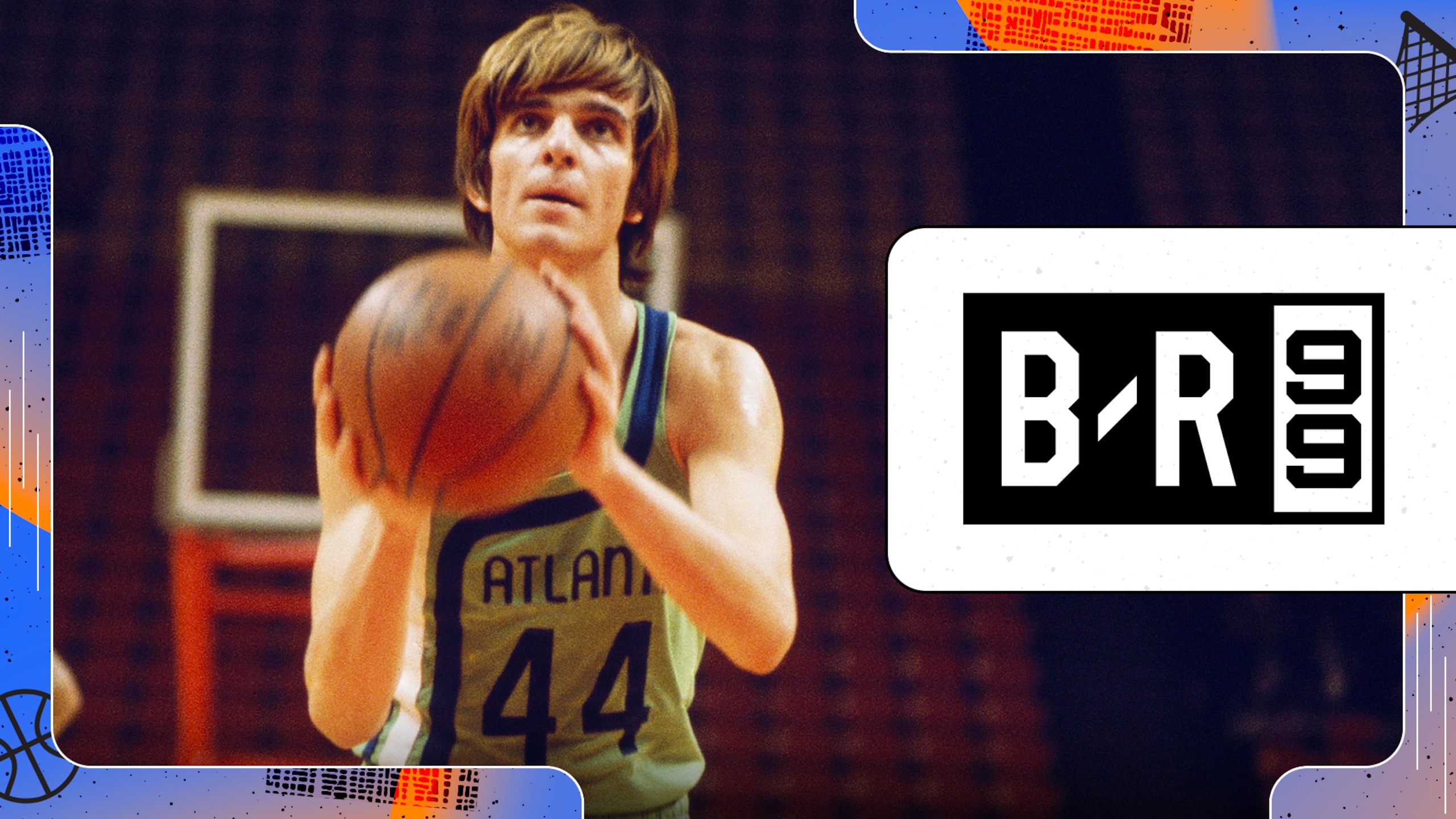
Career Stats: 44.1 FG%, 66.7 3PT%, 82.0 FT%, 50.0 TS%, 44.1 EFG%
Years: 1970-1980 | Teams: ATL, UTA, BOS
Era: Pre-3PT line
There are a handful of NBA players across history who've reached almost mythical status, and Pete Maravich is definitely one of them.
He's long been regarded as one of the best scorers in league history. He averaged at least 20 points in eight of his first nine seasons. And he led the league in scoring at 31.1 points per game in 1976-77.
But in the year he won the scoring title, he also took 28.0 shots per game. And he finished his career below average in both effective field-goal percentage and true shooting percentage.
That doesn't account for the degree of difficulty, though. And Maravich gets very high marks there. Getting shots up in bunches and in the face of tight defense put pressure on Maravich's opponents.
He also didn't shy away from long-range shots, despite spending the overwhelming majority of his career playing without a three-point line. Had that existed, his efficiency likely would've been better.
High Vote: 9
29. Rick Barry, F
71 of 99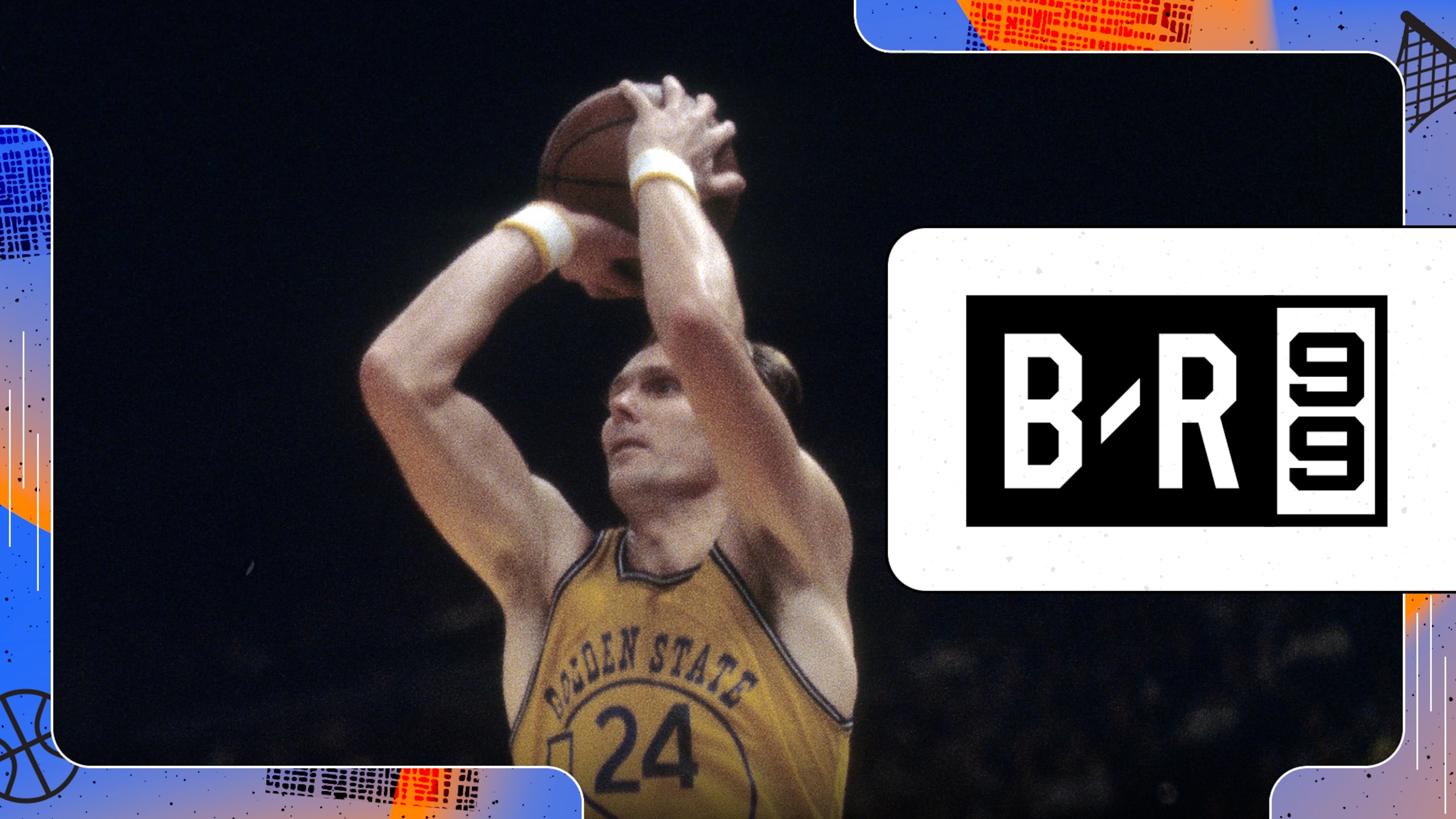
Career Stats: 45.8 FG%, 29.7 3PT%, 0.2 3PM/G, 0.034 3PAr, 89.9 FT%, 52.4 TS%, 46.3 EFG%
Years: 1965-1980 | Teams: GSW, OAK, WSA, NYA, HOU
Era: Pre-3PT line
Another father-son duo makes the list, thanks to Barrys Rick and Brent.
And while the younger side of this combo spent his career as a role player, Rick was one of the very best players in the world for the bulk of his.
Despite playing all but one of his NBA seasons without a three-point line and taking plenty of jumpers anyway, the elder Barry averaged 23.2 points and shot 44.9 percent from the field.
Perhaps most famously, he also embraced an underhanded free-throw technique that led to a career 90.0 free-throw percentage.
High Vote: 15
28. Luka Dončić, G
72 of 99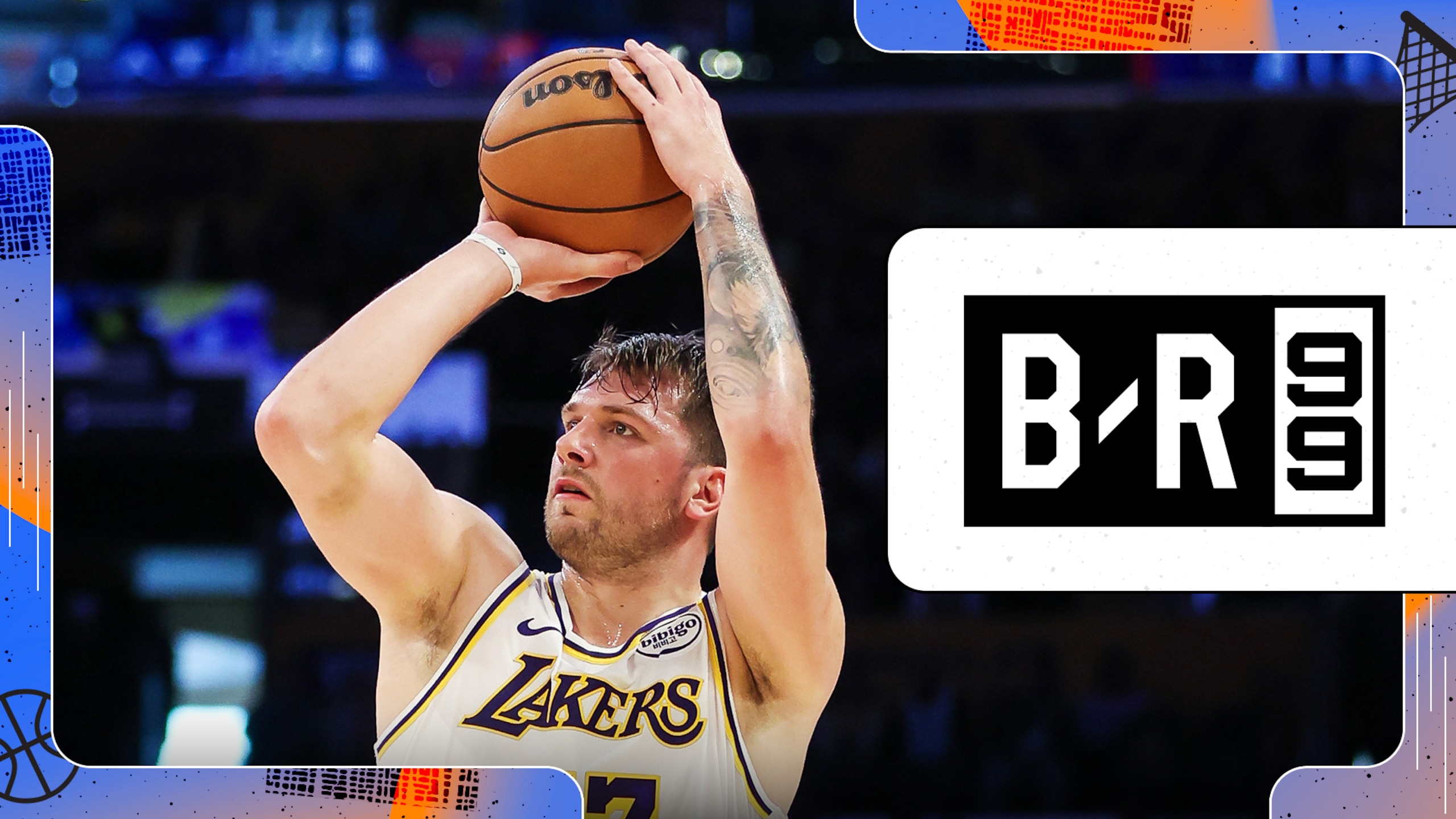
Career Stats: 46.9 FG%, 35.2 3PT%, 3.2 3PM/G, 0.430 3PAr, 75.5 FT%, 59.2 TS%, 54.4 EFG%
Years: 2018-present | Teams: DAL, LAL
Era: 3PT revolution
Like Maravich, Luka Dončić gets some credit for taking exceptionally difficult shots, particularly from beyond the three-point line. But unlike Maravich, and even with a slightly below-average career three-point percentage, Dončić has still been a remarkably efficient all-around scorer.
A 59.2 true shooting percentage, even in today's three-happy NBA, is almost impossibly good for someone with the highest usage percentage in league history.
And it's a product of more than just Luka's ability to draw trips to the free-throw line. It's not entirely in the spirit of this exercise, but Dončić's finishing is unreal. And his touch in the short mid-range is nearly unmatched.
High Vote: 10
27. Kobe Bryant, G
73 of 99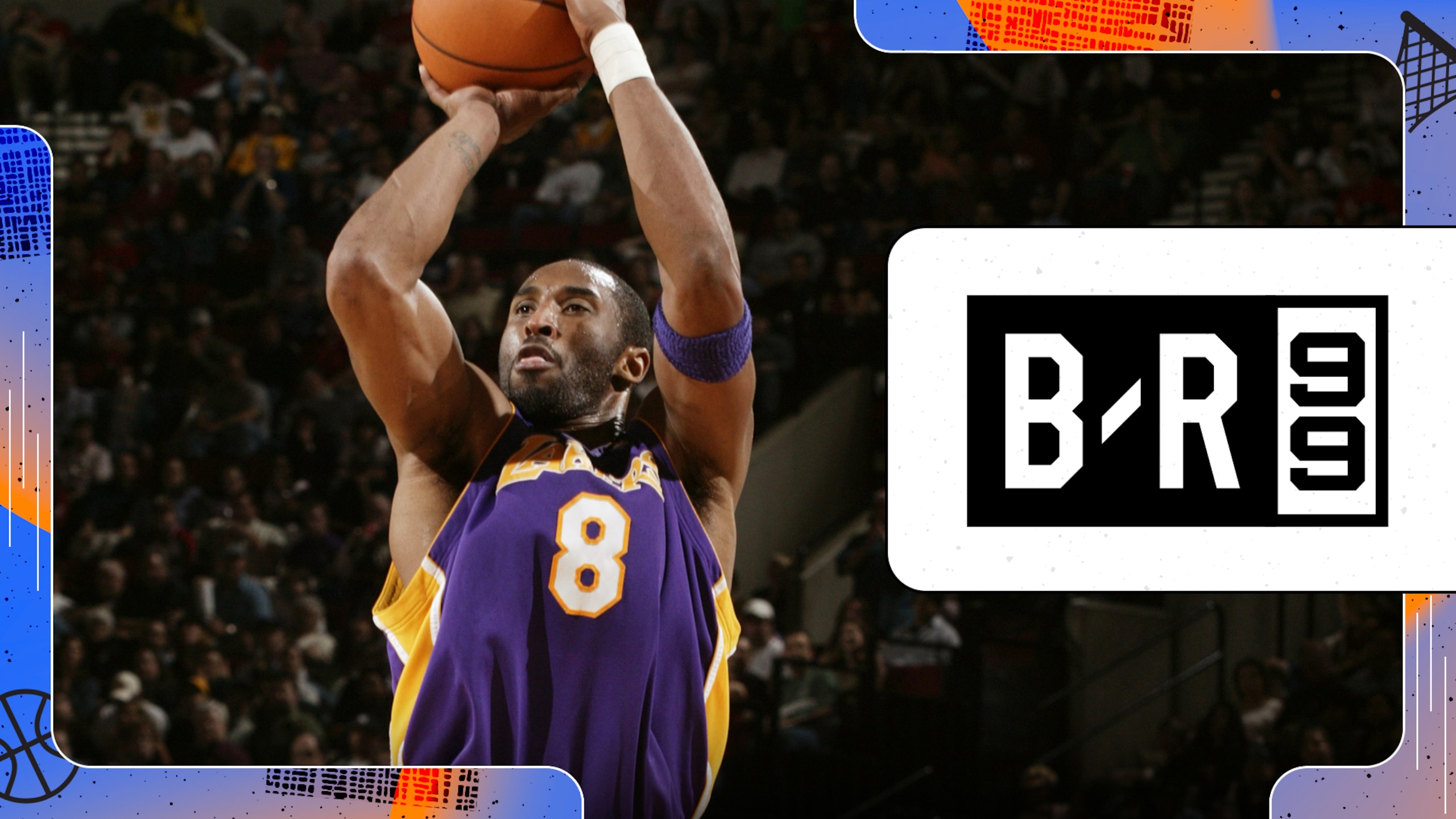
Career Stats: 44.7 FG%, 32.9 3PT%, 1.4 3PM/G, 0.212 3PAr, 83.7 FT%, 55.0 TS%, 48.2 EFG%
Years: 1996-2016 | Teams: LAL
Era: 3PT expansion
Kobe Bryant is a worthy entrant in the top 30, but he's yet another superstar wing who failed to convert at anywhere near the league average from deep.
So how did he get in? And how did he climb so high?
Kobe was one of the most prolific mid-range scorers the league has ever seen. His career scoring average is in the top 20 all time, and a whopping 27.1 percent of the shots he took were between 16 feet from the rim and the three-point line.
Layer on the fact that so many of those shots were contested, or fadeaways, or both, and it's not hard to see why Kobe got such a favorable vote.
High Vote: 9
26. Nikola Jokić, C
74 of 99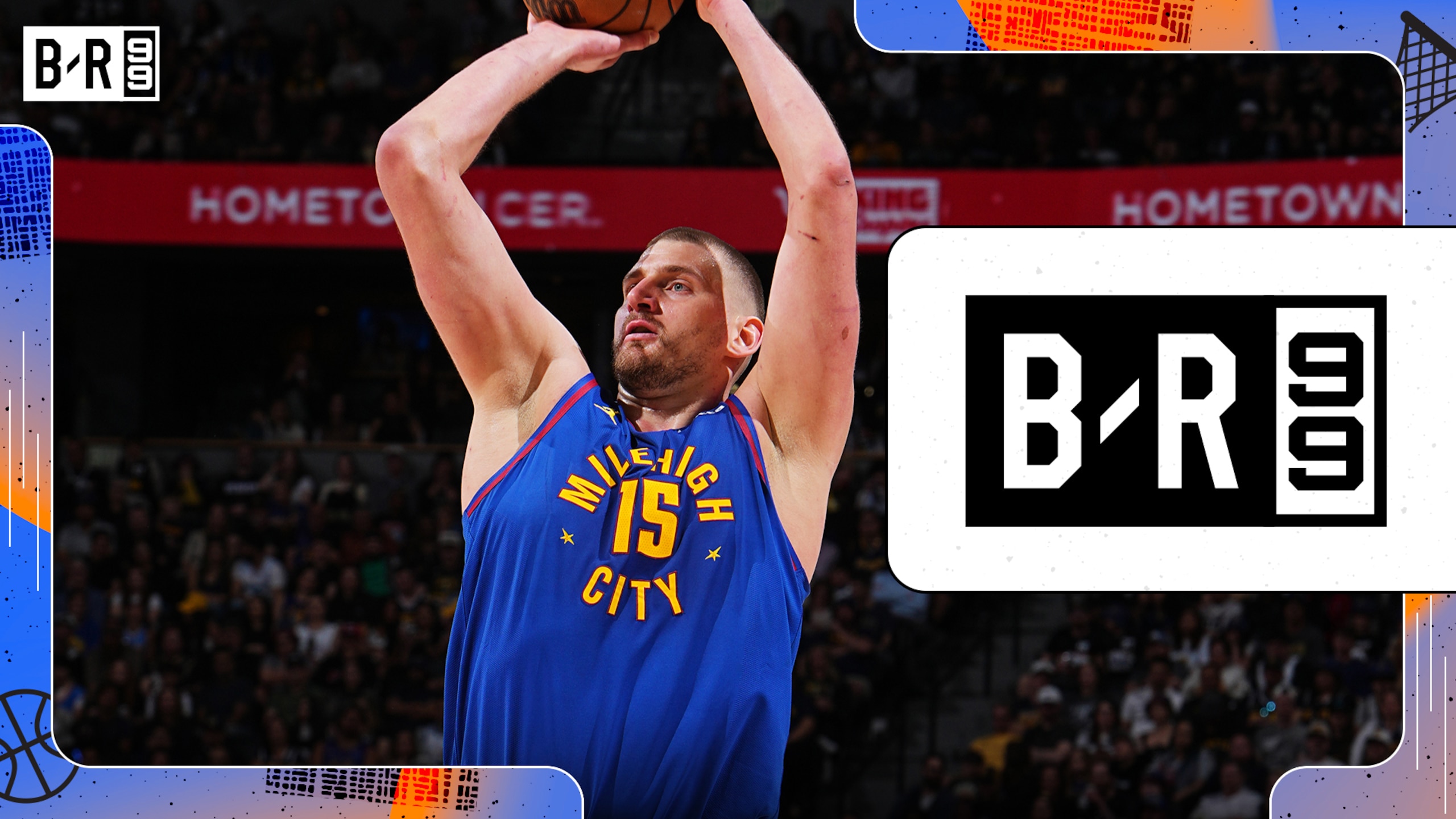
Career Stats: 56.1 FG%, 36.2 3PT%, 1.1 3PM/G, 0.208 3PAr, 82.5 FT%, 64.1 TS%, 59.8 EFG%
Years: 2015-present | Teams: DEN
Era: 3PT revolution
Nikola Jokić is not a three-point marksman (though he is above average from there for his career), but by the numbers, he's one of the very best shooters of all time from the mid-range and the floater zone.
Dating back to the 1996-97 season (as far back as these stats are tracked), Jokić has hit 3,164 shots in the range from three feet from the rim to 16 feet from the rim. That's good for eighth in that time period, but that's not what's remarkable.
For the other 99 players in that top 100, the average field-goal percentage on shots from that range is 43.5. Jokić's is 56.8.
That is a seismic difference, but it's one that may not shock you if you've watched a lot of Denver Nuggets basketball over the years. Whenever Jokić goes into his little runner in the paint or cocks the ball behind his head for a Larry Bird-like delivery from the mid-range, you almost assume it's going to gently fall through the bottom of the net.
High Vote: 19
25. Michael Jordan, G
75 of 99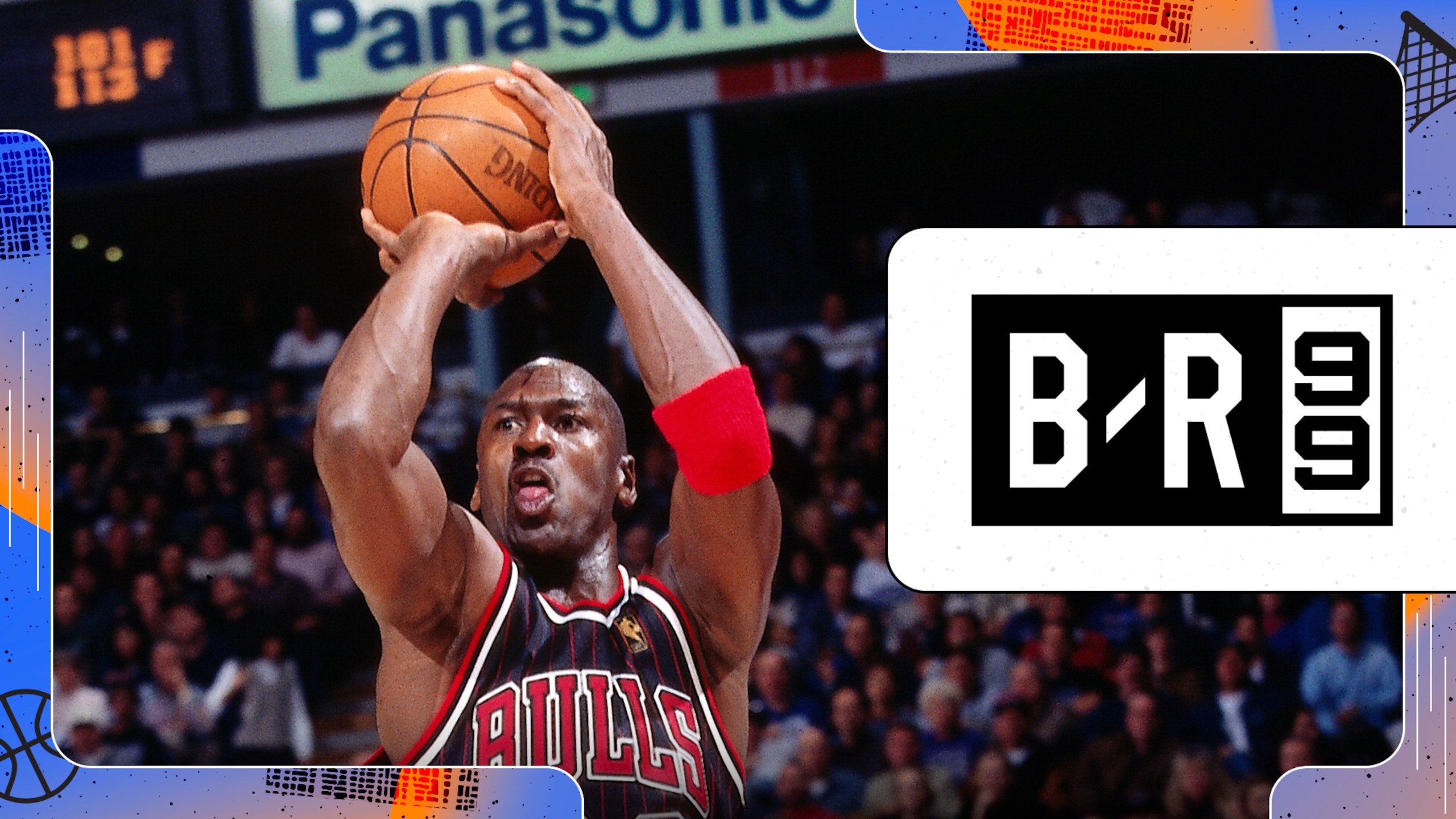
Career Stats: 49.7 FG%, 32.7 3PT%, 0.5 3PM/G, 0.072 3PAr, 83.5 FT%, 56.9 TS%, 50.9 EFG%
Years: 1984-2003 | Teams: CHI, WAS
Era: Early 3PT
Like his spiritual successor (Kobe), Michael Jordan was never known for his prowess as a three-point shooter (though he did shoot 42.7 percent from there in 1995-96 and over 37 percent in two other seasons).
Instead, the reason he's here is his relentlessly effective mid-range abilities.
Jordan is maybe the first name that comes to mind when you think about a fadeaway jumper, because it became such an integral part of his game and was one of the best-looking individual shots of all time.
Jordan is the GOAT for plenty of other reasons, but shooting is definitely part of the equation.
High Vote: 6
24. Allan Houston, G
76 of 99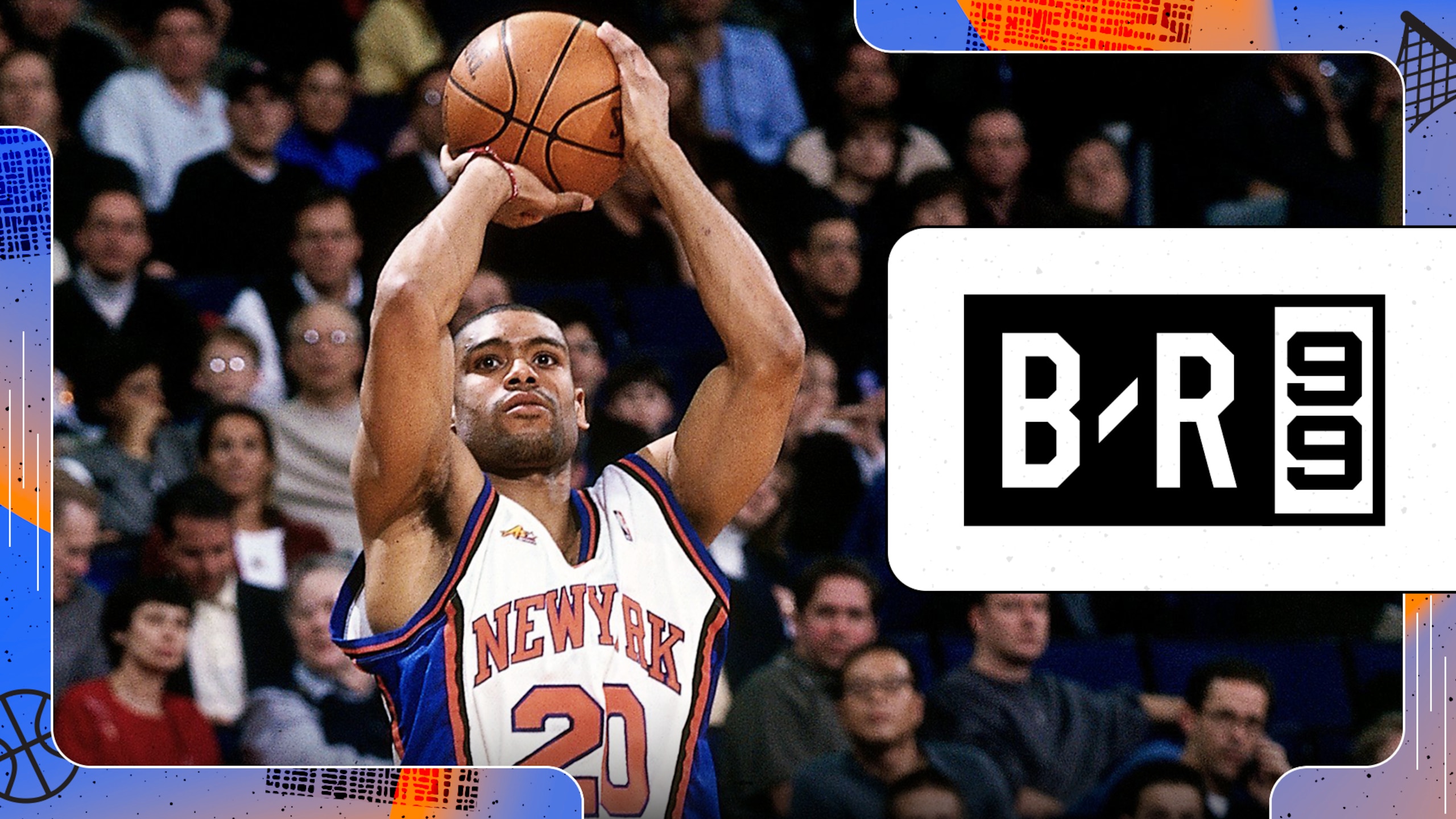
Career Stats: 44.4 FG%, 40.2 3PT%, 1.6 3PM/G, 0.270 3PAr, 86.3 FT%, 54.6 TS%, 49.8 EFG%
Years: 1993-2005 | Teams: DET, NYK
Era: Early 3PT
Allan Houston's jumper is one of those shots that could very easily be the subject of a training video.
The balance, the jump itself, the raising of the ball to the release point and the release itself were all perfectly assembled one on top of the other. And for years, that form was repeated over and over from both the mid-range and from deep.
By the time he was done, Houston had career marks of 17.3 points and 1.6 threes per game, with a 40.2 three-point percentage and a way-above-average effective field-goal percentage.
High Vote: 19
23. Jeff Hornacek, G
77 of 99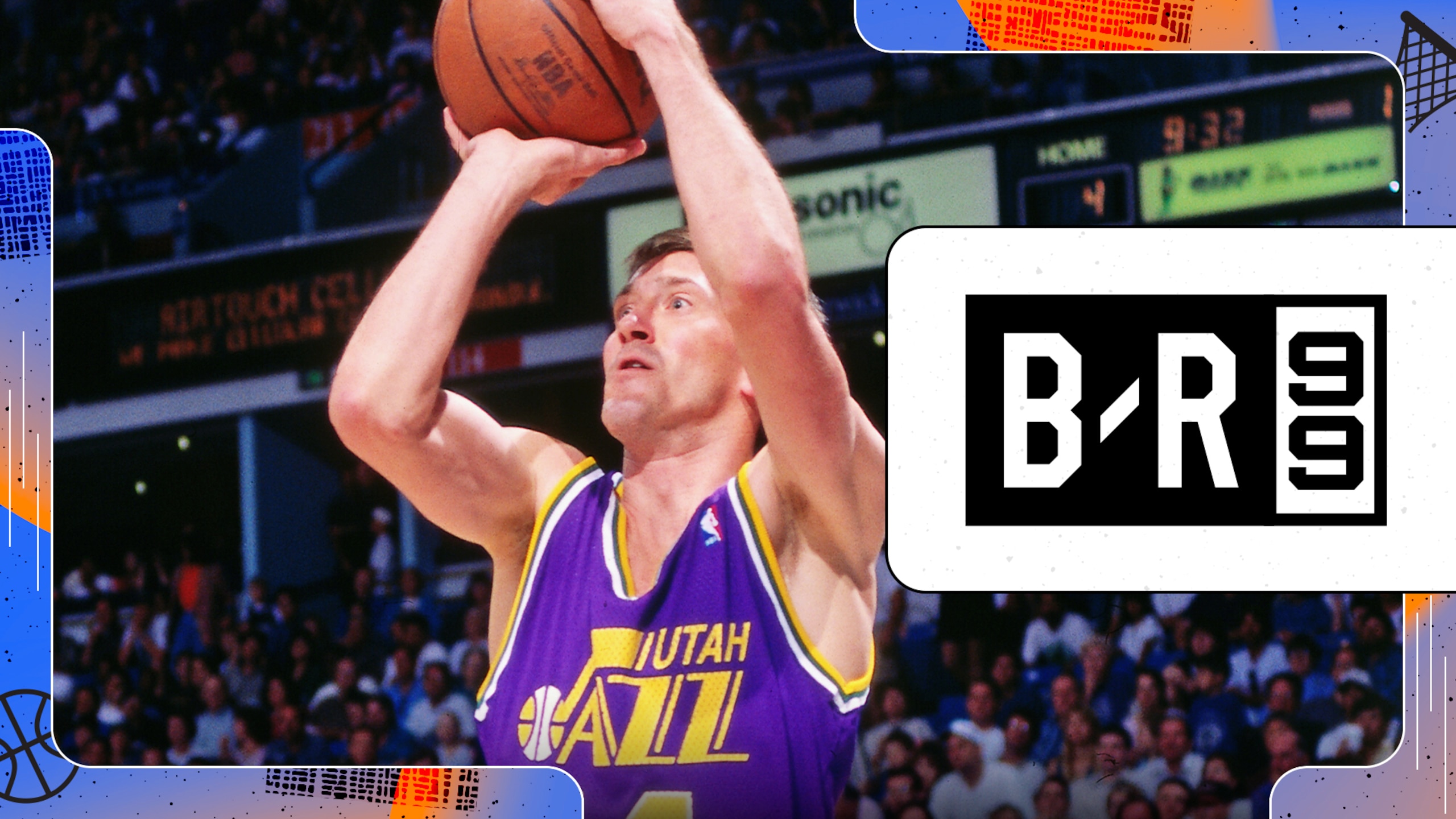
Career Stats: 49.6 FG%, 40.3 3PT%, 0.8 3PM/G, 0.172 3PAr, 87.7 FT%, 58.2 TS%, 53.0 EFG%
Years: 1986-2000 | Teams: PHX, PHI, UTA
Era: Early 3PT
Another 2-guard with a picturesque jump shot, Jeff Hornacek was on a star trajectory before the Phoenix Suns included him in a trade package to get Charles Barkley.
Hornacek made an All-Star team and averaged 20.1 points in his last season in Phoenix. But not long after the Barkley deal, he wound up on the Utah Jazz, where he willingly accepted more of a specialist role. And he thrived in it.
During his six-plus seasons in Utah, Hornacek shot a blistering 42.8 percent from deep and 89.7 percent from the line.
But because it was the 1990s, that three-point percentage wasn't really attached to much volume (he only made 0.9 per game as a member of the Jazz). So, much of his scoring during those years came from the mid-range, where he was similarly precise.
High Vote: 19
22. Chris Paul, G
78 of 99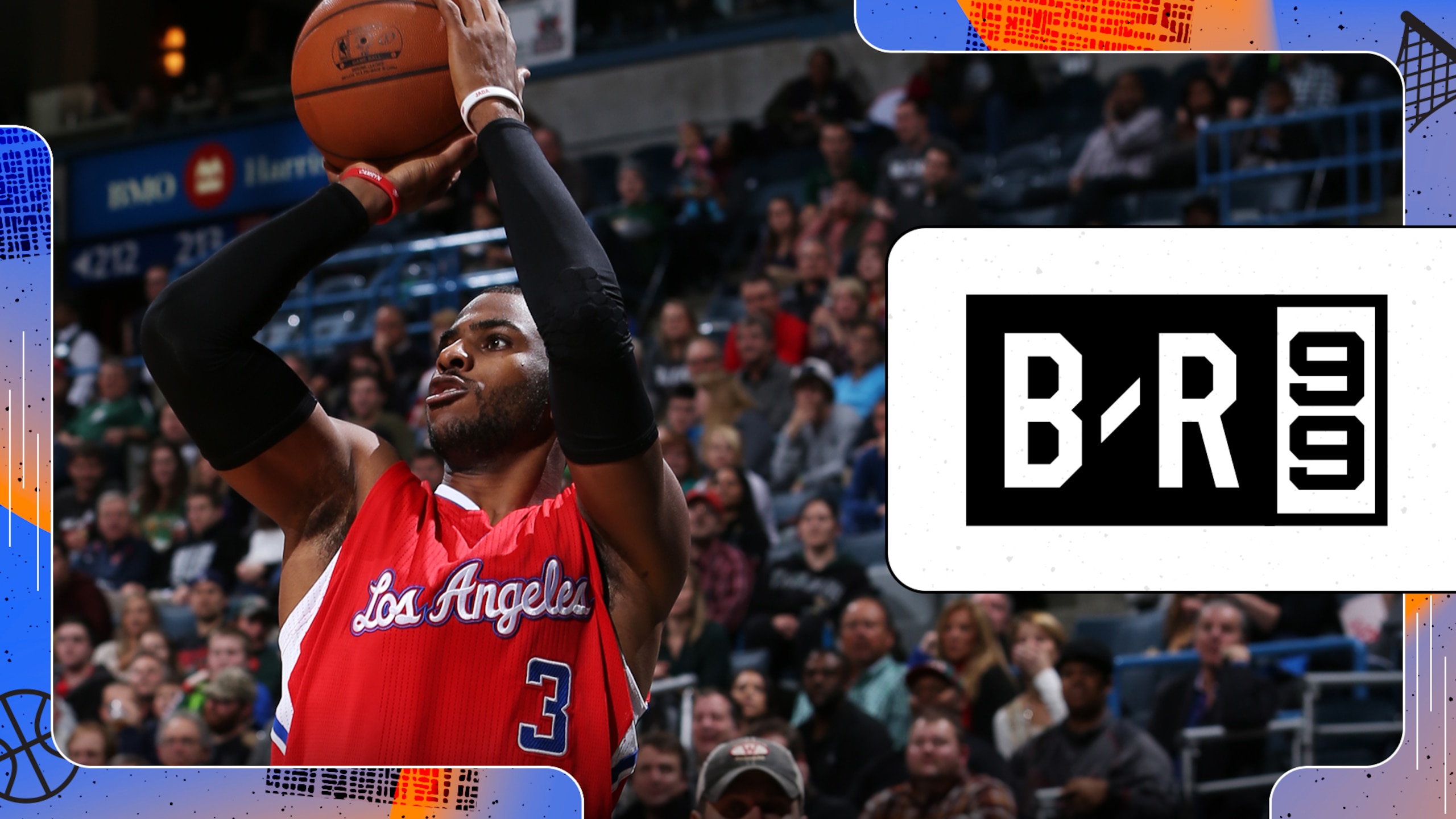
Career Stats: 46.9 FG%, 37.0 3PT%, 1.4 3PM/G, 0.291 3PAr, 87.0 FT%, 58.0 TS%, 52.3 EFG%
Years: 2005-present | Teams: CHA, LAC, HOU, OKC, PHX, GSW, SAS
Era: 3PT expansion
Chris Paul was one of the great mid-range scorers of all time, and he used his jump shooting ability to great effect for setting up his playmaking.
Once CP3 snaked inside the three-point line—or worse yet, inside the paint—defenders didn't dare sag off him for a second. Otherwise, he'd drill the mid-range pull-up. And that respect he commanded often left his teammates wide open in some other part of the floor.
On top of a strong career three-point percentage of 37.0, Paul was one of just eight players from the top 100 cited on Jokić's slide with a field-goal percentage over 49.0 on twos between three feet and 16 feet from the rim.
High Vote: 17
21. Kawhi Leonard, F
79 of 99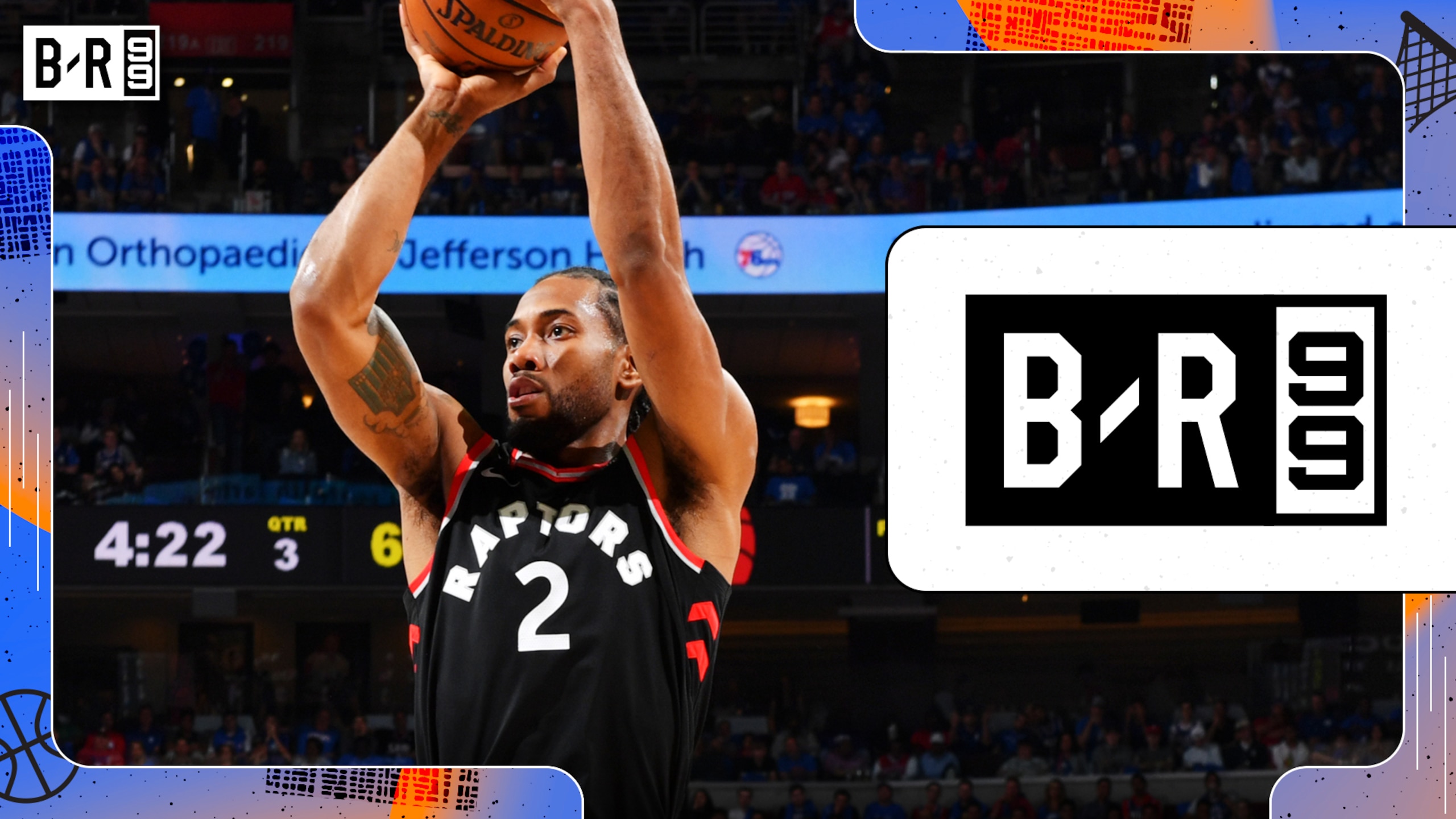
Career Stats: 49.9 FG%, 39.1 3PT%, 1.7 3PM/G, 0.289 3PAr, 86.3 FT%, 60.7 TS%, 55.6 EFG%
Years: 2011-present | Teams: SAS, TOR, LAC
Era: 3PT revolution
Kawhi Leonard is one of the all-time great developmental success stories.
He obviously entered the NBA with some good, easily moldable tools. He was athletic, had good size for a wing and had giant hands that would serve him well on defense.
But he was drafted outside the lottery, in part because of some concerns about the ability to develop a consistent jump shot.
Largely due to legendary shot doctor Chip Engelland, Kawhi did indeed add that shot. And eventually, his offensive game started to look something like MJ with three-point volume.
He's now spent the bulk of his career as a No. 1 option, and over the last 10 years has averaged 24.6 points and shot 39.7 percent from deep.
High Vote: 13
20. James Harden, G
80 of 99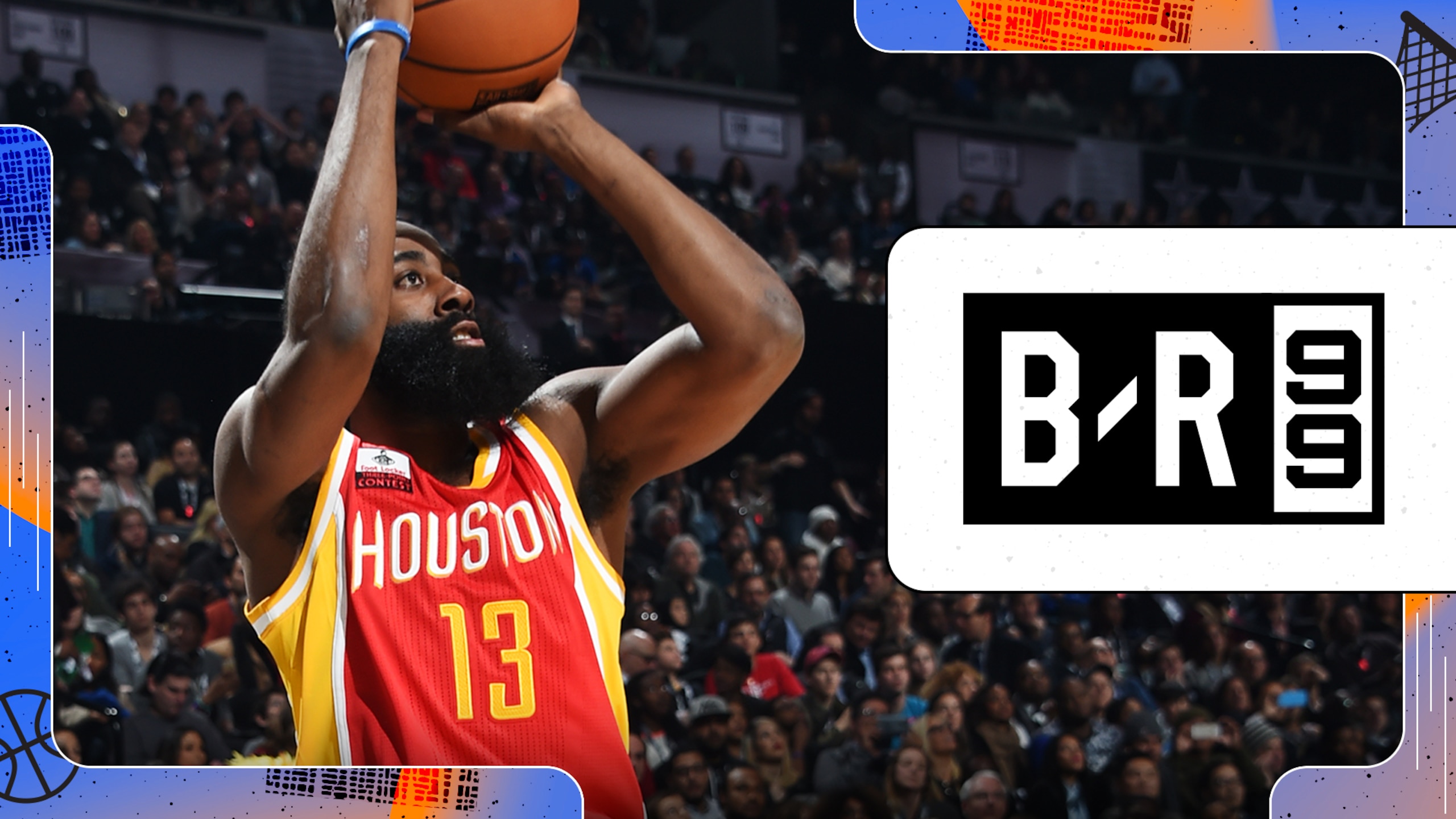
Career Stats: 43.9 FG%, 36.4 3PT%, 2.8 3PM/G, 0.472 3PAr, 86.3 FT%, 60.8 TS%, 52.5 EFG%
Years: 2009-present | Teams: OKC, HOU, BKN, PHI, LAC
Era: 3PT revolution
One of the very best isolation scorers of all time, James Harden popularized a shot few dared to try before him and just about everyone had to add after: the stepback three.
Harden was (and is) a master of manipulating individual defenders out of the pick-and-roll. And if ever he's given a little cushion on the perimeter, he's quickly able to gather himself for a jumper, while flying backward. The move has been a huge part of his shot diet for well over a decade. And again, it's now almost a requirement for guards and wings coming into the league.
With that shot and thousands of others often contested, it's a wonder Harden, for his career, is above average in both three-point percentage and effective field-goal percentage.
High Vote: 7
19. Jerry West, G
81 of 99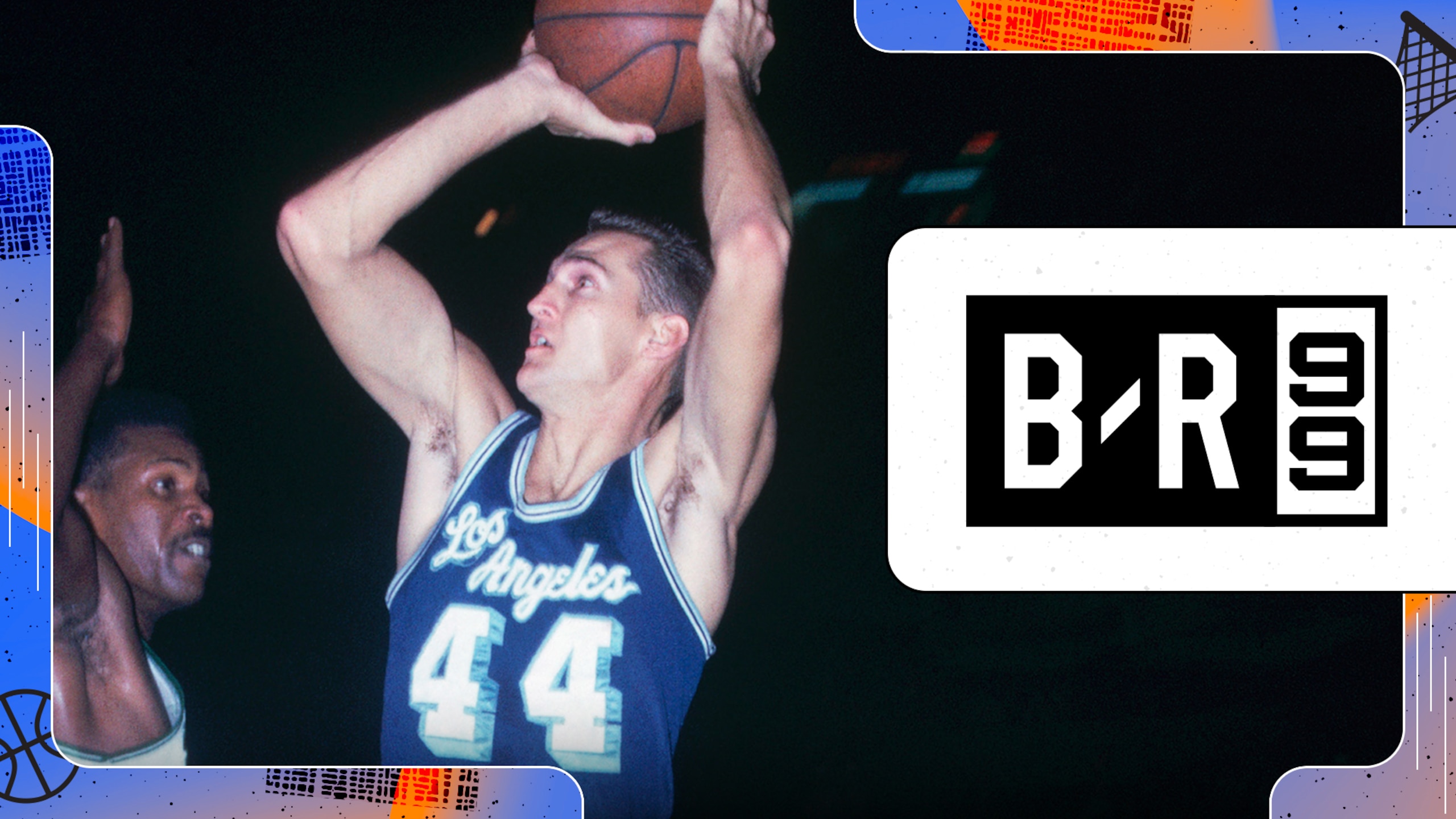
Career Stats: 47.4 FG%, 81.4 FT%, 55.0 TS%, 47.4 EFG%
Years: 1960-1974 | Teams: LAL
Era: Pre-3PT line
Being known as a great shooter prior to the introduction of the three-point line is, in itself, an achievement. And that's undoubtedly what Jerry West was.
His 27.0 career scoring average ranks seventh all time, and his 47.4 field-goal percentage was dramatically better than the marks being put up by his peers.
Add to that the fact that West was one of the most prolific free-throw shooters of his era (and the logo, for crying out loud!), and it's easy to see how he cracked the top 20.
High Vote: 4
18. Chris Mullin, F
82 of 99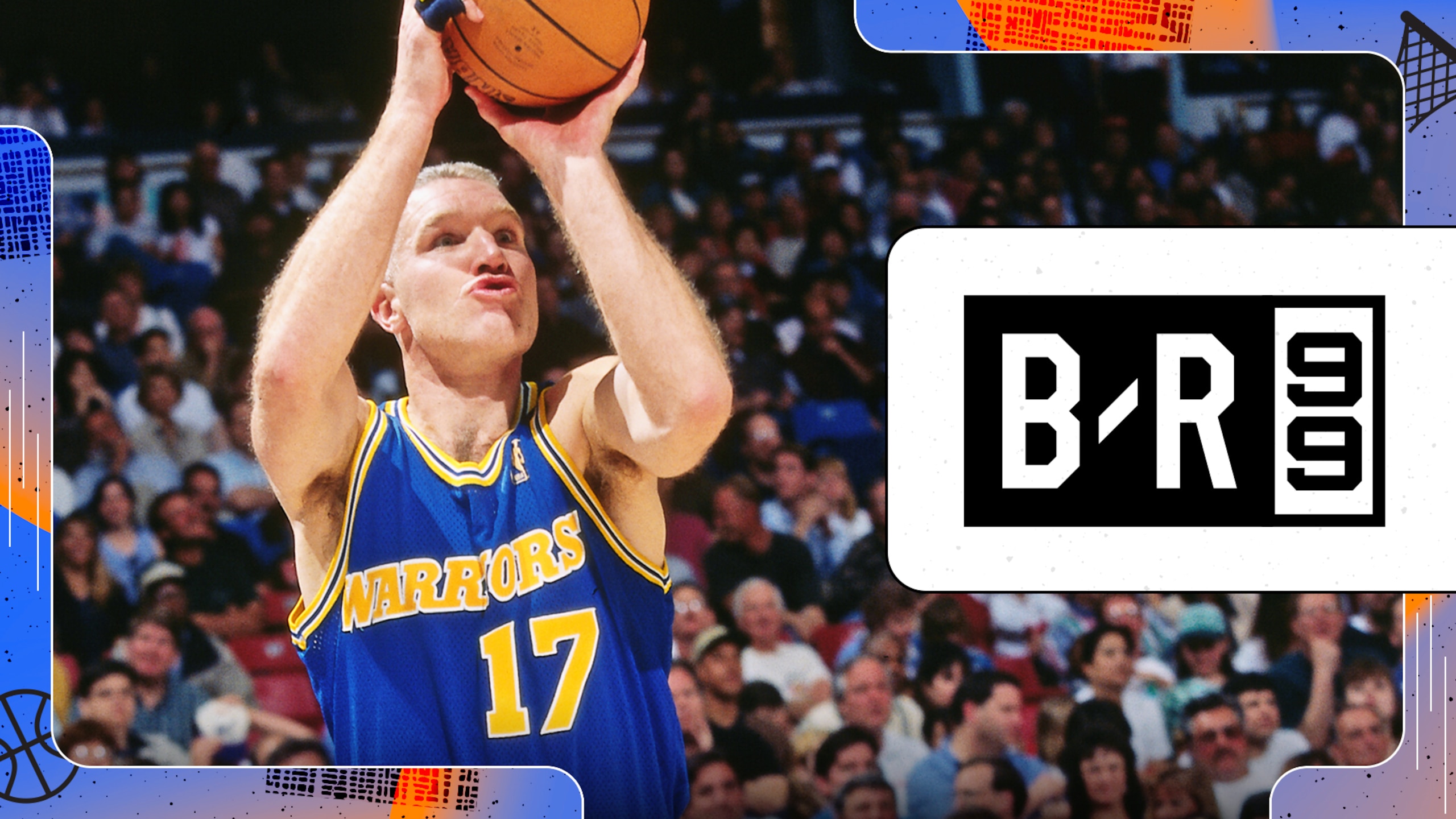
Career Stats: 50.9 FG%, 38.4 3PT%, 0.8 3PM/G, 0.160 3PAr, 86.5 FT%, 59.4 TS%, 54.0 EFG%
Years: 1985-2001 | Teams: GSW, IND
Era: Early 3PT
One of the sweetest-shooting lefties in NBA history, Chris Mullin's career actually got off to a pretty rocky start on the three-point front.
Over the course of his first six seasons, Mullin averaged 21.6 points, but he only shot 31.8 percent from deep. An 88.0 percent free-throw percentage may have forecast the rest of his NBA life, though.
From that point to the end of his 16th and final season, Mullin's scoring average dipped to 15.4, but his three-point percentage skyrocketed to 41.4.
He willingly accepted a lesser role, focused a little more on his outlier skill and made himself a helpful player for close to a decade after his No. 1 option days were over (Mullin averaged 25.8 points from 1988-89 through 1992-93).
High Vote: 10
17. Dražen Petrović, G
83 of 99
Career Stats: 50.6 FG%, 43.7 3PT%, 0.9 3PM/G, 0.173 3PAr, 84.1 FT%, 58.9 TS%, 54.4 EFG%
Years: 1989-1993 | Teams: POR, BKN
Era: Early 3PT
Decades before Dončić and Jokić, Croatian sharpshooter Dražen Petrović gave us a glimpse of what the NBA's future would look like for four short years from 1989-90 through 1992-93.
Petrović shot at least 44.0 percent from deep in three of his four NBA campaigns. He averaged over 20 points in each of the last two. And the bulk of his makes were two-pointers, many of which came from the mid-range.
In a league overflowing with athleticism, Petrović showed you can dominate with skill. And he absolutely would've done it for longer had his career and life not been cut short by a tragic car accident.
Still, his influence remains in the infusion of European talent into the NBA over the last several years.
High Vote: 9
16. Glen Rice, F
84 of 99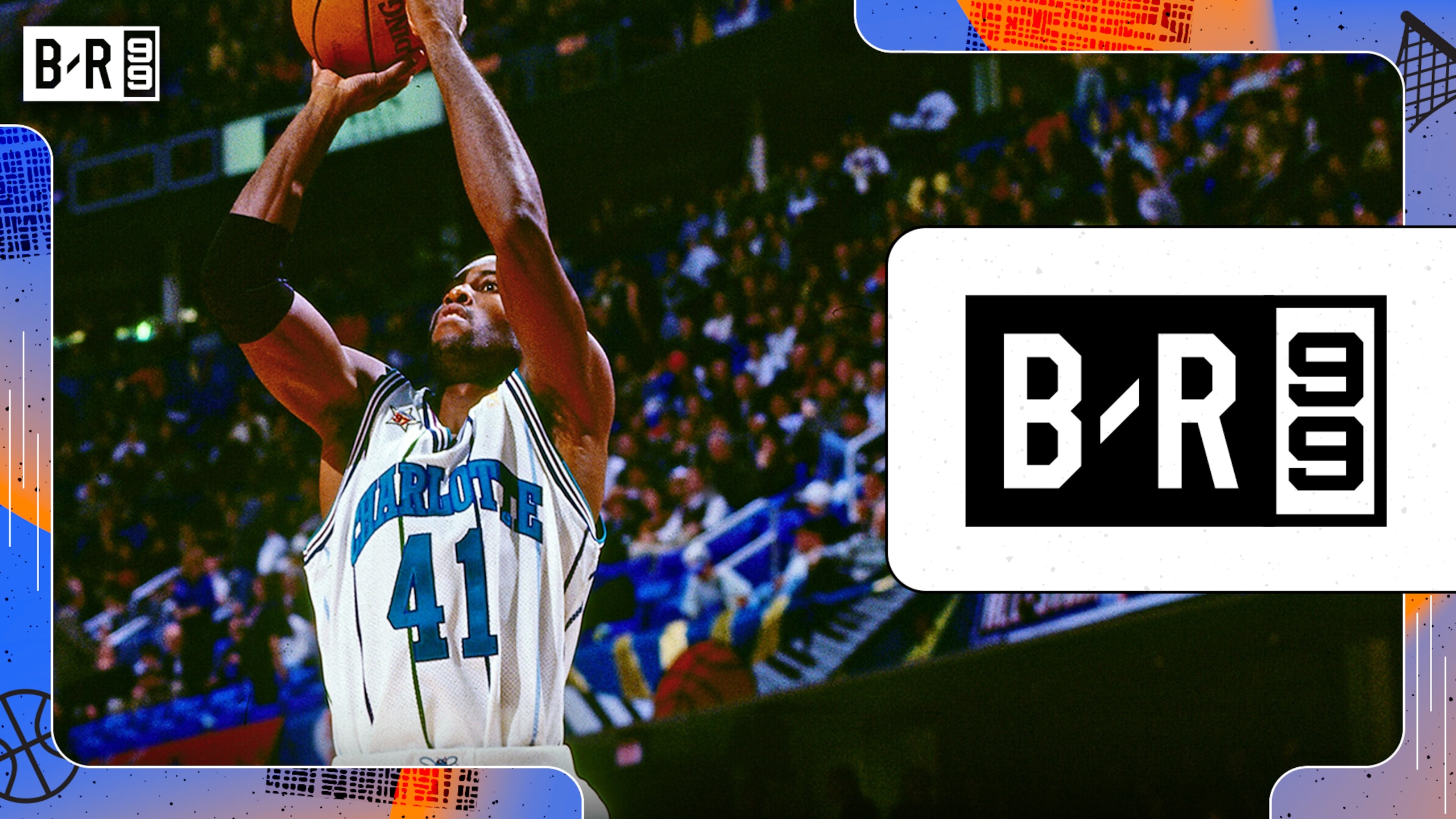
Career Stats: 45.6 FG%, 40.0 3PT%, 1.6 3PM/G, 0.262 3PAr, 84.6 FT%, 55.4 TS%, 50.8 EFG%
Years: 1989-2004 | Teams: MIA, CHA, LAL, NYK, HOU, LAC
Era: Early 3PT
Glen Rice is another name that surely comes to mind when asked about compact, textbook jump shooting forms.
For a decade and a half with six different teams (most notably, the Miami Heat, Charlotte Hornets and Los Angeles Lakers, where he won a title), Rice was a near-automatic shooter from the mid-range and from deep.
And for a big stretch in the middle of his career, he did it while also carrying a pretty hefty offensive load.
From 1991-92 through 1998-99, Rice averaged 22.0 points and 2.0 threes, while shooting 41.3 percent from deep.
High Vote: 13
15. JJ Redick, G
85 of 99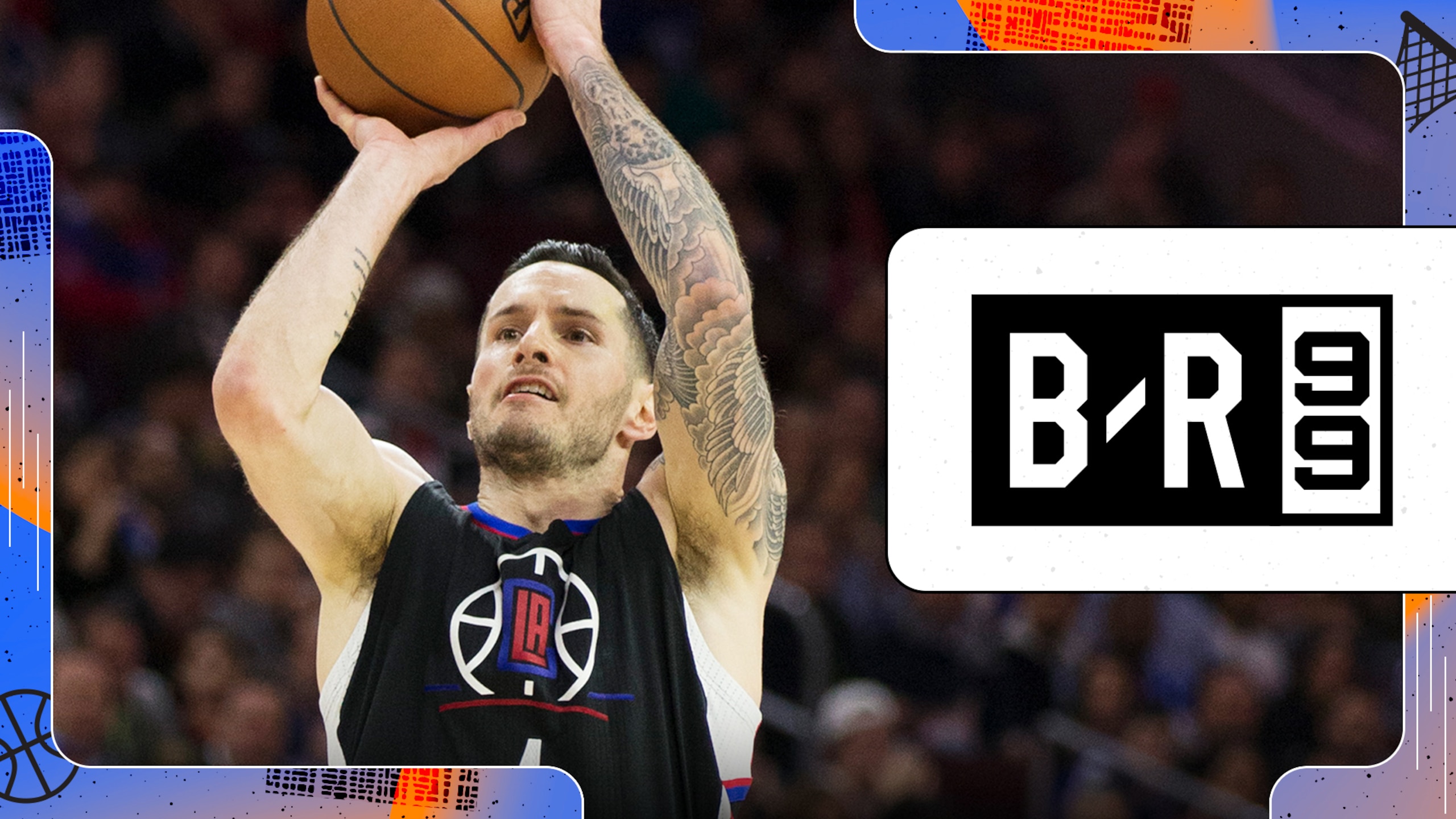
Career Stats: 44.7 FG%, 41.5 3PT%, 2.1 3PM/G, 0.524 3PAr, 89.2 FT%, 60.2 TS%, 55.5 EFG%
Years: 2006-2021 | Teams: ORL, MIL, LAC, PHI, NOP, DAL
Era: 3PT expansion
One of the great movement catch-and-shoot threats in NBA history, JJ Redick is another specialist who took a few years to catch on in the NBA.
In his first three seasons, he only appeared in 140 games and averaged just 14.4 minutes.
Redick eventually found his way into Stan Van Gundy's good graces, but his career didn't truly take off till Doc Rivers got ahold of him.
With the Los Angeles Clippers, Redick was used as the gravity-shifting, off-ball moving floor spacer that made it nearly impossible to crowd pick-and-rolls between Chris Paul and Blake Griffin. And Redick thrived in that role.
From that point of his career to the end, Redick averaged 15.5 points and 2.6 threes, while shooting 42.7 percent from deep.
High Vote: 8
14. Mark Price, G
86 of 99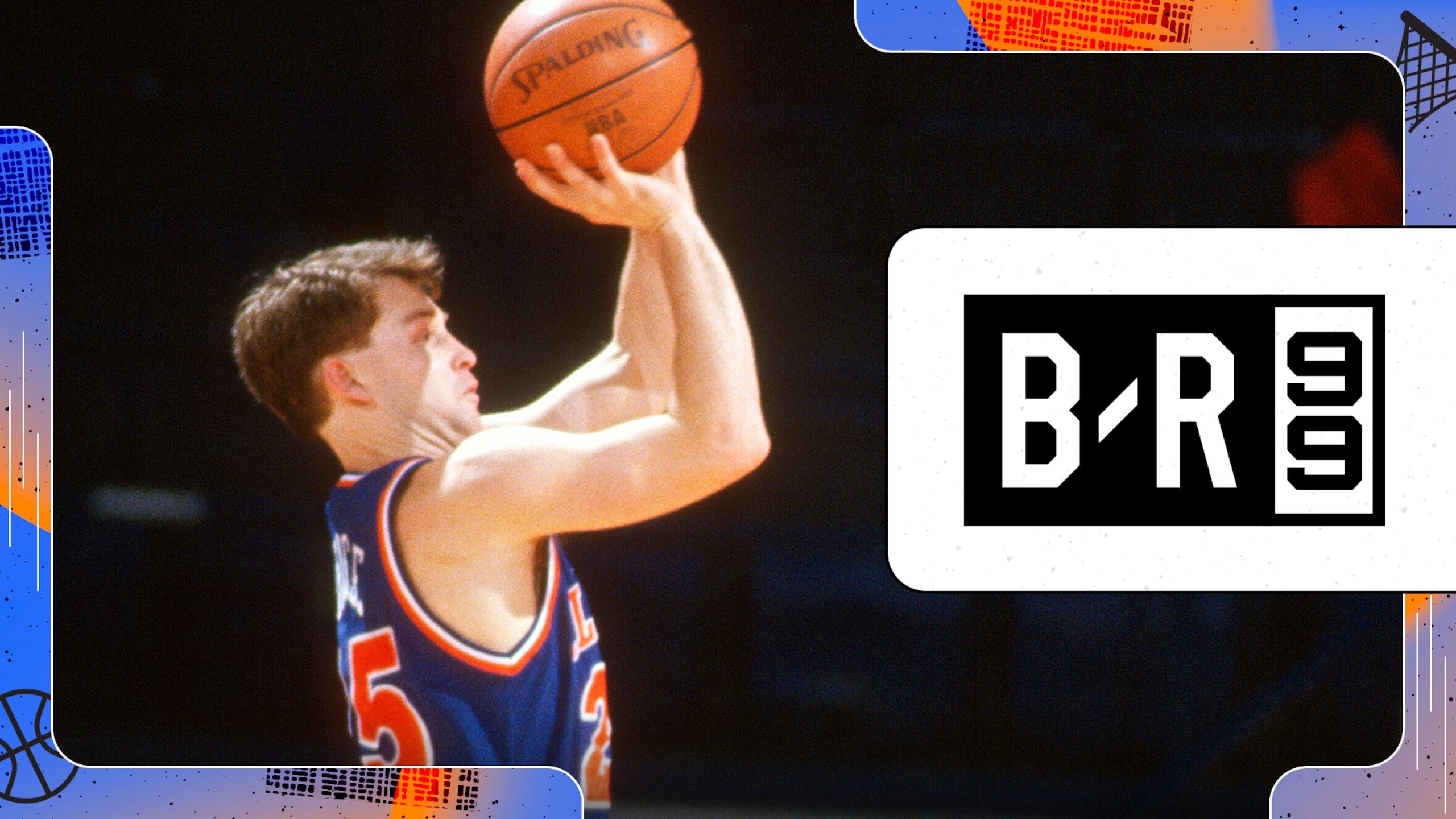
Career Stats: 47.2 FG%, 40.2 3PT%, 1.4 3PM/G, 0.291 3PAr, 90.4 FT%, 58.6 TS%, 53.0 EFG%
Years: 1986-1998 | Teams: CLE, WSB, GSW, ORL
Era: Early 3PT
Mark Price was a four-time All-Star and four-time All-NBA selection. He also finished top 10 in MVP voting four times. In two of the seasons he didn't earn any accolades, he averaged 19.1 points and 9.3 assists.
He was one of the steadier and more reliable playmakers of his era. And yet, among today's fans, he's likely known more for his shooting than anything else. That's how good he was at that particular skill.
Like others from the 1980s, it took Price some time to embrace the three-pointer, but he averaged at least one make per game in nine consecutive seasons from 1988-89 through 1996-97. And he's third all time on the career free-throw percentage leaderboard in part because he led the league in that category three separate times.
High Vote: 7
13. Steve Kerr, G
87 of 99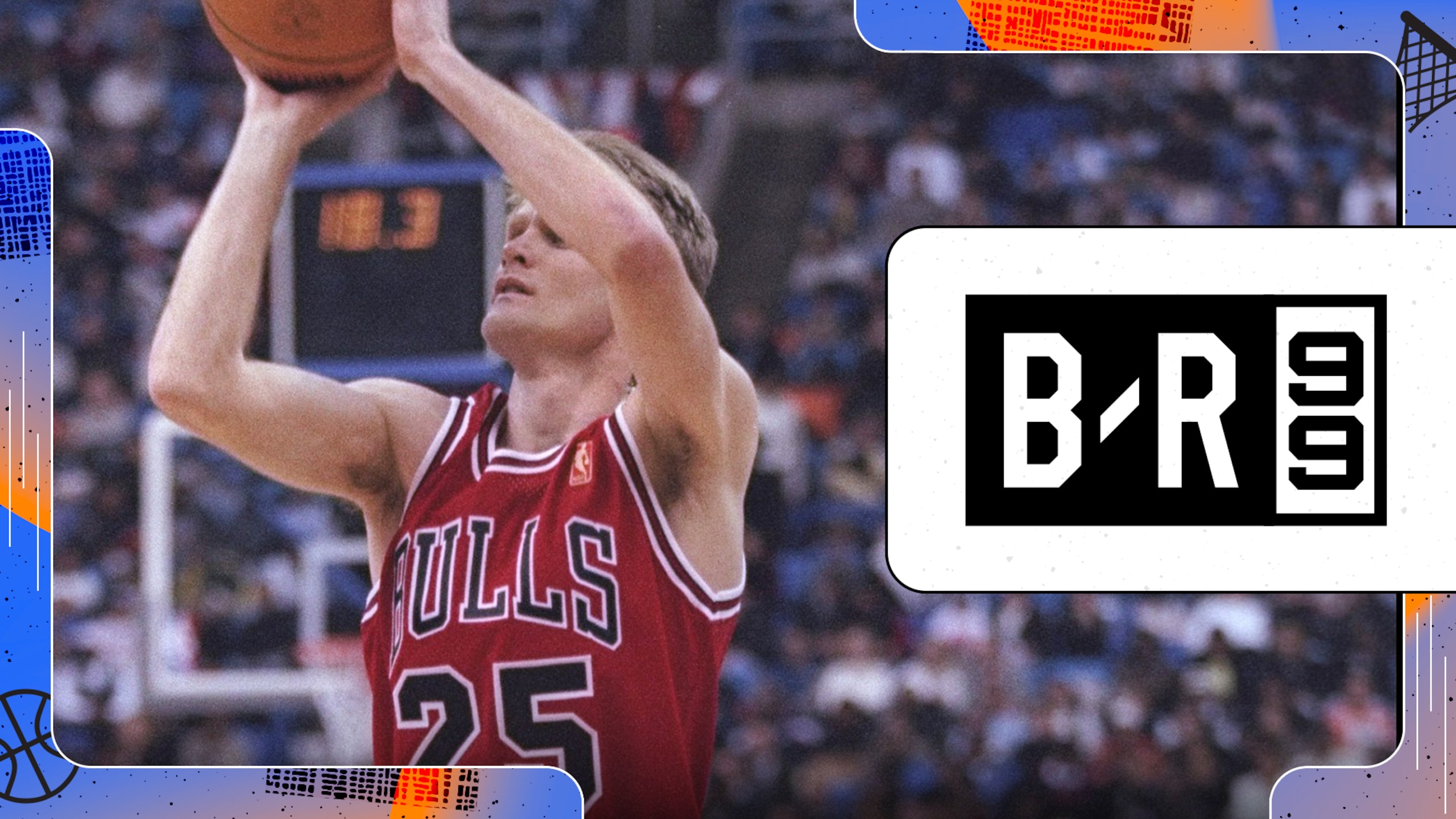
Career Stats: 47.9 FG%, 45.4 3PT%, 0.8 3PM/G, 0.375 3PAr, 86.4 FT%, 59.3 TS%, 56.4 EFG%
Years: 1988-2003 | Teams: PHX, CLE, ORL, CHI, SAS, POR
Era: Early 3PT
Perhaps the ultimate specialist on this list, Steve Kerr finished his career with averages of 1.8 assists, 1.2 rebounds, 0.5 steals and 0.1 blocks.
Of course, those might all look better with more playing time (he only averaged 17.8 minutes), but the point is that Kerr quickly zeroed in on what he did best and provided it at a high level for many years.
To this day, he's the all-time leader in career three-point percentage and had seven different seasons in which he shot at least 88 percent from the free-throw line.
High Vote: 11
12. Kyrie Irving, G
88 of 99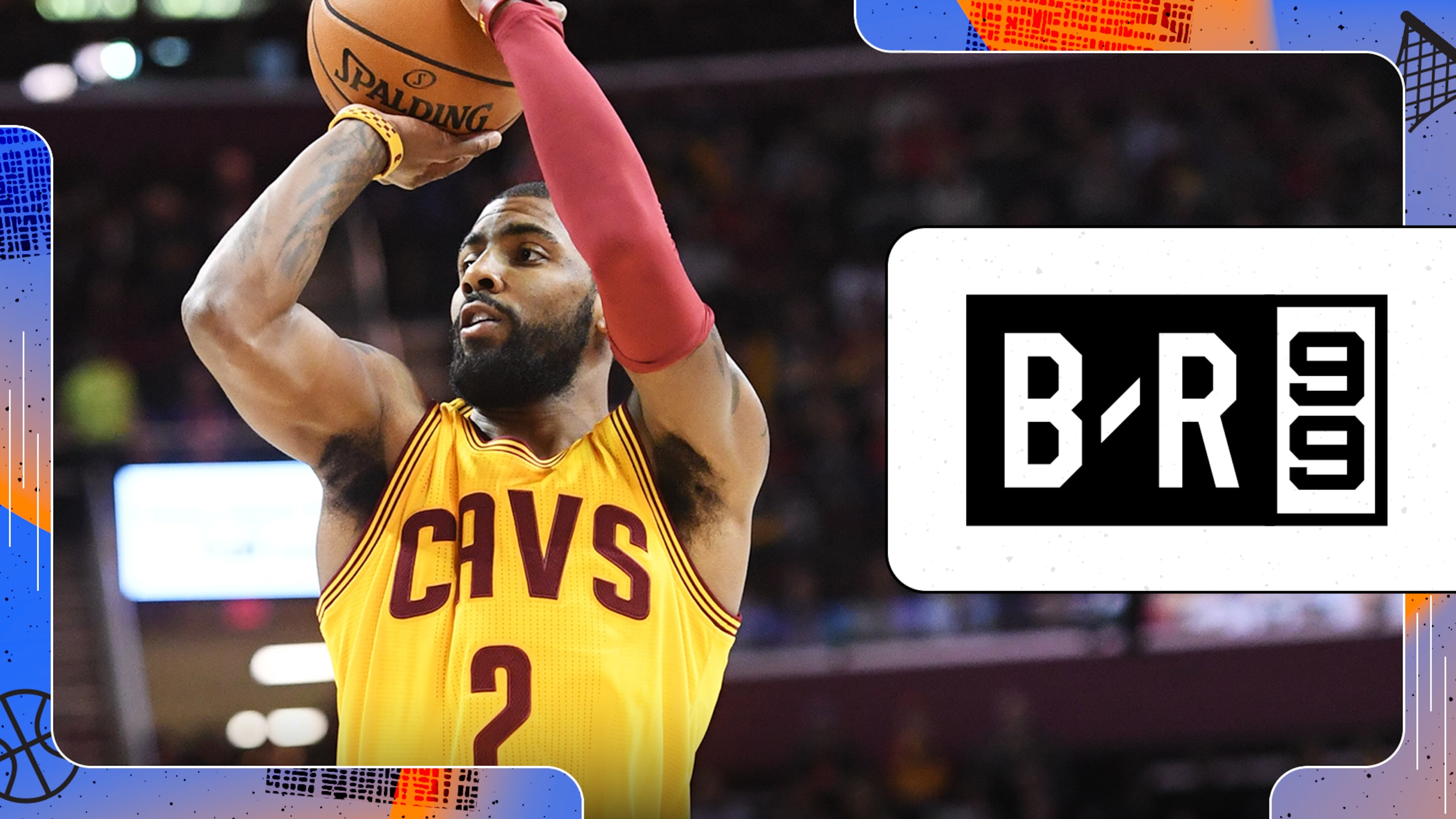
Career Stats: 47.4 FG%, 39.4 3PT%, 2.4 3PM/G, 0.333 3PAr, 88.8 FT%, 58.4 TS%, 54.0 EFG%
Years: 2011-present | Teams: CLE, BOS, BKN, DAL
Era: 3PT revolution
Modern NBA fans likely know Kyrie Irving as much for his ball-handling and circus-like finishes around the rim as anything else.
And honestly, that only serves to make the jump shooting even more impressive.
So many of the makes over the course of his career were immediately preceded by a mesmerizing array of dribble moves.
Crossovers, spins, counters on counters on counters. Few players across history could string together what Irving does with the ball and then finish it with a picture-perfect jump shot from the mid-range or from deep.
High Vote: 8
11. Peja Stojaković, F
89 of 99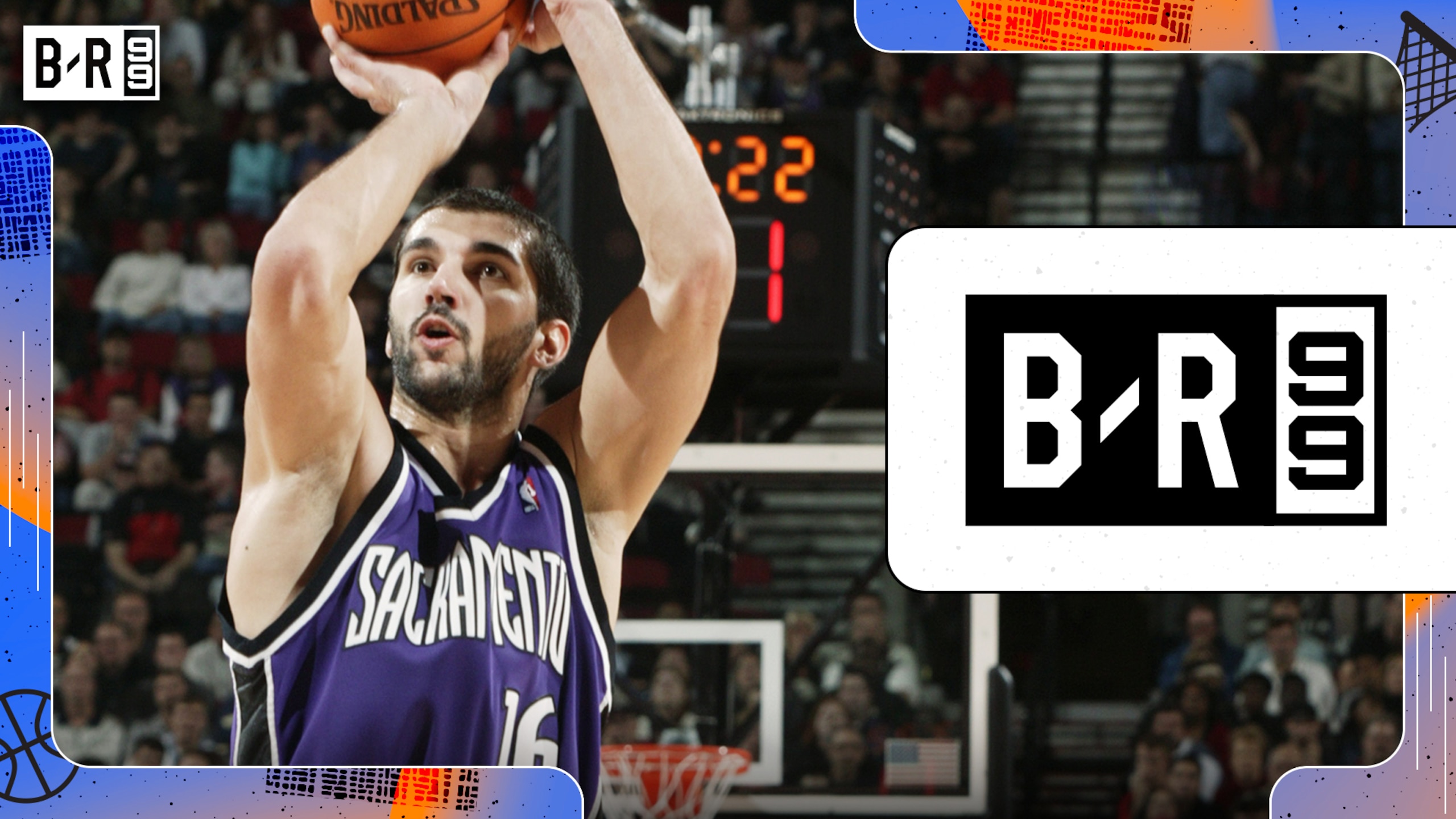
Career Stats: 45.0 FG%, 40.1 3PT%, 2.2 3PM/G, 0.410 3PAr, 89.5 FT%, 57.7 TS%, 53.2 EFG%
Years: 1998-2011 | Teams: SAC, IND, CHA, TOR, DAL
Era: 3PT expansion
Less than a decade after the world lost Petrović, Europe gifted us another laser-precise outside shooter in Peja Stojaković. This time, he came with a 6'10" frame.
With his height and a unique, slightly askew windup that resulted in a way-above-the-head release, Peja was another shooter who was nearly unguardable.
He was also a nightmare to follow off the ball. Peja could catch-and-shoot with lethal accuracy from any direction. And the time from catch to release was minuscule.
Stojaković's shooting was so dangerous that in 2003-04, with averages of 6.3 rebounds and 2.1 assists, he still finished fourth in MVP voting and no one batted an eye.
His impact, and particularly the impact of his primary skill, was that important to winning.
High Vote: 7
10. Kyle Korver, G/F
90 of 99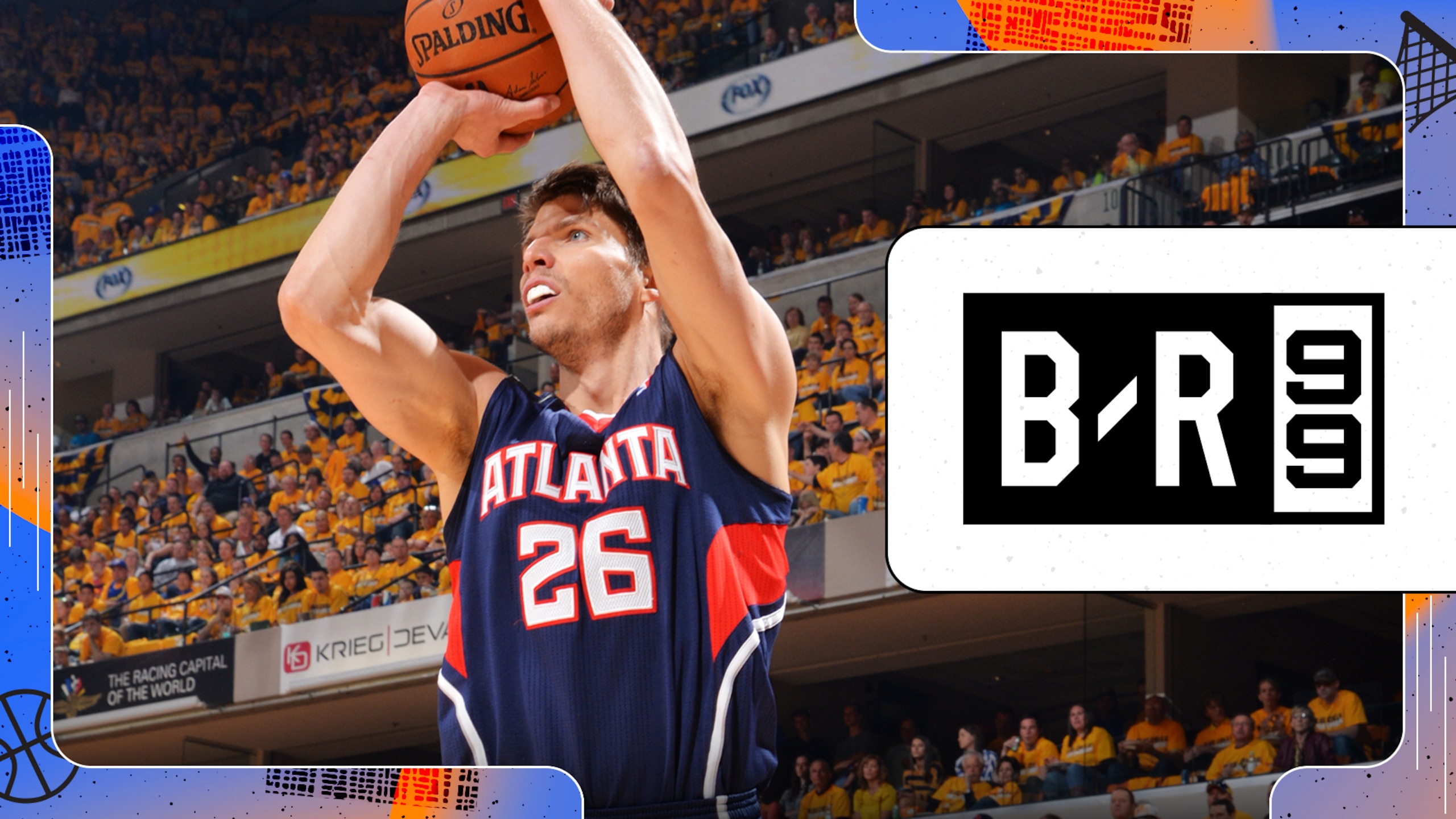
Career Stats: 44.2 FG%, 42.9 3PT%, 2.0 3PM/G, 0.616 3PAr, 87.7 FT%, 60.2 TS%, 57.4 EFG%
Years: 2003-2020 | Teams: PHI, UTA, CHI, ATL, CLE, MIL
Era: 3PT expansion
Kyle Korver was the predecessor who made life in the NBA possible (or at least a lot more likely) for specialists like Joe Harris and Duncan Robinson.
His off-ball movement and the way that coaches (especially Mike Budenholzer) used him to bend defenses made Korver one of the more valuable players of the 2000s and 2010s, despite finishing with a career scoring average of just 9.7.
From 2009-10 through 2014-15 alone, he shot 46.3 percent from deep and led the league in that category three times (including when he shot 53.6 percent in 2009-10).
In the same stretch, his teams were plus-7.3 points per 100 possessions with Korver on the floor and plus-0.1 with him off.
High Vote: 8
9. Damian Lillard, G
91 of 99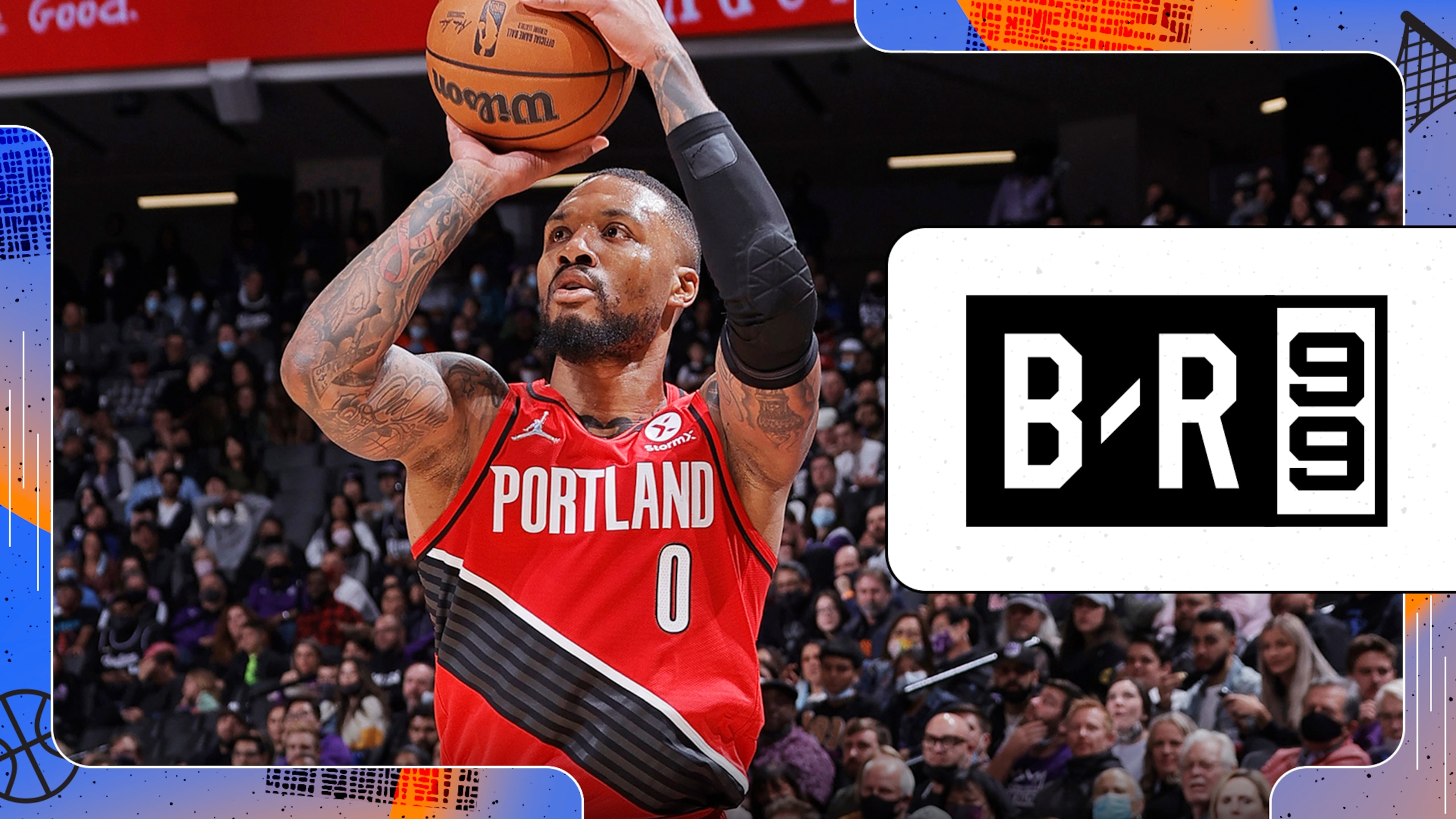
Career Stats: 43.9 FG%, 37.1 3PT%, 3.1 3PM/G, 0.456 3PAr, 89.9 FT%, 59.0 TS%, 52.3 EFG%
Years: 2012-present | Teams: POR, MIL
Era: 3PT revolution
Damian Lillard combines so many elements of what's already been discussed in this project.
His arsenal of dribble pull-up moves is deep and varied. His release is lightning quick. He's taken (and made) scores of tightly contested threes and mid-range jumpers. He's willing to launch from several feet behind the three-point line. And he's long had a knack for connecting on jumpers in critical moments.
The last note is how he earned the "Dame Time" nickname. When you have one possession left, he's one of the most obvious answers to the classic "who do you want taking the last shot?" question. And he's come through in that very situation multiple times.
High Vote: 3
8. Dirk Nowitzki, F
92 of 99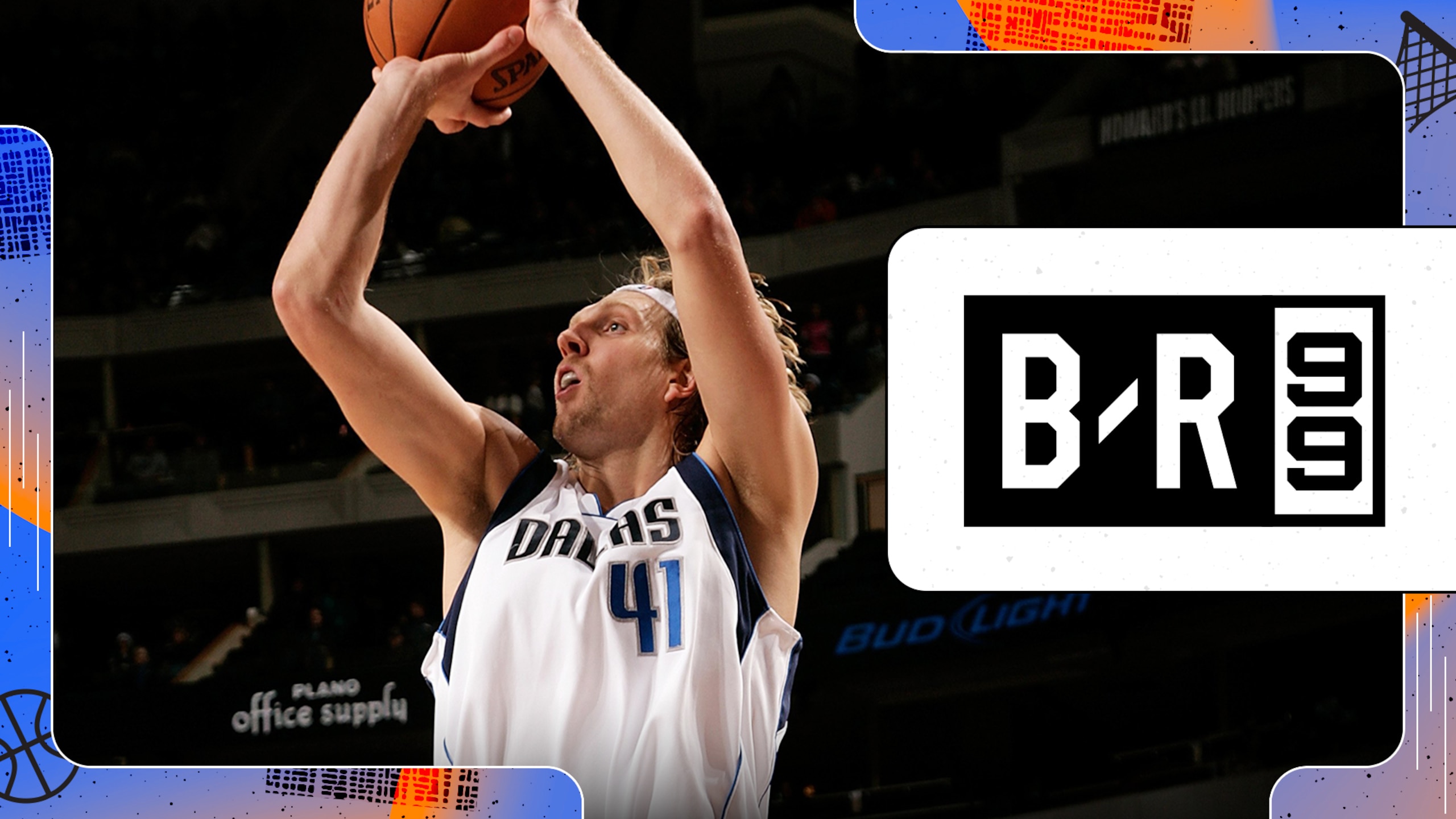
Career Stats: 47.1 FG%, 38.0 3PT%, 1.3 3PM/G, 0.220 3PAr, 87.9 FT%, 57.7 TS%, 51.2 EFG%
Years: 1998-2019 | Teams: DAL
Era: 3PT expansion
Dirk Nowitzki is a legitimate revolutionary. And his jump shot is maybe the biggest reason why.
From the start of the three-point era through the NBA's final pre-Dirk season, 6'10"-plus players averaged just 0.3 three-point attempts per 36 minutes. From the start of Dirk's career to today (and without even counting Dirk's numbers), 6'10"-plus players are averaging 1.6 three-point attempts per 36 minutes.
Nowitzki showed the world that big men can indeed shoot. He also showed how dangerous it can be to have a shooting big in your lineup. For years after he broke out, front offices chased the next great stretch big in the draft. And to this day, no one's really found someone on Dirk's level.
Nowitzki is still the all-time leader in career threes from a seven-footer. And during his 21 seasons, he hit a whopping 7,034 twos from three feet and out. The second-highest total in that span from any player, regardless of height, is Kobe's 6,050.
High Vote: 4
7. Steve Nash, G
93 of 99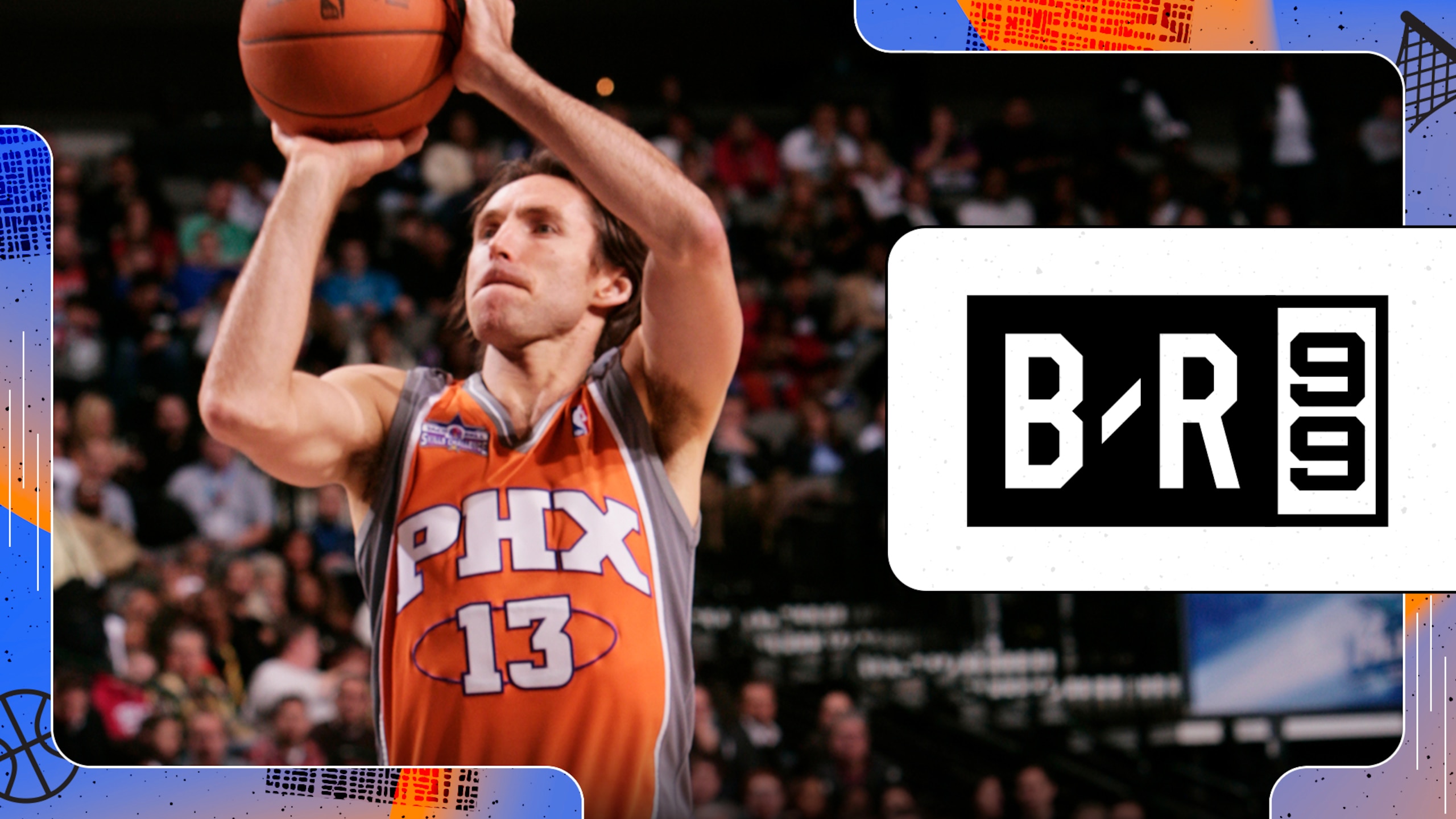
Career Stats: 49.0 FG%, 42.8 3PT%, 1.4 3PM/G, 0.306 3PAr, 90.4 FT%, 60.5 TS%, 55.6 EFG%
Years: 1996-2014 | Teams: PHX, DAL, LAL
Era: 3PT expansion
Dirk and Steve Nash once being teammates makes it pretty easy to understand how those Dallas Mavericks teams posted some of the best relative offensive ratings of all time.
As good a jump shooter as Dirk was, he might not have even been the best on his own team during this duo's years together.
While the big man's form was a little unusual, with his wide base and little flick above his head, Nash's was about as close to textbook as jumpers get.
And it wasn't mechanical either. There was a smoothness to the entire process with Nash, from catch (or pull-up), to load-up to release. And it looked the same, regardless of where he was on the floor or who was near him.
To this day, Nash is likely best known for his passing and gaudy assist numbers, but those wouldn't have been possible without the way he forced defenses to respect his jump shot.
High Vote: 2
6. Larry Bird, F
94 of 99
Career Stats: 49.6 FG%, 37.6 3PT%, 0.7 3PM/G, 0.100 3PAr, 88.6 FT%, 56.4 TS%, 51.4 EFG%
Years: 1979-1992 | Teams: BOS
Era: Early 3PT
The three-point shot entered the NBA the same year Larry Bird did. And he was a little hesitant to use it. During his first five seasons, while he was certainly doing plenty of damage as a mid-range shooter, Bird averaged just 1.1 three-point attempts per game and shot 30.8 percent from deep.
But from that point to the end of his career, Bird was one of the most feared shooters in the world from any range.
Over his last eight years in the NBA, Bird took 2.6 three-point attempts per game and shot 39.8 percent from deep.
Those shooting numbers, in that era, from a No. 1 option facing No. 1 option defense, established Bird as one of the best shooters the NBA has ever seen.
And he's another deadeye who did it with a fairly unusual shot. Bird held the ball a little further to the side than most shooters and released it from almost behind his head (like Jokić), but it clearly didn't hurt his ability to knock them down.
High Vote: 2
5. Klay Thompson, G
95 of 99
Career Stats: 44.8 FG%, 40.9 3PT%, 3.1 3PM/G, 0.493 3PAr, 85.8 FT%, 57.1 TS%, 54.8 EFG%
Years: 2011-present | Teams: GSW, DAL
Era: 3PT revolution
At the peak of his powers, Klay Thompson looked and played like a machine carefully calibrated to hit jump shots, particularly three-pointers.
Regardless of which direction he came from, where the pass was delivered or whether a defender was in his face, the entire process of Klay's shot looked identical, time after time after time.
And his picture-perfect form, paired with relentless off-ball movement, made him the second-best and second-most prolific floor spacer of his era.
For his career, Thompson has a whopping nine seasons with at least three threes per game and a 38-plus three-point percentage. There's only one player in league history with more such seasons (you can probably guess who) and the next in line after Klay is Paul George, with five.
High Vote: 2
4. Kevin Durant, F
96 of 99
Career Stats: 50.3 FG%, 39.2 3PT%, 2.0 3PM/G, 0.271 3PAr, 88.2 FT%, 62.2 TS%, 55.6 EFG%
Years: 2007-present | Teams: SEA, OKC, GSW, BKN, PHX, HOU
Era: 3PT revolution
He wasn't close to as prolific a three-point shooter as Klay, who many fans likely have in the top four, but Kevin Durant more than made up for that by being perhaps the best mid-range scorer ever (and still lighting it up from three, too).
During the course of his career, Durant trails only DeMar DeRozan (who converted on a comfortably lower percentage) in twos made from three feet and out. And he's also averaged 2.0 threes while shooting 39.2 percent from deep and 88.2 percent from the free-throw line.
Even if you don't consider dunks and layups, the 6'11" Durant may be the single best example of a three-level scorer we've ever seen.
High Vote: 3
3. Ray Allen, G
97 of 99
Career Stats: 45.2 FG%, 40.0 3PT%, 2.3 3PM/G, 0.392 3PAr, 89.4 FT%, 58.0 TS%, 53.0 EFG%
Years: 1996-2014 | Teams: MIL, SEA, BOS, MIA
Era: 3PT expansion
Ray Allen was more than just a shooter. His slashing, passing and ball-handling were all underrated aspects of his game.
But that's obviously not why we're here.
Allen represents one of the game's best marriages between three-point specialism and an alpha mentality.
Allen averaged at least 20 points in each of eight consecutive seasons from 1999-00 through 2006-07. And in the same stretch, he shot 40.2 percent from deep.
His role was a little smaller before and after that run, but he was still stacking up threes at a rate no one else of his era was.
By the time he retired in 2013-14, Allen was the all-time leader in threes made. And Curry didn't break his record till 2021-22.
High Vote: 2
2. Reggie Miller, G
98 of 99
Career Stats: 47.1 FG%, 39.5 3PT%, 1.8 3PM/G, 0.371 3PAr, 88.8 FT%, 61.4 TS%, 54.4 EFG%
Years: 1987-2005 | Teams: IND
Era: Early 3PT
Reggie Miller was Allen before Allen, though he may have been even more focused on outside shooting and scoring.
When he retired after the 2004-05 campaign, Miller was the all-time leader in threes made and 2.0-threes-per-game seasons. He also led the league in free-throw percentage for four different campaigns.
And he did it all with a form that almost certainly wouldn't be taught anywhere today (or then). As he released the ball, Miller's shooting hand and guide hand would nearly cross on every attempt. And he had a higher launch angle than most shooters too.
To this day, he's perhaps the ultimate example that there may be nothing more important than repetition for a shooter.
High Vote: 2
1. Stephen Curry, G
99 of 99
Career Stats: 47.1 FG%, 42.2 3PT%, 4.0 3PM/G, 0.526 3PAr, 91.2 FT%, 62.6 TS%, 58.2 EFG%
Years: 2009-present | Teams: GSW
Era: 3PT revolution
Was there ever any doubt?
Not only was Curry an obvious inclusion on every ballot tallied for this exercise, he received 100 percent of the first-place votes. At this point, it's truly indisputable that he's the best shooter of all time.
And the case goes far beyond the raw three-point total (where he's obviously first) and his well-above-40 three-point percentage.
Curry has hit hundreds of seemingly impossible jump shots with defenders draped all over him. And many of those makes have come on the heels of Kyrie-like dribbling sequences.
Whether as a pull-up or catch-and-shoot threat, Curry has long commanded defensive attention out to 10 feet beyond the three-point line. And stretching a defense that far almost always compromises it.
Beyond the numbers and strategy driven by Curry's shooting, there's also just something magical about those moments between his release and the splash of the ball through the net. Whether watching him live or on TV, as a fan or as an analyst, there's an anticipation generated by his long bombs that no one else has or can.
Without even having to think about the answer, Curry has long been the obvious response to "Who's the best shooter of all time?"
High Vote: 1
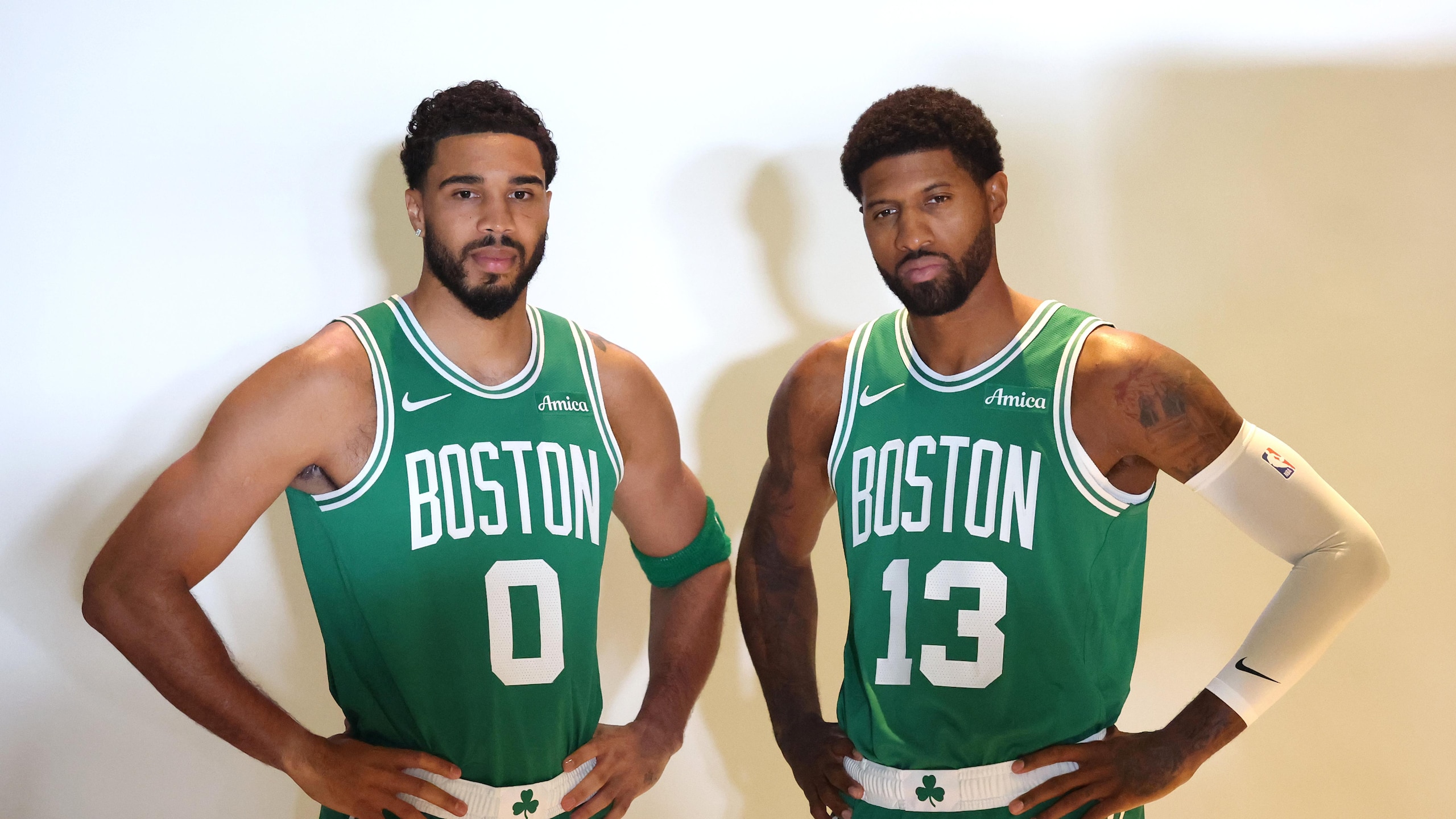

.jpg?w=2560 "Mystery team revealed in blockbuster NFL trade")

.png?w=2560 "Money In The Bank Ends In Shocker 💼")
.jpg?w=2560 "Cardinals Finalizing MHJ Trade")
_0.jpg?w=2560 "Live: Updates from every NFL game")
.jpg?w=2560 "DB's Willis Quote Resurfaces")
.jpg?w=2560 "Mendoza Makes NFL Debut 🤩")
.jpg?w=2560 "Sirianni Takes Blame for Eagles Loss")