.png?w=2560)

Biggest Winners and Losers from NBA Offseason Trades and Free Agency
The 2026 NBA offseason has been a wild ride.
How wild, you ask? Well, The King hasn't even established his new throne yet, and it already feels time for a winners-and-losers style wrapup.
This transformational time has been a godsend for some and a curse for others. While most of the league lands somewhere in between those extremes, there are some obvious outliers who are either sitting atop a mountain of roundball riches or struggling through sleepless nights and wondering where it all went wrong.
Let's identify these winners and losers, shall we?
Winner: Free Agent Centers
1 of 7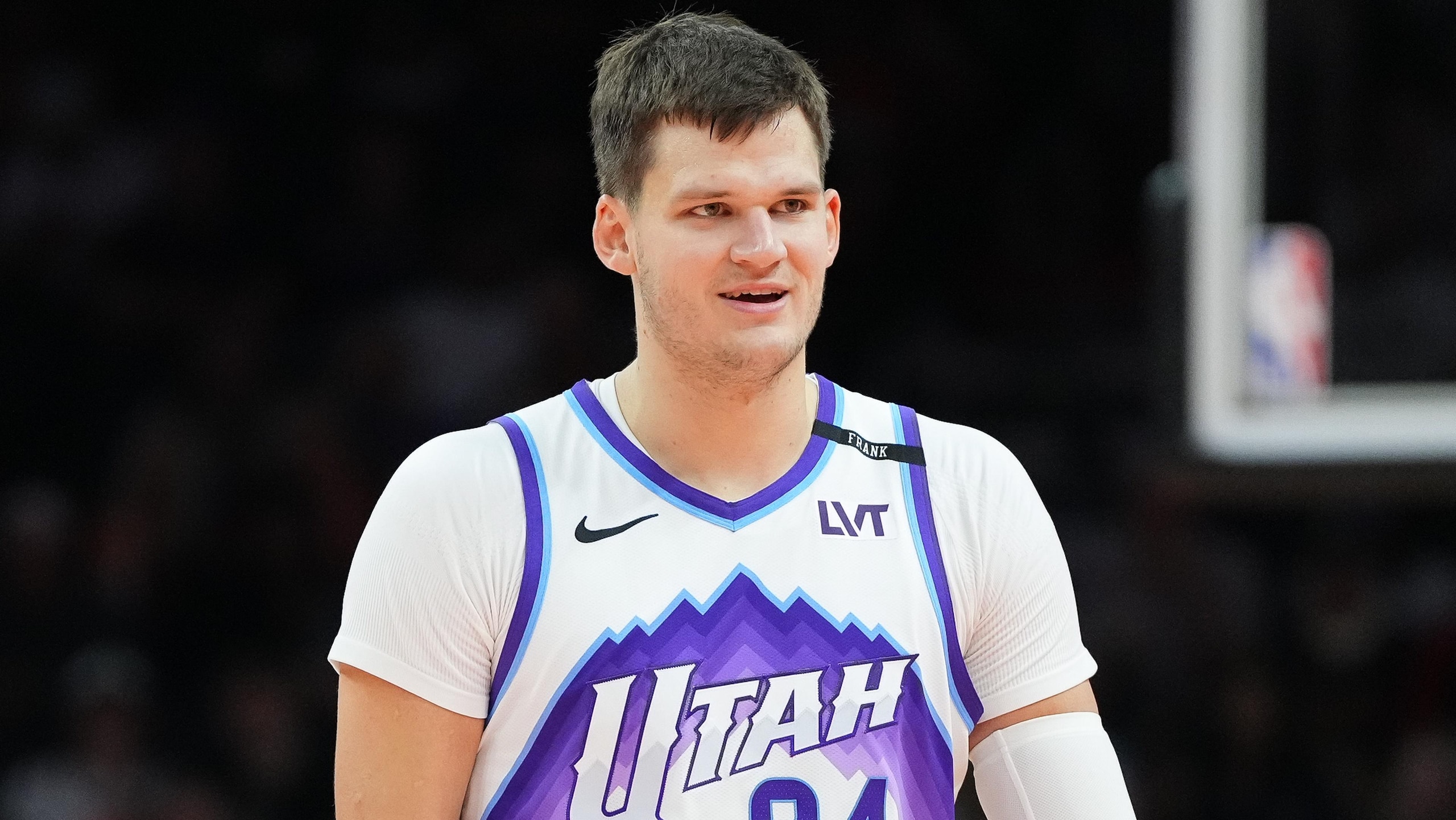
So, it seems like a team or two might have paid attention to the way that 7'4" megastar Victor Wembanyama just propelled the young San Antonio Spurs to the NBA Finals. And it feels like a lot of front offices rightfully recognized how big of an obstacle he'll be moving forward.
Because size has very much mattered in free agency. Capable backup bigs like Jock Landale, Quinten Post, Day'Ron Sharpe, Sandro Mamukelashvili and Jusuf Nurkić secured eight-figure average annual salaries. And one rock-solid starter was compensated like an established star: Walker Kessler, who cost the Los Angeles Lakers a bevy of draft capital (more on that later) and a four-year, $130 million contract.
Tack on what still figures to be a sizable payday for Jalen Duren, and this was clearly a good summer to be an unemployed NBA big man.
Loser: Rob Pelinka
2 of 7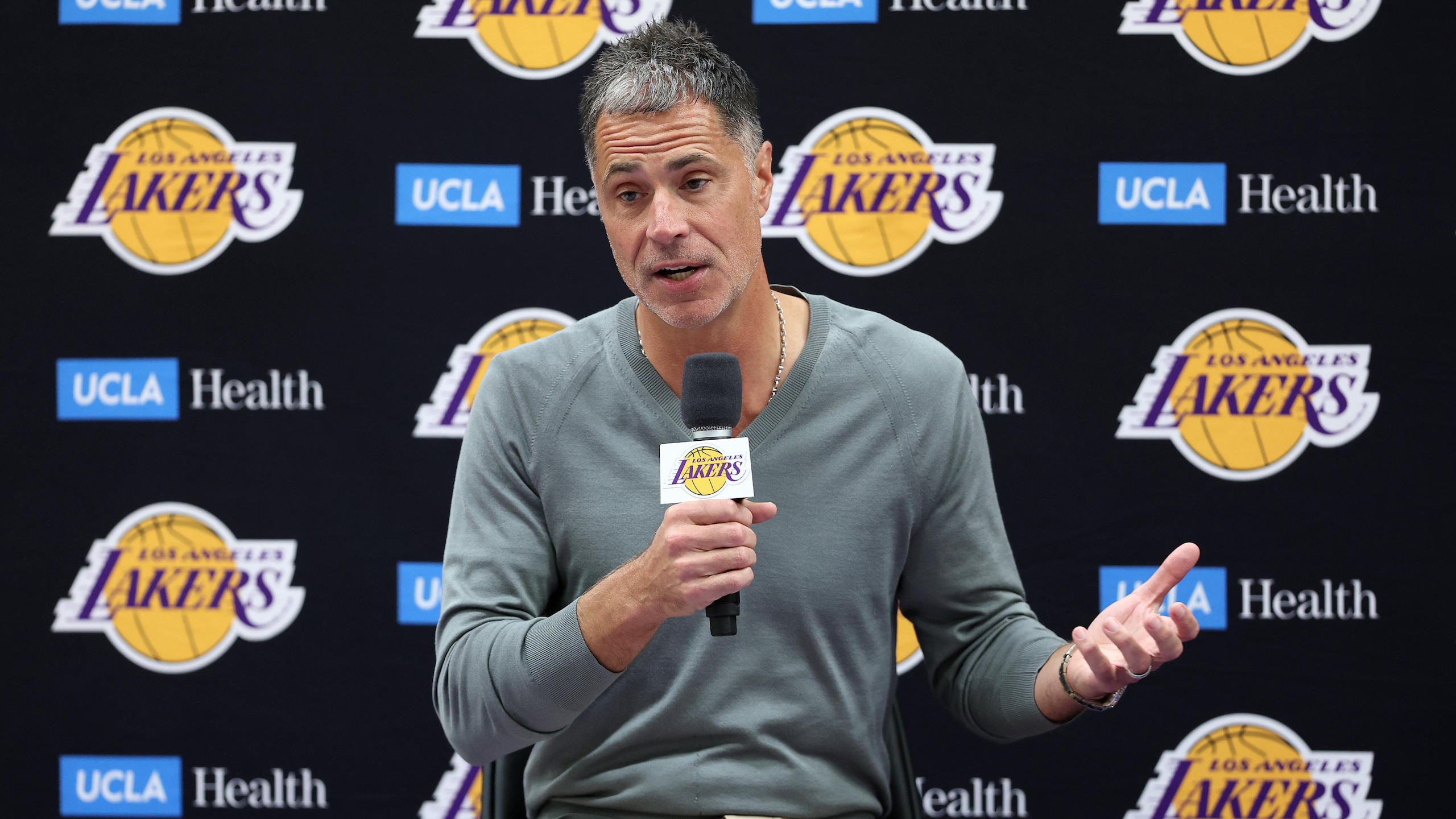
Admittedly, Los Angeles Lakers president of basketball operations Rob Pelinka wasn't dealt the easiest hand this summer. With a new ownership group evaluating his moves, and LeBron James opting for the exit, Pelinka faced a massive amount of pressure to perform.
That said, Pelinka also had ample flexibility and coveted trade assets, plus plenty to sell to potential targets (like all of the typical Lakers' allure, plus the chance to chase championships with Luka Dončić). And the executive essentially emptied the organization's pockets for: Kessler, Mamukelashvili, Quentin Grimes, Collin Sexton and a max contract for Austin Reaves.
Kessler and Reaves are now compensated like stars, even though they have a combined zero All-Star appearances between them. The incoming veterans are fine players, but they were probably overpaid and might be overburdened given all of the production the Lakers lost with James, Luke Kennard, Rui Hachimura, Deandre Ayton, Jaxson Hayes and Marcus Smart all heading elsewhere.
For an offseason this active and this expensive, you'd want a lot more certainty and a lot fewer questions than L.A. has.
Winner: Eastern Conference's Second Tier
3 of 7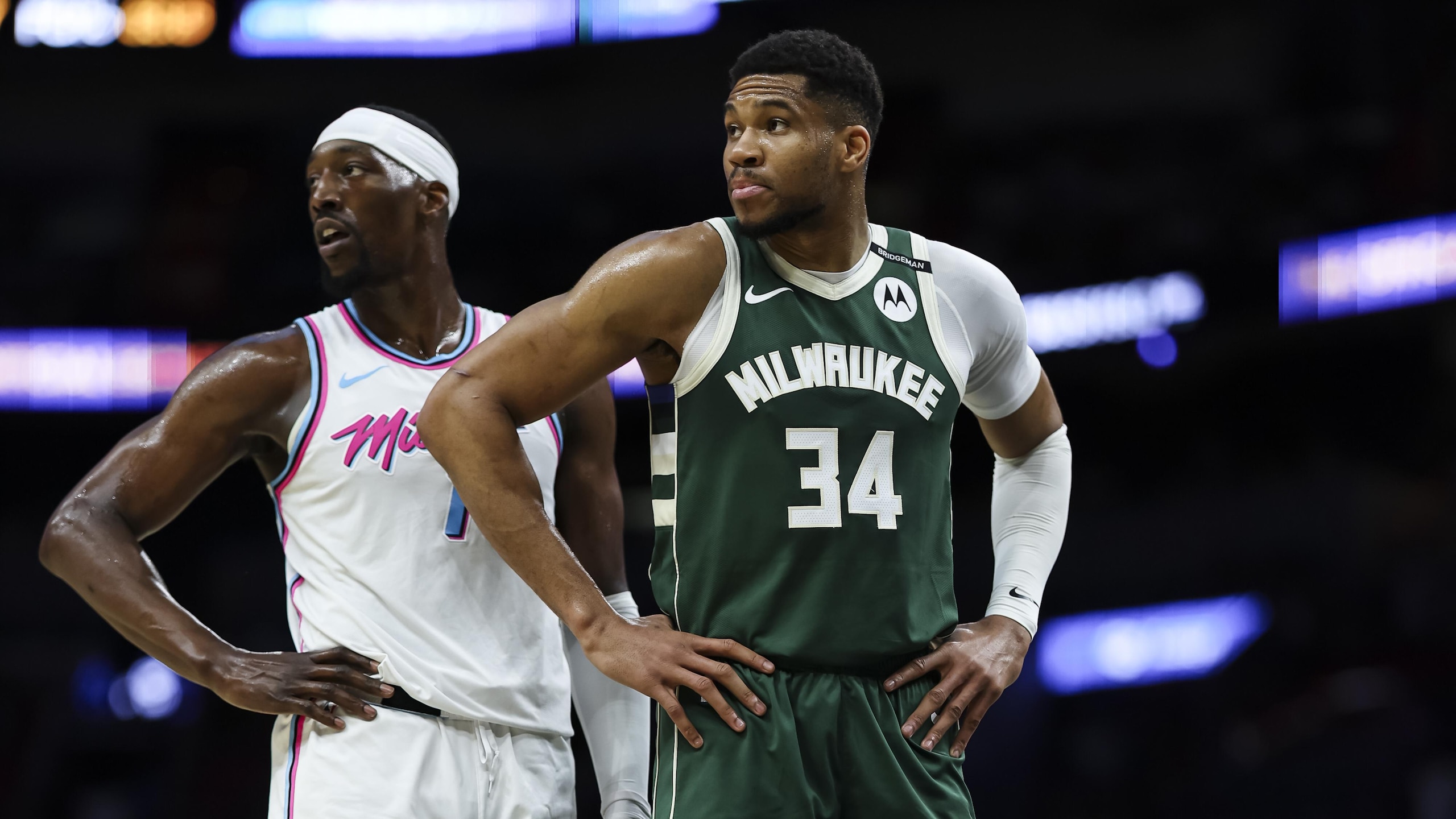
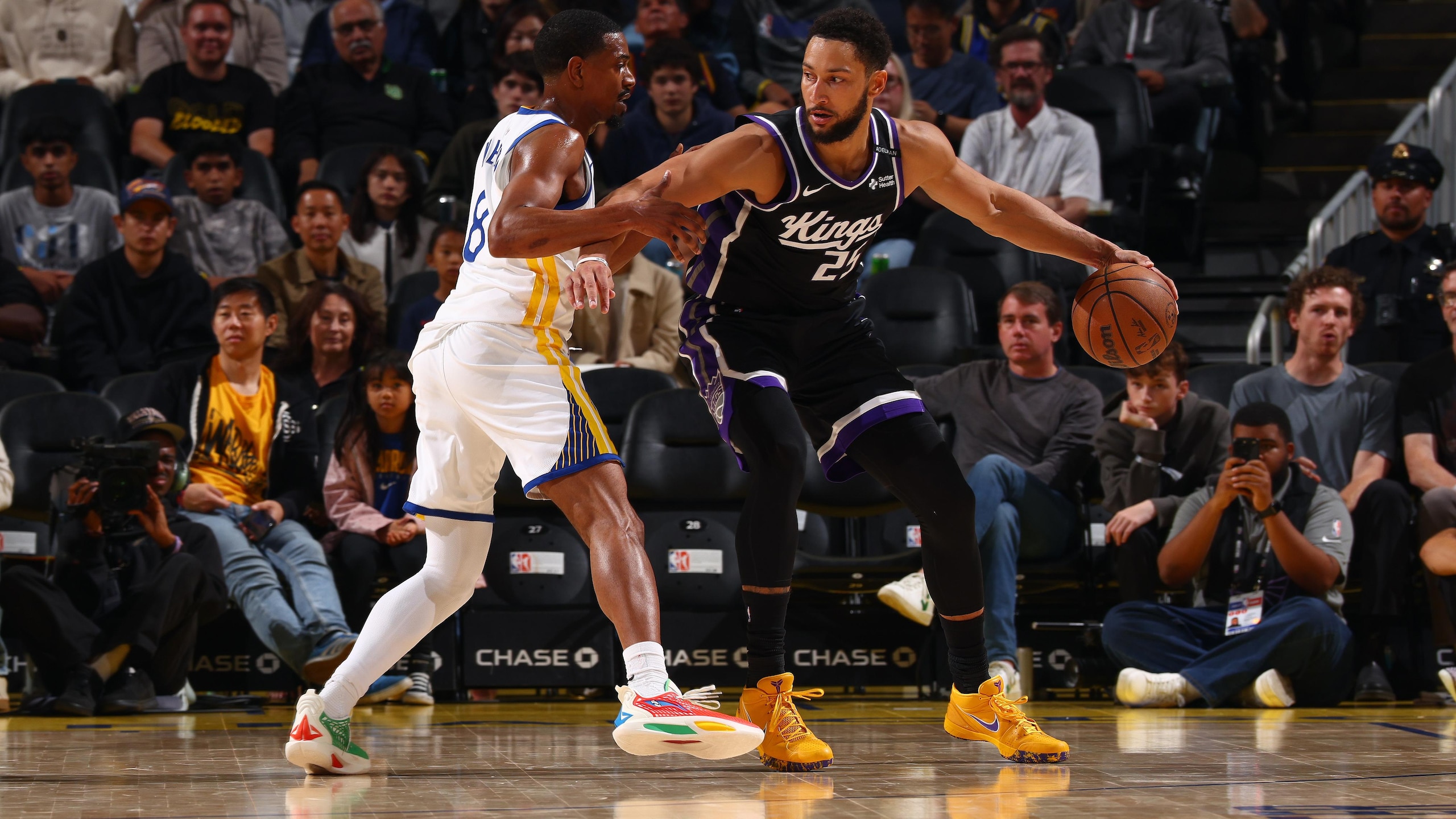
The Eastern Conference's middle class will emerge from this summer looking a whole lot richer. Rather than overload this slide show with specific team winners from this tier, let's lump them together for a combined victory lap.
The Philadelphia 76ers paid pennies on the dollar for Jaylen Brown, an All-NBA second-teamer this past season. The Miami Heat finally connected on their annual whale hunt and nabbed longtime target Giannis Antetokounmpo, a two-time MVP. The Toronto Raptors brokered a deal for Kawhi Leonard, the only player to ever lead them on a championship run.
Those are the headliners, but so much of this group has reasons to believe things are getting better. Like the Indiana Pacers, who will return a healthy Tyrese Haliburton, actually acclimate deadline addition Ivica Zubac and slot a reasonably paid Kelly Oubre Jr. into the wing rotation. Or even the Atlanta Hawks, who are smartly bringing back playoff hero CJ McCollum to help this young core find its way.
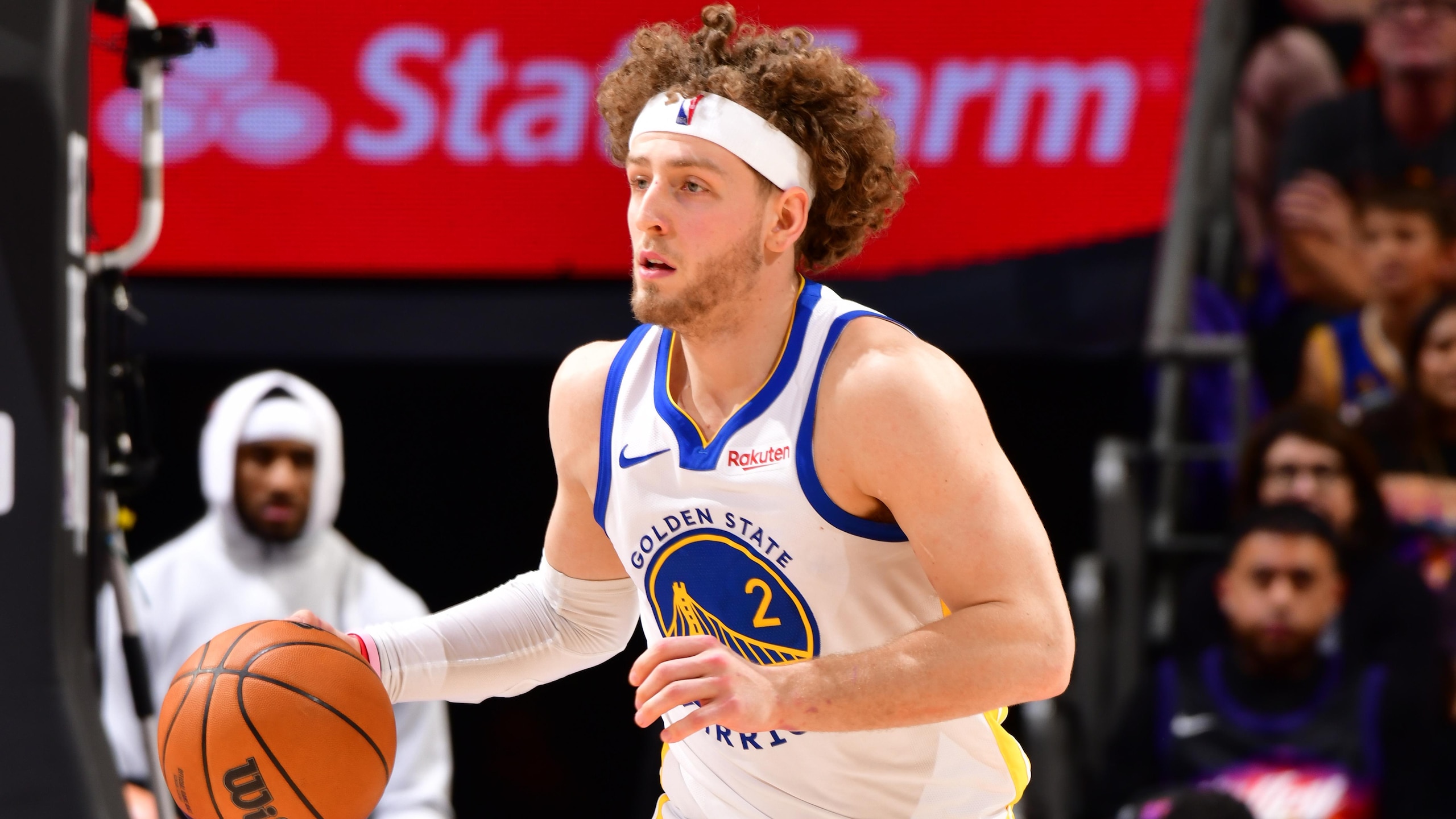
Loser: Eastern Conference's Top Tier
4 of 7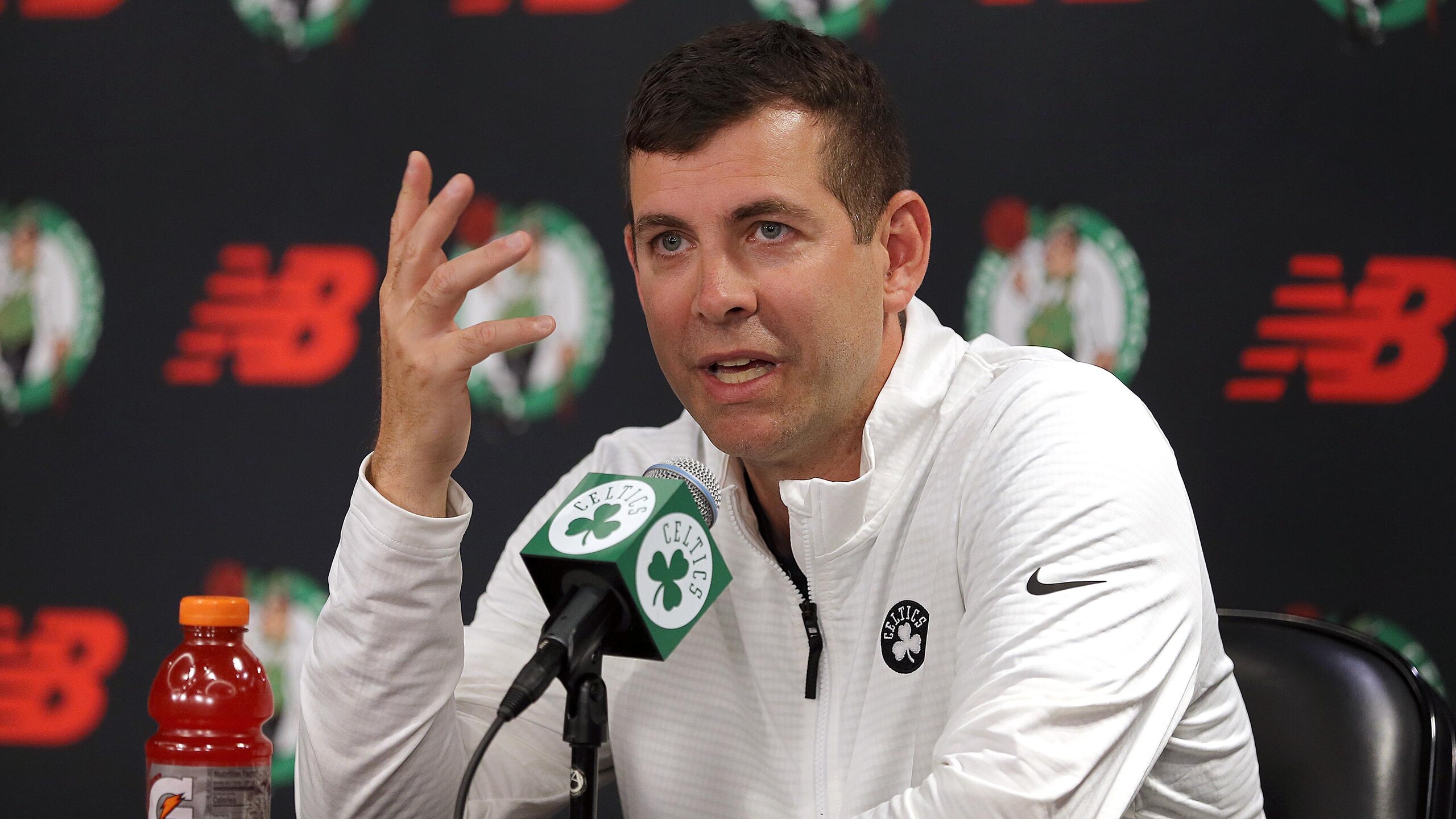
Given how far Paul George's perceived value had fallen, it wouldn't have been shocking to see the 76ers package him with a first-round pick and more just to get out of his contract. Instead, the Boston Celtics somehow decided George, two firsts and two future seconds was enough to pry away Jaylen Brown, who finished sixth in MVP voting this past season.
Celtics general manager Brad Stevens mentioned cap flexibility as a motivation for the move, but also somehow kept a straight face while saying, "To do a deal like Jaylen requires the right amount of talent and what we deemed to be the right assets coming back." For whatever reason, Boston rushed to trade Brown for whatever it could get and lowered its championship ceiling in the process.
Bigger picture, it hasn't been a great start for the East's elites. The Detroit Pistons haven't figured out Duren's messy restricted free agency, and they'll miss Tobias Harris' shot-creation. The champion New York Knicks lost glass-cleaning energizer Mitchell Robinson for nothing. And while the Cleveland Cavaliers did well to extend Donovan Mitchell, they have yet to make meaningful changes to a team with extreme win-now pressure and some wobbly playoff performances behind it.
Winner: Utah Jazz
5 of 7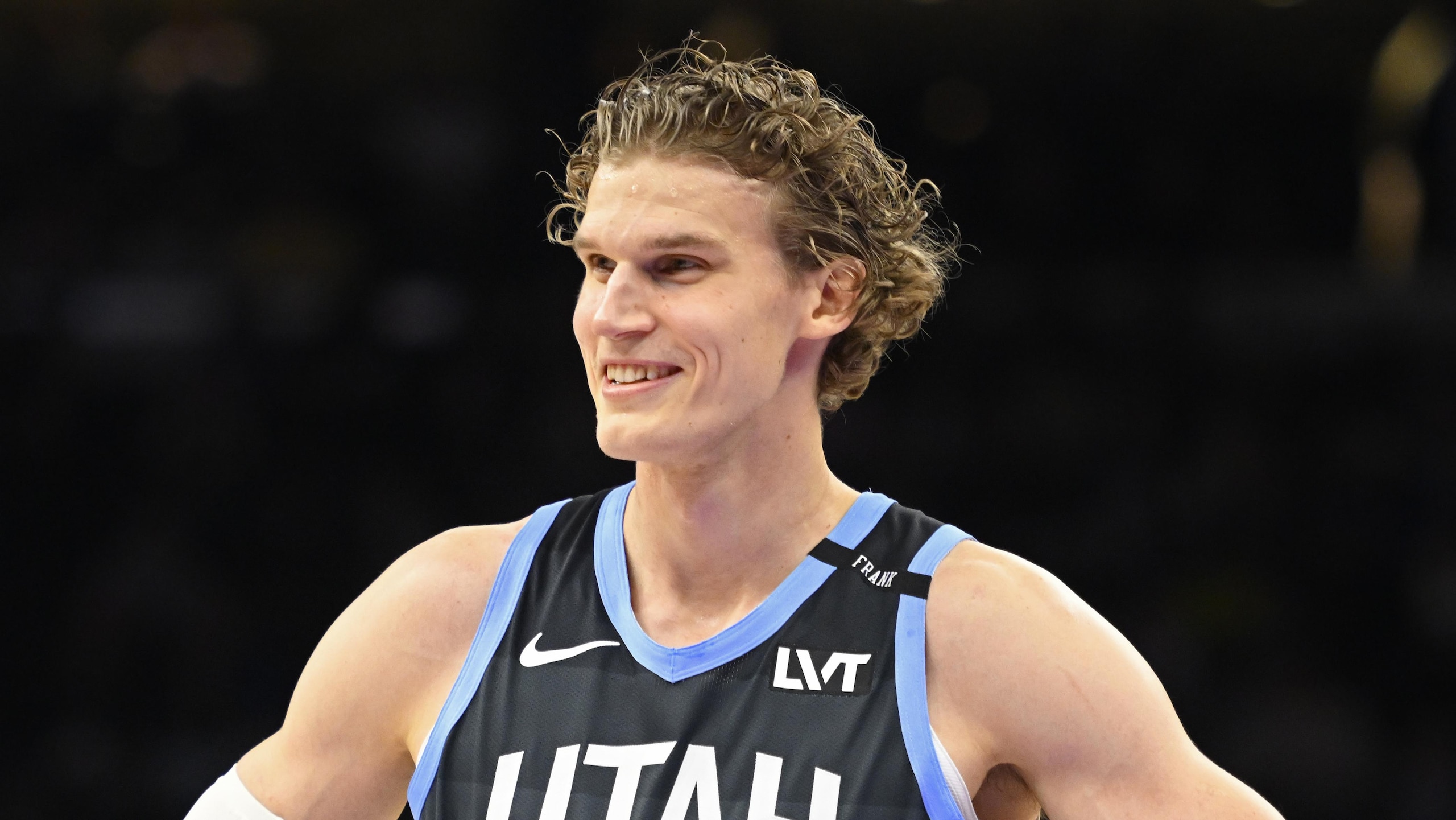
How sweet must life be feeling for Lauri Markkanen right now? Even while his name was being bandied about in trade rumors a few years back, it felt like he just wanted reasons to stay with the Utah Jazz.
At this rate, he might have more than he can count. The Walker Kessler sign-and-trade looms as the proverbial icing on the cake. Utah not only sidestepped the possibility of paying a largely unproven player more than he is worth, but it loaded up on valuable draft capital for doing so. If the Jazz see virtually anything or anyone they want on the trade market now, they can probably afford the deal.
Prior to selling Kessler for a fortune, the Jazz added All-Star big man Jaren Jackson Jr. around the deadline in a bit of pre-agency activity. Then, Utah snagged the No. 2 pick and perhaps walked away with the best prospect in scoring guard Darryn Peterson. Granted, those things aren't technically a part of this summer's trades and free agency, but since the Kessler deal made the Jazz big winners without them, they feel worth mentioning as part of a seemingly momentous stretch for this organization.
Loser: Portland Trail Blazers Ball-Handlers
6 of 7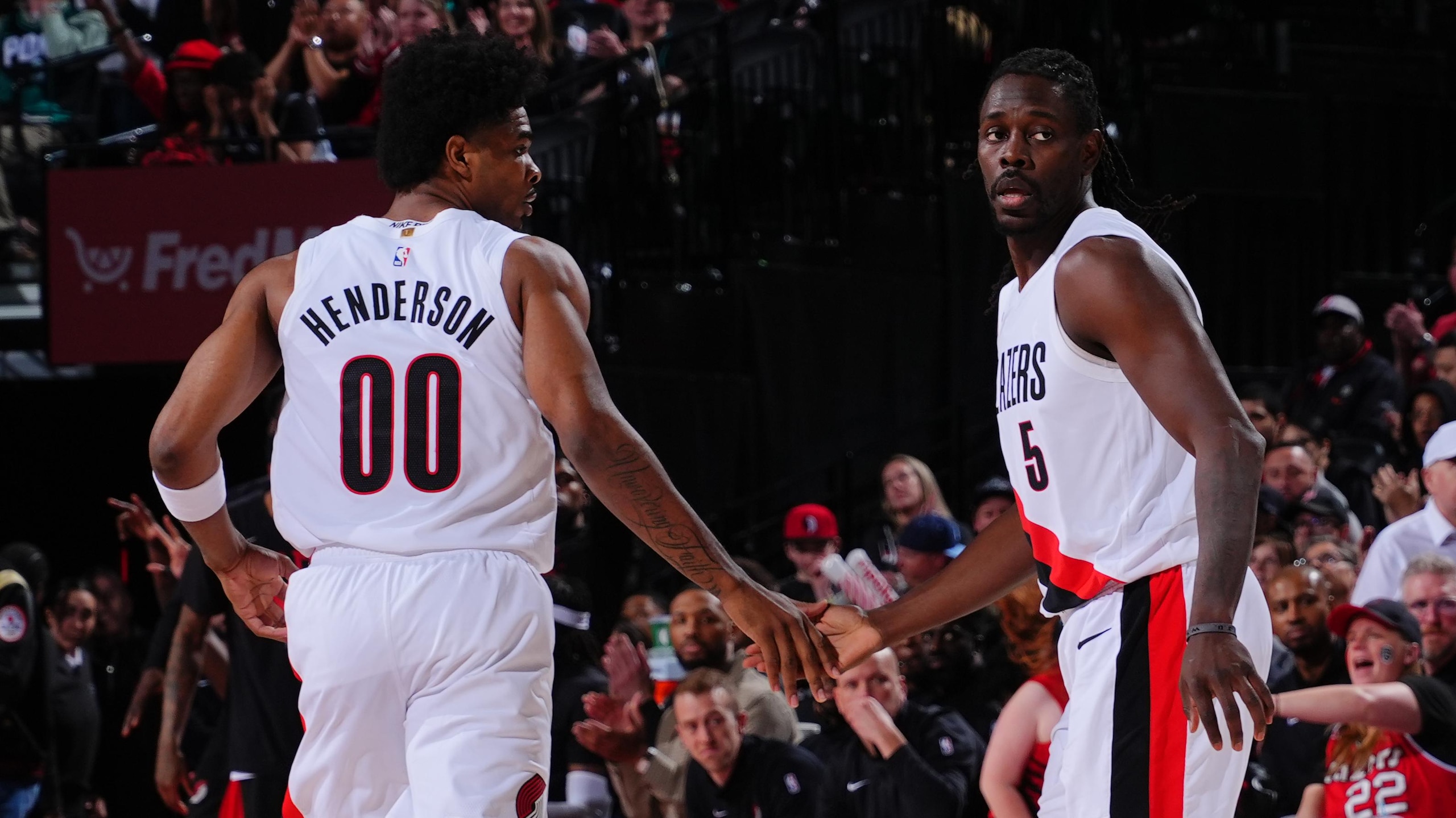
In a vacuum, the Portland Trail Blazers perhaps made a shrewd move by buying extremely low on Ja Morant. He is a 26-year-old, two-time All-Star, and they managed to get him (plus cash) from the Memphis Grizzlies for only Jerami Grant and Kris Murray.
Even while accounting for the value hit of Morant's availability issues, that feels like solid basketball business—but only a vacuum. In reality, the Blazers were already loaded in the backcourt before his arrival, which only adds to the congestion.
Portland's point guard group now features Morant, Damian Lillard, Jrue Holiday and Scoot Henderson. There aren't enough minutes or touches to go around, and that's before accounting for the fact that Blazers All-Star swingman Deni Avdija works best with the ball in his hands.
Even if Portland hits the trade market to correct this imbalance, it will do so without any leverage on its side, since everyone else can see the Blazers have more guards than they can use and not nearly enough playable forwards.
Winners and Losers: Washington Wizards and Phoenix Suns
7 of 7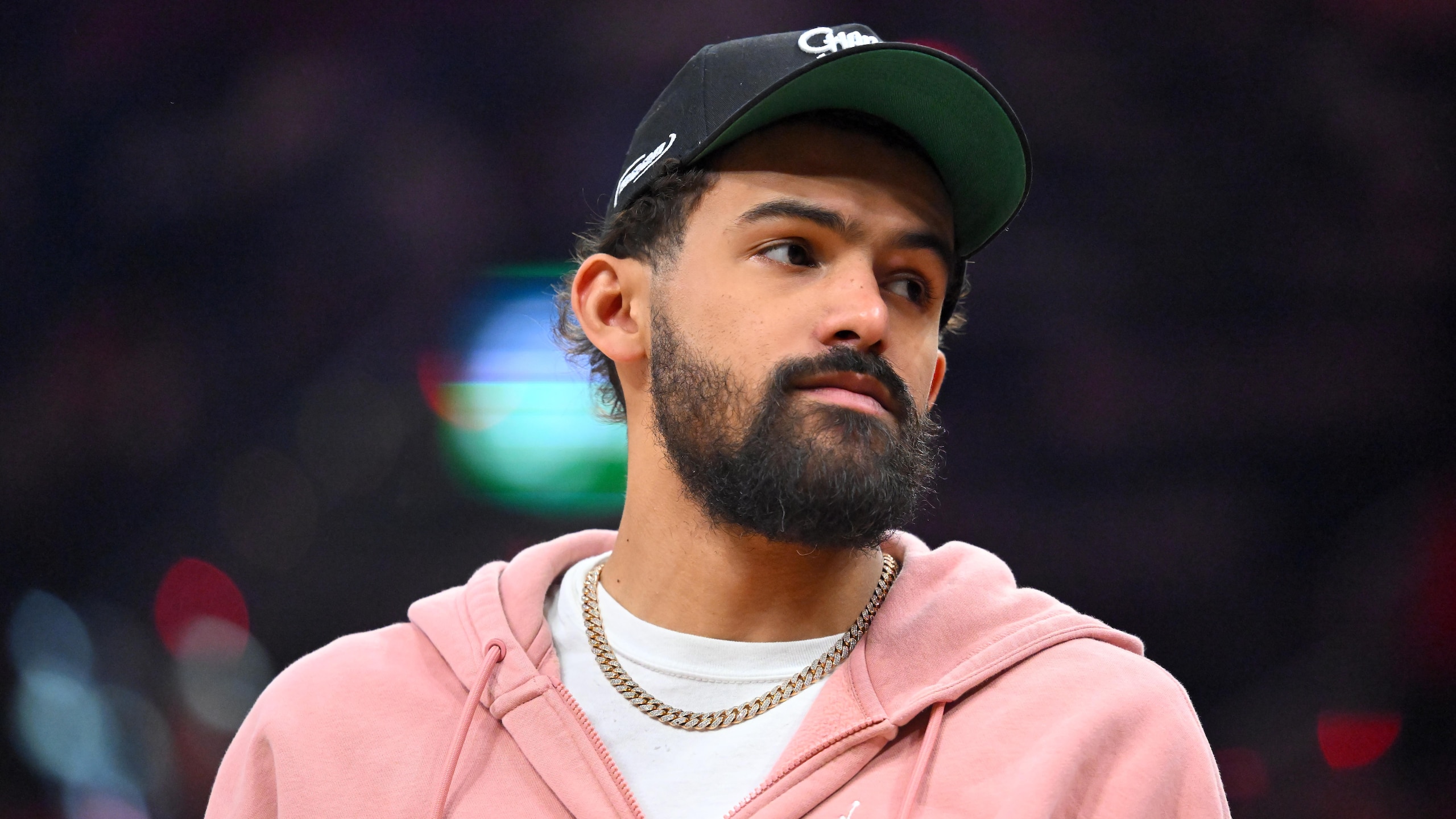
Welcome to the gray area, where both the Washington Wizards and Phoenix Suns reside. While each will leave the summer with something to celebrate, they also made a big enough head-scratcher to wonder whether they might still go down as losers.
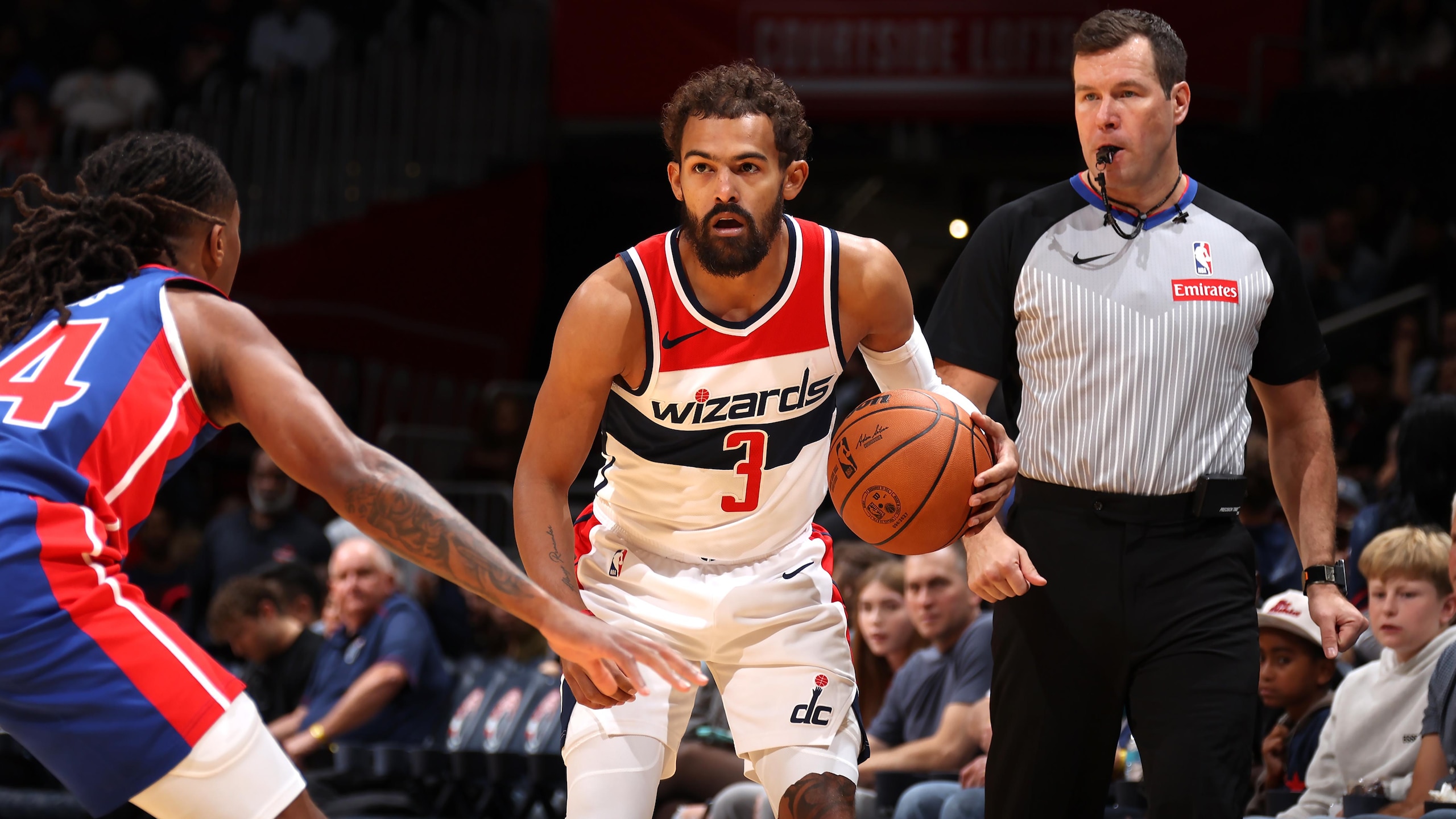
That'd just be a strange thing to label the Wizards when they'll exit the offseason with No. 1 pick AJ Dybantsa in hand. But did anyone's Bingo card have Trae Young declining his $49 million option to ink a new four-year deal with a higher annual average salary ($212 million in total, average $53 million per season)?! That's a huge number for an offensive specialist who's never had the most efficient shooting lines or the best turnover numbers.
As for the Suns, their marginal moves all felt logical and valuable: four years, $48 million for Collin Gillespie; three years, $38 million for Mark Williams; two years, $13 million for Luke Kennard. But why on earth did they burn a future unprotected first for Miles Bridges? Even from a basketball-only view, that's bad business. Unprotected firsts should be solely reserved for difference-making deals, and he just isn't close to being that kind of player.

.png?w=2560 "Shocking CFB Top 25 Shakeup 🔢")

.png?w=2560 "Week 6 Winners & Losers 📊")
.jpg?w=2560 "Cardinals Finalizing MHJ Trade")
.jpg?w=2560 "Grading Wild MITB PLE 😮💨")
.jpg?w=2560 "DK Shades Sauce Gardner 👀")
.jpg?w=2560 "Report: Cowboys Open to More Trades")