

As is wont to happen every year at this time, the basketball gods recently linked up with Mother Nature to shower copious amounts of cash on the latest crop of NBA free agents.
It rained a little harder on some than it should have.
With franchises growing increasingly cost-conscious in the Association's second apron era, hugely egregious overpays are getting harder to find. That said, this spending frenzy has already produced a couple of candidates, and even some of the mid-sized spending done could become big-time regrets.
Let the second-guessing commence, then, as we spotlight the five biggest commitments that feel the least likely to deliver commensurate on-court contributions.
5. John Collins, Detroit Pistons
1 of 5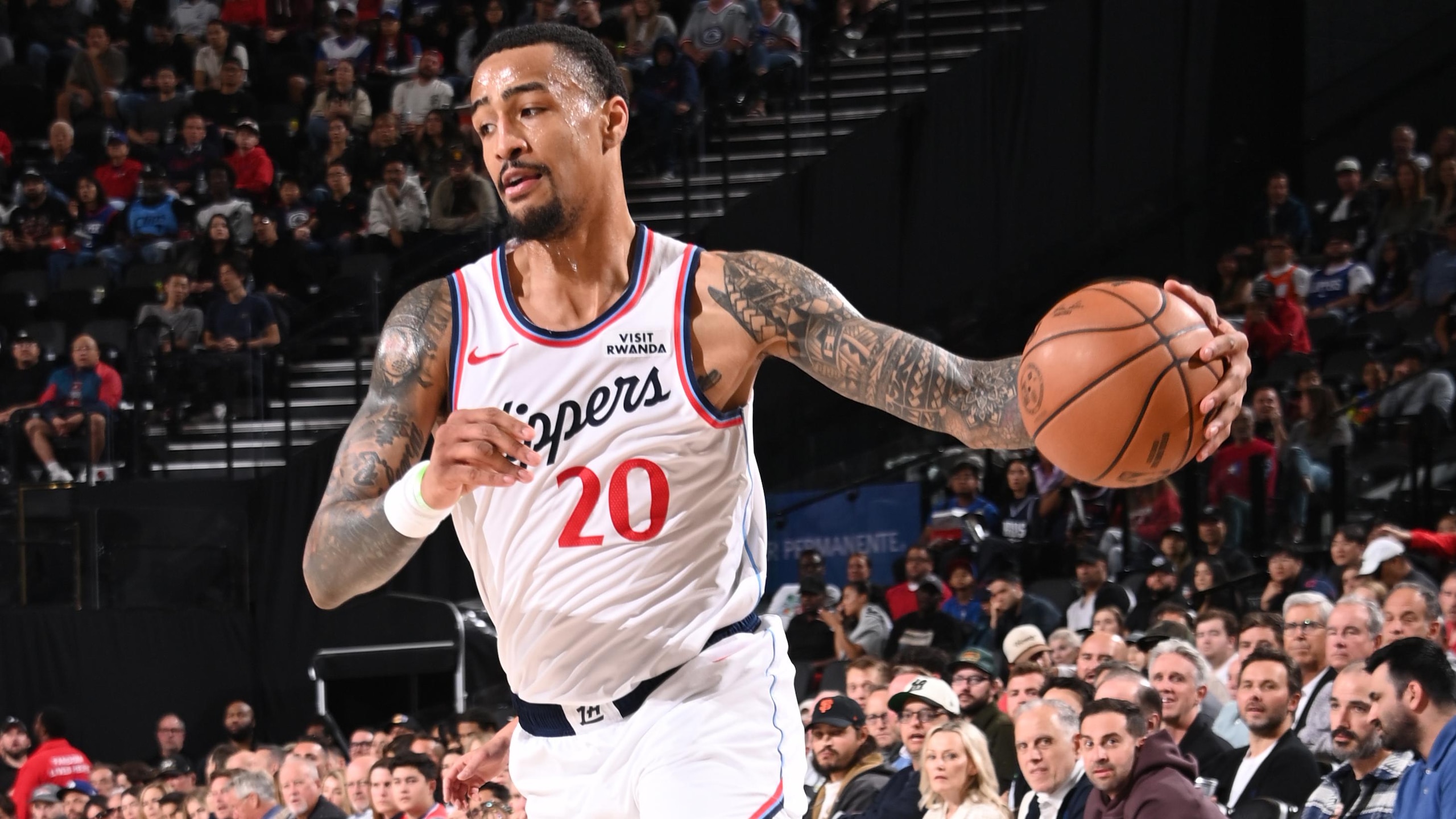
The contract: Three years, $51 million
This is the kind of investment that may not have raised eyebrows under the previous collective bargaining agreement, but when every dollar must be maximized, this is a reach.
John Collins is a reliable play-finisher and active rebounder, but that's kind of it. He doesn't create for himself or his teammates. He is a generally efficient shooter, but he doesn't take threes or free throws at a high volume. He can make plays defensively, but he often doesn't have a comfortable matchup on that end, since he can struggle against both speed and strength.
He is the kind of player who, frankly, feels like they'd have trouble getting paid in this analytically driven league. The Los Angeles Clippers were 3.9 points worse per 100 possessions with him than without in 2025-26, making it the fourth time int he last five seasons that his team fared better when he was on the bench.
Yet, the Detroit Pistons not only paid him comfortably, they're also presumably planning to plant him in a prominent role on a frontcourt that's suddenly without its top paint protector (Jalen Duren) and its second-best offensive option in the playoffs (Tobias Harris). Collins could wind up tasked with duties he can't handle and saddled with expectations he can't deliver.
4. Ayo Dosunmu, Minnesota Timberwolves
2 of 5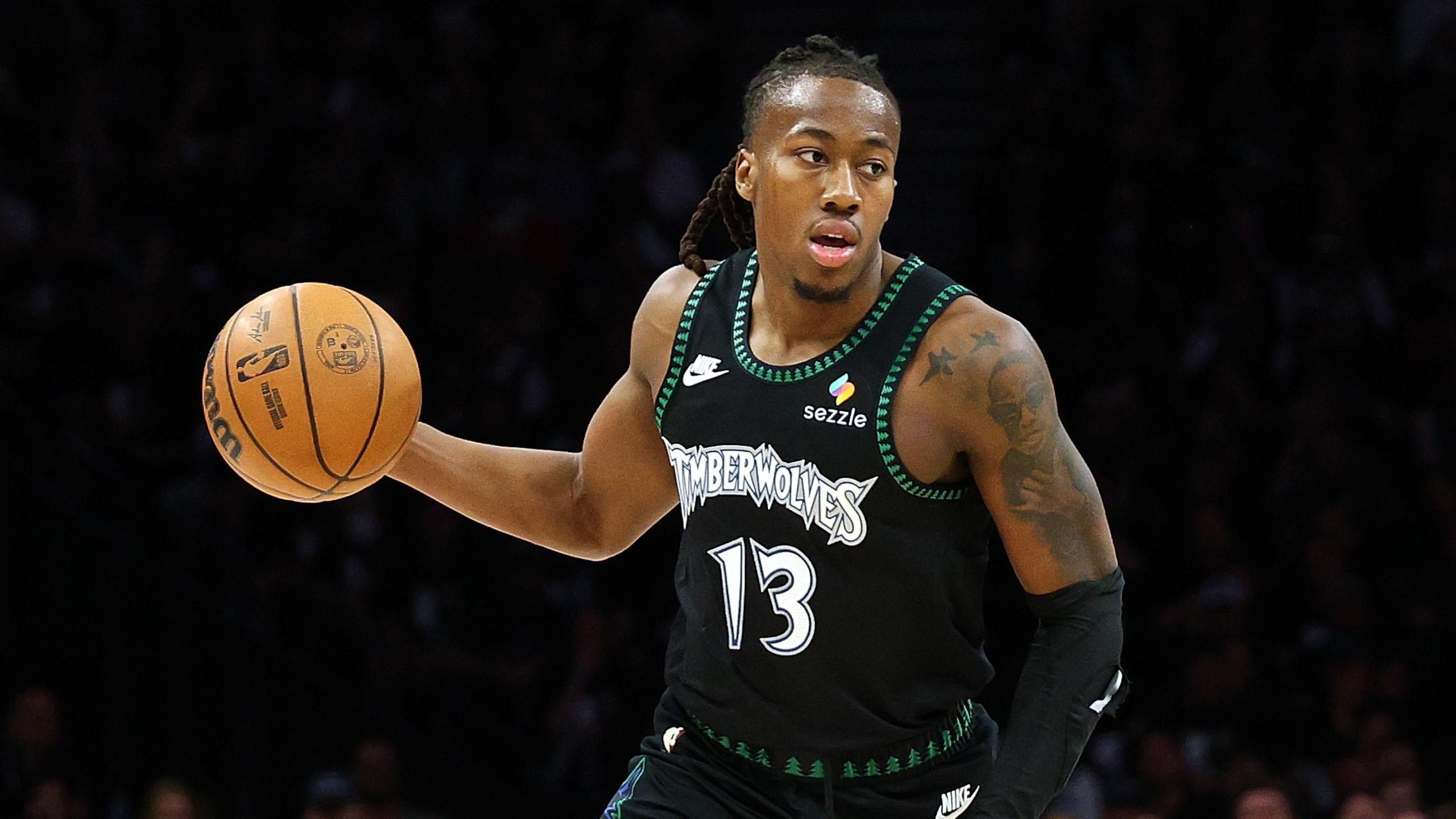
The contract: Five years, $112 million (with a player option)
Remember that little stretch of special games Ayo Dosunmu delivered against the Denver Nuggets in this year's opening round? The Minnesota Timberwolves clearly due based on the dollars they just handed him.
But did they forget about how things spiraled after that? Because his second-round effort against the San Antonio Spurs was rough: 9.4 points on 36/27.8/85.7 shooting. Or what about the borderline anonymous existence he had lived prior to that eruption? He looked like a serviceable Swiss Army knife up to that point, which is helpful to have, but clearly not worth this kind of coin.
Dosunmu's skill tree branches a bunch of different directions, but none of his individual skills are special. He is a fine secondary playmaker, but he can't pilot an offense on his own. He sometimes posts strong three-point percentages, but he doesn't launch a lot of them. He rarely looks exposed in defensive assignments, but he isn't a playmaker on that end (1.2 career stocks per game).
Minnesota might have felt backed into a corner by Donte DiVincenzo's torn Achilles and an overall dearth of perimeter depth, but understanding why a deal wound up richer than it should have doesn't change its nature. The Wolves better hope those playoff flashes—against a bad Denver defense and on outlier shooting (68 points on 23-of-32)—were for real, because that's the only time Dosunmu looked worthy of a contract this rich.
3. Kevin Huerter, Detroit Pistons
3 of 5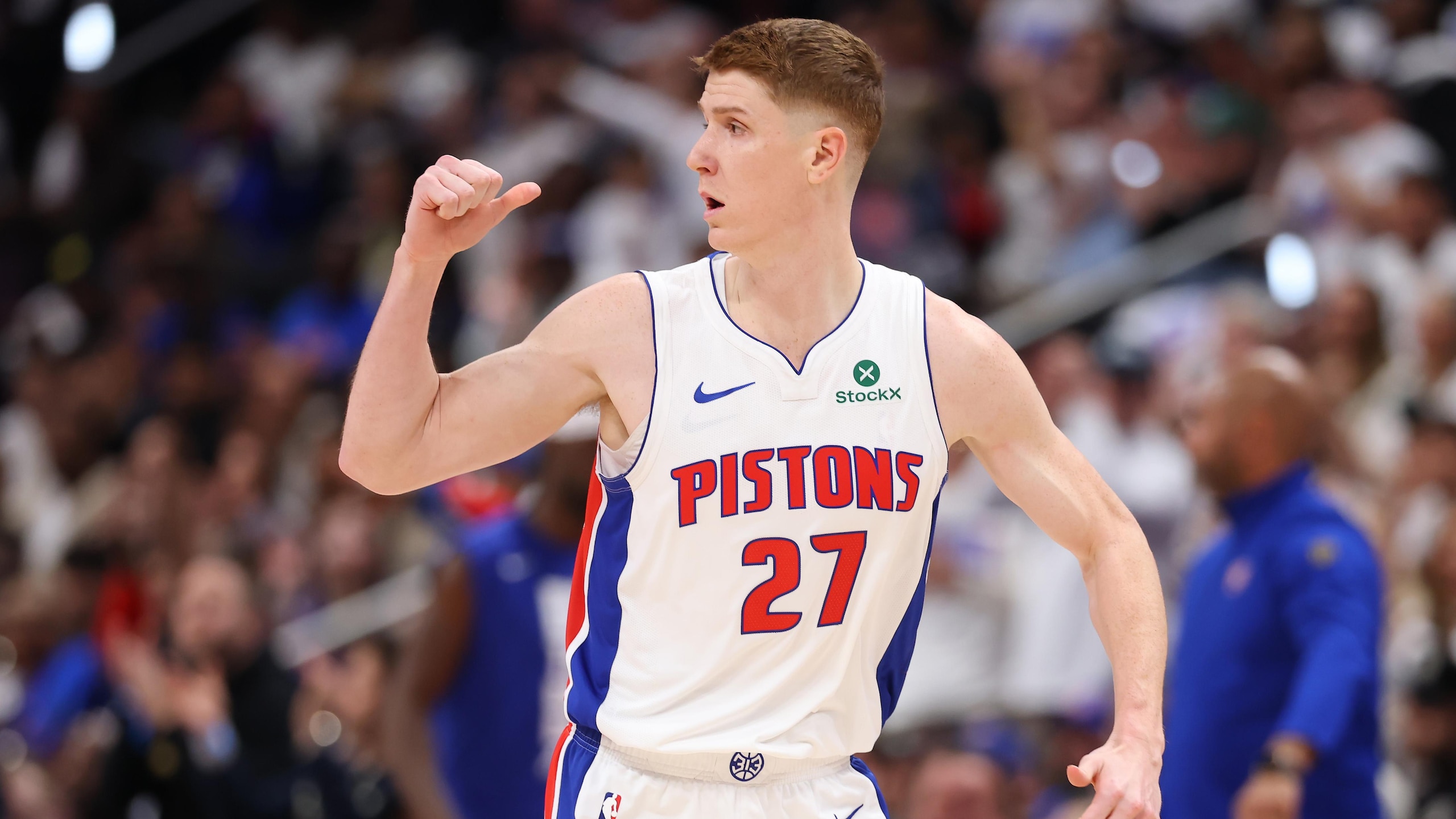
The contract: Three years, $27 million
Three years and an average annual salary shy of $10 million seems reasonable enough for a shooting specialist, right? Well, how much does the calculation change if that specialist can't actually shoot?
OK, that is a little extra harsh for dramatic effect, but it would be fun to sled down a line graph charting Kevin Huerter's plummeting three-point percentages. Since helping the Sacramento Kings snap their playoff drought by shooting a career-high 40.2 percent from distance, here are Huerter's connection clips since: 36.1, 33.8, 30.8.
Yikes. The Pistons, who seemed routinely starved for spacing this past season, converted 35.6 percent of their long-range looks. The Brooklyn Nets, who brought up the NBA's rear in three-point accuracy, shot an even 34 percent—a mark Huerter has landed below in back-to-back seasons.
This is the kind of prolonged slump that would normally lead to a short (often one-year), prove-it pact. Instead, the Pistons will pay him a not-insignificant chunk of change for the next three seasons, seemingly convinced they can reverse this decline without any evidence fueling that belief (including the playoffs, Huerter shot 29.9 percent after his deadline trade to Detroit).
2. Walker Kessler, Los Angeles Lakers
4 of 5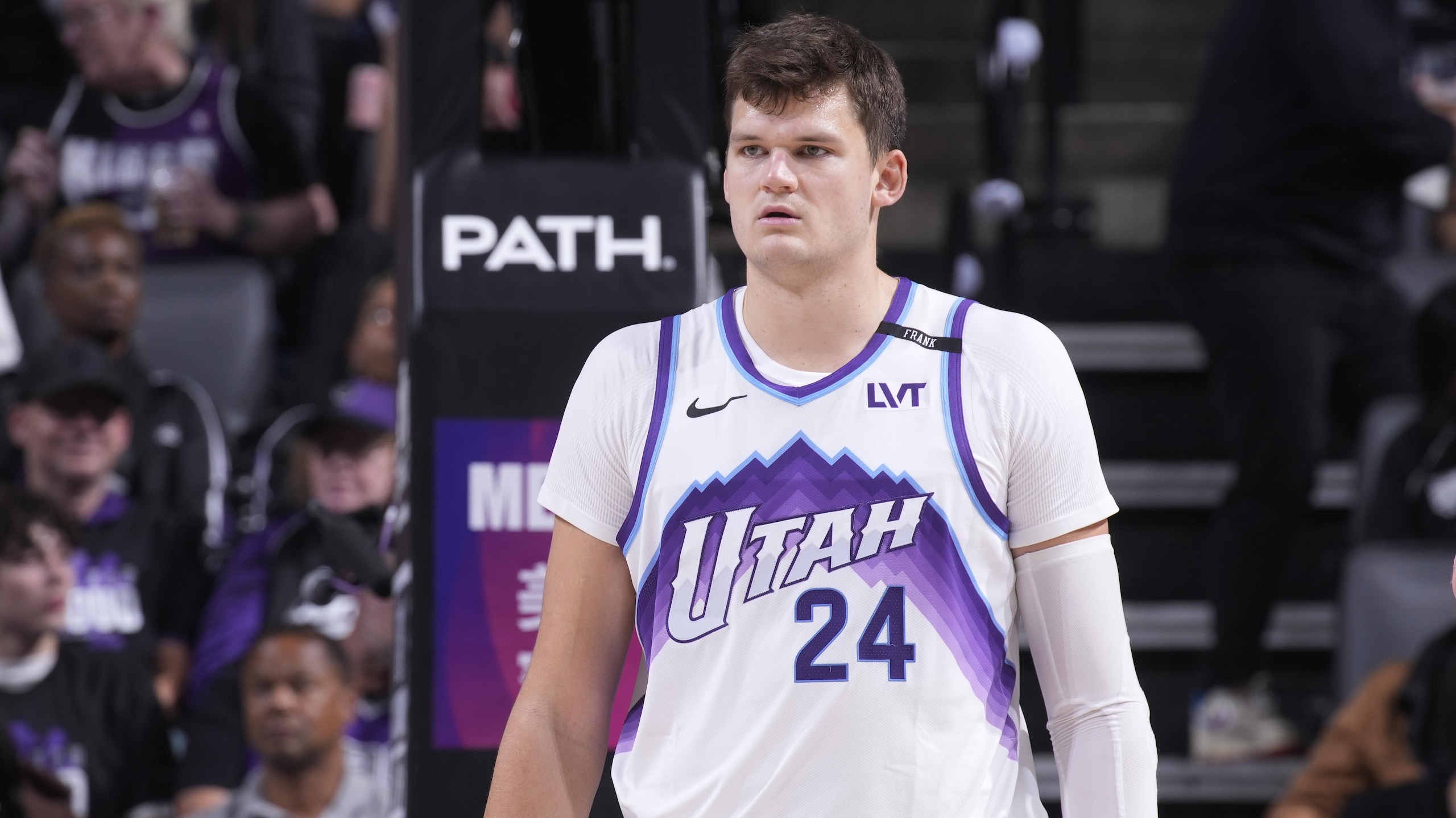
The contract: Four years, $130 million
This contract, which includes a player option and 15 percent trade kicker, feels rich for Walker Kessler. Probably because it probably is. He has never sniffed an All-Star or All-NBA roster. Despite efforts to add an outside shot, his scoring range is limited to the paint. And while he moves well for his size, he isn't the most versatile defender you'll find.
He is really good at what does, but does he do enough to justify this kind of commitment? And will he play often enough to do those things after suiting up just127 times the past three seasons combined?
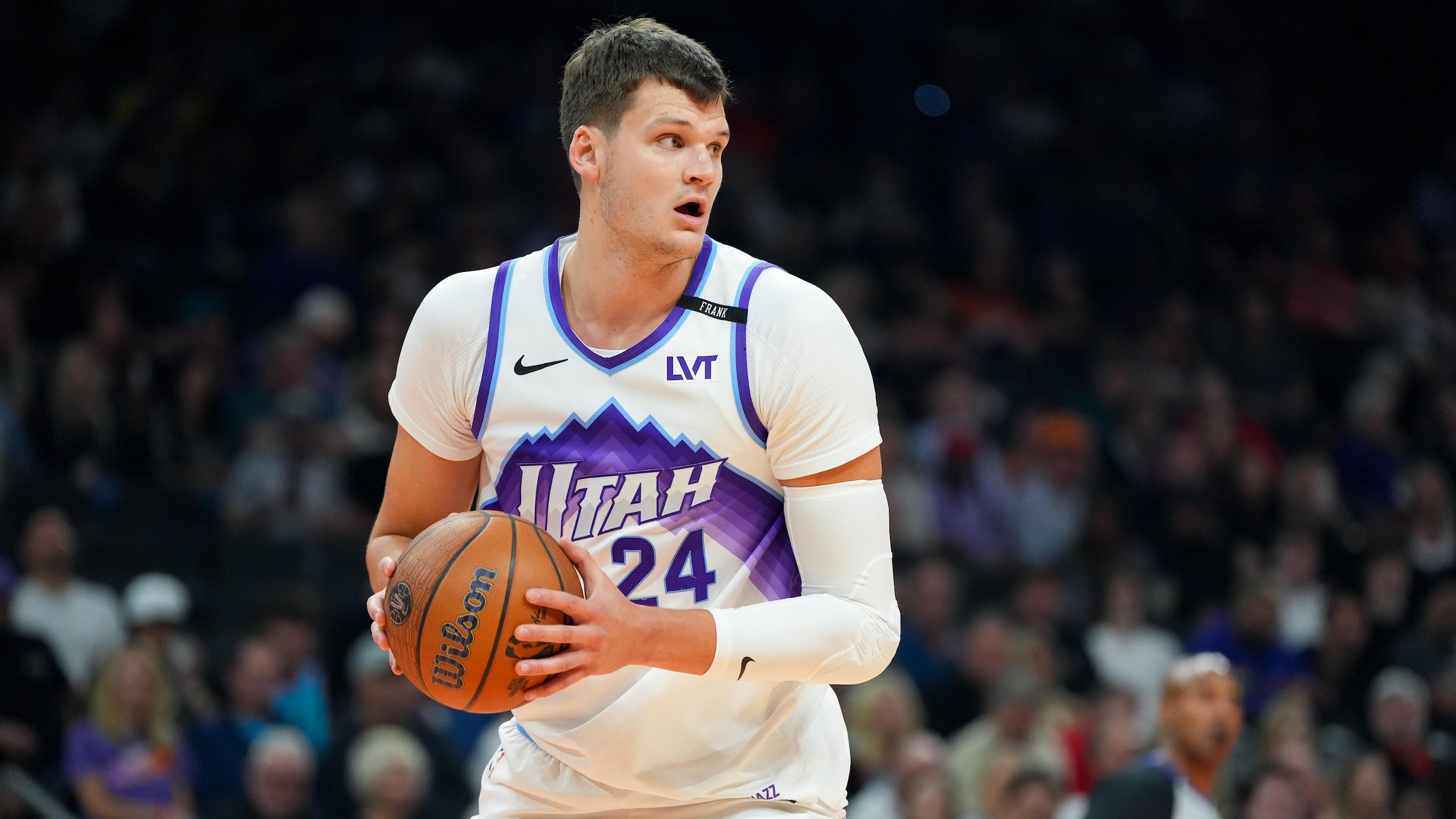
Those are major question marks, surely more than the Los Angeles Lakers would like considering what they just sacrificed to add him. Because it was more than this rich—though not egregious—contract. What really veered this into overpay territory was what the Lakers had to send to the Utah Jazz to pluck Kessler away as a restricted free agent: unprotected first-round picks in 2031 and 2033, plus first-round pick swaps in 2028 and 2030—basically all of their draft capital.
The Lakers needed to add an impact center for Luka Dončić, whom Dan Woike of The Athletic reported wanted Kessler "most of all." Appeasing stars is a big part of basketball business, and L.A. seems to have done well on that front. Again, though, understanding how something happened doesn't change the assessment. And this will look like a huge overpay until Kessler and the Lakers can prove otherwise.
1. Trae Young, Washington Wizards
5 of 5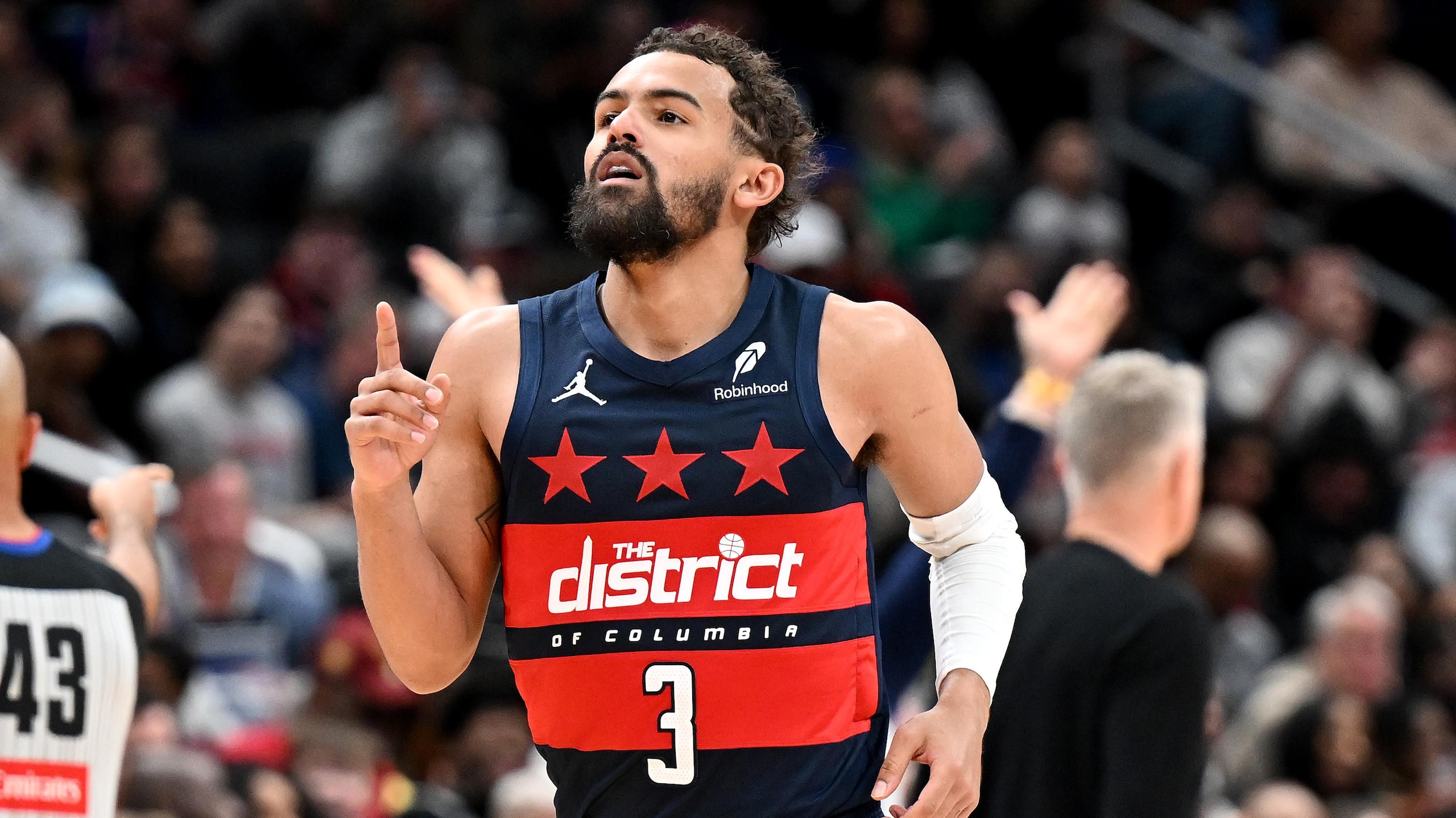
The contract: Four years, $212 million
Some of these selections required some nitpicking and subtle second-guessing. Not this one. When Trae Young declined his near $49 million player option for next season, it seemed like he'd be losing some salary to extend his stay with the Washington Wizards.
And then this happened: four years at an average annual value of $53 million with a player option to boot. For an offense-only contributor with middling shooting rates (43.3/35.2/87.2 career slash line), some huge turnover numbers (career 4.2 per game) and injury issues two of the past three seasons.
It's a stunner. And a head-scratcher. When Washington aquired Young in January for the bargain-basement price of CJ McCollum and Corey Kispert, it felt like the Wizards were being opportunistic and allowing their young core to take a test drive with a clearance star. Six months and five appearances later, that whole discount thing is long gone.
His stat lines are still loud, but his efficiency is starting to wither away. He isn't taking as many trips to the foul line any more. His three-point percentage is trending down—34 percent or worse in three of the past four seasons—and it rarely matched his reputation as a launch-from-anywhere sharpshooter.
He is still really good on offense, but if he isn't great on that end, then his limitations at the other grow a lot harder to handle. And the Wizards could have major regrets, especially when extension talks start happening with this fully loaded young core.
.jpg?w=2560 "Every Team's Biggest Surprise So Far 😲")
.jpg?w=2560 "Aiyuk Slammed by Ex-Teammates 😬")

.jpg?w=2560 "Report: Eagles to Sign Cowboys QB")
.jpg?w=2560 "Caleb Reposts Hype Video 🥶")