Revised Expectations for Ferrari Going into 2nd Half of 2015 Formula 1 Season
Two wins.
That's all Ferrari ever wanted from the 2015 Formula One season.
Despite the introduction of new personnel, including four-time world champion Sebastian Vettel, a chassis designed by James Allison and a vastly improved power unit, the team—even after a promising start to pre-season testing—were willing to settle for just a couple of days in the sun.

.jpg?w=2560 "Commanders Eagles Football")

All the signs were pointing toward a fresh start and renewed hope in a more productive, cohesive and open atmosphere, yet here were Ferrari seemingly bracing themselves for the same old feelings of disappointment.
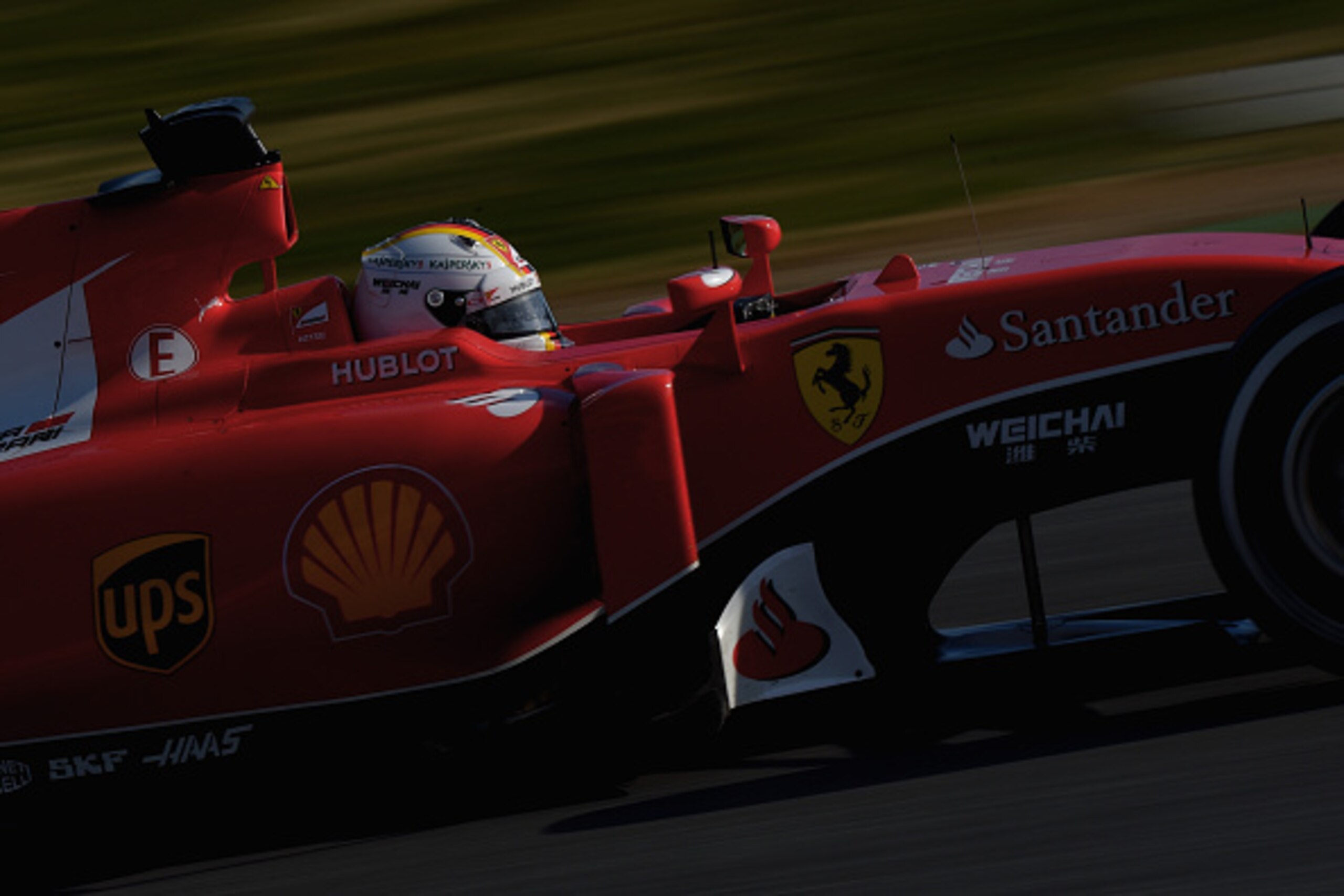
Just a decade after celebrating their sixth consecutive constructors' championship, the most successful outfit in F1 history were now dreaming of lucking into a win here, of sneaking a victory there, of choosing the perfect tyre strategy in a wet race or benefiting from a late-race safety car.
The target, as new team principal Maurizio Arrivabene confirmed to ESPN F1's Nate Saunders, was, to many, a sad reflection of Ferrari's fall.
Having endured their first winless season in 21 years in 2014, with their last win as long ago as May 2013, Arrivabene's rather modest aim was almost certainly—given his comments of putting "everyone in the right direction," per the same source—made in the belief that it would take some time for his team to gradually rediscover the art of victory.
Yet a Ferrari grand prix win tends to live longer in the memory than those of other teams.
With herds of mechanics and team members forming a sea of red underneath the podium, waving Italian and yellow flags emblazoned with the prancing horse symbol and roaring the party tune that is the Italian national anthem, a Ferrari victory is an intense sensory and cultural experience.
And the winning feeling Arrivabene feared had disappeared over the course of Ferrari's drought had, in fact, never gone away.
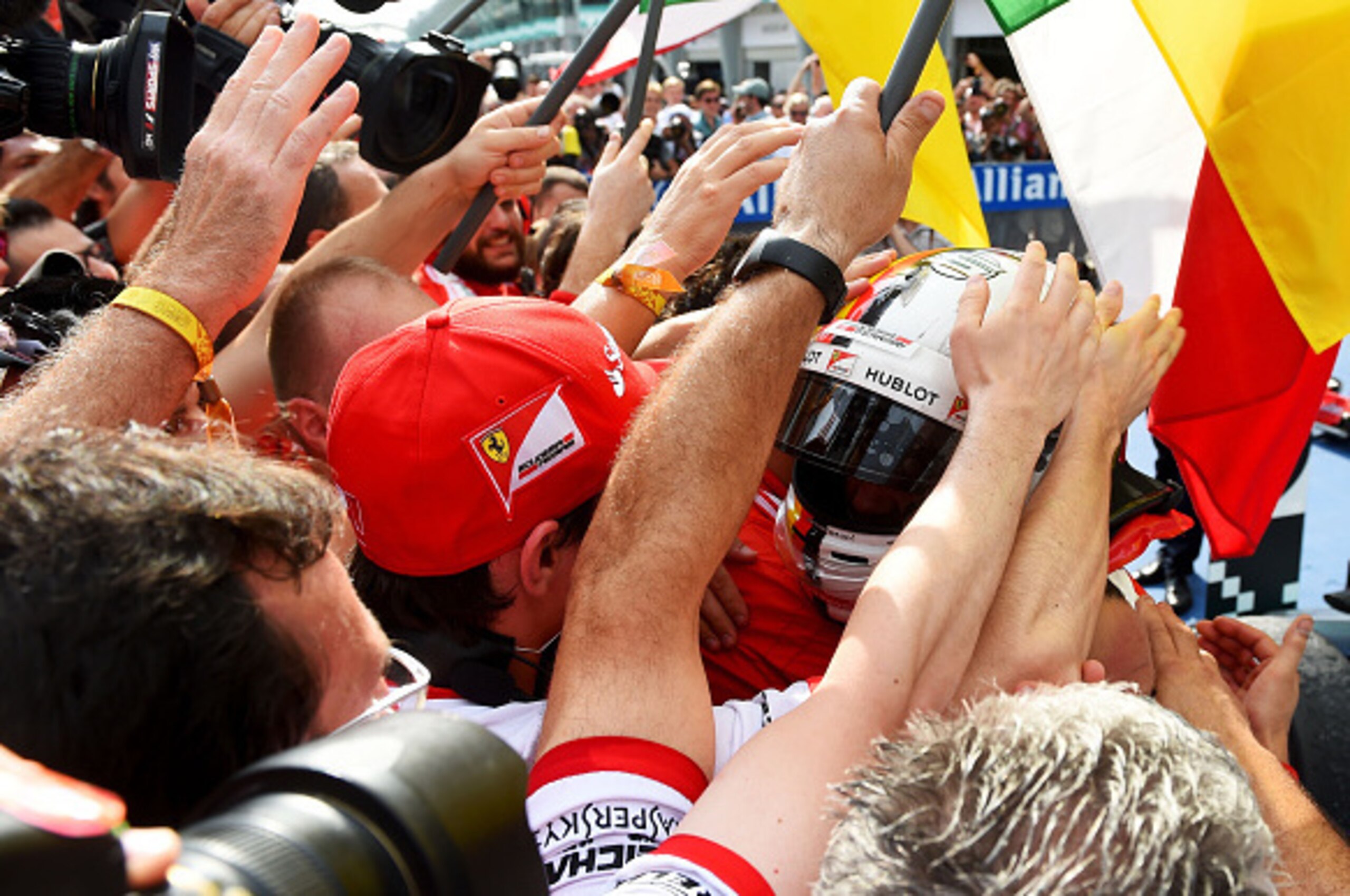
That is the only possible conclusion to make after Ferrari's performances over the first 10 races of 2015, which have seen the team meet their objective at the halfway stage of the campaign.
The work in progress, this plan of two or even three years, has provided instant results, with Vettel—following his own winless campaign in 2014—making a seamless transition from Red Bull Racing to Ferrari and reaching the podium in all but three races.
His 40th and 41st career victories, achieved in Malaysia and Hungary, were among the most impressive of his time in F1, with the German—so often accused of being a passenger in the best car throughout his stint at Red Bull—capitalising upon opportunities to topple reigning world champions Mercedes.
While Ferrari remain less convincing than their Brackley-based rivals—the trials and tribulations of Kimi Raikkonen have often made the Scuderia a one-man team, while reliability issues and occasional pit-stop blunders have cost them points and prizes—the first 10 races of their new era could hardly have gone better.
With an 85-point advantage over Williams, second place in the constructors' standings is virtually assured, and Ferrari, more so than any other team, can approach the second half of the season with a degree of freedom, which could make them a very dangerous proposition in the remaining nine races.
Following his Hungarian Grand Prix win, Vettel told BBC Sport's Andrew Benson how Ferrari "will try absolutely everything and try to make the impossible possible" and win the title, despite trailing current leader Lewis Hamilton by 42 points.
His call to "remain calm and try to do your best and then we see where the journey takes us" was reminiscent of his first championship-winning season in 2010, when his status as the outsider in the title race was a blessing in disguise, allowing Vettel to drive without pressure and lead the standings at the only time it mattered.
But unlike the Red Bull RB6 of five years ago, Ferrari's SF15-T is not the class of the field.
And after Mercedes' response to Vettel's victory in Malaysia, which saw the Silver Arrows win the following seven races, it is likely the Silver Arrows will again retaliate and ensure they will not allow themselves to be beaten in the latter stages of the campaign.
Indeed, Toto Wolff, the Mercedes motorsport chief, told Motorsport.com's Jonathan Noble that Ferrari's competitiveness has had a beneficial effect on his team, providing them with "a little slap" and inspiring them to maintain and even increase their advantage.
Should Mercedes raise their game from the Belgian GP, there is a distinct possibility that the latter stages of the campaign will become a tale of two men as Hamilton and team-mate Nico Rosberg duel for the crown.
It would encourage Ferrari to concentrate on next season's car, focusing on a championship fight they are far more likely to win if their rate of progress continues.
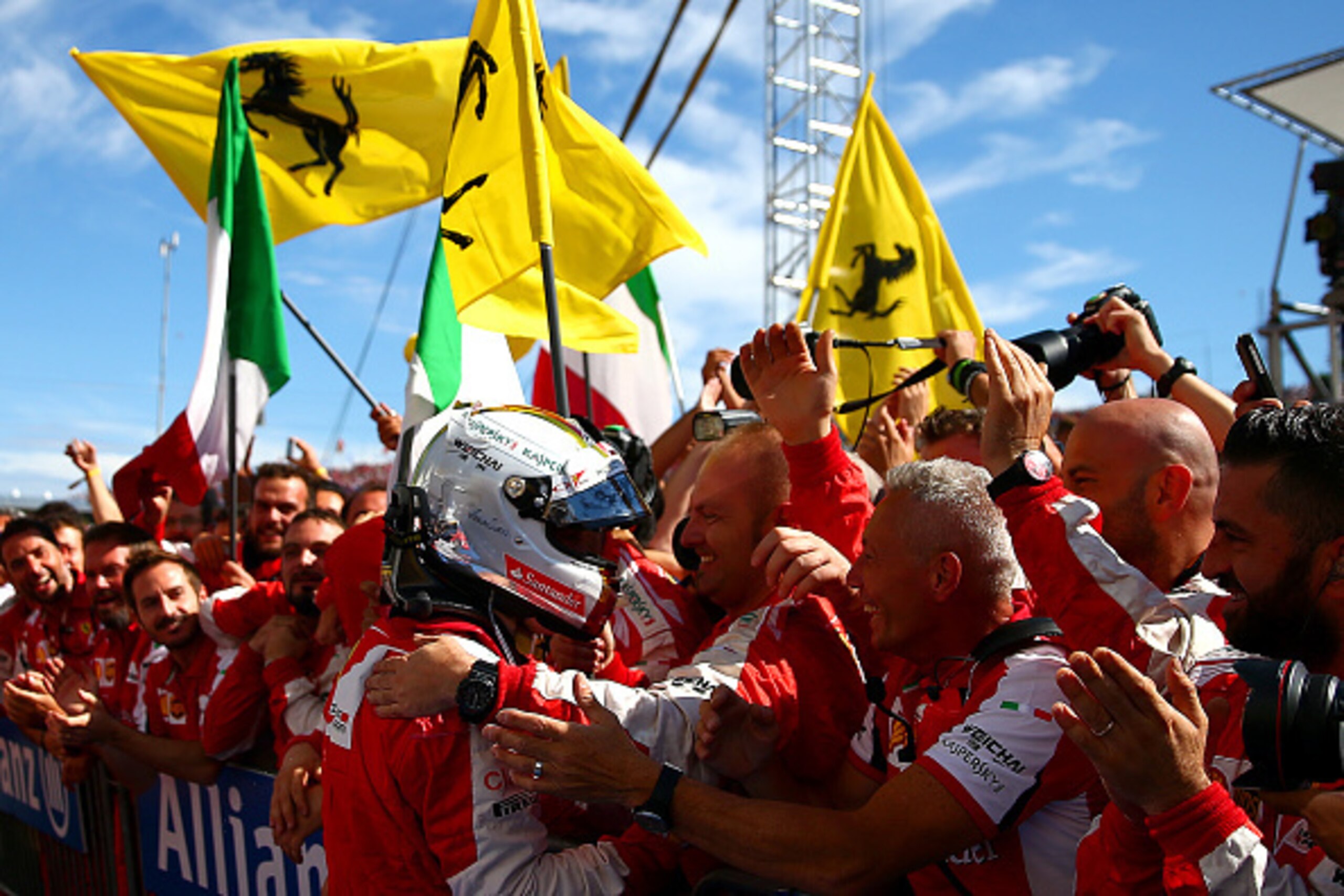
Yet, the team's start to the season has revolutionised expectations at Ferrari.
The magic has returned to their Maranello base, and the prancing horse, after years spent stumbling and staggering, has been revived. Squeezing one more victory out of this year should be the aim ahead of the more serious matter of 2016.

.jpg?w=2560 "Chiefs Dolphins Football")

.jpg?w=2560 "Love's Body Already 'Tired'")