
Ranking the 25 Best NBA Draft Classes of All Time
The 2026 NBA draft class is expected to be one of the most stacked in recent history. That's a great excuse to look back on some of the best we've seen to date.
We combed through every NBA draft class since 1947 (when it wasn't even called the NBA!) and tallied each group's All-Star appearances, All-NBA nods, MVPs, Finals MVPs and career win shares (since that's the only cumulative catch-all that stretches back to the beginning of the league). We awarded points for the accolades (one for All-Star, three for All-NBA, five for MVP and five for Finals MVP) and then sorted all 79 classes by the average of their ranks in accolade points and win shares, with a little extra weight given to the accolade points.
Some of the results may surprise you, but the list generally passes the sniff test. And by the time we get toward the top, you'll be blown away by the amount of talent packed into some of these groups.
25. 1960 Draft Class
1 of 25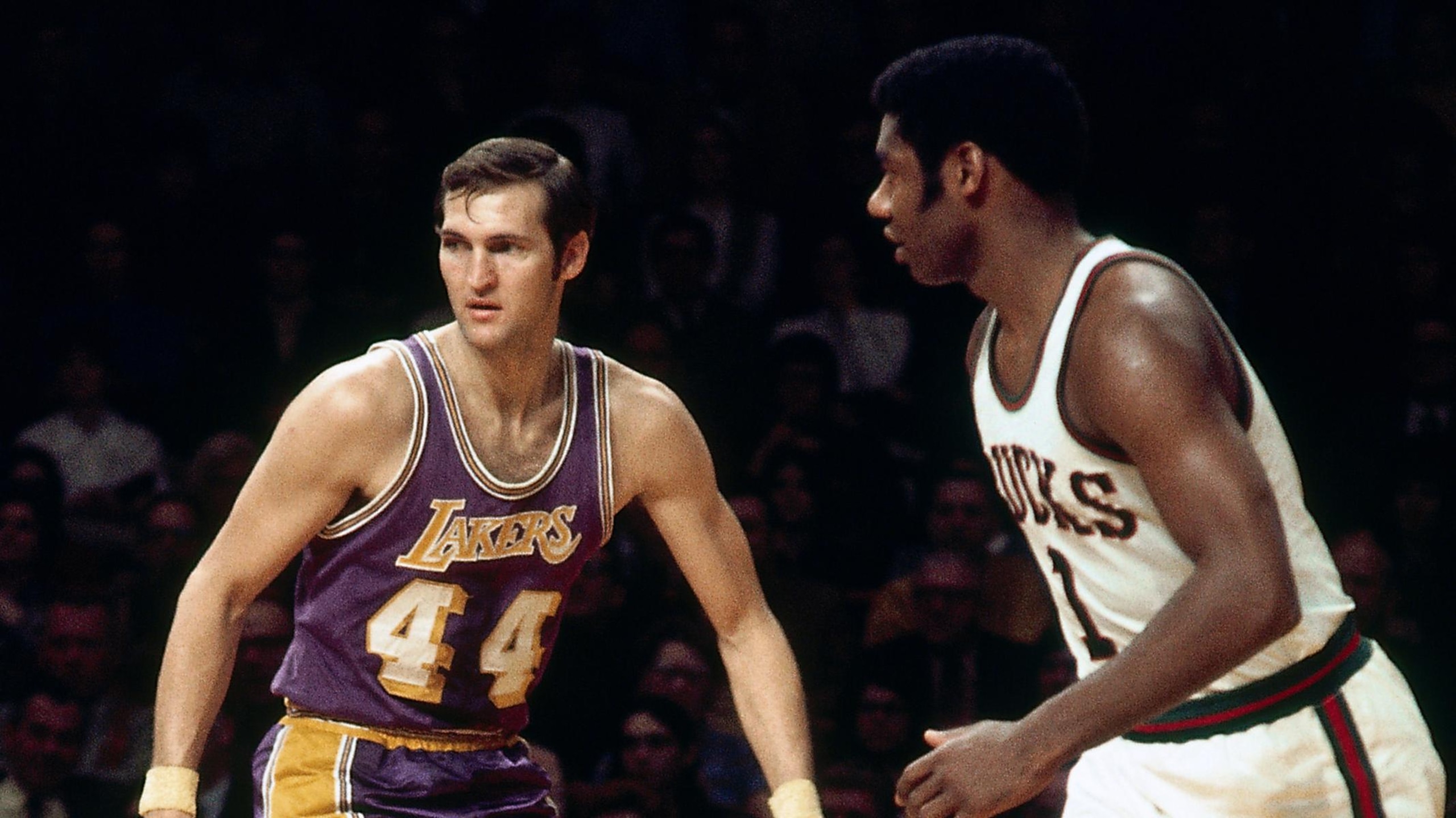
The 1960 class doesn't have the depth you'll find in most of the other groups in these rankings, but the talent at the top is undeniable.
The first overall pick, Oscar Robertson, averaged a triple-double in his second season, won MVP in his fourth, led the league in assists per game seven times and had one scoring title.
Believe it or not, he might not even be the best player drafted in 1960.
The second pick, Jerry West, also won both a scoring and assist title. He never won a regular-season MVP, but he finished in the top six in MVP voting nine times. And he won the first-ever Finals MVP award.
Add Lenny Wilkens, Tom Sanders, Al Attles and Darrall Imhoff to those two, and it's not hard to see how this group cracked the top 25.
24. 1981 Draft Class
2 of 25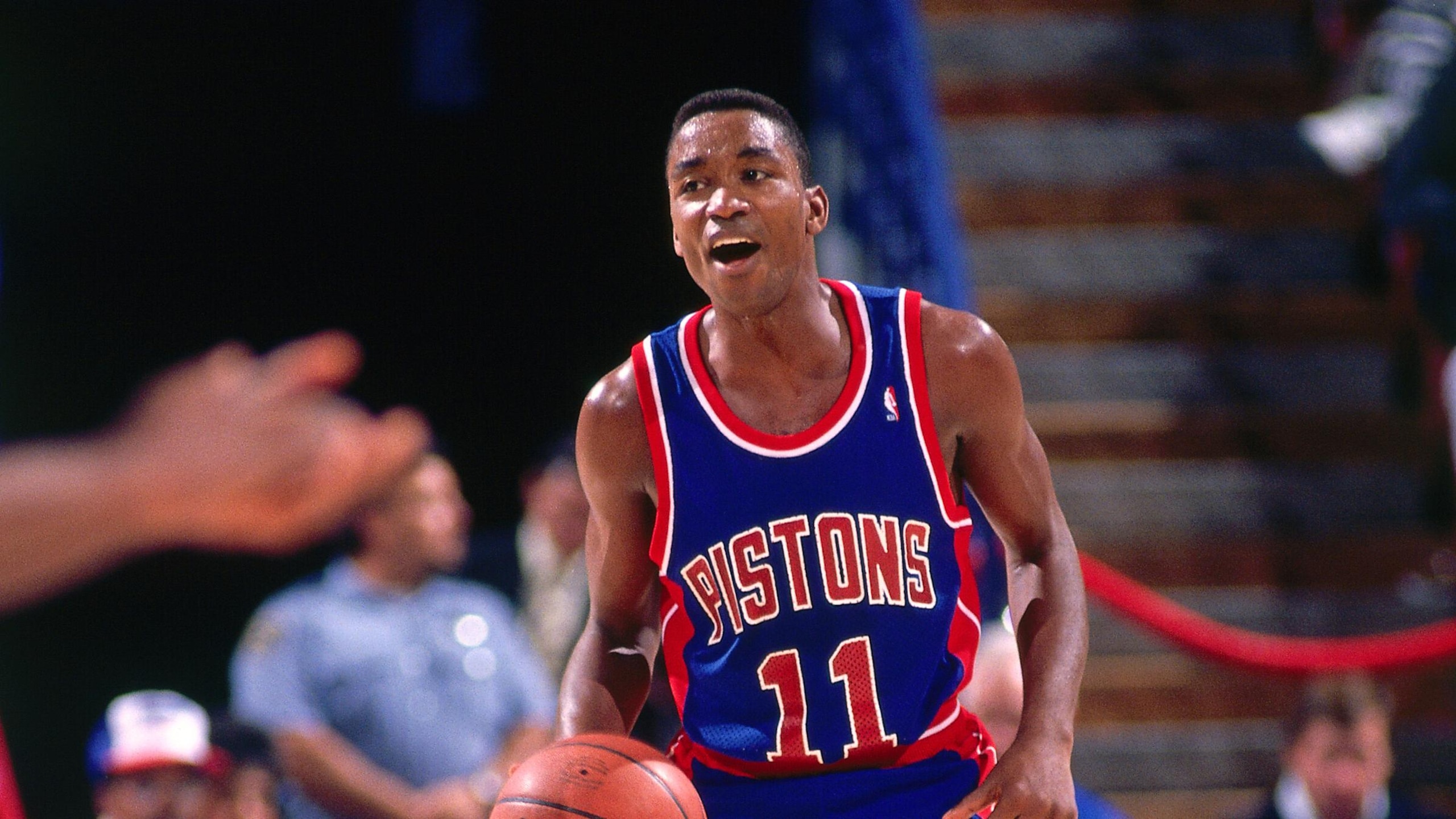
The 1981 class is loaded with All-Stars who never quite reached superstar status, including Buck Williams, Larry Nance, Rolando Blackman and heat-check scorer Danny Ainge.
Several of them spent time as their teams' primary scoring option. But they didn't have the sustained greatness that you'll see from some others higher in these rankings.
The face of the class, Isiah Thomas, followed a similar trajectory. He was out of the league after his age-32 campaign, but he was absolutely a superstar and a perennial All-NBA player at the peak of his powers.
Over his first seven playoff appearances, a run that culminated with back-to-back championships and one Finals MVP, Thomas put up 21.7 points, 9.0 assists and 2.3 steals in 93 playoff games.
23. 1949 Draft Class
3 of 25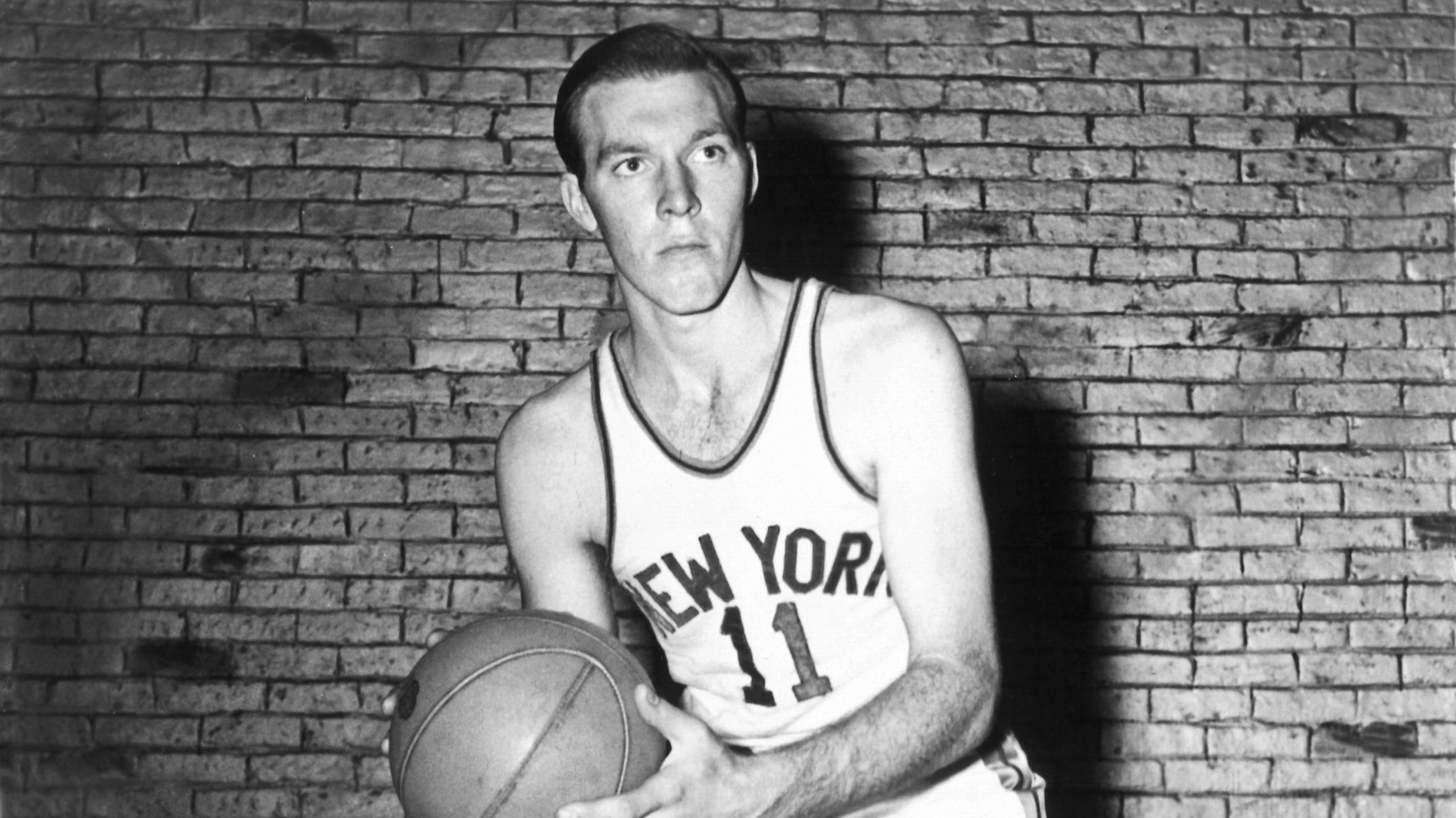
- 44 All-Star selections
- 21 All-NBA nods
- 0 MVPs
- 0 Finals MVPs
- 107 accolade points (11th)
- 688.5 win shares (50th)
The 1949 draft was the last before the league rebranded from the BAA to the NBA, so it gets a small boost for being in the league's formative years.
Back then, the league had about a third as many teams as it has today, but it still featured at least 10 All-Stars per year. The math is obvious: All-Star teams were easier to make.
But the 1949 class still has seven multi-time All-Stars, including five who made at least six different All-Star teams, which is impressive.
And honoring early trail blazers like Slater Martin, Harry Gallatin, Ed Macauley, Dick McGuire and Vern Mikkelsen feels like the right call.

22. 1950 Draft Class
4 of 25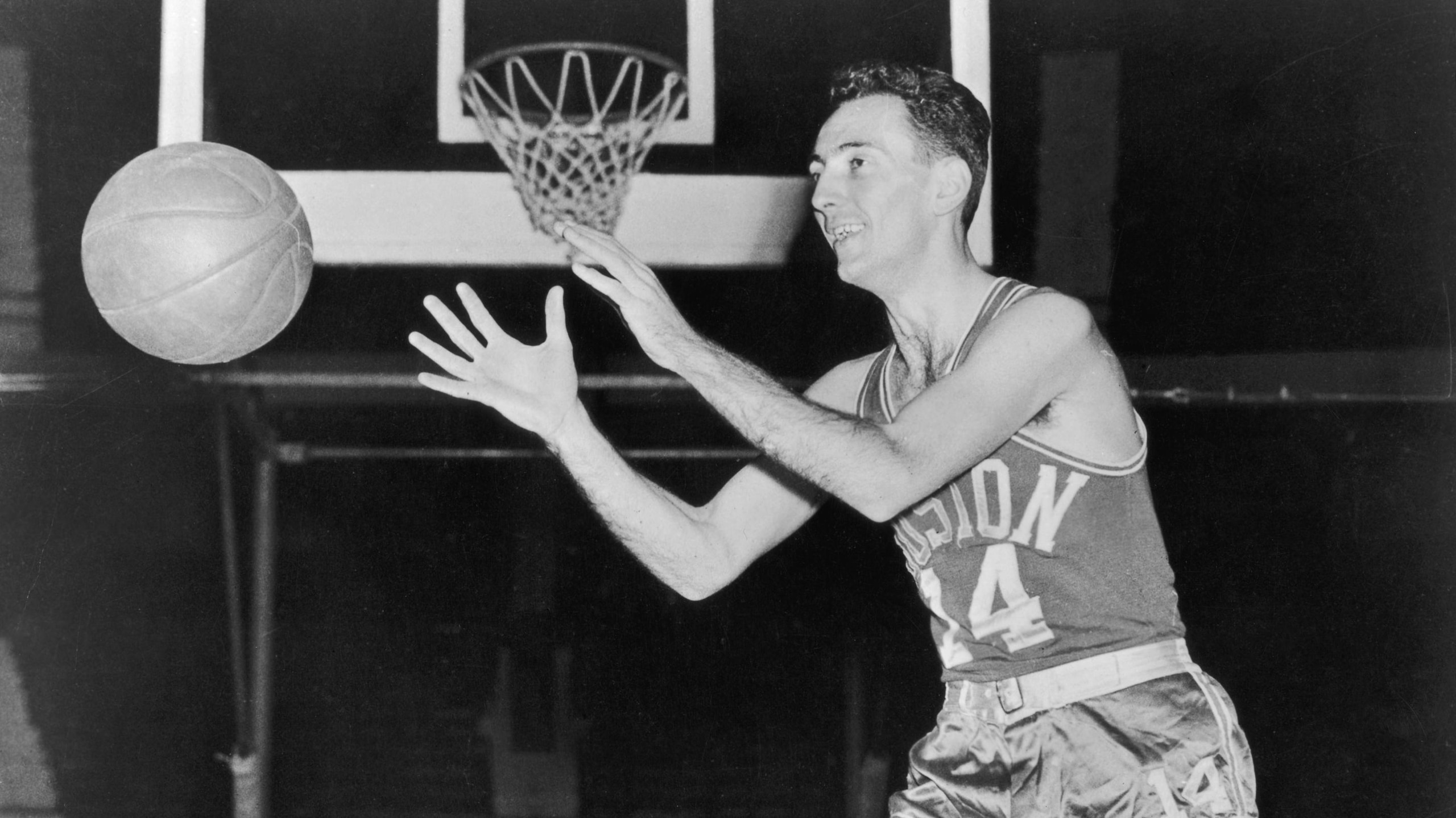
- 45 All-Star selections
- 27 All-NBA nods
- 1 MVP
- 0 Finals MVPs
- 131 accolade points (8th)
- 619.7 win shares (54th)
In 1950, another all-time class gave us Paul Arizin, Bob Cousy, Bill Sharman, Larry Foust and George Yardley.
Cousy, known as the Houdini of the Hardwood, was one of the game's first great innovators with the ball in his hands. Highlight reels of his dribbling are staples of early looks at the league.
And it wasn't just style. Cousy led the league in assists eight times, won an MVP in 1956-57 and won six championships with the Boston Celtics.
Arizin won the title one year earlier than Cousy, won two scoring titles during his career and made an All-Star team in every season he played.
Sharman was a teammate of Cousy's. They won four championships together, and Sharman led the league in free-throw percentage seven times.
21. 1978 Draft Class
5 of 25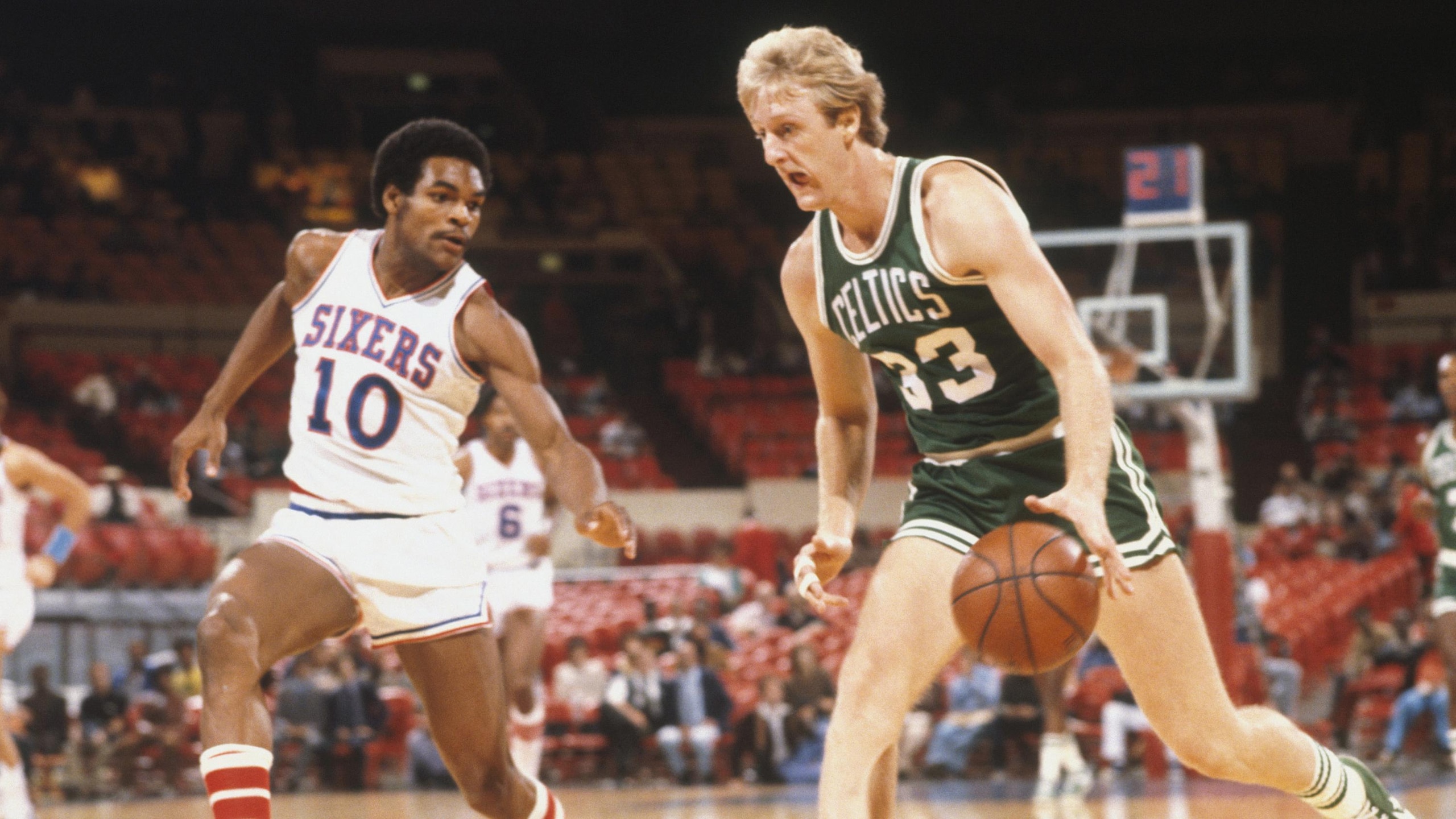
- 23 All-Star selections
- 11 All-NBA nods
- 3 MVPs
- 2 Finals MVPs
- 81 accolade points (24th)
- 987.9 win shares (28th)
The 1978 draft produced a deep and talented class that included Maurice Cheeks, Reggie Theus, Mychal Thompson, Michael Ray Richardson and Michael Cooper.
Cheeks was a defensive ace and one of the great distributors of his era. Theus averaged at least 18 points in nine of his 13 seasons. Michael Cooper was one of the best defenders of all time. Richardson led the NBA in steals per game three times. And Thompson, the first overall pick, won two championships as a crucial role player for the Los Angeles Lakers of the late 1980s.
But the driving force behind this class rising as high as it did is undoubtedly the player who went sixth.
By the time he retired, Larry Bird was eighth in NBA history in career win shares. He won three straight MVPs from 1984 through 1986, finished in the top three of MVP voting in eight straight seasons from 1981 through 1988 and won three championships with the Boston Celtics.
20. 1977 Draft Class
6 of 25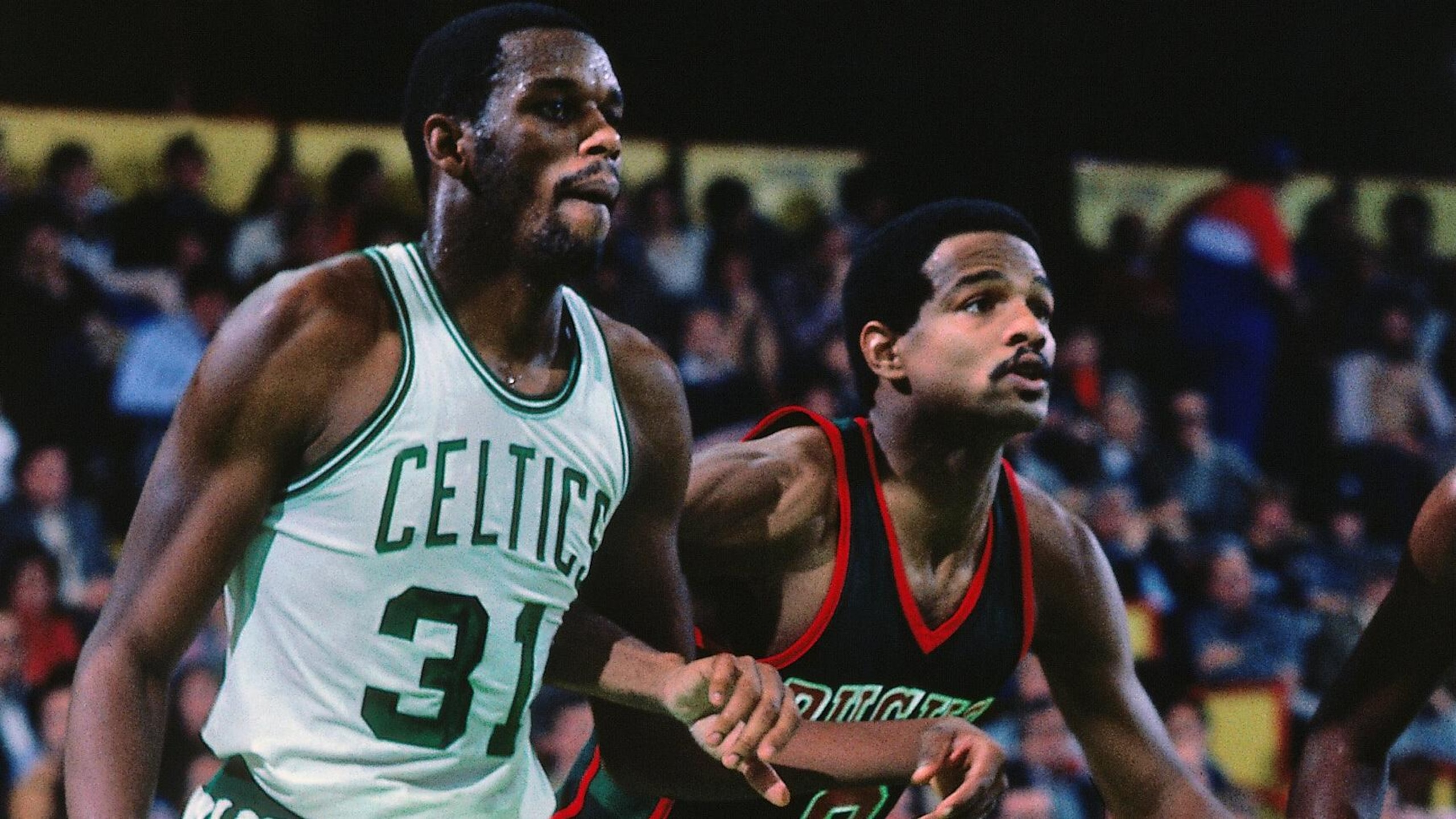
- 31 All-Star selections
- 10 All-NBA nods
- 0 MVPs
- 1 Finals MVP
- 66 accolade points (33rd)
- 1,251.9 win shares (13th)
One year before Larry Bird entered the NBA, a Celtics teammate who won a Finals MVP over him was taken 12th overall. Cedric Maxwell is responsible for those five accolade points after averaging 17.7 points, 9.5 rebounds and 2.8 assists in the 1981 Finals.
But the 1977 class climbing one spot higher than Bird's has more to do with several others drafted around him.
Jack Sikma was a seven-time All-Star who helped lead the Seattle SuperSonics to a championship in 1979. Marques Johnson made five All-Star teams and averaged more than 20 points per game in six different seasons.
Walter Davis was one of the league's more consistent scorers throughout his career. Bernard King won a scoring title as a New York Knick before an injury derailed his career.
Norm Nixon was the point guard who helped Magic Johnson transition into the NBA. And Tree Rollins was a game-changing rim protector in an era with some of the best shot-blockers of all time.
19. 2014 Draft Class
7 of 25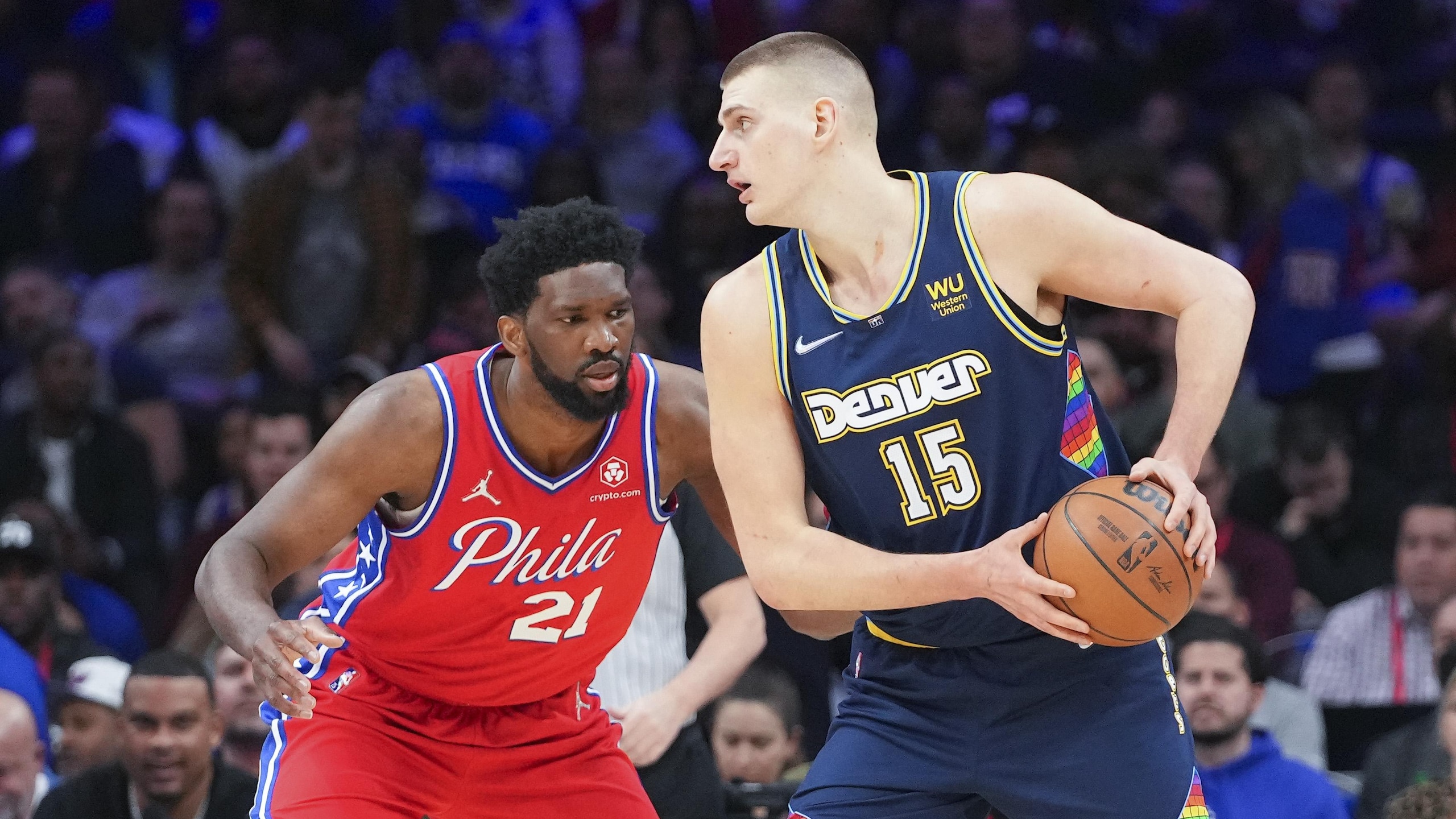
- 21 All-Star selections
- 14 All-NBA nods
- 4 MVPs
- 1 Finals MVP
- 88 accolade points (19th)
- 966.9 win shares (31st)
Before the 2014 class hit the NBA, players like Andrew Wiggins and Jabari Parker were projected to be superstars, but neither is largely responsible for this ranking.
That honor goes to Nikola Jokić, the 41st overall pick who went to average a triple-double twice and win three MVPs and one Finals MVP before exiting his prime.
He didn't drag the 2014 class to this spot by himself, though. Joel Embiid's MVP certainly helped. And players like Clint Capela, Julius Randle, Aaron Gordon, Wiggins and Marcus Smart all having solid careers contributed plenty to the win shares column.
18. 1974 Draft Class
8 of 25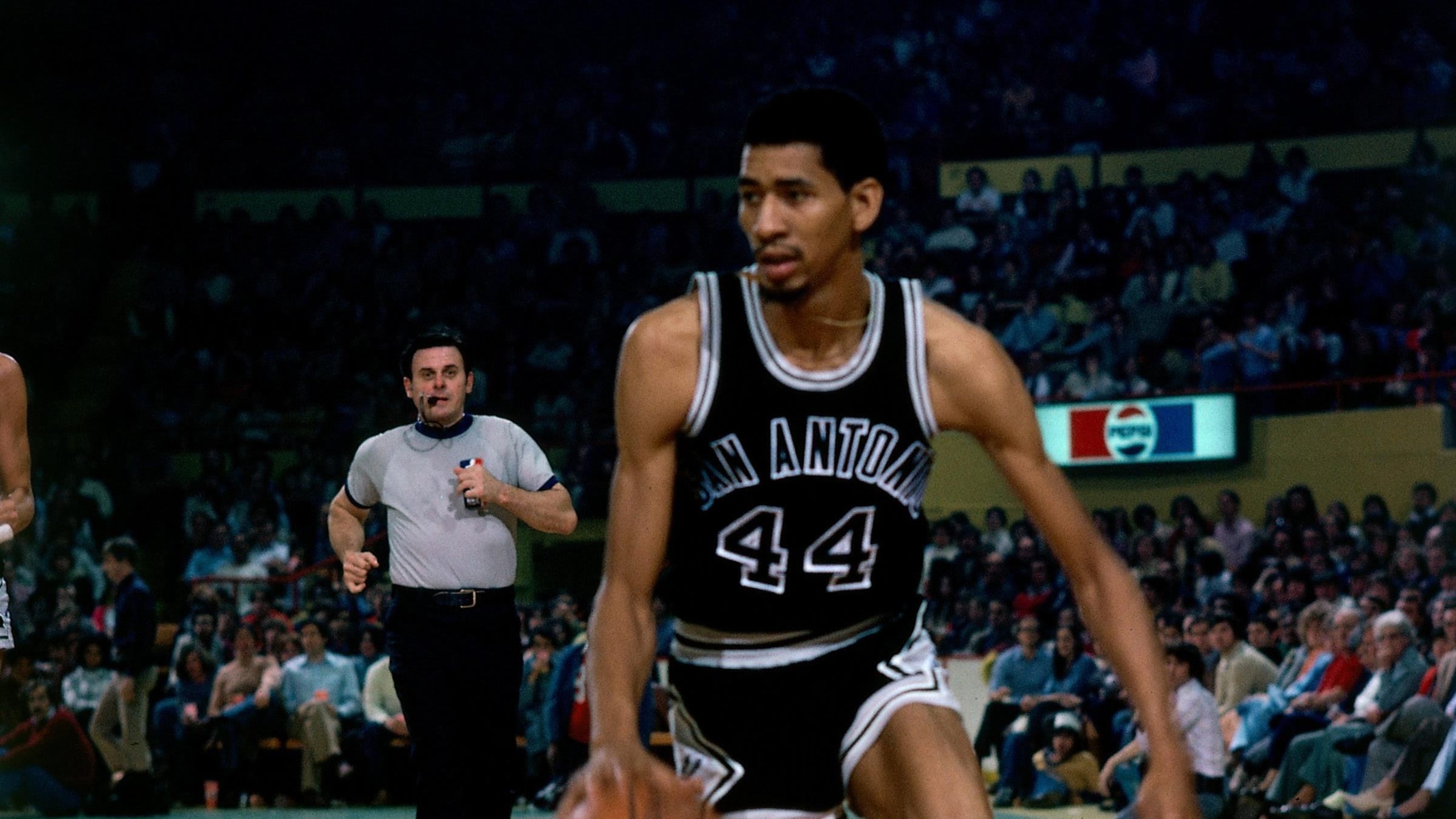
- 35 All-Star selections
- 12 All-NBA nods
- 1 MVP
- 1 Finals MVP
- 81 accolade points (24th)
- 1,025.2 win shares (23rd)
Forty years before the Denver Nuggets took Nikola Jokić, another player who eventually destroyed predraft expectations was picked in the 40s.
After spending his first few seasons in the ABA, George Gervin transitioned to the NBA and won four scoring titles. He finished in the top six of MVP voting in five straight seasons. And to this day, the Iceman is considered one of the best scorers in league history.
But he isn't solely responsible for the 1974 class elevating to this spot.
No. 5 overall pick Bobby Jones made five All-Star teams and helped the Philadelphia 76ers win the championship in 1983. No. 11 pick Jamaal Wilkes won a title with the Golden State Warriors and three more with the Lakers. And before injuries sent his career on a different trajectory, No. 1 overall pick Bill Walton won an MVP, a Finals MVP and a championship.
17. 1970 Draft Class
9 of 25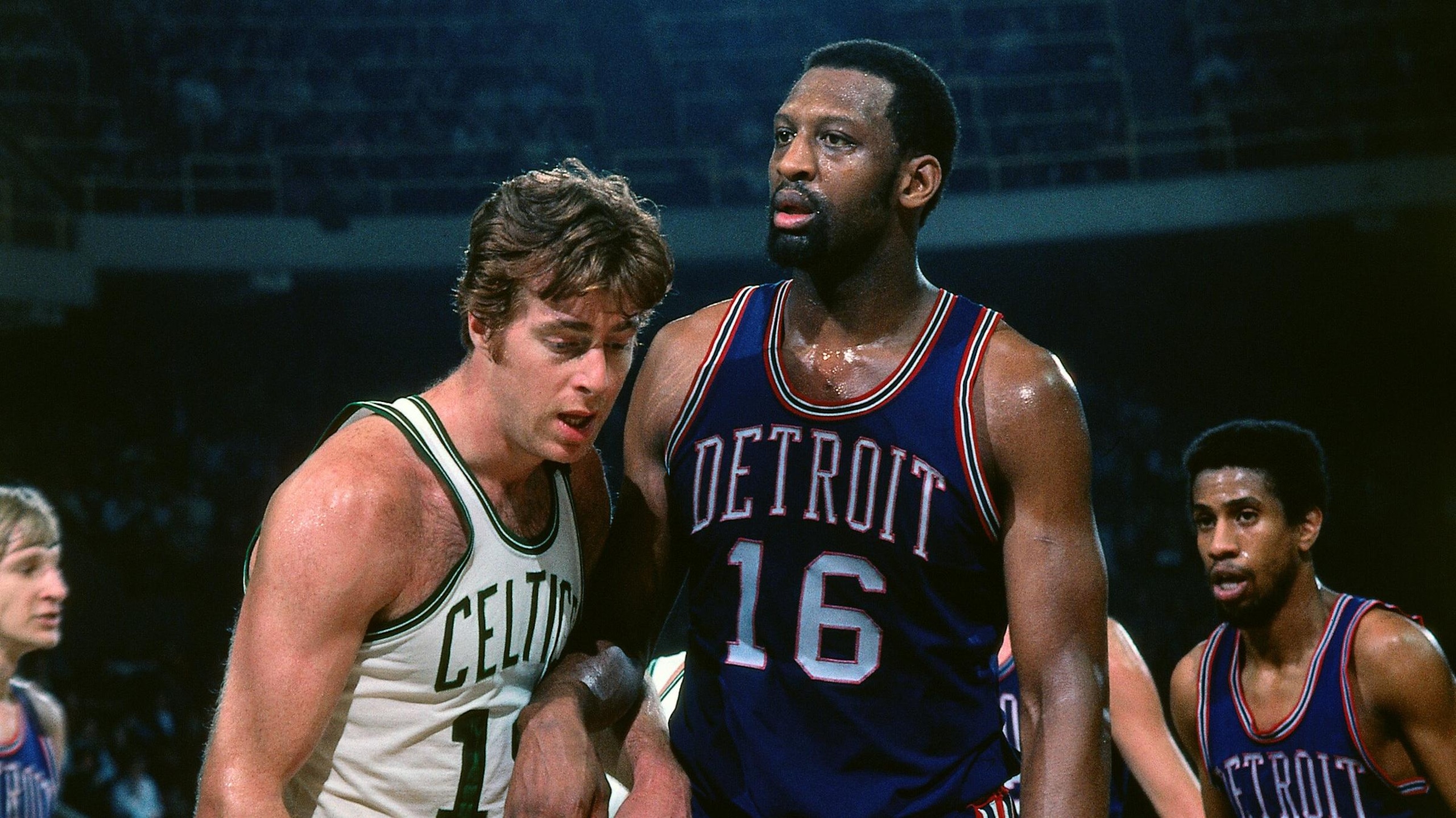
- 42 All-Star selections
- 12 All-NBA nods
- 1 MVP
- 0 Finals MVPs
- 83 accolade points (23rd)
- 1,019.6 win shares (24th)
The 1970 class was largely carried by a pair of legendary big men, but there's plenty of depth here as well.
Dave Cowens was an MVP and two-time champion who averaged 19.1 points, 15.5 rebounds and 3.8 assists over his first six seasons. Meanwhile, Bob Lanier had an eight-year peak in which he put up 23.9 points, 12.5 rebounds, 3.5 assists and 2.0 blocks per game.
But again, they weren't alone. The 1970 draft class featured other Hall of Famers, including Calvin Murphy, Tiny Archibald, Dan Issel, Rudy Tomjanovich and Pistol Pete Maravich.
16. 2005 Draft Class
10 of 25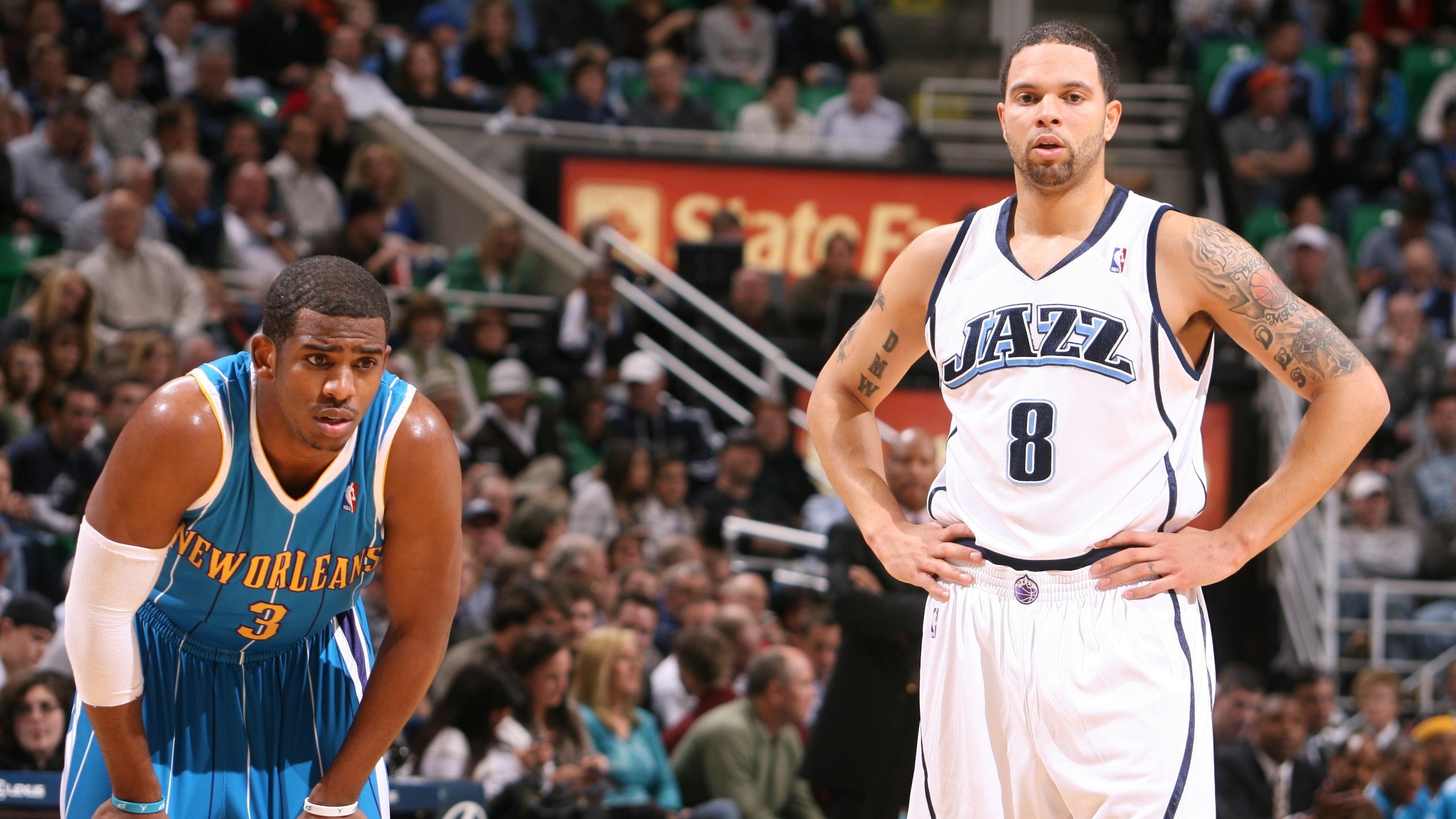
- 19 All-Star selections
- 16 All-NBA nods
- 0 MVPs
- 0 Finals MVPs
- 67 accolade points (32nd)
- 1,343.8 win shares (8th)
The 2005 class is headlined by a pair of playmakers who gave us one of the best "who you got?" debates in NBA history.
Deron Williams and Chris Paul were taken third and fourth overall, respectively. They went on to battle for the "best point guard in the league" title for years.
CP3 ultimately won that debate and played all the way through the 2025-26 season. He's now fifth in NBA history in career win shares.
But when you comb through the names in this class, those are far from the only two that stand out.
No. 10 overall pick Andrew Bynum was a key cog on two Lakers championship teams. Monta Ellis (No. 40), Danny Granger (No. 17) and Lou Williams (No. 45) all had long runs as high-level scorers.
David Lee (No. 30), Marvin Williams (No. 2), Raymond Felton (No. 5) and Channing Frye (No. 8) were reliable role players for years. And the first overall pick, Andrew Bogut, helped establish the Golden State Warriors' dynasty.
15. 2001
11 of 25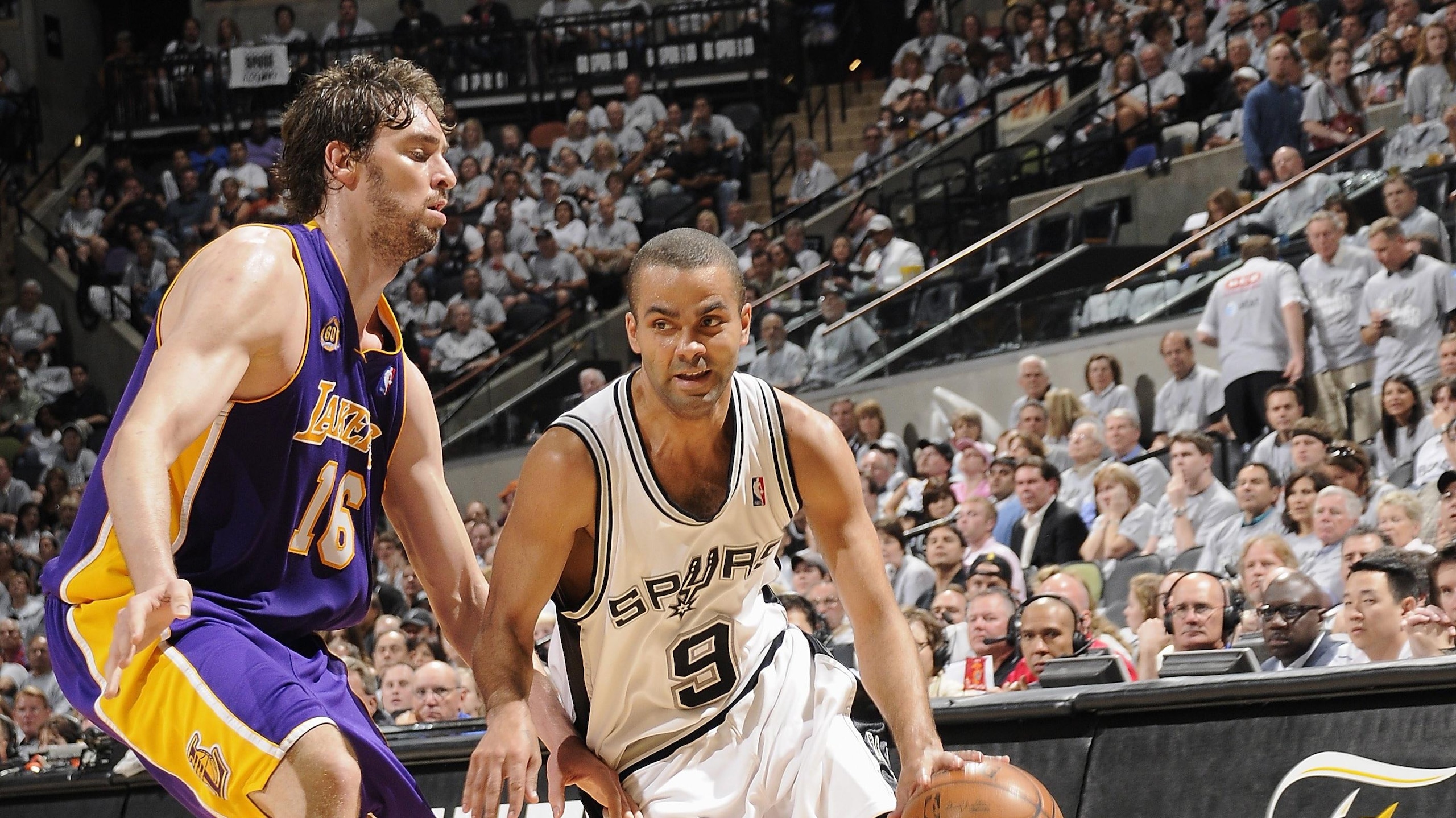
- 27 All-Star selections
- 14 All-NBA nods
- 0 MVPs
- 1 Finals MVP
- 74 accolade points (29th)
- 1,279.8 win shares (12th)
This is maybe the biggest surprise of this entire exercise. The 2001 class has long been considered one of the worst in league history, but that may simply be because of the top pick.
With career averages of 6.6 points and 5.5 rebounds, Kwame Brown is generally seen as one of the biggest busts of all time.
But several players taken outside this draft's top five had long—and in some cases, Hall of Fame-worthy—careers.
Pau Gasol (No. 3 overall) won multiple titles with the Lakers. Tony Parker (No. 28) was a Finals MVP. Tyson Chandler (No. 2) was the anchor of the Dallas Mavericks' title-winning defense.
Joe Johnson (No. 10), Gilbert Arenas (No. 31), Zach Randolph (No. 19), Gerald Wallace (No. 25) and Mehmet Okur (No. 38) all made All-Star teams. And several others, including Richard Jefferson (No. 13), Shane Battier (No. 6) and Jason Richardson (No. 5) had long, successful careers as role players or fringe stars.
14. 1969 Draft Class
12 of 25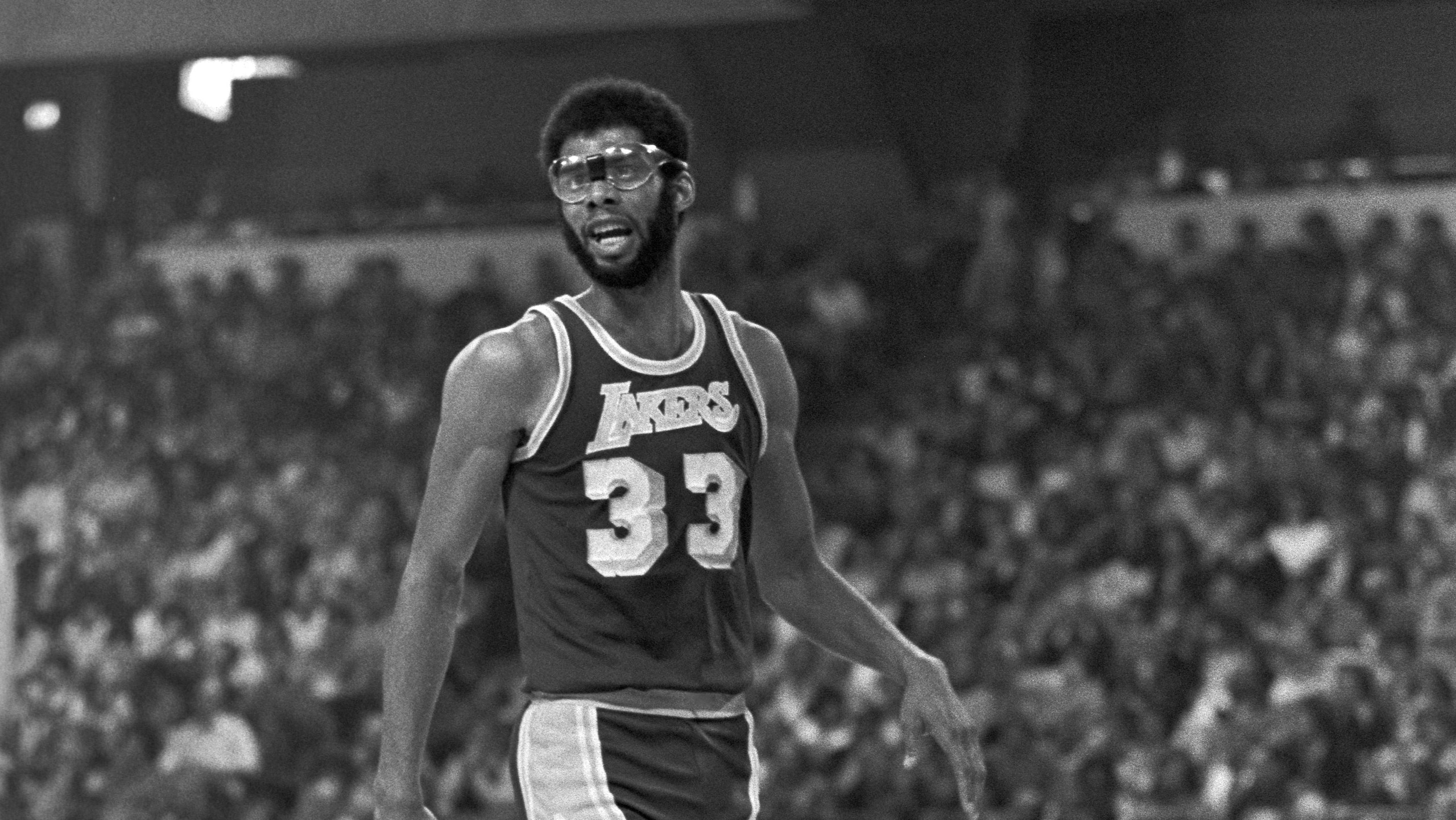
- 35 All-Star selections
- 19 All-NBA nods
- 6 MVPs
- 3 Finals MVPs
- 137 accolade points (6th)
- 804.0 win shares (42nd)
A few of the classes featured in these rankings are largely driven by one player. The 1969 class certainly qualifies as one of those.
Kareem Abdul-Jabbar, the first overall pick, is second in NBA history in career win shares. He won six MVPs, six championships, two scoring titles, one rebounding title and four block titles while averaging 28.1 points, 14.1 rebounds, 4.4 assists, and 3.4 blocks over the first 12 years of his career.
With all due respect to Bob Dandridge and Jo Jo White, both of whom are Hall of Famers, Kareem's resume is how this draft class pushed its way into the top 15 of these rankings.
13. 2007 Draft Class
13 of 25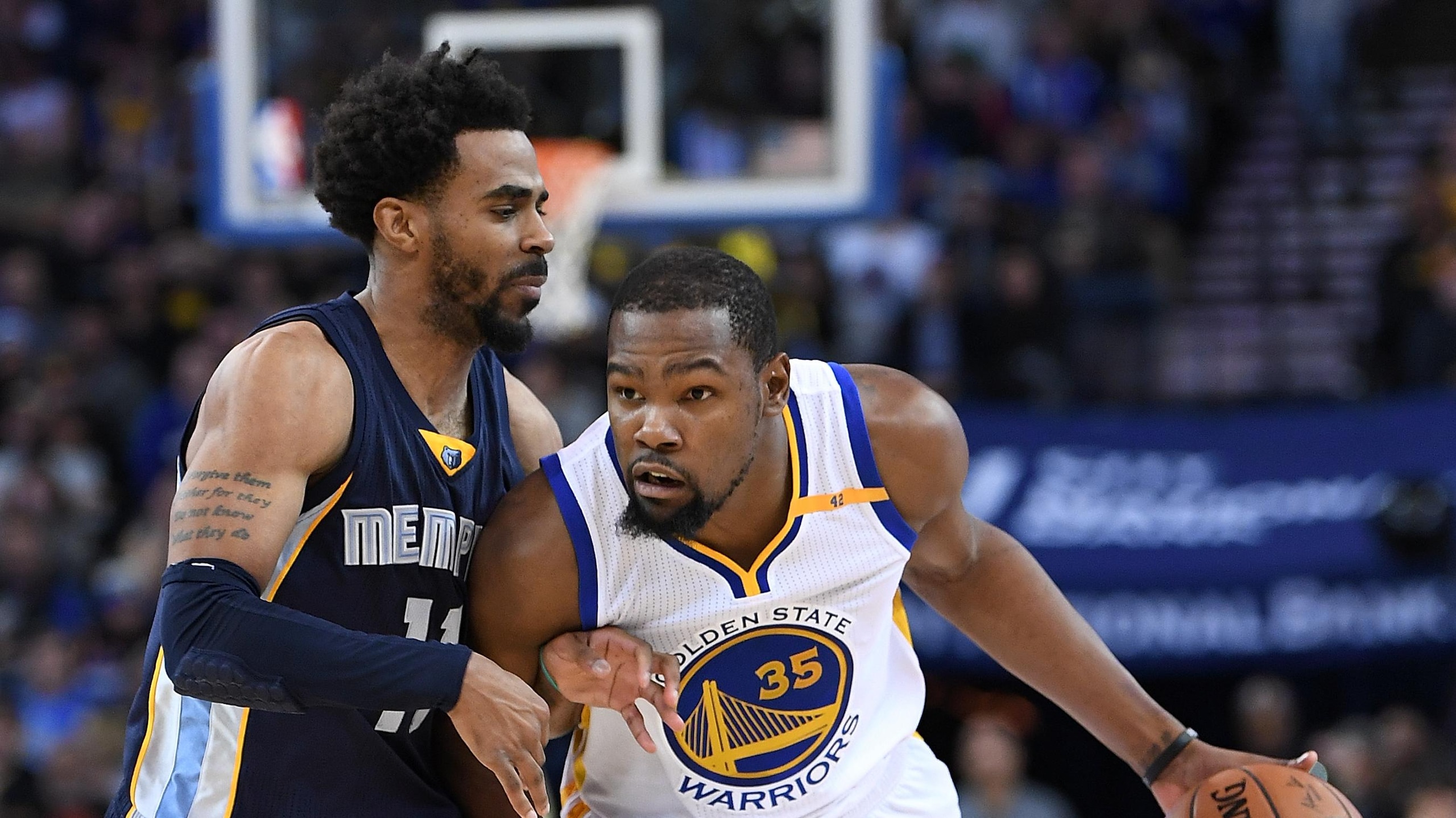
- 27 All-Star selections
- 15 All-NBA nods
- 1 MVP
- 2 Finals MVPs
- 87 accolade points (21st)
- 1,160.7 win shares (17th)
The gap between this class' best and second-best players isn't quite as wide as the one for 1969, but it's still pretty big.
Kevin Durant is a two-time Finals MVP who's fifth in NBA history in career points scored and is one of the greatest pure scorers ever. His 17 seasons with at least 500 minutes and 25-plus points per game trail only LeBron James' 20. He's five seasons clear of third-place Kobe Bryant, Karl Malone and Michael Jordan.
But again, KD doesn't have quite as much separation from his classmates as Kareem did from his. The 2007 draft also gave us longtime NBA contributors Al Horford, Mike Conley, Marc Gasol and Joakim Noah, among others.
12. 2008 Draft Class
14 of 25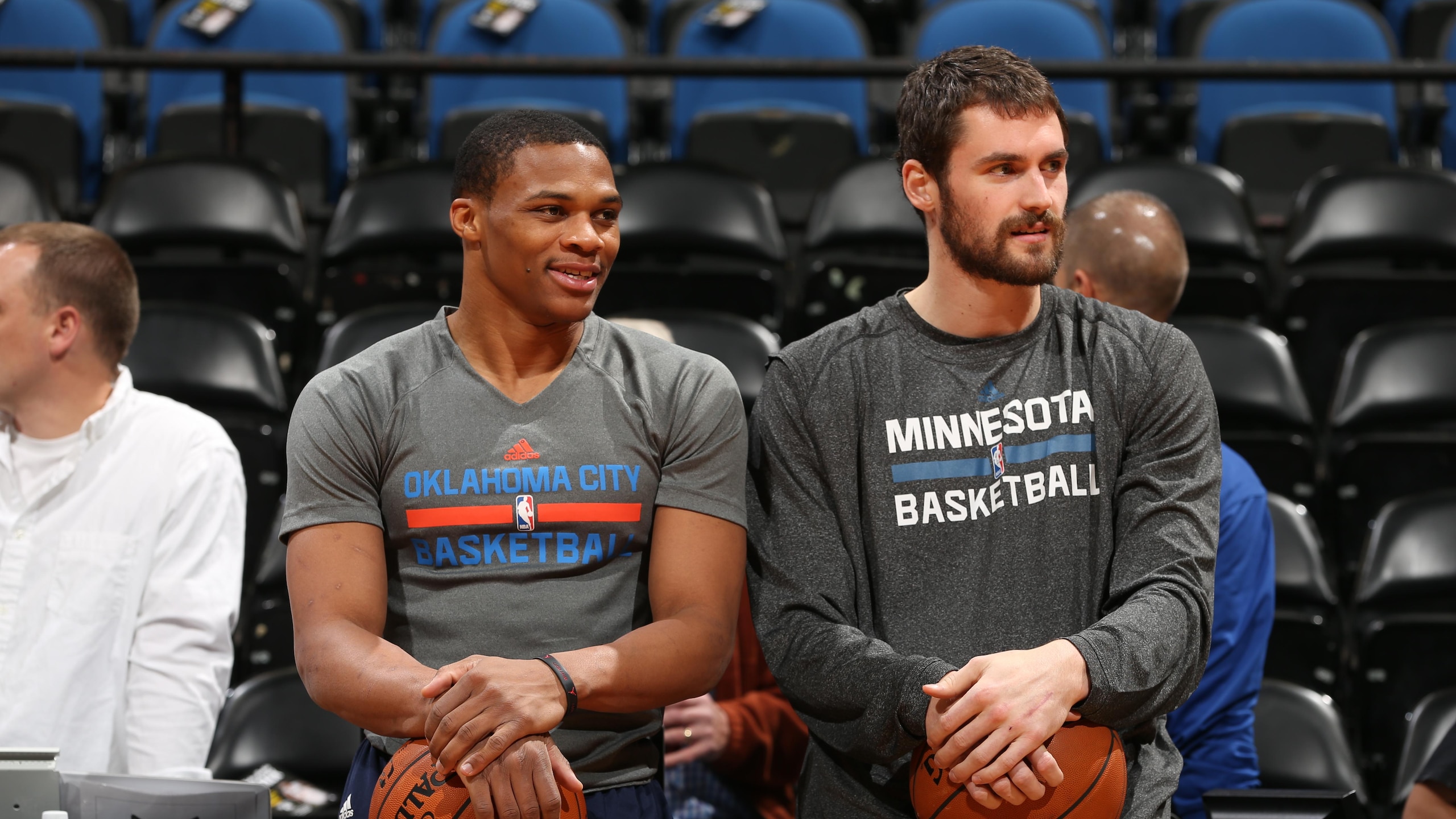
- 22 All-Star selections
- 16 All-NBA nods
- 2 MVPs
- 0 Finals MVPs
- 80 accolade points (26th)
- 1,408.8 win shares (5th)
This is another star-studded class with several players still in the league today.
The top three (Derrick Rose, Michael Beasley and OJ Mayo) sort of flamed out in different ways, although Rose won an MVP before injuries took their toll. But at least two players taken later than those three (Russell Westbrook and Kevin Love) figure to make their way into the Hall of Fame one day.
And several others from this class had long and successful careers as role players or fringe stars. That list includes DeAndre Jordan (No. 35), Brook Lopez (No. 10), Nicolas Batum (No. 25), Serge Ibaka (No. 24), George Hill (No. 26), Danilo Gallinari (No. 6), Goran Dragić (No. 45), Ryan Anderson (No. 21), Eric Gordon (No. 7) and Roy Hibbert (No. 17).
11. 1979 Draft Class
15 of 25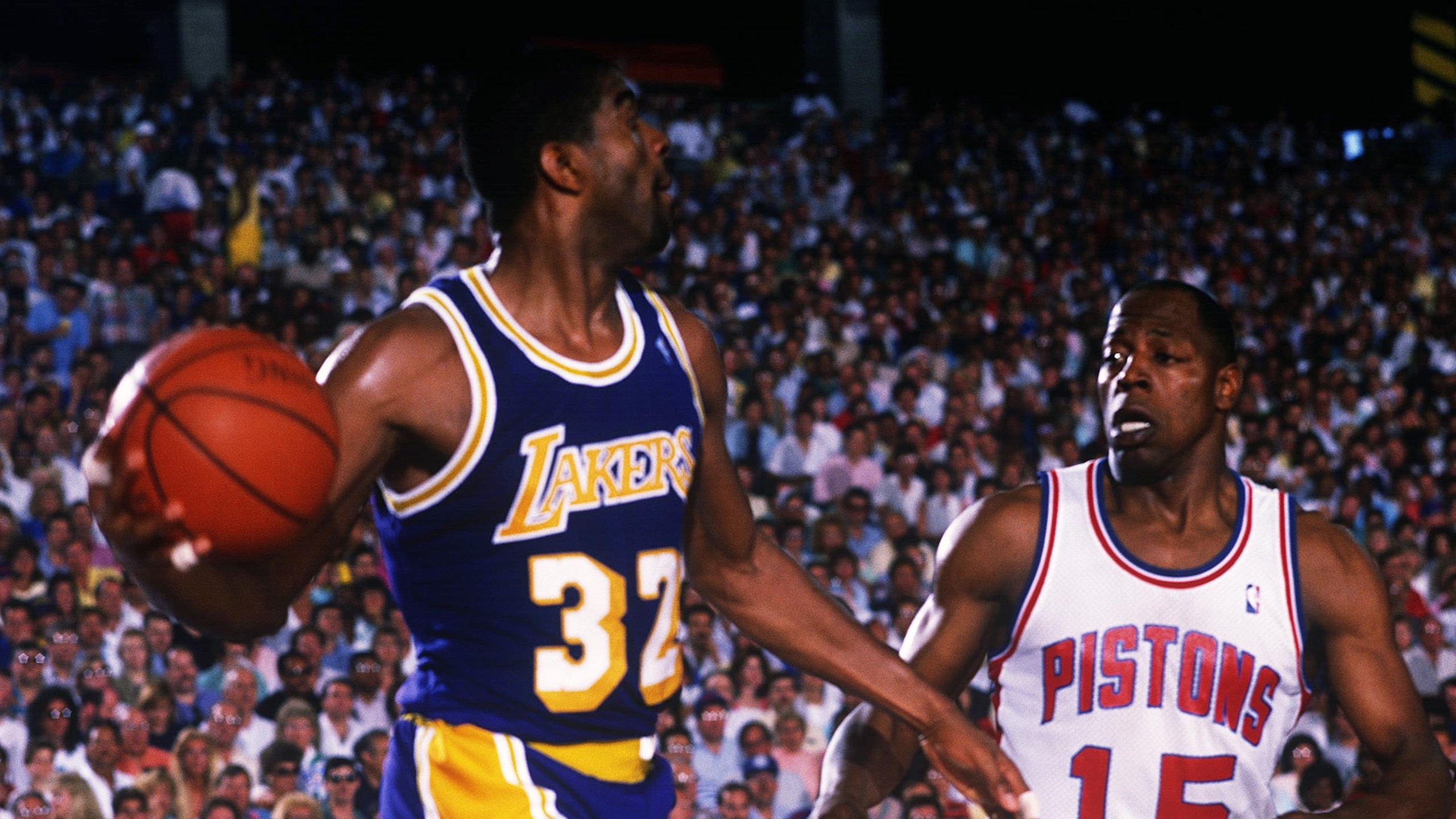
- 25 All-Star selections
- 16 All-NBA nods
- 3 MVPs
- 3 Finals MVPs
- 103 accolade points (13th)
- 1,119.4 win shares (20th)
In case the debate about Magic Johnson and Larry Bird needed any more fodder, the Magic camp can add "higher in Bleacher Report's all-time draft class rankings!" to their repertoire.
Johnson is the biggest reason why the 1979 class is knocking on the door of the top 10. He won three MVPs and three Finals MVPs. For his career, he averaged 19.5 points and 11.2 assists. And he was an All-Star in all but two of his 13 NBA seasons.
He was far from the only difference-maker in his draft class, though.
No. 65 overall pick Bill Laimbeer won two championships and made four All-Star teams. Sidney Moncrief (No. 5) was a two-time Defensive Player of the Year. Mark Eaton (No. 107) won four block titles and is the all-time leader in career blocks per game. And Vinnie Johnson (No. 7) is one of the most prolific reserve scorers ever.
10. 1992 Draft Class
16 of 25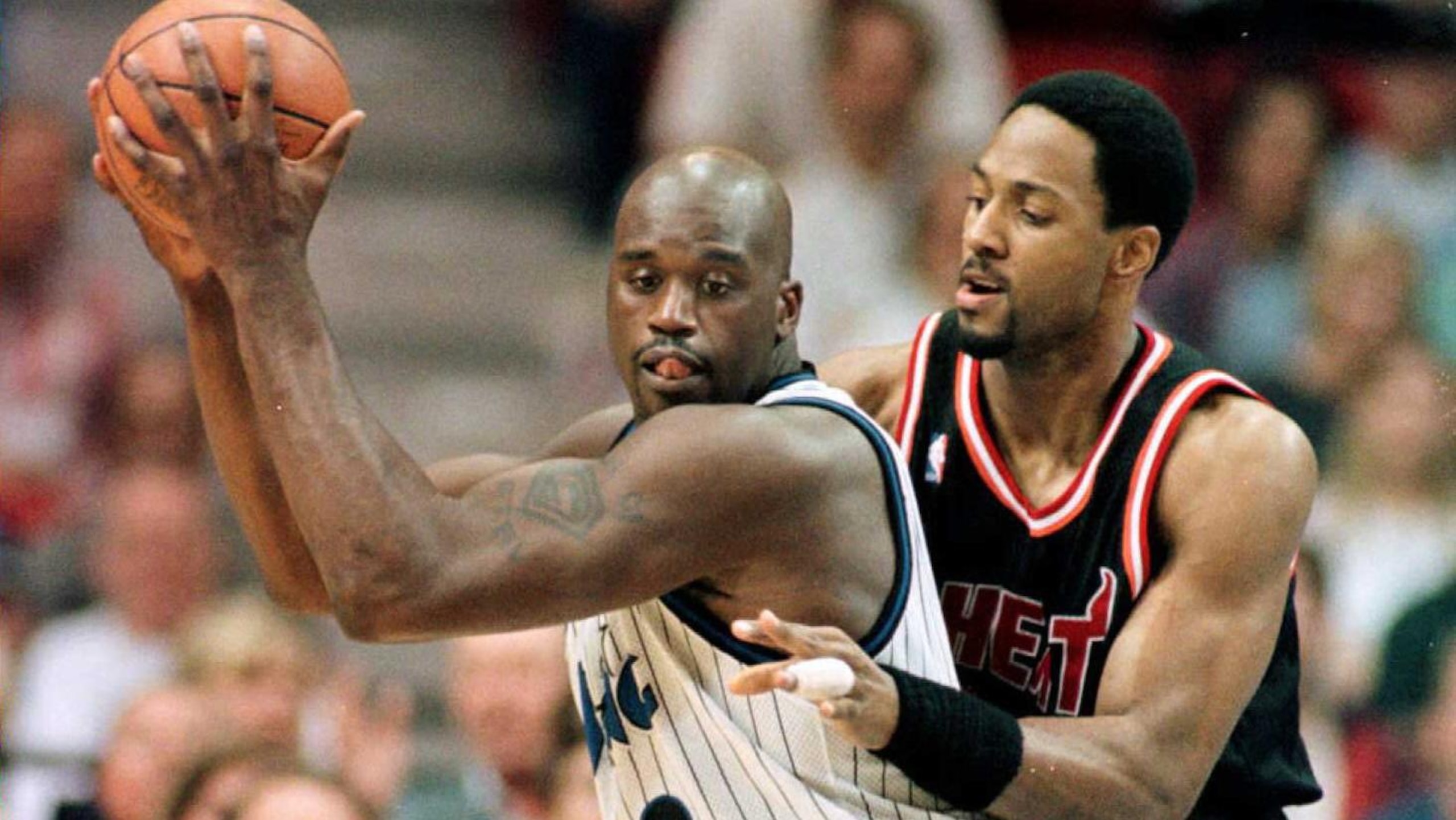
- 28 All-Star selections
- 17 All-NBA nods
- 1 MVP
- 3 Finals MVPs
- 99 accolade points (14th)
- 1,154.7 win shares (18th)
There are several longtime, high-level role players and at least one other star in this group, but the 1992 class owes much of the credit for its top-10 spot to No. 1 overall pick Shaquille O'Neal.
During his threepeat with the Lakers, Shaq averaged 35.9 points, 15.2 rebounds, 3.5 assists and 2.9 blocks in 15 Finals games. He unsurprisingly won all three Finals MVPs from those seasons and has to be considered one of the best playoff performers of all time.
But again, this class has some depth as well.
No. 2 overall pick Alonzo Mourning made seven All-Star teams. Robert Horry (No. 11) won seven titles. And P.J. Brown (No. 29), Christian Laettner (No. 3), Latrell Sprewell (No. 24), Doug Christie (No. 17), Tom Gugliotta (No. 6), Jim Jackson (No. 4) and Hubert Davis (No. 20) all had success all over the league.
9. 1997 Draft Class
17 of 25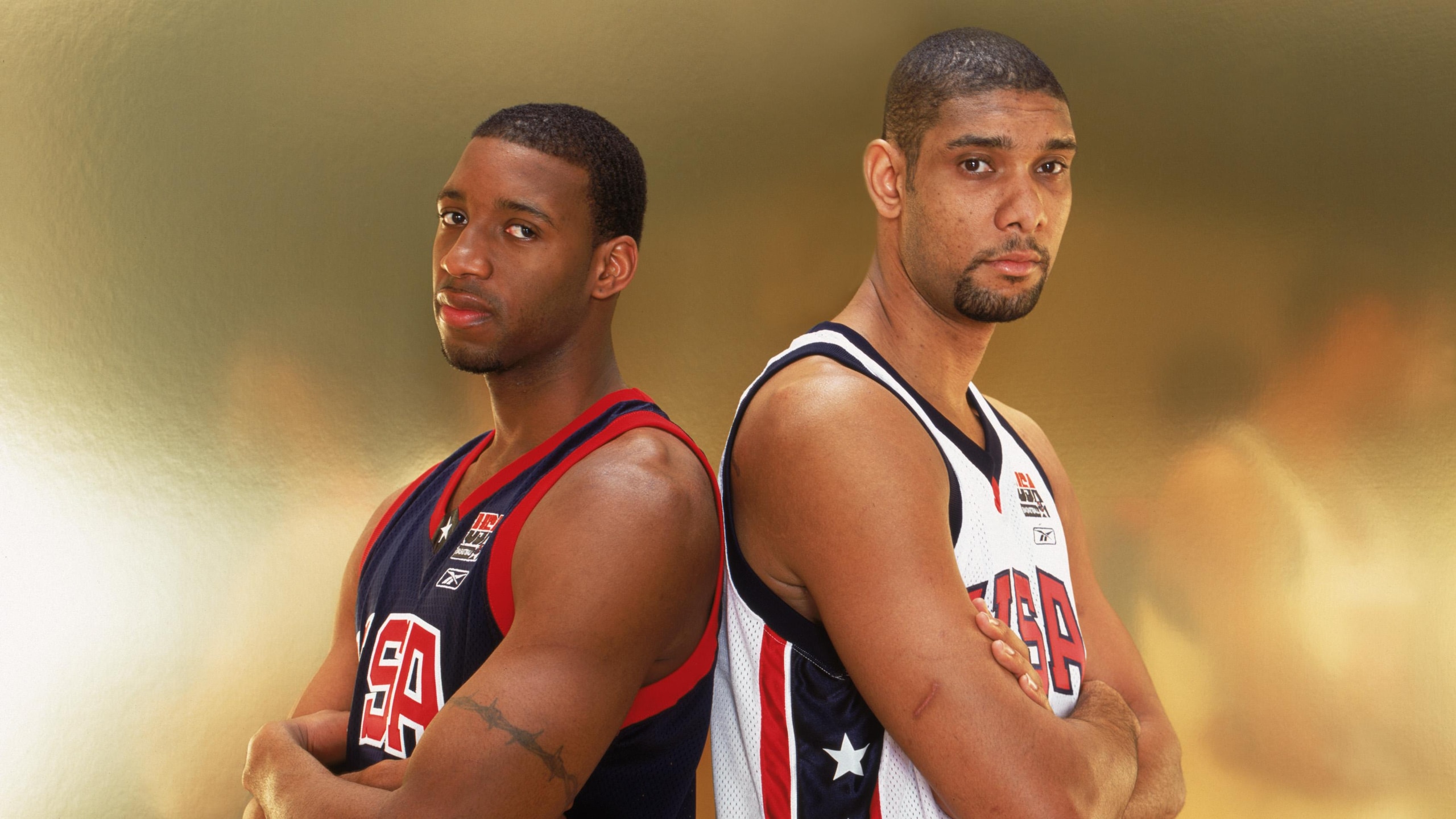
- 27 All-Star selections
- 25 All-NBA nods
- 2 MVPs
- 4 Finals MVPs
- 132 accolade points (7th)
- 1,015.0 win shares (25th)
In 1997, Tim Duncan was one of the most hyped draft prospects in NBA history. Almost 30 years later, he's probably still in that conversation. And along with LeBron James, he's almost certainly one of the best examples of a player actually living up to the hype.
Duncan played 19 years, made 15 All-Star teams and won two MVPs, five championships and three Finals MVPs. He's eighth all-time in career win shares.
But Duncan isn't the only superstar that this draft class produced.
The third overall pick, Chauncey Billups, has a Finals MVP of his own. And Tracy McGrady (No. 9) was one of the best wings in the league for close to a decade.
Add several dependable role players like Antonio Daniels (No. 4), Derek Anderson (No. 13), Keith Van Horn (No. 2), Stephen Jackson (No. 43) and Tim Thomas (No. 7), and it's not hard to see how this class climbed as high as it did.
8. 2011 Draft Class
18 of 25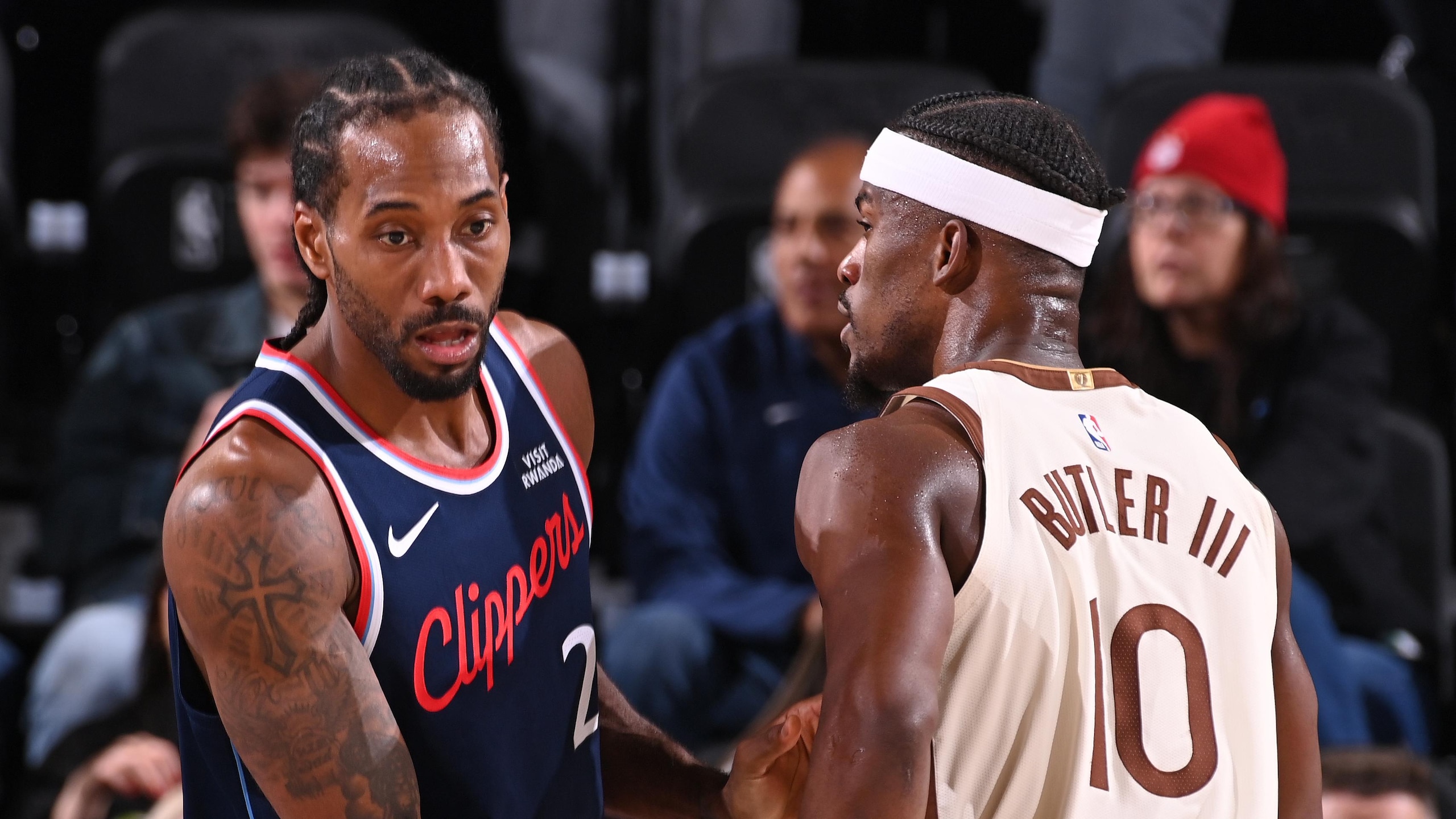
- 35 All-Star selections
- 18 All-NBA nods
- 0 MVPs
- 2 Finals MVPs
- 99 accolade points (14th)
- 1,324.8 win shares (10th)
This is another class that rarely comes to mind when thinking of the best ever. But two-time Finals MVP Kawhi Leonard, the No. 15 overall pick in 2011, is one of the best postseason performers ever.
Leonard isn't the only playoff riser in this group, either. No. 30 overall pick Jimmy Butler fits that description as well.
And there's a chance that neither of those future Hall of Famers is the most popular player from this class. That honor likely goes to the first overall pick, Kyrie Irving.
After those three, you get to names like Jonas Valančiūnas (No. 5), Nikola Vučević (No. 16), Tobias Harris (No. 19), Kemba Walker (No. 9), Klay Thompson (No. 11), Isaiah Thomas (No. 60) and Marcus Morris (No. 14), all of whom had or are still having strong careers vacillating between role player and star.
7. 1998 Draft Class
19 of 25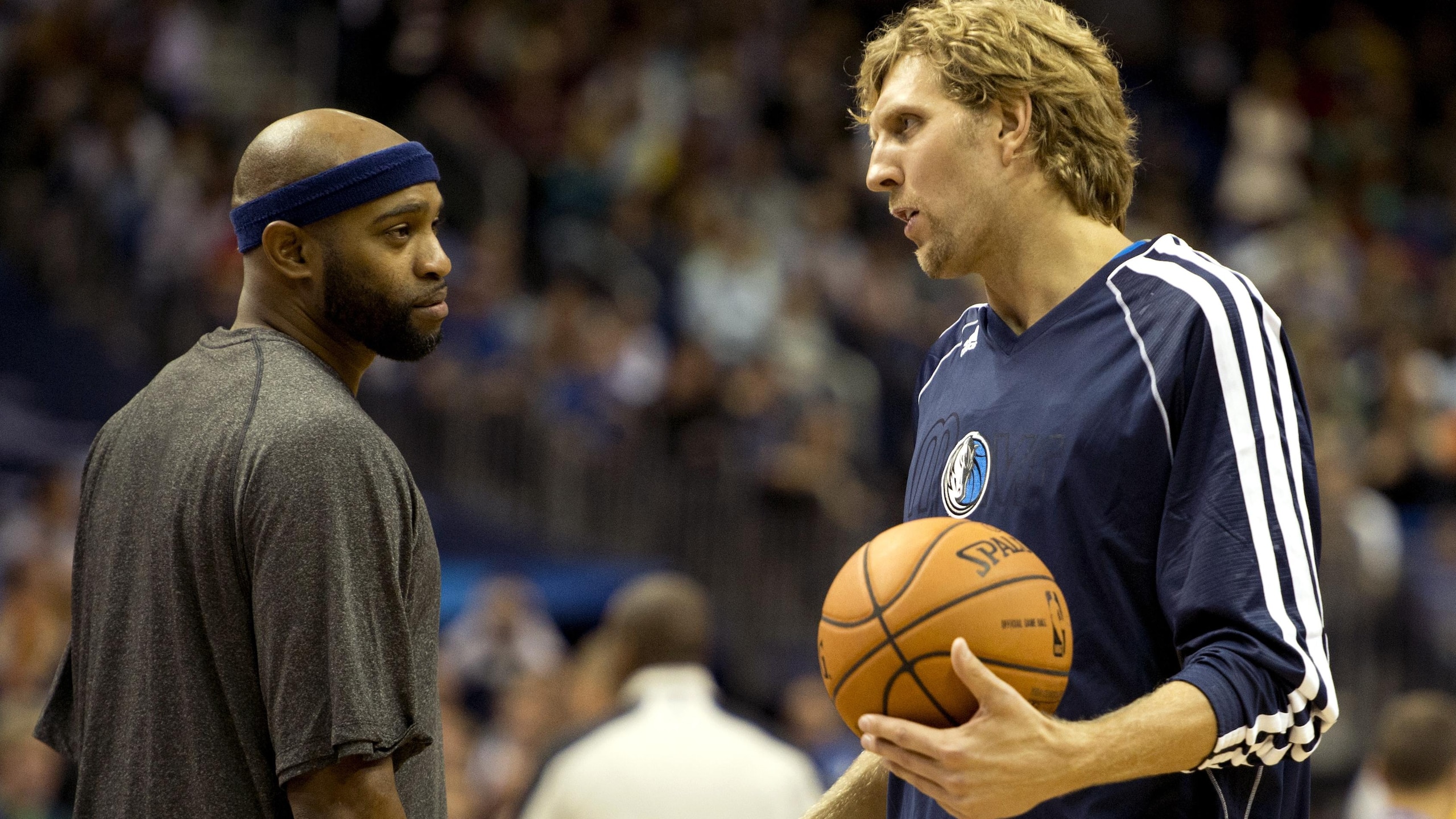
- 36 All-Star selections
- 18 All-NBA nods
- 1 MVP
- 2 Finals MVPs
- 105 accolade points (12th)
- 1,371.0 win shares (7th)
The 1998 draft class is another that features an all-time miss at the top (Michael Olowokandi), but it also has three of the best examples of longevity we've ever seen.
Dirk Nowitzki (No. 9 overall), Paul Pierce (No. 10) and Vince Carter (No. 5) played 21, 19 and 22 seasons, respectively. They're seventh, 21st and 24th all-time on the career points leaderboard.
Nowitzi and Pierce also brought Finals MVPs to this equation. And Nowitzki is ninth all-time in career win shares.
But those three didn't push the 1998 draft class into the top seven of these rankings without help. Rashard Lewis (No. 32), Antawn Jamison (No. 4), Mike Bibby (No. 2) and Cuttino Mobley (No. 41) all had long, successful careers.
6. 1987 Draft Class
20 of 25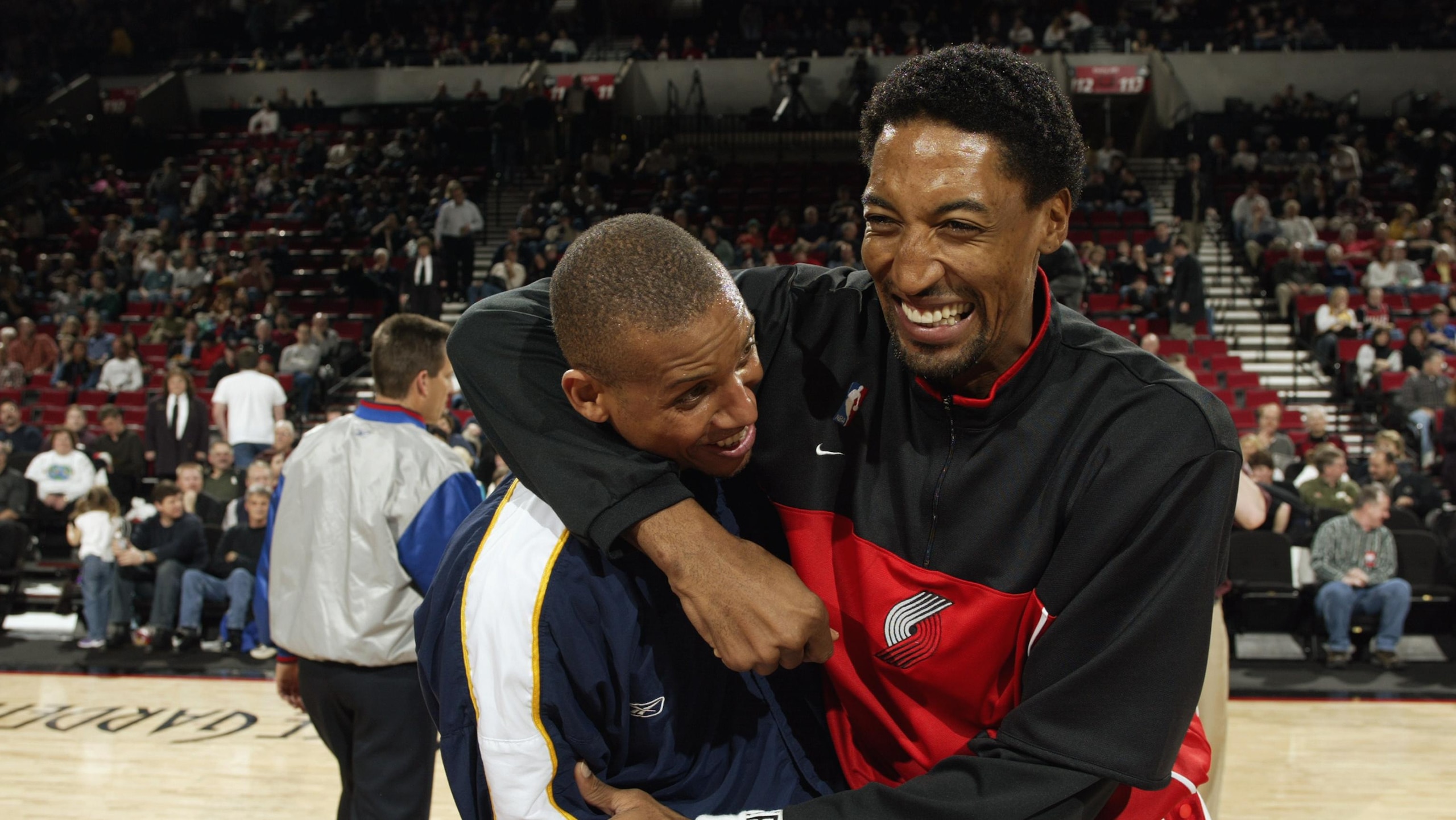
- 28 All-Star selections
- 25 All-NBA nods
- 1 MVP
- 0 Finals MVPs
- 108 accolade points (10th)
- 1,338.8 win shares (9th)
The 1987 class features several of your all-time favorites from one of the glory eras of the NBA.
No. 11 overall pick Reggie Miller was arguably the best shooter ever when he retired. Scottie Pippen (No. 5) and Horace Grant (No. 10) both won multiple titles alongside Michael Jordan. And Kevin Johnson (No. 7), Mark Jackson (No. 18) and Muggsy Bogues (No. 12) were some of the best playmakers of their era.
But the leader of the bunch in both win shares and accolade points is the 1994-95 MVP, who also happens to be one of the most individually productive players ever.
Over the first seven years of his career, David Robinson averaged 25.6 points, 11.8 rebounds, 3.6 blocks, 3.1 assists and 1.7 steals. The Admiral wound up winning two championships with the San Antonio Spurs on the back end of his career.
5. 2009 Draft Class
21 of 25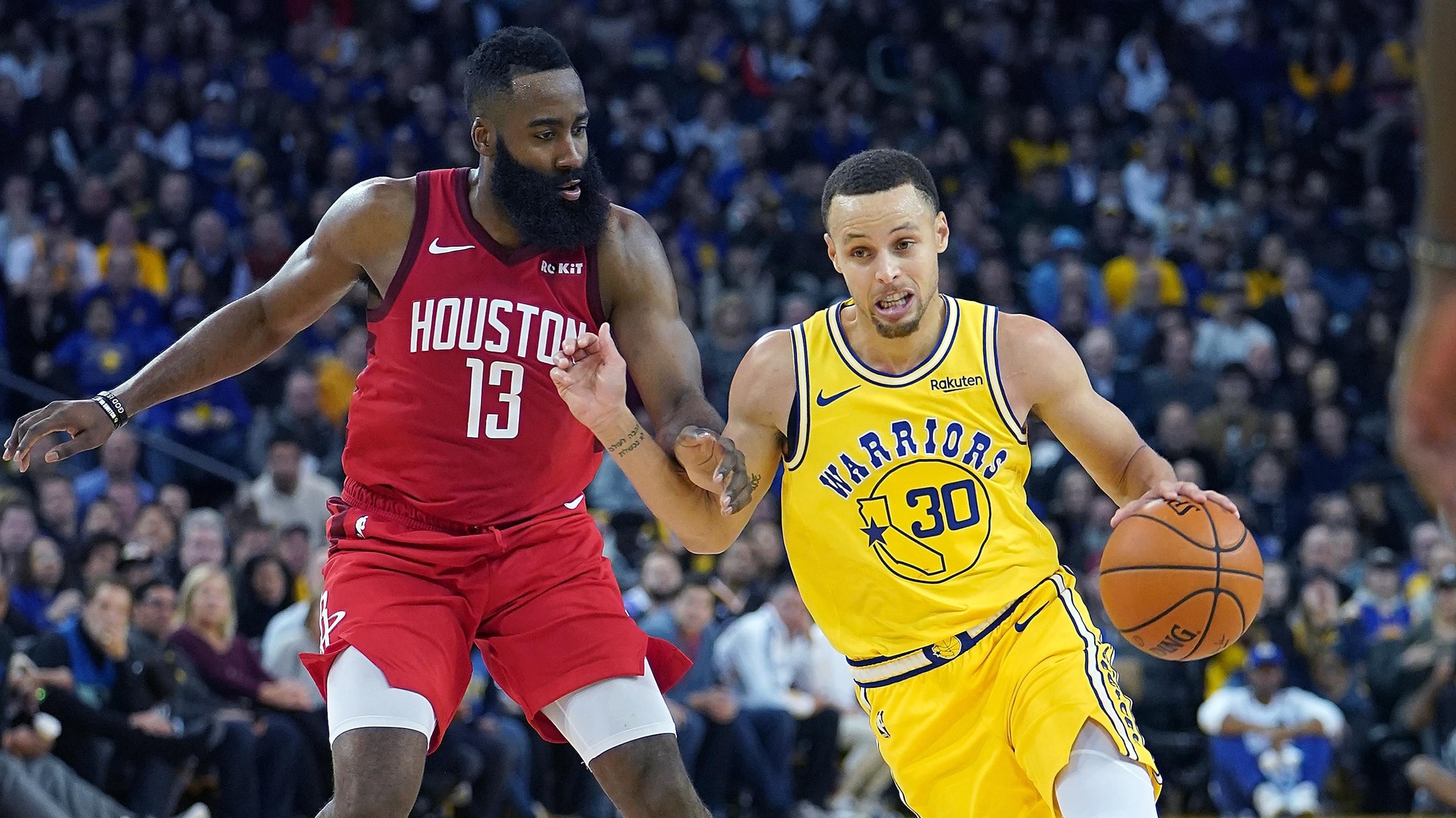
- 38 All-Star selections
- 27 All-NBA nods
- 3 MVPs
- 1 Finals MVP
- 139 accolade points (5th)
- 1,375.3 win shares (6th)
We crack the top five with Stephen Curry and James Harden's 2009 class, which totaled three MVPs and a Finals MVP between those two and had a lot more talent beyond them.
Jrue Holiday (No. 17 overall), DeMar DeRozan (No. 9) and even Taj Gibson (No. 26), like Curry (No. 7) and Harden (No. 3), are still in the league. The top overall pick, Blake Griffin, was once a perennial All-NBA forward. And Jeff Teague (No. 19), Danny Green (No. 46), Ricky Rubio (No. 5) and Ty Lawson (No. 18) all had solid stretches during their careers.
Curry and Harden are the biggest reasons why this class rose as high as it did, though. One is the greatest shooter of all time and a two-time MVP. The other is one of the most prolific offensive players the NBA has ever seen.
4. 1996 Draft Class
22 of 25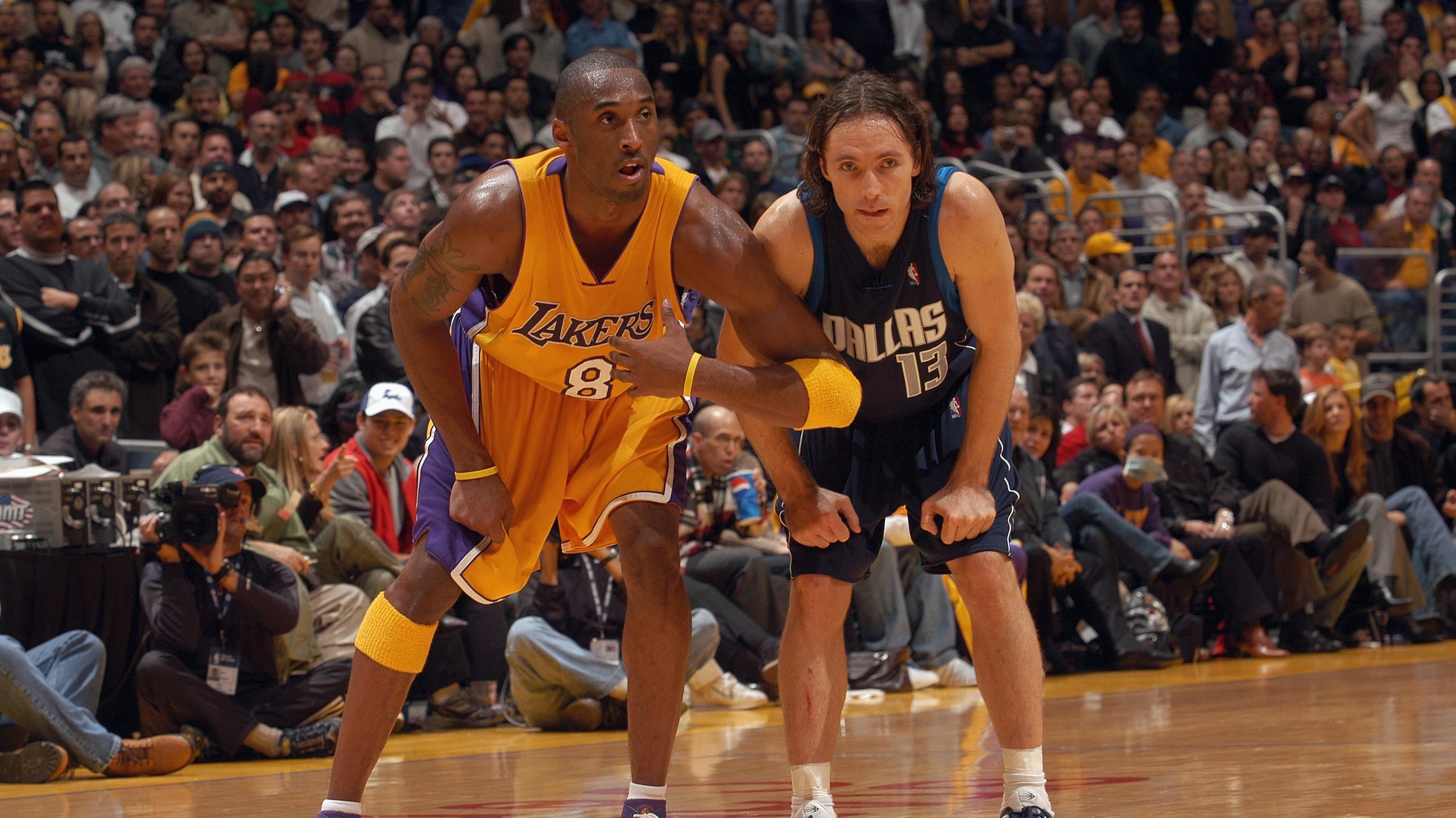
- 64 All-Star selections
- 37 All-NBA nods
- 4 MVPs
- 2 Finals MVPs
- 205 accolade points (3rd)
- 1,464.4 win shares (3rd)
The top of this class could go toe-to-toe with that of just about any other group.
The first six names on the 1996 draft's career win shares leaderboard are Kobe Bryant, Ray Allen, Steve Nash, Allen Iverson, Peja Stojaković and Marcus Camby.
That group produced four MVPs, two Finals MVPs, two of the greatest shooters of all time, two of the greatest scorers of all time, one of the greatest playmakers of all time and a perennial Defensive Player of the Year candidate.
Getting all of that from the first 15 picks of a single draft is absurd.
3. 1985 Draft Class
23 of 25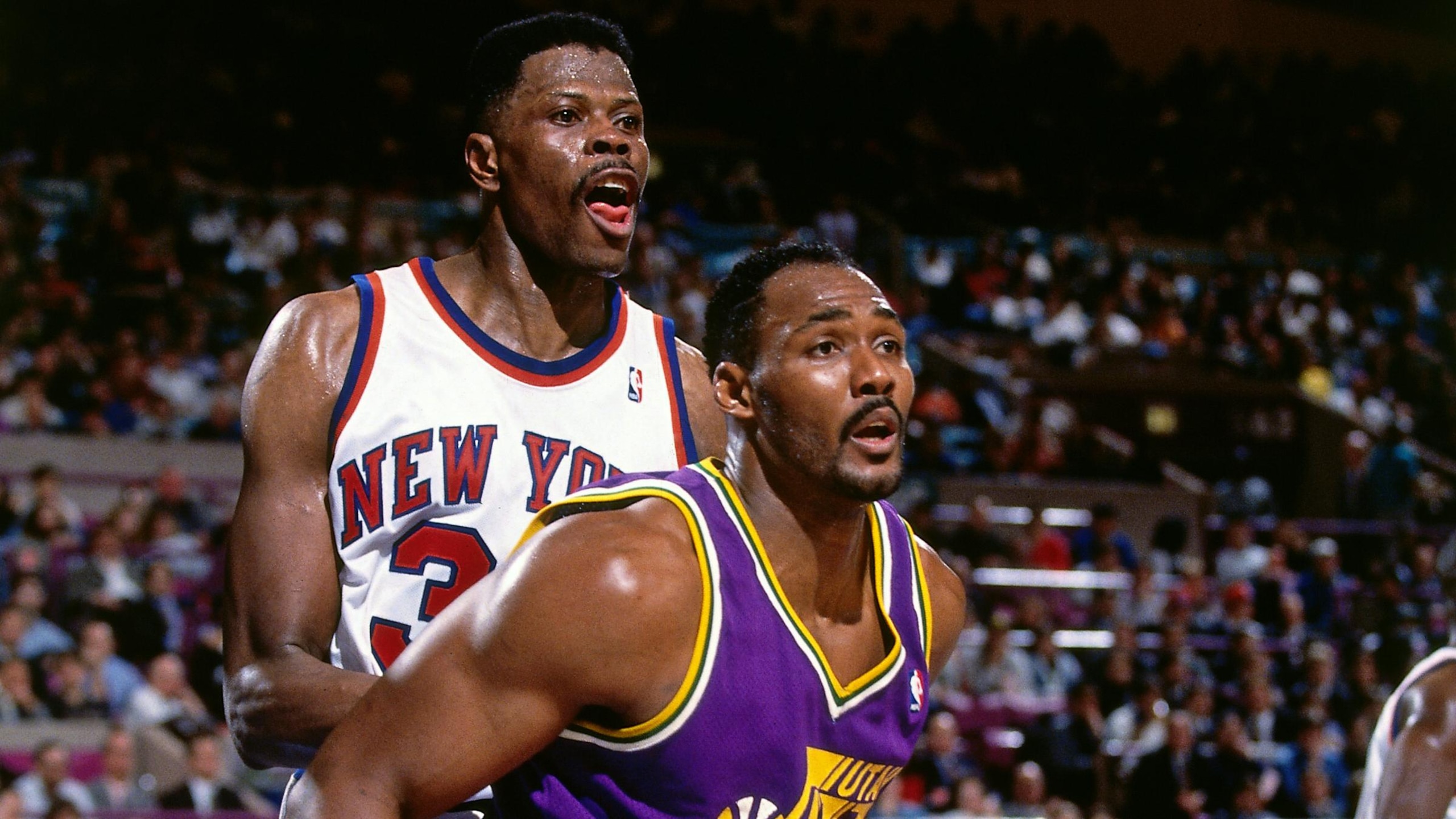
- 45 All-Star selections
- 29 All-NBA nods
- 2 MVPs
- 1 Finals MVP
- 147 accolade points (4th)
- 1,707.4 win shares (1st)
It's surprising to see this group land higher than the 1996 draft class, but no other draft class totaled more career win shares.
No. 13 overall pick Karl Malone is fourth all-time in that category. Patrick Ewing (No. 1), Terry Porter (No. 24) and Detlef Schrempf (No. 8) each had more than 100 career win shares, while A.C. Green (No. 23), Chris Mullin (No. 7), Charles Oakley (No. 9) and Joe Dumars (No. 18) are all over 80.
That kind of depth and longevity after a couple bona fide superstars in Malone and Ewing is what sets this class apart.
2. 2003 Draft Class
24 of 25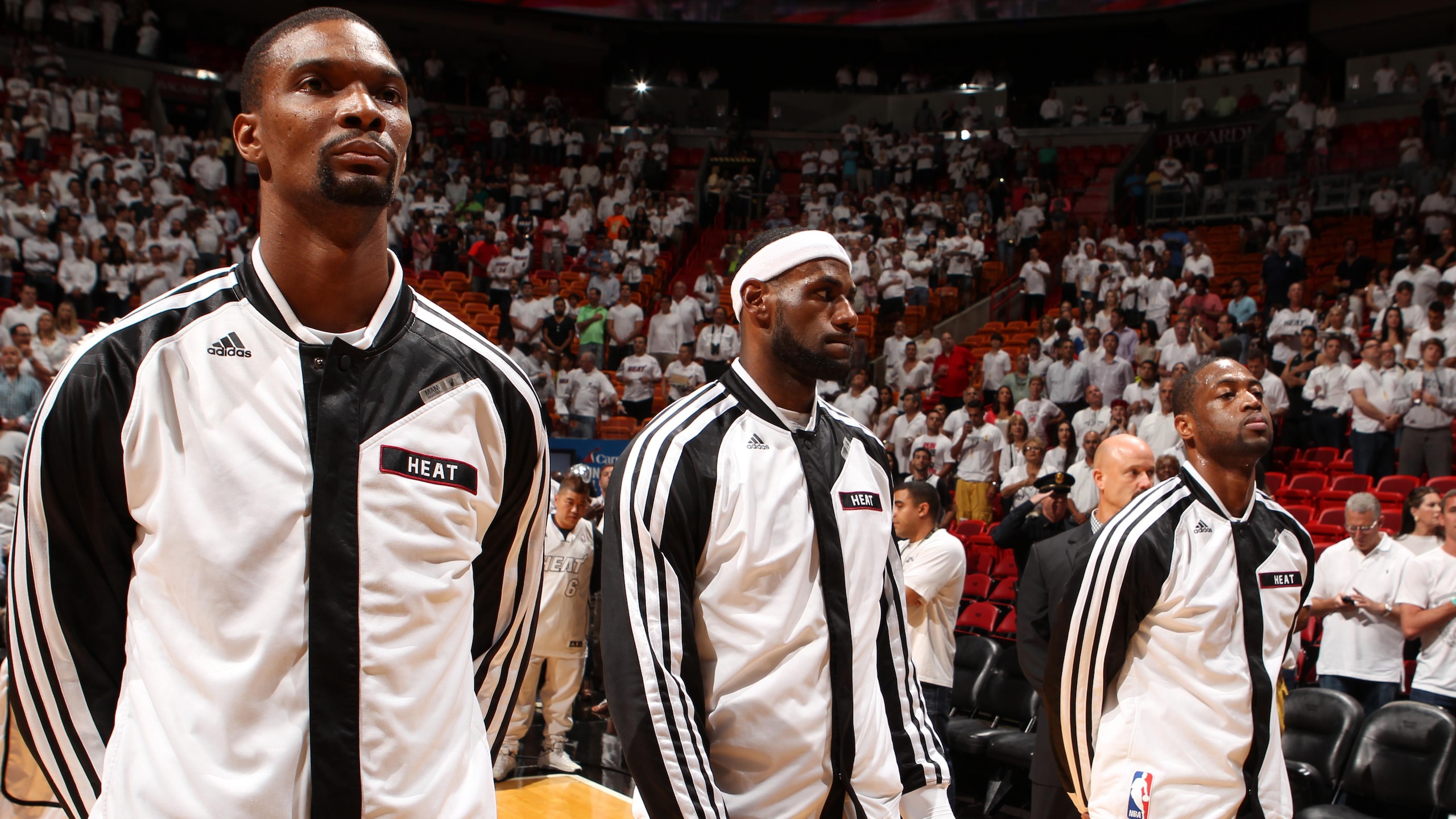
- 62 All-Star selection
- 36 All-NBA nods
- 4 MVPs
- 5 Finals MVPs
- 215 accolade points (2nd)
- 1,463.2 win shares (4th)
Led by first overall pick LeBron James, the 2003 draft class was absolutely loaded.
Thanks to their participation on the Redeem Team, all four of LeBron, Dwyane Wade, Carmelo Anthony and Chris Bosh are already in the Hall of Fame. Each will eventually get in individually, too.
Having those four players in one top five seems almost impossible, but that's what happened in 2003.
They aren't entirely responsible for the 2003 class finishing second in these rankings, though. David West (No. 18), Kyle Korver (No. 54), Zaza Pachulia (No. 42) Kirk Hinrich (No. 7), Boris Diaw (No. 21) and Mo Williams (No. 47) were all taken this year as well.
1. 1984 Draft Class
25 of 25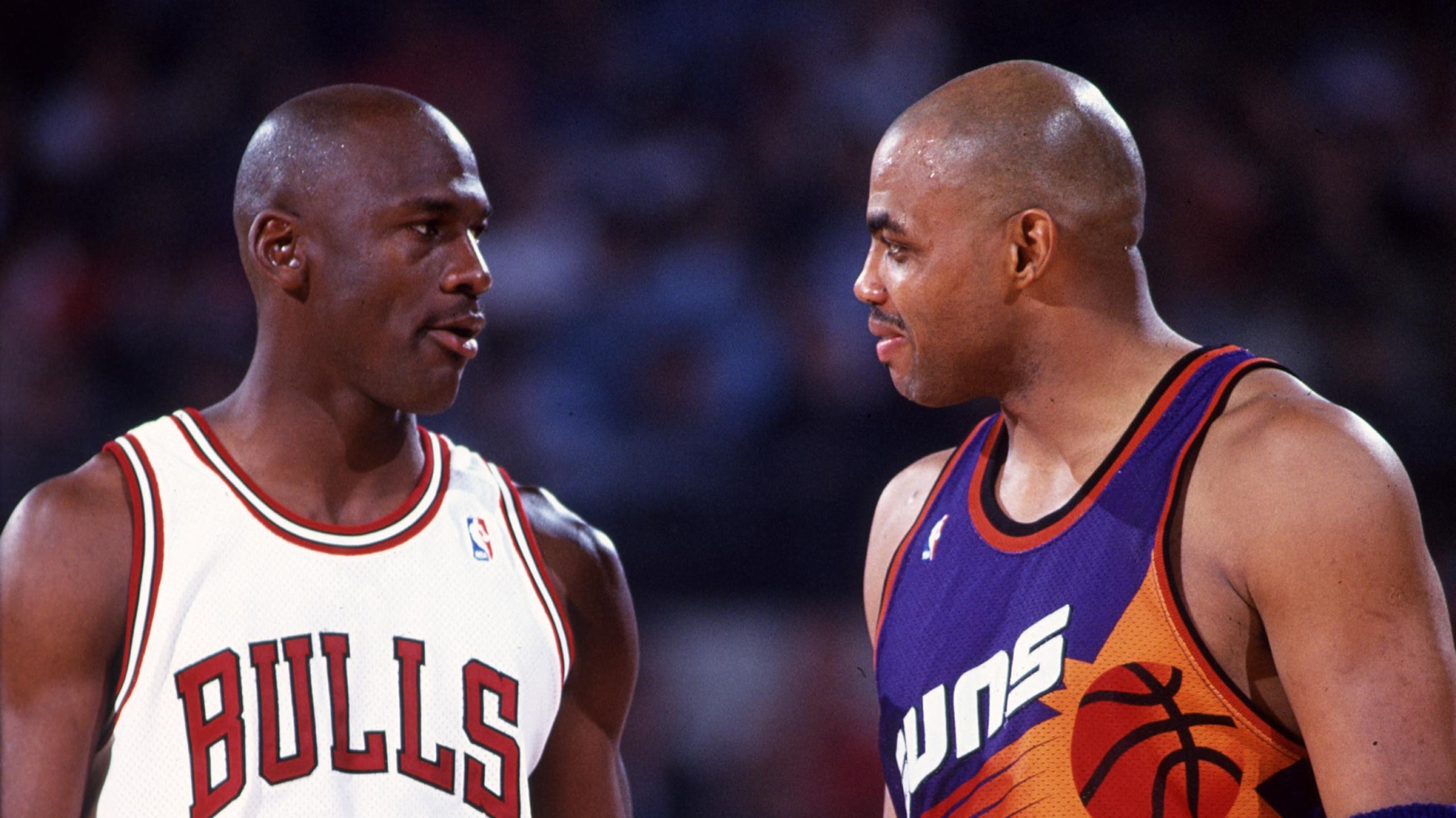
- 53 All-Star selections
- 47 All-NBA nods
- 7 MVPs
- 8 Finals MVPs
- 269 accolade points (1st)
- 1,552.8 win shares (2nd)
The 1984 draft class doesn't look real when you see all the names in one spot.
This single draft somehow gave us Michael Jordan, John Stockton, Charles Barkley and Hakeem Olajuwon. That's arguably the best player in NBA history and three other all-time greats.
Add several solid role players like Otis Thorpe (No. 9 overall), Sam Perkins (No. 4), Kevin Willis (No. 11) and Alvin Robertson (No. 7), and it's not hard to see how the 1984 class finished higher than any other in these rankings.

.jpg?w=2560 "AD Trolls Bears WR on IG 😂")
.jpg?w=2560 "Viral Dan Campbell Presser 💙")
.jpg?w=2560 "Report: Steelers WR to Miss 'Weeks'")
.jpg?w=2560 "Cam Ward Says He's Not A Loser")
.jpg?w=2560 "Buzz: MHJ Hired Agents for Trade")
.jpg?w=2560 "Chargers Fall to 0-5 🤢")