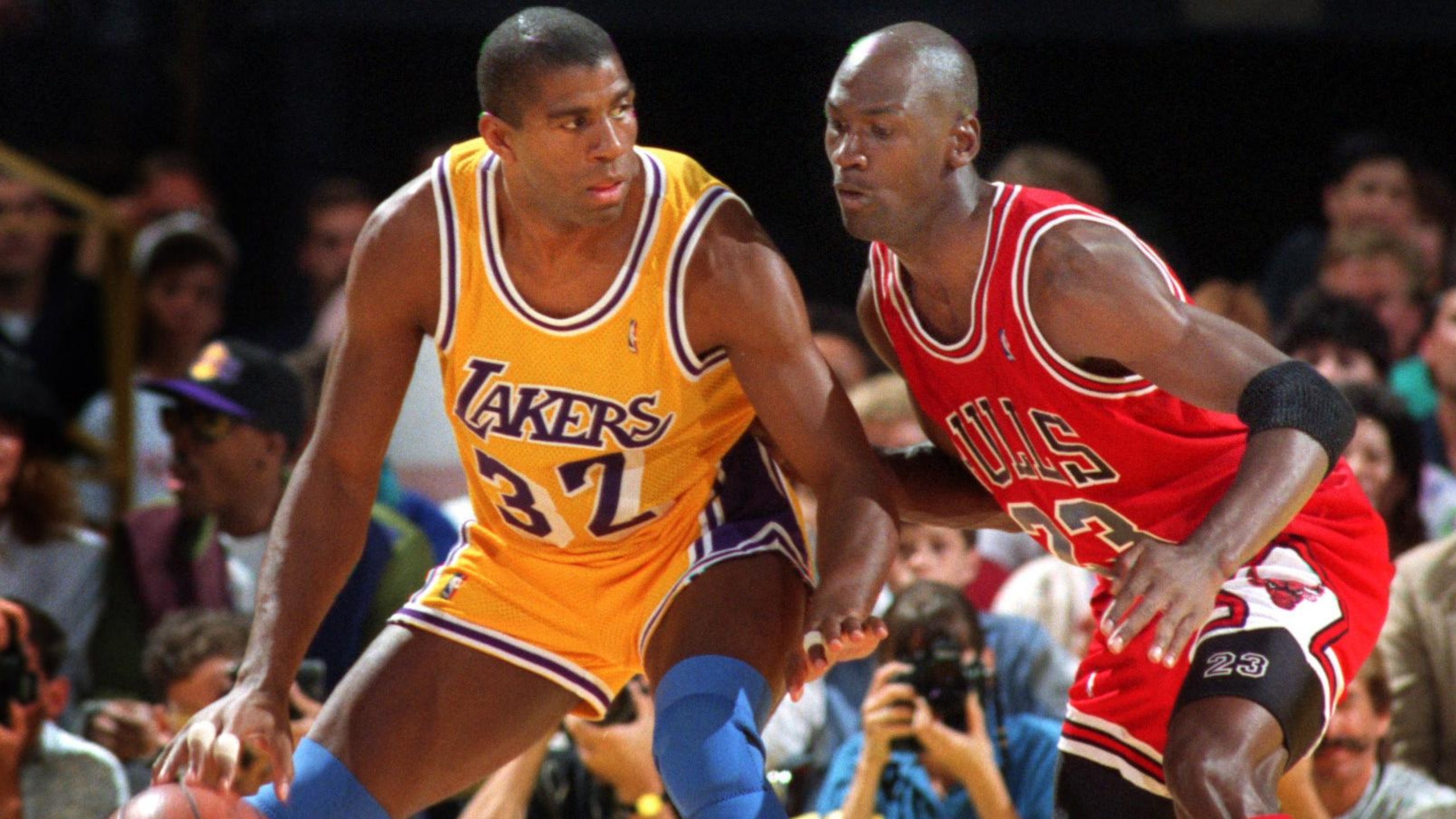

Ranking the Top 10 NBA Dynasties of All Time
Steve Kerr is officially returning to the Golden State Warriors' sidelines for another two years, according to ESPN's Shams Charania. The decision ends months of will-he-won't-he wondering and all but ensures the remnants from the Dubs' dynastic heyday will remain intact through 2027-28.
Sure, the sun set on the Dubs' ring-hoarding reign years ago. It technically ended with their last title in 2022. If not then, it definitely came undone when Klay Thompson left as a free agent in 2024.
Still, Golden State's dynasty began with Kerr's arrival. While its spirit endures so long as Stephen Curry remains a religion, the head honcho is arguably the second-most defining figure of an all-time era.
That got us thinking: Where does Golden State's dynastic rule rank among the league's most dominant reigns?
Consideration for this list will require having won at least two titles in a three-year span. Dynastic windows must also begin and end with a Finals appearance or actual title. In the case of larger gaps separating title No. 3 or higher for the same core, fewer than five years must pass from the date of their last Finals appearance. (i.e., the San Antonio Spurs' eligible window runs from 1999 to 2007, not from 1999 until 2014.)
Though ring counts play a huge role in the rankings, regular-season success and the dominance displayed during title-winning playoff runs will be considered as well.
We'll list each squad's number of championships won, Finals appearances and, when available, net ratings for the regular season and playoffs, along with their placement in Basketball-Reference's SRS score, which ranks every team based on point differential and strength of schedule.
10. Detroit Pistons (1988-1990)
1 of 10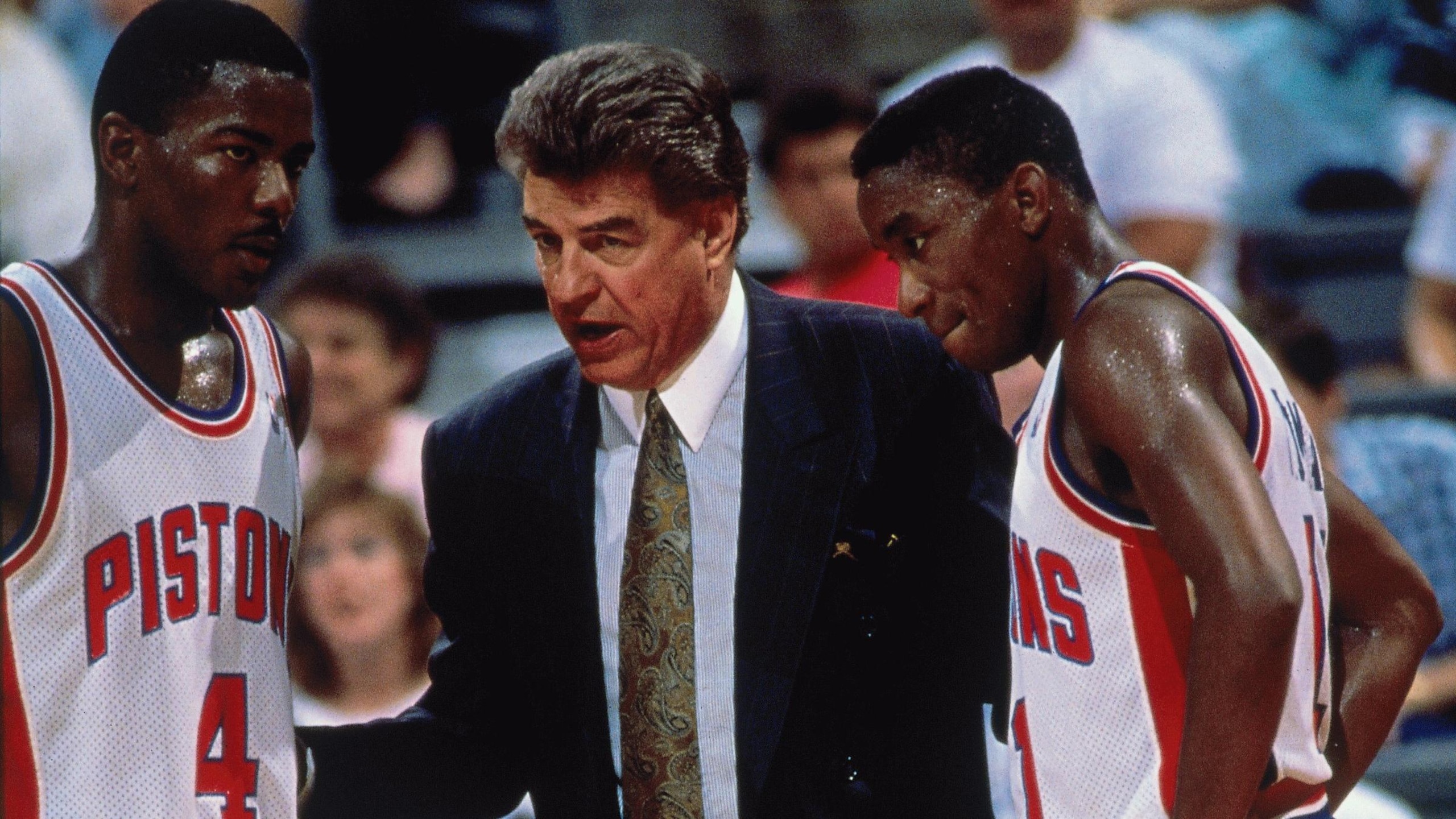
Championships: 2
Finals: 3
Regular-Season Net Rating: 5.9 (Rank: 2)
Playoff Net Rating: 6.9 (Rank: 1)
SRS: 5.70 (Rank: 2)
While the Bad Boys-era Detroit Pistons didn't last long relative to other dynasties, their claim to this list is rooted in the slaying and delaying of other dynastic sprints.
Led by Joe Dumars, Bill Laimbeer and Isiah Thomas, the Motor City crew fell to the Showtime Los Angeles Lakers in the 1988 Finals. The very next year, they derailed the Purple and Gold's three-peat bid, handing them a sweep during the 1999 Finals. En route to that ring, Detroit dispatched the Michael Jordan-led Chicago Bulls in the Eastern Conference Finals.
The Pistons weren't done delaying MJ's reign of terror, either. They booted the Bulls in the Eastern Conference Finals again on their way to a second title in 1990.
By the way: Detroit's run to the 1989 championship doesn't receive enough credit when digging into who it beat and how it upended them. At the time, the Pistons became just the third squad in league history to win a ring while suffering two or fewer losses during the postseason.
9. Minneapolis Lakers (1949-1954)
2 of 10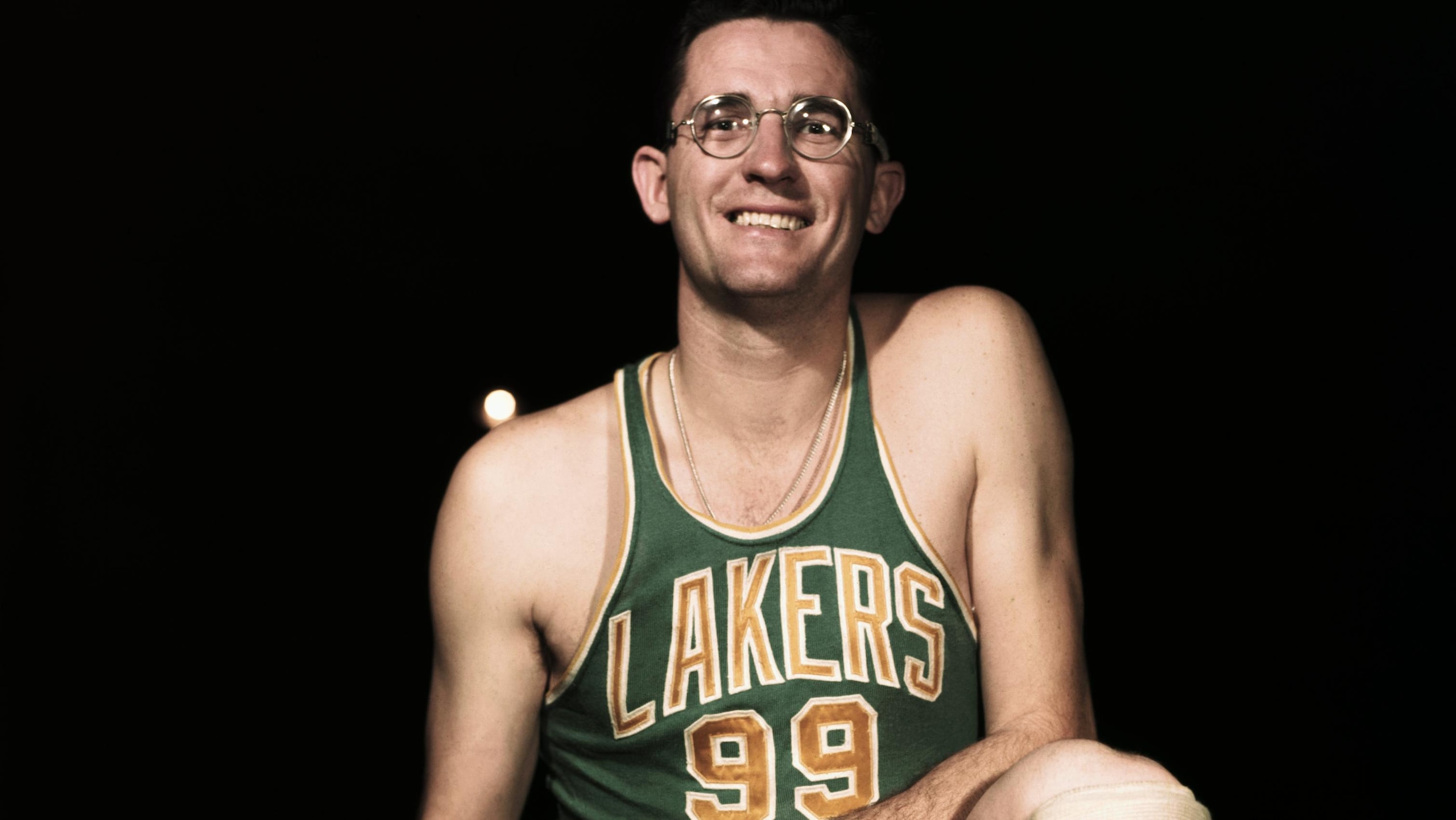
Championships: 5
Finals: 5
Regular-Season Net Rating: Unavailable
Playoff Net Rating: Unavailable
SRS: 5.28 (1)
Meet the NBA's first dynasty. Of course it came courtesy of the Lakers.
Playing in their lineal homebase of Minneapolis, the franchise won five titles in a span of six years. While their first championship came in the Basketball Association of America (BAA), one year before the formation of the NBA, it is recognized in the current league's history books.
For what it's worth, Minneapolis also snared the 1948 NBL title just prior to joining the BAA. That sixth trophy is not part of the calculus here.
Not that it matters. The Lakers' rank isn't changing even if you include 1948. This run of championship equity is wild. To this day, only four other NBA cores have completed a three-peat.
George Mikan is also recognized as the league's first megastar. But the dominance loses a teensy bit of luster when it comes during an era in which the Association housed fewer than 20 teams.
8. Miami Heat (2011-2014)
3 of 10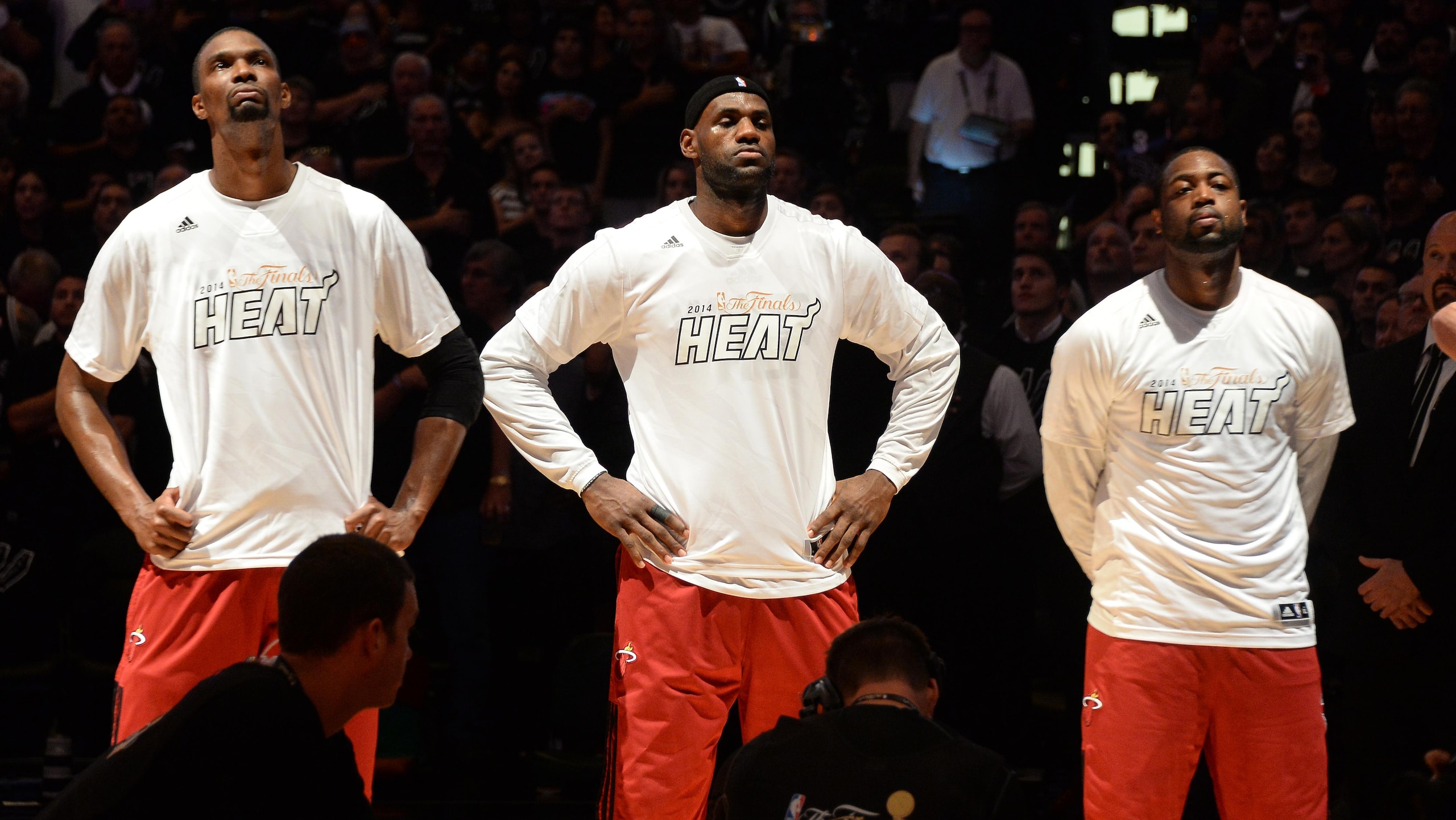
The Big Three-era Miami Heat can feel like a blip on the dynastic radar. LeBron James got in, got two titles and four Finals appearances, then got out.
Their regular-season dominance was also somewhat muted by 1) the existence of the basketball-is-beautiful San Antonio Spurs and 2) an approach dripping with "We're saving it for the postseason" vibes.
Making four consecutive trips to the Finals is nevertheless hard. And the 2012-13 Heat, to their credit, set the record for the NBA's longest-ever winning streak.
Sustained dominance at this level, even in an Eastern Conference light on foes outside Boston and Indiana, is worth a top-10 spot.
Whether Miami could have finished higher given another year or two together is debatable. The Heatles very much seemed to be at the end of their road by the time 2014 rolled around.
Even before then, the Heat seldom marched to the Finals in a way comparable to the other dynasties on the horizon. They never finished with a top-75 single-season SRS and never lost fewer than seven games in any given postseason.
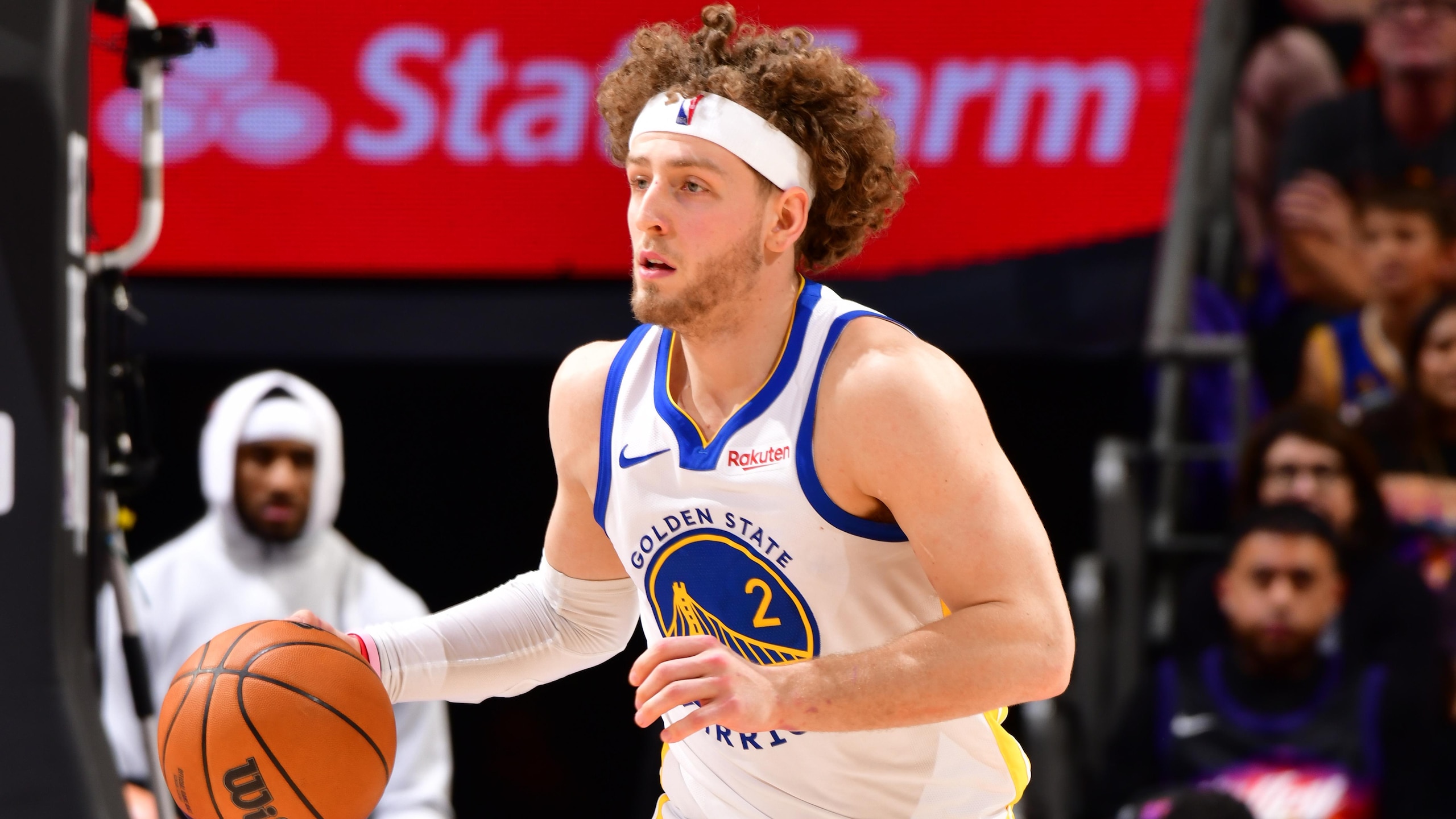
7. Golden State Warriors (2015-2022)
4 of 10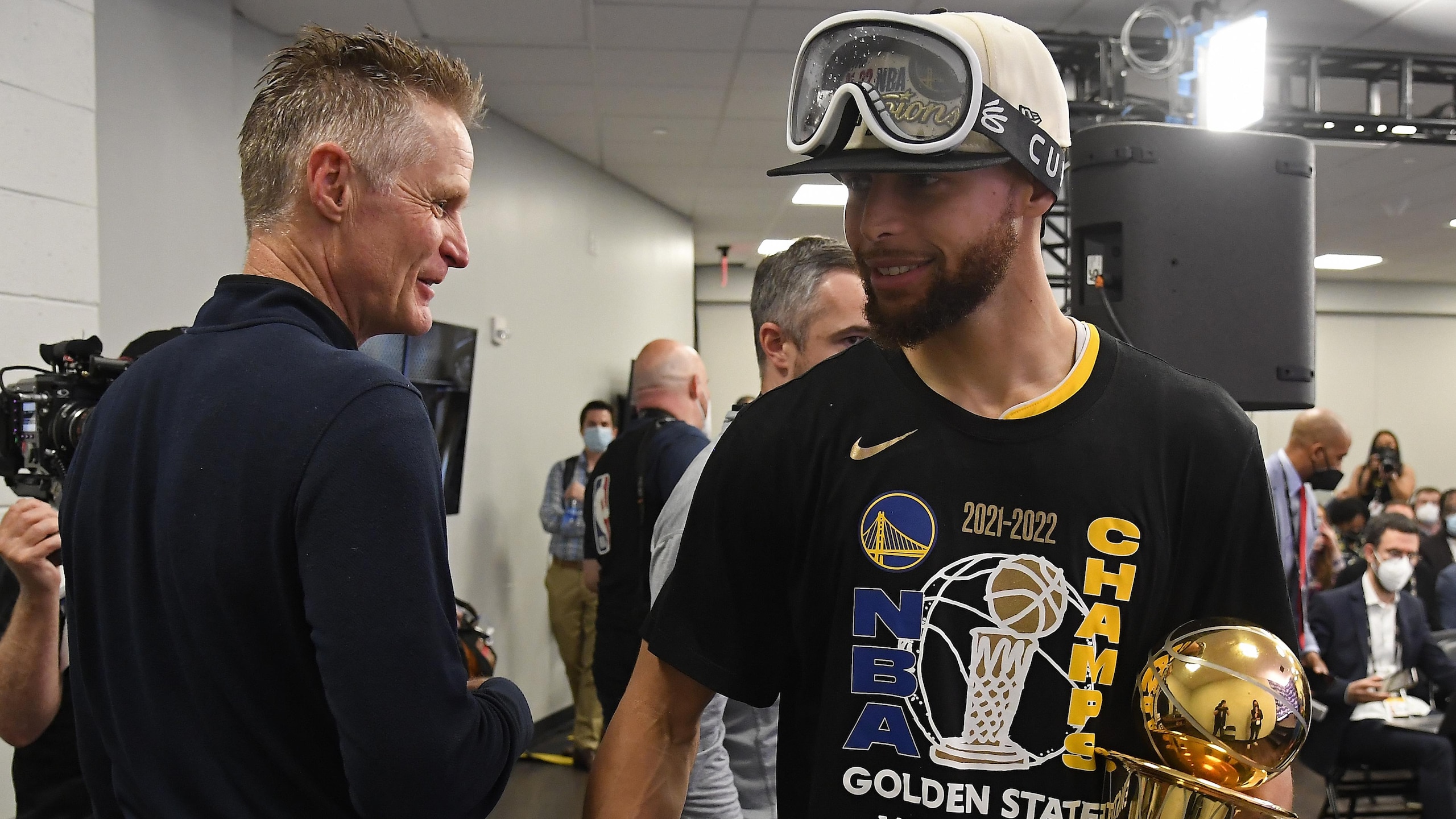
The NBA's most recent dynasty is also among its most fascinating. It began almost without warning.
After putting up a viable fight in the 2014 playoffs, the Golden State Warriors parted ways with head coach Mark Jackson, hired Steve Kerr and were off to parades, plural, beginning in 2015.
If it's possible to leave meat on the bone while grossing four titles, this team sure did. It blew a 3-1 lead in the 2016 Finals on the heels of winning an NBA-record 73 wins. Then, after two straight titles during the Kevin Durant era, the Warriors succumbed to injuries and fell to the Toronto Raptors in the 2019 Finals.
Many will ding Golden State for stumbling into the KD era. But that 2016-17 squad was more dominant than its history-making predecessor. They notched one of the four highest regular-season net ratings on record before crushing the competition in the playoffs, posting a 16-1 record that ranks as the best of all time.
While 2017 registers as their most dominant performance, the 2022 title goes down as their most memorable. Durant was long gone, and the dynasty was supposed to be over. It wasn't.
The Warriors marched through all four rounds relatively unscathed, never facing a Game 7. Stephen Curry, the person most responsible for this dynasty, won his first Finals MVP. Andrew Wiggins was an All-Star. Draymond Green, too. Klay Thompson averaged over 35 minutes per game in the playoffs after missing two years with Achilles and ACL injuries. Jordan Poole played like a bedrock of the future.
It was glorious and unexpected—a worthwhile extension of a dynastic window most had already thought to be closed.
6. Boston Celtics (1980-1987)
5 of 10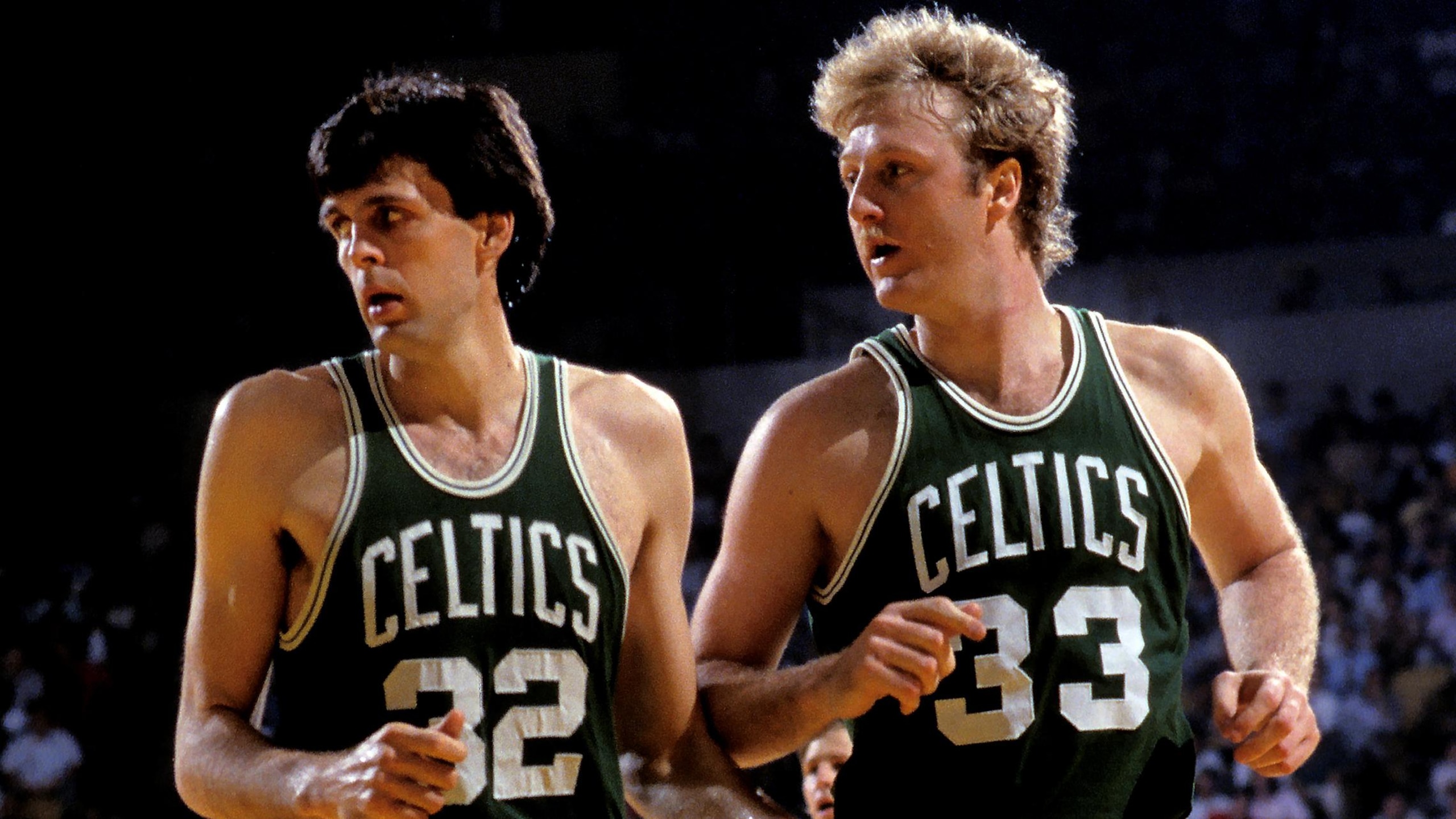
It's terrifying to think about how many titles this Boston Celtics core would have won if not for their run-in with the dynastic Showtime Lakers—or if Larry Bird hadn't started dealing with injuries at the end of the decade.
Beyond that, this group deserves credit for navigating an Eastern Conference that, at the time, featured ultra-pesky versions of the Philadelphia 76ers and Detroit Pistons.
The 1985-86 Celtics, in particular, still rank as one of the Association's greatest all-time teams. They won 67 games during the regular season and then posted the eighth-best playoff net rating while dropping just three total games en route to their title.
5. San Antonio Spurs (1999-2007)
6 of 10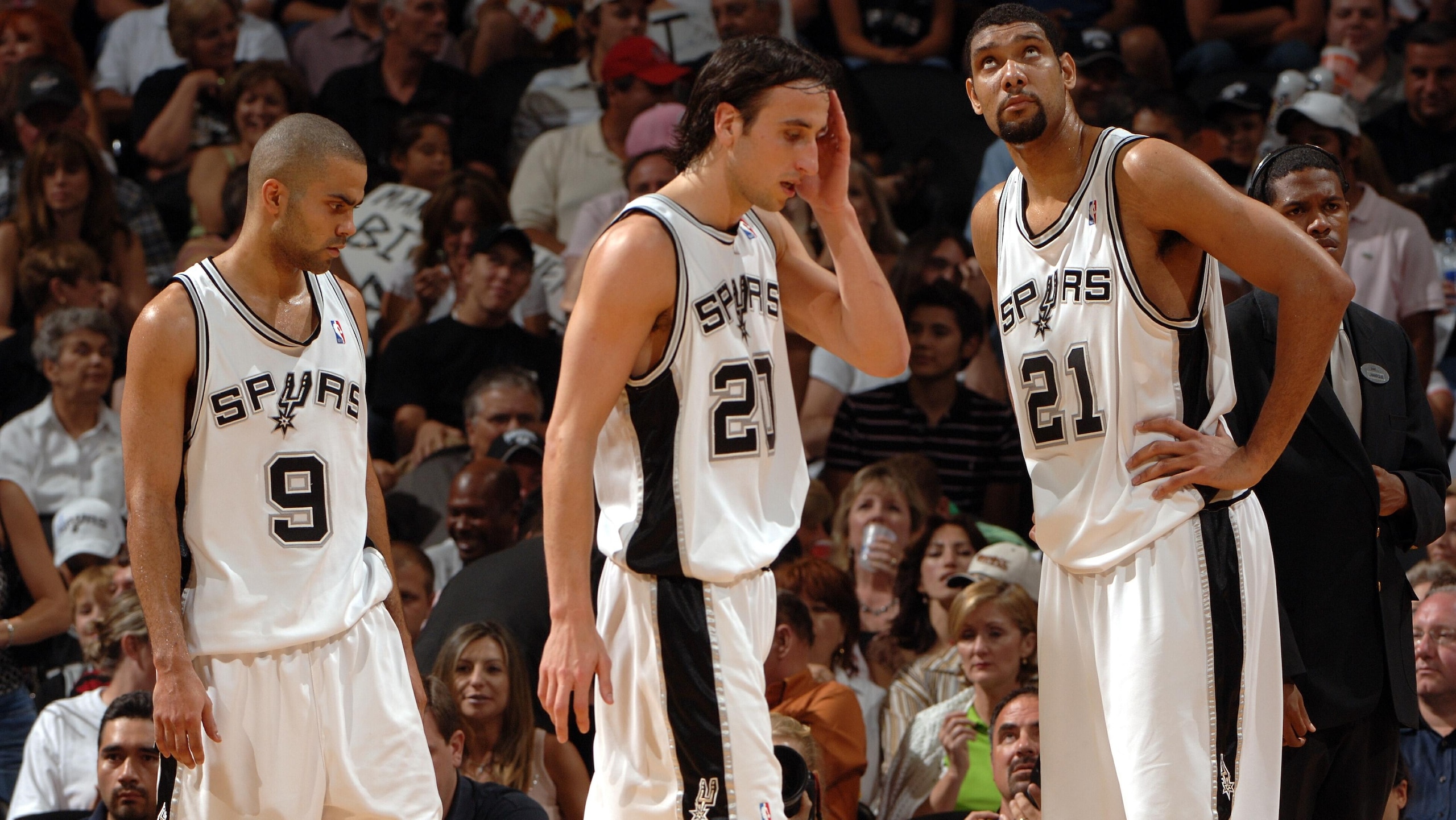
Excluding the San Antonio Spurs' 2014 title feels icky. It has shades of the Warriors' 2022 chip, though it was not nearly as unexpected given that they had made the Finals in 2013.
But more than a half-decade separates San Antonio's 2007 championship and its next Finals cameo. Rules are rules.
A top-five finish is pretty darn good anyway, and this window still encapsulates the Spurs' sustainability. They kept figuring out how to maintain, improve, reinvent, whatever.
Main characters didn't necessarily change. It was Tim Duncan and David Robinson. Then, it was Duncan, Tony Parker and Manu Ginóbili. (Later, it was Kawhi Leonard.) San Antonio's capacity for futzing and fiddling around its stars, stylistically and logistically, was unmatched.
This window does not feature a season with a top-25 net rating of all time. But it did include eight years in which the Spurs won 57-plus games (or its shortened-season equivalent).
They actually won 71 percent of all their tilts during this span, which works out to an average of 58 to 59 victories per year and is absolutely absurd.
4. Los Angeles Lakers (2000-2004)
7 of 10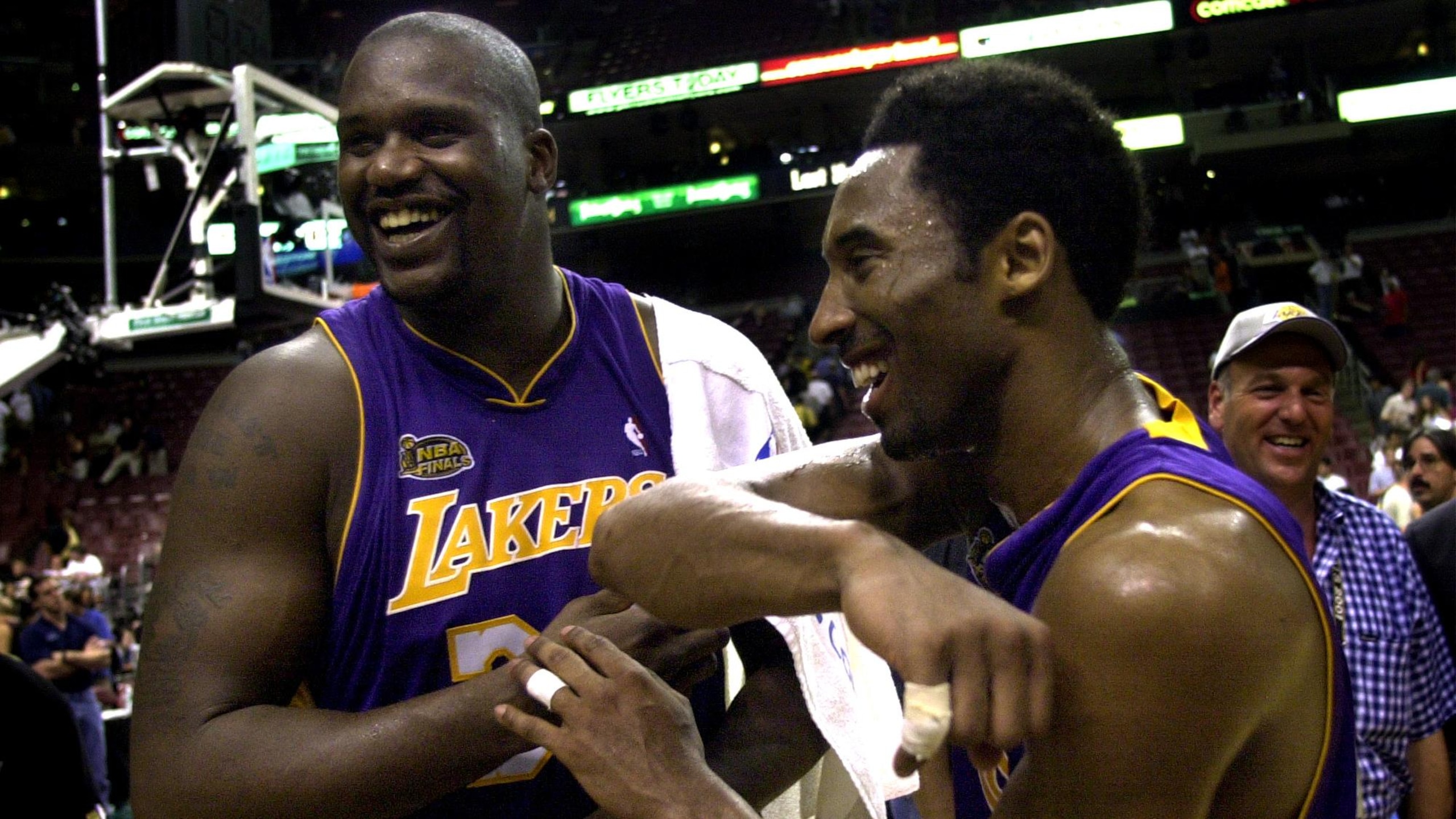
The Los Angeles Lakers' post-Showtime dynasty is reminiscent of NSYNC's heyday. It was ubiquitous, at times disharmonious, teeming with hardware and didn't last nearly as long as you thought or would like to believe.
Shaquille O'Neal and Kobe Bryant delivering three consecutive titles despite seemingly despising each other, all while Phil Jackson recited colloquialisms from Zen and the Art of Motorcycle Maintenance, is iconic in ways that are both objective and ready-made for tabloids.
Operating within such an abridged window represses L.A.'s finish, but only so much. Its 15-1 record en route to the 2001 title is unlike anything we've ever seen outside the Kevin Durant-era Warriors. The 13.8 net rating that the team notched during its postseason junket remains the highest on record.
Three-peating has to carry serious weight in the end. It has only been done on four other occasions. Equally important, the Lakers completed their three-peat at a time when the Western Conference boasted vaunted peers such as the Spurs, Dallas Mavericks and pre-Kangz Sacramento Kings.
3. Los Angeles Lakers (1980-1991)
8 of 10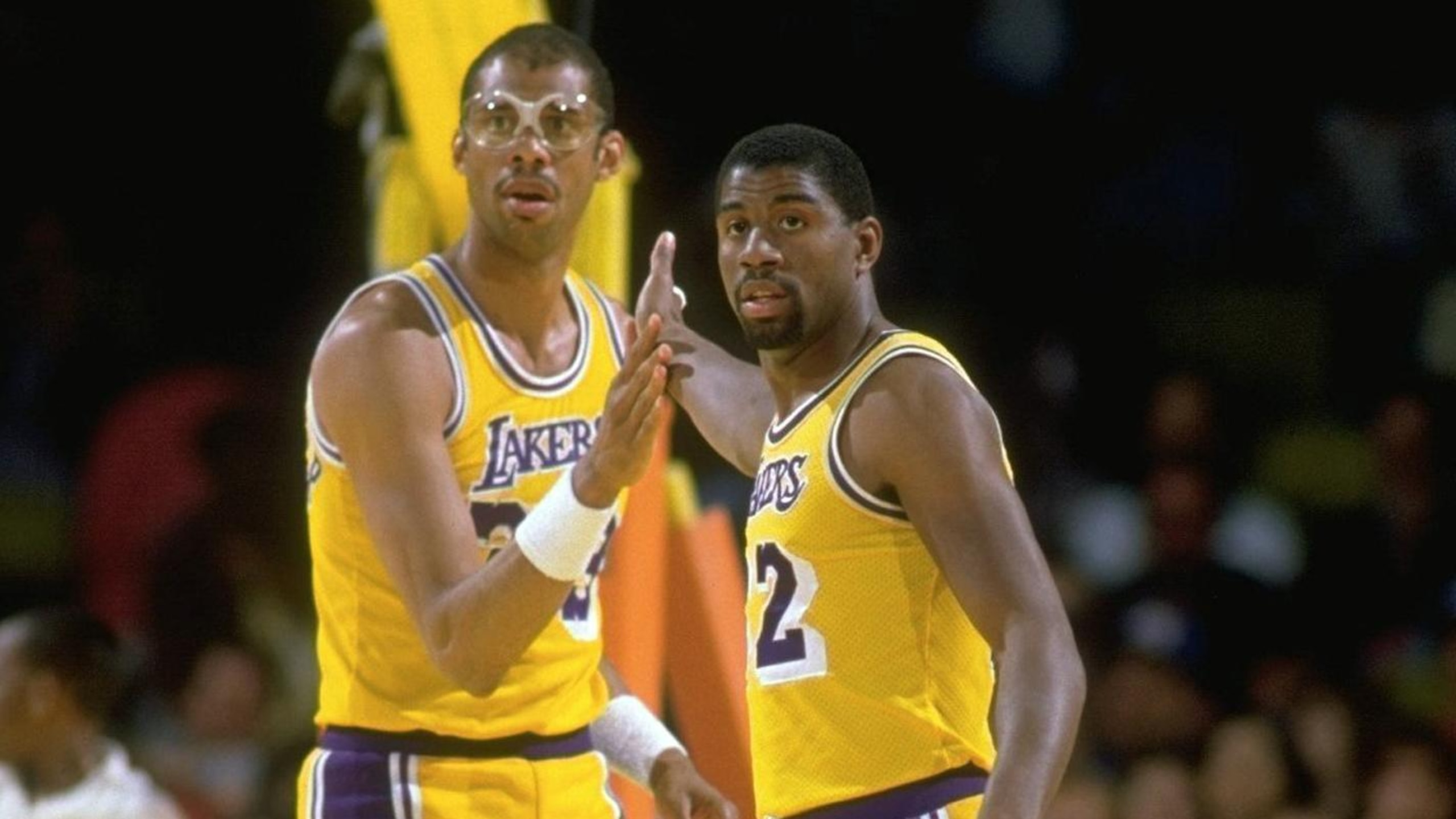
Yeah, yeah, yeah, five rings and all that. The real coup de grace here is the Lakers making nine trips to the Finals in 12 years—in a league that averaged over 23 teams during their reign.
The closest we have come to seeing anything like this in the modern era is individualized. LeBron James made eight consecutive trips to the Finals, but he did so for two separate franchises, all while playing in a conference that seemed as if it was tanking out of Finals appearances that didn't include LeBron.
The greatest hits on this Lakers window are kind of, sort of, definitely bonkers. They went 14-2 in the postseason to win the 1982 title. They went 15-3 to nab the 1987 trophy and turned in the seventh-highest net rating in playoff history.
They constantly battled for pole position with a fellow dynasty in the Boston Celtics. They navigated coaching changes (Jack McKinney, Paul Westphal, Pat Riley). They transitioned primary building blocks, going from Kareem Abdul-Jabbar to Magic Johnson. There was a stretch in which they appeared in the Finals eight times over nine years. So on and so forth.
It is hard to imagine any window realistically dethroning the two dynasties to come. But if these Lakers hadn't seen their 1989 three-peat opportunity derailed, they'd be in the running for a top-two slot, if not the gold-medal position.
2. Boston Celtics (1957-1969)
9 of 10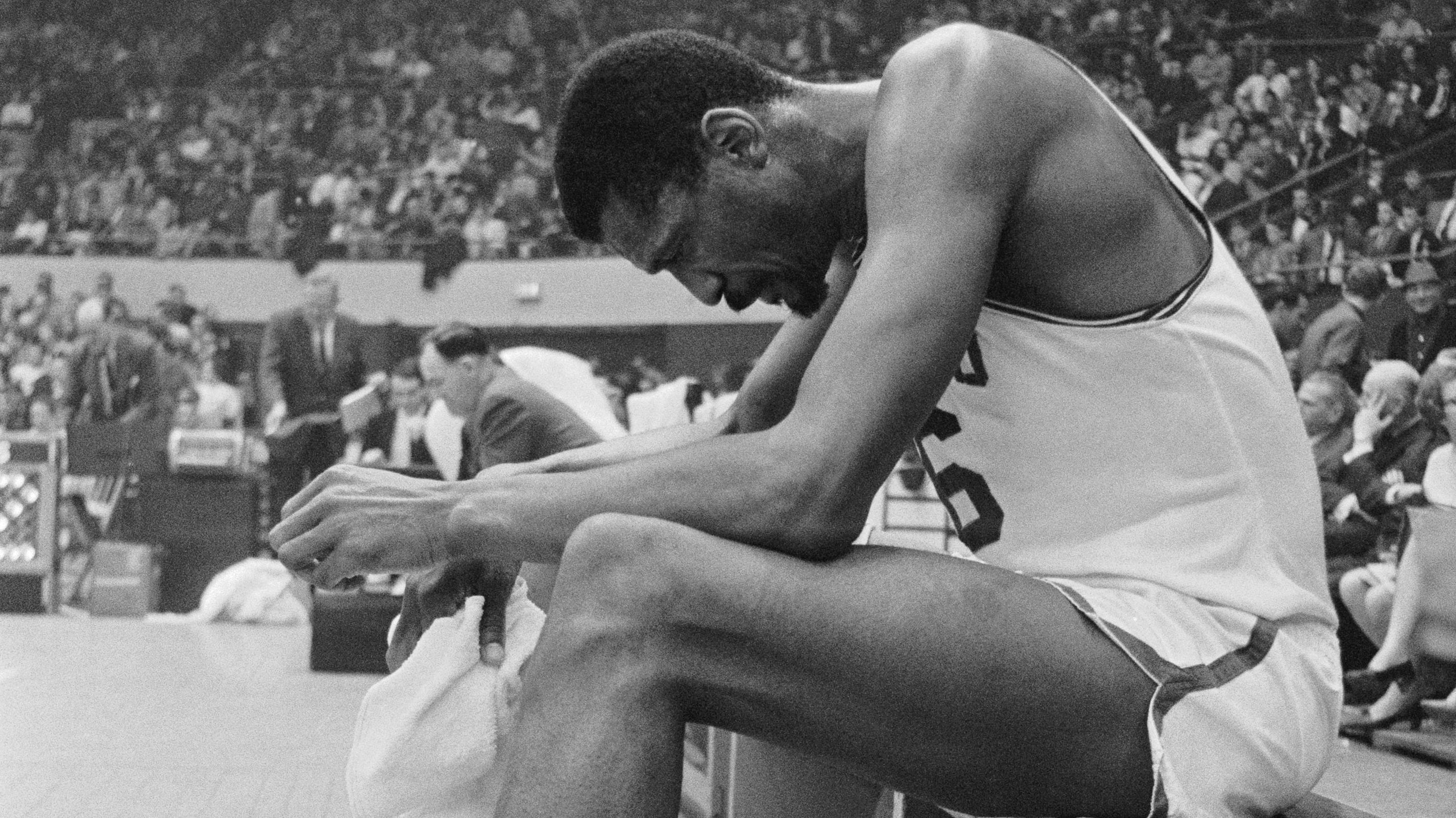
Championships: 11
Finals: 12
Regular-Season Net Rating: Unavailable
Playoff Net Rating: Unavailable
SRS: 6.01 (1)
It would be easy to make a case for the Bill Russell-era Boston Celtics to tumble down the dynasty ladder. Eleven championships is a lot, but nine of them came when fewer than 10 teams populated the league.
Counterpoint: Eleven championships is a lot.
Especially when they come in a 13-year span.
Winning is winning at the professional level, regardless of how many squads you're competing against. Plus, it's not like the Celtics were constantly traipsing their way through cupcake opponents. So many of their titles ran through Wilt Chamberlain, Jerry West and Elgin Baylor.
Mostly, though, it's the "11 championships in 13 years is pure, utter insanity" thing.
1. Chicago Bulls (1991-1998)
10 of 10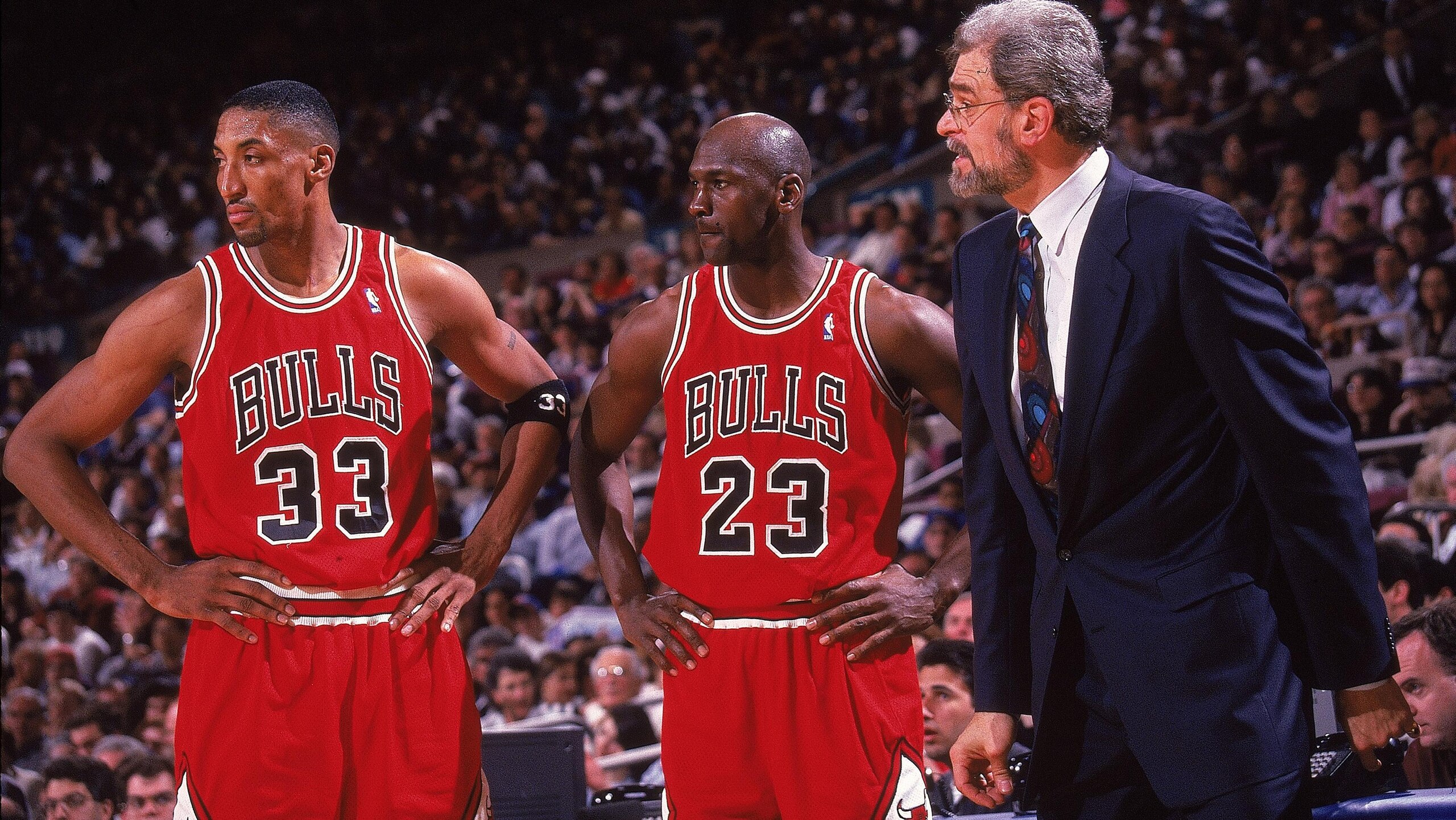
What can we say about the six-for-six Chicago Bulls, other than "Whoa!," "OMFG," "Holy crap!," etcetera, etcetera, etcetera.
Six titles in eight years is absurd. Even more ridiculous, you can't help but wonder whether it'd be seven or eight had Michael Jordan never taken his mid-prime sabbatical.
Chicago's dynasty is all over the record books. Its 72 wins in 1995 are the second-most in league history. The SRS that it posted that season is third all-time, and this window includes three of the 12 highest SRSes ever. That same year, the Bulls posted the absolute best single-season net rating in NBA history and then went 15-3 en route to their title.
Chicago also went 15-2 on its way to the 1991 parade. Four of the Bulls' six championship runs, in fact, saw them lose four games or fewer across their entire postseason bracket. That's just stupid.
If there is a compelling argument against this window seizing the top spot, it's Bill Russell's Celtics raw championship volume. But even that rings hollow knowing the league housed more than twice as many teams during the MJ era.
Spackle in the media scrutiny and pressure that came with the Bulls' swan-song run in 1998, when everyone knew they'd be disbanding before next season, and this dynasty's dominance checks all the essential boxes, from the quantifiable to the anecdotal.
Dan Favale is a National NBA Writer for Bleacher Report. Follow him on Bluesky (@danfavale), and subscribe to the Hardwood Knocks podcast, co-hosted by Bleacher Report's Grant Hughes.

.jpg?w=2560 "🚨 Texans Trade for MHJ")
.jpg?w=2560 "Grading Marvin Harrison Jr. Trade 📝")


.jpg?w=2560 "Mendoza Makes NFL Debut 🤩")
.png?w=2560 "Money In The Bank Ends In Shocker 💼")