
Top 3 Priorities for Boston Celtics During 2026 NBA Offseason
Another season is now in the books for the Boston Celtics, and after playing with found money for most of this year, they're entering a pivotal summer as they attempt to re-entrench themselves as the toast of the Eastern Conference.
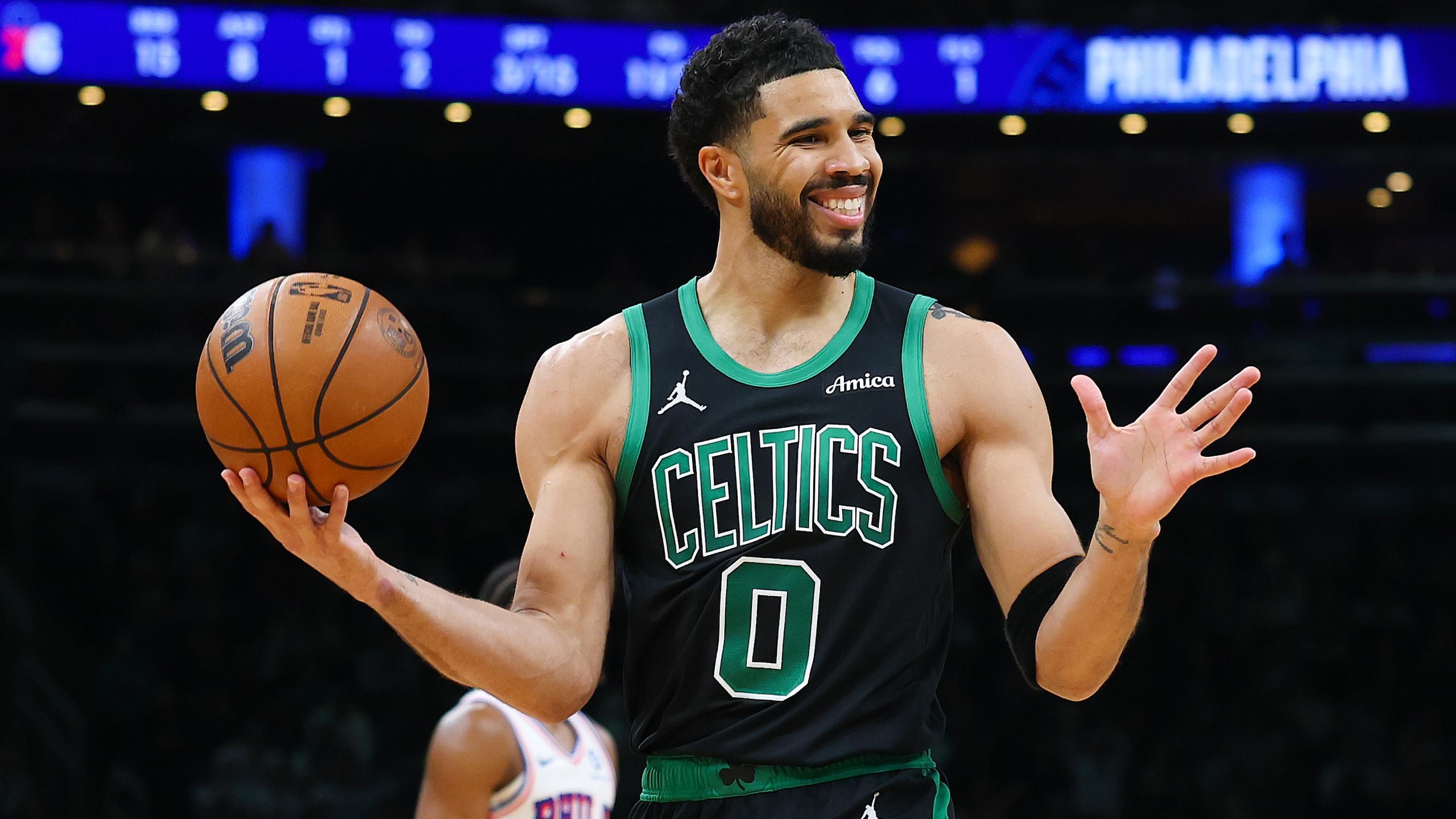
Winning 56 games and bagging the No. 2 seed is quite the accomplishment considering they turned over a huge chunk of their roster, prioritized skirting the luxury tax and didn't get Jayson Tatum back from his ruptured right Achilles until March. For a while, it looked like they might even be favorites to come out of the East.
Losing at the hands of the Philadelphia 76ers is unexpected, and although far from disastrous, it sheds the Cs' season in at least a slightly different light. Should they have been more committed to a gap year and its infusion of high-lottery equity? It doesn't matter now, and you'd be hard-pressed to find anyone who wants to call mulligan on a 56-win campaign.
As a result, though, their path toward meaningful improvement is now tilted entirely away from the draft.
3. Neemias Queta's Team Option
1 of 3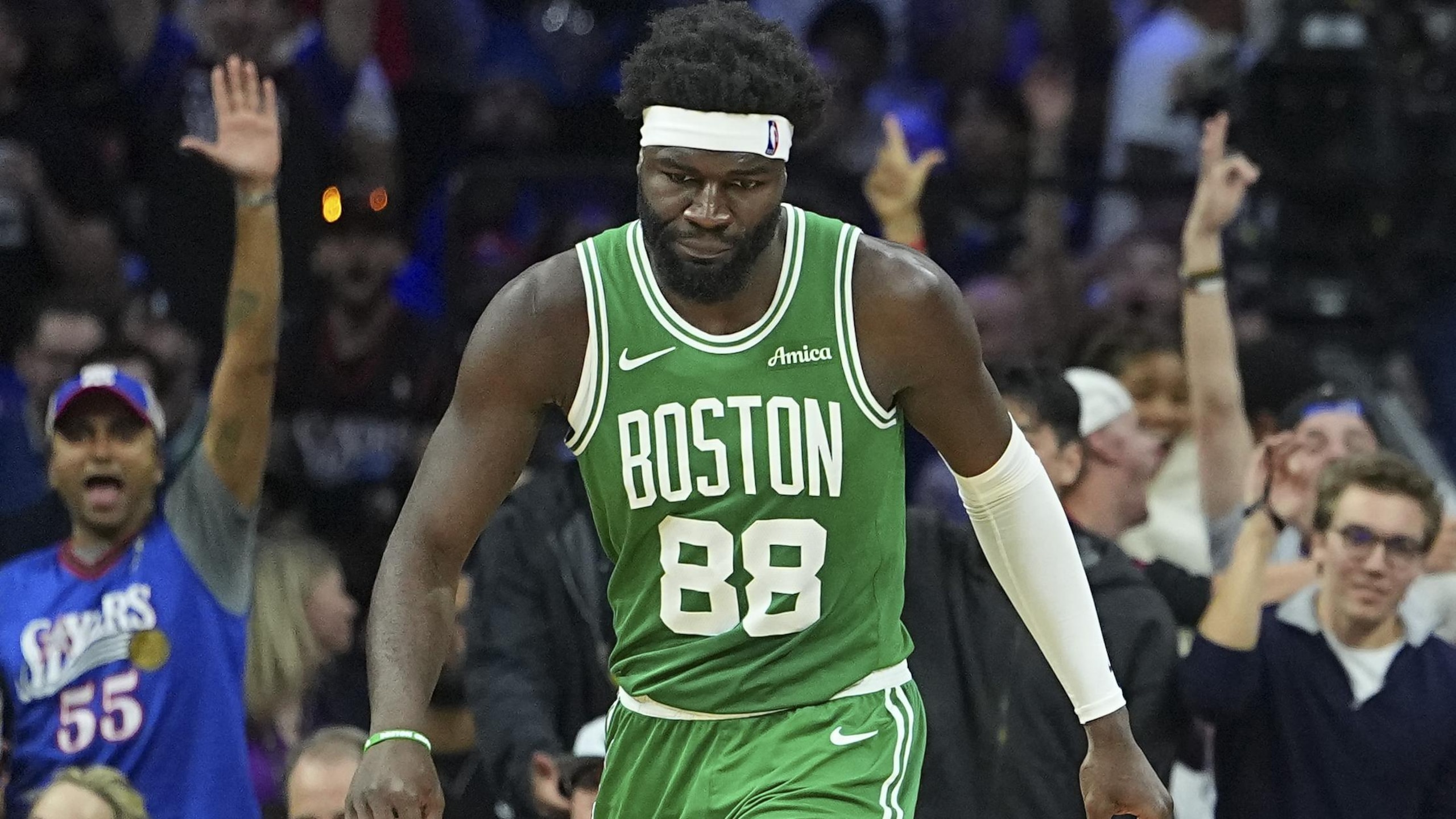
Neemias Queta's contract presents as a non-decision on the surface. He has a 2026-27 team option worth $2.7 million, which doesn't even come out to 1.7 percent of the salary cap. Regardless of how you feel about his performance against the Sixers, Queta has proven to be a viable NBA center. The Celtics picking up the option is a no-brainer.
Unless, of course, they want to winnow down future finances.
Declining Queta's team option would make him an unrestricted free agent. Boston can re-sign him for any amount (up to his max). With a projected $13.3 million in space beneath the tax, team president Brad Stevens could be interested in using some of that flexibility to give the 26-year-old an immediate raise in exchange for an overall discount that increases flexibility in the out years.
It's tough to tell whether this will be on the table. Nudging up Queta's number could cannibalize all of the Celtics' breathing room beneath the tax—and then some. Salaries north of $17 million are hardly uncommon for starting 5s.
Best guess: Boston will pick up Queta's team option. But if it's sold on him as the long-term anchor in the middle and afraid of how much he might command in 2027, it's worth exploring how much it'd take to lock him down now.
2. Acquire Another Big Man
2 of 3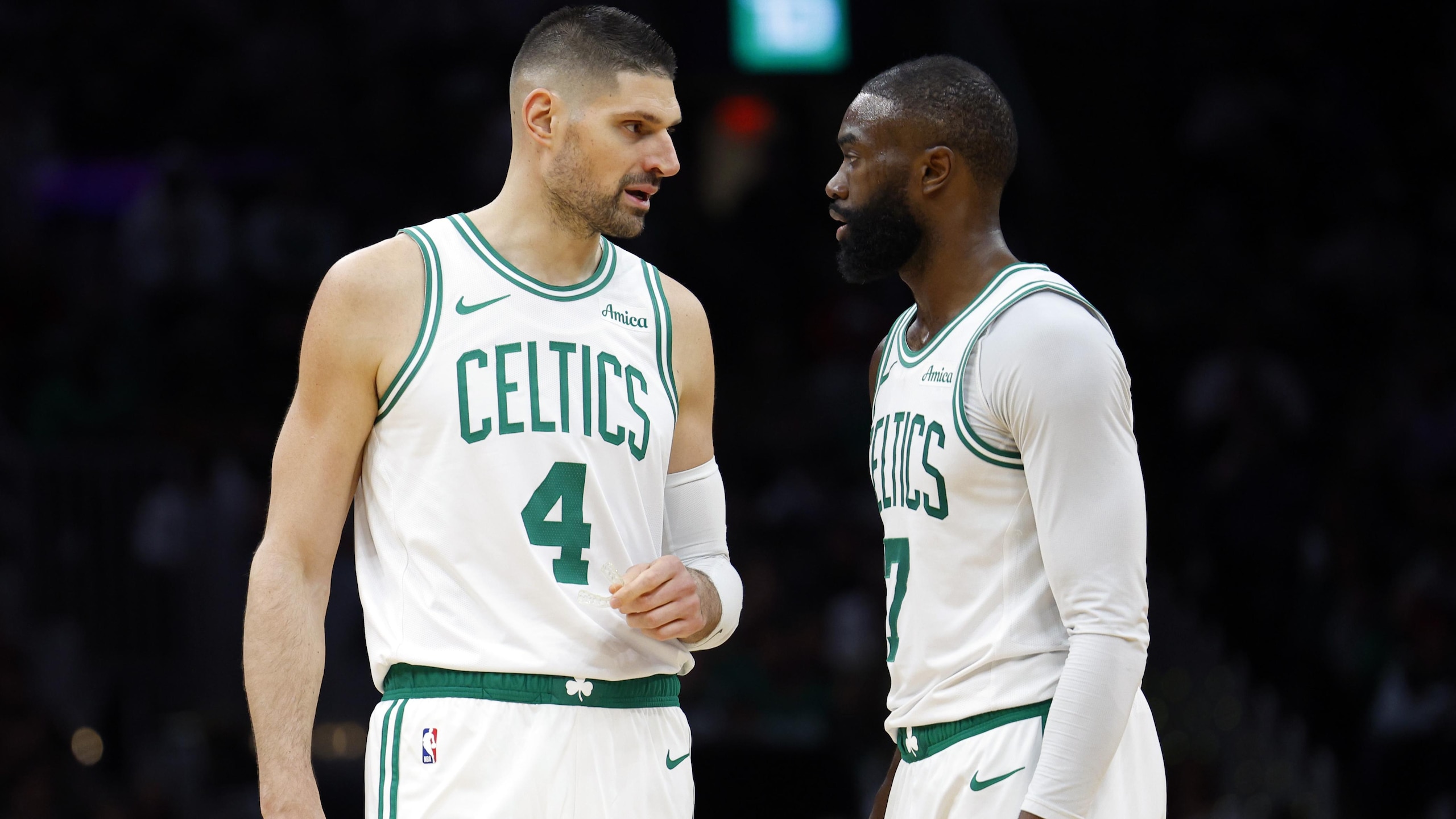
No matter what the Celtics do with Neemias Queta, they need another big man. Nikola Vučević, it turns out, isn't the answer to anything. And they need heft as an alternative to Luka Garza or small-ball lineups.
The aggression Boston displays in this pursuit hinges on whether it's strictly looking for someone to back up Queta, someone who can also play alongside him, or someone who's actually better than him. Taking the latter route feels unlikely absent a surprise star trade. Queta is a capable enough starter, and upgrading from him in free agency will be difficult when the Celtics, presumably, are looking to avoid the tax again and won't have the entire bigger mid-level exception ($15 million) to spend.
Prowling the market for someone in the $7 million to $10 million range should be more doable. Old friend Robert Williams III is coming off a first-round renaissance and set to hit unrestricted free agency. Andre Drummond could work now that he spaces to the corners. Sandro Mamukelashvili (player option) would be an awesome fit, though he's not a premier rebounder or defender.
Taking to the trade market opens up far more options. The Celtics don't have a ton of dispensable matching salaries, but their wiggle room beneath the tax (for now) plus Sam Hauser's $10.8 million take-home opens a breadth of doors—particularly if they're willing to part with first-round picks.
Someone like Day'Ron Sharpe (team option) has made all the sense in the world for a while. Daniel Gafford fits most of the bill. Onyeka Okongwu would be a dream get if the Atlanta Hawks shake up their frontcourt. He isn't massive, but he can play independently of Queta or alongside him, and the balance of his contract (two years, $33 million) is a front-office fever dream.
Isaiah Stewart (two years, $30 million) falls into a similar bucket. Jay Huff is a cheap stopgap if the Indiana Pacers are Micah Potter- and Ivica Zubac-pilled. Santi Aldama would be interesting but is on the more expensive per-year side. Wendell Carter Jr. is worth a look if the Orlando Magic are forced to cost-cut and don't want to knife into their four most expensive players.
1. Have an Honest Derrick White Conversation
3 of 3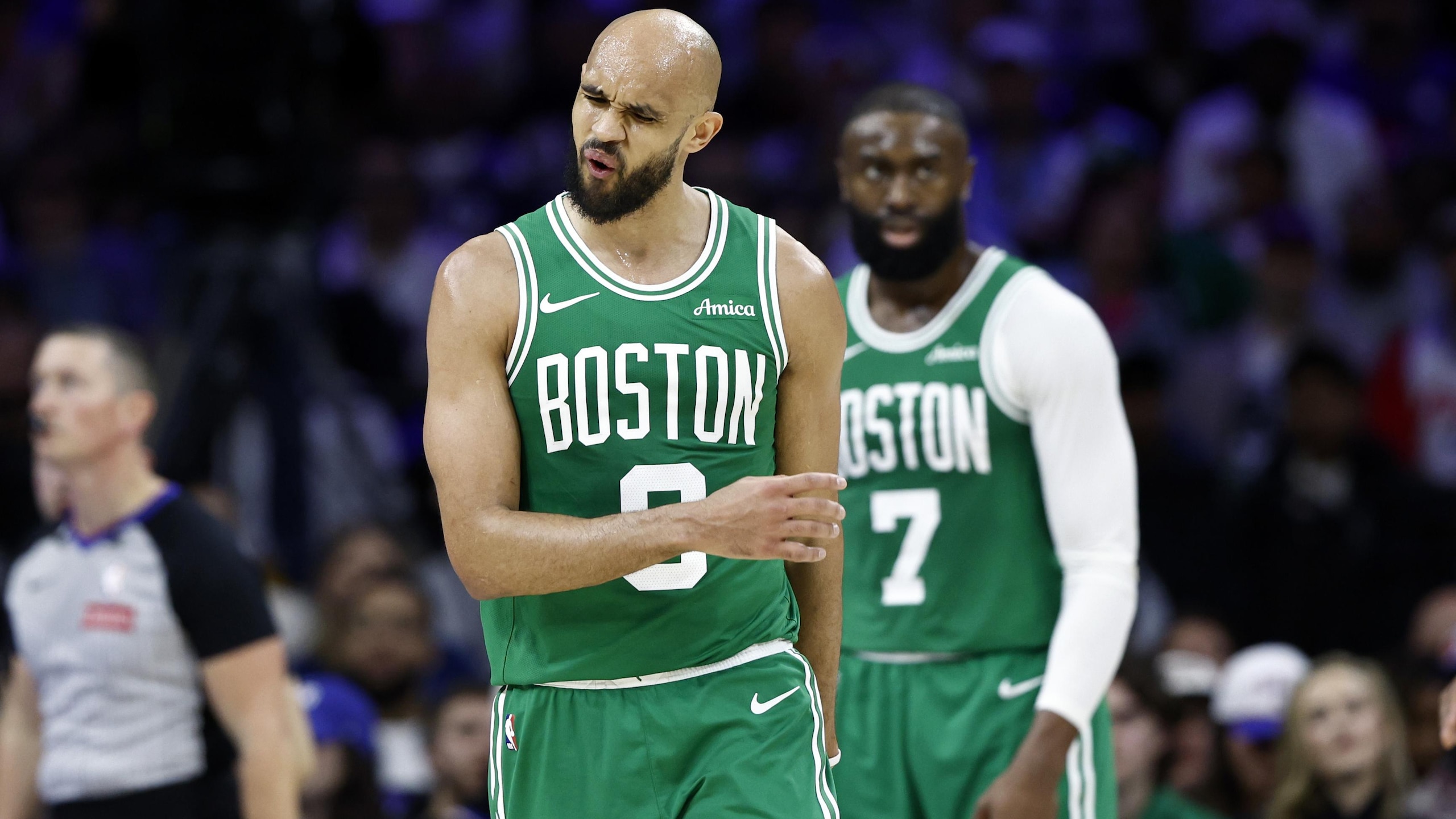
Derrick White's shot-making fell off a cliff from last year to this regular season and then took another dip in the playoffs. The defensive gnatty-ness he provides remains valuable, but if he can't be a No. 3 option, the Celtics need someone higher-end than Payton Pritchard.
Boston is not so desperate that it must ship out White to whoever will have him. Still, it would not hurt to get out in front of a potential decline. He turns 32 in July and has another three years and $97.7 million left on his deal.
Moving his salary becomes non-negotiable if the Celtics are looking to take a bigger swing. Assuming Jaylen Brown and Jayson Tatum are off-limits, White is the third-highest paid player ($30.3 million), and there's a galaxy separating him from Sam Hauser at No. 4 ($10.3 million).
It is perfectly acceptable for Boston to decide White must stay put if it's going to contend for a title. But given the defensive flashes and contributions this season from jumbo wings and forwards Baylor Scheierman, Jordan Walsh and Hugo González, this could be the right time to sell high/medium-high in order to fill another need and/or load up on first-rounders, prospects and cost-controlled players who drum up the Celtics' optionality in the years to come.
Dan Favale is a National NBA Writer for Bleacher Report. Follow him on Bluesky (@danfavale), and subscribe to the Hardwood Knocks podcast, co-hosted by Bleacher Report's Grant Hughes.

.jpg?w=2560 "Buzz: MHJ Hired Agents for Trade")
.jpg?w=2560 "49ers LB Suspended for Headbutt")
.jpg?w=2560 "AD Trolls Bears WR on IG 😂")
.jpg?w=2560 "Report: Steelers WR to Miss 'Weeks'")