.jpg?w=2560)


With April coming to an end, the 2026 MLB season is just about 20 percent of the way finished. So yeah, it's going fast.
What's needed now is a temperature check, specifically in the form of a look at the winners and losers of the season so far.
This isn't simply a matter of which teams and players are or aren't performing well so far. Digging into that stuff is easy. Digging into real stories that actually mean something? That takes a little more effort, and that's what this is all about.
Let's get into it, starting with a super-contender that is back from the dead.
Winner: The Atlanta Braves' Redemption Arc
1 of 10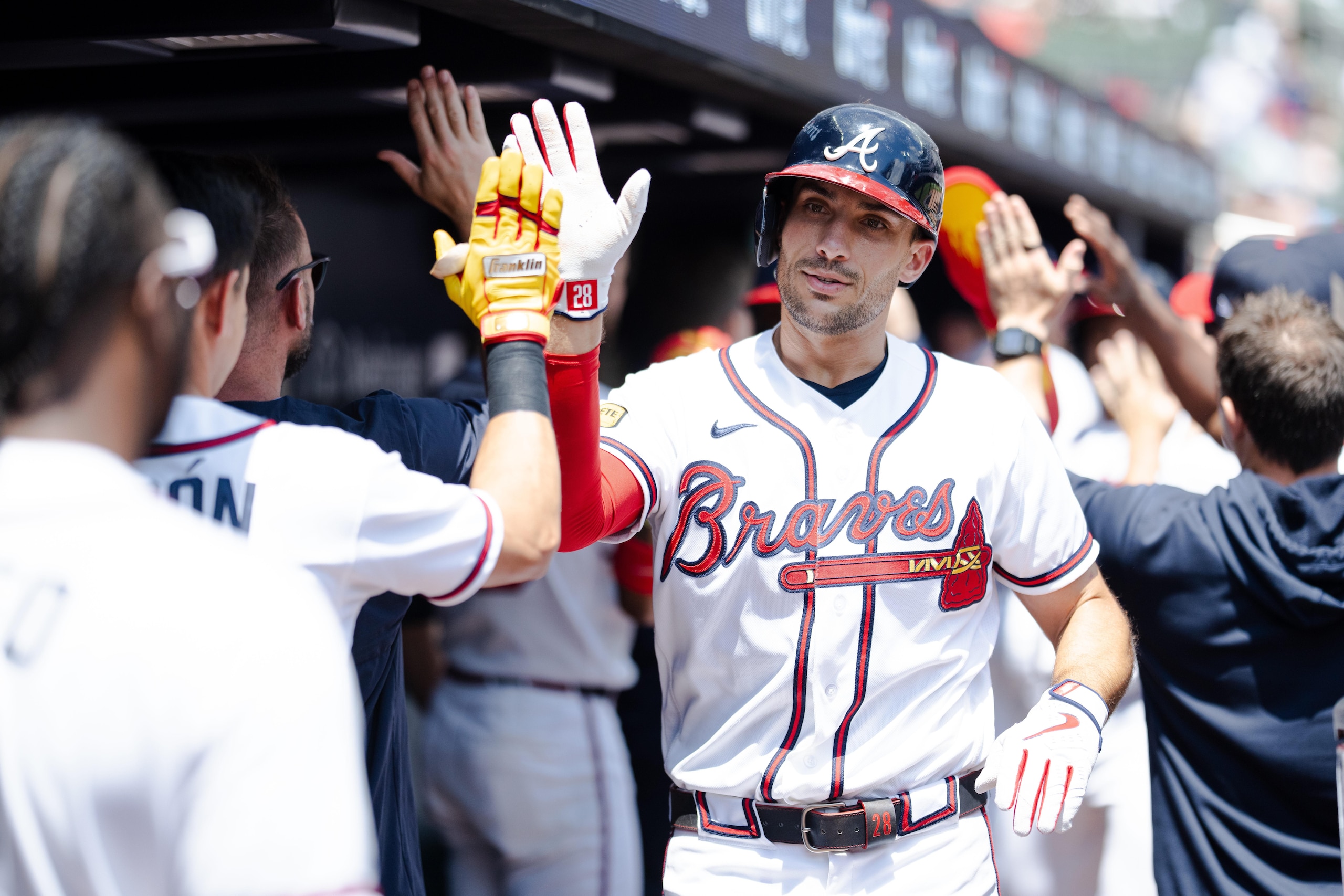
What's Happening
The Braves are so back, folks. They entered Wednesday with the best record in MLB at 22-9, and how they've been so good so far is this simple:
Given all their pitching injuries, whether Atlanta can keep shining on the run prevention front is an open question. Yet the offense resembles the world-wrecking unit of a few years ago, and that is even though 2023 NL MVP Ronald Acuña Jr. is still finding his stroke.
Why It Matters
There are other great teams out there right now, including a pair of 20-win squads in Los Angeles and the Bronx. As such, the Dodgers and Yankees deserve their flowers, too.
Yet whereas anyone could have expected those two clubs to be owning 2026, the Braves were much more of a wild card. Back-to-back 100-win seasons in 2022 and 2023 were followed by diminishing returns in 2024 and 2025, resulting in a faint sense that Alex Anthopoulos had failed to fully capitalize on a closing window.
Apparently not, and the Braves have the added bonus of not having clear challengers in the NL East. Their 7.0-game lead is easily the largest of any division leader, and the two teams that were supposed to compete with them are in the cellar.
Losers: High-Priced Flops
2 of 10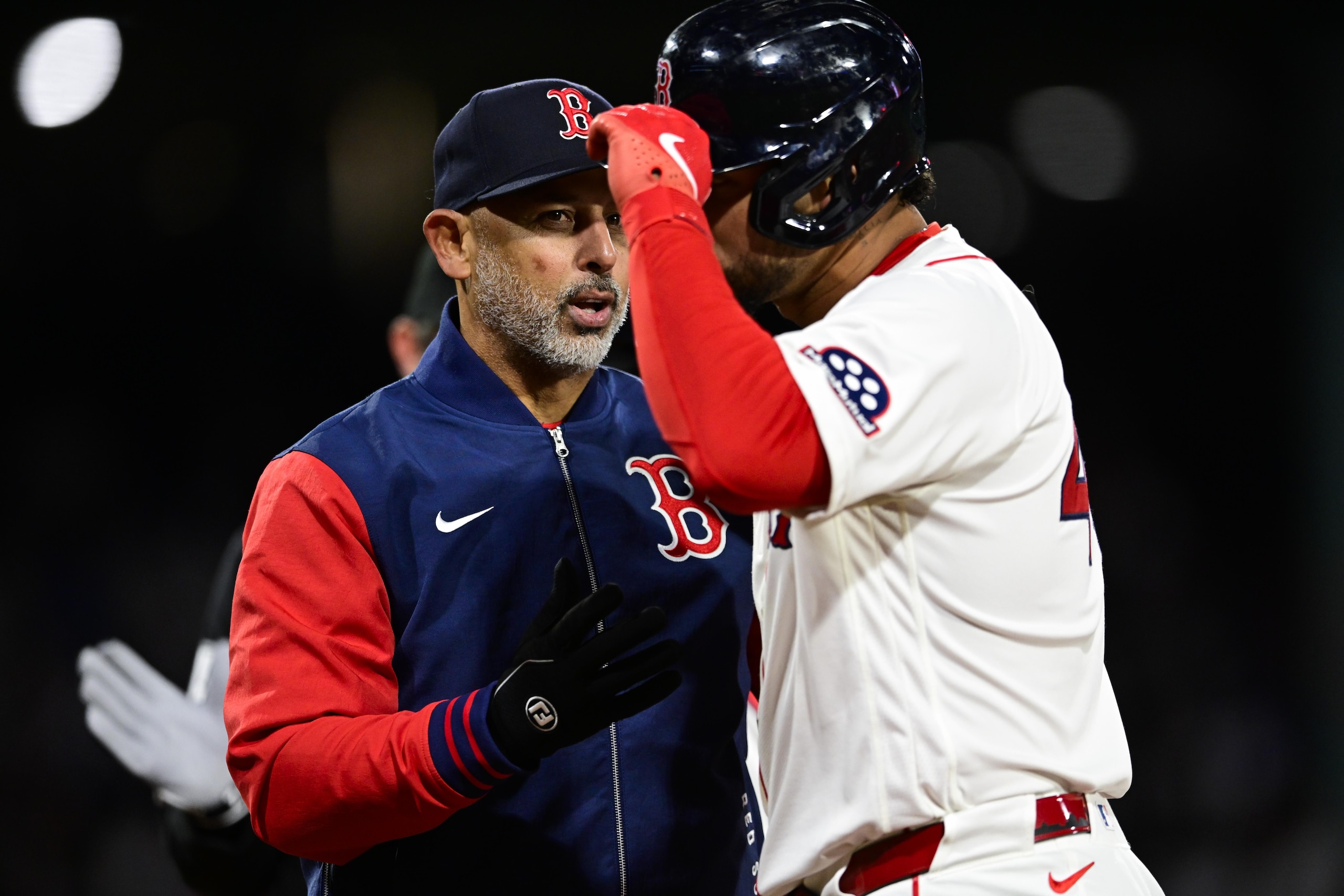
What's Happening
We'd run out of time and space if we committed individual slides to the most unexpected losing teams of 2026, so let's run through them real quick.
Here they are, with their records next to their luxury tax payrolls for full context:
Panic has already set in for the Phillies and Red Sox, both of whom have fired their managers. Mets skipper Carlos Mendoza is almost certainly next, and Joe Espada should be looking over his shoulder in Houston.
Why It Matters
All five of these clubs were meant to buy wins and, hopefully, playoff berths with all that money. That things have gone so awry so soon means that the door is instead open for less usual and certainly less expensive suspects.
That means the Rays in the AL East and the Athletics in the AL West, and maybe the Marlins in the NL East. There are also wild-card implications in both leagues, which seems especially important for the ultra-deep NL Central.
As for broader implications, the idea that a high payroll is not necessarily a competitive advantage is interesting if nothing else. More to the point, it definitely undercuts the narrative the league has been pushing ahead of the expiration of the collective bargaining agreement.
Winner: The Colorado Rockies' Rise from the Ashes
3 of 10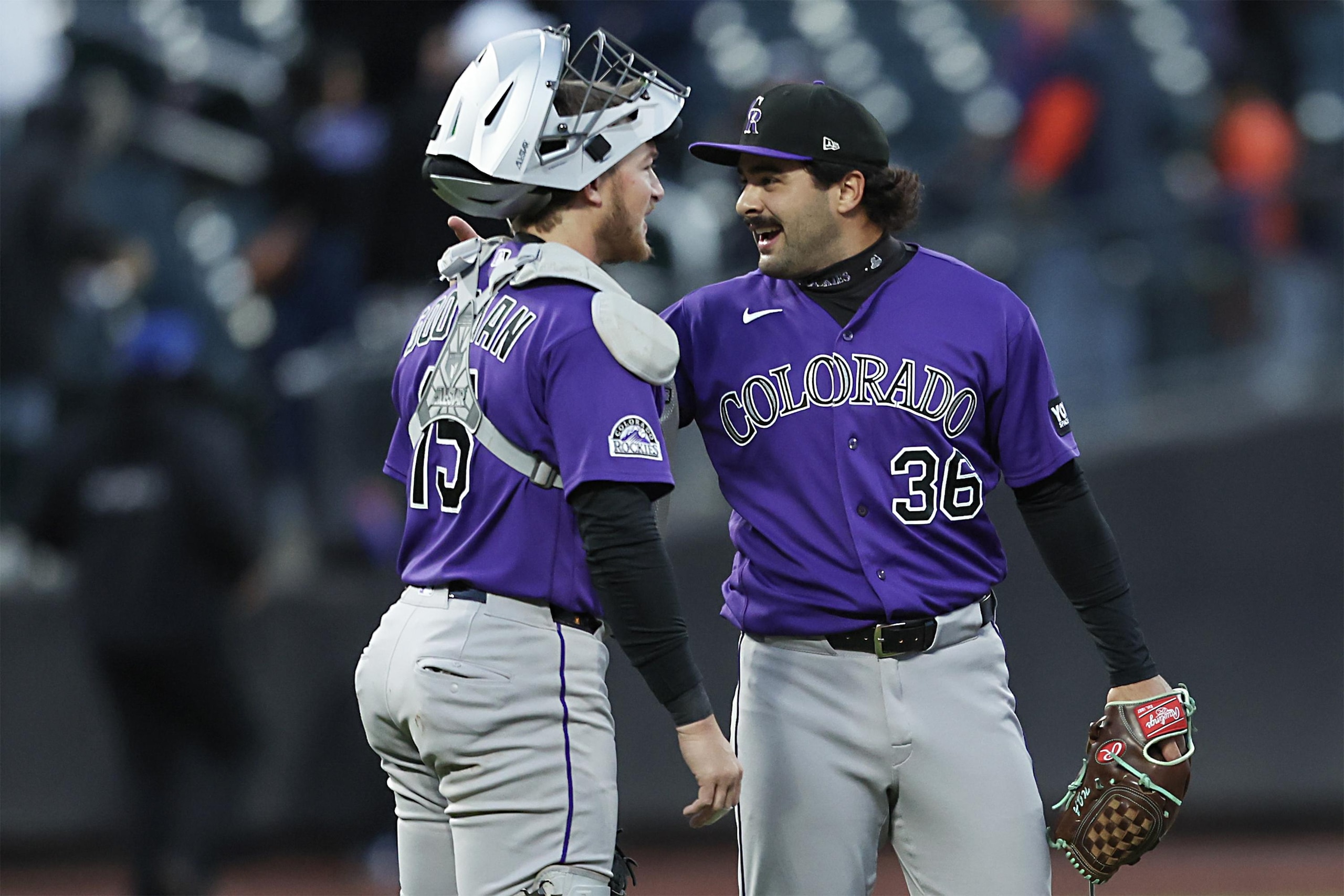
What's Happening
No, really. The Rockies may be 14-17 and in last place in the NL West, but at least they're not a total embarrassment to the lovely people of Denver anymore.
The Rox entered this season off three straight 100-loss seasons, and the choice to hire Paul DePodesta to run the front office felt like a joke. But suddenly, their offense is competent and they might have their best pitching staff ever.
Read Jared Greenspan's piece for MLB.com, and you'll come away crediting the pitching to the new regime. There are no fewer than 10 different pitch types in the Rockies' staff, and not one of them accounts for over 30 percent of all offerings.
Why It Matters
This matters to the NL West. The Rockies were the division's punching bag in 2025 to the tune of a 12-40 record. Now, they're in a position to punch back a little.
The other thing to keep in mind is that this is only Year 1 of a new dawn in Denver. The Rockies hired DePodesta to break from decades of increasingly toxic insularity, with an endgame to discover the key to sustainable winning at elevation.
The fact that progress is already happening despite a frankly less-than-impressive roster is encouraging. If DePodesta can successfully implement the kind of player development machine the Rockies have long needed, they might be able to turn Denver into the same hot spot for MLB that it is for the NFL and the NBA.

Loser: Tony Vitello's Blueprint for College Coaches
4 of 10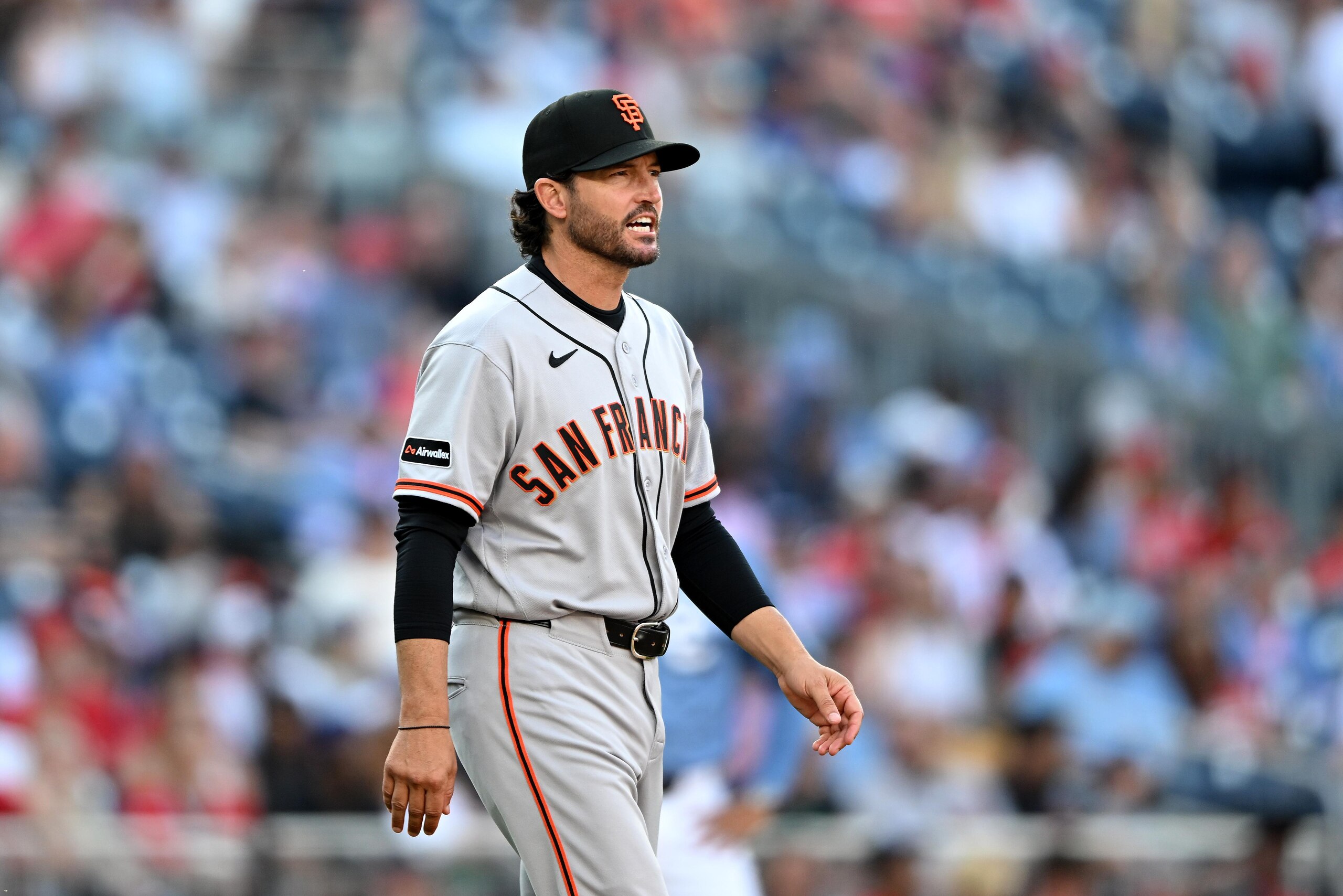
What's Happening
Elsewhere on the topic of managers on the hot seat, Tony Vitello should not be one of those guys. He's only one month into his first year skippering the Giants, after all.
However, it's fair to at least wonder about the warmth of Vitello's seat. The Giants are only 13-16 with a -24 run differential. FanGraphs has their odds of making the playoffs down to 22.3 percent.
A good chunk of the blame here lies with Buster Posey's roster construction, as the Giants are almost at the same luxury tax level as the Astros. But Vitello hasn't exactly been part of the solution, and has at least been a distraction with the way he speaks to both his team and the media.
Why It Matters
When the Giants hired Vitello out of the college ranks despite a total lack of professional experience, it was so outside the box as to seem genius. As a proof of concept, though, his first month in charge of the Giants just isn't very inspiring.
As he's a young guy who dealt with young players at Tennessee, Vitello might have fit best in the majors with a young, up-and-coming roster. The Giants don't have one of those, and it's indeed notable that their slow start has roots in poor performances by veterans like Rafael Devers and Willy Adames.
There's still lots of time for Vitello and the Giants to right the ship, of course. But if they don't, a downstream effect on other college coaches hoping to leap to MLB might be unavoidable.
Winner: Munetaka Murakami's Revenge Tour
5 of 10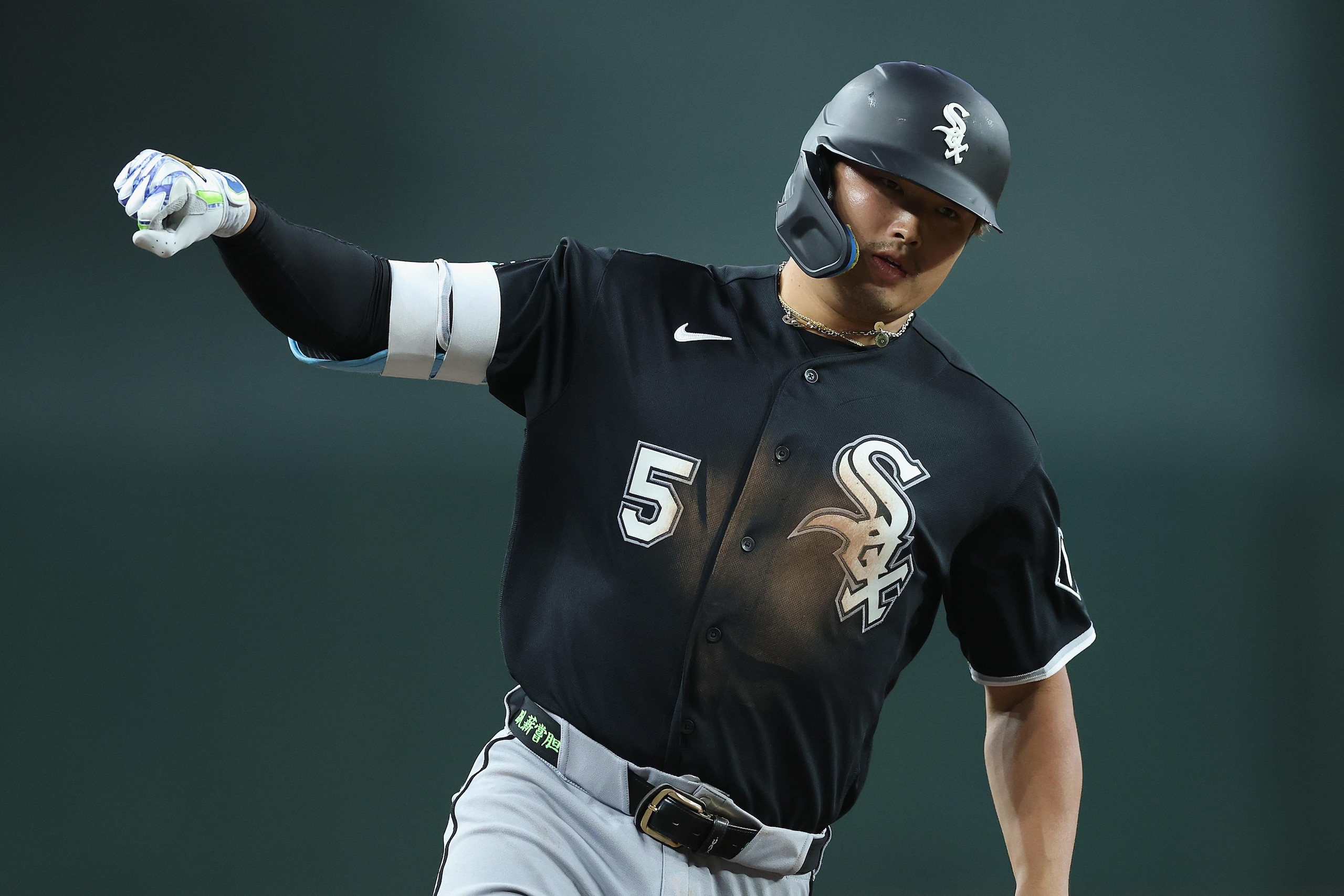
What's Happening
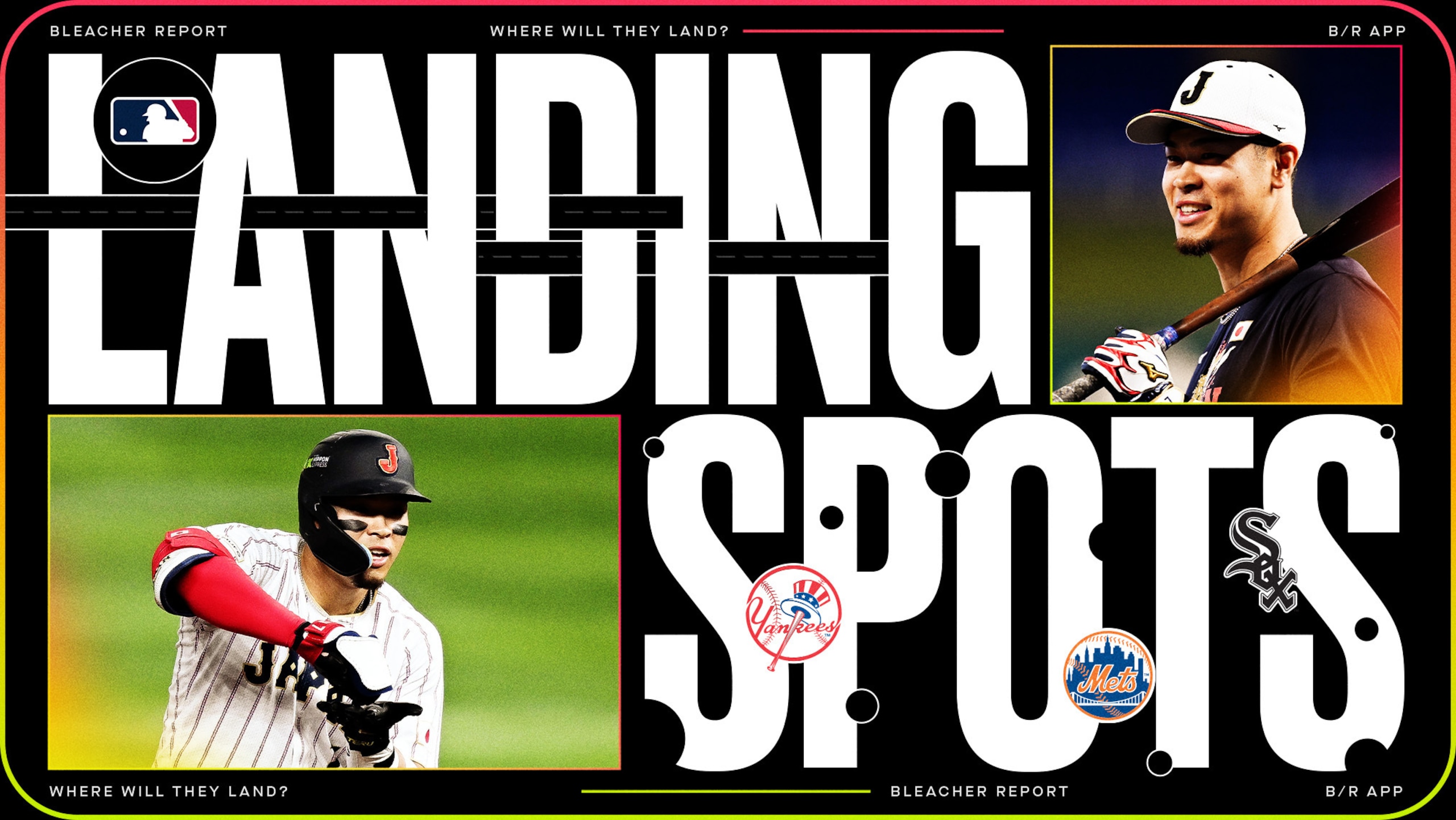
Munetaka Murakami fell victim to one heck of a rug pull over the winter. Projections for his free-agent contract went as high as $180 million. He actually landed at $34 million over two years with the White Sox.
Well, now he leads the league in home runs. Also strikeouts, but mainly home runs.
We're also not talking about just any collection of 12 homers. The legendary power that Murakami had in Japan has looked, well, legendary. He's in the top five percent of all hitters in a host of metrics, including average exit velocity, barrel rate and hard-hit rate.
Why It Matters
If nothing else, Murakami is a reason for White Sox fans and really all baseball fans to tune in. After three straight 100-loss seasons, the South Siders badly needed a guy like that in their midst.
This also matters because of the sheer "What were they thinking?" energy it sends toward the other 29 teams in the league. Murakami was right there for the taking, yet teams seemed to notice everything but his power and chickened out. The warning for every front office is clear: risk-aversion is not always a virtue.
Mind you, the big question now is how much longer Murakami will remain with the White Sox. If they decide to put him on the trade market so they can cash in on his value now, the 29 teams that missed on him will get another shot.
Loser: The Baltimore Orioles' Contention Pivot
6 of 10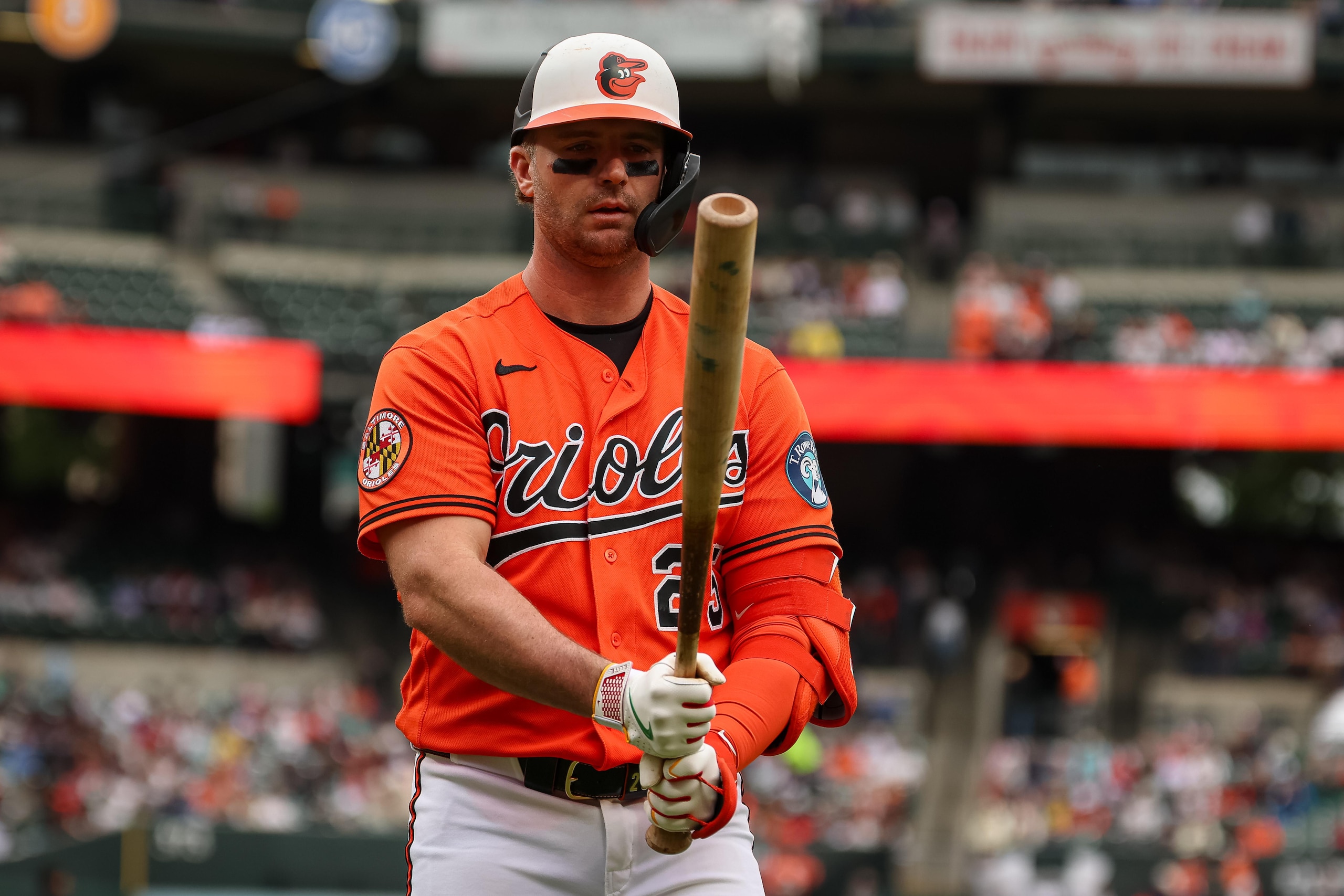
What's Happening
The Orioles made the playoffs in 2023 and 2024 only to get swept out of October both times. Given that and their fall to last place in 2025, you had to hand it to them for putting real work into their roster.
And yet, there they are at 14-15.
It's not all Pete Alonso's fault, but the Orioles surely expected their $155 million to have bought more than a .198 average and four home runs by now. The Orioles are otherwise being punished for not going harder after an ace, with newcomers Shane Baz and Chris Bassitt having combined to allow 33 runs over 55.1 innings.
Why It Matters
The Orioles aren't necessarily in a hole that they can't dig out of. And while they wait for their big new additions to get going, others like Taylor Ward, Ryan Helsley and Leody Taveras are definitely doing their part.
It nonetheless matters that the Orioles haven't changed their stripes since the season started. Projection models never saw them as more than a mid-tier contender. And while their playoff odds at FanGraphs have increased, that has more to do with the struggles of the Red Sox and Blue Jays.
There's also a ticking-clock element here that can't be ignored. Without extensions in place for Gunnar Henderson and Adley Rutschman, the Orioles may have to consider an even more dramatic pivot if wins don't come before their club control expires.
Winner: The Wallets of Rookies and Prospects
7 of 10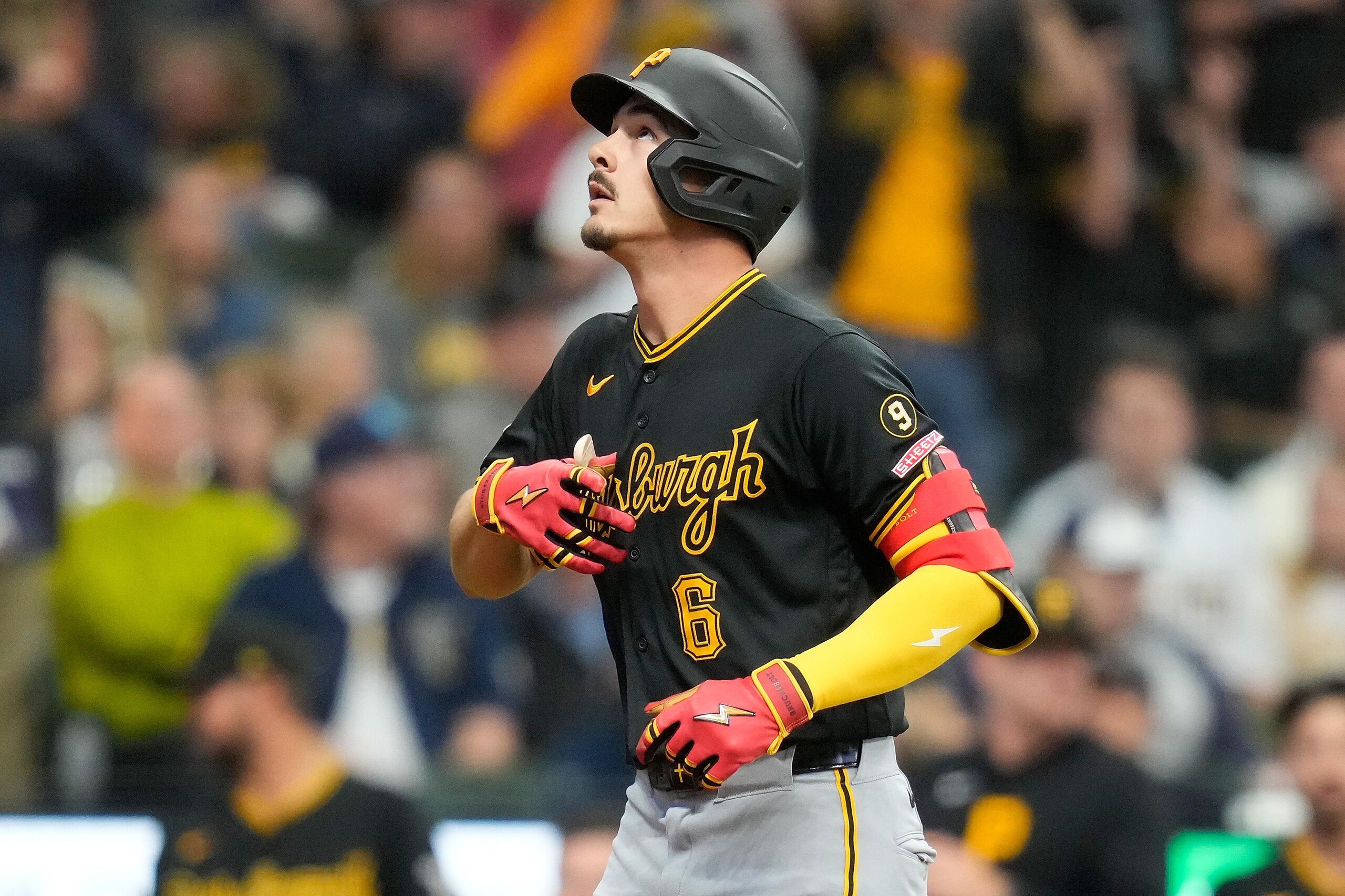
What's Happening
Whereas it's almost certainly too late for Baltimore to act on Gunnar Henderson and Adley Rutschman, other clubs clearly don't want to risk making the same mistake with their prized youngsters.
Just in the last few weeks, the following contract extensions have gone out to players with little or no MLB experience:
Pratt and Emerson haven't even debuted in the majors yet, while McGonigle and Griffin have a grand total of 53 MLB games between them. And yet, each is already in contract territory that was reserved for only 13 free agents over the winter.
Why It Matters
The individual talent of those four players helps explain why their clubs were so comfortable investing in them. Moreover, things are just different now.
Baseball is in an era where young players are advancing through the minors and establishing themselves in the majors more quickly than they used to. Against this backdrop, the risk-reward ratio of early extensions has shifted in a direction that all teams are wise to take advantage of, but especially small- and mid-market ones.
Of course, there's also the looming cloud of the CBA negotiations. Given all the uncertainty that comes with the territory, these four clubs can at least claim to have gained some much-needed cost certainty now while the getting's good.
Losers: The Los Angeles Dodgers' Big Bets
8 of 10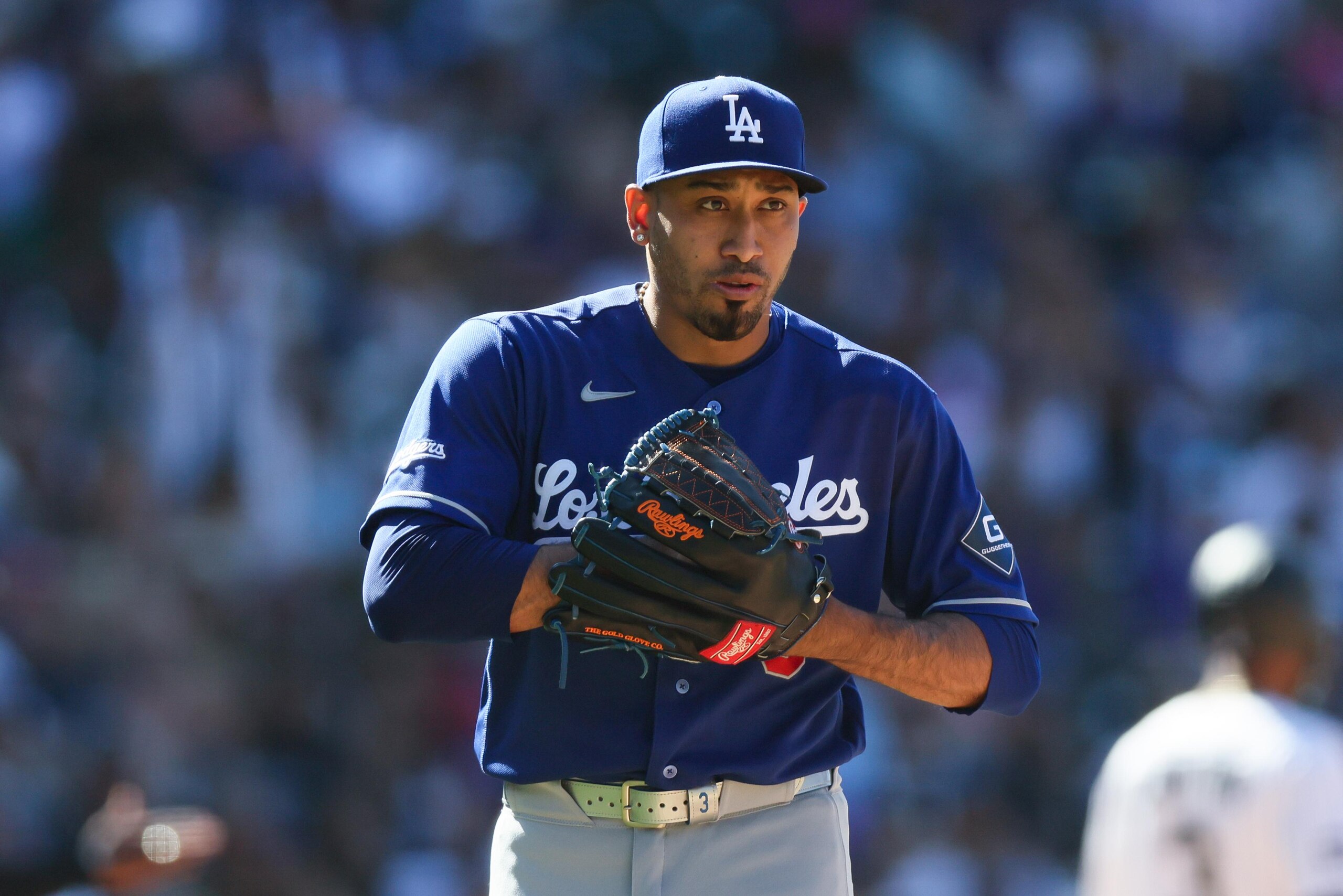
What's Happening
The Dodgers are, of course, doing just fine and dandy so far. And it's not even all thanks to usual suspects like Shohei Ohtani and Yoshinobu Yamamoto, as Andy Pages and Dalton Rushing are looking like they're ready to be stars.
It's a shame about Kyle Tucker and Edwin Díaz, however. The Dodgers poured $309 million into their pockets over the winter, and the ROI has been… not great. Tucker only has a 99 OPS+, while Díaz struggled before going under the knife to clean up loose bodies in his elbow.
Though they aren't paying him nearly as much, Roki Sasaki also continues to look like an enigma for the Dodgers. His return to starting has been an abject disaster, as he's allowed 16 runs on 28 hits (including seven homers) and 13 walks over 22.2 innings.
Why It Matters
At least as far as the Dodgers' record and standing in the NL West, this doesn't matter. They have too much talent to be brought down by a handful of guys.
It is nonetheless still worth focusing in on, though. The Dodgers are the model MLB franchise because they can A) afford to take big swings and B) are willing to take big swings. What we have here, however, is proof that the former does not guarantee success with the latter.
There's comfort for other teams to find in this. Because even if the Dodgers are surviving their missed swings now, even rich teams inevitably reach a point where failed swings catch up with them.
Winner: José Soriano's Ace Ascension
9 of 10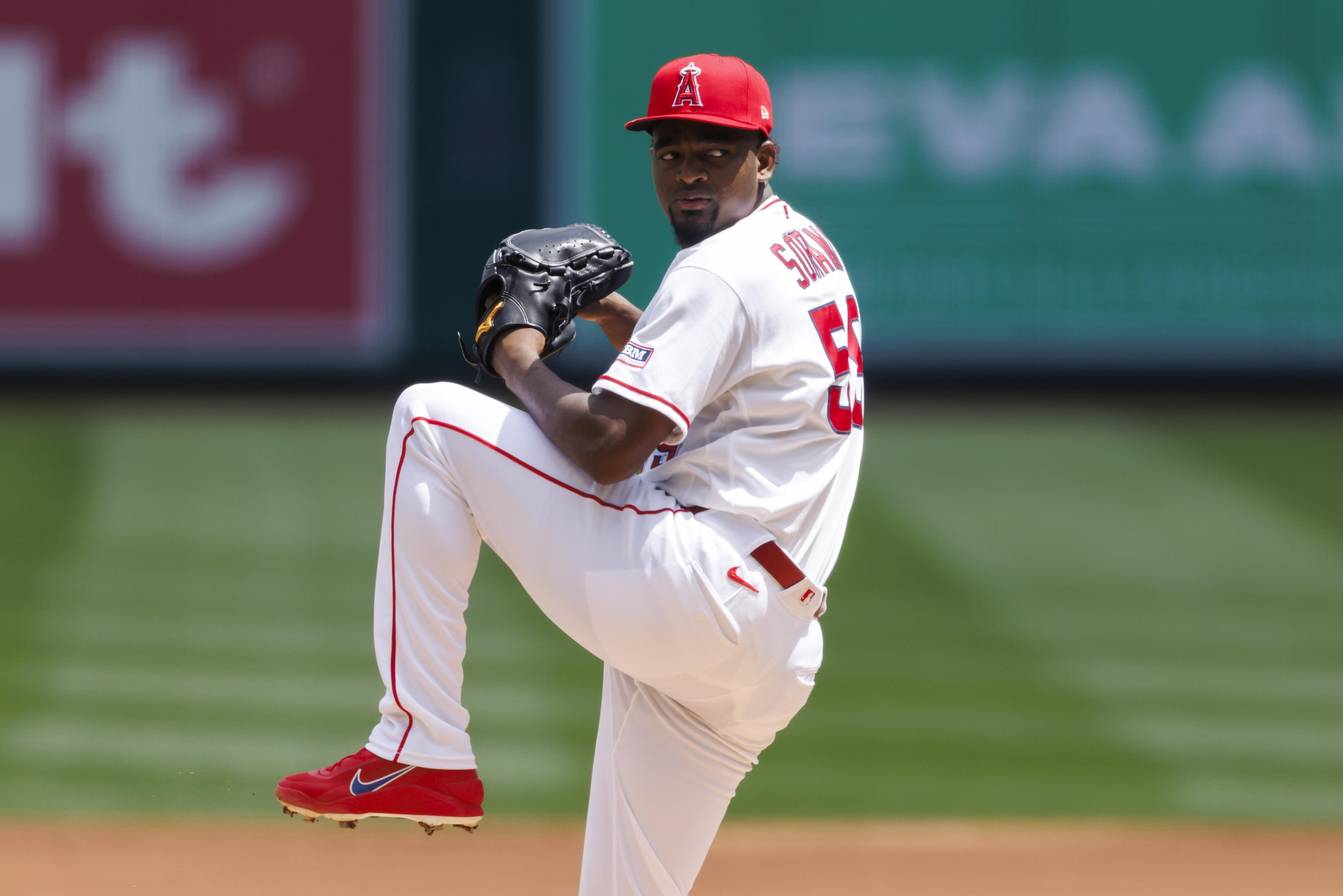
What's Happening
We'll level with you and admit that we had this spot saved for José Soriano before the White Sox got to him for two home runs and three runs on Tuesday.
Even after that, though, his ERA still stands at 0.84 by way of four earned runs over 42.2 innings. This puts him in a special club, as so few runs over that many innings through seven starts is a rare combination.
Soriano showed flashes of this kind of ability in 2024 and 2025, at least to the extent that he threw hard and got a ton of ground balls. Thanks to greater usage of his four-seamer, the difference now is that he's also limiting walks and getting whiffs much more frequently.
Why It Matters
For the Angels, this matters simply because they now have a proper No. 1 they can turn to every fifth day. Guys like that are useful for getting a team through the doldrums, and the Angels have been synonymous with that term for over a decade.
Soriano himself, meanwhile, has established an inside track at the AL Cy Young Award. He's the most valuable pitcher in the AL by nearly one full WAR over Max Fried, and his peripheral stats don't paint a picture of a hurler who's overachieving.
Everyone else, meanwhile, must take Soriano's performance and the Angels' 12-19 record as an excuse to wonder: Could he be available, be it during the summer or at least over the winter?
Loser: Pitchers and Their Precious Strike Zone
10 of 10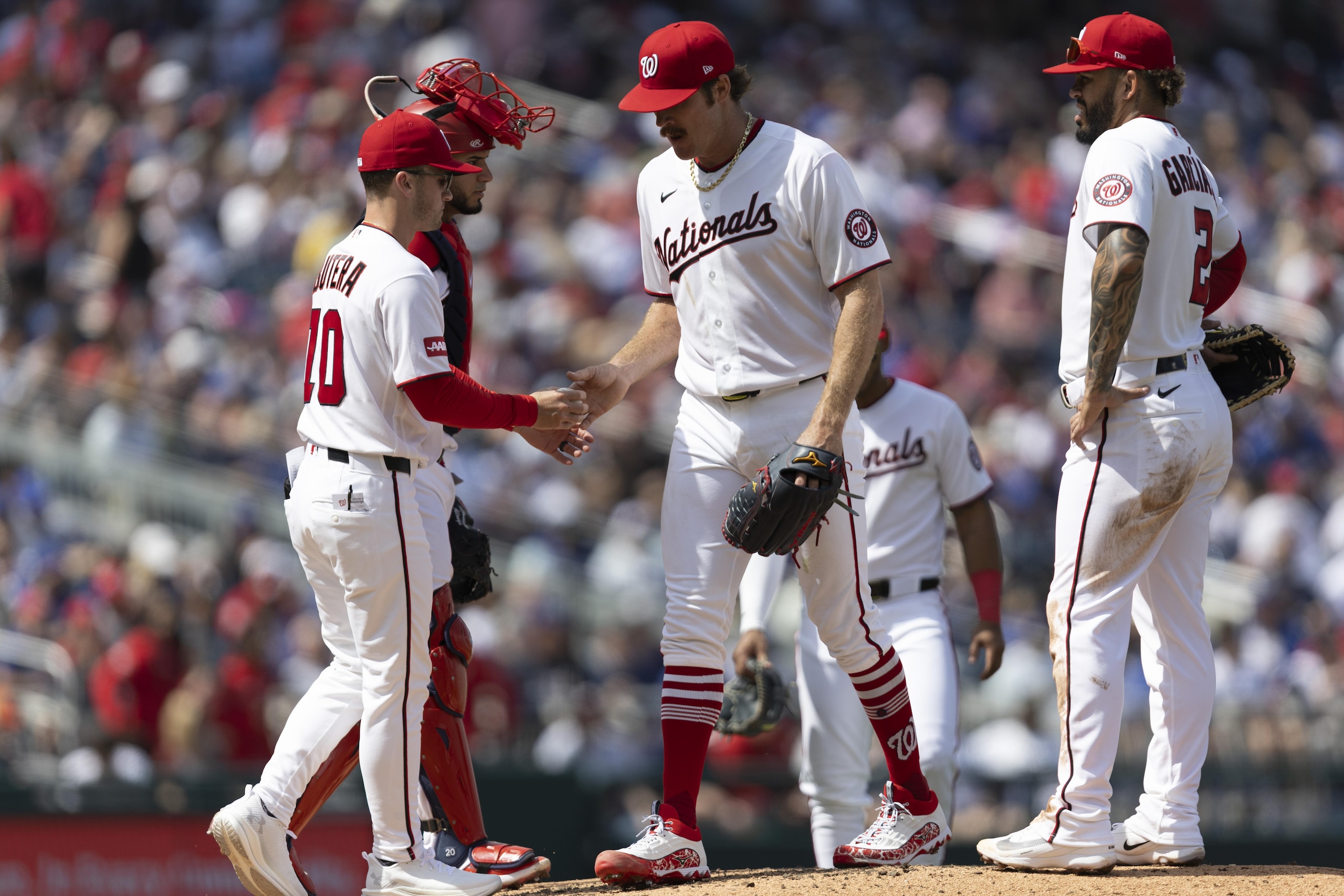
What's Happening
It hasn't exactly been a bloodbath out there for pitchers. Scoring is up relative to 2025, but only from 4.45 runs per game to 4.51 runs per game.
Context matters, though. March and April are normally down times for hitters due to rust and weather, so it may be significant that scoring is already up. And as far as how it's up, the league's .322 OBP is its best for March/April since back in 2010.
In turn, the explanation for that has to do with the league-wide walk rate of 9.6 percent, the highest for March/April since 2009. And that, in yet another turn, points to a shrinking strike zone.
Why It Matters
To a degree, this is an unexpected development because of how the ABS clearly favors the defense. Catchers and pitchers have a 60 percent overturn rate on challenges, compared to 46 percent for batters.
Yet whereas the actual ABS doesn't apply to every pitch, the new strike zone that comes with it does. And so far, that new strike zone is playing smaller than the one that had been the norm for generations before 2026.
That may be bad news for pitchers, but you're not going to hear hitters complaining. This is essentially another advantage on top of the ones they gained with the new rules in 2023. Given how drastically the game had favored pitchers prior to that year, hitters will make the case that this is another step toward equilibrium.
Stats courtesy of Baseball Reference, FanGraphs and Baseball Savant.
.jpg?w=2560 "Purdy Becomes Highest-Rated QB EVER 🤩")
.jpg?w=2560 "Grading WWE Raw 🔠")