
Every NBA Team's Toughest 2026 Free-Agency Decision
The NBA playoffs are in full swing, contenders are fighting for their lives and the teams unlucky enough to be on the sidelines are fixated on their draft strategies. The one thing every team has in common: They've all got an eye on free agency.
If thinking about what's going to happen on July 1 feels premature, you're missing the fact that all 30 teams formulate plans long before it's officially free-agent "go time." They have to. Partly because everyone else is, but also because these decisions are tough enough to require a lot of forethought.
Let's check in on every team and isolate some of the trickiest decisions they'll face when the league year flips over, (a little) cash frees up and a new free-agent class enters the market.
Atlanta Hawks: Jonathan Kuminga
1 of 30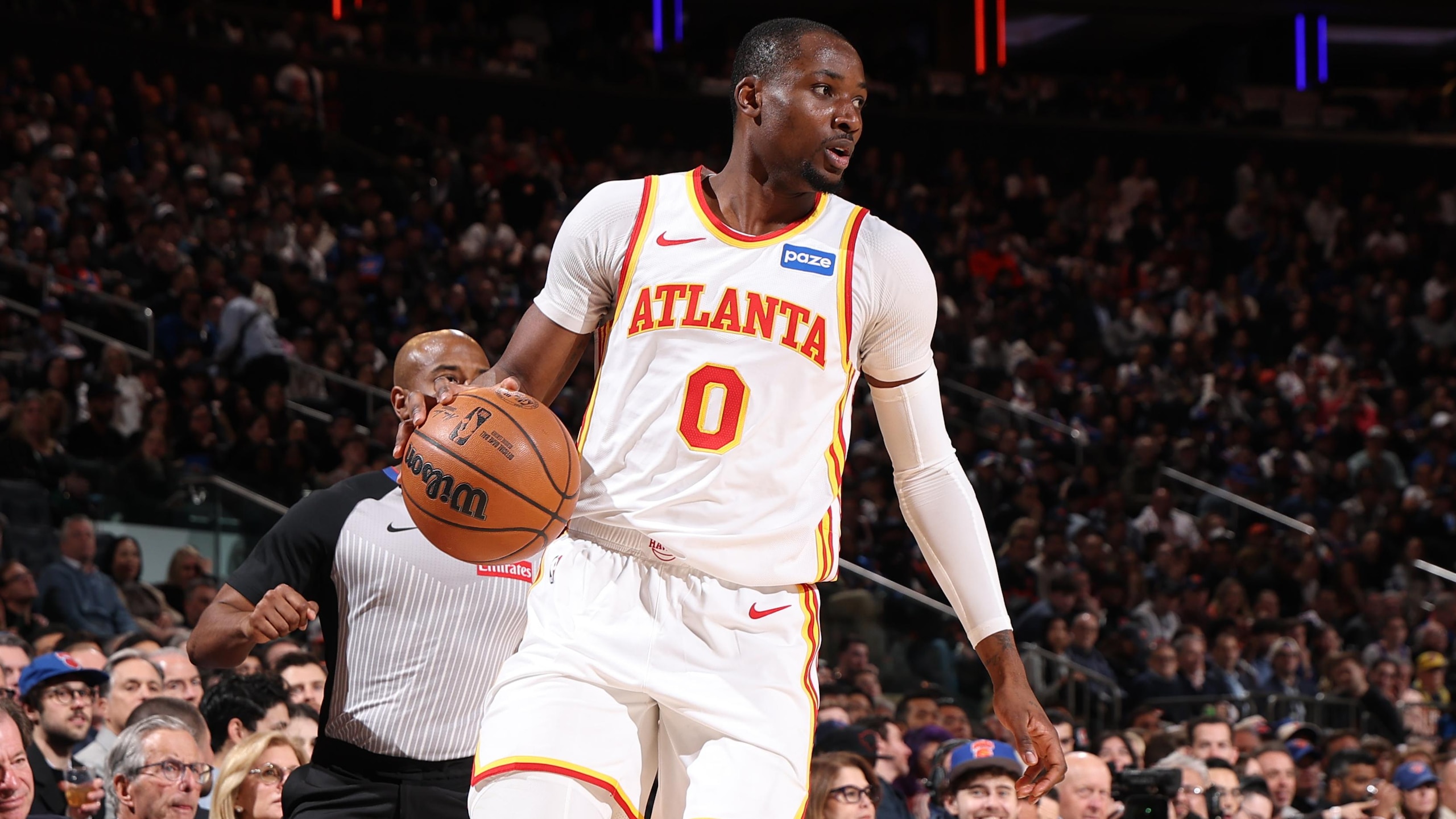
Postseason flashes that saw Jonathan Kuminga steal minutes from starter Dyson Daniels offered better information than the end of the regular season, when the hyper-athletic forward put up numbers against disinterested opponents.
If Atlanta believes Kuminga is a starter, or at least a definite first-off-the-bench spark, it should consider declining his $24.3 million team option in favor of a long-term deal.
All the same factors that tantalized the Golden State Warriors persist; Kuminga has lottery pedigree, ideal big-wing size and boundless bounce. Still just 23, he has plenty of opportunity to prove he's the high-end star he believed himself to be with the Dubs. If the Hawks still aren't sold this summer, they can pick up that team option and run the risk of allowing JK to hit unrestricted free agency in 2027.
It won't be all that hard to keep Kuminga if he repeats this year's average (with Atlanta) of 12.3 points on a 47.8/34.6/70.2 shooting split. But if he breaks out in 2026-27, the Hawks will wish they'd locked him up sooner.
Boston Celtics: Neemias Queta
2 of 30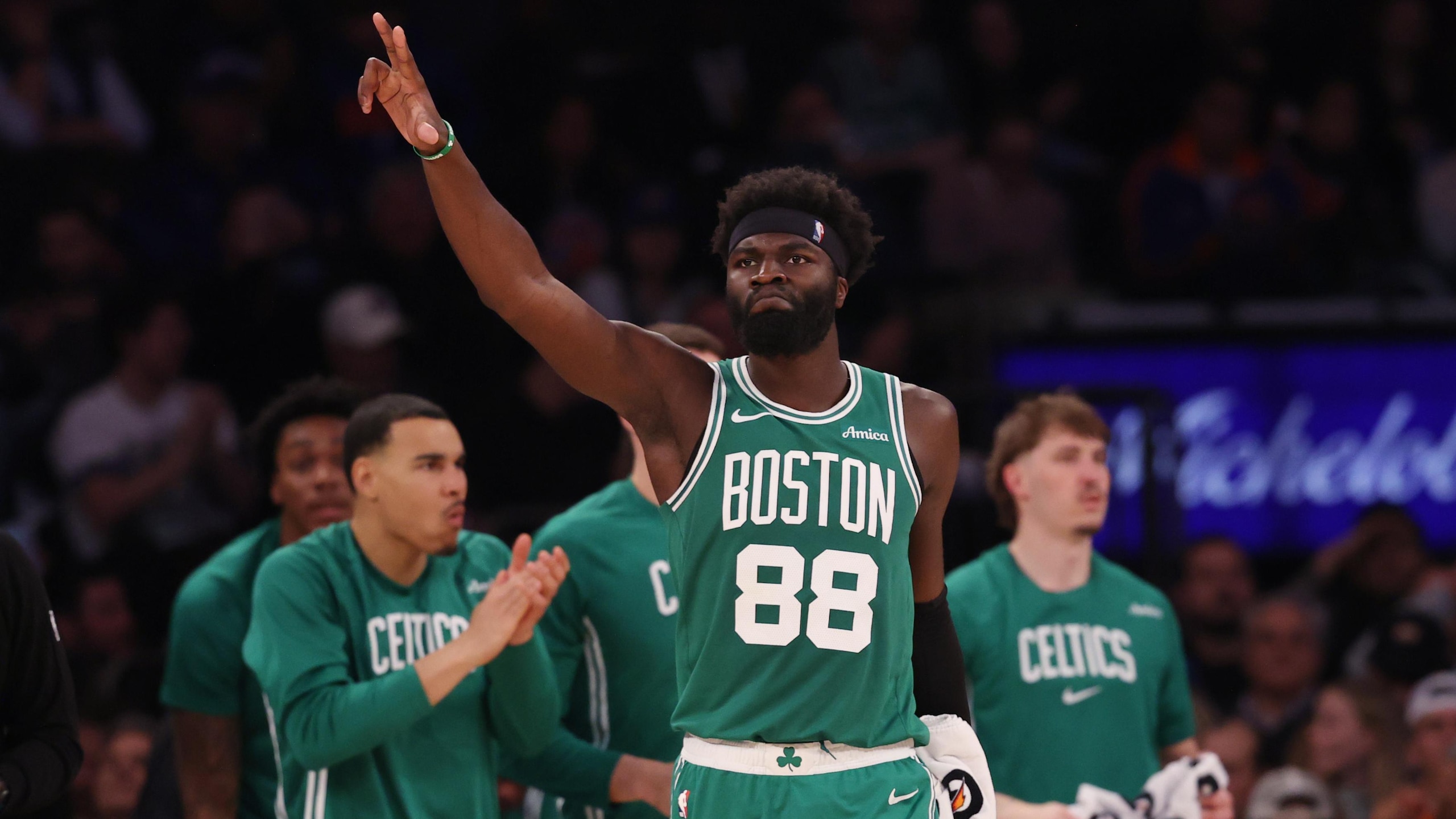
Neemias Queta has only earned a little less than $8 million since entering the league in 2021, so he might be amenable to an extension that gives him life-changing cash at age 26.
The Boston Celtics can pick up his $2.7 million team option for 2026-27 or try to lock Queta down on a longer deal. The team's desire to stay below the tax threshold means his first-year salary under a new contract would have to be under $15 million. However, they could offer substantially more if they pick up the option and make him a retention priority in the 2027 offseason.
Allowing Queta to hit unrestricted free agency could create real competition, especially if he continues to play like a legitimately good starter on a contender throughout the playoffs and next season. Maybe Queta would jump at the chance to sign a four-year deal worth $70-80 million this summer, but he could also take the risk of betting on himself.
Brooklyn Nets: How to Spend Their Cash
3 of 30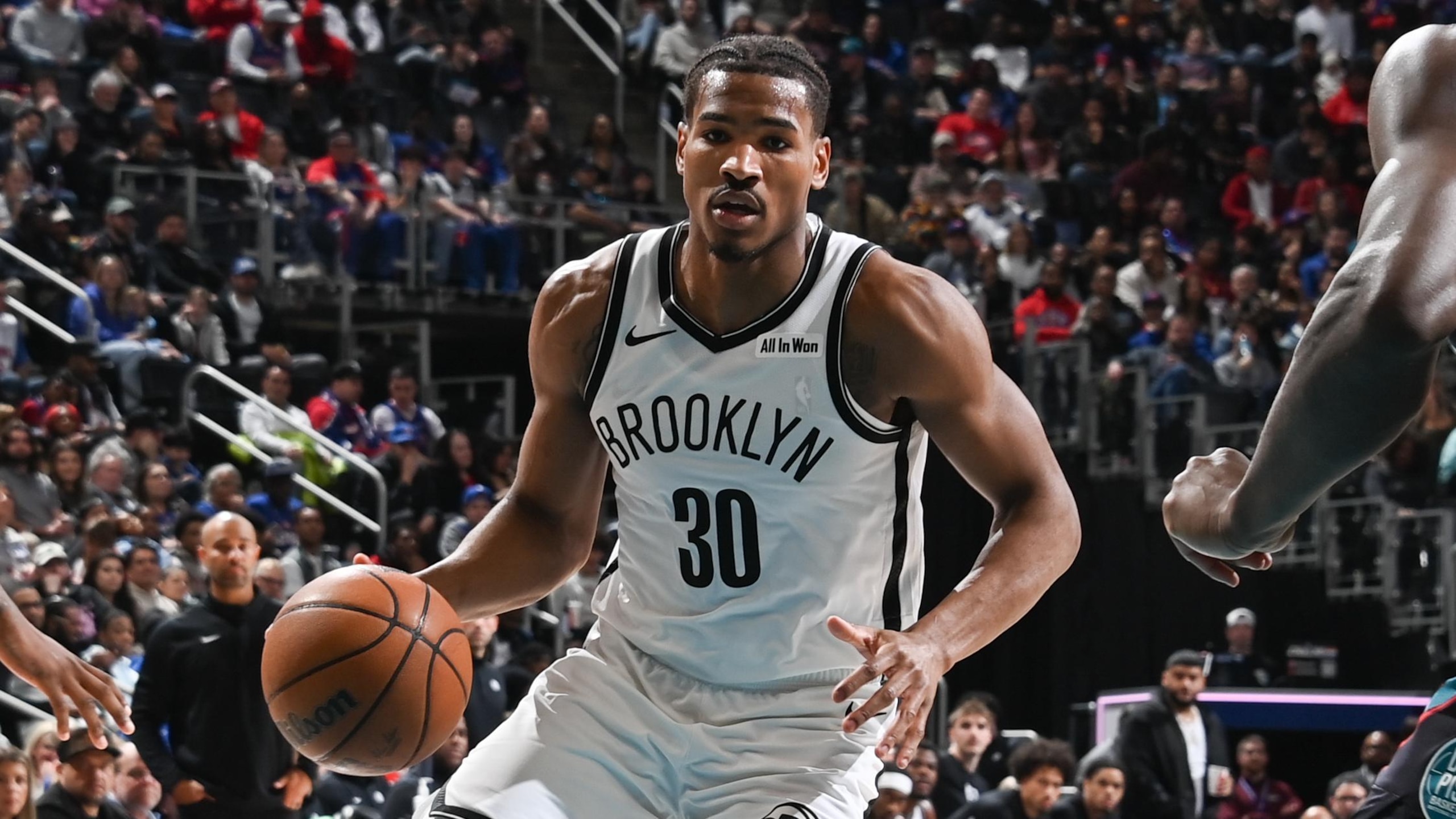
The Brooklyn Nets' only real in-house free-agent priority is young journeyman Ochai Agbaji. The 25-year-old wing is a low-stakes concern. Brooklyn has the leverage of matching rights if retaining him is in its plans.
The real decisions will come in the cap space department, where the Nets are among the very few teams with real spending potential.
As it stands now, Brooklyn should have around $45 million in cap room. That money doesn't necessarily have to go to an outside free agent. They might be better utilized to take on salary in unbalanced trades. But the Nets don't own their 2027 first-rounder and probably shouldn't be searching for bad deals that would normally be desirable in a tanking season.
They're increasingly rare these days, but the Nets could send out an offer sheet on someone else's restricted free agent or try to make upgrades ahead of a theoretical step-forward season.

Charlotte Hornets: Coby White
4 of 30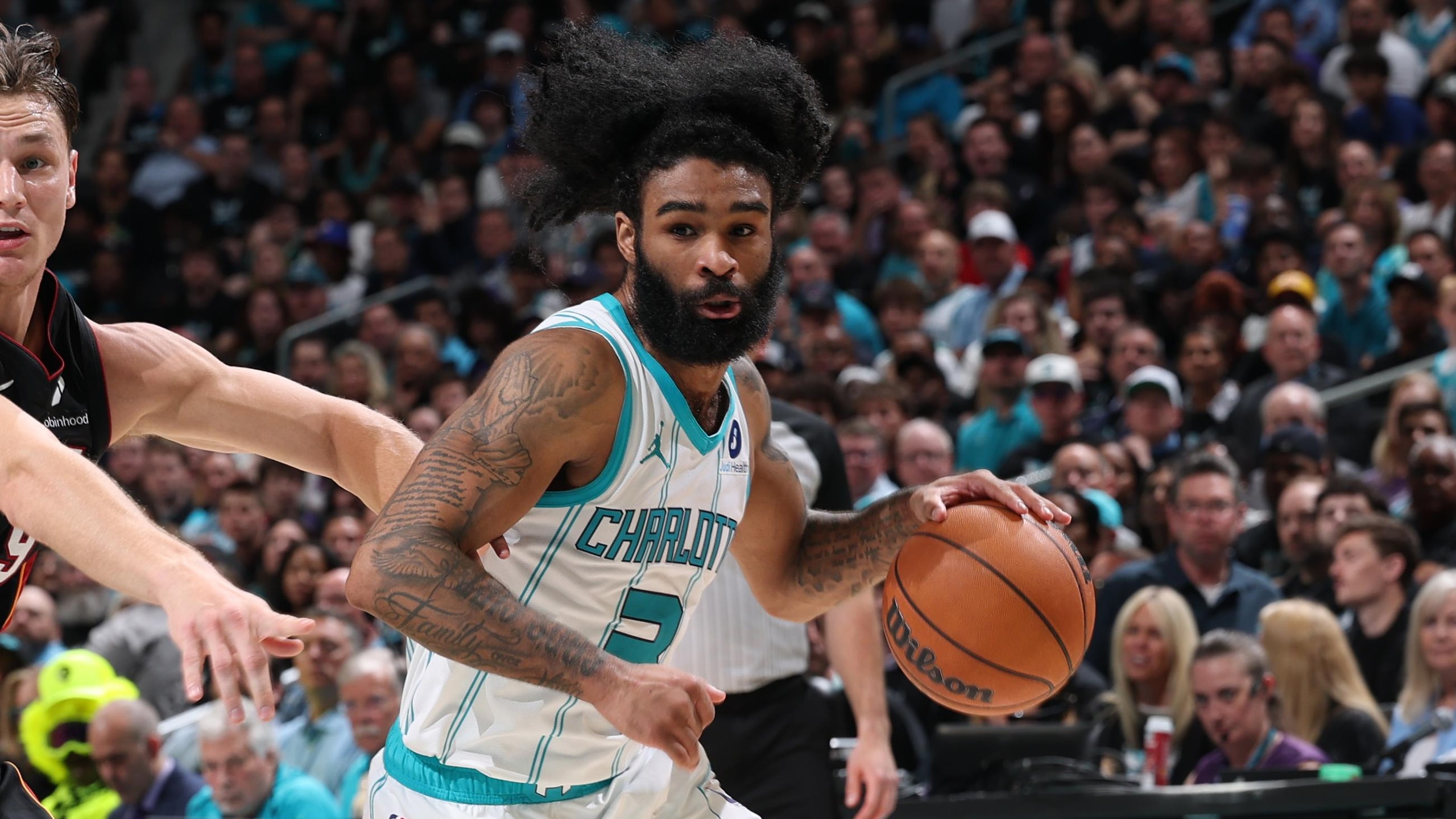
Coby White might seem like a luxury for a Charlotte Hornets team that produced some of the best offense in the league this past season, but his ability to scale up when necessary (like when Kon Knueppel couldn't hit a shot in the Play-In) suggests he's actually closer to a necessity.
Unless the Nets or Bulls view him as a clear starter, an opinion that isn't exactly supported by a career full of negative Estimated Plus/Minus figures with the Bulls, Charlotte should be able to get away with an offer in the "high-end backup" range. These days, that's probably at least $20 million per season.
LaMelo Ball, Knueppel and Brandon Miller are going to be Charlotte's high-usage point-generators for the foreseeable future. Retaining White will be as much about selling him on a second-unit role as the dollar amount. If he's willing to accept a role reduction from his days in Chicago, it seems like White could carve out a comfortable niche with the Hornets.
Keep in mind that Charlotte's Play-In struggles might convince it to allocate resources in the frontcourt instead. In that scenario, White might be deemed expendable.
Chicago Bulls: Anfernee Simons
5 of 30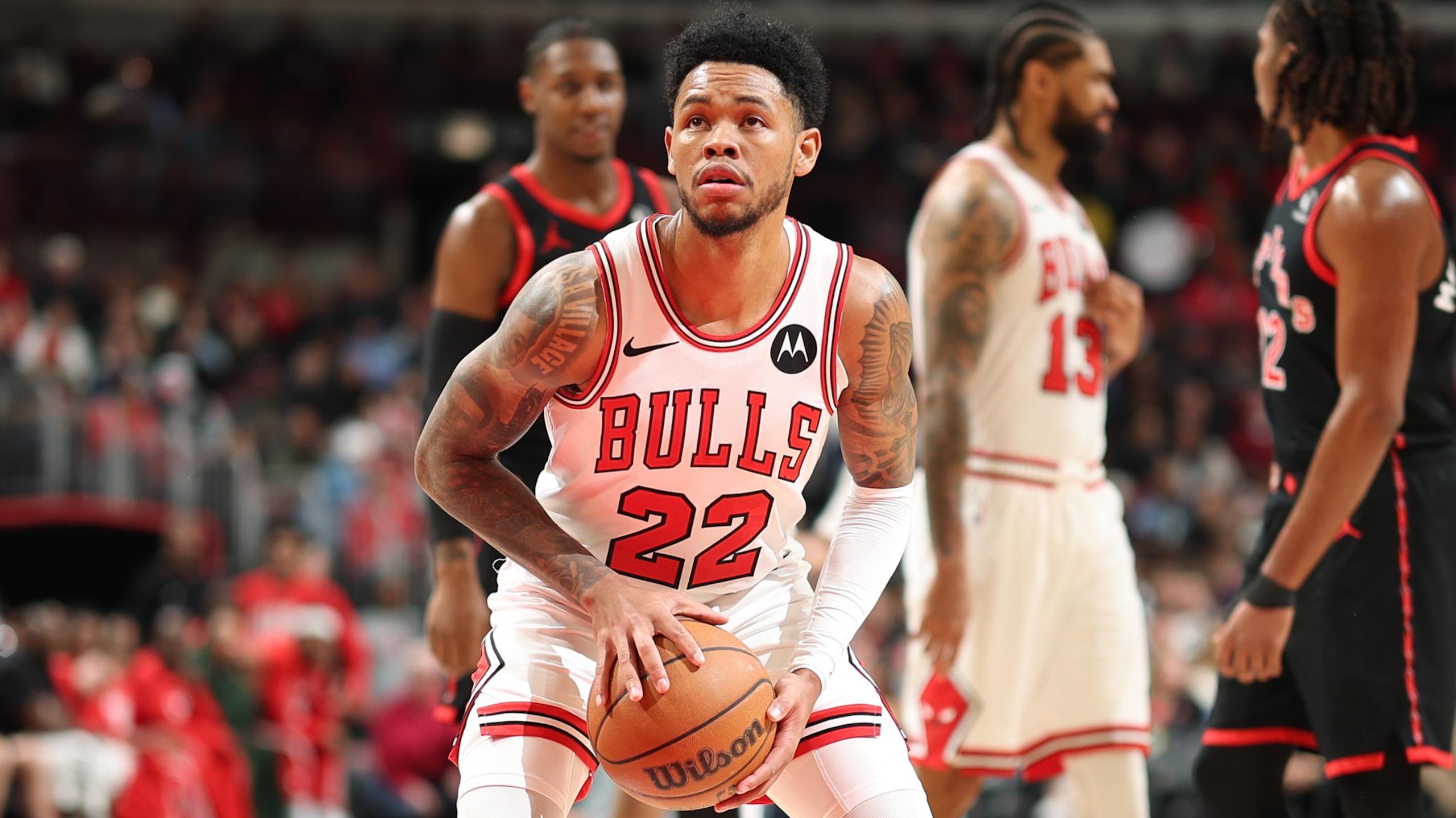
Anfernee Simons played more with the Chicago Bulls (28.3 minutes per game) than he did with the Celtics (24.5 minutes), but that doesn't mean he's part of the long-term plan here. Chicago is entering a top-down rebuild. The second-rounder the Celtics acquired with Simons might ultimately be the prized asset in that deal.
He's still the highest-profile free agent on the books, beating out the likes of Collin Sexton, Zach Collins and Guerschon Yabusele.
Ahead of his age-27 season, Simons has history as a full-time starter and totes a career 38.1 percent hit rate from three. If inked to a reasonable contract and given a clear role, he could put up numbers that make him a desirable trade candidate. If he's a retention priority, Chicago needs to get the money right. The league values shooting, as Simons can definitely provide that, but suitors are increasingly careful about trading for defense-averse guards who can't run the offense on a full-time basis.
Cleveland Cavaliers: James Harden
6 of 30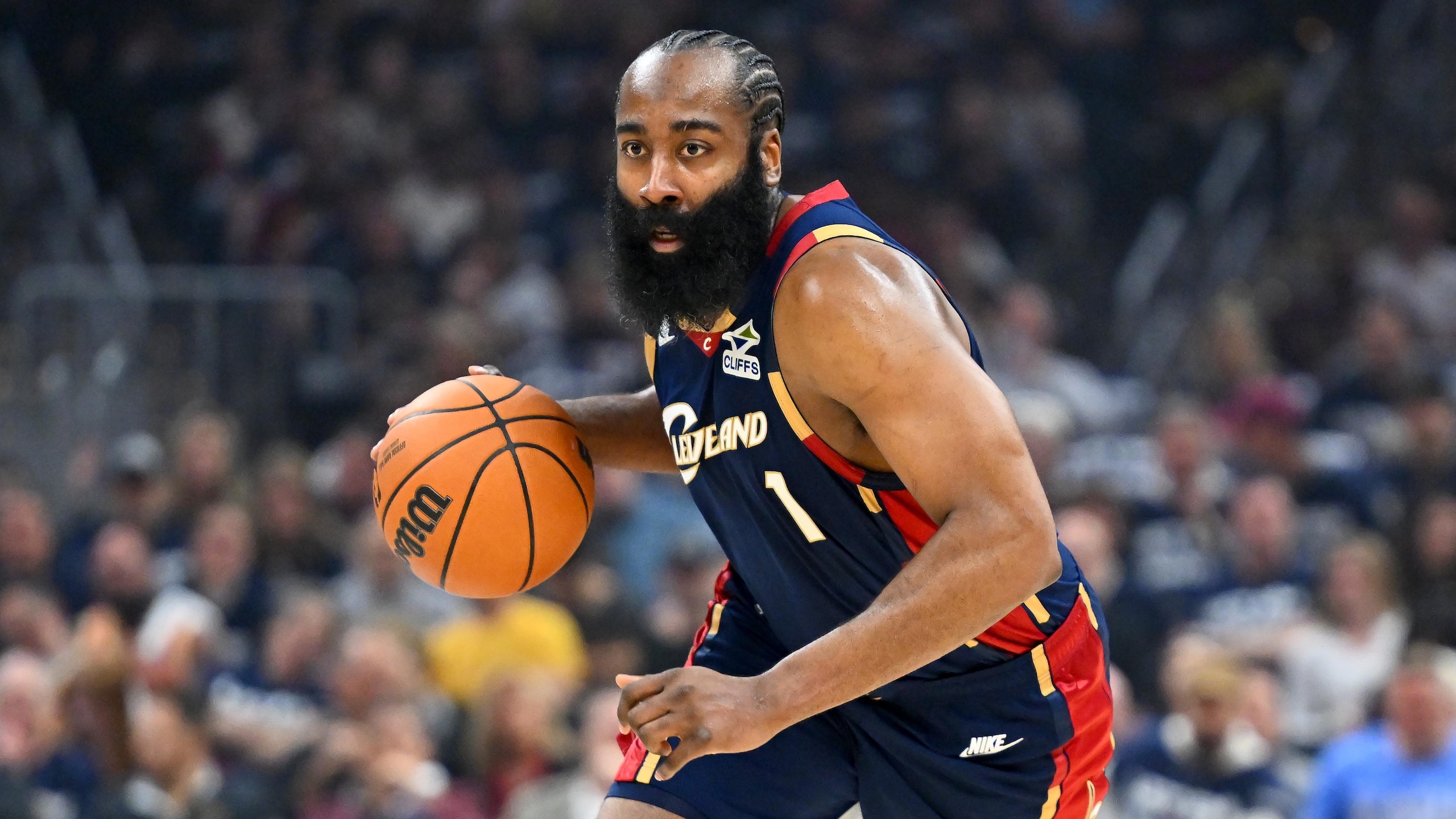
James Harden probably wouldn't have worked his way to the Cleveland Cavaliers at the deadline if he didn't have a sense they'd ensure future earnings beyond the $42.3 million player option he holds for 2026-27.
The former MVP's habit of making matters uncomfortable when he doesn't get the deal he desires should concern the Cavs, as he could agitate for more than whatever handshake agreement was in place at the time they acquired him from the LA Clippers.
It certainly helps Cleveland that neither the Nets nor the Bulls profiles as suitors for Harden, but history suggests he'll pursue a better offer if one arises.
The Cavaliers have a little negotiating power with only $13.3 million of Harden's 2026-27 salary guaranteed, but they're also not committed after dealing away Darius Garland in a clear win-now move designed to appease Donovan Mitchell.
Dallas Mavericks: Brandon Williams
7 of 30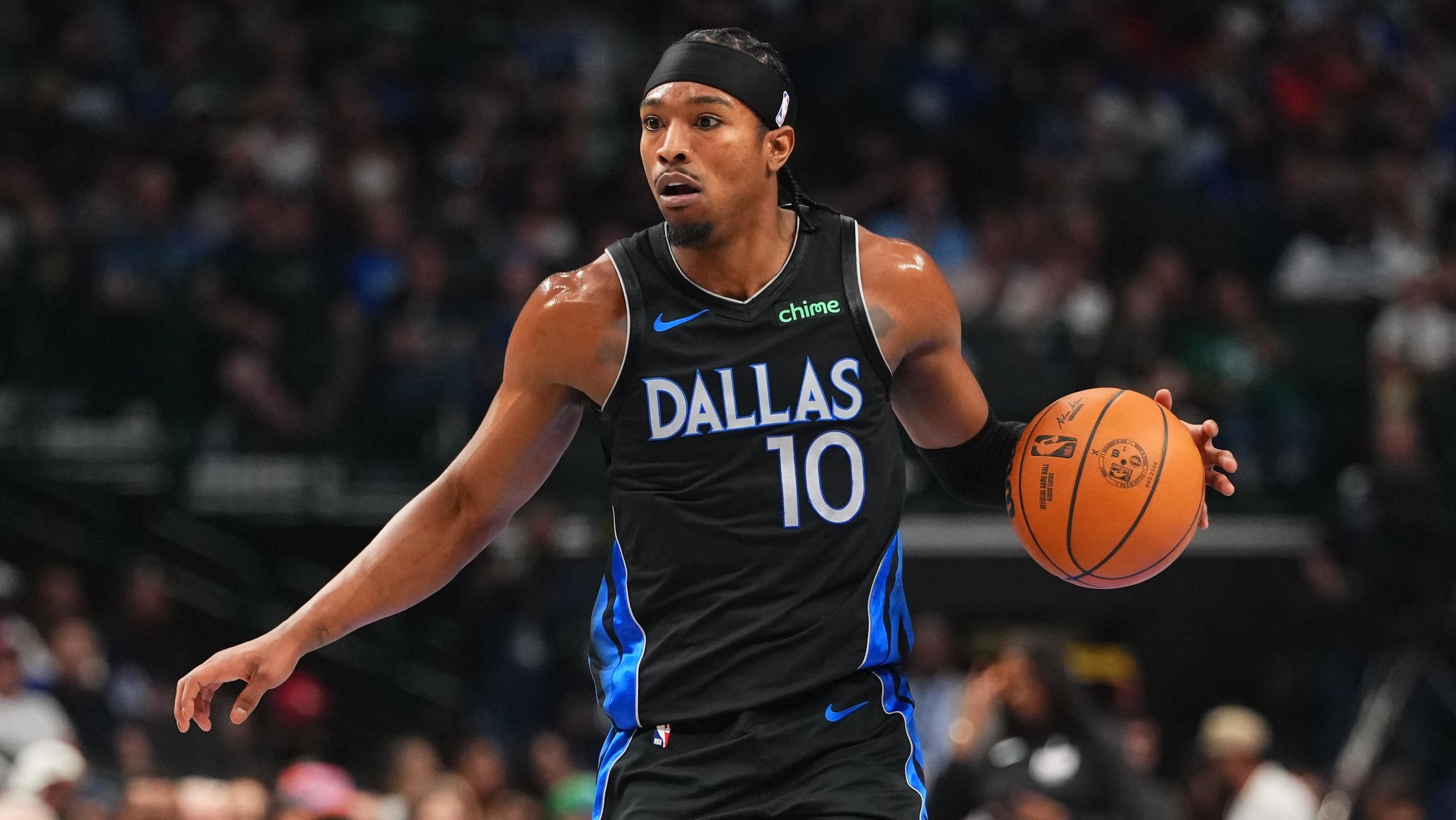
Ryan Nembhard could hit free agency if the Dallas Mavericks decline his $2.1 million team option for next year, but retaining him at that price should be an easy decision. Even if he's only a third-stringer, that's a reasonable cost for someone who spent chunks of the season playing capably in a major role.
That leaves Brandon Williams, who made 15 starts and averaged 13.1 points per game during his age-26 season.
Williams is ticketed for unrestricted free agency and should be looking for a deal above the league minimum.
With Kyrie Irving due back next year and Cooper Flagg showing he has the facility to create, Williams might find himself getting squeezed if he returns to Dallas. He's probably too valuable for the Mavericks just to let him get away for nothing. It's not as if Irving is a safe bet on the health front. Even with Nembhard likely coming back, Williams ought to be in the Mavericks' plans.
Denver Nuggets: Peyton Watson
8 of 30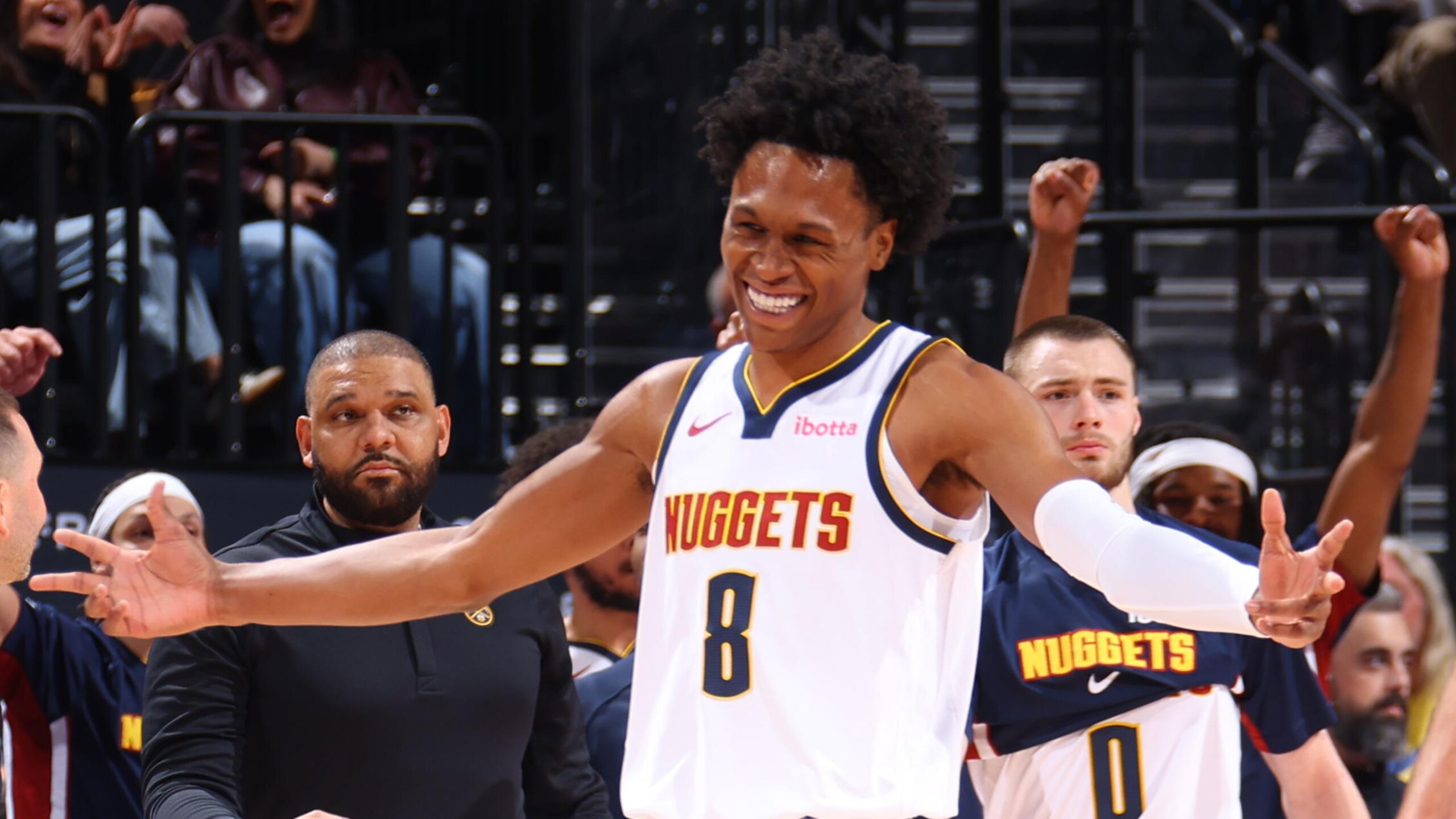
Restricted free agency favors incumbent teams like never before, but the Denver Nuggets can't just assume Peyton Watson's return is a given.
The 23-year-old took hold of a starting gig when injuries to Aaron Gordon and Christian Braun struck. His offensive growth produced a career year before his own hamstring strain cut off his campaign at 54 games. After establishing himself as a dependent scorer whose real value stemmed from athleticism on D, Watson showed some self-sufficient scoring and shot 41.7 percent from deep.
Teams with cap space are going to look at his 14.9 points, 4.9 rebounds and 2.0 assists as a floor and could easily convince themselves he's worth $25 million per year.
The Nuggets have almost the entire 2026-27 salary cap ($166 million) committed to Nikola Jokić, Jamal Murray, Aaron Gordon and Cam Johnson. If they aren't willing to spend generously to go deeper into the tax, keeping Watson might depend on dumping Johnson.
Detroit Pistons: Jalen Duren
9 of 30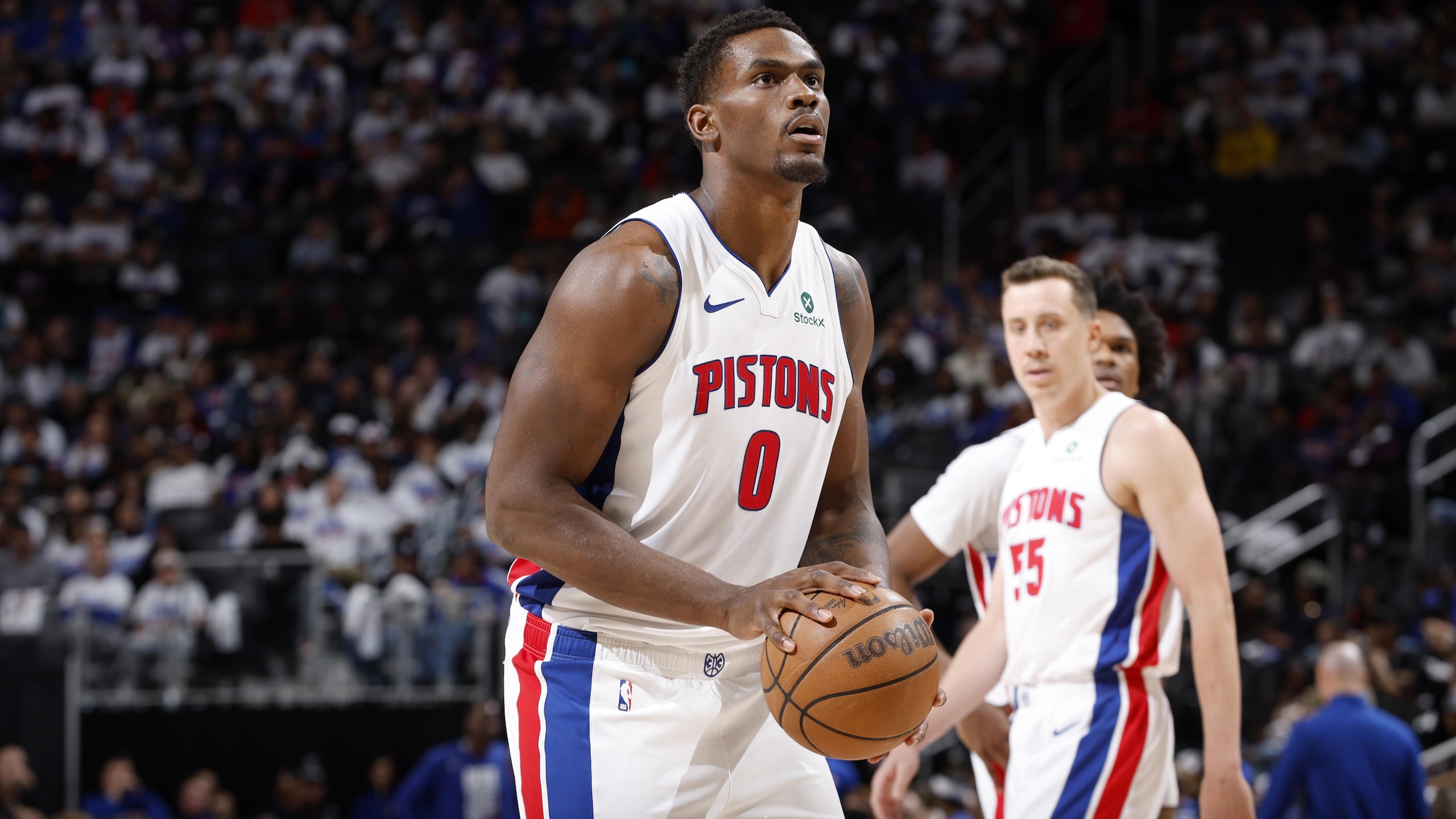
According to Jake Fischer of The Stein Line, Jalen Duren was hoping for something "well north" of $30 million per year in preseason contract extension talks. The Detroit Pistons didn't think that was a reasonable figure at the time. All Duren did was go out and produce a career year.
Though he's not a floor-stretcher or particularly good defender on switches, Duren made real strides as a scorer on drives and boosted his scoring average from 11.8 to 19.5 points per game. His physicality and rebounding were keys to the Pistons' identity (and success). He now enters restricted free agency with a good chance to make much more than he asked for in October.
The Pistons should avoid maxing Duren out. He could collect up to $287 million over five years from Detroit if he makes an All-NBA team, while another organization could top out at $185 million over four years.
His final number will come in somewhere between those figures, but $100 million is an awful lot of wiggle room. The Pistons need to find the salary that makes sense for them without offending their second-best player.
Golden State Warriors: Steve Kerr
10 of 30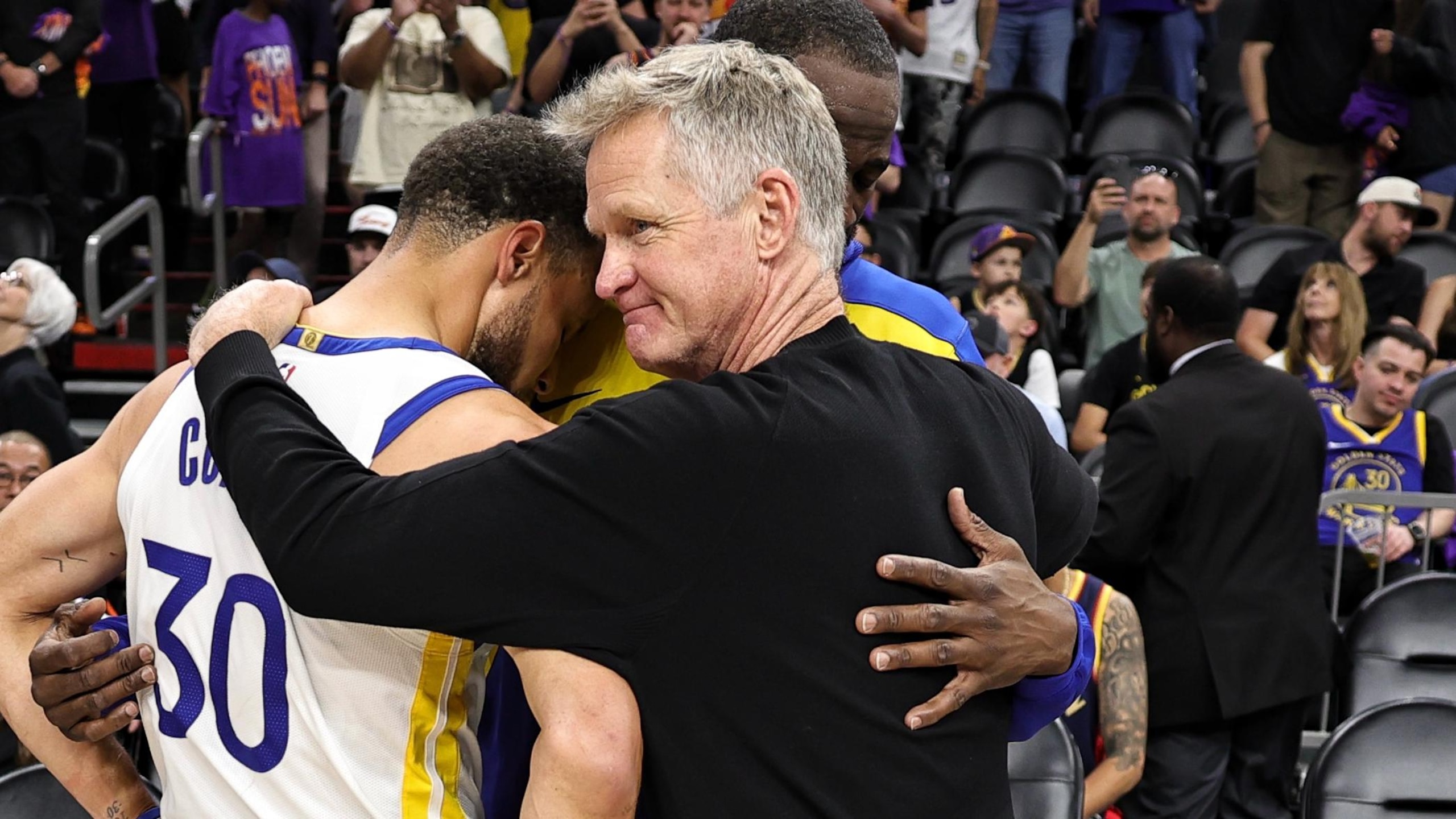
Coaches don't often hold this distinction, but Steve Kerr is easily the Golden State Warriors' most consequential free agent.
If he stays, it increases the odds that most of the other flight-risk Dubs free agents—Draymond Green, Kristaps Porzingis, Al Horford, De'Anthony Melton, Gary Payton II—will also get shots to return. If he leaves, a dramatic change is highly likely to follow.
If Kerr is the first domino to fall, we should know soon. Green thinks Kerr has stalked his last sideline in Golden State, but the official messaging is that the four-time champion coach will take a couple of weeks before meeting with the front office and ownership to discuss the future.
Stephen Curry wants Kerr to return. That opinion will carry far more weight than it once did. Over a decade ago, Curry lobbied for Mark Jackson's retention prior to Kerr's hiring. The results show management was right to ignore him then.
Odds are, Steph is going to finish his career with the Warriors regardless. But Kerr's exit could only increase the likelihood that the franchise icon considers departing himself.
Houston Rockets: Tari Eason
11 of 30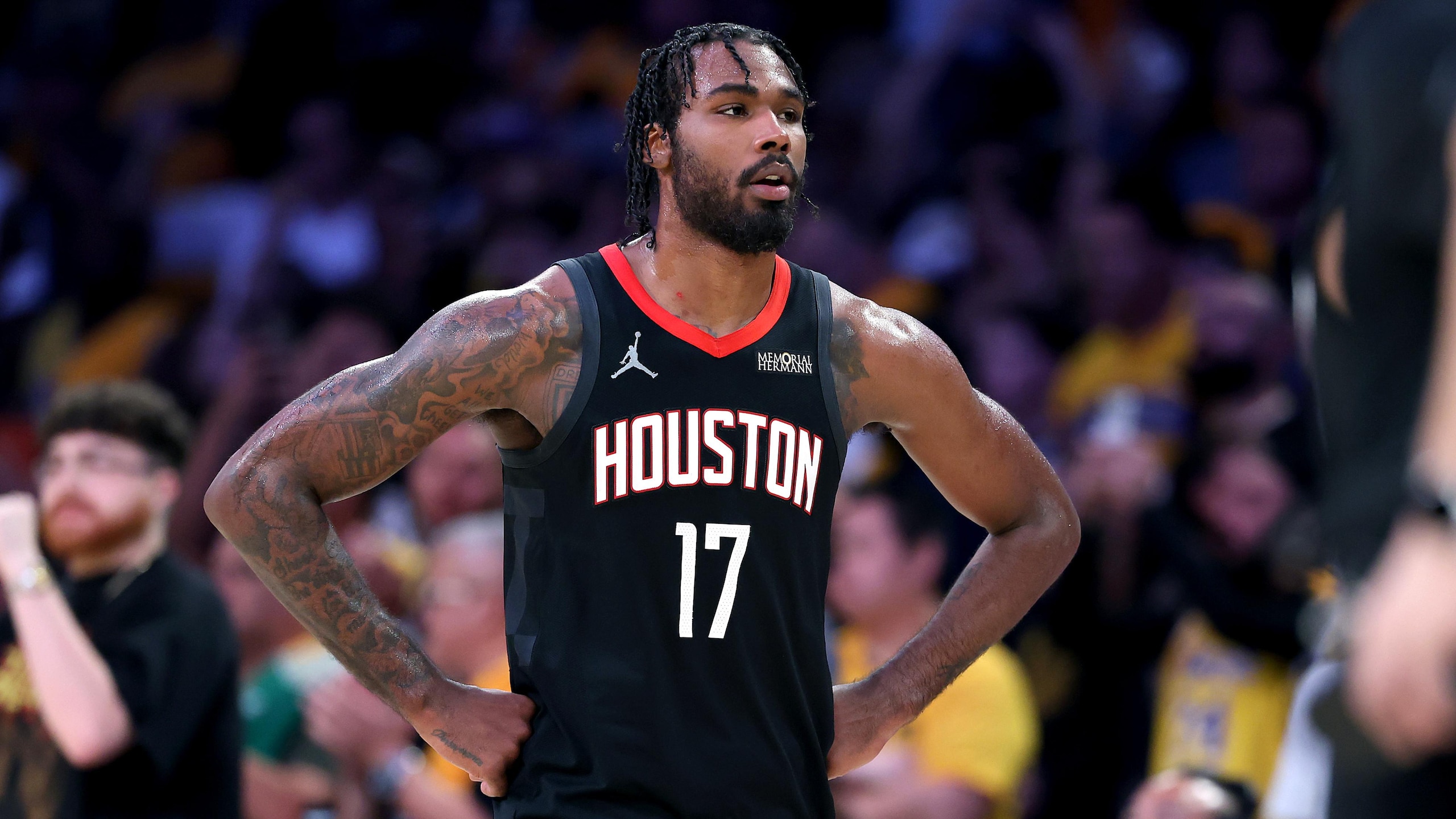
The Los Angeles Lakers are just one of the teams that view restricted free agent Tari Eason as a potential target. The Nets and Bulls could both tinker with the idea of an offer sheet if they believe the forward's energetic defense and shooting potential are assets they can't live without.
The Houston Rockets already owe $105 million to three players—Kevin Durant, Alperen Sengün and Fred VanVleet (player option)— next year. Amen Thompson will be extension-eligible this summer. Jabari Smith Jr.'s extension kicks in next year. That leaves them with a pretty bloated balance sheet before even considering what Eason is worth.
Houston, specifically, needs offensive dynamism, shot-creation and reliable floor-spacers. Eason ticks maybe one of those boxes.
Too good to let walk for nothing but perhaps superfluous on a team that has athletic defenders and rebounders, Eason is among the trickier valuations on the market.
Indiana Pacers: Micah Potter
12 of 30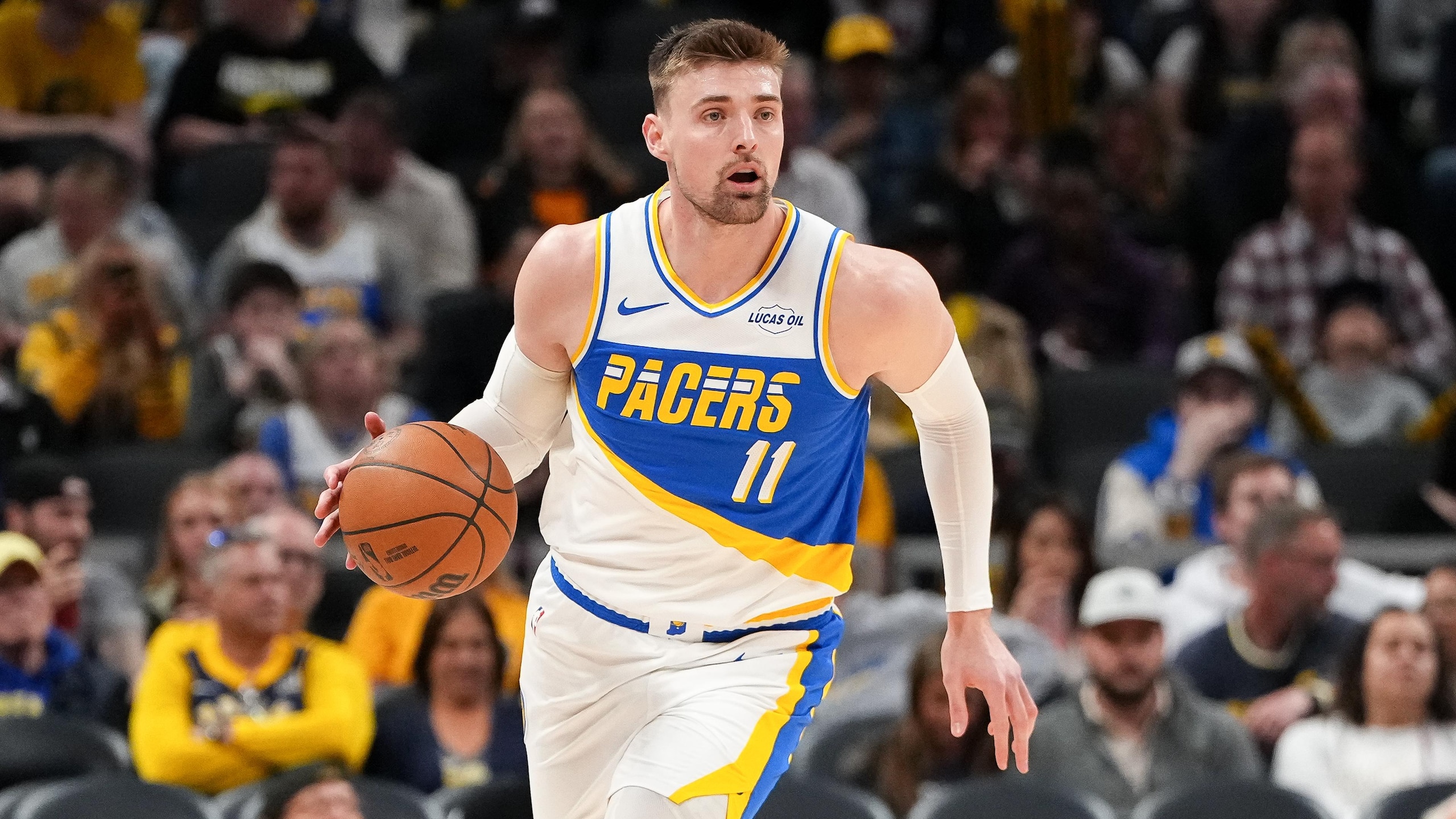
The Indiana Pacers have 11 players on fully guaranteed deals next year, which means the few free-agent decisions they face are all of the small-time, minimum-salary variety.
Micah Potter ran hot toward the end of the year and finished with a tidy 42.3 percent hit rate from long distance. That number has some support from Potter's track record, though it's not easy to fully trust his career 38.9 percent three-point accuracy, given he's only taken 126 treys across five seasons.
Still, as a change-of-pace big behind Ivica Zubac and Jay Huff, Potter could be worth keeping around. His $2.8 million team option isn't a major investment. The Pacers can trim salary by moving Jarace Walker or Ben Sheppard ahead of their 2027 restricted free agency if they want to duck the first apron.
LA Clippers: Bennedict Mathurin
13 of 30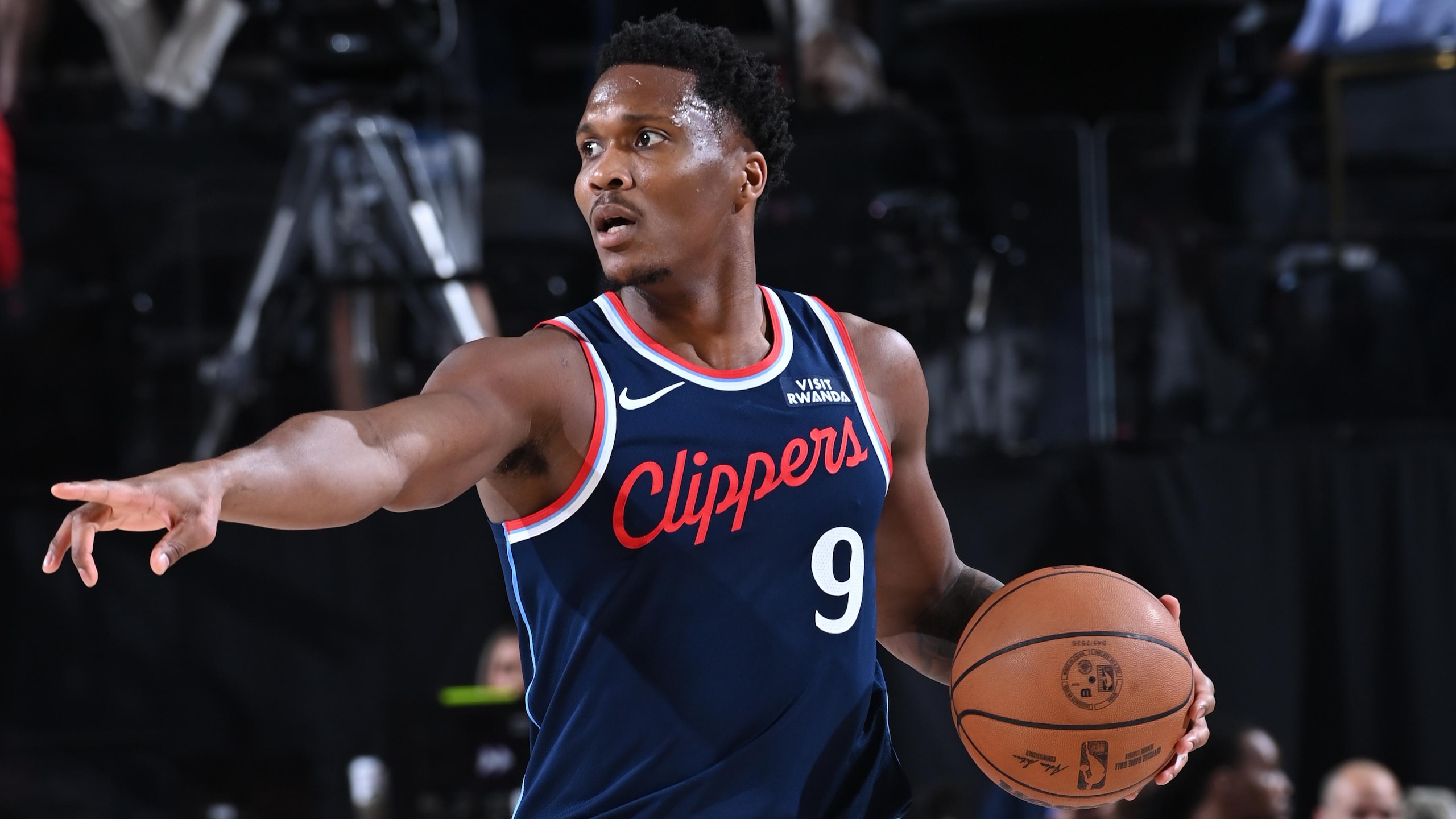
Bennedict Mathurin delivered on expectations after coming to the LA Clippers in the trade that sent Ivica Zubac to the Pacers, putting up 17.4 points and getting to the foul line 7.3 times in only 28.0 minutes per game.
Never much of a passer and only sporadically helpful on D, Mathurin seems like a safe bet to excel as a scoring sixth man for the foreseeable future. Upgrades to his floor game could put him in quality-starter status.
There will be a market for Mathurin's skills, even if smarter teams crave more balanced contributors in their first units.
The Clips can match any offer sheet for Mathurin in restricted free agency. They should have some interest in his upside. The draft capital they got from the Pacers was the real draw in that deadline deal, but they probably never intended just to let an intriguing young guard leave for nothing.
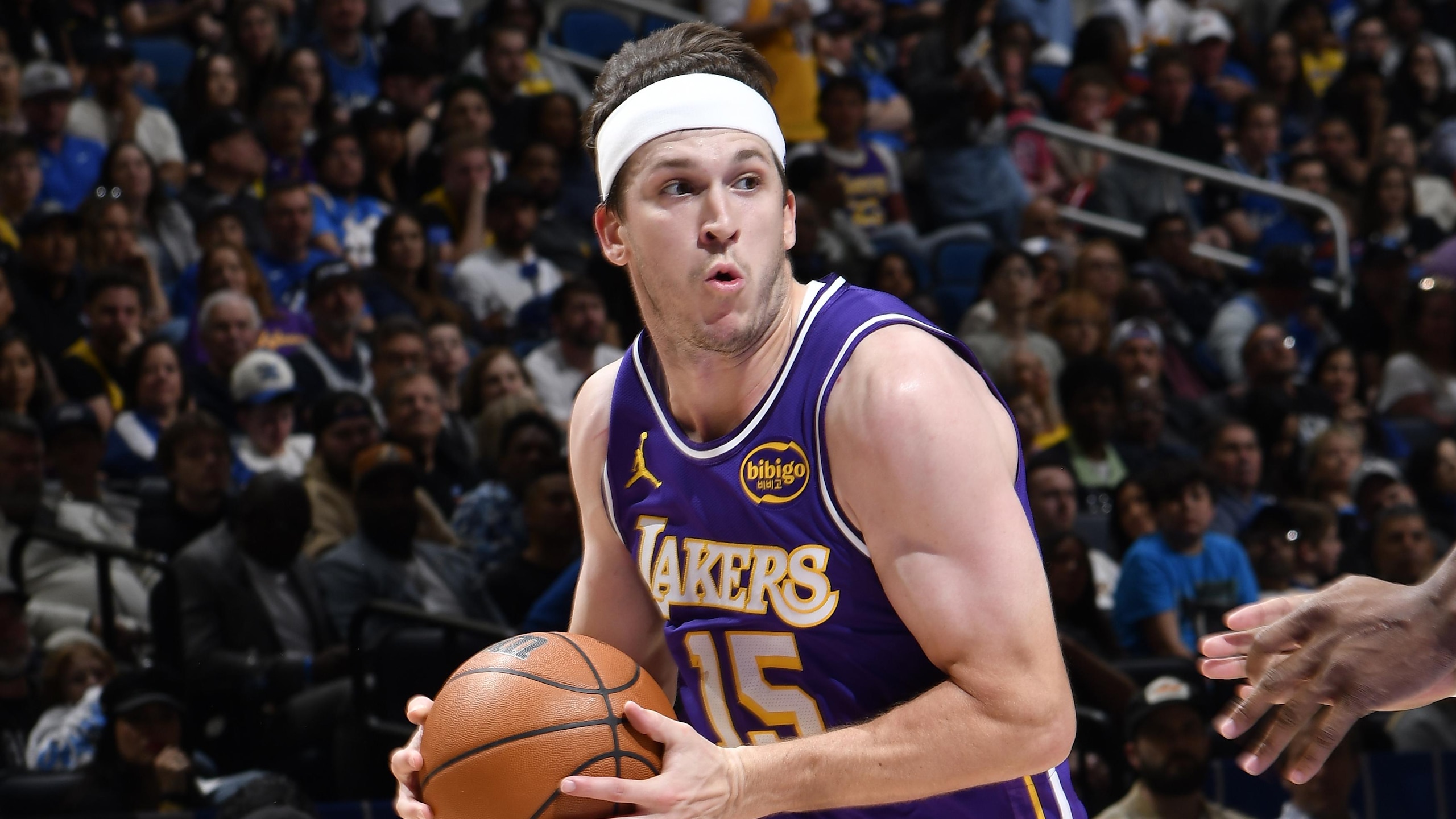
Los Angeles Lakers: Austin Reaves
14 of 30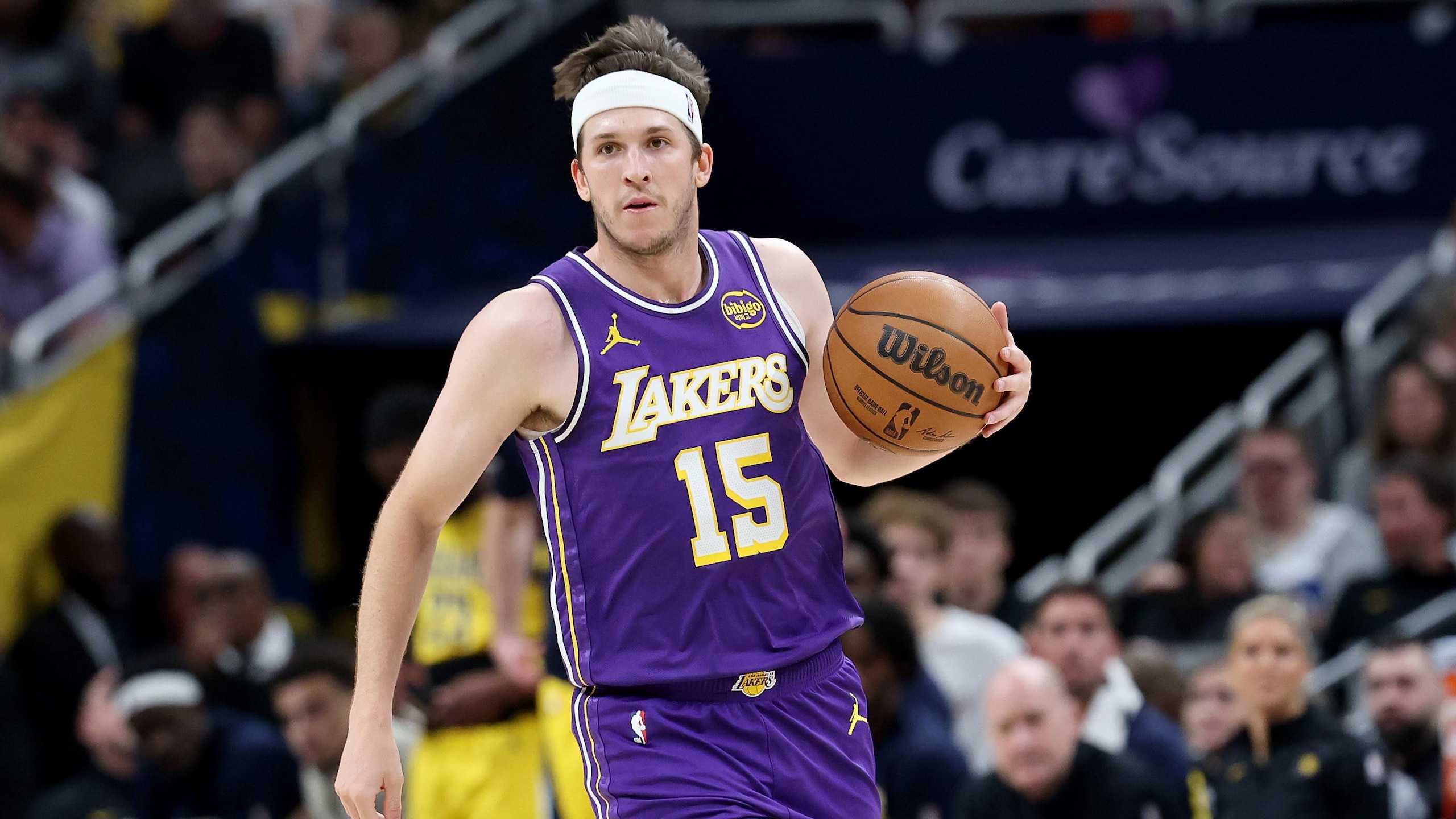
LeBron James is using the postseason to continue his total disregard for aging curves, running the show for a Los Angeles Lakers team that apparently didn't even need Austin Reaves or Luka Dončić to embarrass the Rockets. Still, he's the master of his own destiny at this point in his career and will be the one making the stay-or-go decision in free agency.
The Lakers' call on Reaves will be more consequential.
Once the 27-year-old declines his $14.9 million player option for 2026-27, he'll be eligible to re-sign with L.A. for up to $241 million over five years. Another team can put an offer worth $179 million over four years on the table.
The Lakers don't want to offend Reaves, who played like a first-option star for chunks of the early season, but they also need to avoid spending more than necessary. All they really need to do to beat the market is top the best offer another team can make. Even that might be a little rich for a player who feels duplicative with Dončić around. A low-ball contract could cause Reaves to consider other options.
Memphis Grizzlies: GG Jackson
15 of 30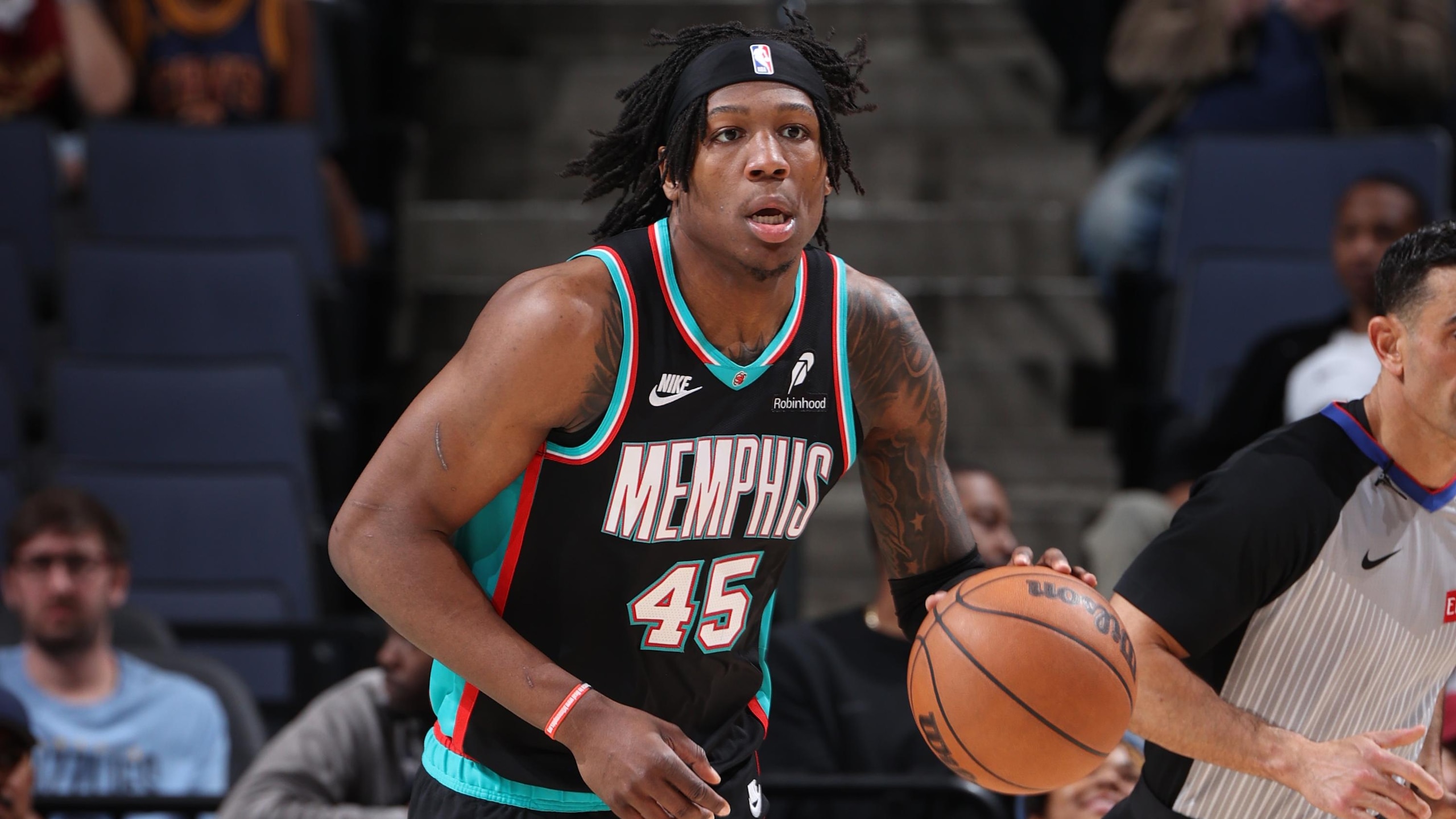
Marked by exciting scoring bursts and lapses on defense, GG Jackson's game wows as often as it frustrates.
With a team option for 2026-27, he's not in danger of getting away. But the Memphis Grizzlies don't really have any flight risks and will turn a lot of their offseason attention to an extension for the mixed-bag forward.
Jackson has legitimate athletic gifts and great size for his position. It wouldn't be a shock to see him develop into a three-point-shooting, foul-drawing offensive force. Still just 21 and toting a career average of 20.0 points per 36 minutes, he certainly has plenty of upside.
Scotty Pippen Jr. and Jaylen Wells can also sign extensions this summer, but both are ticketed for free agency a year later than Jackson. Their games also feature significantly less breakout potential. That's why it might make sense for the Grizzlies to secure Jackson's future a year early. If they wait too long, he might price himself out of their desired range by leveling up in 2026-27.
Miami Heat: Norman Powell
16 of 30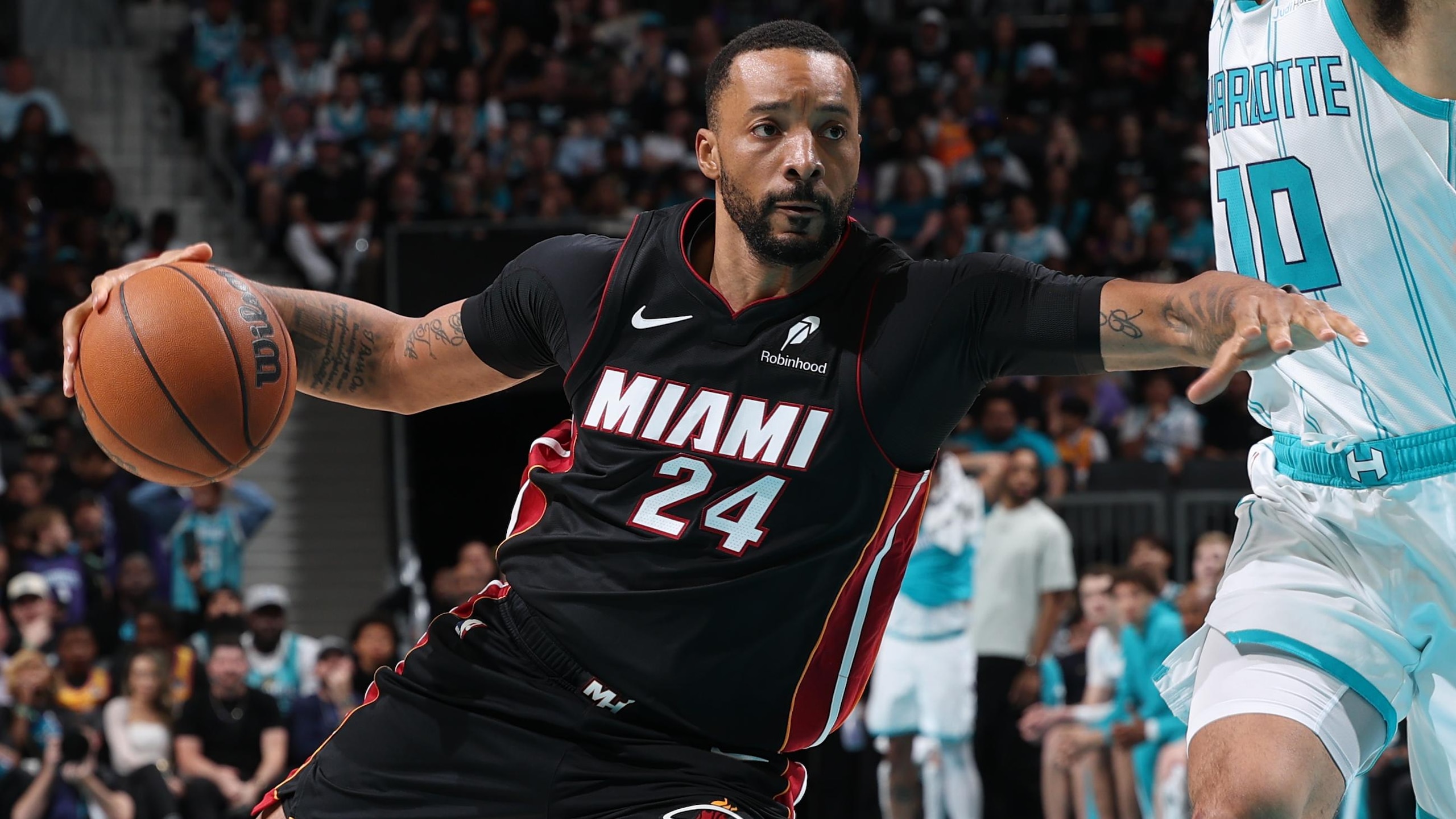
If Andrew Wiggins declines his $30.2 million player option, the Miami Heat will have to make him their top priority, but it's hard to be sure which way the veteran wing is leaning.
That means Norman Powell, whom the Heat basically got for nothing over the summer, carries the most intrigue.
Powell is set for unrestricted free agency, as Miami's approach will go a long way toward determining its plans for 2026-27 and beyond. Clearly looking to maximize 2027 cap space, the Heat could draw a hard line on the 32-year-old. A one-plus-one offer wouldn't be a surprise. Powell might have to accept a deal like that after fading down the stretch.
If Miami can secure Powell on a short contract at a dollar amount that would make it a useful trade asset (let's say $20-25 million in average annual value), there's probably a deal to be made here. If the veteran wants the security of more guaranteed seasons, the Heat would be wise to let him go. While proven to be a useful rotation piece, Powell isn't good enough for Miami to compromise its grander plans in 2027.
Milwaukee Bucks: Kevin Porter Jr.
17 of 30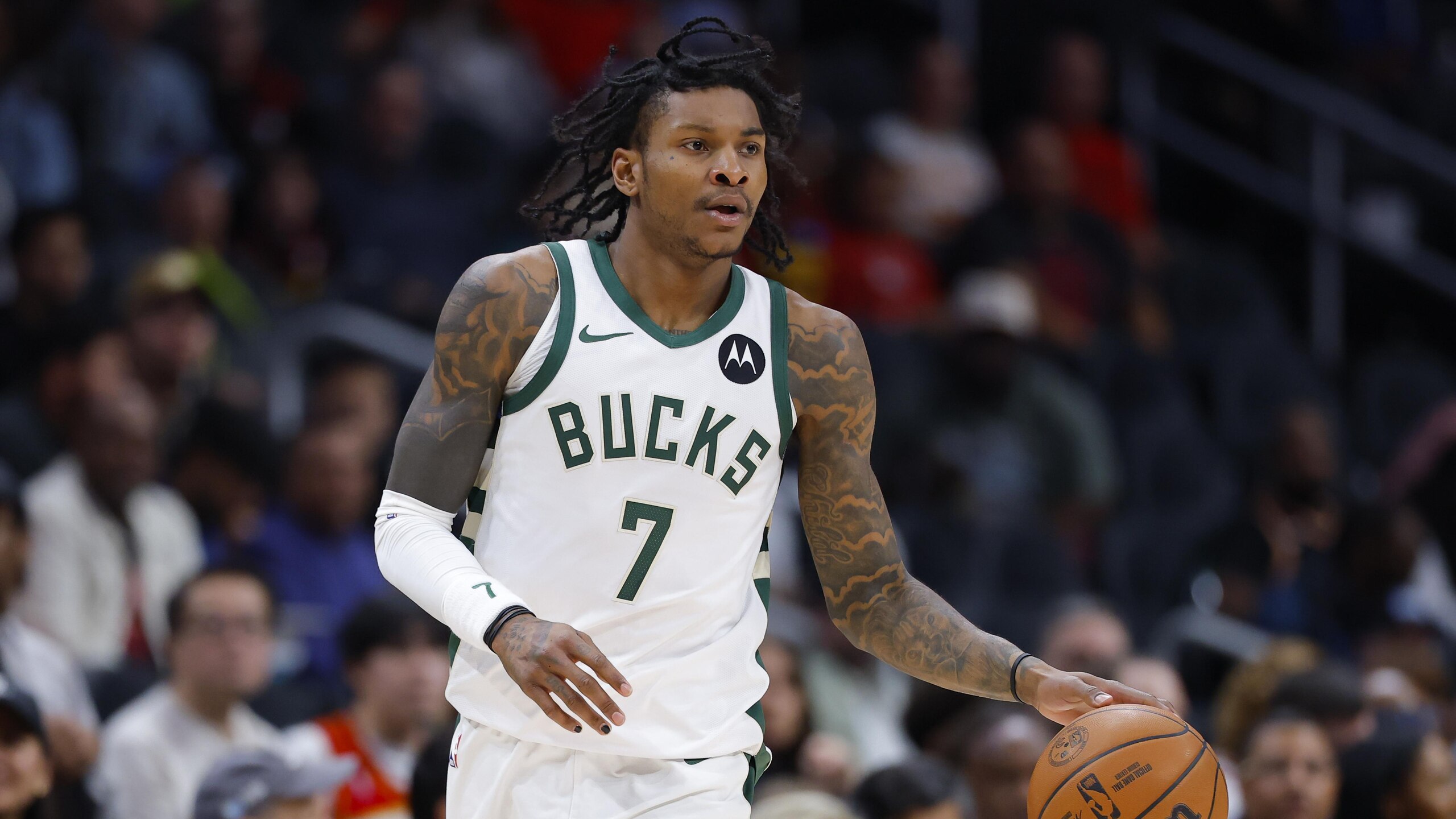
A starter when healthy, producing 17.4 points, 7.4 assists, and 5.2 rebounds per game, Kevin Porter Jr. is going to have some suitors if he declines his $5.4 million player option.
Everything about the Milwaukee Bucks' offseason is in flux until Giannis Antetokounmpo's future is settled. Porter is one of the rare players who actually makes sense to keep, whether the two-time MVP is traded or not. Ahead of his age-26 season, KPJ is in his prime and could feature as a potential breakout piece in a rebuild or a supporting player next to Giannis.
Porter's offensive talent has never been in question. He's shown real growth as a defender over the last two years. He ranked in the 87th percentile in Defensive Estimated Plus/Minus last season, finally leveraging his 6'6" length in the passing lanes and on the glass. Among combo guards, he rated in the 99th percentile in steal rate and the 95th in defensive rebounding percentage.
Minnesota Timberwolves: Ayo Dosunmu
18 of 30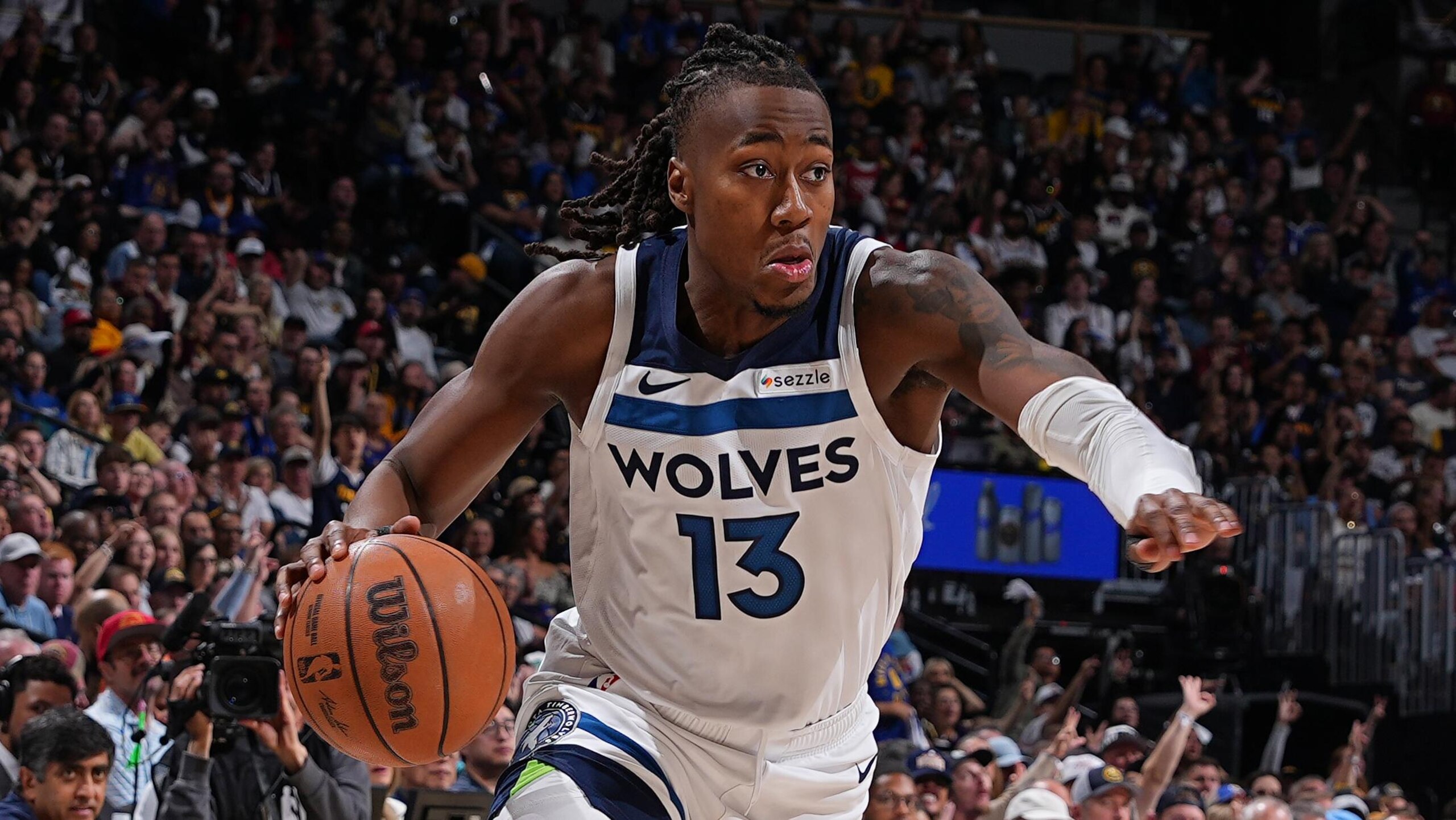
Ayo Dosunmu was the Minnesota Timberwolves' most significant deadline acquisition, so he figures to sit atop the team's list of offseason priorities.
A mostly dependent scorer in the half-court, Dosunmu can change games with his transition work. Fast, highly competitive and always looking to get downhill, he delivers dimensions Minnesota otherwise lacks. The Wolves ran more often and scored more efficiently on the break whenever he was on the floor.
You'd better believe his representation will cite that 41-point explosion in Game 4 against the Nuggets. Odds are, he'll start for the Wolves next year with Donte DiVincenzo out for the season.
Several teams will target the 26-year-old. He would be a good fit at the mid-level exception, which starts at $15.1 million per year, on many of them. With the Wolves looking like an apron team, market-rate spending on Dosunmu might not be feasible. Still, as long as Minnesota fancies itself a contender, it can't be in the business of letting rotation-caliber talent walk away for nothing.
New Orleans Pelicans: Kevon Looney
19 of 30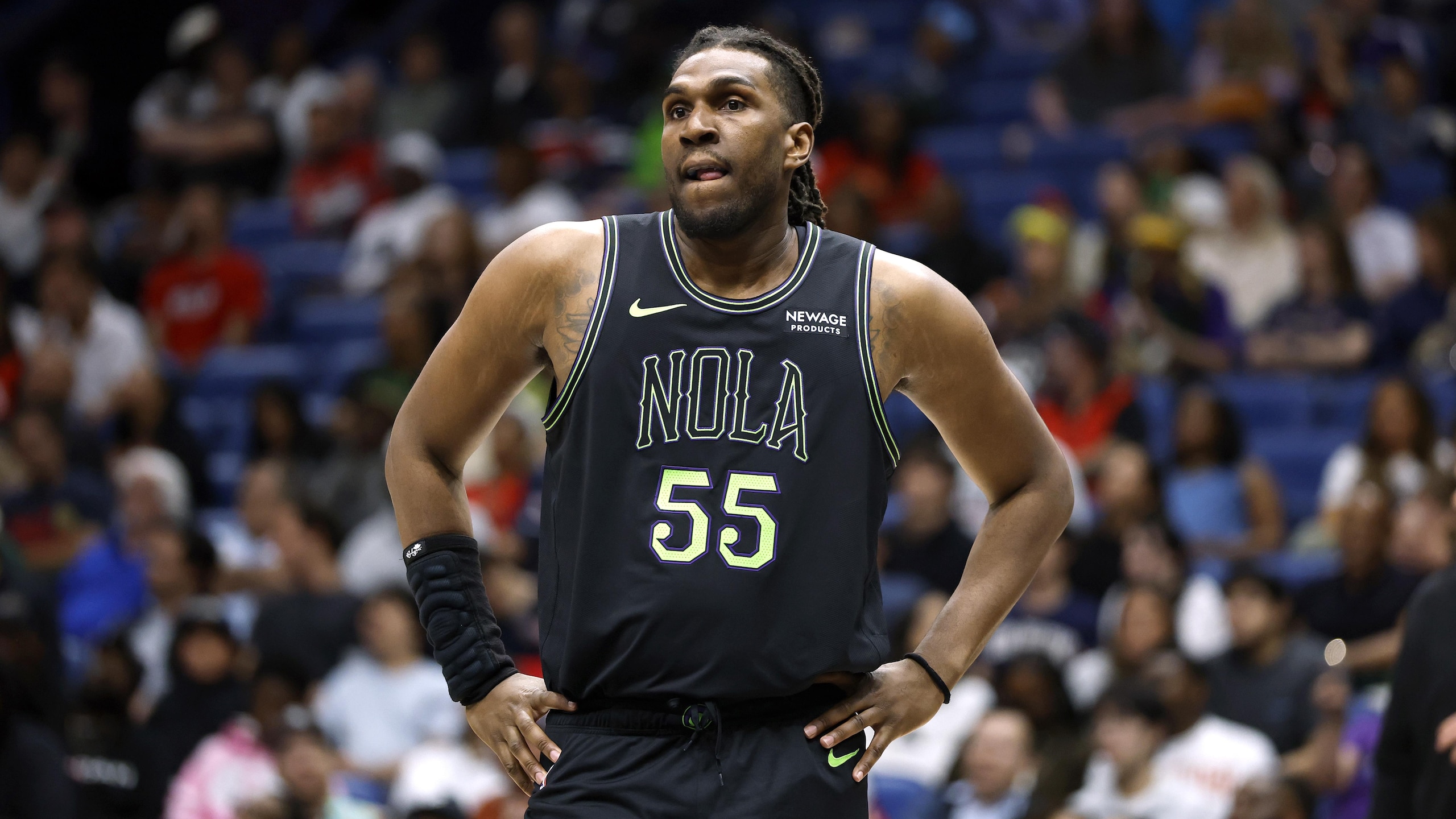
The New Orleans Pelicans are doing the NBA version of The Purge this offseason, cutting staff and "restructuring" to the extreme. Maybe they'll also decide they don't want to pay players. That'd be a bold strategy, but one we shouldn't put past the chronically mismanaged Pels.
At least the free-agent flight risks aren't exactly plentiful for New Orleans.
Kevon Looney's $8 million team option is arguably the biggest point of uncertainty this summer. Though the veteran center only produced 2.9 points and 5.3 rebounds per game in a minor role, he has value as a locker-room sage. Perhaps more importantly, his expiring $8 million could be useful as salary ballast in a trade next year.
If the Pelicans decline their option on Looney, he'll likely land on the end of some contender's bench.
New York Knicks: Mitchell Robinson
20 of 30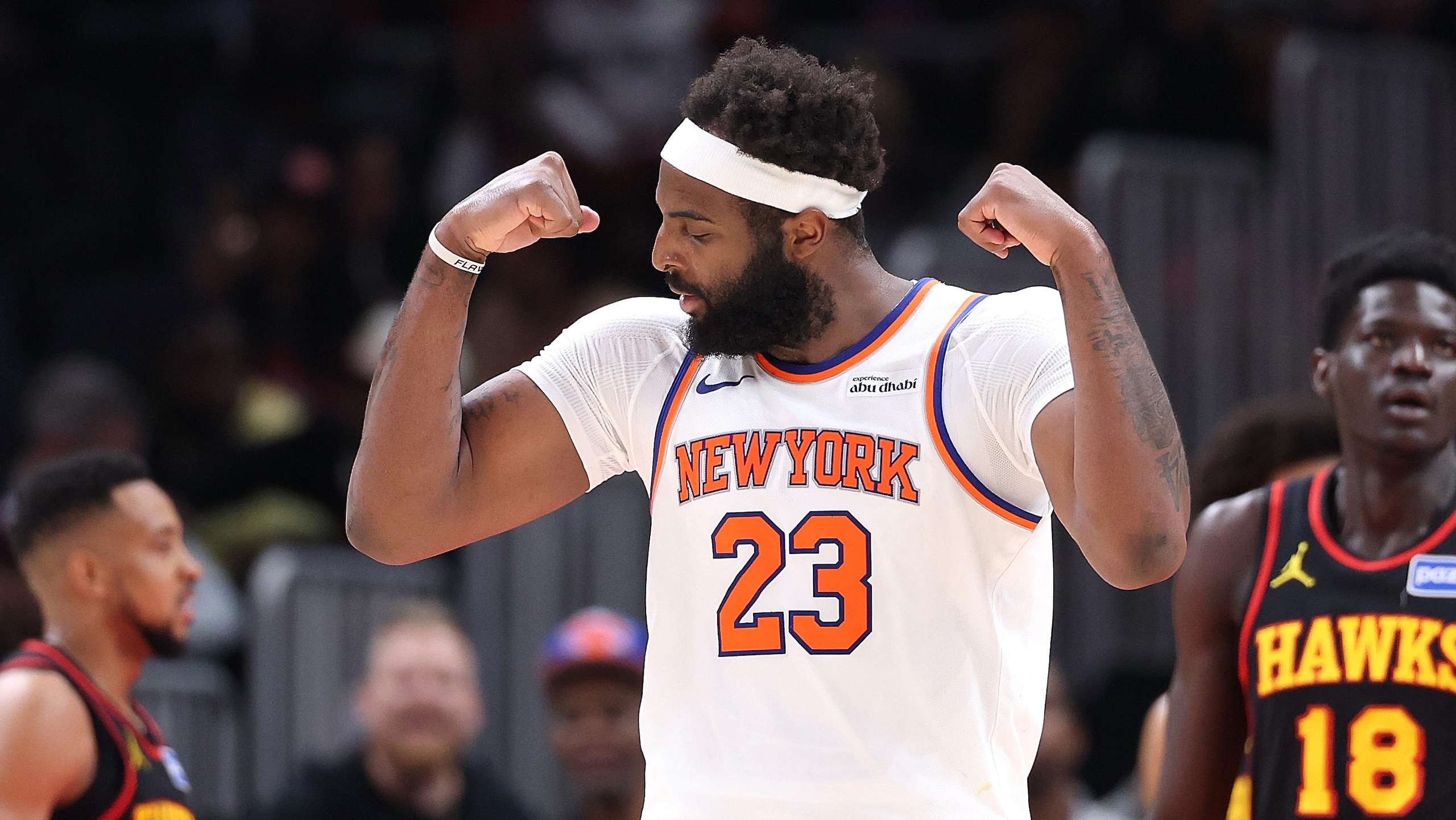
A game-changing offensive rebounder who swings playoff series with his work on the boards every year, Mitchell Robinson's value to the New York Knicks remains extremely high.
Though durability issues mean Robinson's minutes have to be managed throughout the regular season. That doesn't necessarily drive down his value for teams (like the Knicks) who want what he can provide in a postseason setting.
Steven Adams' three-year, $39 million extension seems like a good comp for Robinson, given the similarities between the two. Like Robinson, Adams is chiefly defined by his physicality, rebounding and injury concerns. If the Knicks can bring Robinson back on a similar deal, they should happily do so. Things might get trickier if Robinson wants closer to $20 million per year.
Already extremely expensive and not quite a first-tier contender, New York could balk at the tax penalties associated with a deal that large.
Oklahoma City Thunder: Isaiah Hartenstein
21 of 30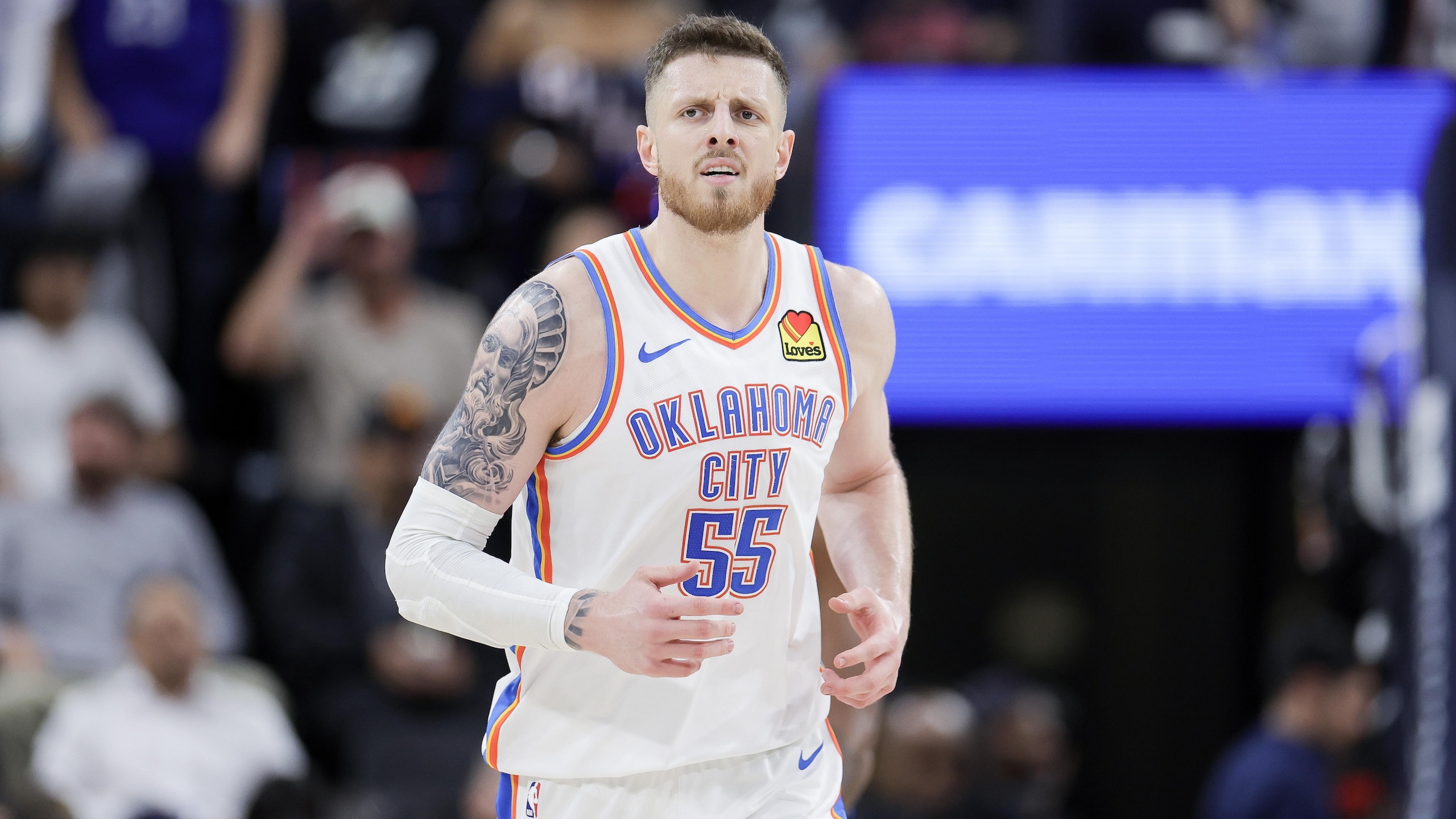
If the Oklahoma City Thunder pick up their $28.5 million team option on starting center Isaiah Hartenstein, it'll drive up an already substantial tax bill. If they decline it, allowing Hartenstein to enter unrestricted free agency, the market won't offer affordable replacements.
In an ideal world, the Thunder will re-sign Hartenstein to a new deal with a lower average annual value. That outcome isn't a given, though, because plenty of other teams should be willing to spend on such a stellar two-way big man who'll probably have two rings by the time we reach July.
OKC likes playing a second center next to Chet Holmgren. Hartenstein's skills as a passer and short-roll finisher are a hand-in-glove fit on this roster. Almost any replacement will have a hard time replicating what he can do.
Championship teams are known to be expensive to keep together. The Thunder should pay what it costs to keep this one together. Will they pony up, or will they engage in the same salary-dumping behavior the Celtics (successfully) had to embrace last summer?
Orlando Magic: Moritz Wagner
22 of 30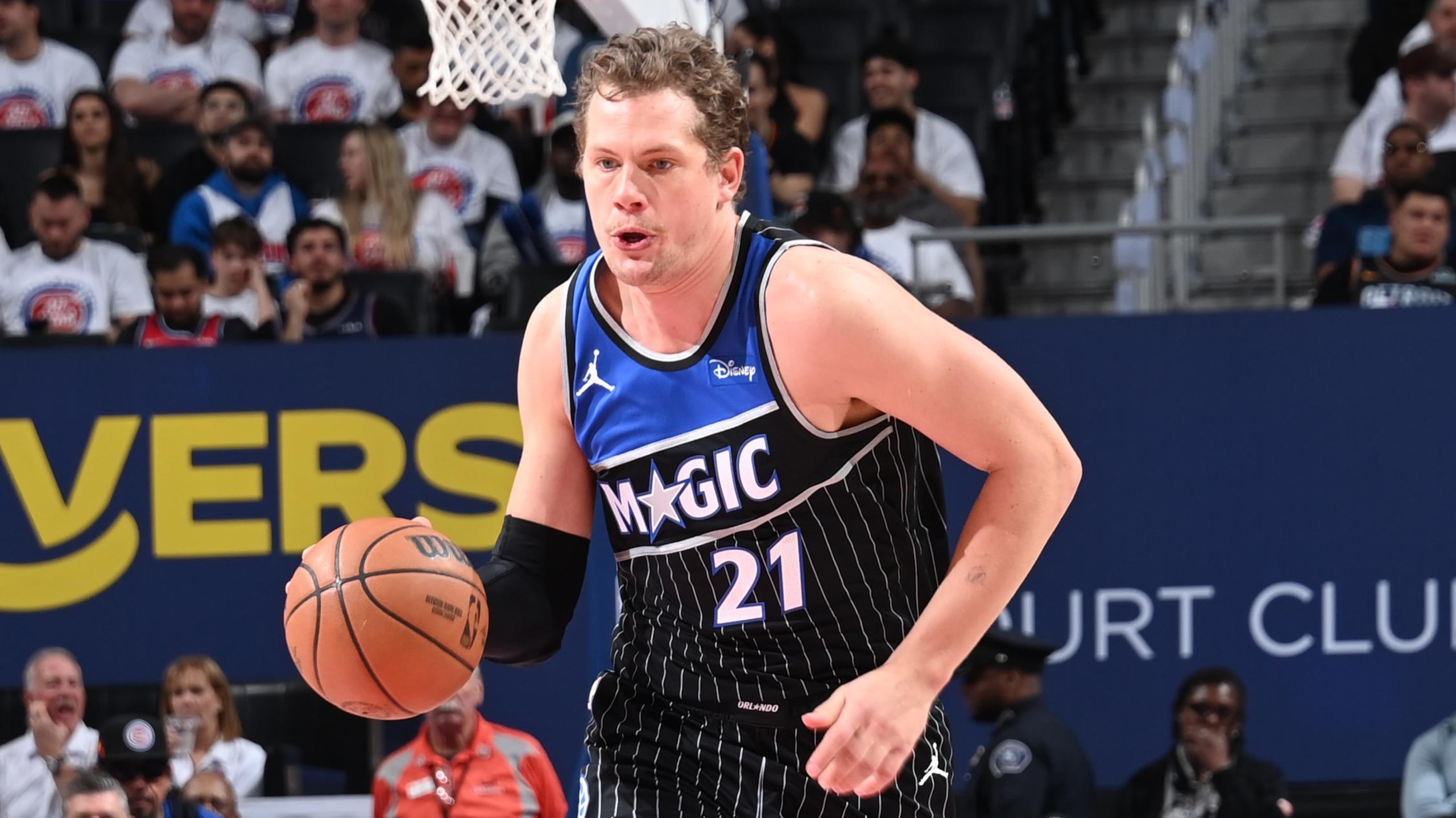
Between Paolo Banchero, Franz Wagner, Desmond Bane and Jalen Suggs, the Orlando Magic already have $155 million committed to next year's salaries. If they bring back their unrestricted free agents—Moritz Wagner, Jevon Carter or Jett Howard—there's a great chance the Magic will eclipse the $200 million mark in payroll.
That's way too much for a team that squeaked into the postseason as a No. 8 seed via the Play-In.
Wagner figures to be the costliest player to keep, as he's solidified himself as a useful offensive backup when healthy. Burying the lede, he's also a blood relation of a player Orlando is paying at max levels. This isn't quite an Antetokounmpo situation, but the Magic have a little extra incentive to keep Moe around because of Franz.
Every penny is going to matter on a cap sheet this costly. Orlando could find itself hoping Wagner takes less to stay put. He's good enough to command offers above the $5 million he made this past season.
Philadelphia 76ers: Quentin Grimes
23 of 30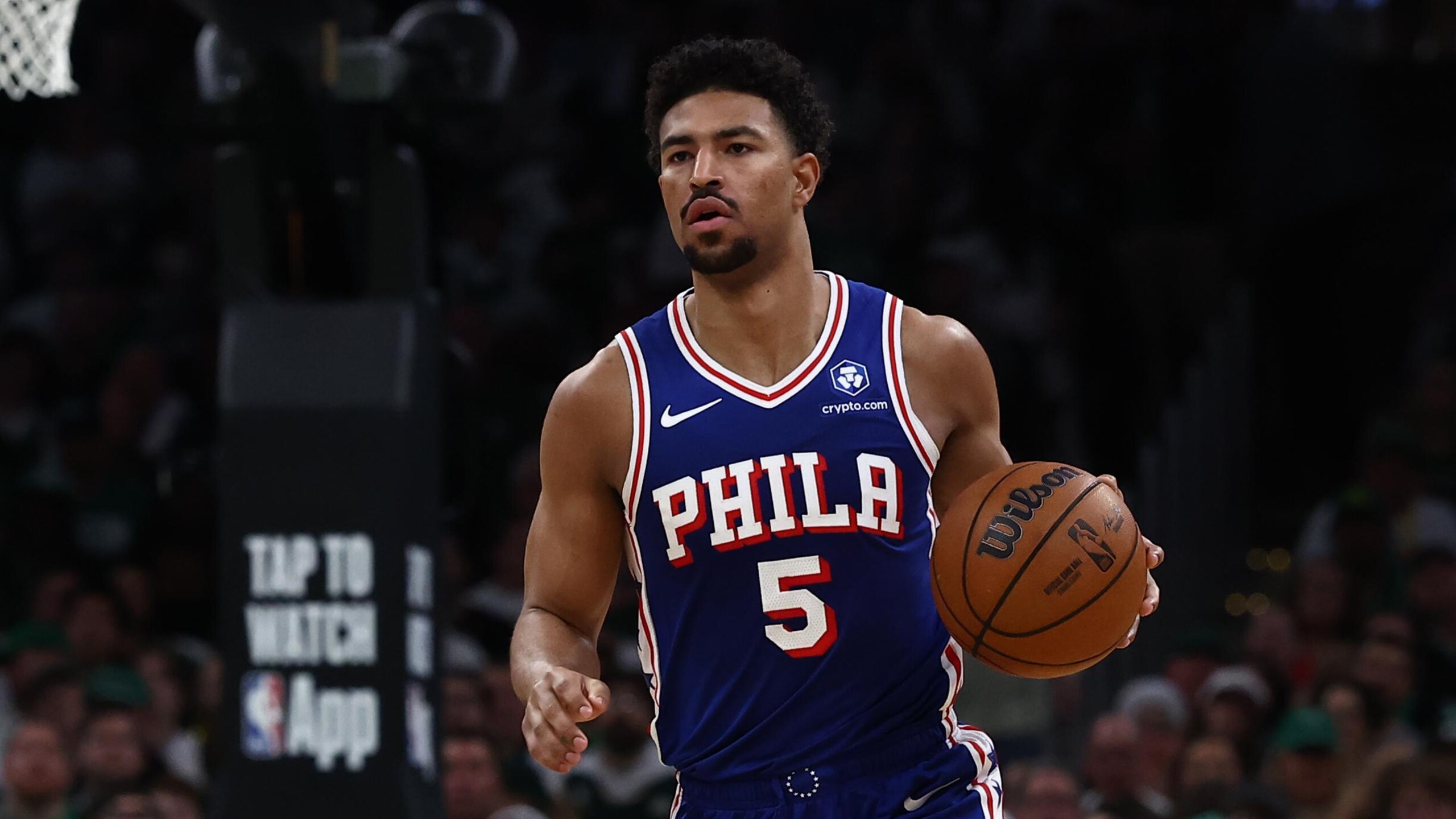
Quentin Grimes either compartmentalized or moved past a tough offseason in which the Philadelphia 76ers substantially underpaid him. He's sure to do better than the $8.7 million qualifying offer he received a year ago in unrestricted free agency.
No reserve contributed more than the 25-year-old guard, who logged 29.4 minutes per game across 79 appearances. Though Grimes' averages of 13.4 points, 3.6 rebounds and 3.3 assists fell short of the stats he produced in a post-deadline cameo on the tanking 2024-25 Sixers, he's going to be valued as at least a fringe starter on the market.
Philly jettisoned Jared McCain to the Thunder largely because it wanted to duck the tax. Are they willing to invest in Grimes, particularly with Kelly Oubre Jr. and Andre Drummond also profiling as retention priorities?
Phoenix Suns: Collin Gillespie
24 of 30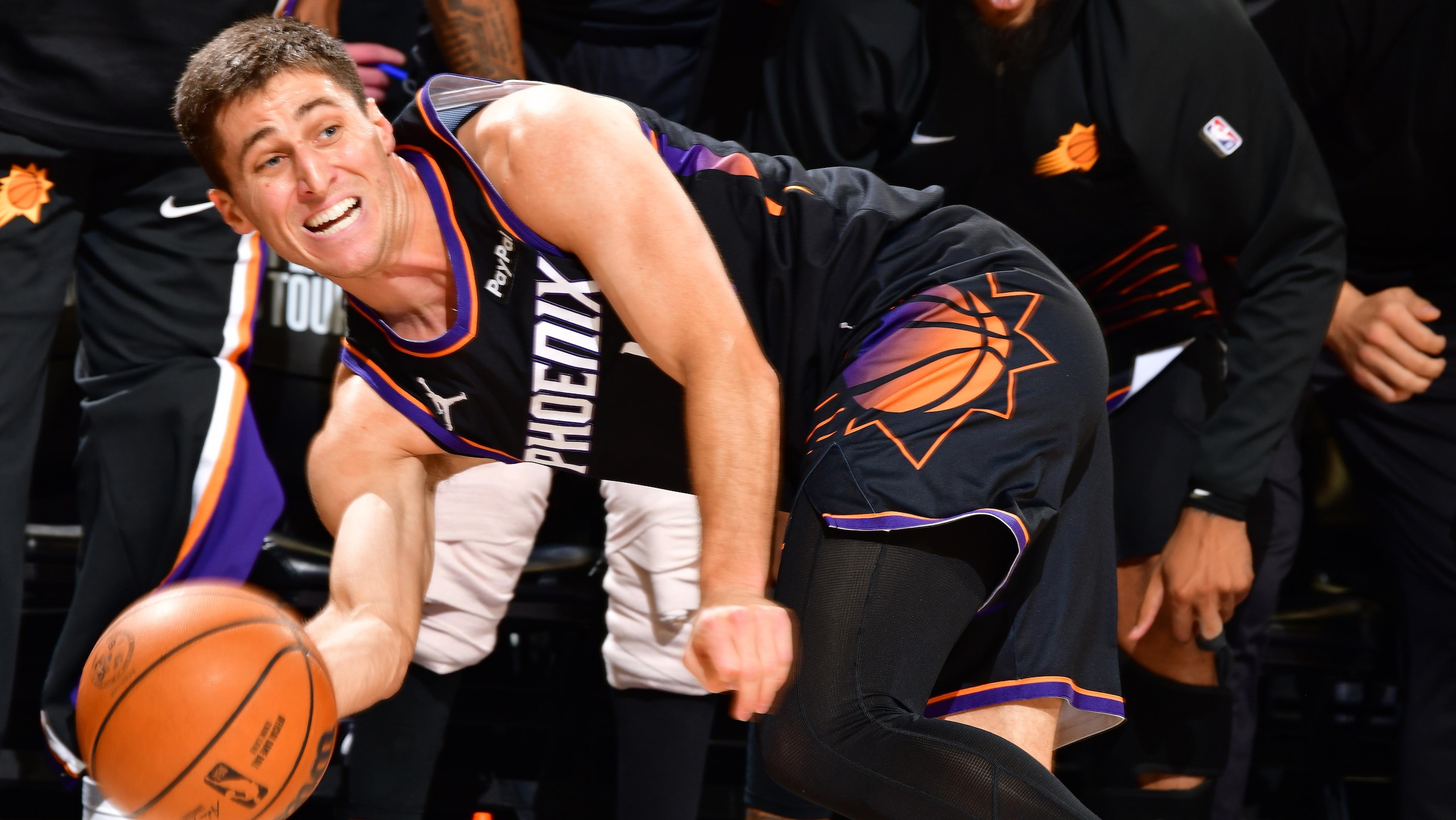
Collin Gillespie built on the late-season signs he showed in 2024-25 by putting up a career year for the Phoenix Suns. On the verge of slipping out of the league entirely, the hot-shooting point guard racked up 12.7 points and 4.6 assists in 28.5 minutes per game, drilling 40.1 percent of his threes on real volume—7.2 attempts per game.
On a Suns team that will likely lose the shot-math game as long as midrange-fan Devin Booker is a key part of the offense, deep shooting is particularly valuable.
Gillespie is hitting the market at a good time. There aren't many potential starting point guards in unrestricted free agency, which means he should set his salary floor at the $15.1 mid-level exception. The Suns might struggle to beat that number with Mark Williams, Jordan Goodwin and recent addition Haywood Highsmith also headed for free agency.
Portland Trail Blazers: Robert Williams III
25 of 30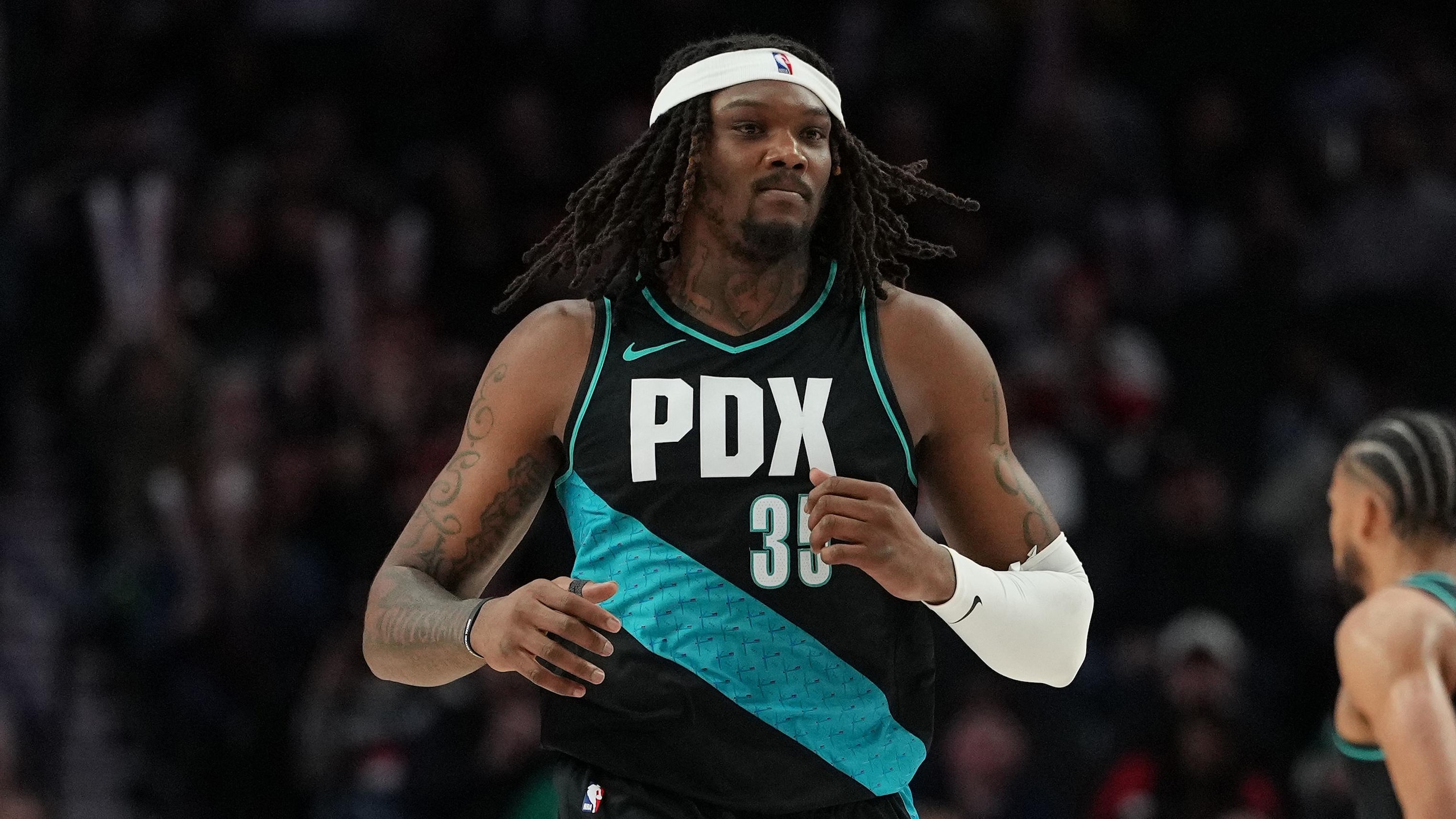
The Portland Trail Blazers know Donovan Clingan is their man in the middle. They also invested a first-rounder in Yang Hansen last summer. Those two factors would seem to diminish their interest in spending what it'll take to retain Robert Williams III.
Then again, Williams proved again in 2025-26 that good health is all it takes for him to be a hugely valuable big man.
Even if his injury history suggests he shouldn't start or exceed 20 minutes per game very often, Williams is going to be a hot commodity. The 28-year-old shot a ridiculous 70.8 percent from the field this year and joined Victor Wembanyama as the only players (minimum five games) to average at least 14.0 points, 14.0 rebounds and 3.0 blocks per 36 minutes.
From an allocation-of-resources standpoint, Williams probably shouldn't be coveted by a Blazers team that has one younger starting center ahead of him and another in the pipeline. His production is going to be very hard to match. It's also very possible that Hansen may not be fit for even backup duties for another couple of years.
Sacramento Kings: Russell Westbrook
26 of 30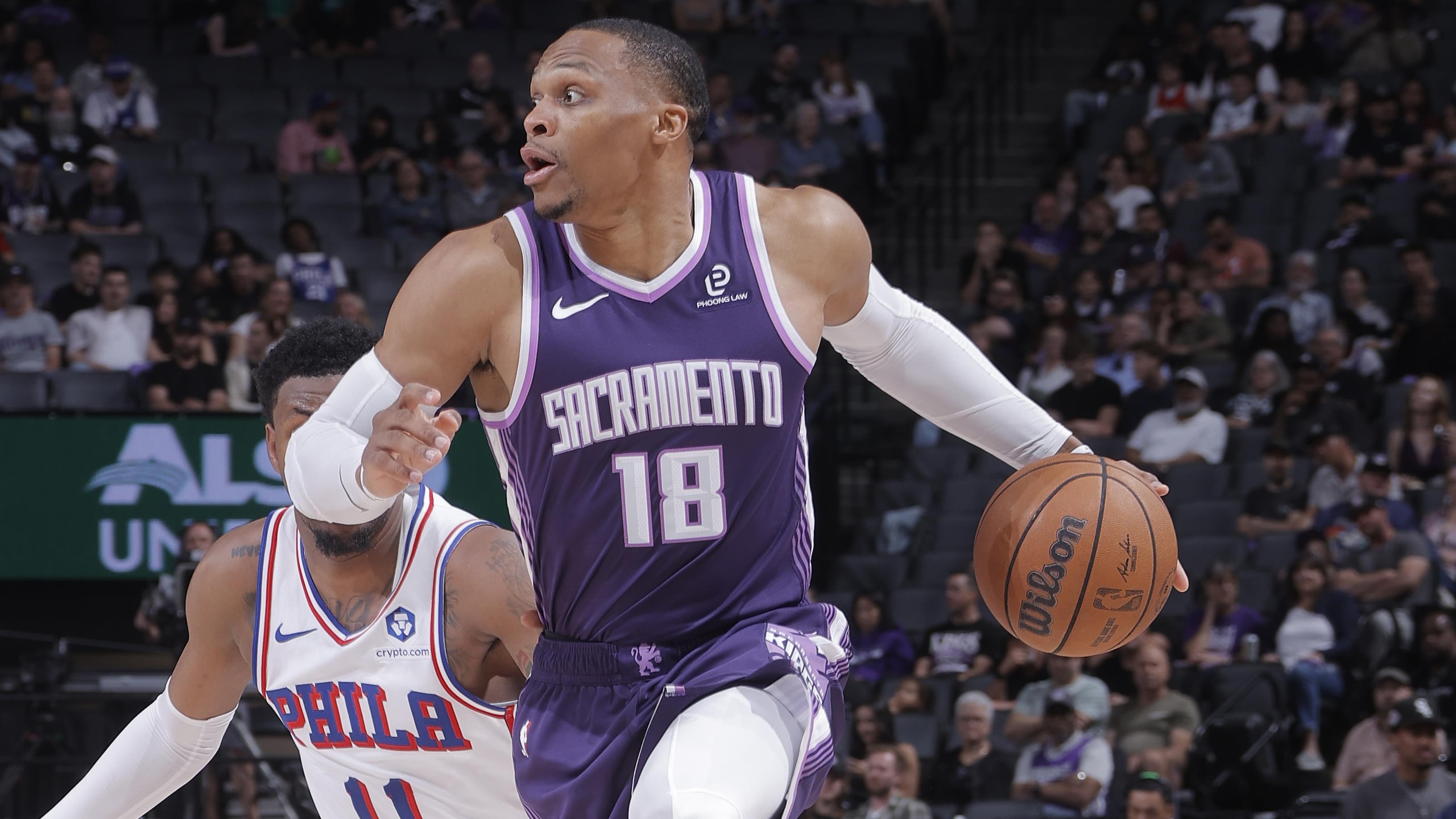
Zach LaVine is the Sacramento Kings' costliest potential free agent, but he's mostly in control of his destiny due to a $49 million player option. Considering the crickets everyone heard when the 30-year-old guard was made available for trade at the deadline, it's hard to imagine him declining that much cash to test the market.
Russell Westbrook won't be heavily sought after either, but the Kings' approach to him in free agency will be telling. If they seek to bring him back, even at a minimum salary, it'll signal the Kings are still unwilling to do what's best for themselves. Westbrook is a big name. He still electrifies with his energy on occasion, but it's been a long time since he was a winning player.
Worse still for a Kings team that needs to start all the way over, Westbrook will likely play ahead of whatever younger options wind up on the roster.
If the Kings move on from him (and, ideally, everyone else north of 30 on the payroll), it could mean they're finally seeing the light. If they retain their aging vets, well...that old familiar darkness will descend on the franchise for yet another wasted year.
San Antonio Spurs: Harrison Barnes
27 of 30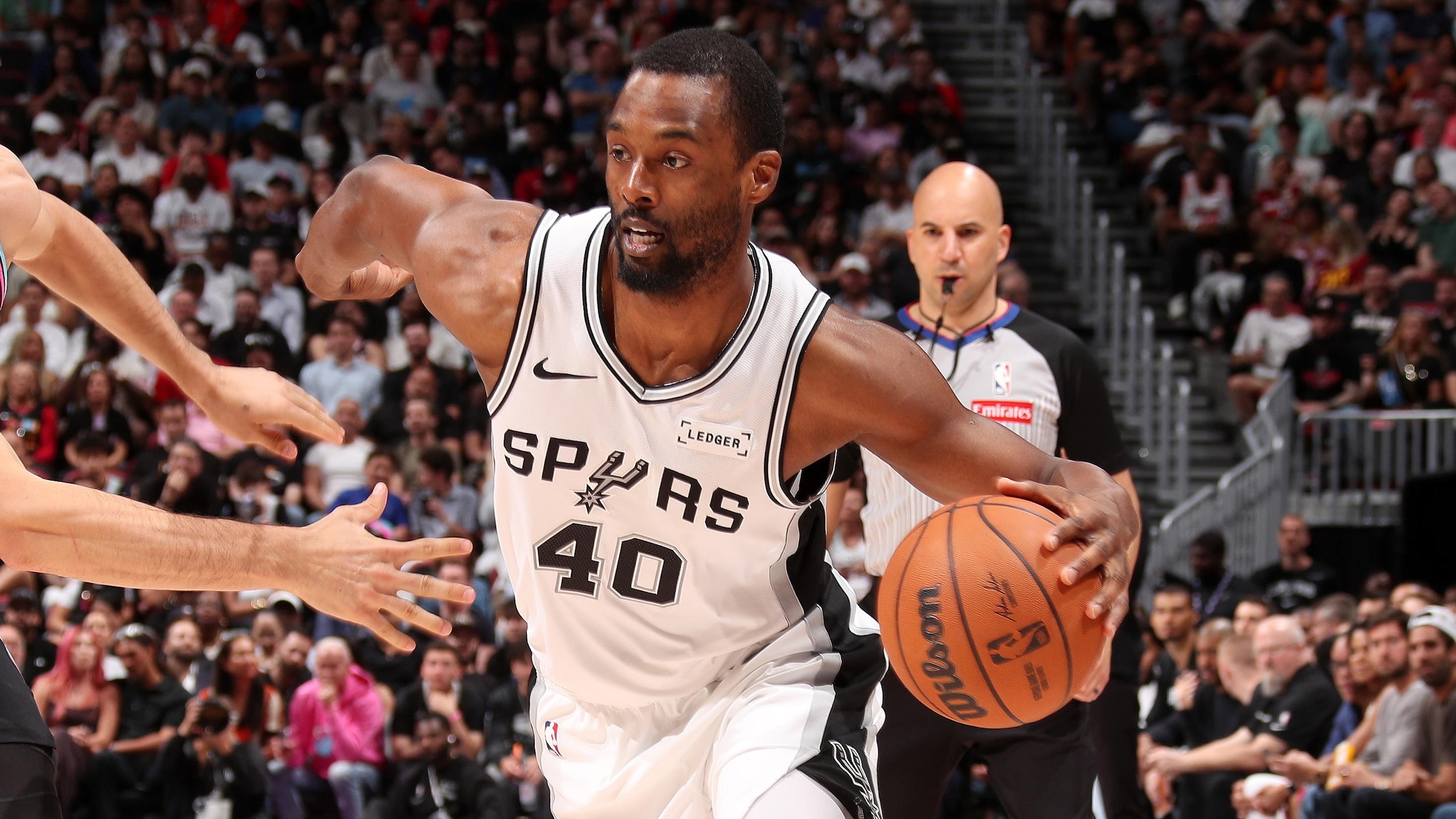
What's a veteran presence worth on a young contender?
That's the question the San Antonio Spurs will have to answer when they negotiate with unrestricted free agent Harrison Barnes, whose cultural tone-setting and respected locker-room voice weren't enough to keep him in the starting lineup this season.
Barnes is closer to a modern power forward in terms of size and game than just about anyone else on San Antonio's roster, which also makes him positionally valuable. Perhaps he can further juice his worth by stepping into a postseason series where his size and savvy are needed.
Either way, the Spurs used a breakthrough 2025-26 season to firmly establish their core. Barnes isn't really in it like Wembanyama, Stephon Castle, Dylan Harper and even De'Aaron Fox are. That means he cannot expect an offer in the neighborhood of the $19 million he earned this past season. San Antonio should be willing to pay a modest premium for Barnes' wisdom and championship experience, but it has to draw a line somewhere on a player who could soon fall out of the rotation entirely.
Toronto Raptors: Sandro Mamukelashvili
28 of 30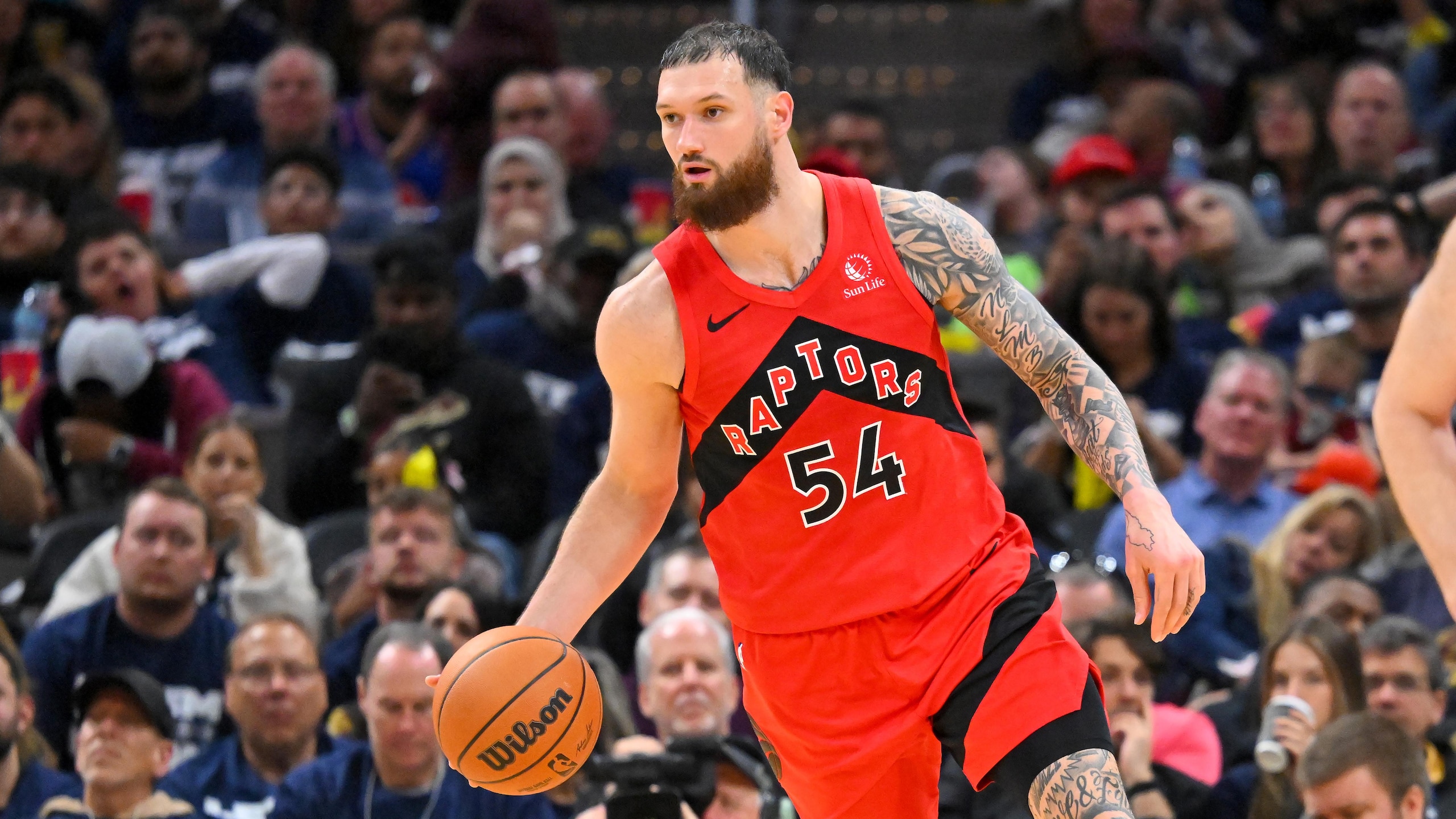
Sandro Mamukelashvili isn't the Toronto Raptors' center of the present or future. The team's recent overspend on Jakob Poeltl suggested it believes he's the guy—both right now and going forward—and rookie Collin Murray-Boyles has the draft pedigree and defensive versatility to slot ahead of Mamu as well.
It's still hard to ignore the sweet-shooting lefty's impact on Toronto's success. The Raptors' two best high-usage lineups featured him at the 5. As long as this team needs spacing to compensate for how little Scottie Barnes provides, Mamu is going to be a sensible fit.
Someone is going to value Mamukelashvili well above his $2.8 million player option for 2026-27, which means he's among the biggest opt-out locks in the league. Toronto will have to decide if it can justify spending at market rates to retain a third center when it's already heavily invested in two others.
Utah Jazz: Walker Kessler
29 of 30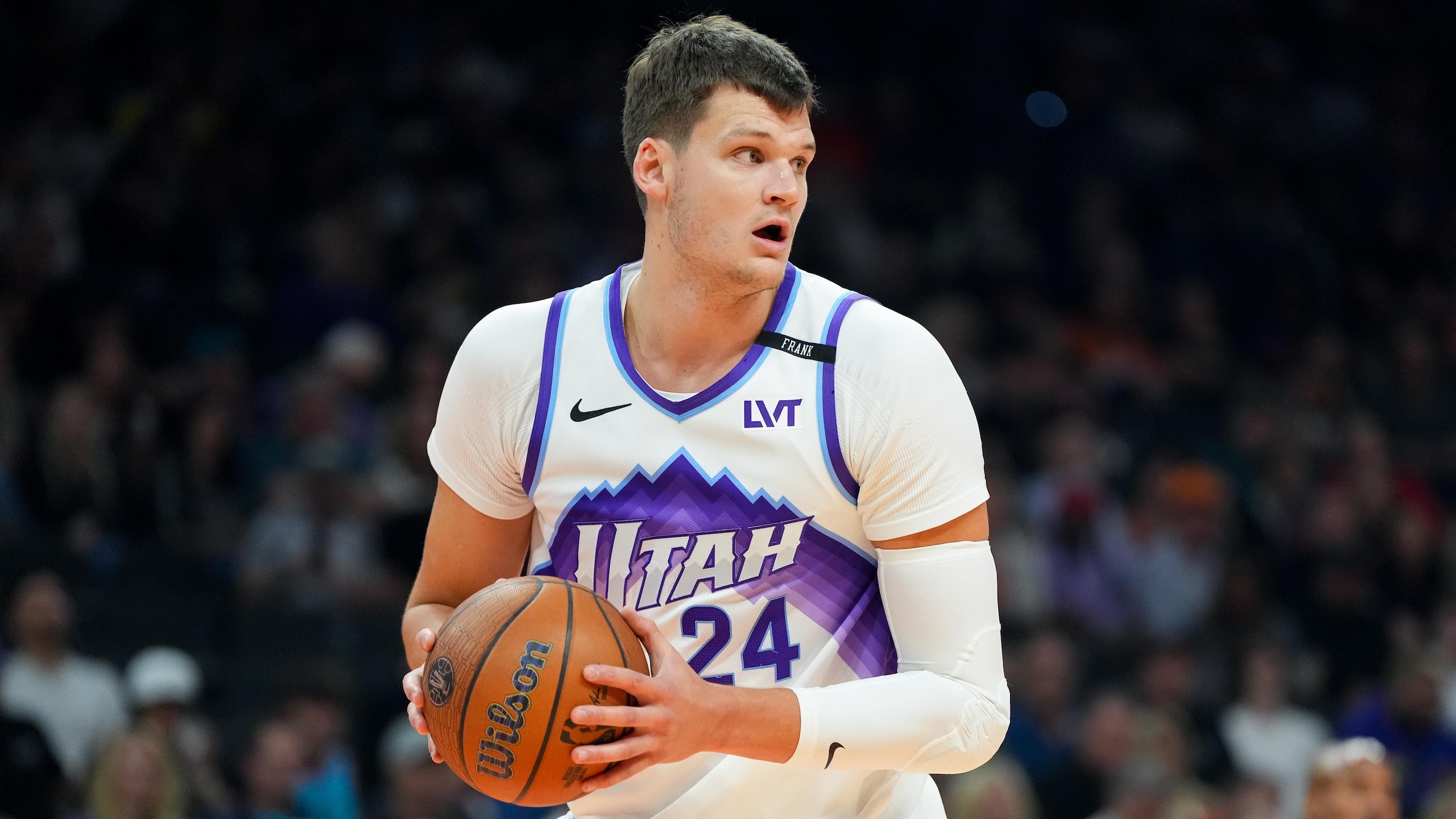
The Utah Jazz's failure to reach an extension with Walker Kessler last summer had more to do with preserving flexibility by keeping his cap hold low than with his production or upside. They should clearly prioritize keeping the big man, though they may not be able to do it cheaply.
If the plan is to trot out Kessler with Jaren Jackson Jr. and Lauri Markkanen in a supersized frontcourt, the Jazz could benefit from Jalen Duren also hitting the restricted market. Most teams in search of a center will target the Pistons' 5 first. Reduced competition could drive Kessler's price down.
The Jazz will have matching rights, but should be prepared to get north of $20 million per season regardless. Kessler missed almost all of 2025-26 with injury, but he used his first three years to prove his worth as a rim-protector and offensive rebounder.
The version of the Jazz that jumps into the West's top six next season definitely features Kessler in the middle.
Washington Wizards: Trae Young
30 of 30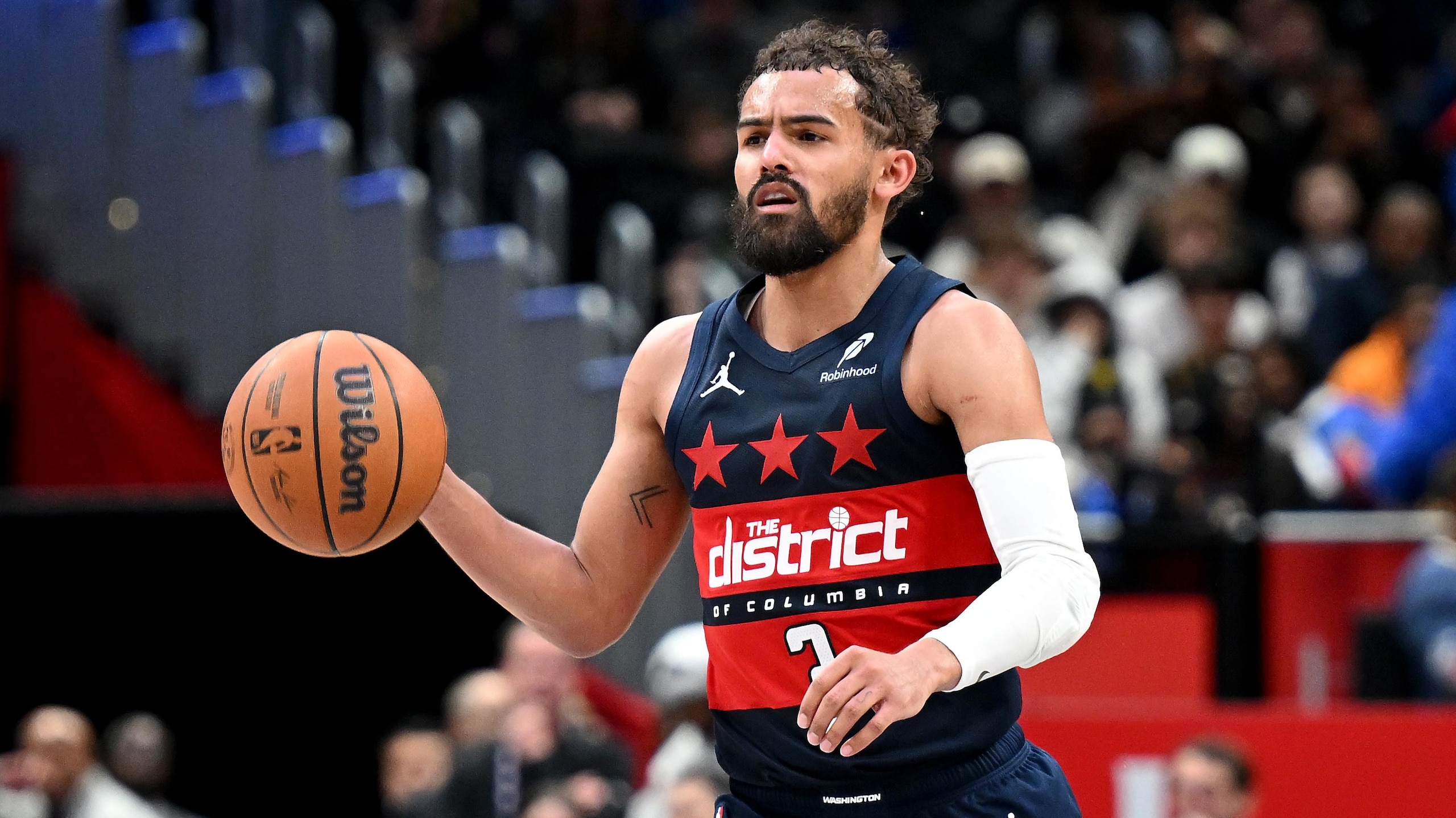
Trae Young and the Washington Wizards are widely expected to reach an extension agreement once the point guard declines his $49 million player option for 2026-27. Marc Stein reported as much on his Stein Line Substack earlier this year, and it's pretty easy to surmise that Young singled out Washington as a preferred trade destination because he had intel that a new deal was available there.
Even if the Wizards got Young at a discount, surrendering no first-round picks in the bargain, they still need to be careful with their spending on him. Young proved he could keep the Atlanta Hawks in the league's soft middle for several years. Washington's ambitions need to be better than that.
Paying Young like a cornerstone rather than a stopgap who keeps fans in the seats for a couple of years would be a mistake.
If a three-year deal is where the parties land, Washington needs to keep the annual value below Young's $49 million player option and insist on a team option in the third year. If he balks, dare him to decline his player option and enter free agency with precious few spenders.
Stats courtesy of NBA.com, Basketball Reference and Cleaning the Glass. Salary info via Spotrac.
Grant Hughes covers the NBA for Bleacher Report. Follow him on Bluesky and subscribe to the Hardwood Knocks podcast, where he appears with Bleacher Report's Dan Favale.
.jpg?w=2560 "WWE Raw Live Grades 🔠")
.png?w=2560 "Allen's BRUTAL 1H Stats 🫤")
.jpg?w=2560 "Monday Night Raw Blog 🔴")
.jpg?w=2560 "Commanders OL HEATED After Tie ▶️")