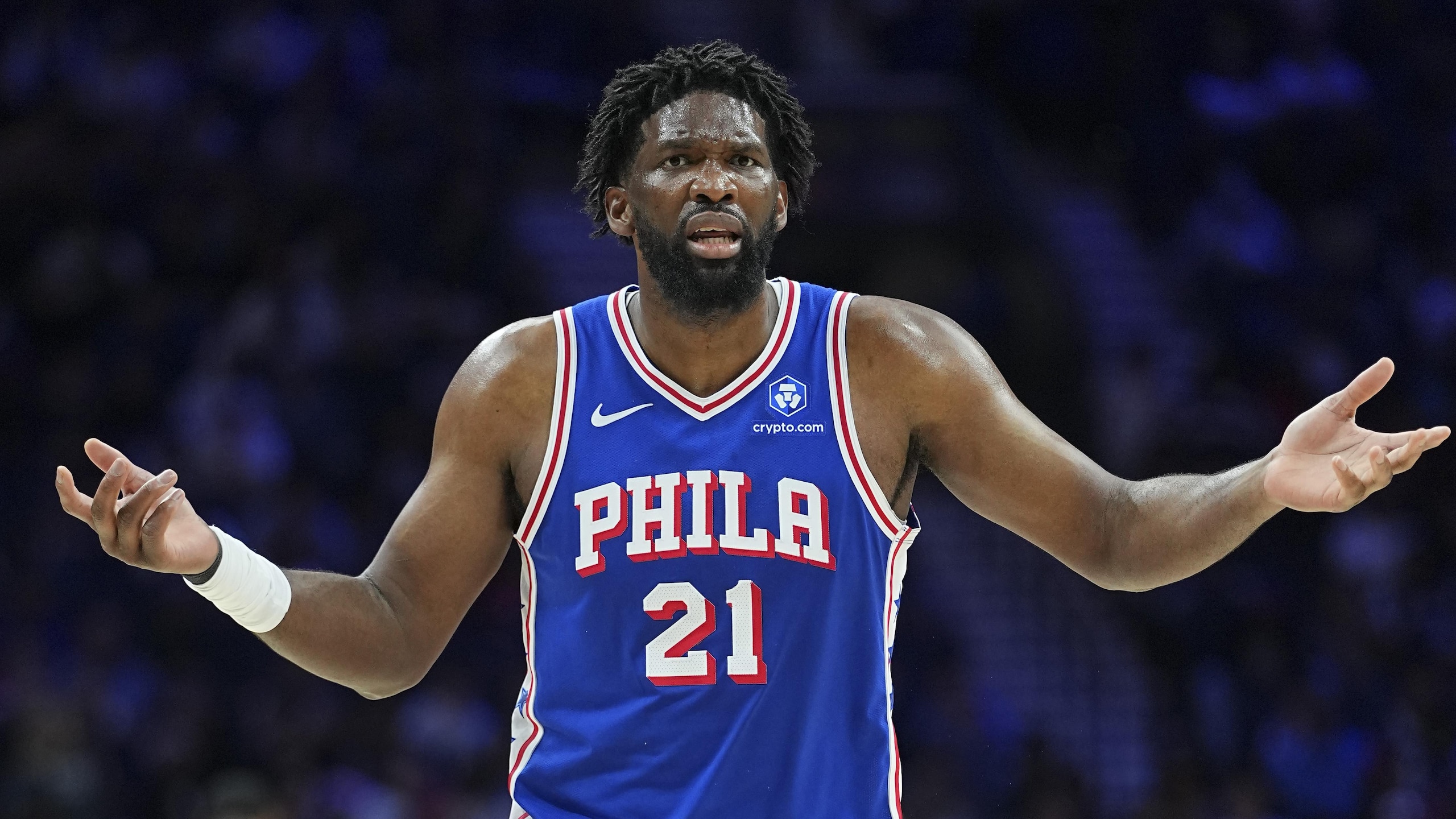

5 NBA Stars With Negative Trade Value
Appreciate the NBA's hardest-to-trade contracts while you can. Thanks to the apron era and the broader rise of careful spending, it's only getting tougher to find deals that are truly underwater.
That's not to say it's impossible.
We still managed to isolate several players who, when offered to another team in trade, would elicit a tell-tale question in response: "What else will you give me to take him off your hands?"
This is about big names with bigger deals who are only going to move if the team doing the trading includes sweeteners. We're talking draft picks, young players—anything to entice a recipient to take on the attached years, dollars and baggage.
In addition to being expensive, these negative assets tend to be older, have multiple seasons left on above-market deals and, very often, aren't going to drive winning in major roles.
Domantas Sabonis, Sacramento Kings
1 of 5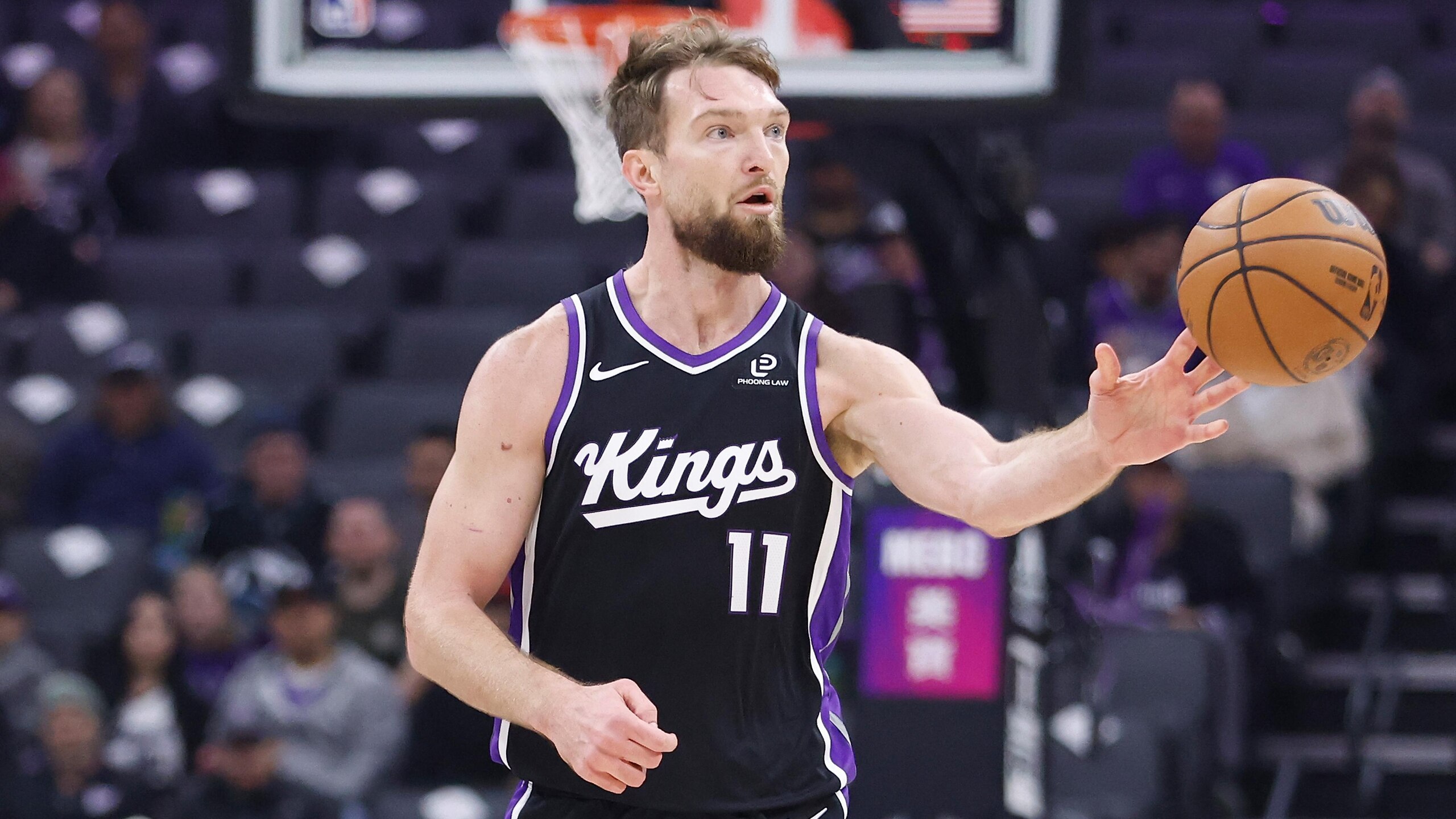
Remaining Contract: Two years, $94 million
One favorable change in the calculus for Domantas Sabonis' contract: Every year that passes brings it closer to ending.
That offers little solace compared to what remains the same. Sabonis is a stat-stuffing big man who doesn't space the floor or defend competently in any area. This effectively means he cannot be part of a high-level defensive team. He also can't bring real offensive value unless he's in a high-usage role. Those two factors combine to make him perhaps the league's preeminent low-ceiling star.
His supporters will cite three straight years of leading the league in rebounds per game from 2022-23 to 2024-25. It's true that the Sacramento Kings have been somewhere between good and elite on the defensive glass during his minutes with the team over his five years.
Rebounding specialists aren't worth almost $50 million per season.
Any team taking Sabonis in a trade would be signing up for some version of the same problems the Kings have faced. He isn't a good enough offensive threat to justify the size of the role his limitations require him to play, while his functional defense is basically impossible with him in the middle.
Even with career averages of 16.1 points, 10.7 rebounds and 4.9 assists, Sabonis isn't movable without attaching significant draft compensation.
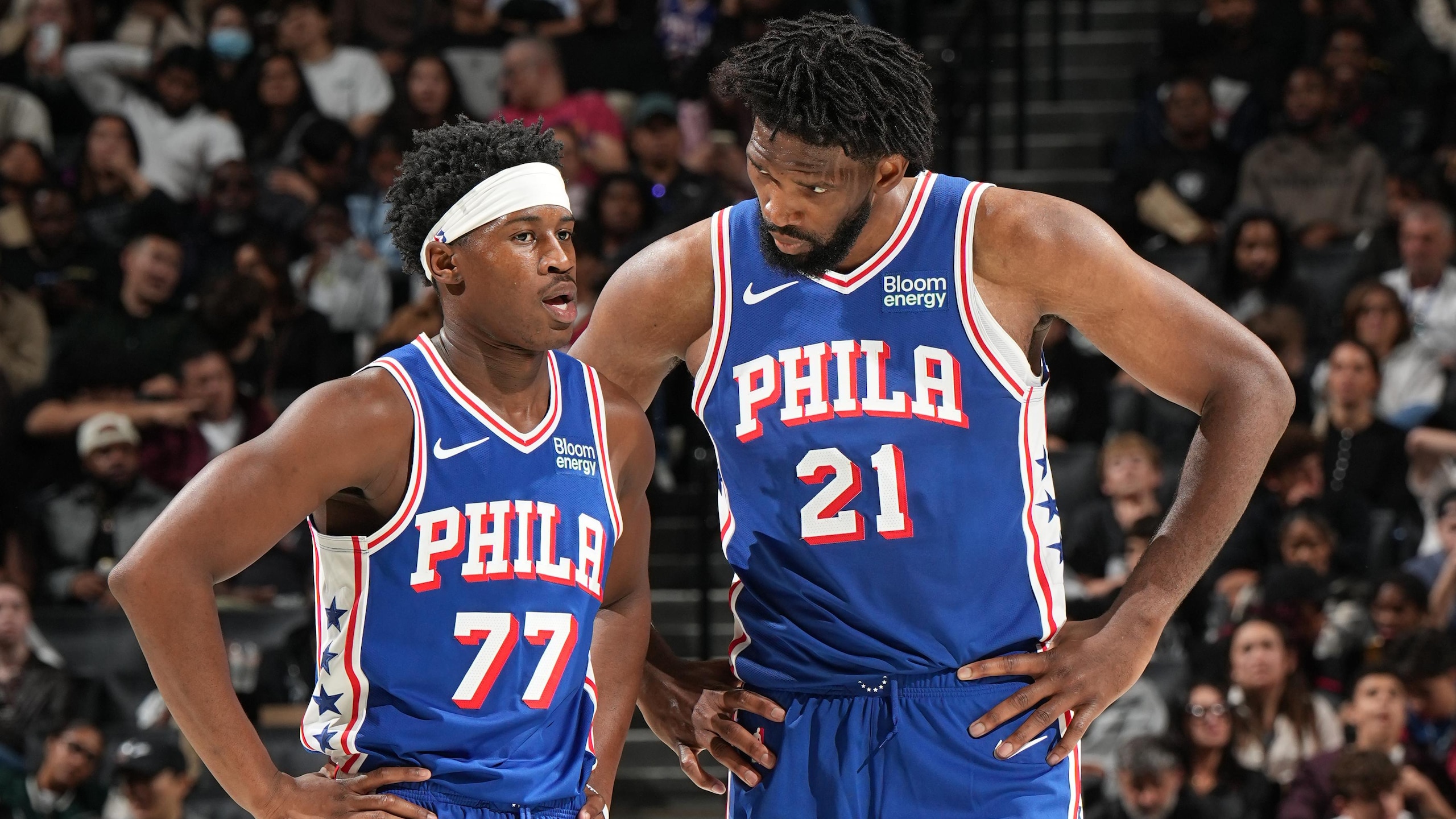
Joel Embiid, Philadelphia 76ers
2 of 5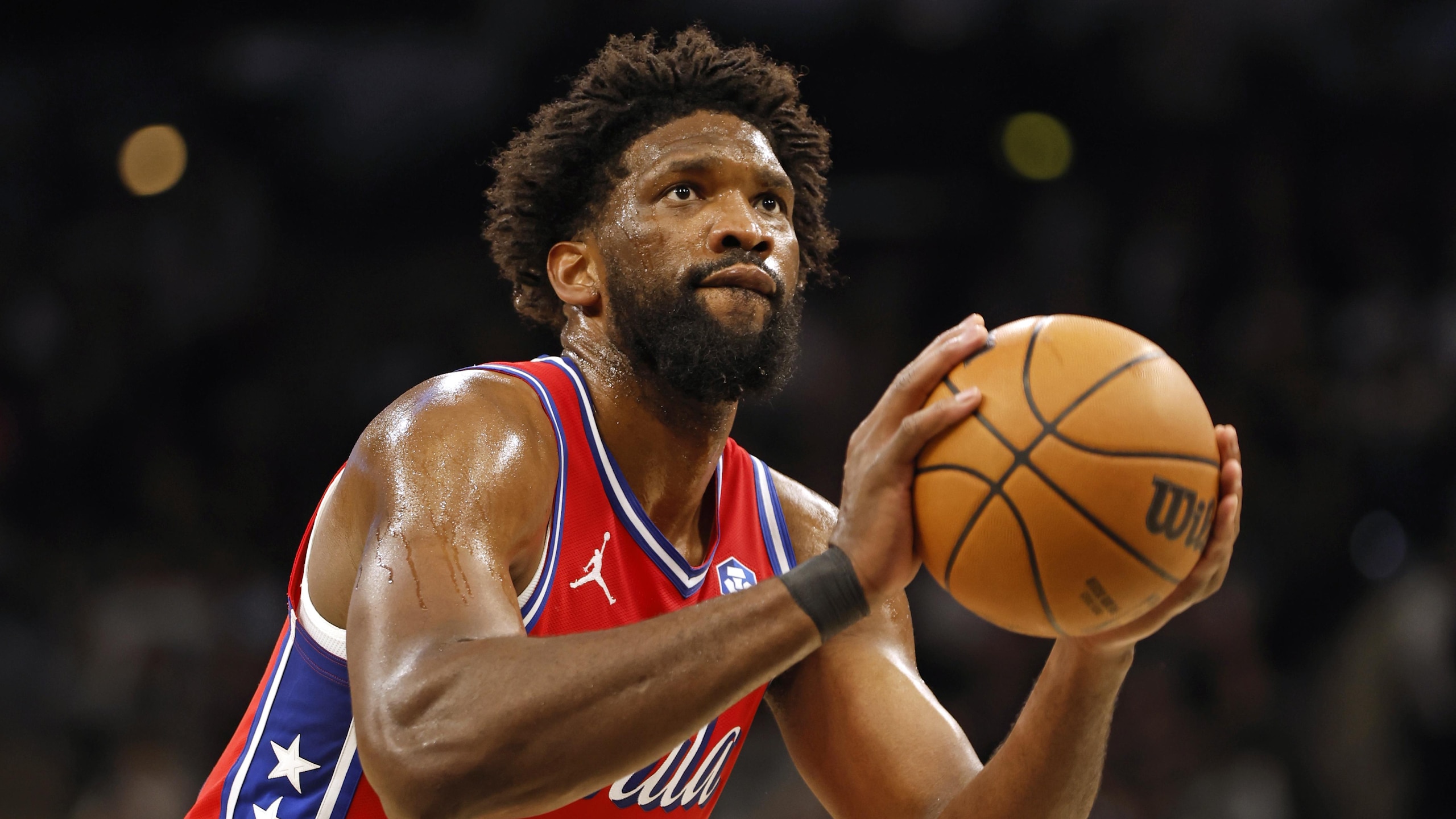
Remaining Contract: Three years, $188.3 million
If you think $188 million over three years sounds like a lot, keep in mind the fact that Joel Embiid might play about one-and-a-half seasons' worth of games over that stretch if he's lucky. So on a per-game basis, any team acquiring him is kind of on the hook for double his salary.
That's...not exactly an ideal way to build out a roster. It's why there's a good argument Embiid doesn't even belong on this list. His contract doesn't just have negative trade value. It might be flat-out untradable.
The former MVP averaged 26.9 points and 7.7 rebounds per game this past season, but he appeared in just 38 contests and looked physically nothing like he did at his peak.
Embiid has never played more than 68 games in a year. He averaged just 32 games per season over the last three campaigns. Heading into his age-32 season next year, Embiid's health outlook is only going to worsen.
Onboarding Embiid would tie up supermax cash for a player whose production nets out at sub-star levels when factoring in the quantity of minutes. For example, Embiid is just behind Josh Hart, an occasional role-playing starter for the New York Knicks, in Value Over Replacement Player across the last three years.
Paul George, Philadelphia 76ers
3 of 5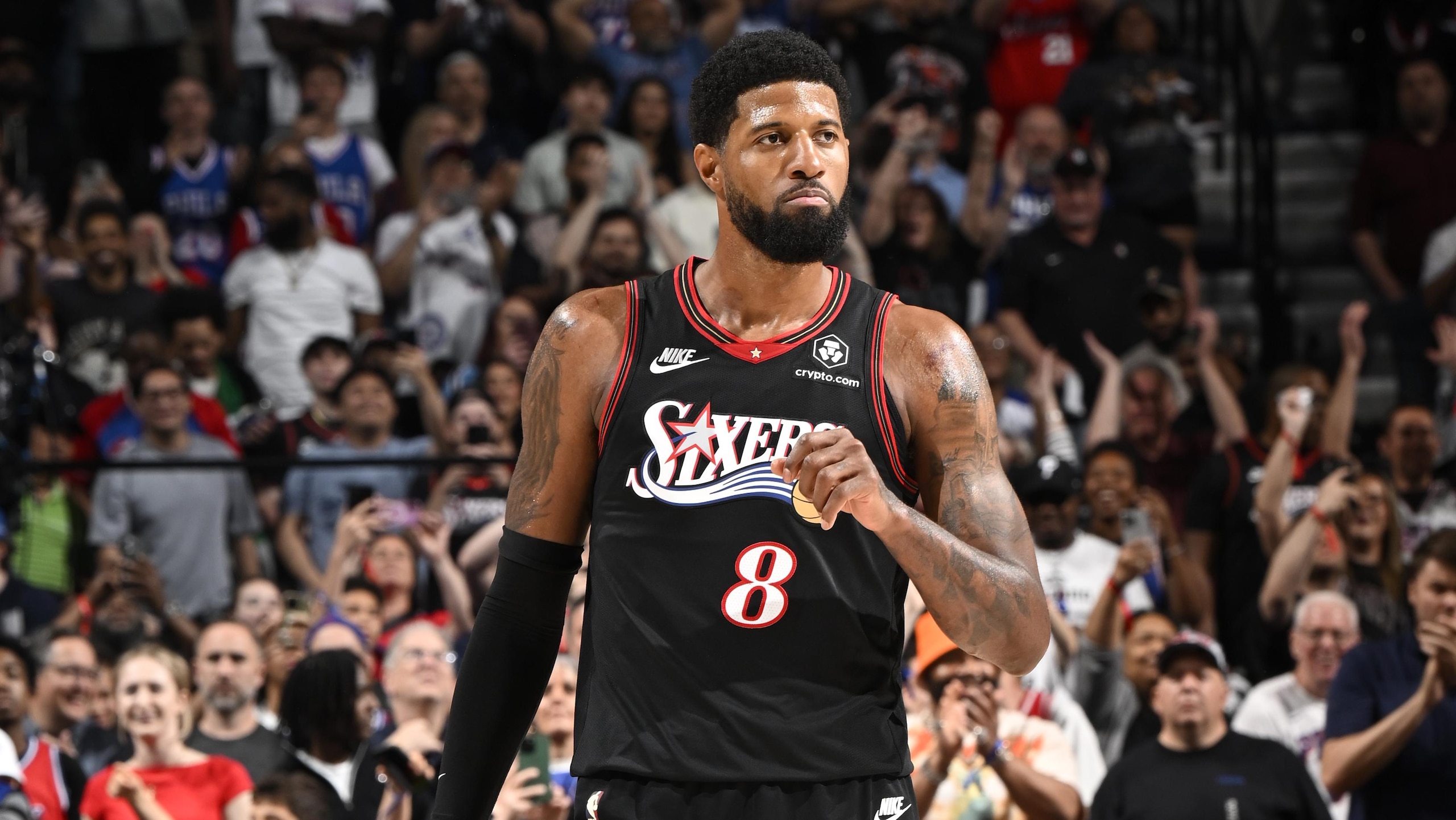
Remaining Contract: Two years, $110.7 million
First off, no, it doesn't help matters that Paul George has a player option for 2027-28. The odds of him declining $56 million in his age-37 season so he can sign a multiyear deal are about as good as Philadelphia 76ers fans ever saying anything nice about teams from Boston or New York.
Through the first two seasons of the deal George signed with the Sixers, he totaled just 78 games and averaged 16.7 points. Still a strong three-point shooter with good positional size and the ability to facilitate from a forward spot, George is far from a net-negative contributor on the floor.
He is, however, infrequently on said floor and compensated as if he's a No. 1 option.
George is highly scalable because of his off-ball value, but most teams aren't interested in committing max money to a role player—let alone an aging one who can't be counted on to perform across a full regular season. It's possible the nine-time All-Star will stay relatively healthy and rehabilitate his value next year, at which point his expiring deal might be movable for another bad salary.
For now, the Sixers aren't getting off of the last two seasons left on George's deal unless they supplement a trade package with picks and young players.
Ja Morant, Memphis Grizzlies
4 of 5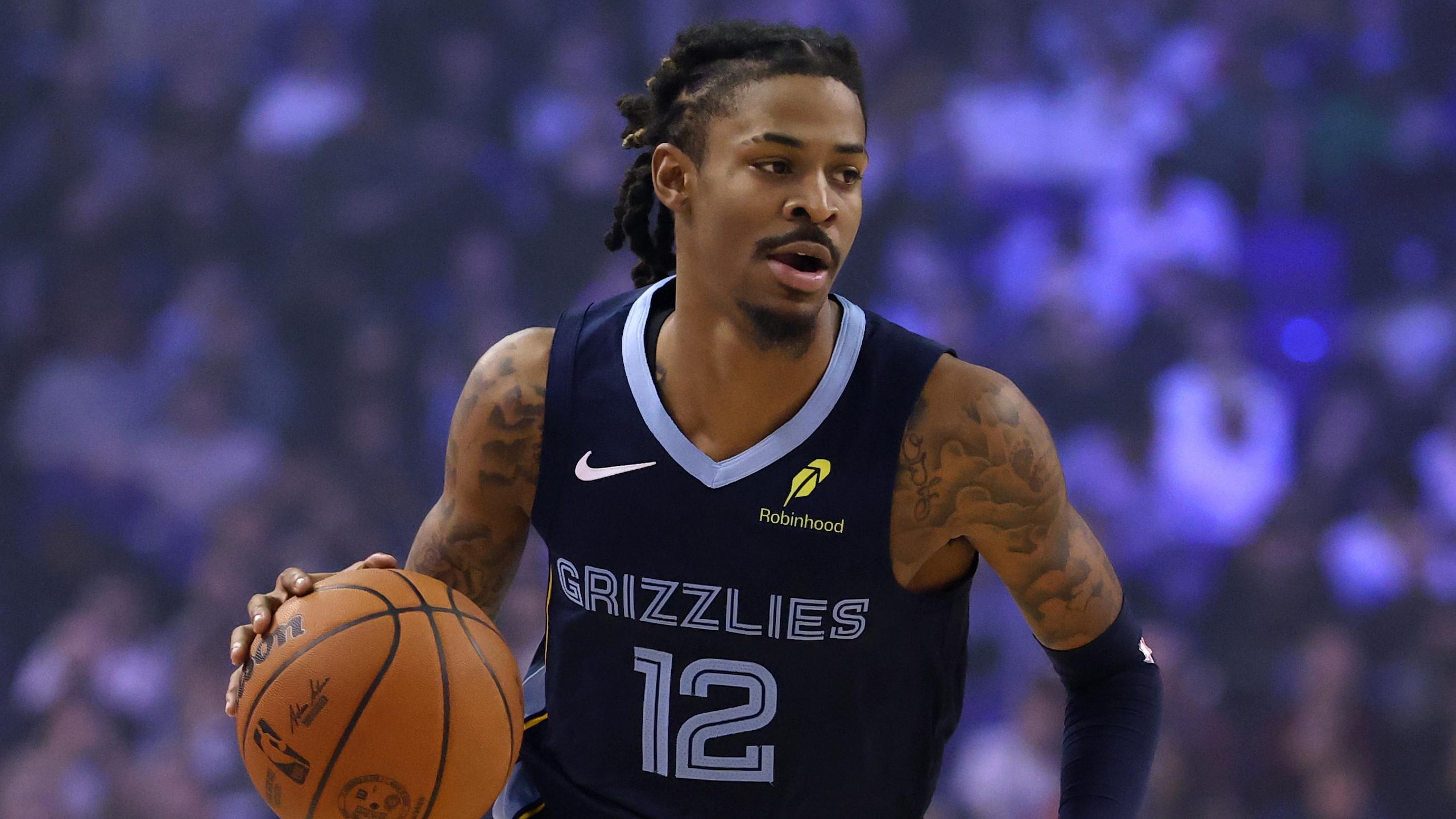
Remaining Contract: Two years, $87.1 million
Ja Morant has a few things going for him that most others on this list don't. He's relatively young at 26; the average annual value of his deal is lower than that of Sabonis, George or Embiid; and he's the player most likely to benefit from a change of scenery.
He's had issues with his coach and was angry enough about one of his suspensions to tell other players around the league that he wouldn't play for the Memphis Grizzlies ever again, per ESPN's Tim MacMahon. If you're looking for a career reclamation, he's the best candidate here.
Of course, Memphis was unable to trade Morant to the Kings at the most recent deadline because it wasn't willing to add draft-pick sweeteners. At least in February, no one was sufficiently convinced that better days for Morant were imminent.
Skepticism stems from Morant's suspensions, injuries and declining production. Most concerning of the on-court worries is a changing shot profile marked by a multi-season slide in both frequency and accuracy of Morant's shots at the rim. Defined by his athleticism, the point guard appears to be losing his superpower. Paired with a three-point shot that was never reliable and is only getting worse, Morant's offensive game might be hitting a crisis point.
No team is giving up positive assets to acquire a non-shooting, defense-averse, undersized guard who can't stay healthy. He also comes with a history of suspension-worthy off-court decisions and hasn't made any meaningful improvements to his game in a half-decade.
Morant can flip the narrative next year, but it won't be easy.
Jakob Poeltl, Toronto Raptors
5 of 5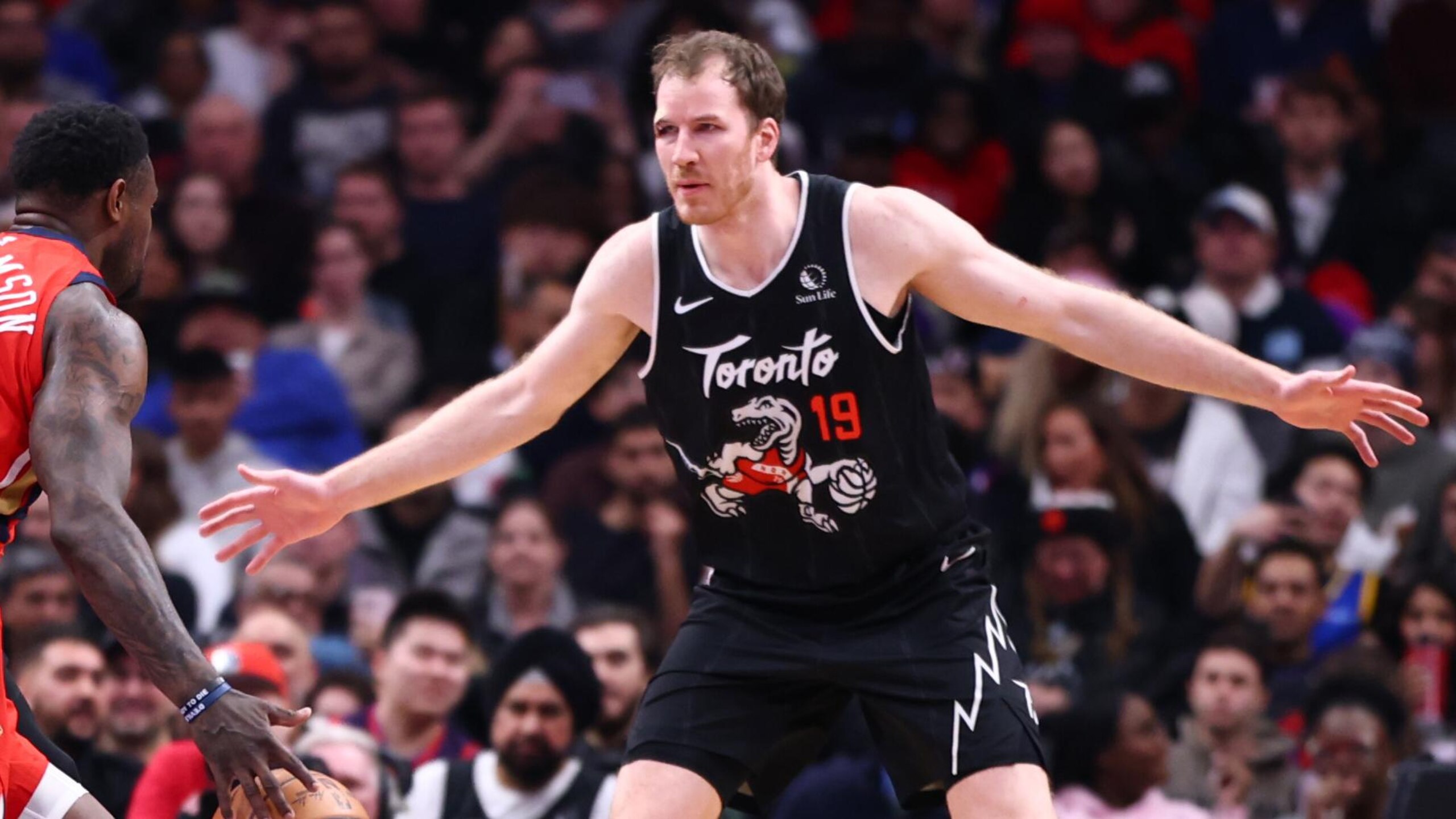
Remaining Contract: Four years, $103.6 million
Jakob Poeltl's deal isn't a true crippler, even if it extends for another four years. A relatively low average annual value means his contract could theoretically fit into a trade as a salary-matching tool, but it's hard to imagine teams calling the Toronto Raptors with serious offers for their 30-year-old center.
Poeltl has had a hard time staying healthy of late. We can use the same cost-per-appearance math that applied to Embiid to argue his deal is a worse bargain because he's played 50, 57 and 46 games across the last three seasons.
Poeltl might also no longer be a legitimate starter. He occupied that role when healthy for a middling Toronto Raptors team this year, but the results were better when other centers took the floor in his place.
Rookie Collin Murray-Boyles brought more defensive versatility, while offense-only journeyman Sandro Mamukelashvili helped the team to a higher on-court net rating than the guy Toronto extended through 2030. Given his age and decreasing availability, it's not a given that Poeltl will be the Raptors' most effective center ever again.
Zooming out, teams just don't pay roughly $28 million per season for non-stretch, non-switch injury risks at center. Well, teams other than the Raptors don't, and you can sense they already regret the three years and $84 million they handed Poeltl last offseason. There was no need for that with the big man already under contract for a more reasonable $19.5 million in 2026-27.
Stats courtesy of NBA.com, Basketball Reference and Cleaning the Glass. Salary info via Spotrac.
Grant Hughes covers the NBA for Bleacher Report. Follow him on Bluesky and subscribe to the Hardwood Knocks podcast, where he appears with Bleacher Report's Dan Favale.

.jpg?w=2560 "Cam Ward Says He's Not A Loser")
.jpg?w=2560 "Chargers Fall to 0-5 🤢")

.jpg?w=2560 "Grading MHJ Trade 📝")