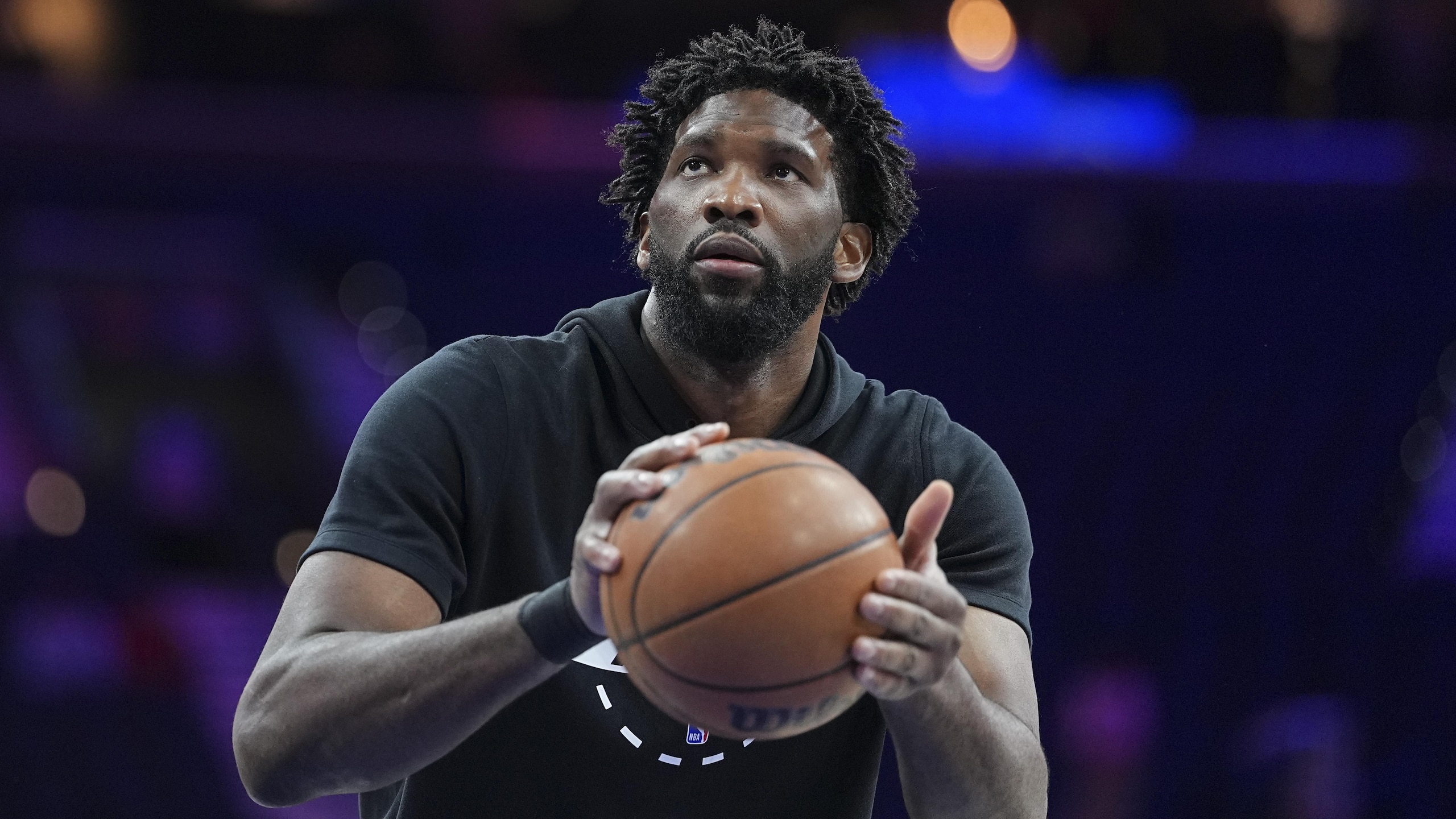

Every year, as the NBA playoffs roll around, there's an anticipatory sense of dread surrounding Joel Embiid and the Philadelphia 76ers.
What will it be this time?
In terms of health, the likely future Hall of Famer hasn't caught many breaks.
An untimely appendectomy sidelined him ahead of the 2026 postseason. In recent years, his playoff effectiveness or availability has been affected by a left orbital bone fracture in his face, tendinitis, a meniscus tear, a torn ligament in his thumb, a right orbital bone fracture, an LCL sprain, another torn meniscus, Bell's palsy and now this.
Things haven't been much better if you're talking exclusively about the regular season. He's up to 476 missed games in his career. He's played in 490.
At this point, there's no question Embiid has joined the ranks of the NBA's most prominent "what ifs," a group that includes names like Bill Walton, Grant Hill, Brandon Roy and Penny Hardaway.
Determining the biggest from this category is an almost entirely subjective pursuit. There's no way to accurately predict how a career might've gone with perfect (or even decent) health, but there are some key indicators we'll examine for each candidate.
Those include pre-injury numbers and accolades, the age at which things really started to go sideways and their ultimate impact on the player's career. That and a heavy dose of subjectivity gave us our top 10.
10. Tracy McGrady
1 of 10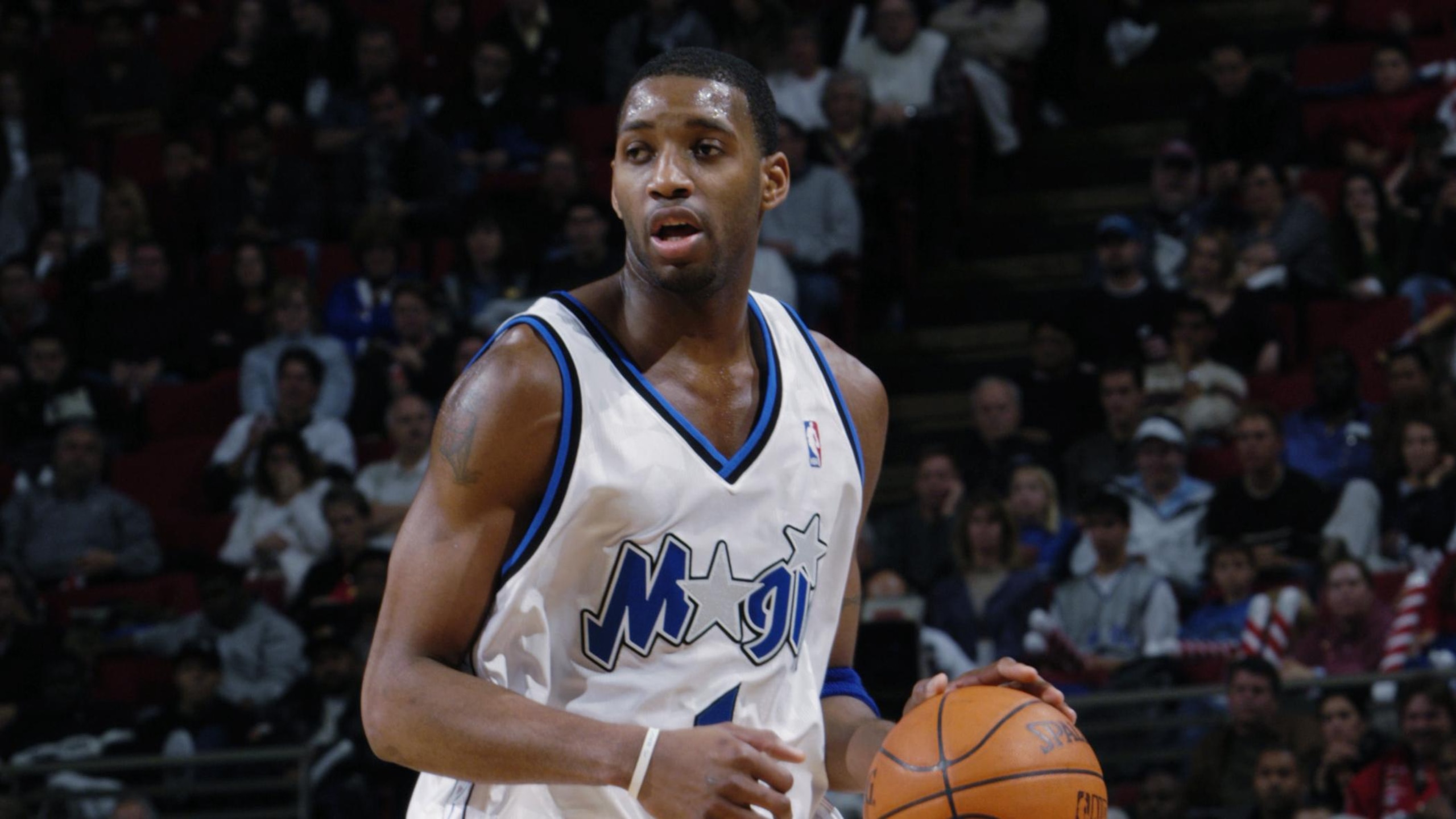
2000-01 through 2004-05: 27.6 points, 6.8 rebounds, 5.3 assists, 1.6 steals, two scoring titles, five All-NBA selections, two first-team All-NBA selections
When Injuries Started Taking Their Toll: 25
2006-07 through 2011-12: 14.8 points, 4.5 assists, 4.2 rebounds, two All-NBA selections
It may be tough for younger fans to remember, but in the early 2000s, Tracy McGrady was building a very real "best wing in the NBA" case.
He had back-to-back scoring titles and back-to-back first-team All-NBA nods. He possessed an ahead-of-his-time combination of size, athleticism and skill. He was a volume three-point shooter before that was en vogue.
But chronic back problems limited him to 47 games in 2005-06. And while he had a few strong seasons after that, knee issues led to microfracture surgery, which ultimately ended his prime.
T-Mac isn't ranked higher here because he accomplished quite a bit before the injuries took hold, and he still made two more All-NBA teams after they started piling up. That removes some of the "what-if" from the equation.
But considering how young he was when the back and knee problems surfaced, it's fair to think an MVP and maybe even a title might've been in the cards without them.
In reality, McGrady's time in the NBA was done after his age-32 season.
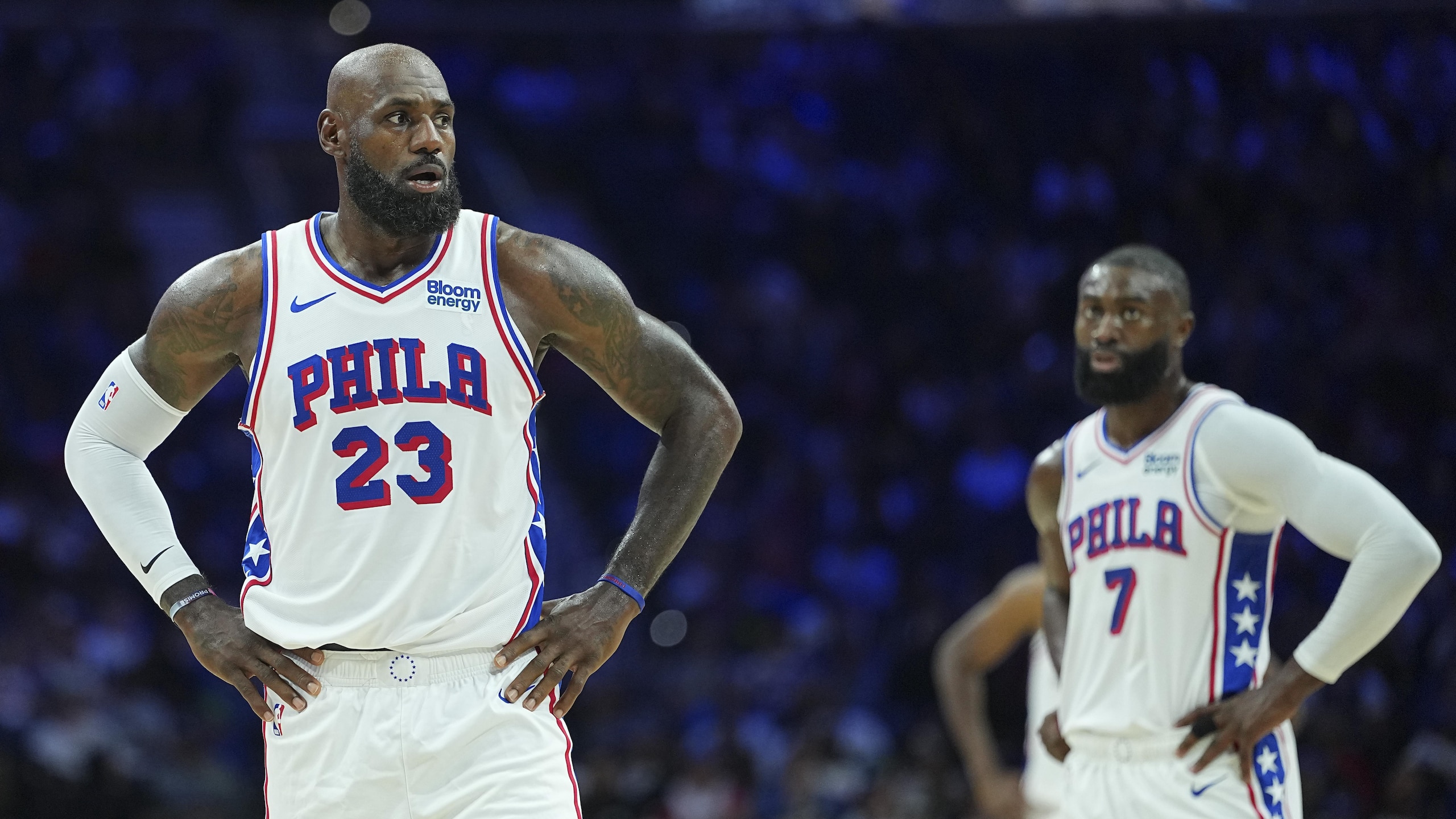
9. Joel Embiid
2 of 10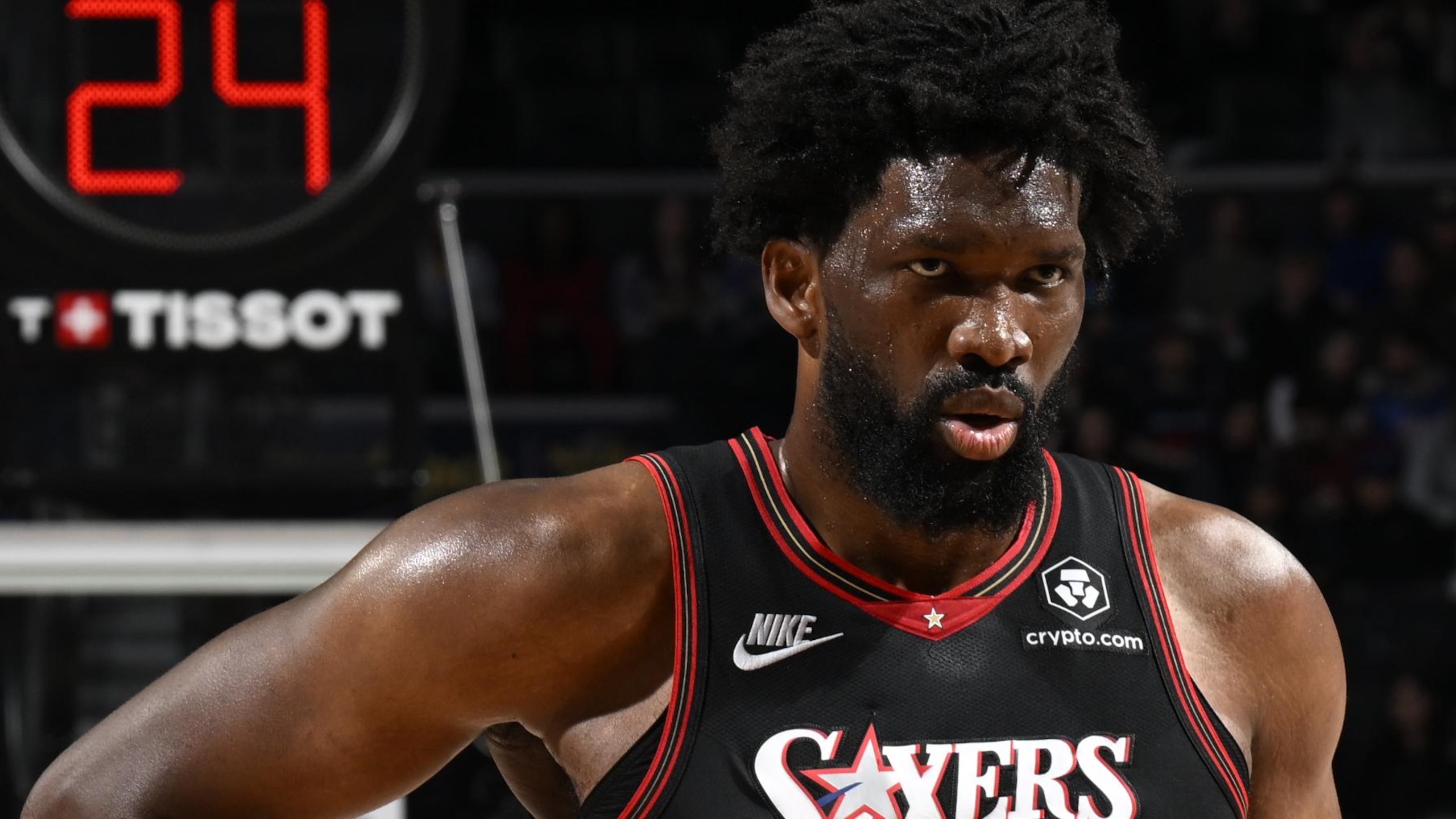
2016-17 through 2022-23: 27.2 points, 11.2 rebounds, 3.4 assists and 1.7 blocks, five All-NBA selections, 2022-23 MVP
When Injuries Started Taking Their Toll: Embiid missed all of what would have been his first two seasons.
2023-24 through 2025-26: 29.4 points, 9.1 rebounds, 4.7 assists, 1.4 blocks, one All-Star appearance
Like T-Mac, Embiid isn't ranked higher because of everything he's been able to accomplish despite his injuries. As you can see, his production hasn't tailed off either.
But the injuries have been such an inextricable part of his career that he has to be featured in these rankings anyway.
He's only played 66 games in a season twice, and he finished in the top two in MVP voting both times. If he could've consistently hit that mark, he'd be a lot higher up the all-time MVP Shares leaderboard (where he's already 27th).
Considering his impact on the Philadelphia 76ers' point differential, it's easy to imagine deeper playoff runs with a healthy Embiid, too.
The last part of that sentence is tough to see happening, sadly. At this point, the idea of Embiid being at full strength in the postseason sounds absurd.
8. Ralph Sampson
3 of 10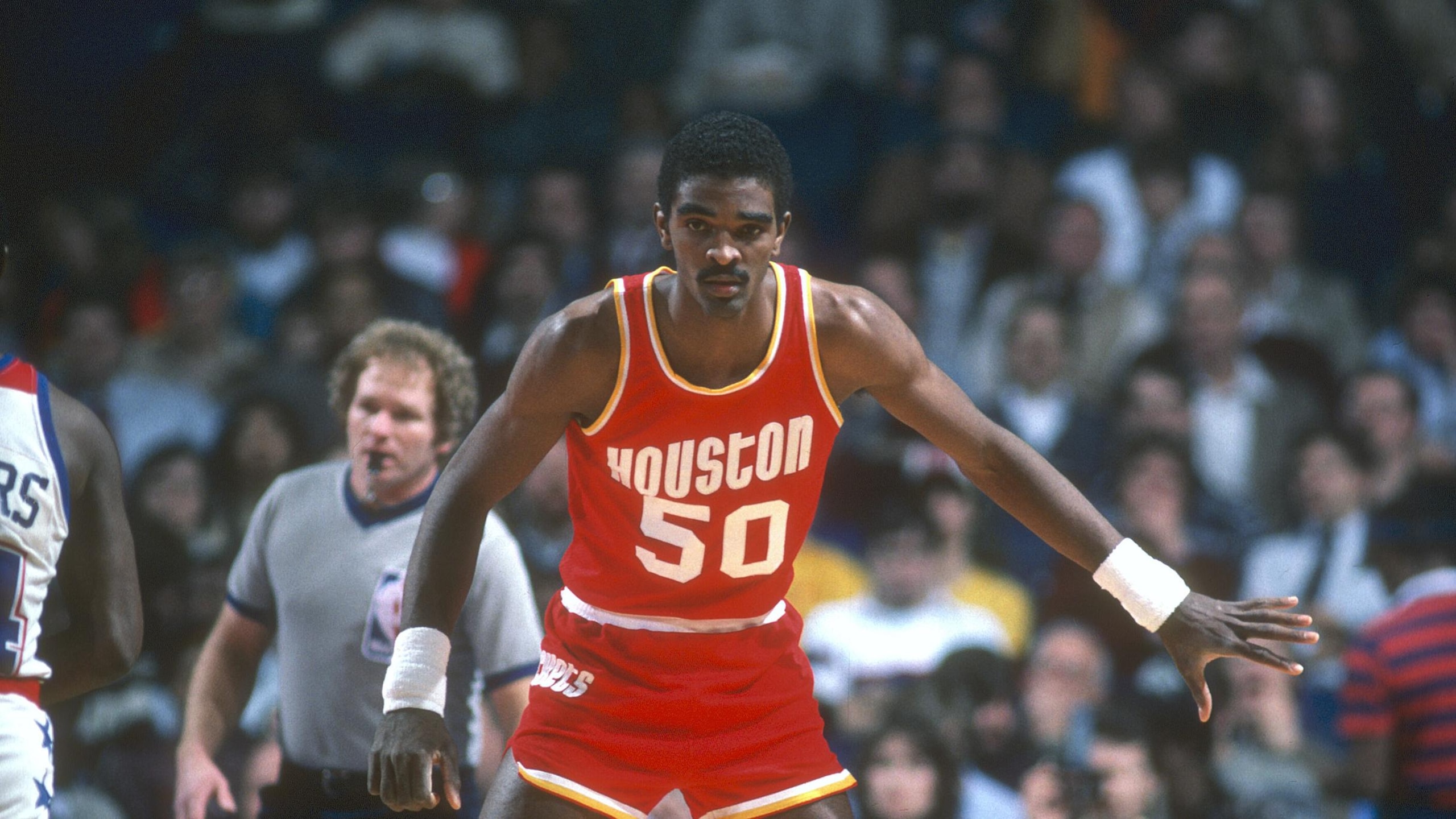
1983-84 through 1985-86: 20.7 points, 10.9 rebounds, 2.8 assists, 2.0 blocks, 1.0 steals, three All-Star appearances and one All-NBA selection
When Injuries Started Taking Their Toll: 26
1986-87 through 1991-92: 9.5 points, 6.4 rebounds and 1.2 blocks, one All-Star appearance
Ralph Sampson was the first overall pick in 1983. He won Rookie of the Year and averaged a 20-point, 10-rebound, two-block double-double over the course of his first three seasons.
With Sampson's almost Wemby-before-Wemby combination of size (7'4") and skill, it looked like he and Hakeem Olajuwon might combine to be one of the best frontcourt combos we'd ever seen.
But knee and back injuries completely derailed the hot start and relegated him to the bench (and multiple other teams) before his 30th birthday.
His age-31 campaign was his last, and he managed only 10 games for the Washington Bullets that season.

7. Greg Oden
4 of 10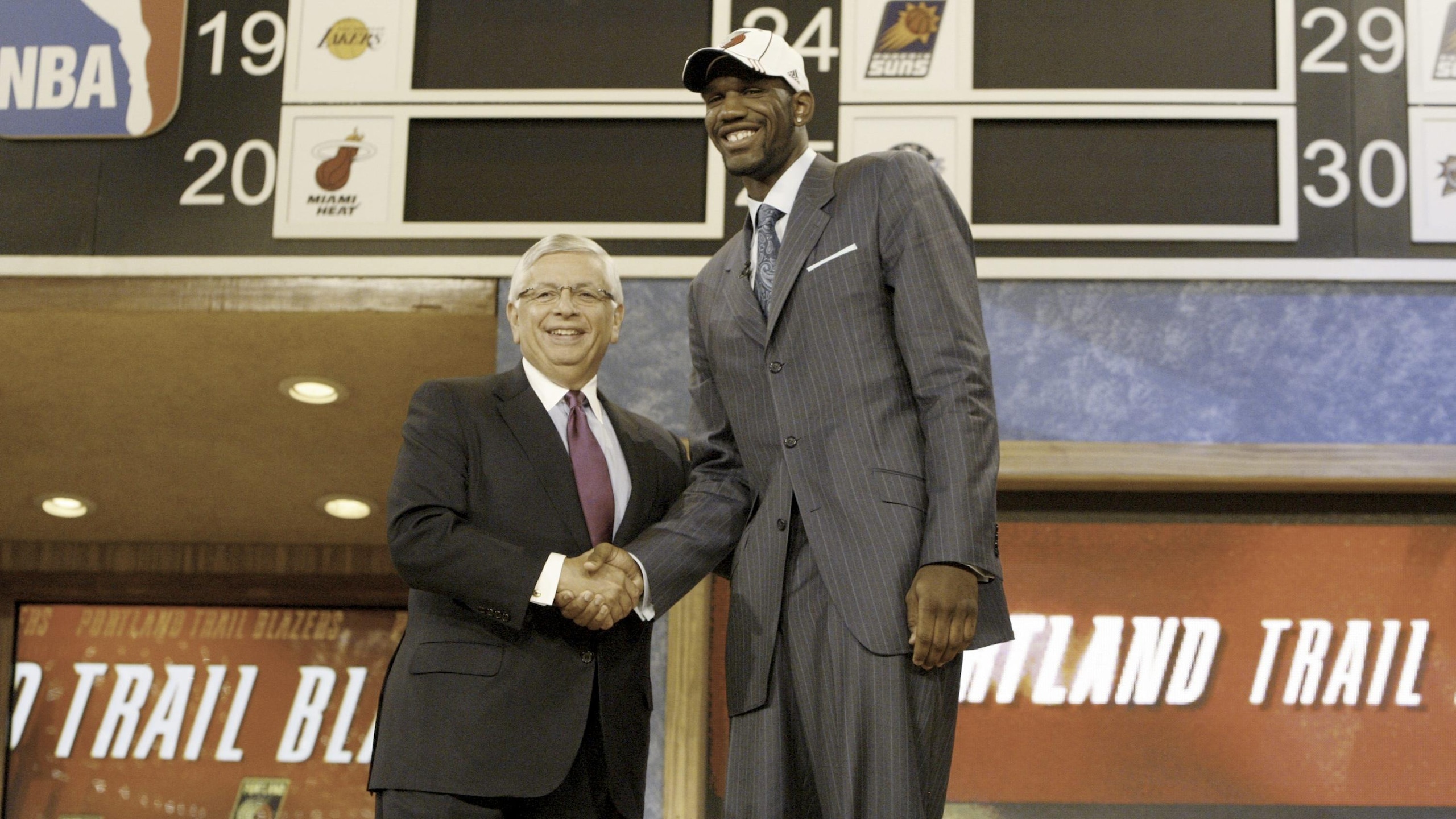
2006-07 (at Ohio State): 15.7 points, 9.6 rebounds, 3.3 blocks, one All-American selection
When Injuries Started Taking Their Toll: Immediately
2007-08 through 2013-14 (his entire NBA career): 8.0 points, 6.2 rebounds, 1.2 blocks, 105 total games played
Another first overall pick, Greg Oden was a dominant rebounder and rim protector in his lone college season. After swelling was discovered in his right knee shortly after the season, he underwent microfracture surgery.
As you can see from the numbers and (lack of) accolades listed above, he never truly recovered.
Oden missed all of what would've been his rookie campaign. He managed 82 total games over the next two seasons. Then, after missing three years, he managed 23 more games for the Miami Heat before his NBA career officially ended at 26.
Given NBA trends that favored guards and wings and would have made life more difficult for traditional bigs at some point in a healthy Oden's career, it's fair to wonder how much impact he would have had.
But there's a reason why Oden was selected ahead of Kevin Durant. At the very least, he looked poised to have a huge impact on the boards and as a defensive anchor.
6. Yao Ming
5 of 10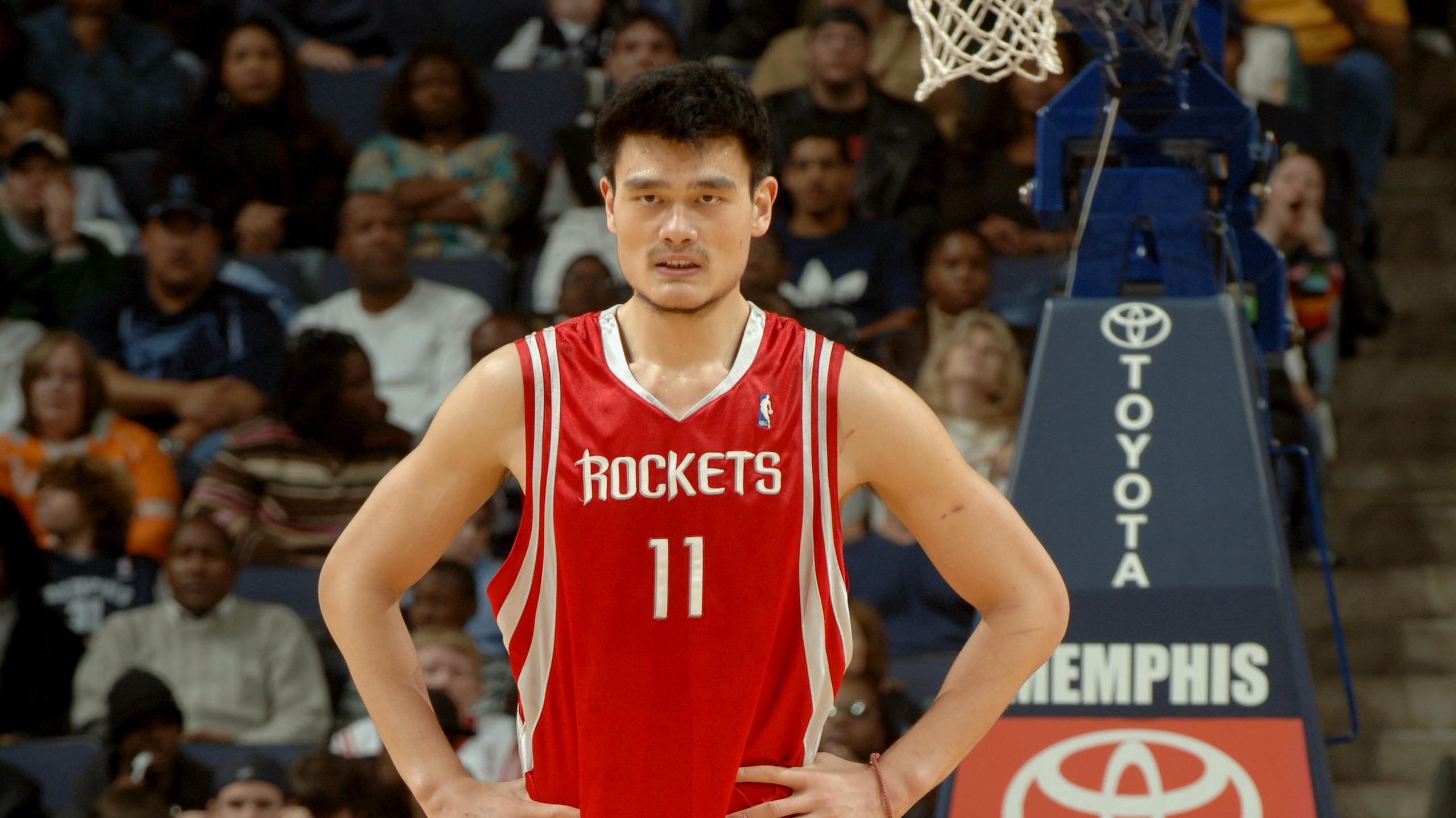
2005-06 through 2008-09: 21.9 points, 10.1 rebounds, 1.9 blocks, four All-NBA selections
When Injuries Started Taking Their Toll: 25
2009-10 through 2010-11: 10.2 points, 5.4 rebounds, 1.4 blocks, five total games played
Yao Ming may well have faced the same philosophical challenges headed Greg Oden's way, but the first overall pick in 2002 dominated much of the 2000s before the three-point revolution kicked in.
With his eye-popping size (7'6"), incredible touch (he shot 85.9 percent from the free-throw line over his last six seasons) and international appeal, Yao was a genuine worldwide sensation.
He could pile up points at the basket or from the mid-range, took up an absurd amount of space on the other end and wasn't as easy for opposing bigs to bully as some expected him to be.
But foot and ankle injuries surfaced for Yao just a few years into his career.
From 2005-06 through 2008-09 (the stretch listed as his most productive above), he averaged fewer than 60 appearances per season. And his age-30 campaign was his last in the NBA.
5. Brandon Roy
6 of 10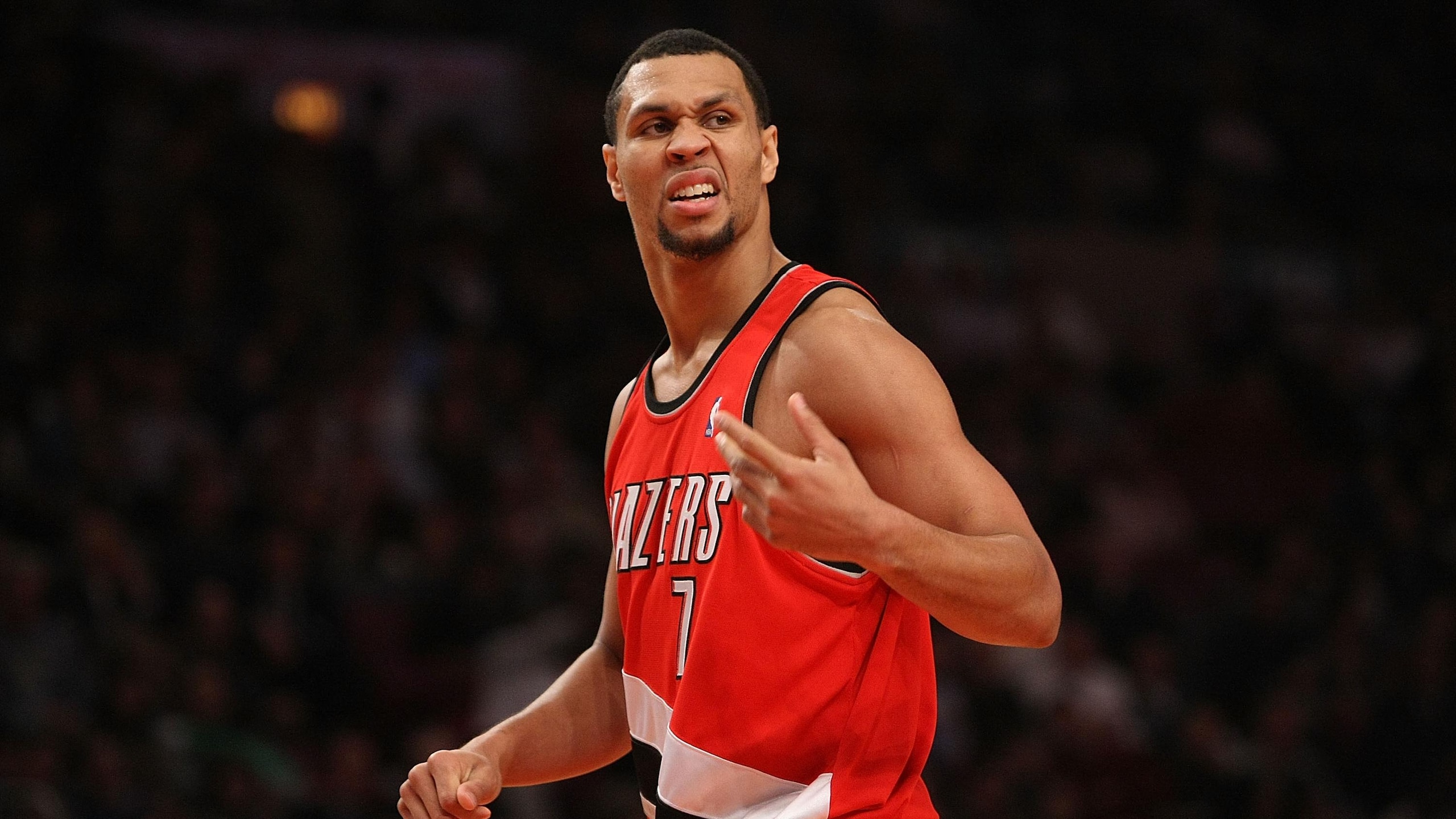
2006-07 through 2009-10: 20.2 points, 5.0 assists, 4.6 rebounds, 1.1 steals, 2006-07 Rookie of the Year, two All-NBA selections
When Injuries Started Taking Their Toll: 25
2010-11 through 2012-13: 11.6 points, 2.9 assists, 2.6 rebounds, 52 total games played
The poor Portland Trail Blazers. We've already discussed Greg Oden. Now, we get to Brandon Roy. And believe it or not, we're not done with this organization yet.
But before we get to the organization's ultimate "what-if," we need to talk a bit about Roy.
He was one of the smoothest mid-range scorers and underrated playmakers in the league in the late 2000s.
He was the face of an up-and-coming Portland team that also featured Oden and LaMarcus Aldridge and looked to be on the verge of several years of title contention.
But by his fourth season, chronic knee problems were starting to significantly impact his availability. By his fifth season, he had to move to the bench.
And well before he turned 30, thanks to severe osteoarthritis, his NBA career was effectively over.
4. Derrick Rose
7 of 10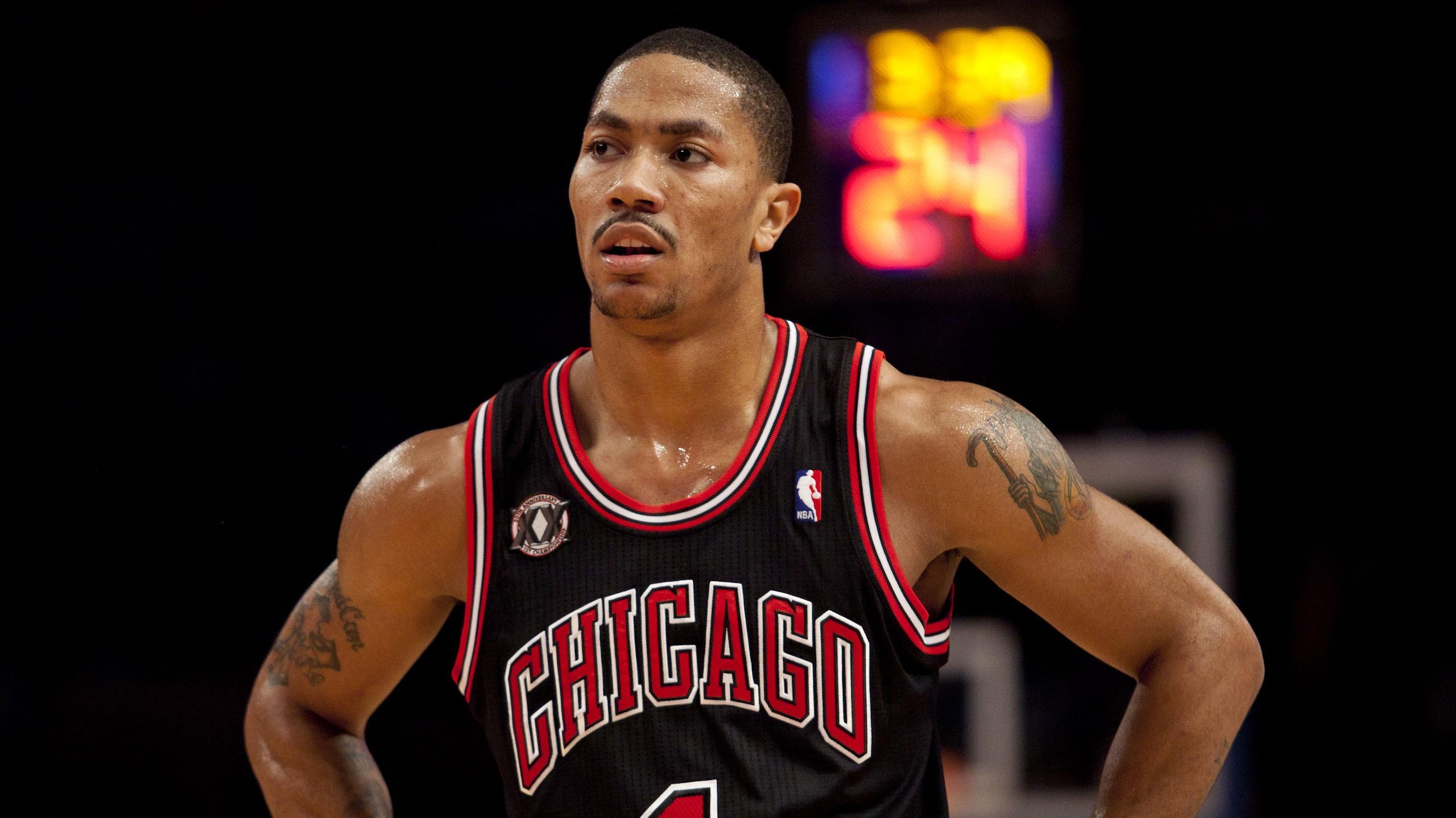
2008-09 through 2011-12: 21.0 points, 6.8 assists, 3.8 rebounds, 2008-09 Rookie of the Year, 2010-11 MVP (youngest ever) and first-team All-NBA
When Injuries Started Taking Their Toll: 23
2013-14 through 2023-24: 15.1 points, 4.2 assists, 40.4 appearances per season
There isn't much that screams "what-if" quite as loudly "youngest MVP in NBA history" before the injuries took hold.
Say what you will about LeBron James deserving that award more than Rose in 2010-11. Just about everyone would have to admit that honor showed Rose was on an all-time trajectory.
His game itself did, too.
But in 2011-12—the season right after he won MVP—Rose was limited to 39 games by multiple injuries, including a groin strain, back spasms, a sprained toe and an ankle injury. In his first game that postseason, he suffered the torn ACL that completely changed the course of his career.
Rose's explosiveness, the trait that set him apart from most of the rest of the guards in the NBA, was largely sapped.
He was able to recalibrate, improved as a jump shooter (he shot 35.6 percent from deep over the last six seasons of his career) and even contended for a few Sixth Man of the Year awards, but he never came close to the magic of his 2010-11 campaign again.
3. Penny Hardaway
8 of 10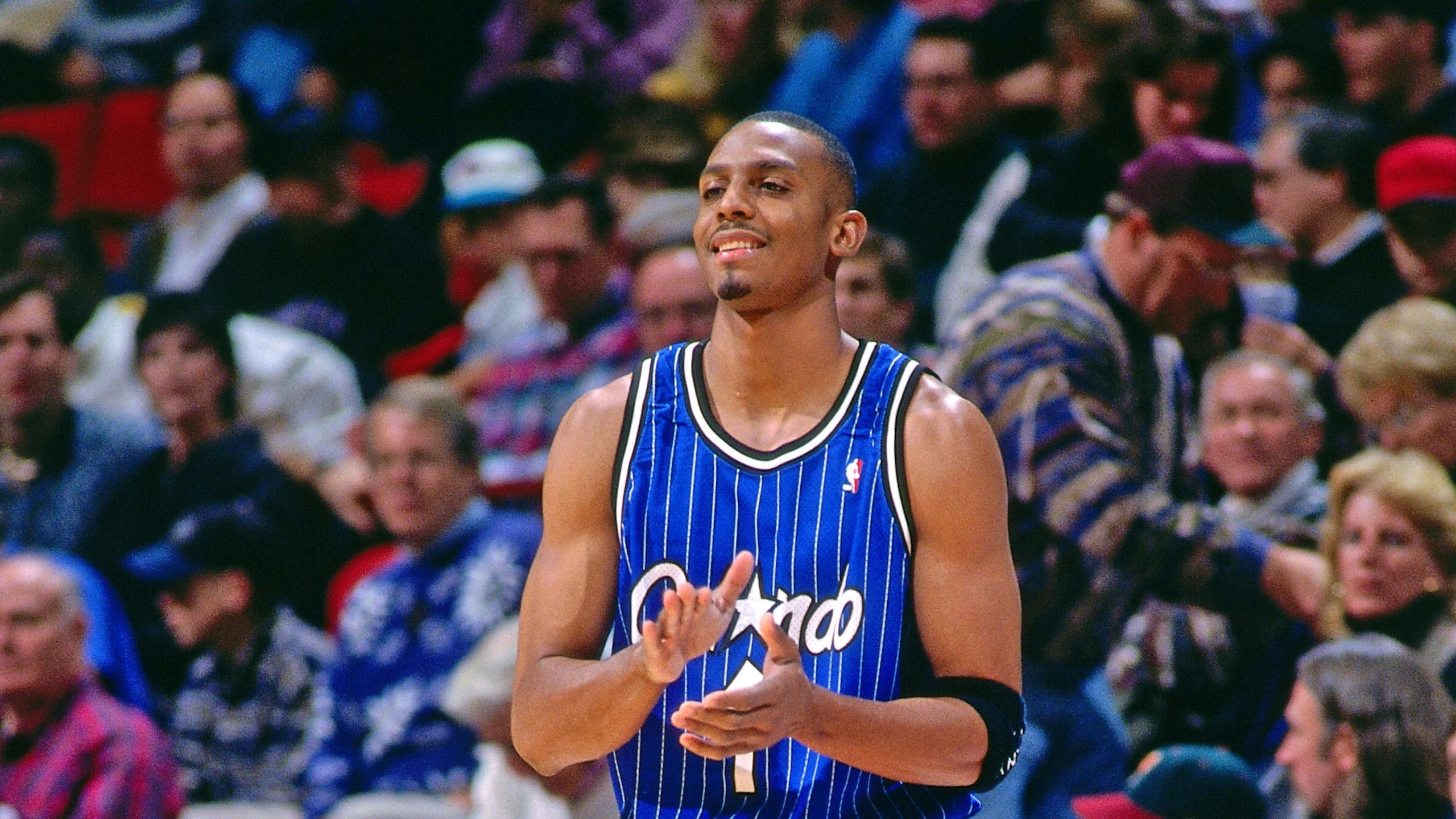
1993-94 through 1996-97: 19.7 points, 6.7 assists, 4.6 rebounds, 1.9 steals, three All-NBA selections, two first-team All-NBA selections
When Injuries Started Taking Their Toll: 26
1997-98 through 2007-08: 11.8 points, 4.3 rebounds, 3.8 assists, 1.4 steals, 36.7 appearances per season
When Michael Jordan stepped away from the NBA to play baseball for a season, there was no indication of when he might be back. And the league faced the prospect of a post-Jordan vacuum like the one that eventually took hold in the early 2000s.
But at the time, Anfernee "Penny" Hardaway appeared to be a potential heir to Jordan's throne.
Penny wasn't the volume scorer Jordan was, but he entered the NBA as one of its most dynamic playmakers. He was easily marketable. He earned a first-team All-NBA nod in his second season. And with the help of Shaquille O'Neal, he made it to the NBA Finals before his 24th birthday.
It looked like there was at least a chance that the next face of the league could be a 6'7", multipositional, MJ-Magic Johnson hybrid.
But after a collision with Joe Dumars in the 1996 playoffs, Hardaway had arthroscopic surgery on his knee that was only supposed to sideline him for two to six weeks. Instead, the injury started an avalanche of problems that led to six surgeries over several years (including a microfracture surgery in 2000).
Like Rose, Hardaway was able to battle through the condition and have a few more solid campaigns. In 2001-02, he even managed 80 appearances and averaged 12.0 points.
But he never made his way back to the trajectory he was once on, one that may have led to MVPs and championships.
2. Grant Hill
9 of 10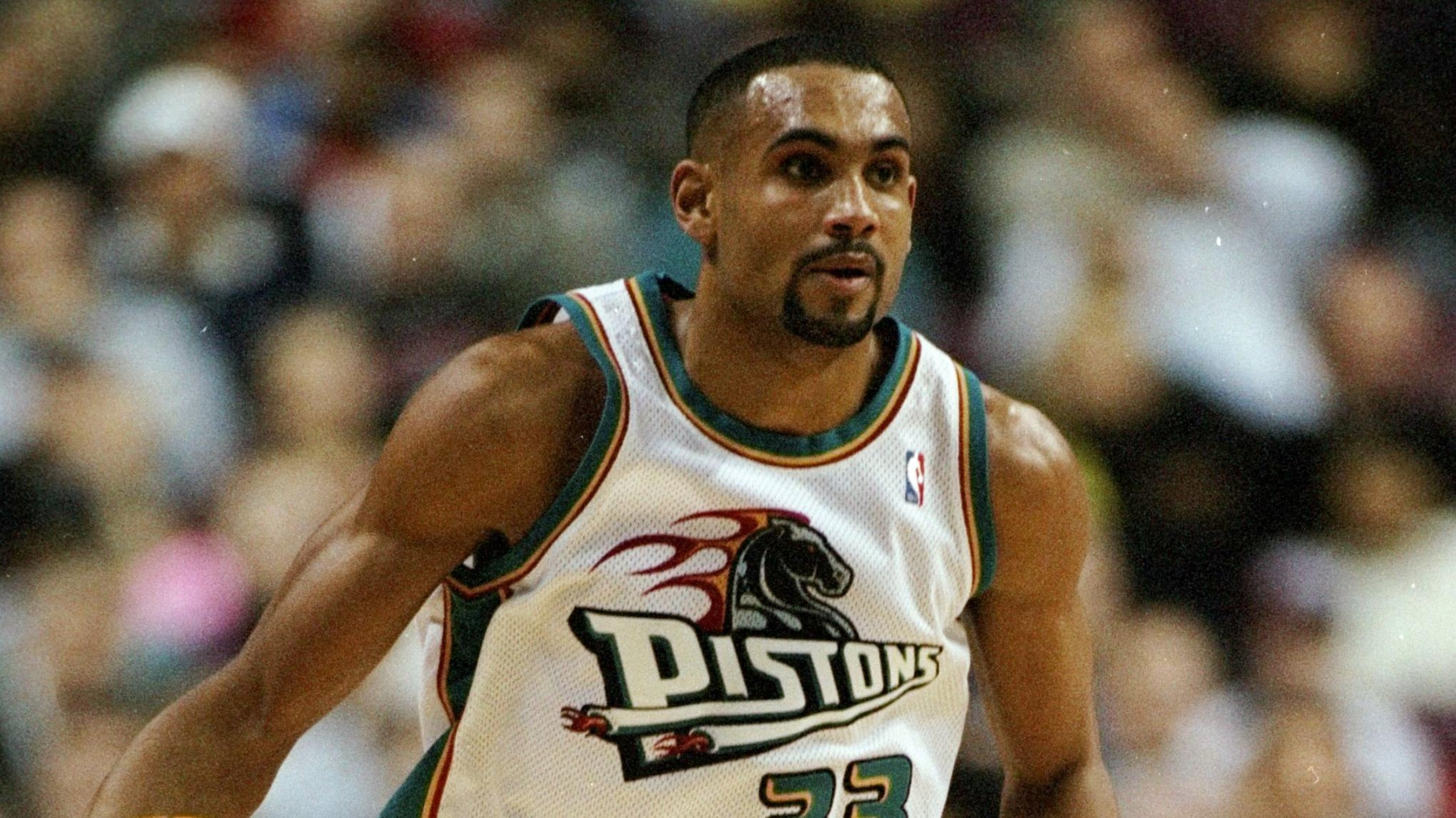
1994-95 through 1999-00: 21.6 points, 7.9 rebounds, 6.3 assists, 1.6 steals, 1994-95 Rookie of the Year, five All-NBA selections, one first-team All-NBA selection
When Injuries Started Taking Their Toll: 28
2000-01 through 2012-13: 13.1 points, 4.7 rebounds, 2.6 assists, 45.5 appearances per season
If the healthy version of Penny may have been the successor to MJ, the healthy Grant Hill may have been the precursor for LeBron James.
After a storied career at Duke, Hill walked into the NBA as an All-Star. Over the course of his second and third seasons, he averaged 9.4 rebounds and 7.1 assists.
He was a point forward the likes of which the NBA had rarely (if ever) seen to that point. And he was a more dynamic and explosive athlete than the younger generation probably realizes.
But in 2000, a broken ankle started a series of issues and surgeries that would completely alter the course of Hill's career. By the time he was done playing, Hill had undergone 11 surgeries and even dealt with a staph infection after one.
He deserves a mountain of credit for fighting through all of the above. He eventually became an important contributor for the Phoenix Suns in his mid-30s, played 80-plus games in three straight seasons for them and even appeared in some games in his age-40 campaign.
The determination and skill required to pull that off is only further evidence of how dominant Hill may have been without the injuries.
1. Bill Walton
10 of 10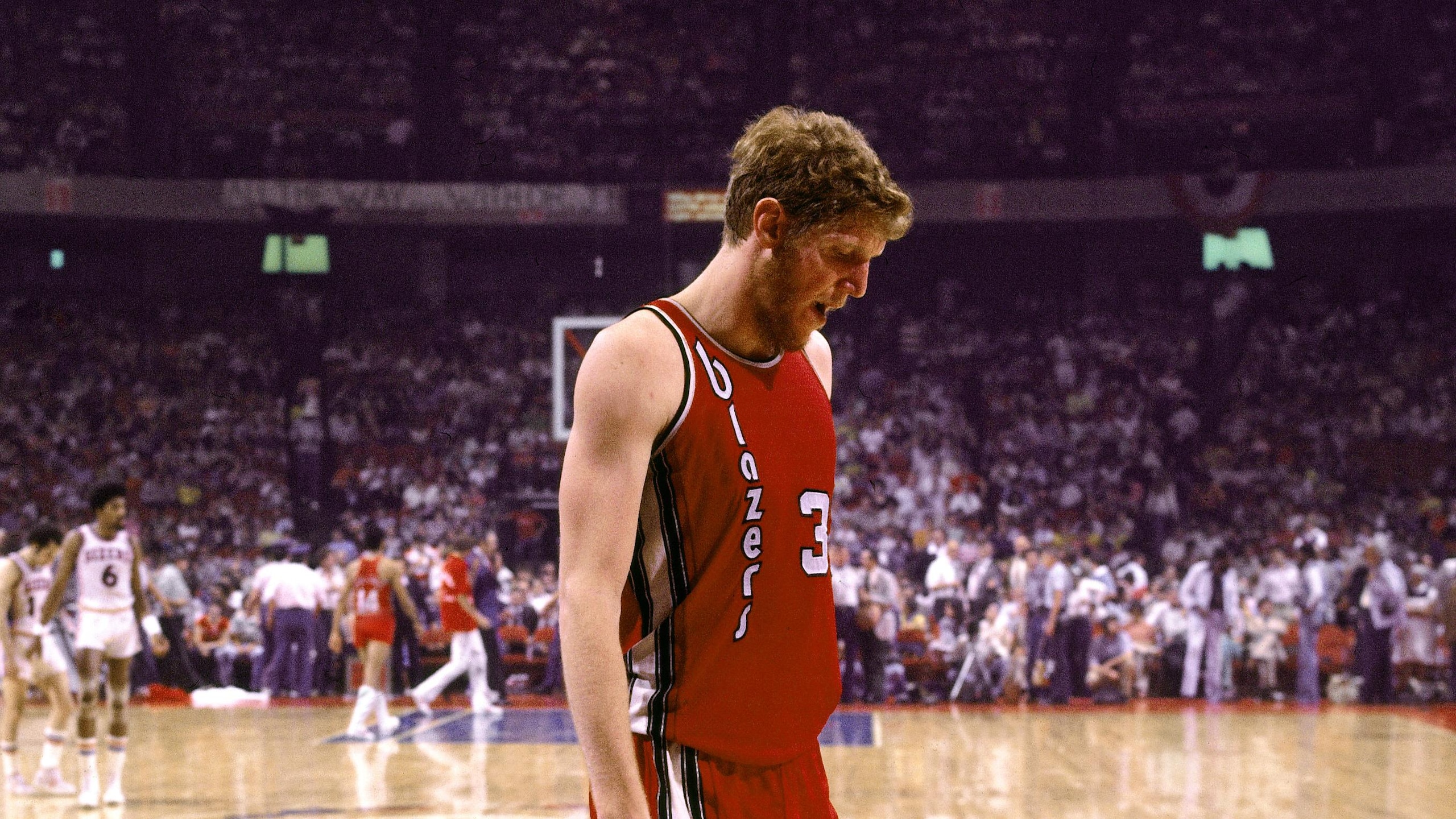
1975-76 through 1977-78: 18.0 points, 13.7 rebounds, 4.3 assists, 2.5 blocks, 1.0 steals, 1976-77 Finals MVP, 1977-78 MVP, two All-NBA selections, one first-team All-NBA selection
When Injuries Started Taking Their Toll: Before his rookie season in 1974-75
1978-79 through 1986-87: 10.2 points, 8.1 rebounds, 2.6 assists, 1.9 blocks, 1985-86 Sixth Man of the Year, 28.8 appearances per year
There are reasonable arguments to have Bill Walton much lower on these rankings. As you can see, he accomplished a lot early in his career. And you could say that his injuries in college (including a broken spine as a senior) sort of forecast what he would deal with in the NBA.
But without the chronic issues with Walton's back, knees and feet, there's a good chance we'd talk about him like a top-10-to-15 player in league history.
Walton's skill level and defensive acumen made him like some kind of Nikola Jokić-Rudy Gobert hybrid.
Even in an NBA that still featured a prime Kareem Abdul-Jabbar, Philadelphia 76ers head coach Gene Shue said Walton was the "best player for a big man who has ever played the game of basketball."
And he had reason to believe that. Walton had just averaged 18.5 points, 19.9 rebounds, 5.2 assists, 3.7 blocks and 1.0 steals in the NBA Finals against his team.
Like Hardaway and Rose, Walton was able to pivot after the injuries. He eventually won Sixth Man of the Year and a second championship as a role player for the Boston Celtics.
But several years of that Finals version of Walton would've forced some lofty conversations about his legacy.
.jpg?w=2560)
.jpg?w=2560 "Purdy Becomes Highest-Rated QB EVER 🤩")
.jpg?w=2560 "Grading WWE Raw 🔠")