.jpg?w=2560)


A slow start out of the gates hits different than a midseason slump, as there's simply no ignoring that sub-.200 batting average or four-digit ERA on the scoreboard in April.
For many, those early struggles will be a distant memory by the time the weather heats up and the season hits its stride, but it's worth a deeper dive into some of the more notable slow starts across baseball to see if there is some real reason for concern.
Ahead we've highlighted seven MLB stars who have stumbled out of the gates, and given them a 1-10 score on the panic meter based on how worrisome the early trends are for their season outlook.
OF Carson Benge, New York Mets
1 of 7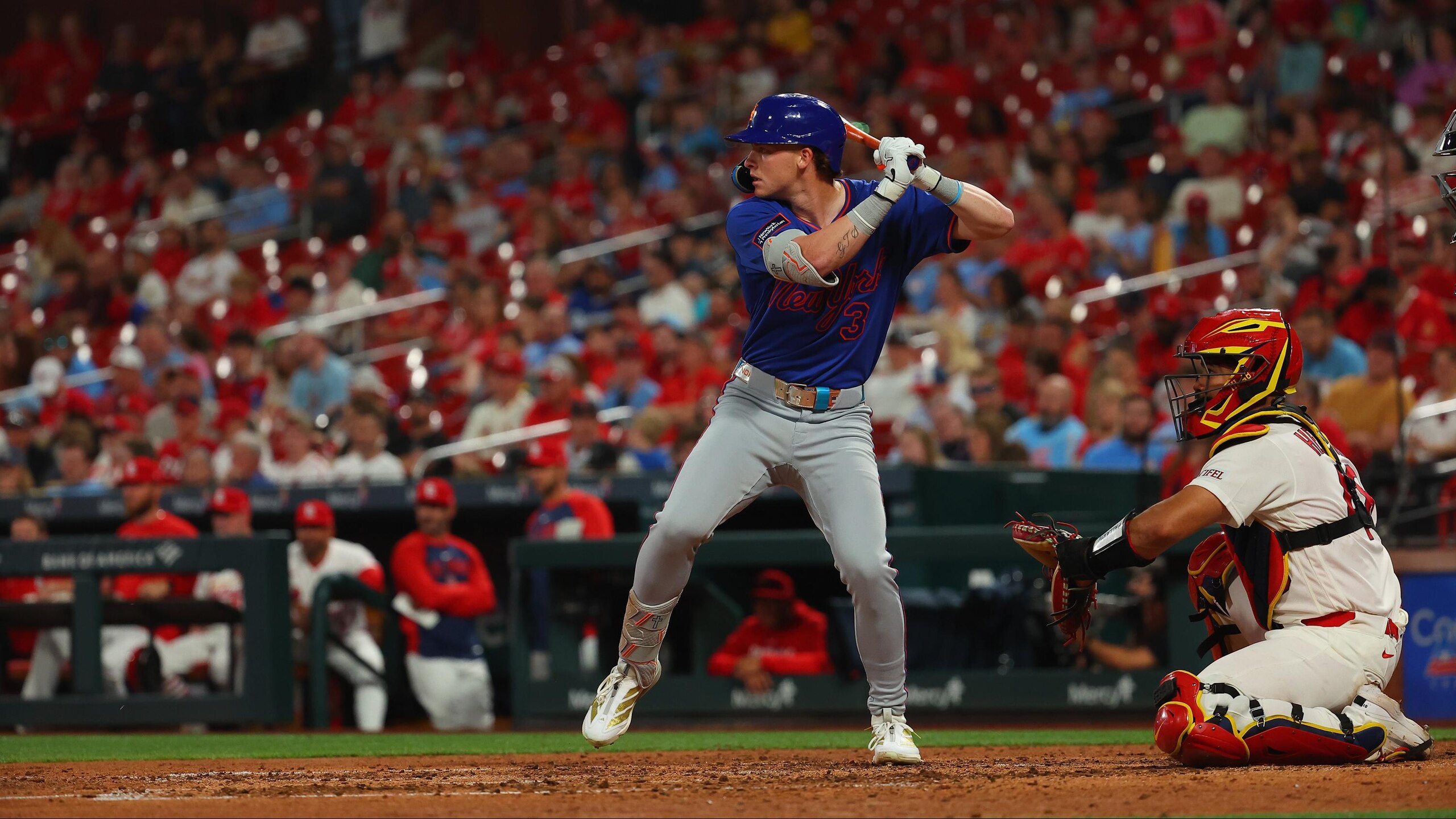
Stats: 42 PA, .108/.214/.189, 4 H, 1 XBH, 5 BB, 12 K
Panic Meter: 3/10
The New York Mets left a clear path for Carson Benge to win the starting right field job during spring training, and he seized the opportunity by hitting .366/.435/.439 to earn a spot on the Opening Day roster.
The 23-year-old hit .281/.385/.472 with 47 extra-base hits and 22 steals in 116 games across three minor league levels last year in his first full professional season. On the heels of that performance, he opened the year as the No. 13 prospect in baseball.
There's no reason to sound the alarm, but it might be time to consider getting him more seasoning at Triple-A.
SP Yusei Kikuchi, Los Angeles Angels
2 of 7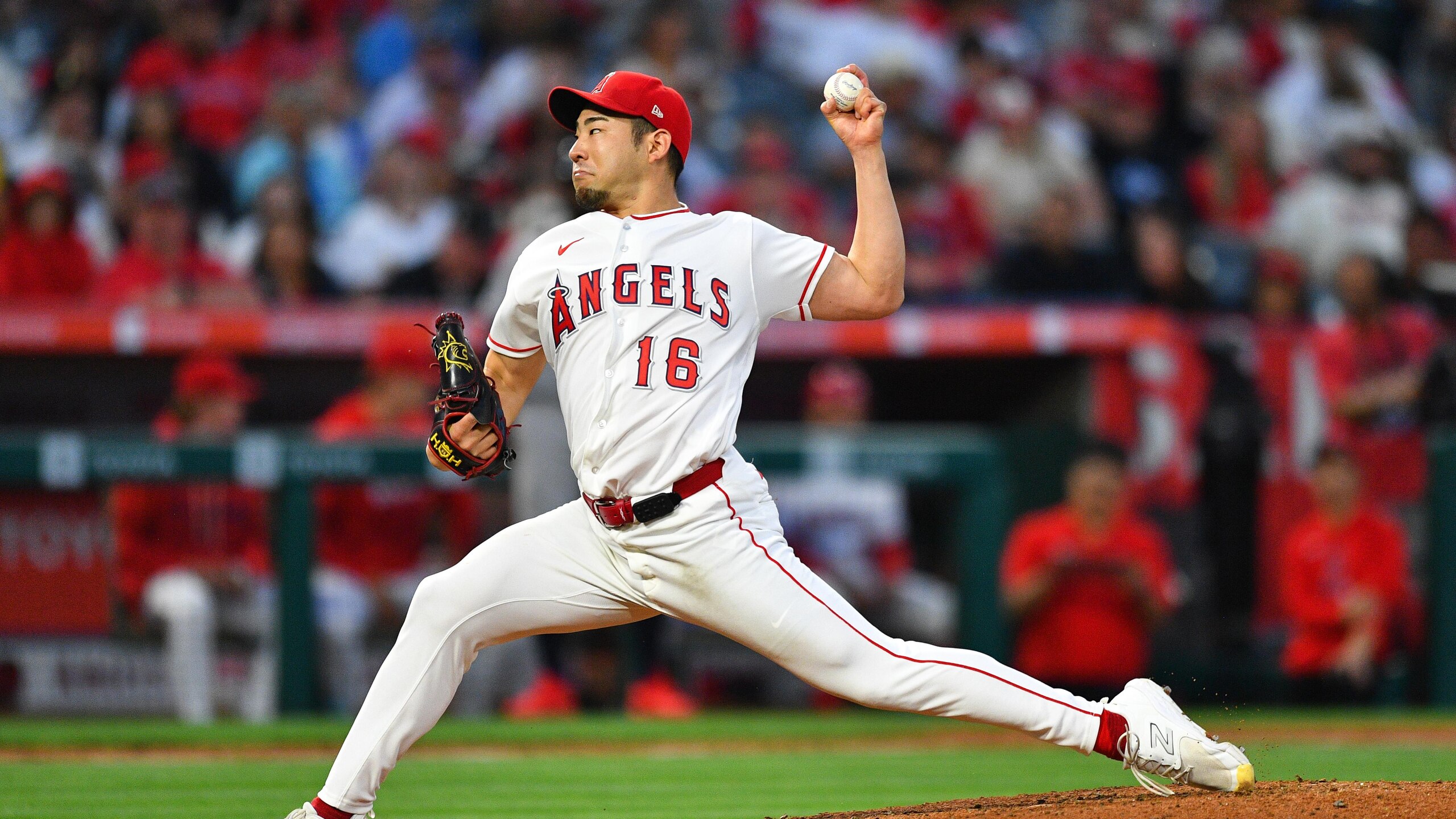
Stats: 3 GS, 0-2, 6.75 ERA, 1.77 WHIP, .323 BAA
Panic Meter: 6/10
The Angels signed Yusei Kikuchi to a three-year, $63 million deal last offseason, and he earned an All-Star selection in his first year with the team, posting a 3.99 ERA and 174 strikeouts in a career-high 178.1 innings.
The 34-year-old was expected to be a workhorse atop a young rotation once again this season, but he has worked just 14.2 total innings through his first three starts.
The biggest change has been a less effective slider, with opponents hitting .412 against the pitch he threw 36.2 percent of the time a year ago. He has begun leaning more heavily on his changeup and a new cutter as a result, but there are clearly still things to iron out with his pitch mix. So far, the early returns have been discouraging.
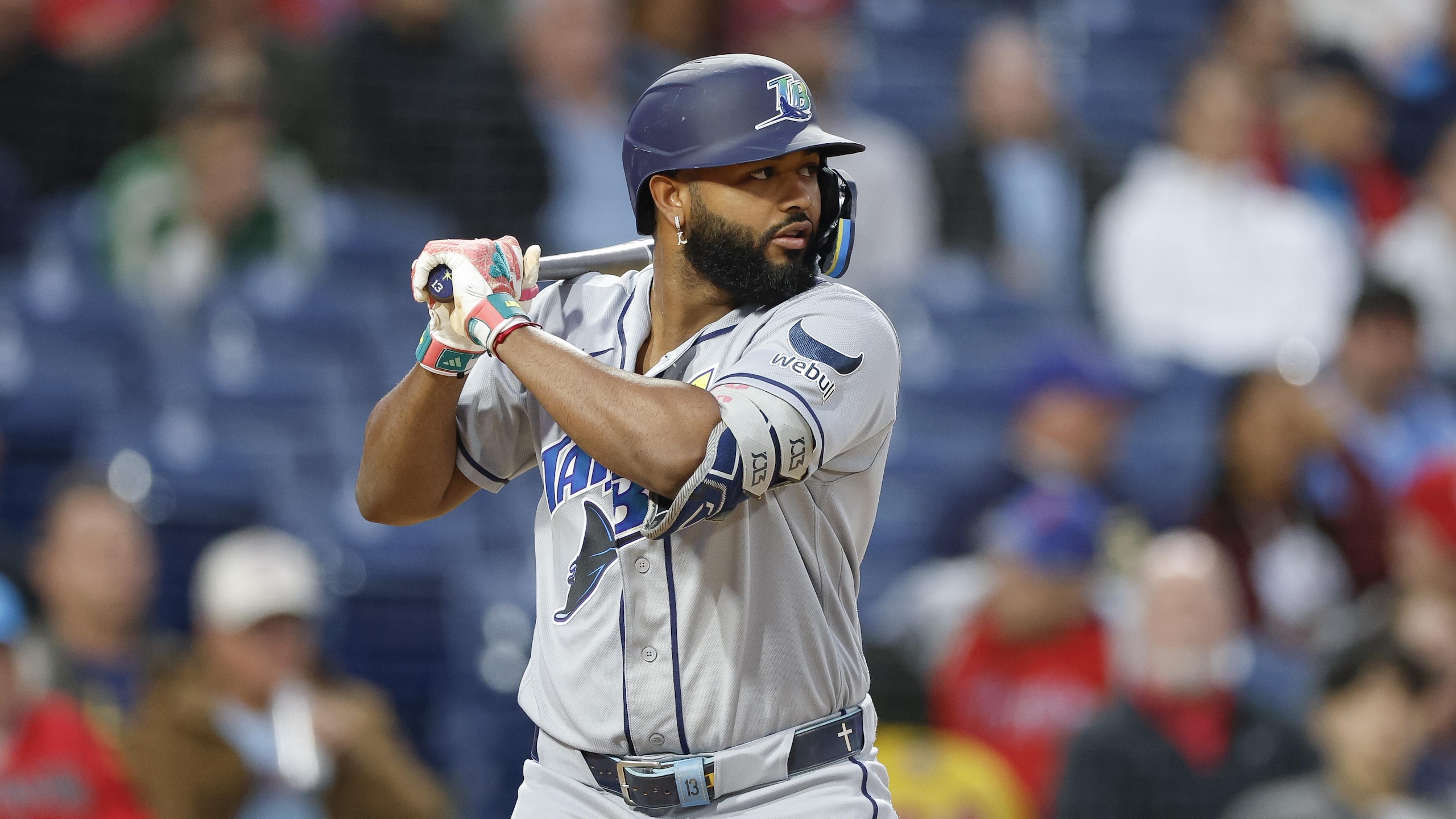
OF Wyatt Langford, Texas Rangers
3 of 7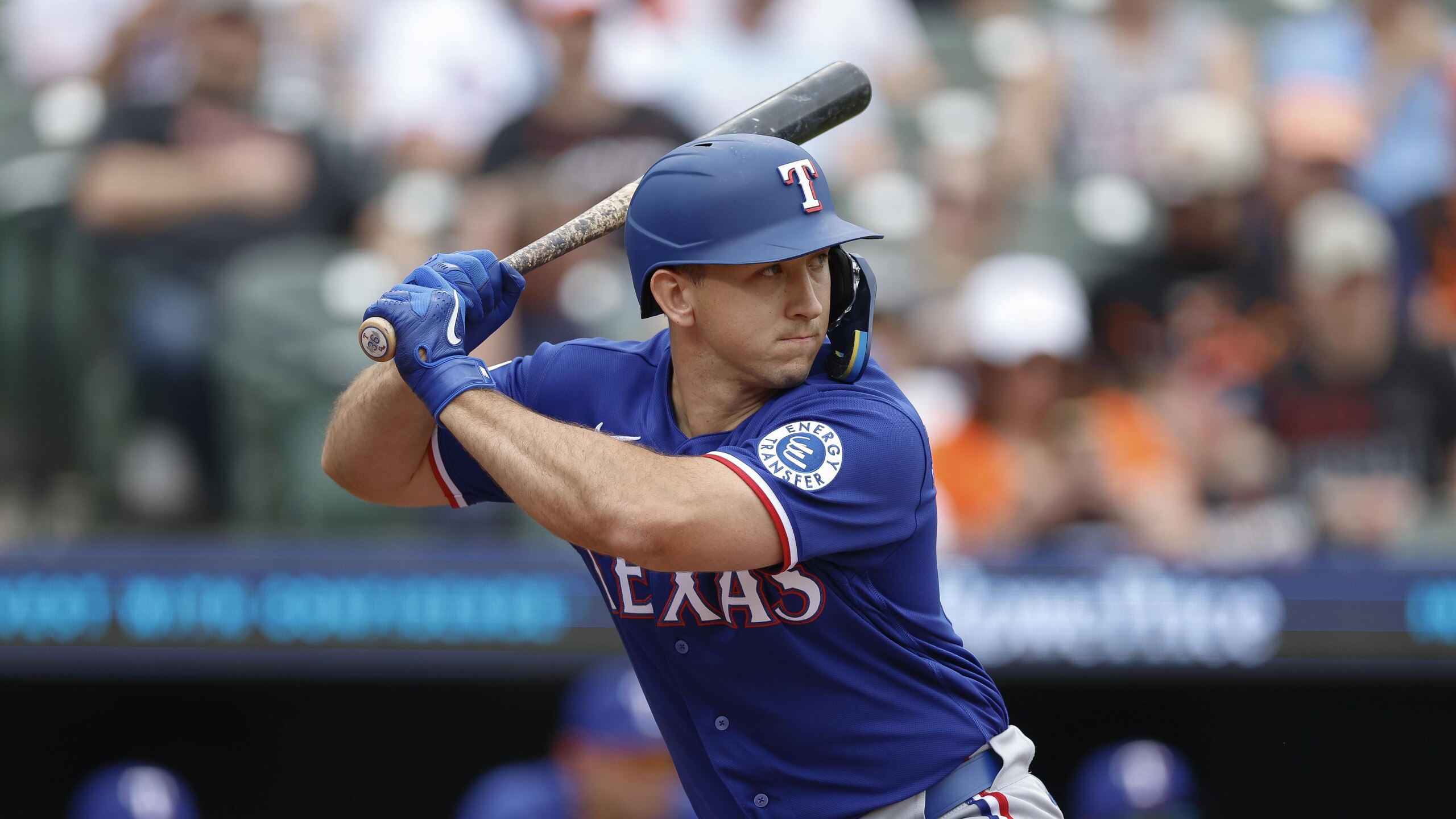
Stats: 51 PA, .160/.176/.280, 8 H, 4 XBH, 1 BB, 13 K
Panic Meter: 3/10
Wyatt Langford spent just 44 games in the minors before winning a spot on the Opening Day roster in 2024, and even after a 22-homer, 22-steal, 5.6-WAR season last year, it still felt like he had not yet reached his full potential.
With those strong final numbers in mind, it's worth mentioning that he struggled mightily in May (120 PA, .189 BA, 34 K). In other words, he has slumped before and still turned in a terrific bottom line.
The one walk in 51 plate appearances is the stat that really jumps off the page, especially considering his strong 12.9 percent walk rate a year ago, but that could be a product of overaggressiveness in response to his slow start. If this happened in May again instead of April, we might not even be talking about it.

RP Adrián Morejón, San Diego Padres
4 of 7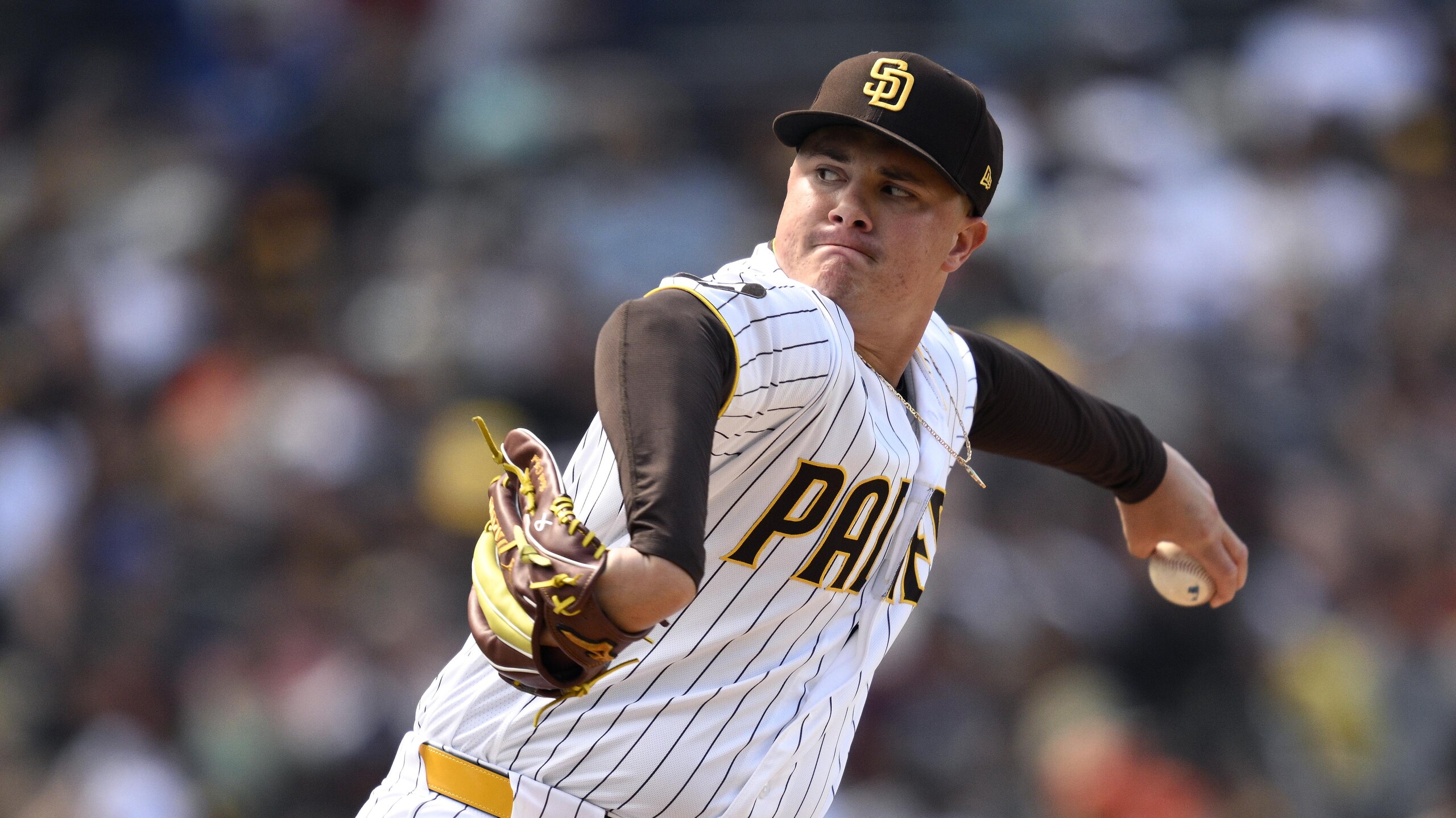
Stats: 4 G, 2 BS, 10.80 ERA, 2.20 WHIP, .400 BAA
Panic Meter: 5/10
A non-closer reliever might seem like an out-of-place inclusion on a list framed around MLB stars, but Adrian Morejón was one of the most overpowering relievers in baseball last season.
The 27-year-old had a 2.08 ERA and 0.90 WHIP in 75 appearances last season, allowing just 49 hits in 73.2 innings, and he earned an All-Star selection for his efforts.
So far this year, he has allowed runs in three of his four appearances, including a pair of blown saves. His velocity is actually up (97.7 to 99.0 mph), he's just getting hit hard, which suggests poor command in the zone.
There's no major red flag, but the volatility of relievers and his short track record of dominance are enough to elevate the panic meter.
SP Eury Pérez, Miami Marlins
5 of 7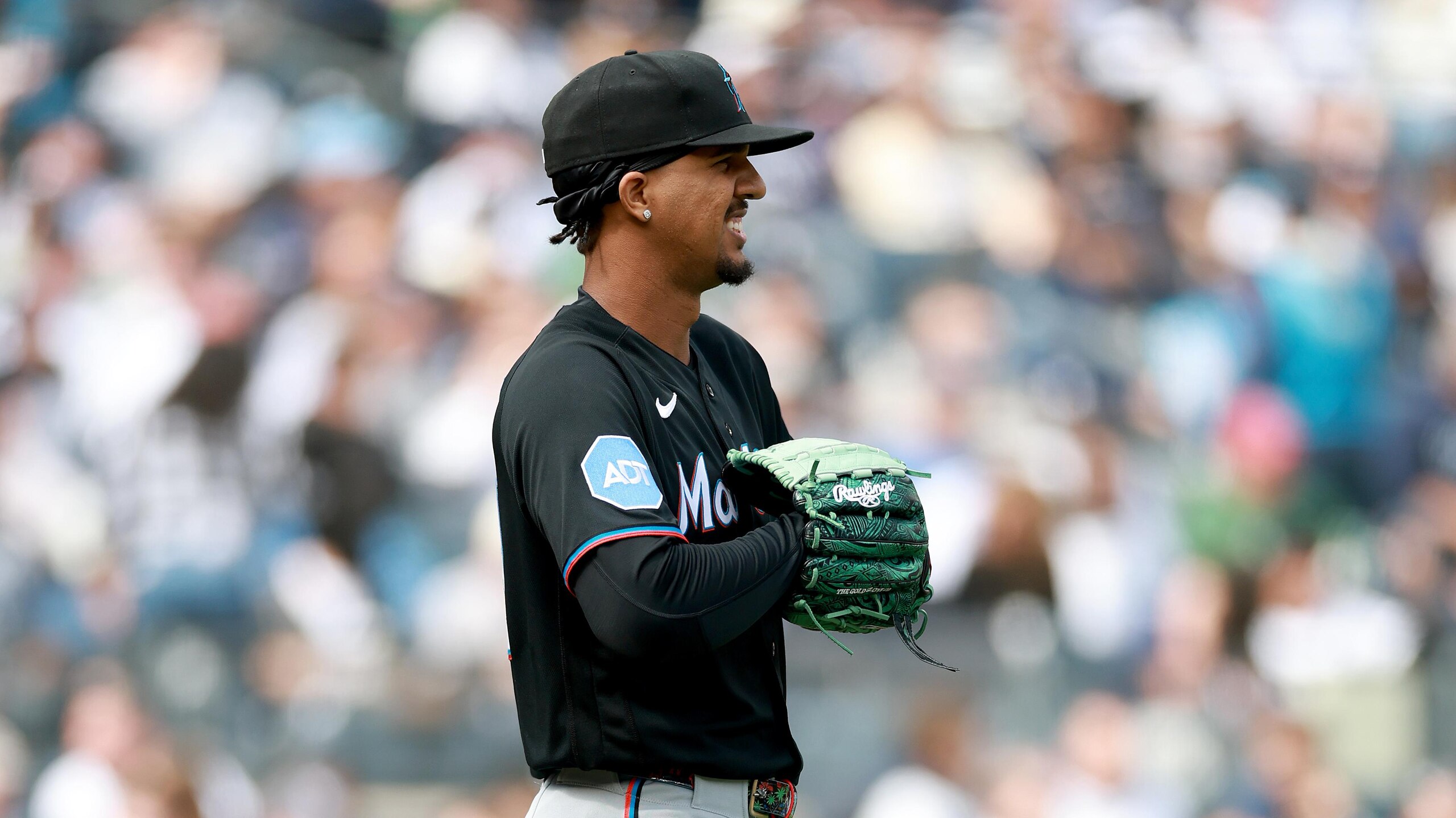
Stats: 3 GS, 1-1, 5.06 ERA, 1.38 WHIP, .217 BAA
Panic Meter: 5/10
After missing the entire 2024 season recovering from Tommy John surgery, Eury Pérez returned with the usual rust last season, but still showed flashes of his future ace potential with a 4.25 ERA and 105 strikeouts in 95.1 innings.
With a full offseason of rest and a normal ramp up to Opening Day, he was a popular breakout pick entering the season. He allowed five hits and three earned runs in seven innings in his first start of the year, though that strong bottom line disguised the fact that he served up two home runs.
In his second start, his command disintegrated. He issued six walks and allowed four earned runs in four innings of work while throwing 84 pitches. That put Wednesday's start under a microscope, and while he earned the win, he was far from dominant with six hits, two walks and four runs (two earned) allowed over five innings.
C Cal Raleigh, Seattle Mariners
6 of 7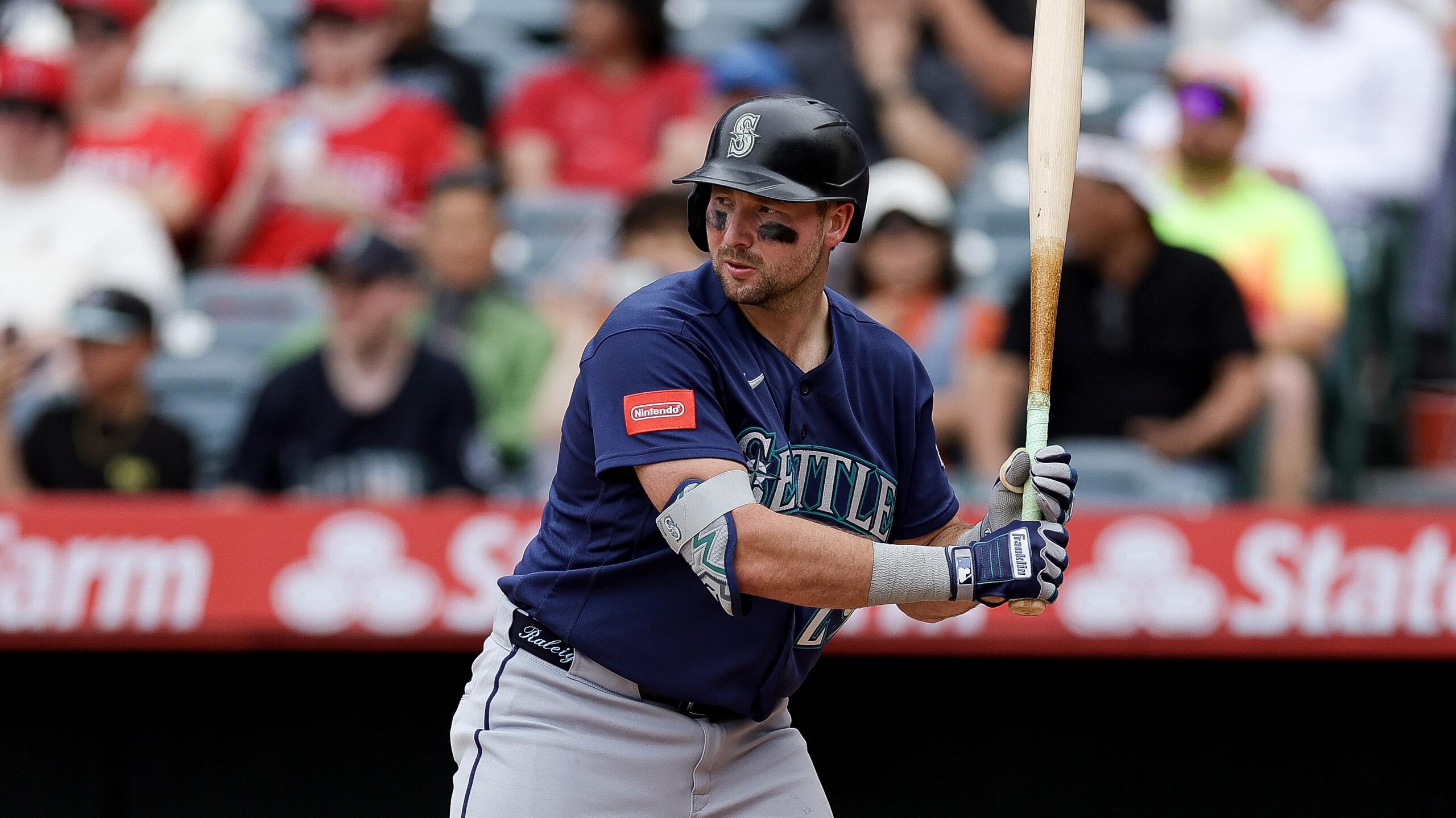
Stats: 55 PA, .143/.236/.245, 7 H, 3 XBH, 6 BB, 21 K
Panic Meter: 7/10
Some level of regression was to be expected from Cal Raleigh on the heels of his historic 60-homer, 7.4-WAR season, but a 59 OPS+ through his first 12 games is alarming.
Strikeouts have always been a part of his game, and he whiffed 188 times last year, but his strikeout rate has spiked from 26.7 to 38.2 percent in the early going this year.
He also went 0-for-9 with five strikeouts in the World Baseball Classic, and while it's worth mentioning that he hit .184/.286/.347 through his first 13 games last season before catching fire, the staggering strikeout rate has added another level of concern to this year's glacial start.
SS Trevor Story, Boston Red Sox
7 of 7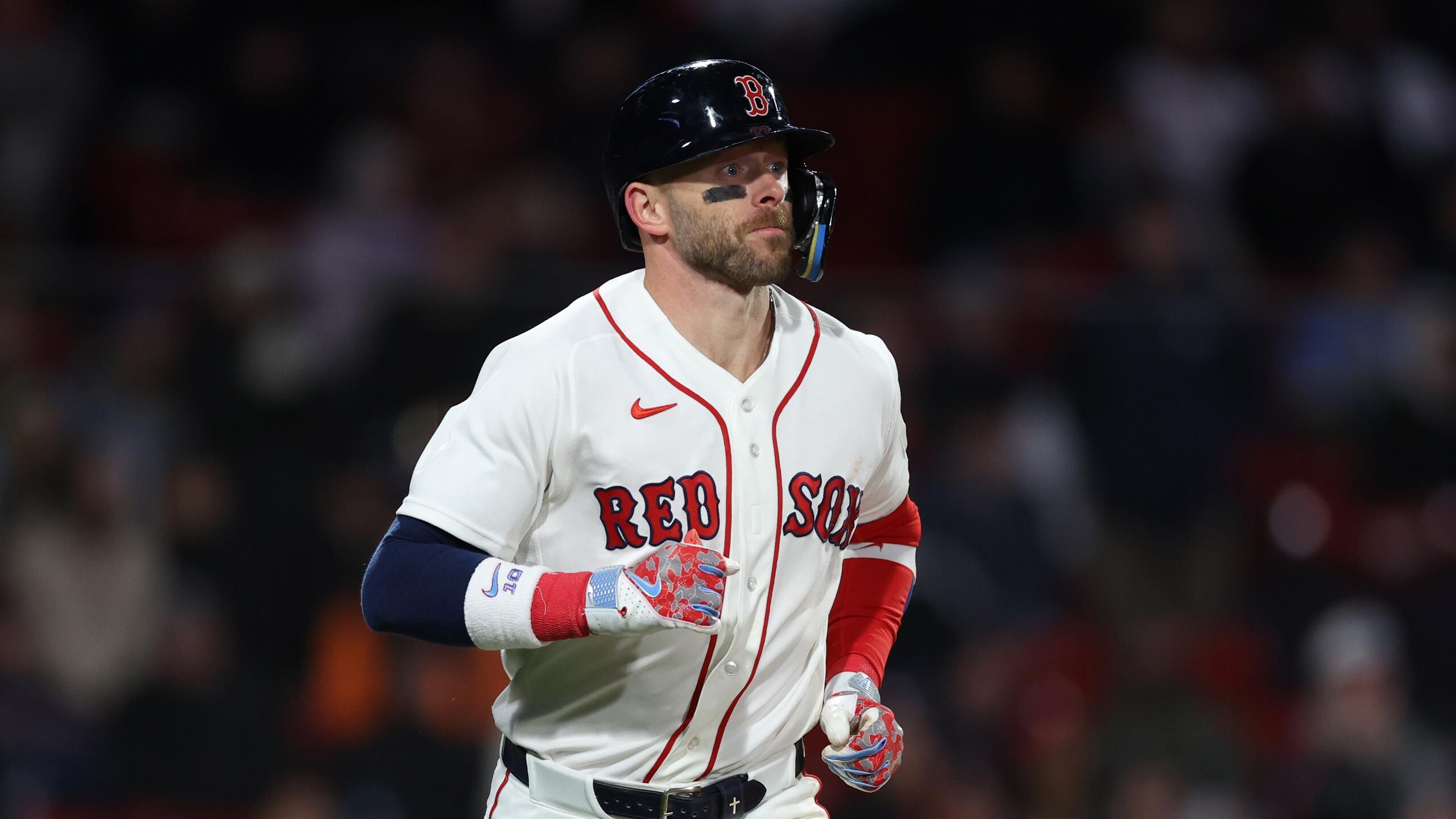
Stats: 55 PA, .151/.145/.245, 8 H, 3 XBH, 0 BB, 19 K
Panic Meter: 8/10
Over the first three seasons of his six-year, $140 million deal with the Red Sox, shortstop Trevor Story battled injuries and ineffectiveness to tally just 4.1 WAR in 163 games.
After his contract was shaping up to be a major bust, he rebounded to post a 106 OPS+ with 29 doubles, 25 home runs, 96 RBI, 91 runs scored, 31 steals and 3.8 WAR in 157 games last season, shoring up the Red Sox infield in the process.
The slow start this year is not just surface-level. His 48.6 percent chase rate (1st percentile), 35.3 percent strikeout rate (10th percentile) and zero walks all suggest it might be time to flip the protective cover open on the hypothetical panic button.
.jpg?w=2560 "Purdy Becomes Highest-Rated QB EVER 🤩")
.jpg?w=2560 "Grading WWE Raw 🔠")