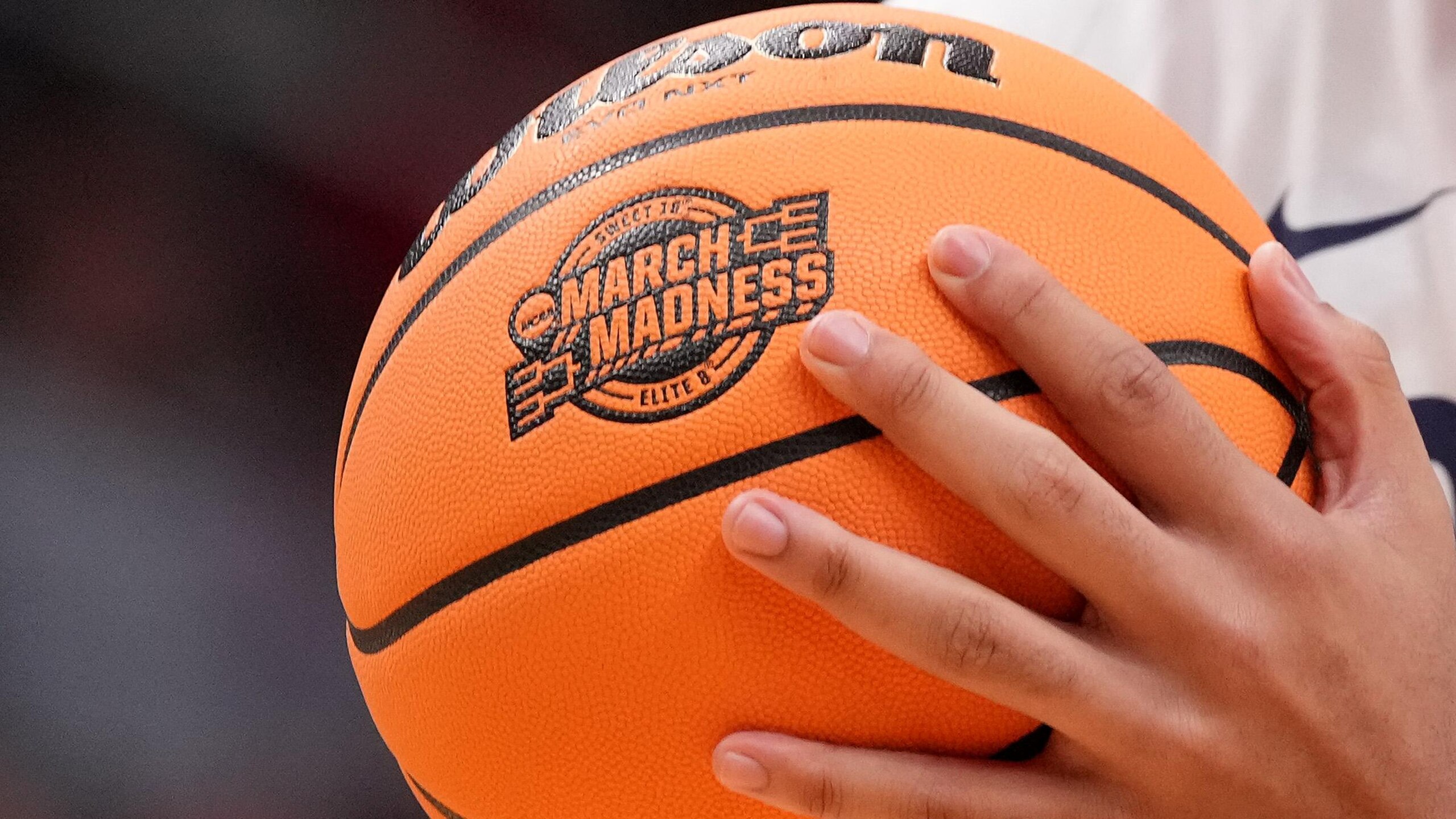

NCAA Eyes Eligibility Rule Changes for Players Who Remain in Pro Sports Drafts
The NCAA Division I Cabinet is considering a rule change that would prevent college athletes who remained in a opt-in professional drafts from maintaining their college eligibility, according to the Associated Press.
The exception to that rule would be for baseball and hockey players, since athletes don't opt into those drafts.
"These proposed changes reflect ongoing work by Division I members to modernize our rules to align with the current era of college sports," Illinois athletic director Josh Whitman and Division I Cabinet chair said in a statement. "As Division I members proceed with reviewing all eligibility rules in the months ahead, our focus will be establishing rules that have objective criteria that can be consistently applied for both prospects and current student-athletes."

.jpg?w=2560 "49ers Football")
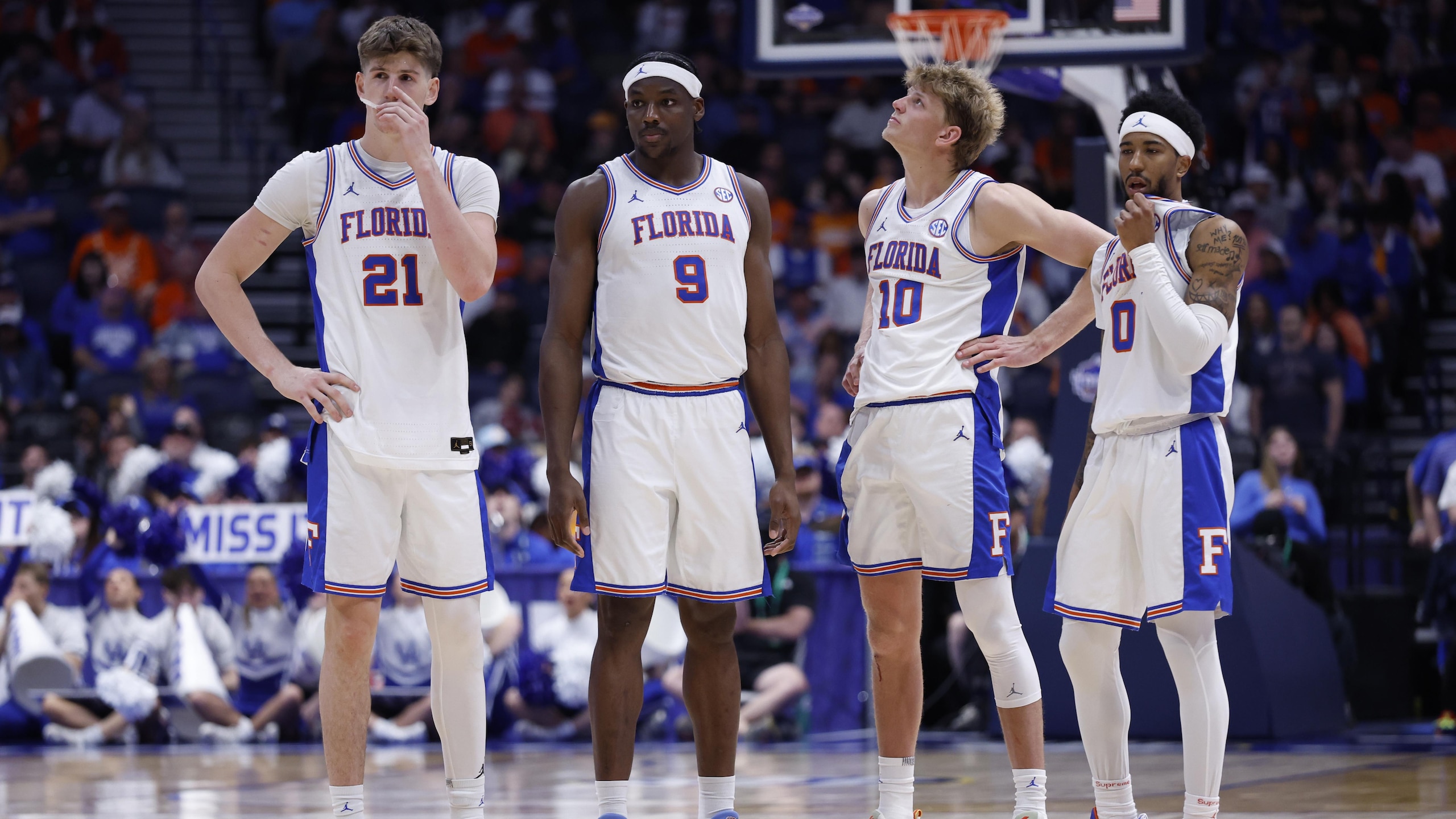
The proposed rule change follows Charles Bediako playing for the Alabama men's basketball team this season after opting into the 2023 NBA draft and playing in the G League for three seasons. He originally played for Alabama for two seasons before entering the draft.
Bediako's situation was the subject of legal battles and he sued the NCAA after it initially denied his return. Bediako argued he still was within his five-year eligibility window and a temporary restraining order allowed him to play five games during his appeal before the order was lifted, ending his season.
Baylor's James Nnaji also played for the men's basketball team this season after opting into the 2023 NBA draft. He was a second-round pick of the Detroit Pistons but never signed a contract with the team and never played in the G League, instead continuing his basketball career overseas. He appeared in eight games for the Bears this season.
The NCAA Division I Cabinet is also considering two proposals from the Academics and Eligibility Committee. The first would allow college athletes to sign with an agent before enrolling at a school, rather than simply using an agent for NIL purposes. The second would allow college athletes to earn prize money in their respective sport.
.jpg?w=2560 "Grading WWE Raw 🔠")