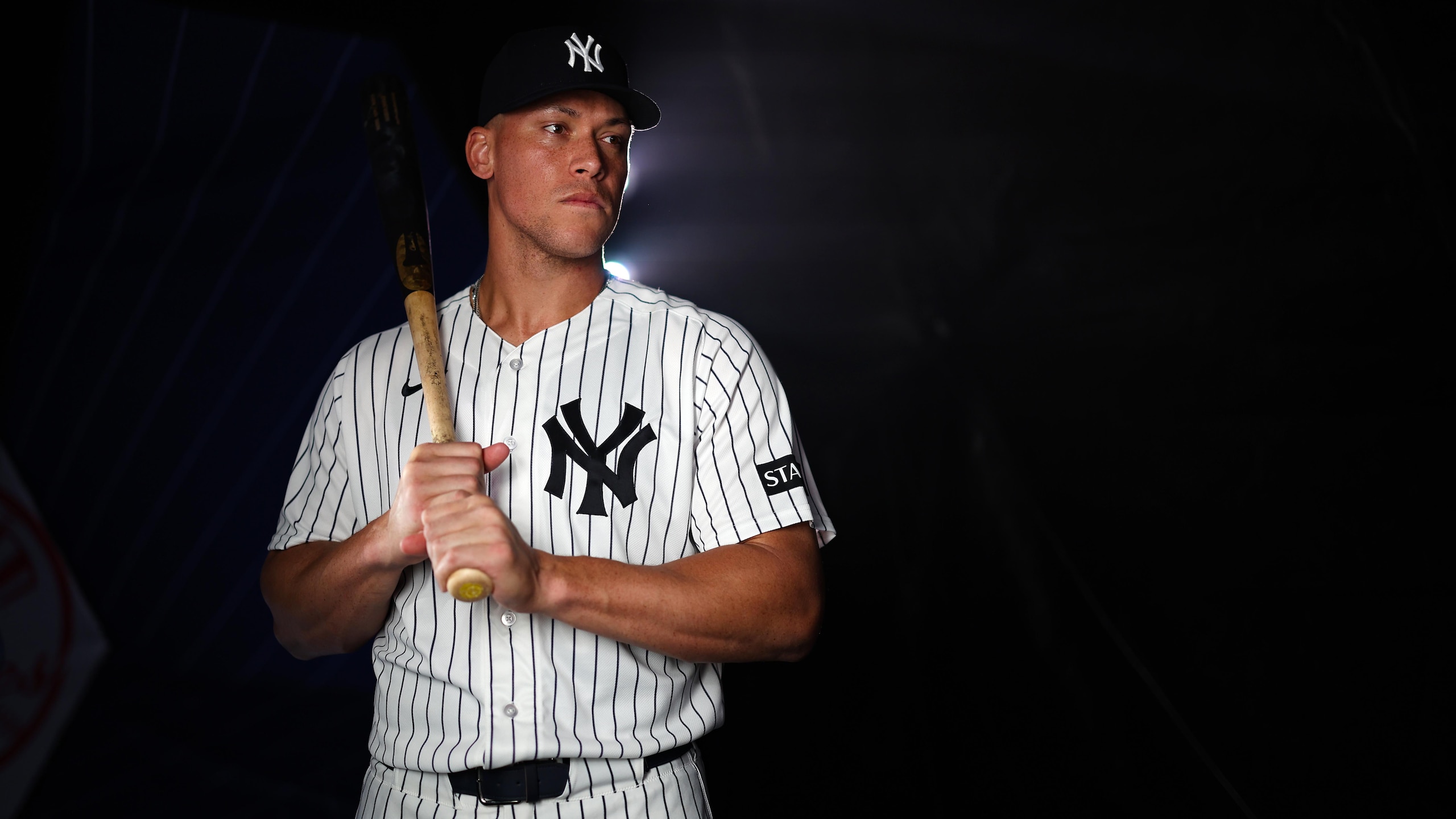

Explaining the MLB Pace-of-Play and More Rule Changes for 2026 Season
The 2026 Major League Baseball season is set to begin on Wednesday, with a standalone game between the New York Yankees and San Francisco Giants. In other words, it's time to officially turn the page from the World Baseball Classic to the race for the World Series.
As is the case almost every year, Wednesday's opener will feature some rules tweaks that may seem unfamiliar at first glance.
The most noteworthy change for 2026 is the introduction of the Automated Ball-Strike Challenge System (ABS). The rule is being adapted from the minor leagues, where it has been tested since 2022, and will allow players to challenge an umpire's subjective ball/strike call with a review based on the computer-measured strike zone.
TOP NEWS
Brewers Beat Dodgers In Game 1

Ranking the Top 25 MLB Trade Chips For 2026-27 Offseason 🔢

2026 MLB Playoffs Winners and Losers ⚾
From MLB.com:
"The ABS Challenge System monitors the exact location of each pitch, relative to the specific batter's zone. Players can request a challenge of a ball or strike call they feel the umpire got wrong, and, when they do, a graphic displaying the result is then transmitted over a 5G network from T-Mobile's Advanced Network Solutions and nearly instantaneously shown to those in attendance via the videoboard and to home viewers via the broadcast."
The new ABS challenge system is designed to be a sort of middle ground between traditional plate calls and a computer-only "robot umpire" system. The ABS system does carry some caveats, though.
For one, each team starts the game with only two challenges, though it will retain a challenge if successful. Per MLB.com, "a team only loses its challenge if the umpire's call is confirmed."
Teams cannot gain a third challenge unless the game goes into extra innings. If a team is out of challenges at the start of an extra inning, it will gain an additional challenge for that inning.
Secondly, an ABS challenge can only be requested by a batter, pitcher, or catcher and "must be made immediately after the umpire's call, without assistance from the dugout or other players."
A player can initiate an ABC challenge by tapping his cap or helmet to alert the umpire. Players are "encouraged" to vocalize their intent to challenge, but the head-tapping motion is viewed as the official signal.
Lastly, ABS challenges will not be permitted following replay reviews or when a position player is pitching. They also won't be part of games that take place in non-MLB ballparks—like the Mexico City Series and the Field of Dreams game—due to technological constraints.
Umpires can also deny challenges if they believe a challenging player received direction from a manager or player not permitted to issue a challenge themselves.
The ABS challenge system is the biggest change fans will notice in 2026, but it isn't the only one. Major League Baseball is also introducing rules to help clean up base coaching and infield interference.
Base coaches on first and third will now be required to stay within a designated box. From MLB.com:
"Umpires will be instructed to ensure base coaches are within the parameters of the box while the pitcher is on the rubber. ...The base coach positioning guidance is MLB's answer to an increasingly prevalent trend in which coaches would move out of their designated boxes to get better angles to steal signs by reading pitchers' grips."
Umpires will first issue a warning for infractions, but base coaches can be ejected for repeatedly violating the rule.
Base runners, meanwhile, will be prohibited from initiating contact with infielders "with the intent to draw an obstruction call."
Base runners who violate the rule will be called out, and all other base runners will return to their previous bases.
While both the ABS challenge system and the enforcement of base-coach boxes may add a little extra time to games, reducing the number of questionable interference calls should help MLB maintain its newfound faster pace of play. The shortened pitch clock implemented in 2024 will remain, and fans should still enjoy relatively quick and steady gameday experiences.
Just don't be shocked when a seemingly big moment is halted by a review.

.jpg?w=2560)
.jpg?w=2560 "Cam Ward Says He's Not A Loser")
.jpg?w=2560 "Chargers Fall to 0-5 🤢")

.jpg?w=2560 "Grading MHJ Trade 📝")