
NBA Starters Hurting 2026 Playoff Teams
NBA starting lineups are only as strong as their weakest links, and that's never truer than in the playoffs.
Identifying those weak links might not be as intuitive as you think. Jaylen Brown is going to finish somewhere near the top of several MVP ballots, but his Boston Celtics are 7.8 points per 100 possessions worse when he's on the floor—the largest negative swing of any player with as many minutes as Brown has played. Good luck making the case that he's somehow hurting the Celtics.
By definition, all of the players we'll nominate have multiple valuable skills and the ability to positively impact their teams. They're starters! On postseason-bound squads! Of course, they're all pretty good.
That said, each of them has limitations that opponents will exploit. Let's pick out a few obvious trouble spots on playoff and Play-In teams.
Draymond Green, Golden State Warriors
1 of 5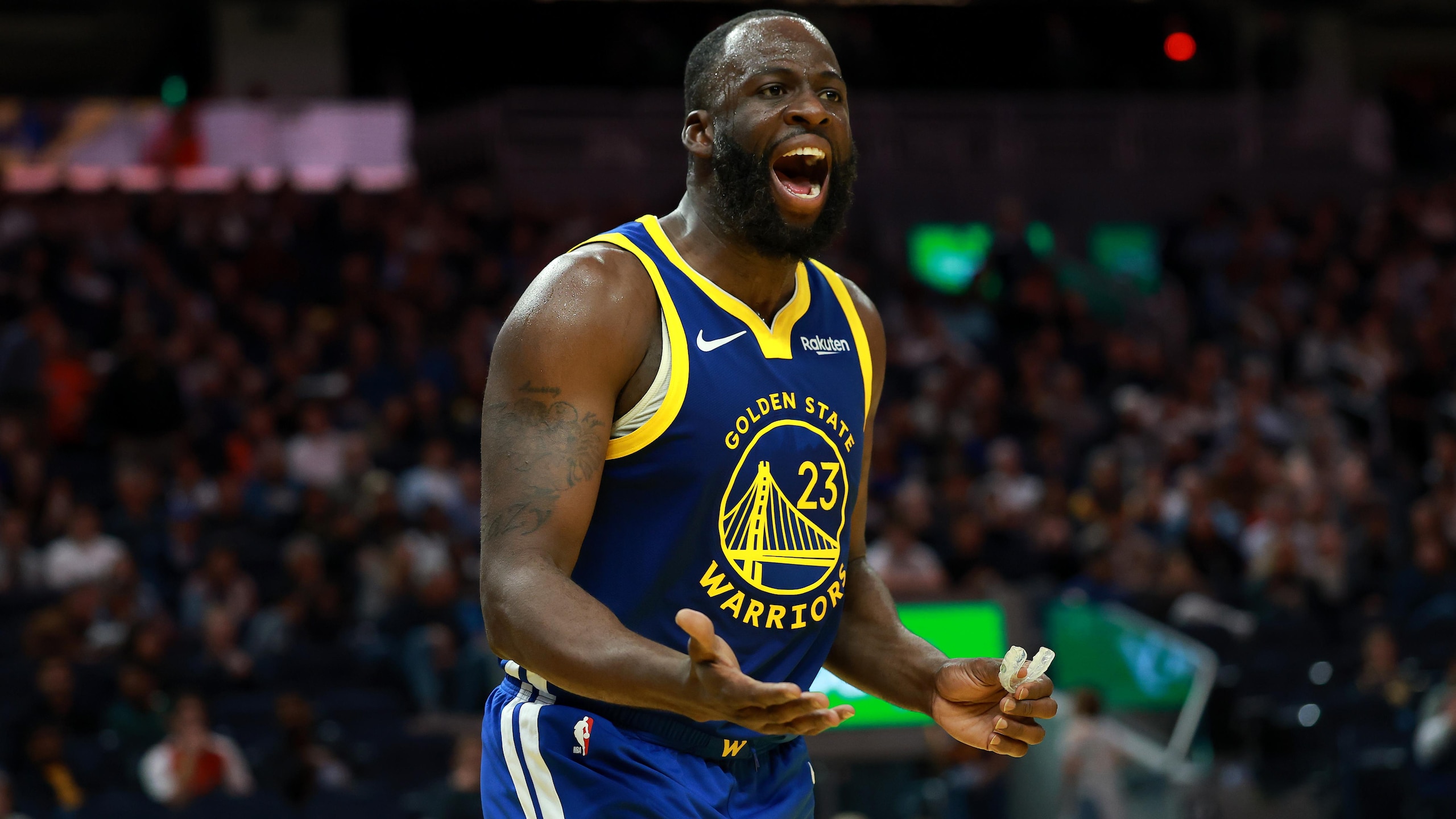
Even while Draymond Green's offensive limitations have been an issue for years, this is the first time since his rookie season that the Golden State Warriors are demonstrably better without their veteran forward.
The Dubs' net rating is 5.2 points per 100 possessions worse with Green on the court. Their offense is 6.2 points per 100 less efficient. They shoot less accurately, turn the ball over more often and get to the foul line at a lower frequency during Green's minutes. Individually, Green's minus-1.4 Estimated Plus/Minus, dragged down by a minus-1.9 Offensive EPM, is also his worst showing since 2012-13. Ditto for his offensive Box Plus/Minus, just to emphasize agreement between more than one catch-all metric.
As you'd expect, things look much better for Green when Stephen Curry is in the game. Golden State scores 120.6 points per 100 possessions when Green shares the floor with Curry, an 86th percentile figure. But the two-time MVP is on the cusp of missing two full months, and Green's inability to make a positive overall impact with anyone else highlights those Curry/Green minutes as the clear outlier.
When Green is on the floor without Curry, the Warriors have a minus-12.3 net rating and a 101.2 offensive rating, both of which rank in the first percentile.
Green was an All-Defense first-teamer last season and can still hit that level occasionally. What we've seen this season makes it clearer than ever that Green's defense, alone, isn't enough to offset his diminishing effectiveness on the other end—particularly when Curry isn't on the court with him.
Shaedon Sharpe, Portland Trail Blazers
2 of 5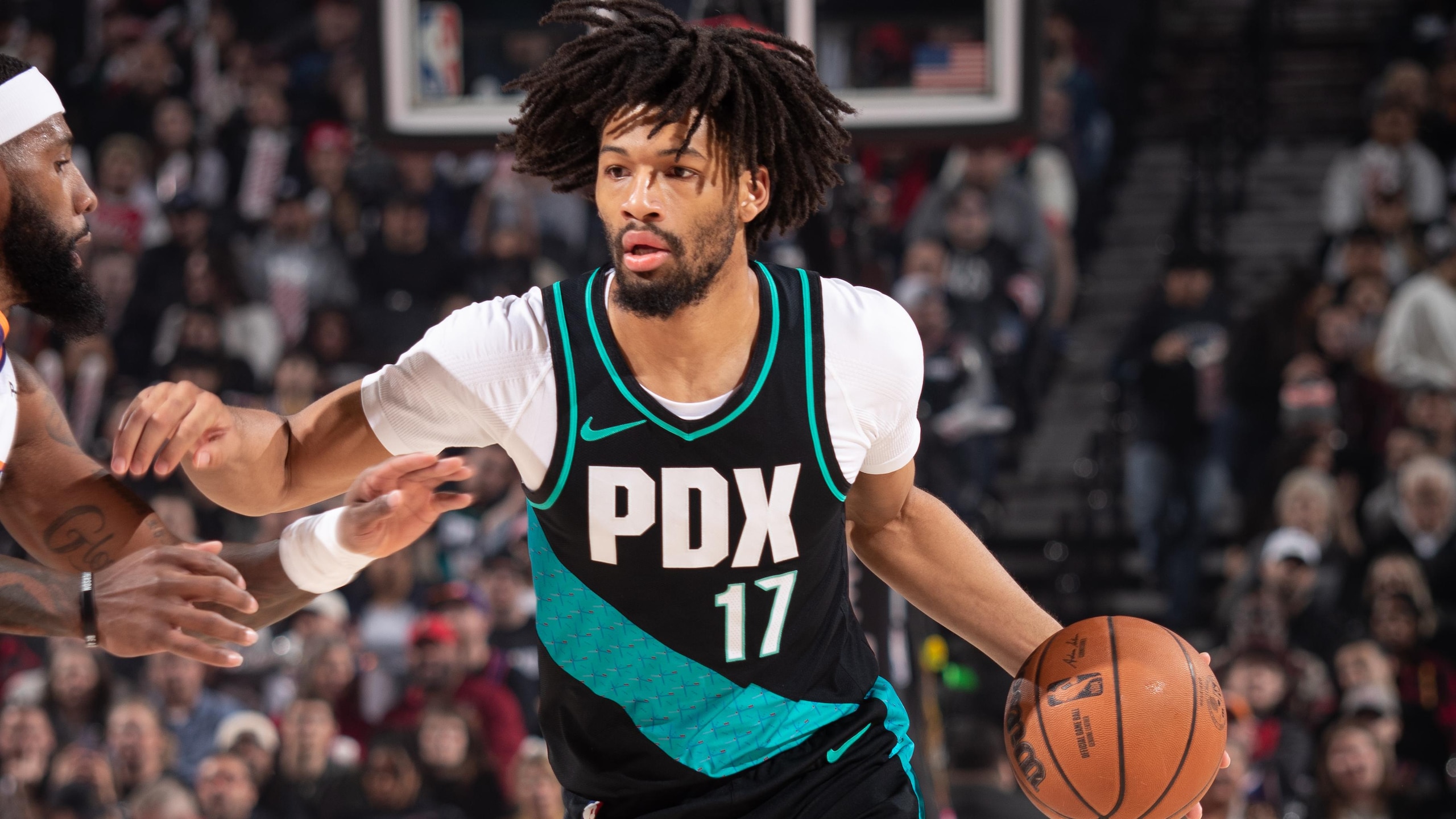
Shaedon Sharpe falls into a category of players who are often overrated. We love supremely athletic wings who pile up highlights and move with uncommon grace and power. We really love them when they average at least 20.0 points per game, which Sharpe was doing before a calf strain shelved him on Feb. 6.
He'd started 42 of the 48 games he'd played for the Portland Trail Blazers at that point. Sharpe wasn't all that helpful.
Sharpe's scoring is of the classically empty variety. Among players who've started at least 40 games and posted a usage percentage of at least 30.0 percent, Sharpe's true shooting percentage is the lowest in the league.
He has 18 more turnovers than assists and is an abysmal mid-range shooter who takes way too many of them. A whopping 17.0 percent of Sharpe's field-goal attempts are classified as long mid-rangers, which ranks in the 94th percentile at his position.
Defensively, Sharpe provides little disruption and lacks the strength to handle his positional peers.
This is all an analysis of where Sharpe is right now—or rather, where he was prior to injury. At 22 and after having shown real growth across each of his four pro seasons, the former No. 7 overall pick should continue to improve. He's a negatively impactful player according to BPM and EPM, but at least the damage isn't as great as it was earlier in his career. That counts as progress.
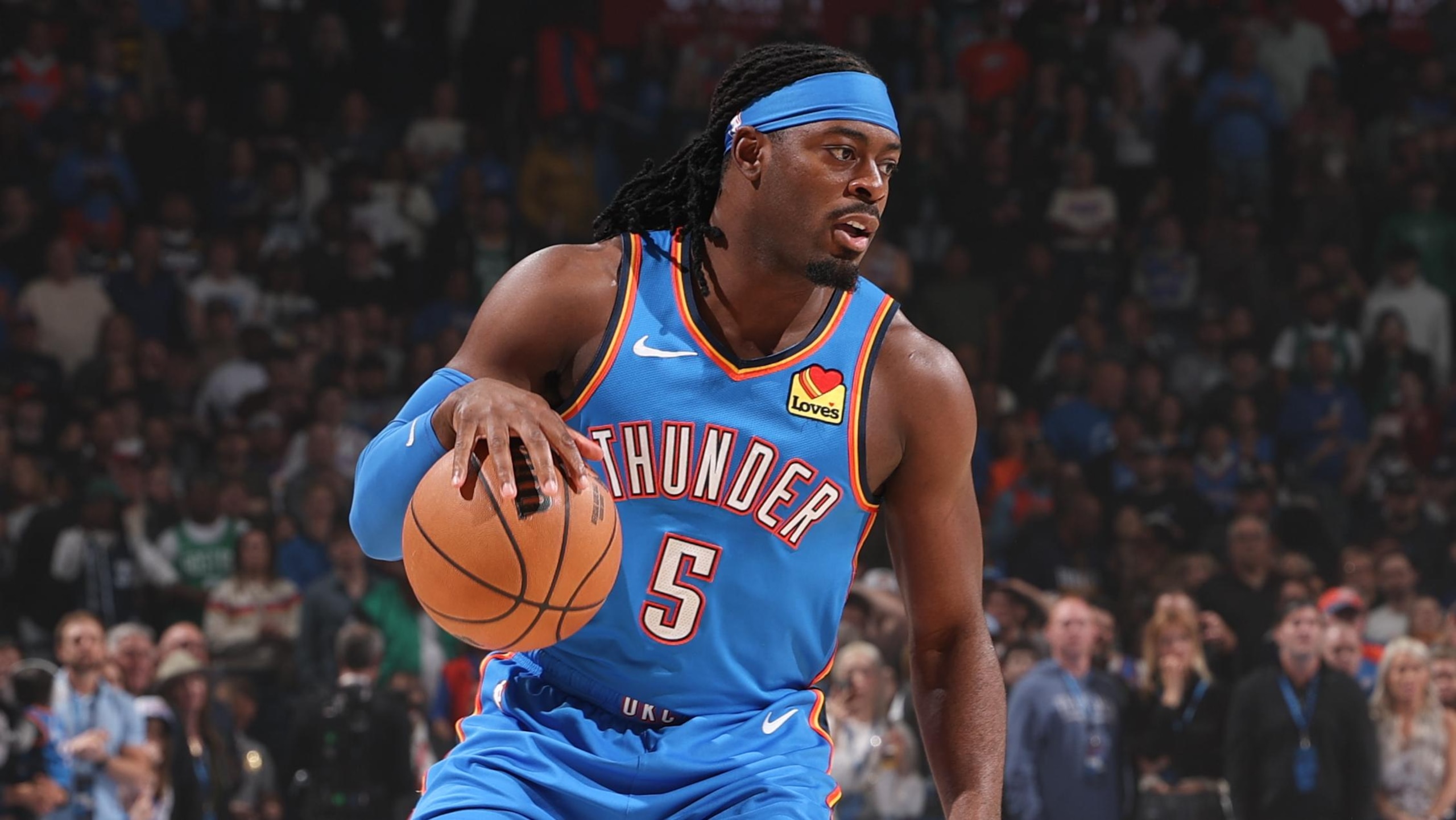
Lu Dort, Oklahoma City Thunder
3 of 5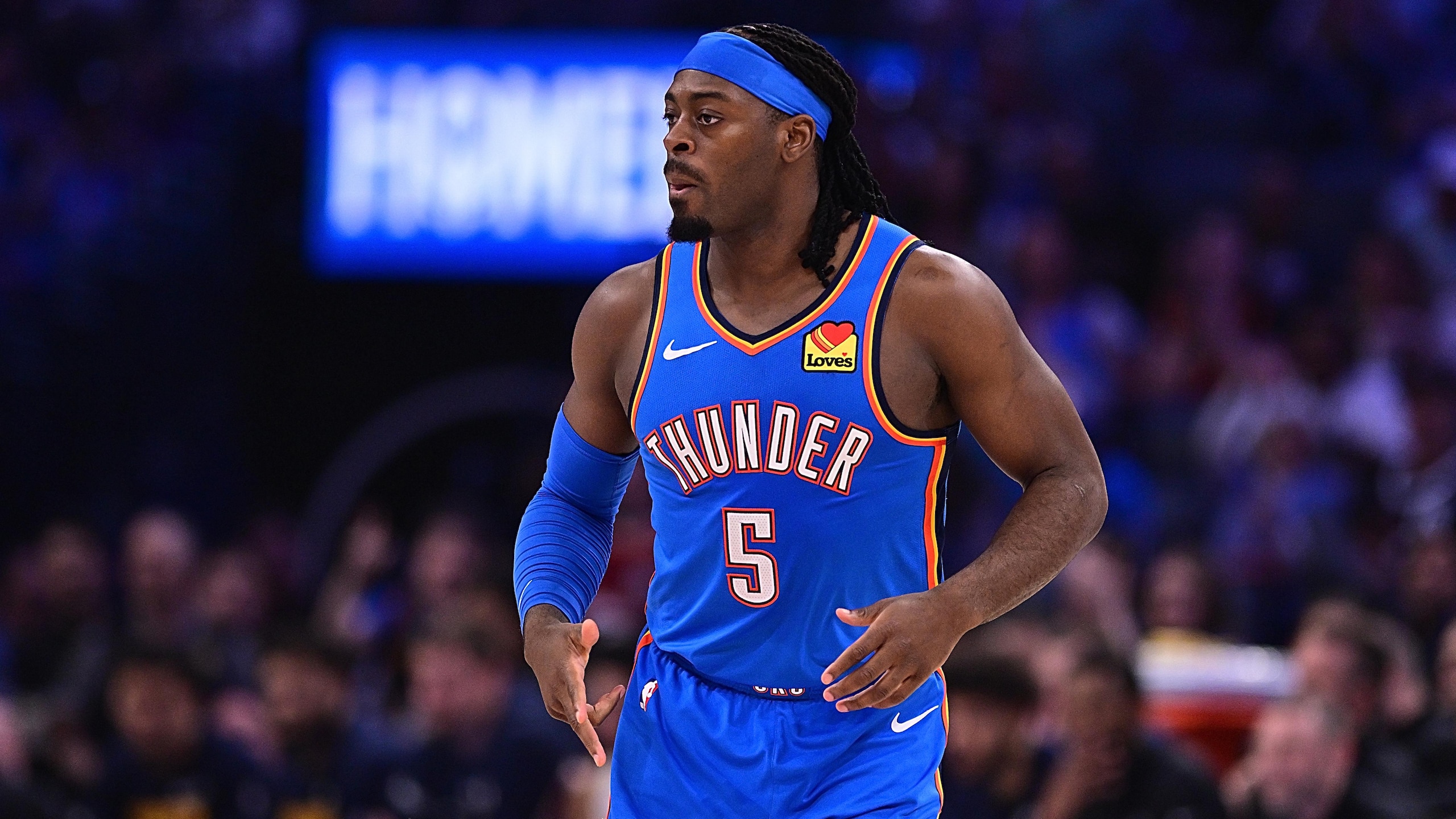
Lu Dort is a punishing defensive force who can make life difficult on opposing scorers across the positional spectrum, but the Oklahoma City Thunder have several of those. All of them are more dangerous on offense than this year's version of Dort, who's only hitting 33.0 percent of his treys.
Defenses often had no choice but to ignore Dort last season, when he was hitting 41.2 percent of his triples. OKC had too many other threats, and a Dort trey attempt meant Shai Gilgeous-Alexander, Jalen Williams and Chet Holmgren ( to say nothing of offensive specialists like Isaiah Joe and Aaron Wiggins) weren't shooting.
Now that Dort is a long way below the league average from deep while making just 37.4 percent of his shots overall, defenses that totally ignore him aren't paying a price.
Oklahoma City is 8.8 points per 100 possessions worse with Dort on the floor than off, and he currently ranks in the 14th percentile among wings in points per shot attempt.
There's value in a player embracing the thankless job of defending tough matchups while always playing hard, but the Thunder can find those qualities in other players who don't come with the same offensive compromises.
Alex Caruso, Cason Wallace and Williams are close enough to Dort defensively (and in Caruso's case, better), and all of them bring much more to the offensive end of the floor. If Dort gets left alone by postseason defense and bricks a few threes, he could be subject to a quick hook.
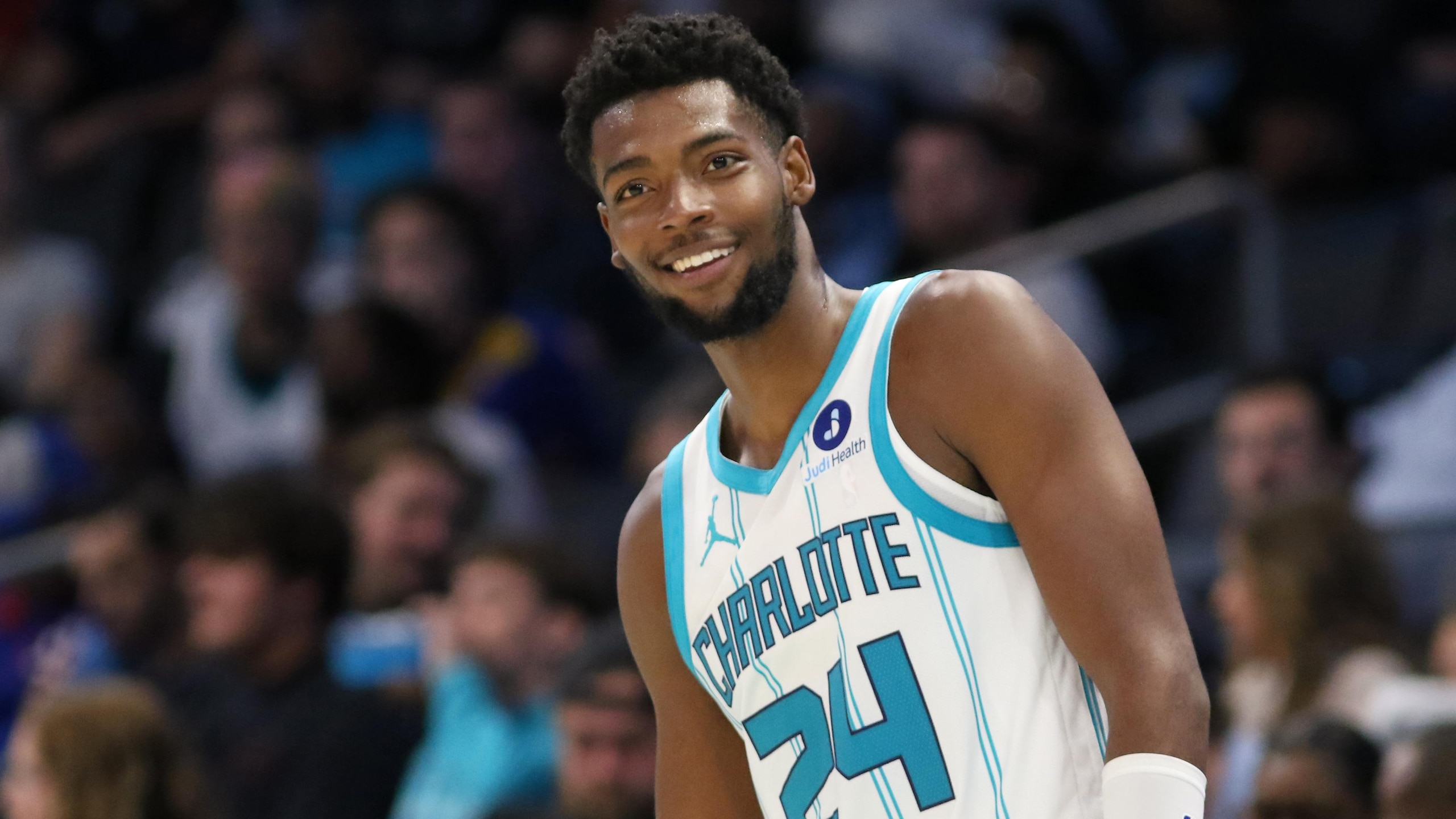

Christian Braun, Denver Nuggets
4 of 5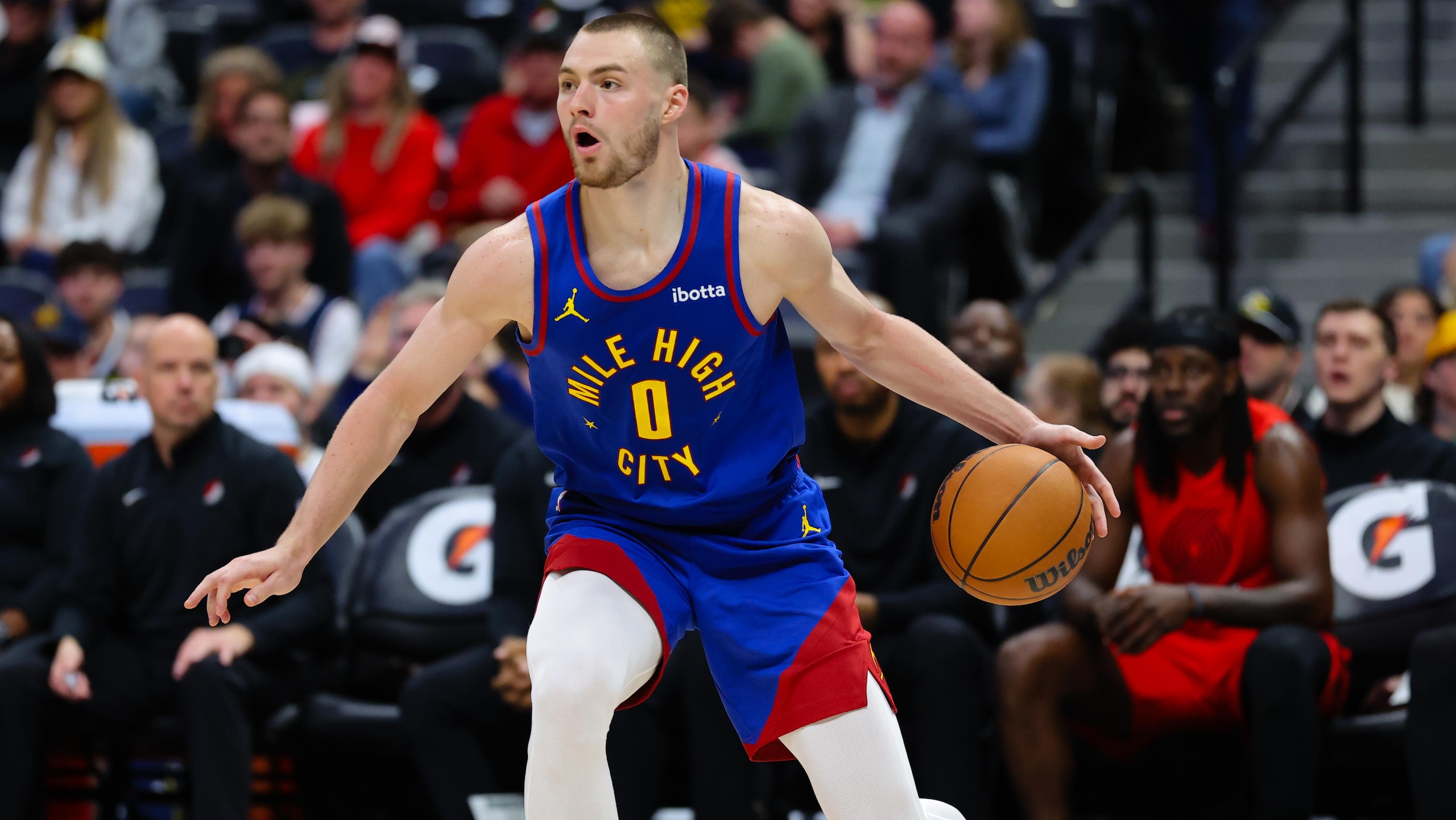
The Nikola Jokić Effect isn't technically trademarked, but it's real. Players around him are more productive on offense because of his elite setup artistry and scoring chops.
That's why Christian Braun's rough season matters so much.
Yes, the Denver Nuggets are 8.0 points per 100 possessions better with Braun on the floor than off the floor, but that's mostly because of the time he shares with Jokić. When Braun logs time without the NBA's ultimate safety blanket, Denver gets hammered by 10.5 points per 100 possessions. No surprise there, as Braun doesn't create shots for himself and is perhaps more dependent on Jokić than any other Nuggets player. A whopping 82.4 percent of his two-point shots come via assists, while an even larger share of his threes, 88.2 percent, are of the spoon-fed variety.
Braun is only hitting 30.2 percent of his threes this season. He's at just 22.7 percent on treys deemed "open" (defender is 4-6 feet away) and only 33.0 percent when he's "wide open" (defender is at least six feet away). Those are shockingly poor conversion rates given Braun's easy shot diet.
Braun competes on D but doesn't have the size to handle the league's big wings or the quickness to chase lightning-bug point guards. He grades out as a positive on defense according to EPM, but not by much. His woes are certainly not enough to offset his lackluster offensive performance.
Don't be surprised if some combination of Peyton Watson, Tim Hardaway Jr., Bruce Brown and Julian Strawther eats into his postseason minutes.
Marcus Smart, Los Angeles Lakers
5 of 5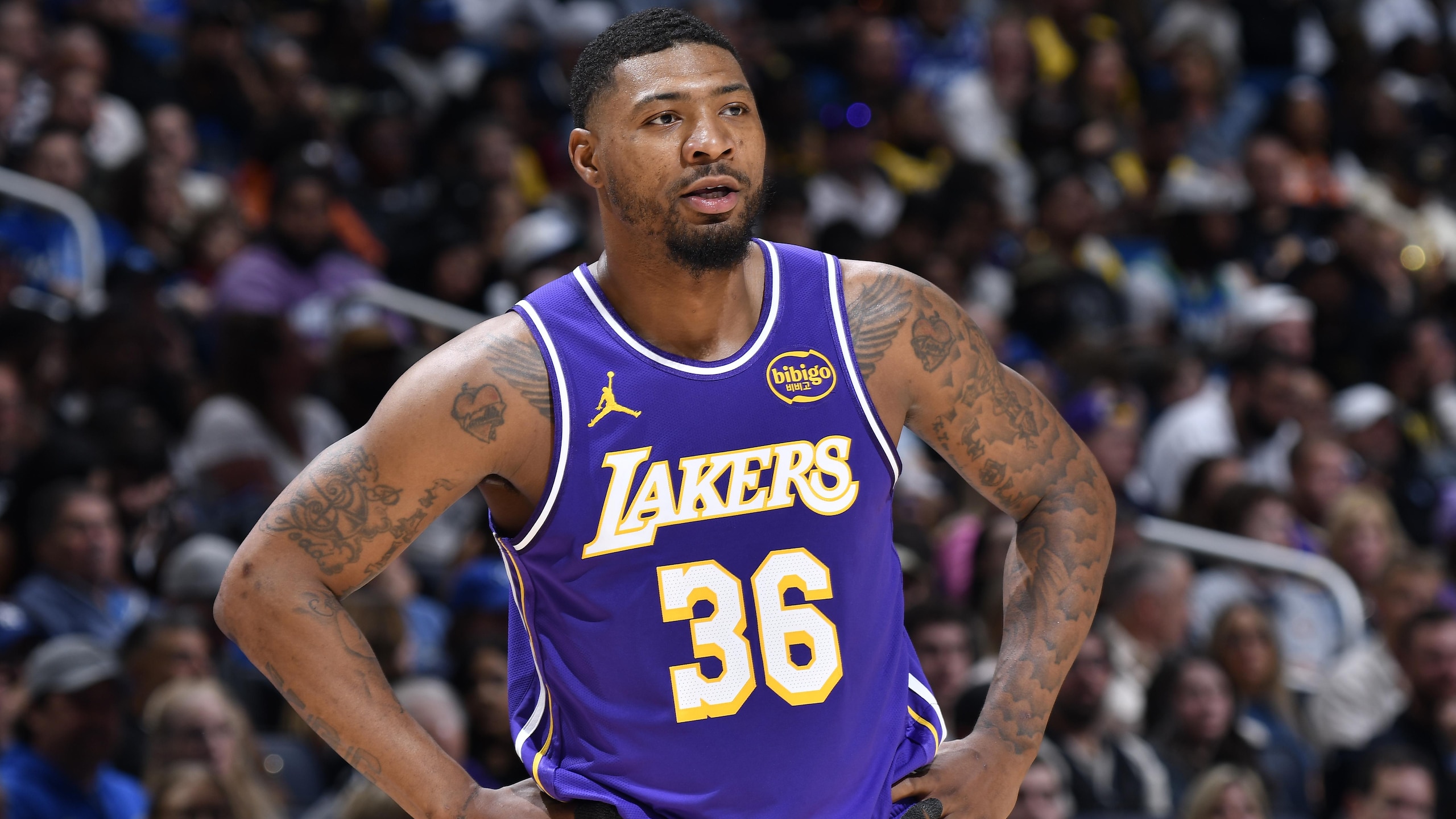
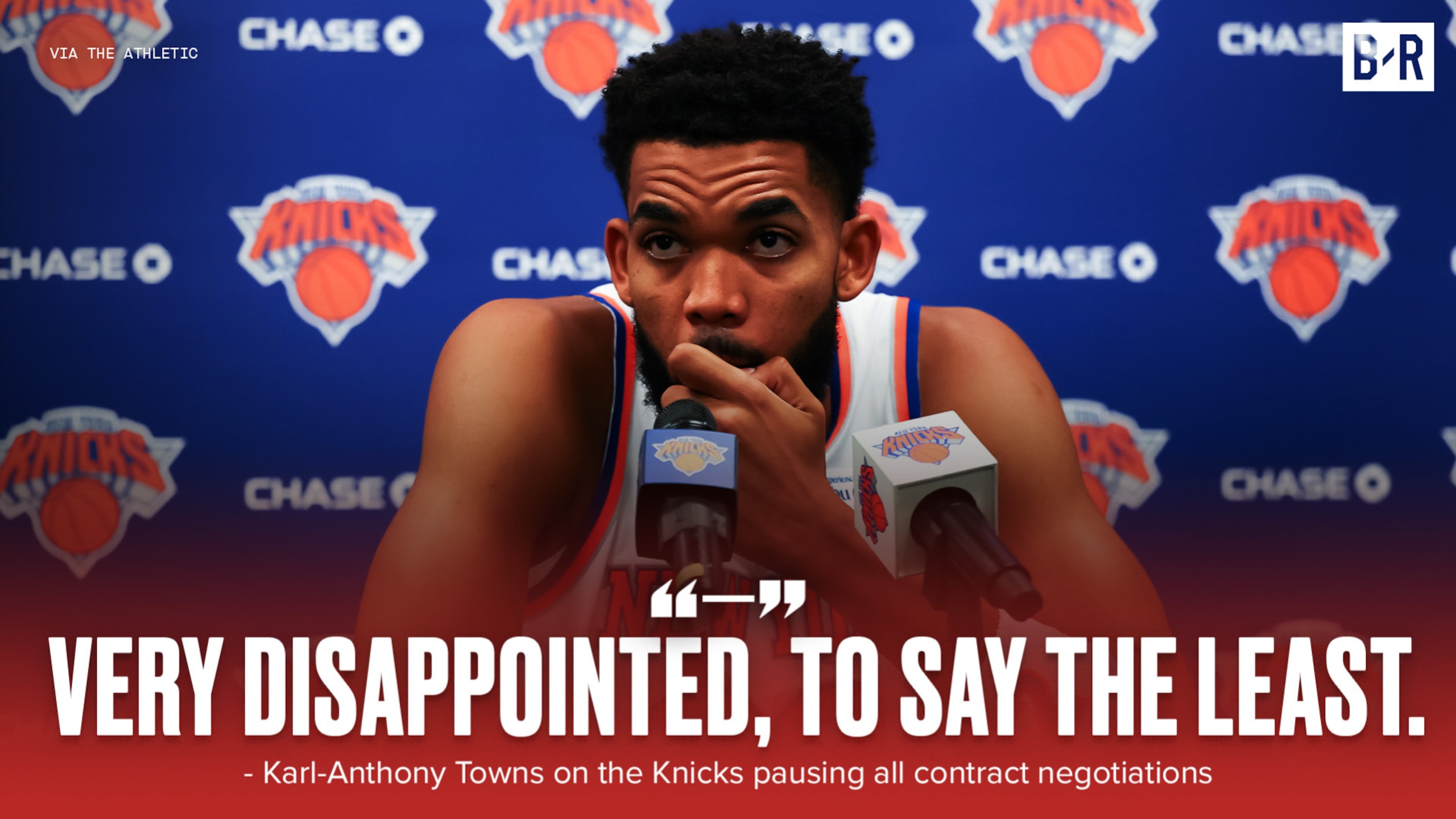
These kinds of criticisms can spark some sensitivity, so we're just going with the math for our final nomination. By the numbers (or at least one number, Box Plus/Minus), Marcus Smart's minus-2.4 BPM is the second-worst among postseason-bound starters. Dort, whom we already covered, has a narrow edge of -2.6.
Smart fills a key role as a defensive stopper on a Los Angeles Lakers team lacking anyone else to handle that job. The Lakers' dependence on him is perhaps the best argument against their status as contenders, despite the team's recent hot streak.
Smart's current hit rate of 33.6 percent from deep is comfortably below the league average and more problematic because defenses tend to leave him open. Of Smart's 4.7 long-range attempts per game, 3.2 are wide open, and 1.3 are open. Playoff opponents will gladly ignore him, happy to let the Lakers live and die on uncontested Smart threes.
There's definitely a case to be made that Smart is a helpful player because of the Lakers' need for defenders who can shield Luka Dončić and Austin Reaves from tough assignments. Smart's poor shooting, high turnover rate and somewhat overrated defensive work combine to give him a highly negative figure in this particular catch-all metric.
Stats courtesy of NBA.com, Basketball Reference and Cleaning the Glass. Salary info via Spotrac.
Grant Hughes covers the NBA for Bleacher Report. Follow him on Bluesky and subscribe to the Hardwood Knocks podcast, where he appears with Bleacher Report's Dan Favale.

.jpg?w=2560 "AD Trolls Bears WR on IG 😂")
.jpg?w=2560 "Viral Dan Campbell Presser 💙")
.jpg?w=2560 "Report: Steelers WR to Miss 'Weeks'")
.jpg?w=2560 "Cam Ward Says He's Not A Loser")
.jpg?w=2560 "Buzz: MHJ Hired Agents for Trade")
.jpg?w=2560 "Chargers Fall to 0-5 🤢")