.jpg?w=2560)

If you root for a legitimate NBA championship contender, we have some bad news: Your team is not going to win the 2026 title.
That's the premise for this exercise. Engineering a championship case in reverse can be clarifying — spotlighting the one flaw most likely to unravel an entire season gives us a sharper sense of what to watch for as the playoffs begin.
The list is limited to the 10 teams with the best odds to win it all at FanDuel entering games on Mar. 19. Sincere apologies to Charlotte Hornets fans.
Fatal flaws can be anything, but we'll steer clear of "They're not healthy enough/What if the mothership calls Victor Wembanyama home?" caveats. We'll work from big to small, beginning with the championship favorite and ending with the No. 10 option.
Make no bones about it: One of these squads will almost assuredly be the last outfit standing. (Again, sorry Charlotte!) In the event your team or preferred title pick is not, here's why.
Oklahoma City Thunder: The Non-SGA Offense
1 of 10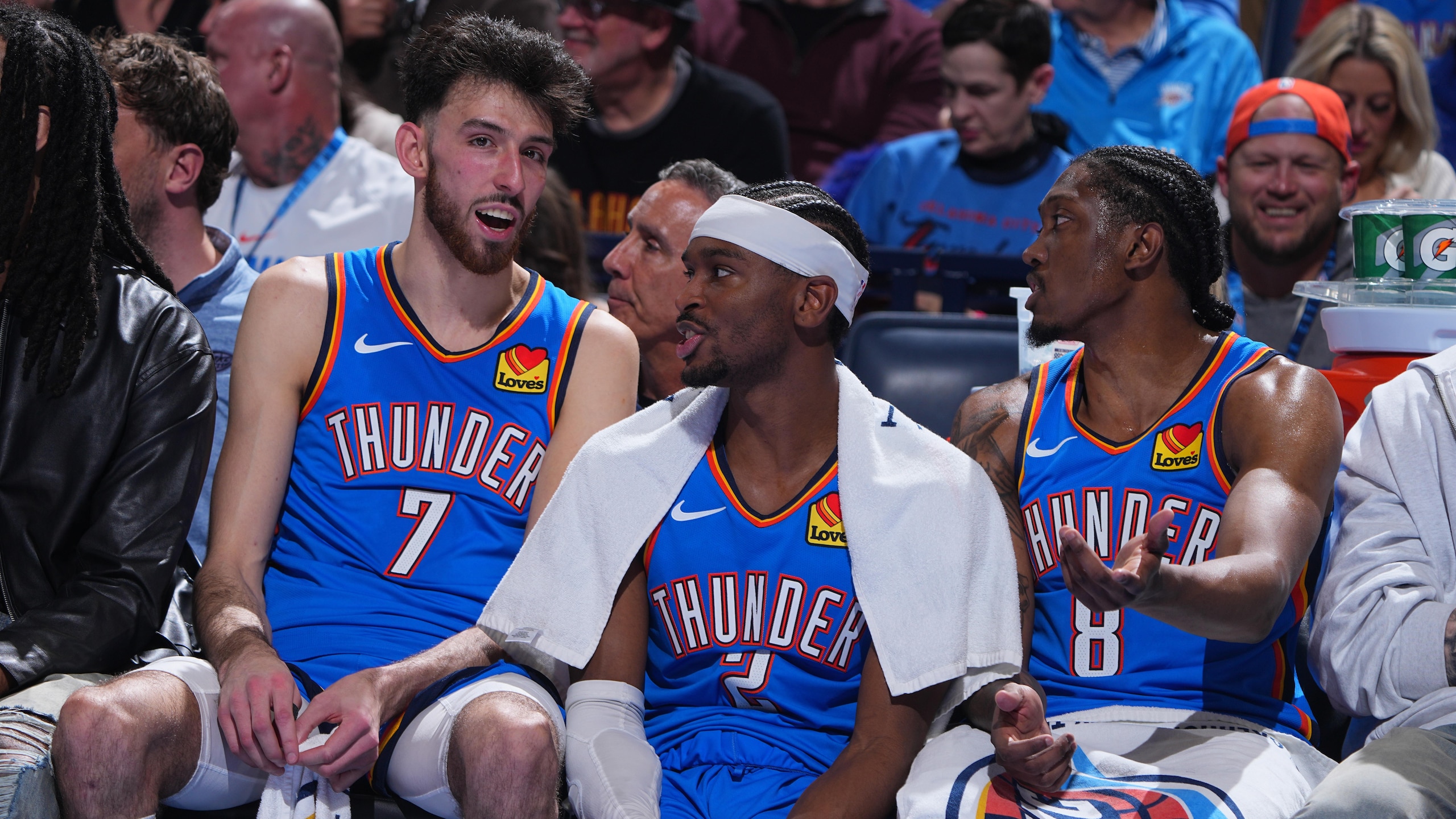
The concern about OKC's offense beyond Shai Gilgeous-Alexander is real — but also easy to overstate. It didn't stop them from winning the title last year, and SGA's minutes tend to climb in the playoffs. The Thunder don't go very long without him; he typically rests no more than eight to 10 minutes per game.
Splitting hairs is the entire point of this exercise, though.
The Thunder rate in the 28th percentile of efficiency when he's off the floor, both in the half-court and overall. They win those stretches anyway, because the defense remains insane. But the small-sample turbulence of the postseason lends itself to increased vulnerability.
Fortunately for the Thunder, they have various potential antidotes. A healthy Jalen Williams matters. Who knew? The same goes for Ajay Mitchell. And for Isaiah Hartenstein. Jared McCain's shot-making has been a cheat code since arriving in OKC. Cason Wallace has flashed new layers.
SGA is so central to everything the Thunder do offensively that it might not matter in the end. Even without him, they score at a league-average clip when at least two of J-Dub, Chet, Hartenstein, McCain or Mitchell share the floor. If the offense becomes a problem in the playoffs, that's the window it will happen.
San Antonio Spurs: 3-Point Shot-Making
2 of 10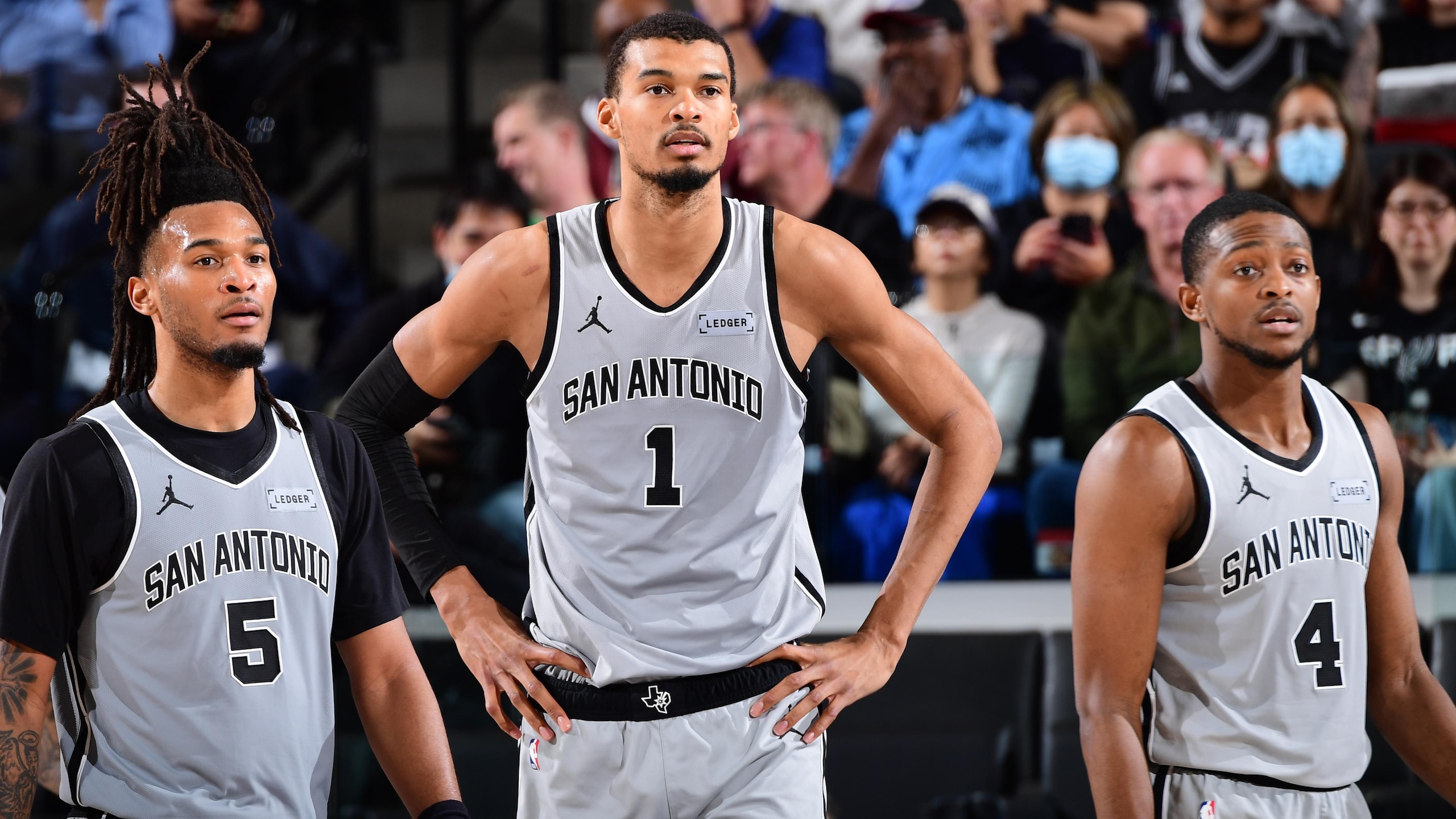
Skip the usual "inexperience" and "How many minutes can Victor Wembanyama actually play?" concerns. The real question for the San Antonio Spurs in the postseason is whether their spacing holds up.
Spacing around Wemby hasn't seemed problematic in a while. The Spurs are second in three-point percentage since the All-Star break, largely thanks to scorching-hot shooting from Devin Vassell, Julian Champagnie, Dylan Harper and, yes, Stephon Castle.
Counting on this to continue, though, flies in the face of bigger samples. San Antonio was 20th in long-range accuracy prior to the All-Star break and not getting them up with bonkers volume. Castle, of all people, cannot be expected to drill 40-plus percent of his triples forever.
The Spurs' counters to more extreme defensive approaches will be among the playoffs' most compelling subplots. They have a ton of worthwhile creators and drivers who can get two feet in the paint and suck in opponents. What happens when opponents are even more egregious about going under screens on Castle, Harper and De'Aaron Fox or altogether playing off them? Will the driving lanes shrink? Entirely close?
And if that's the case, can San Antonio make enough treys to reopen the half-court? The answer will determine how long this core's first postseason push lasts.
Boston Celtics: Frontline Size and Physicality
3 of 10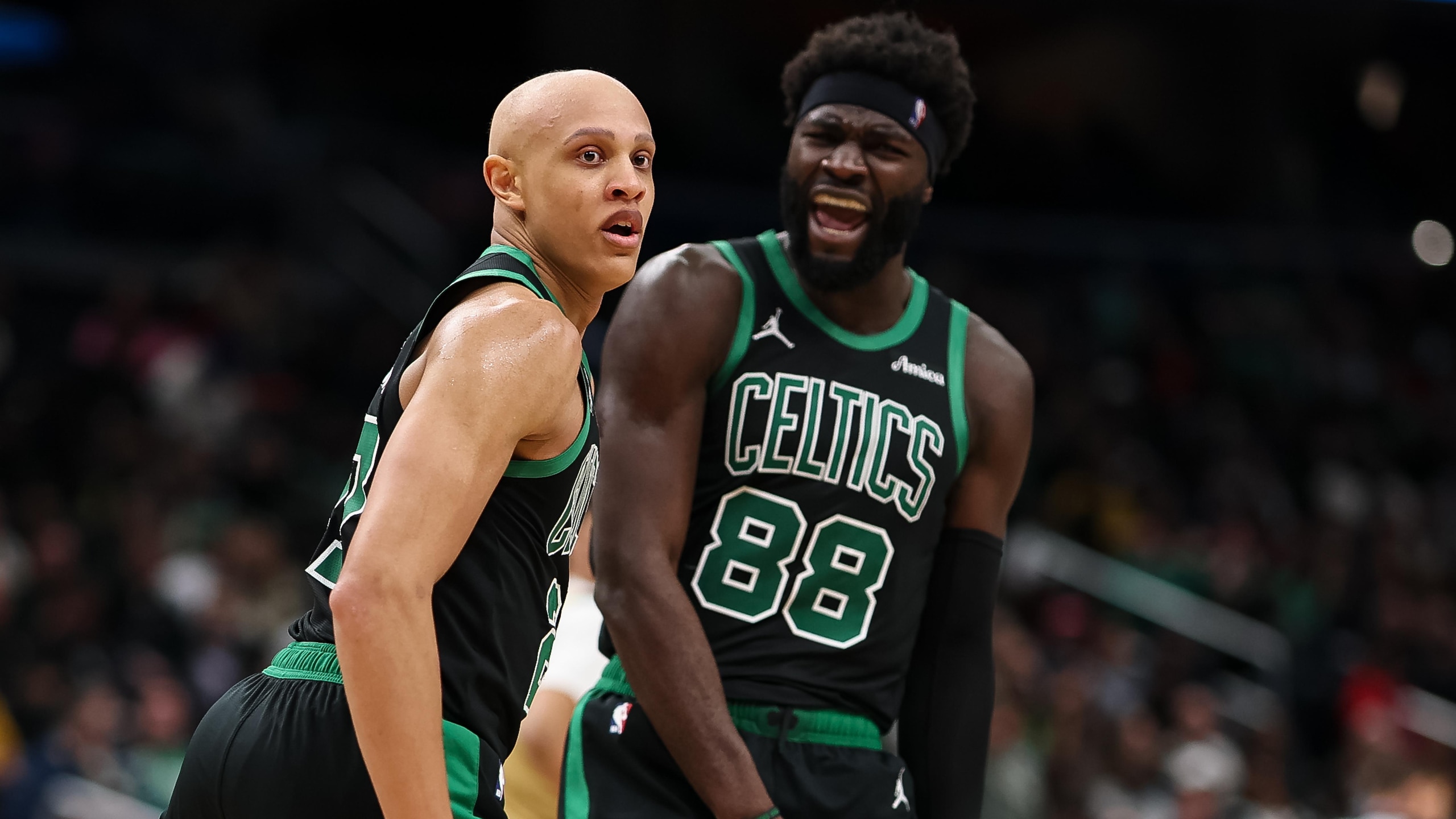
Free-throw generation deserves an honorable mention. Boston ranks 30th in foul shots per 100 field-goal attempts, and Jayson Tatum's return from his Achilles injury won't fix that overnight. His 3.0 free-throw attempts per 36 minutes would be a career low.
Still, the offense has enough layers—and three-point dynamite—to remain elite in playoff settings. The makeup of the frontline is a different story.
Though Neemias Queta is having a fantastic season, Boston's big rotation is a combination of shallow and slight behind him. This figures to manifest mostly on the glass. The Celtics have a top-10 defensive rebounding rate for the year but are in the bottom 10 when facing the Detroit Pistons, New York Knicks and even the Cleveland Cavaliers.
Nikola Vučević adds what could be necessary heft. His minutes also come with trade-offs elsewhere at the defensive end, and the brief stints he's logged alongside Queta haven't gone well.
Boston's armory of versatile and strong glass-crashing wings is more than enough to get by in most matchups. Just not all of them.


.jpg?w=2560)
Denver Nuggets: Core-Lineup Question Marks
4 of 10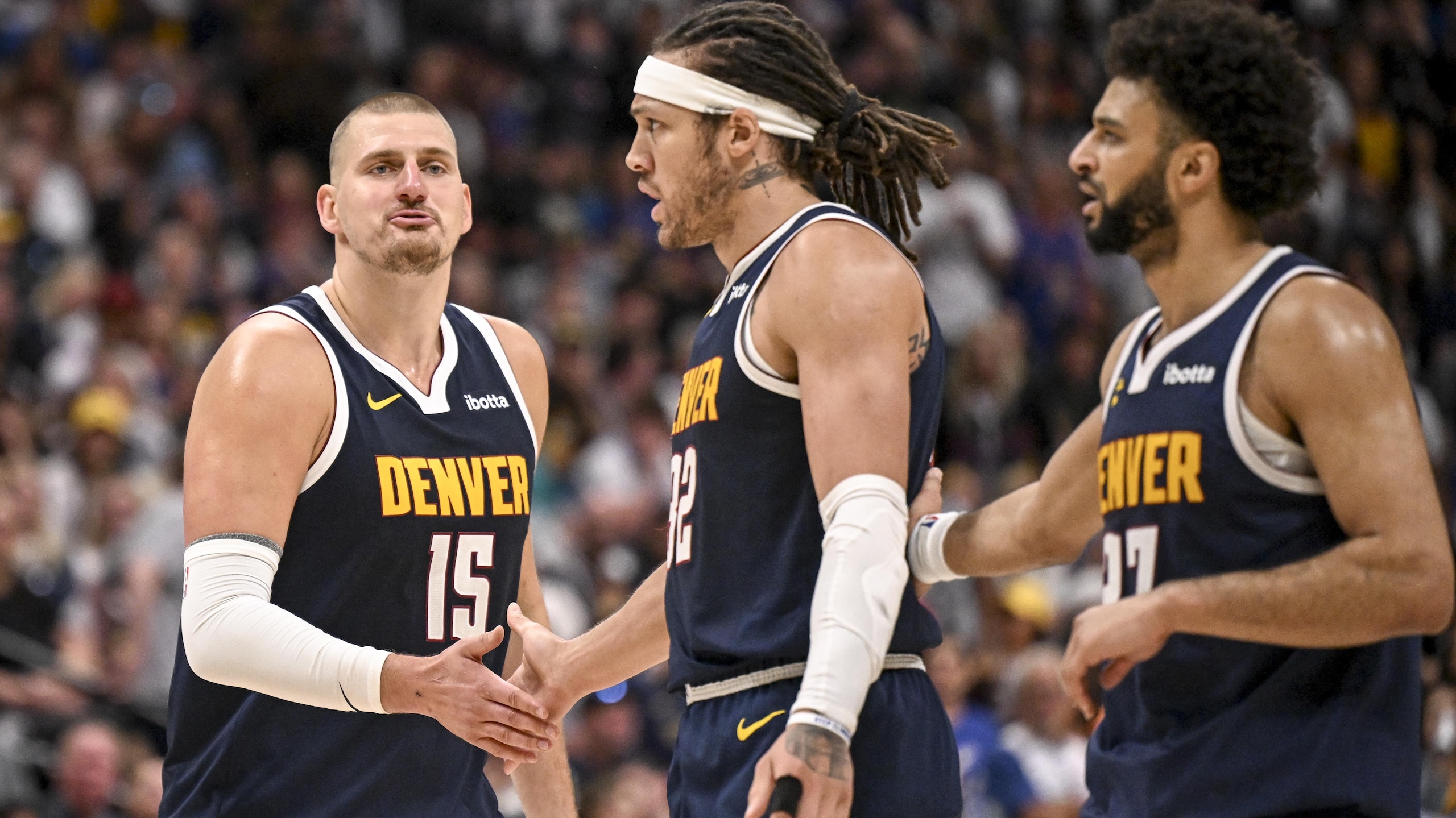
General defense will be the popular pick for Denver. Fair enough. But the defensive numbers when Nikola Jokić, Aaron Gordon and Jamal Murray share the floor remain excellent, and coach David Adelman has flexibility in how he fills out the final two spots around that trio.
As it turns out, the problem lies with those various options.
Denver's default around Jokić, Gordon and Murray is supposed to be Christian Braun and Cam Johnson. While it comes over a much smaller sample than the Nuggets would prefer, this fivesome is statistically killing it.
Yet, shaky shooting stretches from Braun and Johnson pave the way for skepticism. Even Adelman seems torn on what to do, particularly down the stretch of close games. Scattershot availability near the top of the roster is important context, but Denver's sub-.500 crunch-time record raises eyebrows, as does its 29th-ranked defense in those situations.
Assuming everyone's healthy, Adelman could ride with the default five until the wheels fall off. But if outside shots aren't falling for Braun or Johnson, he could turn to Tim Hardaway Jr. over Cam. Or double-down on defense with Peyton Watson. Maybe Braun shoots himself out of the clutch in favor of Watson.
Real questions about the Nuggets' best core lineup haven't come up in a long time. Unless something changes down the stretch, that's about to change heading into the playoffs.
Cleveland Cavaliers: Wing Defense
5 of 10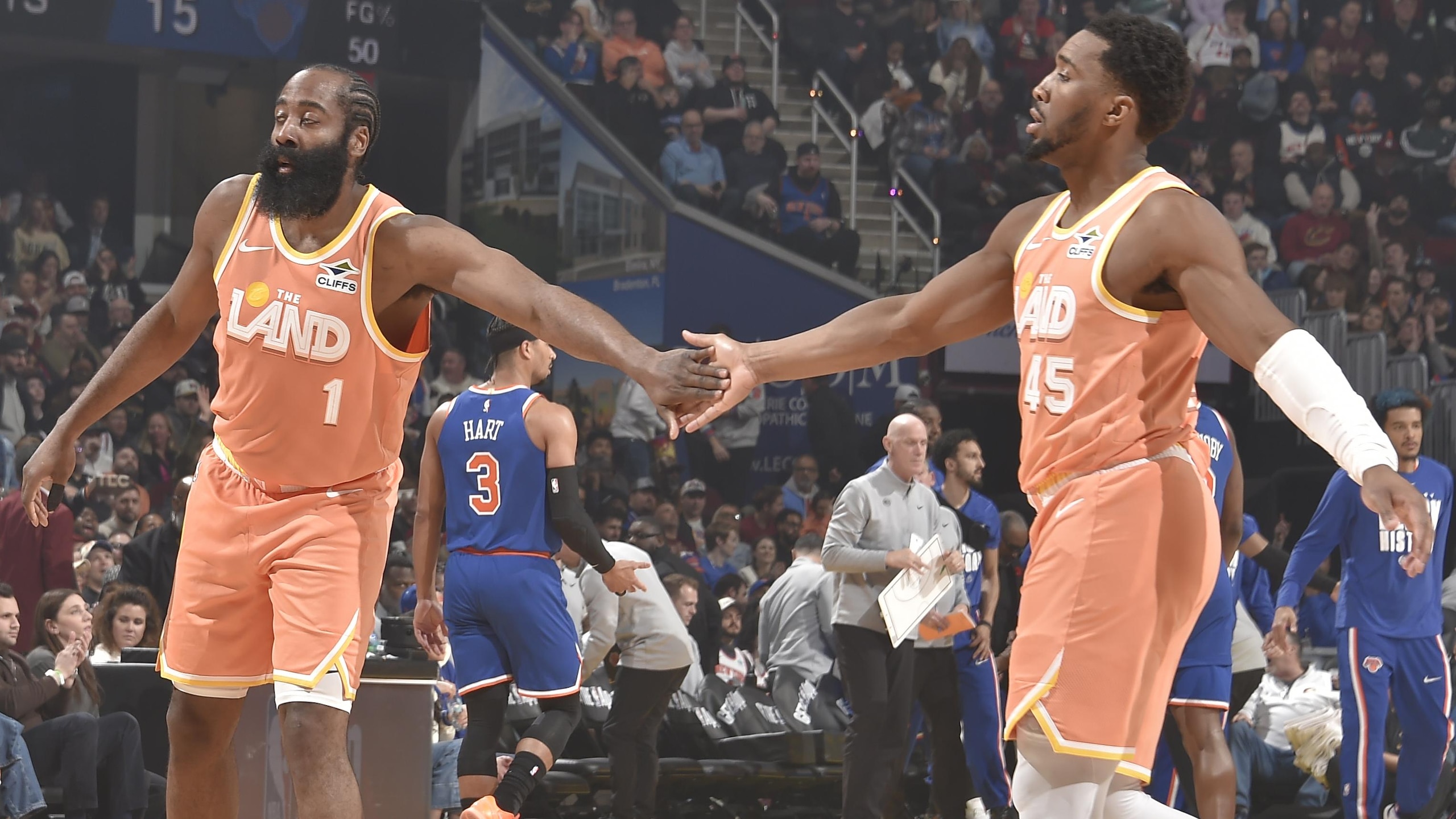
Wing defense has long loomed as the Cleveland Cavaliers' biggest concern. It's arguably an even bigger problem this time around.
Harden isn't the root cause. He's better suited defending bigger players, which technically works for a Cavs team that doesn't have many true wings to begin with.
Pushing ahead without De'Andre Hunter (traded at the deadline) and Isaac Okoro (moved over the offseason) is the trickier complication. Neither was a perfect solution. Hunter is underwhelming on defense and Okoro can devolve into unplayable on offense. But without either of them, Cleveland's best wing options to round out its Core Four lineup are Jaylon Tyson, Dean Wade, Sam Merrill and a healthy Max Strus.
This will be touch-and-go depending on the matchup. The Cavs can't choose a fifth wheel without giving up something substantial at one end of the floor.
Not surprisingly, the overall defensive product is lackluster when Harden and Donovan Mitchell play together (27th percentile). That includes the time they've spent beside Mobley (44th percentile).
Opponents are shooting astronomical clips during these stretches at the rim and from deep, so there's room for upward normalization. To what end is debatable, because even when Cleveland runs with two bigs, it may not have the defensive viability to hold up against offenses with elite one-on-one creators and/or physical size.
New York Knicks: Secondary Offensive Creation
6 of 10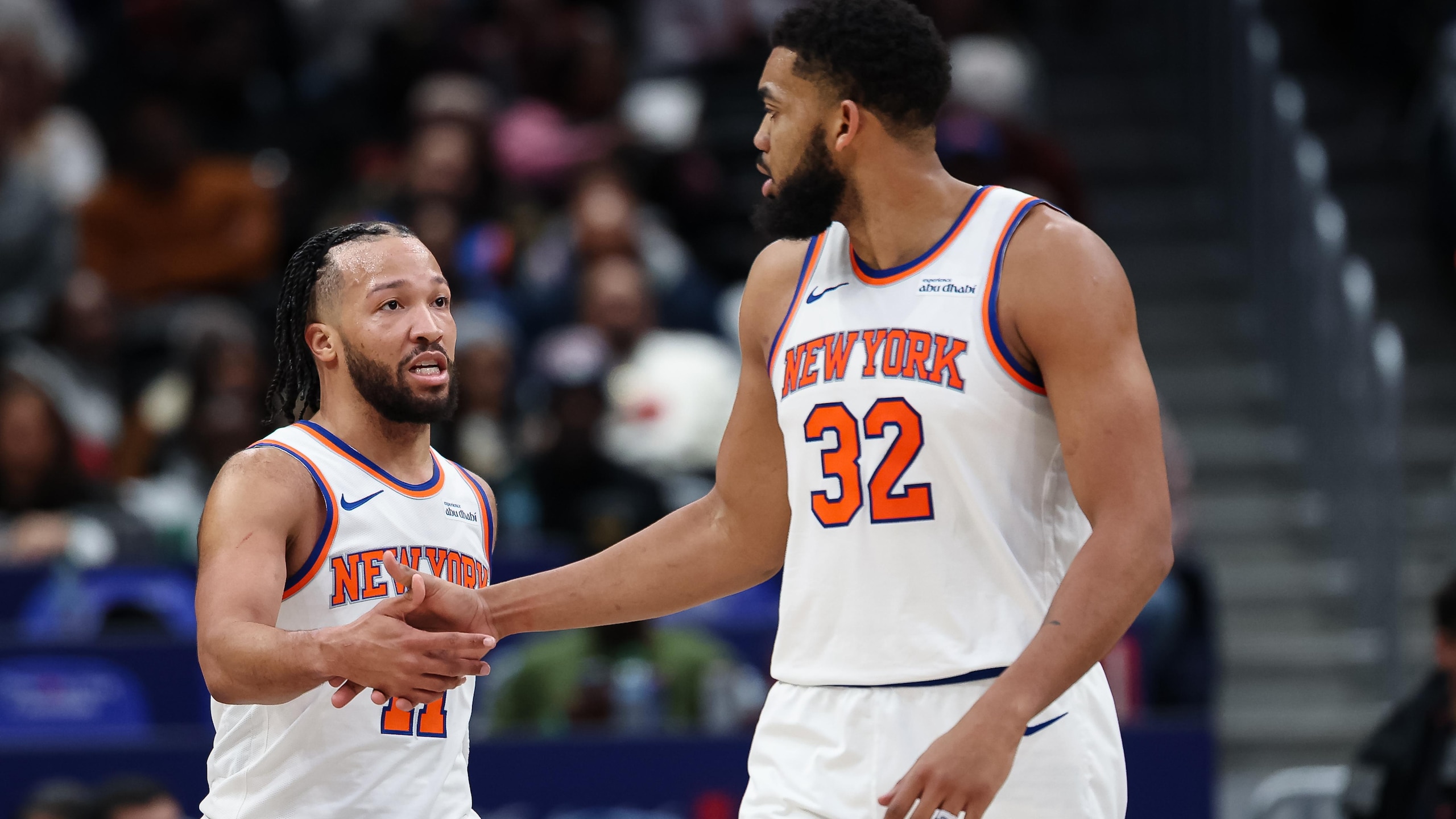
Setting aside the defensive concerns makes sense for two reasons. You don't build around Jalen Brunson and Karl-Anthony Towns as your primary options and expect an easy time at the defensive end. And since getting lit up by the injury-decimated Mavericks in January, New York has the league's best defense.
The bigger flaw is the offensive support around Brunson — and it's not by design. New York is supposed to have either a clear No. 2 creator, or enough across-the-board production from its top four that a conventional No. 2 isn't necessary. They have neither.
Their reliance on Jalen Brunson hasn't winnowed down so much as slightly shifted. He is taking more threes off the catch but still has to create the overwhelming majority of his own looks. Any lightening in his workload is replaced by a heavier dependence on the team taking and making threes.
That works fine in the regular season. The problem is that New York has no one who can reliably create their own shot against playoff pressure, even when Brunson is on the floor. That's a festering issue that will surface eventually.
Forced to choose, it isn't even clear who the second-best option should be. Brunson and Jordan Clarkson are the team's only top-10 rotation players who rank in the 60th percentile or better of both self-created efficiency and half-court creation, according to BBall Index. And we know the answer is more JC.
Detroit Pistons: Over-reliance on Cade Cunningham
7 of 10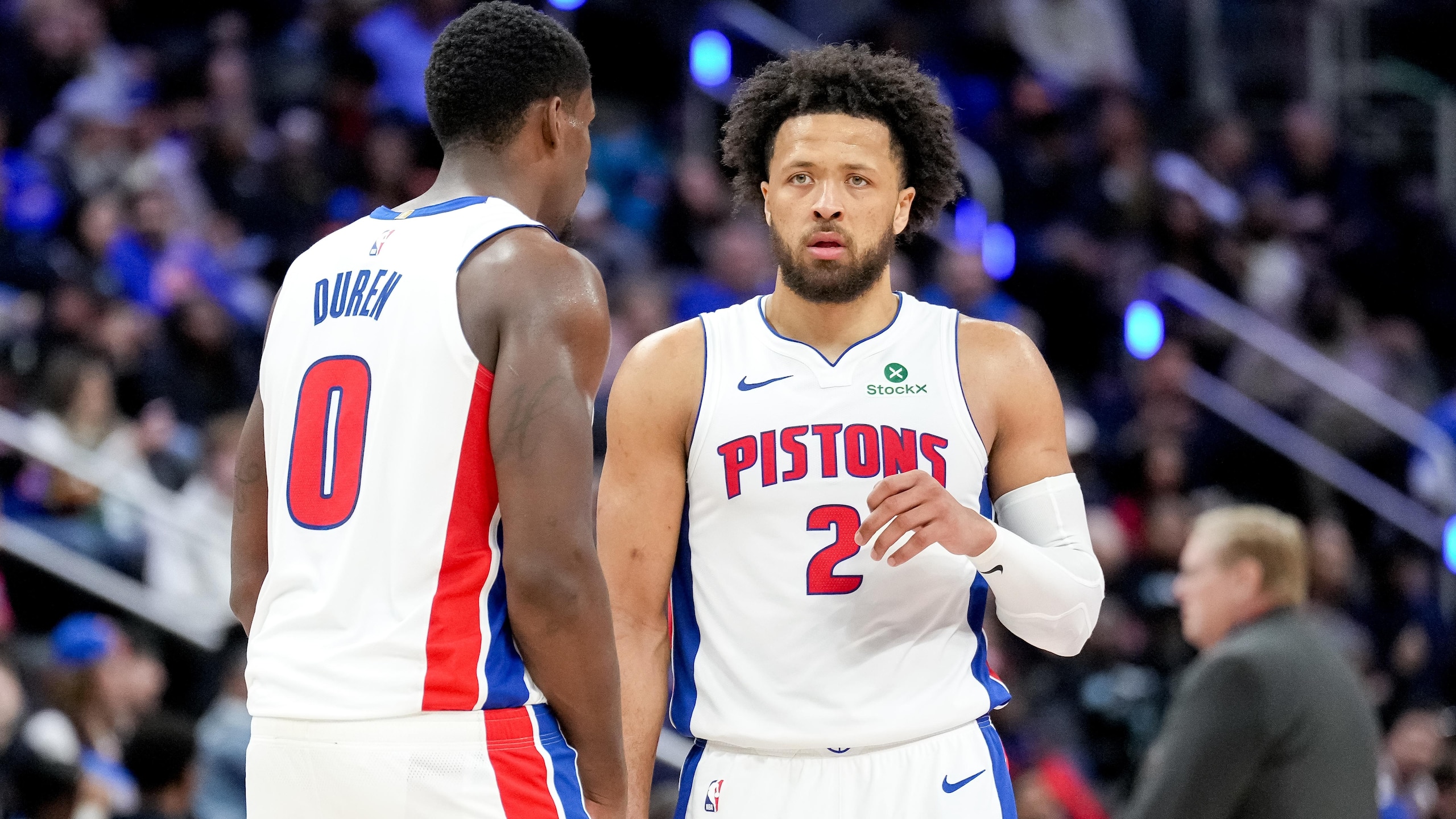
If you think Jalen Brunson and Shai Gilgeous-Alexander are shouldering preposterously large burdens on offense, allow me to introduce you to Cade Cunningham.
It isn't that the Detroit Pistons fall apart on offense without him. Well, it's not entirely about that, because they do. Detroit's half-court efficiency plunges by 8.4 points per 100 plays when he's catching a breather, a top-10 swing among everyone who's logged at least 1,000 minutes.
This would be easier to overlook if the on-court workload for Cunningham wasn't so damn overwhelming. The Pistons are not built to simplify his life.
Nobody on the roster is equipped to reliably run the offense in lieu of Cunningham and tee him up for higher-percentage looks. (Daniss Jenkins is as close as Detroit gets.) Things become untenable whenever opponents gum up the pick-and-roll chemistry he has with Jalen Duren.
Cunningham has the shot diet to prove it. He ranks no higher than the 22nd percentile in the quality of looks he gets at the rim, from mid-range and from beyond the arc, according to Basketball Index. LaMelo Ball is the only other player who can say the same, and given his supporting cast and penchant for unnecessary one-legged threes, at least his shot quality feels somewhat voluntary. The same cannot be said of Cade.
Houston Rockets: A Complete Lack of Offensive Dynamism
8 of 10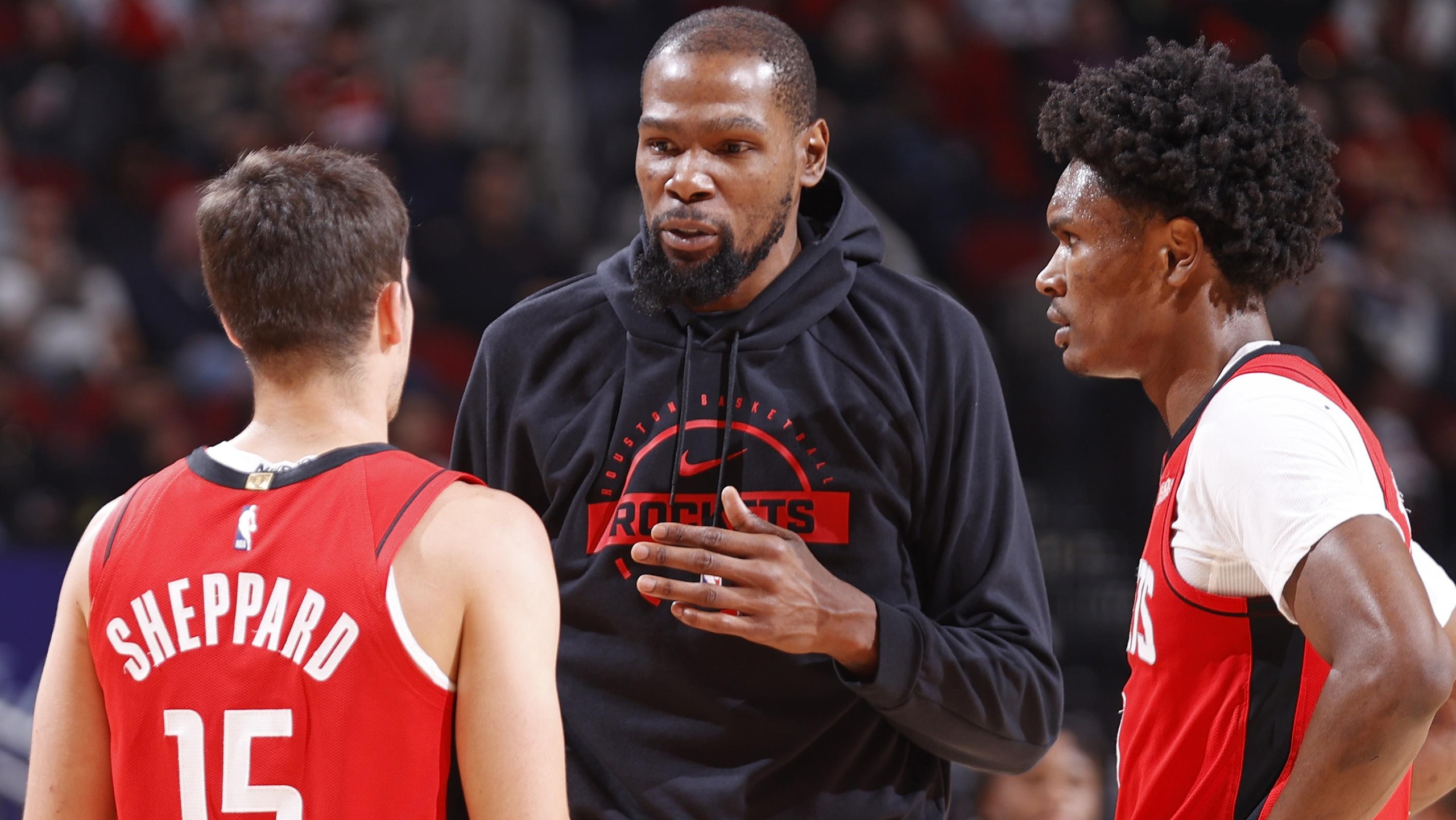
Teams inextricably reliant on offensive rebounding, while inherently imperfect, usually tend to have another fastball. The Houston Rockets do not.
Their fallback plan is handing the ball to Kevin Durant and hoping he can create something against pressure or hold possession long enough to find a teammate he probably doesn't trust. That's not a plan — that's a liability.
There are extended stretches in which the first-shot offense feels hopeless. The Rockets are not a high-volume or particularly accurate three-point-shooting team. Their transition frequency has dipped from 15th last year to 29th this season.
They are not especially fast decision-makers in the half-court, either. They rank dead last, by a cosmic margin, in the share of their looks coming within the first eight seconds of the shot clock.
Getting Fred VanVleet back from a torn right ACL would go a long way, but leaning on a 32-year-old fresh off an extended layoff and major injury doesn't inspire much confidence. Reed Sheppard finally has the minutes to be an answer, but doesn't yet have the offensive agency. Amen Thompson doesn't have enough counters to offset his limited range. Alperen Şengün's sub-35-percent clip on all jumpers is actively part of the problem.
Houston's dynamic has seen it unravel on many occasions. Especially in crunch time. Potential solutions are wearing thin, if they exist at all.
Minnesota Timberwolves: Secondary Ball-Handling
9 of 10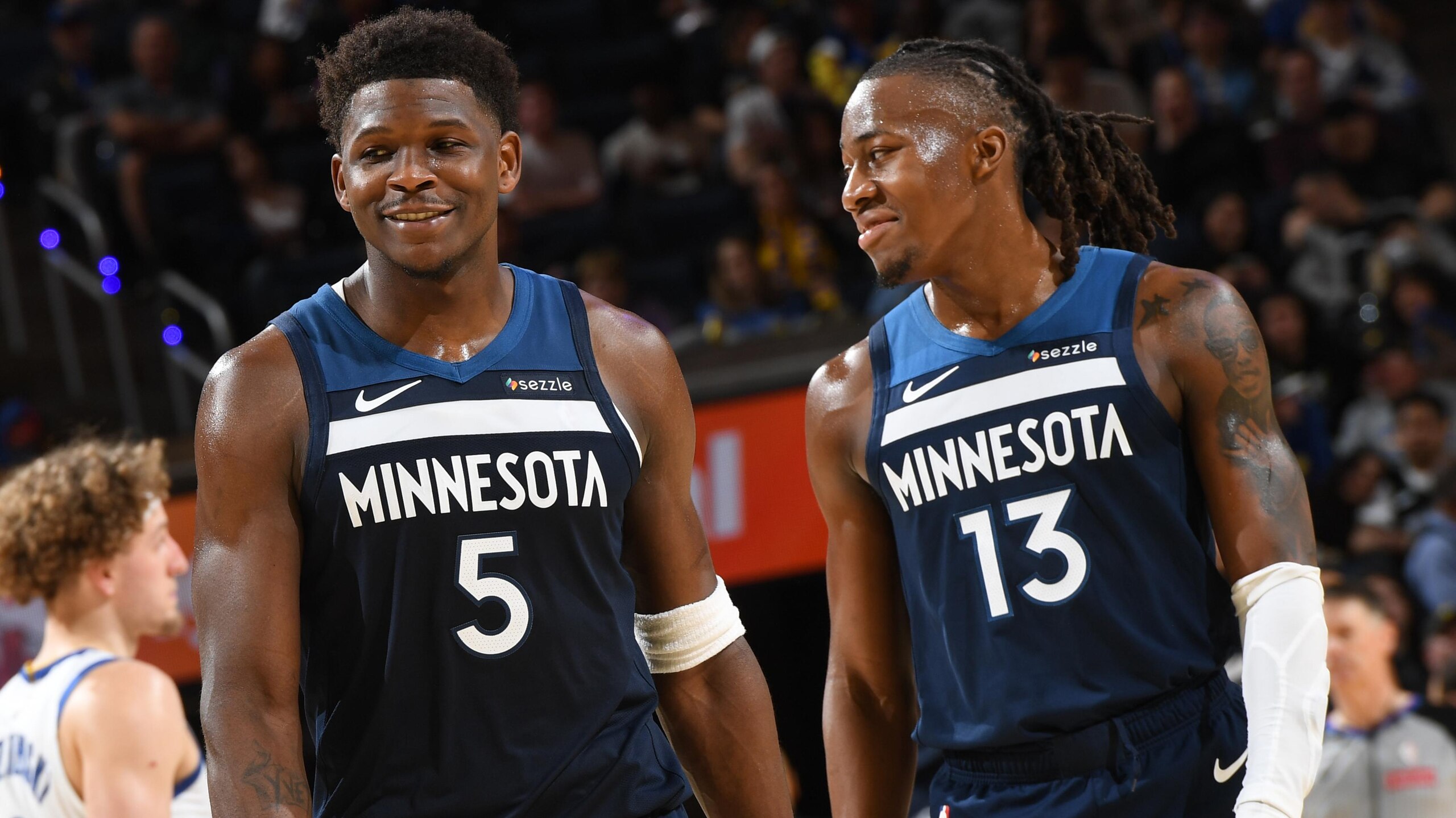
The Timberwolves' secondary ball-handling is a real problem — and Anthony Edwards' absence due to right knee inflammation has made that impossible to ignore.
On paper, this shouldn't be a crisis. Minnesota has a top-10 offense, added Ayo Dosunmu at the trade deadline, is getting career-best play from Bones Hyland, and has Julius Randle in the mix. But none of those names inspire much confidence when asked to run an offense without Edwards.
The numbers back that up. Minnesota ranks in the bottom five in turnover rate since the All-Star break. Counterintuitively, Edwards himself isn't the culprit — he's turning it over on just 4 percent of his crunch-time possessions, a significant improvement from last season, and he's doing it on top-five usage. The Wolves are a bottom-five clutch turnover team regardless, and it's cost them when it matters most.
The supporting cast's limitations are clear. Randle is maddeningly inconsistent as a live-dribble playmaker. Hyland is most effective as a scorer without the ball in his hands. Dosunmu can be too one-dimensional driving north-to-south, though he's shown more versatility since joining Minnesota. DiVincenzo's playmaking is limited to quick, pre-planned decisions.
Who can the Wolves turn to when Edwards has to defer? The honest answer is the same as it's always been: they don't know.
While Edwards can sometimes be part of the problem, the Wolves' possession-management issues come amid him improving against pressure. He is turning the ball over on just 4 percent of his crunch-time plays, a marked improvement over last season that comes on top-five usage. Minnesota is a bottom-five turnover team in the clutch anyway, and it's prohibited the offense from peaking when it matters most.
Having various on-ball alternatives assuages the unease, but only to extent. Everyone else is so limited. Randle's live-dribble work is maddeningly inconsistent, particularly as a playmaker. Hyland is best served in the pure-scorer's role. Dosunmu's on-ball portfolio can be too north-south, though he's working more from the in-between with Minnesota. Donte DiVincenzo's own playmaking catalog is limited to quicker decisions.
To whom can the Wolves turn when Edwards is forced to defer? The answer is the same as it's been for years: They don't know.
Los Angeles Lakers: Defense
10 of 10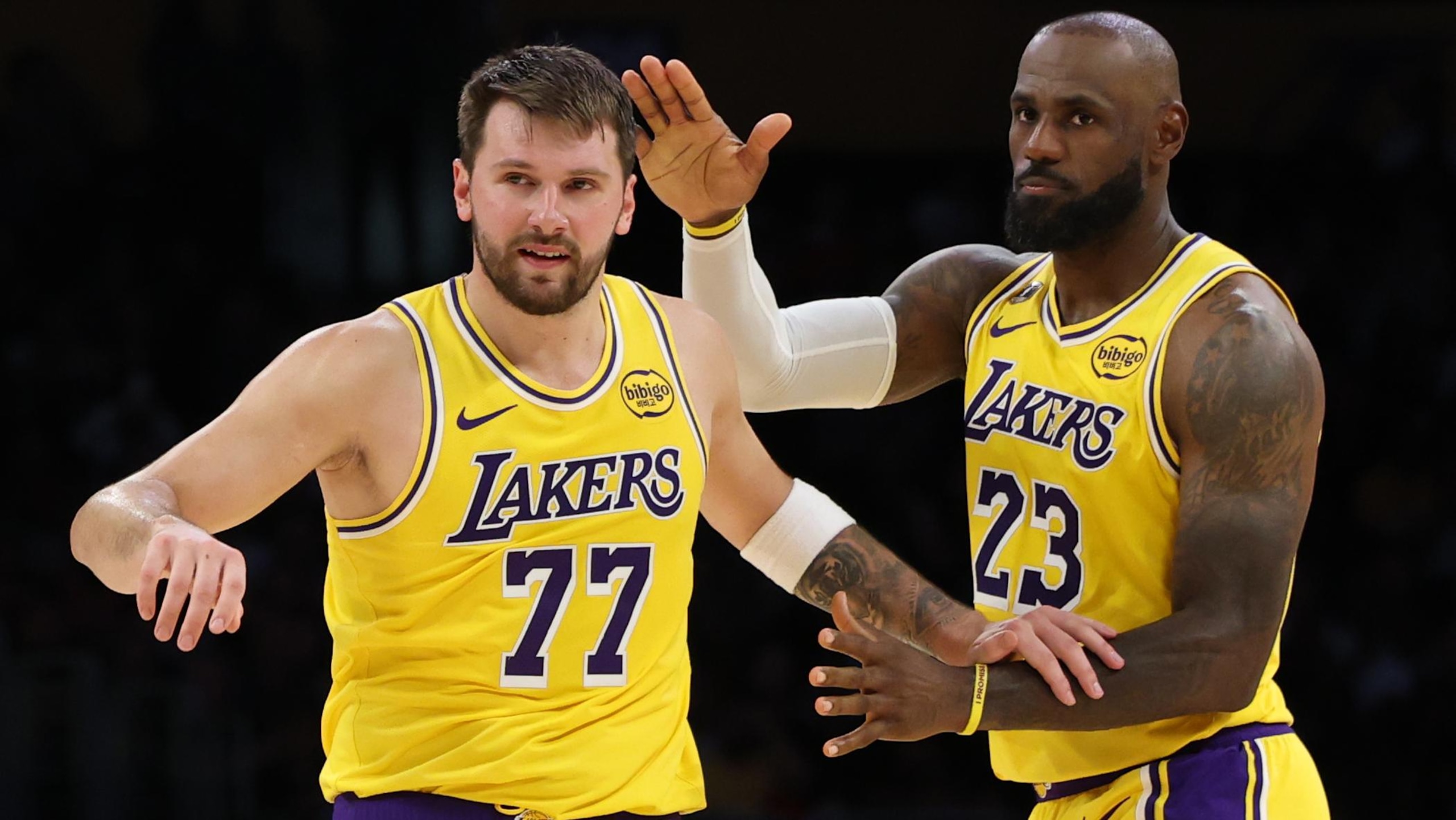
Did you know that the Los Angeles Lakers have a top-10 defense since the All-Star break? And that Luka Dončić is playing with inspired effort at that end of the floor?
Probably not. Nobody's talking about it. (Small-market teams like the Lakers tend to fly under the radar.)
In all seriousness, this team's uptick in defensive energy is palpable. Opponents aren't going to keep drilling under 32 percent of their treys, but the Lakers are moving and closing out faster and more decisively.
LeBron James' re-re-integration looks smoother than ever. Deandre Ayton is a roller coaster, but he's swinging more stretches in L.A.'s favor. Austin Reaves has been active. Marcus Smart has been playing like a man possessed.
These are all good things. Even with them, the Lakers during this stretch hover around the bottom 10 of half-court defense, can't be trusted to get stops when opponents reach the rim and deploy bigs who are wild cards on the glass.
At some point, the absence of net-positive defenders who don't fluctuate or implode on offense will again take its toll. And if any members of the Big Three aren't guarding with peak engagement once it does, it'll be curtains on L.A.'s season.
Dan Favale is a National NBA Writer for Bleacher Report. Follow him on Bluesky (@danfavale), and subscribe to the Hardwood Knocks podcast, co-hosted by Bleacher Report's Grant Hughes.


.jpg?w=2560 "Ugly Jets Scoring Stat 😳")
.jpg?w=2560 "Raiders Could Start Mendoza")
.jpg?w=2560 "Landing Spots for Trade Candidates 📍")
.jpg?w=2560 "Rodgers Iced Out on Plane 💎")