
Breaking Down Every 2026 Men's NCAA Tournament Team's Chance to Win the Title

The selection committee has unveiled the 2026 men's NCAA tournament bracket, and the dream of a national title is officially alive for 68 teams.
Realistically, though, that number is much smaller.
Since the tourney expanded to 64 teams in 1985, we've watched 40 editions of March Madness. A top-seeded program has claimed 26 championships, and only three of the remaining 14 winners were seeded fifth or worse.
And that's simply a look at the crowning game of the Big Dance. Winning a title requires six consecutive wins, and several seed lines have rarely—or ever—recorded four victories in a row to make the Final Four.
Using that history and defined trends, we've organized the 68 championship hopefuls for 2026 into a collection of tiers.
Tier 6: See It to Believe It
1 of 6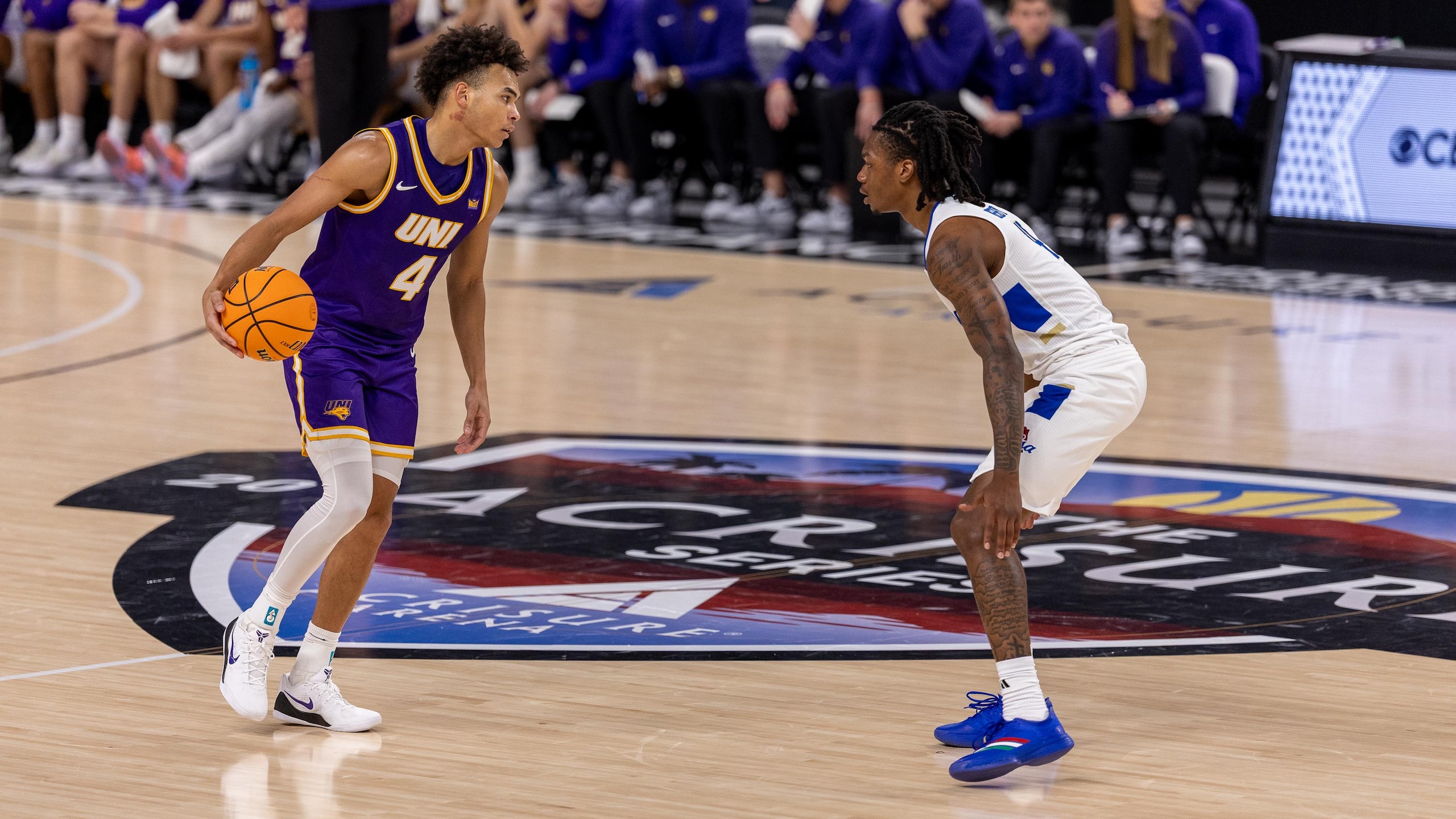
No. 16 Seeds: Howard, Lehigh, Long Island, Prairie View A&M, Siena, UMBC
UMBC pulled off a stunning upset of Virginia in 2018 and is hoping to repeat the feat against Michigan this year. Fairleigh Dickinson took down Purdue in 2023, but neither one advanced past the second round.
No. 15 Seeds: Furman, Idaho, Queens, Tennessee State
Over a three-tournament stretch from 2021 through 2023, one 15th-seeded team reached the Sweet 16. Saint Peter's even appeared in the 2022 Elite Eight. But the odds of a championship run, clearly, aren't good.
No. 14 Seeds: Kennesaw State, North Dakota State, Penn, Wright State
Since a consistent run of upsets in the early/mid-2010s, the No. 14 seed line hasn't produced as much chaos. Only two upsets have happened in the last eight tourneys; Chattanooga in 1997 is the most recent to make the Sweet 16.
No. 13 Seeds: Cal Baptist, Hawaii, Hofstra, Troy
Last year's Big Dance fell on the opposite side of the trend as every No. 4 seed survived the opening round. That could change in 2026, of course, but a 13-seed hasn't yet reached the Elite Eight in four decades.
No. 12 Seeds: Akron, High Point, McNeese, Northern Iowa
Missouri made the Elite Eight in 2002, and Oregon State did the same in 2021. We should not immediately dismiss the possibility of a long 12th-seeded run. I wouldn't even put metaphorical money on it, though.
Tier 5: It's Not Implausible
2 of 6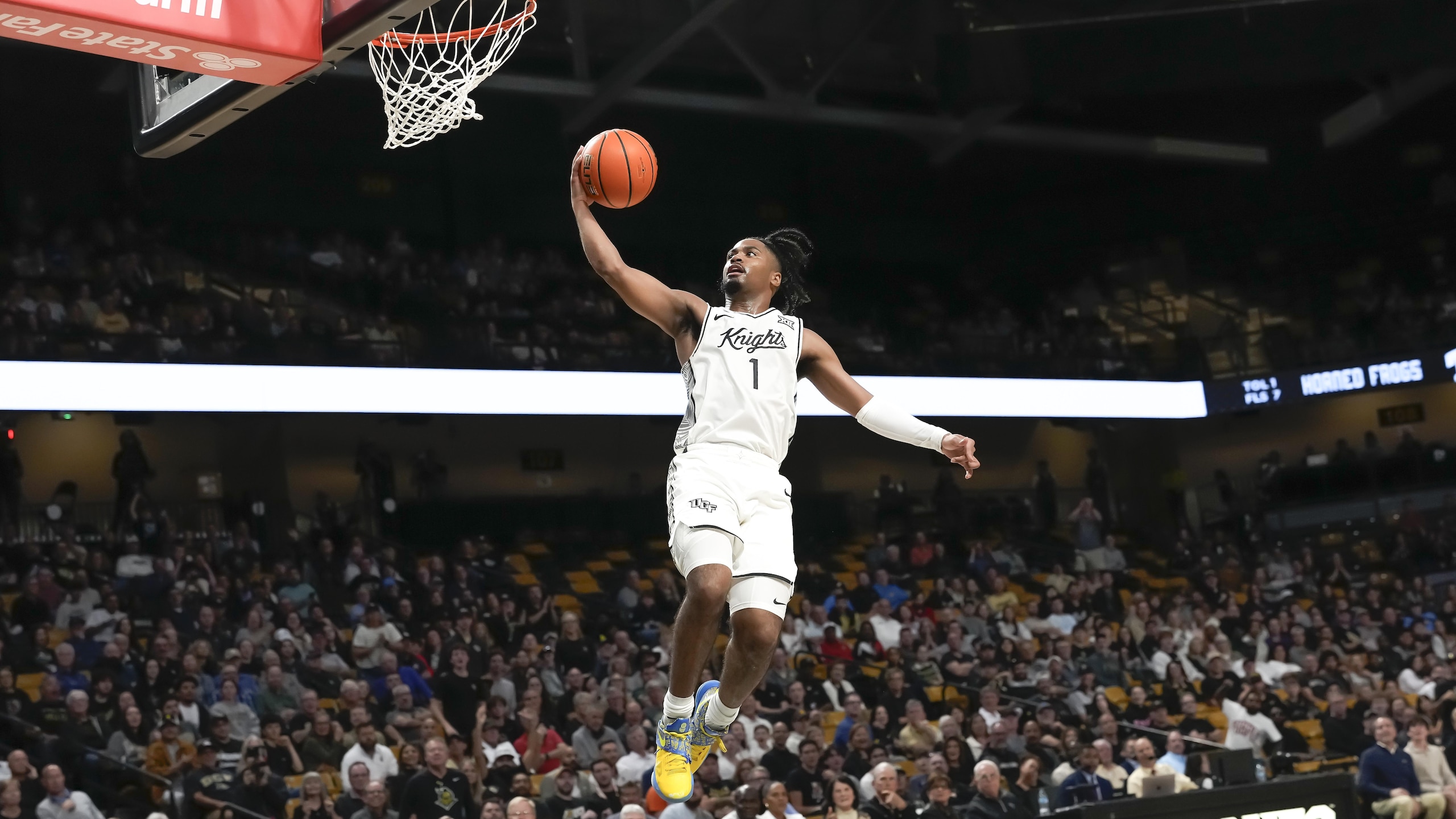
No. 11 Seeds: Miami (Ohio), North Carolina State, SMU, South Florida, Texas, VCU
Loyola Chicago emerged as a beloved underdog in 2018, UCLA's talent came together at the perfect time in 2021, and North Carolina State rode a hot streak in 2024. They all reached the Final Four, as did 1986 LSU, 2006 George Mason, and 2011 VCU. But those six programs went 0-6 in the national semifinals.
No. 10 Seeds: Missouri, Santa Clara, Texas A&M, UCF
Miami played in the 2022 Elite Eight, so there is a recent example of a third-weekend threat. Still, in this 40-tournament data set, 2016 Syracuse is the lone 10-seed to crash the Final Four stage.
No. 9 Seeds: Iowa, Saint Louis, TCU, Utah State
The story is nearly identical for ninth-seeded teams. Wichita State made the Final Four in 2013, and Florida Atlantic followed suit in 2023. Both lost in the national semifinals, so we're waiting on that next breakthrough.
Tier 4: If Everything Clicks
3 of 6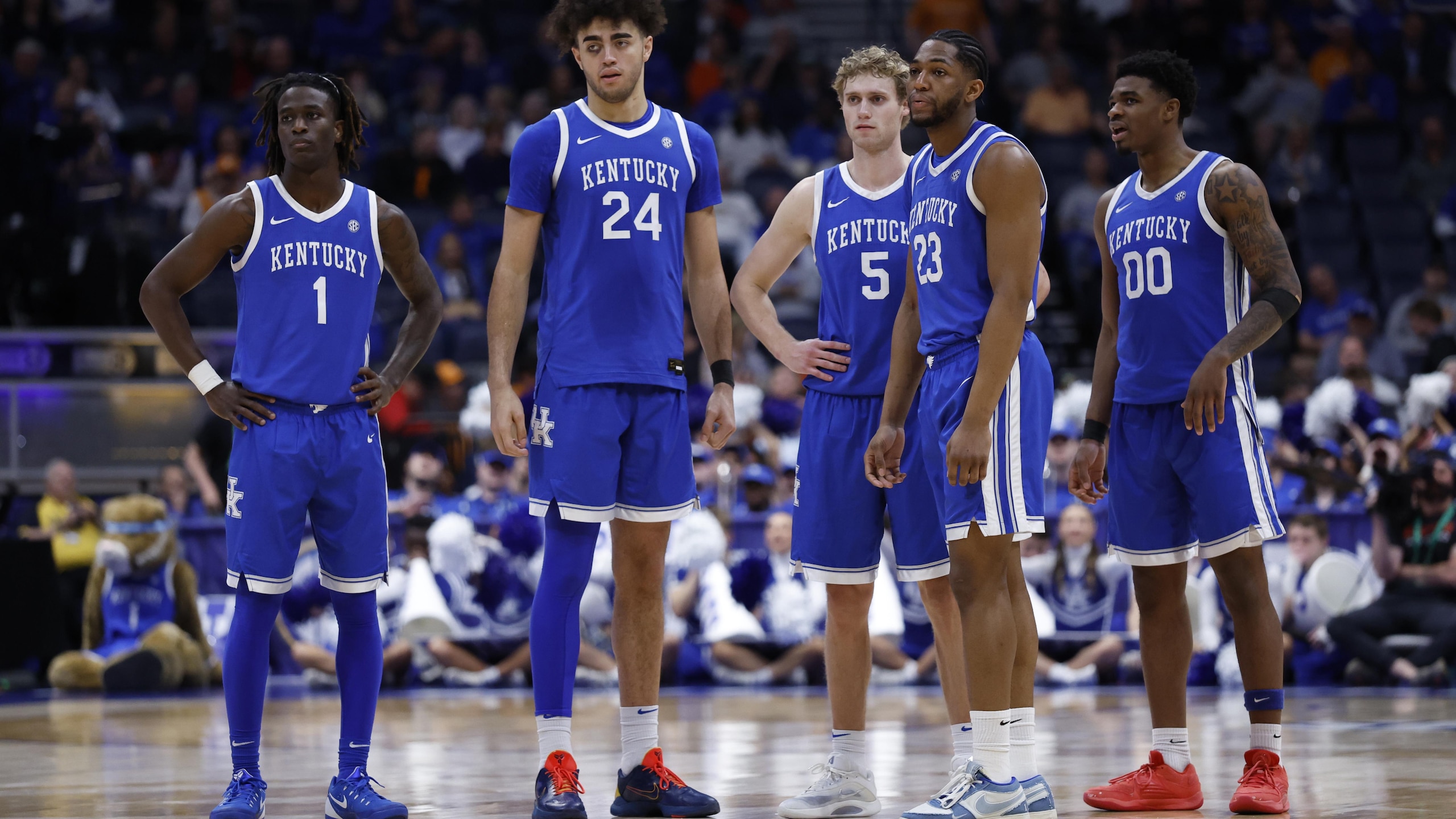
No. 6 Tennessee Volunteers
No. 7 Saint Mary's Gaels
Surviving six games offensively is a concern for this group. Tennessee shot a modest 32.5 percent from the perimeter during SEC play, and Saint Mary's has struggled mightily from outside in its toughest games, as well.
No. 7 Miami Hurricanes
No. 8 Georgia Bulldogs
No. 8 Ohio State Buckeyes
On the other hand, these defenses are a bit questionable over a sustained run. Miami has a dynamic unit in transition but is 295th nationally in three-point defense, while Georgia can score in bunches yet struggles when its opponent hits 80 points. Ohio State is 230th inside the arc.
No. 5 Texas Tech Red Raiders
No. 6 North Carolina Tar Heels
No. 6 BYU Cougars
No. 8 Villanova Wildcats
Since star forward JT Toppin's knee injury in mid-February, Texas Tech is 3-4. North Carolina's upside is much lower without Caleb Wilson (broken finger), and it's a similar story for BYU—despite the presence of A.J. Dybantsa—as veteran guard Richie Saunders is out because of a knee injury. Villanova misses Matthew Hodge for his long-range impact, as well.
No. 6 Louisville Cardinals
No. 7 Kentucky Wildcats
No. 8 Clemson Tigers
Louisville had a solid record but lacks a truly top-quality win. In-state rival Kentucky stumbled late, struggling with tourney-level SEC competition and going 4-6 down the stretch. Clemson posted an identical mark in its last 10 games.
.jpg?w=2560 "Texans Jaguars Football")
.jpg?w=2560 "Jets Saints Football")
Tier 3: It Could Happen
4 of 6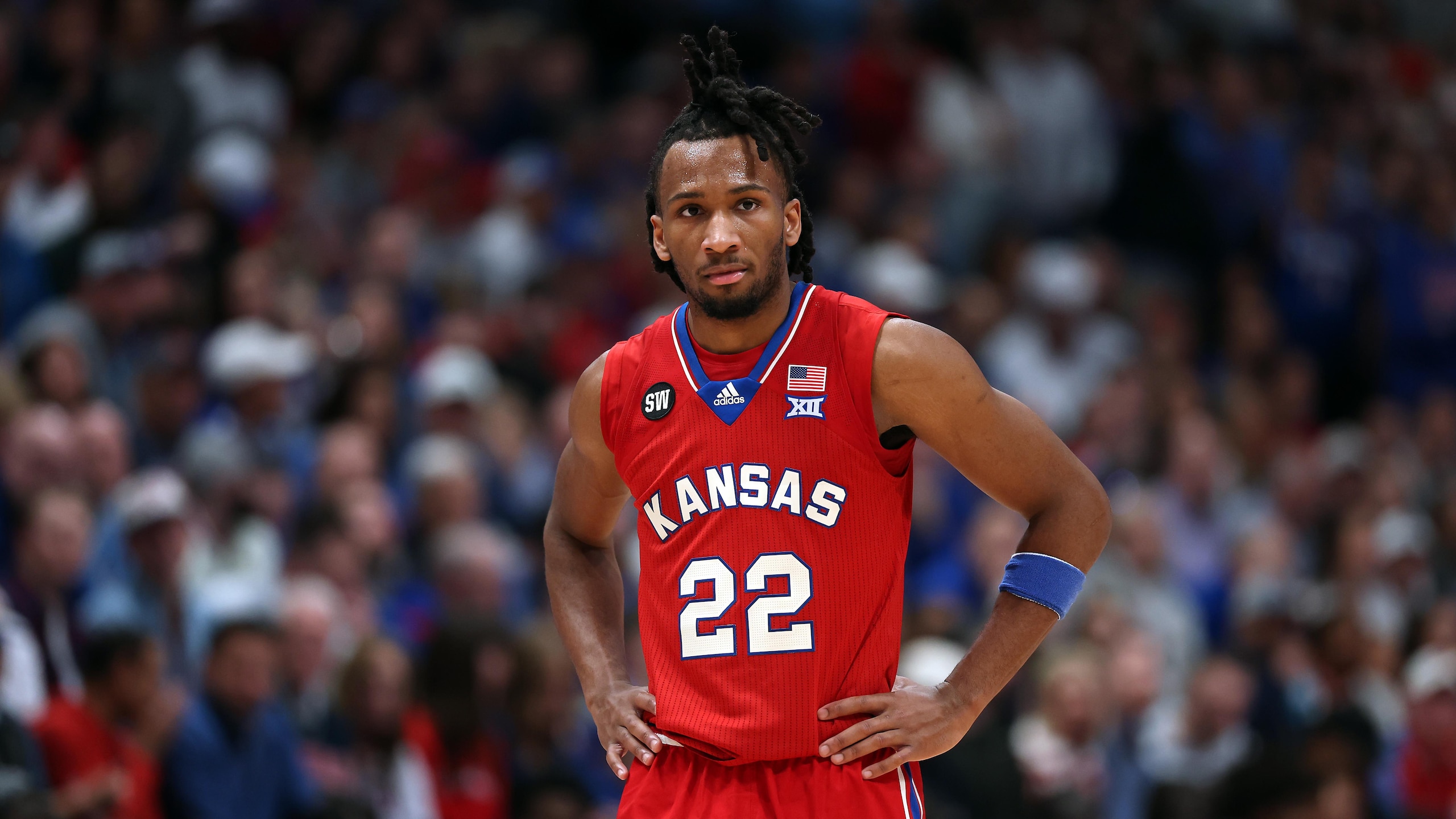
No. 4 Kansas Jayhawks
No. 5 Vanderbilt Commodores
No. 5 Wisconsin Badgers
We've watched Kansas, at its peak, topple Iowa State and Arizona. We've also observed an ice-cold stretch for a few weeks, and it only takes one more frigid showing to derail these dreams. Vanderbilt and Wisconsin are both loaded with capable shooters but occasionally unable to buy a three.
No. 3 Virginia Cavaliers
No. 4 Nebraska Cornhuskers
No. 7 UCLA Bruins
Take a peek at these résumés, and a trend emerges: Although they've not beaten the best of the best, there are at least a few significant wins. It would take a perfect sequence of performances, but they shouldn't be overlooked.
No. 2 Purdue Boilermakers
No. 4 Alabama Crimson Tide
No. 4 Arkansas Razorbacks
Offense is the strength of these high-scoring programs, including a pair of league tournament winners in Purdue and Arkansas. The question is whether the defenses can avoid the sporadic lapses that doomed them in key losses.
No. 3 Michigan State Spartans
No. 3 Gonzaga Bulldogs
No. 5 St. John's Red Storm
Flip the script for Michigan State and St. John's, a pair of defense-driven teams. MSU has sort of struggled on that end lately, incidentally, but is well-respected. St. John's and Gonzaga both rode their defenses to a conference tourney title. (Yes, for once, it's defense at Gonzaga, not offense.) Without a consistent offense, however, a national title may narrowly elude them.
Tier 2: Key Contenders
5 of 6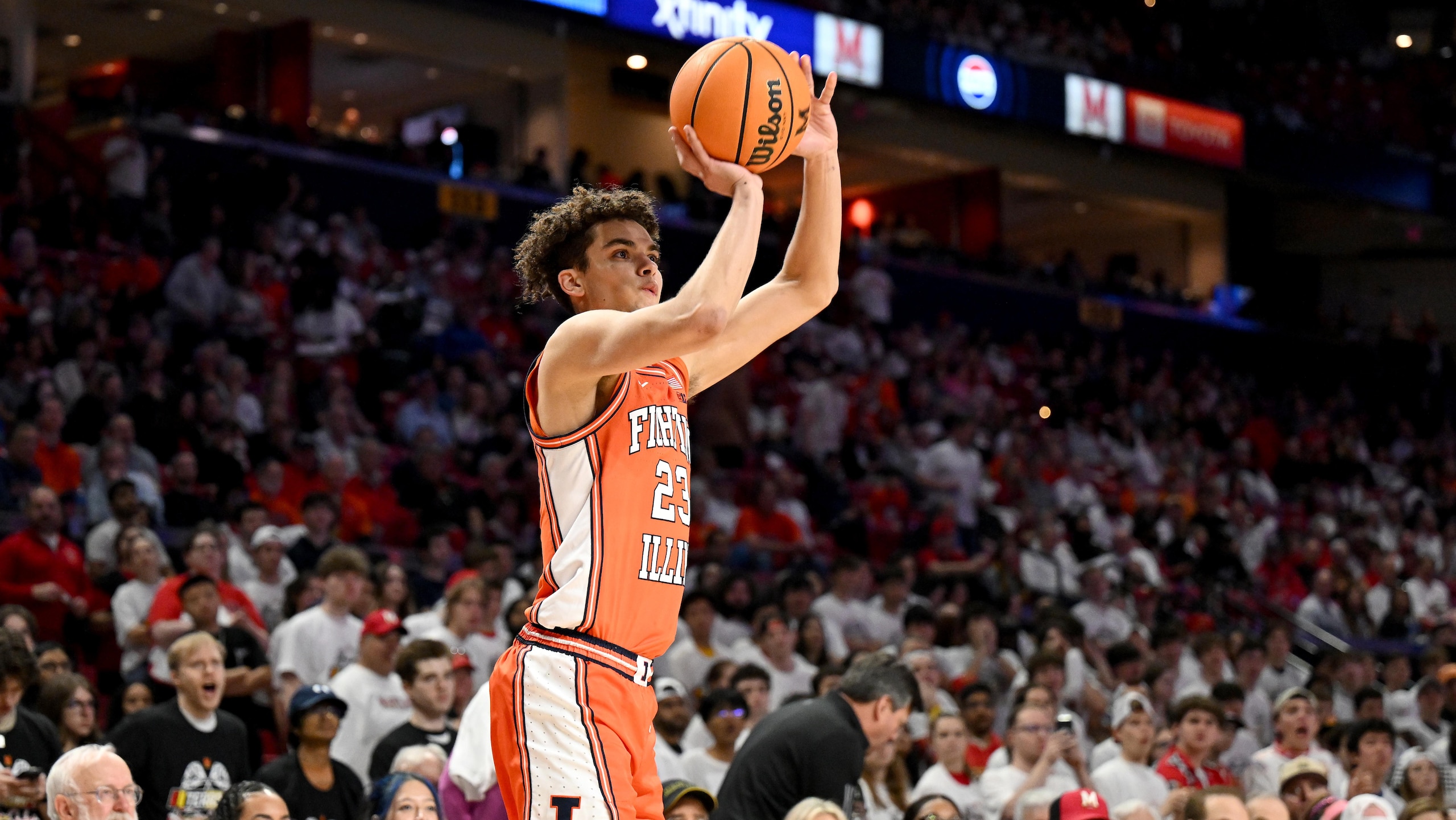
No. 1 Florida Gators
Florida's pursuit of a back-to-back national championship is largely in the hands of a talented frontcourt and thorny defense. It would certainly help if the backcourt manages to find a postseason hot streak from the perimeter. Florida ranks 331st nationally in three-point percentage.
No. 2 Connecticut Huskies
After a 20-point drubbing at the hands of St. John's in the Big East tournament final, Connecticut isn't exactly arriving on a high note. Be careful not to overreact, though, given that UConn has played so well throughout the campaign with a handful of double-digit scorers and a stout, physical defense.
No. 2 Houston Cougars
As usual, defense is Houston's calling card. Additionally, the Cougars' only losses all season happened against Top 25 opponents, so expectations remain high for a program that reached the Final Four last season.
No. 2 Iowa State Cyclones
The three-headed monster of Joshua Jefferson, Tamin Lipsey, and Milan Momcilovic has ISU dreaming of a first-ever championship. Iowa State has not appeared in the Final Four since 1944—when the tournament included just eight teams—but this balanced Cyclones squad is a serious contender to make it.
No. 3 Illinois Fighting Illini
If the perimeter shots are falling, Illinois is a nightmare to defend. Led by star freshman Keaton Wagler, all eight members of the rotation are willing three-point shooters. Efficiency is a fair concern for the Illini, but their best-case scenario is an offense-driven championship charge.
Tier 1: The Favorites
6 of 6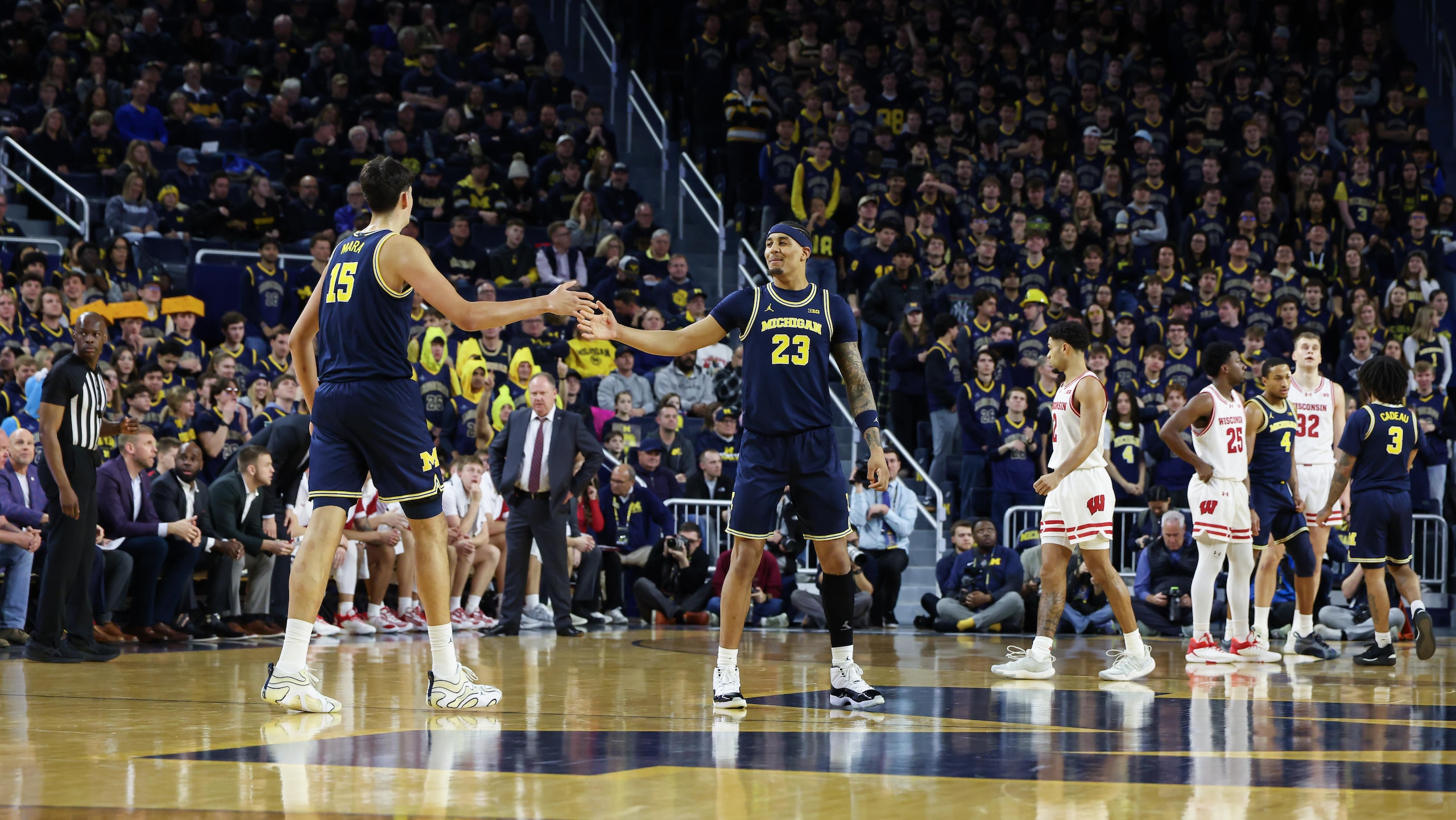
No. 1 Arizona Wildcats
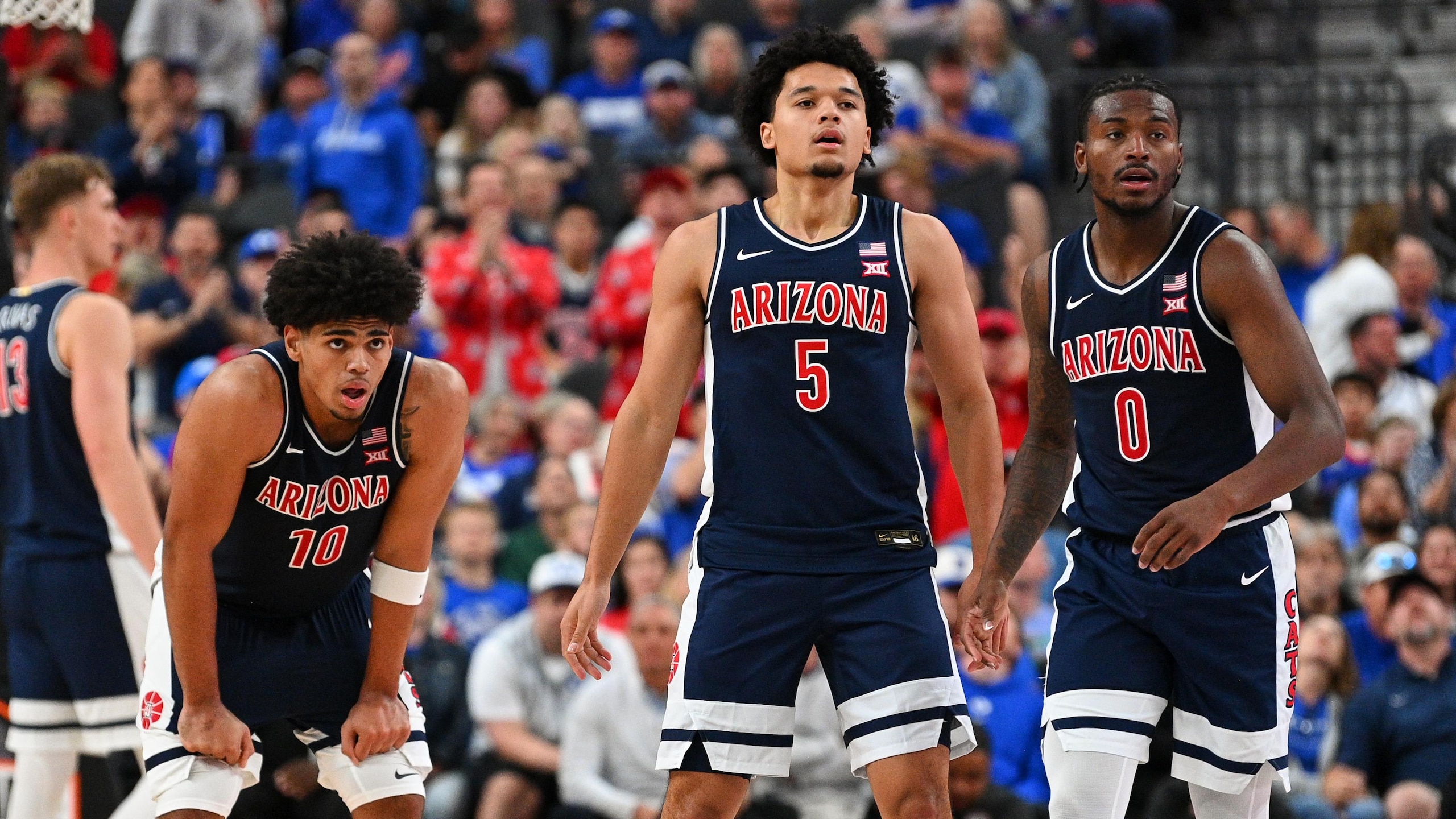
If a 23-0 start to the season didn't convince you of Arizona's worthiness, how about a late streak of wins against six Top 25 opponents and a Big 12 tournament championship? The rotation is deep, the offense is great, and the defense is excellent. Arizona is every bit a premier title threat.
No. 1 Duke Blue Devils
The status of both guard Caleb Foster and center Patrick Ngongba II affects Duke's outlook. Nevertheless, the Blue Devils just won the ACC tournament without them, and Ngongba may return for the Big Dance. As long as Cameron Boozer and Isaiah Evans are playing, Duke can compete for a crown.
No. 1 Michigan Wolverines
A runaway Big Ten champion this season, Michigan is built for a lengthy run through March Madness. Similar to Arizona, the Wolverines have a deep rotation and thrive on both ends of the court.
.png?w=2560 "CFB Top 25")
.jpg?w=2560 "Ref Slips on Wet Turf in London 🎥")
.jpg?w=2560 "Texans Beat Jags in London")