
NBA's Best Teams All Share One Hidden Truth
Two words of advice for NBA commissioner Adam Silver as he sets out to fix his league's perceived tanking problem: Good luck.
As unsightly as the practice might be—particularly ahead of a draft drawing such rave reviews as the 2026 talent grab—there's a reason organizations opt to stockpile losses like doomsdayers horde non-perishables.
It works.
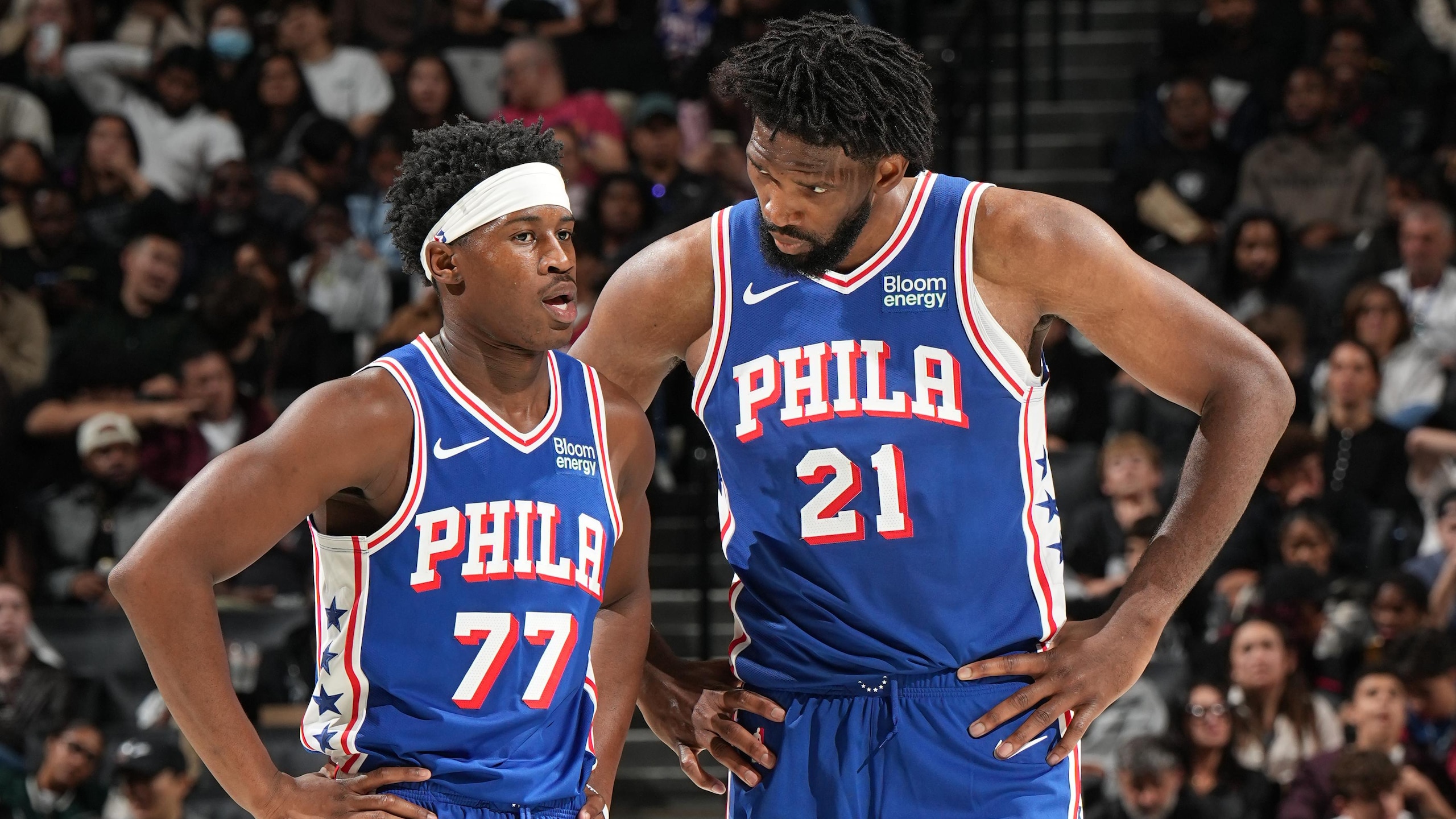
Not every time, of course, but when teams collect enough darts to throw at the board, they're bound to hit a bull's-eye every now and again.
Just ask the Eastern Conference-leading Detroit Pistons, who endured four consecutive 50-plus-loss campaigns before spawning a contender around draft-lottery spoils Cade Cunningham, Jalen Duren, Ausar Thompson and Ron Holland II.
Or the league's defending champion (and resident juggernaut) Oklahoma City Thunder. Sure, a lot of their fortune is tied to their 2019 all-time trade for Shai Gilgeous-Alexander, but if they don't bottom out for a few seasons, they never find finishing pieces like Chet Holmgren and Alex Caruso (acquired for lottery pick Josh Giddey).
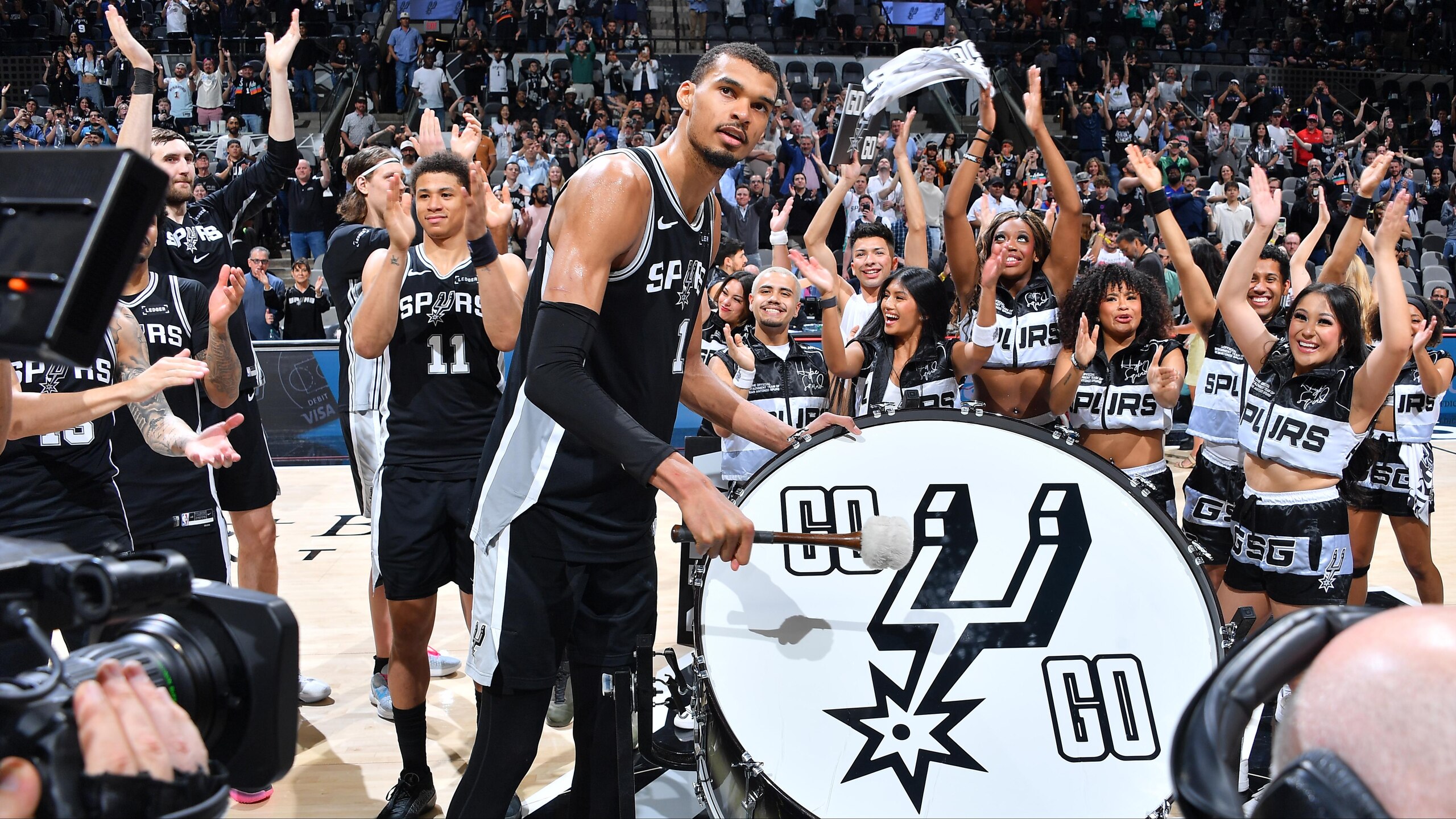
Or how about the San Antonio Spurs? You know, the silver-and-black clad model of consistency? They almost never fall apart, right? Well, except when they do just in time to nab Tim Duncan or Victor Wembanyama. (Or Stephon Castle and Dylan Harper, too, in case two historically dominant players hadn't swayed you already.)
The Houston Rockets, on course for a second straight 50-win season, can pinpoint so much of their current success to their post-James Harden restructuring. That's a more polite label, isn't it? The results were the same as any tank, though: 177 losses over three seasons. And that's how Houston grabbed both all-galaxy defender Amen Thompson and steady-as-a-rock starter Jabari Smith Jr.
If you point at a team near the top of the standings, you're probably pointing at one that benefitted from this "problem."
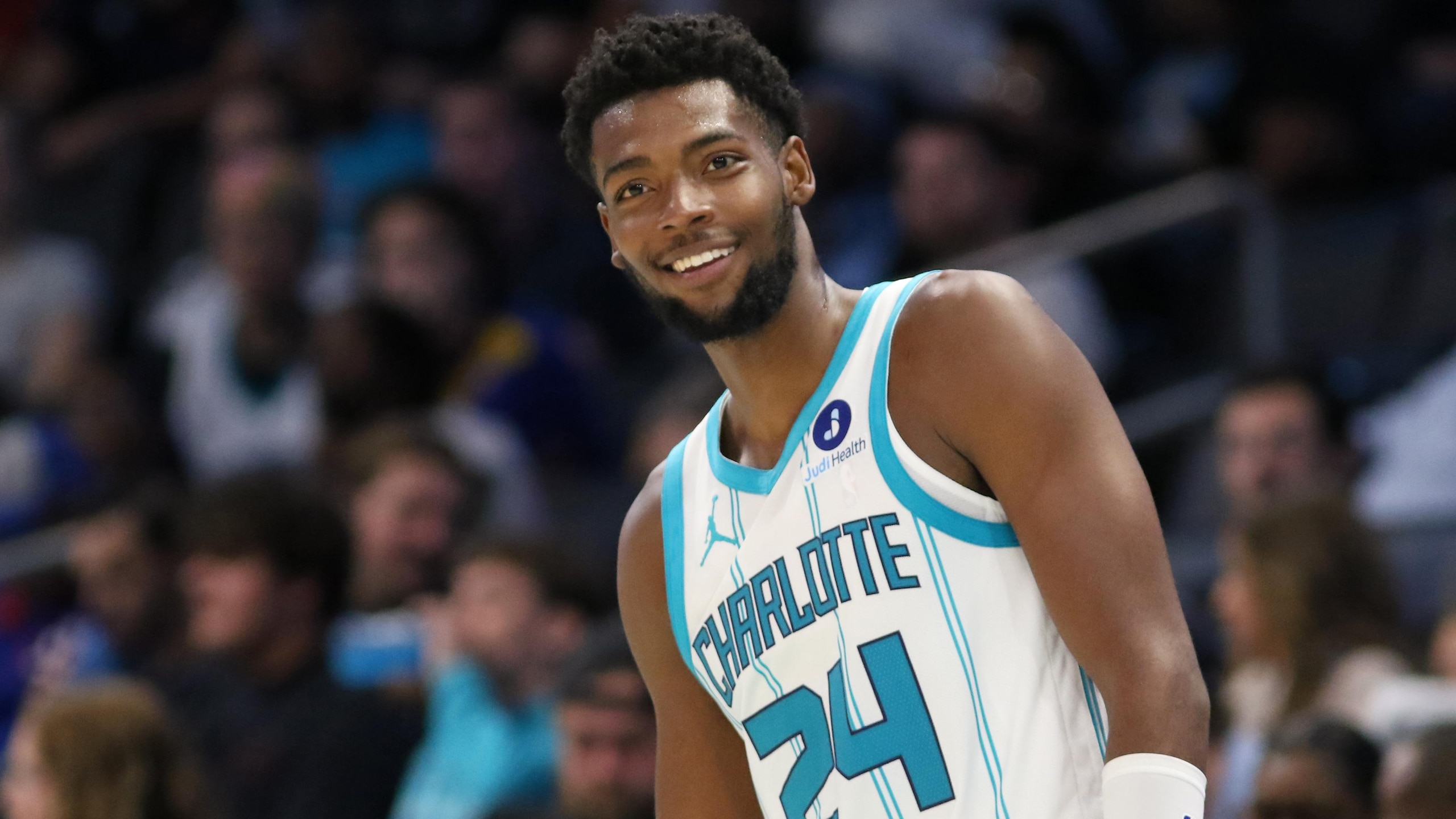
Do the Cleveland Cavaliers have a championship pulse without their post-LeBron James tank producing Darius Garland (recently flipped for James Harden) or Evan Mobley? Are the Minnesota Timberwolves eyeing a possible third consecutive Western Conference finals trip without free-falling just in time to make Anthony Edwards the No. 1 pick in 2020? Would the Charlotte Hornets be 2026's hottest team without all of those losses leading to LaMelo Ball, Brandon Miller and Kon Knueppel?
If you keep answering "no," you're right. (And, hey, those audible replies to these rhetorical questions are unexpected but appreciated!)
No one tanks for fun, they tank because it works. The draft is designed to benefit the biggest losers, after all, so it's not hard to see why losing big can be (and is) so beneficial.
"The fundamental theory behind the draft is to help your worst-performing teams restock and be able to compete," Silver told reporters at All-Star Weekend. "The issue is, if teams are manipulating their performance in order to get higher draft picks, even in a lottery, then the question becomes … are they really the worst performing teams?"
Not all of these teams are as bad as their records, but bottom-feeders reside in that space for a reason. Leave intentions out of this; there isn't a team in the tank race you would qualify as good. At best, you have a few who might be good next season, like the Indiana Pacers, Utah Jazz and Washington Wizards.
Tankers, by their very nature, are on the hunt for high-end talent, and history holds—and the latest standings can attest to—that the draft is the best place for a forlorn franchise to find it. Teams still need to get lucky at the lottery and time the tank jobs just right, but when the puzzle pieces align just right, a powerhouse is born.
That's why tanking isn't "losing behavior done by losers," as Phoenix Suns governor Mat Ishbia claimed, but rather losing behavior done by forward-thinkers and, typically, long-term winners.
Does it always work? Of course not. The Sacramento Kings are in a nearly perpetual tanking state, and yet their need for blue-chip talent is as great as anyone.
It does, however, work often enough that the practice can't go away without league intervention. If, of course, you share the belief that this is a serious problem and not just an aesthetically unpleasing means to an end.
So many aspects of life feature a series of unpleasant events eventually leading to a desired outcome. Maybe tanking is just one of them.
The league clearly wants to curb the practice, and that's ultimately its call to make. Should tanking be eliminated or curtailed, though, that won't change the fact its directly responsible for elevating so many of today's top teams.

.jpg?w=2560 "Viral Dan Campbell Presser 💙")
.jpg?w=2560 "Cam Ward Says He's Not A Loser")
.jpg?w=2560 "AD Trolls Bears WR on IG 😂")
.jpg?w=2560 "Chargers Fall to 0-5 🤢")

.jpg?w=2560 "Report: Steelers WR to Miss 'Weeks'")