
Predictions for the 2026 Men's NCAA Tournament Selection Committee's Top 16 Reveal

At 12:30 p.m. ET this Saturday (Feb. 21) on CBS, the selection committee will provide its one and only peek behind the proverbial curtain with the "Top 16 Reveal" for the 2026 men's NCAA tournament.
It's worth noting this will be an "if the season ended today" snapshot of the top four seed lines and not even remotely a guarantee of where teams will be seeded on Selection Sunday.
However, history has shown that every team in the reveal eventually at least makes it into the bracket, and that it is really hard to get a top two seed in the final product if you aren't already in the top 16. (And that's perhaps truer than ever this year, with this reveal happening a week later than usual.)
That said, who should we expect to see where in the reveal?
After doing weekly bracket projections since this regular season began and doing this bracketology thing for the better part of two decades at this point, here's my educated guess at the top 16, followed by a handful of questions I'm looking forward to having answered.
Projected Top 16 Seeds
1 of 6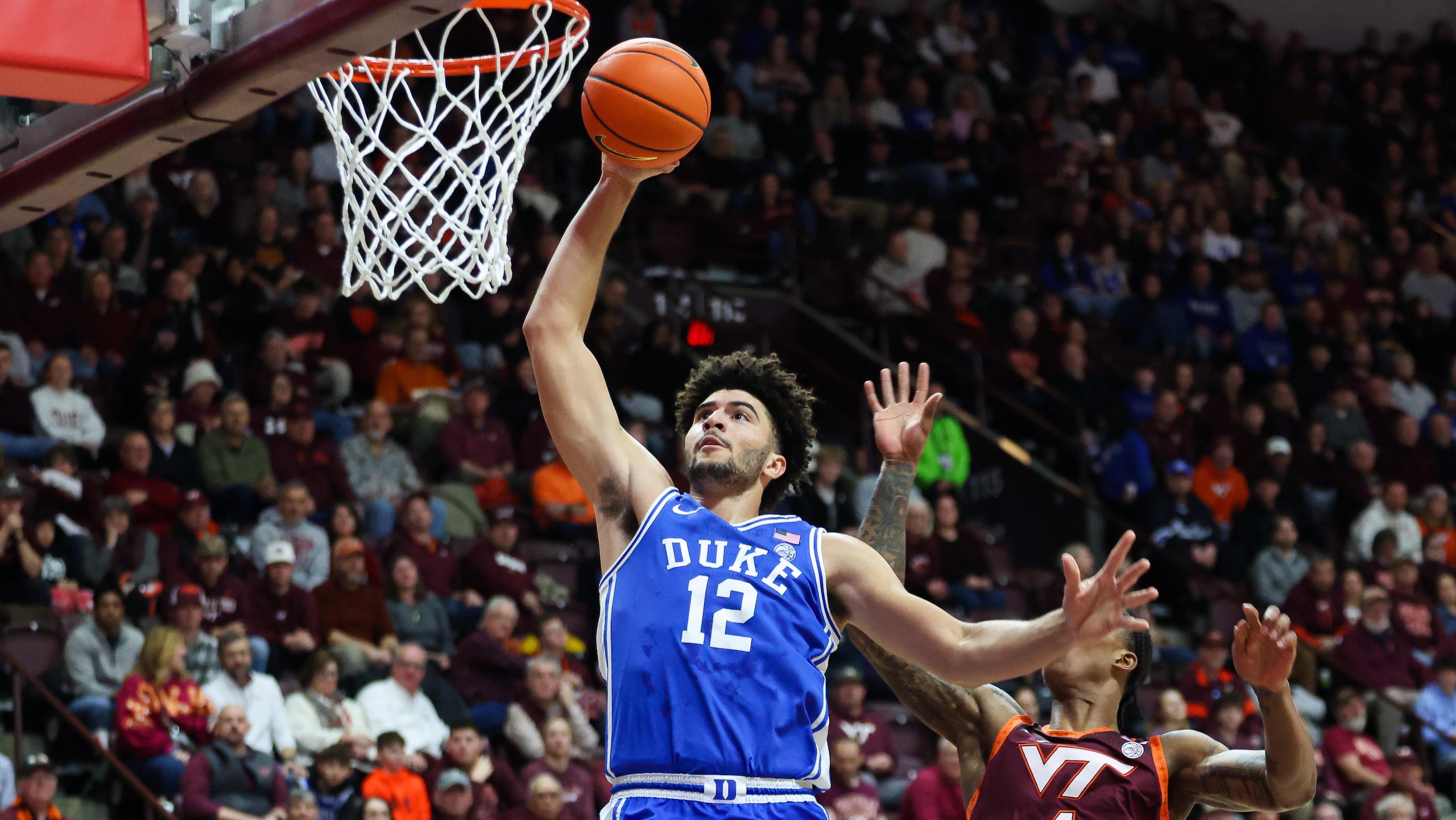
East Region (Washington, D.C.)
No. 1: Duke Blue Devils (overall: 2)
No. 2: Kansas Jayhawks (overall: 8)
No. 3: Purdue Boilermakers (overall: 9)
No. 4: Michigan State Spartans (overall: 14)
Midwest Region (Chicago)
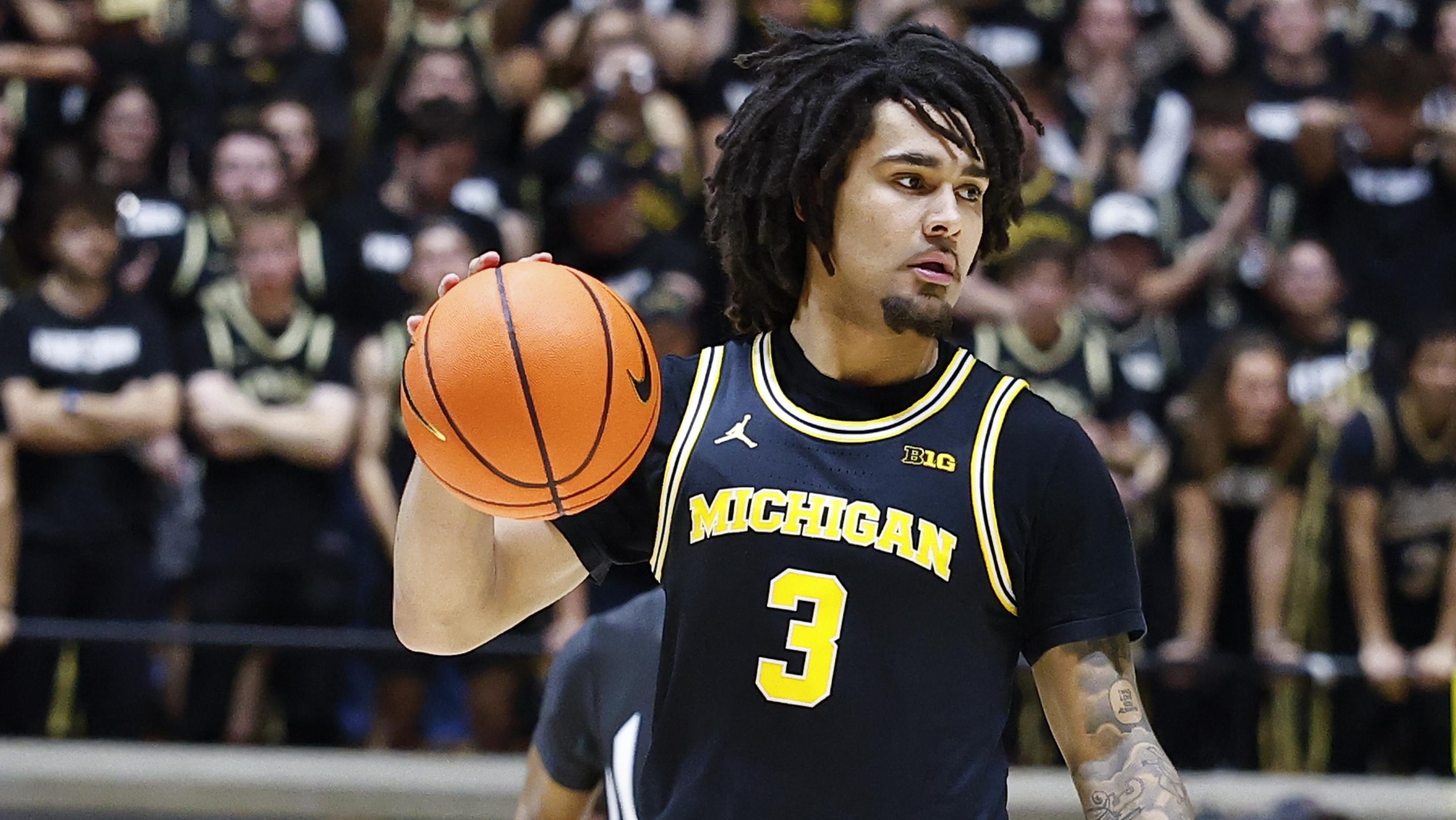
No. 1: Michigan Wolverines (overall: 1)
No. 2: Houston Cougars (overall: 6)
No. 3: Florida Gators (overall: 10)
No. 4: Texas Tech Red Raiders (overall: 16)
South Region (Houston)
No. 1: Connecticut Huskies (overall: 4)
No. 2: Iowa State Cyclones (overall: 5)
No. 3: Nebraska Cornhuskers (overall: 11)
No. 4: Alabama Crimson Tide (overall: 15)
West Region (San Jose)
No. 1: Arizona Wildcats (overall: 3)
No. 2: Illinois Fighting Illini (overall: 7)
No. 3: Virginia Cavaliers (overall: 12)
No. 4: Gonzaga Bulldogs (overall: 13)
Big Question No. 1: Who Gets the Fourth No. 1 Seed?
2 of 6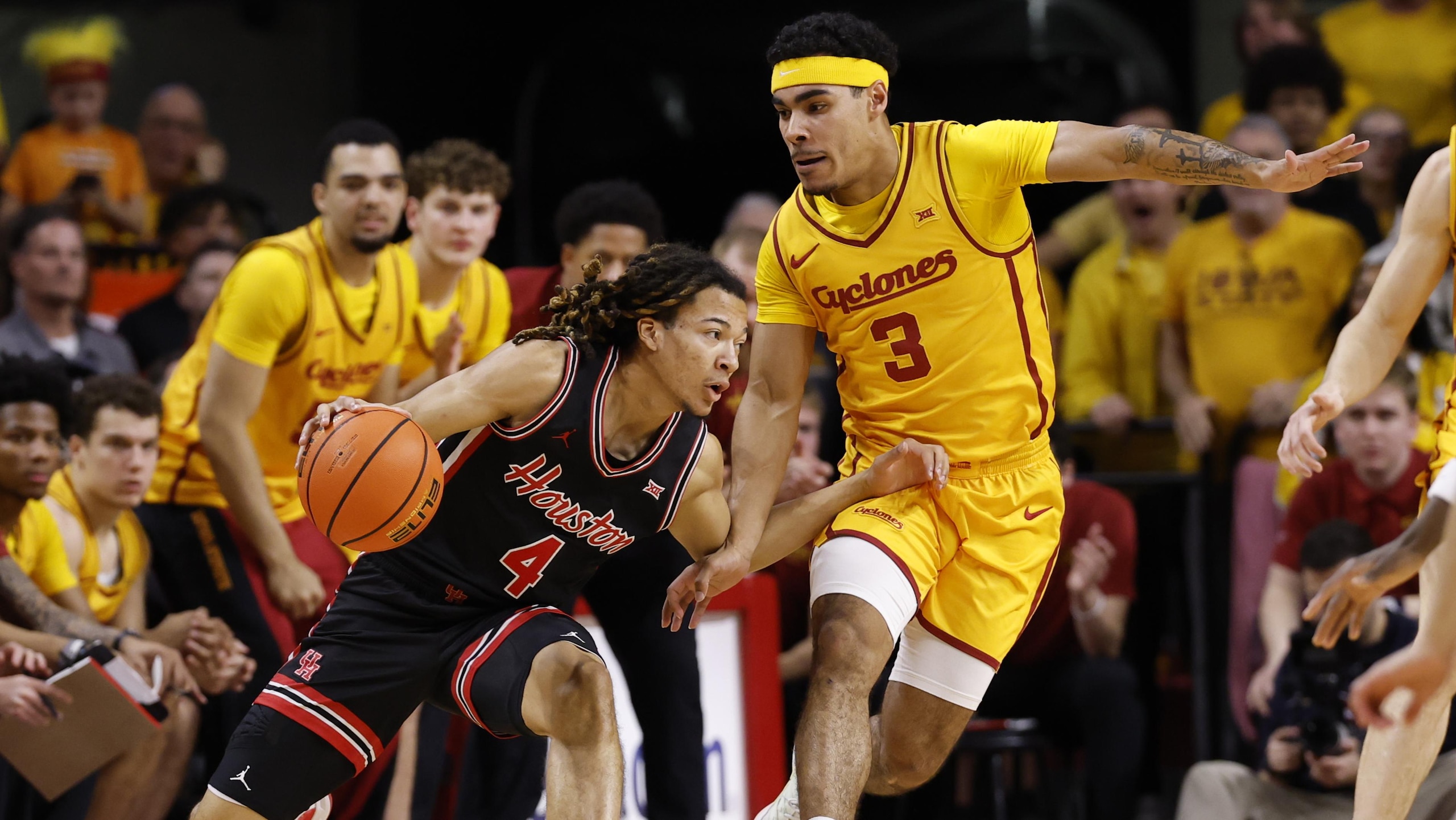
Beyond a shadow of a doubt, it's going to be Michigan at No. 1 overall. It's also extremely likely we'll see Duke at No. 2 overall and Arizona at No. 3 overall, but I could see the argument for having those two swapped.
Either way, though, no doubt whatsoever on who three of the four No. 1 seeds will be.
No. 4, however, became quite the interesting debate with Connecticut losing at home to Creighton on Wednesday night.
In my humble opinion, the Huskies still edge out both Iowa State and Houston by the slimmest of margins. This would surely raise eyebrows (and perhaps even some pitchforks and torches) from people who have watched Connecticut fumble its way down to 10th in the NET and 13th on KenPom via a steady diet of close games against a weak Big East.
UConn does still rank fourth overall in Wins Above Bubble, though. It is also slightly ahead of both Big 12 teams in KPI and SOR. And that's a product of all those nonconference wins away from home over Illinois, Kansas, Florida and BYU—while both Houston and Iowa State put together nonconference schedule strengths that rank outside the top 100.
Houston's 2-3 record vs. Quad 1A arguably puts the Cougars at the bottom of the trio at No. 6 overall, but they're also the only one of the bunch without a loss outside of that upper echelon, as well as clearly the best of the three as far as the predictive metrics are concerned.
Could go any way on Nos. 4-6 overall, and it's so close that the committee's final answer probably won't even give us anything definitive to work with moving forward.
Big Question No. 2: How Will the Committee View Alabama?
3 of 6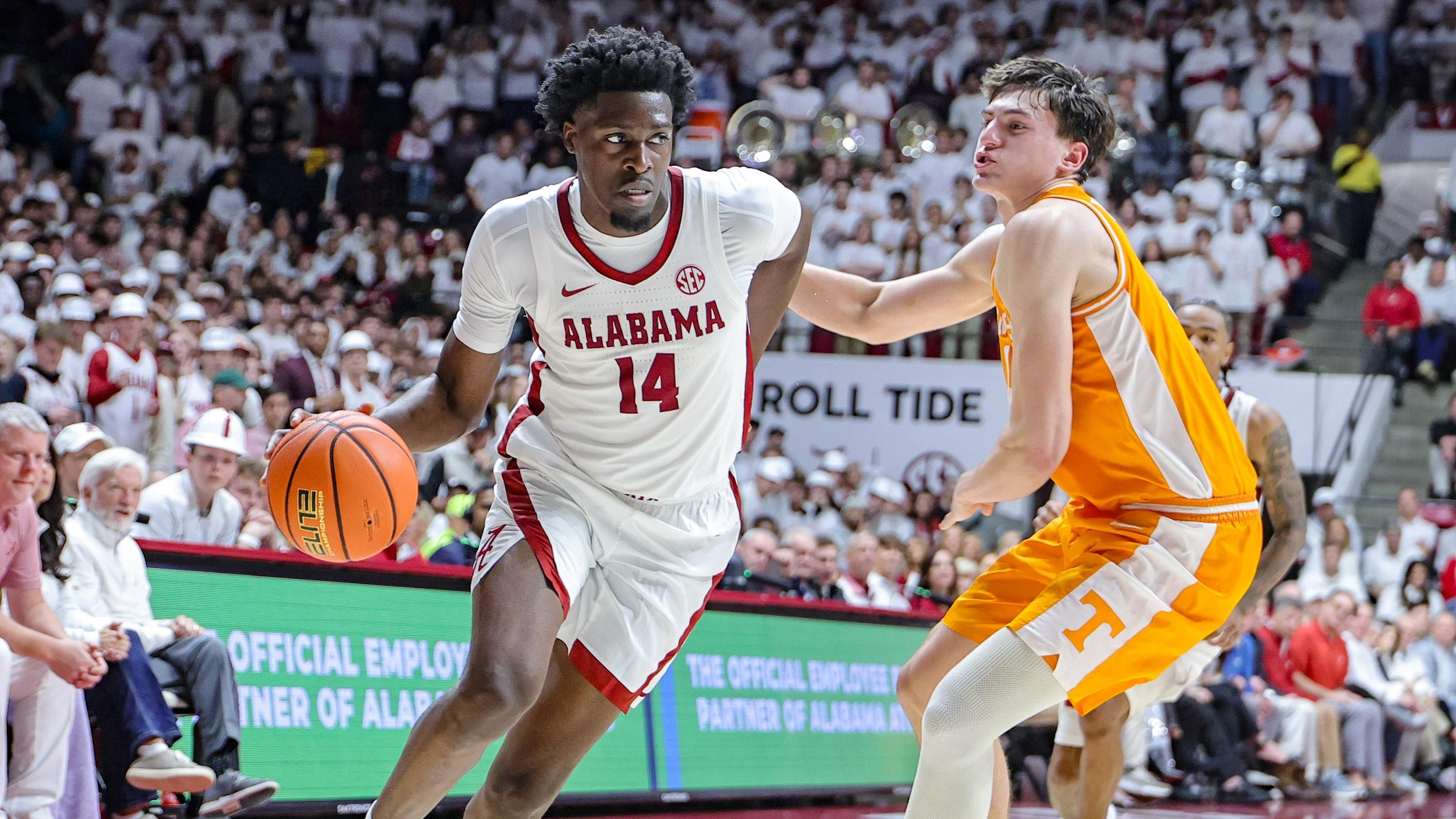
Based solely on the results and metrics, Alabama almost has to be regarded as a top 16 team.
The Crimson Tide rank top 12 in all of three of the results-based metrics, they are 8-7 against projected tournament teams and they have yet to suffer a loss to a team presently ranked worse than 28th on KenPom. They also played one of the toughest nonconference schedules out there, which is always a crowd pleaser. And because of it, they are tied with UConn, Florida and Vanderbilt for the seventh-most wins against Quads 1 and 2 (13).
But what is the selection committee going to do about that great big, super public, Charles Bediako asterisk?
This isn't your standard injury/eligibility situation. Bediako and Nate Oats got a temporary restraining order from a judge—who just so happened to be an Alabama donor—and effectively dared the NCAA to do anything about it.
And while Bediako's impact for those five games didn't exactly answer the "What would happen if you put Shai Gilgeous-Alexander on Valparaiso?" hypothetical, he was most definitely a factor for Alabama in the three-point win over Texas A&M and four-point win over Auburn, logging a combined 41 minutes with 17 points and seven rebounds in those victories.
If Alabama doesn't appear in the top 16, should we assume the committee disregarded, or at least significantly discounted the wins in which Bediako played?
Will we actually hear from the committee chairman how they are discussing Alabama?
Frankly, this is probably the most important thing we'll learn from the reveal.
.jpg?w=2560 "Texans Jaguars Football")
.jpg?w=2560 "Jets Saints Football")
Big Question No. 3: And What About the JT Toppin Injury?
4 of 6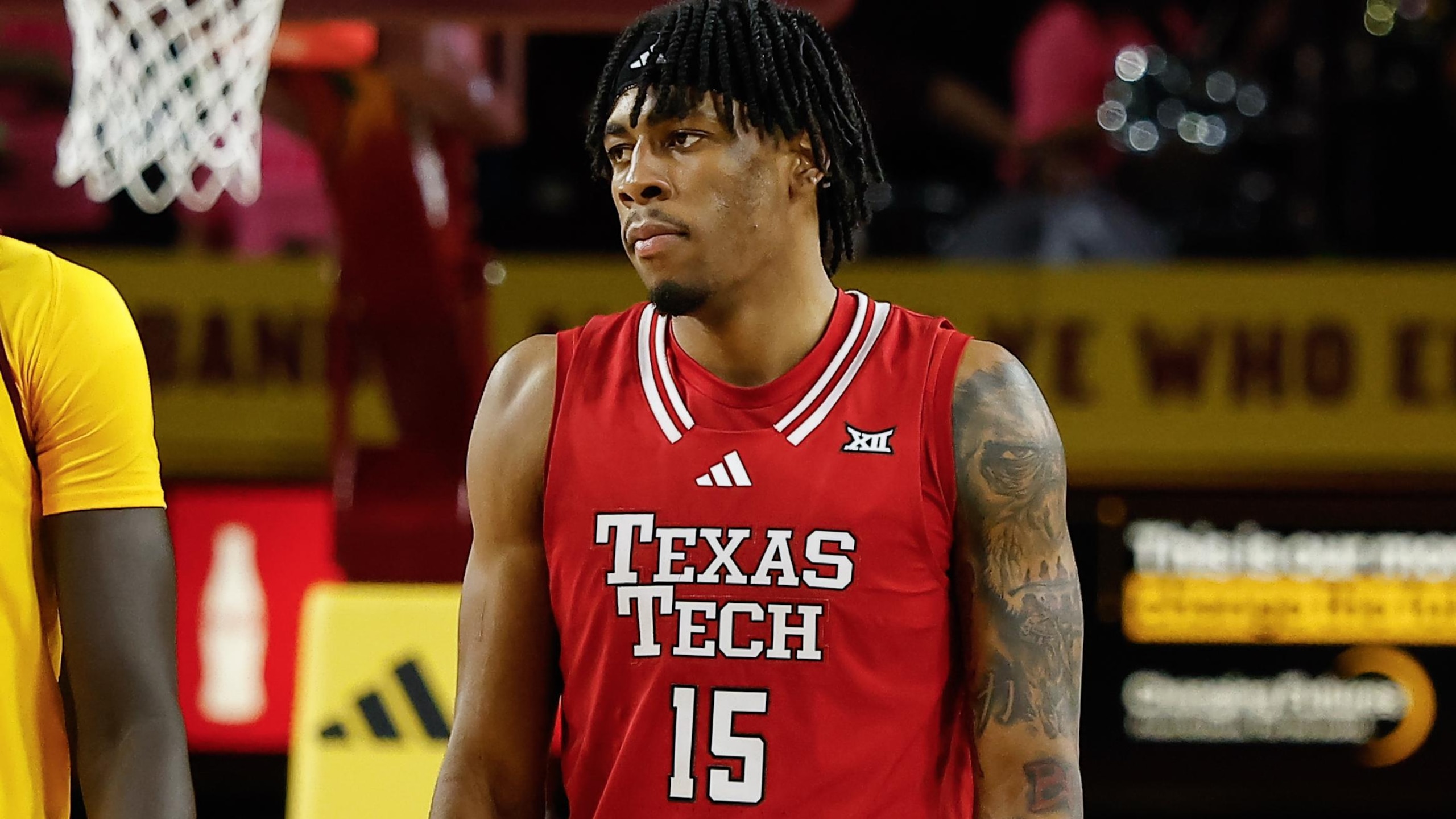
Having faced a slightly preposterous number of top 16 teams—Duke, Illinois and Purdue in nonconference play; Houston twice and Arizona and Kansas once each in Big 12 play—Texas Tech was surely discussed quite a bit this past week by the selection committee, even if it doesn't ultimately crack the top 16.
The Red Raiders arguably should make the cut, though...
Unless the committee is proactively downgrading them for JT Toppin's torn ACL.
Winning at Arizona, beating Houston at home and defeating Duke on a neutral court is a ridiculous trio of best wins. KenPom top five teams have suffered a combined 13 losses this season, and Texas Tech was responsible for three of those. And prior to Tuesday night's loss at Arizona State, the Red Raiders had not suffered anything close to a bad loss. (Even that was a Quad 1 outcome, too.)
How they play the rest of the way without Toppin will be crucial in determining their seed. And with road games against Iowa State and BYU still to come before the Big 12 tournament, Texas Tech could easily go 3-3 from here to end up somewhere in the Nos. 7-8 range.
Until we know how they look sans Toppin, though, I like them at No. 16—if only because the likes of St. John's, Vanderbilt and Tennessee nipping at their heels have some resume woes of their own.
Big Question No. 4: Where Do Florida and Virginia Land?
5 of 6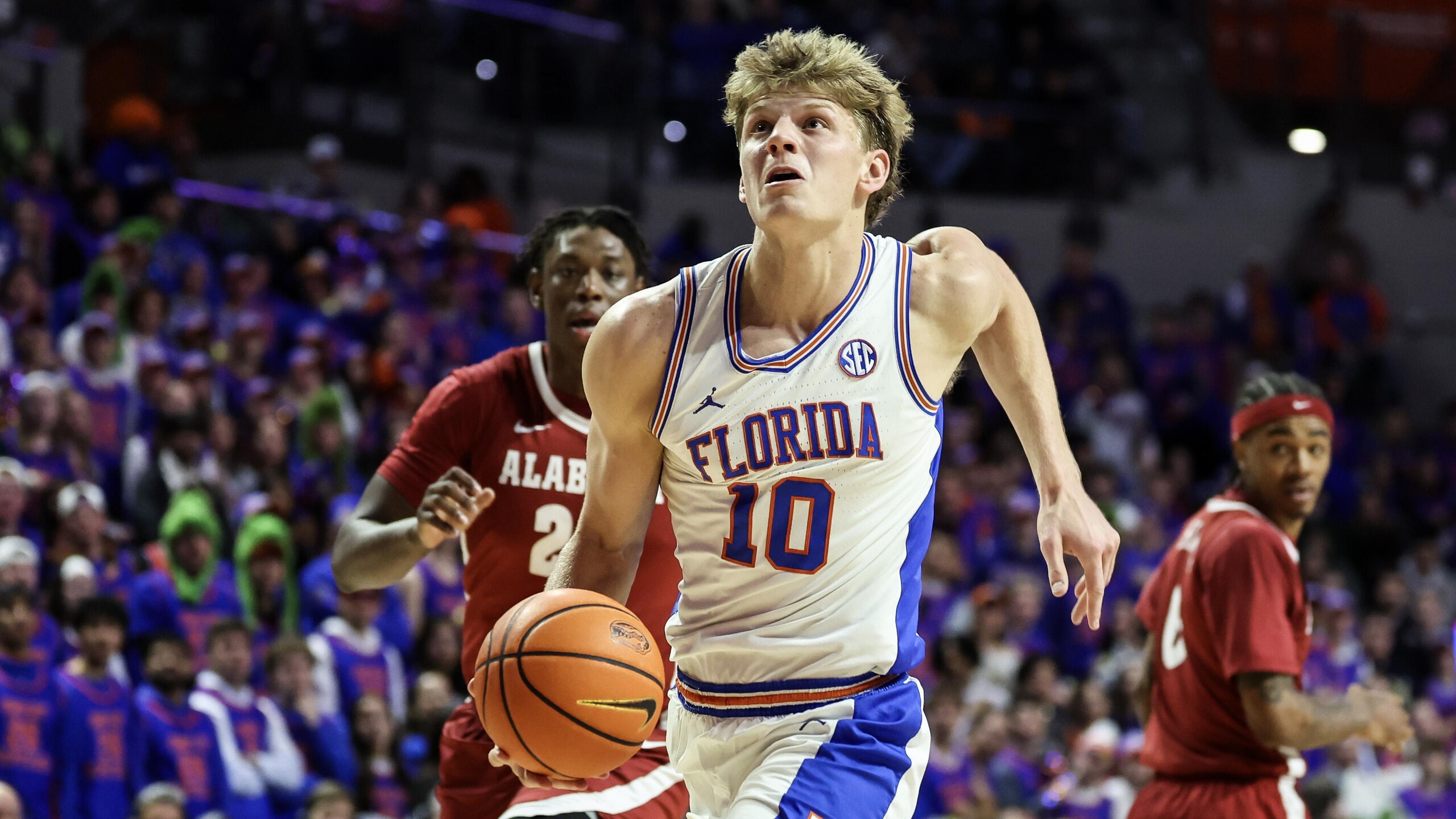
If you put Florida and Virginia on a neutral court right now, the Gators would probably be favored by about 6.5 points.
But if you were to play the ol' blind resume game and had to choose between Team A at 23-3 overall with a 4-0 record against Quad 1A and Team B at 20-6 overall with a 2-3 record against Quad 1A and nearly identical resume metrics, you're probably taking Team A (Virginia) 101 times out of 100.
How will the selection committee deal with the fact that Florida looks like one of the three best teams in the country over the past 10 weeks, but didn't score any great nonconference wins and hasn't been able to pick up any truly upper echelon victories in an SEC that is drastically less elite than last season?
Or the fact that none of Virginia's four Quad 1A wins—at Louisville, at NC State, at SMU, at Texas—came against a team that is presently projected for a top five seed?
With how the committee has historically seeded, it's probably going to be Florida at No. 10 or No. 11 overall, while Virginia makes the most sense at either No. 12 or No. 13.
But if the Gators check in as the last No. 2 seed and/or if the Cavaliers barely make the grade at No. 16 overall, that could be a sign that this particular committee is putting more stock in predictive metrics/eye test than usual. (Especially if we also end up seeing Houston as the final No. 1 seed.)
Conversely, if Virginia lands ahead of Florida on Saturday, go ahead and chalk that up as a clear sign that being 4-0 against Quad 1A carried more weight than how good those individual wins actually were.
Big Question No. 5: How Many Times Will We Hear "Wins Above Bubble" or "WAB"?
6 of 6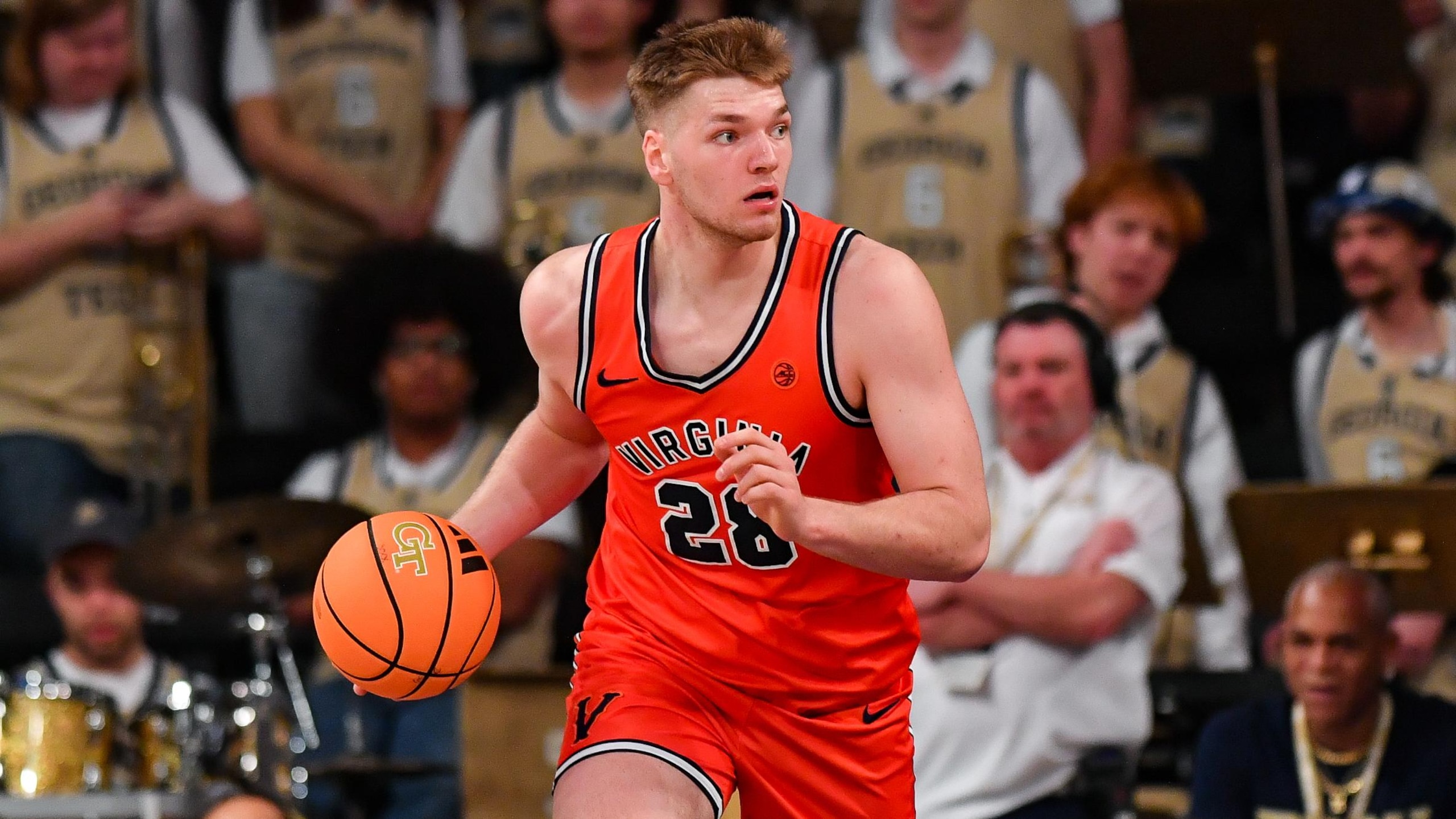
Wins above bubble was added to the NCAA's official team sheets last season, and the selection committee sure did lean heavily upon its fancy new metric.
The top eight overall seeds in last year's dance? They all ranked top eight in WAB.
Of the teams who ended up top 25 in WAB, only Louisville failed to secure a spot among the top six seed lines.
The Venn Diagram of "Finished top 40 in WAB" and "Earned a No. 10 seed or better" was a single circle.
And as it so happens, my projected top 16 overall for Saturday are also the current top 16 in WAB.
If you're new to this metric, the idea is to sum up in a single number how well a team performed against its schedule, relative to how well a team smack dab on the bubble would be expected to perform.
In a neutral-site game against the 45th-best team in the country, a win would be worth +0.5 WAB while a loss would count for -0.5 WAB, as that is theoretically the ultimate coin-flip game for a team on the bubble.
Win on the road against No. 1 Michigan like Wisconsin did and you'll gain around 0.95 WAB. But lose that game like every other team has and your WAB is only going to decrease by 0.05, regardless of whether you lose by one possession or a country mile.
Conversely, home games against teams down around 350th in the NET are going to be worth 0.01 WAB for a win, but a devastating subtraction of 0.99 WAB for a loss, since a bubble team should win that game at least 99 percent of the time.
Add up all those fractional components and you end up with a singular number, showing that Michigan is 10.50 wins above bubble while bubble teams like TCU, New Mexico and California are all hovering in the 0-1 range, trying to prove they belong.
And if you're planning on taking a sip of water every time WAB is mentioned during the reveal, hope you have a gallon on hand. It'll come up a lot.
.png?w=2560 "CFB Top 25")
.jpg?w=2560 "Ref Slips on Wet Turf in London 🎥")
.jpg?w=2560 "Texans Beat Jags in London")