
2026 Winter Olympics Men's Hockey Results, Live Highlights and Analysis for USA vs. Sweden
Whew! That one was every bit as good as advertised.
Though hockey fans had been paying attention since the initial puck drops at the 2026 Winter Olympics, the unbeaten/untied arrival of the U.S. men's team to the quarterfinals in Milan ratcheted mainstream attention.
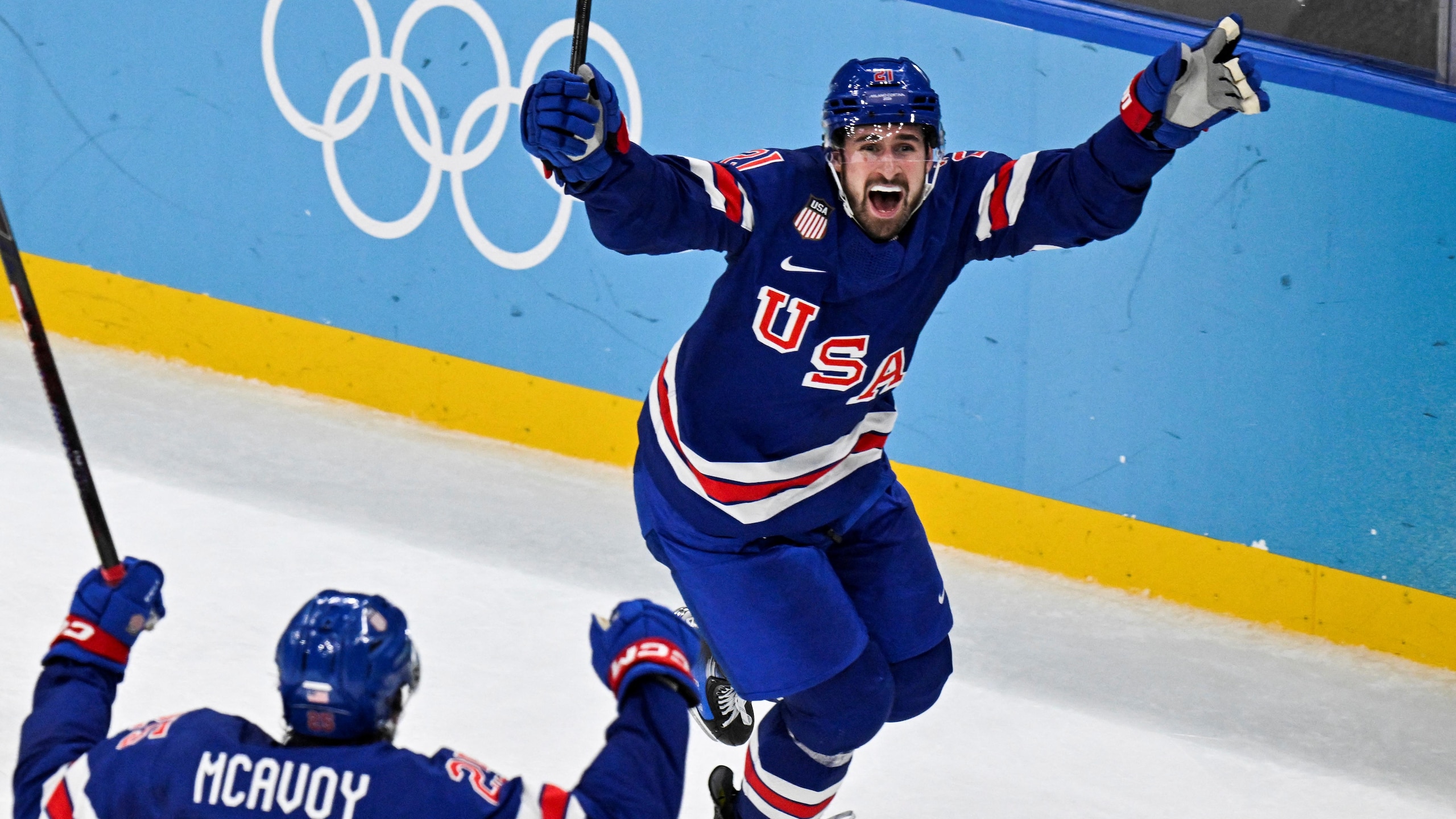
Team USA made it pay off in the one-and-done stage against Sweden, winning 2-1 in a thrilling three-on-three OT session.
B/R's hockey team was in position to take in all the action from the Milano Santagiulia Ice Hockey Arena and deliver live highlights and analysis.
Take a look at what we came up with and drop a thought or two of your own in the app comments.
Game Highlights From USA vs. Sweden Quarterfinal
1 of 6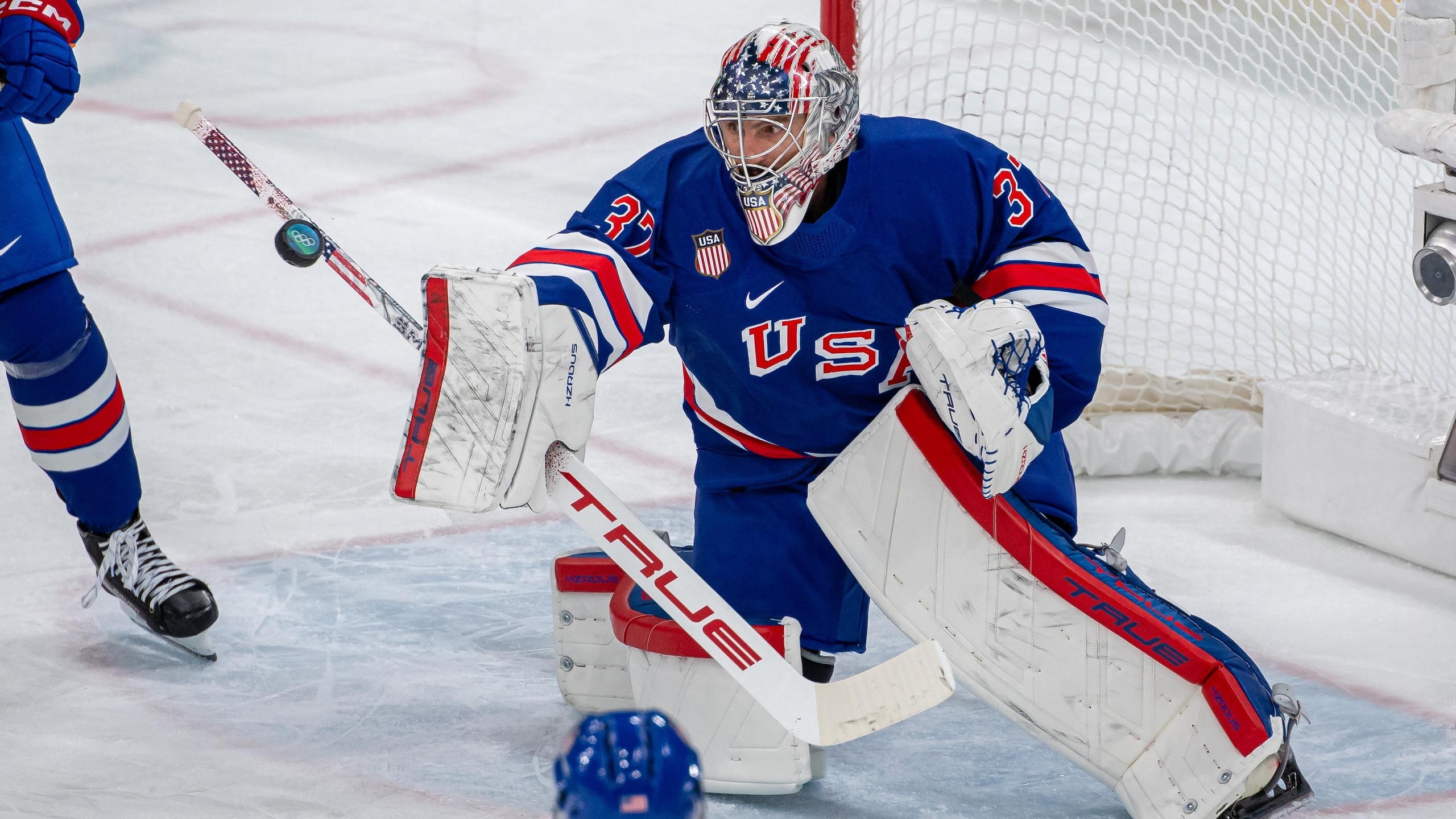
Overtime
GOAL! Quinn Hughes puts an end to proceedings at 3:27 of the extra session with a wicked shot.
Third Period
GOAL! Late drama as Mika Zibanejad ties it for Sweden at 18:29 of the third period.
Second Period
An alternate look at Larkin's goal from ice level.
GOAL! The United States finally opens the scoring as Dylan Larkin deflects a shot from Jack Hughes past Jacob Markstrom at 11:03 of the second period.
Pre-Game
Lineups for the USA against Sweden
And the Swedes' lineup
Final Takeaways
2 of 6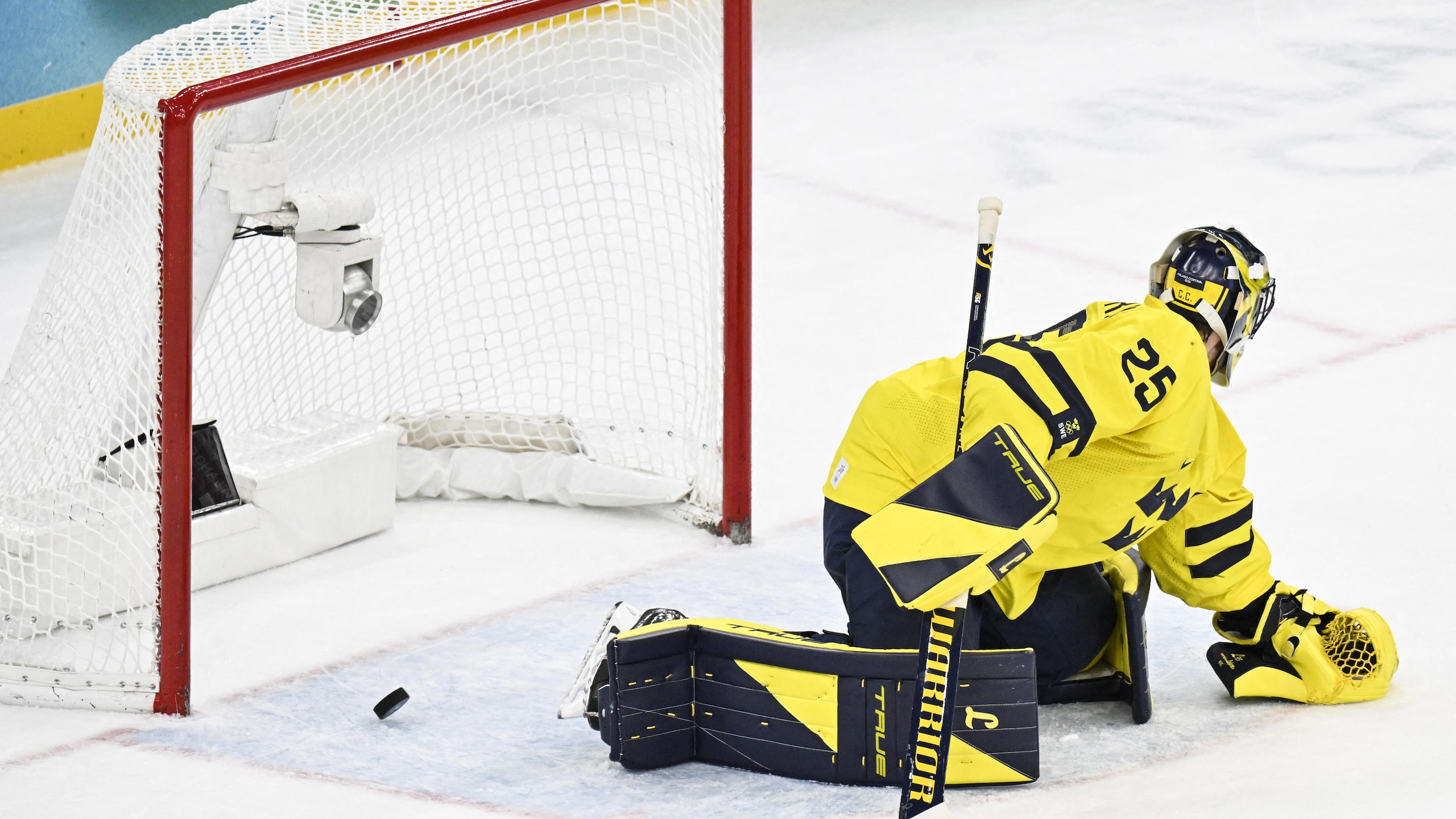
Quinn Hughes Calls Game
Quinn Hughes may win a Norris Trophy, and perhaps a Stanley Cup this season.
But first, his quest for a gold medal continues.
The Minnesota defenseman stayed on the ice through an overtime line change, gained possession in the offensive zone, and ripped a wrist shot past Markstrom to lift the U.S. past Sweden, 2-1, in a Wednesday afternoon thriller.
It was the third of three OT games—in which the teams play three-on-three with goalies—in the men's quarterfinals, the first time that's happened.
The second-seeded Americans will face No. 3 Slovakia in Friday's semifinals, with the winner to face the winner of the other semifinal, matching Canada and Finland. Both the Canadians and the Finns had advanced with OT victories earlier in the day.
It was Team USA's fifth win in 10 quarterfinal appearances across the last 10 Olympics, with two yielding silver medals and the other two ending with fourth-place results.
Hughes took possession of the puck along the left point, skated across the blue line from left to right, then cut back against the grain in front of Swedish forward Gabriel Landeskog and sent the game-winner past Markstrom to the glove side.
"For a goalie, it is so difficult when players move one way and shoot the other way," analyst Brian Boucher said. "That's exactly what Quinn Hughes did."
OT Win Nixes Zibanejad's Heroics
The Americans were less than two minutes from a regulation win when, with Markstrom pulled for an extra skater, Zibanejad took a cross-seam pass from Lucas Raymond and beat a lunging Connor Hellebuyck inside the left post with 91 seconds to go.
The Swedes had a 10-4 advantage in shots in the final 20 minutes, but Team USA overcame what Boucher labeled "a jarring moment" in the tying goal and had a few opportunities before the 60 minutes were complete.
The U.S. was in clear territorial control in the extra session, and Markstrom made saves on Jake Guentzel, Auston Matthews, and Jake Hughes before surrendering the winner.
"He's not too high. He's not too low," analyst Anson Carter said of Quinn Hughes, who had more than 27 minutes of ice time. "He's talking like a guy who's still got work to be done."
Takeaways from the Second Period
3 of 6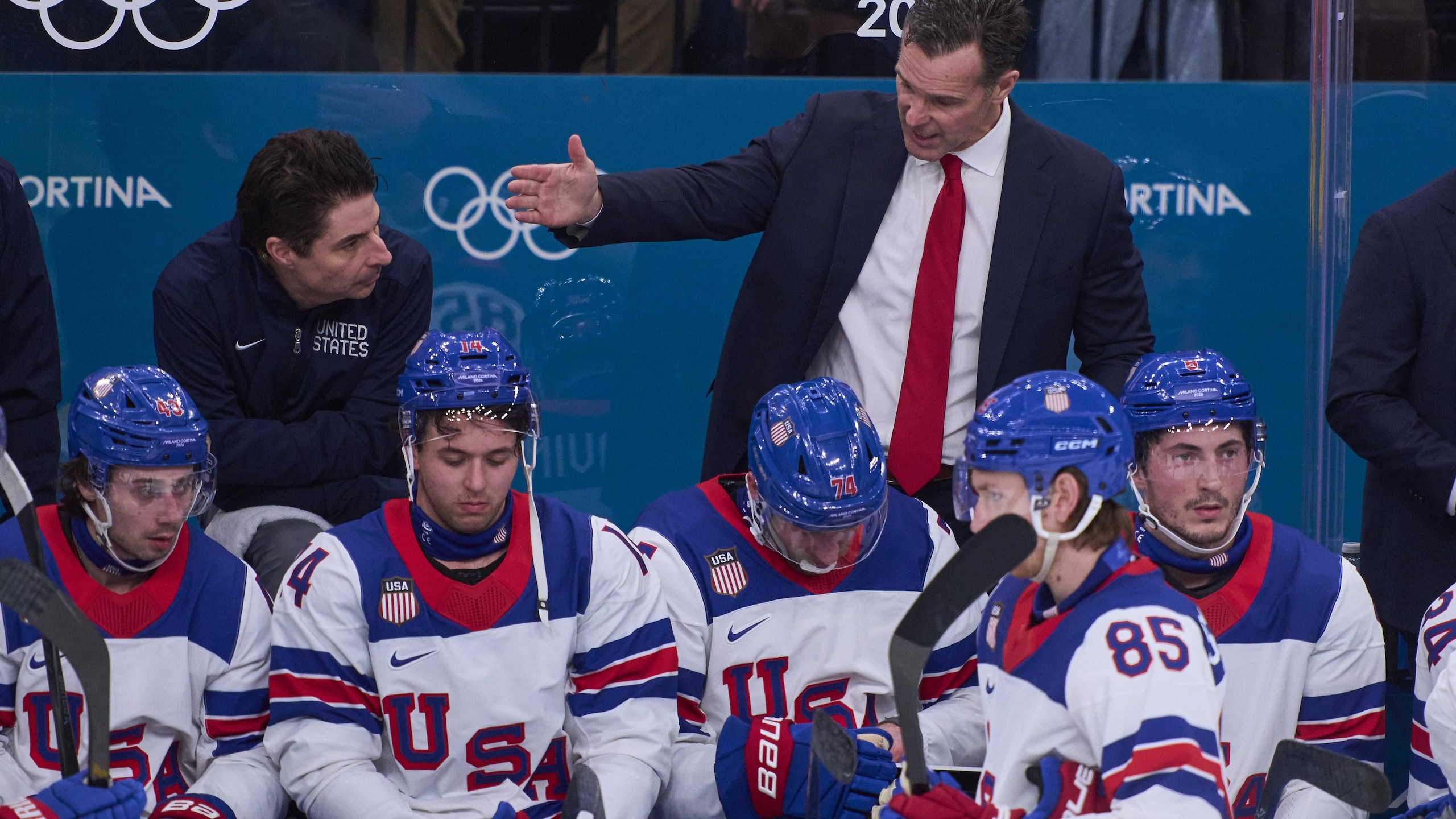
Coaching Move Yields Game's First Goal
A little line juggling worked for Mike Sullivan.
The U.S. coach's decision to plug Detroit captain Dylan Larkin in alongside Brock Nelson and Jack Hughes paid off just past the game's midway point.
The Red Wings' center pulled an offensive-zone draw back to Quinn Hughes from the left-side dot, then went to the front of the net to tip in a subsequent drive from the blue line from Jack Hughes, getting it past Markstrom at 11:03.
Each of the U.S. players involved is a native of Michigan.
It was Larkin's first goal of the tournament, but it was the residue of continued excellence in taking draws. The goal-scoring sequence came after he raised his win rate to 65 percent.
"Great job by that line and great job by the Team USA staff to draw up that play," analyst Ed Olczyk said. "What you're trying to do is cause confusion and open up space."
Grinding Style Working to U.S. Advantage
The play was even, in terms of territory and scoring chances, in the opening period.
But it changed in the second, particularly after some Connor Hellebuyck saves.
The U.S. goalie stood tall early in the session, particularly when he robbed Lucas Raymond at the end of a long shift in the Team USA zone in the initial five minutes.
The ice began subtly tipping from that point forward as the Americans ground down the Swedish defense with their aggressive forechecking.
"The Americans got to their game, stretching out the defense of Sweden," Olczyk said. "In these low-chance types of games, you've got to funnel everything to the net. I don't think it's going to open up. Just try to win those five-minute segments all the way through."
It paid off with the Larkin goal and ultimately led to a 20-8 advantage in U.S. shots.
"You feel the intensity, you feel the stress," Larkin said. "Every play matters. They played last night. Ice gets bad late in the period. The start to the third period is going to be huge."
.jpg?w=2560 "Packers 49ers Football")
.jpg?w=2560 "Seahawks Cardinals Football")
.jpg?w=2560 "Steelers Browns Football")
Hedman is a Big Loss for Swedish D
4 of 6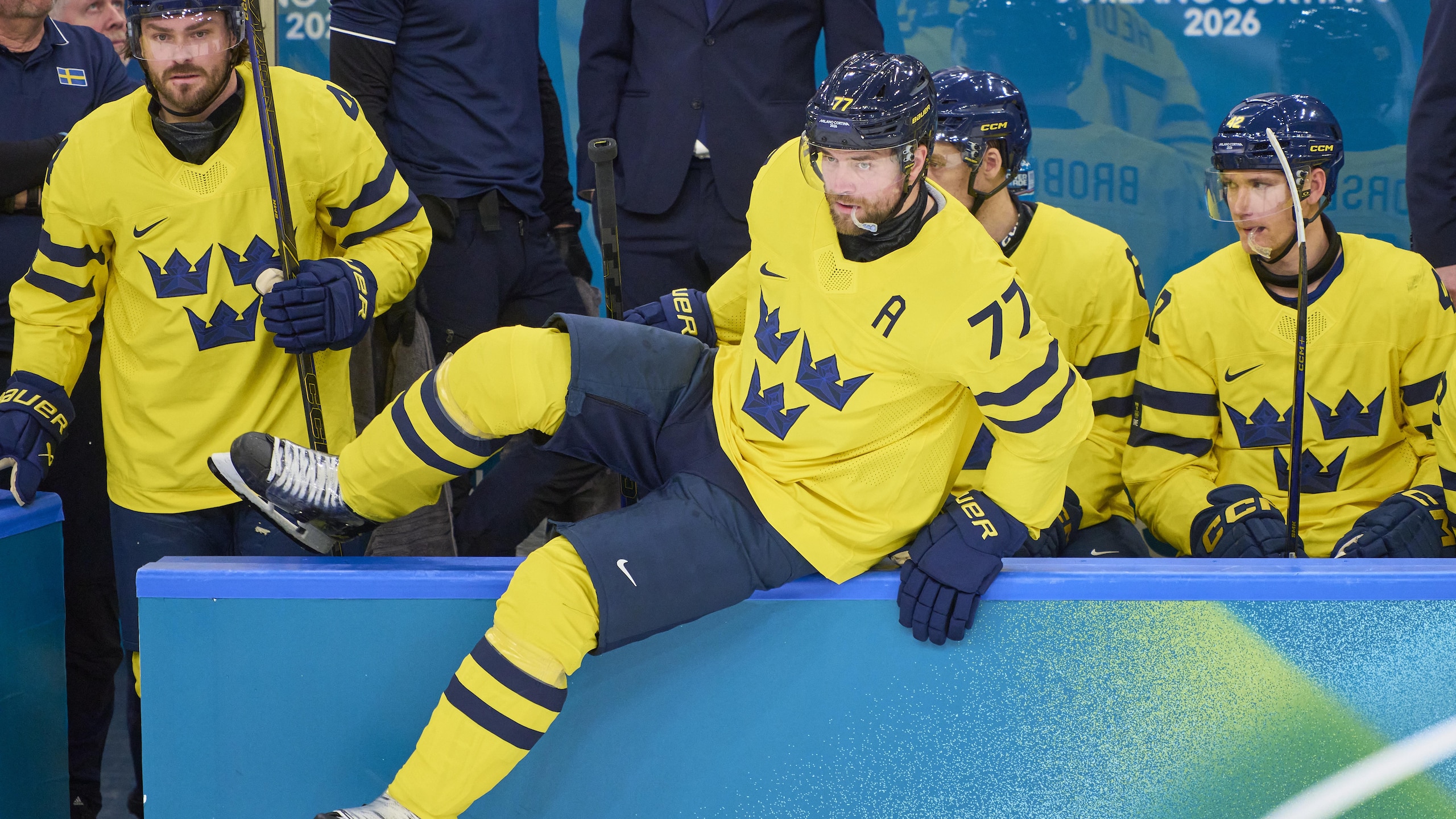
Victor Hedman is a big-game player.
The second overall pick in the 2009 NHL Draft has played more than 1,100 regular-season games and another 170 in the playoffs for the Tampa Bay Lightning, winning a Norris Trophy, a Conn Smythe Trophy, and a pair of Stanley Cups along the way.
Which means his absence down the stretch may be even more telling for Sweden.
The 6'7", 244-pound blue liner had averaged nearly 19 minutes of ice time per game through Sweden's initial four games, but he was limited to watching from the bench against the U.S. thanks to a lower-body injury apparently suffered during warmups.
The Swedes were not allowed to replace him because the injury came after lineups were submitted.
"It's still a very good D group even without Hedman, but that's a huge loss," analyst Ed Olczyk said. "You've got to make sure to target (Rasmus) Dahlin, especially cause his ice time will be up."
Takeaways from the First Period
5 of 6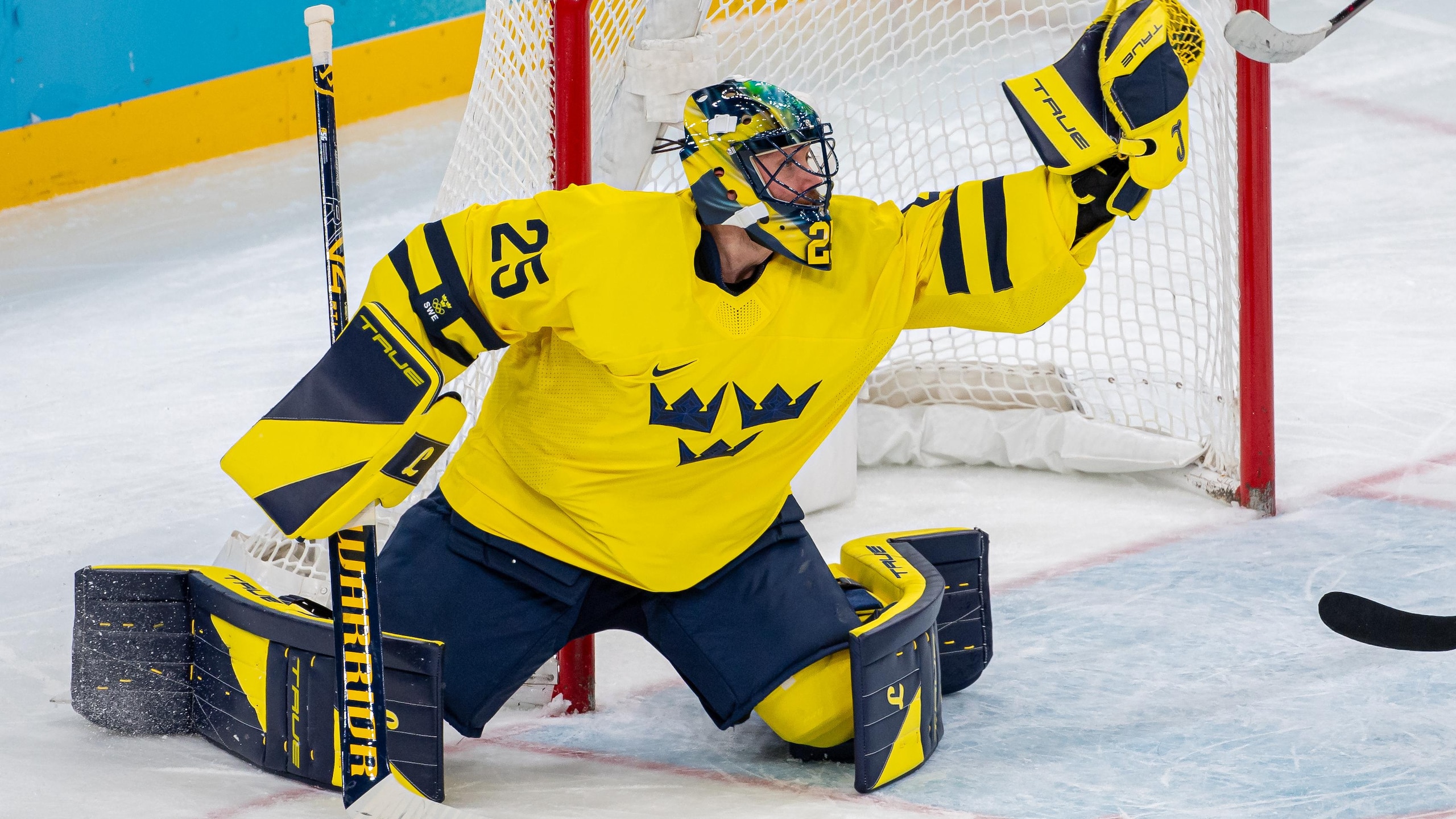
Goaltenders Rising to the Occasion
The U.S. was rarely forced off cruise control, scoring at least one goal in each of nine periods against Latvia, Denmark, and Germany.
But that streak came to an end in the opening 20 against Markstrom.
The New Jersey starter handled all 10 shots in his direction, including a sliding glove save on Jack Eichel and a pad stop on Devils teammate Jack Hughes after a turnover.
He was matched on the other end by Hellebuyck, who also made 10 saves after getting the call from Sullivan for the third time in four games.
The reigning Vezina and Hart trophy winner stymied Lucas Raymond after an outlet pass by Oliver Ekman-Larsson just past the halfway point of the period, then stopped Rasmus Dahlin's wrister from inside the blue line in the final two minutes.
Overall, he's allowed just two Olympic goals on 52 shots, a .962 save percentage.
"If you're looking for any areas where there has been nervous play, you haven't seen it," analyst Brian Boucher said. "It's been a solid tournament so far."
Playoffs Anyone?
If Joel Erikkson Ek didn't know the intensity had spiked, he does now.
The Swedish forward, a veteran of nearly 600 NHL games with Minnesota, was on the receiving end of the sort of hit behind the U.S net that had been absent in pool play.
Boston defenseman Charlie McAvoy cracked his Swedish foe to the ice in a clear indication that the arrival at the quarterfinals brought with it a playoff-like vibe.
"It's a playoff game. A playoff mentality," analyst T.J. Oshie said. "And the Americans are answering the bell."
Sullivan preached that approach in the locker room before the game, with the intent to dominate in the later stages, when a Swedish team on the back end of consecutive games might begin to feel the effects.
"It's now just rolling over them, going after them shift after shift," U.S. forward Matthew Tkachuk said. "Then, in the third period, we've got them. Finish checks. Make plays. Play smart. We've got a lot of guys who can do that."
History vs. Sweden Unkind to U.S.
6 of 6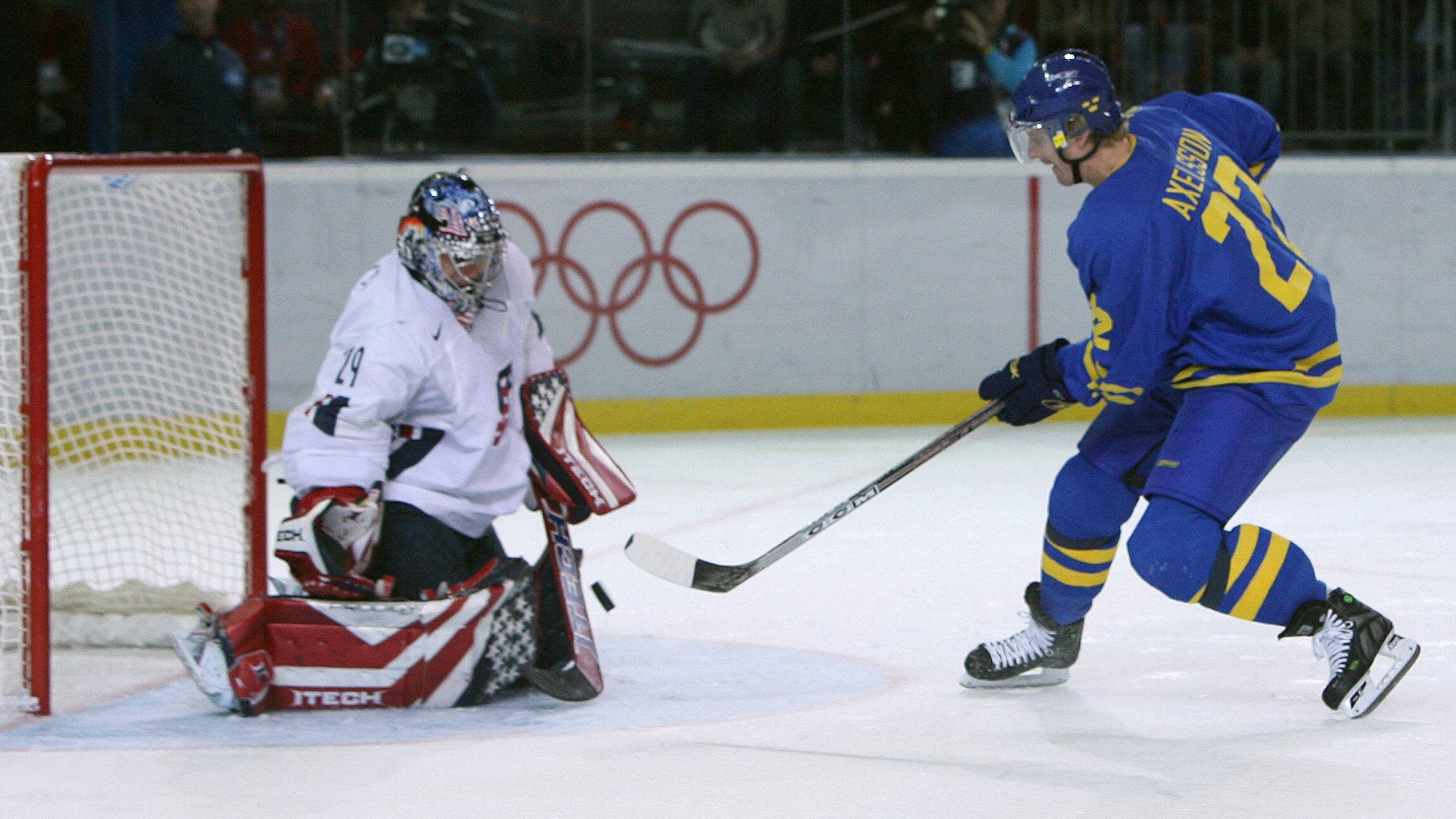
To suggest Wednesday's game with Sweden is the most important the teams have had in NHL-included Olympic competition is hardly hyperbolic.
But history hasn't exactly been kind to the red, white and blue.
The Swedes and the Americans have met in pool play twice with NHL players, with Team USA dropping 4-2 and 2-1 decisions in 1998 and 2006, respectively.
The U.S. ultimately finished sixth after a quarterfinal loss to the Czech Republic in Nagano, Japan and took eighth after a loss in the quarters to Finland in Turin, Italy.
In fact, the Americans have gone just 4-5 while reaching the last eight in each of the past nine Olympics, including losses without NHL players in both 2018 and 2022.
Their four quarterfinal wins yielded a fourth-place finish in 1992, losses to Canada in gold-medal games in 2002 and 2010, and another fourth place in 2014.
.jpg?w=2560 "Lions Cardinals Football")

.jpg?w=2560 "Cam Ward Says He's Not A Loser")