
NBA Teams Trending the Wrong Way at the Wrong Time
The All-Star break is over, which means we've hit the point in the NBA season when teams hope to hit their strides.
This is when contenders try to peak ahead of the playoffs, but the teams we'll feature aren't trending upward the way they'd like.
Tanking fatigue is real, so we won't include any teams that are winning too much to maximize their lottery odds. This is about squads that have (or had) big goals and aren't performing at a level that makes meeting them feel especially likely. It doesn't matter if a season is going sideways when there aren't real stakes.
Inclusion here isn't a death sentence. None of the very best teams during this same portion of the calendar last year—the Denver Nuggets, Boston Celtics, Los Angeles Lakers and Cleveland Cavaliers—even made the conference finals. All things being equal, everyone we'll cover still wishes they were playing better.
Let's see who's headed the wrong way as we enter the stretch run.
Golden State Warriors
1 of 5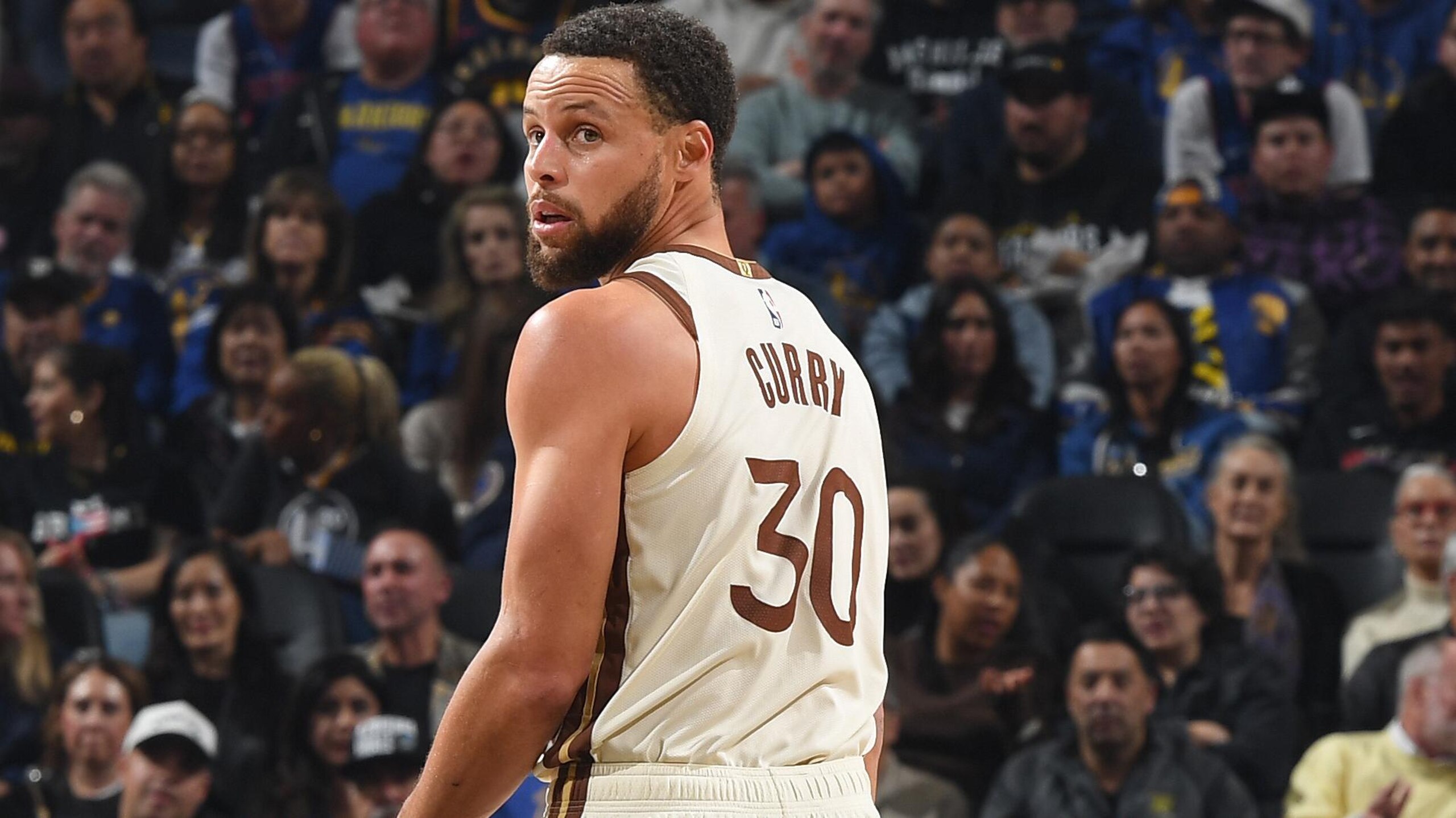
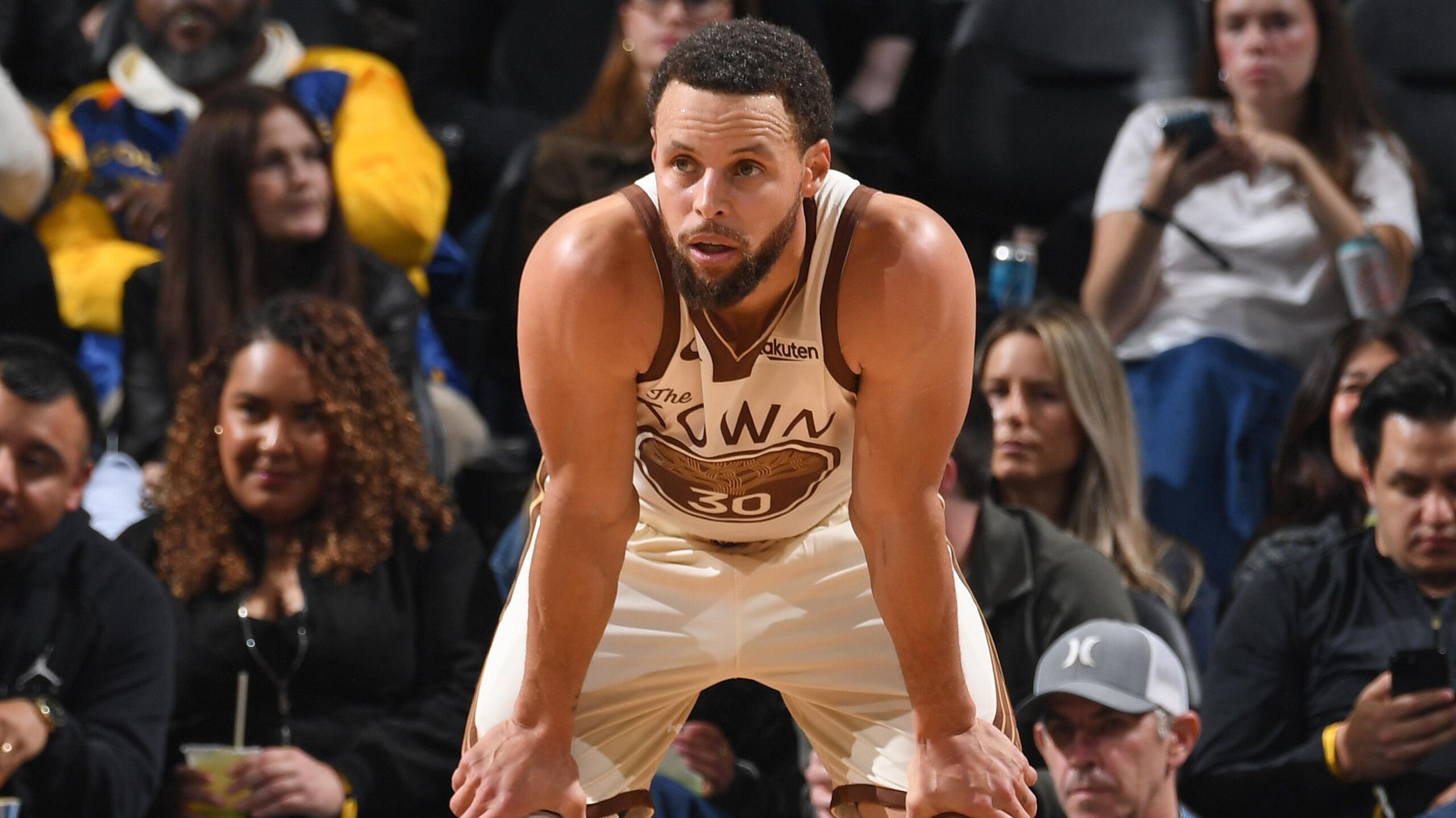
In the micro sense, the Golden State Warriors' season took a nosedive the moment Jonathan Kuminga slipped out of the rotation (again) in the middle of November. He was supposed to either play well enough to solidify his spot in the team's core or boost his trade value but did neither.
From there, Jimmy Butler's season-ending knee injury extinguished all hope of a deep playoff run, and Stephen Curry's bout of runner's knee further diminished expectations.
Those issues only affect this season, but they combine to pose a macro problem for the Warriors.
They're trending the wrong way in a larger sense, sliding out of relevance at a time when the soon-to-be 38-year-old Curry's prime may be best measured in months. It's significant that Golden State's record over the last few weeks is better than only the Jazz, Grizzlies, Mavericks and Kings in the West, but the impact intensifies because it amounts to a lost season.
And the Warriors don't have a season to lose.
Denver Nuggets
2 of 5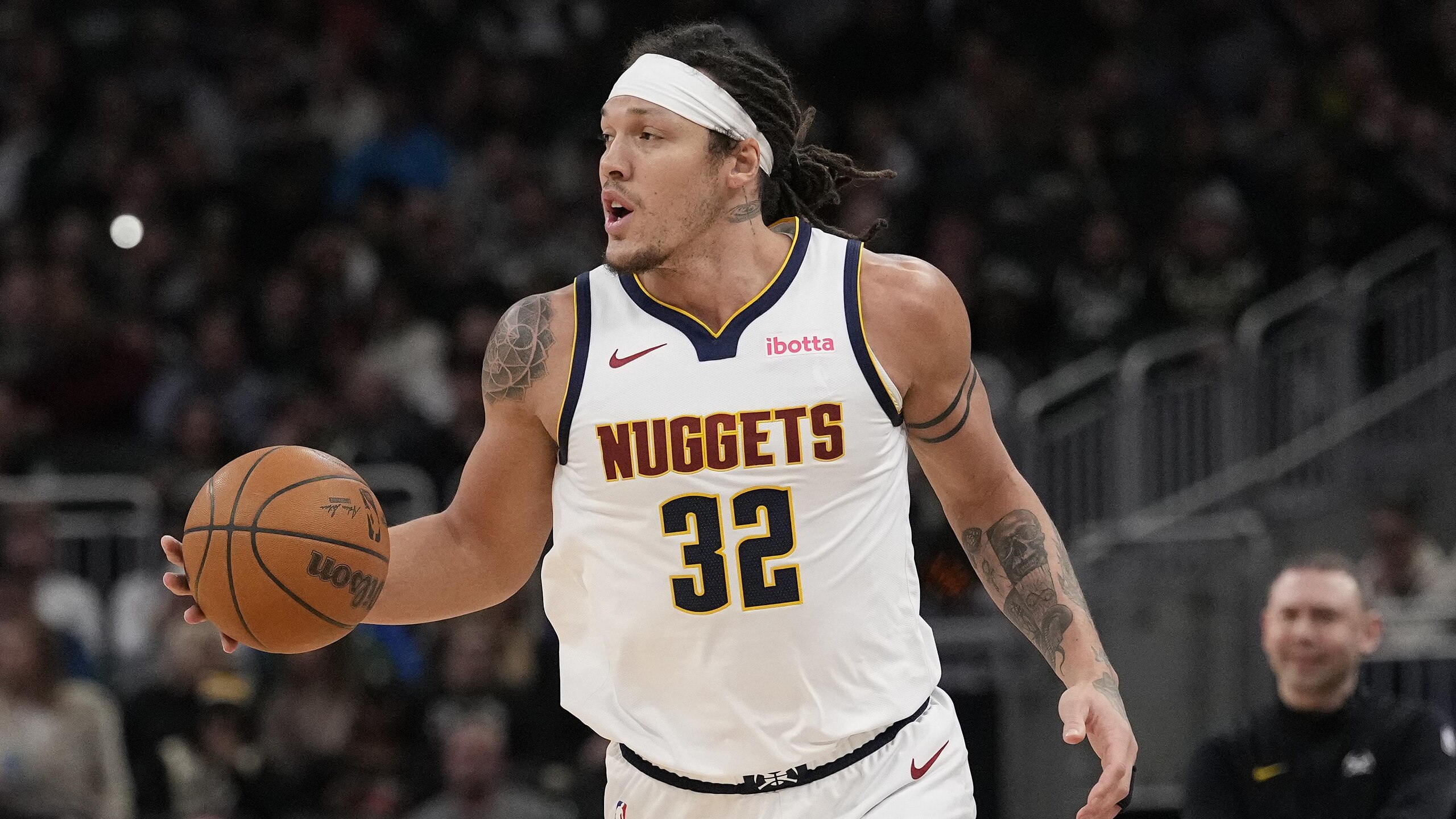
A 6-6 record in their last 12 games before the All-Star break isn't the end of the world, but the Denver Nuggets' stretch of .500 ball is a bigger problem than you'd think.
First of all, a break-even performance for any prolonged stretch is never going to cut it in the Western Conference, where standing still almost always means going backwards. More important than that is the reason behind Denver's uninspiring play.
Injuries are robbing the Nuggets of the ability to field their best lineups. And while this isn't necessarily a team that needs loads of regular season reps to build chemistry, the sheer volume of games missed by key players makes it hard to imagine the entire rotation getting healthy when it matters most.
Nikola Jokić, Jamal Murray and Aaron Gordon haven't played a single second together over the last month. Gordon, currently out with his second major hamstring injury of the year, is a good bet to play the fewest games of his career this season. Starter Christian Braun appeared just three times from Nov. 15 to Feb. 2, Peyton Watson is currently out with a hamstring, Cam Johnson sat from Christmas to Feb. 7 and even the historically durable Jokić lost a month to a knee injury.
It's not so much that Denver won as often as it lost over the last month; it's why it couldn't catch a better rhythm. Health trajectories like this rarely reverse all at once.
Minnesota Timberwolves
3 of 5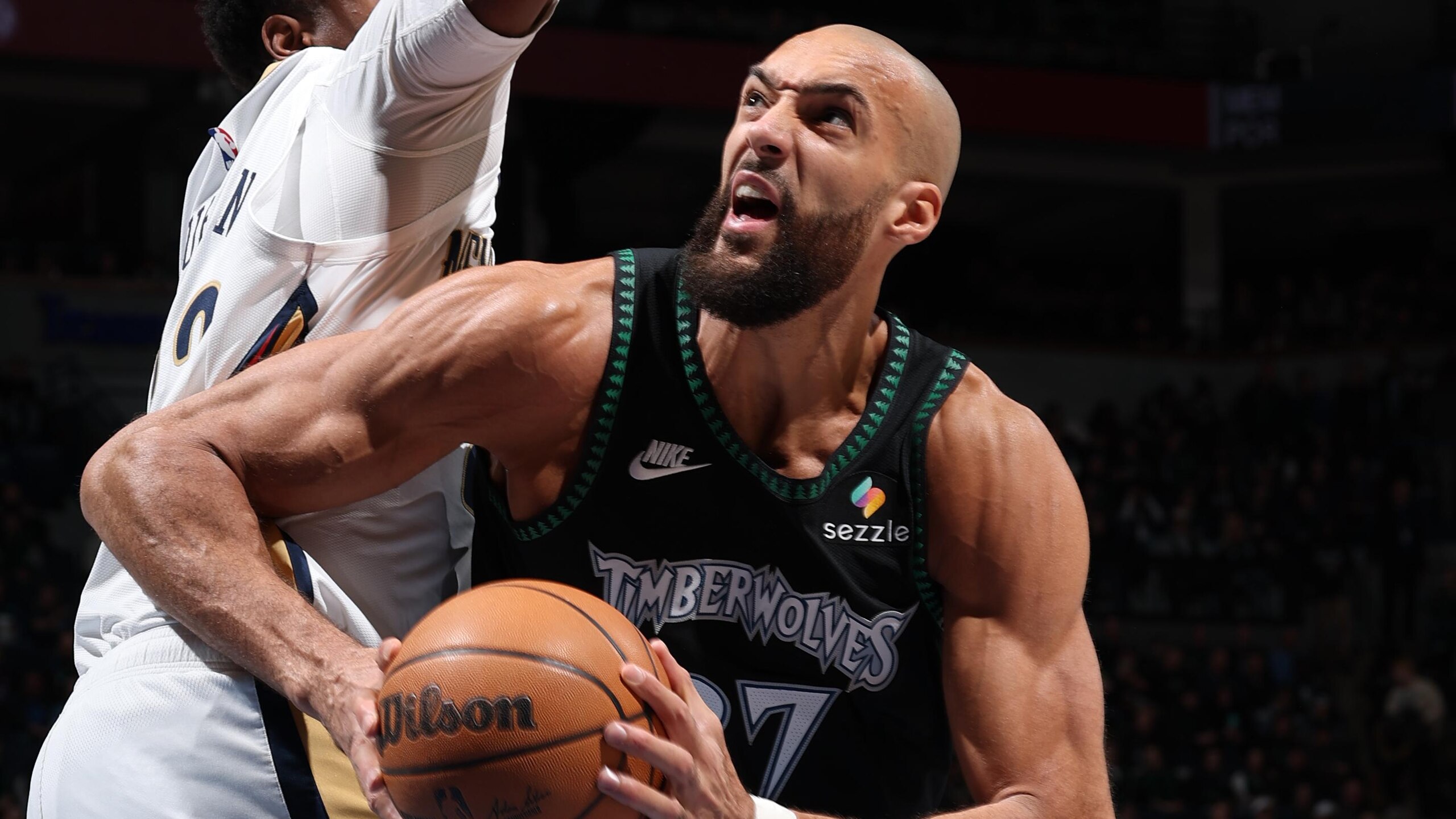
The Minnesota Timberwolves' 7-6 mark over the last month is a little different than the 6-6 record we wrung our hands over for the Nuggets. It's marginally better, for one thing, and it's also not the product of myriad injuries.
It is, however, more concerning in another way.
The Wolves are doing that thing again. You know, the one where they convince us they're elite contenders for a couple of weeks and then pepper in an inexplicable loss or two while looking like they're coming apart internally.
Minnesota was sitting at 26-14 after downing the Spurs on Jan. 11, then dropped five straight games, before winning four in a row immediately afterward. One of those came against the Thunder on Jan. 29. Fast-forward to the Wolves surrendering 137 points to the Grizzlies on Feb. 2 as part of a 1-4 stretch that also saw Rudy Gobert publicly call out teammates for a lack of effort.
It's worth wondering if some of the team's recent unevenness owes to the distracting pursuit of Giannis Antetokounmpo. Minnesota was among the four teams that emerged as legitimate landing spots for the two-time MVP, and it would have had to trade multiple starters in any hypothetical deal. Odds are, that possibility was in the back of a lot of the Wolves' minds for several weeks.
This team still has everything it needs to make a run to a third straight Conference Finals, and big gaps between peaks and valleys have been part of the story for the Wolves in each of the last three years.
Still, this is the wrong time for a mini-slump.

Houston Rockets
4 of 5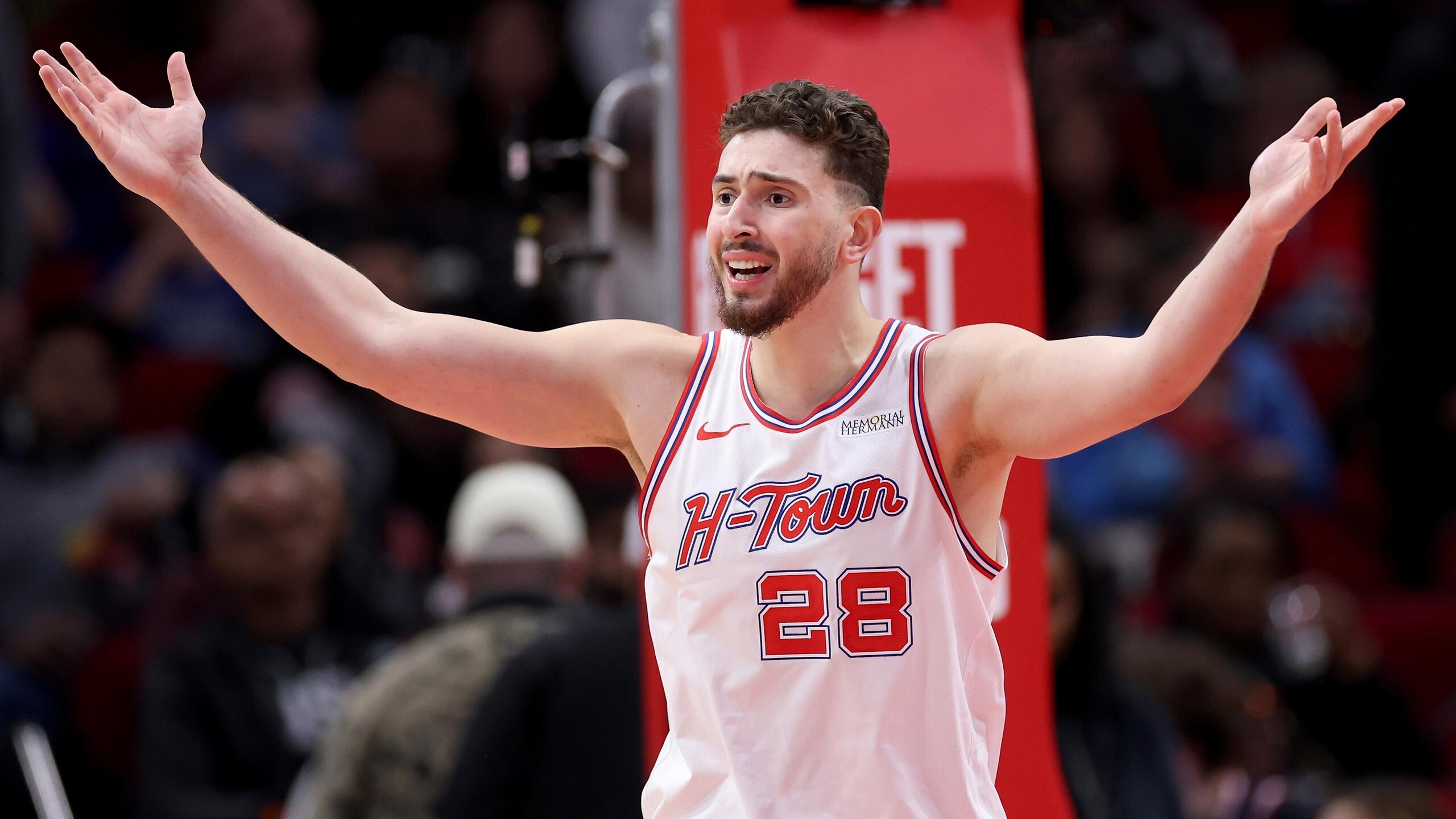
The Houston Rockets don't have the same kind of bottom-line problems as the last three West teams we've covered, but their specific issues on offense might actually be even more concerning.
An 8-5 record since Jan. 19 looks fine, but Houston produced it in spite scoring only 110.7 points per 100 possessions during that span. That figure ranks 24th in the league over the last month.
A shot diet defined by the league's second-lowest three-point attempt rate is a major reason the Rockets own the fourth-worst location-based effective field-goal percentage in the NBA. They've compensated to this point by taking and making tons of mid-rangers (thanks, Kevin Durant), but mostly by hoarding offensive rebounds at ridiculous rates.
That's where Steven Adams' season-ending ankle injury looms large. He was the second-best offensive rebounder in the league, trailing only the New York Knicks' Mitchell Robinson. Without him, Houston should still rate among the best on the offensive glass. But his absence costs the Rockets a superpower—one that offset so many of their other offensive shortcomings.
Houston's strong start means its offense is still among the top 10, but there's no case to be made that it's been that good of late. If the Rockets can't figure out a solution, they could run into the same scoring struggles that got them bounced in the first round last postseason.
Boston Celtics
5 of 5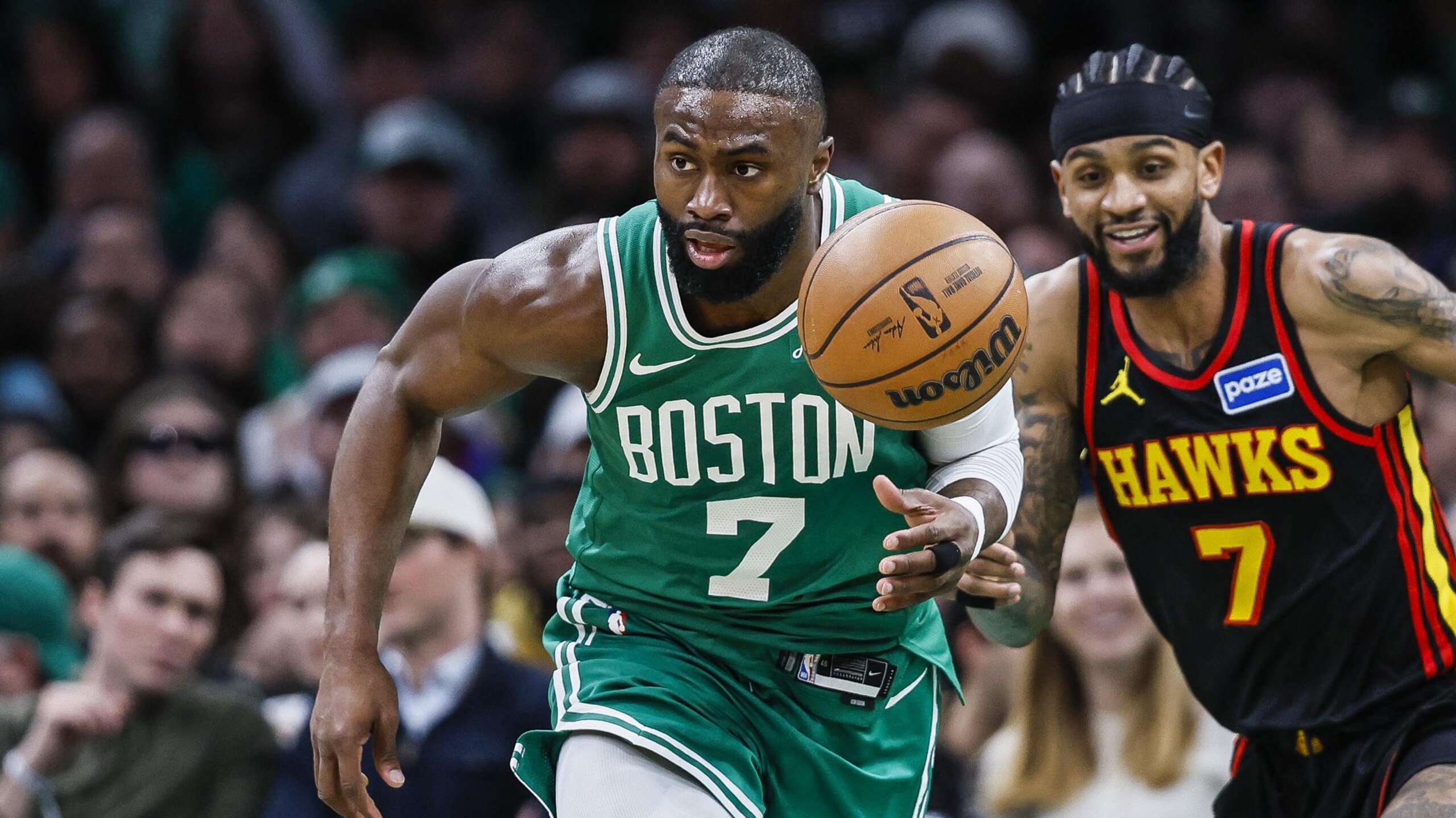
The Boston Celtics are the lone East representative here, earning the distinction despite a 9-4 mark over their last 13 games entering the break.
The reason they're not a completely unhinged pick: That's the worst record of anyone in the East's top four during that stretch.
The New York Knicks righted the ship, the Detroit Pistons have what looks like a 60-win operation and the Cleveland Cavaliers were on a quiet surge before the Darius Garland-for-James Harden upgrade.
There's now some danger of the Toronto Raptors or Philadelphia 76ers catching the Celtics, even if this is still something of a "found money" season anyway. Nothing close to this level of success seemed possible with Jayson Tatum's Achilles tear and three other core rotation pieces departing over the summer.
That said, Boston surely doesn't want to find itself in a 4-5 matchup, possibly even without home court advantage in the first round. If the Celtics stick in their current No. 2 position, things could get exciting knowing they have home court through the conference semis—doubly so if Tatum's return comes soon enough for him to hit his stride by May.
Boston has blown away expectations and should get greedy. Playing like the fourth-best team in the conference (fifth best, if you count the Charlotte Hornets) over the last month isn't cause for alarm, but it's worth flagging.
Stats courtesy of NBA.com, Basketball Reference and Cleaning the Glass. Salary info via Spotrac.
Grant Hughes covers the NBA for Bleacher Report. Follow him on Bluesky and subscribe to the Hardwood Knocks podcast, where he appears with Bleacher Report's Dan Favale.

.jpg?w=2560 "AD Trolls Bears WR on IG 😂")
.jpg?w=2560 "Viral Dan Campbell Presser 💙")
.jpg?w=2560 "Buzz: MHJ Hired Agents for Trade")
.jpg?w=2560 "Report: Steelers WR to Miss 'Weeks'")
.jpg?w=2560 "Cam Ward Says He's Not A Loser")


.jpg?w=2560 "Chargers Fall to 0-5 🤢")