
1 Word for Every College Football Top 25 Team's 2026 Offseason Need
The opening weeks of the college football offseason see a flurry of transfers and NFL departures in addition to seniors moving on.
It's equal parts fun, chaotic and dramatic. And it requires us to reassess, too.
While coaching staffs try to replace the vacated snaps and production, every roster is always left with questions. Is there enough depth at this position? How many new starters is this unit breaking in? Who's the next quarterback?
Those are simply three of the many discussions that are being had around the country, and we're highlighting a key issue for each Top 25 team.
The ranking is based on B/R's early Top 25.
25-21. Clemson, Louisville, Iowa, Washington and Tennessee
1 of 5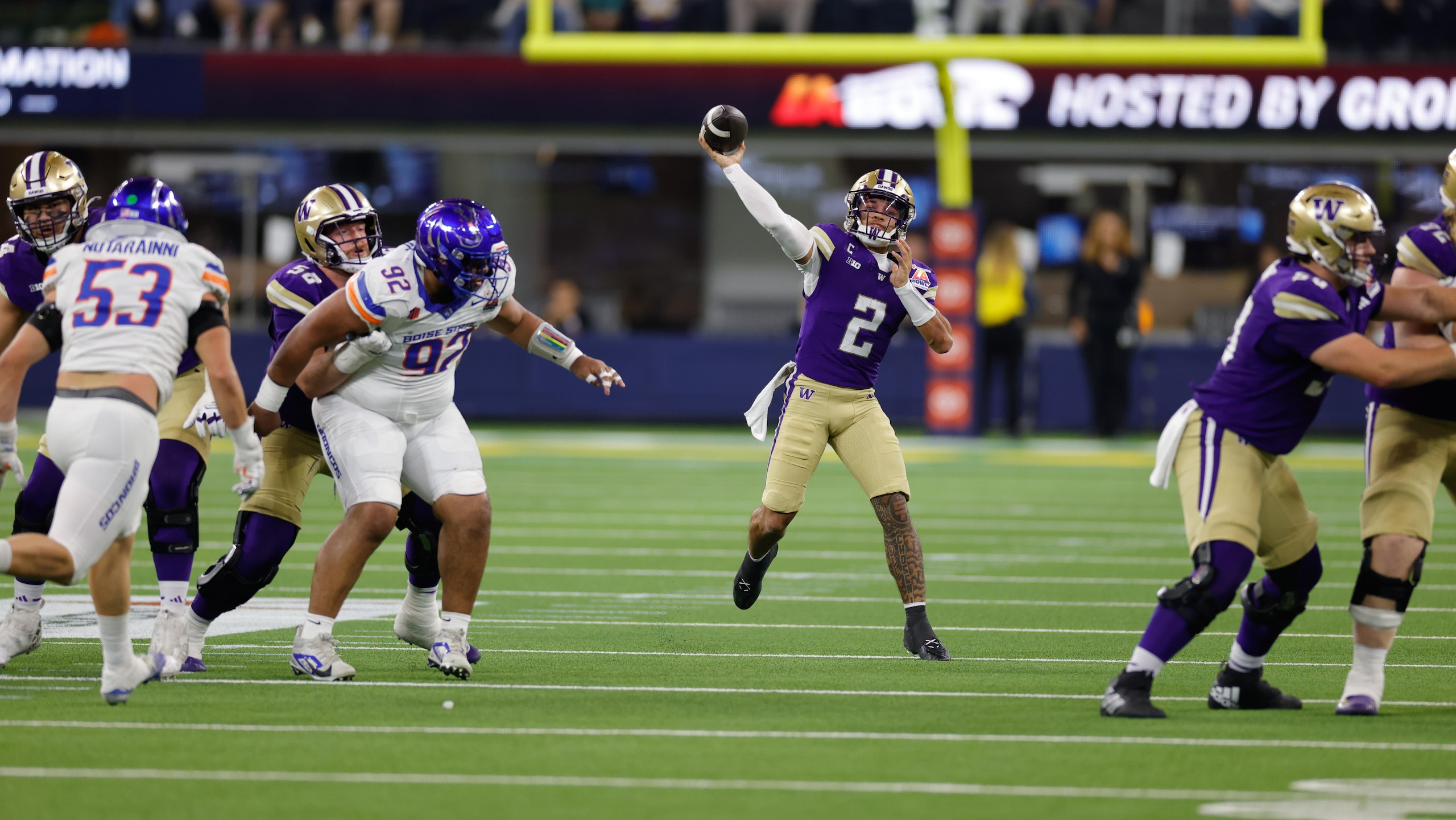
25. Clemson: Change
No, we're not simply talking about Dabo Swinney now reluctantly dipping into the transfer portal. Longtime QB Cade Klubnik is headed to the NFL, and offensive coordinator Garrett Riley is gone. Clemson is moving forward with Christopher Vizzina under center as once-former OC Chad Morris returns to the headset. Clemson needs this change, a fresh partnership, to provide an offseason spark.
24. Louisville: Snaps
Not only do the Cardinals need to replace quarterback Miller Moss, center Pete Nygra is headed to the NFL. Louisville will have a new tandem in the middle of the offense next season—and I mean brand new. Nobody on UL's roster has taken significant snaps at center, and expected QB Lincoln Kienholz attempted just 36 passes in his time as a backup at Ohio State.
23. Iowa: Clarity
Gone is Mark Gronowski, a run-heavy signal-caller who helped the Hawkeyes win nine games in 2025. Iowa has several options to succeed him, though Hank Brown and Jeremy Hecklinski are the presumed front-runners in the competition. Either way, Iowa wants to know its answer at QB for 2026 as soon as possible.
22. Washington: Ground
Demond Williams Jr. provides a mobile element, so Washington has some built-in production from him. However, the Dawgs lost Jonah Coleman to the NFL and Adam Mohammed to Cal. They combined for 83.2 percent of UW's rushing yards in 2025. Jordan Washington and Oregon transfer Jayden Limar, who both posted about 250 yards last season, must show they're ready to take over.
21. Tennessee: Air
Meanwhile, the Vols have a standout runner in DeSean Bishop with a question mark at quarterback. The spring—then perhaps summer and fall—is set to feature a competition between George MacIntyre, true freshman Faizon Brandon and Colorado transfer Ryan Staub. Oh, and Joey Aguilar is fighting for a sixth year of eligibility. An answer here would be lovely for UT.
20-16. Houston, Penn State, SMU, Utah and USC
2 of 5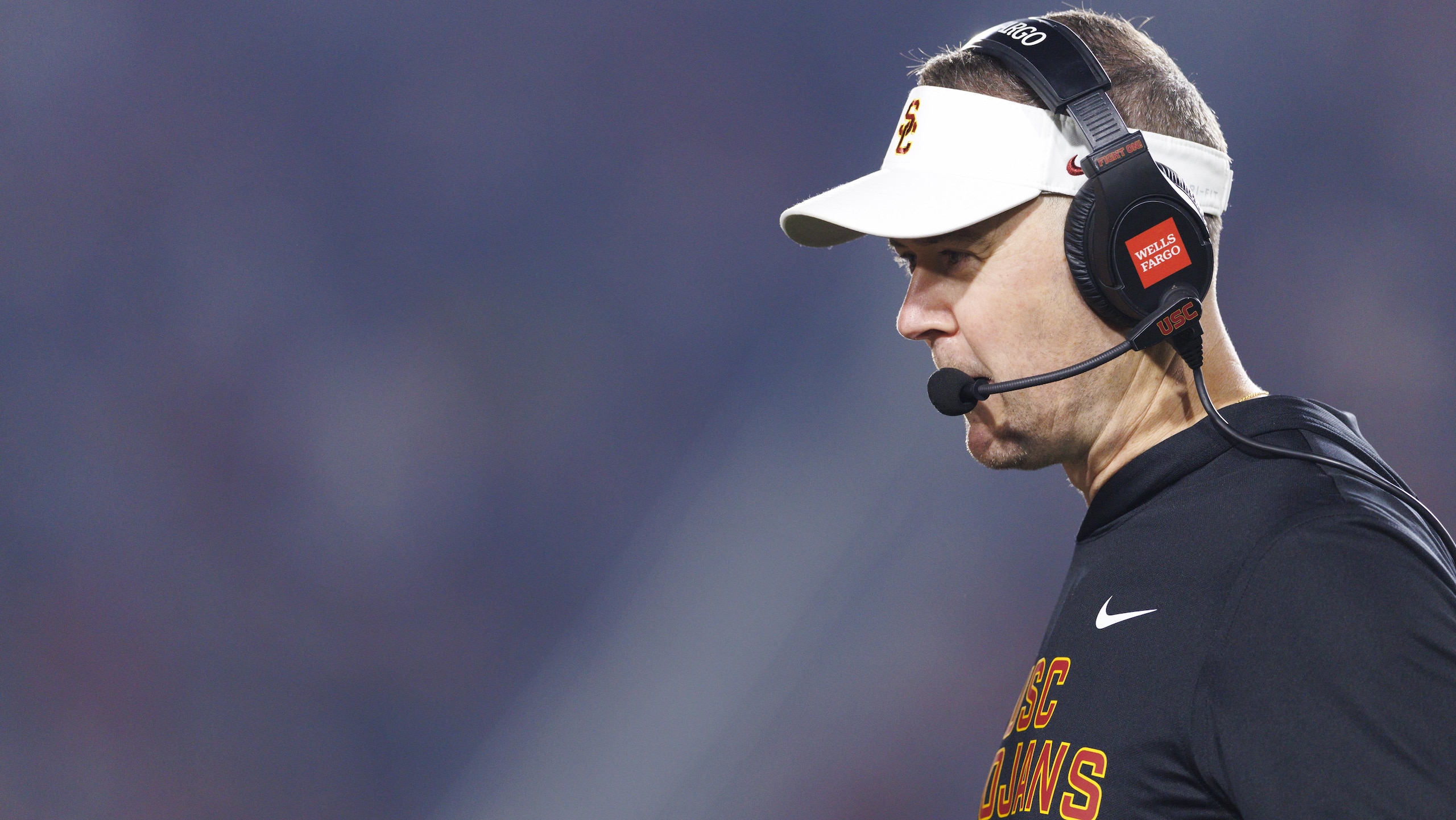
20. Houston: Havoc
Willie Fritz has quietly done it again, elevating a program to the fringe of conference contention. Houston needs a retooled defensive front to replace Eddie Walls III and Carson Allen Jr. and their combined 19 tackles for loss. Several transfers—Ejiro Egodogbare (Yale), De'Marion Thomas (Oklahoma State) and Miller Malone (Western Kentucky)—are among the newcomers to know.
19. Penn State: Identity
Between transfers, NFL departures, graduating seniors and incoming freshmen, Penn State has revamped its roster under new coach Matt Campbell. With the help of more than 20 players who followed him from Iowa State, he'll be instituting a grinding, physical style. But it will require buy-in from everybody else, too.
18. SMU: Production
The good news? Two-year starter Kevin Jennings has another season at SMU. Once again, however, his supporting cast is an overhauled look. Top backs TJ Harden and Chris Johnson Jr. are gone, along with key targets Jordan Hudson, Romello Brinson, Matthew Hibner and RJ Maryland. The next batch of skill-position players is stacked with promising but inexperienced players.
17. Utah: Security
Last offseason, Utah returned the entire offensive line and nothing else around the unit. This year, it's the opposite story. Both tackles—Caleb Lomu and Spencer Fano—may be first-round NFL draft picks, and the interior group all moved on, too. Utah needs to settle a new group in front of star quarterback Devon Dampier.
16. USC: Wideouts
The return of QB Jayden Maiava is a positive, but USC must be prepared for a tough schedule. Navigating that slate will require a fast emergence of a retooled receiving corps, one losing All-American target Makai Lemon and Ja'Kobi Lane to the NFL. Tanook Hines and North Carolina State transfer Terrell Anderson are expected to headline the position in 2026.
15-11. LSU, Michigan, Ole Miss, BYU and Alabama
3 of 5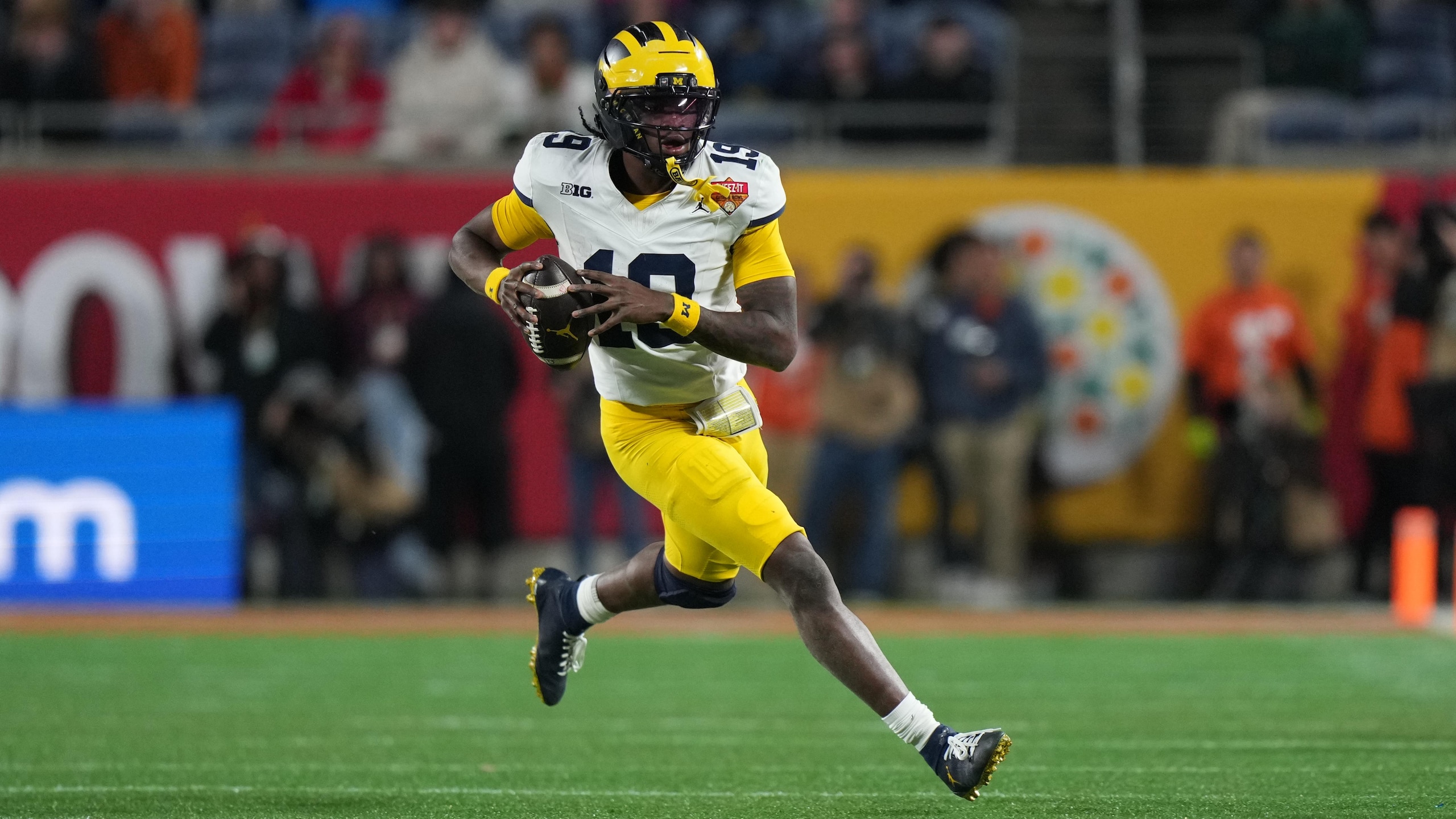
15. LSU: Time
Lane Kiffin reshaped the LSU roster in a hurry, essentially seeing 40 transfers both ways in addition to the senior/freshmen exchange. Similar to Penn State, the early offseason is primarily a moment for learning a new culture and group of teammates. LSU must take advantage of every second available to gain familiarity.
14. Michigan: Options
Bryce Underwood may develop into a fantastic quarterback. To reach his potential, though, Michigan desperately needs to have reliable pass-catchers. The most proven answer is Andrew Marsh, who notched 651 yards as a freshmen. Otherwise, the Wolverines are banking on transfers Jaime Ffrench (Texas) and JJ Buchanan (Utah) to elevate the offense with Underwood.
13. Ole Miss: Direction
Will the Rebels have Trinidad Chambliss or not? As of now, we'll find out in-mid February whether the star QB receives a sixth year of eligibility. Ole Miss would be a real championship threat if Chambliss is leading the offense. If not, it'll be an uphill climb with a new full-time starter.
12. BYU: Depth
After turning in a 900-yard season, top receiver Parker Kingston has enormous upside. But the Cougars have to replace an 800-yard wideout in Chase Roberts and 600-yard tight end in Carsen Ryan. Jojo Phillips is a clear favorite to start but only had 161 yards last year. BYU is hoping Cody Hagen or Oregon transfer Kyler Kasper, among others, emerge as steady targets.
11. Alabama: Leader
Ty Simpson has chosen the NFL route, leaving an open competition to succeed him. Austin Mack and Keelon Russell are presumably the main contenders. No matter the starter, he's certain to inherit a mountain of expectation from a passionate fan base that's entering the offseason on edge.

10-6. Oklahoma, Miami, Texas A&M, Texas Tech and Notre Dame
4 of 5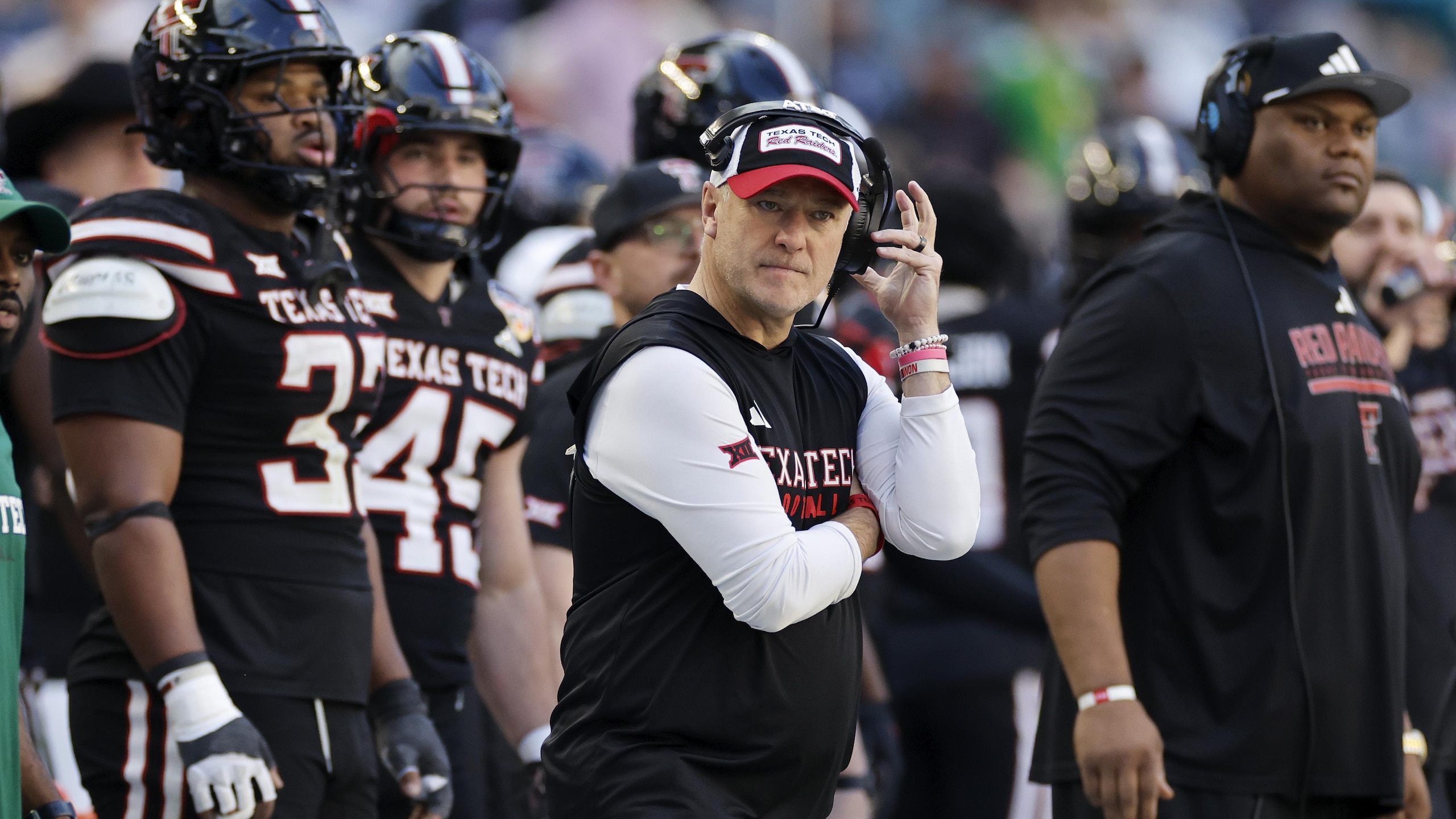
10. Oklahoma: Balance
Although the Sooners boasted a dynamic dual-threat QB in John Mateer, their overall run game lacked big-play upside. They rushed for a combined 3.5 yards per carry—the third-worst mark in the SEC—and didn't have a player hit 500 total yards. Between the offensive line and backfield, OU returns a bunch of contributors. But the Sooners need development to the point of being dangerous.
9. Miami: Bulk
One of the main reasons Miami reached the national championship was a veteran, strong offensive line. Matthew McCoy and Samson Okunlola split time in 2025, so the 'Canes essentially return two starters. The rest of the blocking unit, though, will be different—and Miami, despite being known for its heavy transfer involvement—is relying heavily on internal development for solutions.
8. Texas A&M: Backfield
Opposite of Oklahoma, Texas A&M had an efficient rushing attack last season. The problem is the Aggies have to rebuild the ground game, save for quarterback Marcel Reed. Rueben Owens II should be the lead runner, but filling out the rotation is critical. Will that be Jamarian Morrow, Tiger Riden Jr. or a freshman?
7. Texas Tech: Disruptors
Given the resources at Texas Tech's disposal, it's no surprise the program added a few marquee names to address this void. Still, the Red Raiders lost all four players who notched 10-plus tackles for loss. Adam Trick (Miami, Ohio), Trey White (San Diego State) and Mateen Ibirogba (Wake Forest) are expected to become those answers, but Tech has to see that appearing in the spring, too.
6. Notre Dame: Receivers
If this narrative sounds familiar, well, it should. Notre Dame has regularly had an uncertain outlook in the receiving corps lately, and 2026 is continuing the trend. Jordan Faison is back, and Jaden Greathouse will return from injury. Beyond them, however, nobody on the roster has ever topped 125 yards in a season.
5-1. Oregon, Texas, Indiana, Georgia and Ohio State
5 of 5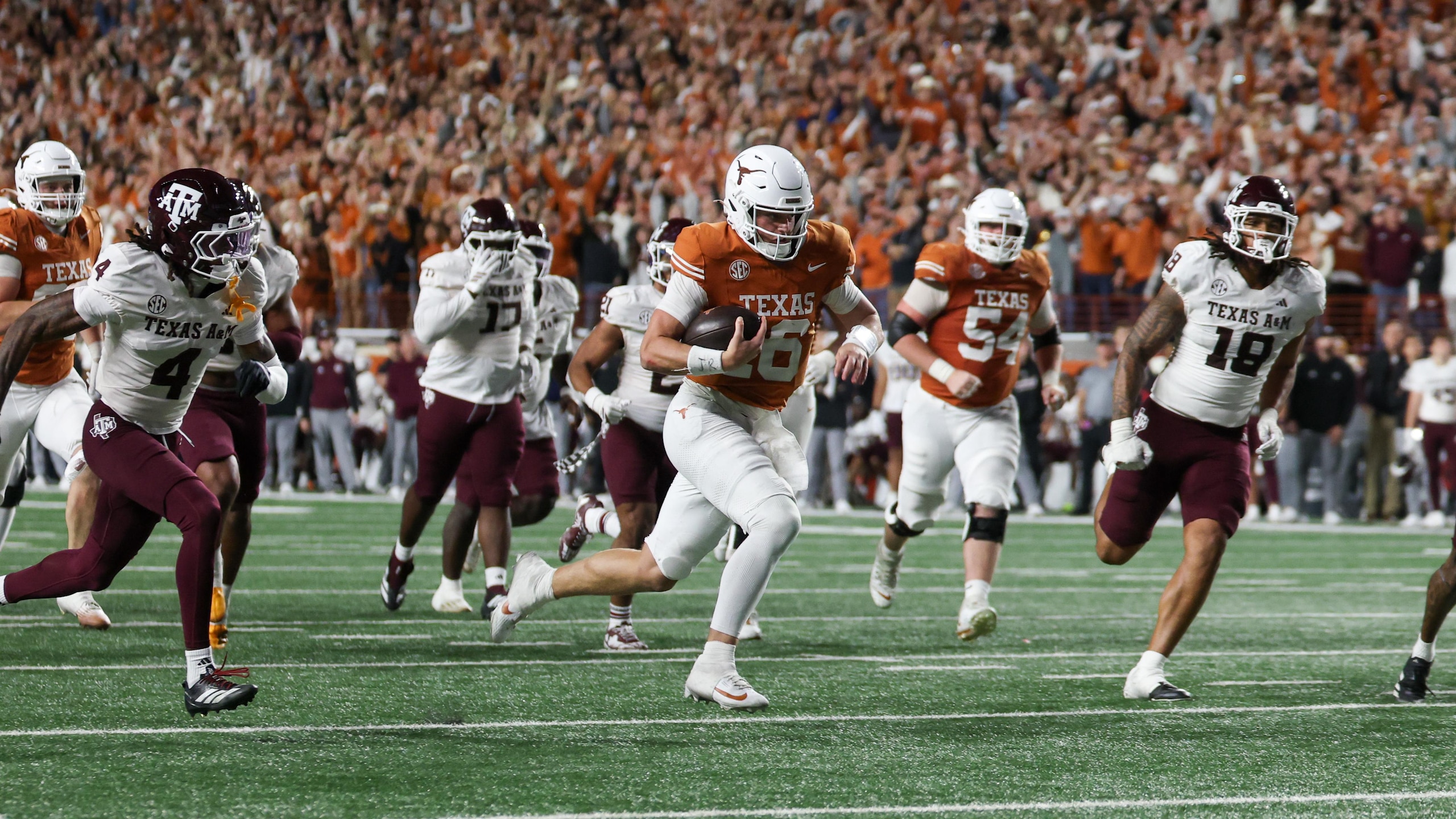
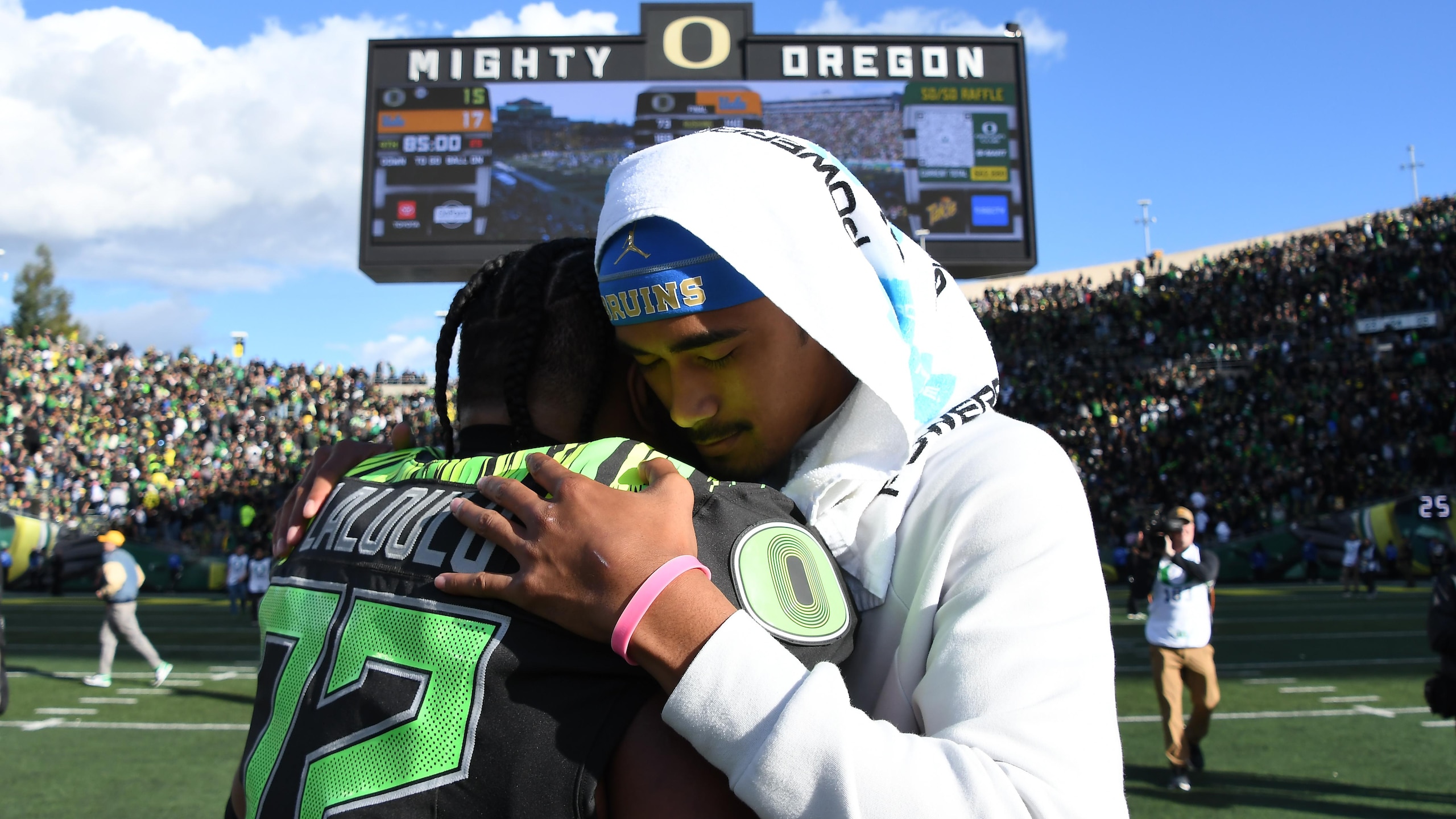
5. Oregon: Bookends
As much optimism as Dante Moore sticking around has rightfully created, a quarterback can only excel behind a sturdy offensive line. Oregon must replace three starters up front in 2026, including both tackles. Fox Crader and Gernorris Wilson have opportunities to ascend into a starting job, while freshman Immanuel Iheanacho will be a popular (hopeful) pick, as well.
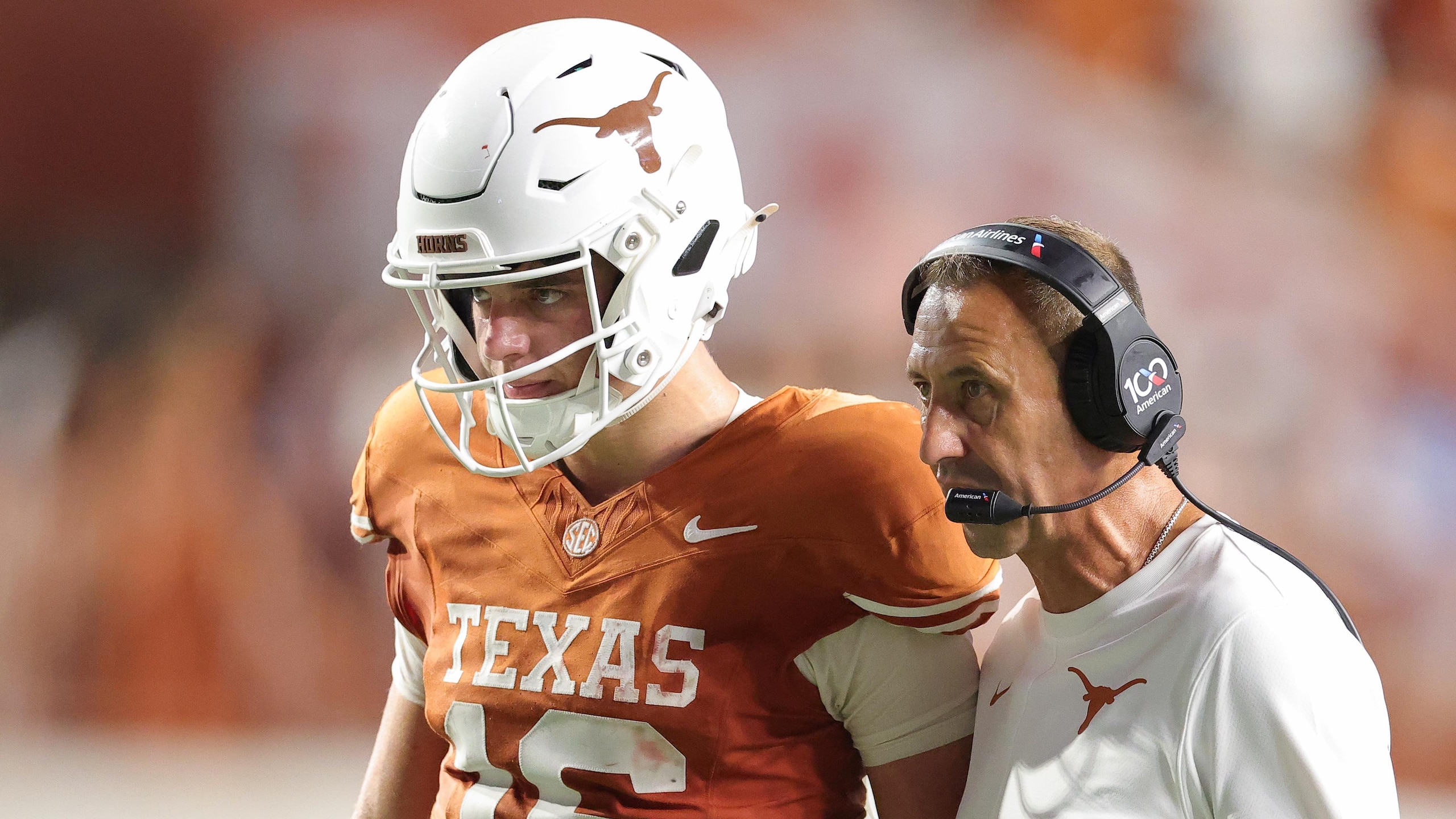
4. Texas: Runners
Texas is deservedly excited about what Arizona State transfer Raleek Brown and NC State back Hollywood Smothers will bring. Still, the Longhorns are rebuilding depth at the position after Quintrevion Wisner, Christian Clark, CJ Baxter, Jerrick Gibson and Rickey Stewart Jr. all transferred this offseason.
3. Indiana: Filler
Charlie Becker's late-season surge ensured Indiana has a top receiver in 2026, and transfers Nick Marsh (Michigan State) and Shazz Preston (Tulane) both topped 600 yards last year. At tight end, though, the Hoosiers have little experience and even less production. Miami transfer Brock Schott and a handful of true or redshirt freshmen are scattered across the depth chart.
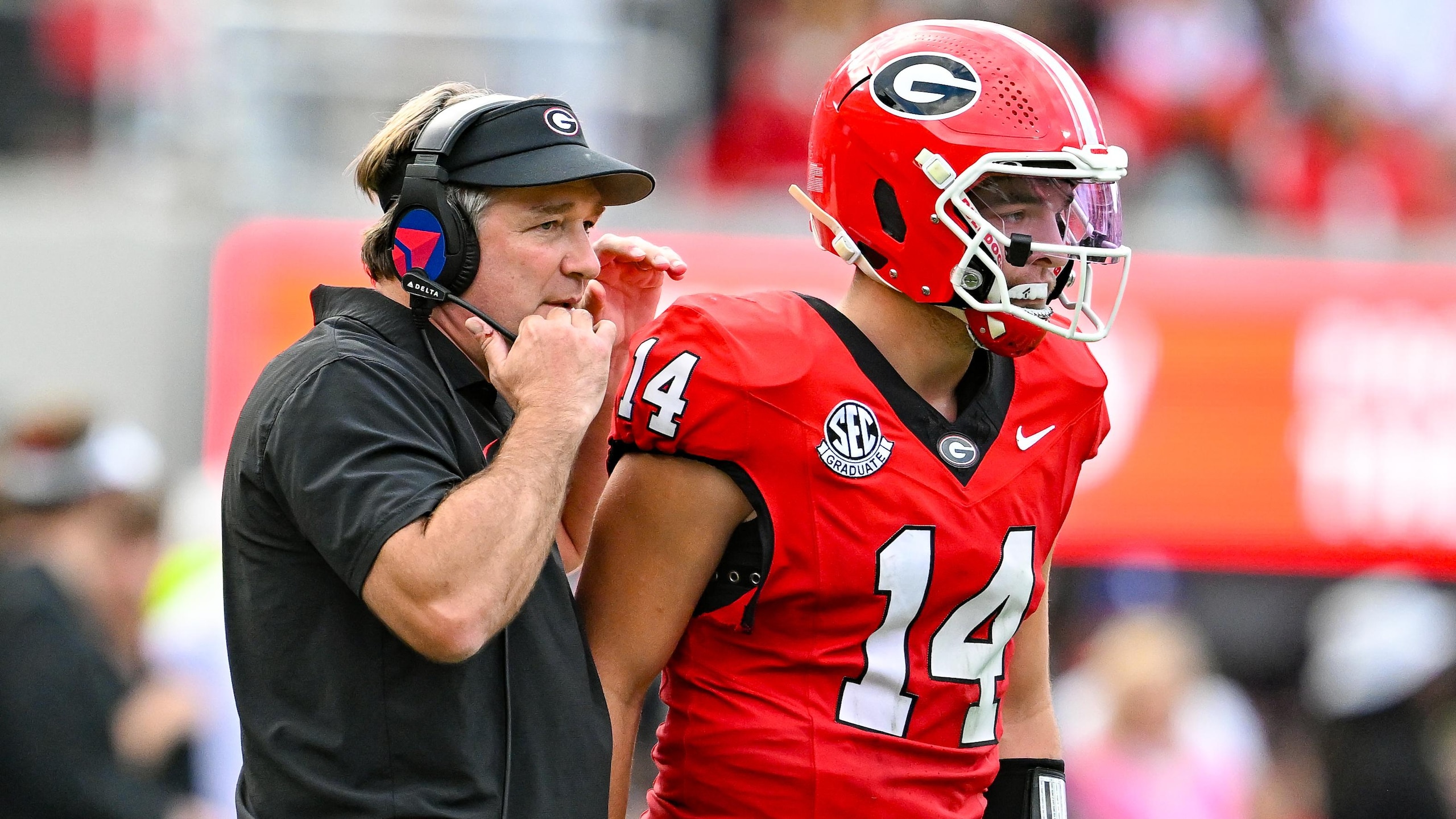
2. Georgia: Targets
Led by star Zachariah Branch, six of Georgia's top seven pass-catchers are gone. London Humphreys, who managed 276 yards last season, is UGA's most productive returning player. It's a serious retooling of the receiving corps, along with tight end Lawson Luckie inheriting a bigger role and a new third-down back.
1. Ohio State: Complements
Jeremiah Smith is a superstar. We know that. Carnell Tate is headed to the NFL, however, as is tight end Max Klare. Brandon Inniss could be the next standout wide receiver, but OSU's pipeline of wideouts—while promising—also is moving forward without highly respected, longtime position coach Brian Hartline. Ohio State will probably be fine, yet that's no guarantee.
.jpg?w=2560 "49ers LB Suspended for Headbutt")

.jpg?w=2560 "Buzz: MHJ Hired Agents for Trade")
.jpg?w=2560 "Commanders OL HEATED After Tie ▶️")
.jpg?w=2560 "AD Trolls Bears WR on IG 😂")