

The dawn of a new year offers every NBA team the chance to look forward.
Just not here.
There's still one final order of business for 2025, and that's looking back on one thing each franchise has grown to regret. From trades gone awry to free-agency flops and even to one organization-defining injury on the biggest of stages, we're examining each club's scariest skeleton in the closet from the last calendar year.
Atlanta Hawks
1 of 30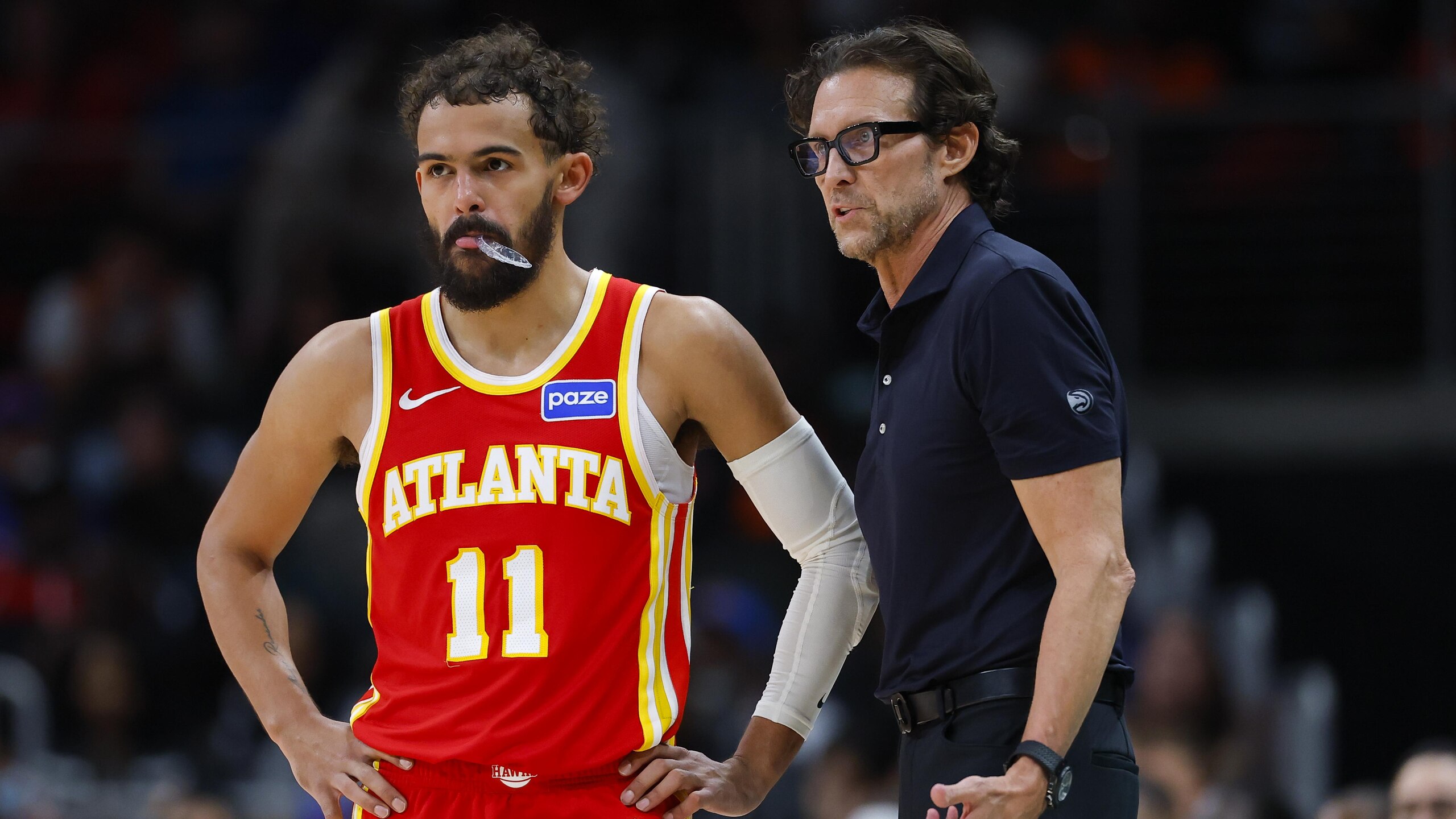
Delaying the (seemingly) inevitable Trae Young divorce
Remember when extension talks with Young stalled before the season, and he was dropping subtle hints of a possible split? Somehow, things feel even less comfortable now than they did back then.
The Hawks, who have otherwise assembled a deep collection of long-limbed defensive disruptors, are sending signals across the league that they're "more open to trading [Young] away than they've ever been," per NBA insider Marc Stein. This development should surprise no one.
Delayed divorces are almost always bad for business. If the Hawks take Young to the trade market now, they'll lack leverage due to their perceived desperation to start anew. Dragging things out this long has created an unnecessary distraction, and they've paid an on-court price. Atlanta's net efficiency has been 6.3 points worse per 100 possessions with Young than without him.
Boston Celtics
2 of 30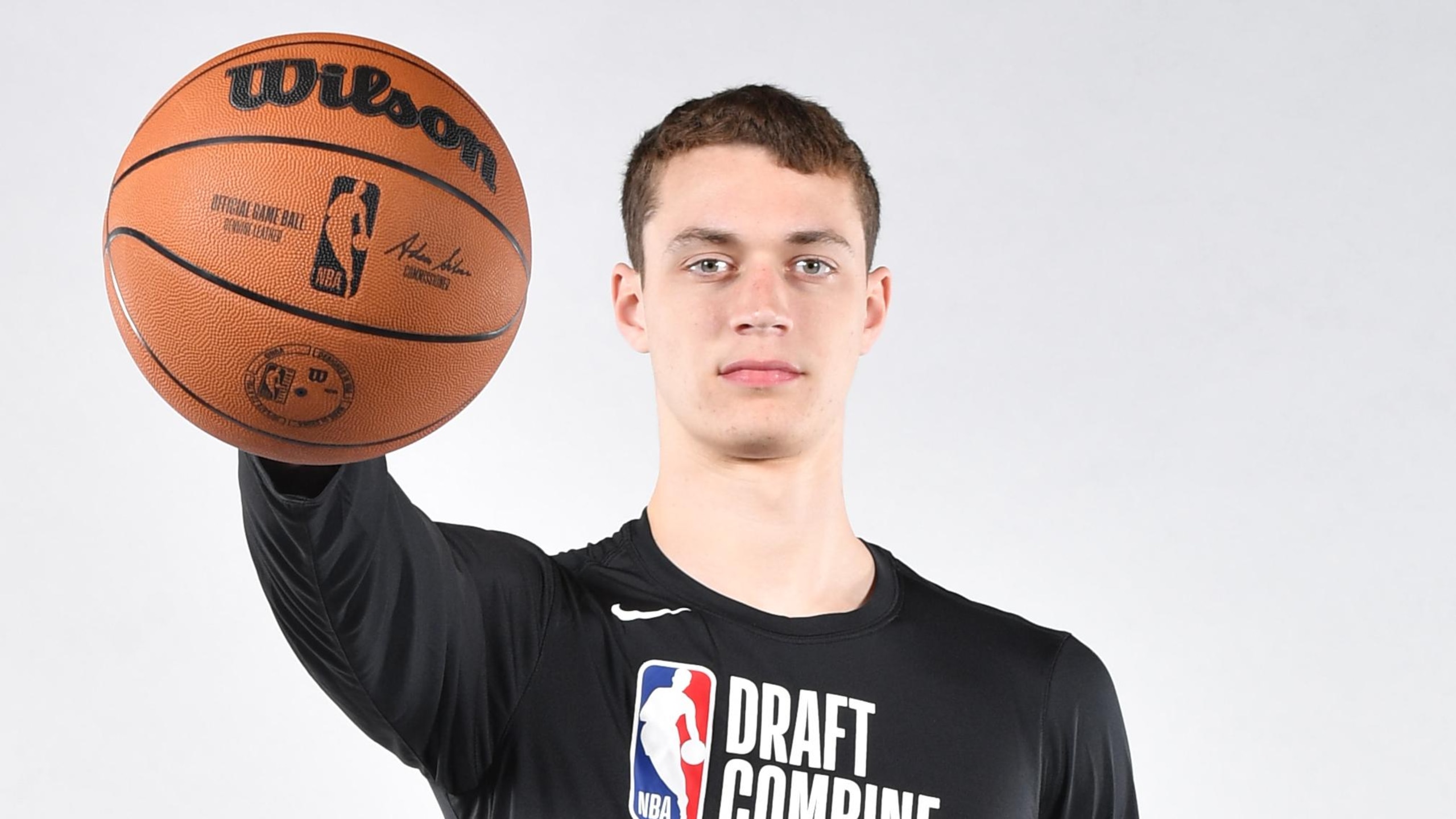
Leaving Ryan Kalkbrenner on the draft board
Given Boston's determination to trim payroll this offseason, the Celtics were never likely to find the funds needed to retain Luke Kornet in free agency. They could've, however, found a cost-controlled clone if they wanted.
They held the No. 32 pick and, had they kept it, could've found Kalkbrenner, who went 34th, available in that spot. The state of this center rotation would've looked dramatically different with the 7'1" freshman, his 78.7 percent finishing rate and his 2.5 blocks per 36 minutes a part of it.
Instead, Boston bypassed the chance to snag an All-Rookie-caliber performer with a second-round selection and has instead trudged forward with only one-way options at center behind starter Neemias Queta.
Brooklyn Nets
3 of 30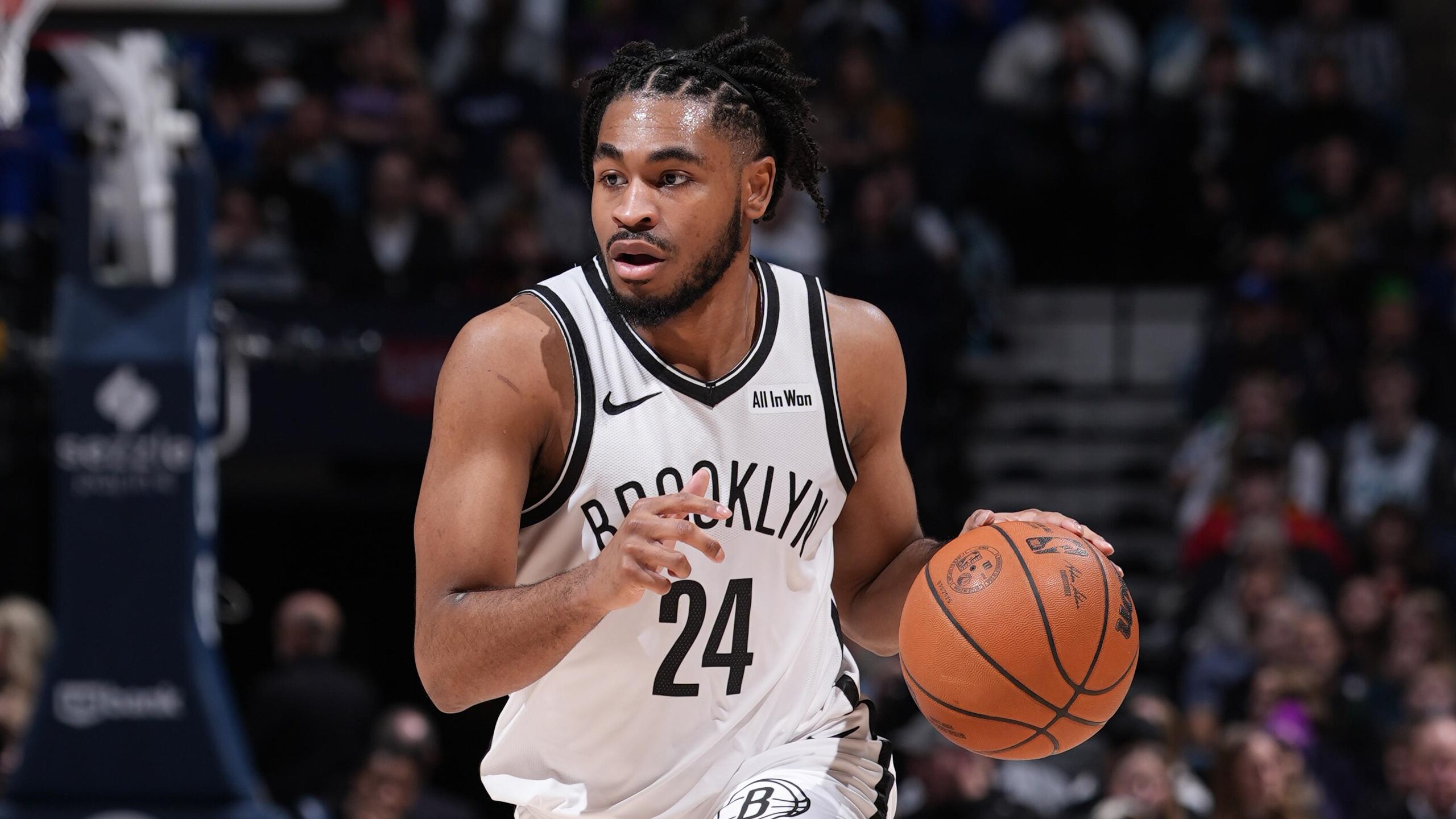
Torpedoing Cam Thomas' trade value
Admittedly, Thomas was always going to have a difficult time emerging as a top-shelf trade chip. His skill tree lacks branches beyond bucket-getting, and 6'3", questionably efficient scoring specialists aren't exactly the rage in the modern NBA.
All of that said, he's a 24-year-old who's averaging better than 21 points for the third consecutive campaign. Scoring-needy suitors should be calling by now.
And yet, "there simply isn't" a trade market for Thomas, per Brian Lewis of the New York Post, which could be due to Thomas' contract status. Since the Nets failed to reach an extension agreement with him, they brought him back only on his one-year, $6 million qualifying offer, which includes an implied no-trade clause. So, he's tricky to trade, unsigned beyond this season and perhaps due a big pay raise. Not exactly what you'd want from someone who should, at least in theory, be a trade asset.



Charlotte Hornets
4 of 30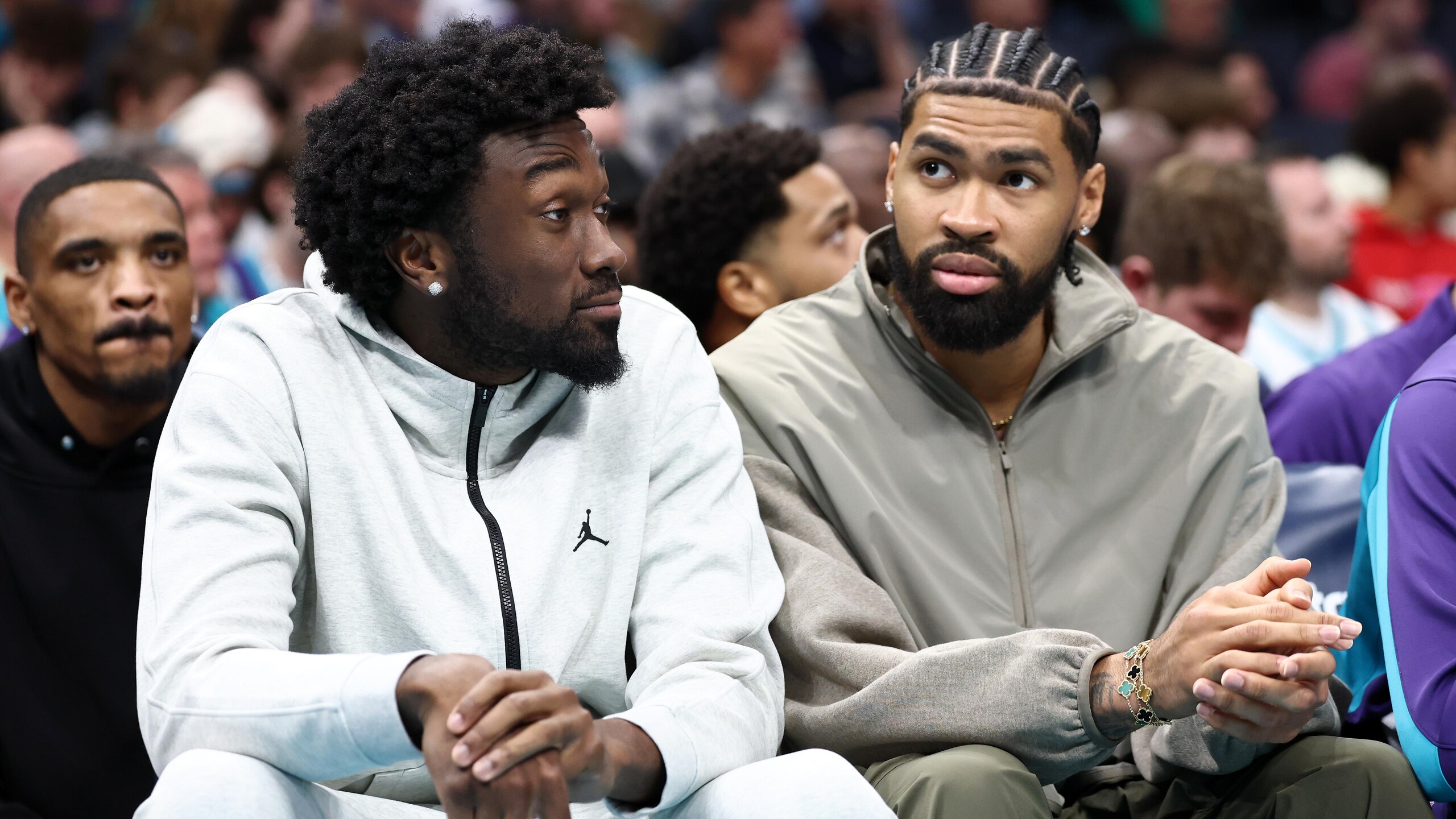
Selling solid centers for cheap
The list of deadline shoppers who could be on the hunt for more size isn't a short one. So, it feels a bit puzzling to look back on what the Hornets received—or, really, didn't bring back—in return for Mark Williams and Nick Richards over the last year.
Williams, the 15th pick in 2022, was a double-double machine this past season and still delivered only a Liam McNeeley (a fringe-rotation player so far), salary-filler (in the form of Vasilije Micić and the least favorable 2029 first-round pick from Utah, Cleveland or Minnesota.
Richards, a 2020 second-round pick who'd emerged as either a serviceable starter or high-end reserve, was flipped with a second-round pick for Josh Okogie (who was waived this offseason) and a few future seconds. Those aren't awful returns, but it's still hard to paint them as more than, say, 60 cents on the dollar.
Chicago Bulls
5 of 30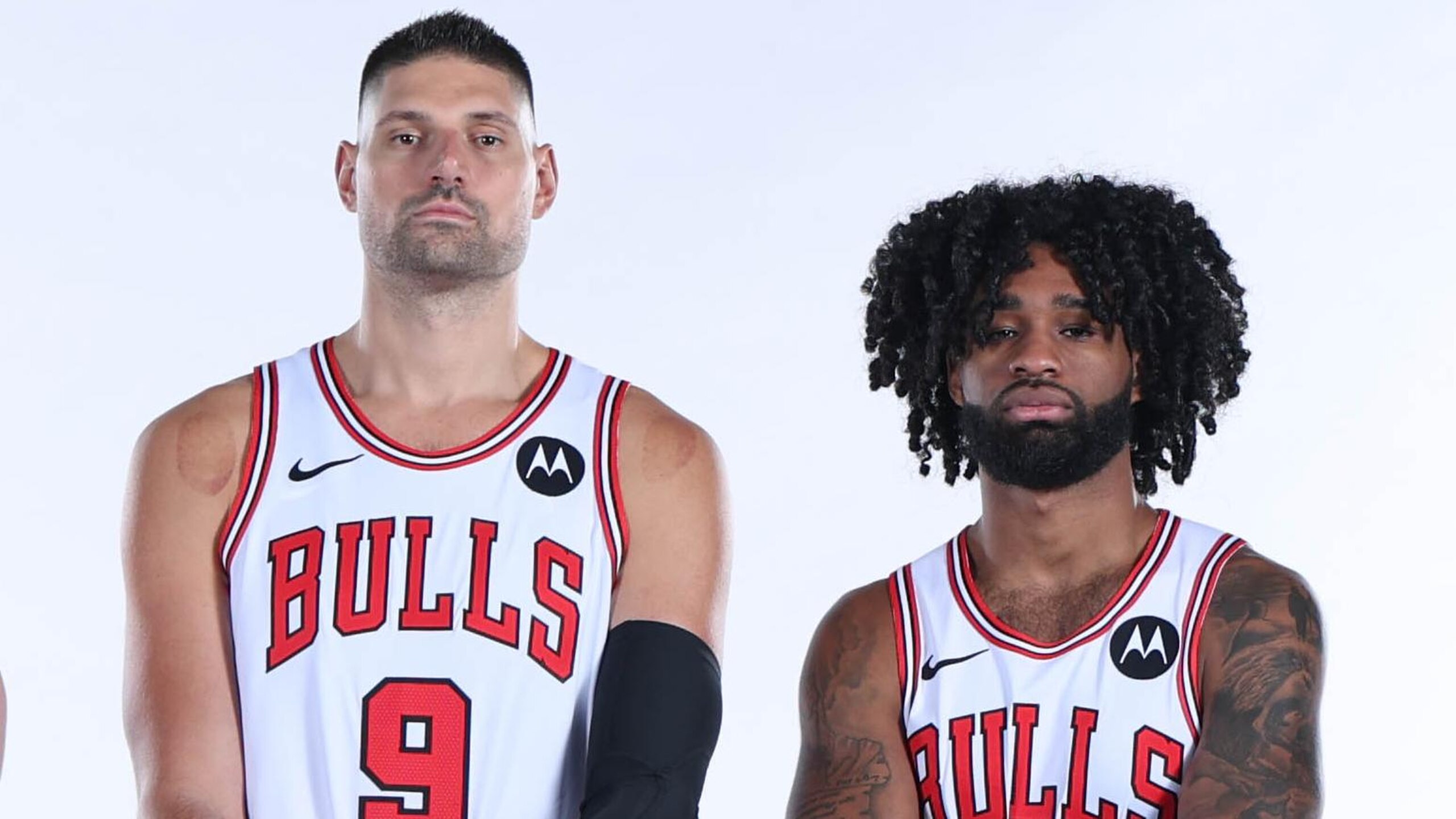
Not doing enough selling
The Bulls have half-stepped into the seller's role recently, but it seems obvious to everyone else that a head-first plunge is really what's required. Maybe perennial play-in contention is more exciting than we all think?
Who knows the rationale, but this reluctance to bottom out could come with some dire costs. The 2026 draft sure sounds tank-worthy, yet the Bulls might be moving down the draft board due to the contributions of veterans who have, how shall we put this, less than certain futures with the franchise.
Why is Nikola Vučević still on the roster again? His limitations hurt his trade value, sure, but he has elicited interest in the past. And if Chicago doesn't want to cover the cost of Coby White's impending free agency, what's he still doing around? You'd love to believe he's still driving up interest, but that might be wishful thinking when he's shooting worse and turning the ball over more than last season.
Cleveland Cavaliers
6 of 30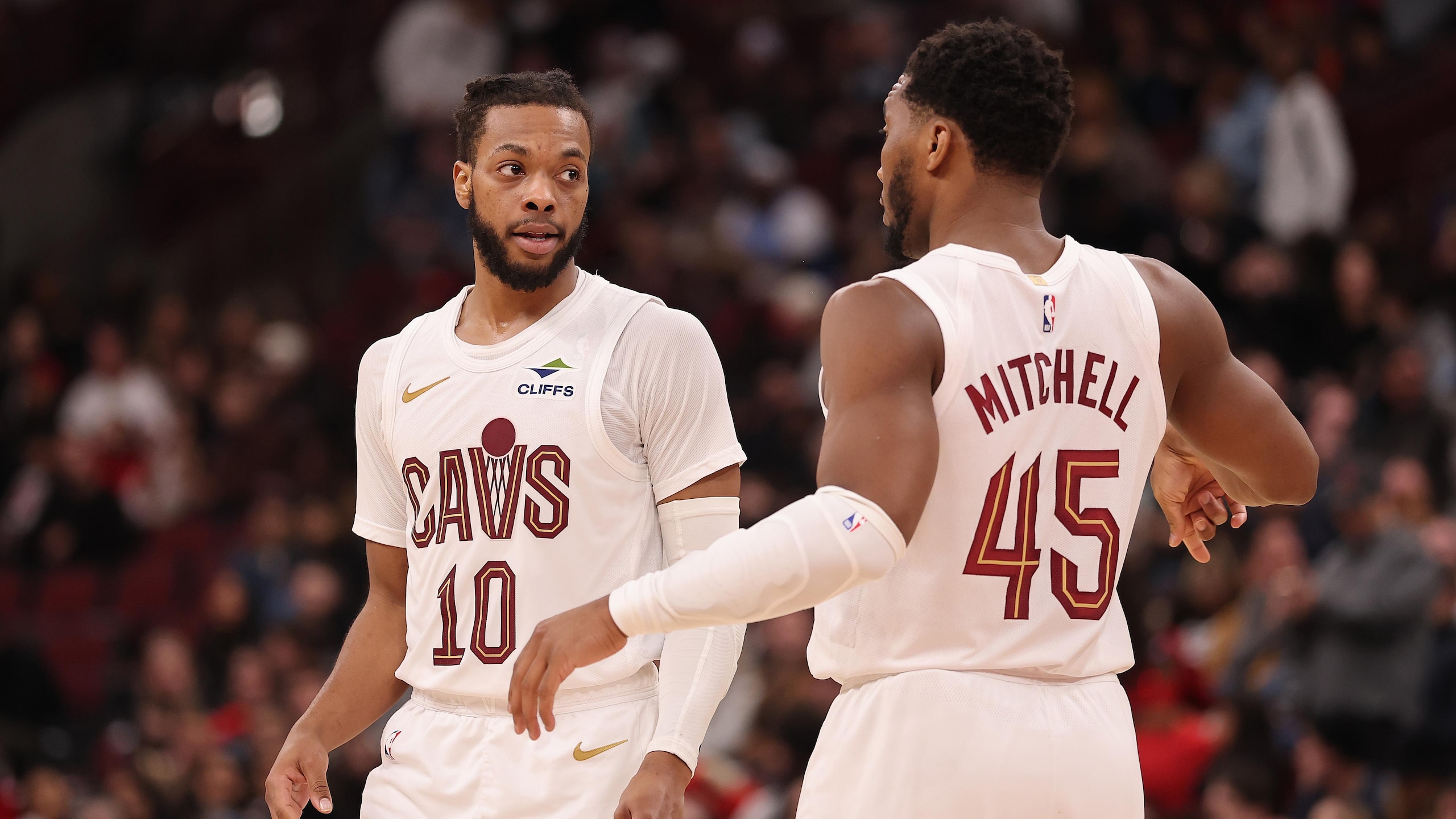
Losing their offensive spark
We'll withhold judgement on Cleveland's continued commitment to the Core Four for now, since it feels like an overdue break from the injury bug could cure some of the Cavs' biggest ills.
That said, injury issues aren't new to this roster, so why didn't Cleveland do more to safeguard itself against glaring absences? Bringing back Ty Jerome never felt financially feasible, but who thought Lonzo Ball and his lengthy injury history could serve as suitable insurance behind Darius Garland?
Garland is at least looking more like himself lately, but Ball looks more like a parachute that fails to open. His scoring punch is effectively powerless, as he's toting around an unsightly 29.9/25.6/70 shooting slash.
Dallas Mavericks
7 of 30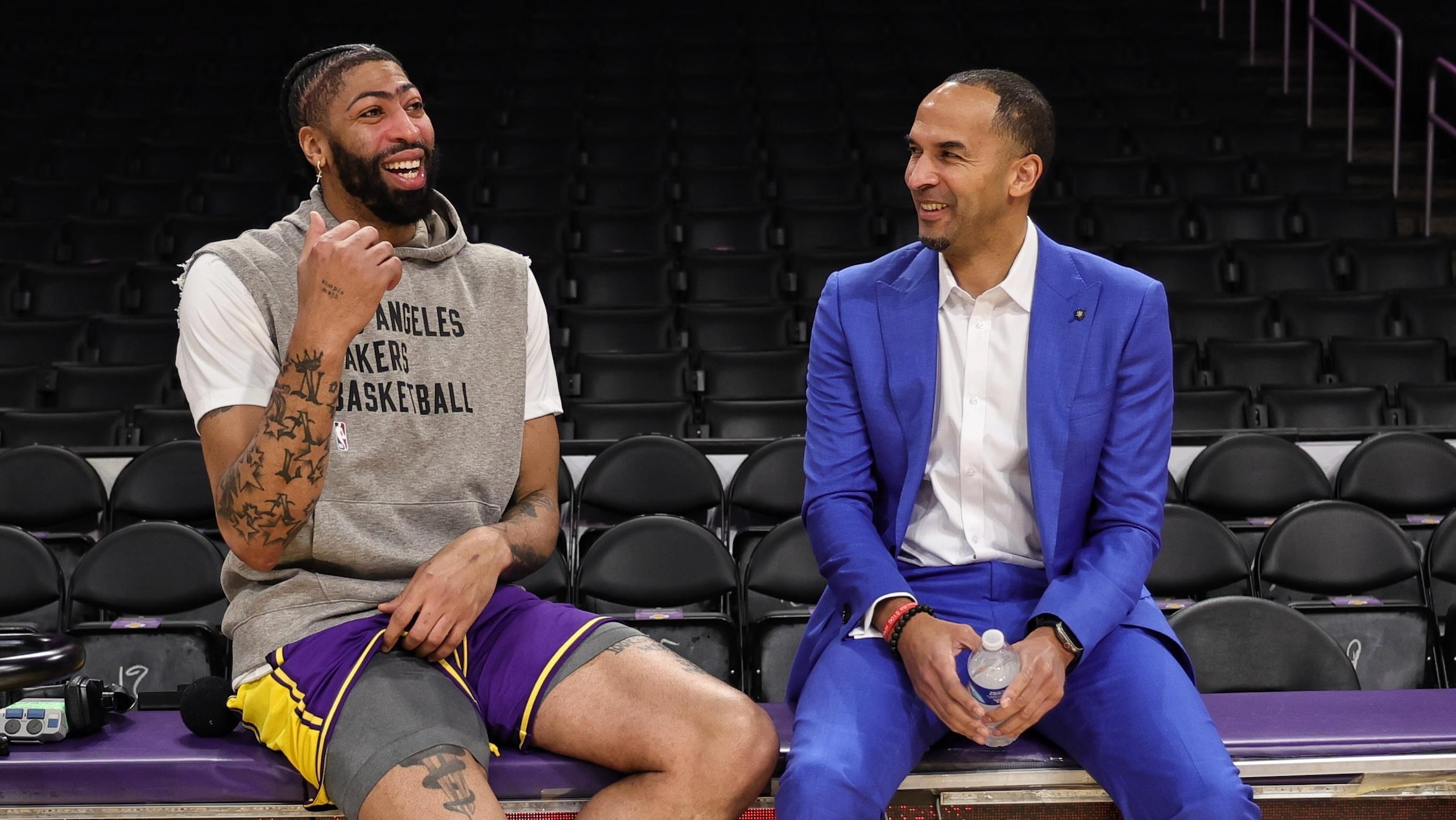
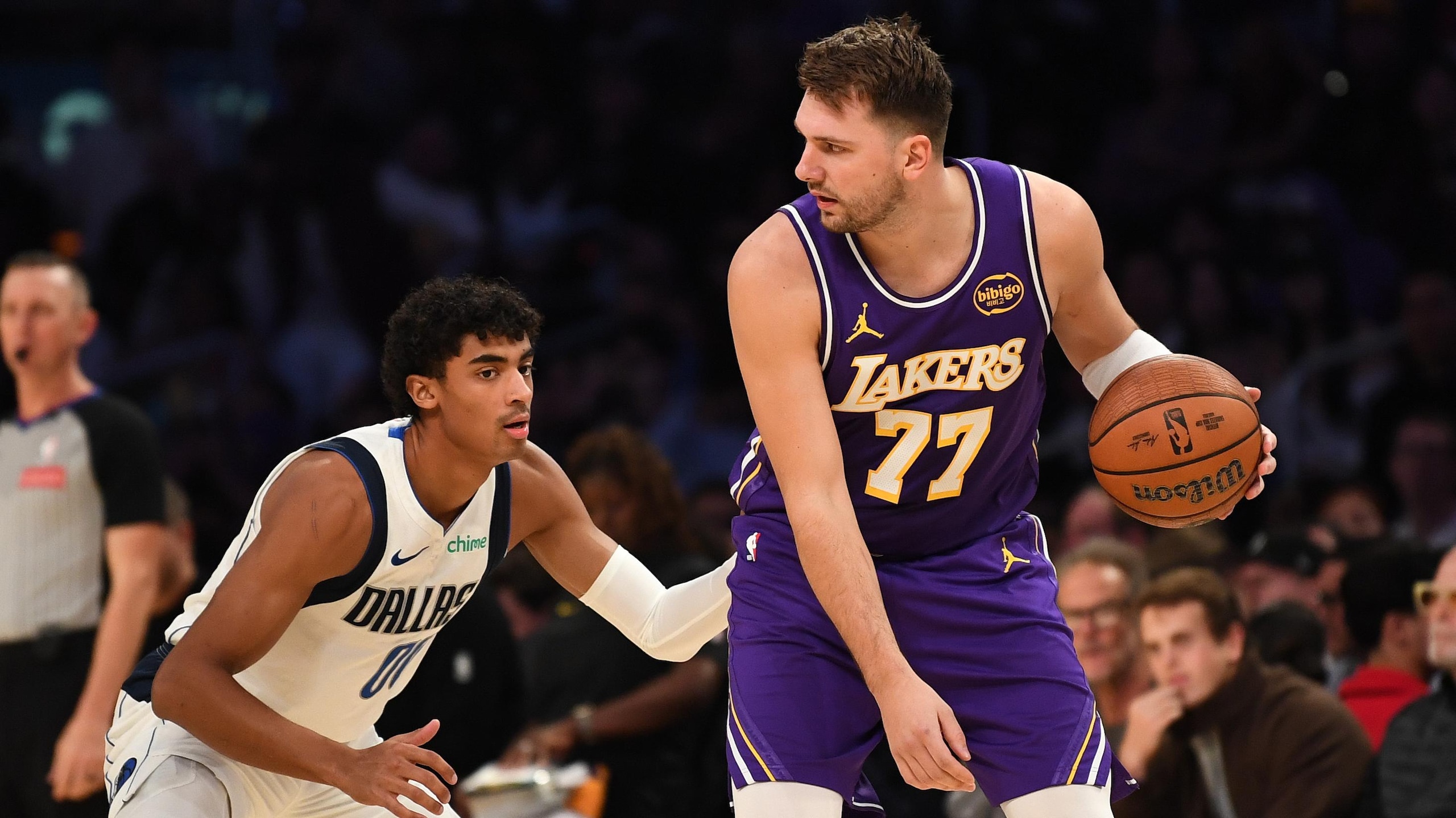
Botching all aspects of the disastrous Luka Dončić deal
It says plenty about Dallas' 2025 deadline debacle that we're 10-odd months removed from the exchange, and the wound still feels too fresh to do too much in-depth rehashing here.
The swap sending out Dončić for Anthony Davis, Max Christie and a future first seemingly never made sense to anyone other than (not coincidentally) since-fired executive Nico Harrison. If Dallas had legitimate concerns over Dončić's conditioning, why weren't similar questions raised about Davis' long, detailed injury history?
Oh, and why didn't the Mavericks squeeze more draft capital out of the Lakers? It was bad enough putting self-imposed limits on the trade market, but how did Dallas fail to even extract all of the assets L.A. had to offer? Truly bizarre, baffling stuff.
Denver Nuggets
8 of 30
Delaying their leadership changes
Mere days before Denver embarked on its 2024-25 playoff journey, it ousted the captains of that ship: coach Michael Malone and general manager Calvin Booth. The timing created a litany of questions, but chief among them was this: Why hadn't it happened sooner?
ESPN's Tim MacMahon and Ramona Shelburne reported that team president Josh Kroenke had mulled making the moves for months. Delaying the decision may have increased the damage done, since, as one team source put it, "Everybody in the organization was miserable."
Malone's messaging had seemingly grown stale, and Booth's questionable decisions had left Denver lacking the kind of depth that helped propel it to the 2023 title. The Nuggets were effectively wasting valuable prime years of Nikola Jokić, and they perhaps wasted another one with the timing of these dramatic subtractions.
Detroit Pistons
9 of 30
Letting the long-distance volume drop
When Duncan Robinson declined his $20 million option to stick with the Heat this offseason, it felt like he may never sniff out that kind of salary again. Instead, the sharpshooter quickly found a three-year, $48 million deal from Detroit. Because, for the Pistons, having a marksman of that caliber alongside star shot-creator Cade Cunningham was essentially invaluable.
But that was sort of the extent of the Pistons' perimeter additions. Their other big-dollar deal in free agency went to Caris LeVert, an on-ball creator with a career 34.7 three-point percentage. They did throw a second-round dart at Chaz Lanier, but he never figured to walk into a meaningful role right away.
Detroit doesn't have an obvious reason to second-guess this approach. Not when it's perched atop the Eastern Conference standings. That said, spacing is a pretty pressing concern, as the Pistons are a bottom-third three-point shooting team by both volume and efficiency.
Golden State Warriors
10 of 30
The plummeting stock of their top trade assets
The Warriors, desperately hoping to capitalize on whatever remains of Stephen Curry's prime, are big-game hunting for the second consecutive trade deadline. They are forever dreaming about Giannis Antetokounmpo and are "contemplating" a pitch for Anthony Davis, per NBA insider Chris Haynes.
It's easy to see why Golden State would want to buy, but it's a lot harder to see how a deal actually gets done. The Dubs aren't exactly drowning in trade assets, and several presumed sweeteners suddenly don't look so sweet.
Brandin Podziemski has potentially plateaued, Moses Moody is posting his worst field-goal percentage as a pro and Jonathan Kuminga is back to seeing healthy scratches again. Are rebuilders really itching to get their hands on these three?
Houston Rockets
11 of 30
Choosing Clint Capela over Jock Landale
Houston's decision not to panic-trade for a point guard replacement in the wake of Fred VanVleet's ACL tear looks like a great one. The same doesn't exactly ring true for the choice to move on from Landale in order to bring Capela back to Space City, though.
While Landale is busy breaking out in Memphis (11 points and 5.9 rebounds in just 22.3 minutes; 41 percent shooting from range), Capela is struggling to get his groove back.
The 31-year-old appears to be aging through his decline, filling a less-than-regular role in the rotation and not being super productive when his number is called. His per-game averages of 4.6 rebounds and 3.7 points in 11 minutes aren't simply among the quietest of his career, they're also the biggest reason why his three-year, $21.5 million contract looks like one of the summer's most sizable overpays.
Indiana Pacers
12 of 30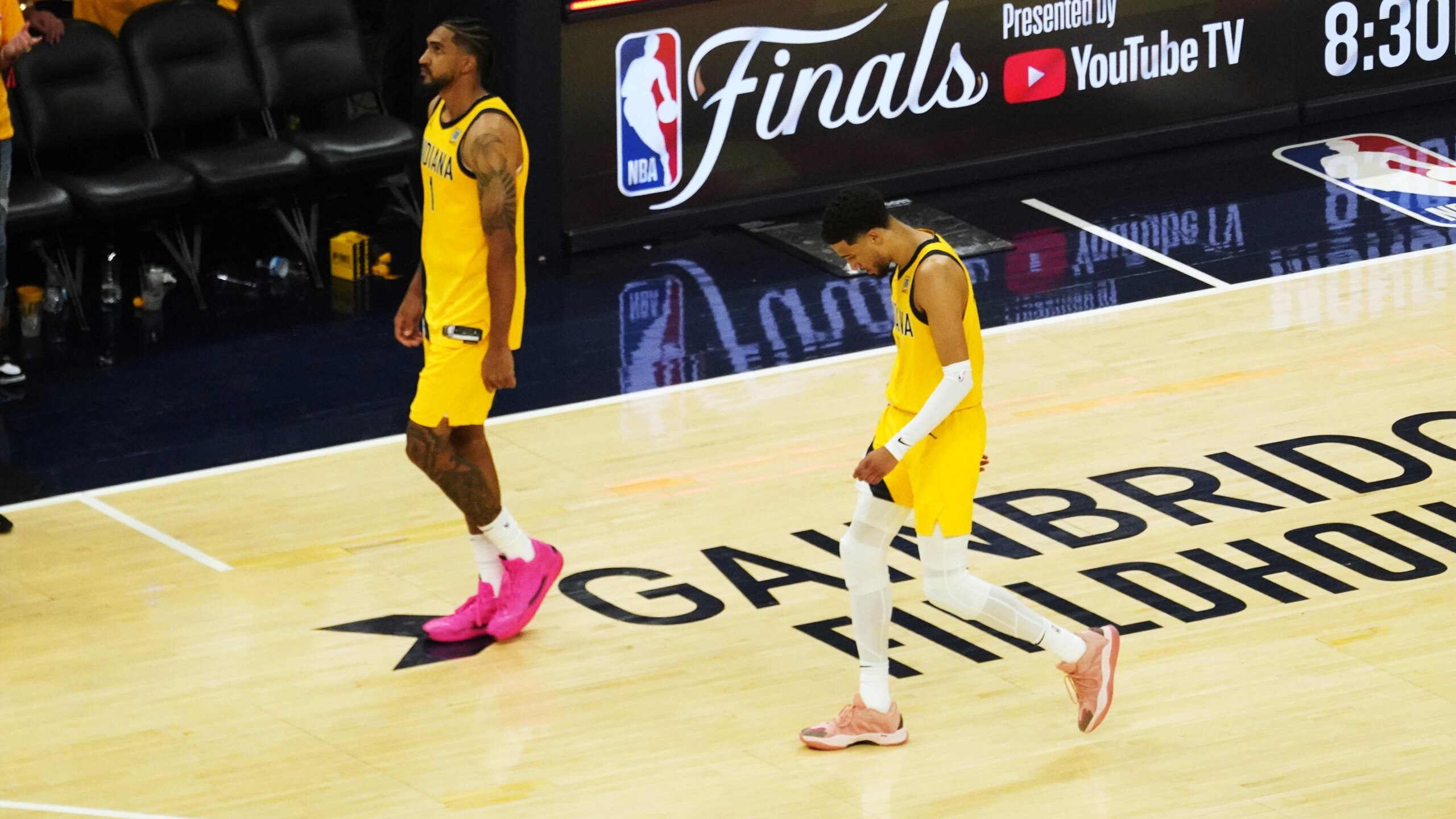
Squandering a 2-1 lead in the Finals
It feels like a lifetime ago, but it was actually the middle of June when the Pacers had a 2-1 advantage in the NBA Finals—and a four-point lead with three minutes to go in the fourth quarter of Game 4. But Indiana fumbled that game and the next one, meaning it needed to go the full seven games in pursuit of the franchise's first NBA title.
And that was, frankly, one more game than franchise floor general Tyrese Haliburton had in him. Attempting to play through a calf strain, the two-time All-Star crumbled to the floor in the contest's first five minutes with a torn Achilles.
In that instant, everything changed. With Haliburton shelved for the 2025-26 campaign, the Pacers suddenly couldn't find the motivation to pay Myles Turner, letting their long-time interior anchor walk in free agency. The reigning Eastern Conference champs have been cellar dwelling and center-searching ever since.
Los Angeles Clippers
13 of 30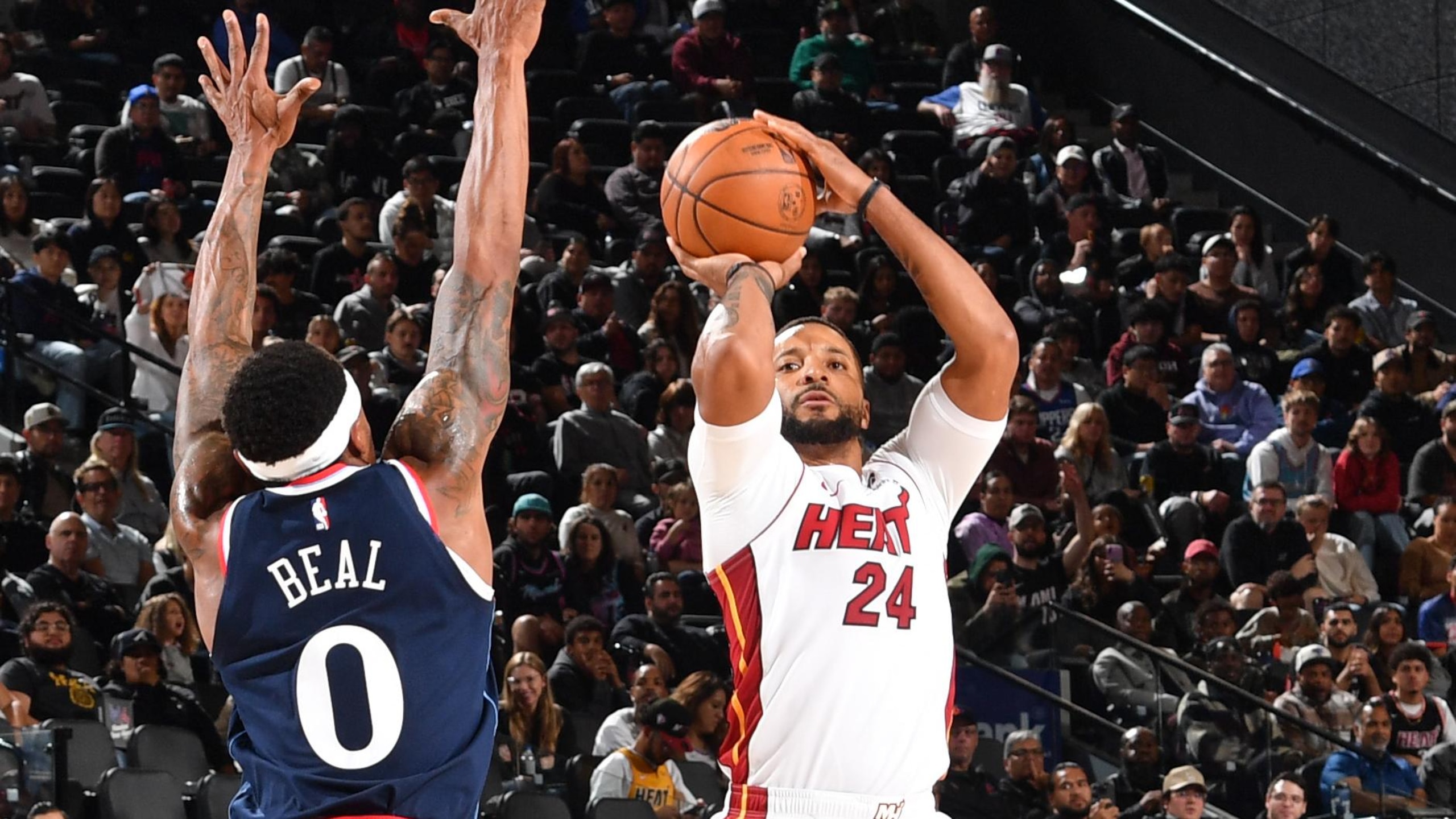
Selling comically low on Norman Powell
With both eyes focused on 2027 free agency, the Clippers were weary of committing to any long-term contracts that might spoil those plans. That thought process was fine. Between their market advantages and the deep pockets of Steve Ballmer, this is an organization that can and should dream as big as possible.
Where L.A. went wrong, though, was in how it applied that logic toward Powell. The veteran scoring guard had just orchestrated the rare late-career breakout and potentially positioned himself for a big pay bump on an extension. The Clippers clearly didn't want to sign that check, so they flipped him, a 2027 second-round pick and cash in a three-team trade for...John Collins and nothing else.
Powell has followed up that breakout with an even more productive campaign in Miami, where the Heat are seemingly still mulling over whether he's a keeper or not. The Clippers, who could've simply done the same, have struggled to identify a consistent third scorer alongside James Harden and Kawhi Leonard while ranking as one of this season's biggest disappointments.
Los Angeles Lakers
14 of 30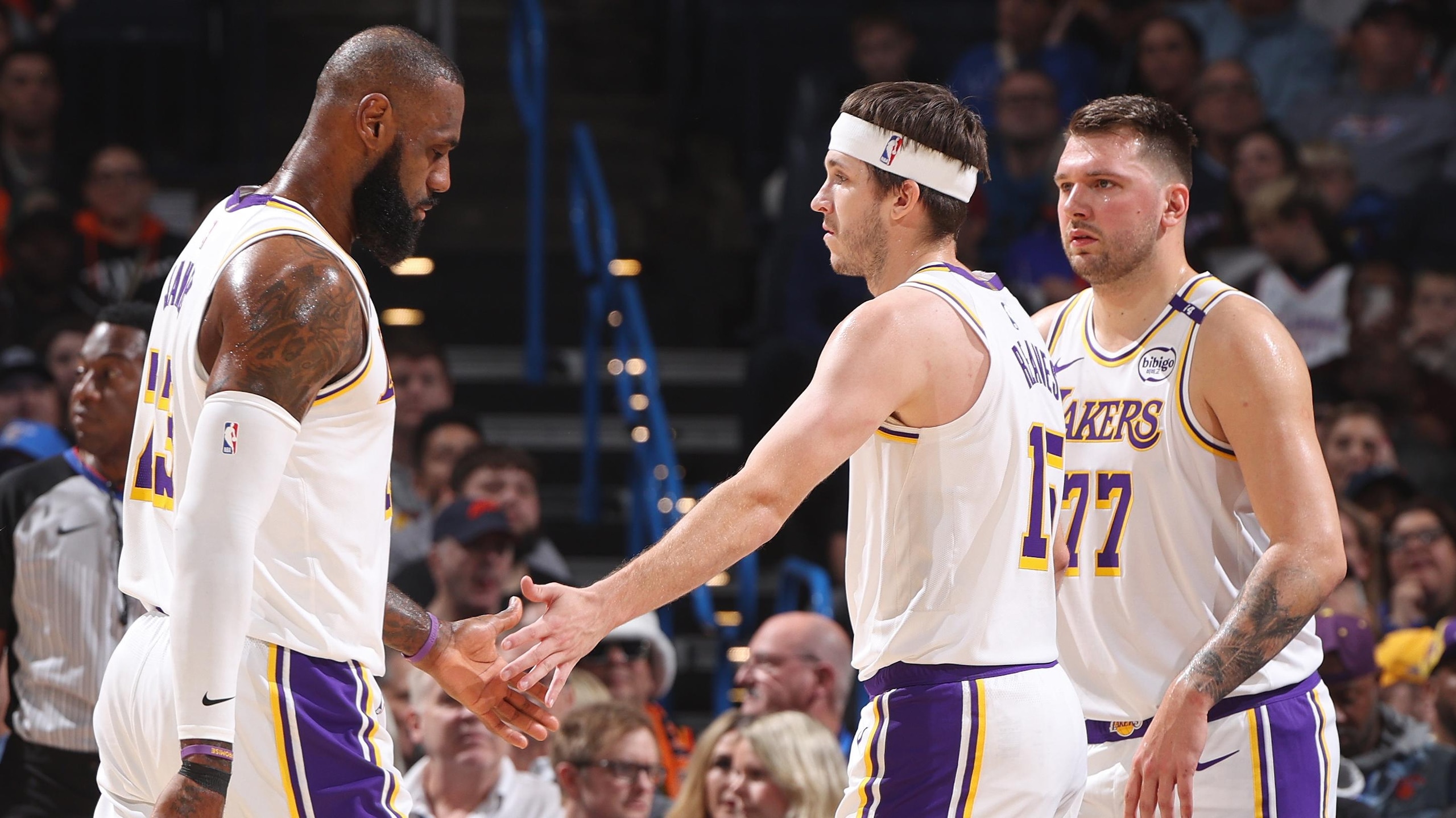
Wholly neglecting the defensive end
Since sprinting out to a 15-4 start, the Lakers have played losing basketball in the month of December while routinely giving up games exactly where you'd expect: on the defensive end. There, they're coughing up an unconscionable 122 points per 100 possessions this month, the second-worst mark in the league.
"We don't care enough right now," coach JJ Redick told reporters after the club's 23-point loss to the Rockets on Christmas. "And that's the part that bothers you a lot. We don't care enough to do the things that are necessary. We don't care enough to be a professional."
The Lakers, to borrow Redick's words, don't care about the defensive end—and that's not solely a criticism of the players. The front office deserves its share of the blame, too, since the defensive concerns around the Luka Dončić-Austin Reaves-LeBron James trio were never quieted by the construction of this supporting cast.
Memphis Grizzlies
15 of 30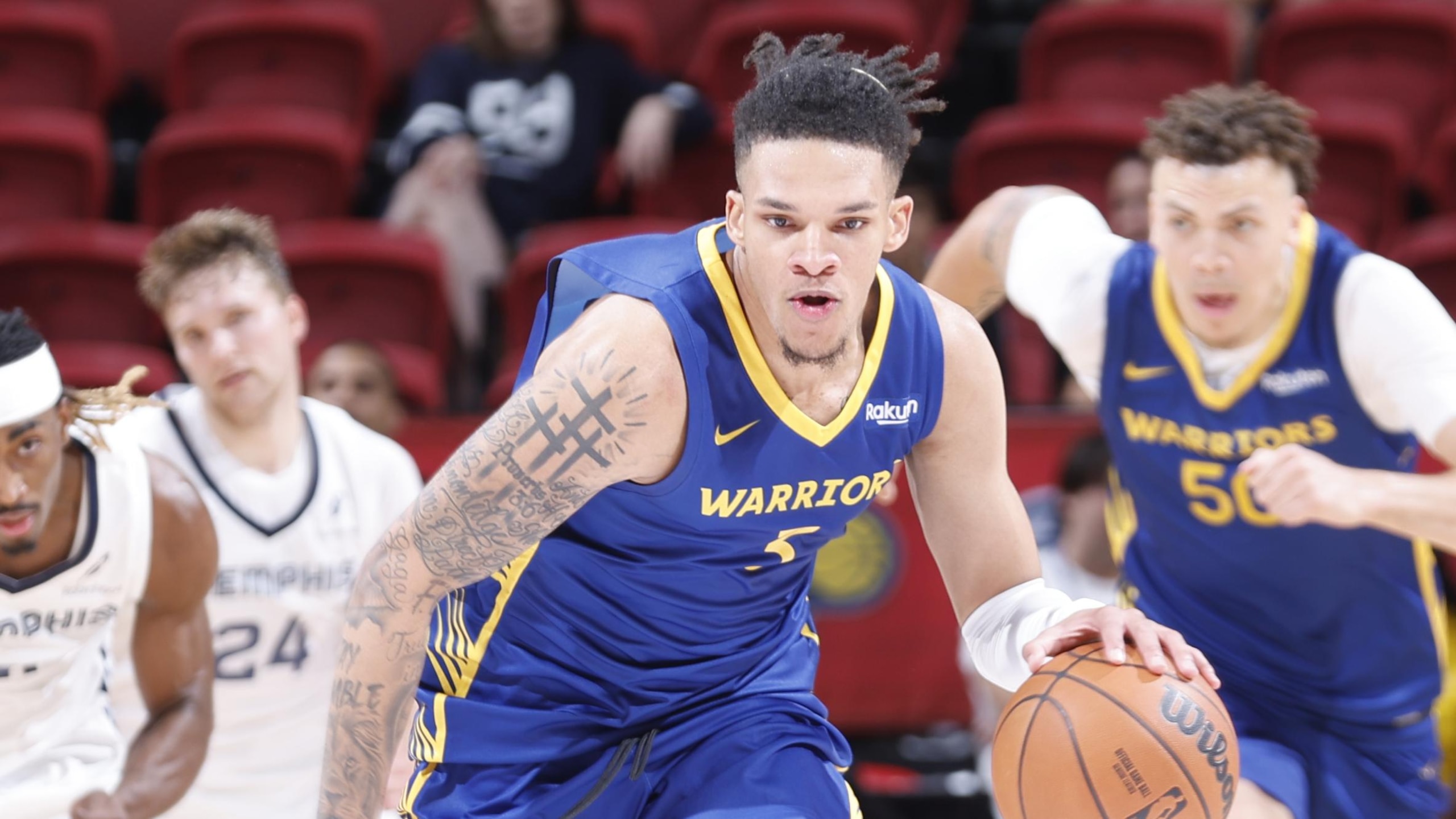
Trading back from the No. 56 pick to No. 59
This is, admittedly, nitpicky, but the Grizzlies didn't leave us many options. Selling Ja Morant for pennies on the dollar was never going to accomplish much. And while the offseason investment in Ty Jerome doesn't look great when he's failing to shake a calf strain, that's more unfortunate than regretful.
So, we're instead bouncing back to a seemingly inconsequential move on draft night, when Memphis pocketed a 2032 second-round pick from Golden State to slide back from No. 56 to No. 59. Nine times out of 10, that's the kind of transaction that never gets mentioned again.
This just happened to be one of the exceptions, though, since that 56th pick was spent on swingman Will Richard, who has deftly handled a plug-and-play for the Warriors and holds top-15 rookie ranks in minutes (12th), points (13th) and three-pointers (tied for eighth). The player taken 59th, Jahmai Mashack, has logged just 21 forgettable NBA minutes while on a two-way deal with Memphis.
Miami Heat
16 of 30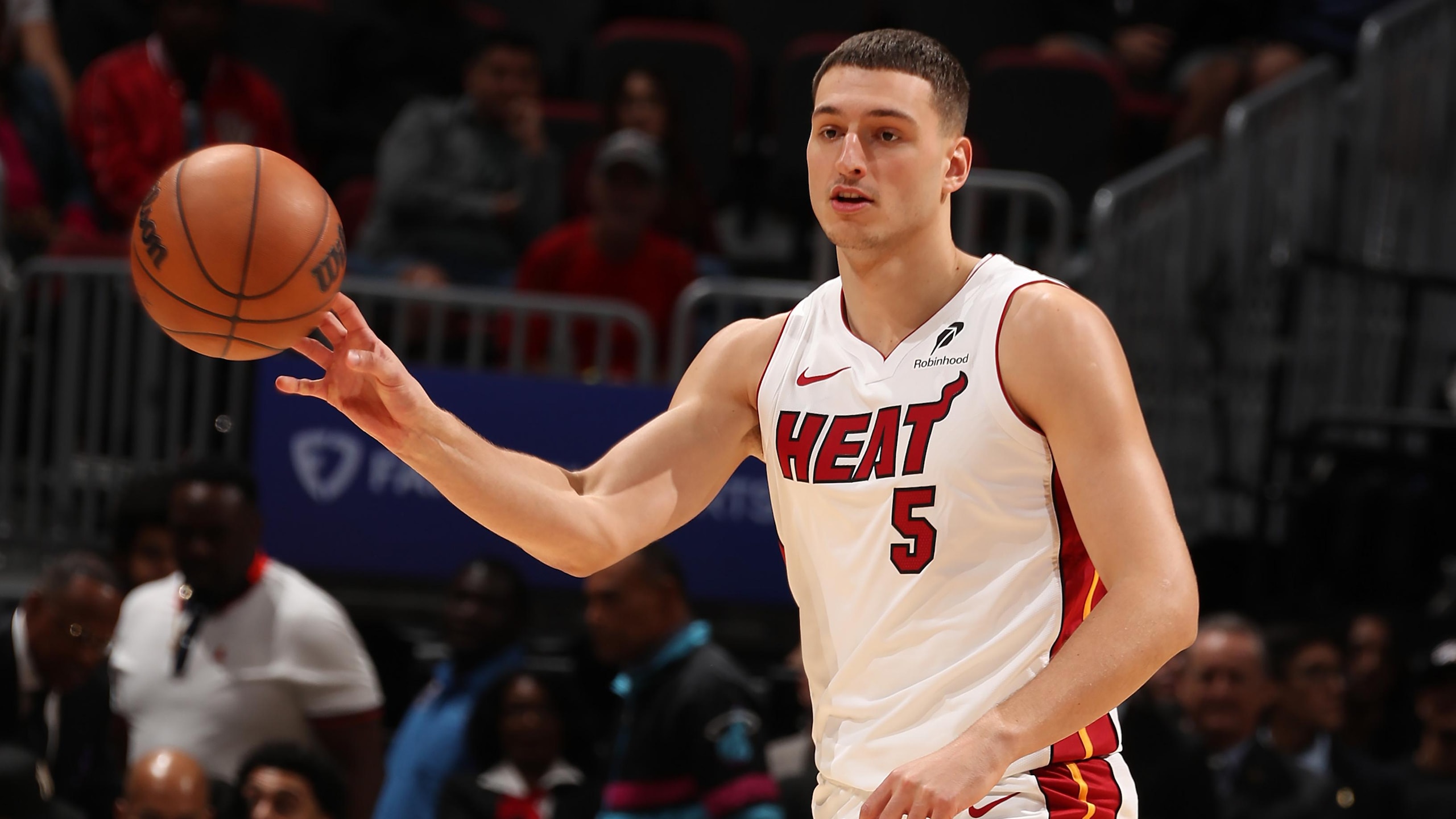
Paying Nikola Jović before he earned it
Fleeting moments were the theme of Jović's first three NBA seasons. There were flashes of offensive brilliance, multiple trips to the injury report and enough defensive limitations to make him a less-than-locked-in member of Miami's nightly rotation.
The Heat somehow decided they'd seen enough to reward the offensive swingman with a four-year, $62.4 million extension in early October. Granted, that's not an astronomic amount by NBA standards, but it still had folks scratching their heads.
Jović's play to this point has only fueled further skepticism. When he hasn't been bothered by injuries, he's been fighting out-of-rhythm shooting (39.9/31.7/76.6 slash) and struggling to find his place in Miami's revamped offensive approach.
Milwaukee Bucks
17 of 30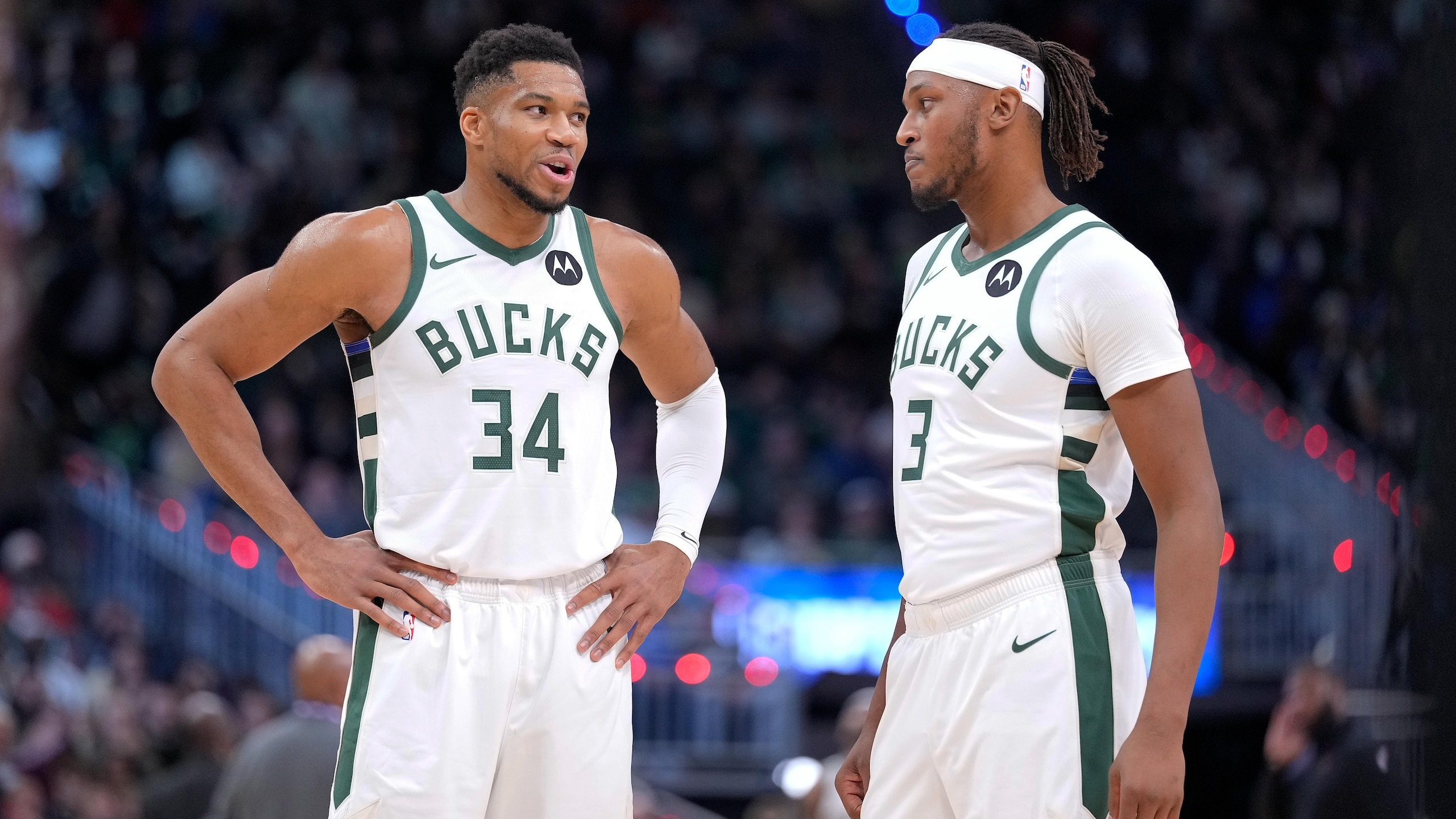
Making big swings on Kyle Kuzma and Myles Turner
If the Bucks are ever forced to split from Giannis Antetokounmpo, it won't be for a lack of effort on their part. They've routinely smashed their piggy bank in pursuit of the best supporting cast they can provide. Unfortunately, their asset collection has deteriorated to the point that even their desperation deals aren't moving the needle.
Last season, they made their big deadline swing on Kuzma. This summer, they effectively forked over a quarter-billion for Turner when accounting for the money lost to waive-and-stretch Damian Lillard in order to afford Turner's $107 million deal. To CliffsNotes that combo, that's a fringe-starting forward with an unreliable three-ball and a non-star center averaging 12.6 points and 5.4 rebounds.
Milwaukee is still scouring through the clearance bin for marginal upgrades and staking its biggest hope on "[knowing] Giannis doesn't want to be the villain," per ESPN's Jamal Collier, and therefore wouldn't go public with a trade request. Given the kind of help the Bucks can afford at this point, though, Antetokounmpo might be free of any villain accusations should he decide he wants out for an actual chance to compete.
Minnesota Timberwolves
18 of 30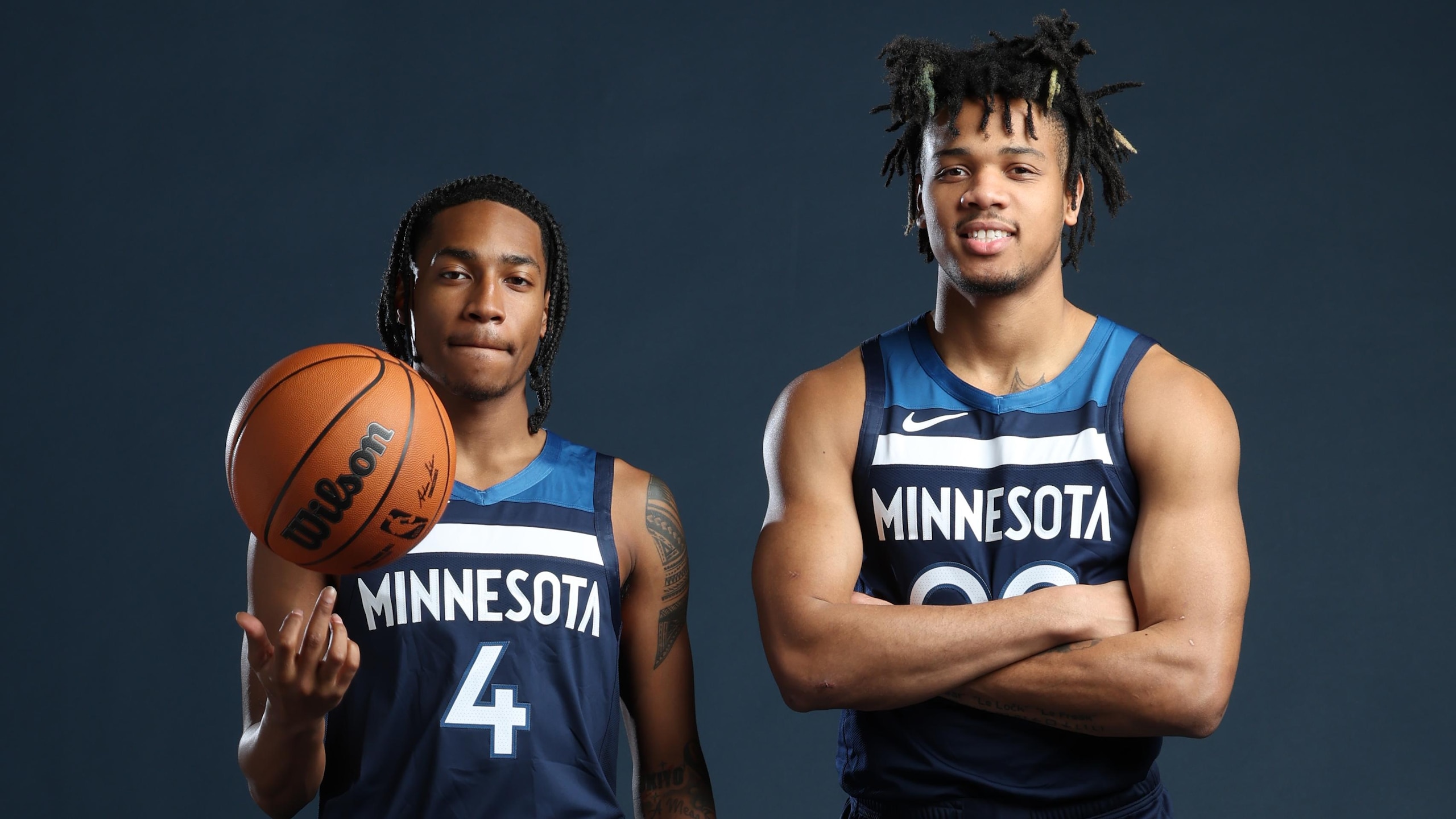
Not finding a Nickeil Alexander-Walker replacement
As the Timberwolves approached 2025 free agency, it felt increasingly obvious that they wouldn't be able to keep all three of Alexander-Walker, Julius Randle and Naz Reid. It also appeared likely Alexander-Walker would be the odd man out.
Shouldn't have Minnesota have acted with more urgency to find a replacement, then? Sure, the hope was that the young core could provide some relief, but can a contender really pin such a critical role—or roles, really, since Alexander-Walker operated as a shooter, backup playmaker and point-of-attack stopper—on crossed-fingers and well-wishes?
Minnesota never looked outside the organization for help, effectively ignoring external options in free agency and spending its draft picks on more bigs (Joan Beringer and Rocco Zikarsky). With Mike Conley increasingly looking his age, Terrence Shannon Jr. regressing and Rob Dillingham remaining unreliable, it seems like the Wolves will have to search around for a NAW-type on the trade market.
New Orleans Pelicans: Devaluing the 2026 Draft
19 of 30
Has news of all the glowing reviews around the 2026 draft class simply not reached New Orleans? Because while you'd think the Pelicans would be downright giddy about the prospect of having anyone other than Zion Williamson serve as their franchise face, they seem totally disinterested in—if not fully dismissive of—the 2026 talent grab.
While no one knew it at the time, New Orleans gave up a potential gold mine when it returned Indiana's 2026 pick to grab the No. 23 pick. The Pelicans then compounded that mistake by packaging the pick with an unprotected 2026 first (the more favorable of their own and the Milwaukee Bucks') to jump 10 spots to take Derik Queen.
That second swap immediately appeared chortlingly reckless, and it hasn't grown any more appealing with time. Queen looks solid, sure, but the Pels look awful: 28th in winning percentage, 27th in net rating. And since the Pacers are one of the few teams that actually looks worse, New Orleans may have punted two chances at nabbing the No. 1 pick in what could be a generational draft class.
New York Knicks
20 of 30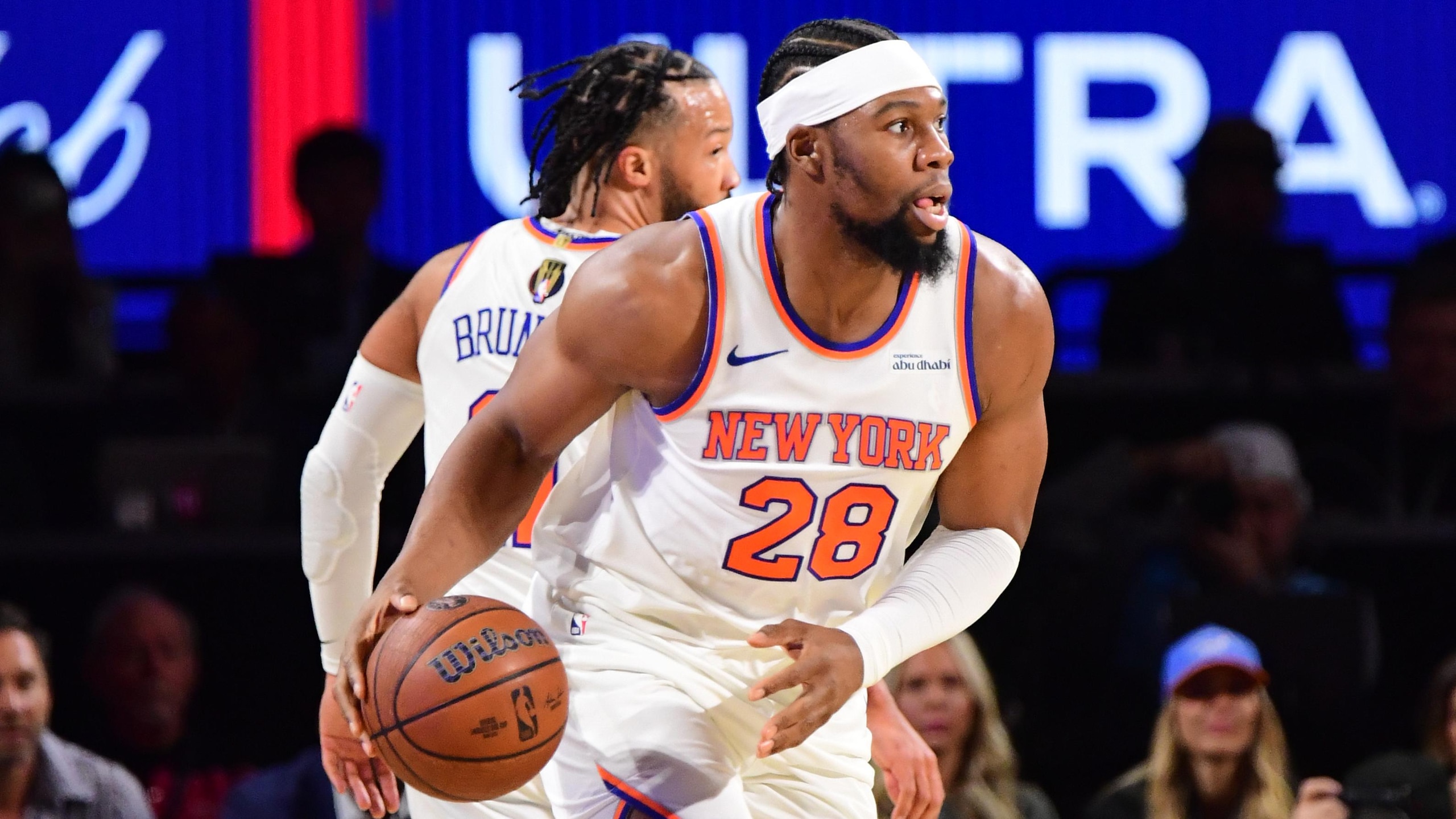
Splurging on Guerschon Yabusele
When the Knicks aimed to build out their bench this summer, they had one key resource at their disposal: the taxpayer's mid-level exception. They invested most of it in Yabusele, who scored a two-year, $11.3 million pact with a player option on the second season.
New York seems increasingly unlikely to receive any kind of return on that investment. The Knicks barely play the burly forward, and he isn't giving them a reason to rethink that (3.2 points on 40.8 percent shooting).
You'd at least hope his salary slot would be useful in a trade, but the presence of that pesky player option means the Knicks may have to sacrifice assets just to get rid of the contract. And since the 'Bockers are already operating with a limited trade budget, their dreams of adding an impactful midseason addition may already be dashed.
Oklahoma City Thunder
21 of 30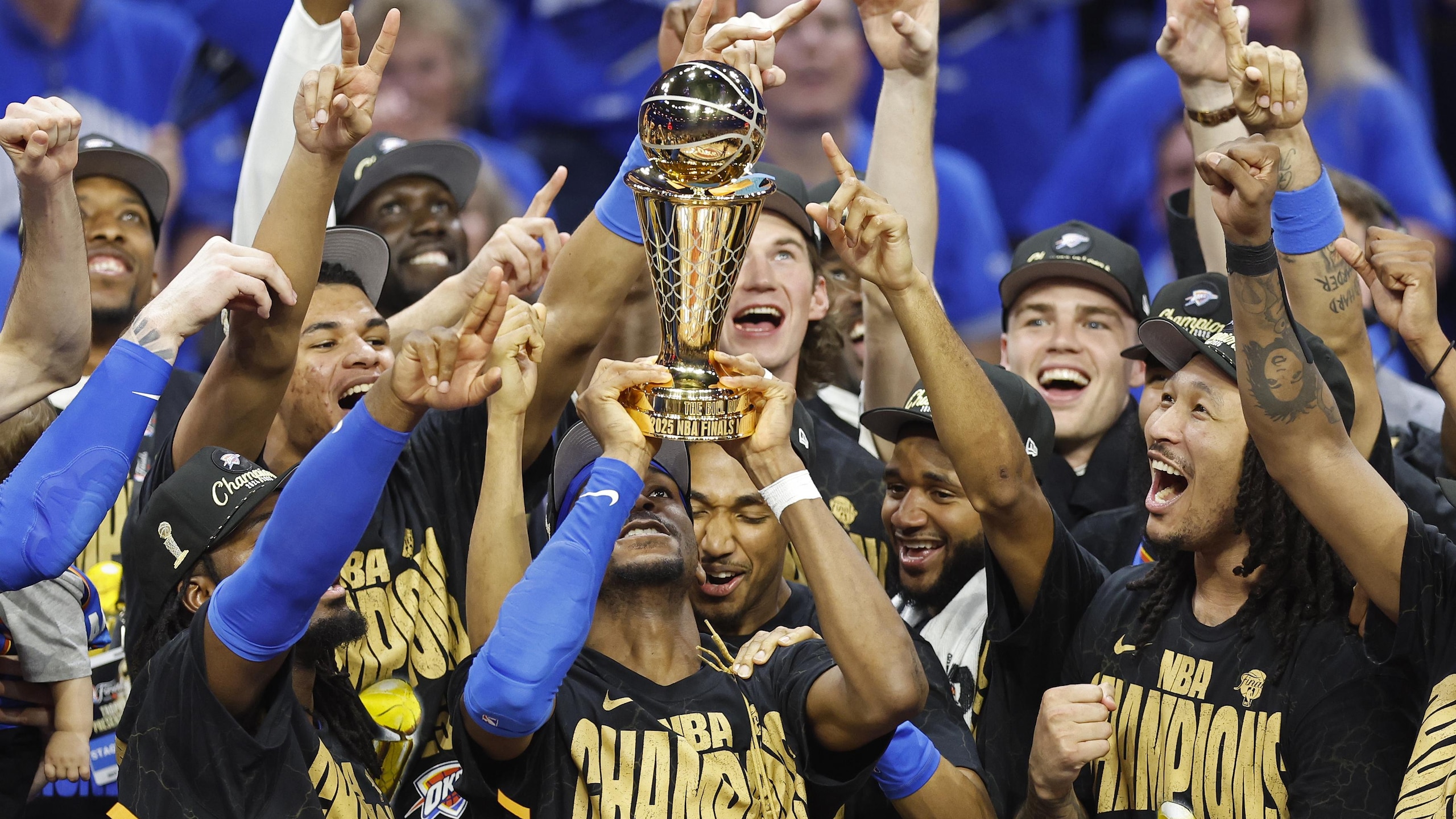
What are regrets?
No one likes a cop-out answer, but come on here. The Thunder were overwhelmingly dominant in their run to last season's title, and they've only cemented their status as favorites in this season's chase (plus-13.8 net rating).
Could we gripe about a few things? Maybe. The three-point attack doesn't always have perfect volume. This isn't the strongest frontcourt you'll find. And, sure, it'd be nice if OKC had its own 7'5" celestial hooper.
But, seriously, there's nothing to second-guess here (or even first-guess). The Thunder brought back all key contributors from last season's title team and seemingly have all key components needed to defend their throne. And, as impossible as this sounds, their future might be even brighter than their present.
Orlando Magic
22 of 30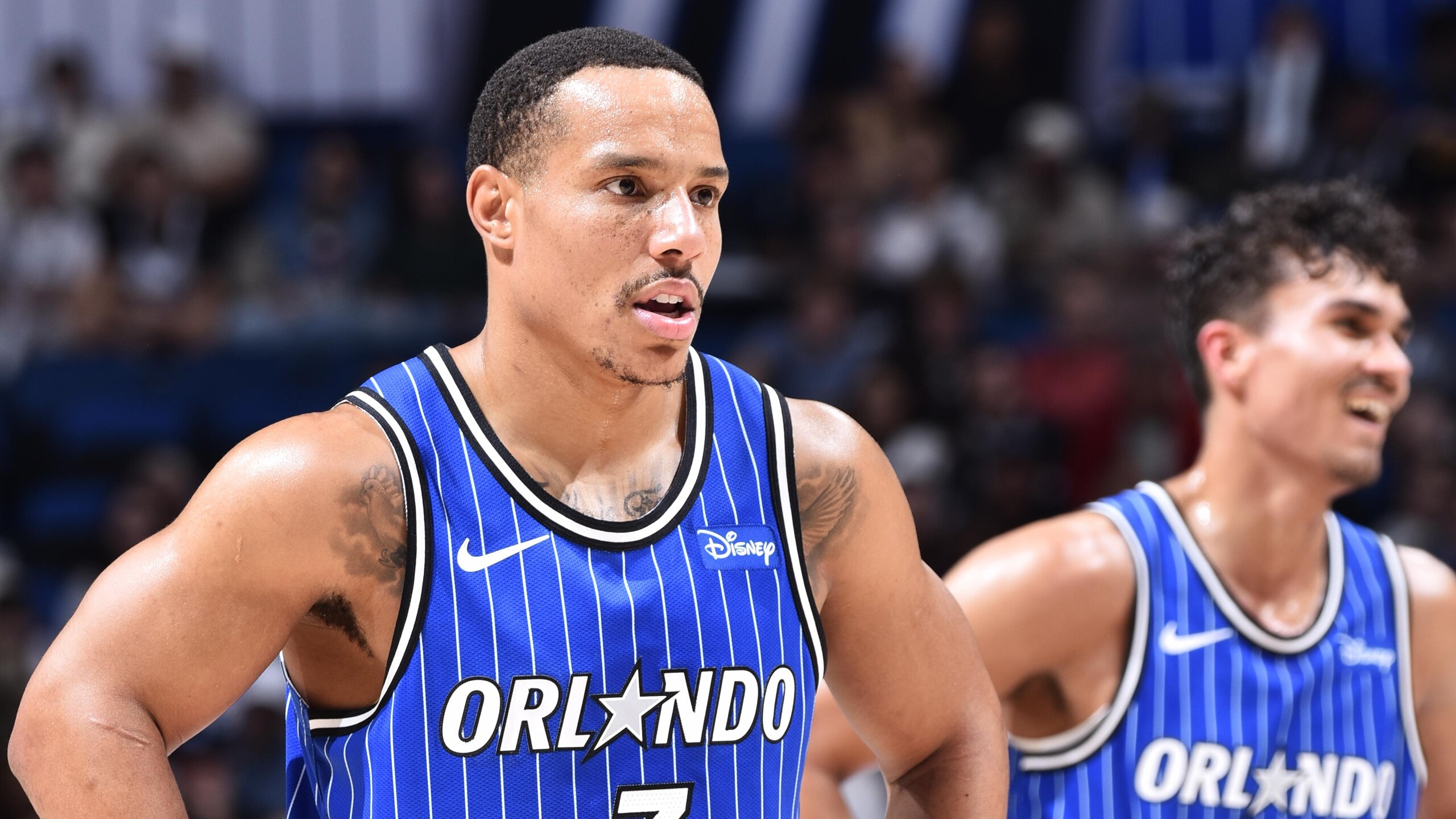
Not pushing even harder for perimeter shooting
After watching their bricklaying offense hold back their suffocating defense for years, the Magic finally addressed the issue this summer. More specifically, they forked over four first-round picks, one first-round pick swap and two rotation players (Kentavious Caldwell-Pope and Cole Anthony) to pry Desmond Bane away from the Grizzlies.
As bold and costly as that exchange was, though, it's still fair to think Orlando may have wished it'd done more. The offense is obviously (and significantly) improved (up to 13th in efficiency), but three-point shooting is still not a strength (26th in makes, 27th in accuracy).
There are at least a few internal hopes for better spacing, like Bane and Tyus Jones shooting closer to their normal rates or rookie net-shredder Jase Richardson claiming a larger role. Still, Orlando may have to look elsewhere for extra shooting if it hopes to seriously challenge for the Eastern Conference crown.
Philadelphia 76ers
23 of 30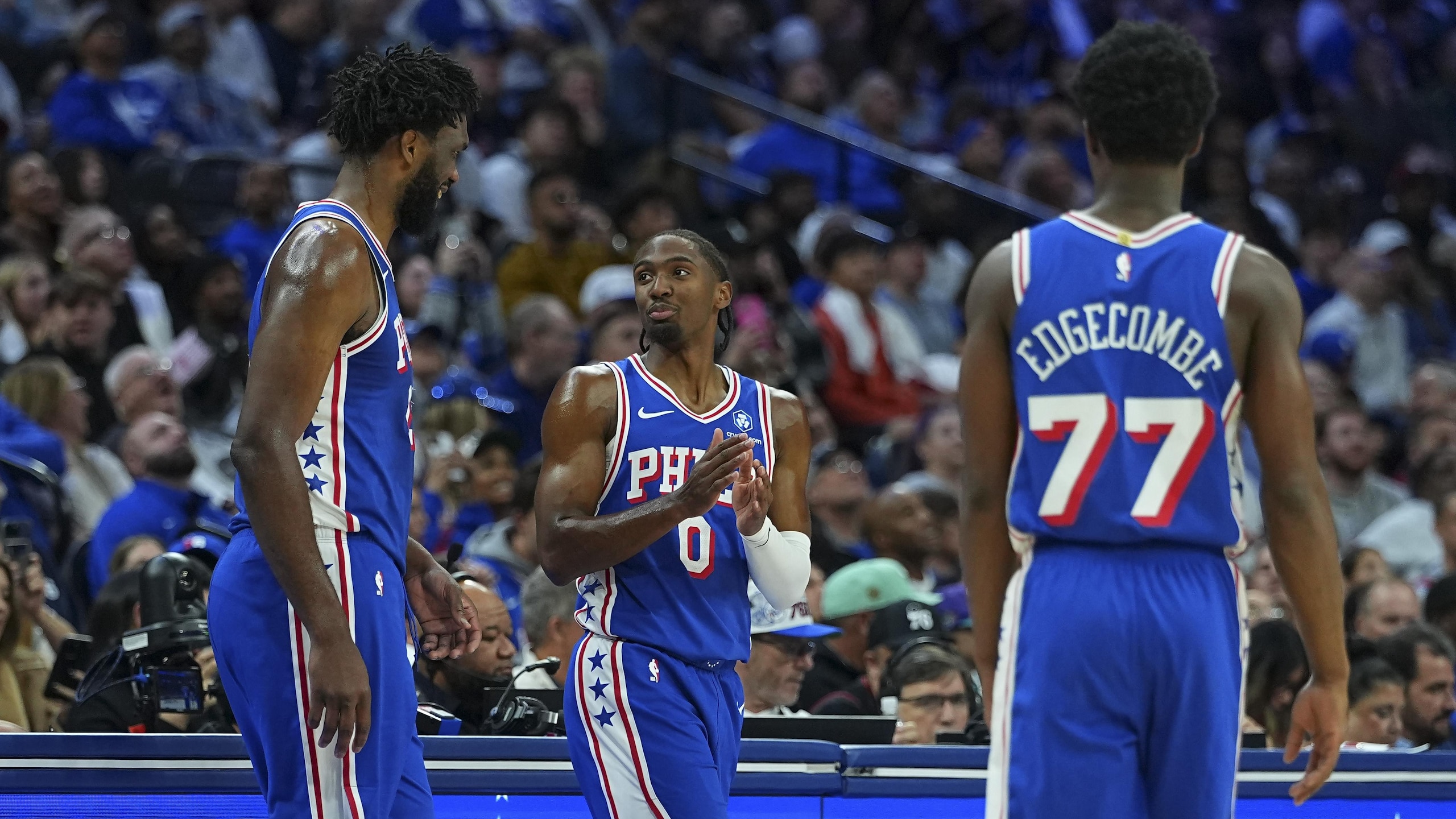
Not balancing the roster
The Sixers are stuck in this strange existence where they're operating on two different timelines. They have a boatload of money (and presumably still some win-now hopes) tied to aging, injury-impacted stars like Joel Embiid and Paul George, but they also have this fresh, wildly exciting young core featuring the likes of Tyrese Maxey, Jared McCain and rookie VJ Edgecombe.
It all puts quite the puzzle in front of coach Nick Nurse. For one, it's unclear how much of a priority player development should be, since Philly has both high-profile prospects and those marquee veterans. For another, the playing style can change up quite a bit based on who's available any given night.
The Sixers probably aren't in position to shake things up too dramatically, but you'd hope they'd at least have better balance by now. Maybe having a handful of good, young guards enters overkill territory when your forward spots can be so forgettable.
Phoenix Suns
24 of 30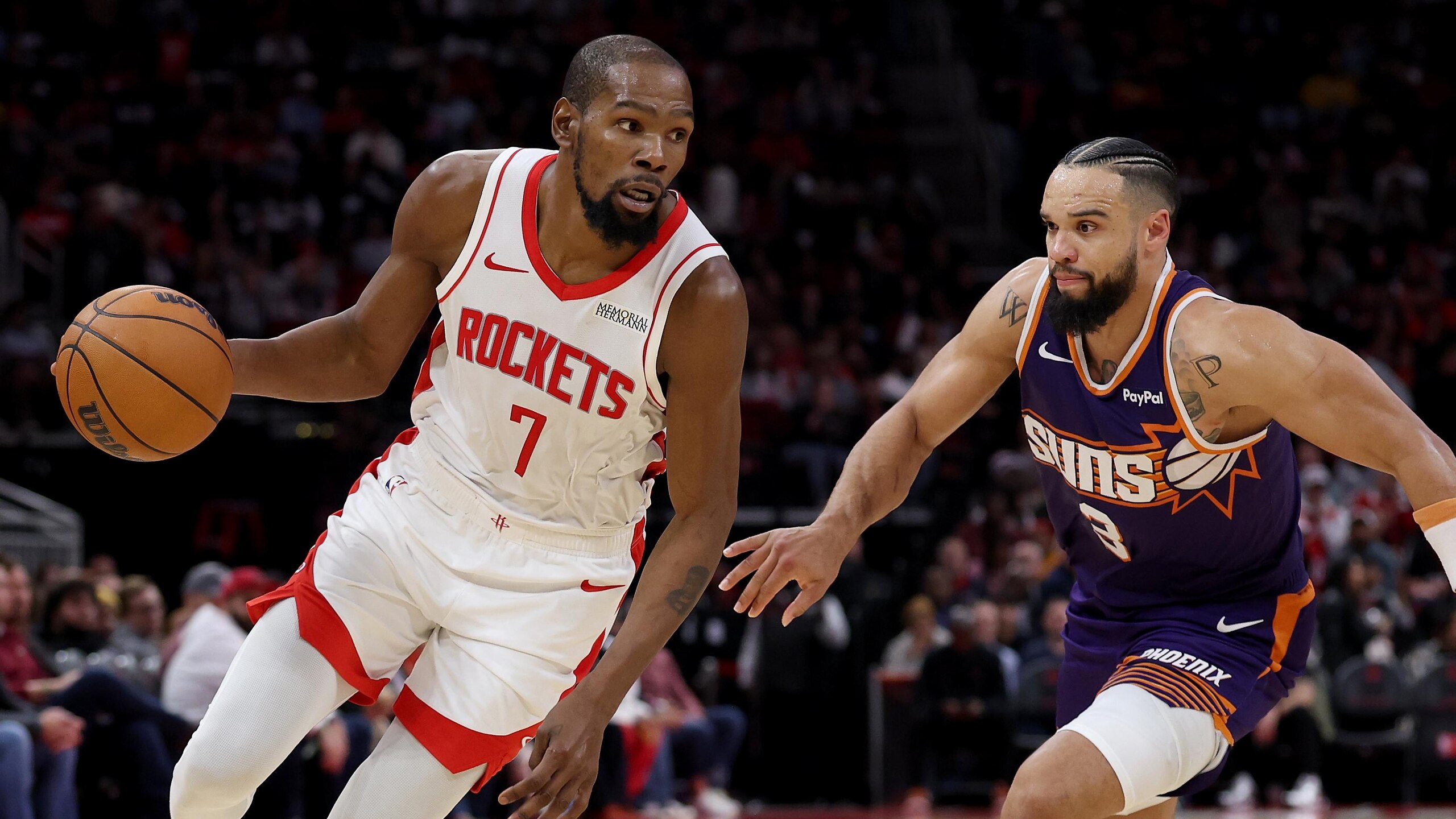
Botching the Kevin Durant trade talks
When the Suns put Durant on the trade block this summer, they should've been able to pick their asking price. Sure, he was 36 years old (37 now), and approaching the final season of his contract (now extended for two more seasons), but he was still a walking cheat-code on offense.
In reality, though, Phoenix wasn't dealing from a place of negotiating strength. Somehow, it was the opposite. Because after blindsiding Durant with trade talks at last season's deadline, they'd basically burnt that bridge. As far as everyone else was concerned, the Suns had "no leverage" by that point, as Duane Rankin of the Arizona Republic reported.
While the Suns seemingly found a culture-changer in Dillon Brooks, they hardly collected what you'd expect for an all-time great. The package was built more around Jalen Green, a scoring specialist who's an awkward-on-paper fit with Devin Booker, and No. 10 pick Khaman Maluach, who is incredibly raw and buried on the depth chart. When Phoenix initially dangled Durant last season, the asking price included "current or former All-Stars, young players and/or first-round picks," per ESPN's Brian Windhorst.
Portland Trail Blazers
25 of 30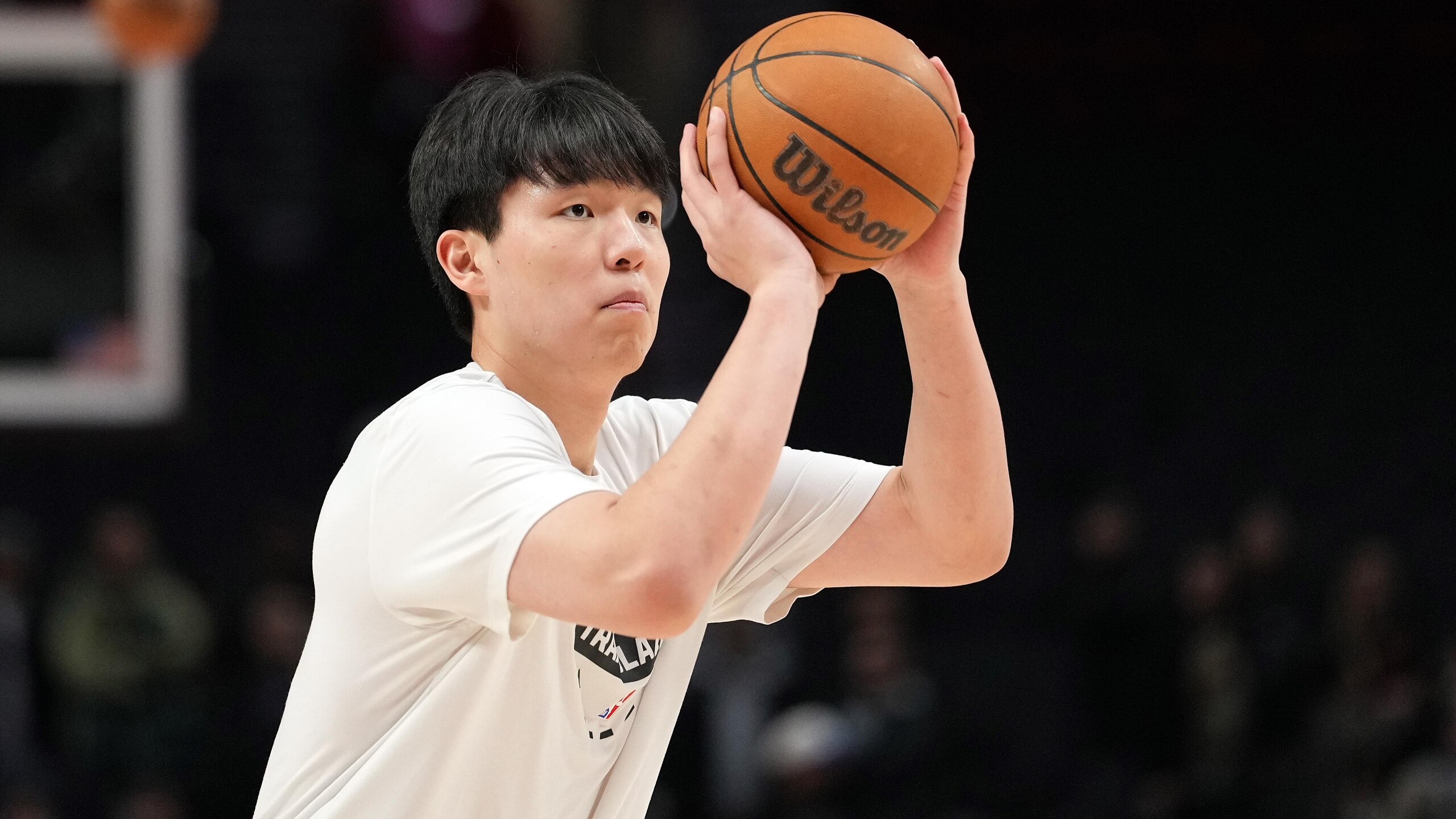
The opportunity cost of the daring Yang Hansen draft pick
If you believe in the long-term potential of Hansen, then you sense he might make this "regret" look foolish in hindsight. But everything fueling your side of the argument right now is hope.
Because in reality, he has looked unplayable at this level (admittedly, in small doses). The 7'1", 270-pounder possesses a 30.4 field-goal percentage over his first 129 minutes and is 2-of-19 from three-point land. He has more turnovers (14) than assists (13) and nearly as many fouls (20) as rebounds (28).
His future will be brighter, obviously, but how much brighter will it need to be to justify trading down from No. 11 (where Cedric Coward was taken and Derik Queen was still available) and using the No. 16 pick on Hansen? And what's the plan to maximize both him and 2024 No. 7 pick Donovan Clingan? The Blazers probably aren't second-guessing this yet, but that doesn't mean we can't.
Sacramento Kings
26 of 30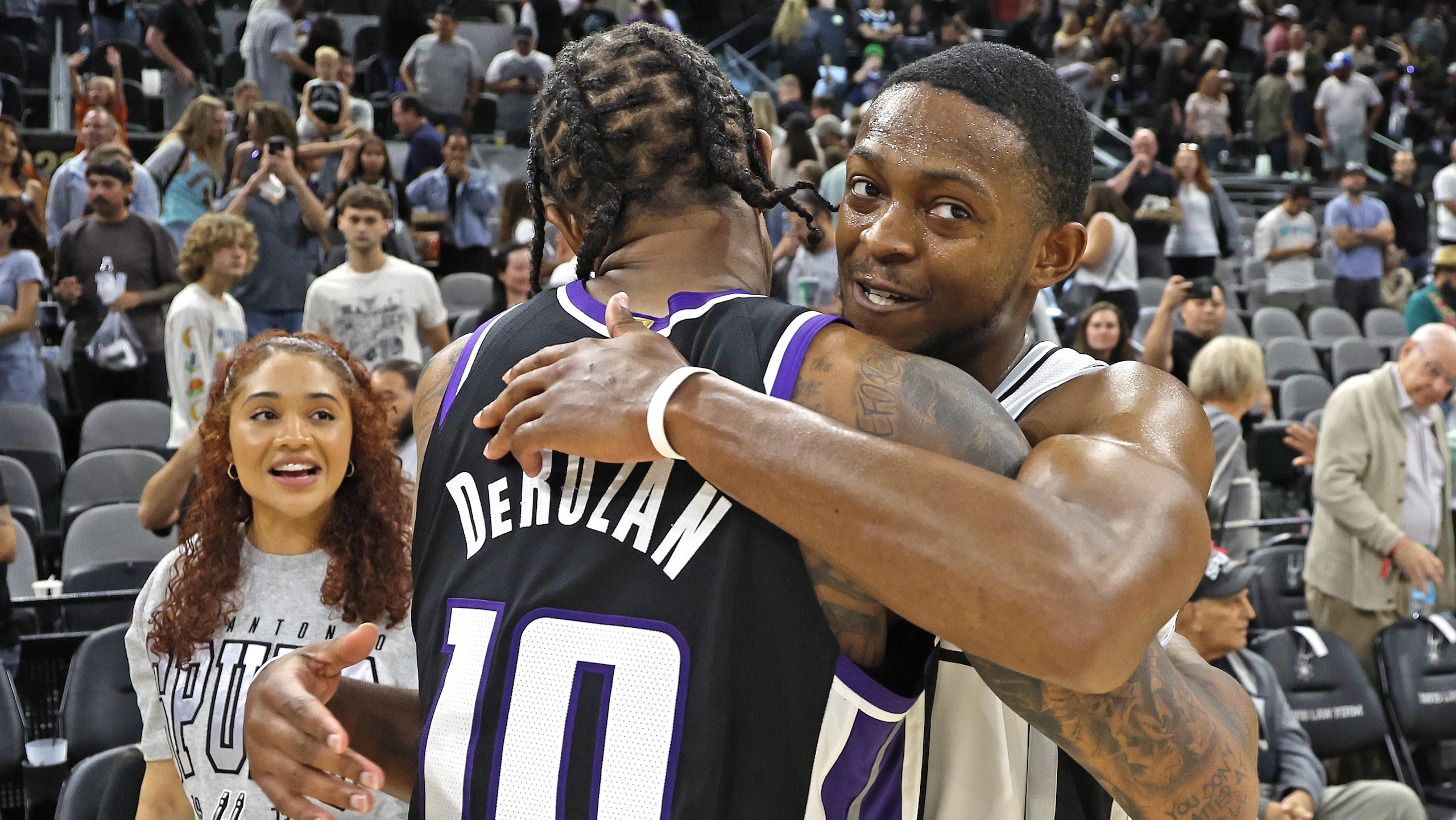
Fumbling De'Aaron Fox
This time last year, the Kings had an All-Star point guard just entering his prime. But after contract extension talks never materialized, they wound up shipping that player out to the asset-rich, Victor Wembanyama-costar-coveting Spurs.
Surely, Sacramento walked away with a readymade roster-building kit, right? Nope. Since Fox was clearly done with the Kings, they lacked the leverage needed to extract San Antonio's top trade chips. Sacramento walked away with Zach LaVine (because he obviously fit so well with DeMar DeRozan in Chicago), a 2027 first from San Antonio, a 2031 first from Minnesota and some second-rounders.
In the grand scheme, that's a pretty forgettable haul for an in-prime floor general. But the Kings waited too long to pull the plug and torpedoed their return as a result.
San Antonio Spurs
27 of 30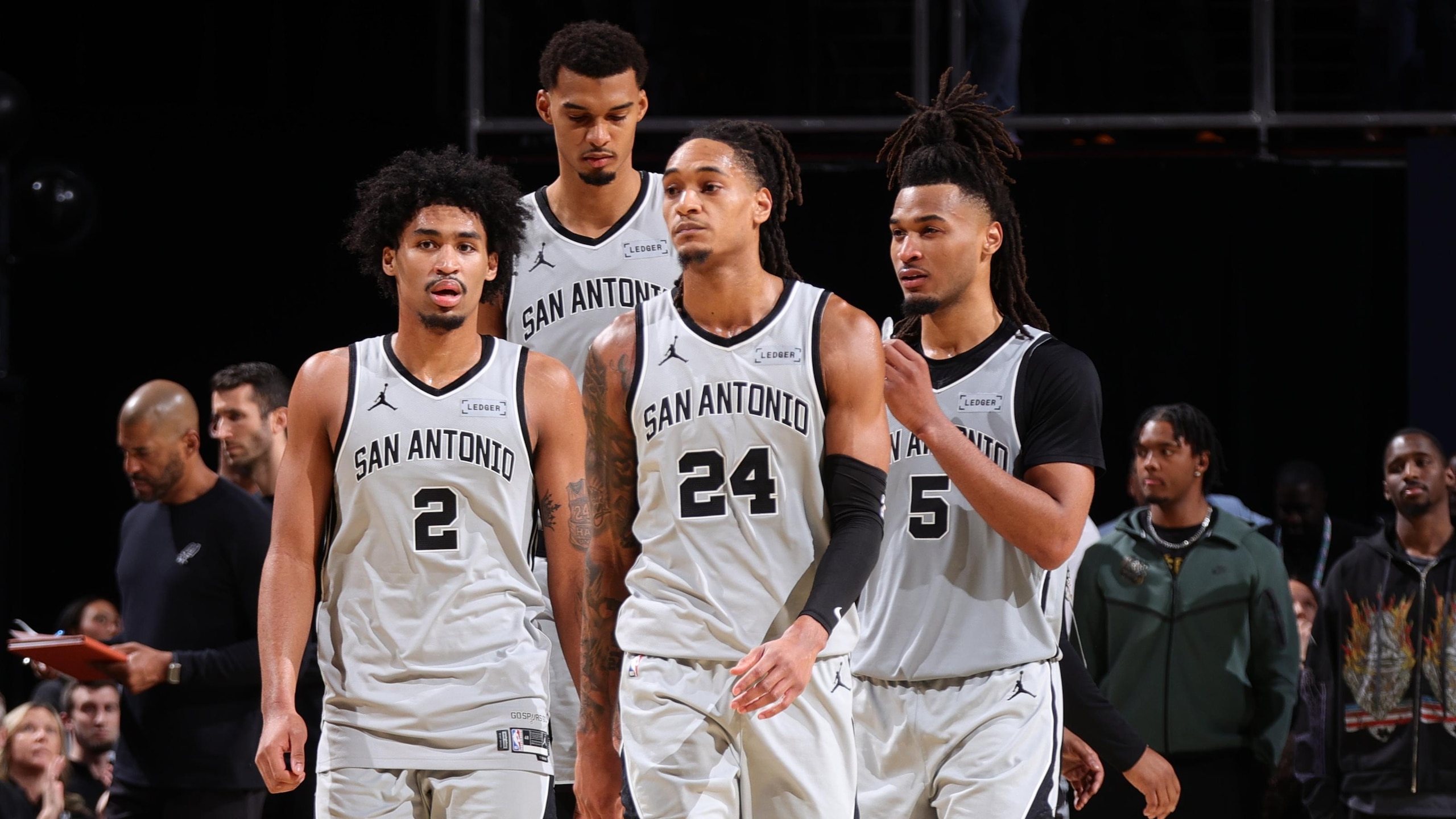
Underselling the roster's readiness
When San Antonio added De'Aaron Fox at last season's trade deadline, it felt like a trial run to see what Victor Wembanyama could do with a legitimate co-star. But the Spurs always had the trade chips needed to get much more aggressive. They just seemingly needed to see whether this roster was ready for that type of transaction.
This summer's pickups of Luke Kornet and Kelly Olynyk felt similar. They covered niche needs, but they also didn't break the bank. Again, it felt like San Antonio wanted more evidence of being ready to contend before making its all-in move.
Well, Wembanyama is clearly ready for the biggest stages, and a good chunk of this roster seems up to the task, too. It's the front office that might be a bit behind things. They could've pushed for even more and arguably would've done so had they known this group could be this good this quickly.
Toronto Raptors
28 of 30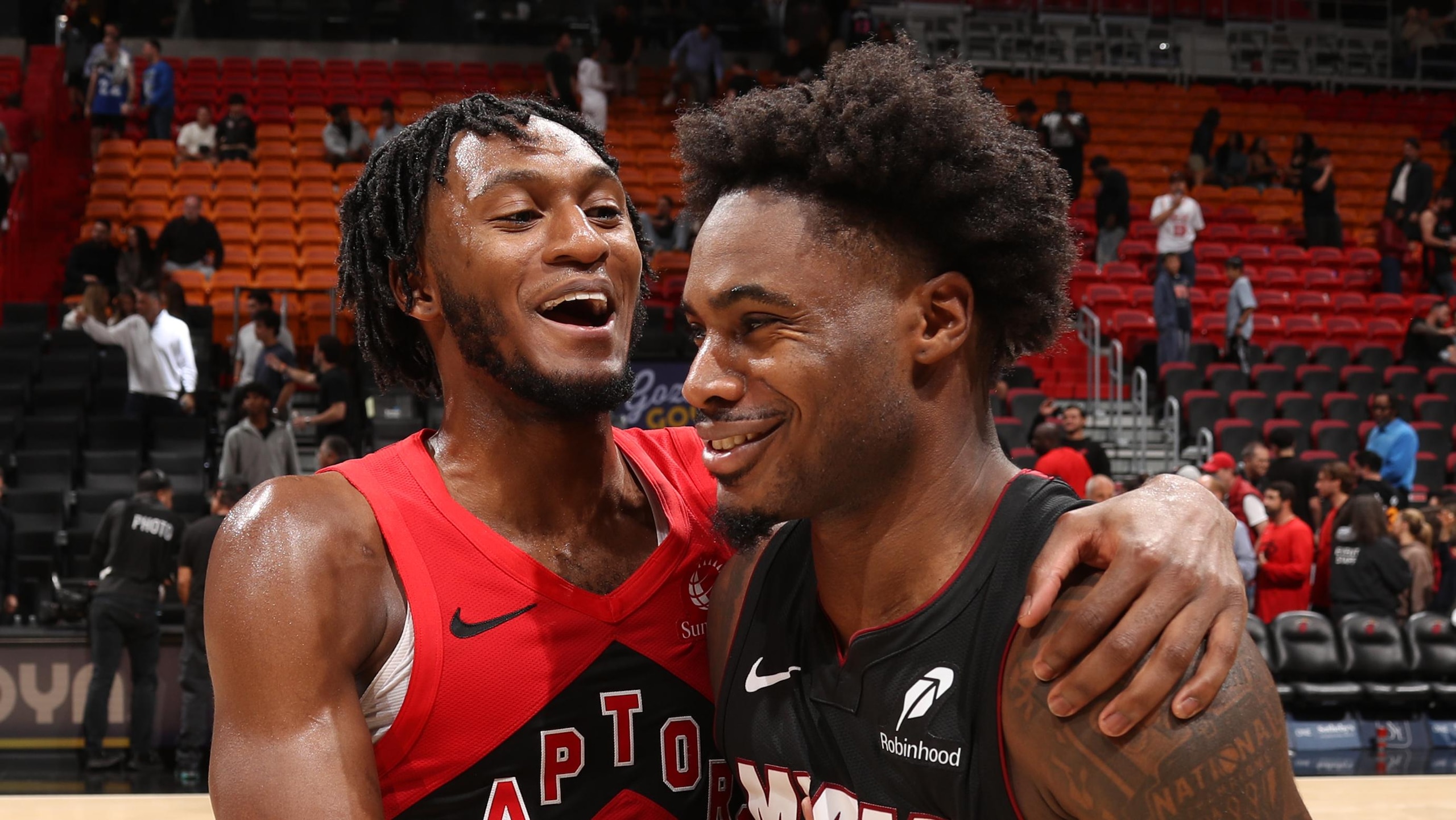
Giving up on Davion Mitchell too soon
Be honest: How many of you actually noticed that last season's five-team trade that sent Jimmy Butler to Golden State included Toronto routing Davion Mitchell to Miami? If you snoozed through that part of the swap, no one would've blamed you. Mitchell was barely clinging to afterthought status, having failed to show any discernible growth on the offensive end.
But maybe the Raptors just didn't wait long enough. That or their coaching staff just failed to crack his developmental code.
Either way, he looked like a different player from the second he hit South Beach, finally pairing his trademark defense with prolific playmaking and reliable perimeter shooting. He was great down the stretch and has fared even better this season, shooting 48.3 percent overall and 37.2 percent from distance while piling up 7.4 assists against just 1.5 turnovers.
Utah Jazz
29 of 30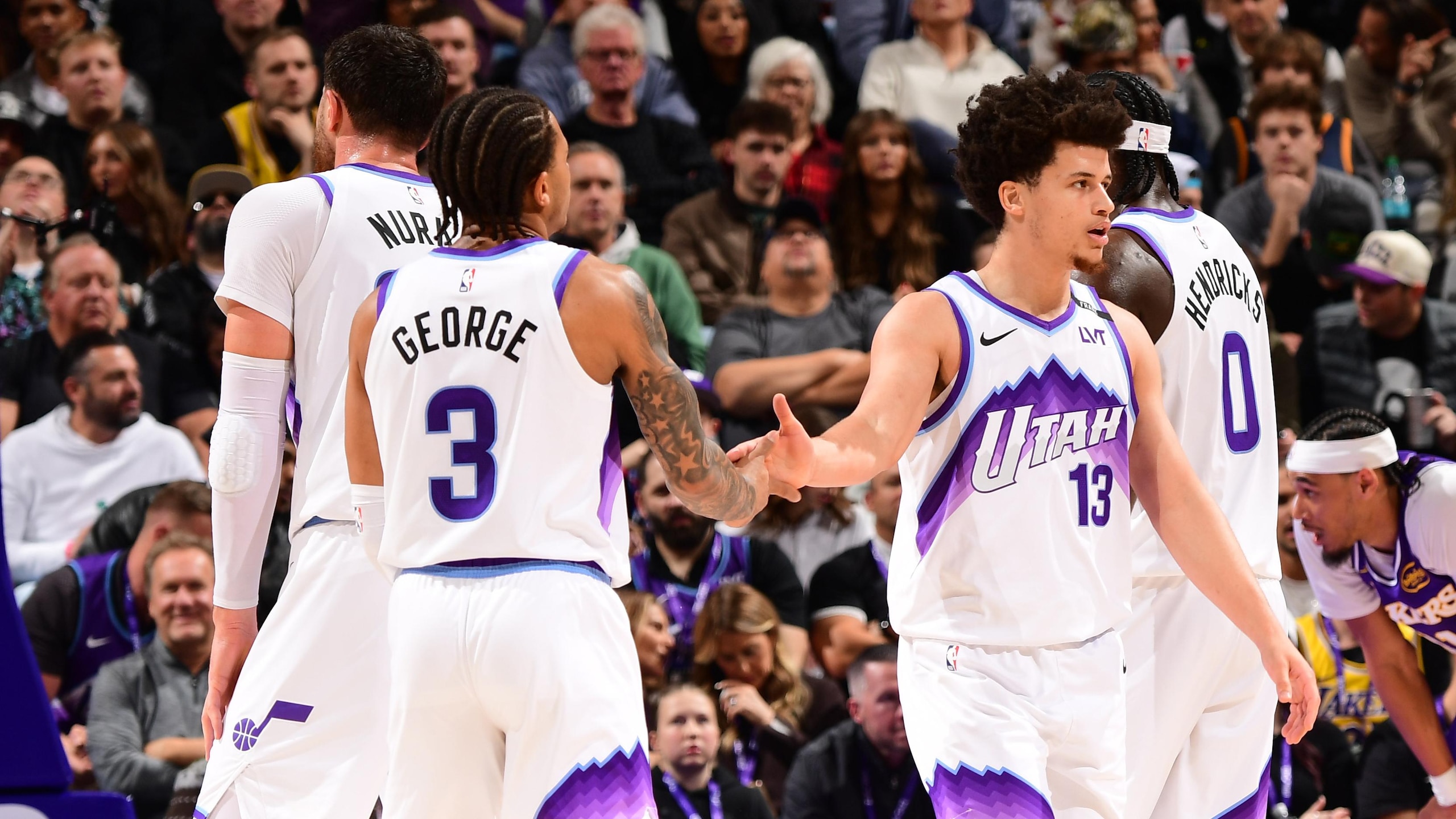
Trading up to overcrowd the point guard position
Back at the draft, the Jazz gave up a current second-rounder and two future second-round picks to climb up from No. 21 to No. 18 in order to take Walter Clayton Jr. Maybe that proves a fair price in a vacuum based on whatever Clayton's future holds, but it feels wholly unnecessary for Utah given the huge strides taken by Keyonte George and Isaiah Collier this season.
Granted, the Jazz probably didn't see both of those spikes coming. George had never previously averaged even 17 points or shot 40 percent from the field; he's now pumping in 24.2 points a night and converting 45 percent of his field goals. Collier, meanwhile, has leveled up every layer of his 48.9/37/70.4 shooting slash (was 42.2/24.9/68.2 last season).
Those developmental success stories are obviously (and objectively) good things for the Jazz, but they will make it harder for Clayton to make his mark. And since both were recent first-round picks in their own right, the Jazz have no obvious incentive to curtail their floor time just to find more minutes for the new rookie point guard.
Washington Wizards
30 of 30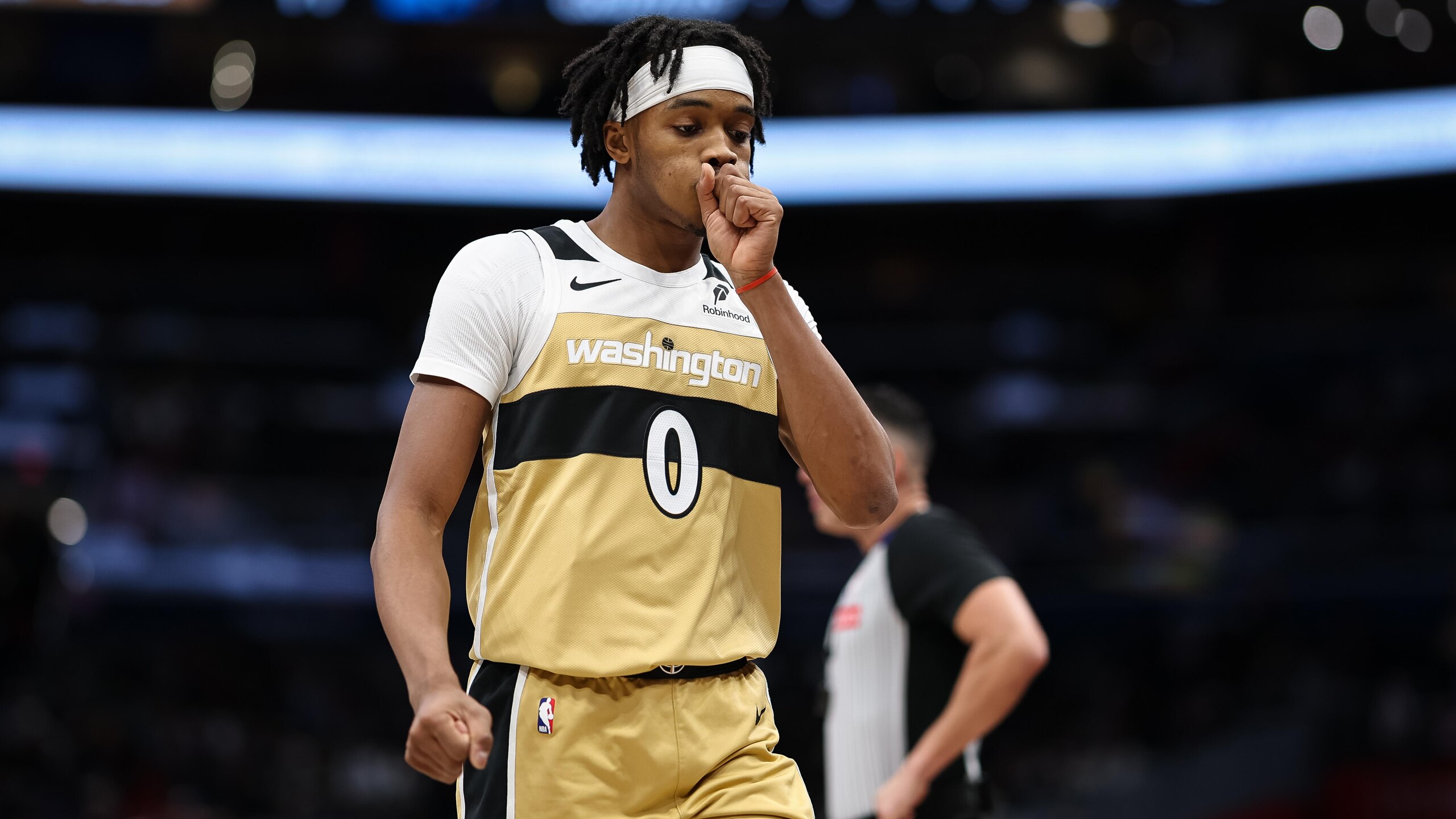
Bilal Coulibaly's stagnation
When the Wizards first pivoted away from the Bradley Beal era, Coulibaly, the seventh pick of the 2023 draft, was the first building block put in place for their next chapter.
Two-plus years later, he still fills a prominent role for the franchise. It just happens to be still constructed more around tools, potential and theoretical impact than you'd like.
He's a disruptive defender and an eye-opener in transition, but his half-court offense has perhaps never felt more helpless. His 38.5 field-goal percentage and 25.8 percent splash rate from range are both career lows, and the gap between his averages in assists (2.6) and turnovers (1.9) is perilously slight. No one's abandoning hope on the 21-year-old just yet, but he's not exactly inspiring a lot of confidence.
Statistics used courtesy of NBA.com and Basketball-Reference.com and current through Monday's games.




.jpg?w=2560 "Mahomes Asked OT to Leave Meeting")
.jpg?w=2560 "Jonathan Taylor Landing Spots 📍")

.jpg?w=2560 "Five Teams Eyeing Taylor")
