

The new year begins on Thursday, but as far as the men's college basketball season is concerned, that ball dropping in Times Square simply means it's time for conference play to begin en masse.
An awful lot can change between now and Selection Sunday. Case in point, at this time one year ago, Kansas was No. 7 in the AP poll while Cincinnati was ranked 16th. The Jayhawks ended up as an unranked No. 7 seed in the dance while the Bearcats devolved into a 16-loss mess that missed the NCAA tournament.
With the midpoint of the regular season only a week or so away, though, let's crown the biggest winners and losers from the first half of this wild ride.
It could be players, teams, entire conferences—or, in one case, a marquee event that was marred by a nonsensical format.
Selections are presented in no particular order aside from oscillating between winners and losers.
Winner: This Freshman Class
1 of 9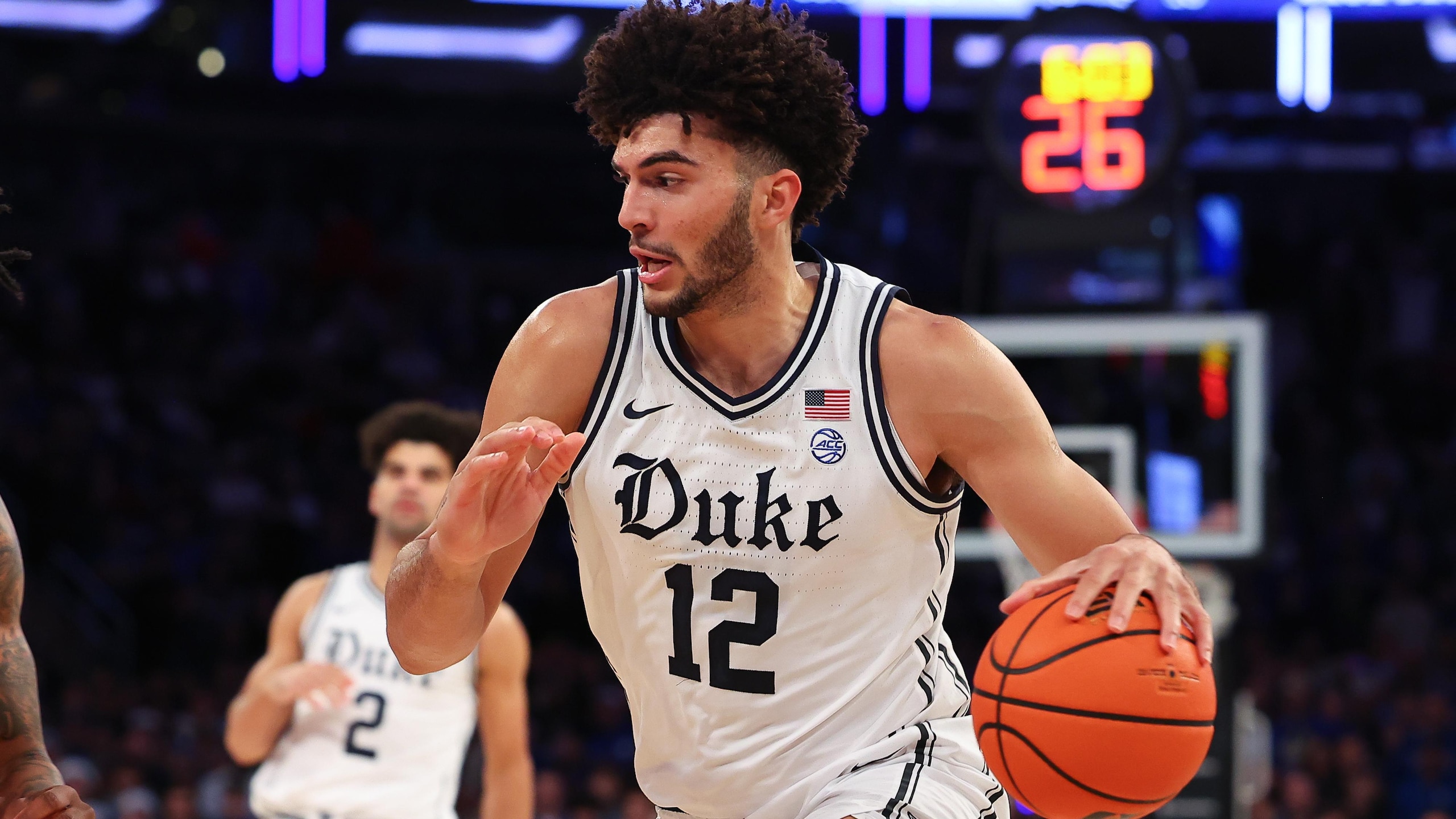
The big three of Duke's Cameron Boozer, BYU's AJ Dybantsa and Kansas' Darryn Peterson has been as excellent as advertised.
The latter of the three has unfortunately been limited by a hamstring injury suffered before the season began and has become a lightning rod for terrible hot takes. Despite only playing four games and operating at considerably less than 100 percent when he has played, though, Peterson has been dominant when available, averaging just under 20 points per game.
Meanwhile, Boozer vs. Dybantsa for National Player of the Year is shaping up to be a JJ Redick vs. Adam Morrison sort of season-long extravaganza.
Boozer jumped out to a commanding early lead in that race, repeatedly taking over in high-profile games and averaging 23.3 points, 10.0 rebounds and 4.0 assists per game. But Dybantsa appears to have taken those early coronations personally, averaging 27.8 points, 8.0 rebounds, 5.7 assists and 2.3 steals in six games played in December, including a 33-10-10 triple-double one week ago against Eastern Washington. Game on.
However, it's the incredible depth beyond that big three that makes this freshman class an early winner, feeling like possibly the best ever.
Most of the 5-star recruits have been sensational. UNC's Caleb Wilson is averaging 19.6 points and 10.8 rebounds per game. Louisville's Mikel Brown Jr. is a force of nature at point guard, though Arkansas' Darius Acuff Jr. has been even better. Both halves of Arizona's Koa Peat and Brayden Burries duo have been "lottery pick" good. And though he missed the first few weeks of the season with an ankle injury, UConn's Braylon Mullins has quickly looked the part of a budding star.
Throw in Houston's Kingston Flemings and Chris Cenac Jr., Baylor's Tounde Yessoufou, Washington's Hannes Steinbach and the breakout star of the class, Illinois' Keaton Wagler, and it might be time to start looking up what the record is for most freshmen among the consensus first-, second- and third-team All-Americans. Because whatever that record is, it's probably going to get smashed.
Loser: Big East Teams Not Named UConn
2 of 9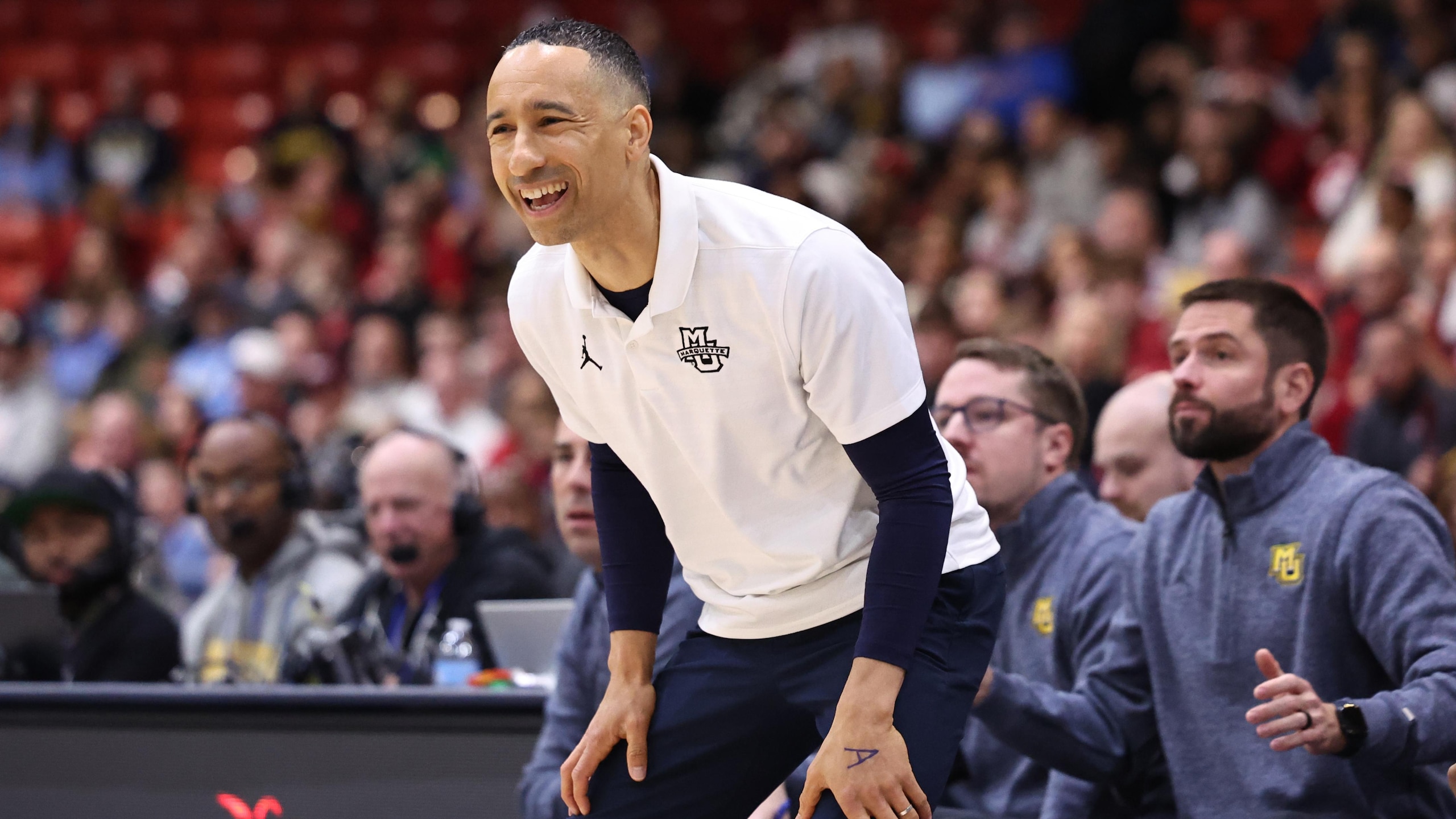
There's a chance that full-strength Connecticut is the best team in the country, gearing up to win what would be a third national championship in four years.
There's also a chance that the Big East's Huskies will go 20-0 in what is pretty clearly the fifth-best conference, as even the road games against both St. John's and Villanova are projected wins at this point.
The predictive metrics still believe in the 8-4 Johnnies, but the lack of a true point guard has already become an inescapable problem. CBS Sports' Gary Parrish had the Red Storm at No. 1 overall in his rankings heading into the season, but whether they'll even make the tournament is questionable at this point.
Creighton and Marquette were supposed to be the third- and fourth-best teams in the Big East, respectively, but they've gone a combined 13-13 overall, winless in 11 chances against KenPom top 70 competition. The Bluejays have at least somewhat salvaged their predictive metrics in recent weeks with blowouts of Xavier and Marquette, but a good KenPom ranking is worth a hill of beans if not backed up with quality wins.
In place of Creighton and Marquette, at least Villanova, Seton Hall and Butler have picked up some of the slack, each with at least one Quad 1 win. (Seton Hall has two.) All three are on the early bubble, though, as none of those best wins is anything particularly noteworthy.
Georgetown's season started out promising enough, but the incident in which Ed Cooley accidentally hit a young fan with a water bottle has come to symbolize how things have unraveled over the past five weeks.
Cooley's former school, Providence, isn't faring any better, sitting at 0-6 against the two top Quads. Xavier also has yet to beat a team even remotely in the at-large conversation. And, well, DePaul is DePaul.
It was an embarrassment when this league got just three teams into the dance in 2024. But getting three teams in might need to be a gift from the selection committee this year, unless UConn starts doling out quality wins to those in need.
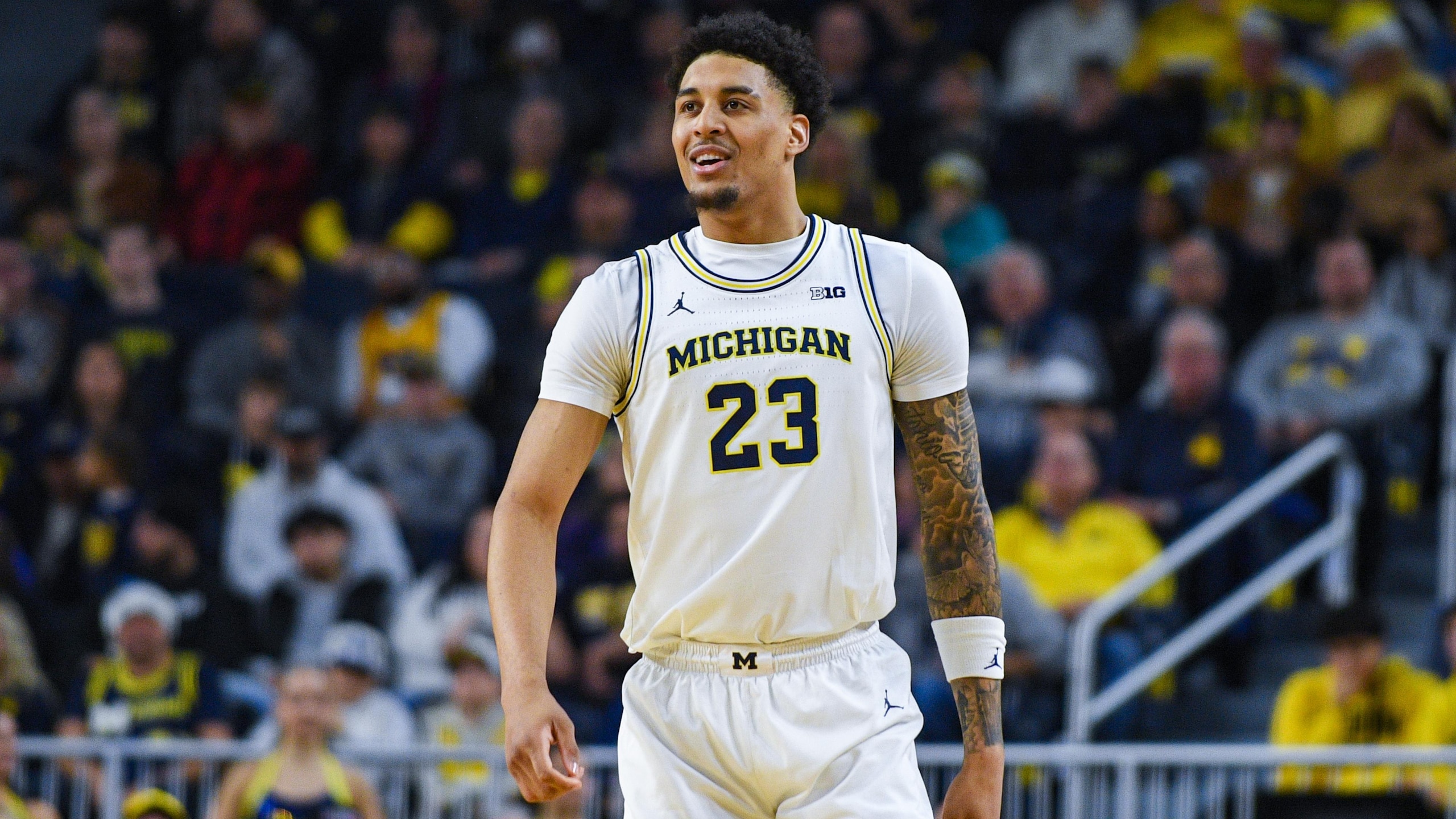
Winner: Yaxel Lendeborg and the Michigan Wolverines
3 of 9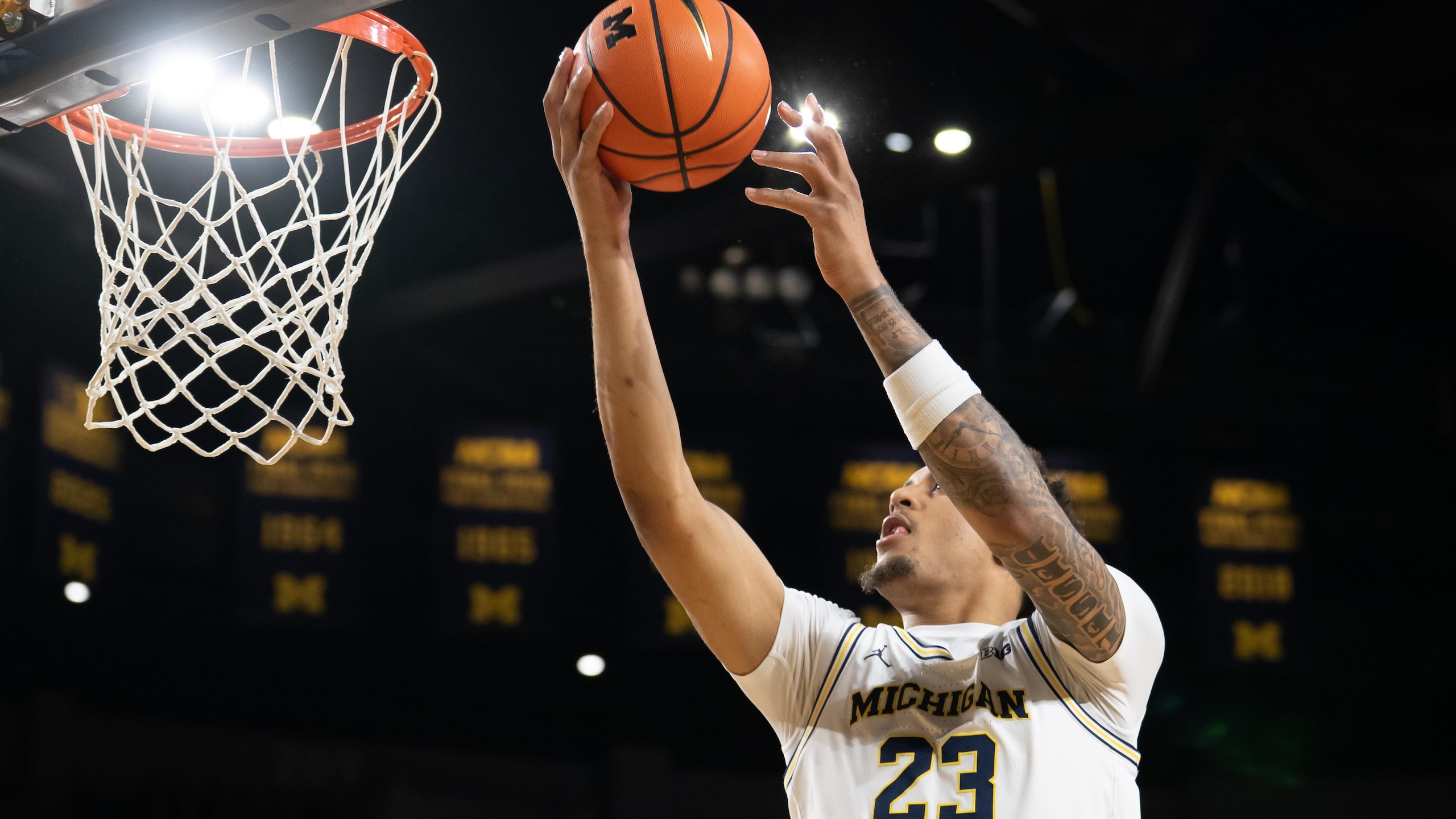
After two years of filling up stat sheets in relative obscurity at UAB, Yaxel Lendeborg both entered the transfer portal and tested the NBA draft waters this past spring.
And after going through the draft process and finding out he would be a borderline first-rounder, he decided to stay in college, relocating from Birmingham to Ann Arbor to play for Dusty May and the Wolverines.
With that marquee addition to the roster, Michigan entered the season as a top 10 type of team, contending with Illinois and UCLA for the title of "Top Challenger to Purdue in the Big Ten."
The rest, as they say, is history.
The maize and blue have since blossomed into a juggernaut, winning their last eight games by an average margin of 34.25 points, including that outrageous 40-point shellacking of Gonzaga in the Players Era Festival championship game. (Despite that result, the Zags are still very much in the mix for a No. 1 seed, somewhat convincingly winning every other game they've played.)
Meanwhile, Lendeborg has been putting on a show on both ends of the floor, anchoring an elite defense, shooting 40 percent from distance and leading the nation with a 21.2 box plus/minus. (The only other player north of 15.0 is Duke's Cameron Boozer at 20.1).
He probably won't win the Wooden Award unless both Boozer and AJ Dybantsa go through some sort of major slump during the new year, but Lendeborg is at this point a no-brainer choice for first-team All-American and a sure-fire first-round draft pick for his potential as a 3-and-D specialist—though still very likely not a lottery pick, since he's already 23 years old.



Loser: The Players Era Festival's Format
4 of 9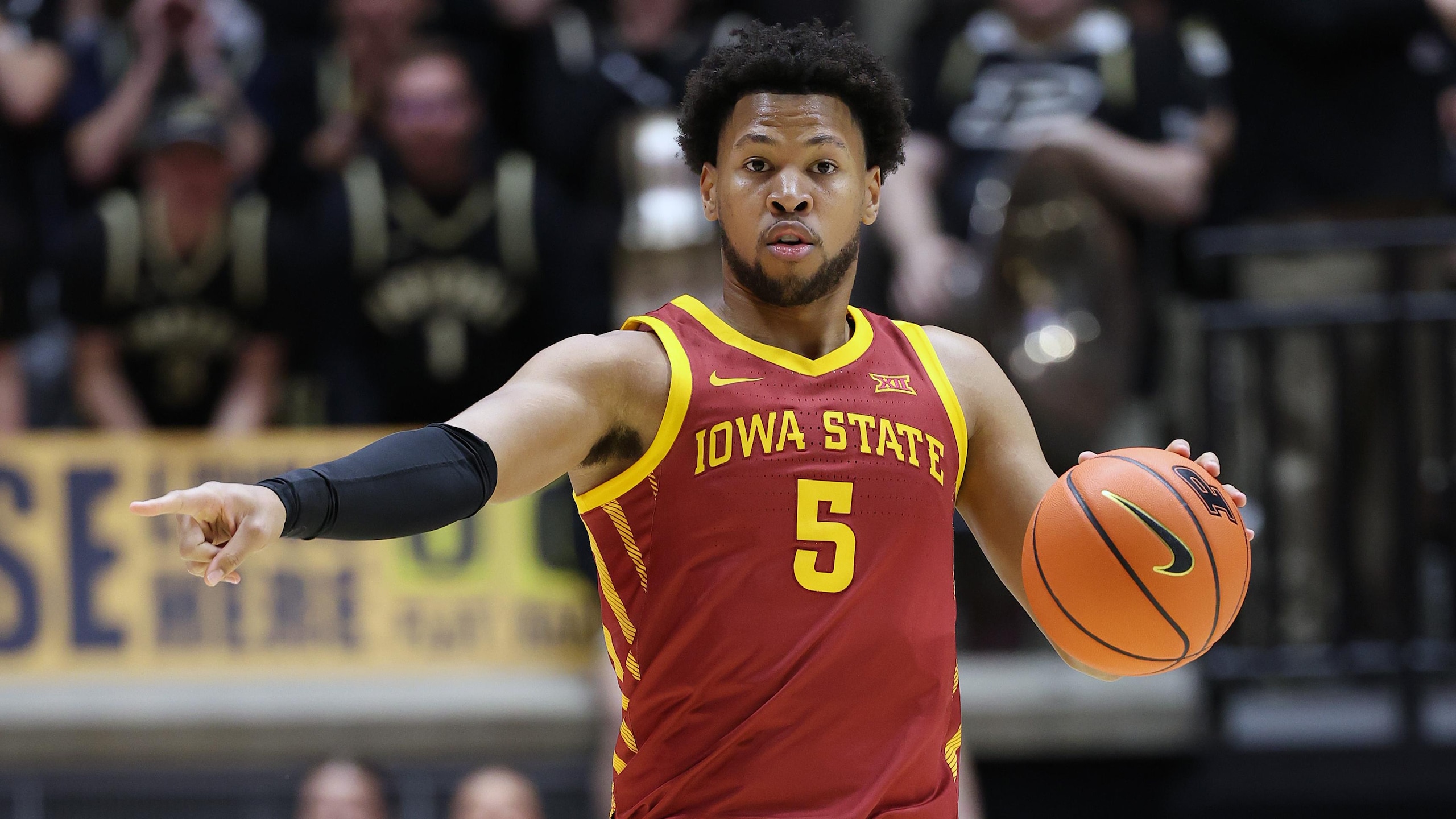
There were a lot of good things about the Players Era Festival, as well as a number of things that were controversial/disappointing. However, the one thing we could all agree upon was that the format for determining seeding for the final round was terrible.
Michigan won so emphatically in all three of its games that it did end up feeling like the proper champion was crowned.
But Iowa State got shafted, beating both St. John's and Creighton, but ending up in fifth place because of point differential. Rather than getting to face a quality team in a game for additional NIL money, not only did they draw 0-2 Syracuse in the final round, but they also found out about that pairing barely 12 hours before the opening tip.
Meanwhile, Kansas benefited from drawing two of the five worst teams in the field (Notre Dame and Syracuse), ending up with a slightly better scoring margin than Iowa State and thereby facing Tennessee in the third-place game for more money and a marquee opportunity at a quality win, which it got.
A lot of the games were very good, even if attendance was a bit sparse. But that convoluted approach to determining the final pairings left a sour taste in a lot of mouths.
Here's hoping they fix the format going forward and give us a proper bracket to crown a true champion.
Winner: The Surprisingly Still Unbeatens
5 of 9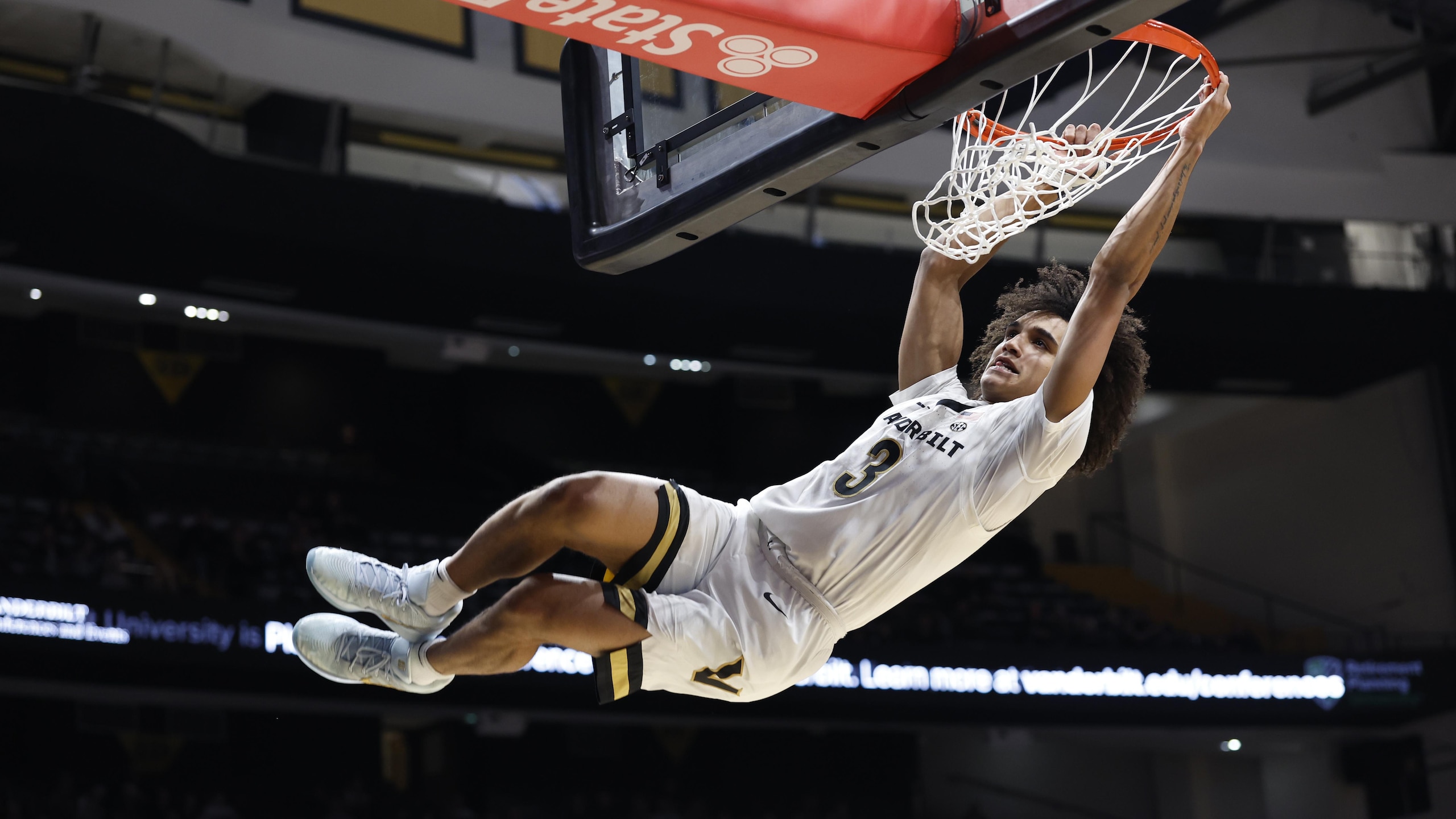
With two days remaining until the new year, there are six teams hanging tough with a zero still in the loss column.
Three of those teams—Arizona, Michigan and Iowa State—aren't terribly surprising. The Wildcats, Wolverines and Cyclones were, respectively, a No. 2, No. 3 and No. 4 seed in our preseason bracketology, pretty well unanimously expected to be top 20 teams. Yes, they've each been even more impressive than expected, but no one would have blinked if you had any of them in your Final Four guess two months ago.
And then there's Vanderbilt, Nebraska and Miami-Ohio.
While the predictive analytics at KenPom, BartTorvik and EvanMiya all had the Commodores as a top 25 team in the preseason, the SEC media poll didn't even see them as a top 10 team in the 16-team league. Even after last season's impressive run to 20 wins, Vanderbilt was picked to finish 11th in the SEC.
But with the backcourt tandem of Duke Miles and Tyler Tanner leading the charge, the 'Dores have been a wrecking ball, averaging north of 94 points per game. What started out as a fun little story has grown into a real possibility that this is the best team in what was hands down the best conference one year ago. Mark Byington is your front-runner for National Coach of the Year.
Fred Hoiberg is also very much in that conversation, though, as Nebraska has gone from 14th in the preseason Big Ten media poll to a 12-0 start with a road win over Illinois, convincing home wins over Wisconsin and Creighton and an offense in which everyone can make it rain triples.
The Cornhuskers have already tallied as many triple-doubles this season—one by Rienk Mast, one by Berke Buyuktuncel—as they had previously in program history, and have ascended from "not projected to dance" in the preseason to "current No. 3 seed."
Lastly, Miami-Ohio is still fighting the good fight at 13-0. The RedHawks have thus far only faced one opponent ranked in the KenPom top 200 and have merely climbed from No. 127 in the preseason to No. 113 in their own right. But they, too, can make it rain, shooting 43.6 percent from three-point range and averaging 11.8 makes per game, ranking top five in the nation in both departments.
If they can get through Bowling Green and Akron in the next seven days, running the table will start to feel like a real possibility.
Loser: Mountain West Conference
6 of 9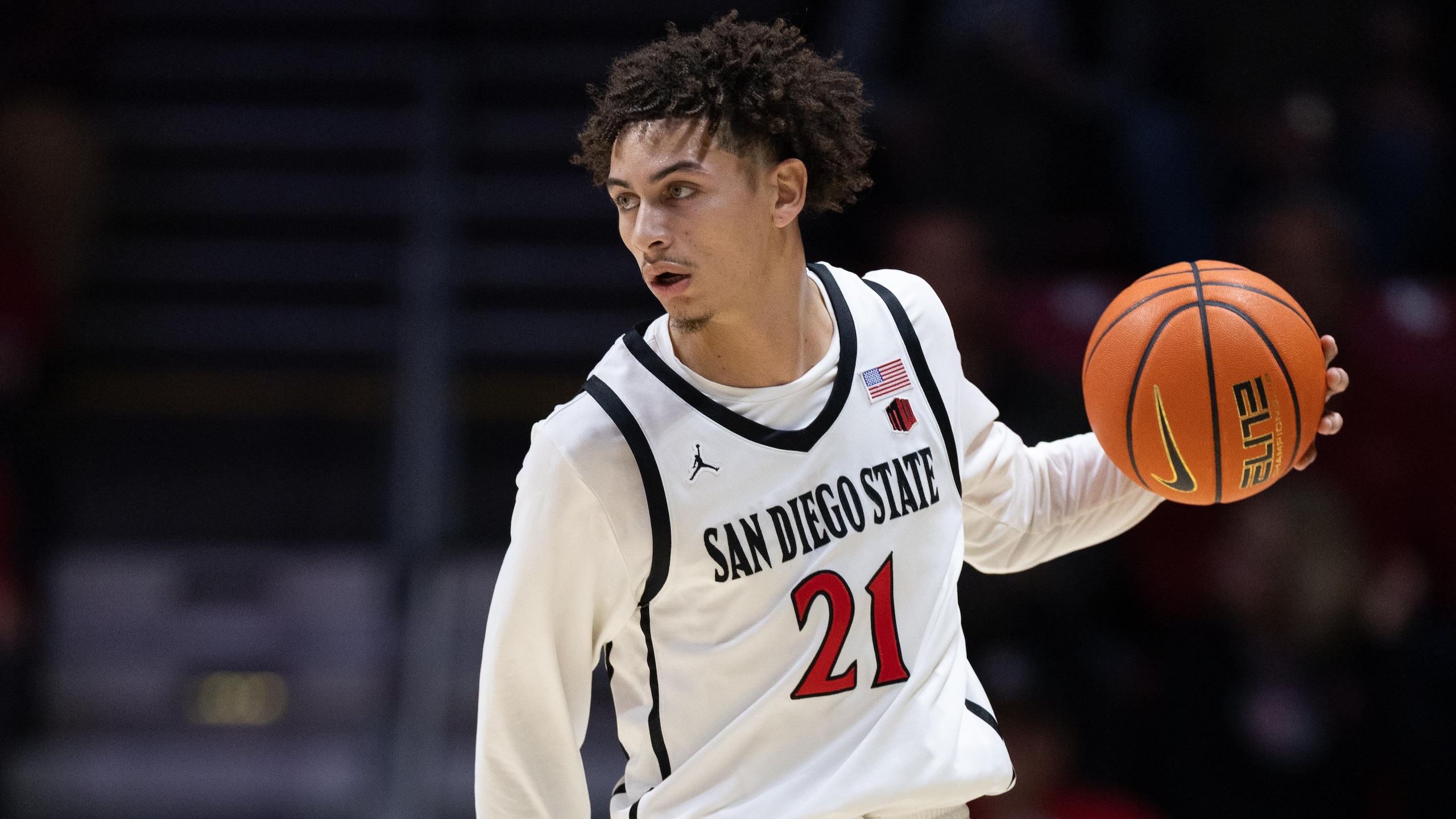
In each of the past four years, the Mountain West has received at least four bids to the NCAA tournament, serving as the torch bearer for the mid-majors.
But will it even be a multi-bid league this year?
Utah State has been the most impressive of the bunch, ranked top 20 in the NET and top 35 in all of the other team-sheet metrics. However, the Aggies have yet to face a top 50 opponent and lost by 13 at South Florida in their only Quad 1 game to date. It's a classic "looks good for now, but could take on water in a hurry with one bad loss" type of resume.
Boise State has the best collection of wins in the league, beating Saint Mary's in Idaho Falls and Butler in a true road game. There's also a respectable Quad 2 home win over Utah Valley. But what is the selection committee going to do about the Broncos suffering that egregious season-opening loss to D-II Hawaii Pacific? It doesn't automatically disqualify them from the dance or anything like that, but that is the reddest of red marks when trying to stack up teams along the bubble.
The only other Quad 1 win in the league thus far belongs to New Mexico, and whether that road win over VCU will still be a Quad 1 result by Selection Sunday remains to be seen, as the Rams haven't been anything special this year. (It's a shame the neutral-site win over Mississippi State hasn't amounted to anything much for the Lobos.)
And those are the three most deserving teams in the MWC. The cases for inclusion only get worse from there, with San Diego State representing the biggest disappointment of all with no great wins and a brutal home loss to Troy.
When all is said and done, there will probably be at least one at-large team from this league. But as things currently stand, it's not looking pretty.
Winner: Labaron Philon Jr., Alabama
7 of 9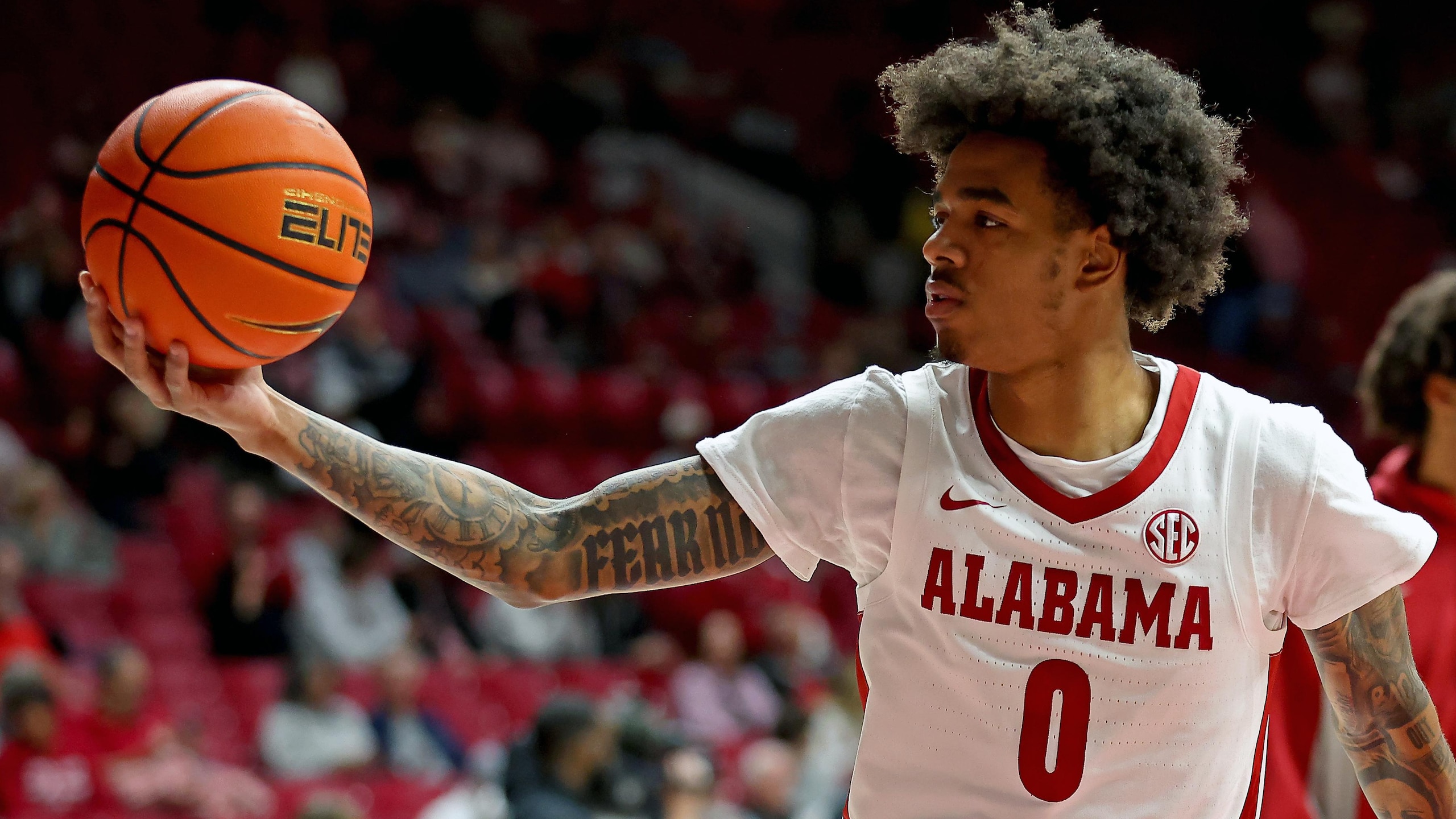
In just about every college basketball season, there's at least one player who improves from a pretty good freshman into a pretty unstoppable sophomore.
Last year, it was JT Toppin. The year before that, it was Kyle Filipowski. And while Kris Murray's leap technically came as a junior, he might as well have redshirted his freshman year, playing a grand total of 42 minutes before breaking out in 2021-22 and really exploding in 2022-23. Go back one more year and all of Keegan Murray, Johnny Davis, Bennedict Mathurin and Jaden Ivey fit the description.
Well, this year, that sophomore star is pretty clearly Labaron Philon Jr.
Though he averaged 10.6 points and 3.8 assists per game last year, he was a background character in the Mark Sears show, occasionally playing almost no role whatsoever while the Crimson Tide pulled off big wins anyway.
This year, it all runs through Philon.
Despite a modest playing time increase of four minutes per game, his scoring has more than doubled to 21.9 points per game, while his assist rate has also improved to 5.6 APG. He went from shooting 45.2 percent from the field and 31.5 percent from three-point range to 55.1 and 42.2, respectively.
As a result, Alabama has been every bit as potent on offense this year (126.7 AdjOE) as it was last year (126.8 AdjOE), despite losing Sears, Grant Nelson, Cliff Omoruyi and plenty more. More than anything, that might be the best testament to how impressive he has been.
Loser: Memphis Tigers
8 of 9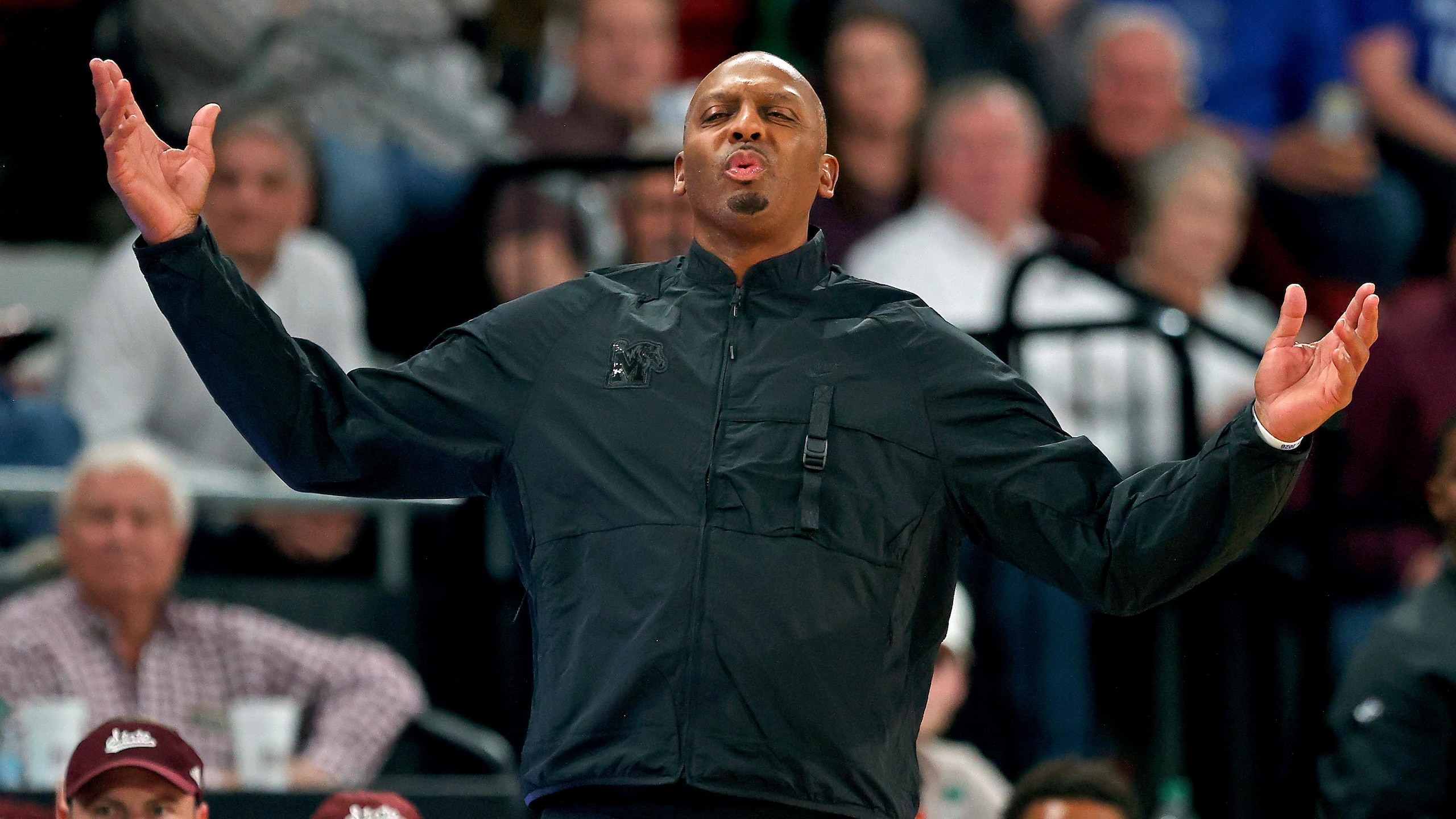
There are a bunch of supposed-to-be-good teams who woefully underperformed during the mostly nonconference portion of the season.
We've already mentioned St. John's and Creighton in the Big East section. They were both in the preseason AP poll at Nos. 5 and 23, respectively, but are no longer ranked. Same goes for Kentucky (No. 9 in the preseason), UCLA (No. 12), Auburn (No. 21) and Wisconsin (No. 24). And reigning champ and preseason No. 3 Florida has been barely clinging to its spot in the AP Top 25 after losing four of its first nine games.
But at least those major conference disappointments will have plenty of opportunity to repair the damage done—like Arizona did last year, opening at No. 10, dropping out of the AP poll entirely after a 4-5 start, but rallying to secure a No. 4 seed in the dance.
For Memphis, it's a much different story.
At 5-7 with a bad home loss to UNLV, three other losses to teams who wouldn't be in the NCAA tournament as of today (Wake Forest, Ole Miss and Mississippi State), only one win worth mentioning (vs. Baylor) and only one game left against a KenPom top 75 foe (at Utah State on Valentine's Day), the Tigers are effectively already in "Auto Bid or Bust" mode.
They did put up a decent fight in most of their losses, taking Vanderbilt to overtime, losing on a buzzer beater to Wake Forest and collapsing late against both Purdue and Mississippi State. They may well still be the best team in what is shaping up to be a one-bid league for the second consecutive year.
How far the mighty have fallen, though. The last time Memphis had a losing record at any point more than seven games into a season was way back in 2000-01, when the Tigers started out 4-8 in their first year under some guy named John Calipari.
Since Cal's departure in 2009, Memphis has won a grand total of three games in the NCAA tournament, now in their 16th year of searching for a return to the Sweet 16. And let's just say it's not looking good.
Winner: The Big 12's Big Six
9 of 9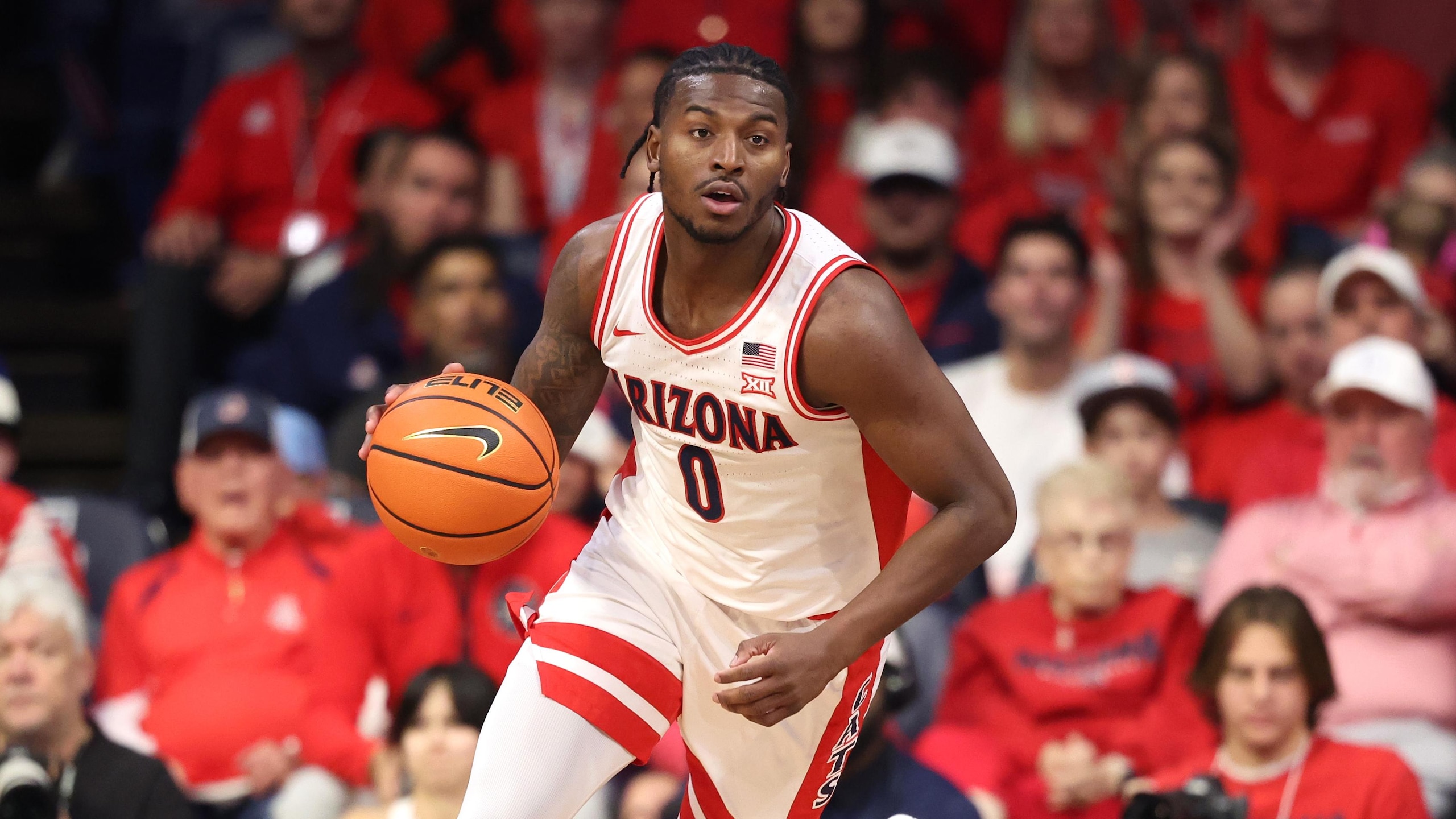
No, the Big 12 is not going to match the SEC's feat of putting 14 of its 16 teams into the 2025 NCAA tournament. Utah, Cincinnati, Arizona State and TCU have each already suffered a Quad 4 loss, and West Virginia has yet to win a single game worth a darn. It might be a 10-bid or 11-bid league, but 14 ain't happening.
What does feel plausible for the Big 12, however, is a repeat of what last year's SEC's upper echelon accomplished: multiple No. 1 seeds, six teams among the top four seed lines, four teams in the Elite Eight and a national championship.
Arizona already has wins away from home over Florida, Connecticut, Alabama, UCLA and San Diego State, plus a 97-68 pummeling of Auburn in Tucson. UConn fans are quick to point out that the close win in Storrs came on a night when the Huskies were down two starters, but the overall, undefeated profile is remarkable.
Iowa State is in a similar boat, annihilating Purdue in West Lafayette and sweeping through St. John's, Creighton and Syracuse in the Players Era Festival. The Cyclones are a step behind the Wildcats in terms of overall resume strength, but looking good for a No. 1 seed.
Neither BYU nor Houston is far behind those top two, each saddled with one loss away from home by a single possession against a title contender. Neither set of Cougars has a truly elite win, but both rank top 10 in the AP poll and could win this league.
The next tier belongs to Kansas and Texas Tech, each of whom suffered three losses as part of an arduous nonconference slate, but each of whom has one of the best dynamic duos in the nation in Darryn Peterson/Flory Bidunga and Christian Anderson/JT Toppin, respectively.
If Peterson gets and stays healthy, the Jayhawks are going to be a serious problem. And the Red Raiders' recent win over Duke at Madison Square Garden was a real testament to which they could accomplish.
Don't sleep on Baylor, either. The Bears took a bad loss at Memphis in early December, but that tandem of Cameron Carr and Tounde Yessoufou could do some special things and get a bunch of quality wins in league play.
.jpg?w=2560 "Rams Raiders Football")
.jpg?w=2560 "Steelers Saints Football")


.jpg?w=2560 "🚨 Week 8 AP Top 25 Poll")

