
Players Who Can Carry Middling CBB Teams to the 2016 NCAA Tournament
This is all about the programs that need to step it up this year.
There are 68 bids to the NCAA tournament. So one of out every five Division I schools makes it to the March showcase every season. Yet it always seems like there are some solid names out there that are in a massive drought.
For now, we'll call "middling"—the headline sparked your interest, right?—any program that hasn't been to the Dance since 2012. That means missing out on it the past three seasons. That could mean an entire college player's career (if he doesn't go this year) or the end of a coaching reign in some cases.
Hey, stuff happens. But it has to stop.
Hope isn't lost, though. These 10 teams have what it takes to get through their relatively mediocre past. A scorer. An inside presence. A leader. Even a newcomer. In general, the parts are in place, too.
These are the players who should help their teams make some noise after long bouts of silence.
Stacy Davis, Pepperdine
1 of 10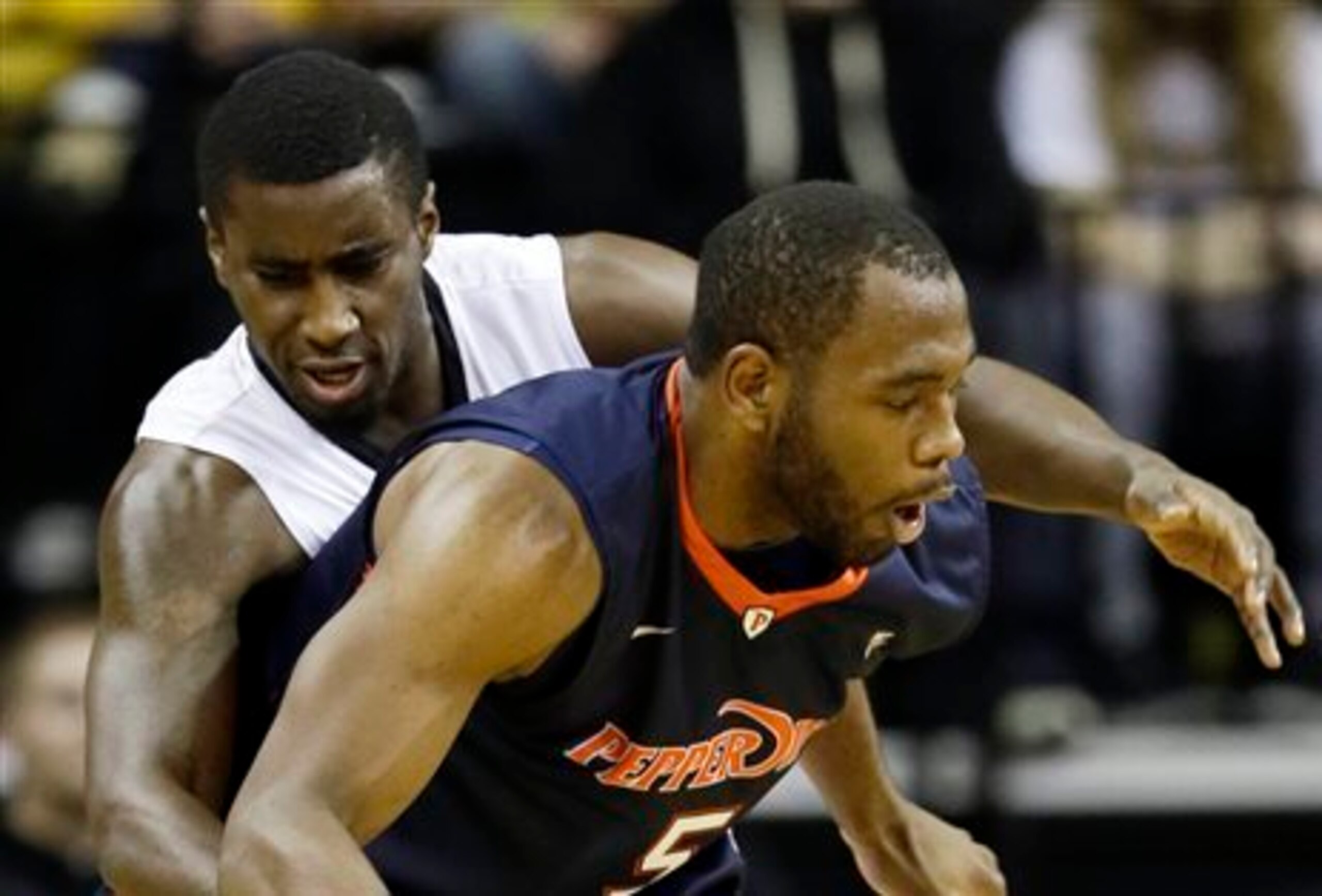
Pepperdine's basketball history is a cruel joke.
The place has sunshine and a gorgeous campus—everything that makes you wonder why an 18-year-old would want to attend 85 percent of the other schools out there.
But there hasn't been a lot of love for basketball, including limited facilities. The Waves haven't been to the NCAA tournament since 2002, but there's a chance for change this year behind the 6'6'' senior Davis.
He's on pace to become the school's all-time leading scorer, needing 395 points to surpass Dane Suttle's total of 1,701 (we told you history was limited at Pepperdine).
Davis should be a keystone to a solid team that has every chance to finish high in the West Coast Conference. There's no way the Waves are surpassing Gonzaga, but last year they went 18-14 and defeated BYU in both regular-season meetings.
The Cougars could be in for an interesting year after losing all-time best scorer Tyler Haws to graduation. Saint Mary's will be another challenger but is certainly approachable by a team like Pepperdine, which brings back a dozen returners and all five starters.
The parts around Davis last season featured three sophomores, two juniors and a freshman.
Davis' best asset may be his aggressiveness. He can keep his team out of scoring deserts by drawing fouls.
He averaged team bests of 15.7 points and 7.8 rebounds (ranking eighth and fourth in the WCC, respectively), recorded eight double-doubles and shot nearly 78 percent from the line.
Throw in coach Marty Wilson's summertime contract extension and it's no wonder there's optimism at Pepperdine beyond the daily views of the Pacific Ocean.
Codi Miller-McIntyre, Wake Forest
2 of 10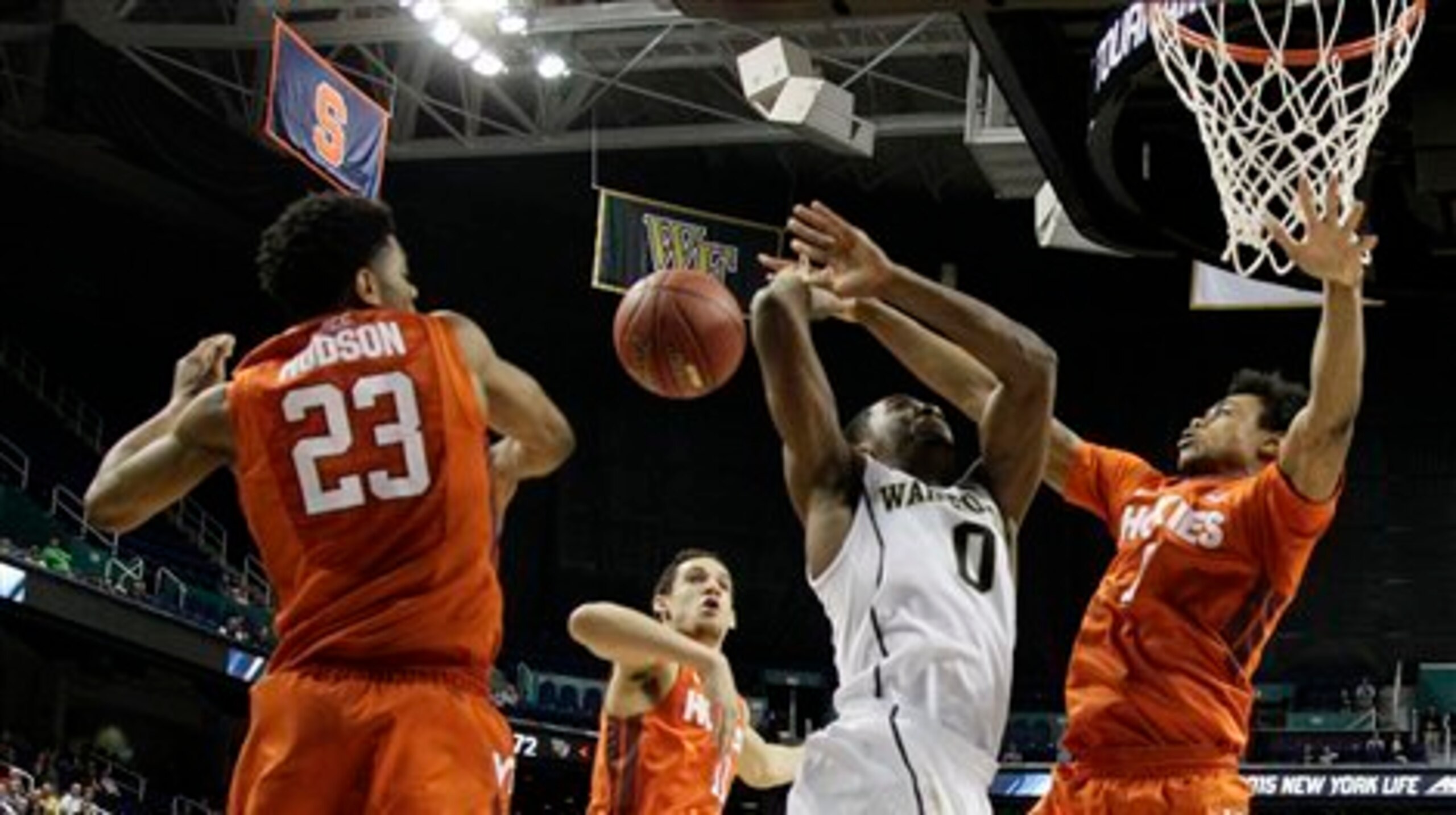
We present the picture above to hope—for Miller-McIntyre's health and sanity—that he isn't constantly fighting the triple-team this season.
Wake Forest could be one of those teams with a significant upswing, as coach Danny Manning has taught the squad how to win.
Miller-McIntyre, a 6'3'' senior guard, is a steady setup man.
With him and 6'9'' forward Devin Thomas, Wake Forest could be one of those teams to sneak up and steal an NCAA bid, which hasn't come since 2010.
Miller-McIntyre led the Demon Deacons in scoring and assists and ranked second in rebounding, steals and field-goal percentage. He nearly posted Wake Forest's first triple-double since Tim Duncan against both Princeton (Dec. 31) and Duke (Jan. 7). He had nine points, nine rebounds and 11 assists against the Tigers and 13 points, nine rebounds and eight assists against the Blue Devils.
He was named the team's best offensive and defensive player at the team's postseason banquet.
Throw in a group that was virtually all juniors or freshmen last year (6'9'' Darius Leonard has graduated, however), and Manning may have a solid leader in Miller-McIntyre who doesn't feel so compelled to fight heavy traffic.
Ronnie Johnson, Houston
3 of 10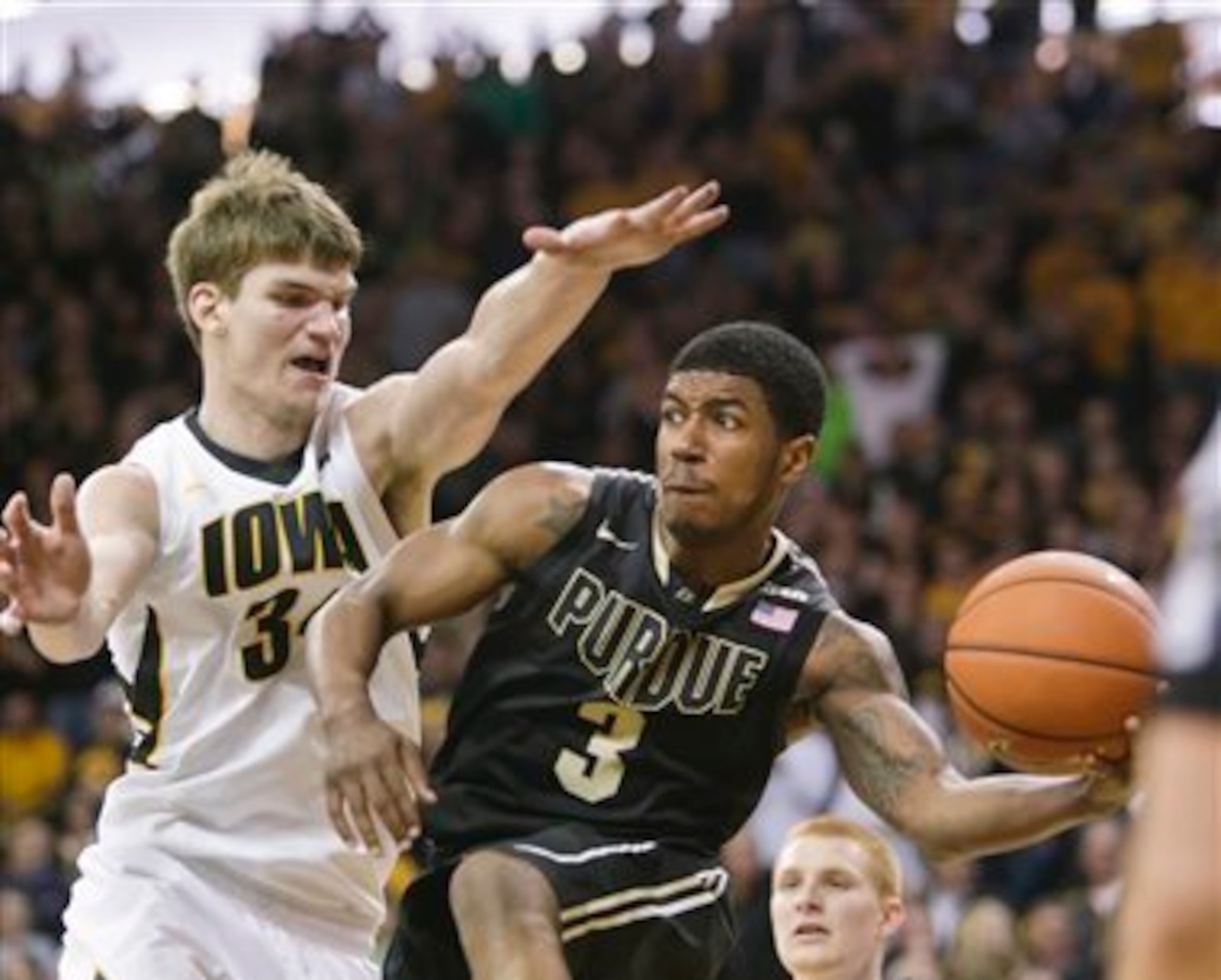
Pardon the picture. Johnson had a solid tenure at Purdue but should be a guy who gives Houston a chance to get back to the NCAA tournament for the first time since 2010.
As a sophomore in 2013-14, Johnson started all but one game for the Boilermakers and finished as the team's second-leading scorer with 10.8 points per game. There was a falling out of sorts with coach Matt Painter, if you believe Johnson's words to Kyle Neddenriep of the Indianapolis Star in March 2014.
Could Johnson be a diamond in the rough?
He scored at least 10 points in each of the first nine games to open the season and finished with 23 double-digit scoring games in his final year at Purdue, including a season-high 21 points against Michigan on 9-of-15 shooting.
Johnson is one-half of coach Kelvin Sampson's mission to bring relevancy back to his own college coaching career and Houston.
Former Oregon guard Damyean Dotson joined the team after an unsavory exit from Oregon. Former Ducks teammates Dominic Artis and Brandon Austin were also dismissed from the school last spring after a sexual assault investigation.
Dotson is a 6'5'' Houston native who will get a critical second chance.
But Johnson's arrival is right up there in importance among a half-dozen new faces. The lefty, who likes to push tempo and drive to the rim, according to Sampson, will be vital in getting Houston in place to make a run into the top tier of the AAC.
.jpg?w=2560 "Texans Titans Football")
.jpg?w=2560)
.jpg?w=2560 "Cardinals Giants Football")
Marcus Georges-Hunt
4 of 10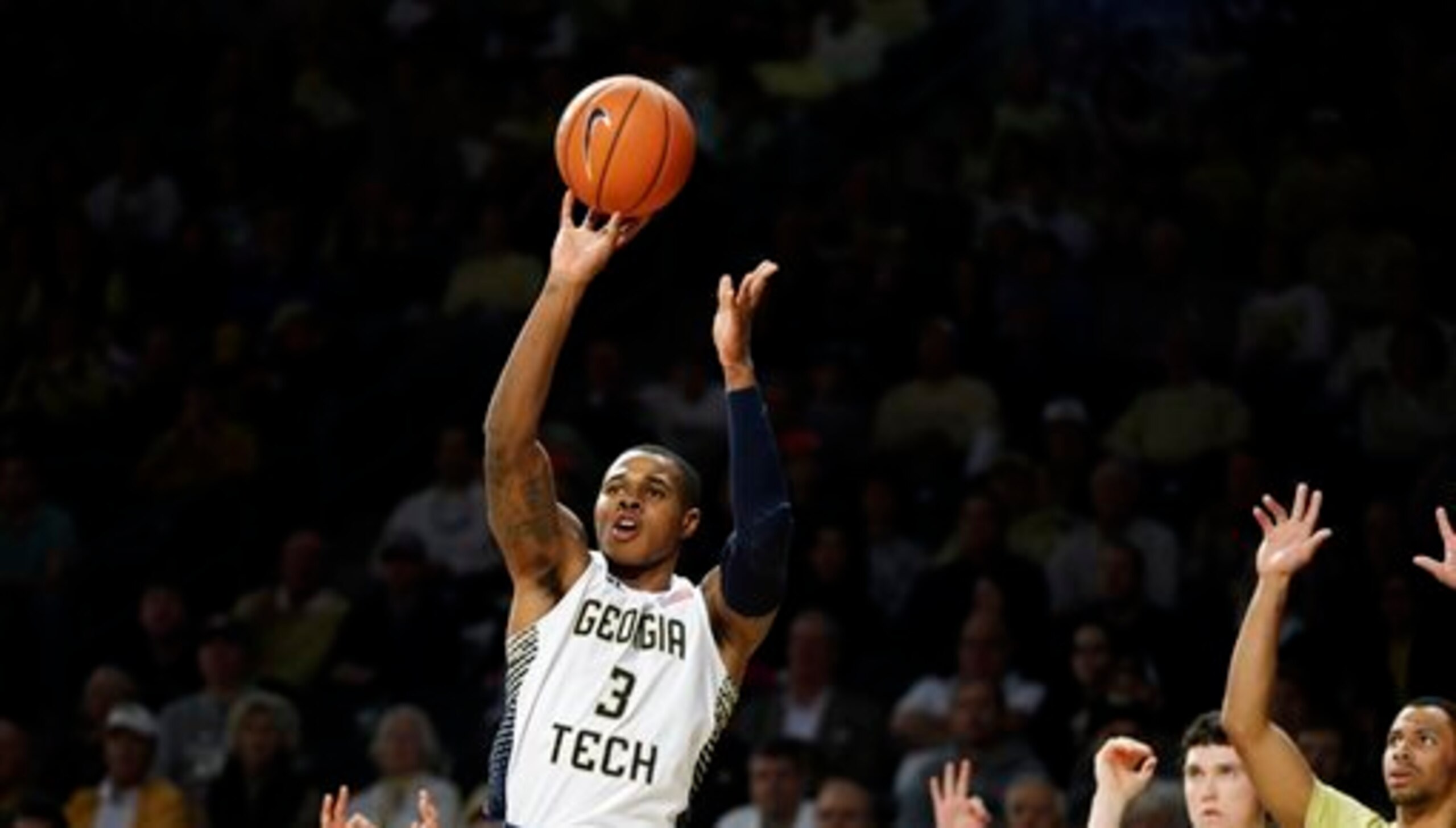
Look at that optimism in the picture: Georges-Hunt with the ball and the Yellow Jackets eagerly awaiting his shot even as they're still nowhere near an NCAA tournament bid—which hasn't come since 2010.
But there's some belief the Tech star can bring hope to a new level, even as he missed the end of last year because of a broken foot.
Georges-Hunt was his team's leading scorer (13.6 points) and was the only player scoring in double figures last season. He can play shooting guard or small forward and even some point when Tech needs a pressure valve.
And speaking of pressure—it's in Atlanta in spades for Georges-Hunt, who deserves better than to have never been to an NCAA tournament. It's also a critical year for coach Brian Gregory, who's had bad teams but also bad luck—the Yellow Jackets were 0-13 last year in ACC games decided by seven points or less.
Tech lost in double overtime at Notre Dame and had overtime losses to North Carolina State (home) and Clemson (road). There were also one-point home-court losses to Syracuse and Louisville along with a one-point ousting at the ACC tournament by Boston College.
So Georges-Hunt has experience to get him over the hump; he should also have help. Two noteworthy transfers (Nick Jacobs from Alabama and Adam Smith from Virginia Tech) could ease the burden.
Smith was Virginia Tech's leading scorer last year and shot 42 percent from three-point range.
Gary Payton II, Oregon State
5 of 10
Not getting to the NCAA tournament in a while is a tough thing. But sometimes it can produce good feelings, as in Payton's presence in Corvallis.
Last December Payton had the school's first triple-double (10 points, 12 rebounds and 10 assists against Grambling) since his father, Gary Payton I, did it in 1990.
This year could mark more historical comparisons. That was also the last year OSU made it to March Madness.
The Beavers went 17-14 last year and could compete favorably in a wide-open Pac-12 in which Payton should have more help. He's a steals hound who should continue to create extra and high-percentage opportunities for an experienced squad.
Oregon State won with salty defense rated 16th in the nation by Ken Pomeroy. It led the conference in steals and turnovers forced. Payton was the Defensive Player of the Year.
In June, coach Wayne Tinkle booted one of his top scorers, Victor Robbins.
But Malcolm Duvivier should form with Payton to create one of the West's best backcourts. Plus, a solid recruiting class includes Tinkle's son, Tres.
Now it's up to Payton II to make his papa proud and add to the family's Oregon State legacy while establishing his own.
Damian Jones, Vanderbilt
6 of 10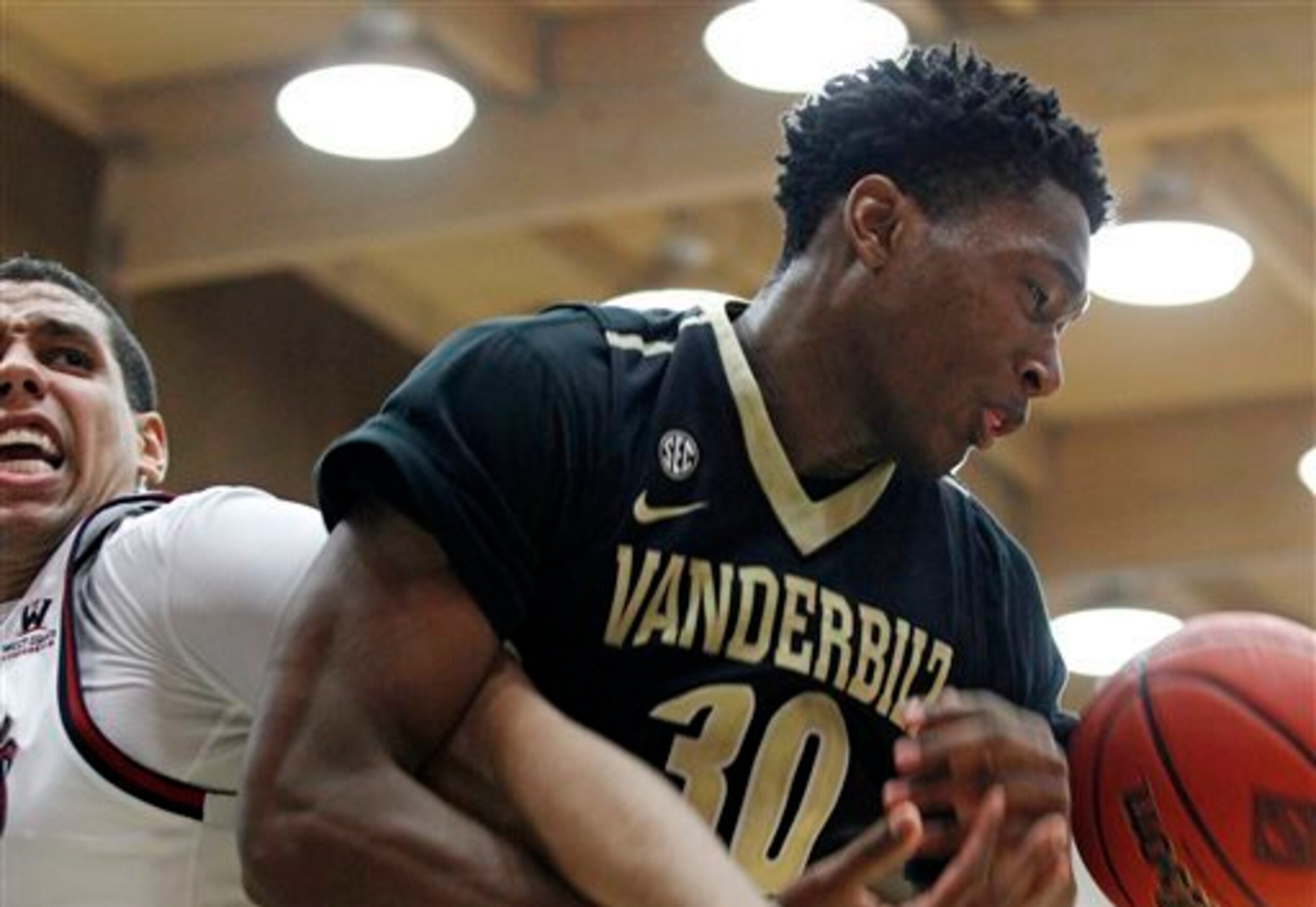
Vanderbilt isn't going to be confused for Kentucky on the basketball court anytime soon. Heck, it won't be confused for Vanderbilt on the college baseball field, either.
But the program has a strong chance to get back to the NCAA tournament and end a three-year absence, in large part because of the 7-footer Jones, who opted to return for his junior year.
SEC coaches liked him enough to make him a postseason first-teamer. He led the league in field-goal percentage (56.2) and ripped Tennessee in the conference tournament for 20 points and 15 rebounds.
A guy who was 10th in scoring and third in blocks is a solid keystone as the Commodores try to chase UK and keep up with the likes of Texas A&M to seek an at-large bid.
Vandy was what the naked eye or even the computer formulas would consider "sneaky good" last year. KenPom and Jeff Sagarin have the 21-14 outfit as a top-50-ranked team.
The backcourt was filled with freshmen. It's not often an Ivy League transfer can fill a big gap, but 6'4'' Nolan Cressler (formerly of Cornell) should make a difference after turning down Dayton, Michigan and others. In 2013-14, he led the Big Red in scoring with 16.8 points per game, but the sophomore's team went 2-26.
Throw in a solid recruiting class, and Jones should be a bigger name who may opt to skip his senior year. He just needs to get better at being the focal point. He is a balanced player whose best attribute may be his aggressiveness. Last year he drew 6.4 fouls for every 40 minutes on the floor, ranking 35th.
Alex Caruso, Texas A&M
7 of 10
Caruso can help A&M end a tournament drought—which dates to 2011—in two ways.
He's good at finding others for baskets. The 6'5'' senior is even efficient at taking the ball away from the opponent.
It could certainly add up to the Aggies' best season in years, after they went 21-12 last year.
They'll be missing top rebounder Kourtney Roberson (graduation), but Caruso is a combo guard who should have more than enough around him to make A&M an SEC and national-rankings factor.
Leading scorer Danuel House will be back. The other significant pieces around Caruso will most certainly be freshmen.
Billy Kennedy's class features frontcourt talent Elijah Thomas and Tyler Davis. DJ Hogg is an in-state talent who puts A&M's work easily in the top 10 of the country.
But if you think Caruso is going to get jettisoned to the bench for young guys, then you haven't seen him do this...
P.J. Dozier, South Carolina
8 of 10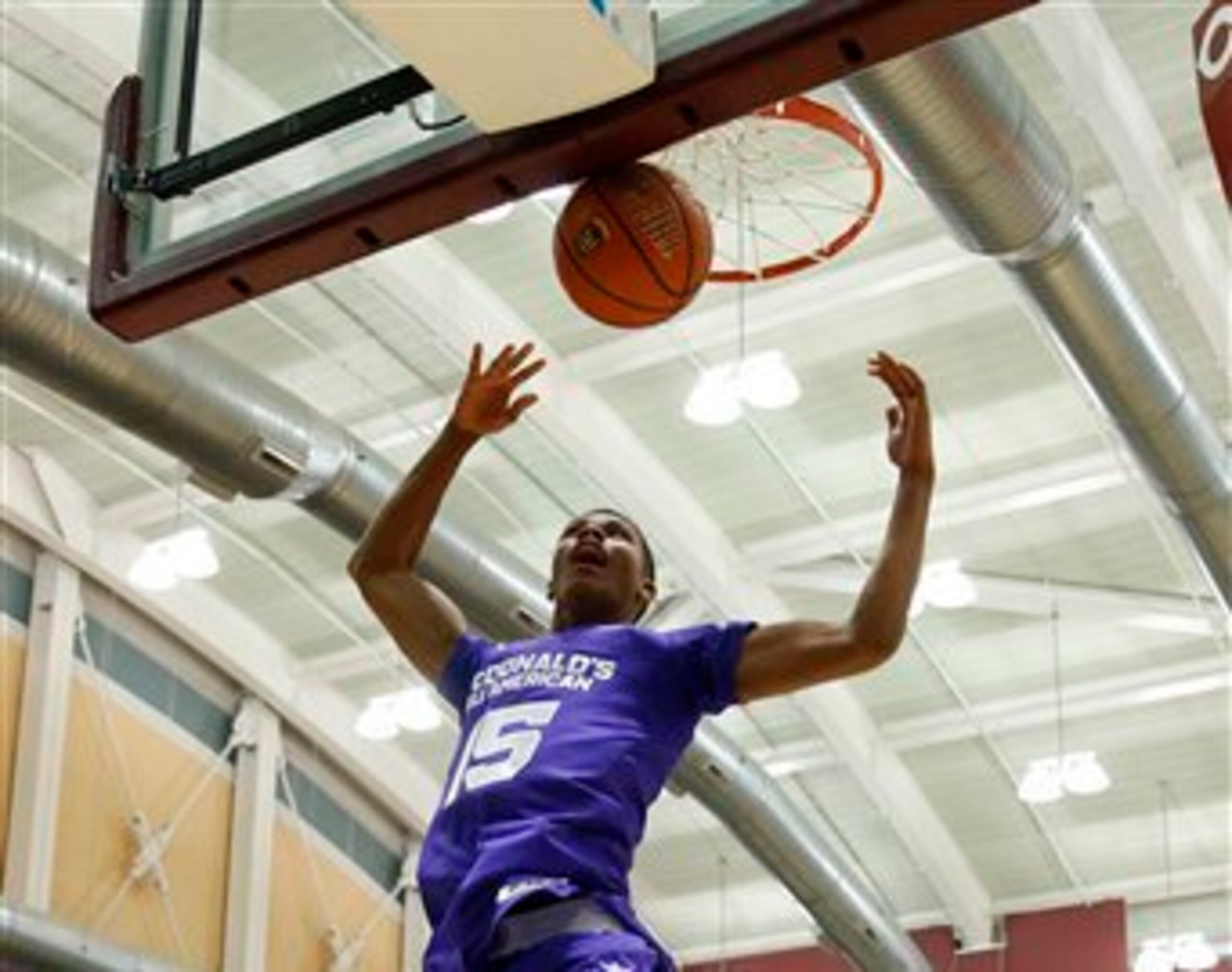
Notice that we've been hesitant to mention freshmen as the reasons that "middling" teams could make it to the NCAA tournament.
Most of the top-flight freshmen who can really make a difference are now attached to teams that don't typically have long droughts to make the main postseason bracket. (Cal has some studs, but the Golden Bears were in the NCAA field in 2013 and thus not qualify for this slideshow.)
We're bypassing Mississippi State, which has highly ranked guard Malik Newman, who opted to stay close to home to play for new coach Ben Howland. It sure looks like the Bulldogs (who haven't been to the field since 2009) have a lot of work still ahead in the SEC, in large part because of another up-and-comer with a top-flight freshman.
That's Dozier, who will try to get the Gamecocks back to the NCAA field for the first time since 2004.
They were certainly improved last year, going 17-16, though they still faced struggles in conference play—a problem ever since Frank Martin took over.
Sindarius Thornwell's numbers dipped last year (he was 5 percentage points worse on field-goal percentage). But he and Duane Notice should be steady, experienced factors around Dozier, a 6'6'' guard who is acclimating to the college life this summer, according to Charleston's the Post and Courier in an insightful piece from David Caraviello.
South Carolina lost one player to graduation and another three to transfer but also brought in five new players.
Dozier will be a central figure in strategy (he stood out at the McDonald's All-American Game) and attention, as he's a top-25 recruit as cited by 247Sports. His father played at USC, and he's akin to the Gamecocks getting in-state star Marcus Lattimore on the football field to bring the overall team up to a whole new level.
Henry Caruso, Princeton
9 of 10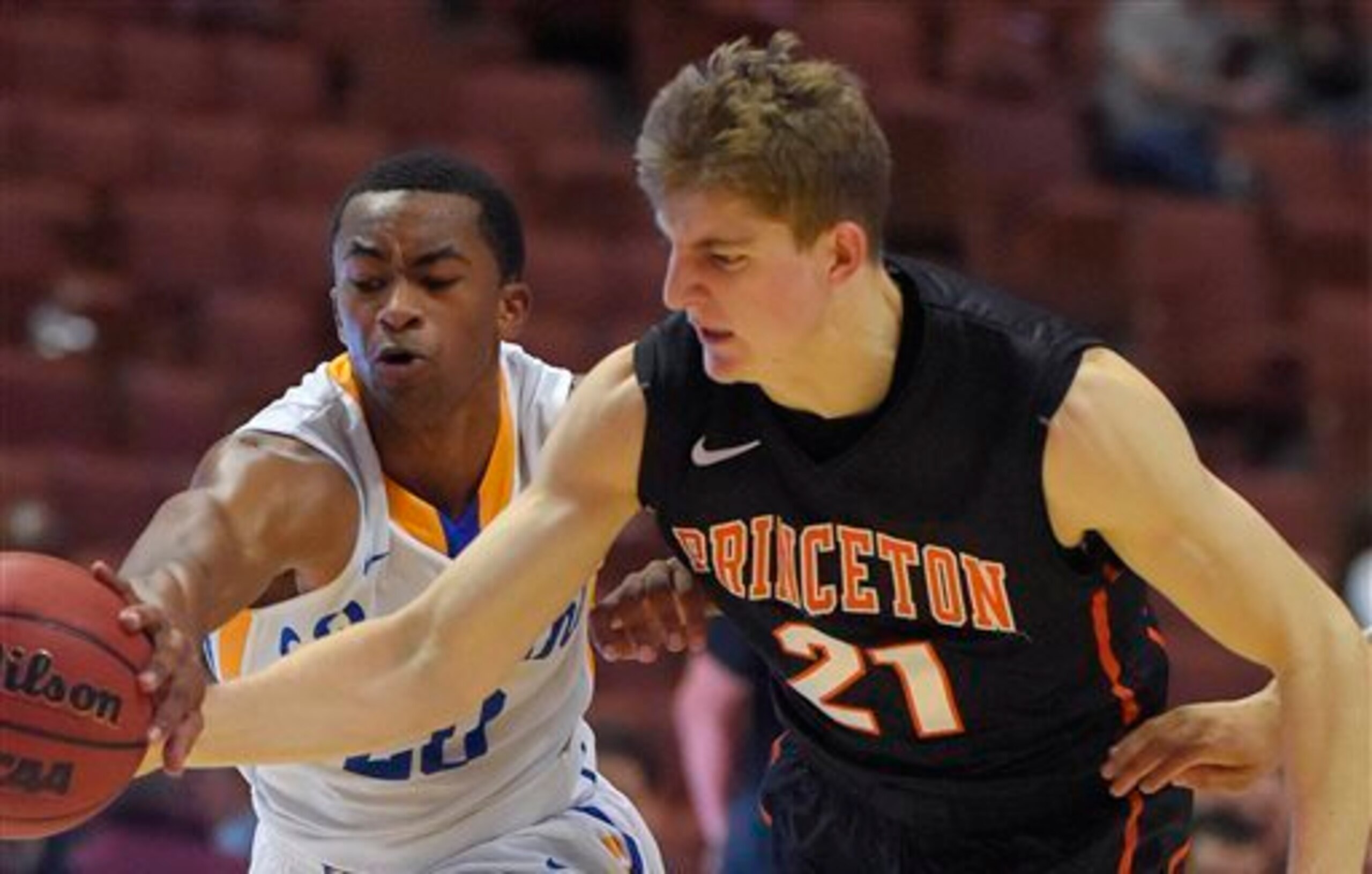
Is he a player who got hot at the end of last season or a lasting cog to this one? That's what Princeton needs to find out with Caruso, who is listed as the most significant performer in KenPom's algorithms, even as statistically he wasn't the biggest producer.
The 6'4'' junior, however, thrived by starting six of the final seven Tigers games (minus senior night) and had seven double-figure scoring games—six in the final 16. He was a 52 percent shooter, including a robust 10-of-43 from three-point range.
Throw in three other sophomores who will big parts of the rotation, plus defensive-rebounding junior Hans Brase, and Caruso could be in line to help the Tigers reach the NCAA field for the first time since 2001.
Harvard has been the Ivy League king of late, but Wesley Saunders and Steve Moundou-Missi graduated. Yale, which went 11-3 in league play last year, also lost three key players from its rotation.
That opens some door for the Tigers, who went 16-14 and finished third in league play.
Caruso gets a lot of KenPom love even though he averaged about 14 minutes per game.
Maybe the numbers are onto something. And perhaps Princeton is, too.
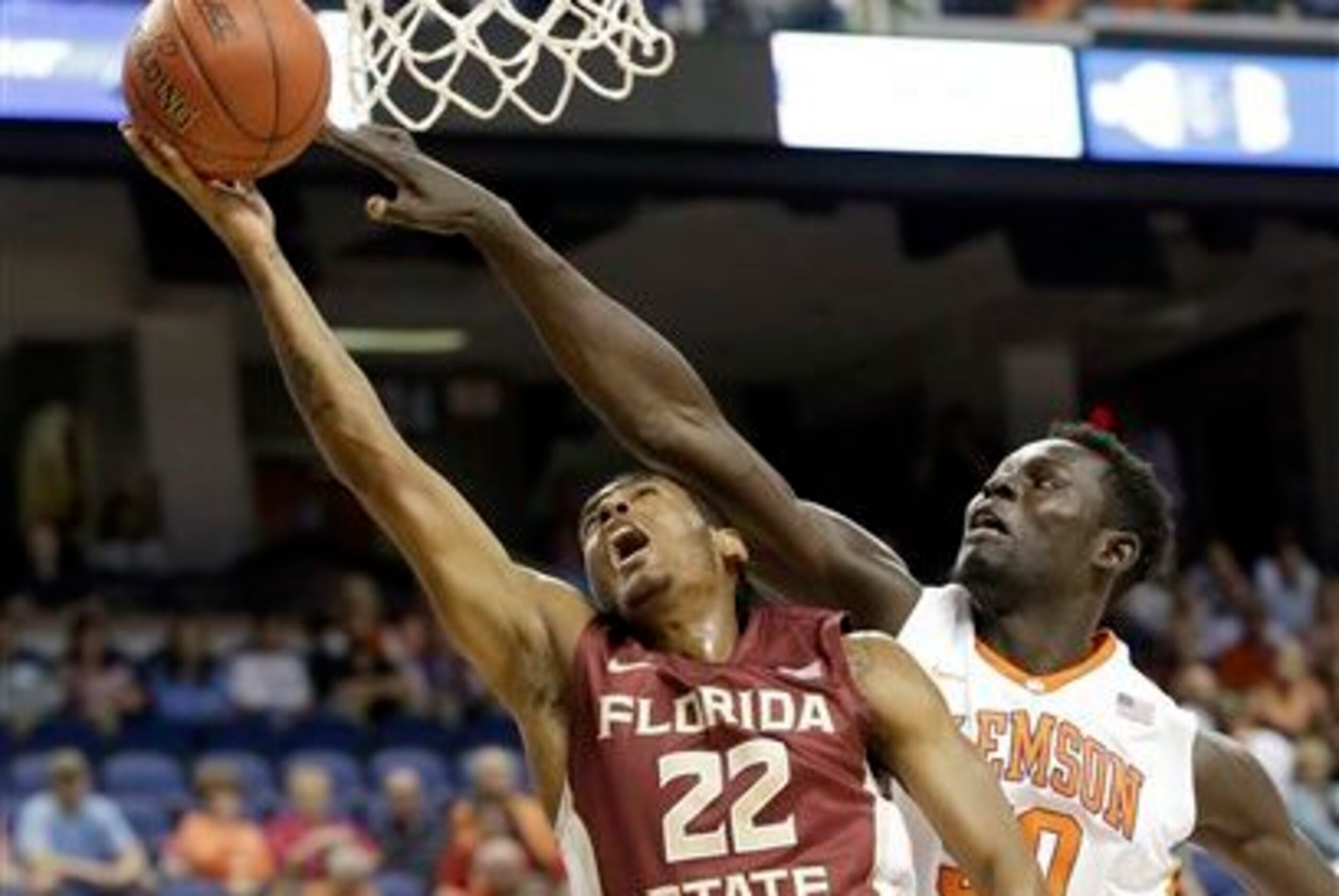
Xavier Rathan-Mayes, Florida State
10 of 10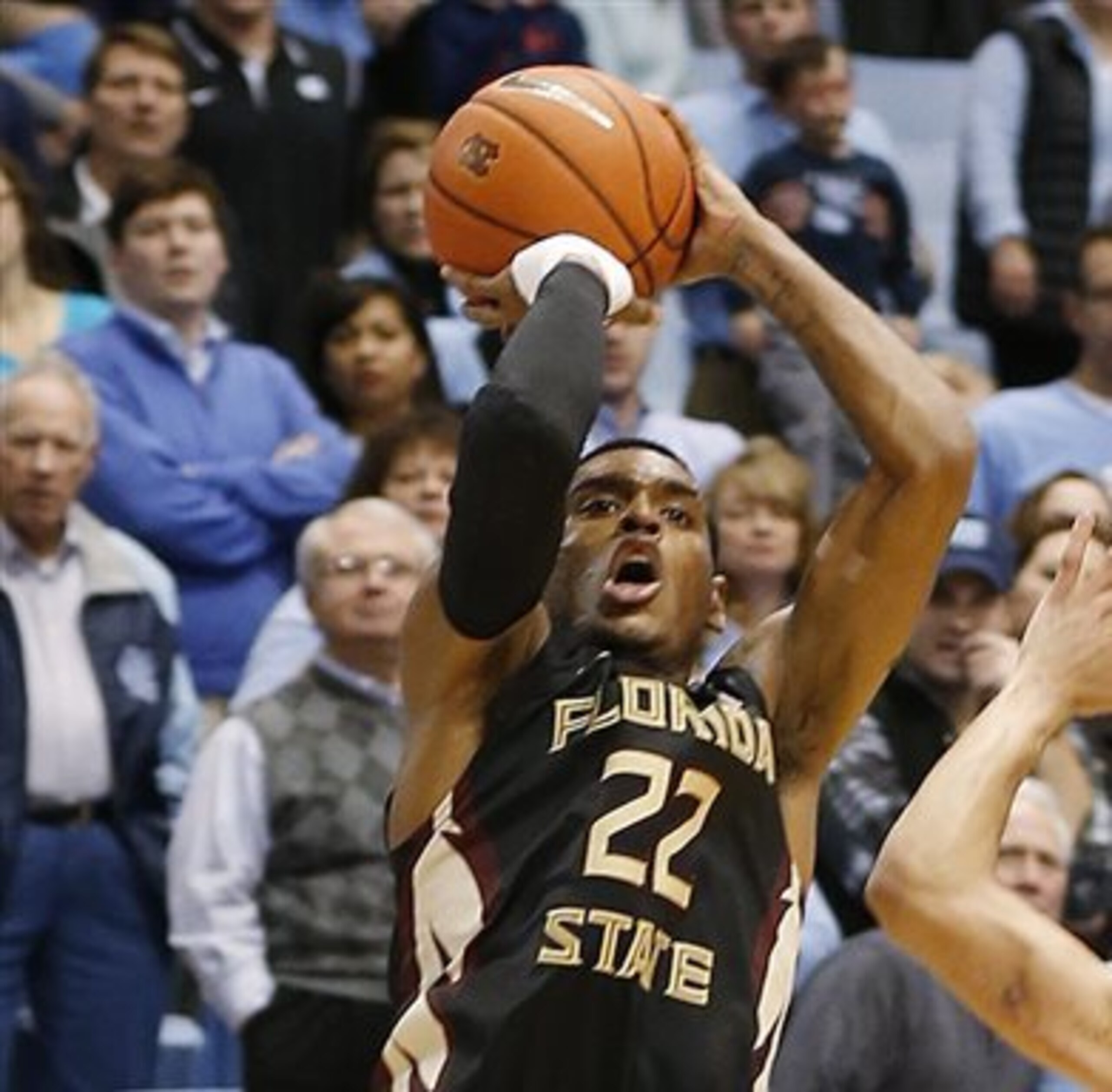
Florida State has one of the country's most entertaining players. Let's hope, for everyone's sake, that the Seminoles are around the bubble this season.
They haven't made the NCAA field since 2012, but Rathan-Mayes is one of those cats who would make everything interesting.
He could go off for an amazing 30-point stretch. Or the Canadian product (whose father also played in Tallahassee) could just as easily be the maddening guy who alternates between turnovers and assists. He averaged 4.3 dimes and 3.4 giveaways last winter.
FSU went 17-16 last year. Rathan-Mayes became the first ACC freshman ever to score 30 points in three games. He's one of only two members of the 2015 ACC All-Freshman Team (with Justin Jackson of North Carolina) who returns to play in the ACC for the 2015-16 season.
He has designs on joining Canadian buddies Andrew Wiggins and Tyler Ennis at the next level soon. But he shouldn't feel like he has to do too much to get there—just be more consistent and let the pieces fall in place around him.
He'll be joined by elite recruit Dwayne Bacon, among others, setting up what could finally get FSU back to the tournament.
Stats per KenPom.com.
.jpg?w=2560 "Broncos Chargers Football")

.jpg?w=2560 "MHJ Bought Own Jugs Machine")