
Final Team USA Roster Predictions for the 2026 Olympics
It's almost time for the calendar to flip to 2026, and with it comes the announcement of Team USA's roster for the Winter Olympics in Milano Cortina, Italy, in February.
The squad will be revealed on Friday, and with so many things still up in the air, this is the final round of put-up-or-shut-up for making predictions.
Injured players are hustling their way back to their NHL team lineups so they can be ready for the Olympics and put all doubt out of the mind of USA general manager Bill Guerin before he makes his call.
For months, we've been coming up with our own idea of how the team will be put together, and it's offered us the opportunity to decide whether Guerin and head coach Mike Sullivan would want to drastically change things up from the Four Nations roster that went all the way to overtime of the title game against Canada before losing just a year ago.
We're starting to think the option to run it back as closely as possible might be their choice.
First-Line Forwards
1 of 10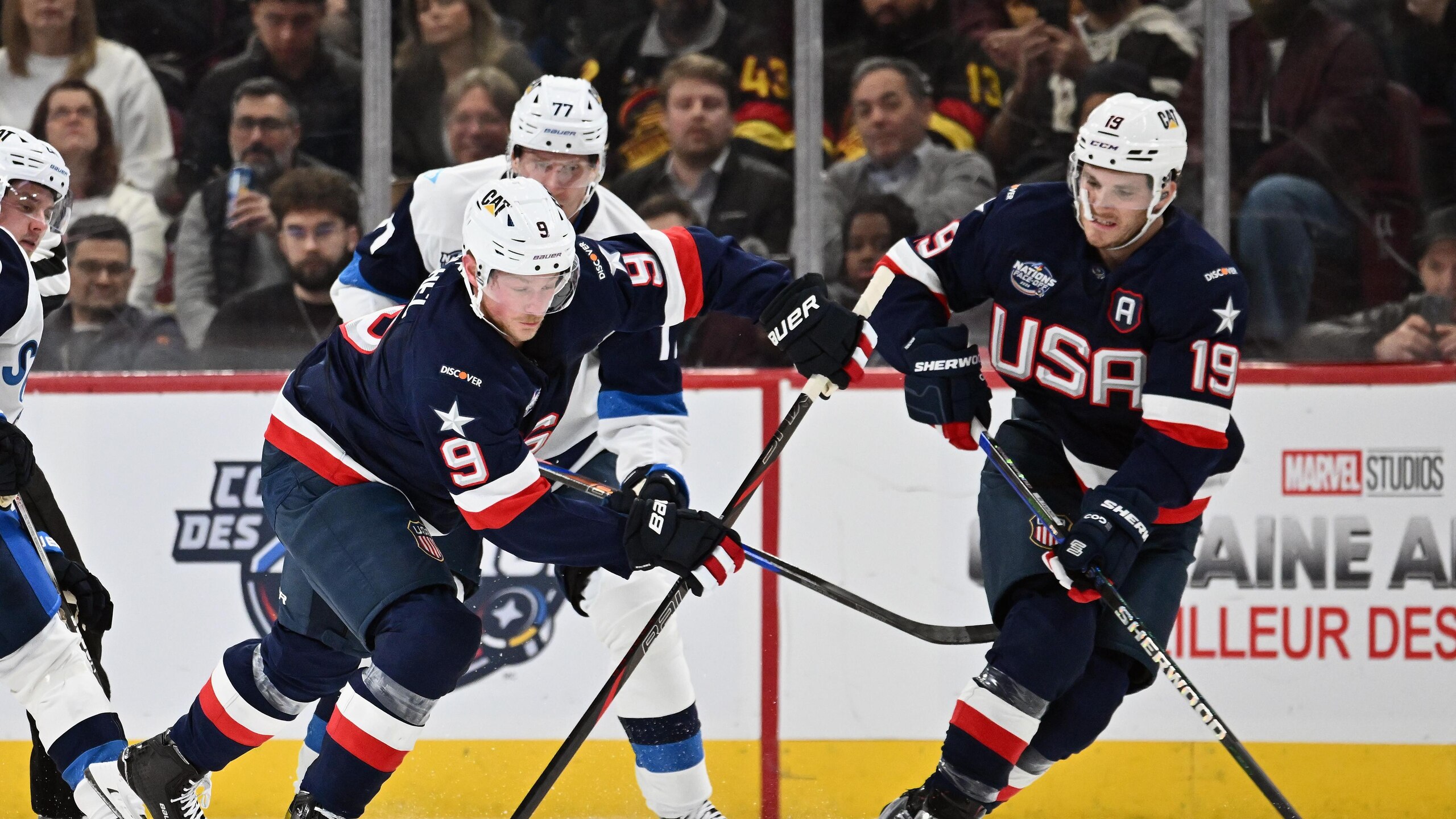
Brady Tkachuk - Jack Eichel - Matthew Tkachuk
Both Brady Tkachuk and Jack Eichel have had superb seasons to this point, and Matthew Tkachuk has yet to make his season debut, although it wouldn't surprise us one bit to see that happen at the Winter Classic on January 2.
This trio worked so well together during Four Nations that it's impossible to deviate from this combination even with Matthew Tkachuk's recovery from offseason surgery keeping him off the ice halfway into the regular season and up to at least six weeks before the Olympics.
All three players were among the first six selections for the team, so they're on the roster unless something happens injury-wise that forces them off the team. You'd need an army to drag Matthew away from playing at these Olympics, and the same could be said for anyone else who could be there and has injuries to negotiate.
This line will be skilled and nasty, and it will cause headaches for anyone in Italy.
Second-Line Forwards
2 of 10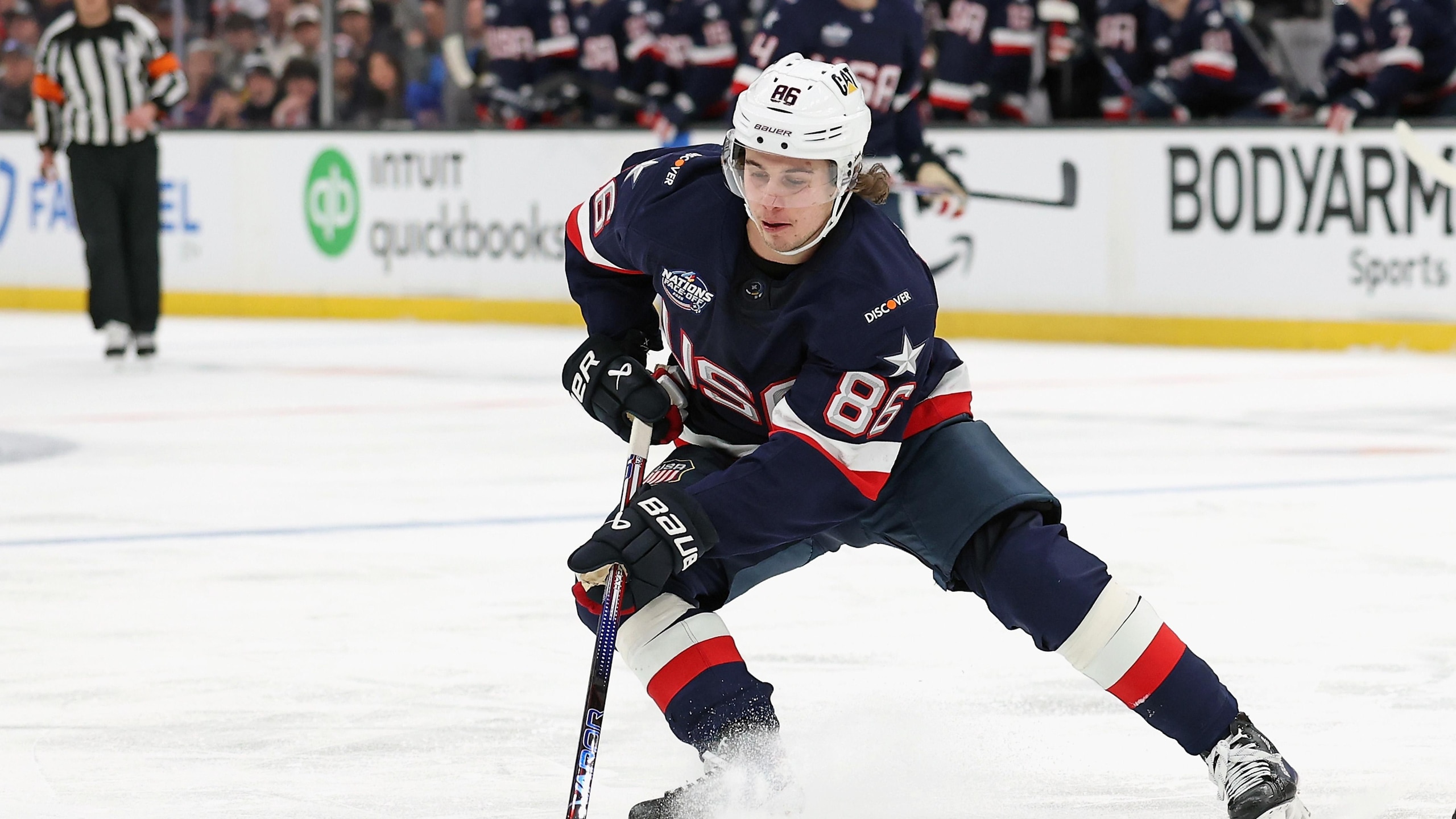
Jake Guentzel - Auston Matthews - Jack Hughes
For our final predictions, we're playing it kind of safe, which is usually how things go for the Olympics.
A line of Jake Guentzel (who we've always had on the team) with Auston Matthews and Jack Hughes lines up with some of what we saw at Four Nations and, chemistry-wise, makes sense for a line at the Olympics as well.
Hughes' speed and skill with the puck can push opposing teams back on their heels, while Matthews' shot and all-around ability can confound them. Guentzel's knack around the net, along with his hockey IQ, make him an invaluable presence on the team, and having him there to cash in on the shots and passes both Hughes and Matthews can create will make them deeply frustrating for opposing teams to defend.
This trio does have its own question marks. Matthews hasn't had a great season and has looked off for most of it. Hughes missed about a month after needing surgery on his hand after a freak accident. But the expectation is that playing for Team USA at the Olympics will be more than enough to sharpen their focus and bring their best to the ice.
Third-Line Forwards
3 of 10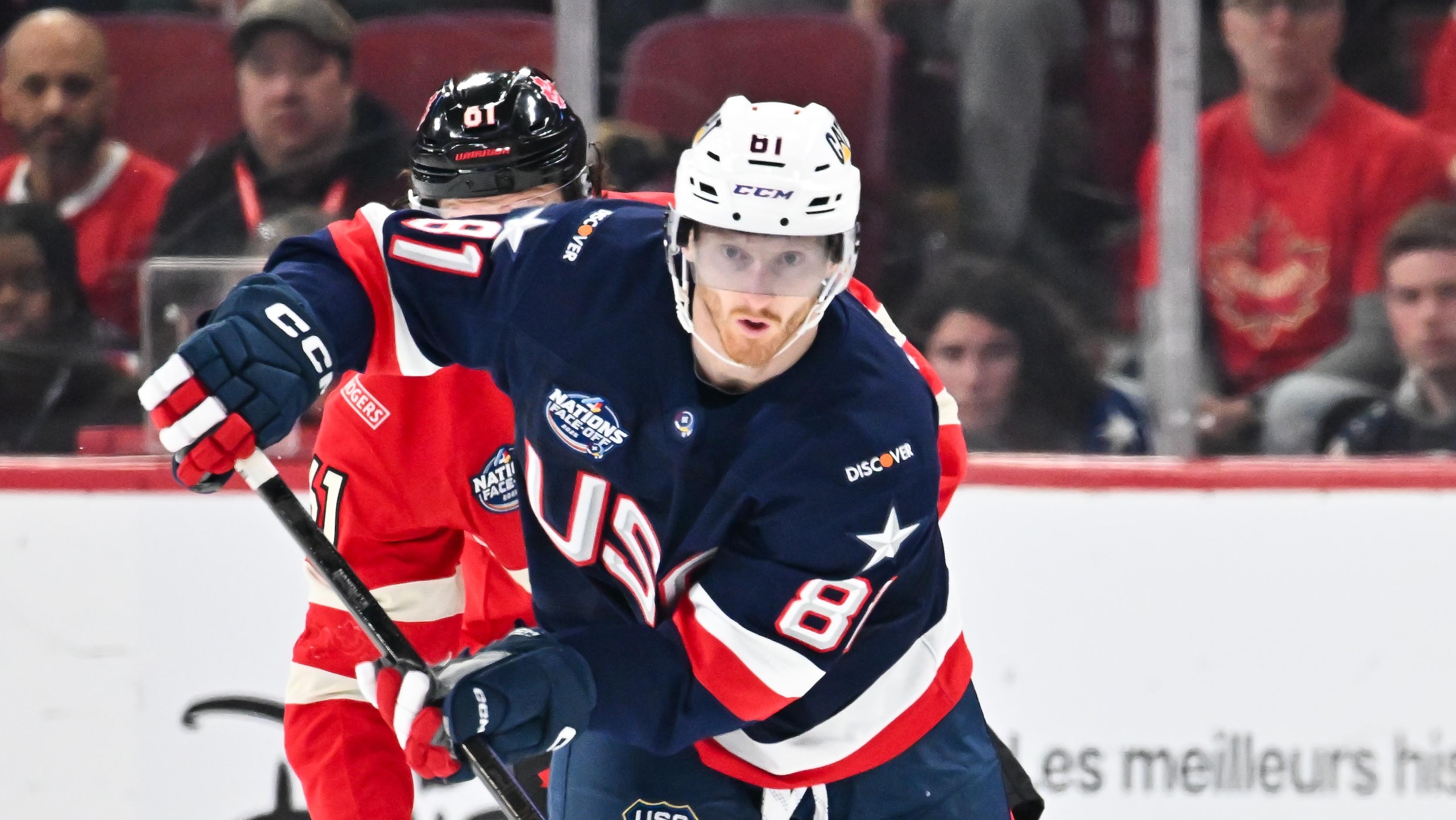
Kyle Connor - Dylan Larkin - Matt Boldy
As little as we've changed the top line for Team USA, we've changed this line even less, because doing so would betray what makes this trio work so well.
Between Kyle Connor, Dylan Larkin, and Matt Boldy, the amount of speed, puck pressure, and skill is immense. All three are capable of getting deep on forechecks and forcing defenders into turnovers, creating scoring chances.
Connor's shot and puck skill is phenomenal, Boldy's shot and work around the net is excellent, and Larkin's ability to distribute and shoot on his own, not to mention be a bit of a bully around the goal mouth, makes him a superb player.
What this line might lack in physicality is made up for in quickness, and with ice being a tad smaller than NHL-sized rinks, it'll feel even more like these guys are right on top of the play at all times.
Fourth-Line Forwards
4 of 10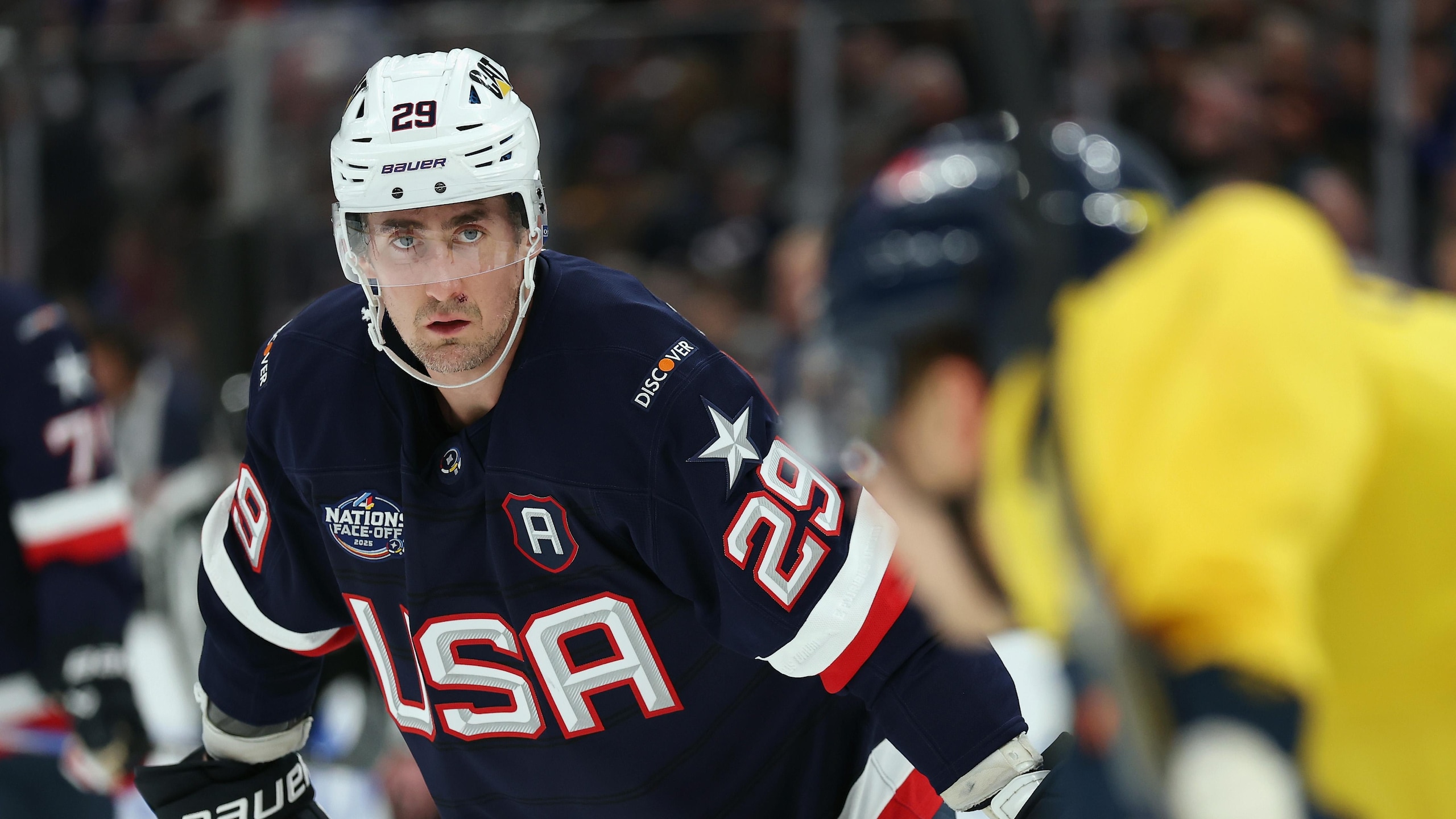
Jason Robertson - Vincent Trocheck - Brock Nelson
It seems ridiculous that it should be controversial to add Jason Robertson to the U.S. Olympic roster, but it's been a major talking point given how incredible he's played this season.
He has 45 points in 39 games, including 23 goals, which puts him in the top 10 in the league in scoring and tied for fifth in goals.
It would be criminal not include him on this team, given how serious USA management is about winning gold for the first time since 1980. It doesn't want to radically change things up from the team it used at Four Nations, but in this case, swapping out Chris Kreider for Robertson makes all the sense in the world.
Trocheck's role as a defensive center and his ability to excel at it make him a virtually automatic player for this team. He played very well in Four Nations, and he's got a lot of the leadership intangibles coaches appreciate.
Similarly, Brock Nelson does this as well, and he's having an outstanding year for the Colorado Avalanche. He wasn't part of many (or any) of our previous roster predictions because we just weren't sure about the fit.
All Nelson has done this season is show that sometimes we're overthinking things way too much. With 14 goals and 12 assists, the point totals don't totally jump off the page, but his size, smarts, and the role they'll want him to play will make him an easy choice for Guerin.
Extra Forwards
5 of 10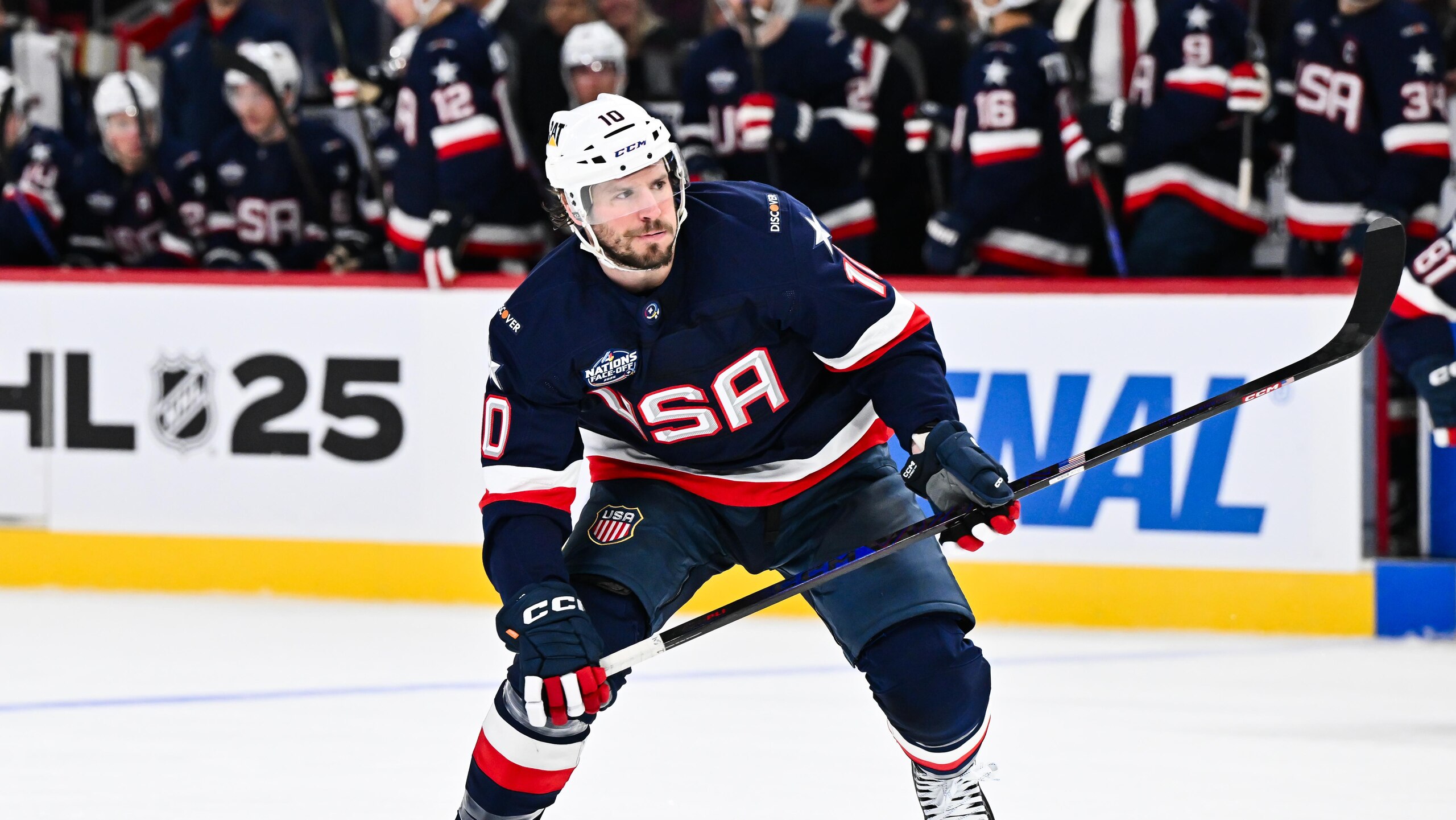
Tage Thompson, J.T. Miller
If you wanted to know the toughest part of predicting this roster, it's who the extra players could be.
Considering the 12 forwards we've already slotted in, picking two more from the pool of guys they invited to the summertime orientation for the Olympics (since they'd be most likely to be selected) left us with 12 guys to pick from, all with excellent cases.
Ultimately, we went with J.T. Miller and Tage Thompson because of their versatility and the particular skills they bring, in case Sullivan wants to change any looks or get a little extra something.
Miller is a guy who plays some tough, nasty hockey when called up from the lower lineup. He has the skill and ability to score, although he's struggled in that regard this season. He'll be back from injury soon, and he played well at Four Nations a year ago.
Thompson gets the call because of his offensive ability. His shot is among the best in the NHL, and if the power play needs an ultimate weapon to be introduced, having him tee up at the circle is as good as it can get.
Whether he plays center or wing is up to the coaches, but he can do both well and has demonstrated that in Buffalo. Thompson, being 6'5", also helps out a little as well, should they need a bit more size up front.
First-Pairing Defense
6 of 10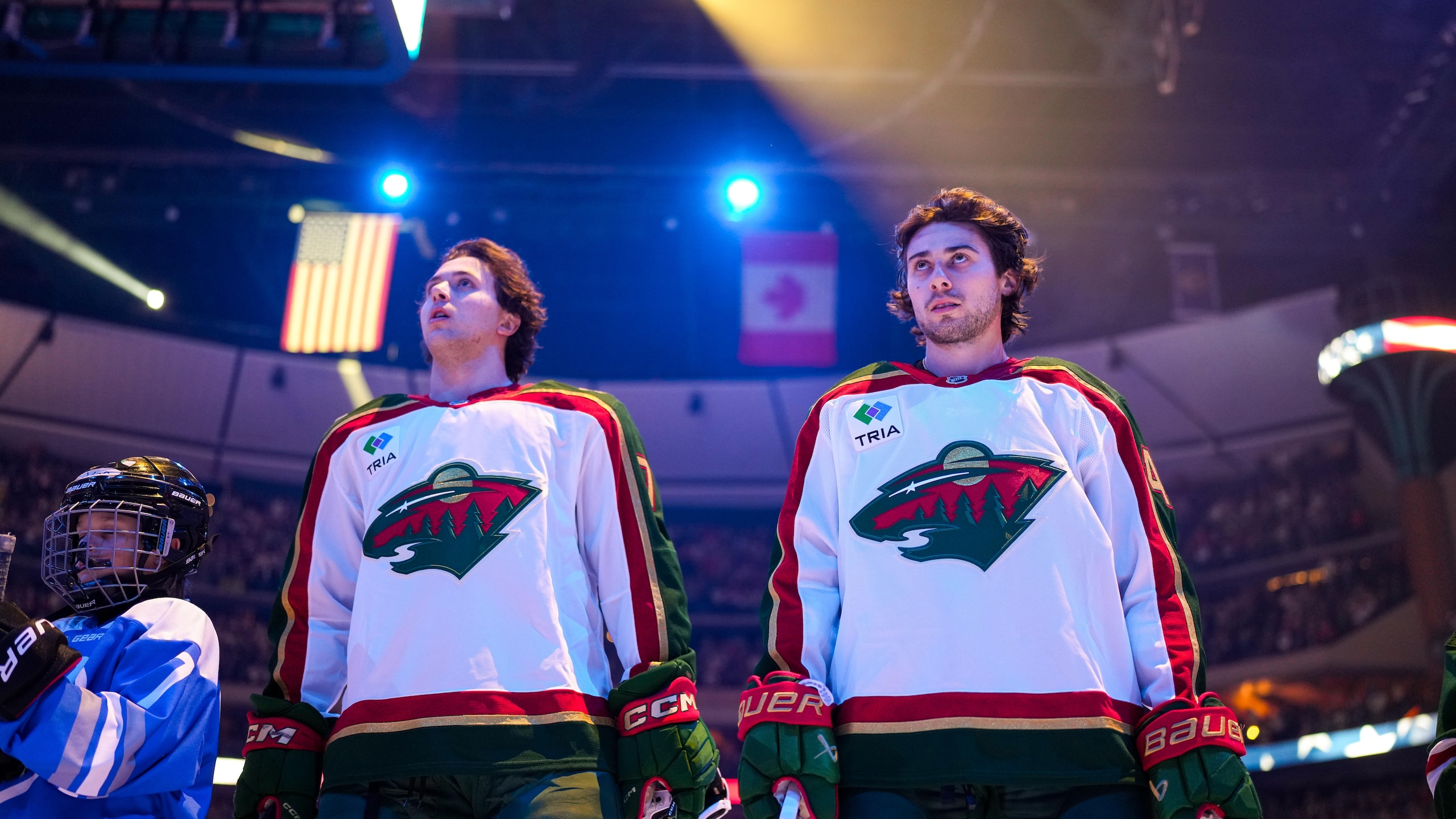
Quinn Hughes - Brock Faber
The United States has a lot of talent on the blue line, but one thing it didn't have before was a pairing that also works together in their day jobs in the NHL... until now.
Hughes and Faber are paired up with the Minnesota Wild, and they've helped make them one of the hottest teams in the league right now. Although it's only been a few games, their work together at 5-on-5 is helping them produce an expected goals-for percentage of nearly 61 percent (60.97 via Natural Stat Trick). That kind of intensely good work together makes them not only a natural fit for the Olympics but also Team USA's No. 1 pairing.
Hughes and Faber figure to help the Americans establish puck possession, create copious scoring chances, and spark an offense that should already be slated for a lot of success.
Second-Pairing Defense
7 of 10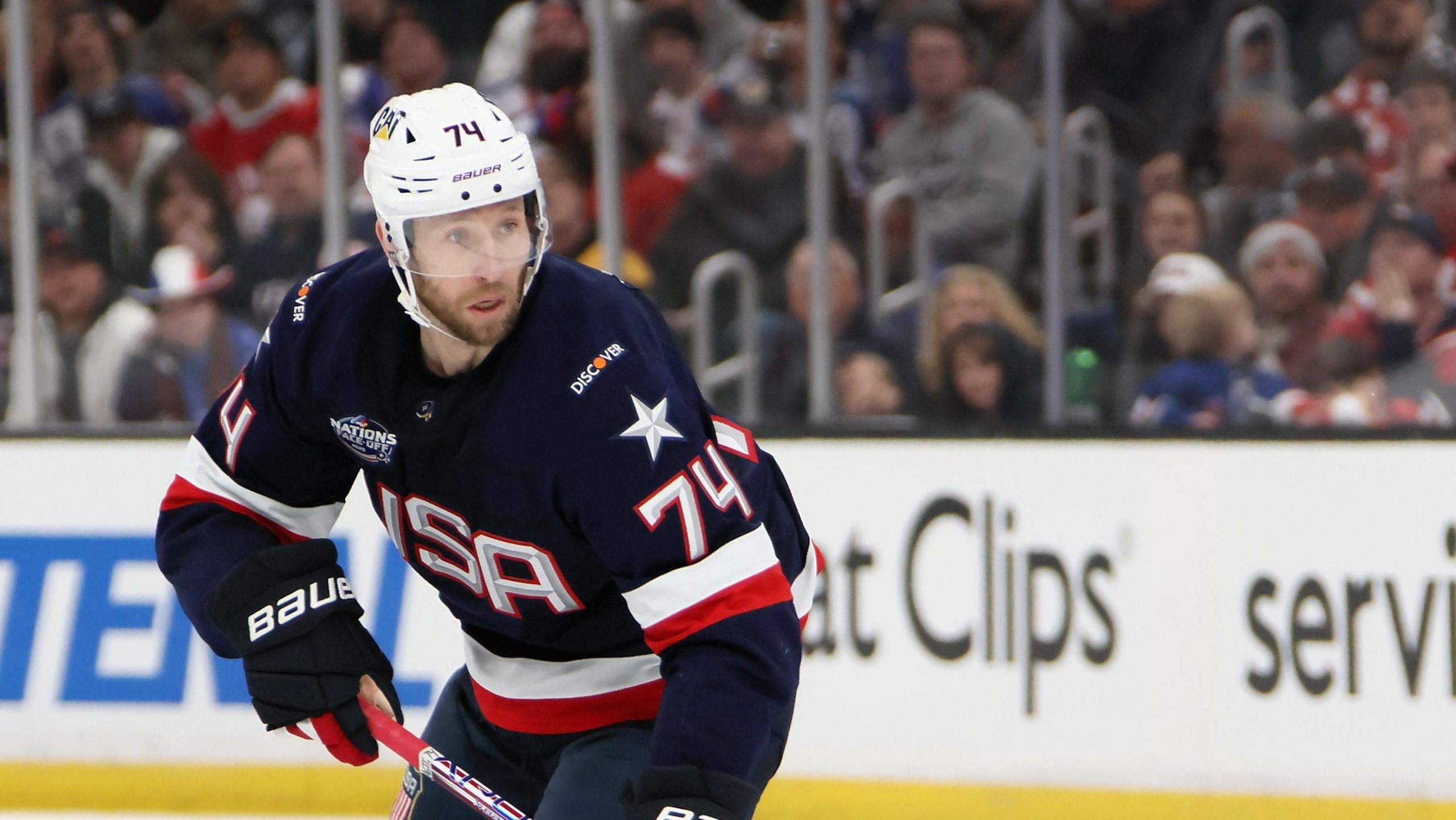
Jaccob Slavin - Charlie McAvoy
If Team USA has any concerns about the defense, one of them has to be with how healthy Jaccob Slavin will be by tournament time.
Slavin is again banged up for the Carolina Hurricanes, and considering he just returned recently from a previous injury, it's something worth watching when the Olympics kick off in February. His defensive work was so good at the Four Nations, and he'll be vital to shutting down opponents in Italy.
Having Slavin paired with McAvoy makes for a difficult defensive pairing for opponents to deal with. Slavin is difficult to do anything against, but McAvoy plays hard physically and can move the puck exceptionally all over the ice and create chances.
All eyes will be on Slavin here, however, because if he can't go or he struggles physically at the Olympics, the U.S. depth will be put to work.
Third-Pairing Defense
8 of 10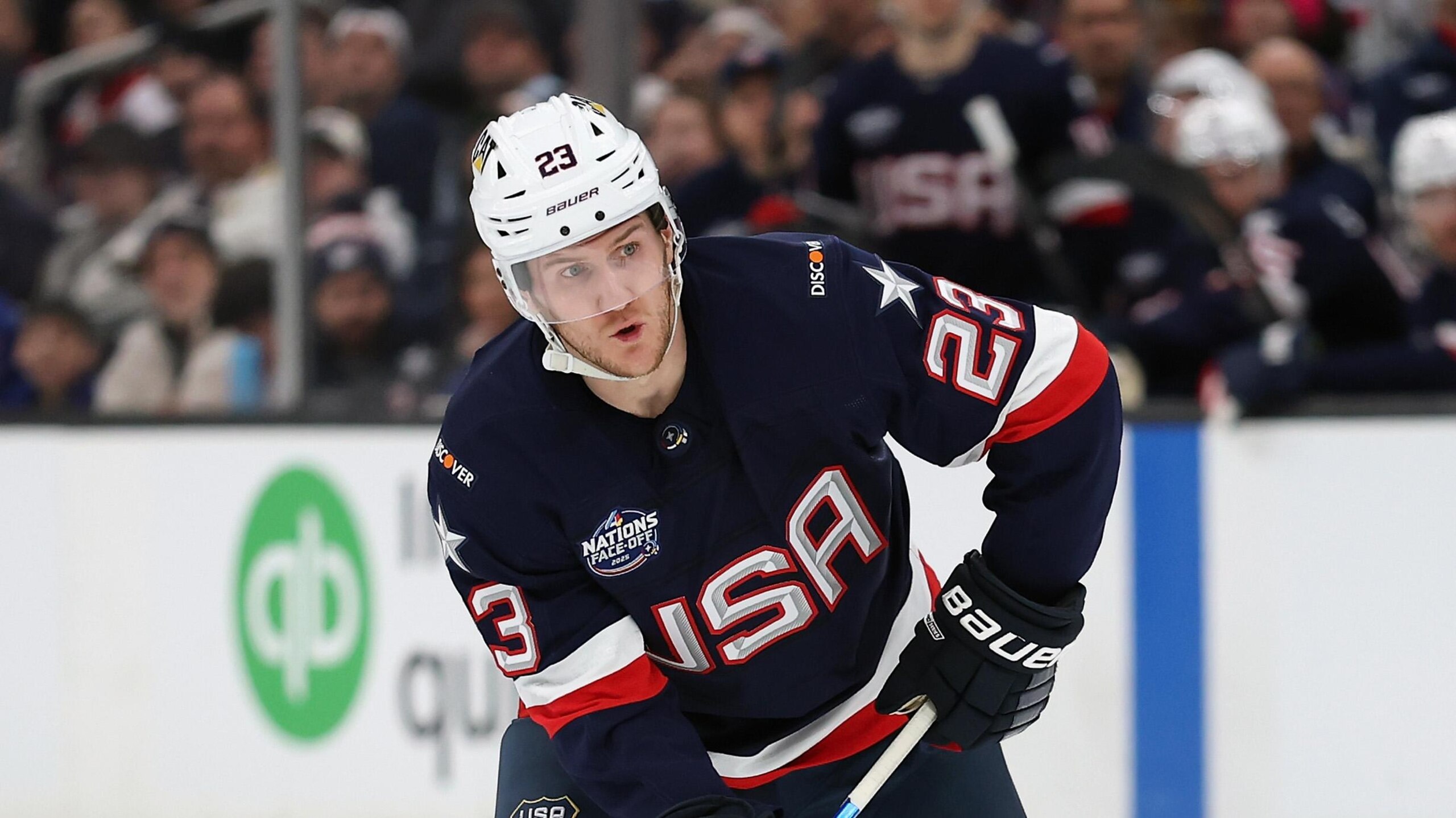
Zach Werenski - Adam Fox
It's always weird to refer to a defense pairing like this as the third pair, but the Olympics make funny things happen like that. There won't be any need to shelter or specialize the deployment of a pairing like Werenski and Fox because they can more than handle their business anywhere on the ice.
Werenski's all-around great play has been a joy to watch in Columbus, and while Fox is coming back from a tough injury for the Rangers, he's very close to returning, and we're thinking it'll be impossible not to play him by the time mid-February comes around.
Both Werenski and Fox are having great seasons again, and although their teams aren't at the top of the standings, it's not their fault. Not to mention the psychological edge the U.S. creates when they can roll out a "third pairing" like this when opponents think they might finally get a break against a "lower" part of the lineup.
Defense Extras
9 of 10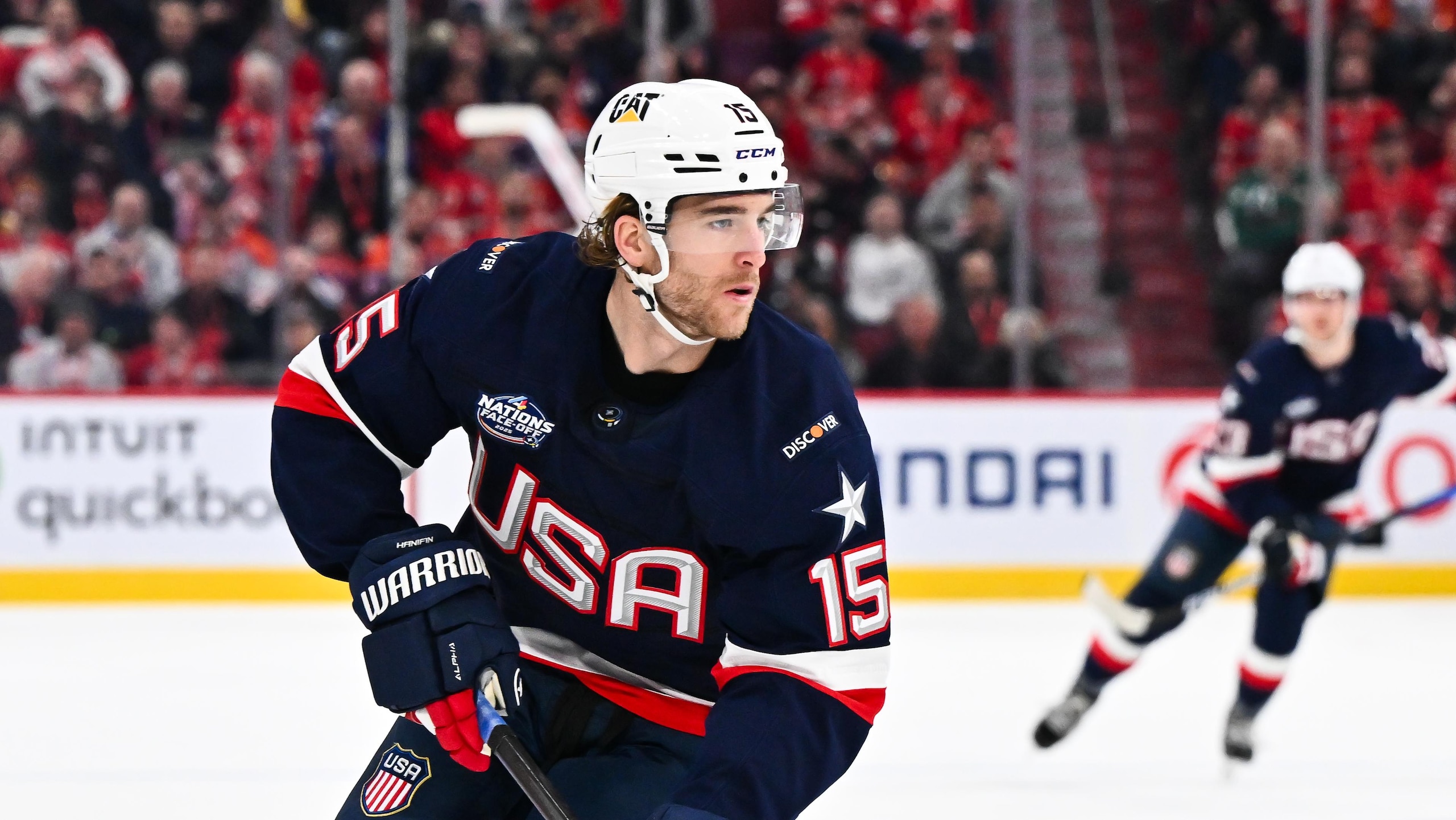
Jake Sanderson, Noah Hanifin
Sanderson and Hanifin were both part of the Four Nations team a year ago, and despite the injury concerns for Jaccob Slavin and Adam Fox, there's no reason to think Team USA management is going to change anything radically with the blue line group.
With the top six they're already working with and the fact they can pull a two-way threat like Sanderson or a tough defender and puck mover like Hanifin off the bench to step in if need be, highlights the depth they're working with.
Just like with deciding the extra forwards, who could fill in on defense was just as difficult, considering the great seasons we're seeing from John Carlson, Shayne Gostisbehere, and Jackson LaCombe, among many others. It's strange to think that two of those guys (Carlson and Gostisbehere) weren't part of the orientation group from the summer, but the American blue line depth is just so good right now.
Goaltenders
10 of 10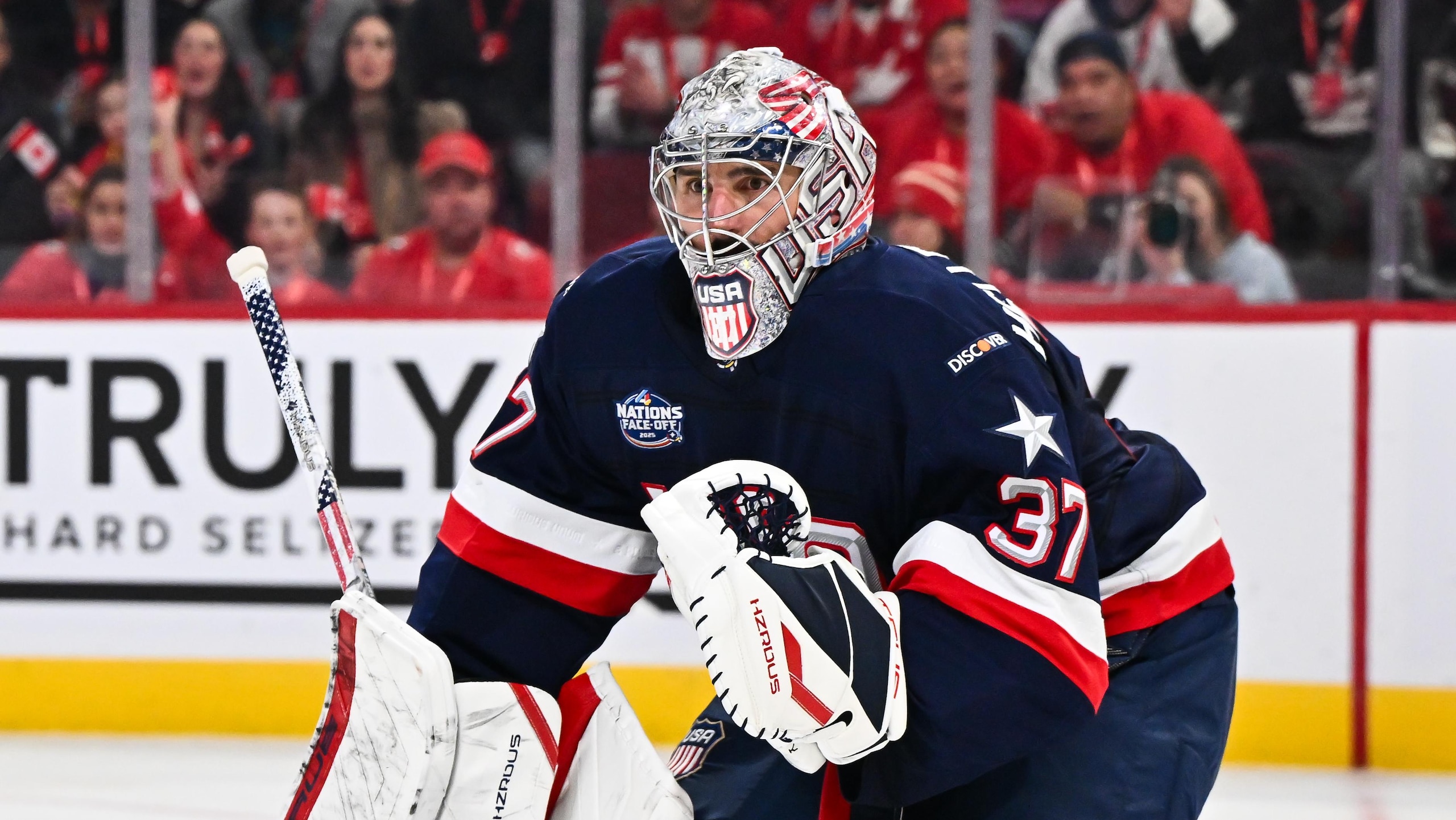
Connor Hellebuyck, Jake Oettinger, Jeremy Swayman
Team USA has a nice problem to have in goal, considering the trio they brought to Four Nations is almost certainly going to be the same group headed to Italy. They will, however, have something to monitor: Connor Hellebuyck.
Since returning from knee surgery, Hellebuyck has been a little slow to get back up to speed (1-2-3 record; .893 save percentage), and although the Jets have been in a funk of their own, getting Hellebuyck back to his Vezina level would go a long way towards helping that. He's got another month to get back to that level, but if he doesn't, it bears watching if Mike Sullivan opts for Jake Oettinger, who's been lights out after a slow start.
Having options like Oettinger and Swayman behind Hellebuyck makes for great debates on paper or at the local watering hole, but the No. 1 job belongs to Hellebuyck. But if he can't get his game back up to speed in time, the question of whether he should be the No. 1 or not will be a massive one heading to the Olympics.

.jpg?w=2560 "Hurricane May Affect NFL Games")
.jpg?w=2560 "Bears May Trade for Mack")