

The people who wait until March to start watching men's college basketball sure have been missing out on dynamite games in early December.
This past Tuesday alone featured UNC-Kentucky, Duke-Florida and UConn-Kansas. And then after Friday night's should-have-been-great-on-paper clash between Gonzaga and Kentucky, Saturday had potential Sweet 16 showdowns left and right, highlighted by the early slate featuring Duke-Michigan State and Iowa State-Purdue.
A lot of it was wildly entertaining. Some of it was downright ugly. But it all contributed to shaking up the projected field for the NCAA tournament, in which the undefeated quartet of Michigan, Duke, Arizona and Iowa State currently occupies the No. 1 seed line.
At this point in the season, predictive (or QUAL) metrics (NET, KenPom, Torvik and BPI) still carry more weight on the team sheets than the resume (or RES) metrics (SOR, KPI and WAB) do, but all seven of those metrics—as well as quadrant-based records and strength of schedule—factor into the seeding process.
The projected auto bids from each of the 31 conferences will eventually be based entirely on conference record. Conference play hasn't begun yet for most leagues, though, so we're simply rolling with the highest-rated team in the average of the metrics listed above (minus NET) as each league's projected champ.
With that out of the way, let's start with the full bracket before some commentary on the current state of the bubble and the top seed line. Following that, we have a full conference-by-conference rundown, highlighting some of the biggest changes from one week ago.
The Projected Bracket
1 of 10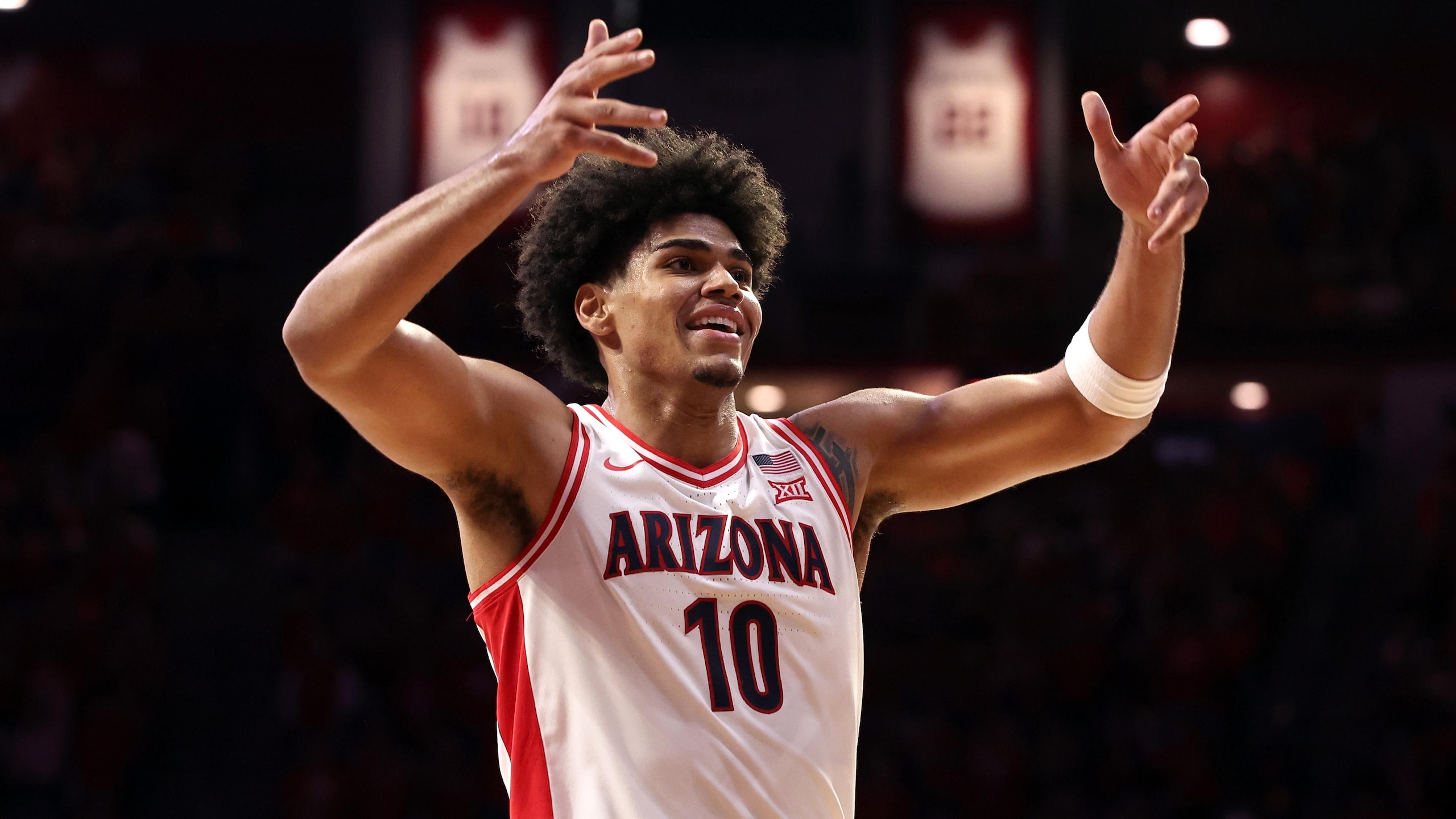
East Region (Washington D.C.)
Greenville, SC
No. 1 Duke vs. No. 16 Colgate
No. 8 Iowa vs. No. 9 Utah State
San Diego, CA
No. 4 Kansas vs. No. 13 Utah Valley
No. 5 Nebraska vs. No. 12 Tulsa
Buffalo, NY
No. 3 Michigan State vs. No. 14 Quinnipiac
No. 6 Texas Tech vs. No. 11 Seton Hall
Philadelphia, PA
No. 2 Connecticut vs. No. 15 Lipscomb
No. 7 Ohio State vs. No. 10 Saint Louis
Midwest Region (Chicago)
Buffalo, NY
No. 1 Michigan vs. No. 16 Southern / Central Connecticut
No. 8 Auburn vs. No. 9 UCF
Tampa, FL
No. 4 North Carolina vs. No. 13 Belmont
No. 5 Florida vs. No. 12 UC San Diego
Oklahoma City, OK
No. 3 Houston vs. No. 14 East Tennessee State
No. 6 Virginia vs. No. 11 Arizona State / LSU
Greenville, SC
No. 2 Vanderbilt vs. No. 15 North Dakota State
No. 7 Baylor vs. No. 10 Indiana
South Region (Houston)
St. Louis, MO
No. 1 Iowa State vs. No. 16 Norfolk State / UMBC
No. 8 Wisconsin vs. No. 9 SMU
Tampa, FL
No. 4 Alabama vs. No. 13 UNC Wilmington
No. 5 St. John's vs. No. 12 McNeese
Philadelphia, PA
No. 3 Louisville vs. No. 14 Liberty
No. 6 Oklahoma State vs. No. 11 Miami / VCU
St. Louis, MO
No. 2 Purdue vs. No. 15 Northern Colorado
No. 7 Saint Mary's vs. No. 10 Georgia
West Region (San Jose)
San Diego, CA
No. 1 Arizona vs. No. 16 Tennessee Martin
No. 8 Clemson vs. No. 9 UCLA
Oklahoma City, OK
No. 4 Illinois vs. No. 13 High Point
No. 5 Tennessee vs. No. 12 Akron
Portland, OR
No. 3 BYU vs. No. 14 Arkansas State
No. 6 Arkansas vs. No. 11 Yale
Portland, OR
No. 2 Gonzaga vs. No. 15 Oakland
No. 7 USC vs. No. 10 TCU
Ranking the No. 1 Seeds
2 of 10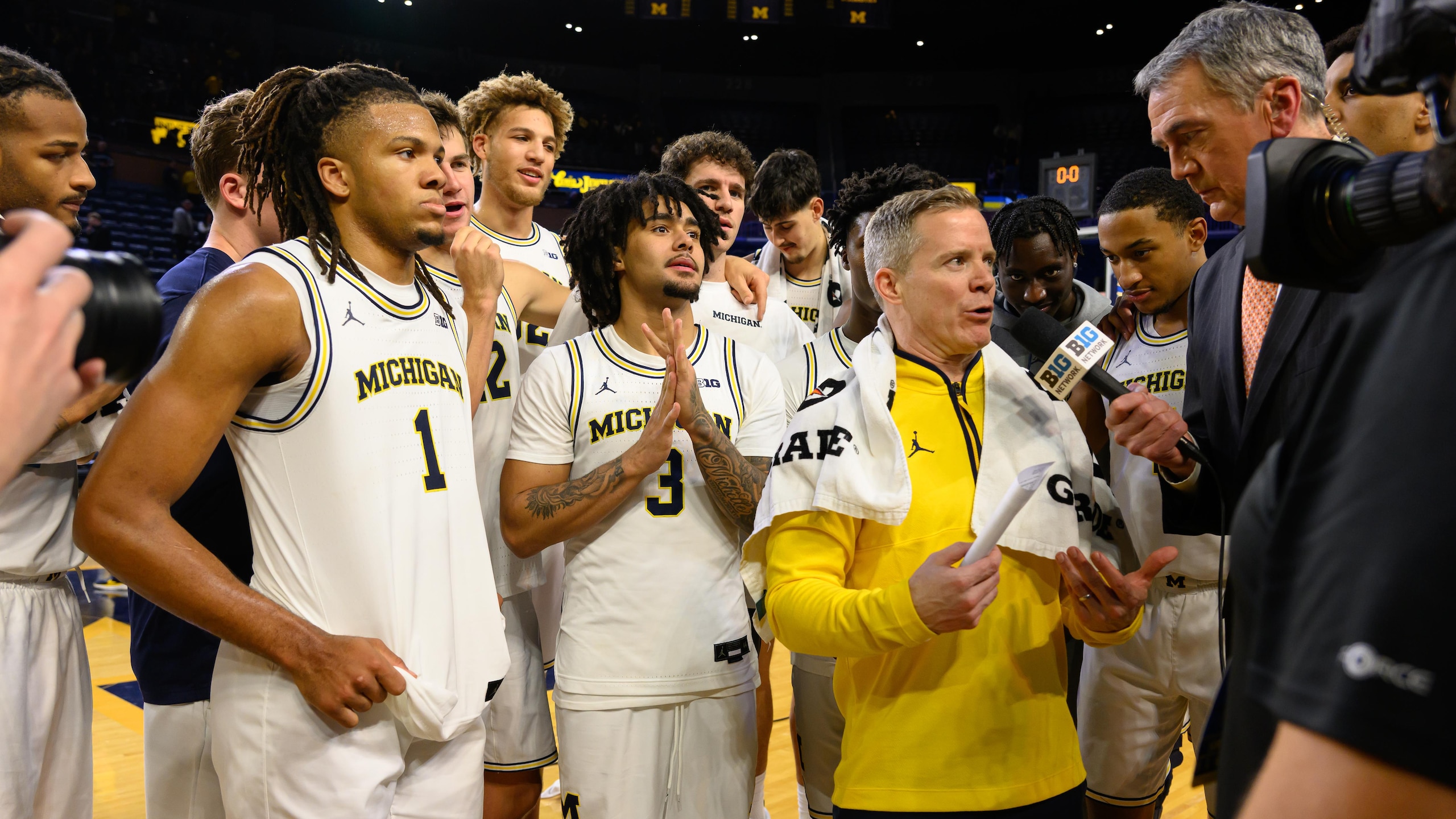
1. Michigan Wolverines (8-0, NET: 1, RES: 1.7, QUAL: 2.0)
2. Duke Blue Devils (10-0, NET: 2, RES: 3.0, QUAL: 2.3)
3. Arizona Wildcats (8-0, NET: 6, RES: 3.7, QUAL: 6.3)
4. Iowa State Cyclones (9-0, NET: 3, RES: 8.3, QUAL: 3.3)
5. Connecticut Huskies (8-1, NET: 7, RES: 4.7, QUAL: 7.0)
6. Gonzaga Bulldogs (9-1, NET: 4, RES: 7.7, QUAL: 2.7)
7. Purdue Boilermakers (8-1, NET: 9, RES: 7.7, QUAL: 9.3)
8. Vanderbilt Commodores (9-0, NET: 5, RES: 4.3, QUAL: 9.3)
After back-to-back weeks of only highlighting the top four overall seeds in this section, we're going to the opposite extreme by noting all of the No. 1 and No. 2 seeds.
Michigan delivered yet another drubbing this week, beating Rutgers 101-60. The Wolverines have now beaten their last four opponents by a combined score of 398-247. There is a non-zero chance they'll get to 20-0 before truly being tested again, as they are projected to win each of their next 12 games by at least 12 points.
Duke leapfrogs from No. 4 to No. 2 after its wins over Florida and Michigan State. The Blue Devils already have four Quad 1 wins and three Quad 1A wins to their name, good for the most in the nation in each category. They'll have the week off before drawing Texas Tech in two Saturdays. And that showdown with Michigan on Feb. 21 already feels like it could be legendary.
Arizona stays put at No. 3 after dismantling Auburn 97-68. This team is relentless inside the arc, shooting 35-for-52 on twos in that rout. The game at Alabama on Saturday should be a real barn burner.
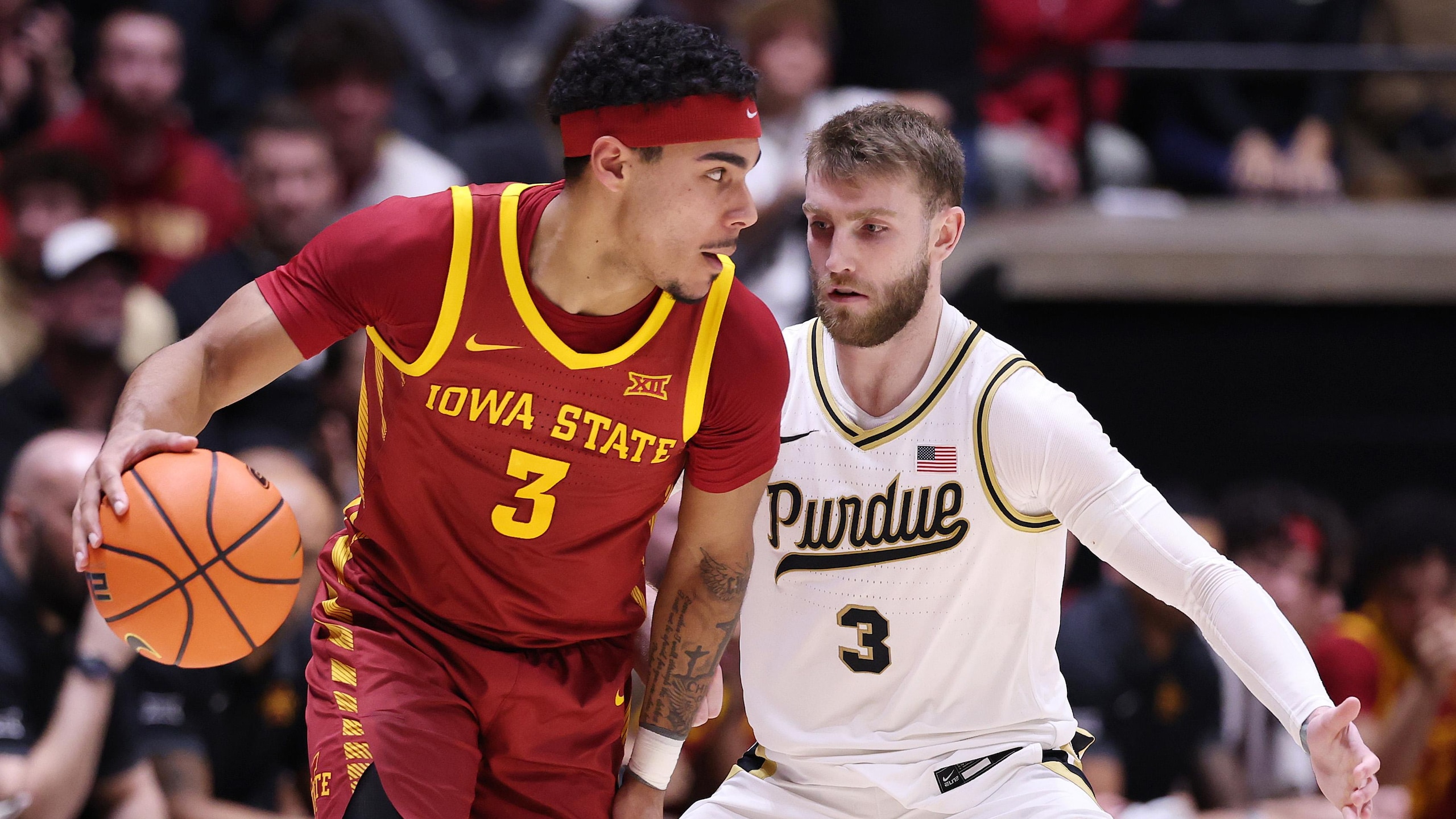
Iowa State rounds out the top line after it went on the road and pummeled former No. 1 seed Purdue. Incredibly, the Cyclones did so despite an atypically poor showing from Joshua Jefferson, who committed five fouls and six turnovers in just 22 minutes. It's a real bummer that Arizona and Iowa State only play once during the regular season, and that it's not until early March.
Among the No. 2 seeds, UConn has the best stockpile of quality wins, and is closer to Iowa State at No. 4 overall than it is to Gonzaga at No. 6 overall, who moved up two spots after obliterating Kentucky in Nashville.
Purdue slips from No. 2 to No. 7 after its no-show against Iowa State, but those prior wins away from home over Alabama and Texas Tech haven't gone anywhere. And don't sleep on still undefeated Vanderbilt at No. 8 overall. The 'Dores don't have marquee wins like everyone in the top seven, but they sure have emerged as the team to beat in the SEC.
10 Words on Each of the 10 'Bubbliest' Teams
3 of 10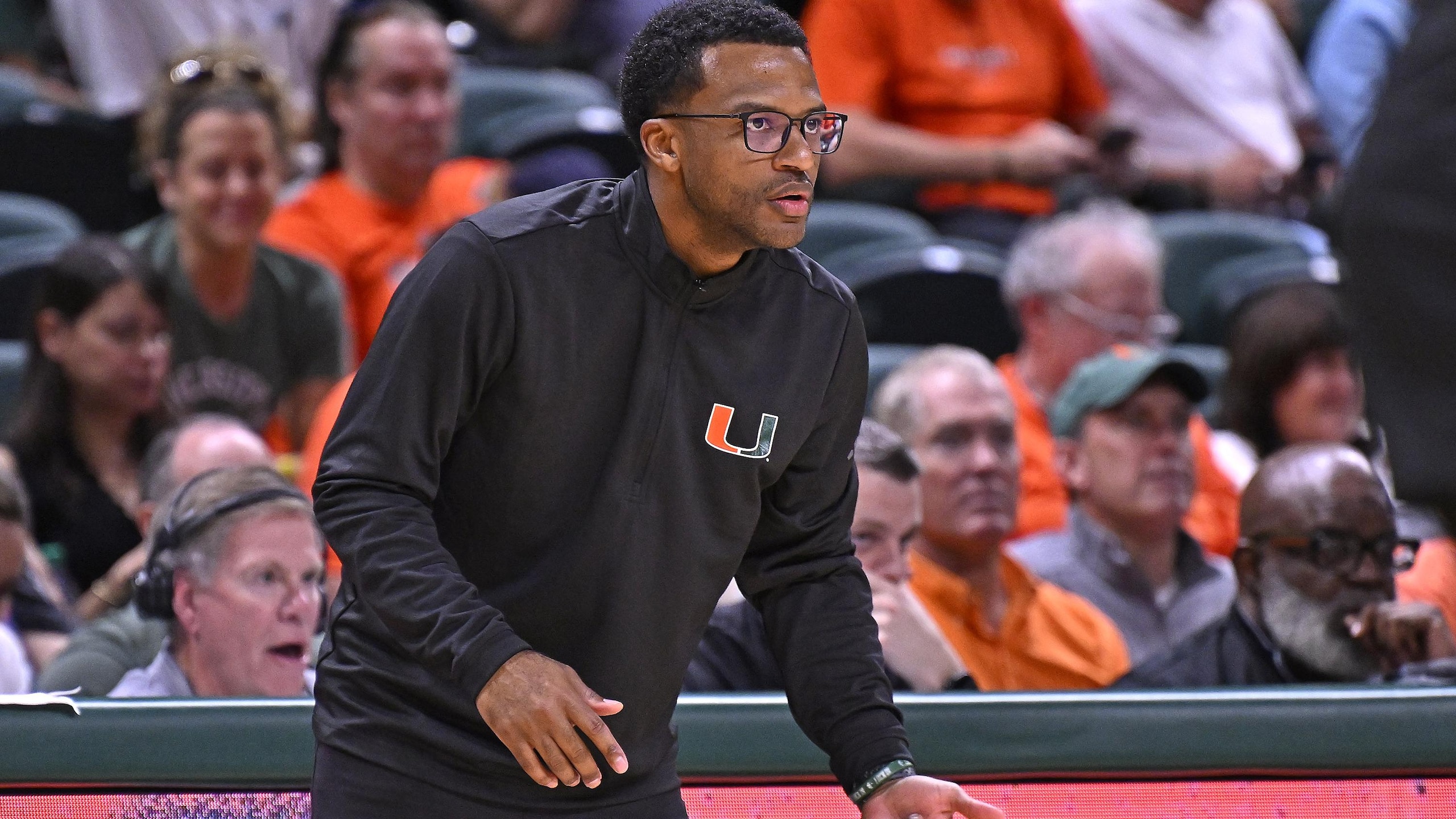
Fifth-to-Last In: Seton Hall Pirates (9-1, NET: 43, RES: 30.3, QUAL: 64.3)—Convincing win at Kansas State pushes Pirates over the hump.
Fourth-to-Last In: Miami Hurricanes (8-2, NET: 25, RES: 44.7, QUAL: 34.3)—Nice road win over Ole Miss in the ACC-SEC Challenge.
Third-to-Last In: VCU Rams (6-3, NET: 47, RES: 51.7, QUAL: 45.3)—Two decent wins; all three losses were Quad 1 misses.
Second-to-Last In: Arizona State Sun Devils (7-2, NET: 77, RES: 37.0, QUAL: 85.7)—Blew out Oklahoma; Bobby Hurley is back on the bubble.
Last Team In: LSU Tigers (8-1, NET: 39, RES: 47.7, QUAL: 40.7)—Almost lost at Boston College, got smoked by Texas Tech.
***Cut Line***
First Team Out: Kentucky Wildcats (5-4, NET: 31, RES: 109.0, QUAL: 21.0)—Win even one game worth mentioning and then we'll talk.
Second Team Out: NC State Wolfpack (6-3, NET: 42, RES: 69.7, QUAL: 34.7)—Three losses in five games; huge opportunity Saturday vs. Kansas.
Third Team Out: Virginia Tech Hokies (8-2, NET: 54, RES: 26.7, QUAL: 71.0)—No great wins, but can't ignore four Quad 2 victories.
Fourth Team Out: Colorado Buffaloes (8-1, NET: 45, RES: 27.0, QUAL: 72.3)—Tough rivalry loss at CSU; hasn't yet faced projected dancer.
Fifth Team Out: Butler Bulldogs (7-2, NET: 41, RES: 50.7, QUAL: 47.7)—Home loss to Boise State bumps Butler out of field.
.jpg?w=2560 "Texans Jaguars Football")
.jpg?w=2560 "Jets Saints Football")
ACC Summary
4 of 10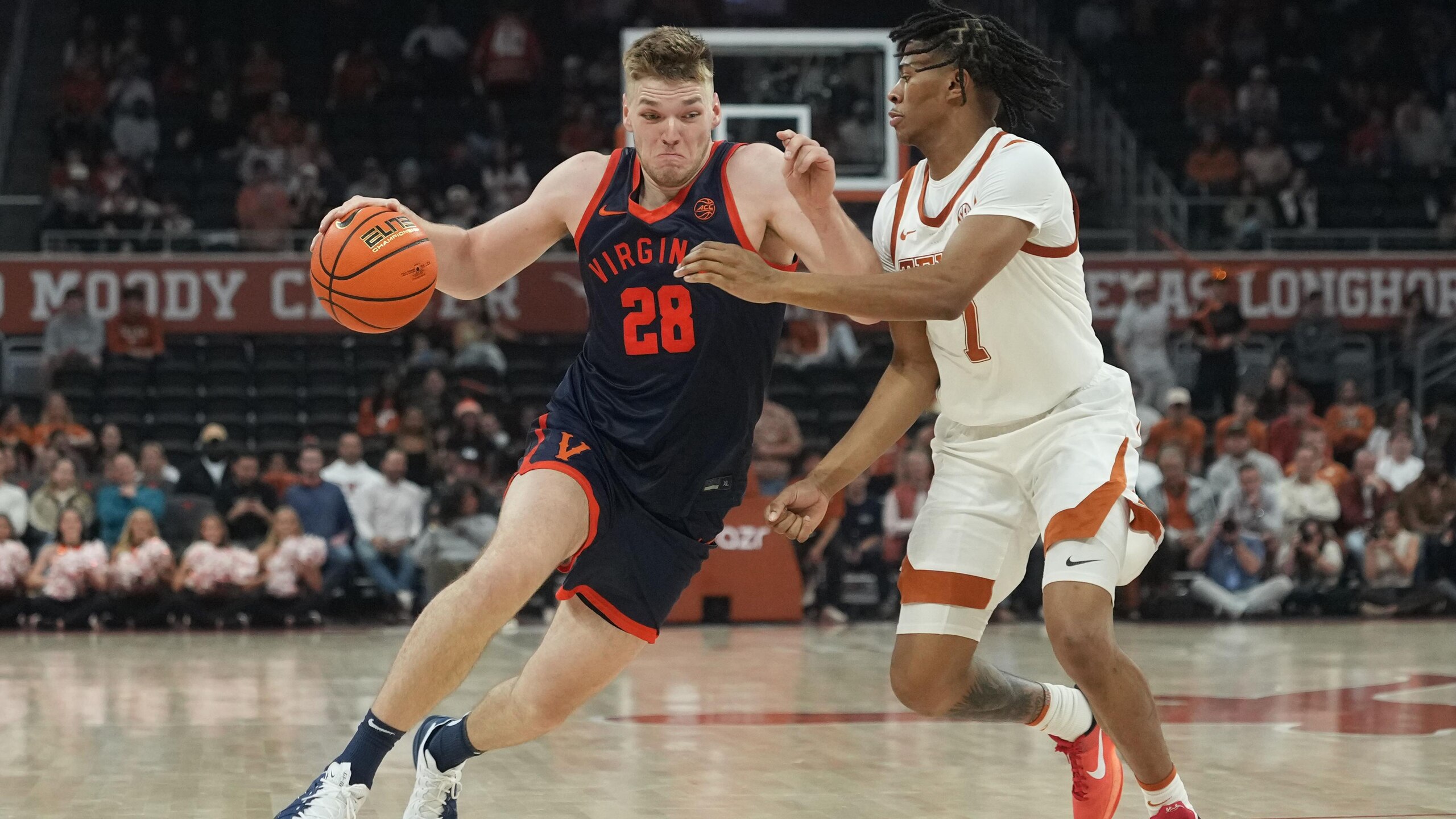
7 Teams in the Projected Field: 2. Duke, 10. Louisville, 15. North Carolina, 22. Virginia, 32. Clemson, 33. SMU, 42. Miami
Also Considered: Virginia Tech, NC State, California, Notre Dame
Biggest Development: Virginia is back, but extremely different
For 15 years under Tony Bennett, Virginia was, more often than not, a defensive juggernaut. The Cavaliers finished top seven in the nation in adjusted defensive efficiency in nine of those 15 years, earning a No. 1 seed in the NCAA tournament on four separate occasions.
But while they were also efficient on offense, they were never particularly overwhelming on that end of the floor, thanks in large part to their snail-like pace. Even when they won it all in 2019, they only averaged 71.4 points per game for the year, scoring more than 85 just twice in 38 contests. And that was their highest scoring average under Bennett.
With Ryan Odom now calling the shots, though, Virginia is averaging 87.6 points and eclipsed 85 twice just in the past week, beating Texas 88-69 and Dayton 86-73.
Aside from playing at a faster (but still well below the national average) pace, the biggest source of that scoring increase has been the night-and-day transformation in their approach to offensive rebounding.
Under Bennett, UVA's average national rank in OREB% was 221st, corralling just 28 percent of their own misses. They would rather prevent fast-break points than pursue second-chance points.
But between Thijs De Ridder at the 4 and the combination of Johann Grunloh and Ugonna Onyenso at the 5, Virginia's OREB% is 43.3, good for third-best in the nation.
As a result, Virginia is back and mattering again, up into the top 25 on both KenPom and the NET and vaulting well into our projected field after spending the past few weeks among the first few teams on the outside looking in.
Big 12 Summary
5 of 10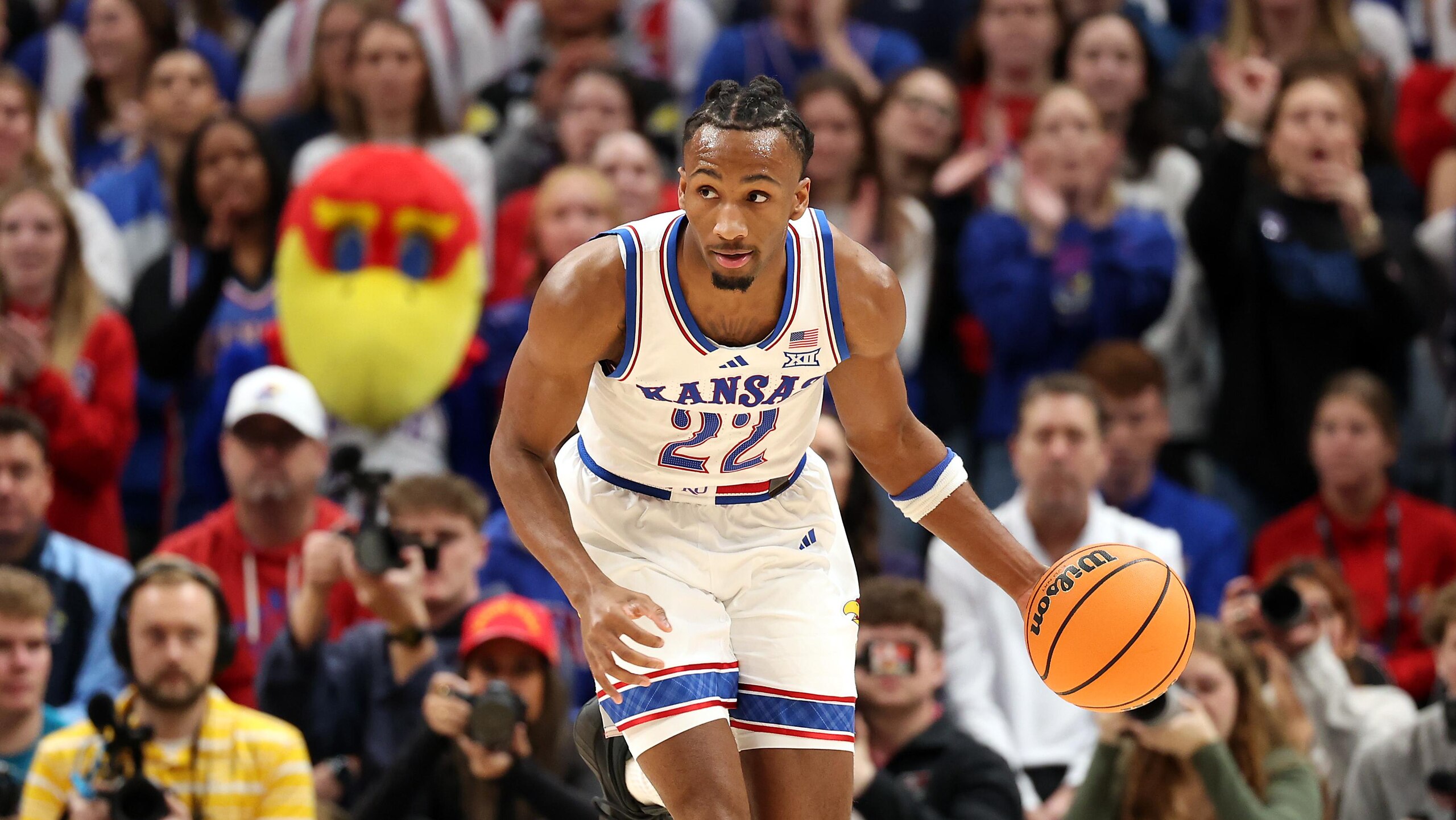
11 Teams in the Projected Field: 3. Arizona, 4. Iowa State, 11. Houston, 12. BYU, 16. Kansas, 21. Oklahoma State, 23. Texas Tech, 28. Baylor, 36. UCF, 40. TCU, 44. Arizona State
Also Considered: Colorado
Biggest Development: Darryn Peterson is back
Sure, there were much bigger Big 12 developments in the wins and losses columns than Kansas' 20-point rout of Missouri on Sunday.
On the wins front, Iowa State went on the road and dismantled Purdue, Arizona destroyed Auburn at home, Texas Tech smoked LSU in Fort Worth and Oklahoma State improved to 9-0 with a solid win over Grand Canyon. Meanwhile, on the losses side of things, Baylor blew one at Memphis, TCU collapsed at home against Notre Dame and both Cincinnati (at Xavier) and Colorado (at Colorado State) suffered a painful in-state L.
However, Darryn Peterson playing (and playing well) for the first time in a month was pretty huge news.
Kansas swept Notre Dame, Syracuse and Tennessee in the Players Era Festival without Peterson, but it was painfully clear in the 61-56 loss to Connecticut on Tuesday that they needed their playmaking freshman back sooner rather than later.
With 17 points in 23 minutes played in that Border War win over Missouri, he delivered—this despite battling an illness on top of the hamstring injury. Even at far from 100 percent, it was readily apparent that Kansas' ceiling is miles higher with Peterson back in the mix.
The Jayhawks will have one more considerable nonconference test this week (at NC State on Saturday) before ending December with home games against Towson and Davidson. Let's see how they utilize those final tune-up games to prepare for a possible return to the top of the Big 12.
Big East Summary
6 of 10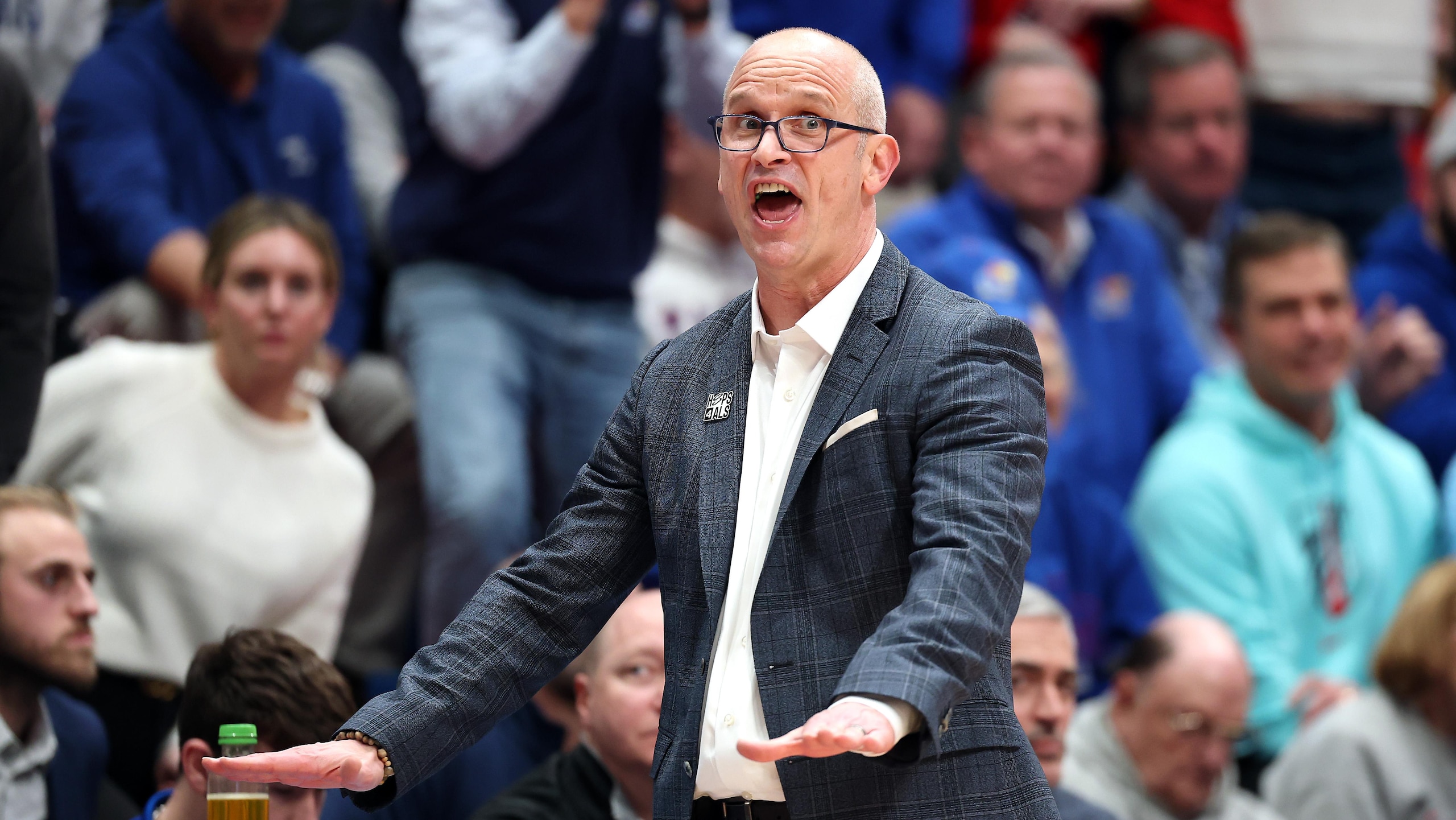
3 Teams in the Projected Field: 5. Connecticut, 19. St. John's, 41. Seton Hall
Also Considered: Butler, Villanova
Biggest Development: Connecticut continues to carry the Big East's water
Though neither team was at full strength, Connecticut (sans Tarris Reed) went into Allen Fieldhouse Tuesday night and came away with a marquee road win over Kansas (sans Darryn Peterson).
It was the Huskies' third Quad 1A win already this season, and they entered play on Sunday ranked in the top eight of every metric on the team sheets. Better yet, they just got 5-star freshman Braylon Mullins into the mix three games ago and he already looks like a budding sensation.
You can probably count on one hand how many teams are more likely to win it all this year than UConn.
But while the Huskies are 3-1 vs. Quad 1, the rest of the Big East is 3-18, dropping two more games on Sunday (Georgetown at North Carolina and Creighton at Nebraska) in blowout fashion.
This is rapidly trending toward being, at best, a three-bid league.
Marquette might already be dead and buried, sitting at 5-5 overall after getting blown out by Wisconsin. Providence isn't in much better shape at 6-4. And after both entering the season ranked in the KenPom top 50, they've gone a combined 0-8 against the KenPom top 90.
St. John's has no great wins, blowing all three of its Q1 opportunities. Villanova has yet to win a Q1, Q2 or Q3 game. (Same goes for Marquette and DePaul, by the way.) Creighton is winless in four tries against Quads 1 and 2. And though Butler was a projected tournament team one week ago, that has changed following a home loss to Boise State on Saturday.
At least Seton Hall has been a pleasant surprise as a wrecking ball on the defensive end of the floor, but even the Pirates remain extremely questionable as a candidate for an at-large bid. And with that 20-game league slate starting up soon, the Big East is quickly running out of chances to prove that it's more than just UConn.
Big Ten Summary
7 of 10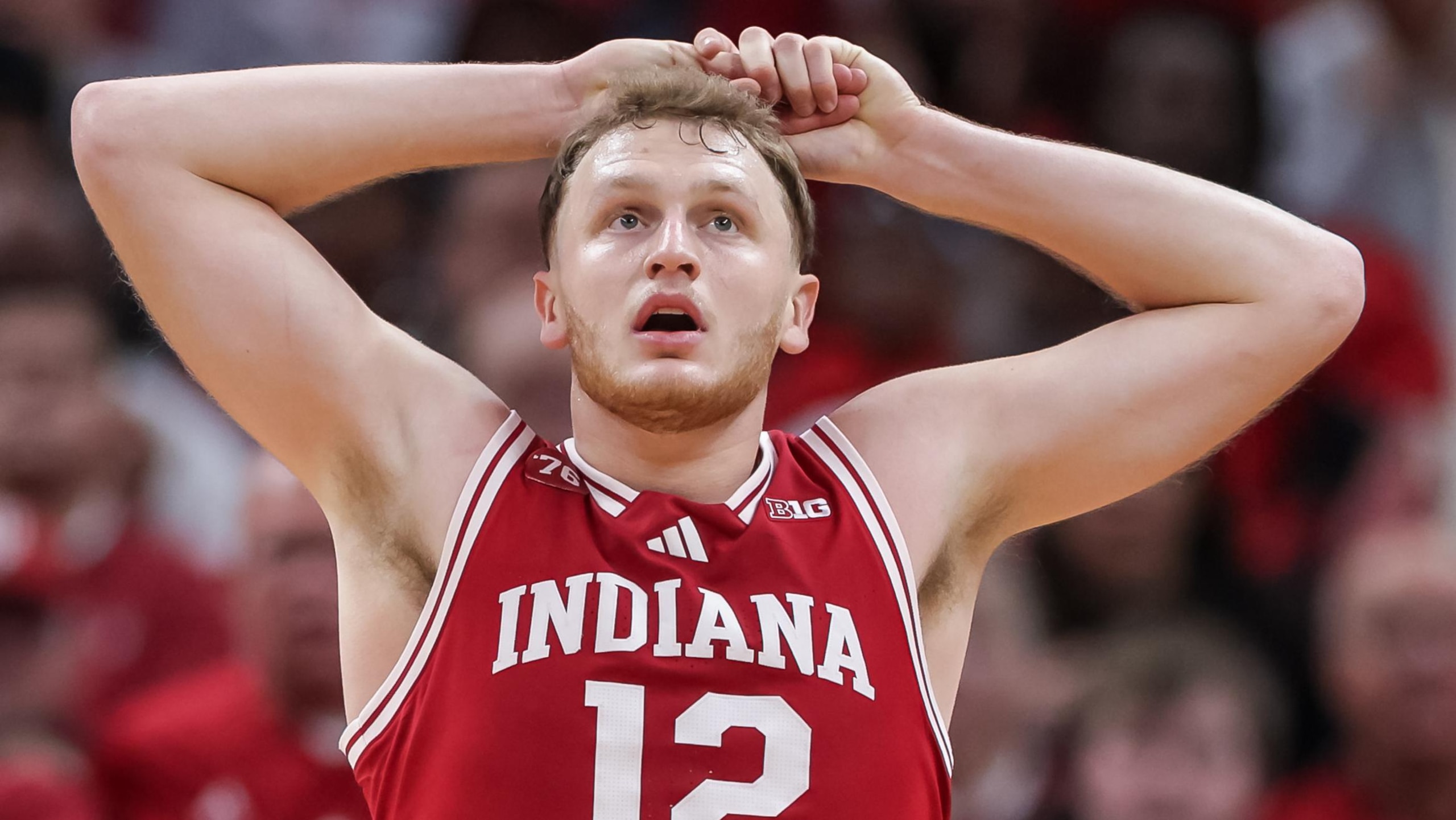
11 Teams in the Projected Field: 1. Michigan, 7. Purdue, 9. Michigan State, 14. Illinois, 20. Nebraska, 26. USC, 27. Ohio State, 30. Wisconsin, 31. Iowa, 34. UCLA, 37. Indiana
Also Considered: Washington
Biggest Development: Indiana crashed and burned
In year No. 1 of the Darian DeVries era, Indiana had itself a mostly impressive November, going 7-0 with an average scoring margin of 27.1 points.
Granted, the schedule wasn't impressive, but who could have known that the neutral-site game against Marquette would barely even qualify as a Quad 3 game at this point? The Hoosiers also comfortably took care of business against Kansas State, which should have been a better team than it has been thus far.
Unfortunately for Indiana, December has been a much different story.
The Hoosiers opened Big Ten play with a dreadful loss to Minnesota. Say what you will about the Barn and about the difficulties of going on the road in league play, but Minnesota almost lost at home to Green Bay and flirted with losing at home to Chicago State, trailing late in the second half of that one. And the Golden Gophers faced Indiana without a key starter in Chansey Willis Jr.
No matter how you slice it, that was a very bad loss.
If they simply got caught looking ahead to Saturday's showdown with Louisville, it certainly didn't show early on, with the Hoosiers falling behind 16-0 and never quite clawing out of that massive hole. The final margin was only nine points, so at least they didn't lay down and die. Still that was a rough pair of showings from a team that is now 0-2 against the top two Quads.
And we're about to find out what happens when two wounded animals clash with one another, as Indiana travels to Kentucky on Saturday for a game in which things will start to really feel dire for the loser.
SEC Summary
8 of 10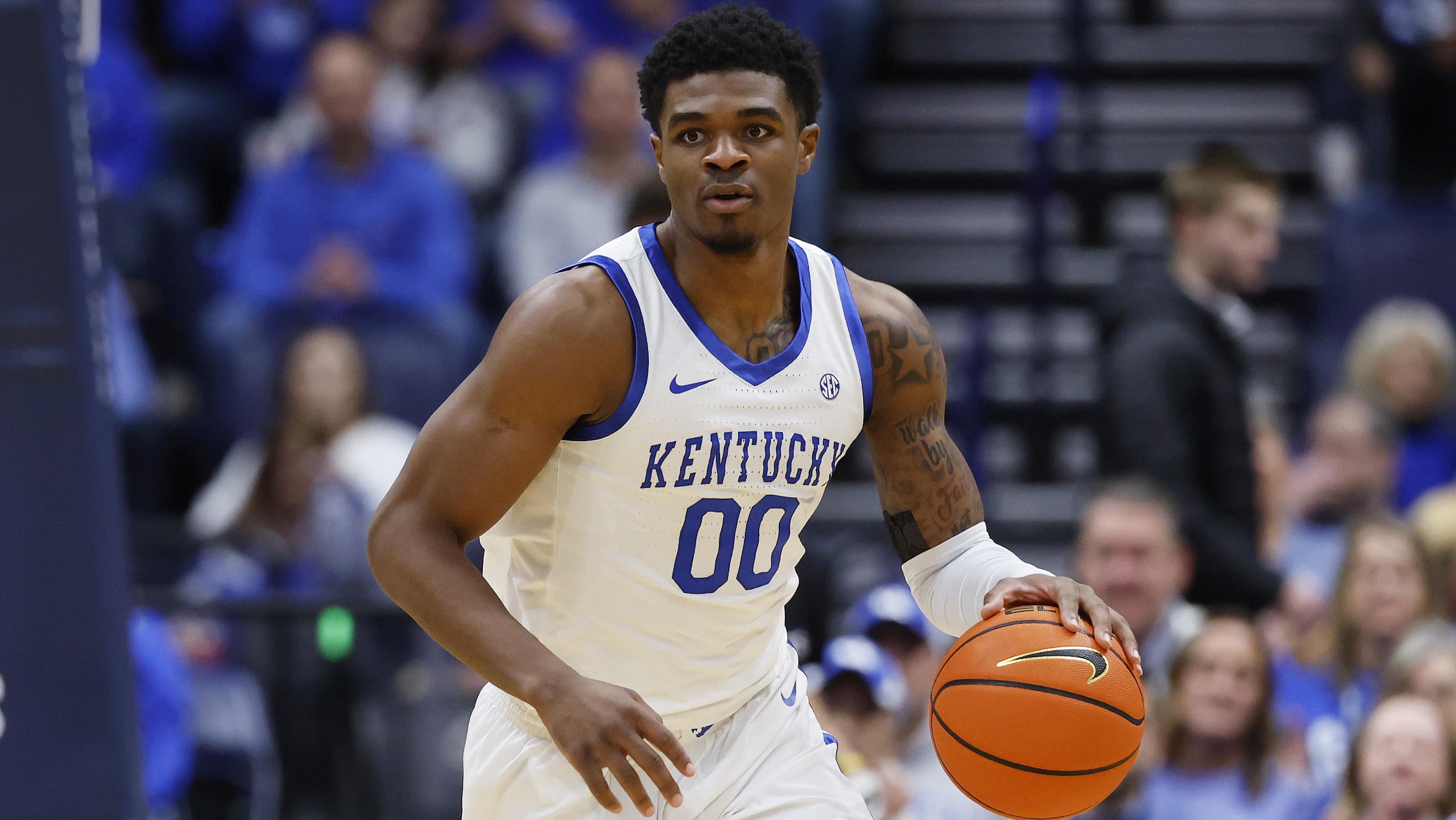
8 Teams in the Projected Field: 8. Vanderbilt, 13. Alabama, 17. Florida, 18. Tennessee, 24. Arkansas, 29. Auburn, 39. Georgia, 45. LSU
Also Considered: Kentucky, Missouri
Biggest Development: Sayonara, Big Blue Nation
Seemingly every season, there is some team going through exactly what Kentucky is enduring: Preseason top 10 squad that simply cannot buy a quality win through the first month of play.
It happened with both North Carolina and Arizona last year. It happened with Michigan State two years ago. Who can forget 2022-23 UNC going from preseason No. 1 to unranked in the span of four weeks? 2021-22 Michigan is yet another prime example.
Most of those teams did eventually rally to make the NCAA tournament, and if you gave me 50/50 odds right now on Kentucky doing the same, I'd bet an irresponsible amount of money on the Wildcats ultimately making the dance. After all, they've yet to suffer anything close to a bad loss and have been playing either partially or entirely without three key players in Mouhamed Dioubate (played in five of nine games), Jaland Lowe (three games) and Jayden Quaintance (zero games).
They should be better than they have been, and it's likely they will improve if and when their health does.
All the same, five weeks into the season, Kentucky is still searching for its first win outside of Quad 4. Its résumé looks alarmingly similar to Florida State's. Can't justify having that sort of mess in our projected field any longer.
The Wildcats get Indiana this Saturday and St. John's next Saturday.
Win both of them and this disappointing start could be quickly forgotten.
Lose both, however, and we'll be forced to start questioning whether this season is going to go as horribly awry as that 9-16 run through 2020-21.
Mid-Majors Summary (A10, AAC, MVC, MWC, WCC)
9 of 10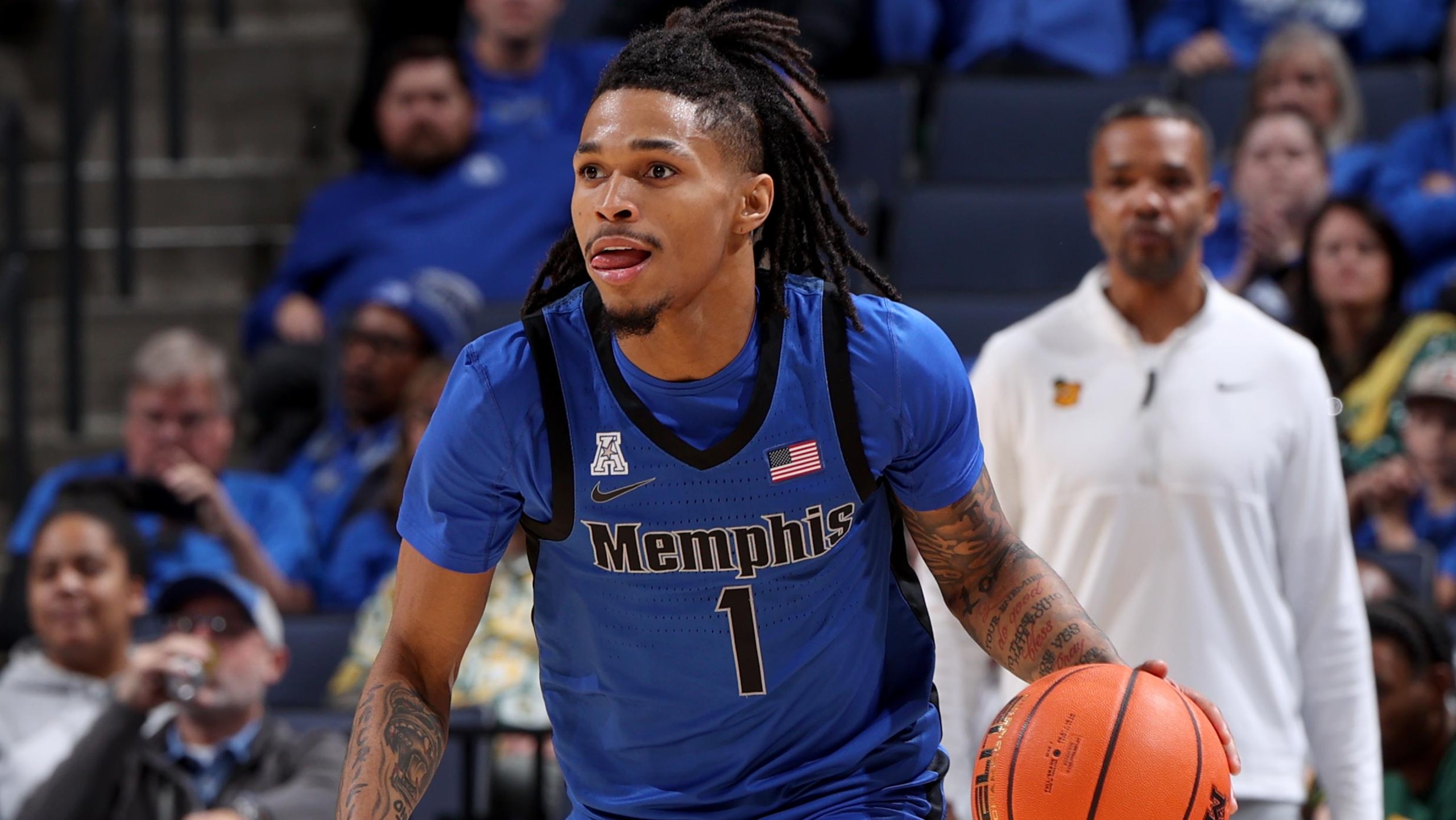
7 Teams in the Projected Field: 6. Gonzaga, 25. Saint Mary's, 35. Utah State, 38. Saint Louis, 43. VCU, 49. Tulsa, 51. Belmont
Also Considered: Santa Clara, George Mason, George Washington, Colorado State, Boise State, St. Bonaventure
Biggest Development: Memphis gets off the schneid, but remains far from the field
Last year was the only time since its inception in 2013 that the American Athletic Conference failed to receive multiple bids, but it sure is looking like a one-bid league for a second consecutive season.
Tulsa has been respectable at 8-1 with solid neutral-site victories over Northern Iowa and Rhode Island. South Florida and Wichita State haven't been half bad, either, both entering Monday ranked top 70 in the NET.
But the problem has been the league's usual standard-bearer Memphis, which started out 1-4, including an ill-advised, 14-point home loss to UNLV.
Barring a miraculous run through a December gauntlet of Baylor, Louisville, Vanderbilt and Mississippi State, the Tigers were likely going to be in "auto bid or bust" territory before conference play even began.
They did get out on the right foot on that journey, though, with a 78-71 win over Baylor, in which Aaron Bradshaw went for 17 points and seven rebounds off the bench after missing the previous game against New Orleans. One way or the other, his play will be the key for them moving forward.
Elsewhere, though, aside from Gonzaga destroying Kentucky to enhance its case for a No. 1 seed, it was mostly a rough week for the mid-major at-large hopefuls.
Utah State, George Mason and Belmont each suffered their first loss of the season. Santa Clara got eviscerated by New Mexico. Dayton missed out on a quality win against Virginia. And falling to 5-4 overall with a brutal home loss to North Alabama probably extinguished what little hope San Francisco had of making the dance without winning the WCC's auto bid.
Other 21 Leagues Summary
10 of 10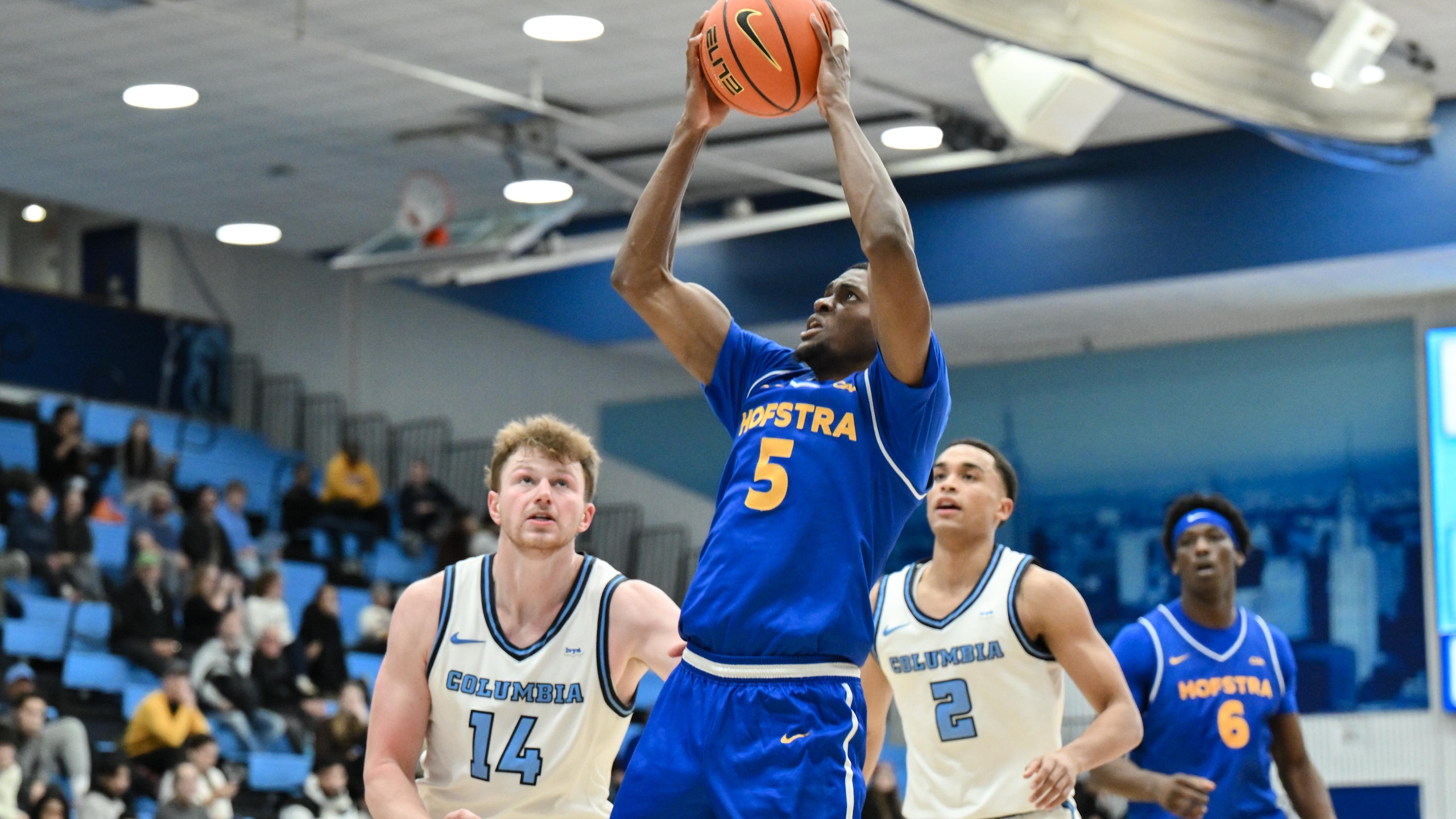
21 Teams in the Projected Field: 46. Yale, 47. Akron, 48. McNeese, 50. UC San Diego, 52. UNC Wilmington, 53. High Point, 54. Utah Valley, 55. Liberty, 56. East Tennessee State, 57. Quinnipiac, 58. Arkansas State, 59. Oakland, 60. Northern Colorado, 61. North Dakota State, 62. Lipscomb, 63. Colgate, 64. Tennessee Martin, 65. Central Connecticut, 66. Southern, 67. UMBC, 68. Norfolk State
Also Considered: N/A
Biggest Development: Hofstra upsets Pittsburgh
In recent years, Hofstra has had a knack for knocking off major-conference competition.
The Pride won at UCLA back in Nov. 2019, stunned Arkansas in Dec. 2021, ousted No. 1 seed Rutgers in the first round of the 2023 NIT and scored a one-point win over a no-good, very-bad Seton Hall team last November.
Well, after falling just short of winning at UCF on opening night, it's time to add another notch on that belt, because Hofstra took down Pitt on Sunday—despite a 34-point effort from Brandin Cummings off the Panthers bench.
To be sure, Pitt hasn't been having a banner season, also losing at home to Quinnipiac a few weeks ago. But the Panthers did beat Ohio State and did enter that game against the Pride as a top 100 team according to KenPom, BPI and Torvik.
But Cummings' 34 wasn't enough to overcome Cruz Davis' 36 points and seven assists. Remember that name if Hofstra happens to win the CAA and make the NCAA tournament. Davis is now averaging 21.2 points and 5.1 assists per game.
Other 21 Leagues At-Large Watch: Yale remains the likeliest candidate of this unlikely bunch, improving to 10-1 with three wins this week. Whether the Bulldogs actually need to be taken seriously will be determined on Dec. 29, when they play at Alabama.
.jpg?w=2560 "Texans Jaguars Football")
.jpg?w=2560 "Ref Slips on Wet Turf in London 🎥")
.png?w=2560 "B/R CFB Top 25 After Week 7 🔢")
