
Predicting the 9 Most Active Teams in MLB Free Agency in 2025-26 Offseason
During the 2024-25 Major League Baseball offseason, there were nine teams who invested at least $100 million in free agents. That list even included the Baltimore Orioles, who had spent a combined total of $53.5 million in the previous six offseasons combined.
Granted, the O's still missed the playoffs. So did the Rangers, Giants, Diamondbacks and even the Mets after they invested over a billion dollars in Juan Soto and Co. Spending big in December and January simply doesn't guarantee you anything for September and October.
Even with the Blue Jays, the combined sum of $156 million invested in Anthony Santander, Jeff Hoffman, Max Scherzer and Yimi García was more a hurdle they had to overcome than the reason they secured the AL's No. 1 seed. Heck, that quartet had a combined bWAR of negative-0.2.
You can take it to the bank, though, that there will be quite a few teams over the next couple of months looking to buy their way back to the promised land. (And, yes, it's mostly the usual suspects.)
As there were nine big spenders last year, we've chosen nine teams who figure to fit that bill this winter. They are presented in alphabetical order.
Boston Red Sox
1 of 9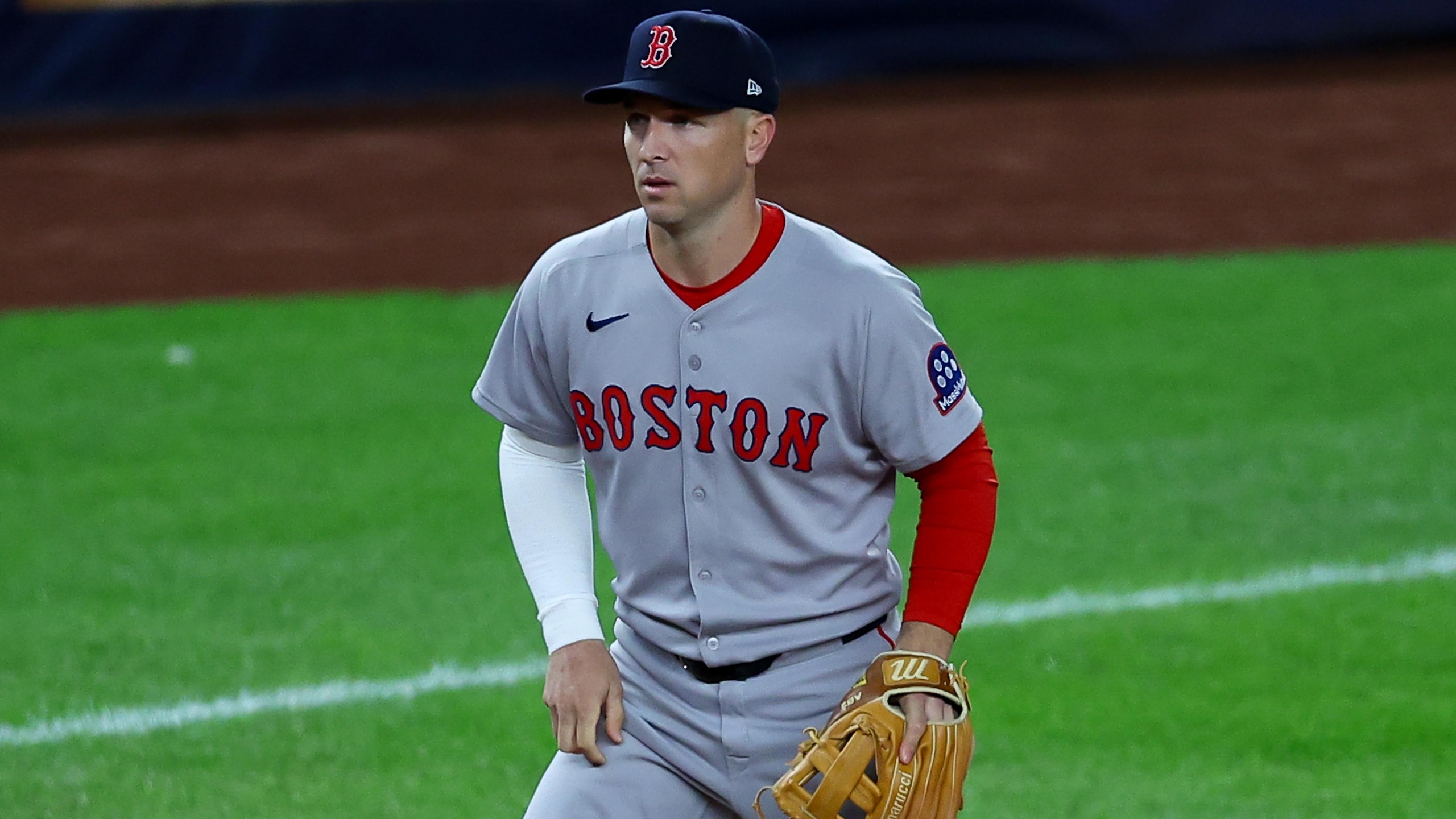
Alex Bregman has already said he will opt out of the two years remaining on his contract with Boston.
Will Trevor Story follow suit?
Without including that duo, the $19 million mutual option for Lucas Giolito or the $12 million mutual option for Liam Hendriks, Boston is sitting at $110.5 million for its 11 known salaries—with an infield that is drowning in question marks.
Should Bregman re-sign and Story stay in Beantown, though, that known payroll spikes to more like $175 million, while the list of needs to address shrinks by two line items.
Either way, they need at least one corner infielder, several bullpen arms, and probably a starting pitcher—unless they are content to rely on pitchers who either missed all of 2025 due to injury (Kutter Crawford and Patrick Sandoval) or logged fewer than 20 innings as rookies (Connelly Early and Payton Tolle).
Re-signing Bregman to a nine-figure contract is well within the realm of possibility here. Same goes for signing Pete Alonso to play first or bringing in Bo Bichette (either to play 2B or to man short if Story leaves).
And if Bregman leaves, don't rule out the possibility of Boston being where Munetaka Murakami lands. The NPB pipeline to Los Angeles has been well-traveled in recent years, but Boston did get Daisuke Matsuzaka and Hideki Okajima once upon a time, as well as Masataka Yoshida a few years ago.
Perhaps they repurpose much of what they saved in trading away Rafael Devers to bring in a new third baseman with left-handed power.
Chicago Cubs
2 of 9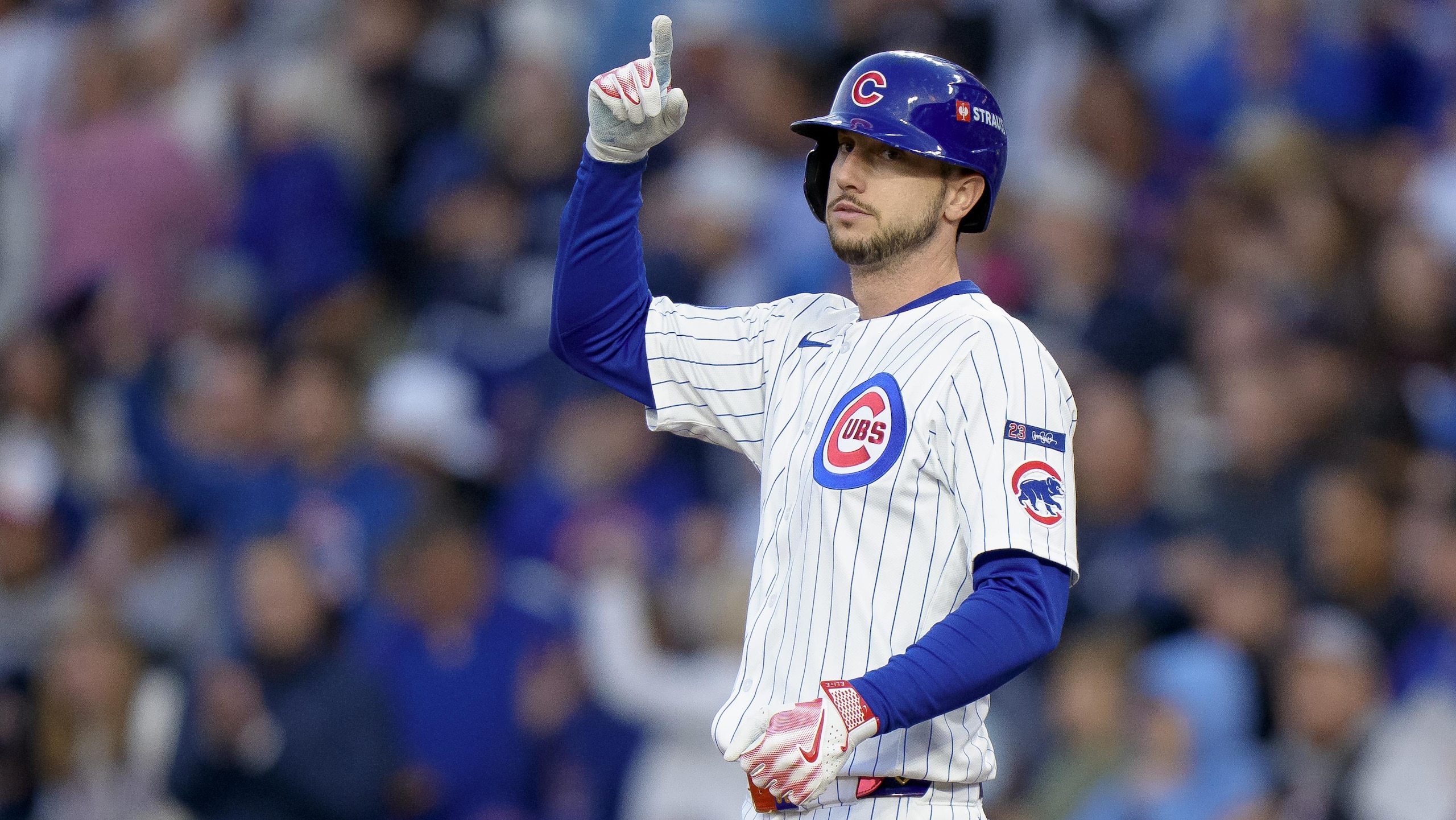
After investing at least $100 million in free agents in each of the post-2021, 2022 and 2023 offseasons, the Cubs pumped the brakes this past winter.
They did trade for one year of Kyle Tucker, but it became clear less than 100 hours later that they only did that in order to justify dumping Cody Bellinger's salary to the Yankees.
They also traded for relievers Ryan Pressly, Ryan Brasier and Eli Morgan, but the overall financial commitment was kind of shockingly minimal. In fact, their 2025 Opening Day payroll was $24 million less than the previous year, this despite what sure looked like a prime opening to re-seize the reins in a wide-open NL Central.
Now comes the fun part.
Not only are Tucker and a whole host of Cubs pitchers hitting free agency this winter, but 2026 is going to be the last season with each of Matthew Boyd, Jameson Taillon, Nico Hoerner, Ian Happ and Seiya Suzuki under contract.
At this point, the Cubs' multi-year outlook isn't far off from where the Brewers were two offseasons ago, when they traded away Corbin Burnes, Mark Canha and several others in advance of Willy Adames' last season before free agency.
Well, you know, except for the part where the Cubs have a top-five franchise valuation by Forbes and have a big enough revenue stream to buy their way out of impending trouble.
The Cubs could re-sign Tucker. If they don't do that, they could get someone like Framber Valdez to buttress the rotation. Additionally, the team should consider signing an experienced closer.
Either way, they figure to be busy in their quest to actually finish ahead of Milwaukee for the first time since 2020.
Detroit Tigers
3 of 9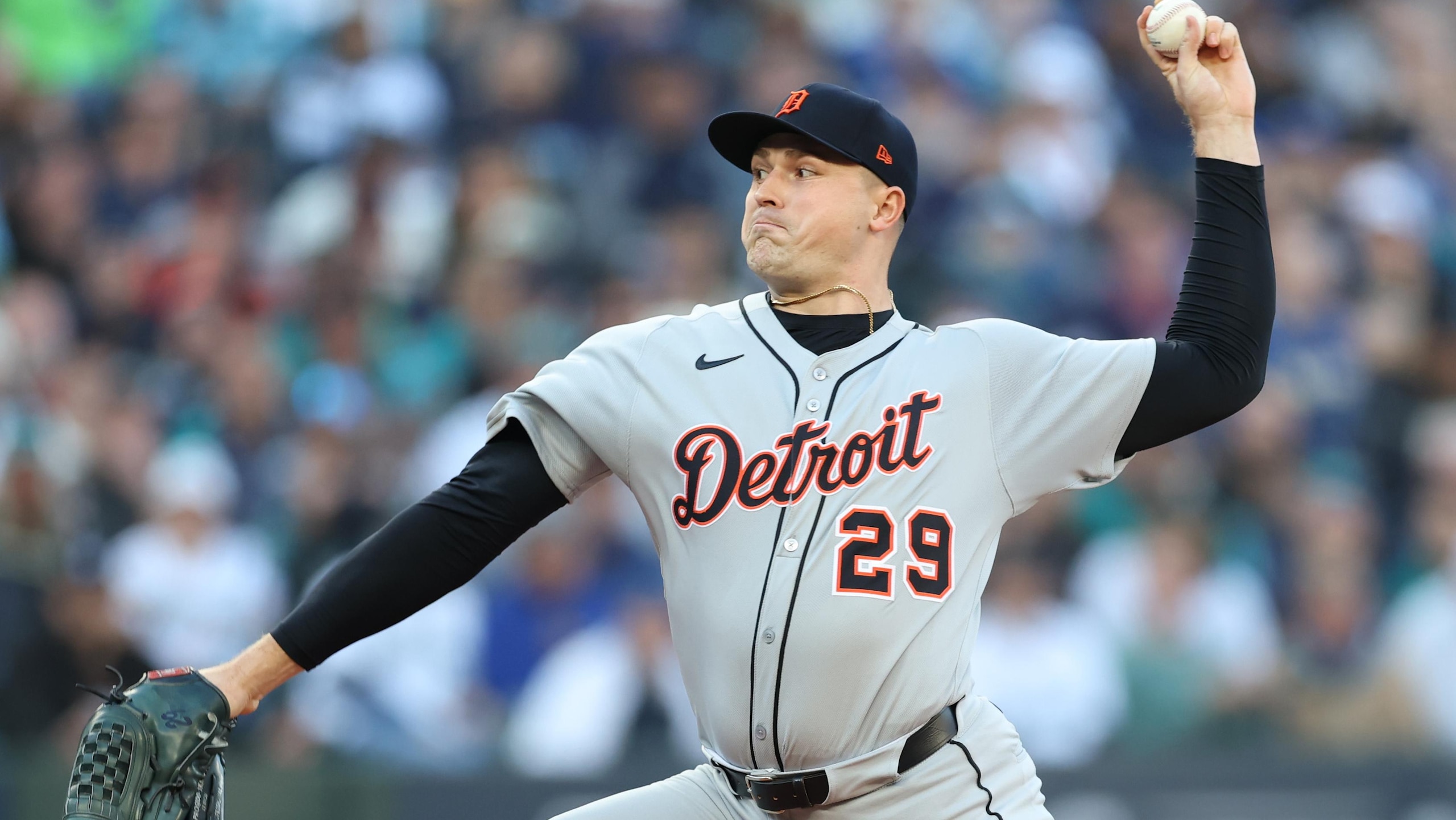
As far as recent history is concerned, Detroit is one of the most unusual suspects on this list, ranking 17th or lower in Opening Day payroll in each of the past eight years.
But this year was already clear evidence they're at least willing to consider getting back to spending like they did from 2007-17.
The Tigers ended last season with a $107.7 million competitive balance tax payroll, but their estimated sum for 2025 was $171.6 million. That increase of nearly $67 million was the most of any team, but it was really the biggest percentage increase, Detroit going up by 62.1 percent while no other team increased spending by more than 35 percent.
A lot of it was one-year spending, though, with Alex Cobb, Gleyber Torres, Tommy Kahnle and others headed for free agency. That means they'll need to reinvest this winter if they're trying to put their best foot forward in what may well be Tarik Skubal's final season on the roster.
Where does that spending happen?
First and foremost, an arm to play second fiddle to Skubal in 2026 before likely becoming the lead violinist for 2027 and beyond. There are plenty of those available this winter. We'll see which one they want to pursue most aggressively.
Bullpen arms are also a near must, with trade deadline acquisitions Kyle Finnegan and Rafael Montero also joining Kahnle in free agency. At this point, the bullpen leaves a lot to be desired beyond Will Vest.
One more big bat would be nice, too. Spencer Torkelson's bounce-back year for 31 home runs was huge, but he and left-handed hitters Riley Greene and Kerry Carpenter are the only returnees who hit more than 13 home runs in 2025.


.jpg?w=2560)
Los Angeles Dodgers
4 of 9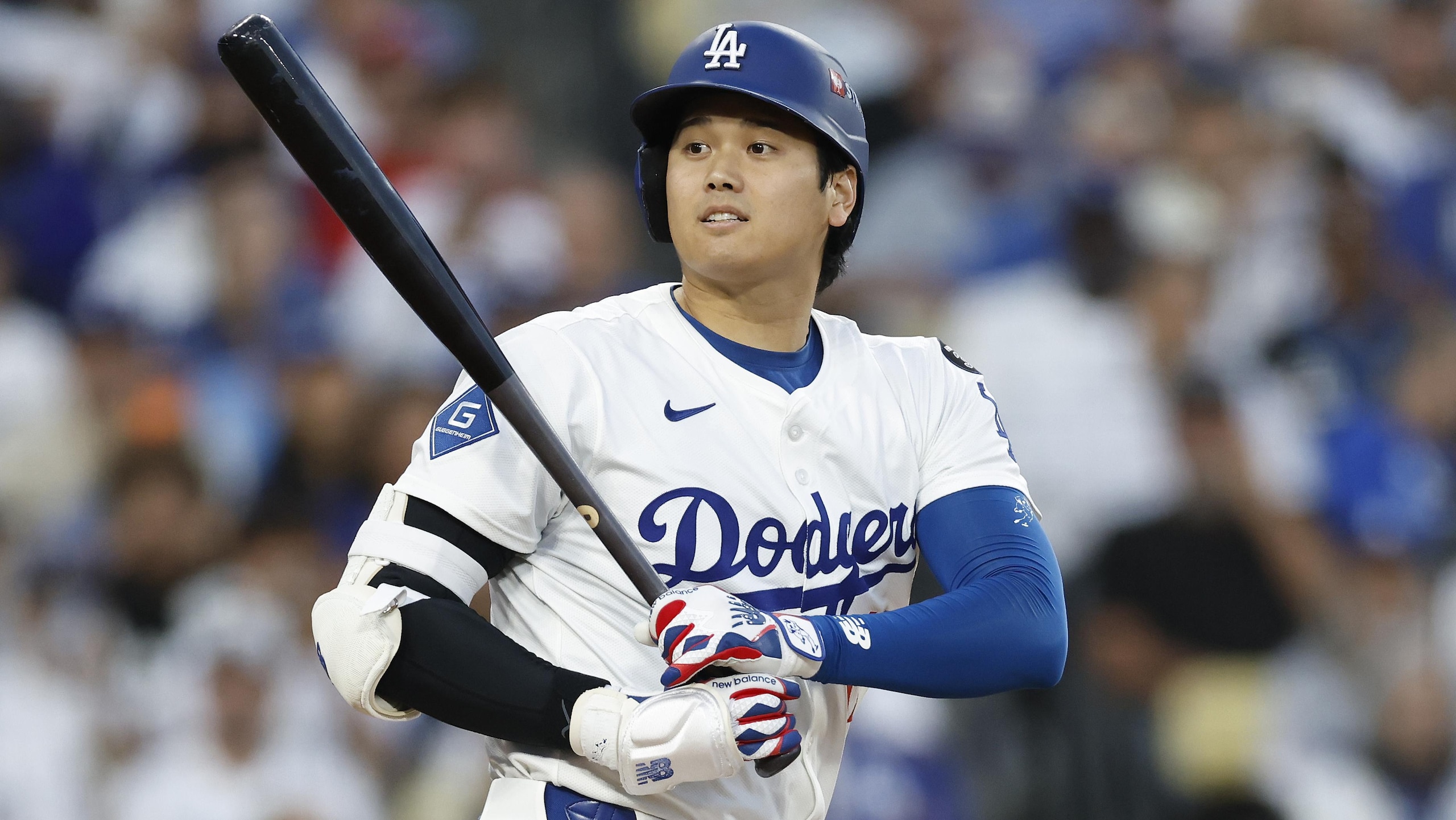
Over the past five winters, the Dodgers have averaged $390.4 million of spending in free agency. You could even remove Shohei Ohtani's $700 million contract from the mix and they'd still be slightly north of $250 million per year.
Whether they win it all again to validate their aggressive spending or fall short and feel the need to double down to make it back to the top of the mountain again next year, it's probably going to be business as usual this offseason.
They don't particularly need anything. The bullpen stunk, but not for lack of money spent on it. Another outfielder would be nice, but they do already have three of the top seven outfield prospects in all of baseball. A third baseman wouldn't hurt with Max Muncy entering the final year of his contract, but that could wait until next winter.
Spending for need isn't how the Dodgers roll, though, and that's why they've won 96 more games than any other team over the past 13 regular seasons; why they've made it at least as far as the NLDS in all 13 of those years. And with guys like Edwin Díaz, Robert Suarez, Kyle Tucker, Cody Bellinger, Munetaka Murakami and Alex Bregman ripe for the picking in free agency, it's really just a question of how many wants the Dodgers are looking to address.
As things presently stand, they have 14 players signed for a combined $280 million in 2026, plus quite a few arbitration-eligible salaries that will be seven figures apiece. They could spend nothing new this winter and still end up a good $75 million north of the $244 million luxury-tax threshold.
Paying a massive tax bill is just the cost of doing business for the Dodgers these days, though, and it won't slow them down.
They ended up with an estimated tax payroll of $417 million this season, for an all-in cost of nearly $600 million. Crazy as it sounds, they could give Tucker $400 million this winter and probably still pay nowhere near as much in 2026 as they did in 2025.
New York Mets
5 of 9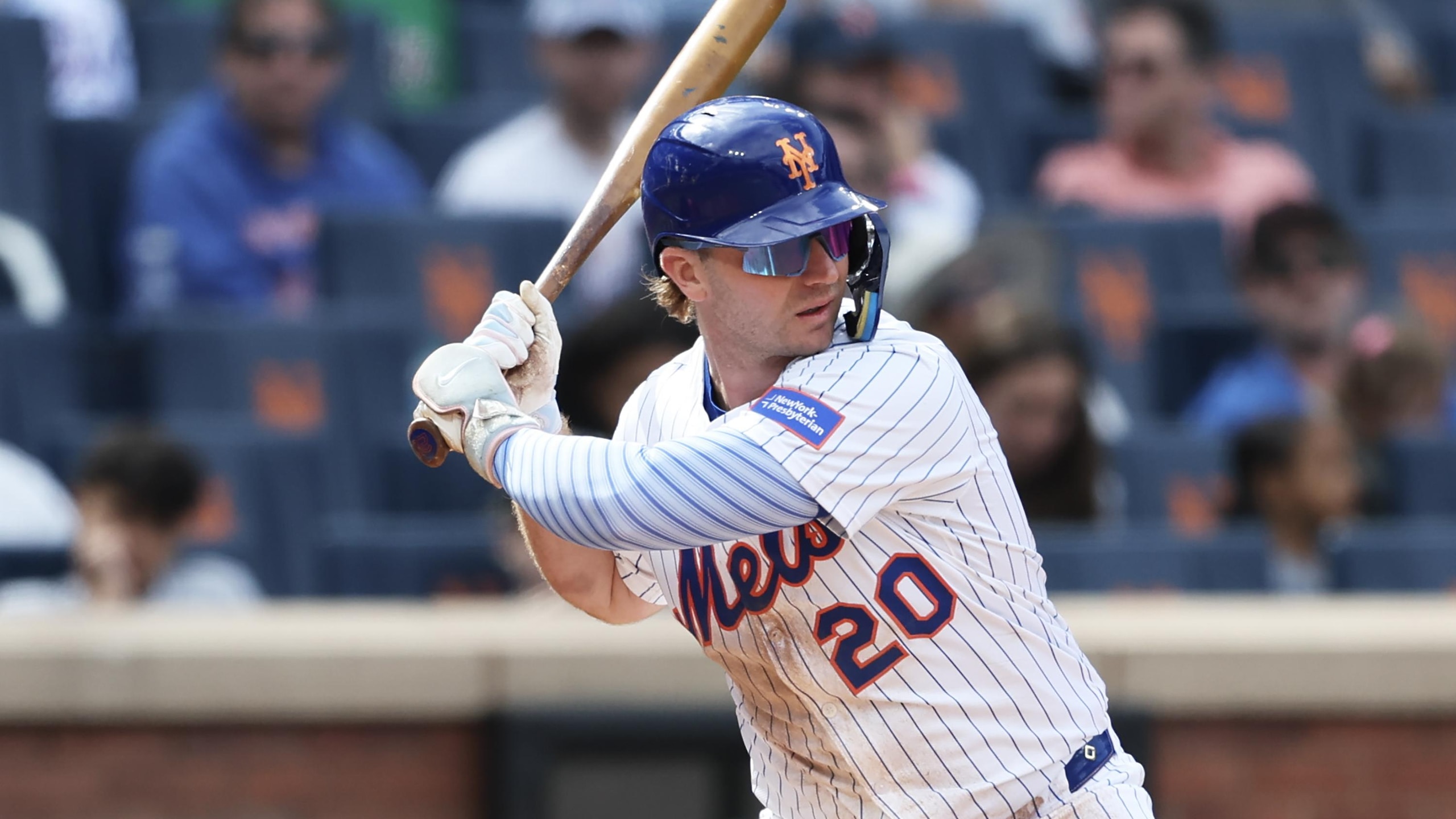
In a "Who will spend money in free agency?" article, the New York Mets have become the free space in the middle of the bingo card.
They dropped $113 million on free agents during the 2020-21 offseason, but it's more like $450 million if you factor in trading for Francisco Lindor and signing him to a $341 million extension. They proceeded to spend over $250 million the following winter, just a shade under $500 million three offseasons ago and over a billion dollars this past winter.
Even after all that recent spending, you better believe there's still work to be done.
New York's rotation is a mess, more or less one rookie who had an awesome first two months in the bigs (Nolan McLean) and a stockpile of what probably should be No. 4 starters. Whether it's Framber Valdez, Ranger Suárez, Dylan Cease, Zac Gallen, Michael King or Shane Bieber, signing at least one of the top arms available is just about non-negotiable after the way this team pitched over the final 3.5 months of the regular season.
With Edwin Díaz likely to opt out of the two years left on his deal while Reed Garrett is probably headed for Tommy John surgery, the bullpen might need even more of a facelift than the rotation. If Díaz does leave, New York's best late-inning options on hand become age-38 Brooks Raley, age-36 Huascar Brazobán and A.J. Minter returning from a lat surgery that cost him almost all of 2025.
Throw in Pete Alonso's free agency and the season-long issues this team had in center field, and the Mets might be the top spender in free agency, even if they don't bother trying to sign the projected top prize of this year's class, Kyle Tucker.
New York Yankees
6 of 9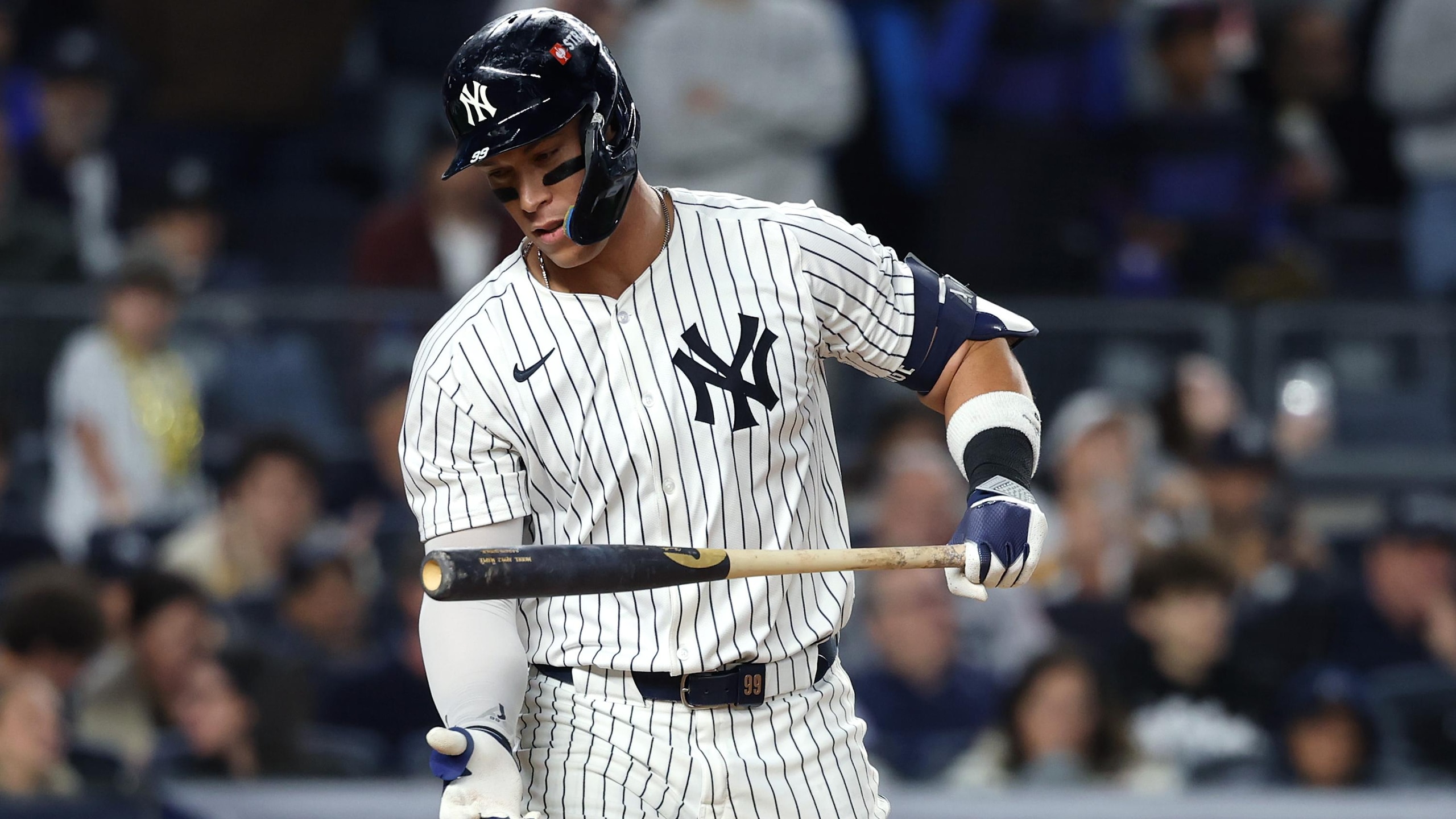
After 16 consecutive years without a World Series while the Dodgers and Mets have left them in the dust in the "willingness to spend to win" department, criticism of the Yankees' investment in winning it all while Aaron Judge is at the top of his game has reached a boiling point.
Will they respond by spending this winter like there's no tomorrow?
Or will they just bring back Aaron Boone and assume that Gerrit Cole's return from Tommy John surgery will solve their woes?
Probably somewhere in between, with "re-signing Cody Bellinger" presumably near the top of their offseason to-do list. It's either that, shell out the big bucks for Kyle Tucker or get raked over the coals for not caring enough to put an actual asset in the outfield alongside Judge.
The Yankees also need a first baseman, unless they're all-in on Ben Rice there, which is questionable, at best. Pete Alonso is available if they want to go big. So is Josh Naylor for a presumably less substantial cost.
And are they running it back again with Anthony Volpe at shortstop, or are they going to pilfer Bo Bichette from Toronto?
Judge turns 34 in April. 2026 might be the last year they can just pencil him in for (if reasonably healthy) 50 home runs and a top-five WAR. Cole and Giancarlo Stanton aren't getting any younger, either.
It'll never be "now or never" with the Yankees, who can just buy their way out of any impending rebuild. But it does feel like they'd better strike aggressively this winter, lest this window pass them by.
Philadelphia Phillies
7 of 9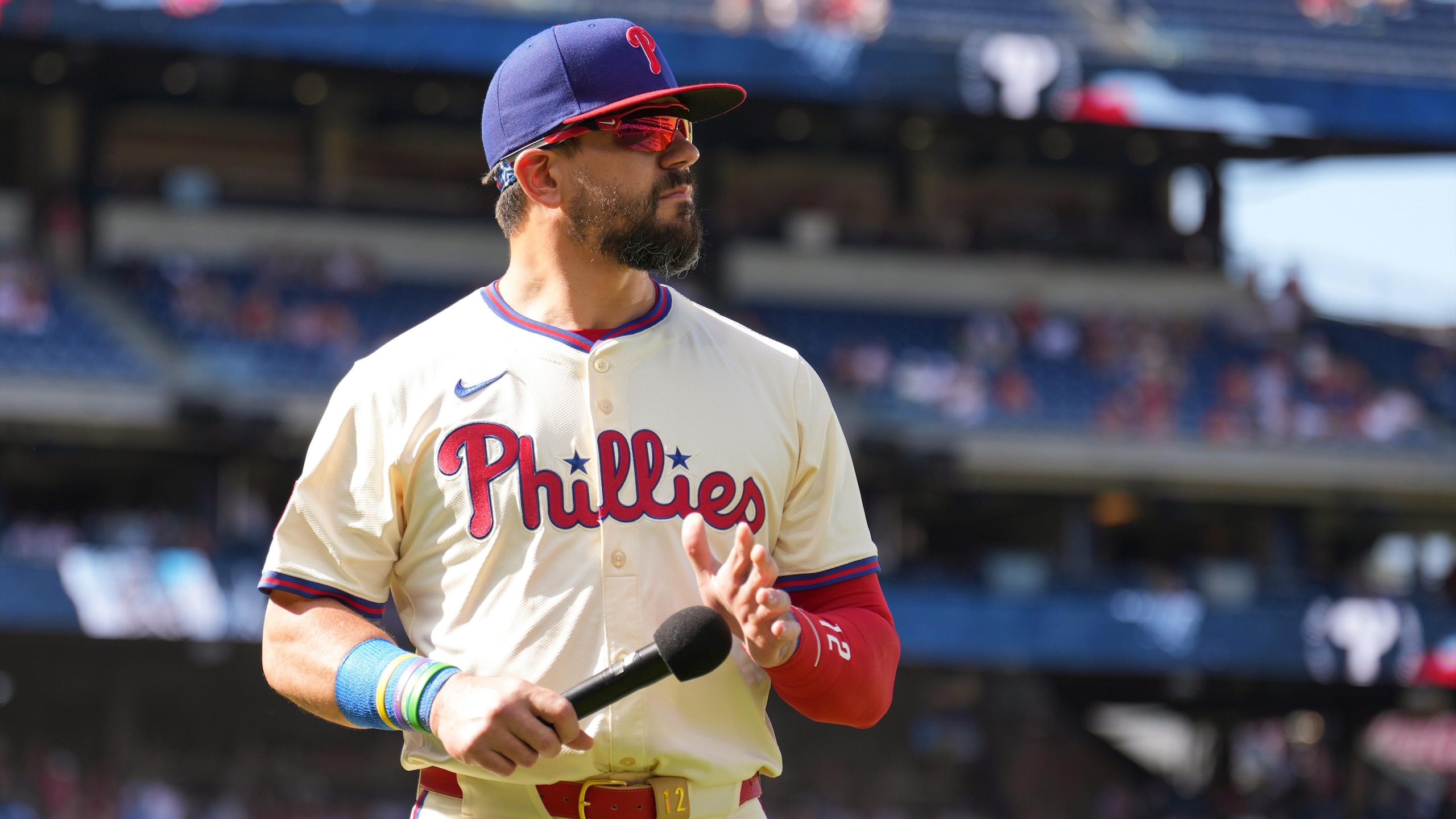
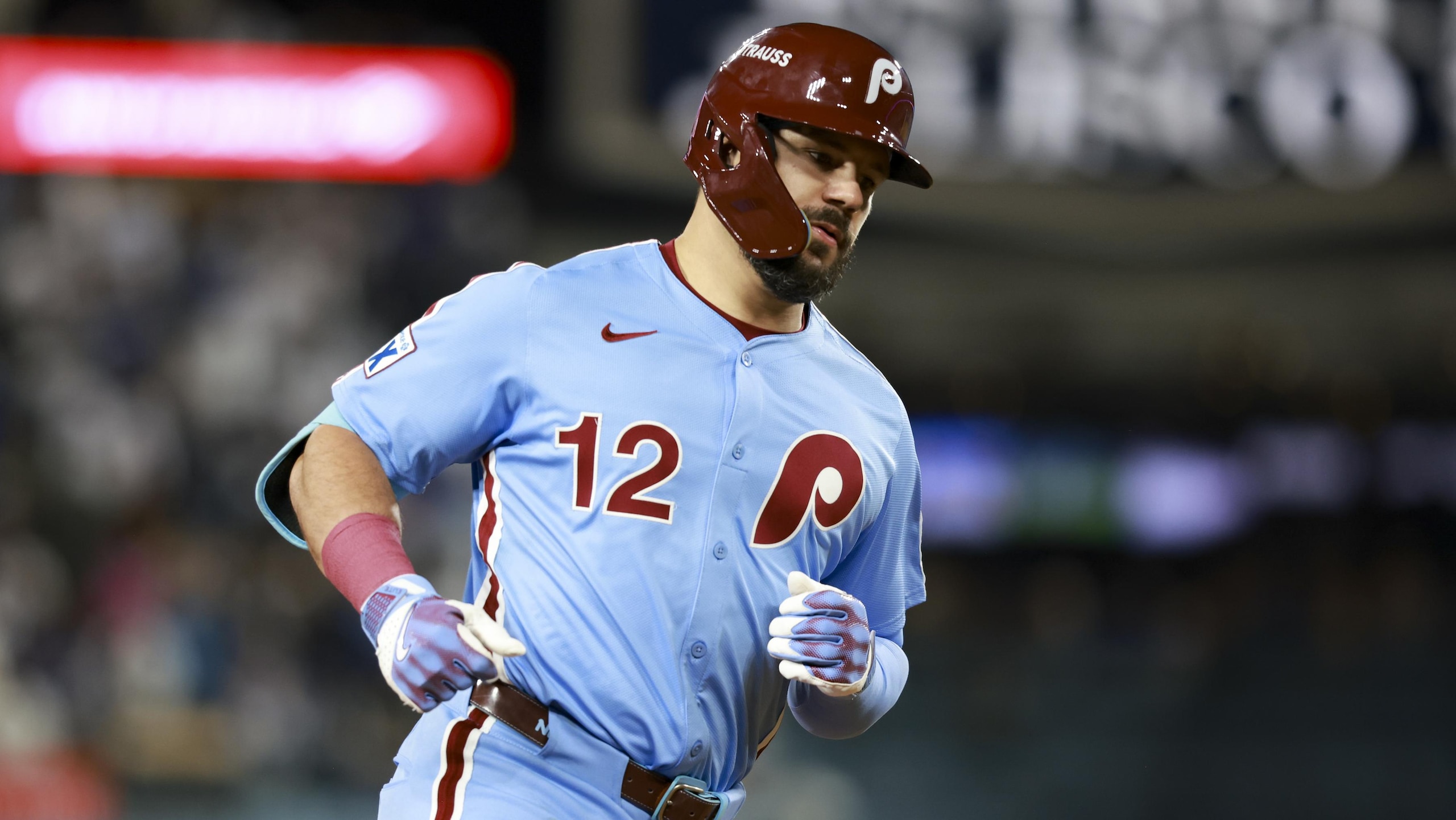
What's funny about having the Phillies on this list is they might not actually do any serious investing in a player who isn't already on the roster.
Just to retain some of their key batters, though, they're likely going to need to spend well north of $100 million.
Kyle Schwarber is, of course, the big one. Though he'll be 33 by Opening Day, he's almost certainly going to command nine figures by himself. Spotrac puts his market value at four years for $99.6 million, but it would be quite shocking if he signs for an AAV less than $25 million.
Our projection from early August was that he'd return to the Phillies on a four-year, $140 million deal. And he merely led the majors with 18 home runs after that projection published.
J.T. Realmuto and Harrison Bader are also critical pieces of the puzzle that they'll be looking to bring back. While they won't cost anywhere near what Schwarber will, re-upping for two more years with their primary catcher and center fielder would cost somewhere in the vicinity of $50 million-$60 million.
Re-signing Ranger Suárez most likely isn't in the cards—we shall see if it's top prospect Andrew Painter taking his place in the rotation in the spring—but throw in the inevitable addition of a couple of bullpen arms, and they could be looking at a $200 million-plus offseason to mostly keep the status quo.
San Francisco Giants
8 of 9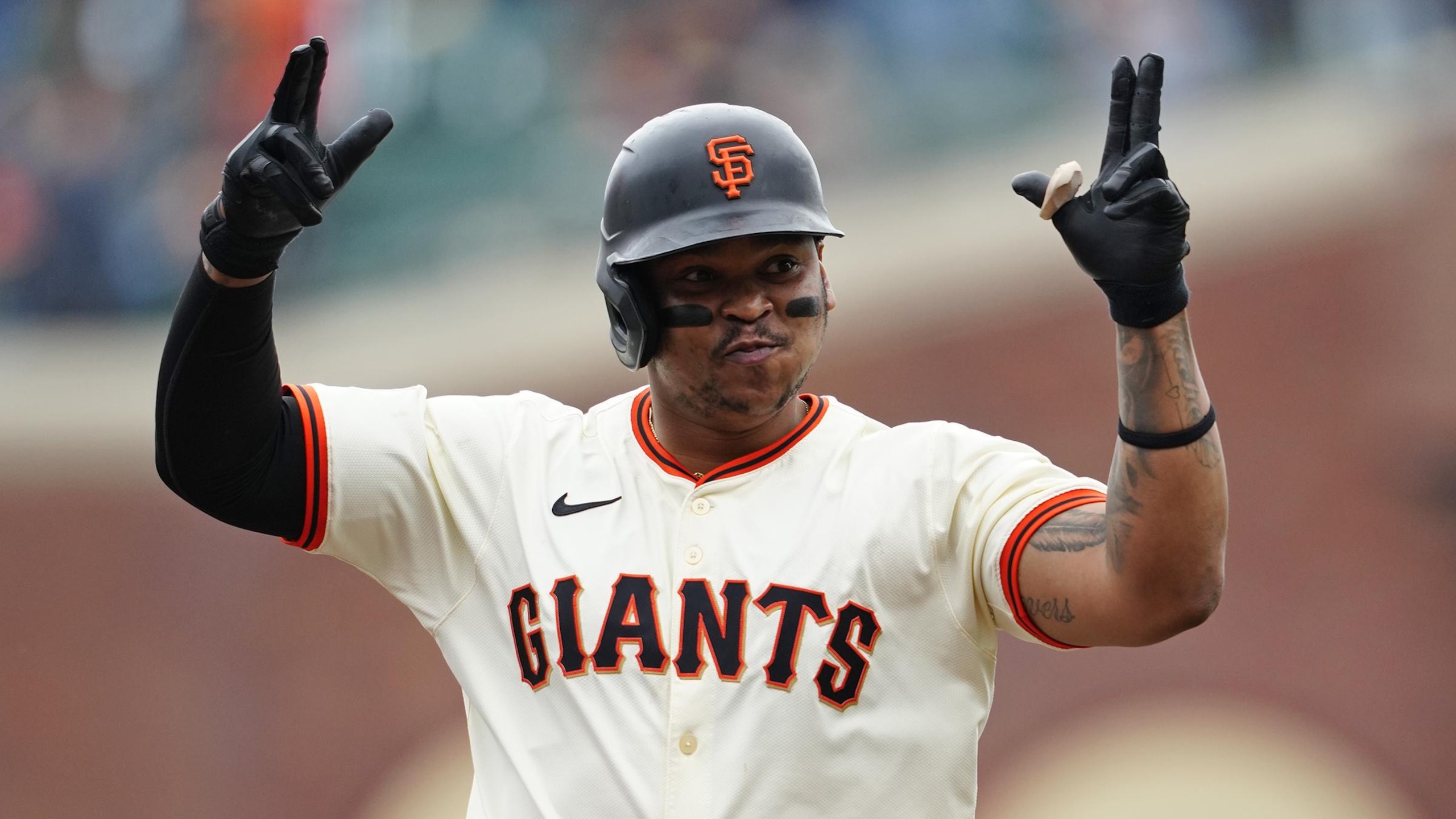
There are currently 77 players signed to contracts with a luxury-tax hit of at least $18 million in 2026. Not surprisingly, the Dodgers lead the way with seven of those players. But just behind them with six apiece are the Yankees, Phillies...and Giants.
This never used to be this club's M.O.
Some spending, sure. They've had a top-14 Opening Day payroll for 17 straight years. Rarely if ever do they have this significant a chunk of the heavy hitters, though. Just two years ago, their highest-paid player was Joc Pederson, and only because he accepted a one-year, $19.65 million qualifying offer.
If anything, the Giants used to be notorious for all but refusing to sign players to deals of more than three years. (It took them a long time to shake off that Barry Zito contract, just like the Orioles seem to still be scarred by the spectre of Chris Davis.)
Times have changed, though. They have three more years of Logan Webb, four of Jung Hoo Lee, five of Matt Chapman, six of Willy Adames and eight of Rafael Devers, plus Robbie Ray for $25 million in what will be the final season of his deal.
Yet, somehow, they definitely have the room in their budget to make at least one more major splash.
They're on the hook for $140 million to their big six, but their next-largest projected cost is $2.5 million for closer Ryan Walker in his first year of arbitration eligibility.
Factoring in all those arbitration and pre-arbitration projections, they're looking at a projected tax payroll more than $50 million below where they finished 2025—which was already more than $30 million below what they spent in 2024.
They could tentatively throw $500 million at Kyle Tucker, or they could take a slightly more diversified approach of adding Framber Valdez and Edwin Díaz. Either way, they're likely to come out swinging after four consecutive years with either 79, 80 or 81 wins.
Tampa Bay Rays
9 of 9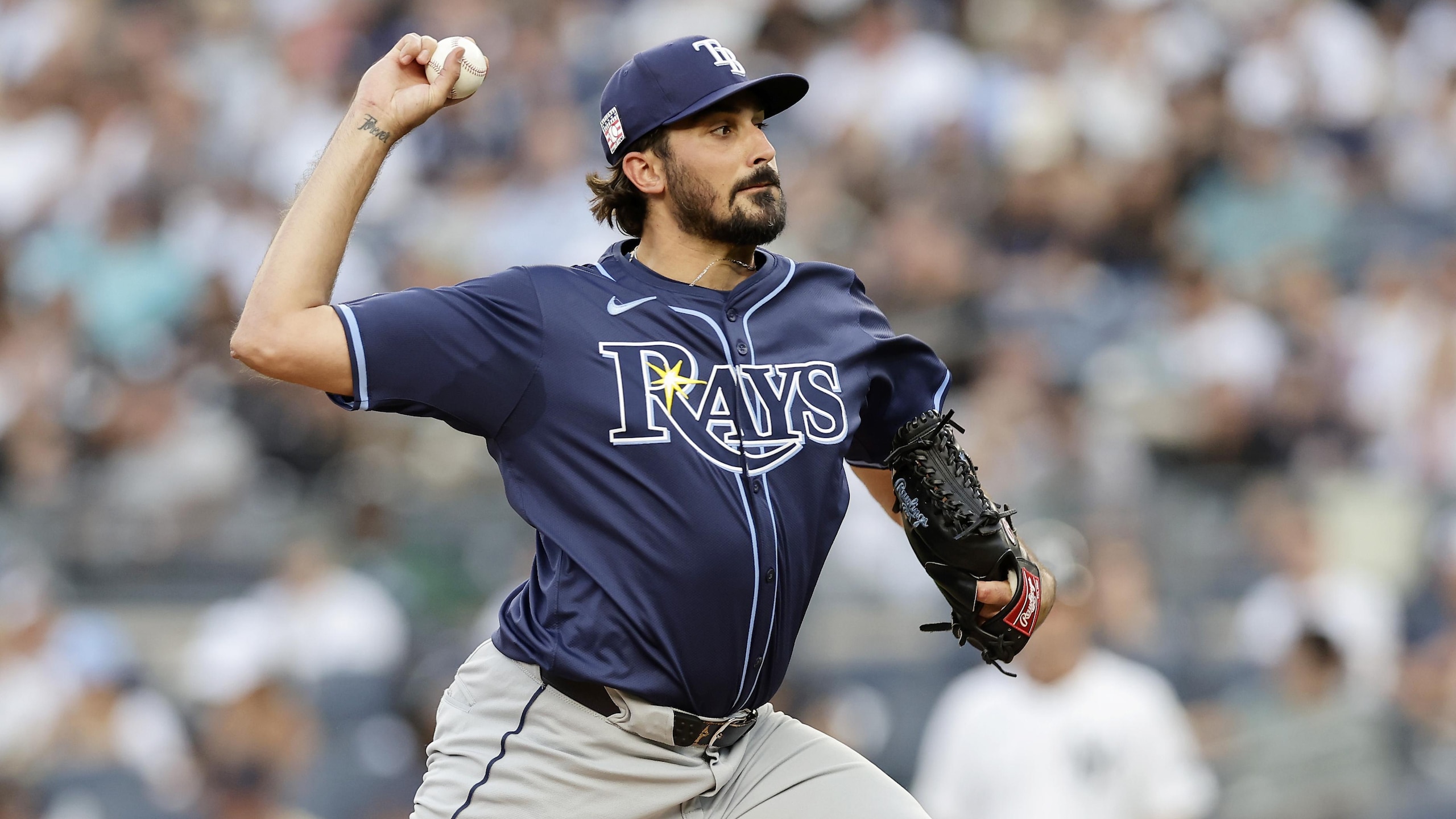
If you made it this far into a list full of projected spenders who always seem to be big spenders, your reward is reading about this potential curveball that would change MLB as we've known it for decades.
Per Cot's Baseball Contracts, the Tampa Bay Rays have ranked 22nd or lower in Opening Day payroll in 24 consecutive years. They've actually been dead-last in spending more times (five) than the number of times they didn't rank in the bottom five (four).
Because the Rays have forever tried to avoid spending, Yandy Díaz ($12M), Brandon Lowe ($11.5M club option) and Pete Fairbanks ($12.5M club option) already feature prominently in all "offseason trade candidates" types of articles, as the lone players on the roster projected for more than $4.25 million in 2026.
But what if the change in ownership—from 20 years under Stuart Sternberg to this new Patrick Zalupski-led venture—results in a major philosophical shift?
What if they're done trying to Moneyball their way to a World Series and are actually looking to cut some checks now; willing to put together a nine-figure Opening Day payroll for the first time in franchise history?
Goodness knows the Mets drastically increased spending when Steve Cohen bought the franchise from the Wilpons. Same goes for the Dodgers when Guggenheim Baseball Management purchased the club from Frank McCourt.
While we're in no way suggesting Tampa Bay might all of a sudden assemble a $300 million payroll, this could play out similarly to when the David Rubenstein-led group bought the Orioles from the Angelos family and immediately put together an Opening Day payroll ($165M) that was greater than the previous two years combined ($154M).
The Athletic's Ken Rosenthal did suggest in July that the Rays could be a surprise suitor for Kyle Tucker, at least in part because Tucker is originally from Tampa.
Well, so is Pete Alonso. Fellow free agents Bo Bichette and Zach Eflin are both from nearby Orlando. They could put together one heck of a spending spree just by bringing free agents back home.
You have to go all the way back to 2000 to find the last time the Rays invested so much as $42 million in a single free-agent class. But winter is coming, and Tampa might actually be a factor at the winter meetings (in Orlando) for a change.
.jpg?w=2560 "Hurricane May Affect NFL Games")