
Will Any Athletes Follow Jake Paul's Deepfake Footsteps?
In Sora's world of AI deepfakes, identity is just a costume that lets you trade faces like filters and go viral in the process.
Hollywood may fear losing control of the image economy, but at least one celeb in the sports world is embracing the prospects.
Jake Paul, ever the capitalist, understands that in the attention market, consent and exploitation look identical on camera. To exist everywhere is winning.
OpenAI's new Sora 2 app, invite-only as of now, makes hyper-real AI videos. Through its new "Cameos" feature, anyone can grant others the right to inhabit your digital likeness. Basically, you can wear their face like a mask.
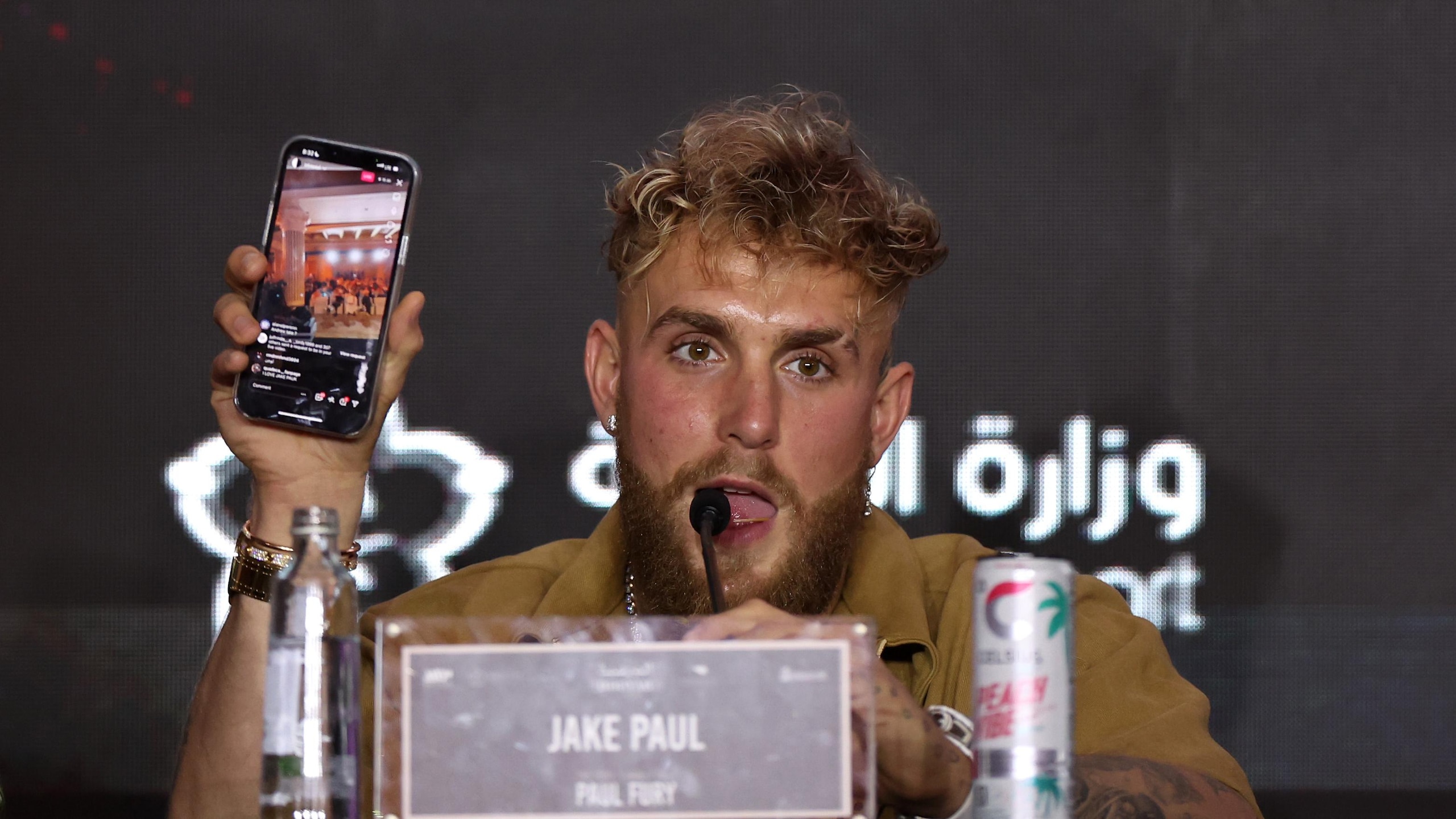
Paul, predictably, seems to be enjoying the free publicity.
Multiple Sora clips circulating this week credit him as a public Cameo, implying he's opened his likeness to the swarm. Neither Paul nor OpenAI has clarified the terms, but his visage now floats free, everywhere.
Users are prompting Paul's face in predictably absurd ways. The crude but viral deepfake of Paul passionately kissing boxing opponent Gervonta Davis inspired users to code him into coming-out montages and makeup tutorials, each one more surreal than the last.
As of today, we found no verified reports of other prominent athletes publicly opting in. But it's worth studying what happens with Paul's guinea-pig experiment.
If Sora 2 holds, every athlete will face the same question: Do I license my digital double or let the internet do it for me?
College NIL cracked the culture of image ownership wide open. Sora looks to industrialize it.
What a time to be alive.
How It Works
1 of 5
Sora 2's Cameos, OpenAI's attempt to make deepfakes mainstream, are essentially "digital doubles."
Here's how it works: You record a short video and the app then lets you decide who can use it: only you, specific creators or (crucially) anyone. You can later revoke access and remove videos.
"With cameos, you can drop yourself straight into any Sora scene with remarkable fidelity after a short one-time video-and-audio recording in the app to verify your identity and capture your likeness," the company announced.
After a messy launch with copyrighted characters flooding the feed, OpenAI pivoted from opt-out to opt-in for IP and promised more granular blocking tools. It also added knobs to limit how cameos appear (e.g., blocking political content). Which is to say, the platform is still negotiating the boundaries of identity theft.
Everyone Else Is Running the Other Way
2 of 5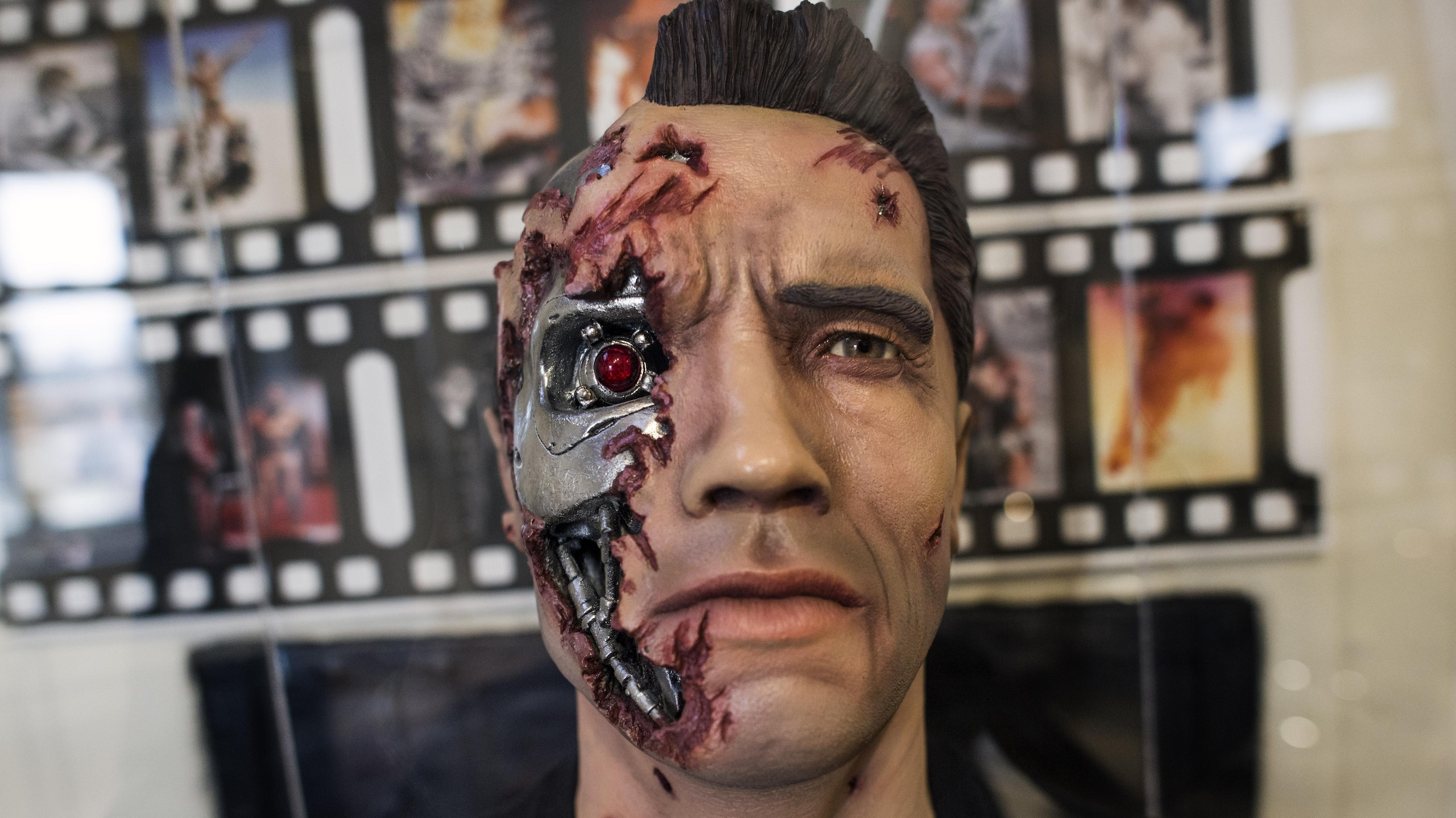
Hollywood's default here is opt-out: protect the perimeter first, negotiate later.
Creative Artists Agency, which includes a sprawling list of sports-world clientele, called Sora a "significant risk" to clients. Studios like Disney are blocking participation. Rival agencies have told OpenAI to exclude its rosters by default.
Sports isn't insulated from this. NIL and right-of-publicity debates have primed athletes to guard their image, but formal frameworks are still fragmented and state-by-state.
In the current climate, a public figure like Paul opening the gates is countercultural. For now, the news cycle is dominated by alarm. Rightly so.
Not everyone is as coy about the paradigm shift as Paul.
Zelda Williams, daughter of the late Hollywood comedy icon Robin Williams, wrote a defiant recent Instagram Stories post: "Please, just stop sending me AI videos of Dad," she pleaded. "You are taking in the Human Centipede of content, and from the very, very end of the line, all while the folks at the front laugh and laugh, consume and consume."
Jake Paul's Calculus
3 of 5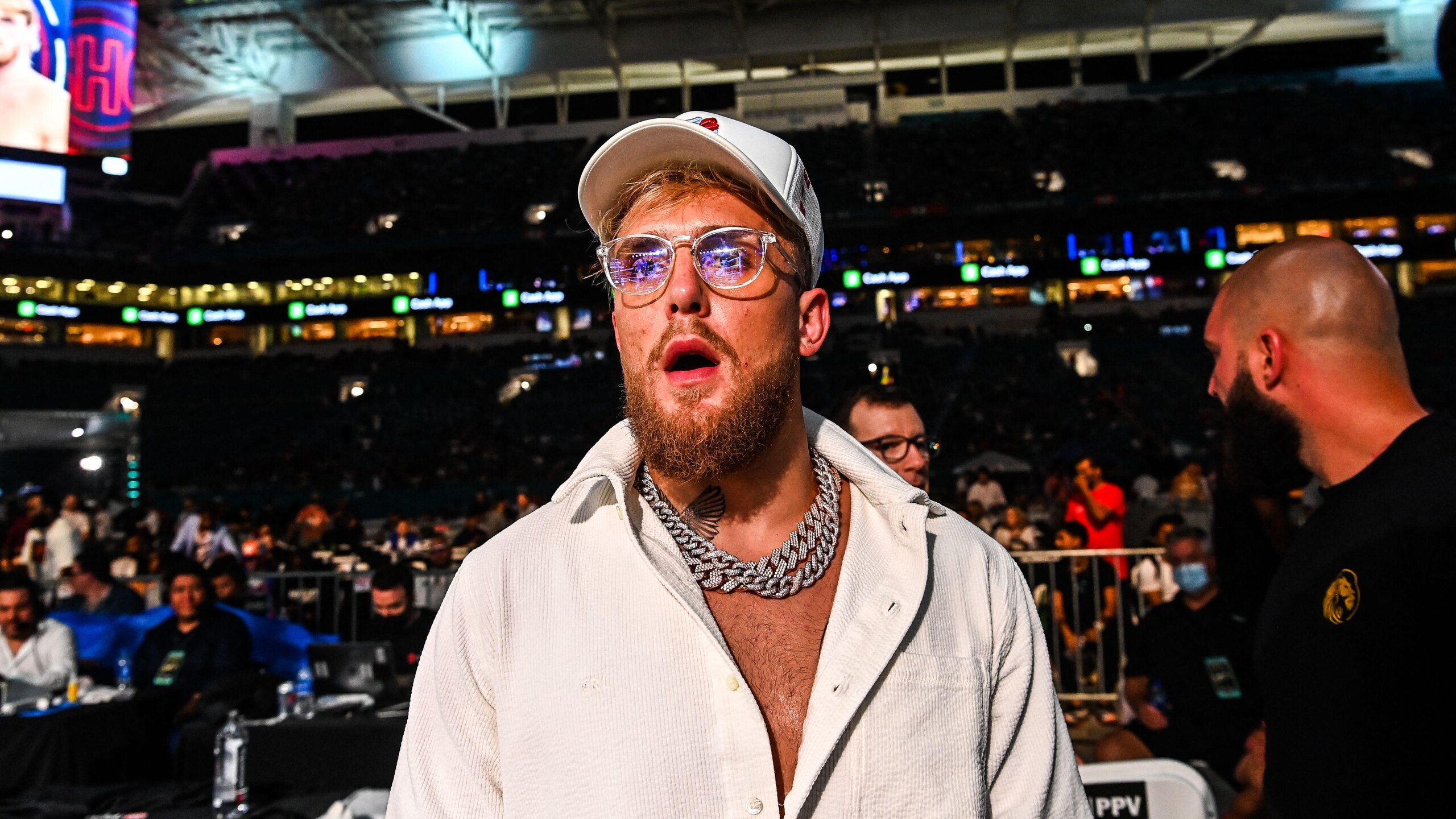
Paul's brand is built to weather outrage.
The obvious upside here for Paul is attention. The more clips, the more reach, the more monetization possibilities.
The most common Paul clips reimagine the boxer as a queer icon who lives for couture and blush palettes. The real Paul, for the record, is straight and engaged to Olympic speed skater Jutta Leerdam—but the algorithm clearly prefers the remix.
In a "real" TikTok response, Paul appears deadpan with powder-brush in hand, applying blush as he mock-rants about the "AI stuff" ruining his relationships and businesses. He threatens lawsuits with a smirk, parodying the panic that everyone else seems to feel.
Paul seems to think he understands what Hollywood can't. Maybe the only way to survive the simulation is to become part of it.
But it also seems preposterous that Paul of all people will be the one to write the rules here.
The Ethical Quandary
4 of 5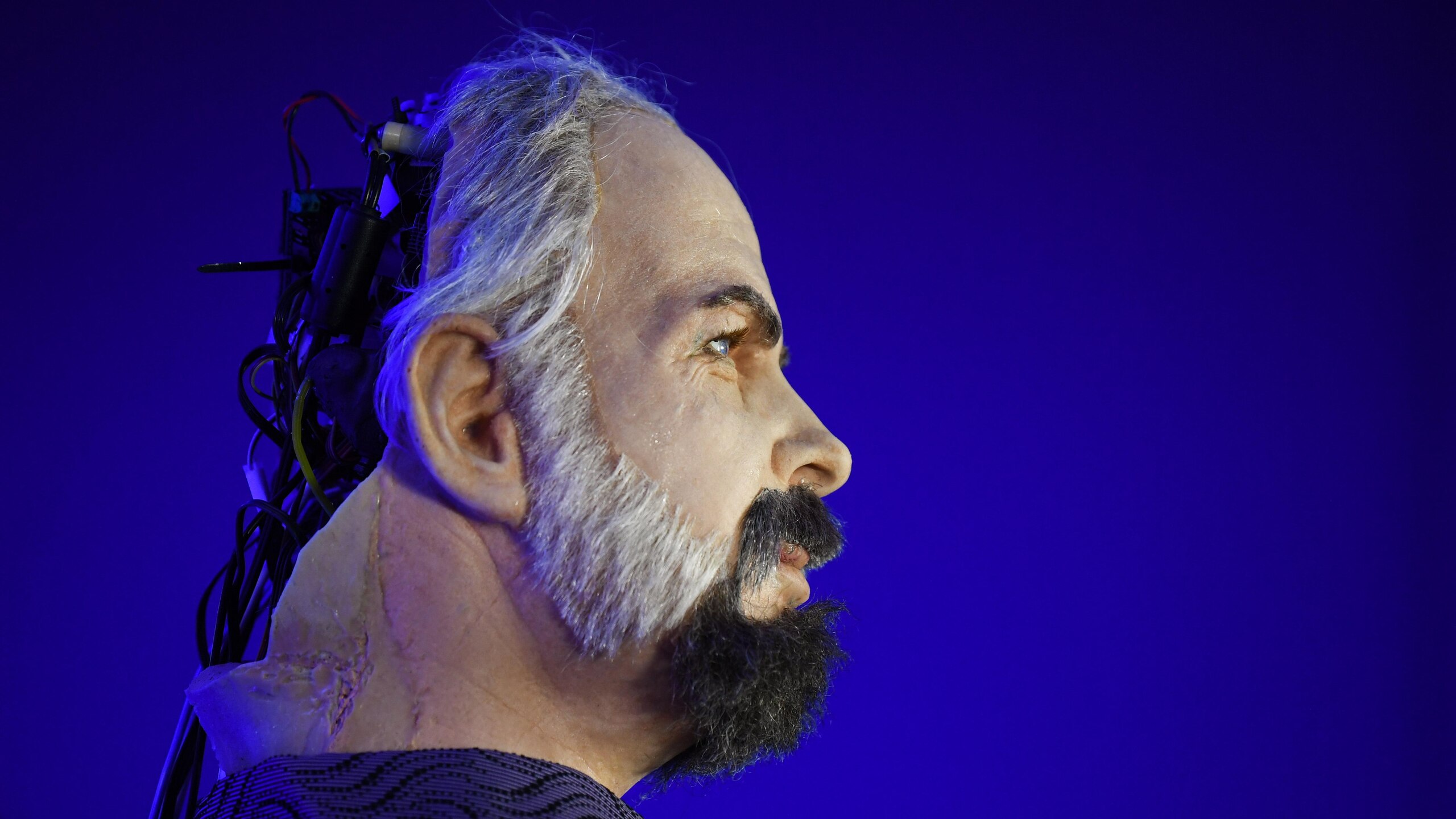
Philip K. Dick's novels warned about worlds where simulation outpaces reality.
French philosopher Jean Baudrillard mapped the hyperreal, where copies devour the originals.
Sora 2 collapses those theories into an app. It's already hitting nerves in the pop culture and sports world. Imagine once it becomes political?
Supporters could say sports stars have already sold pieces of themselves for decades, way before AI.
Don't athletes already sell time-boxed slices of themselves in IG posts, liquor sponsorships and podcast ad reads?
With his embrace of Cameo, he's licensed fragments of his persona into product. Each clip is a self-contained, animated version of his persona that's inherently commodified in an attention economy.
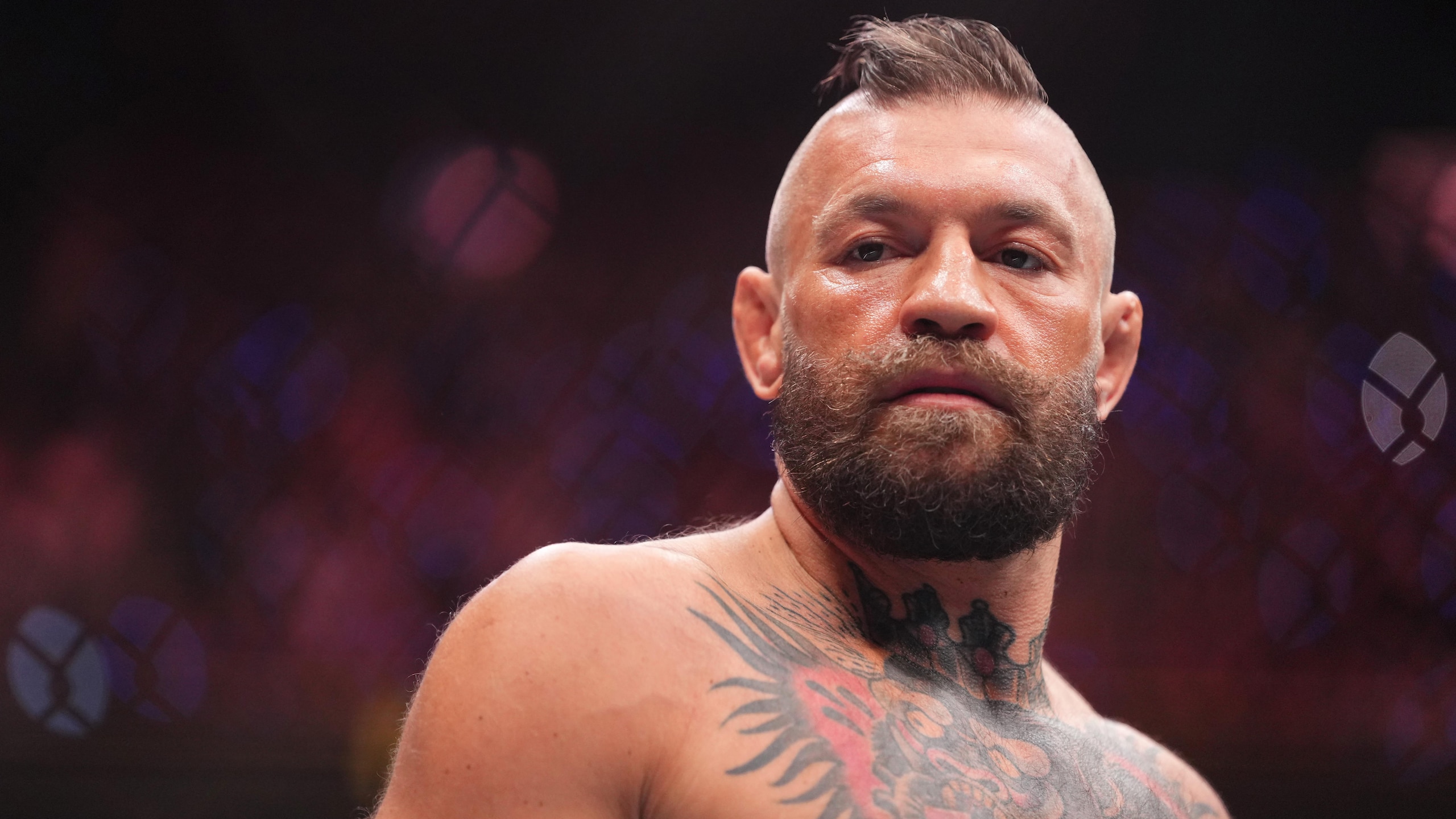
Our modern social feed is already blurry. These clips have taken off because it's incredibly seductive (infinite reach, fan creativity) as it is destabilizing (who authored "you"?). Sora allows for Jake Paul-ness to proliferate without Jake Paul.
And with that proliferation comes an ethical quandary: if the copy can speak, joke, sell or offend on your behalf, who owns Paul's moral responsibility?
On this front, Paul has forfeited all control.
How This Could Backfire
5 of 5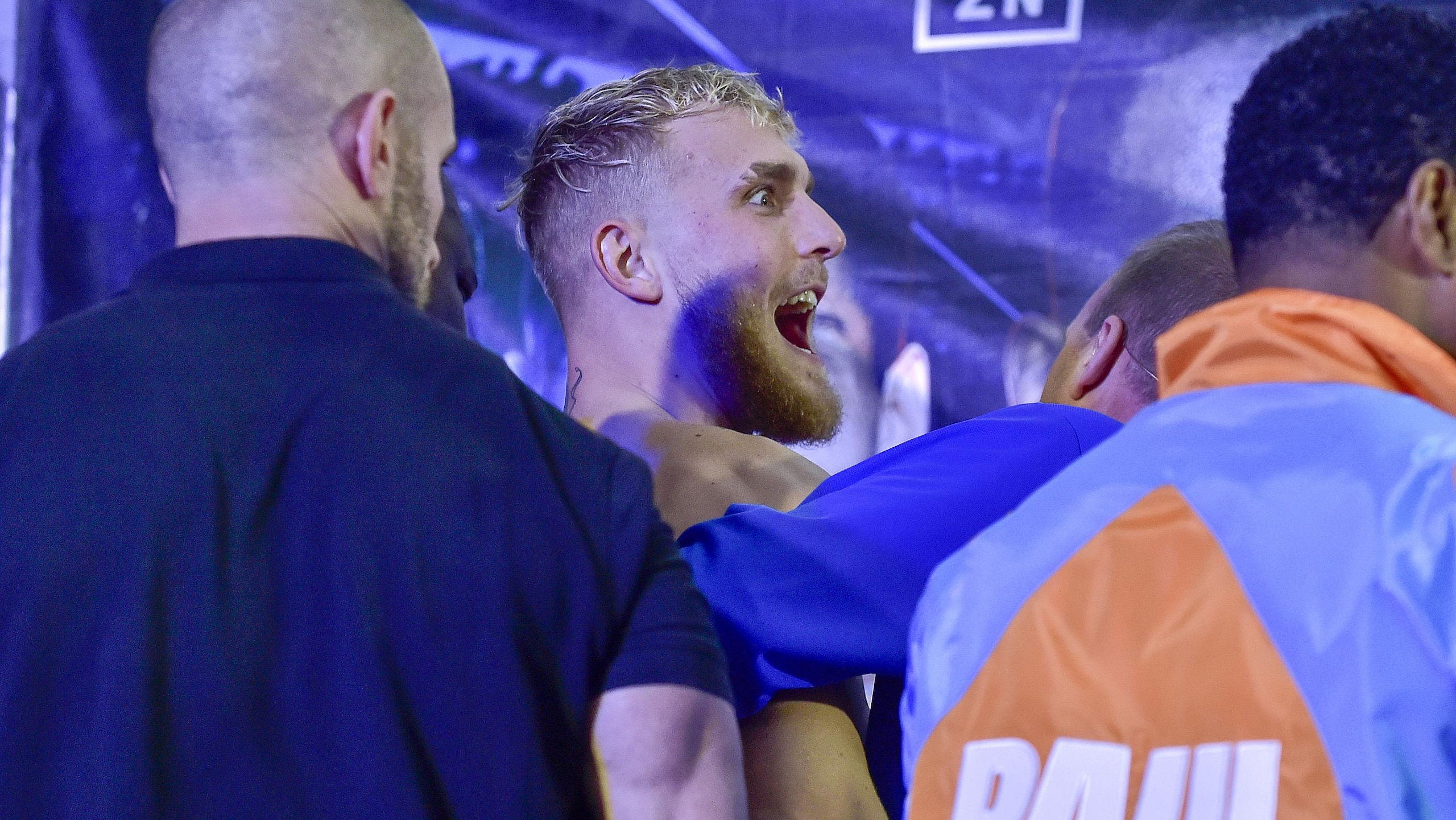
Sora's world takes our cultural prejudices and loops them through a synthetic mirror, endlessly repeating the worst of the lizard brain.
Viral deepfakes of Jake Paul kissing Gervonta Davis, applying blush, "coming out" in meme form pretend to be camp. But it's easy to see the homophobia coded as humor. The algorithm is recycling old biases on queerness for provocation.
UNESCO warns that "a system is no better than its training data," and that data remains poisoned by centuries of gender and sexual prejudice. OpenAI's predecessors once rated "I'm homosexual" more negatively than "I'm straight."
The Sora feed is just acting like us, fetishizing while mocking. The machine has learned that men kissing men drive engagement, so it keeps producing that image, detached from meaning, empathy, or context. Like the men in Rolling Stone's 2023 report who cheat with AI chatbots, users are projecting fantasies onto simulations of famous faces, without accountability.
As UNESCO's experts warned, by the time regulation catches up, "millions are already using it."