

Excitement for the 2026 FIFA World Cup kicked up a notch on Thursday following the announcement of the tournament's mascots.
Maple the moose, Zayu the jaguar, and Clutch the bald eagle represent Canada, Mexico, and the United States at the 2026 World Cup. These new mascots join a colorful tradition that started with Willie the Lion in 1966.
For regular readers, you may have noticed that we enjoy ranking things. Of course, the revelation of the North American trio offered a chance to scour through the competition's archives and determine what truly matters: the best World Cup mascot of all time.
Read on to find out which curious creation topped our rankings.
16. Ciao: Italy, 1990
1 of 16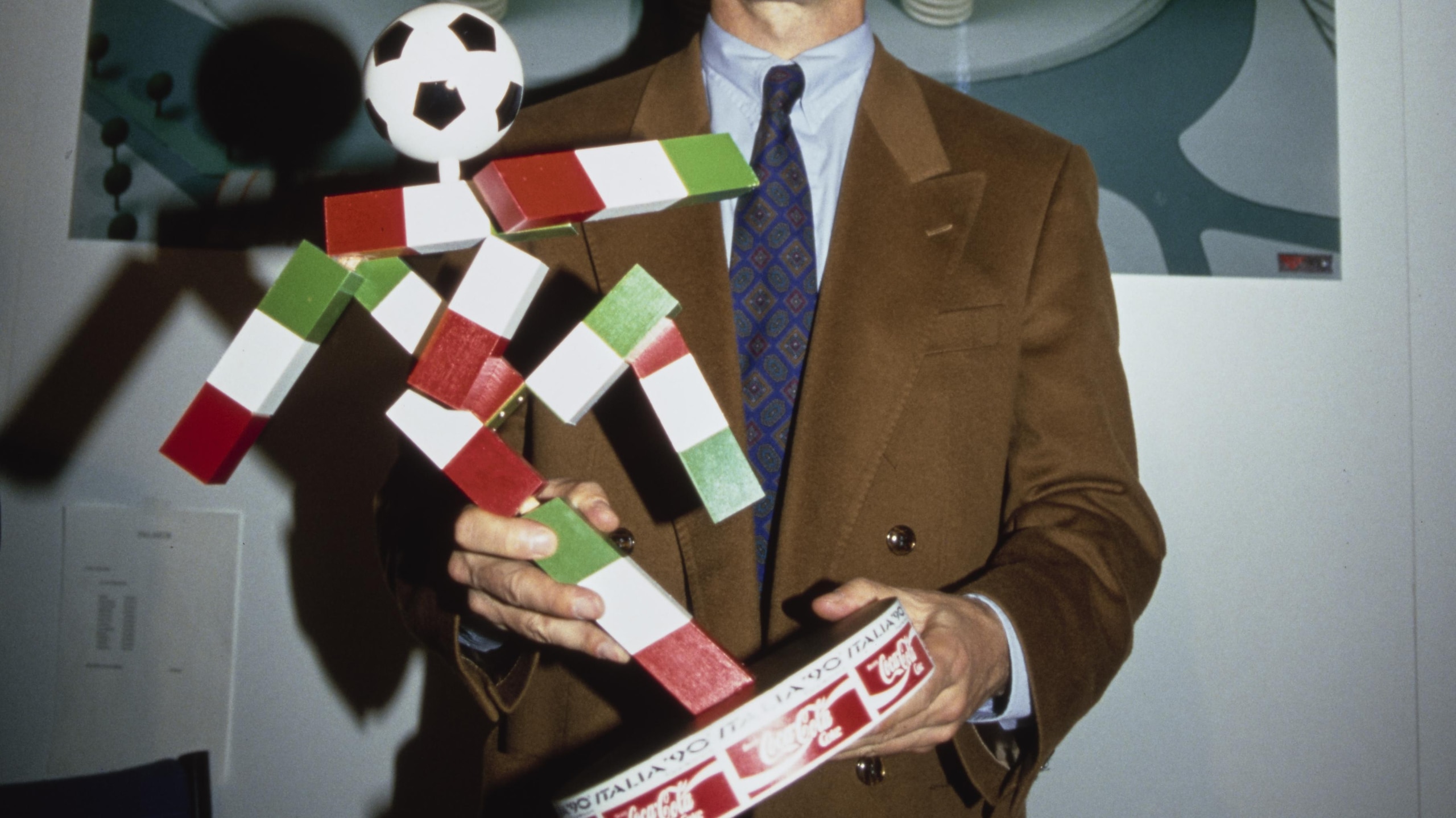
In the late 1980s, Tetris—the video game that requires players to organize various shapes into horizontal lines—had just begun to sweep the world.
Although Italy had no direct connection to Tetris, the organizers borrowed its distinctive shape for Ciao, resulting in a mascot made from colored cuboid lines.
It was very much a product of its time, but the figure offered little for fans to connect with.
The word "Ciao" in Italian can be used to mean both "hello" and "goodbye," but it's the latter that seems more appropriate for this character's placement of 16th in our list.
15. Tip and Tap: West Germany, 1974
2 of 16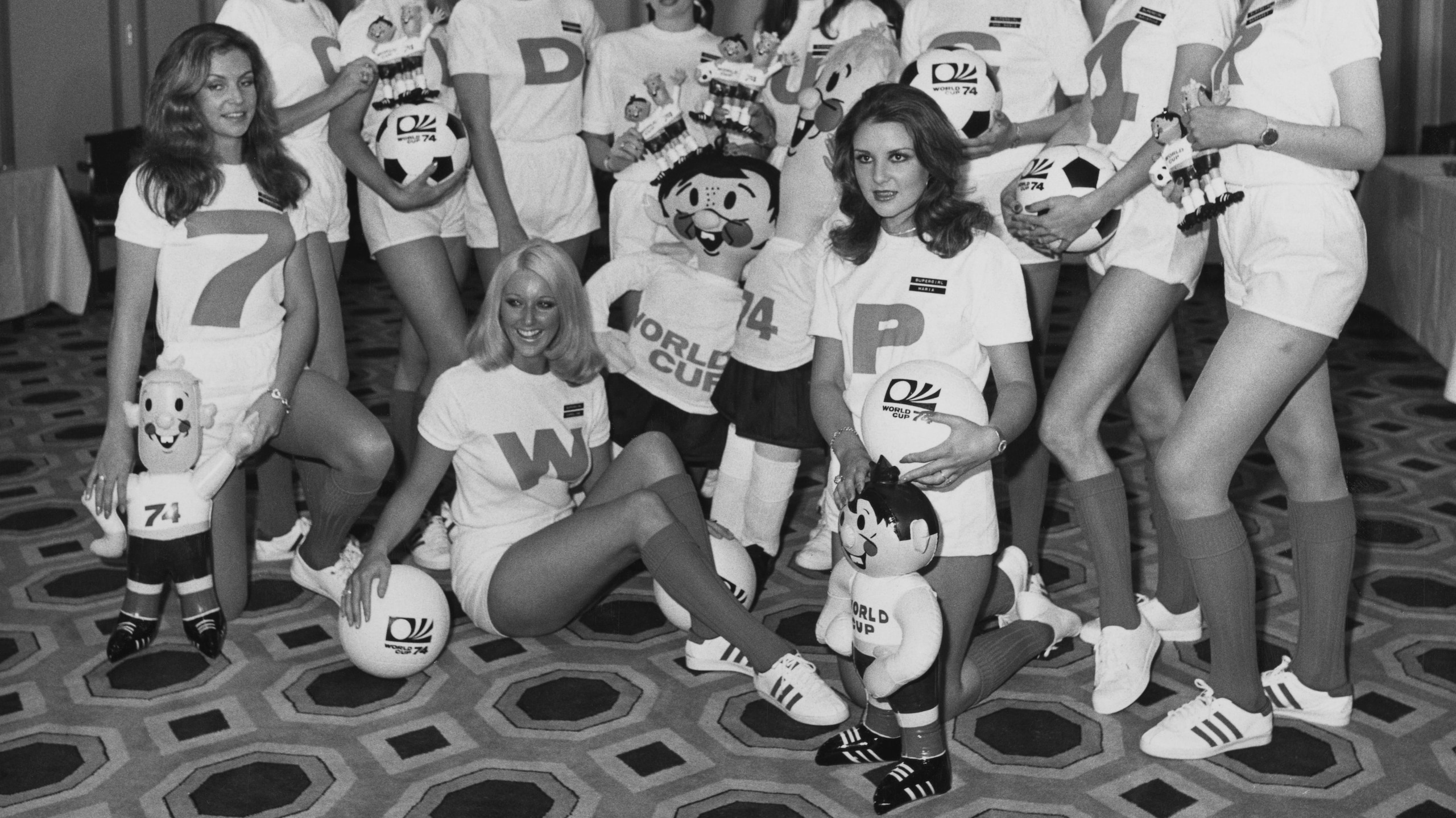
Some have speculated that Tip and Tap, two cartoon children, could symbolize unity in post-war Germany or reflect emerging football styles.
Their names could also have predicted a style of play that would proliferate the game in the late 2000s and the majority of the 2010s, with English football pundits and managers often infuriatingly referring to "tiki-taka" as "tippy tappy."
However, Tip and Tap were just two scruffy German lads who loved football, with one wearing a WM jersey to represent Weltmeisterschaft (or "World Cup" in German) and the other wearing the No. 74 to represent the year.
These mascots were, in a word, fine, though points are deducted for Tap's slightly unsettling hand.
14. Striker: United States, 1994
3 of 16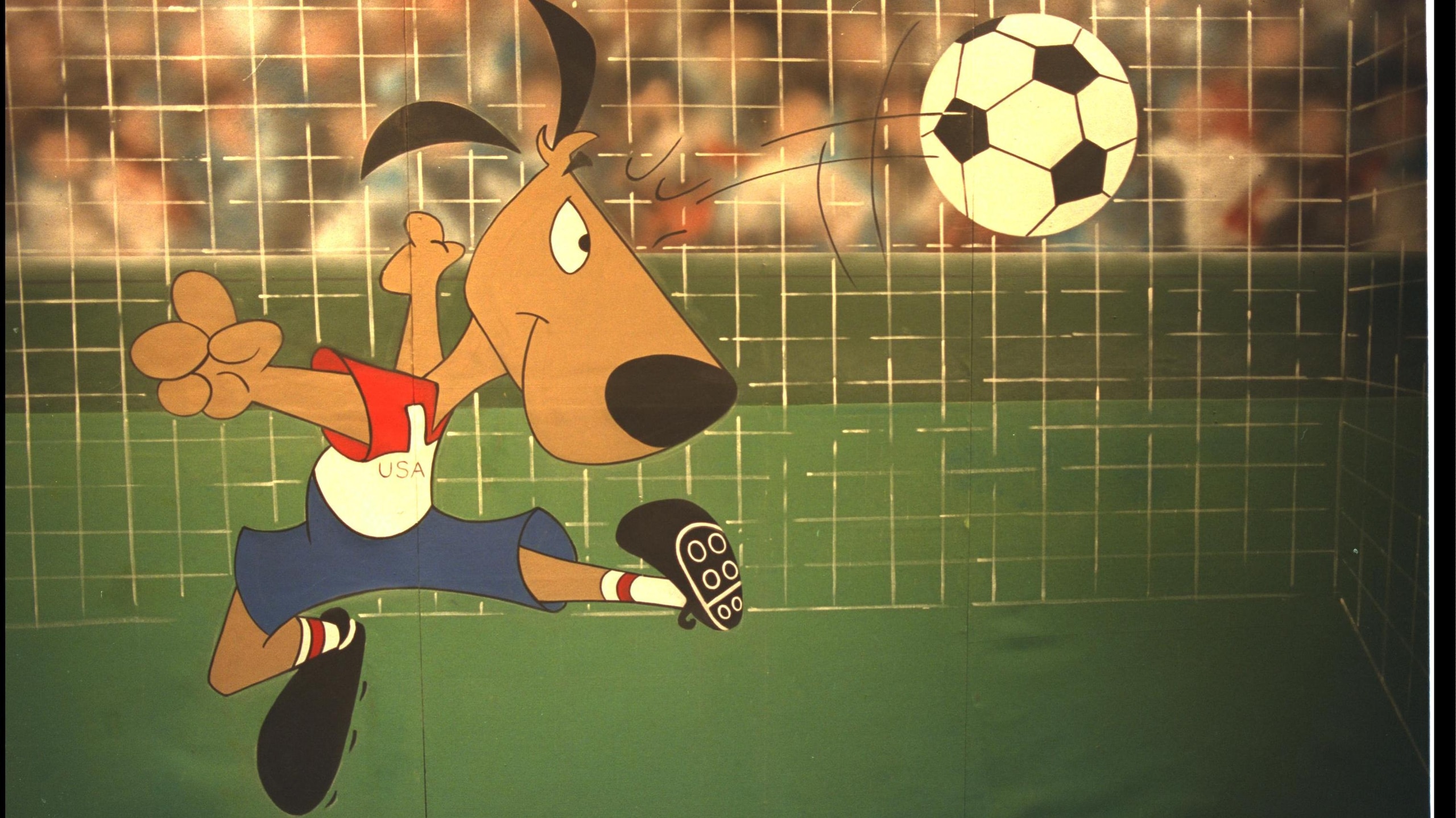
As the United States tried to embrace the game known as "soccer" ahead of the 1994 World Cup, an anthropomorphic cartoon dog known as Striker was selected in a public vote to be the tournament's mascot.
The character's design—sporting detached ears and a smug grin—reflected America's independent approach to soccer and its optimism about hosting the tournament.
Striker, who looked like a cross between the worst parts of Huckleberry Hound, Scrappy Doo and Pluto, had the kind of face that suggested he would be totally irritating company.
Bad dog.


13. Goleo VI and Pille: Germany, 2006
4 of 16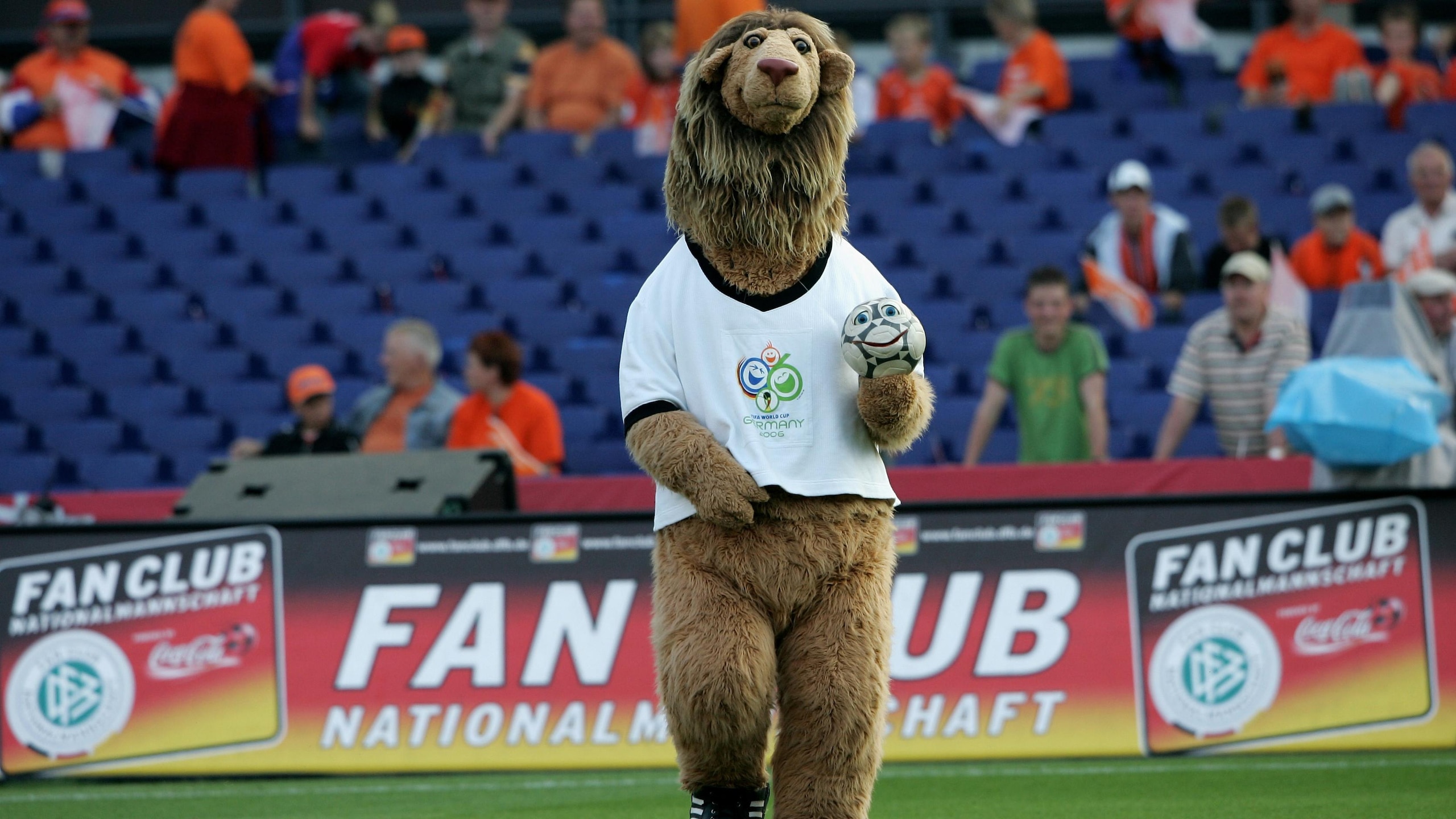
The choice to pick a lion named Goleo VI as the mascot for the 2006 World Cup in Germany was a little confusing for the nation's football fans.
The animal was not exactly associated with the country, and it was also closely linked to historic international rivals England.
His sidekick, a talking football named Pille, was at least a little more relevant but still not exactly bursting with imagination.
The mascot's t-shirt-with-no-trousers look was oddly quirky for a life-size lion.
And, honestly, when has a talking football character ever worked?
12. Juanito: Mexico, 1970
5 of 16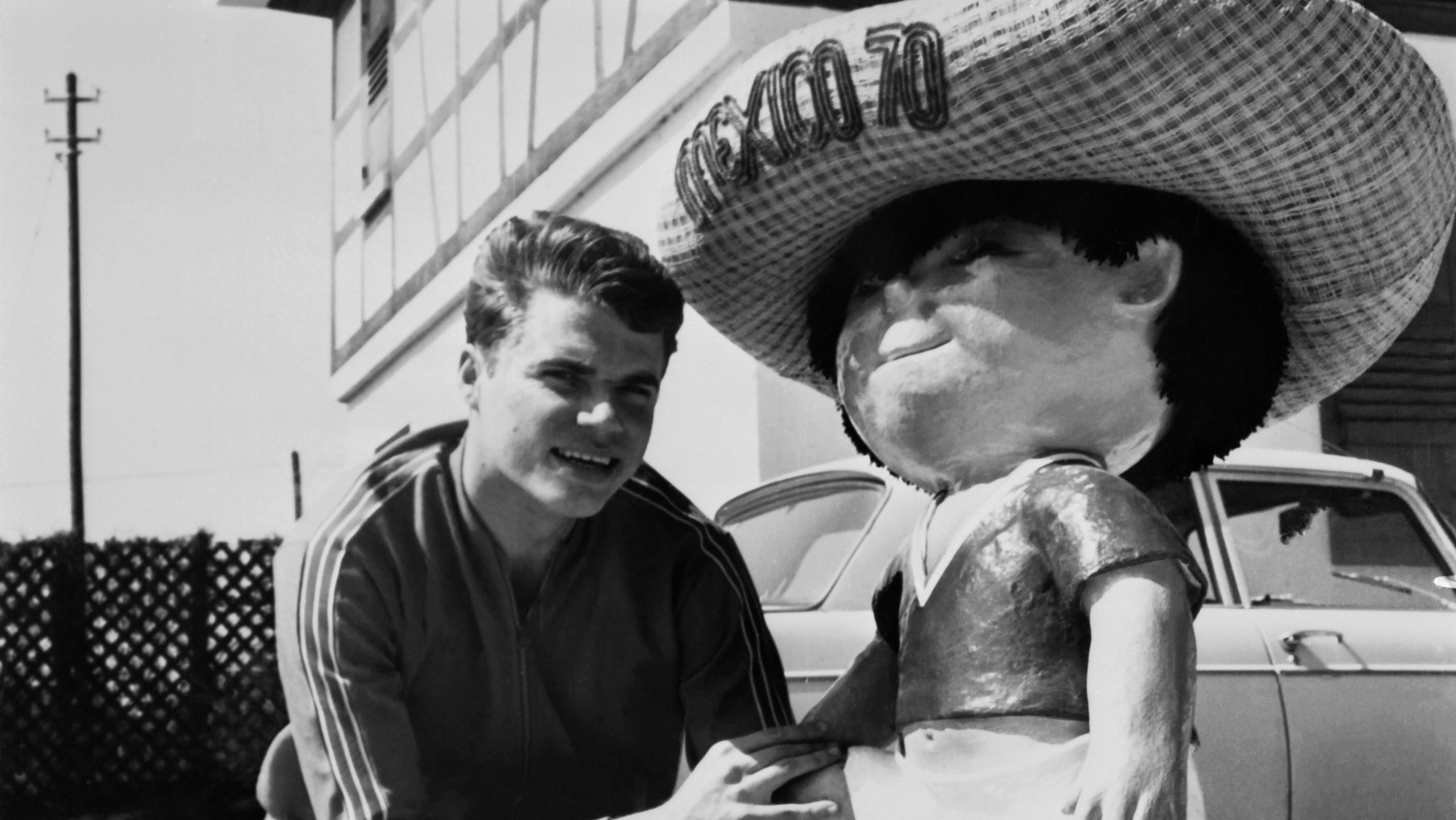
Juanito is a sombrero-wearing child with a round face and a winning smile. But he also has concerningly large feet, which he uses to play with a disproportionately sized ball.
Ranking points are won with the hat, which is at least culturally relevant to Mexico. Thankfully, he also doesn't have flipper-like hands like his West German friends.
Not bad, but not exactly interesting.
11. La'eeb: Qatar, 2022
6 of 16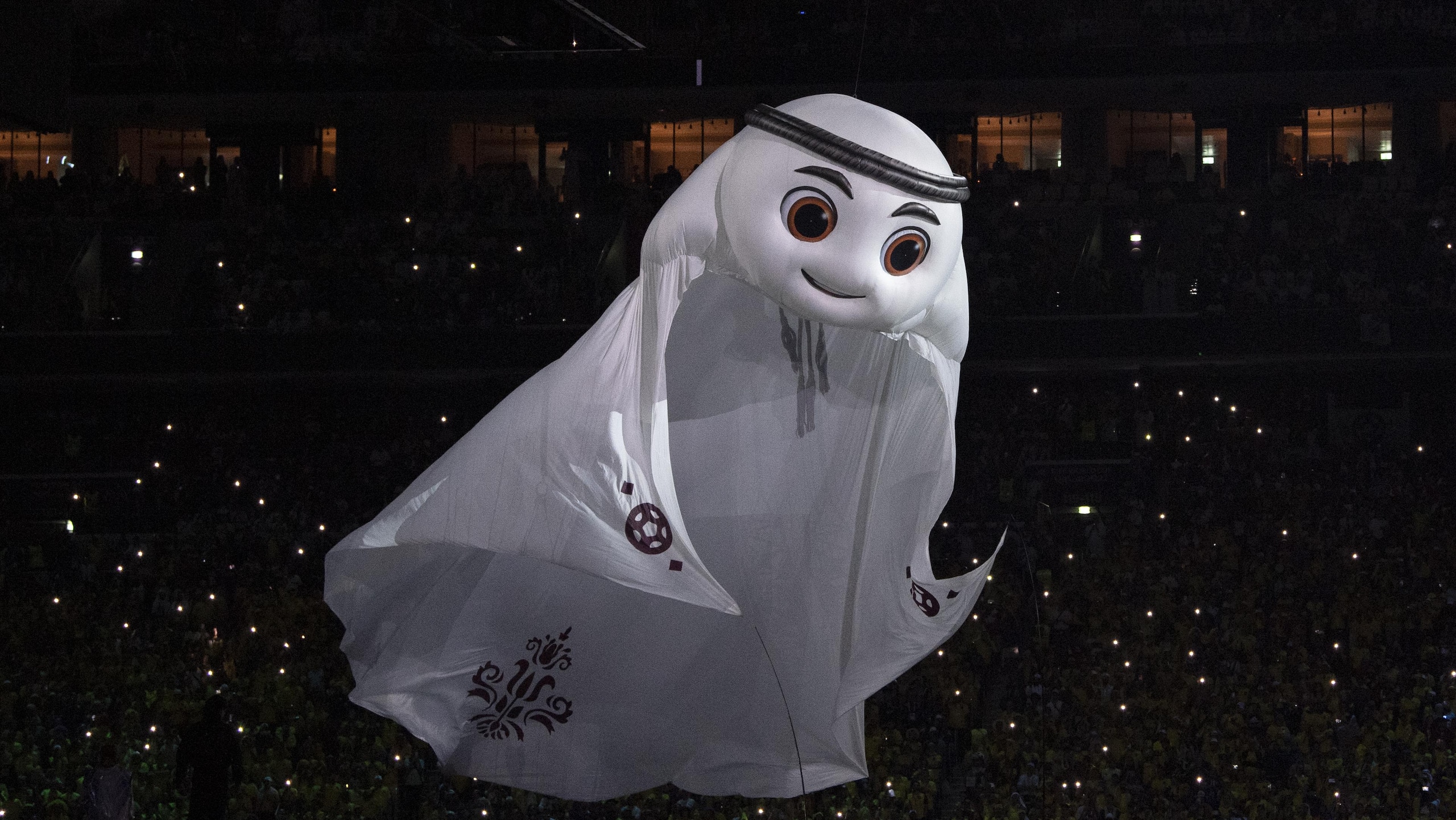
Animals are often a popular choice for mascots, and Qatar boasts an array of wonderful wildlife.
Among them are marine creatures such as dugongs and leatherback turtles, and land-based animals such as Arabian onyx, camels and honey badgers.
However, none of them seemed like a good fit, which is why a sentient head scarf was chosen instead.
Head scarves are central to Qatar's tradition. Yet, when La'eeb was revealed, many mistook the mascot for a ghost, making it hard for fans to connect with
It was an interesting and unique take on a World Cup mascot, but it didn't land as intended.
10. World Cup Willie: England, 1966
7 of 16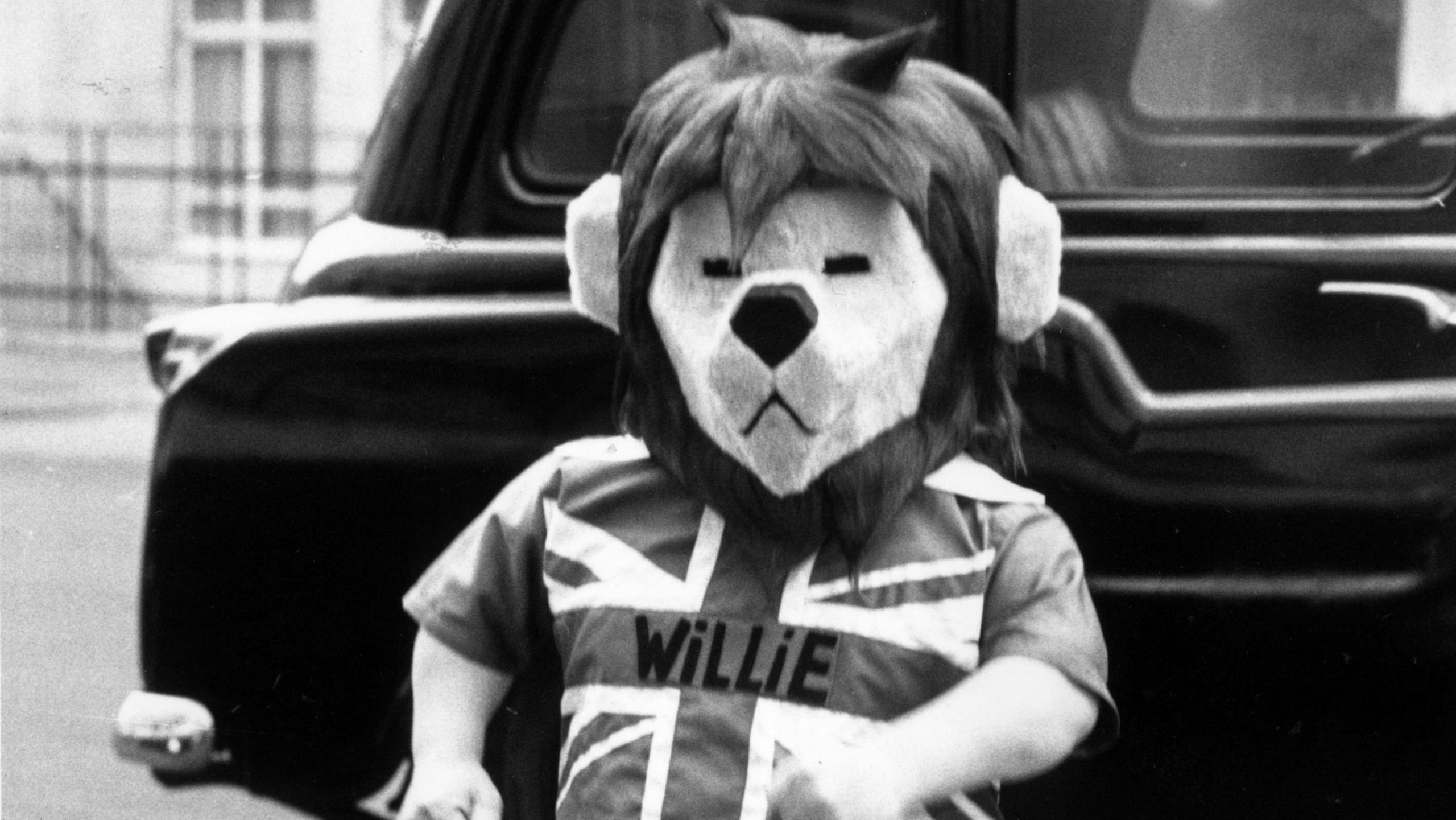
Despite not being a native creature in the country, lions have long been a symbol of England.
The Three Lions on the national team's badge date back to the 12th century, according to The Guardian, with the symbol used on the field of battle to inspire victory.
Using a lion was a reasonable choice. What is a bit weird, though, is that Willie, a cartoon lion who was the first official World Cup mascot, wears a shirt with the Union Jack on it. The flag of the United Kingdom represents the nations of England, Northern Ireland, Scotland, and Wales.
Anyone who knows anything about football (or inter-state relations) in the UK should recognize that using the flag to represent England alone is a pretty controversial choice.
That's especially true when considering no games were played outside of England, and none of the UK's other nations played in the tournament.
9. Gauchito: Argentina, 1978
8 of 16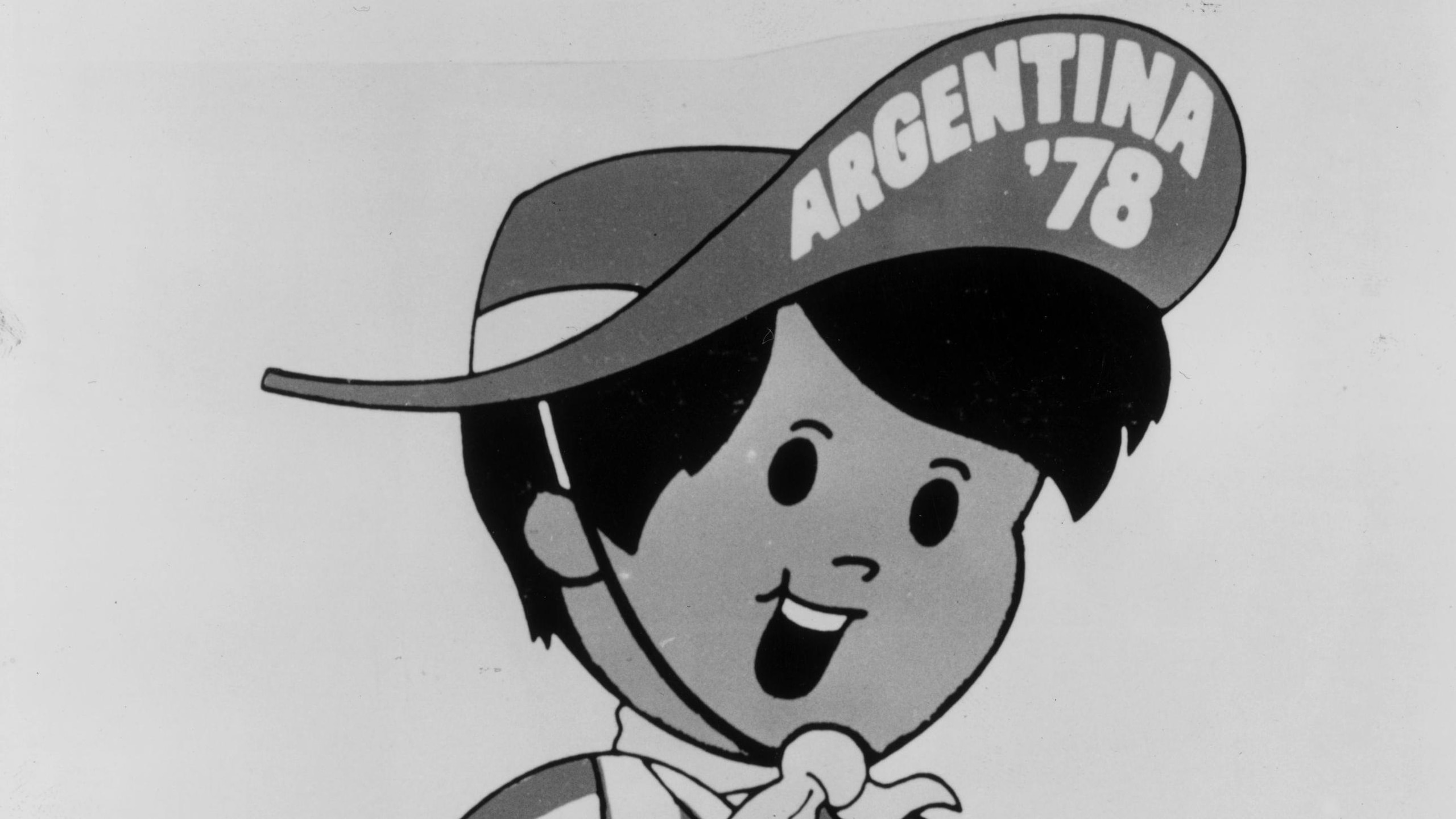
In a slightly prescient pick in 1978, Argentina opted for a small boy named Gauchito, who bears more than a little similarity to a player from Rosario who would take world football by storm in the 21st century.
The young lad wore a gaucho hat and clasped a whip, mimicking the iconic horsemen who became a symbol of the country in the 19th century.
He's kind of adorable, and obviously representative of the country's history, which earns him higher marks than the other child mascots.
8. Maple, Zayu, Clutch: Canada, Mexico, United States, 2026
9 of 16Maple is doing a lot of the heavy lifting to bring this trio up to eighth.
There's just something about a football-playing moose that is more fun than his jaguar and eagle friends.
Maple would no doubt get some grief from ex-pros for the short-sleeves and gloves combo, but have you ever tried to take a throw-in with frozen hands? In his native Canada, that would be a reasonable concern for the big deer.
The trio's computer-generated look, while not unique, makes them feel less warm than earlier 2D mascots.
7. Ato, Kaz and Nik: Korea/Japan, 2002
10 of 16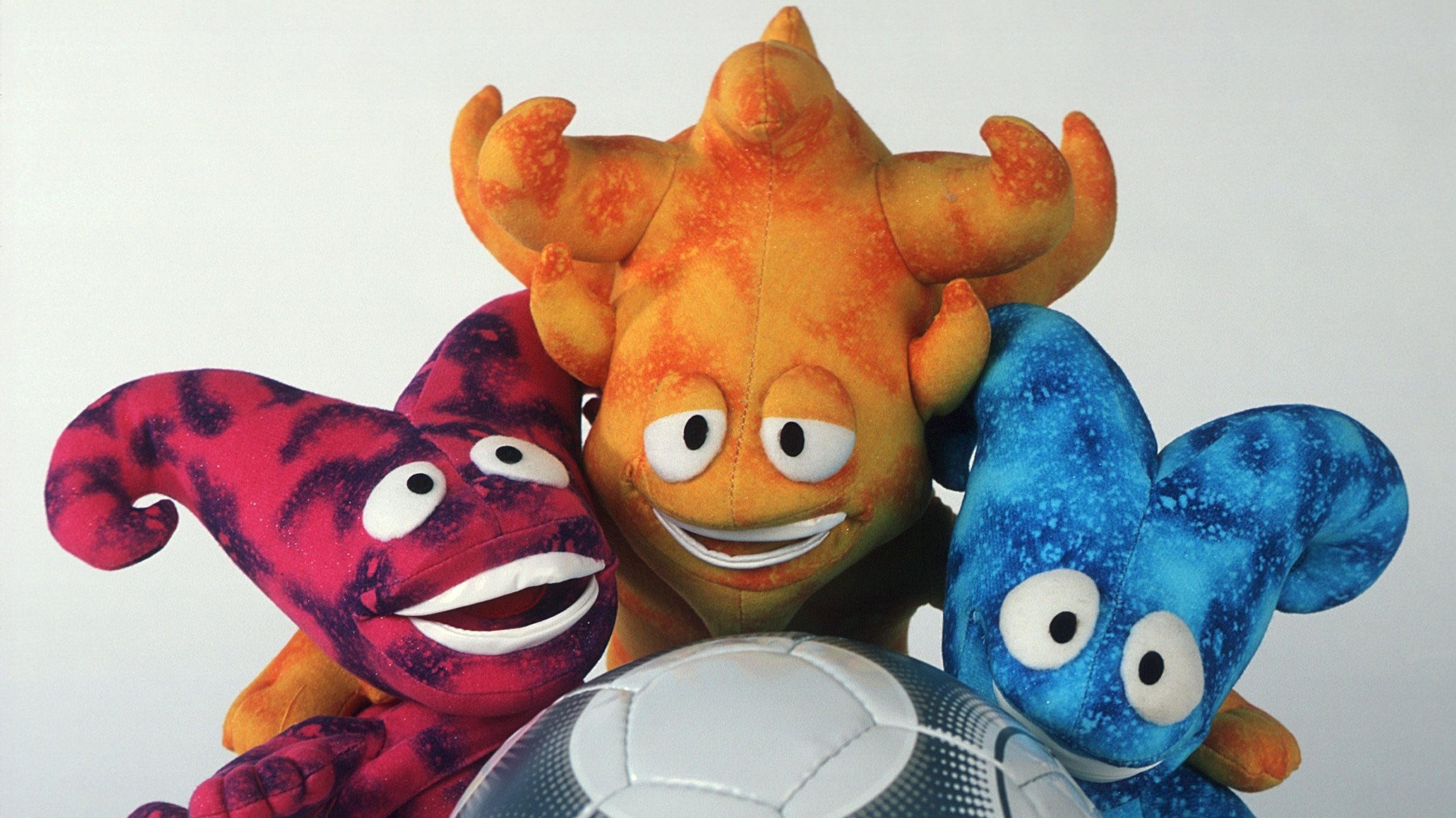
In a tournament hosted by two nations with rich animation histories, the futuristic trio of Ato, Kaz and Nik were a little disappointing, which loses them ranking points.
According to FIFA, the characters' names were chosen by "internet users and customers at McDonald's outlets in the host nations," and it's easy to see any of them appearing in a Happy Meal box.
The slightly robotic, alien creatures are indicative of early-2000s trends, and they at least had a backstory: They all came from the "Atmozone" dimension, where Kaz and Nik played "Atmosball," a football-like game. Ato was their coach.
Featuring vibrant colors and interesting shapes, it was a fun departure from the typical human or animal characters.
6. Footix: France, 1998
11 of 16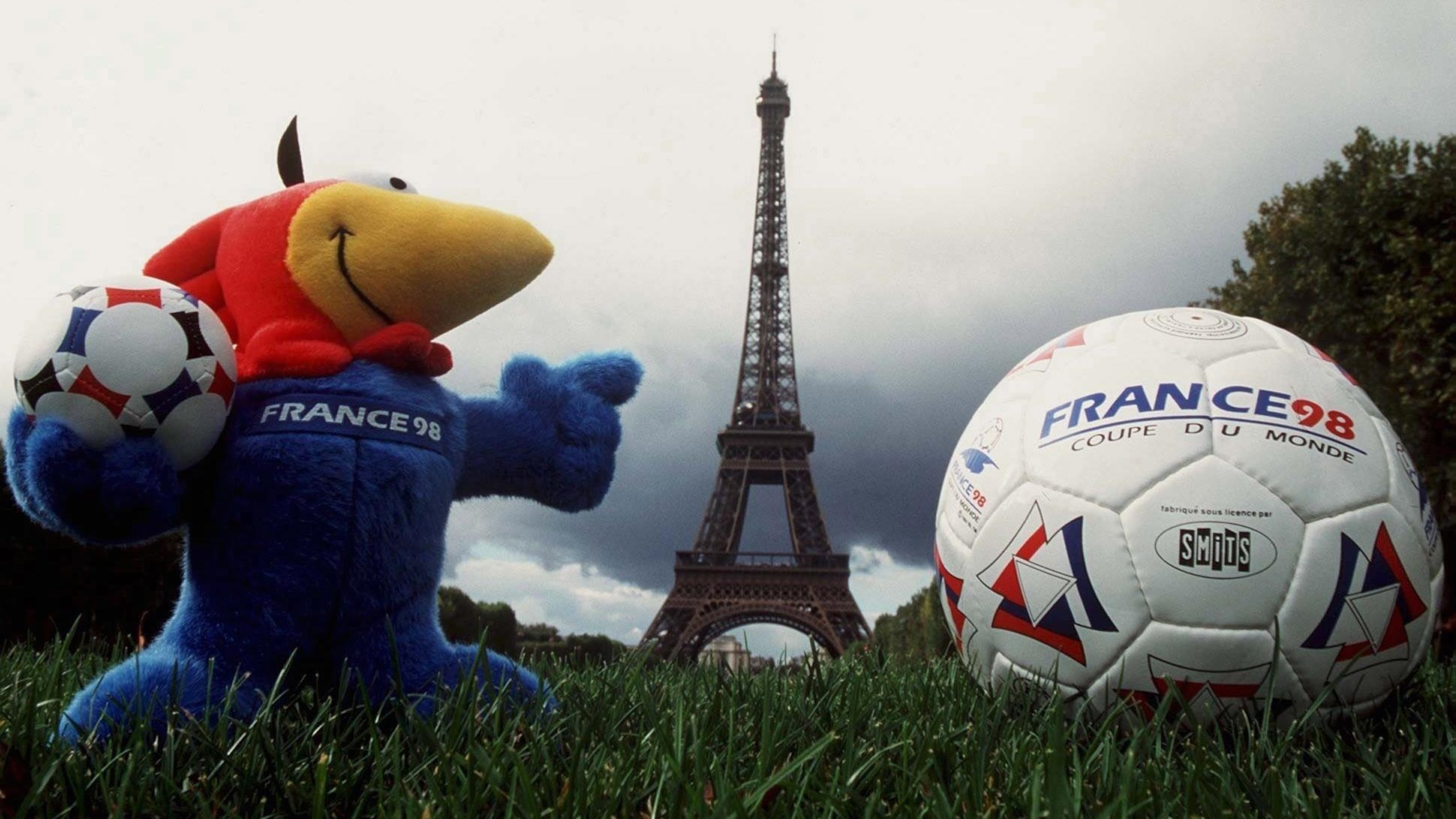
Footix—a blue-and-red bird based on the popular French symbol of a Gallic rooster—isn't the most imaginative of mascots.
However, he's bumped up the ranking because he represented one of the best World Cups in history.
The tournament featured David Beckham's infamous red card, Dennis Bergkamp's wonder goal against Argentina, an 18-year-old Michael Owen's scintillating solo strike, and a climactic game pitting future Galacticos Zinedine Zidane and Ronaldo against each other.
With such fond memories from that tournament, Footix became iconic. While he might not be the most creative of mascots, he lives long in the memory.
5. Pique: Mexico, 1986
12 of 16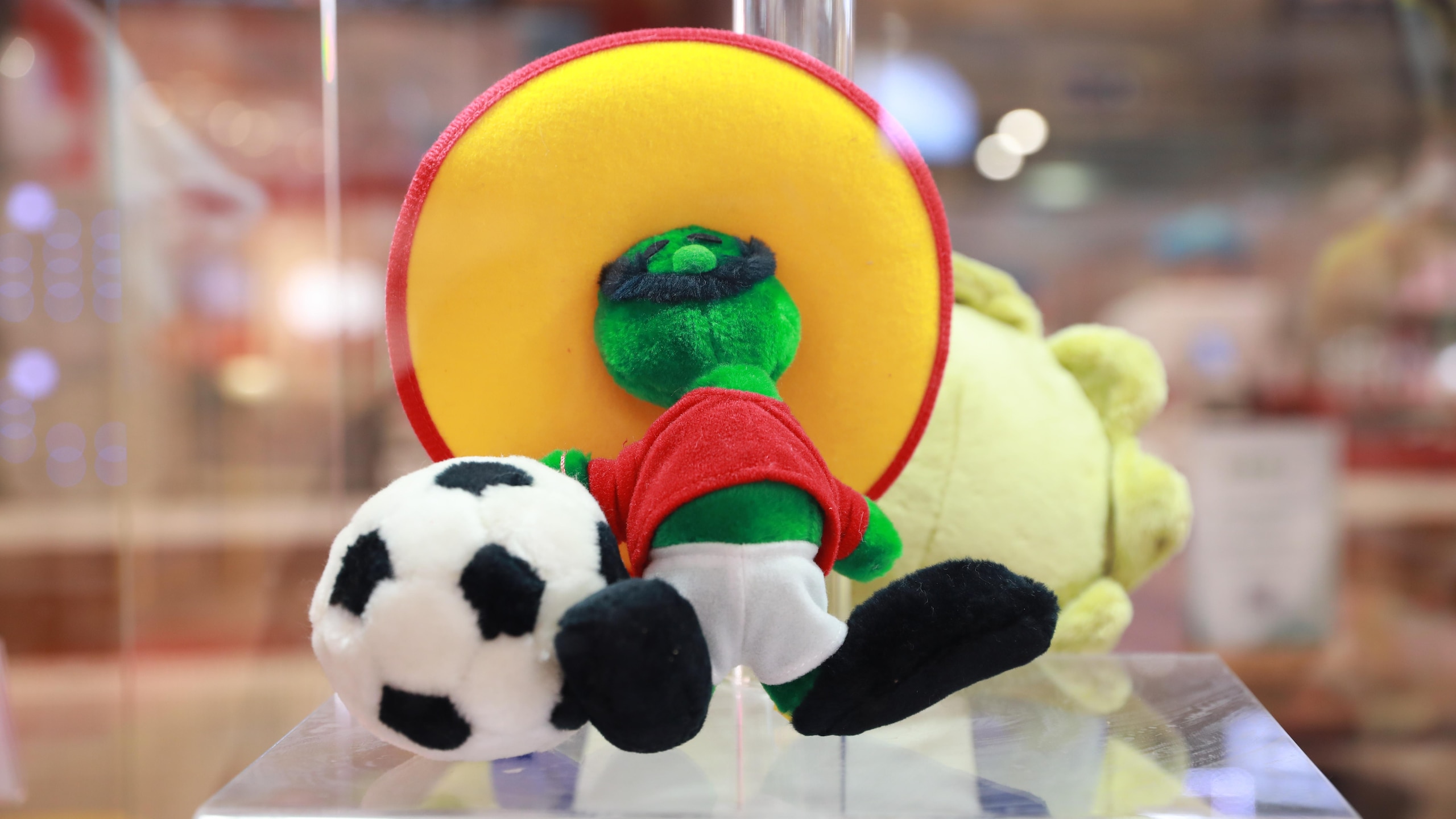
Pique was a giant chilli pepper with a moustache wearing a sombrero.
Honesty, what's not to love?
Pique slips in the rankings slightly because he's a little crudely drawn, but he is a symbol of Mexico's food culture and perhaps a hint of the tournament's spicy possibilities.
The competition's eight red cards were the most the World Cup had ever seen up to that point.
4. Naranjito: Spain, 1982
13 of 16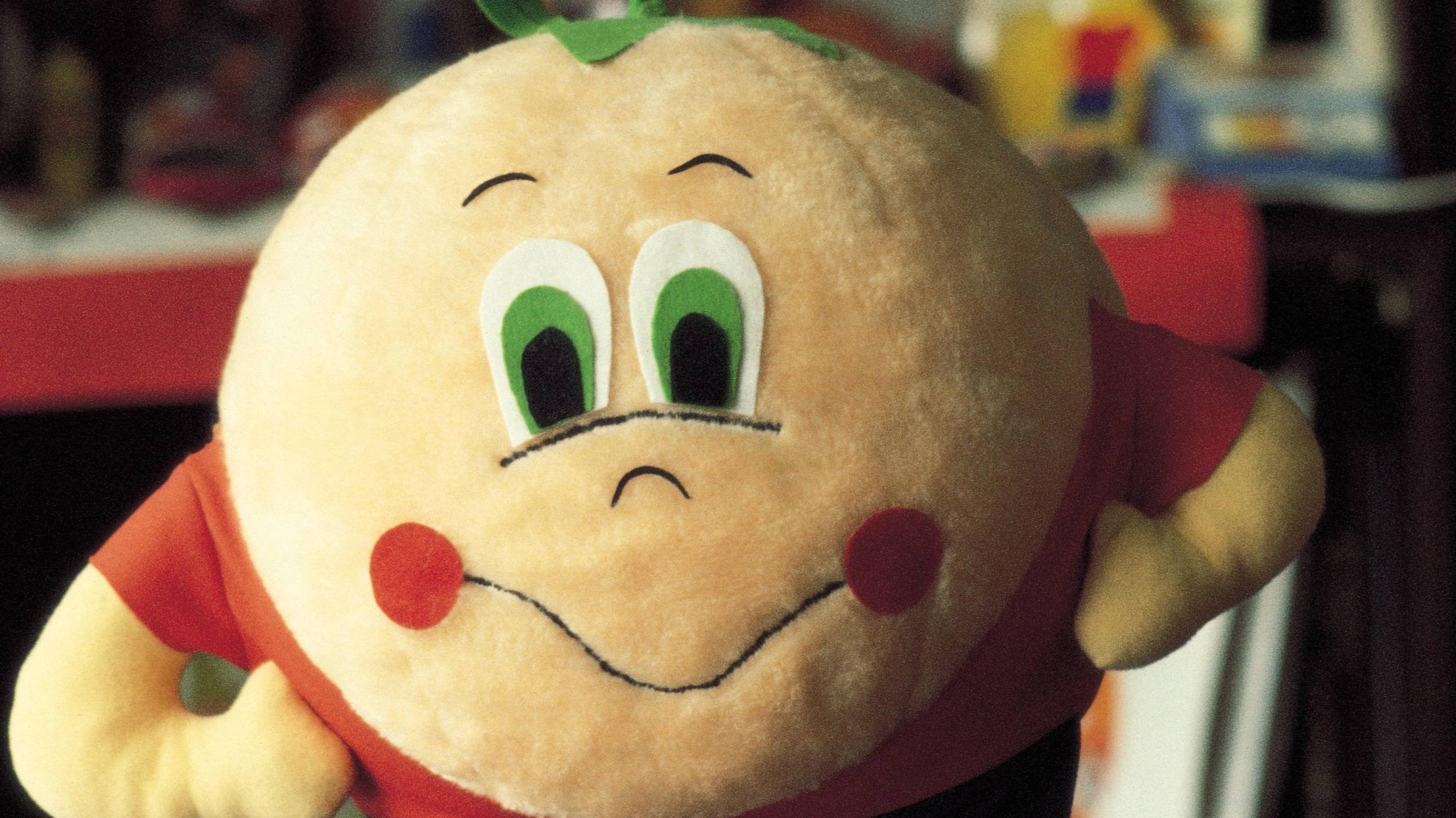
The fruit and vegetable theme continues here with Naranjito, the football-playing orange decked out in Spain's red jersey.
Naranjito was the more polished of the food-based mascots, even considering that the charming citrus fruit appeared four years earlier than Pique.
The character's bright eyes and squiggly smile are undoubtedly endearing, and his introduction marked a fresh approach to World Cup mascots.
3. Zakumi: South Africa, 2010
14 of 16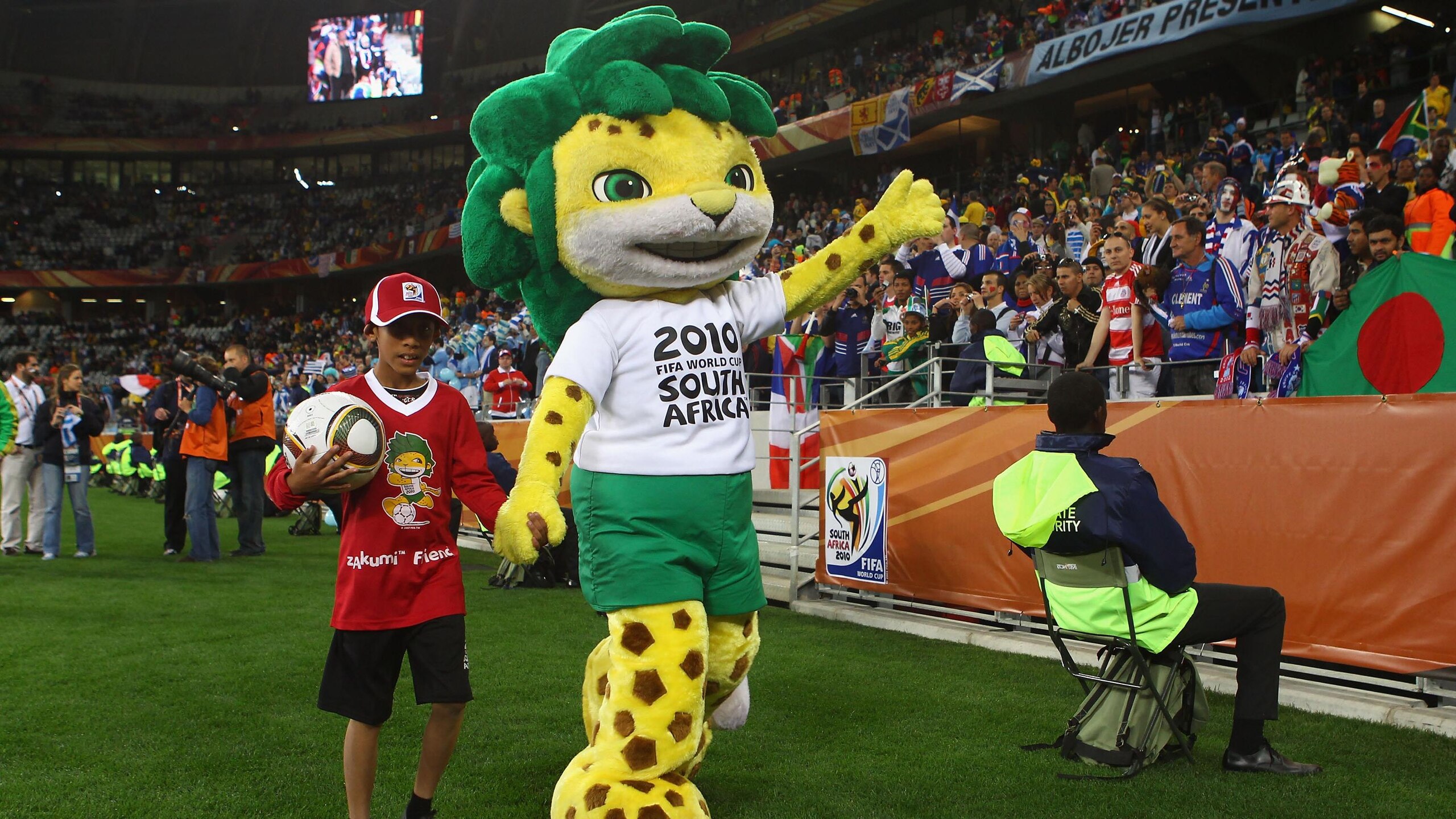
Memories of the World Cup in South Africa are accompanied by the sound of vuvuzelas. The monotone blast of the long horn became the sound of the summer in 2010, for better or worse.
While the horn is perhaps the most symbolic feature from the tournament, the mascot was pretty cool, too.
Zakumi, a leopard with a shock of green hair, brought a sassy confidence and a creative name.
According to FIFA, "ZA" is the country code for South Africa, while "kumi" means "10" in multiple African languages.
However, he's harshly docked points for clutching a football that doesn't look much like the tournament's classic Jabulani matchball.
2. Zabivaka: Russia, 2018
15 of 16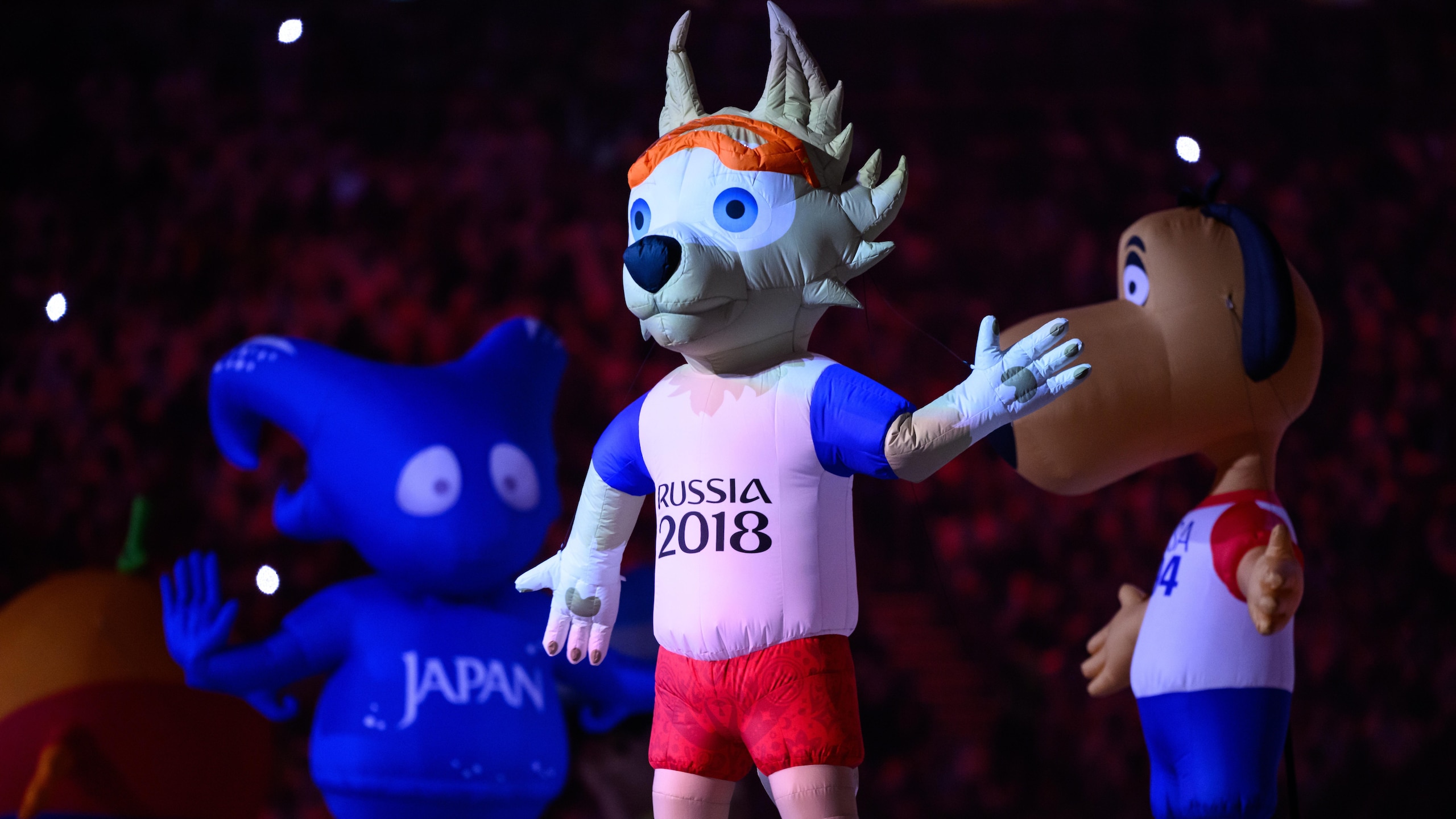
According to FIFA, over a million Russians voted for Zabivaka to be the 2018 tournament's mascot, and it's easy to see why.
The goggle-wearing wolf is just really cool. Sometimes, "cool" can't be easily explained, but having an air of confidence and a charming smile goes a long way in establishing that impression, and Zabikava boasts both of these qualities.
A lack of claws and sharp teeth also make him significantly less threatening than he could be, giving him a fun, puppy-like quality rather than appearing like an animal that could easily rip your face off.
1. Fuleco: Brazil, 2014
16 of 16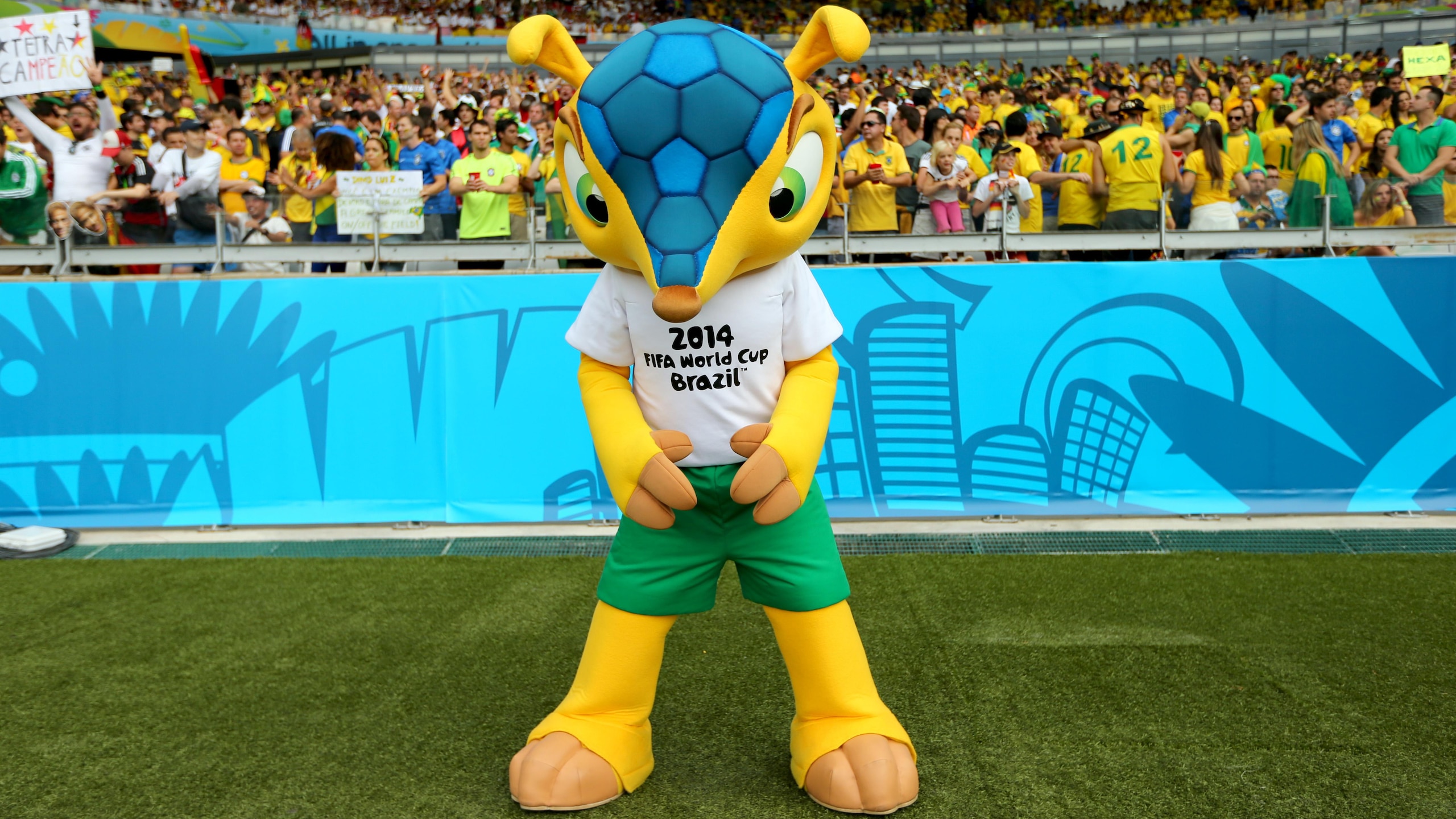
Fuleco is a blue-and-yellow three-banded armadillo with green eyes and a sense of childlike wonder. That's a pretty good start for ranking points.
"Fuleco" smashes together the words "futebol" and "ecologia," with the 2014 tournament in Brazil aiming to be one of the most environmentally friendly World Cups ever—although it didn't exactly achieve that goal.
While partially representing the colors of the country's flag, his blue armor is also supposed to evoke the sky and the clear waters that surround the nation, while those strong scales act as a metaphor for protecting Brazil's remarkable natural features.
The Brazilian three-banded armadillo is only found in the country, so it was a worthy representative of a tournament that was supposed to demonstrate the things that make the nation special.
Fuleco is just a fun addition to the World Cup mascot roster. The character is vibrant, quirky and cute, and it delivers a powerful message that extends beyond the sport.
.jpg?w=2560 "NFL Paris Football")
.jpg?w=2560 "Seahawks Chiefs Football")