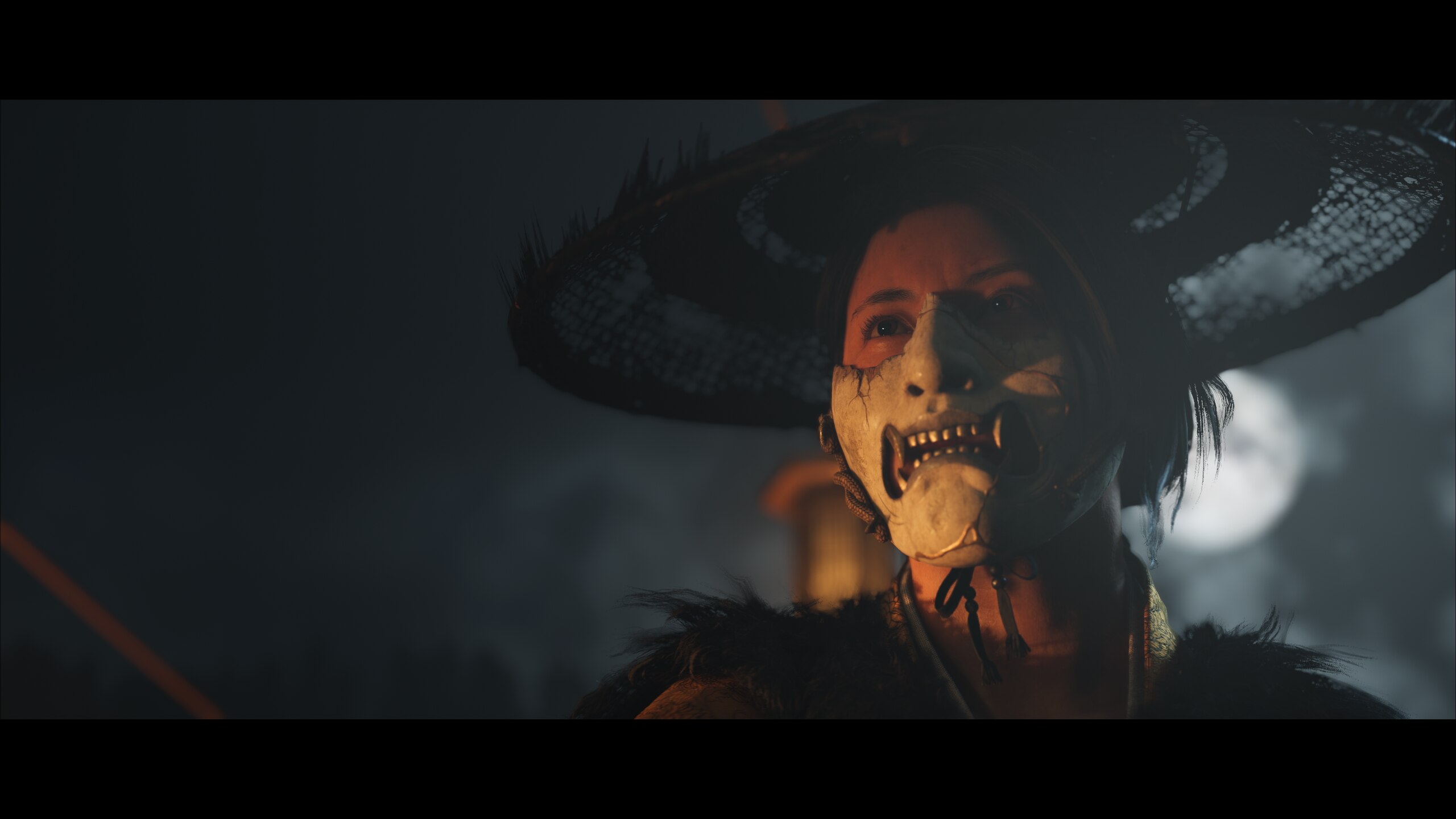


Ghost of Yōtei from developer Sucker Punch Productions and Sony marches to release with grand aspirations.
When Ghost of Tsushima launched in 2020 initially on the PlayStation 4, it was an engrossing, artistic mashup of some of the best open-world designs of the console generation. It also happened to be a Game of the Year contender, plus a contender to be one of the best Sony exclusives ever.
Fast forward to nearly 2026, players can have faith that the team will again push Yōtei as an artful, immersive experience that sheds some of the archaic elements of open-world game design for something more trim and modern.

.jpg?w=2560 "Rams Raiders Football")

The above, along with a new protagonist and so much more, position Yōtei as the most anticipated open-world and story-driven experience this side of Grand Theft Auto.
Graphics and Gameplay
Like its predecessor, Yōtei resets the bar for expansive, immersive open worlds that truly feel alive.
The game is a stunner in all respects, whether it's the shocking draw distances really unlike anything we've seen before, or the makes-you-feel-small skyboxes that stretch to the edge of existence. Varied biomes, from forested areas to forts, are all carefully constructed with detail.
The sheer romance of feudal Japan returns in full force here. Like Tsushima, it too stresses little connections with the environment, like horseback rides speeding up across beds of flowers.
Where Tsushima was pockmarked with war, burnt down, and depressing, Ezo is bright, colorful, and often beautiful, albeit outside of combat. The honest-to-its-era soundtrack, ambient noise and sound effects tie the whole presentation package together in a way most games can only hope to achieve.
Where Tsushima wowed with environmental effects and impressive things like foliage sway and the scattering of leaves in the wind, to name a few examples, Yōtei's new dynamic weather effects feature snow and rain, mixing up even well-trodden areas at times.
Make no mistake, this is still an open world where the wind can guide players where they need to go, but it's always a joy to stumble upon new landmarks and exploration again presents a ton of verticality, making the inclusion of the grappling hook a smooth-feeling must.
One of the small criticisms of Tsushima was the checklist-like feel of the world map. Yōtei attempts to combat this just-another-open-world video game cliche with a "clue" system. Little hints peppered throughout the world can lead players to all sorts of different things, which marches nicely alongside the serious player agency present in the main story itself.
At its most basic in a combat sense, Yōtei retains the vibe of the original third-person romp through an all-encompassing sword-fighting system and an emphasis on stealth gameplay when applicable.
Players can dual-wield katanas, but there's a vast arsenal of weapons available, never mind charms to improve them and skill trees to expand them. The chain blade is a highlight for its sheer brutality. Once again, it feels super rewarding to seek out and defeat those who have mastered these weapons, earning them in the process.
There are also ranged options on completely different ends of the spectrum. The bow is a nice sneaky option, while a gun throws all caution to the wind and brings down an entire camp on the player's head.
Otherwise, veterans of the series or third-person games in general know what they're getting into here. Blocks, counters and disarms are all in play and the grisly violence of lost limbs and death rattles, all brutally true to its source material, return full blast.
These weapons, not stances, and tools like smoke bombs, divvy up the way players can attack situations, too. That's good, considering the game loves throwing different enemy types out there and the AI is as brutally unforgiving as in the first game.
There's something harrowing about how weighty and impactful the combat feels and its accurate portrayal of a bygone era. But it's not typically too difficult in most spots, super fun and, perhaps more than anything else, helps fulfill the samurai fantasy in a way games striving for similar one-to-one simulations just can't nail down.
Beyond gadgets and skill trees, players can get the help of a wolf companion at times, which is one of a few newfound little things that shake up the experience. And the game doesn't shy away from memorable combat setpieces or bosses, either.
Yōtei also returns not only a strong UI, but different film style presentation that players can select to overhaul the visuals and even camera angles.
Story and More
Set more than 300 years after Tsushima, players assume the role of Atsu, a mercenary hell bent on revenge against the Yōtei Six, a nefarious group of renegade samurai who slaughtered her family more than a decade before the game's opening.
Where some tales like this keep things grounded, the way the world and enemies react to the idea Atsu might be the Onyro spirit of revenge in human form is really compelling to witness.
Players can also jump into flashback scenes of Atsu's life when desired, which is impressive from both a technological horsepower feat and a narrative one. It almost sounds like a gimmick, yet adds to the tale, care for the characters, and appreciation of the overall package.
The story is not linear this time, throwing agency at the player in terms of how to tackle it. This has been done in similar games, of course, but it's nice to see player choice become more impactful on the unraveling of the narrative, even if it's something as simple as getting to pick which narrative thread to tug, when.
There are side missions like bounties again, too. In a fun and rather expansive twist, players can also set up a camp to cook and play an instrument, among other things.
Yōtei swaps out a standard journal-like system for something called Atsu's 'Wolf Pack,' which lists allies, vendors and other notable names. It's a really compelling, breezy way to check in on who might have what, with some even coming to the player at their camp. Not only is it modernized and refreshing, it doubles down on the emphasis of being one with nature and not forced into arbitrary trips to chat with vendors like most games.
Staple side activities from the first game, such as bathing in a hot spring and the fun timing-based mingame of cutting bamboo return, too. These are little things, yet when scattered throughout a massive world that doesn't feel checklist-like, it's appreciated.
Those side items and simple exploration play into progression. So do Altars of Reflection, which unlock new abilities. For those who don't want to go sightseeing and just want to mainline story, exploration is still very much rewarded in this more game-like manner.
Overall, Atsu has several different categories with skill trees where players can make choices to offshoot into target areas like assassination or survival. Given the flexibility within the trees, two different playthroughs of the game could feel incredibly different.
Deep customization includes a massive color palette atop the almost overwhelming number of cosmetics. The emphasis feels more about player agency and personality than just stuffing the game with content.
Yōtei also packs in arguably the best photo mode in video games, complete with droves of interesting effects and little settings to experiment with. It's only a matter of time before social media blows up with community creations.
As an aside, Sucker Punch has also outlined plans for Ghost of Yōtei: Legends, a free update in 2026 that will loop in multiplayer similar to the follow-up mode to the first game, Ghost of Tsushima: Legends.
Beyond a strong set of options, Yōtei is a technically impressive release that runs well and leans hard into the fantastic haptic feedback and adaptive triggers of the PlayStation 5 controller to great effect.
Conclusion
Tsushima was sort of a greatest hits of third-person exploration, combat, stealth and open-world game design with a layer of artistic immersion that was impossible to deny.
Yōtei is all of that and more, with smart iterations on its brilliant combat systems, never mind the jaw-dropping world and engrossing tale and characters that inhabit it.
Where Tsushima sort of felt like a last hoo-rah of the PS4 era, Yōtei feels like one of the first real next-generation AAA games that resets expectations for the medium as a whole.
Sounds lofty, but this powerhouse franchise is so polished, so adamant about its immersion and artistry that Yōtei has a chance to sweep Game of the Year conversations despite some brutally tough competition.

.jpg?w=2560 "Steelers Saints Football")

.jpg?w=2560 "🚨 Week 8 AP Top 25 Poll")
.jpg?w=2560 "Packers Safety Slams Refs 🤬")

.jpg?w=2560 "Fantasy Waiver Wire Stars 🤩")