.jpg?w=2560)

2026 NBA Mock Draft Before College Basketball Returns
College basketball is nearing its return, with summer exhibitions complete and practices ramping up.
The start of the season has some incredible matchups in store, as teams continue to build their non-conference schedules.
The narrative around the 2026 draft class has remained the same and focused on its big three prospects: Darryn Peterson, Cameron Boozer and AJ Dybantsa. It's wide open after that, though the level of lottery talent and returners still feels strong relative to most years.
Using our post-NBA Finals power rankings as the basis for the order, here's our early look at how the 2026 NBA draft could play out.
1. Utah Jazz: Darryn Peterson (Kansas, SG)
1 of 60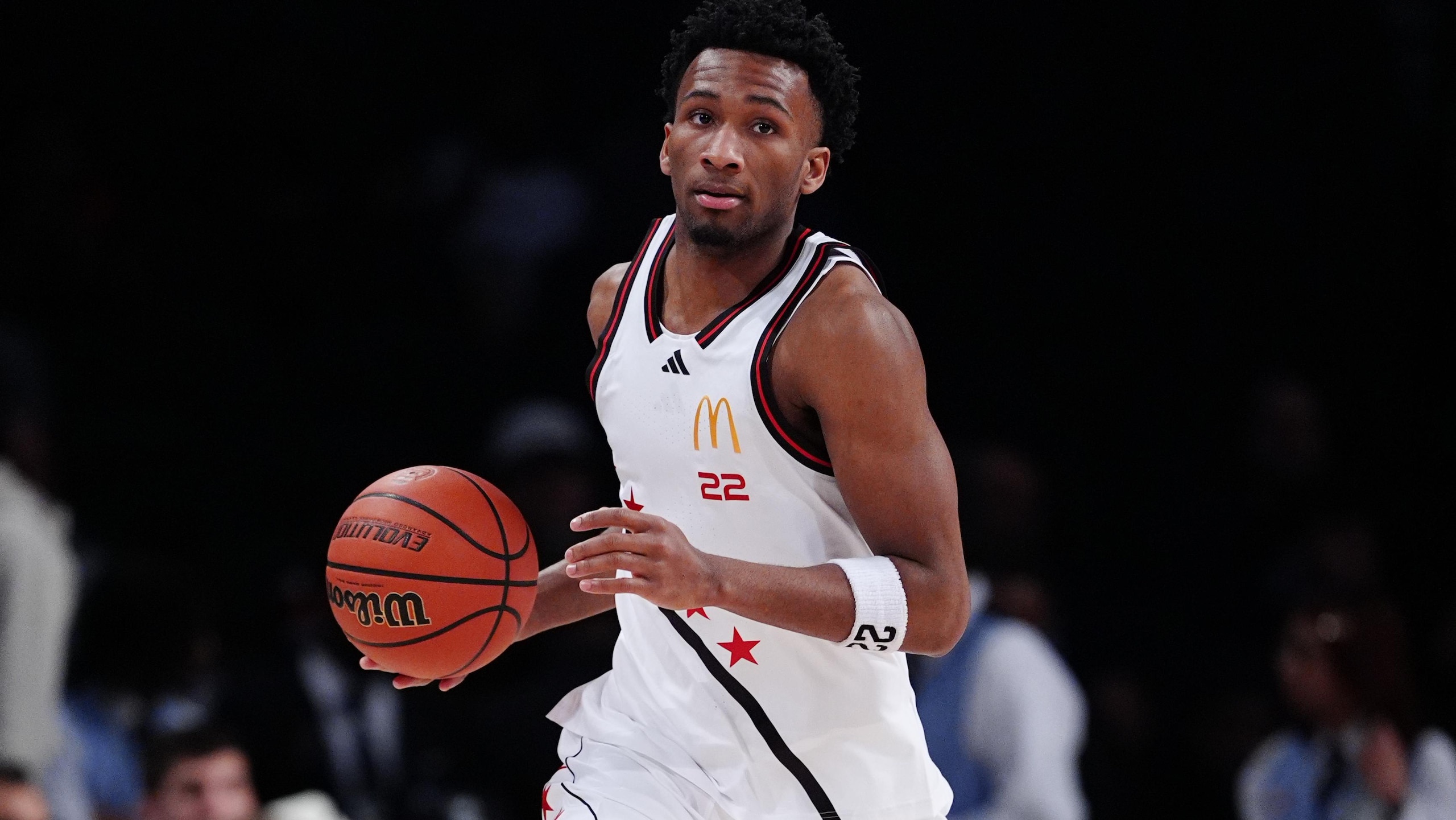
Top three is where rebuilding and lottery teams will want to be in 2026, with Darryn Peterson, Cam Boozer and AJ Dybantsa finally eligible for the draft.
Peterson stands out as the top prospect thanks to his ability to create his own shots, score at all three levels, and shift into a playmaker when needed.
Kansas figures to run a big portion of its offense through his transition speed, ball-screen navigation and one-two punch of driving and pull-up shooting. While he doesn't possess AJ Dybantsa's positional size or explosion, he's still a solid 6'5" with a combo-guard skill versatility and plenty of athletic pop for finishing and making wild defensive plays.
Improving his catch-and-shoot game may be atop his to-do list. But on the ball, the eye test sees clear translatability with how sharp he's become at changing gears off the bounce, splitting defenses, hitting tough jumpers, scoring around the rim, leveraging his gravity into playmaking, forcing turnovers and erasing shots at the basket.
2. Washington Wizards: Cameron Boozer (Duke, PF/C)
2 of 60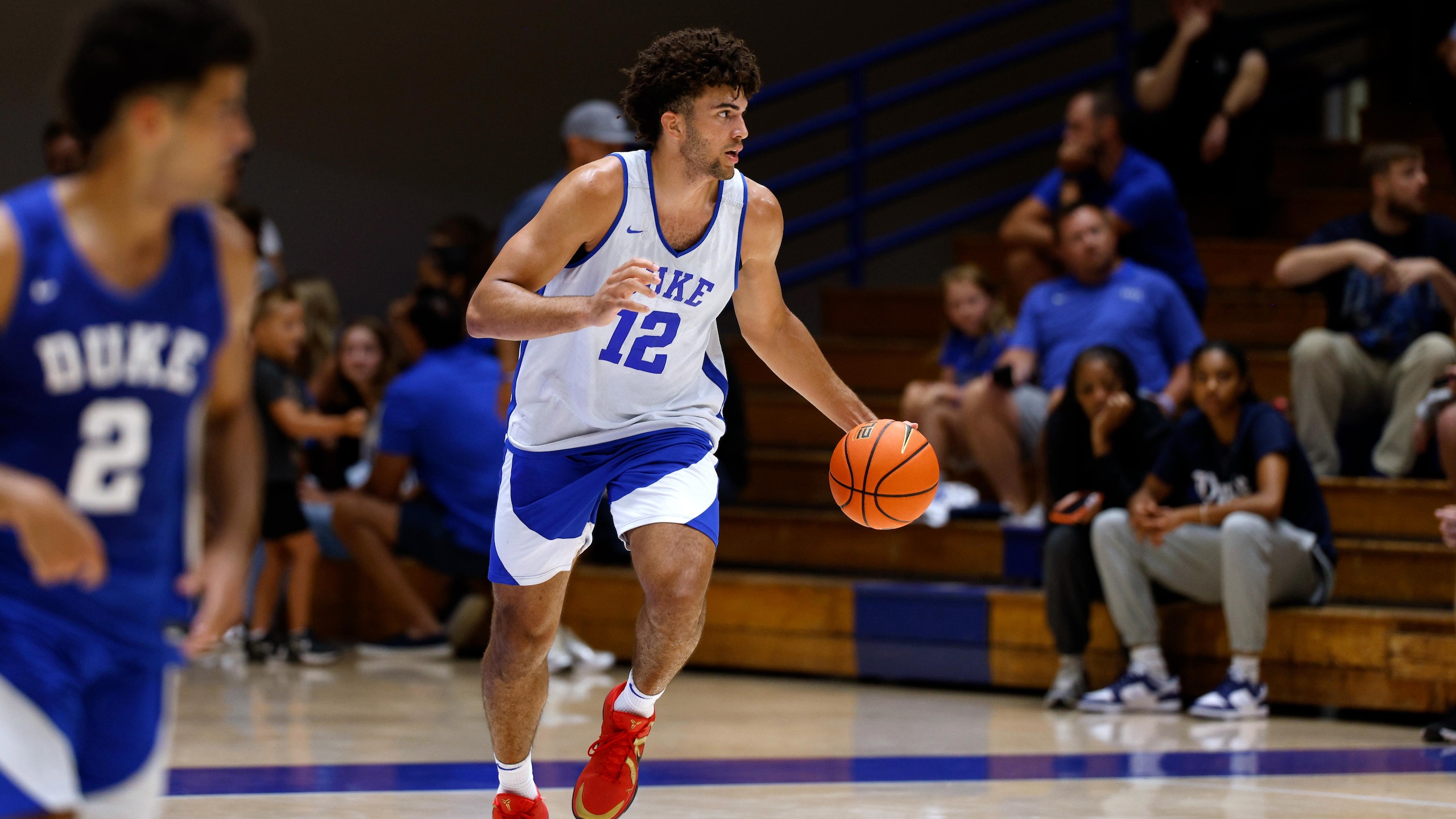
Front offices are divided on Cam Boozer and AJ Dybantsa, who offer contrasting strengths. The former is known for his fundamentals and winning intangibles, while the latter earns attention for his size, explosiveness, and highlight-reel scoring.
Dybantsa may wind up with the more exciting highlight reels, but rebuilding teams may become more comfortable with Boozer's ability to impact games, along with the fact that he's 6'10", 250 pounds, owns the paint, initiates offense and shot 37.7 percent on 210 three-point attempts last year between high school and EYBL.
His perimeter game continues to improve—not just with his shooting, but his ability to handle, create for himself and score off ball screens and one-on-one moves.
Boozer should have a strong top-two case with his physical tools, expanding versatility, expected production/efficiency and decision-making/maturity.
3. Brooklyn Nets: AJ Dybantsa (BYU, SF)
3 of 60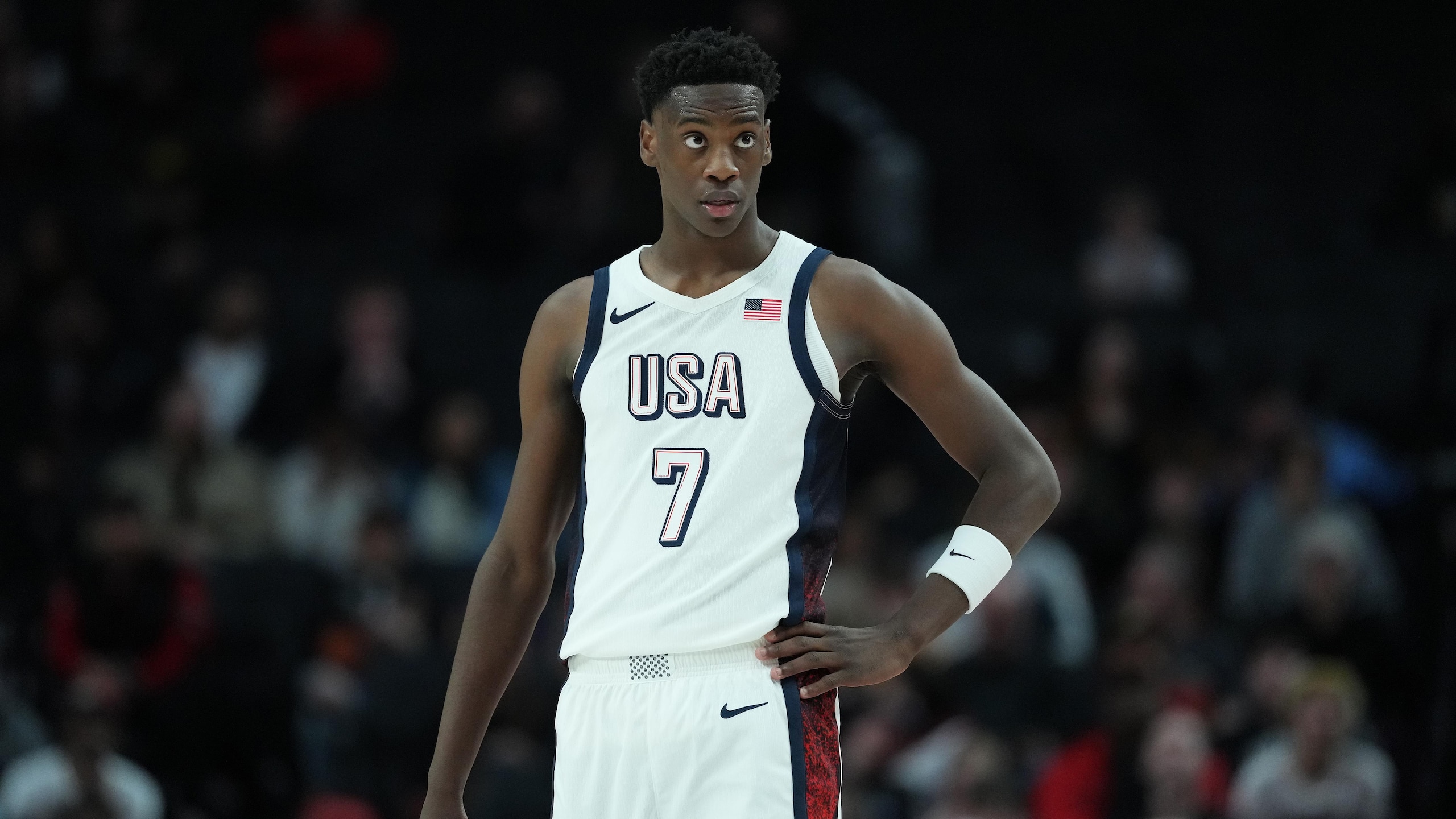
AJ Dybantsa will instantly give off NBA star vibes with his 6'9" wing size, creativity, shotmaking and explosive finishing.
Whether he can climb to No. 1 on boards will come down to his efficiency and decision-making, as he does have a tendency to force plays or develop tunnel vision.
Still, aside from possibly the lottery-winner, teams aren't going to nitpick Dybantsa, who possesses mismatch physical tools by NBA standards, wild athletic ability, handles/footwork to easily separate and high-level shooting skills from on and off the ball.
He will be viewed as a prospect with a high likelihood to become a 25-point NBA scorer.

4. Charlotte Hornets: Jayden Quaintance (Kentucky, PF)
4 of 60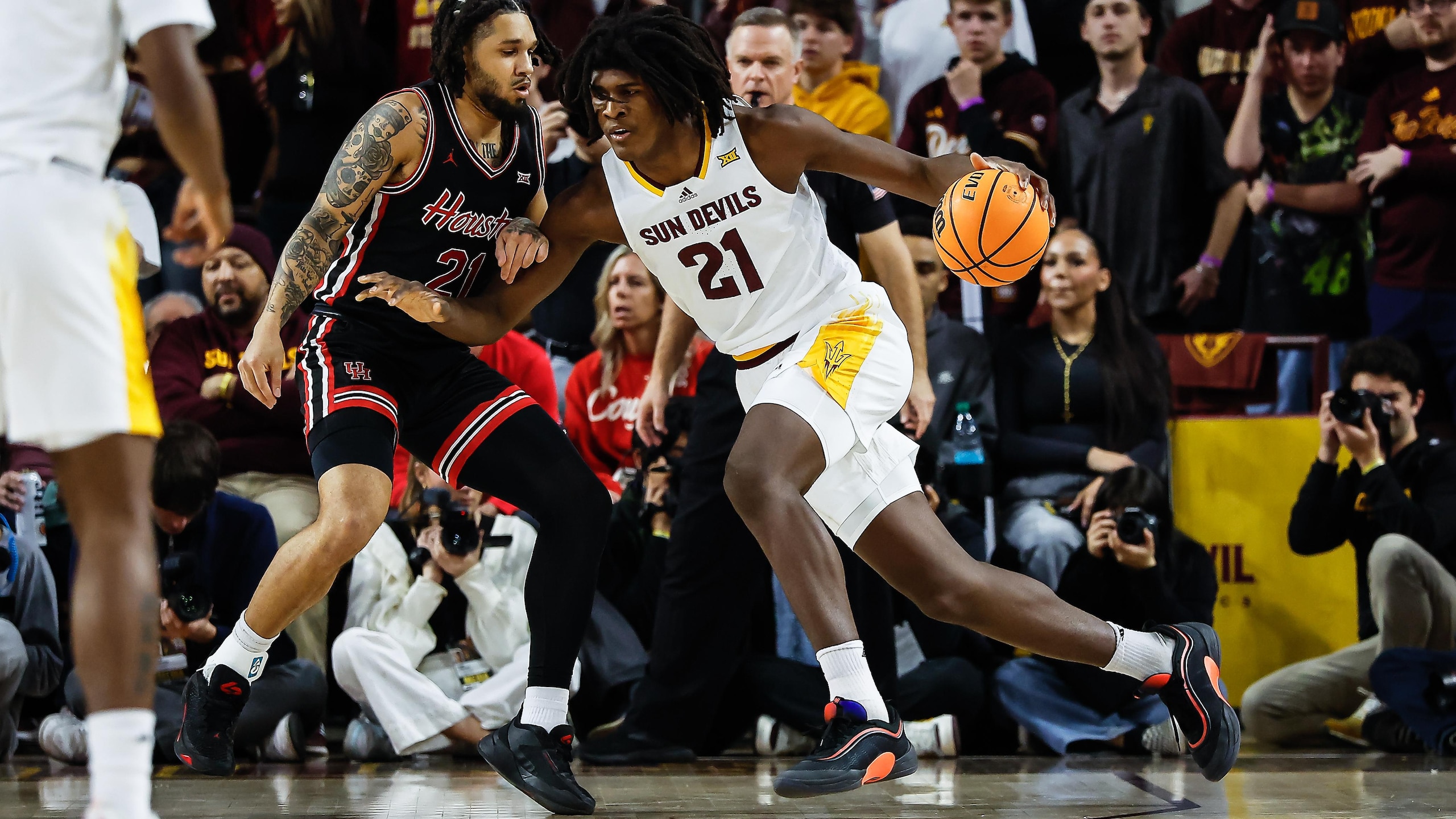
Last February's ACL tears complicates projections for Jayden Quaintance. We don't know his return date, minutes workload, rustiness, desire to go pro or NBA teams' level of interest if he doesn't play much.
Quaintance played 24 games as a 17-year-old last year, giving scouts plenty to consider for his long-term potential. He's one of the youngest players in this class, not turning 19 until after the 2026 draft. At Arizona State, he averaged 9.4 points per game, shot 60% inside the arc, and posted an impressive 9.8% block rate—all standout numbers for a freshman.
While he still has to improve his shooting range and overall half-court creation, he'll offer the type of functional physical tools, instincts and potential skill set that can translate to scoring efficiency and a special defensive impact in the NBA.
5. Toronto Raptors: Nate Ament (Tennessee, SF)
5 of 60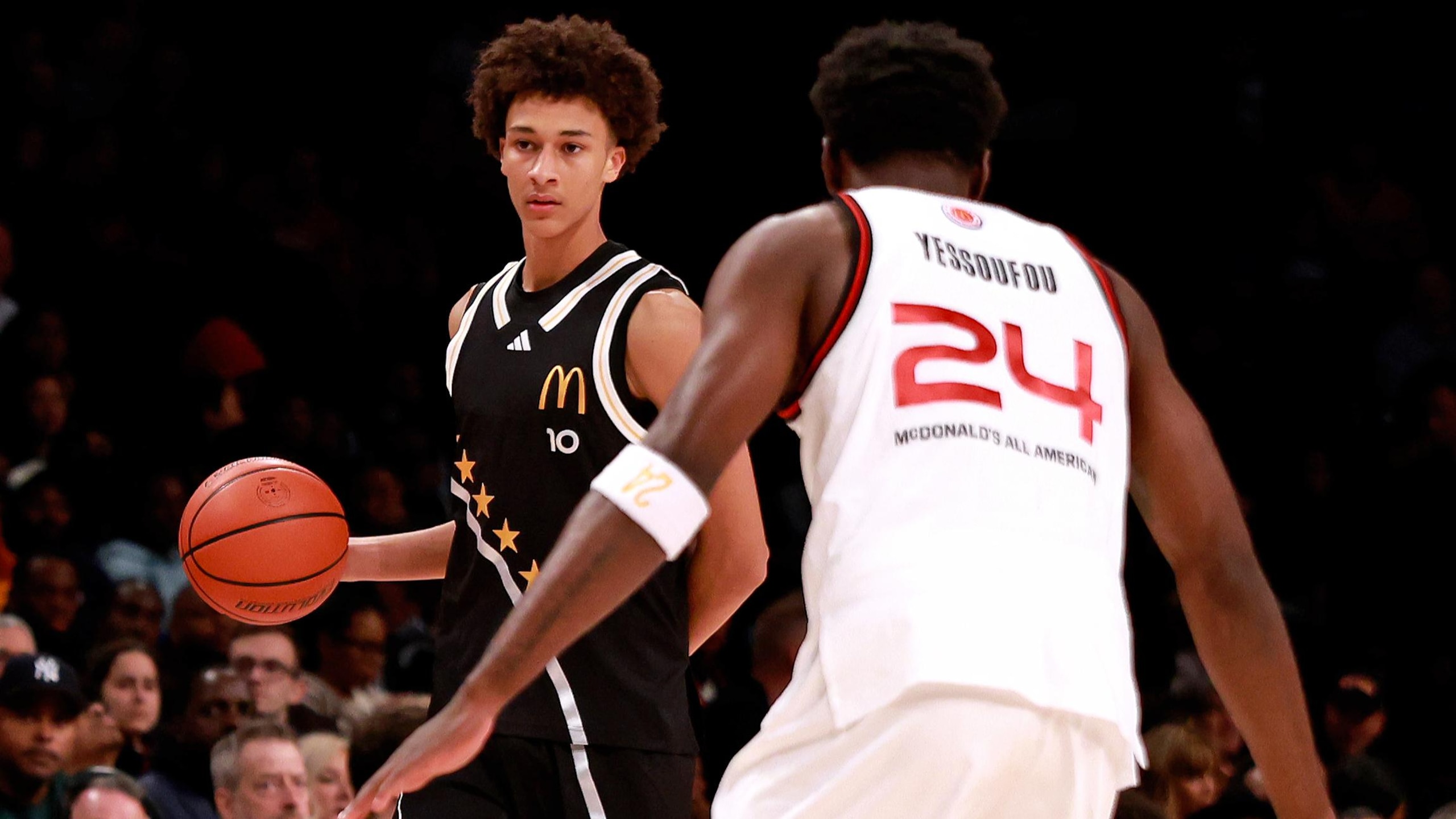
Nate Ament climbed toward the top tier in the 2026 class with guard-like fluidity at 6'9" and improving ball-handling and shotmaking skills.
He is still raw and can execute unevenly, partly due to his lean 190-pound frame. He's likely to struggle with physicality, but his combination of size, shot creation, and defensive quickness is rare for a wing.
Scouts are willing to be patient, even if Ament has stretches impacted by his lack of strength or low shooting percentages.
6. Atlanta Hawks (via Pelicans): Koa Peat (Arizona, PF)
6 of 60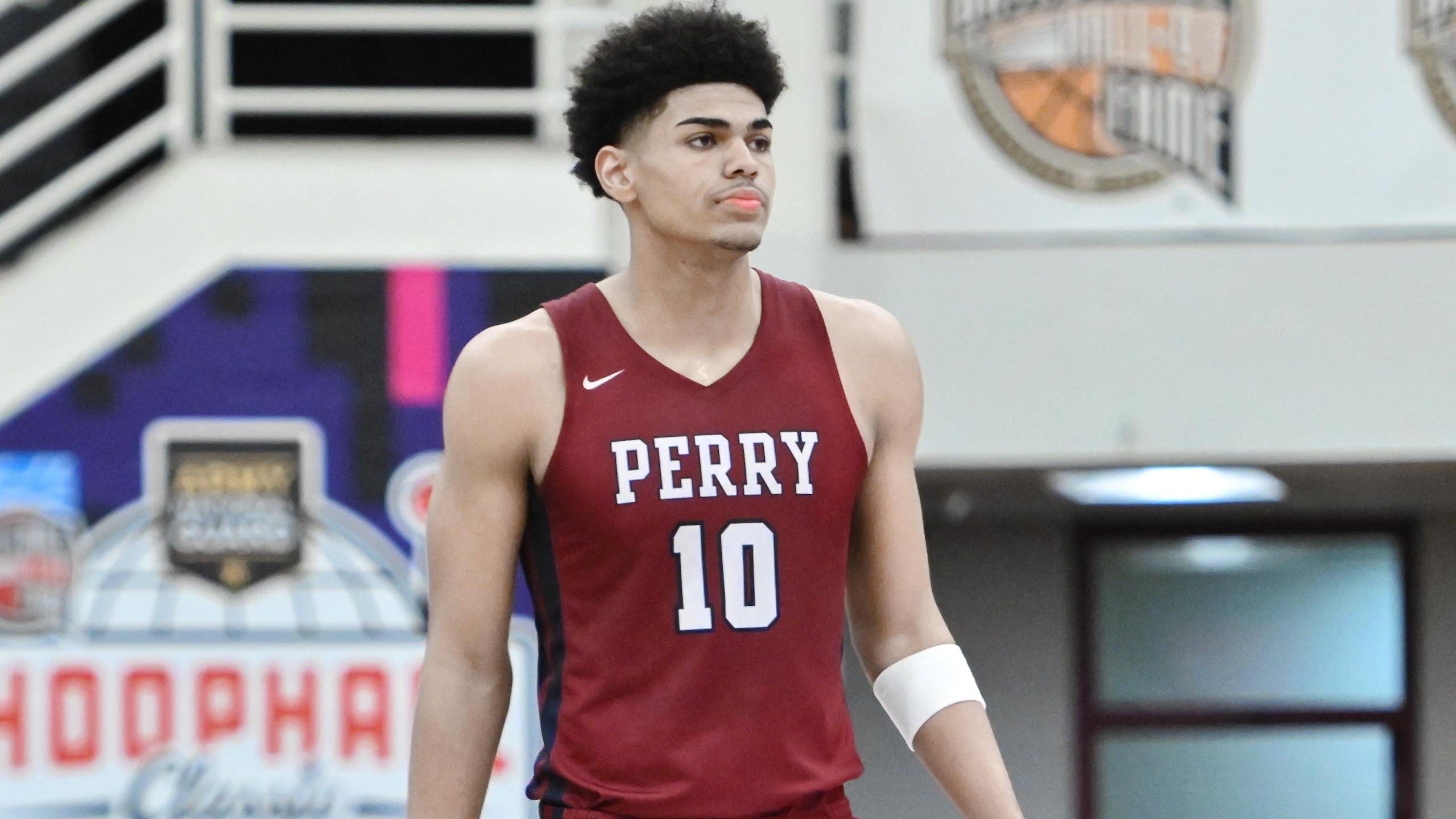
With four goal medals for USA since 2022, Koa Peat has had a steady presence atop recruiting ranks and under scouts' watch.
He has a knack for creating and getting to his spot slowly but methodically. At around 235 pounds, he's fluid when timing his pull-up or step-back, always in rhythm. Strength, balance and touch are evident and used most in his offensive attack.
Right now, he's more efficient in the mid-range or post area, but he continues to make an effort to add the three-ball to his everyday repertoire.
Peat is 6'8" without much speed or explosion, so questions will arise over his upside at both ends of the floor. But he still has the right body to produce or disrupt defensive inside, and his handle and shot have made encouraging strides. He's also seemingly productive in every setting he's played in.
7. Memphis Grizzlies (via Suns): Mikel Brown Jr. (Louisville, PG/SG)
7 of 60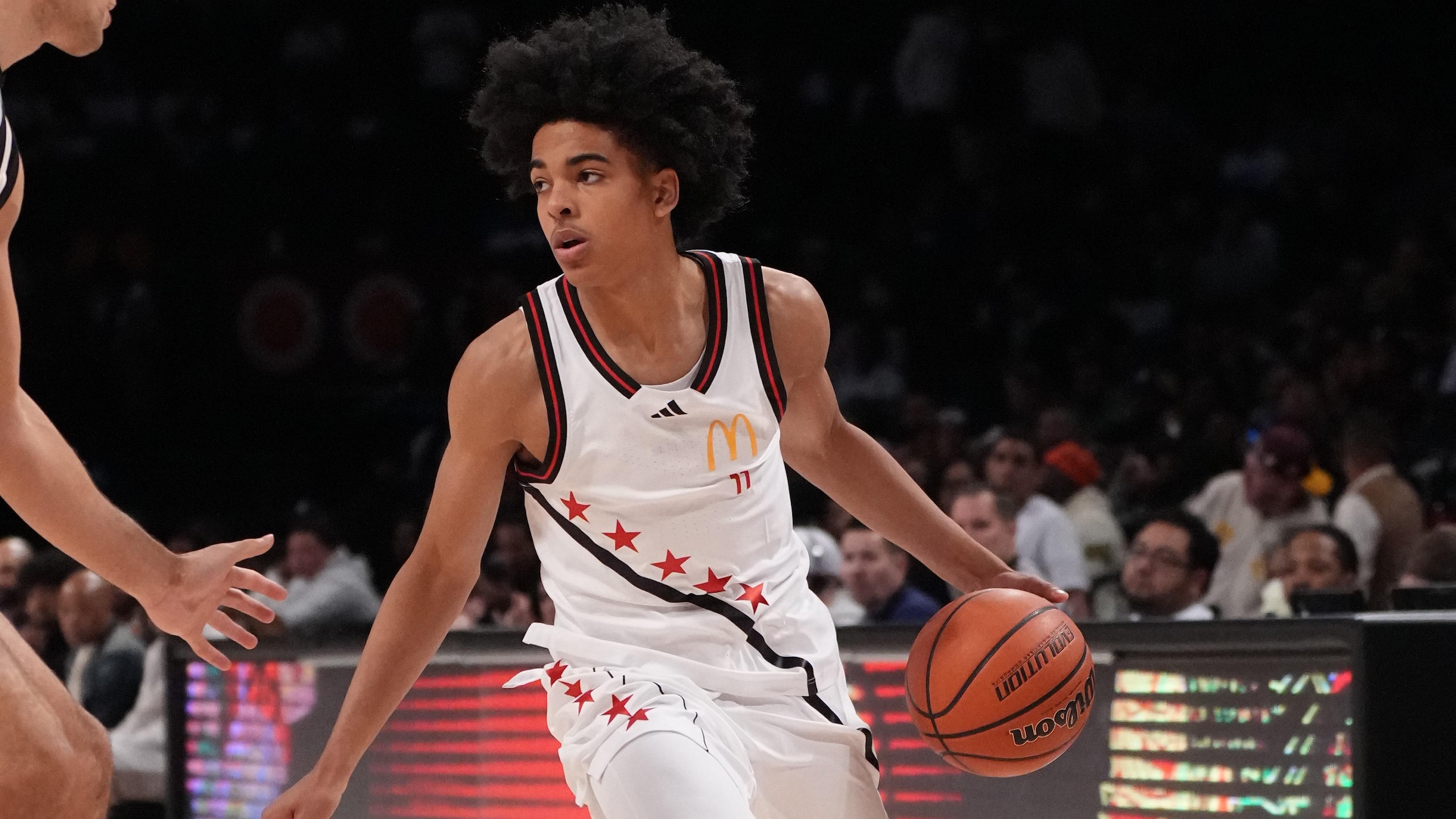
Mikel Brown Jr.'s stock is hot following the U19 World Cup when he shot 47.6 percent from three and totaled 43 assists to 15 turnovers.
Validating those numbers with consistent shooting and playmaking reads at Louisville should lock him into the lottery discussion all season. He's shifty and elusive off the dribble, capable of breaking down defenses, creating opportunities and putting pressure on the rim.
We'll have a close eye on his thin frame on finishing attempts and whether he's able to earn himself quality looks on a regular basis.
With Louisville listing Brown at 6'5", a number that says he could play either guard spot, he may even have some margin for error with his decision-making.
8. Portland Trail Blazers: Chris Cenac Jr. (Houston, PF/C)
8 of 60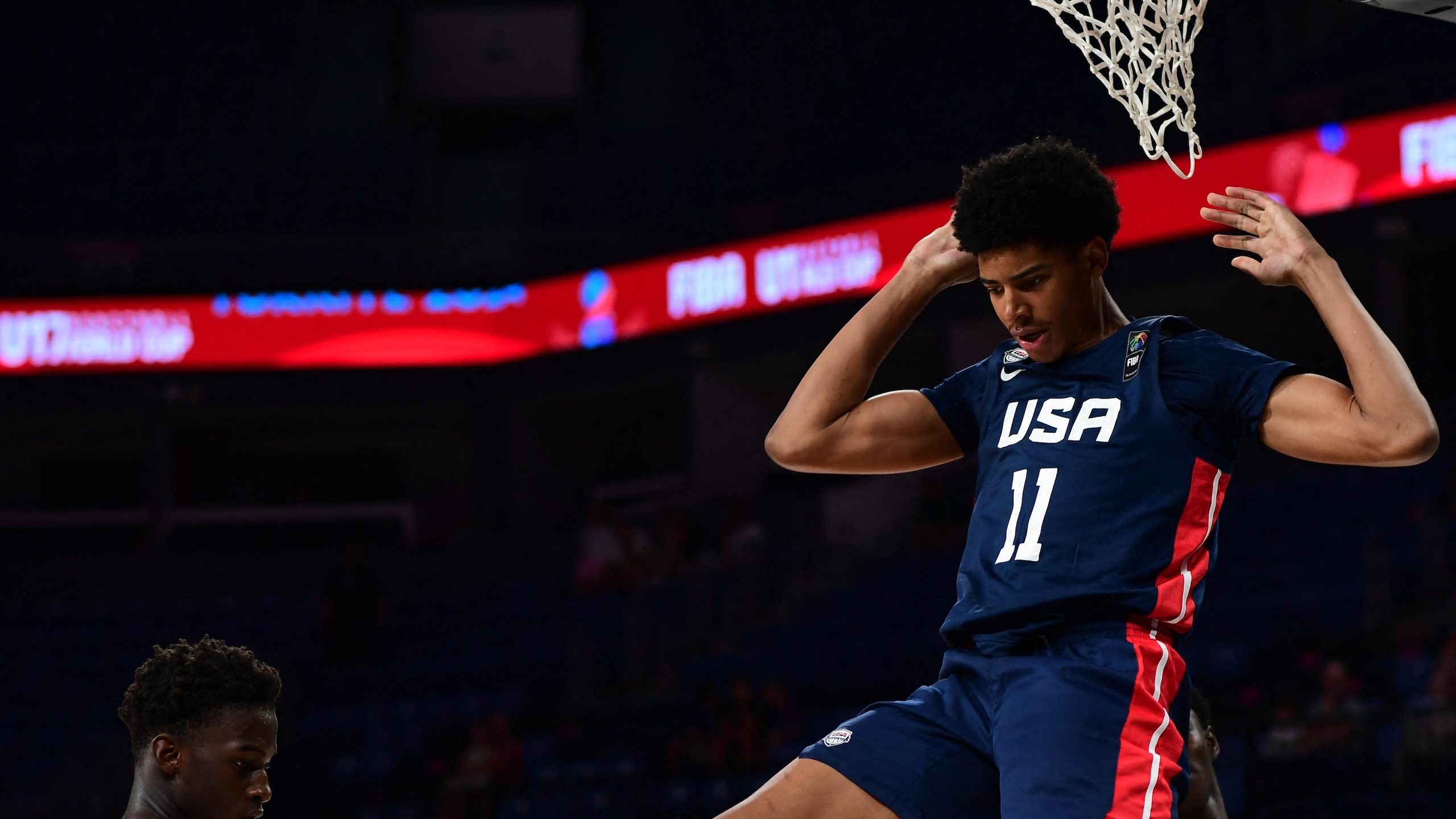
Houston will mostly use and value Chris Cenac's lob catching, dunker's spot finishing, defensive court coverage and rim protection. But he's going to generate more NBA attention and draft buzz with his ball-handling and shotmaking flashes.
Cenac might project as a power forward rather than a center because of his perimeter skills. He has a high motor, but sometimes forces the issue trying to play like a wing, which can lead to tough, low-percentage shots.
Though he plays with a live motor, he can sometimes try too hard to play like a wing, resulting in lower-percentage or forced shots. Houston and scouts will still want to make sure he's effective completing typical big-man plays like rebounding, screening and playing through physical contact inside at both ends.
And he'll need to execute the drives, fallaways and threes with enough efficiency to convince scouts they're real and on track to translate.
9. Miami Heat: Tounde Yessoufou (Baylor, SG/SF)
9 of 60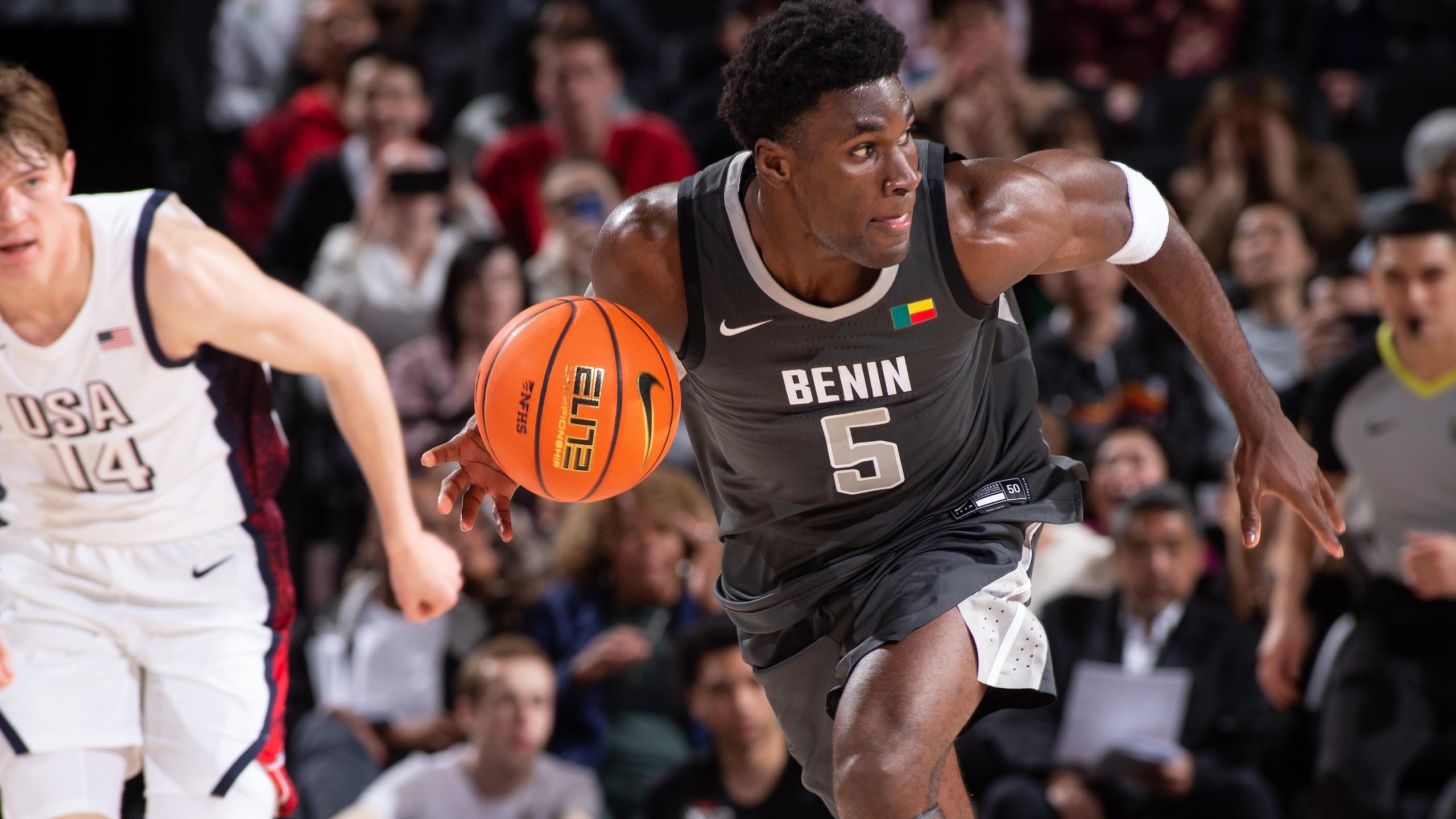
Tounde Yessoufou will replace VJ Edgecombe at Baylor and similarly look to show improving offensive skills that complement his powerful tools and explosion.
Previously valued mostly for his physical frame, athleticism and motor—a combination he used for transition, defense and rebounding—he has delivered more and more signs that he's morphing into an interchangeable wing from a combo forward.
Potential weaknesses or concerns to monitor that could slow down interest: Inconsistent shooting and lack of playmaking.
10. Oklahoma City Thunder (via 76ers): Caleb Wilson (North Carolina, PF)
10 of 60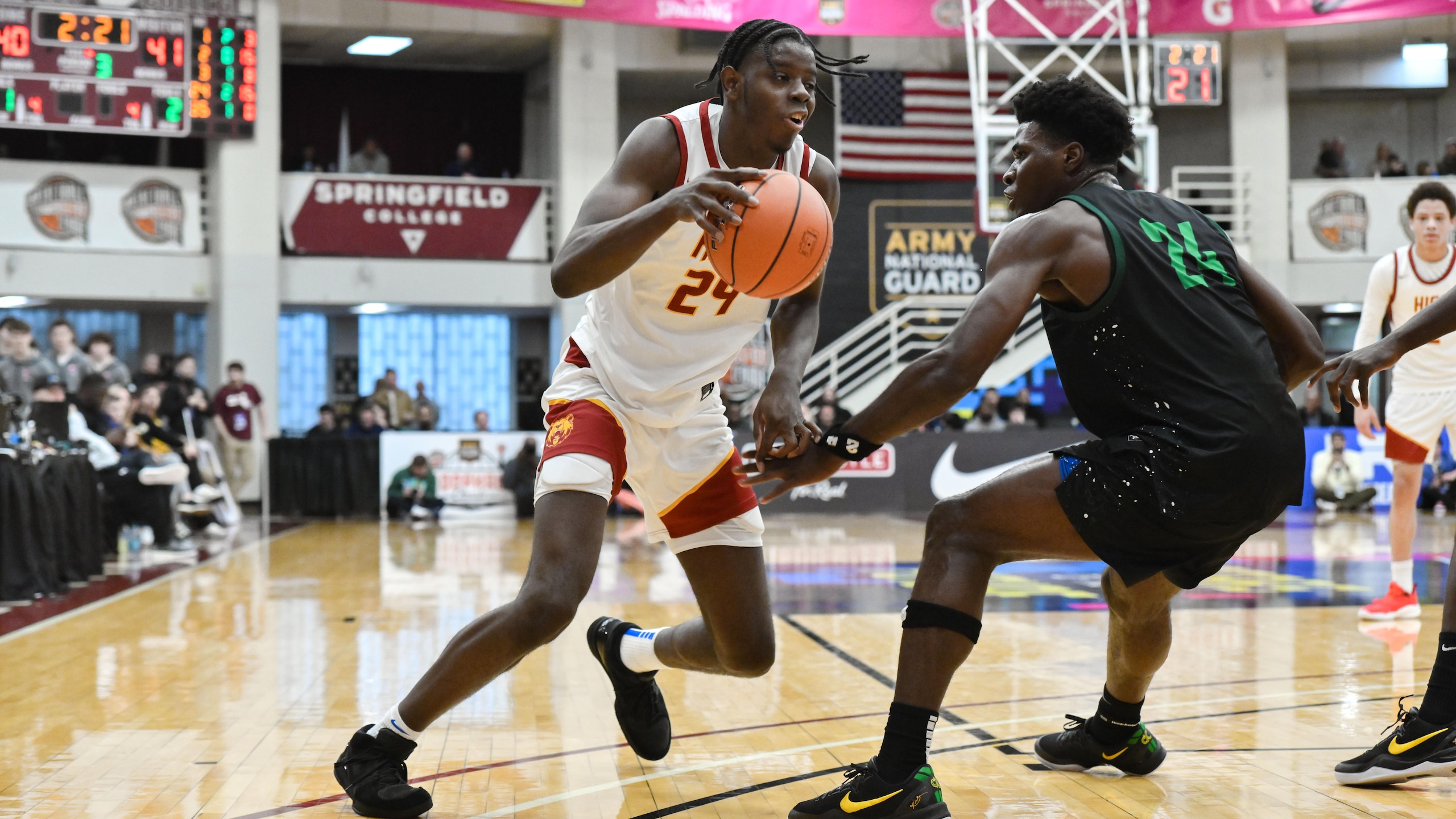
Caleb Wilson's defensive potential figures to pop first at North Carolina. We're going to see sequences of of a 6'9" player making on-ball, recovery and weakside blocks.
There will be questions about his offensive fit and upside as a scorer. Despite high-school flashes, it's difficult to project a reliable creator or shooter at the moment.
Scouts should still detect value and translatable finishing tied to his tools and athleticism that come alive in transition, off cuts and under the glass.
Enough strong elbow drives and mid-range jumpers could help spark scouts' imaginations and push Wilson further into the top 10.
11. Sacramento Kings: Cayden Boozer (Duke, PG)
11 of 60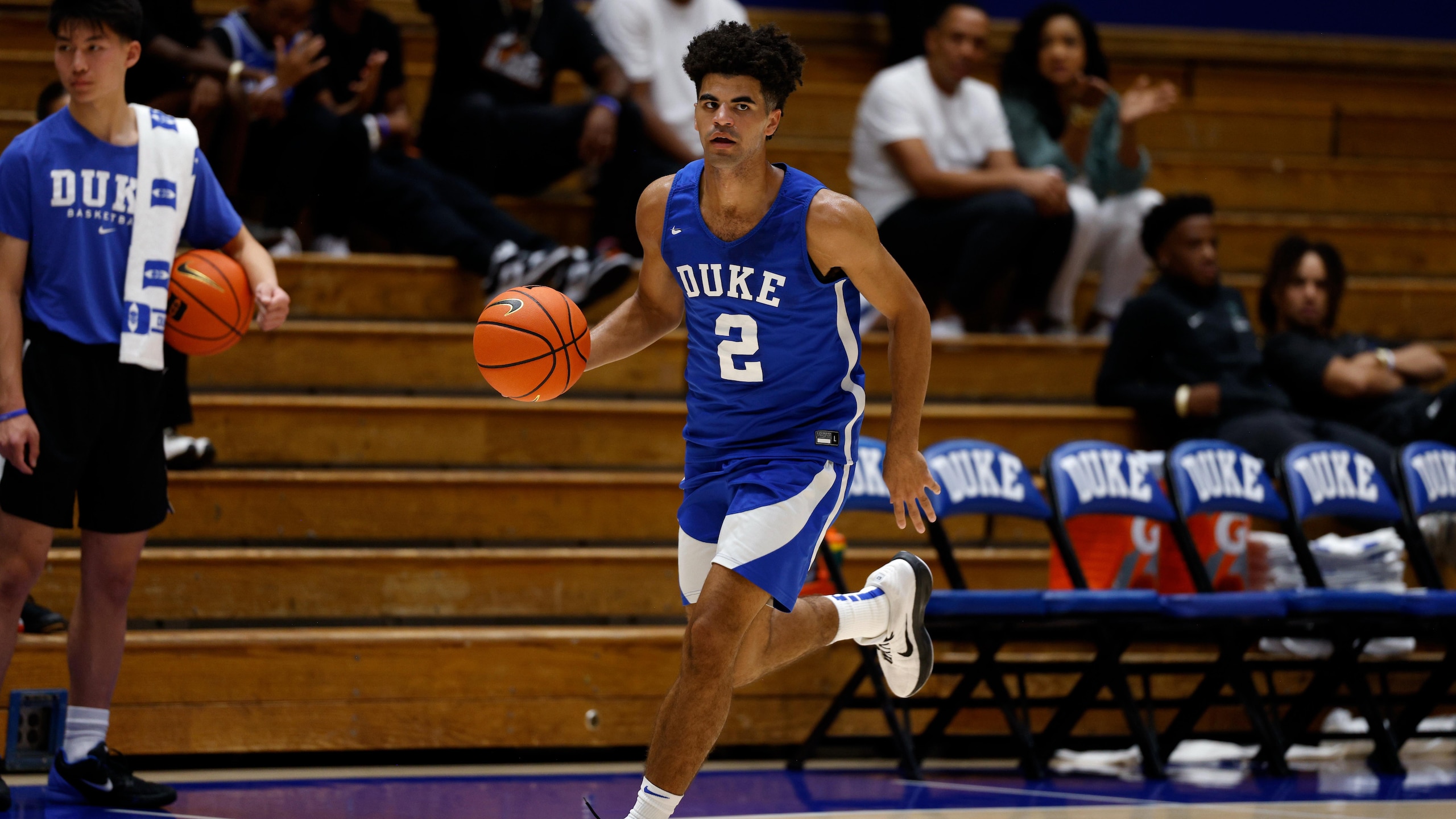
Cayden Boozer won't look like one of today's modern, high-powered point guards who can operate as a top scoring options.
There are still sure to be NBA teams that become fans of his unteachable feel running offense, making smart passing reads and setting up teammates up in high-percentage spots.
His IQ shows at both ends of the floor, with Boozer showing anticipation as both a playmaker and defender.
He may not put up big scoring numbers due to his unselfishness, especially on a loaded Duke roster. Still, he has grown into a reliable shooter, both from three-point range and the mid-range, and he shows excellent touch on floaters.
12. Chicago Bulls: Brayden Burries (Arizona, SG)
12 of 60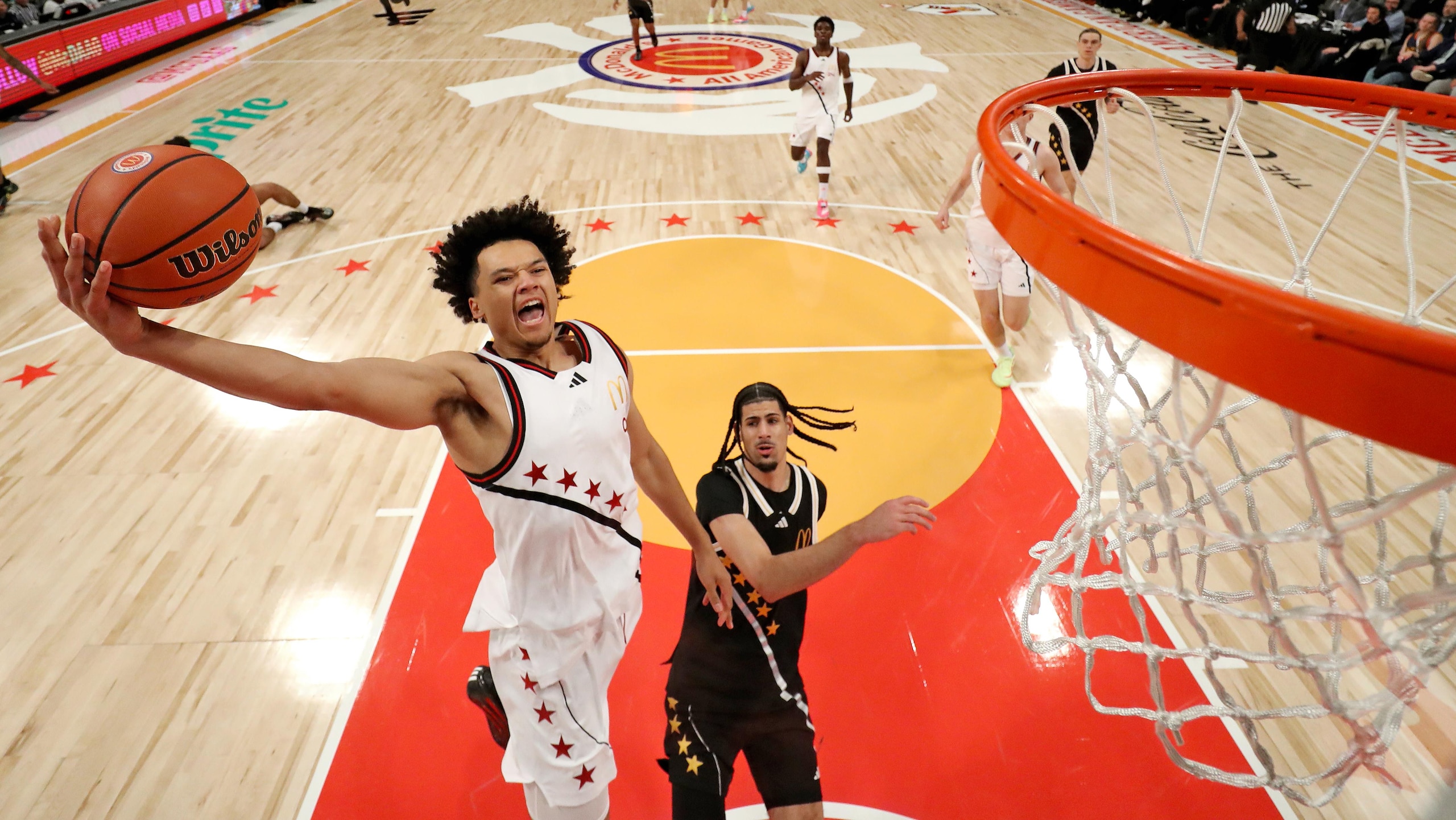
One of the top scoring guards in the 2025 high school class, Brayden Burries should give Arizona an instant injection of creation and ball-screen offense.
At 6'4", 205 pounds, he has a strong mix of size, strength and touch for driving and tossing in floaters. He does most of his damage at the rim or behind the arc, where he's a confident shotmaker but still needs to become more consistent.
He should offer enough passing flashes for scouts to picture a combo at the next level. But there won't be any mistaking his NBA money-making skill, which is putting the ball in the basket from on or off the ball.
Burries should be a high pick if he can avoid concerns over lacking playmaking upside or explosiveness.
13. Dallas Mavericks: Isiah Harwell (Houston, SG/SF)
13 of 60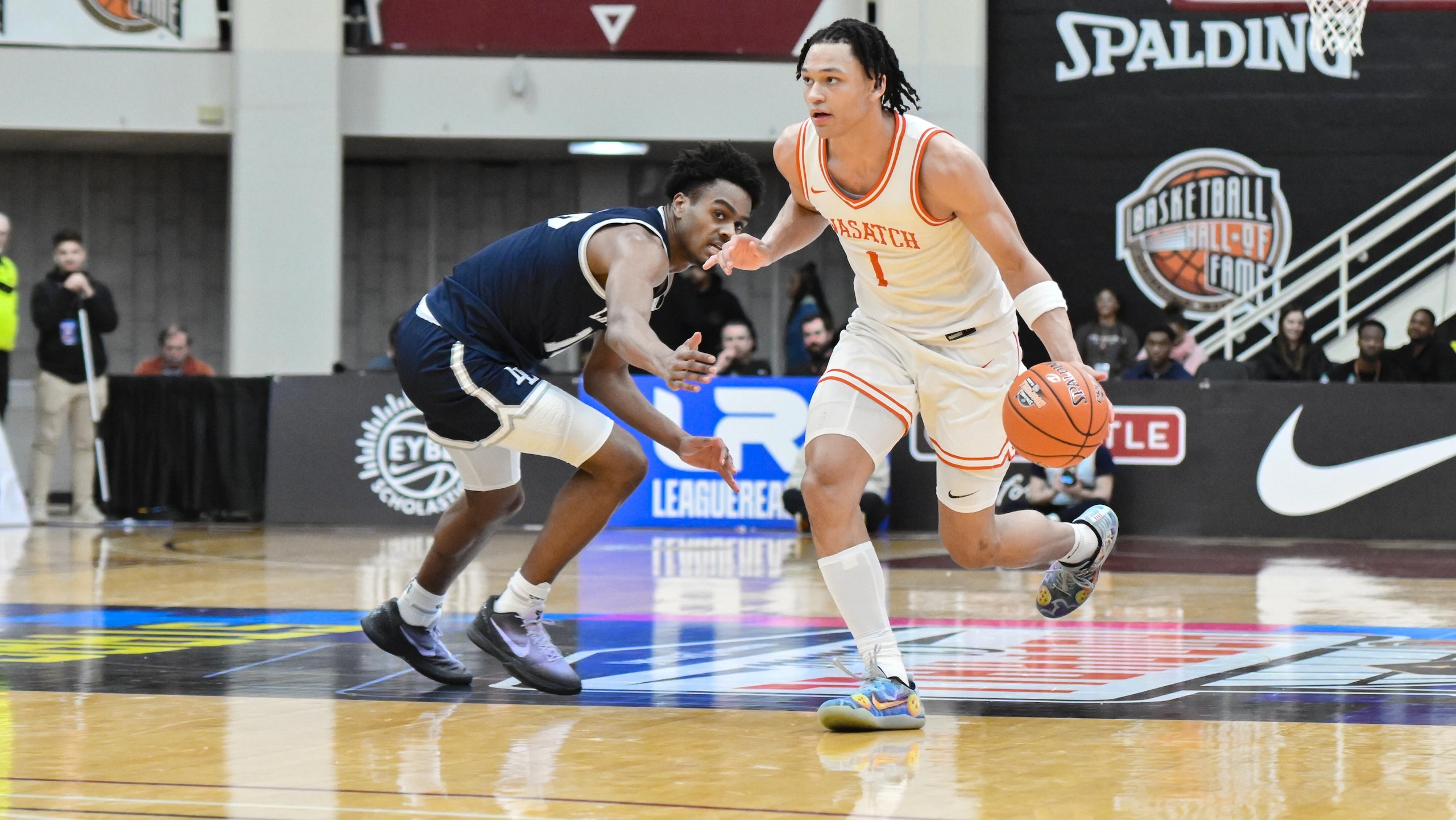
At 6'6", 200 pounds, Isiah Harwell should look like an obvious three-and-D prospect at Houston.
He's developed into a reliable catch-and-shooter who also gets elevation and balance on his mid-range pull-ups. Defensively, he's aggressive off the ball and shows a knack for jumping passing lanes and creating events.
Harwell doesn't provide significant rim pressure, as his creation mostly comes around the perimeter. But he should look like an easy choice with an adaptable game for both college and the pros.
14. San Antonio Spurs (via Hawks): Karim Lopez (New Zealand Breakers, PF)
14 of 60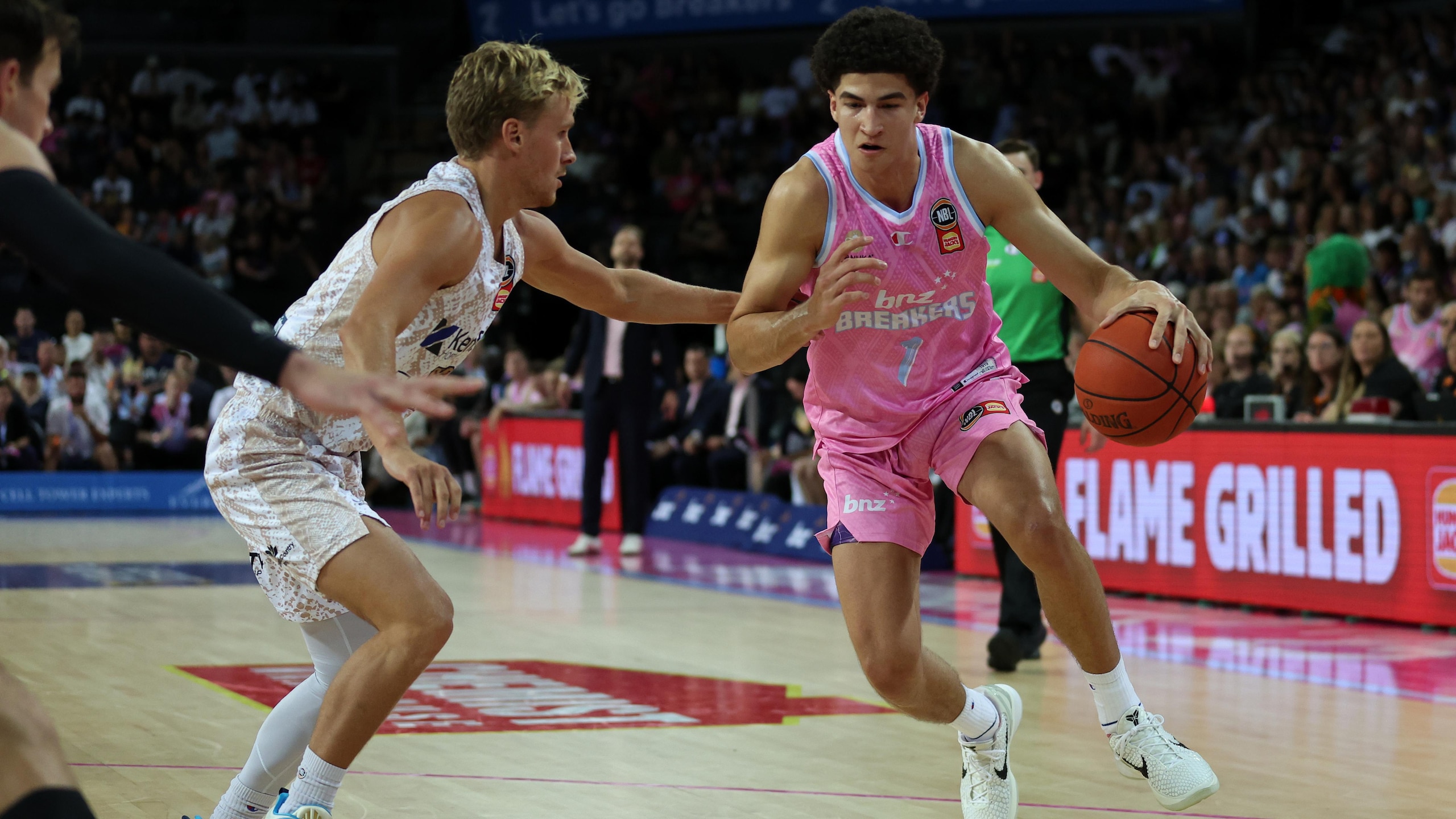
At 17 years old, Karim Lopez looked like he belonged in the NBL playing 21.9 minutes.
At 6'8", he's at his best attacking, using an effective mix of ball-handling, strength and body control to attack closeouts. He has an interesting mix of physical tools and combo-forward skills, but his trajectory and draft stock will be closely tied to his shooting development.
Lopez will have just turned 19 with two years of pro experience before the 2026 draft, and he's demonstrated some shotmaking skill with 21 made threes in 25 games for New Zealand. No pull-up and rigid mechanics do raise some concerns, though.
15. Indiana Pacers: Braylon Mullins (Connecticut, SG)
15 of 60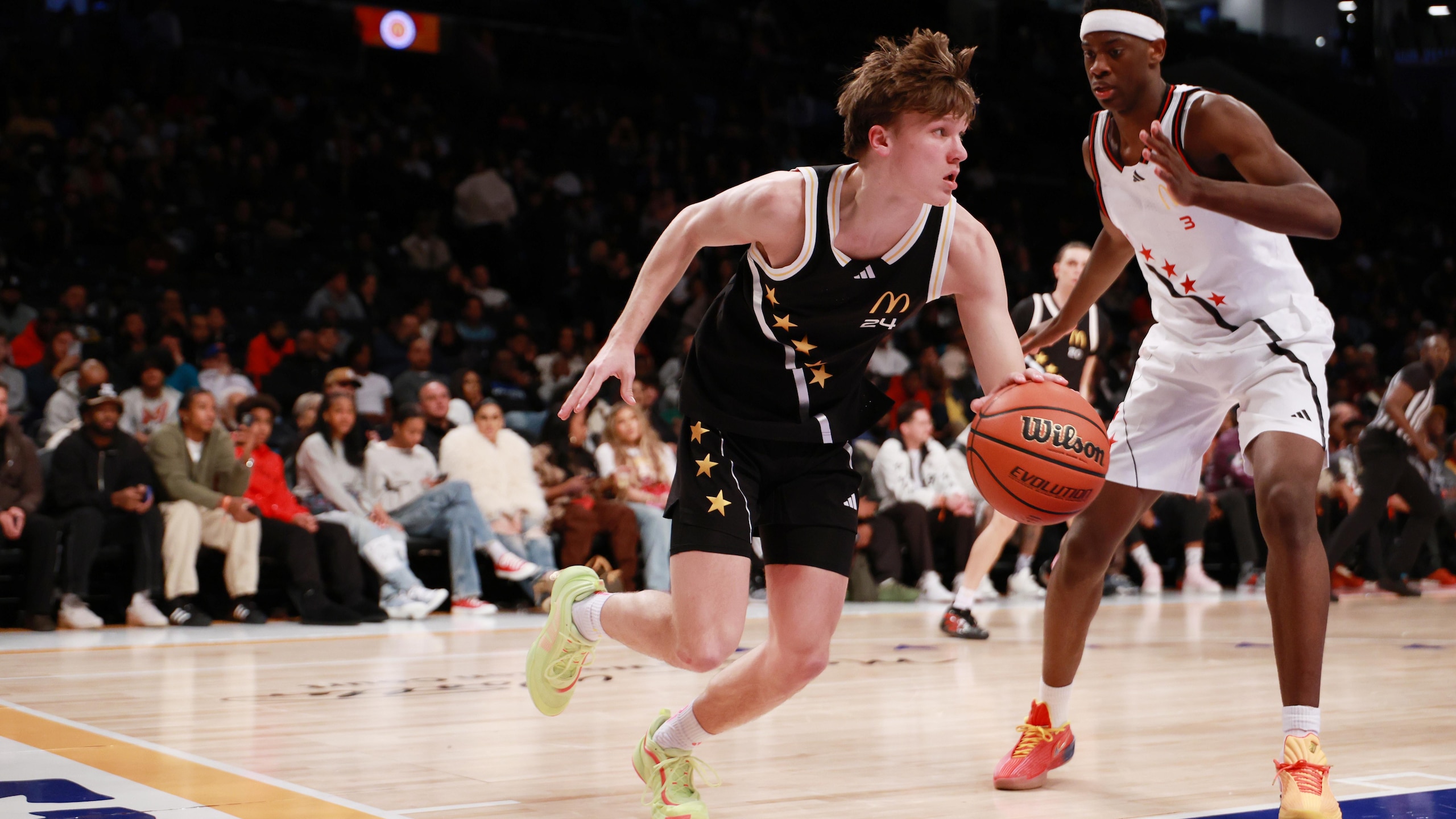
Braylon Mullins will be one of the top freshmen shooters whose 6'5" size and shotmaking diversity will interest NBA scouts.
In 20 Adidas game last year, he shot 41.7 percent from three but also racked up 19 dunks, showing he can thrive behind the arc and play above the rim.
At Connecticut, he'll likely be used mostly off the ball spotting up, hitting movement threes and cutting. However, Mullins can be a lethal transition player as well with his quick release, pull-up game and athleticism.
16. Memphis Grizzlies: Tahaad Pettiford (Auburn, PG)
16 of 60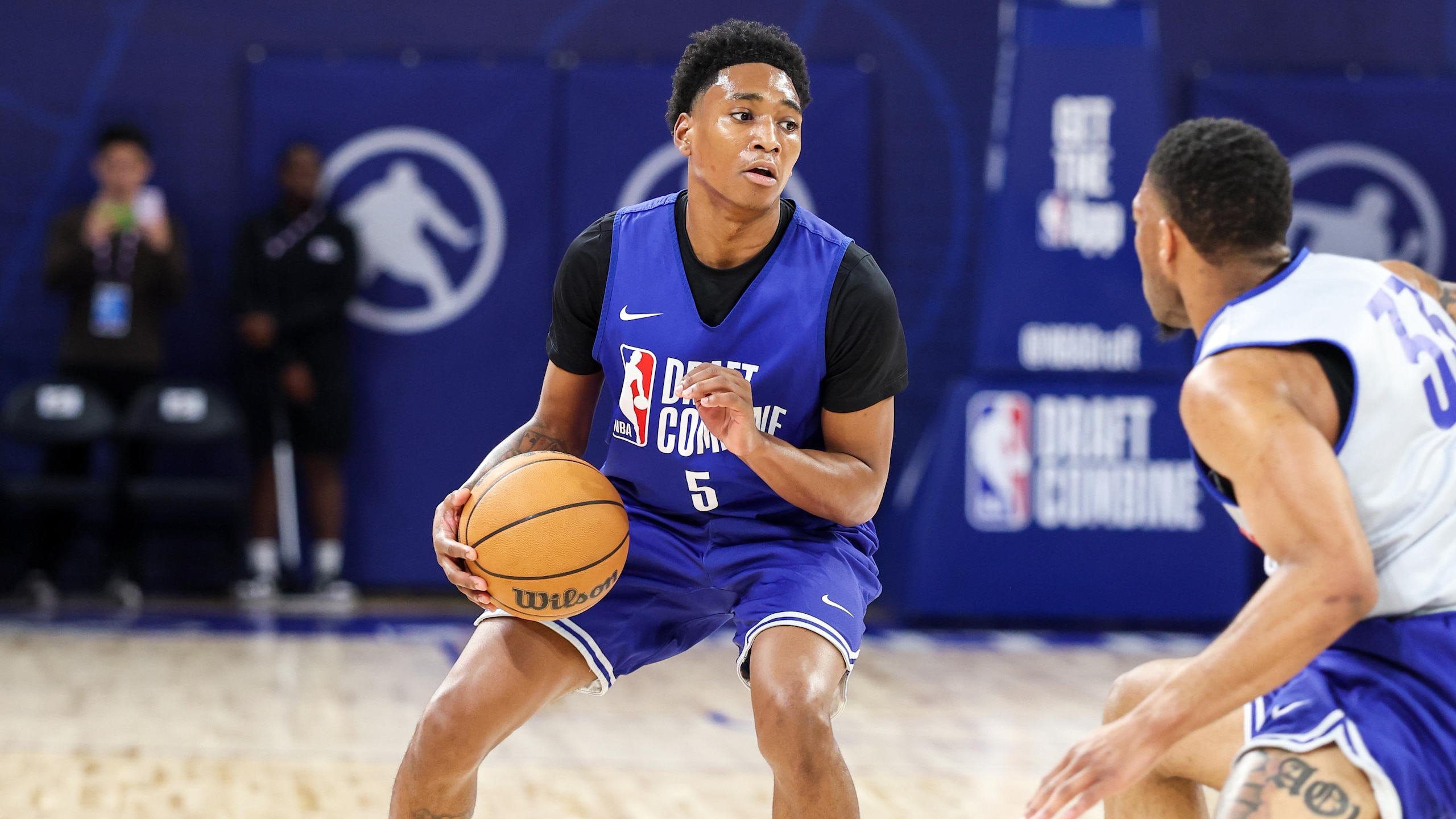
There was first-round interest in Tahaad Pettiford last year after he started just one game for Auburn.
A big bump in minutes and responsibility are coming, and they should ignite more confidence for the sophomore ball-handler to showcase his creativity, shotmaking and playmaking potential.
Pettiford was a highly productive pull-up shooter (63 makes) and an efficient pull-up threat (39.1 percent) with one of the nation's best floaters (51.4 percent).
He needs to finish better around the basket, and there will obviously be some skepticism around his size. But explosiveness and a 6'5½" wingspan do ease some concerns.
And there are no questions about Pettiford's ability to create, get to spots, make tough shots and set up teammates.
17. Milwaukee Bucks: Dame Sarr (Duke, SF)
17 of 60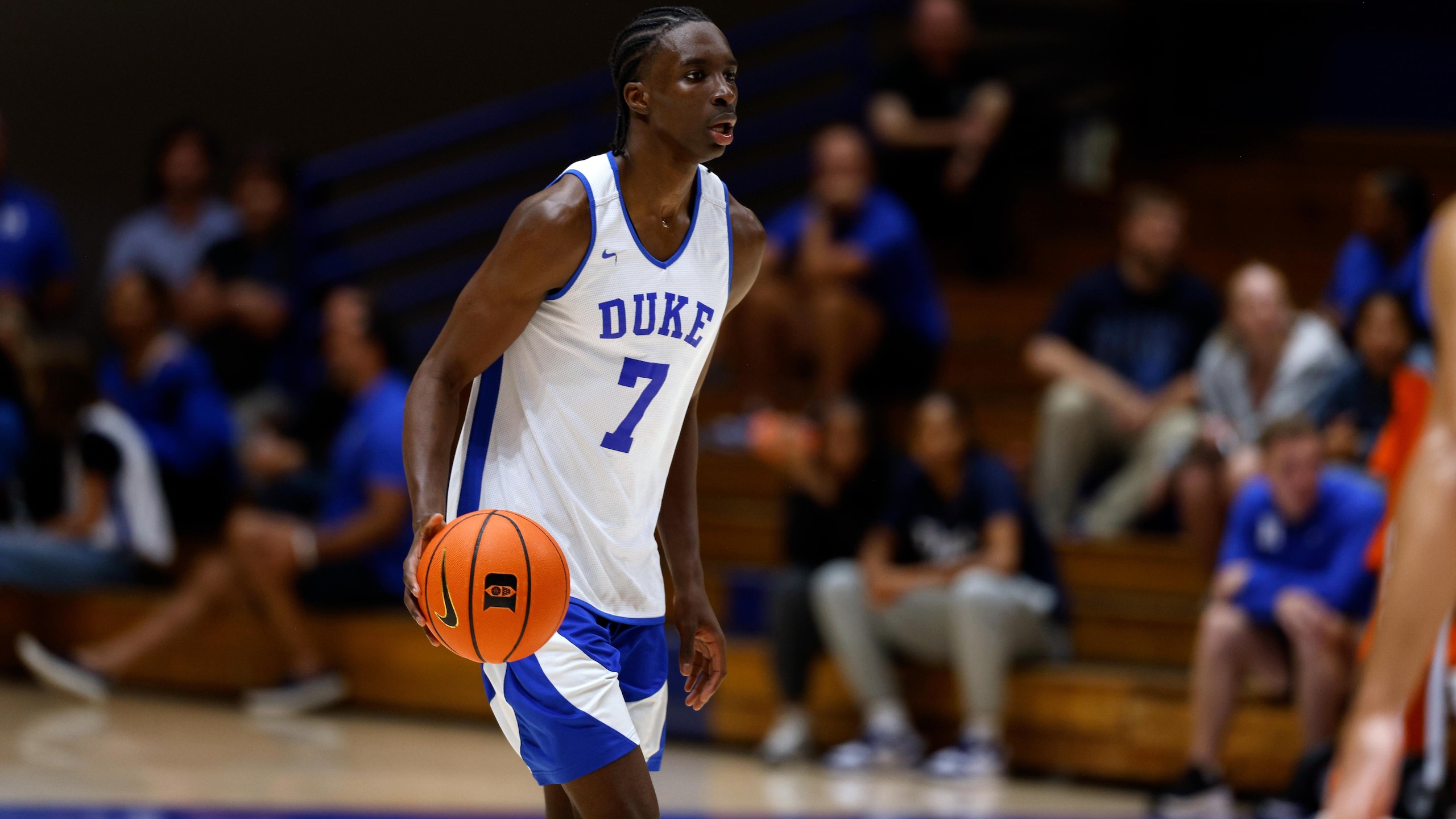
Dame Sarr is going to look raw, but with offense running through Caleb Foster, Cameron Boozer and Isaiah Evans, the freshman's role figures to help showcase his athleticism, open-floor scoring and off-ball shotmaking.
On the ball, he delivered promising flashes last year with Barcelona, changing direction with his handle and attacking the rim.
Shooting will play an obvious factor in scouts' level of interest and whether Sarr will be one-and-done. He's been on and off from three in different settings, though his free-throw percentages have always been disappointing for a guard or wing.
18. Atlanta Hawks (via Spurs): Karter Knox (Arkansas, SF)
18 of 60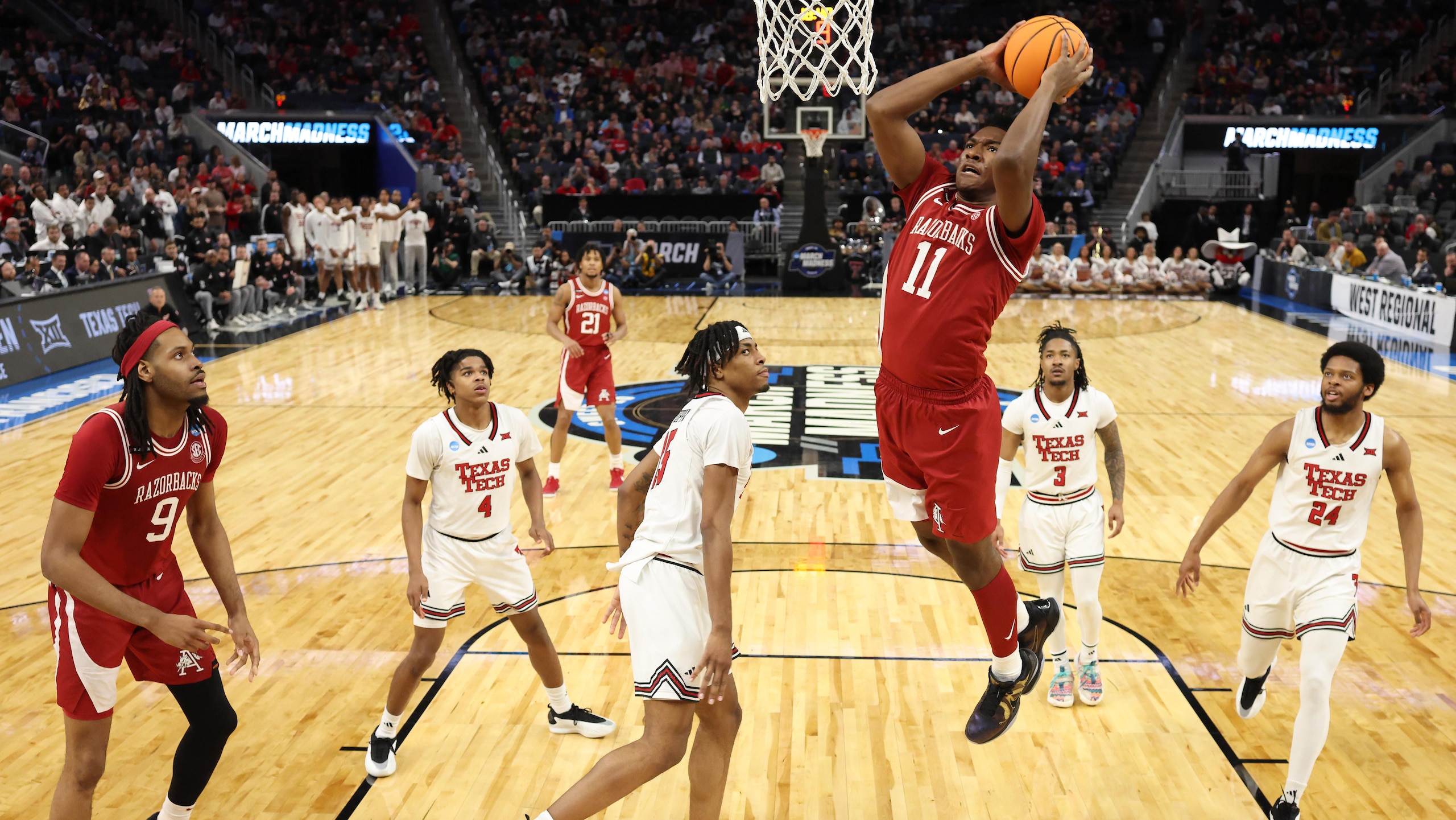
Karter Knox came alive in February last season, and now he's back at Arkansas after going through the draft process to join a team that lost four of its top five scorers.
Right as he started to get regular playing time after the new year, his confidence visibly started to build. The production followed.
Knox should receive starter minutes to use his powerful frame, athleticism downhill and shotmaking for transition and off-ball scoring.
19. Boston Celtics: Hannes Steinbach (Washington, C)
19 of 60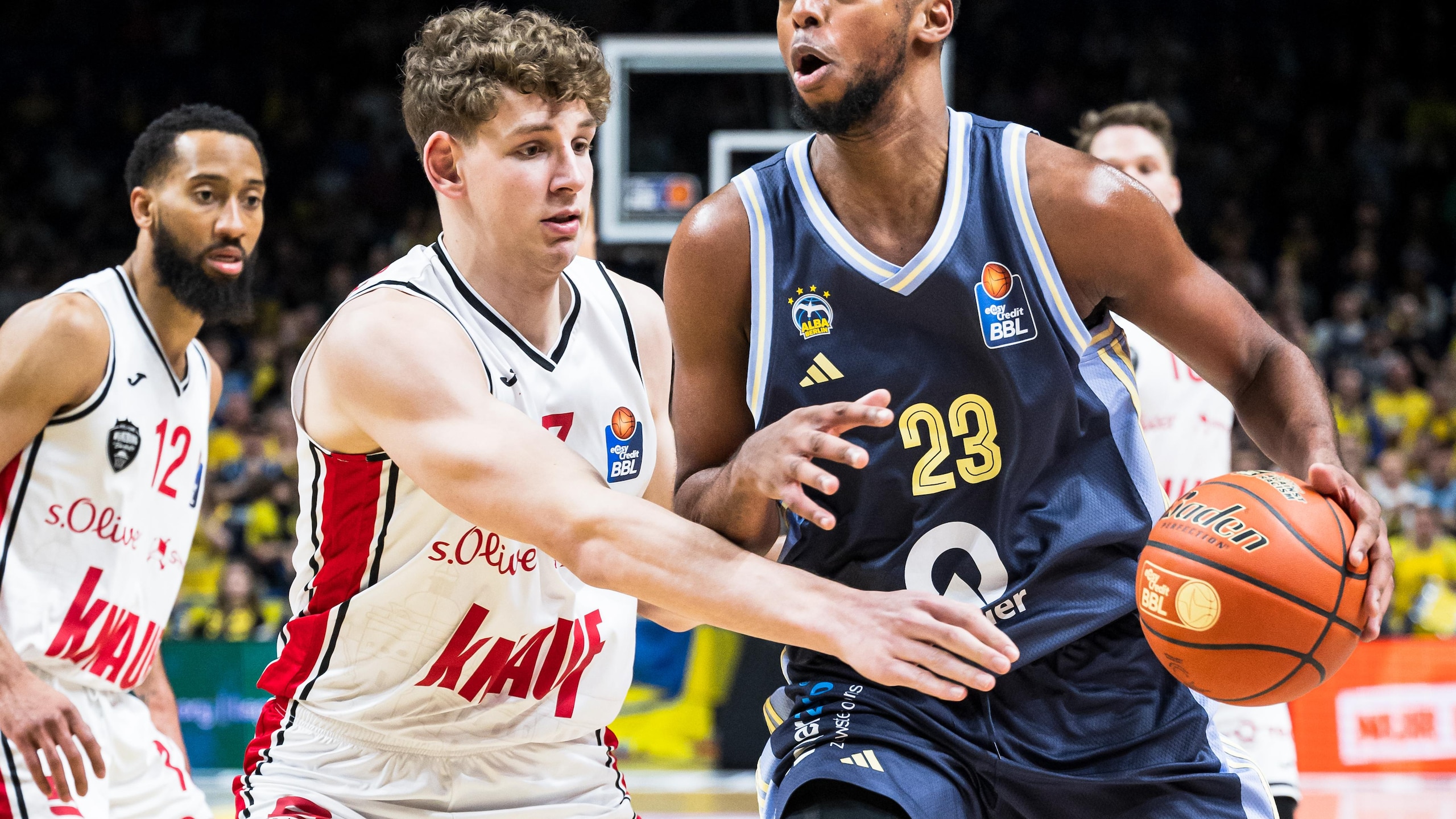
Hannes Steinbach gives defenses trouble with some older-school, back-to-the-basket offense. Scouts should see his success around the post translating based on his 6'11" size, patience, footwork and touch.
Occasional flashes of vertical pop at the rim, shooting and face-up moves make Steinbach more interesting. He averaged 17.4 points on 65.7 percent from the floor at the U19 World Cup where he led Germany to a silver medal.
Washington figures to feature Steinbach in the half-court offense, which could allow him to showcase both his inside game, pick-and-roll skill set and developing scoring versatility.
20. Detroit Pistons: Labaron Philon (Alabama, PG)
20 of 60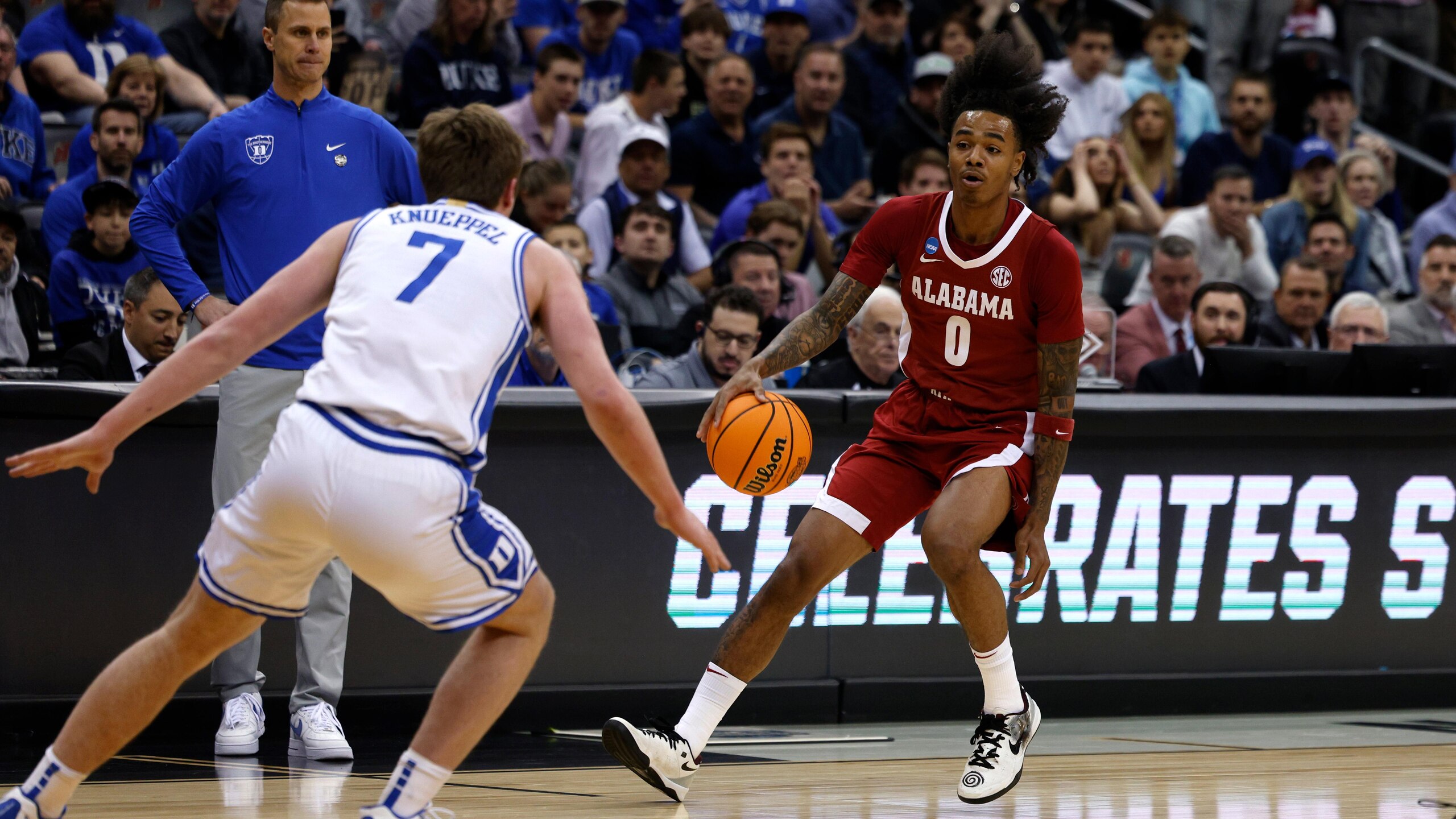
Labaron Philon made a last-minute decision to withdraw from the 2025 draft, a surprise after his decision to skip NBA combine scrimmaging signaled confidence in his draft stock.
He'll return to Alabama to improve his shooting, a needle-mover for a point guard who already excels at getting to his spots, setting up teammates and scoring with unteachable touch inside the arc.
Even a repeat of last season could lead to interest in Philon, whose creativity, playmaking and defensive instincts could carry over.
21. Orlando Magic: Yaxel Lendeborg (Michigan, PF)
21 of 60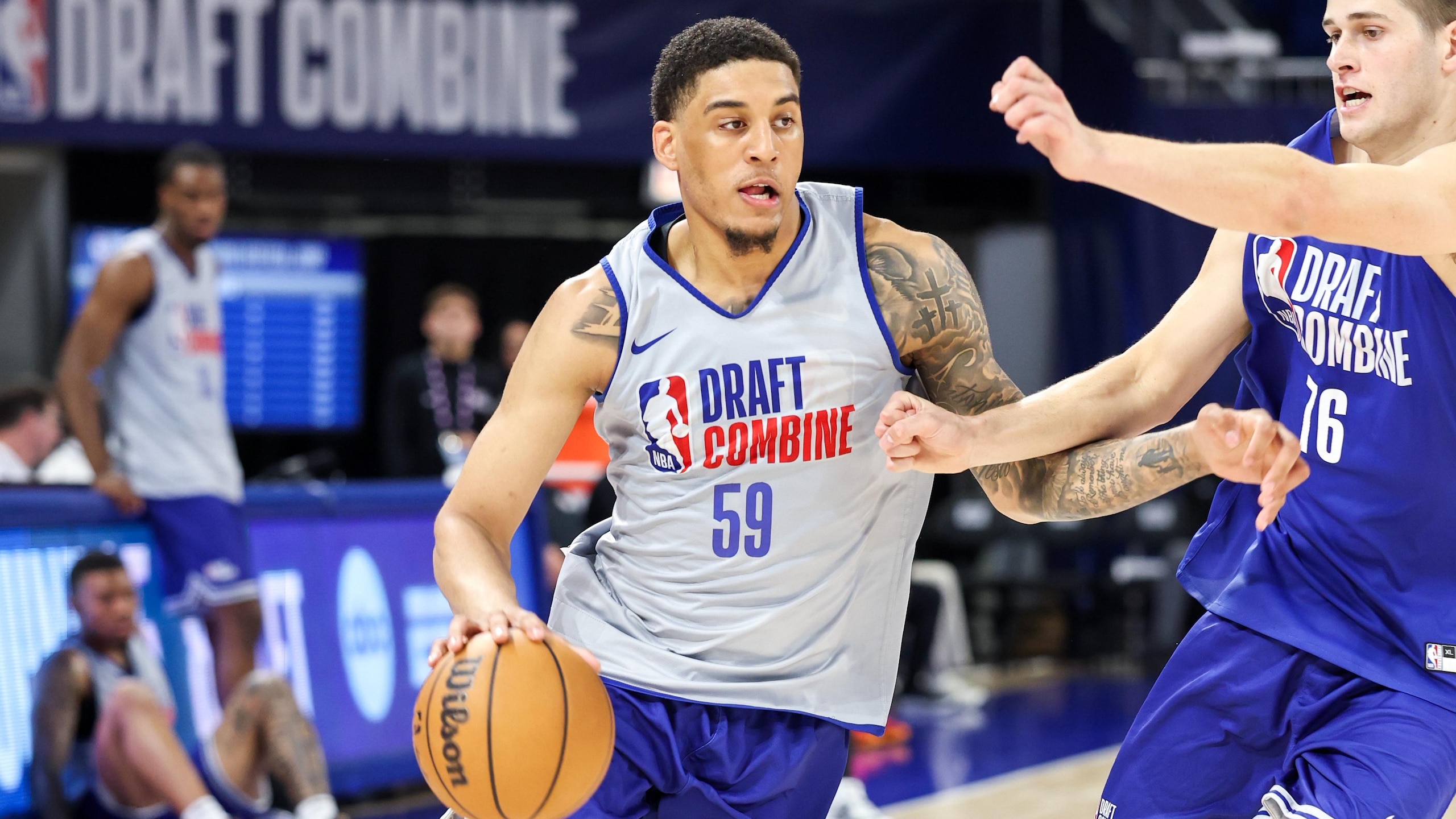
No player in the country put up two-way counting stats like Yaxel Lendeborg did at UAB.
Now at Michigan, he'll have a chance to build on last year's first-round interest if he's able to make another jump as a shooter.
Regardless, NBA teams figure to see a rotational prospect who has the body and motor to finish and offensive rebound, translatable passing skills and enough face-up game to score one-on-one in space.
Strong mid-range, free-throw and floater percentages are also promising indicators for his potential to become a capable three-point threat.
22. Golden State Warriors: Patrick Ngongba II (Duke, C)
22 of 60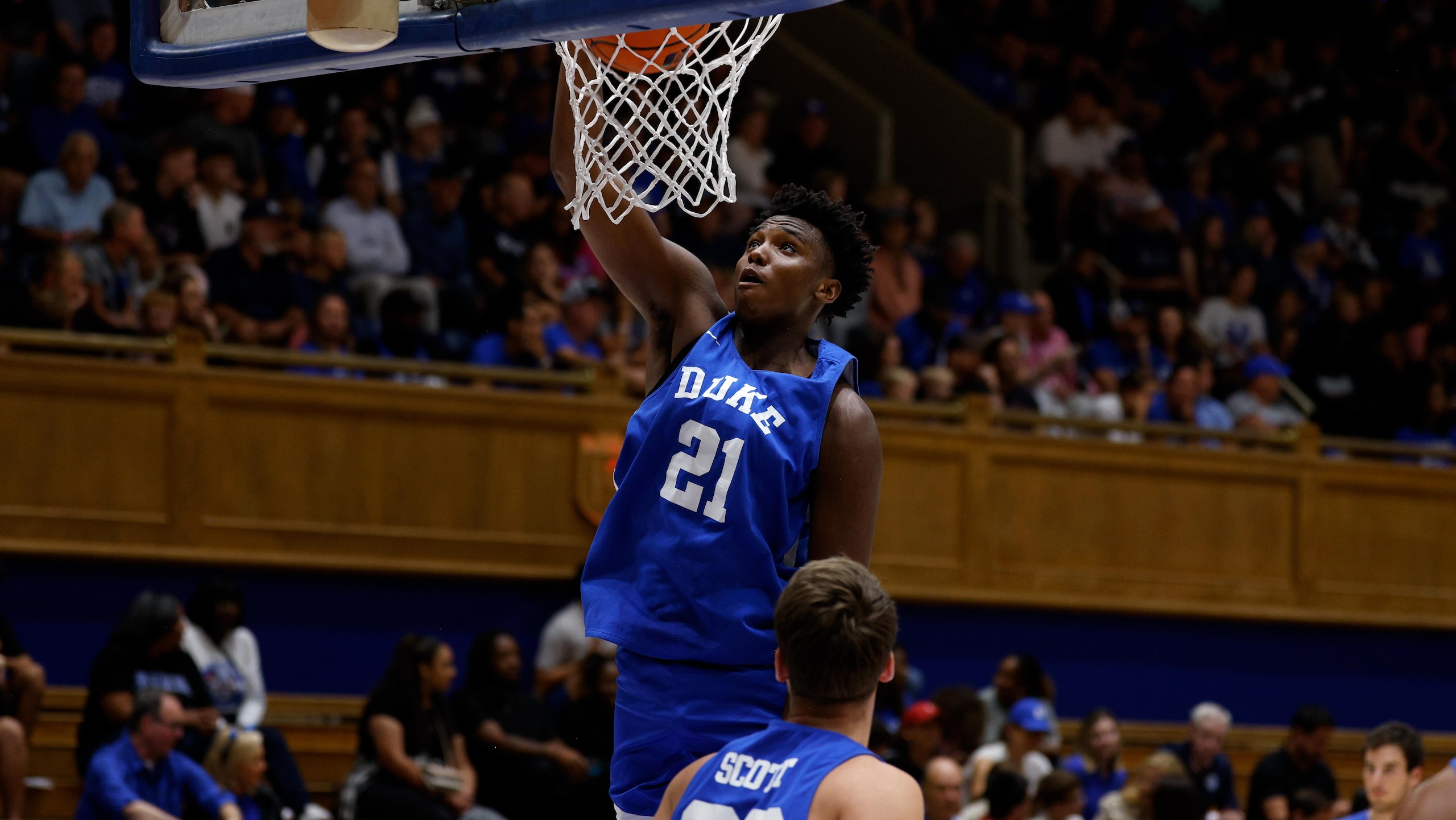
There's nothing flashy about Patrick Ngongba II's game, nor is there any clear path to upside.
However, NBA teams could eventually see him as useful frontcourt depth, as the 6'11", 250-pound big has a special feel for how to finish plays/drives and deliver assists as a playmaking big.
He has excellent hands and patience around the basket, though he looks more interesting when he's facing up, attacking, taking methodical steps and converting driving layups.
Ngongba seemed to give positive minutes whenever he was on the floor last year, and a bigger role should be coming his way in 2025-26.
23. Minnesota Timberwolves: Bennett Stirtz (Iowa, PG)
23 of 60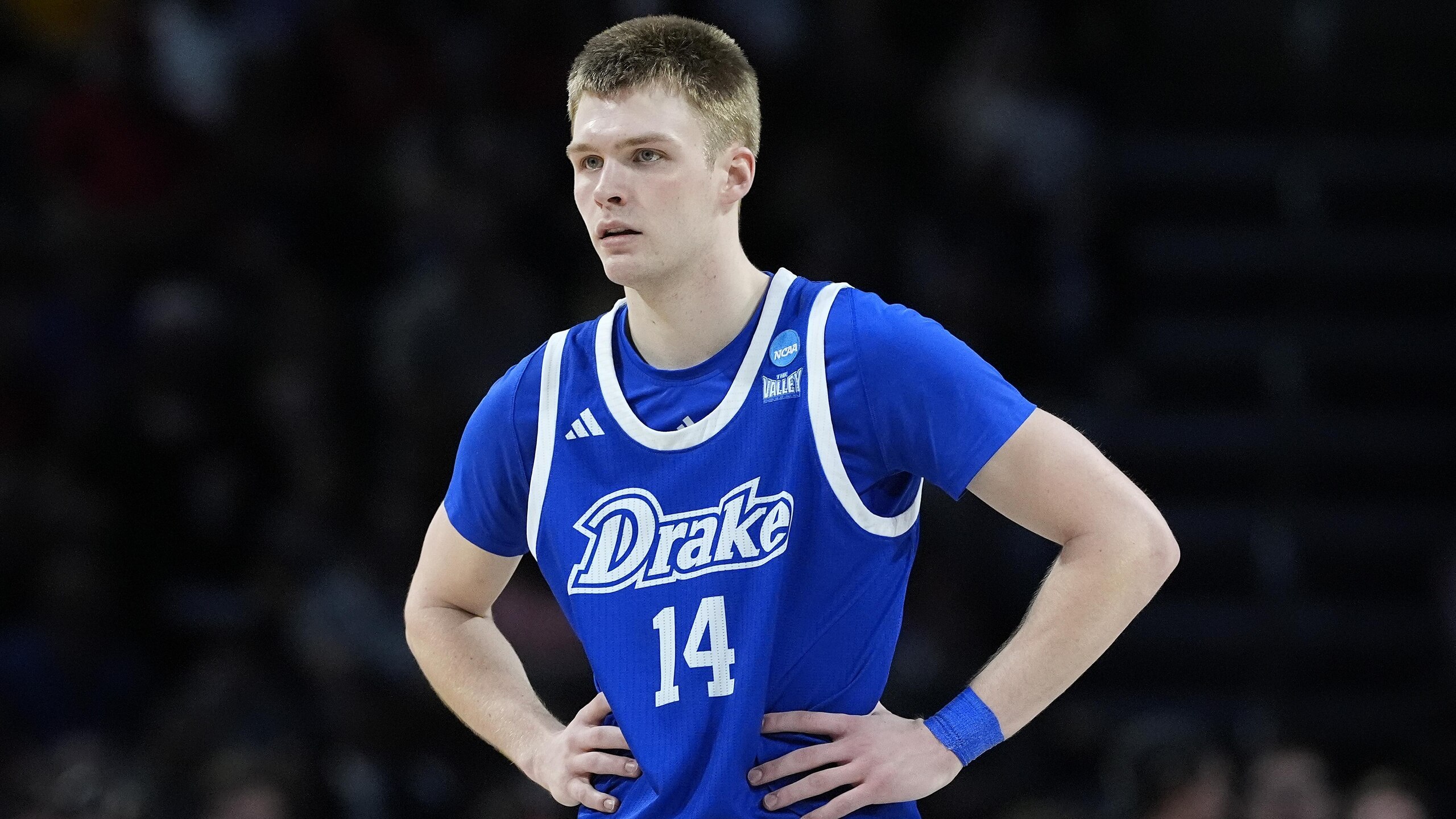
Despite earning attention from scouts after consecutive 21-point games in the NCAA tournament, Bennett Stirtz was quick to pass on the draft and announce a transfer to Iowa.
With advanced ball-handling, shooting, finishing feel and decision-making, he seems prepared to replicate last year's offensive success against more credible opponents.
Creativity, shotmaking, IQ and overwhelmingly strong analytics should help scouts see past his athletic limitations.
24. New York Knicks: Isaiah Evans (Duke, SF)
24 of 60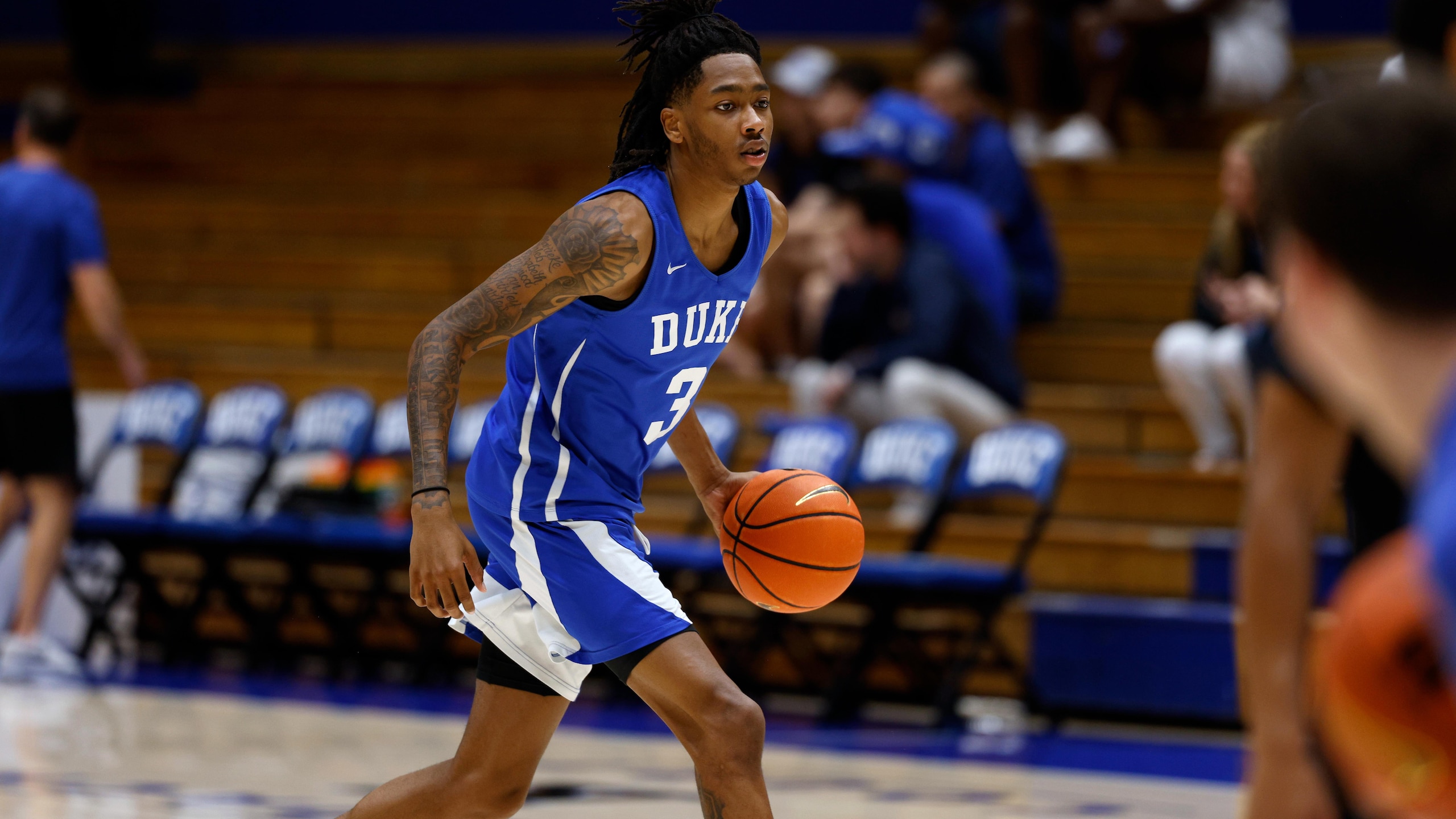
With a larger sophomore role, Isaiah Evans should be aggressive this year showing more of the shot creation and scoring we saw in high school.
Playing off the ball last year, he graded in the 99th percentile in spot-up efficiency, per Synergy Sports, hitting 48.3 percent of those threes and showing signs of line-drive attacking and footwork off the dribble.
Even if he struggles to show new one-on-one play or playmaking, Evans may be an advanced enough shooter to interest scouts in the late first round.
25. Los Angeles Lakers: Anthony Robinson II (Missouri, PG/SG)
25 of 60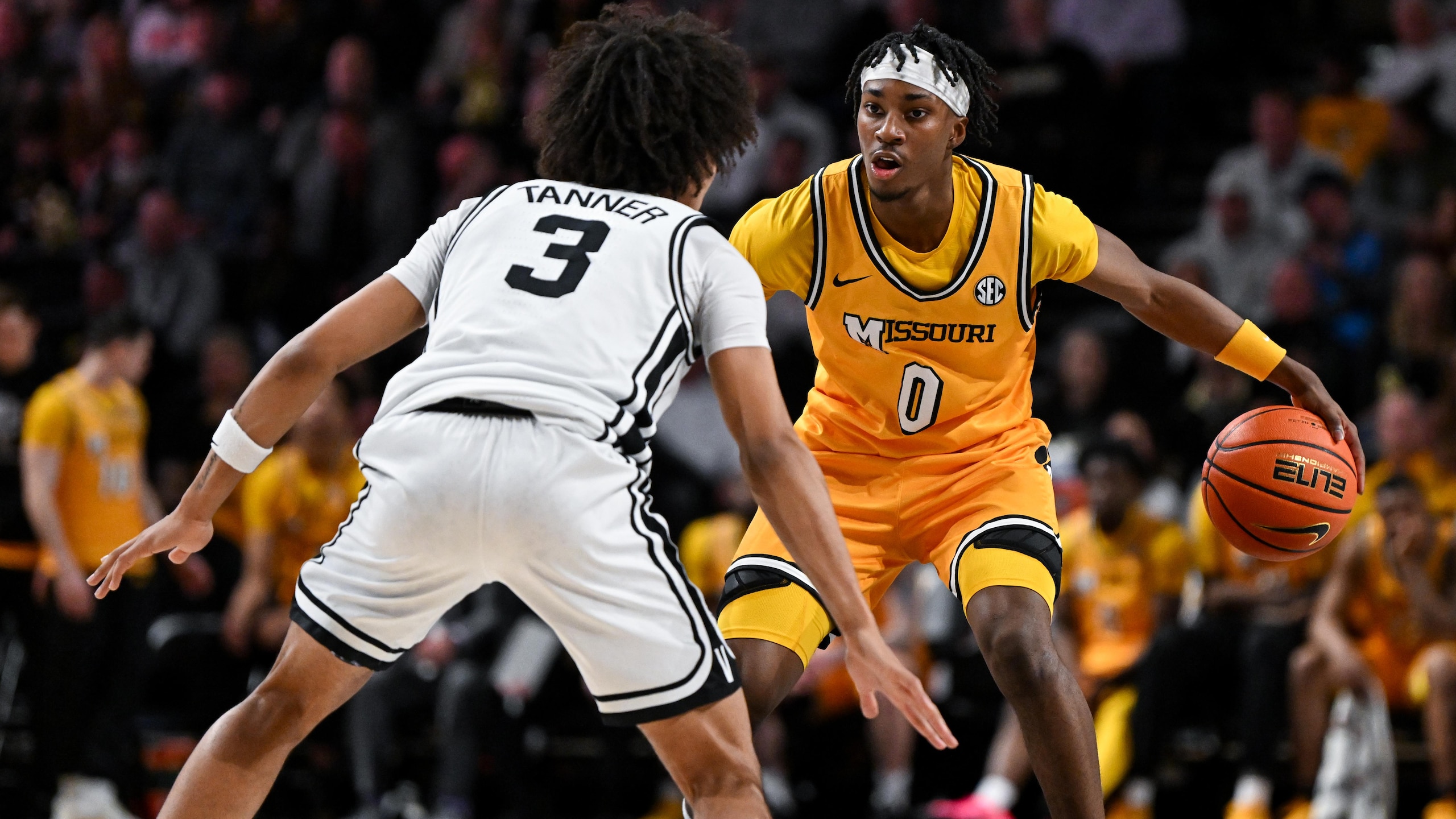
Though Anthony Robinson II didn't blow up as a scorer last year, he checked a mix of valued boxes. He's on a short list of NCAA players to put up a 25.0 assist percentage, 5.0 steal percentage and a 60.0 true shooting percentage.
One of the nation's most efficient pick-and-roll ball-handlers, he shot 47.5 percent on pull-ups and showed touch on his floaters. He's a two-way playmaker who makes smart passing reads and consistently earns strips and forces turnovers with his quick hands and instincts.
Tamar Bates and Caleb Grill leaving should result in a big spike in usage for Robinson, who will want to look more aggressive getting downhill and looking for his shot.
26. Oklahoma City Thunder (via Clippers): Miles Byrd (San Diego State, SG/SF)
26 of 60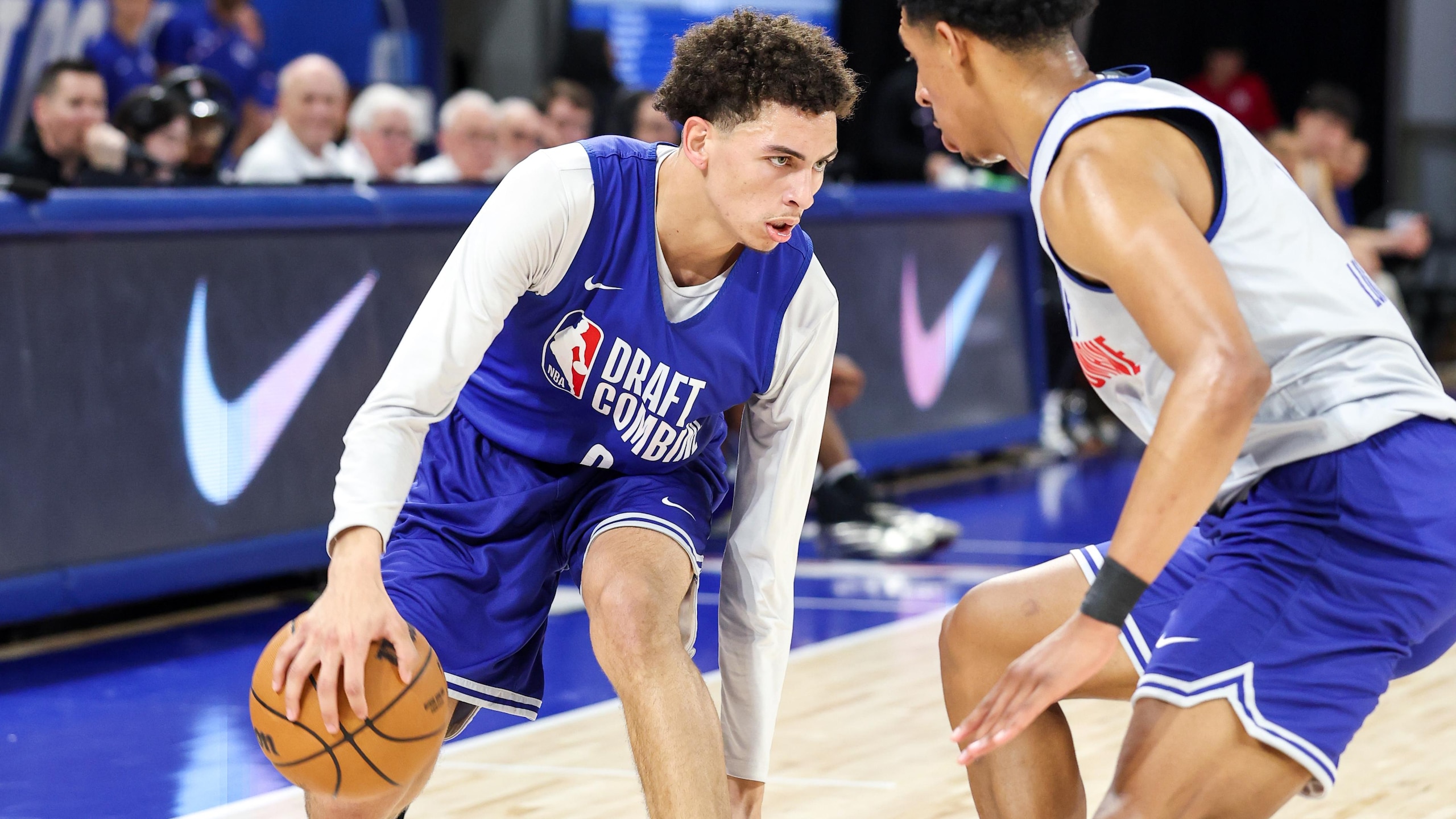
With NBA wing size, Miles Byrd's shotmaking and defensive instincts create an attractive archetype to scouts.
He did grade as one of the worst finishers among draft prospects last year, having shot just 45.2 percent on layups.
The lack of strength and explosion raise concerns, but if he can become consistent from deep and continue to make plays in ball-screen situations, Byrd should look like a serviceable connector who has a special ability to make defensive reads/plays.
27. Oklahoma City Thunder (via Rockets): LeJuan Watts (Texas Tech, SF/PF)
27 of 60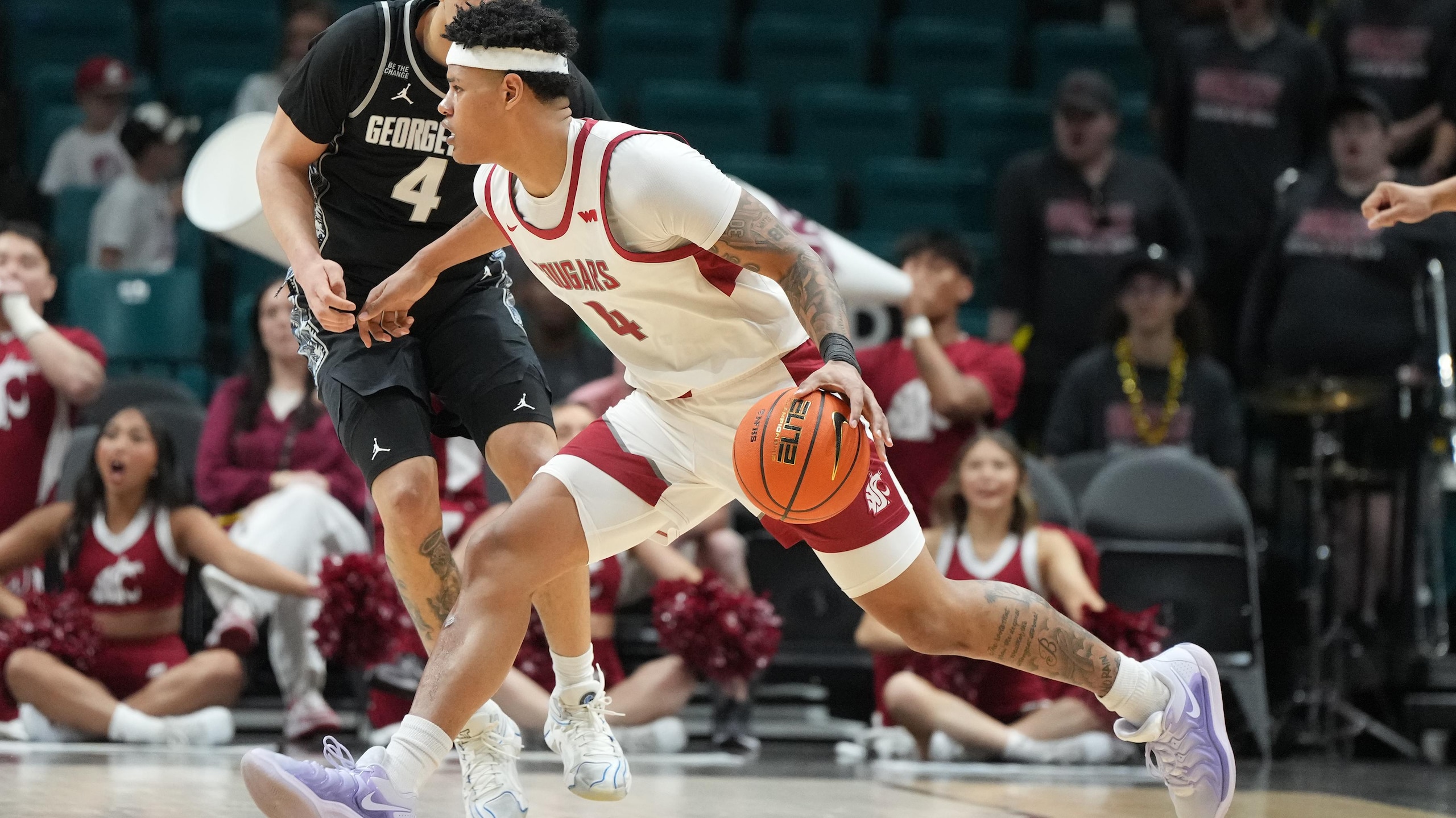
LeJuan Watts showcased intriguing versatility at Eastern Washington with his physicality, playmaking and shooting efficiency.
He will take Darrion Williams' spot at Texas Tech, where he'll be a potential breakout candidate alongside JT Toppin and Christian Anderson.
At 6'6", 225 pounds, Watts possesses an interesting mix of post skill and interior scoring feel with pick-and-roll ball-handling ability and the processing to average 4.4 assists per game.
Watts is a career 41.6 percent three-point shooter as well. He just hasn't taken threes with volume, and his pull-up game remains limited.
28. Cleveland Cavaliers: Thomas Haugh (Florida, SF/PF)
28 of 60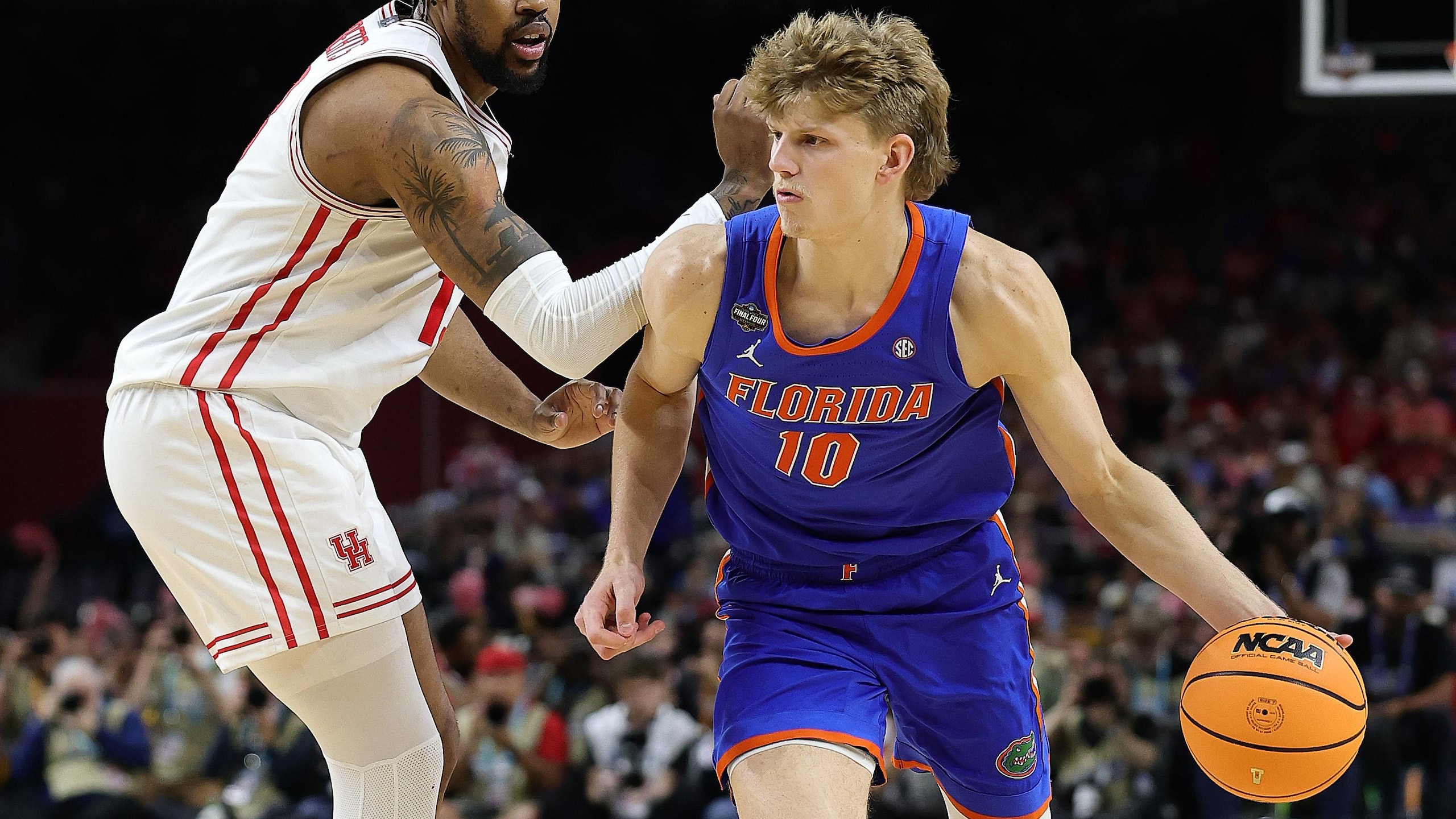
Thomas Haugh should have a bigger role to showcase a skill set the NBA typically covets in players 6'9" and bigger.
He could operate as a big wing or power forward with promising shooting range, clear passing IQ and strong mobility/athleticism for rim running and finishing.
29. Denver Nuggets: JT Toppin (Texas Tech, PF)
29 of 60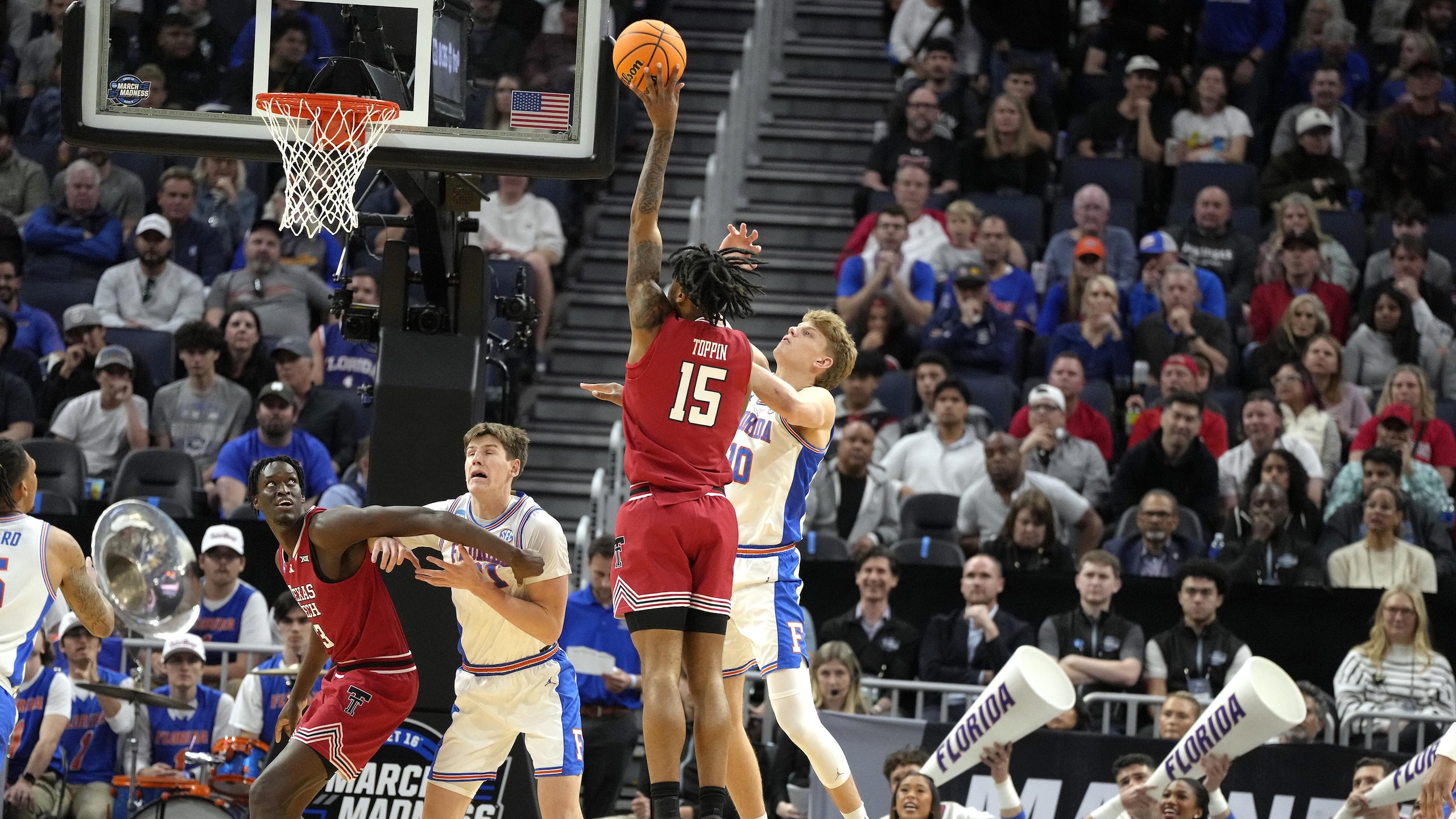
There were scouts with a first-round grade on JT Toppin last May.
Even if it's difficult to envision pathways to upside for a 6'9" post player, there will be teams that see value and a high floor based on his consistent production, interior scoring instincts, unteachable short-range touch and offensive rebounding.
Despite underwhelming three-point and free-throw numbers, he did make 39.0 percent of his catch-and-shoot chances.
Moving up boards will be directly tied to Toppin's development from three.
30. Washington Wizards (via Thunder): Alex Condon (Florida, C)
30 of 60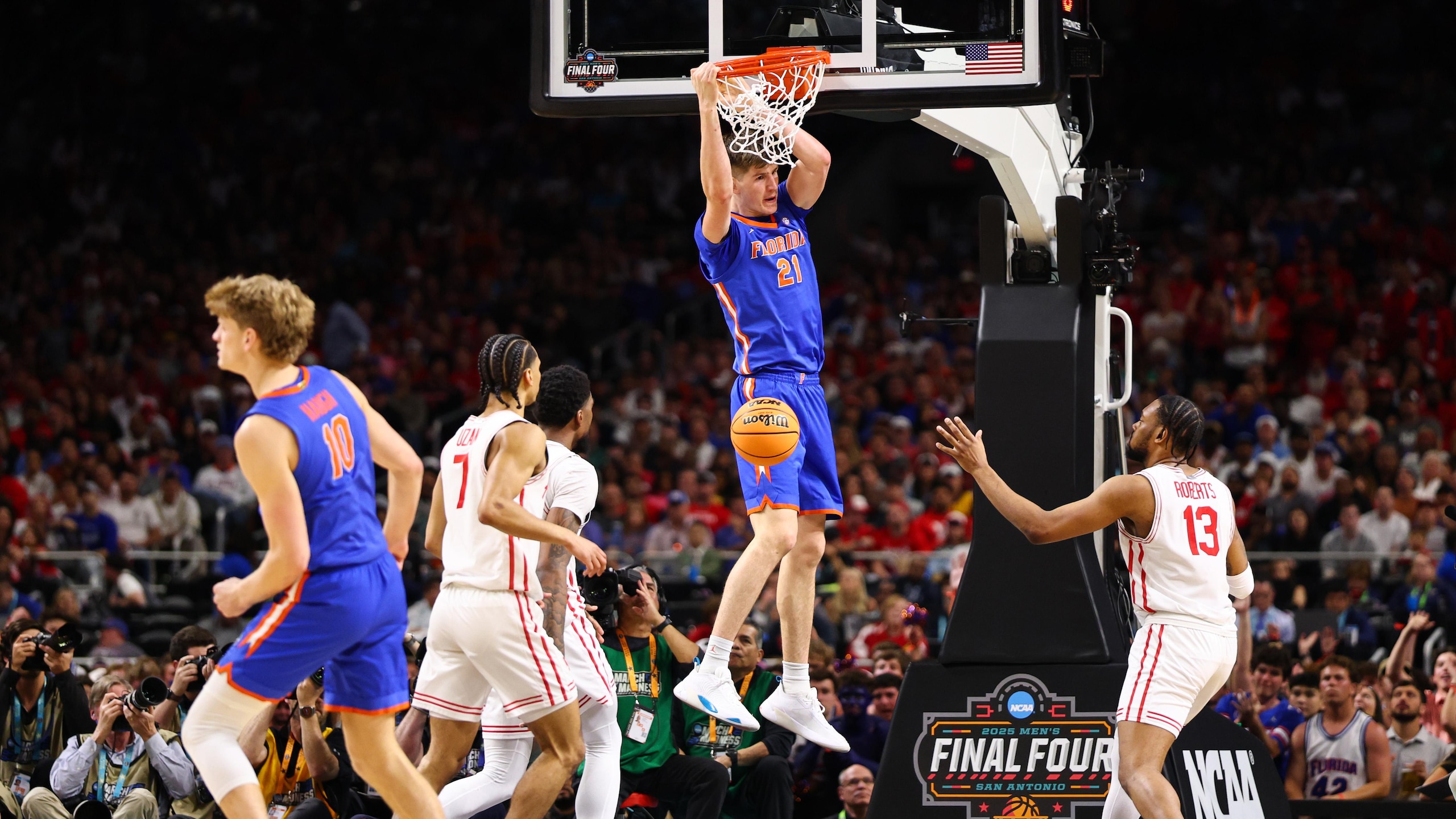
Alex Condon generated first-round buzz this past year with his athletic finishing, defensive activity, passing and three-point range.
He'll return to the defending champs, presumably with a sizable role to use for showing more self-creation (face-up and post game) and consistent shooting.
Condon becomes less appealing if he's unable to take a step forward with his shot, and last year's 60.4 free-throw mark does raise questions.
31. Utah Jazz: Meleek Thomas (Arkansas, PG/SG)
31 of 60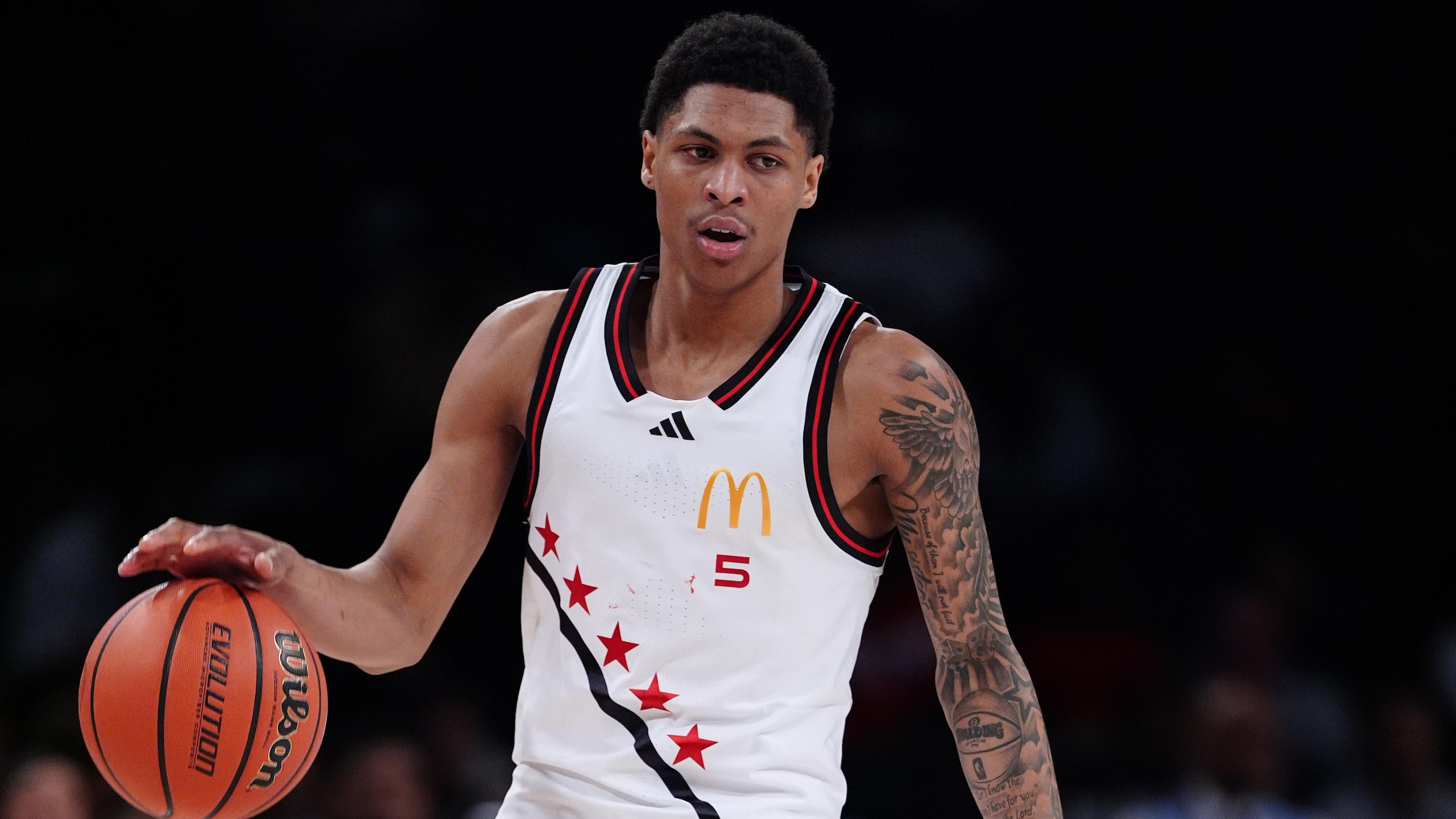
Meleek Thomas will have to compete for touches alongside DJ Wagner and Darius Acuff Jr. in the Arkansas backcourt. That could cut into his opportunity to develop his playmaking and sell scouts on primary-ball-handler/lead-guard potential.
He should be able to generate attention and interest with his self-creation and shotmaking skill. At 6'5", he is a dangerous one-on-one player, capable of scoring off a variety of moves into drives, step-backs, turnaround and floaters.
It just seems possible to expect some freshman struggles around shot selection, physicality and role before entering 2026-27 more comfortable and free.
32. Washington Wizards: Paul McNeil (NC State, SG)
32 of 60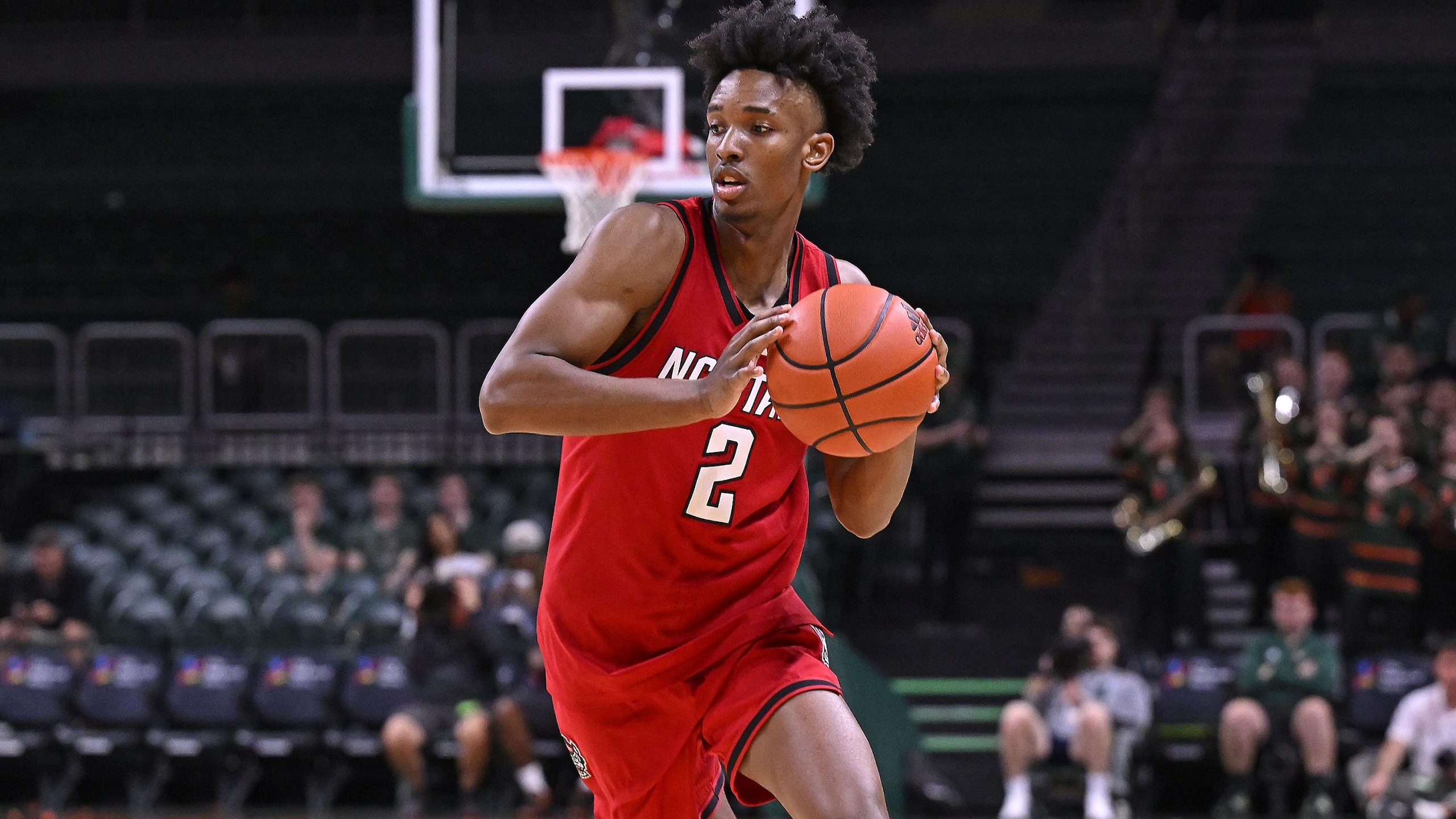
Paul McNeil didn't log 20 minutes in a game last year until late February, when he scored 24 points in a win over Wake Forest.
With coach Will Wade coming in, along with a handful of productive, veteran transfers, McNeil will have a breakout opportunity for a team that should earn plenty of attention.
A 6'5" guard/wing, he moves with noticeable quickness and decisiveness when creating for himself. He's a convincing shotmaker who gets clean rhythm into his jumpers.
The sophomore will be 19 years old for his entire sophomore season, and a bump in usage/minutes should help McNeil come alive as a scorer and legitimate draft prospect.
33. Brooklyn Nets: Dash Daniels (Melbourne, PG/SG)
33 of 60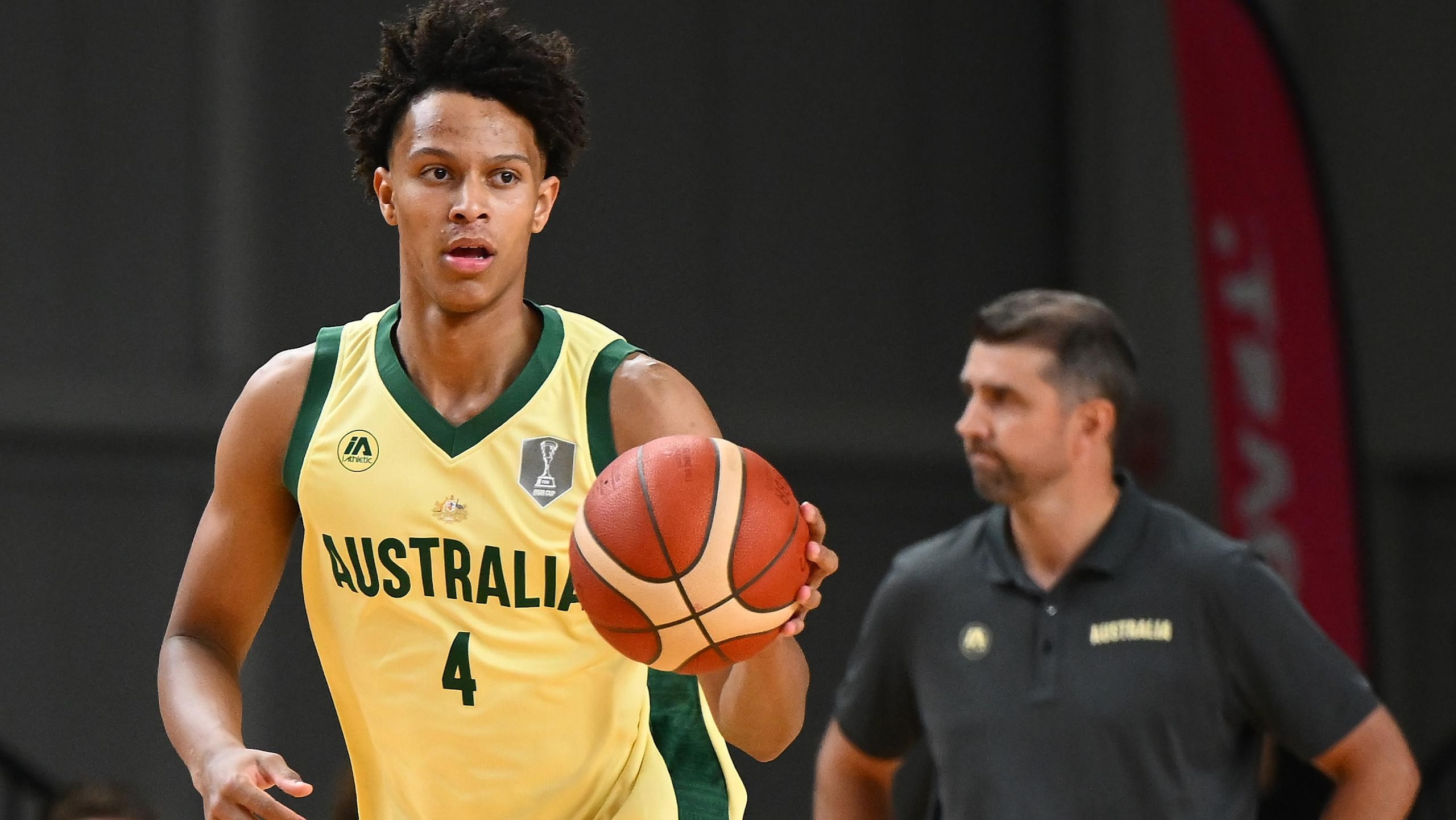
Dash Daniels just became the youngest player since Ben Simmons to suit up for the Boomers in the Asia Cup.
He did struggle after an underwhelming U19 World Cup, where he had trouble creating separation and getting balanced looks. Daniels relies a little too much on tough runners and difficult touch shots. He's also not as big as Dyson, though Dash may have a better three-point shooting track record at this age, and he'll offer similar secondary playmaking.
He'll join Melbourne United for the 2025-26 season, a team that lost Matthew Dellavedova and Ian Clark, but added Tyson Walker and Milton Doyle. Daniels will try to build a draft case around his combo-guard skill set and defense in what figures to be a limited reserve role.
34. Charlotte Hornets: Mario Saint-Supery (Gonzaga, PG)
34 of 60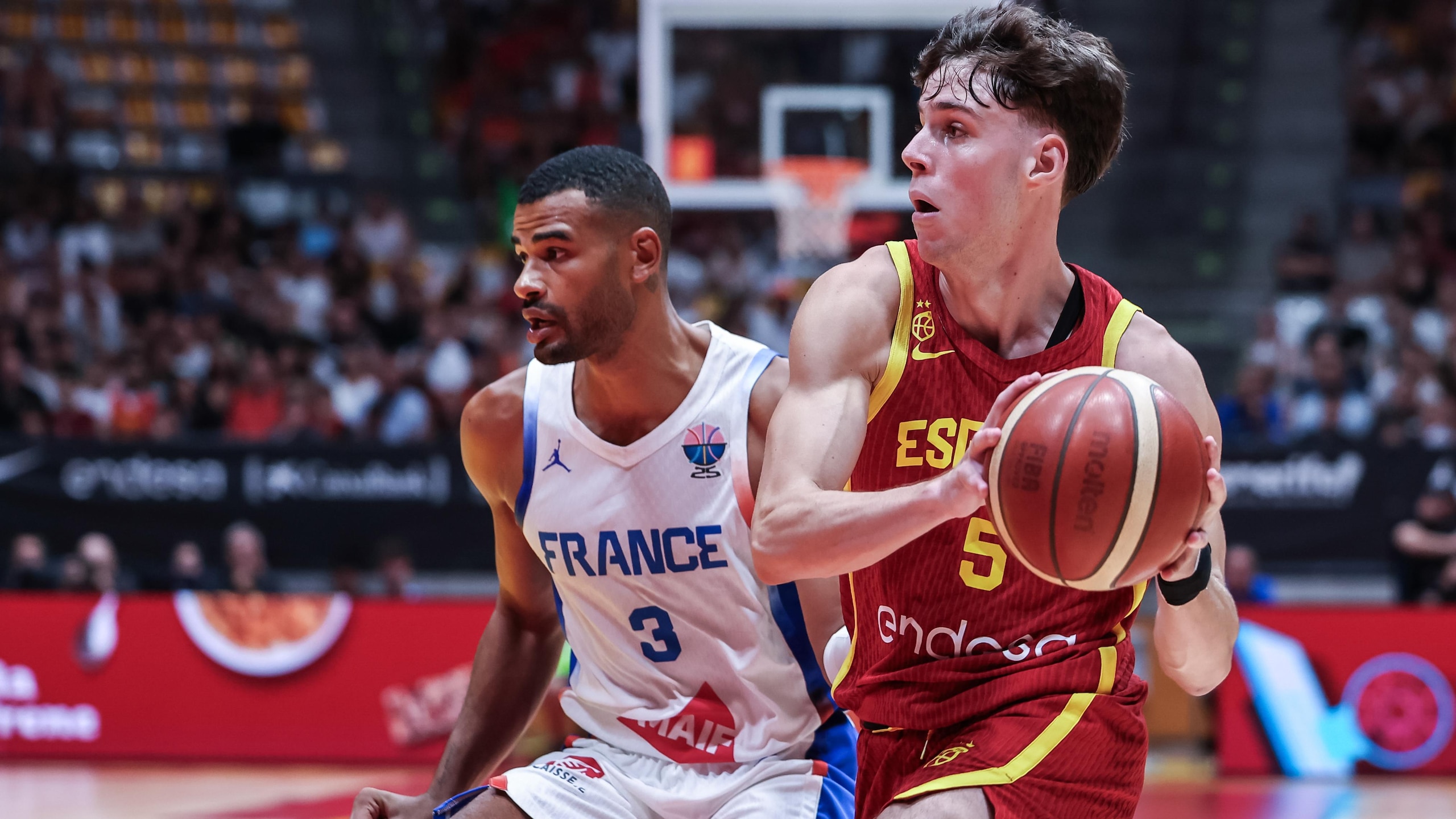
With how effective Mario Saint-Supery was in the Spanish ACB, he should be able to play a key role for Gonzaga.
Spain invited the 19-year-old to play with its national team at EuroBasket. His combination of speed, ball-handling, footwork off the dribble, body control and touch helps him slice through gaps, create rim pressure and score in the paint.
He shot well on catch-and-shoot attempts last year as well, but poor numbers of guarded jumpers and pull-ups shows he has to improve at converting when contested.
35. Toronto Raptors: Sergio de Larrea (Valencia, SG)
35 of 60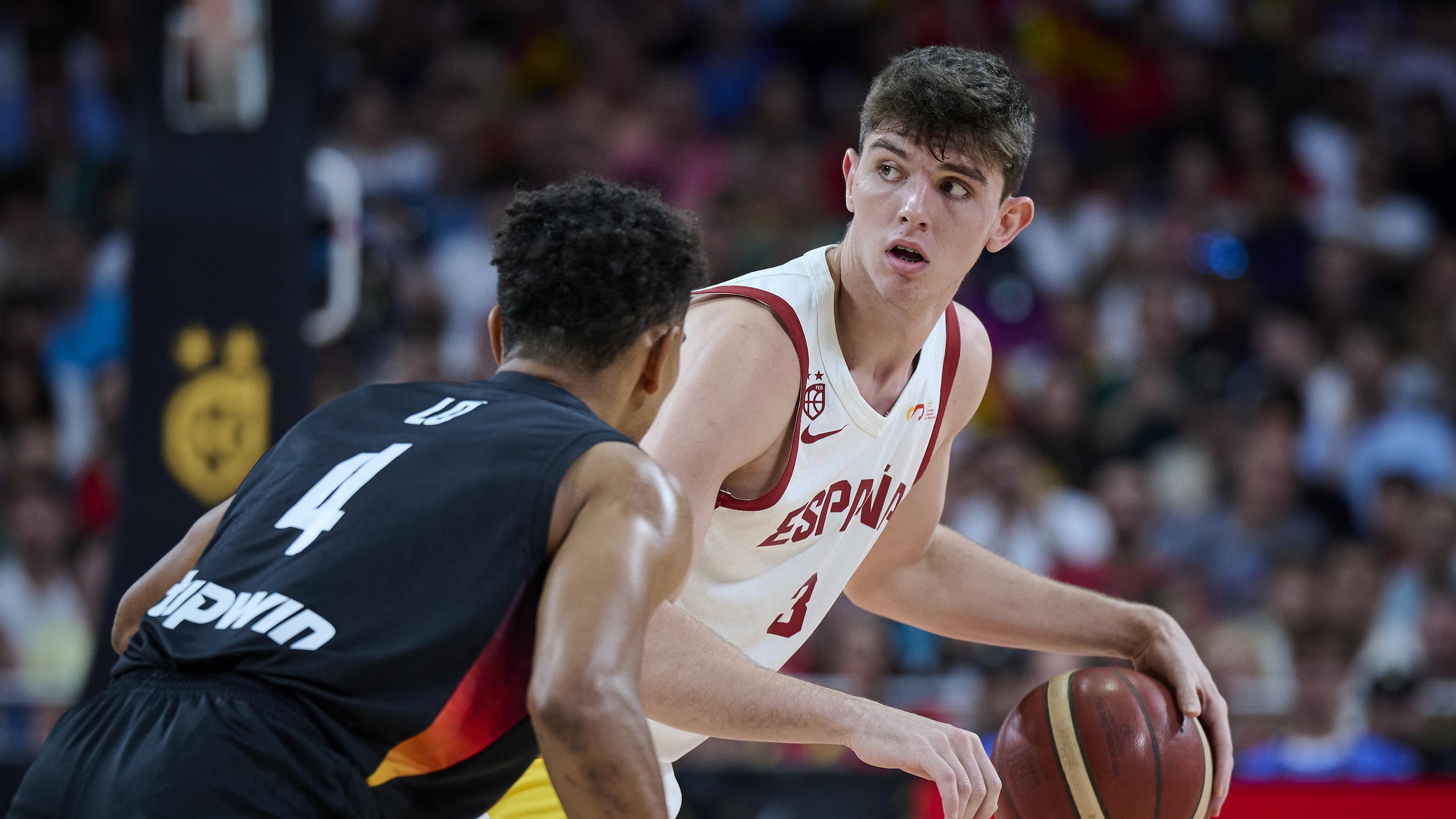
Sergio de Larrea hit NBA radars last year with an appealing mix of shooting and playmaking for a 6'5" teenager.
In limited minutes, he shot 43.2 percent from three and registered a 27.6 assist percentage. Not one freshman was able to hit those marks last year.
De Larrea isn't an explosive athlete or finisher, but NBA teams could see a potential fit/combo/connector with his ability to pass and make shots.
36. New Orleans Pelicans: Boogie Fland (Florida, PG)
36 of 60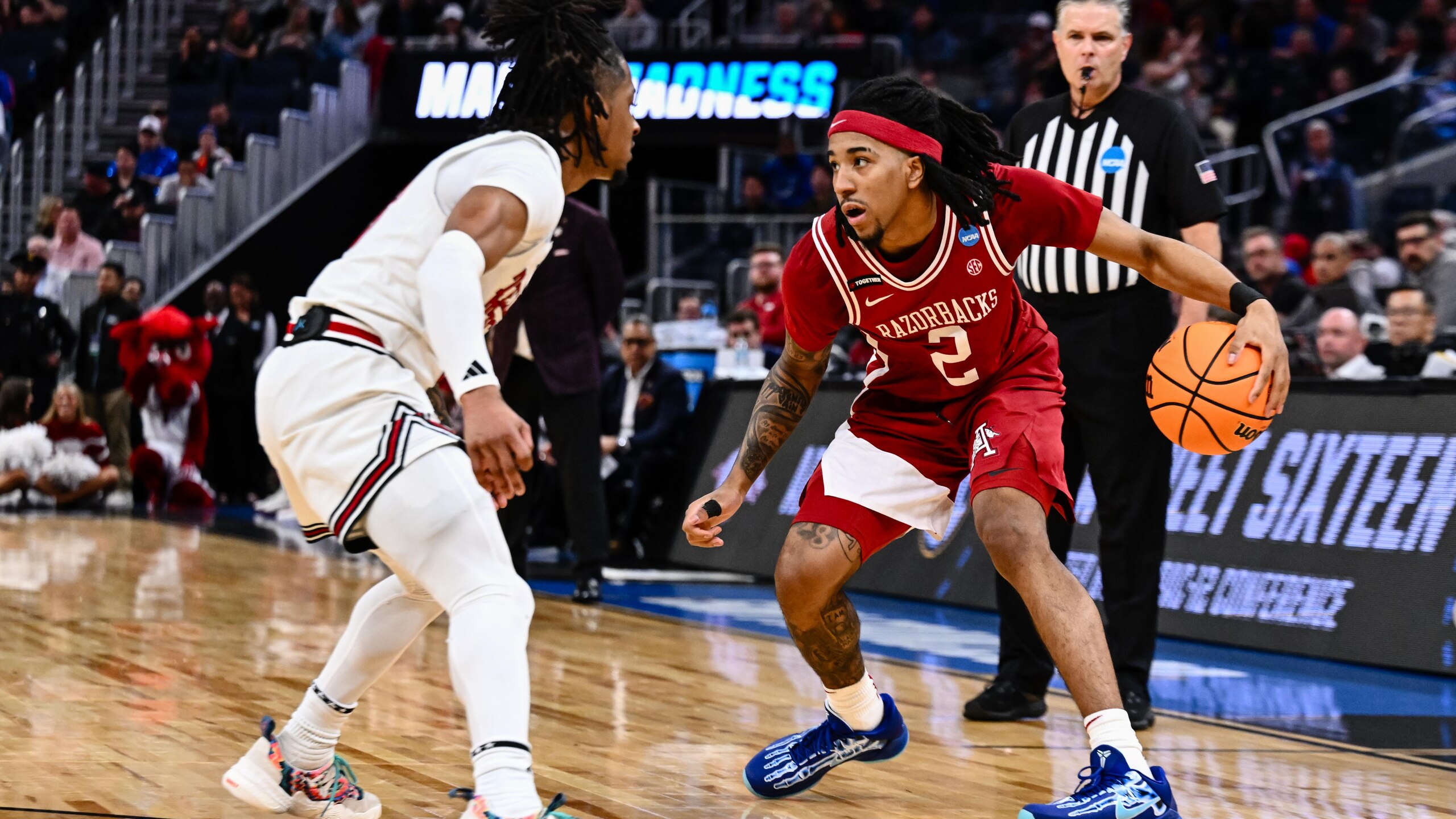
Viewed as a second-round pick just a month ago, Boogie Fland will have a better chance to sell himself next season with Florida.
He's in a good spot to focus on playmaking for teammates, though scouts will still want to see more efficiency finishing around the basket.
Otherwise, Fland should still look like an appealing change-of-pace guard prospect with translatable creativity and shotmaking.
37. Phoenix Suns: Ognjen Srzentic (Mega Superbet, SF)
37 of 60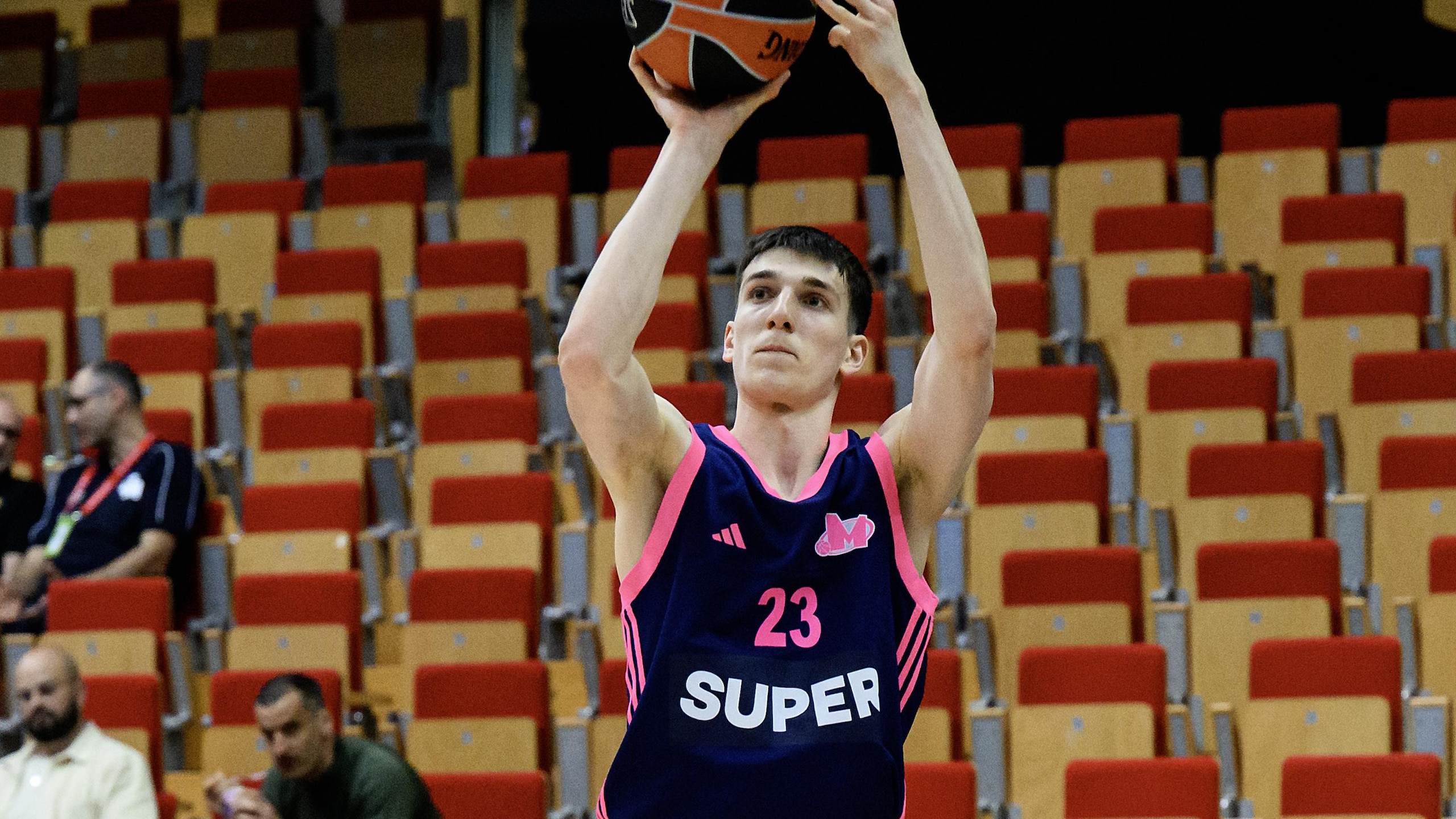
MVP of ANGT Istanbul and a 22.0-point scorer for Mega at ANGT, Ognjen Srzentic seems set for a key role with Mega's main squad this season.
While this club constantly pumps out draft picks, Srzentic should be an easy NBA draw with his clean shooting stroke and ball-handling to create as a 6'7" guard.
38. Portland Trail Blazers: Kam Williams (Kentucky, SF)
38 of 60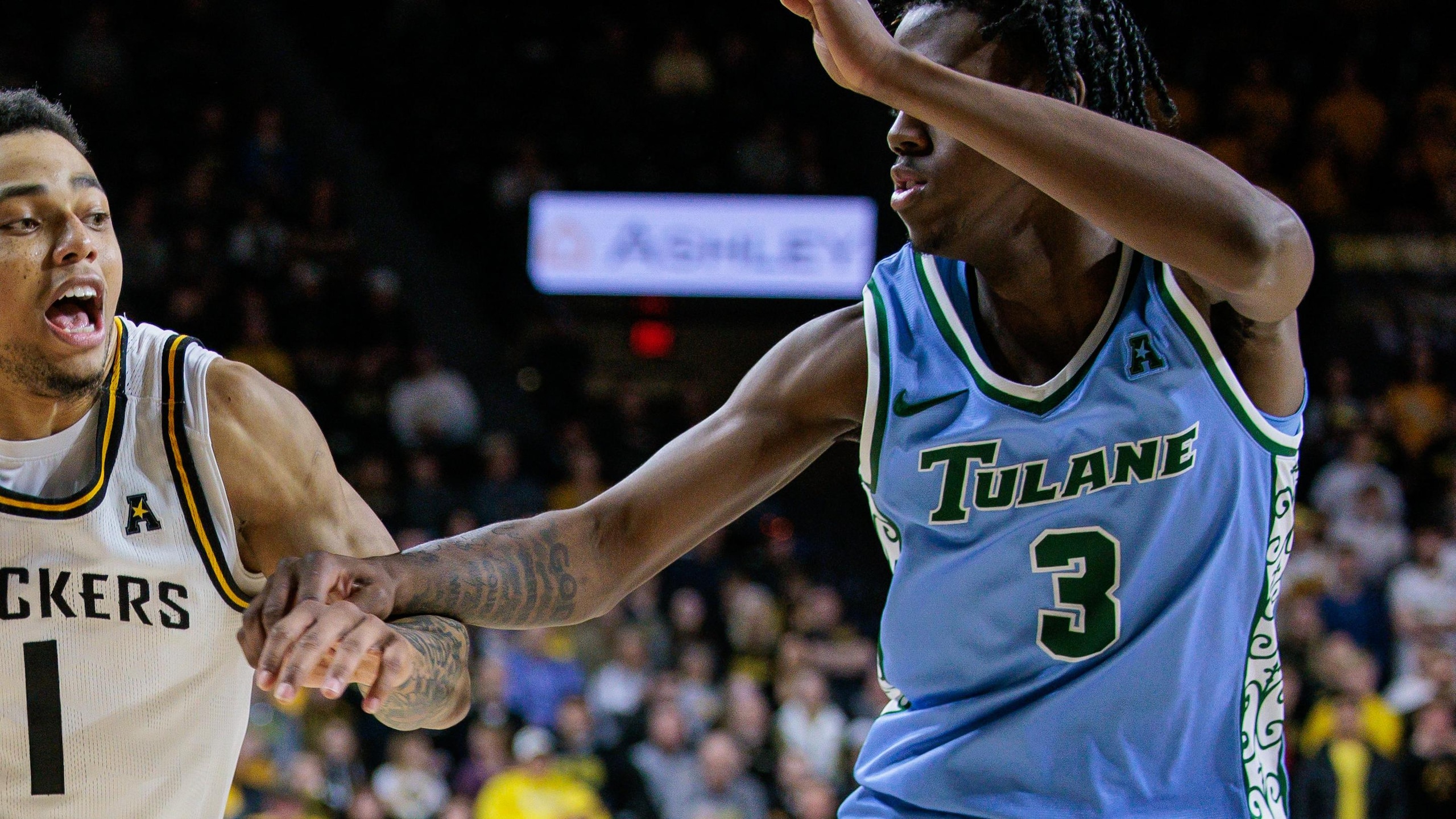
Kam Williams enters the year on scouts' breakout radar at Kentucky after the 6'8" wing shot 41.2 percent from three and registered strong defensive playmaking rates at Tulane.
Unless he added to his game over the offseason, he'll work exclusively as a catch-and-shoot weapon, movement shooter, cutter and transition scorer.
Williams could look like a plug-and-play fit to scouts based on his body and off-ball skill set.
39. Miami Heat: Donovan Dent (UCLA, PG)
39 of 60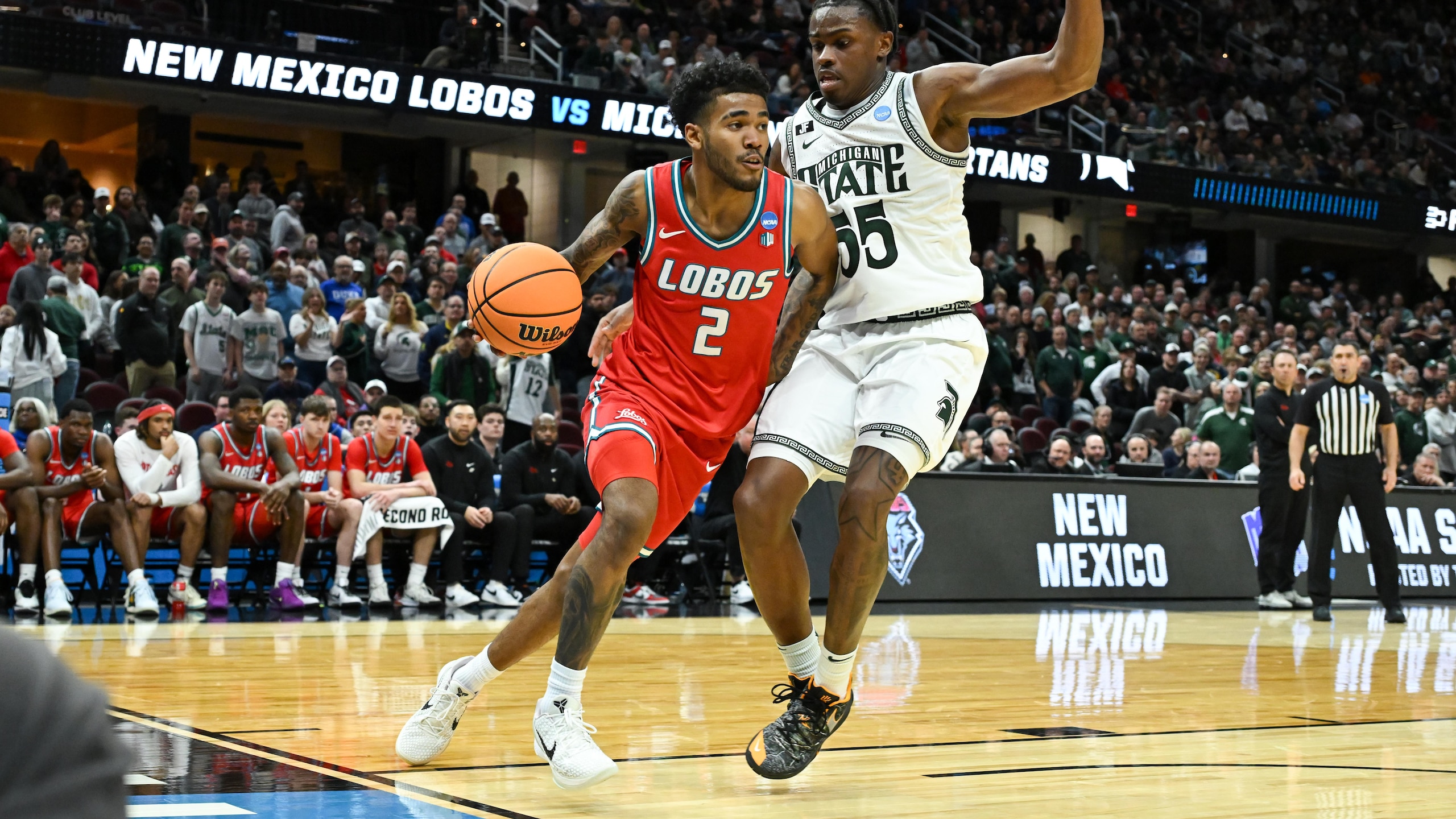
The only player last year to average at least 20 points with a 35.0 assist percentage, Donovan Dent consistently generated offense with his speed, creativity, special floater game, constant rim pressure and playmaking.
There will be a brighter spotlight on his scoring and passing skills at UCLA. All scouting eyes will be on his jump shot.
For a 6'2" point guard, only 2.9 three-point attempts per 100 possessions raises questions about translatability and upside.
40. Philadelphia 76ers: Adrian Wooley (Louisville, PG/SG)
40 of 60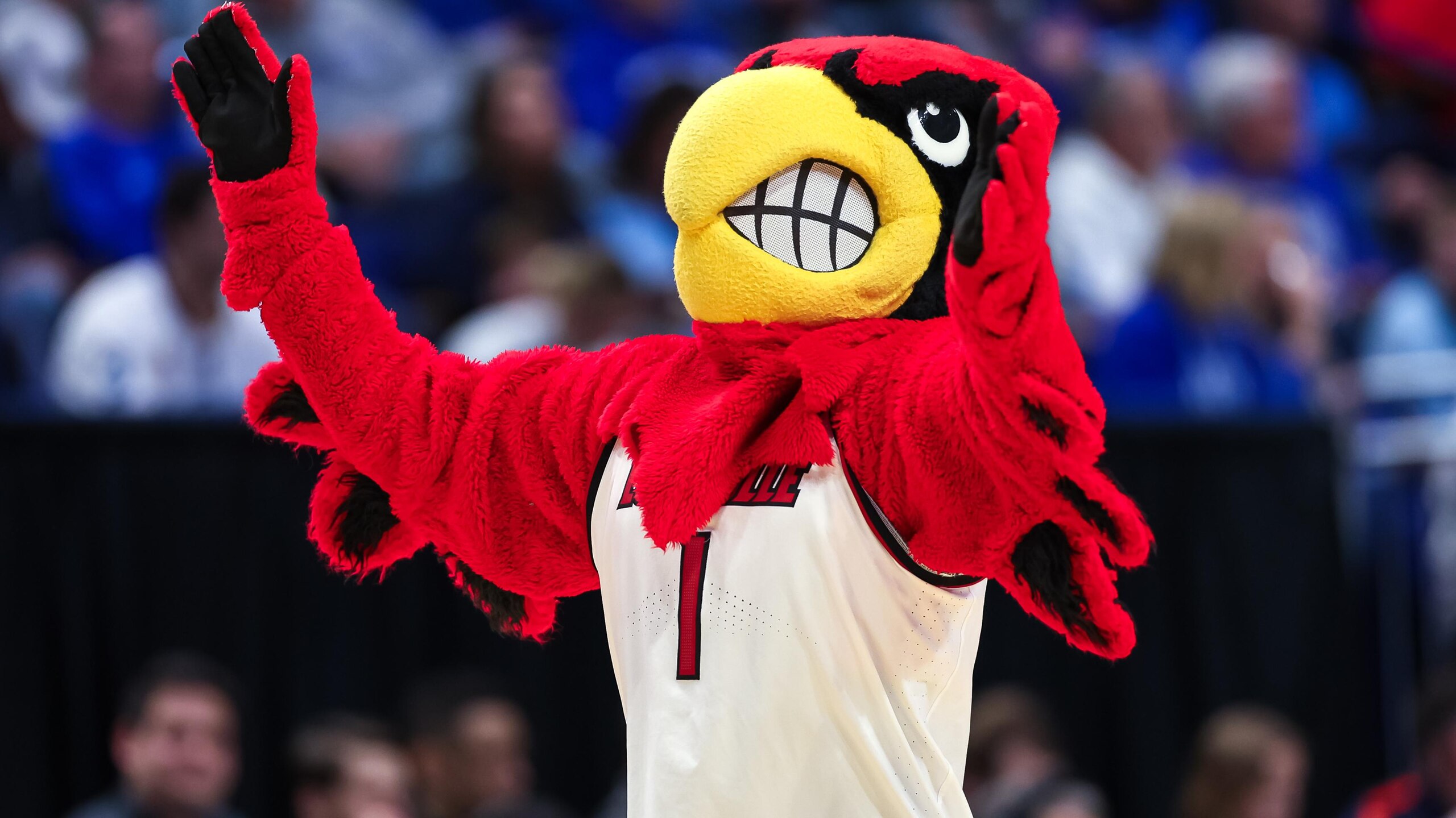
An unheralded recruit last year for Kennesaw State, Adrian Wooley wound up the fifth leading scoring freshman. There should be far more attention on his creativity and shotmaking at Louisville this year.
He'll have to adapt to playing with potential lottery pick Mikel Brown Jr. and veteran scorer Ryan Conwell. But scouting Wooley in a vacuum, he has outstanding feel off the dribble, changing speeds and using the right footwork to get to spots. And he shot 42.2 percent from three, looking sharp both pulling up and spotting up.
With less of a need to hunt for shots at Louisville, eyes will be on Wooley's playmaking and whether he can cut down from last year's 18.3 turnover percentage.
41. Sacramento Kings: Alex Karaban (Connecticut, SF/PF)
41 of 60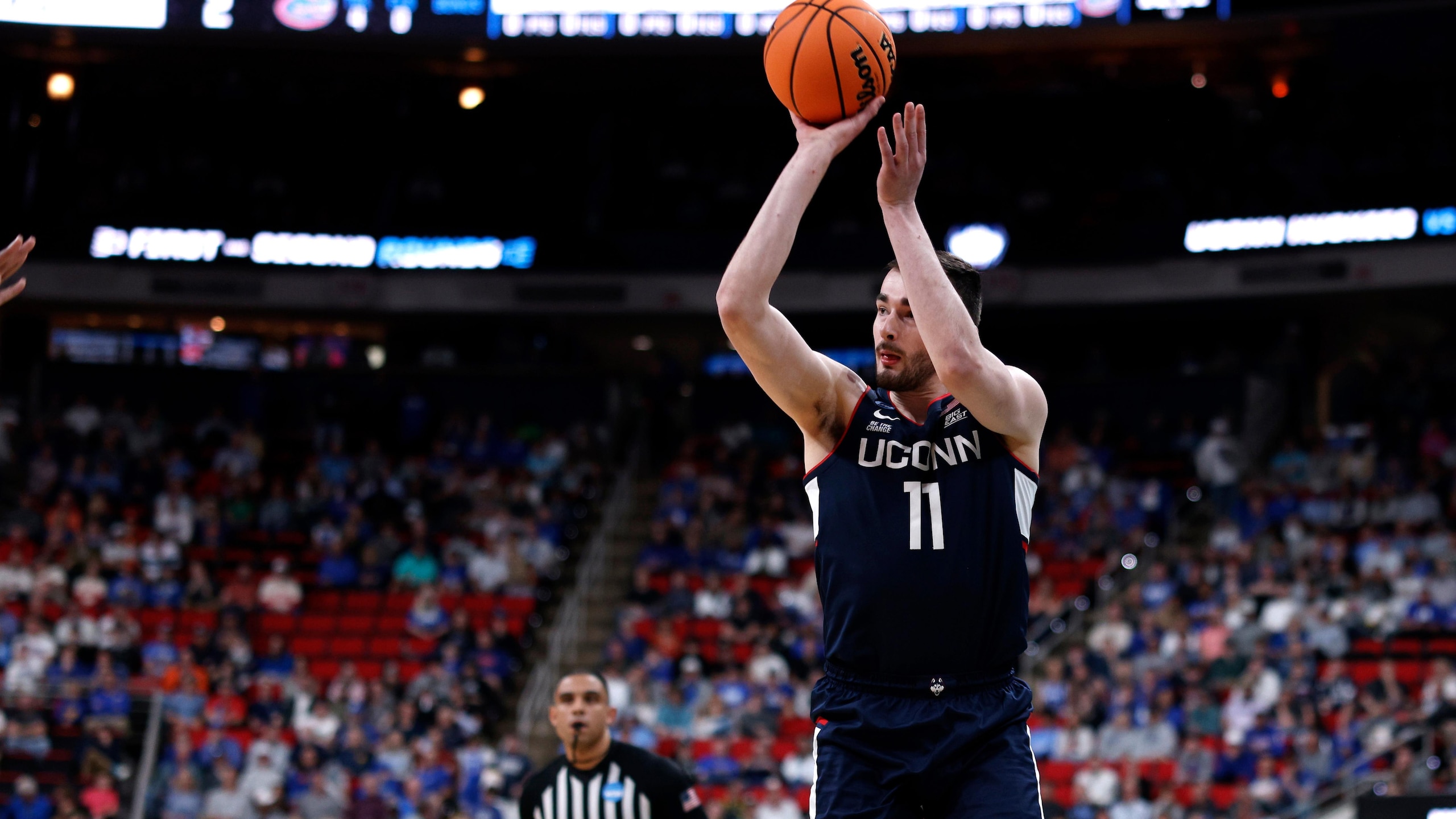
There's always been interest in Alex Karaban. There just hasn't been overwhelming love after he's shown minimal improvement from year to year.
Still, there will be teams drafting in the second round that see a value pick who can provide plug-and-play shotmaking, finishing efficiency, some defensive toughness and the professionalism to make it without standout athletic talent.
His track record and comfort level for scoring off the ball should help teams see a fit with the 6'8" forward.
42. Chicago Bulls: Morez Johnson Jr. (Michigan, C)
42 of 60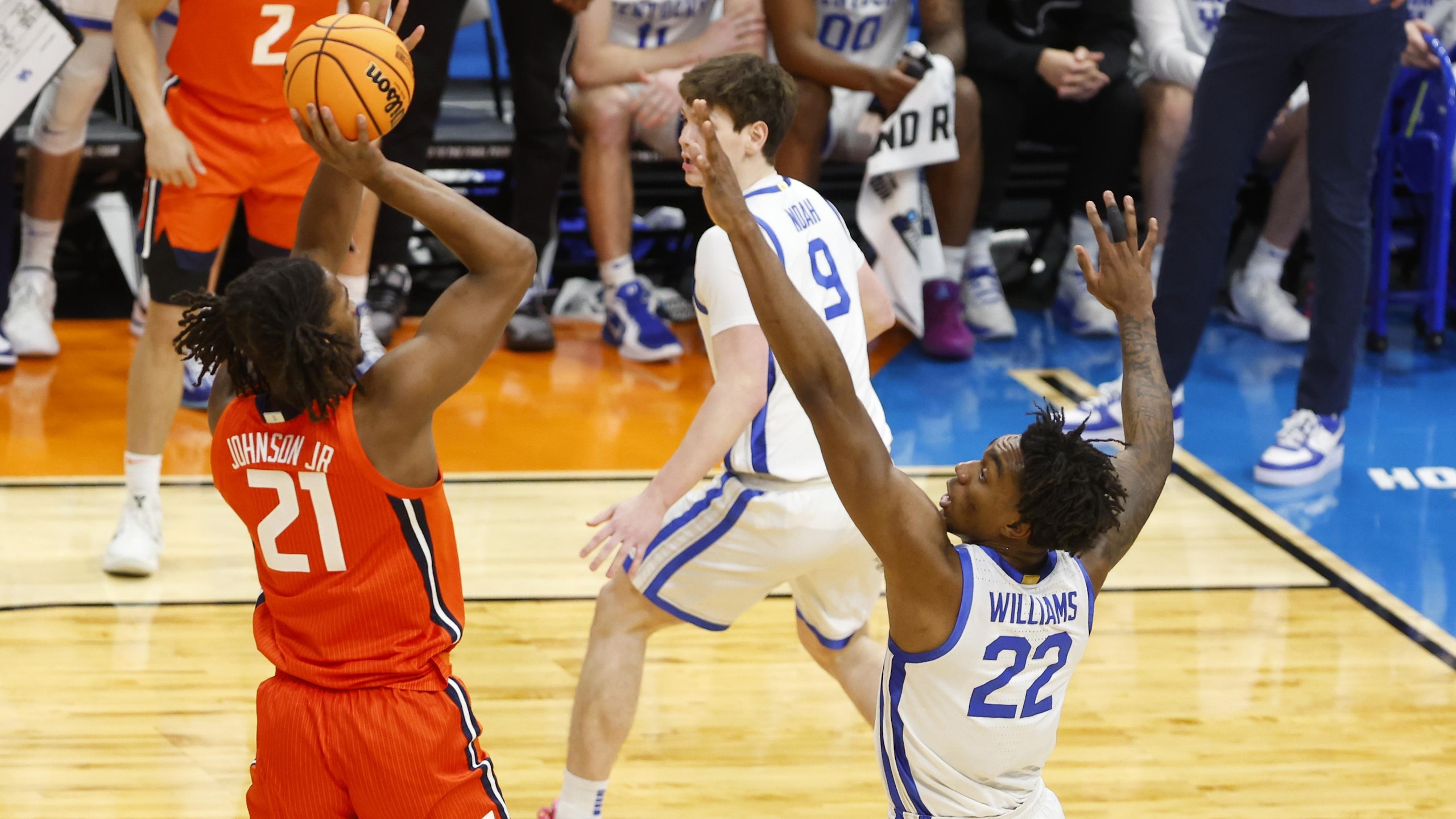
Morez Johnson Jr. will bring his destructive power and athleticism from Illinois to Michigan. Of his 77 made field goals last year, 72 came off cuts, offensive boards, transition and rolls to the basket. His entire offense is built around finishing through and over defenders around the basket.
It's unrealistic to expect any notable new skills, but NBA teams looking for more interior activity, second-chance points and easy baskets could see Johnson giving them a jolt.
43. Dallas Mavericks: Noa Kouakou-Heugue (Perth, PF/C)
43 of 60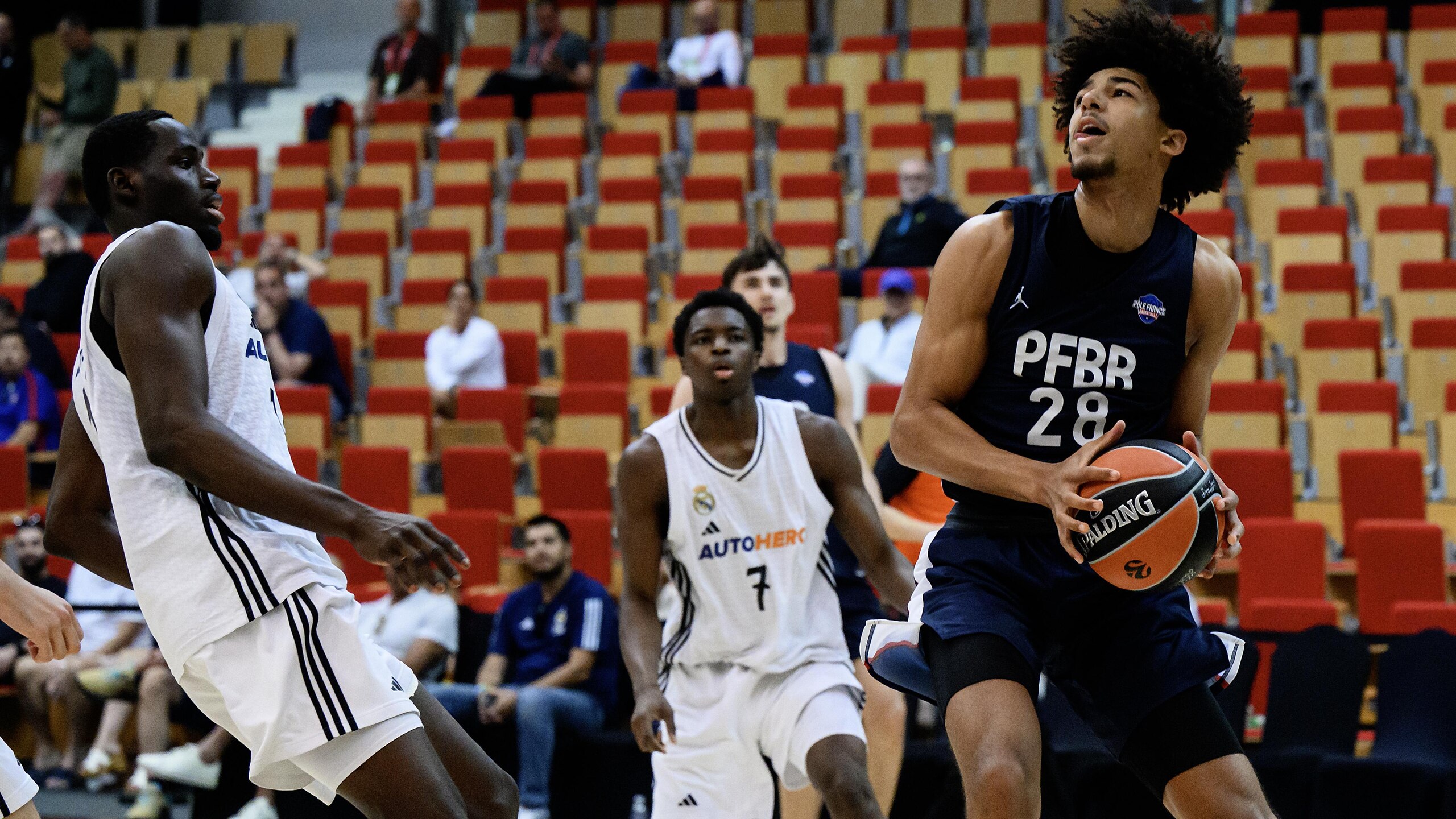
MVP of the Adidas NextGen EuroLeague Belgrad, Noa Kouakou-Heugue put together more impressive tape this summer at the U19 World Cup.
At 6'10", his impact is fueled by athleticism, motor, defense, passing and intensity. He's raw offensively but Kouakou-Heugue will play to his strengths as an energizer and play-finisher in the NBL.
44. Atlanta Hawks: Derrion Reid (Oklahoma, SF/PF)
44 of 60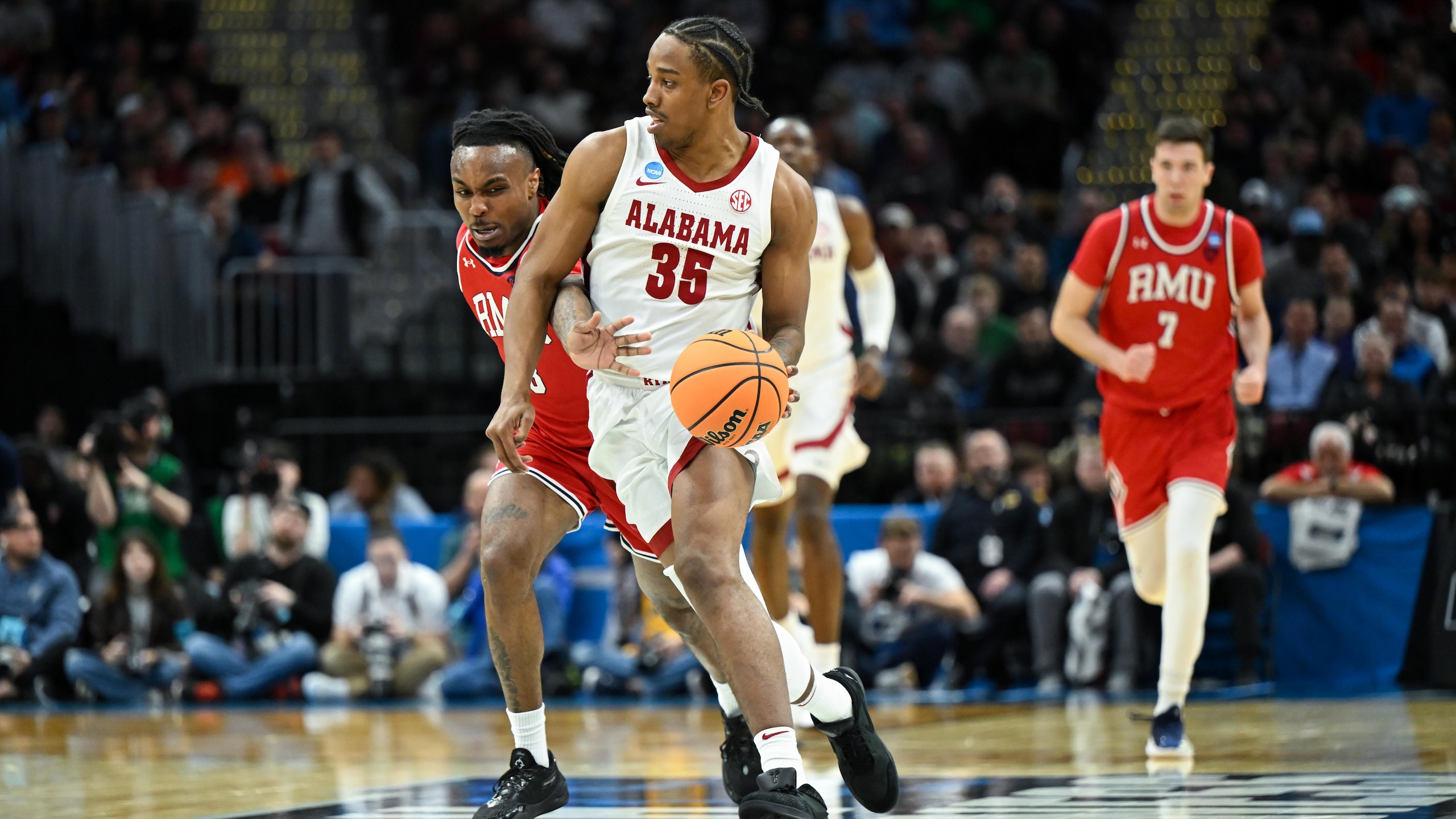
Derrion Reid will have to shoot better than he did at Alabama, but for Oklahoma, he should have a more favorable role with more chances to make plays and build confidence.
At 6'8", 220 pounds, his physical tools scream NBA, and last year's role may have masked some mid-range scoring and shotmaking we saw more of during high school.
With more consistent touches and shots, I'm expecting a bounce-back season that highlights more skill and two-way impact from his strength, length and athleticism.
45. Indiana Pacers: Amael L'Etang (Dayton, C)
45 of 60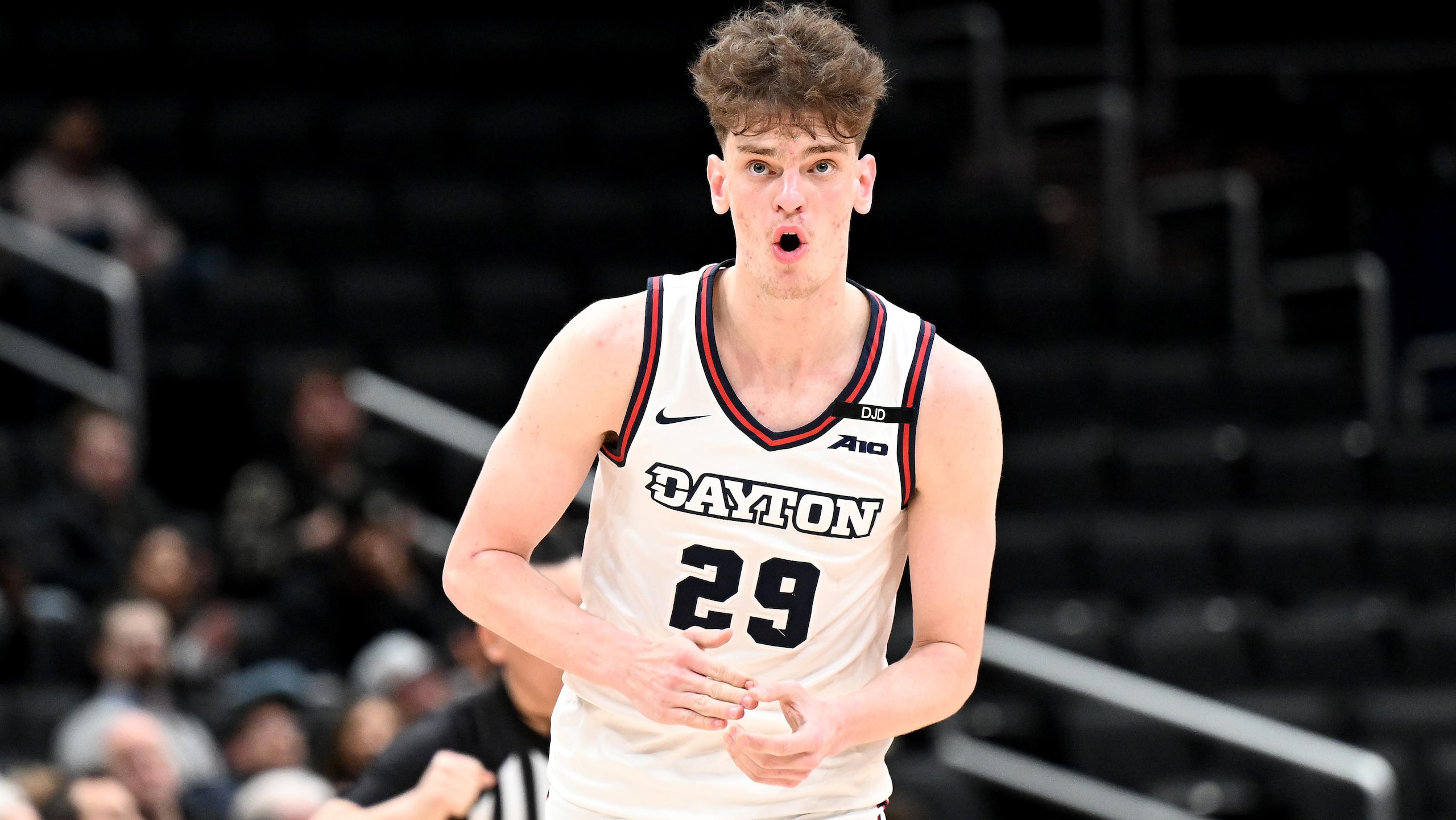
Amael L'Etang didn't play enough at Dayton to register NBA or national attention. More minutes should lead to more production and eyes on a 7'1" sophomore with persuasive shooting range, defensive mobility and clear passing IQ.
A 7'1" center with 65 three-point attempts, 24 dunks, a 7.2 block percentage, a 14.9 assist percentage as a freshman should be on watch lists entering his sophomore season.
While L'Etang could struggle with explosion and contact, the tape does show a skilled, smart big that moves well enough to take seriously as a pro prospect.
46. Memphis Grizzlies: Moustapha Thiam (Cincinnati, C)
46 of 60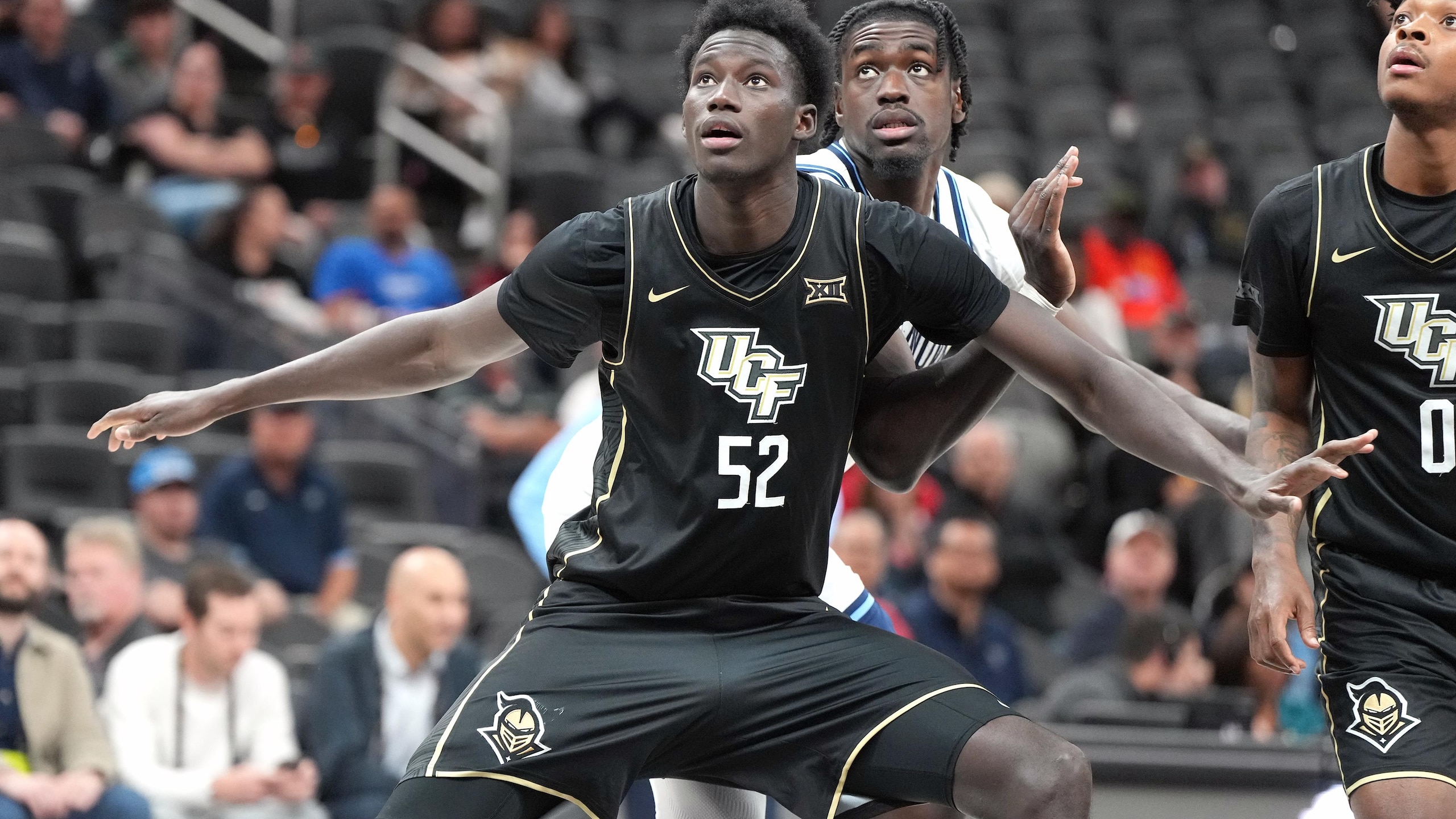
Moustapha Thiam was worth tracking last year for his shot-blocking rate (9.1 percent) and shooting flashes for a 7'2" freshman.
He'll need to look tougher around the basket at Cincinnati and show some more growth and consistency with his range to really sell NBA scouts.
But a rim protector with his NBA tools and shotmaking skills is poised to enter the draft discussion at some point.
47. Milwaukee Bucks: Ryan Conwell (Louisville, SG)
47 of 60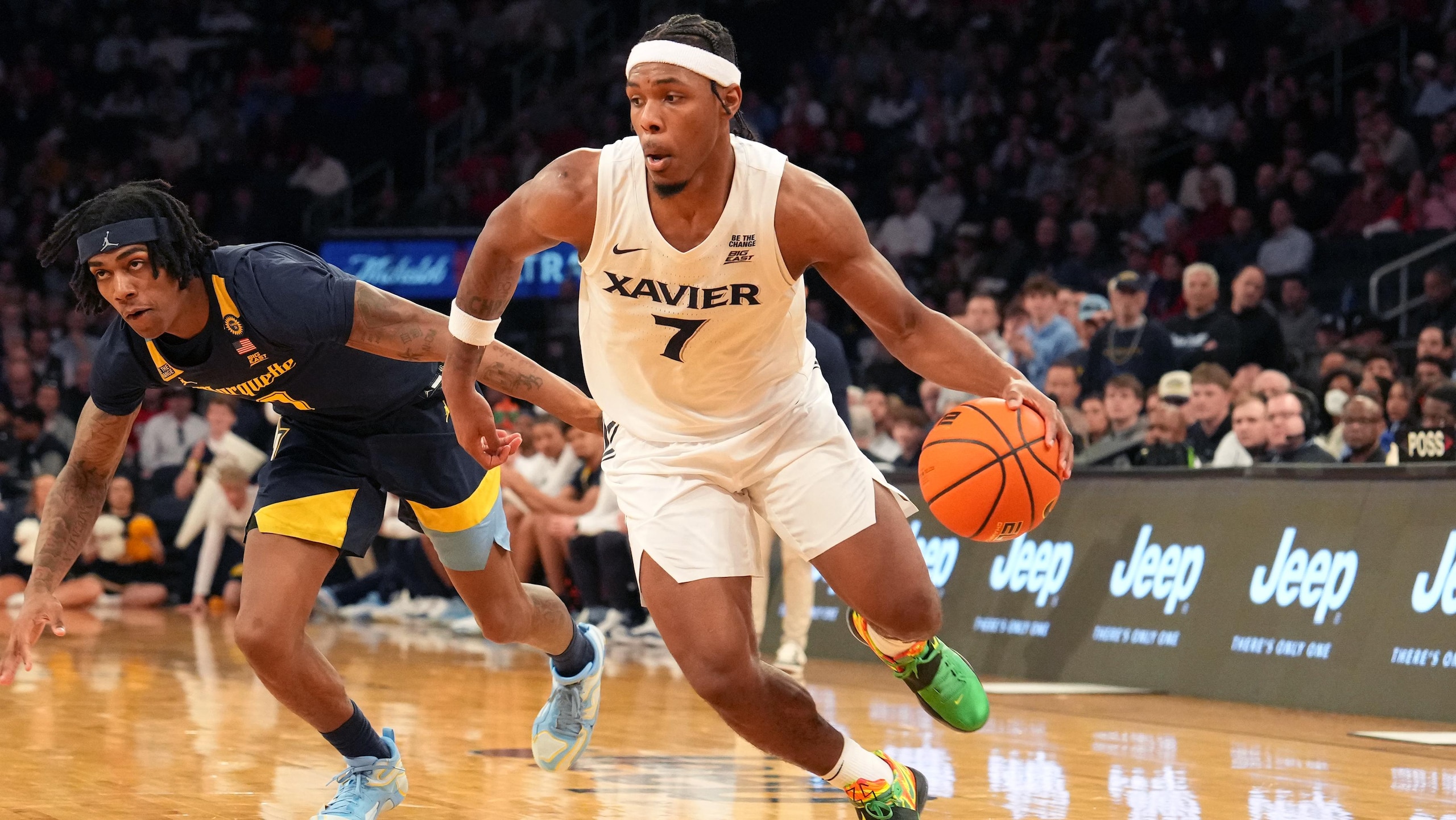
Scoring guards around 6'4" don't have much margin for error in the NBA if they're not also playmakers. But Ryan Conwell possesses such impressive off-ball shotmaking that he could have a chance.
He shot 46.4 percent on spot-ups, 44.2 percent off screens, 46.3 percent on handoff threes and 41.5 percent on transition threes.
Conwell can be a threat to get downhill or into his pull-up out of isolation or pick-and-roll sets, but his ticket to the pros will be that plug-and-play scoring/shooting.
48. San Antonio Spurs: Braden Smith (Purdue, PG)
48 of 60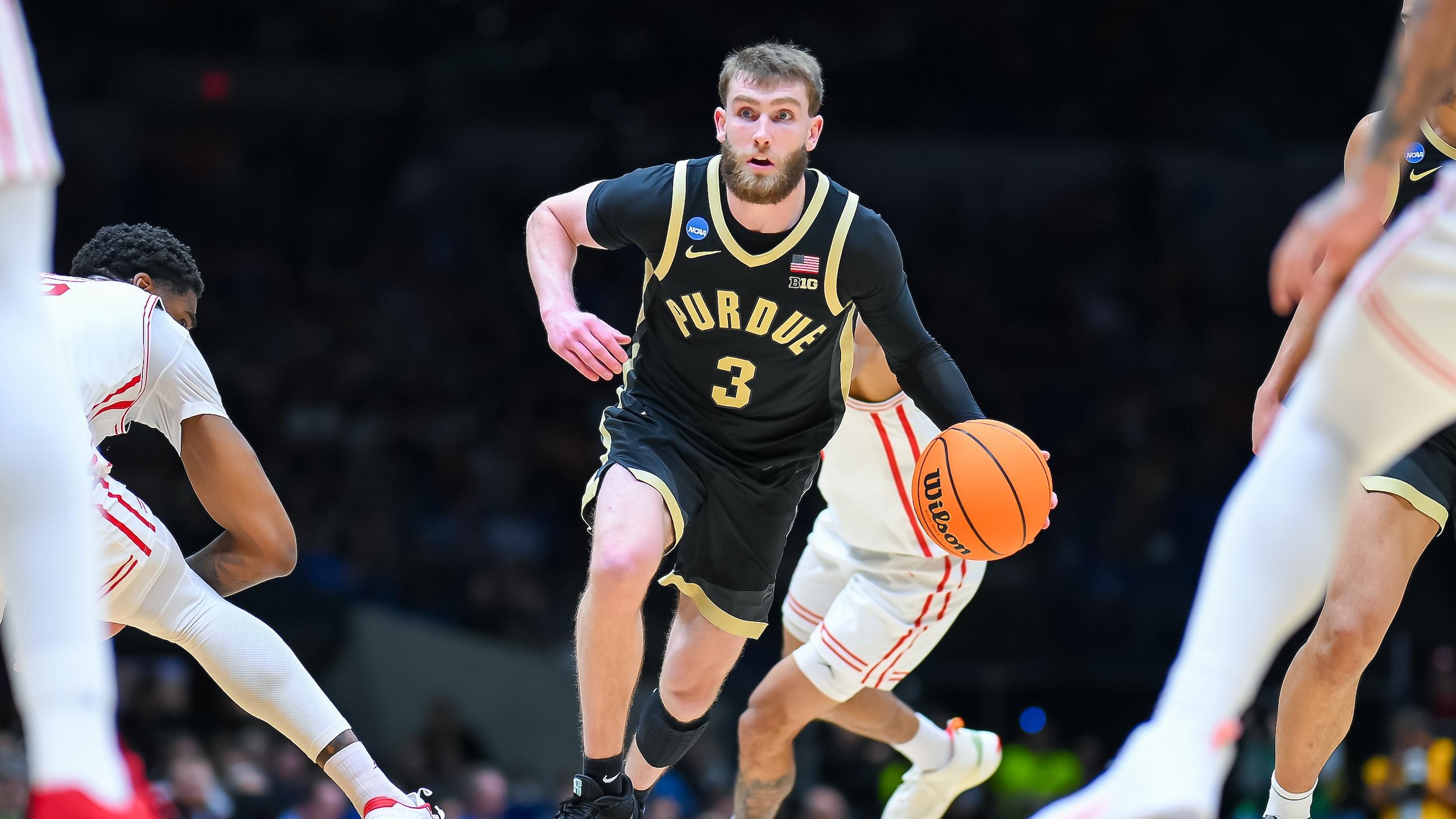
Size and age will continue to cap Braden Smith's perceived NBA ceiling and draft stock.
In the second round, though, he's bound to have fans who see a playmaking specialist with enough shotmaking skill and toughness to overcome his physical limitations in a backup role.
49. Boston Celtics: Richie Saunders (BYU, SG)
49 of 60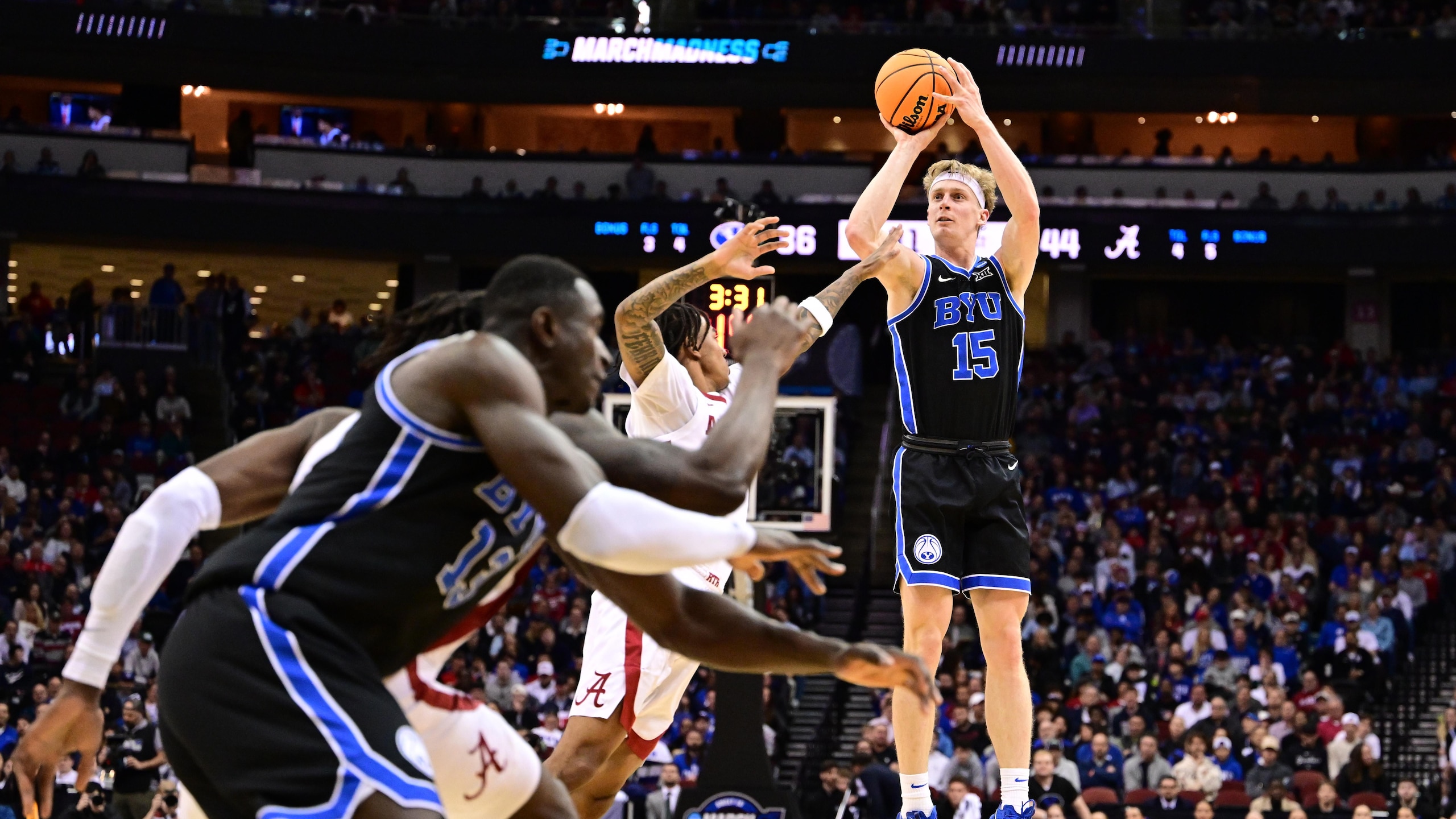
Richie Saunders averaged 16.5 points on 65.1 percent true shooting, and now he'll have AJ Dybantsa and Robert Wright III to draw more attention.
He'll be one of the oldest players in his class (turns 24 in September), and his lack of playmaking will turn some off.
Between the 43.2 percent three-point mark, his shot prep for generating rhythm, his scoring off movement and touch indicators (83.5 percent FT, 53.2 percent floaters), Saunders should be one of the most convincing shotmakers in the 2026 draft.
He also graded as an excellent driver and finisher, adding another layer to his offensive attack.
50. Detroit Pistons: Dailyn Swain (Texas, SF)
50 of 60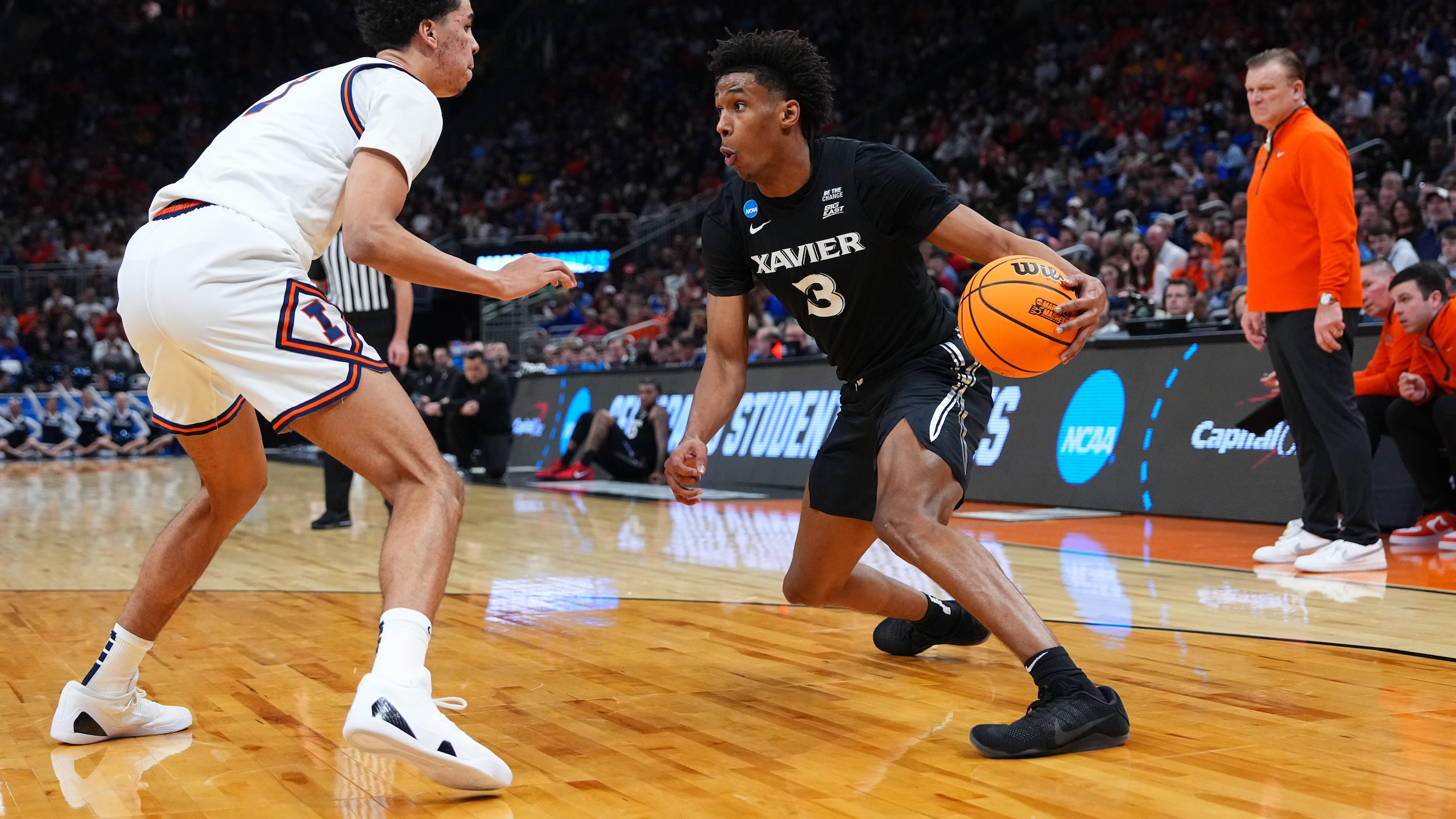
For two years at Xavier, Dailyn Swain has always made himself worth tracking due to his athleticism, defense and passing flashes for a 6'8", 220-pound wing.
The lack of ball-handling and shooting have held him back from drawing serious interest. Swain showed some signs of growth with his face-up scoring last year.
Considerable improvement to his shot at Texas could generate real buzz. A moderate jump should at least push him into the second-round discussion, considering scouts already see an NBA-level slasher/finisher and defender.
51. Orlando Magic: Ian Jackson (St. John's, SG)
51 of 60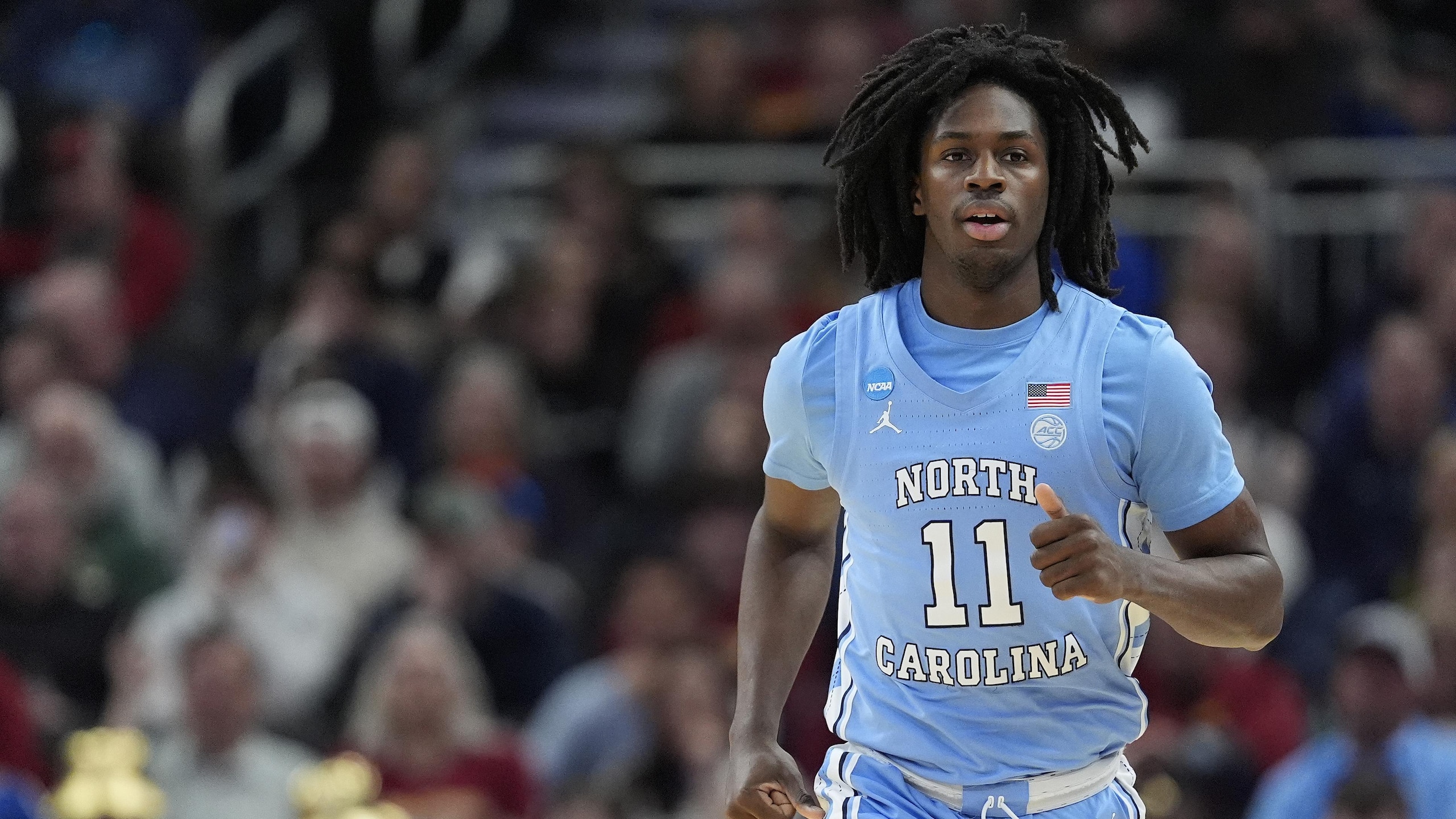
The expected top option for an exciting St. John's roster, Ian Jackson should enter next year's draft process with more consistent production to back his NBA scorer projection.
Guards that aren't playmakers haven't been in high demand unless they're deemed elite prospects in their teens. Jackson will be 21 by next June and has never been known for passing.
However, he has become an effective self-creator with his drives and pull-up game, and his shotmaking confidence could sway teams to see a potential scoring specialist at the next level.
52. Golden State Warriors: Wesley Yates III (Washington, SG)
52 of 60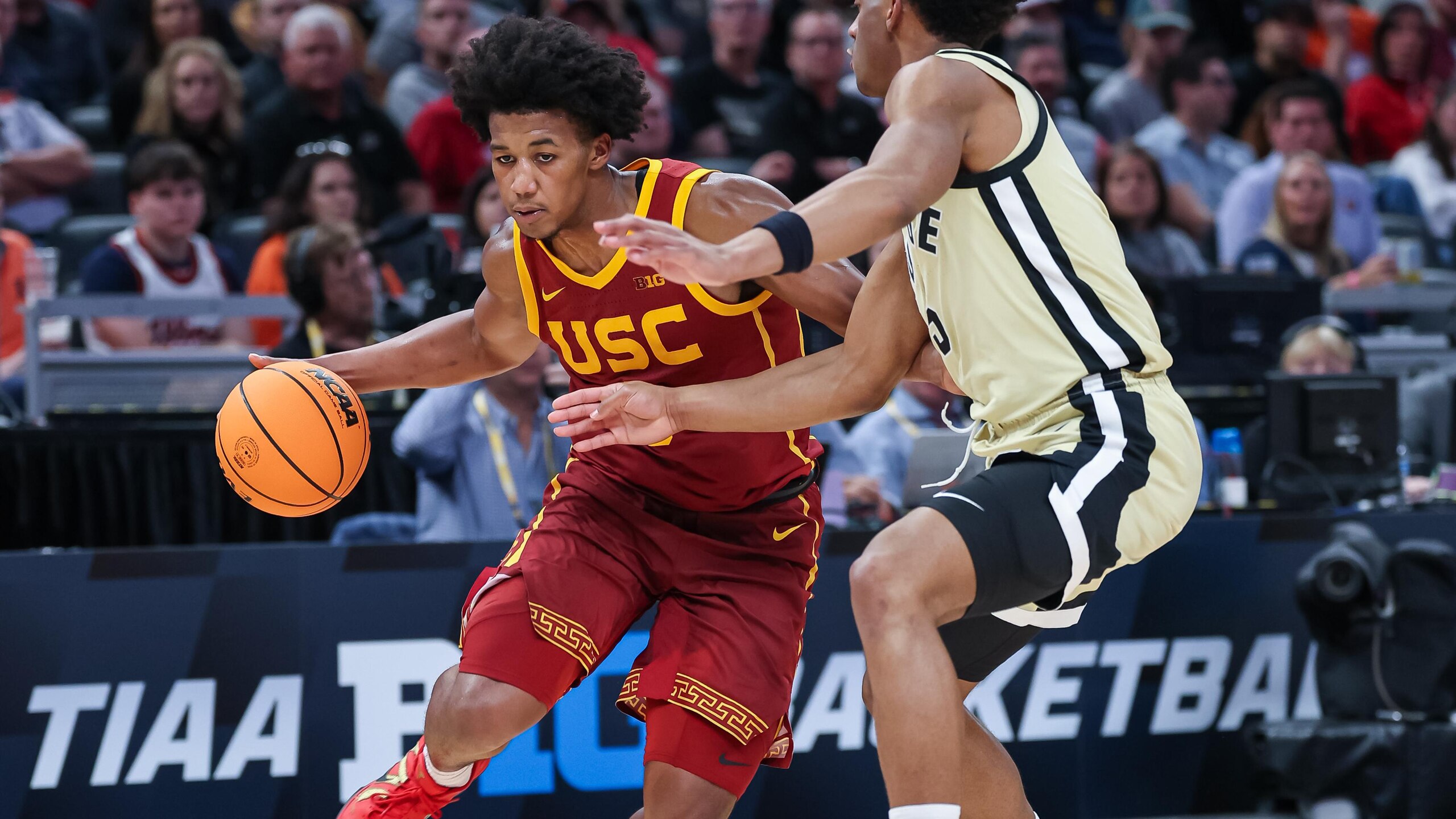
Wesley Yates III was a highly efficient scorer for USC, mostly thanks to reliable shotmaking from on and off the ball.
He created into his pull-up effectively and connected often (38.8 percent), but he was even better off the catch, making 50.0 percent of those attempts.
Yates would have more buzz if he was able to showcase some playmaking, but he is simply a scorer. And at 6'4", 219 pounds, he may have the right tools and skill set to continue scoring at higher levels.
53. Minnesota Timberwolves: Jaron Pierre Jr. (Wichita State, SG)
53 of 60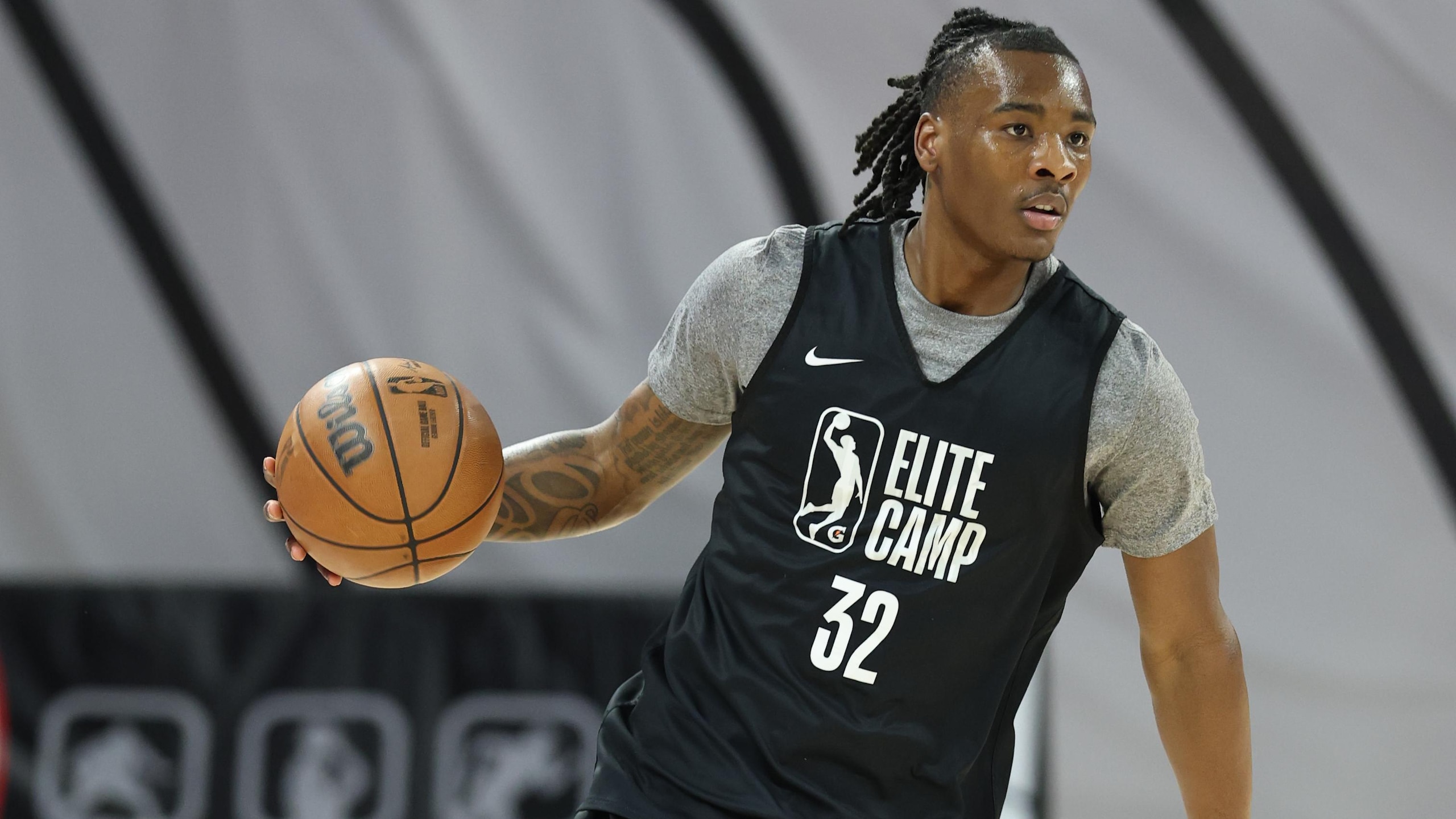
Jaron Pierre Jr. exploded for 21.6 points per game last year, mostly behind some potent shotmaking.
Though last year's highlight reels consistent of a number of high-flying dunks, his 110 pull-up makes and 41.3 percent catch-and-shoot game represent Pierre's potential ticket to the pros.
He'll turn 24 just after next year's draft, but Pierre should produce his way to the NBA combine after receiving an invite to 2025's Elite Camp.
54. New York Knicks: Milos Uzan (Houston, PG/SG)
54 of 60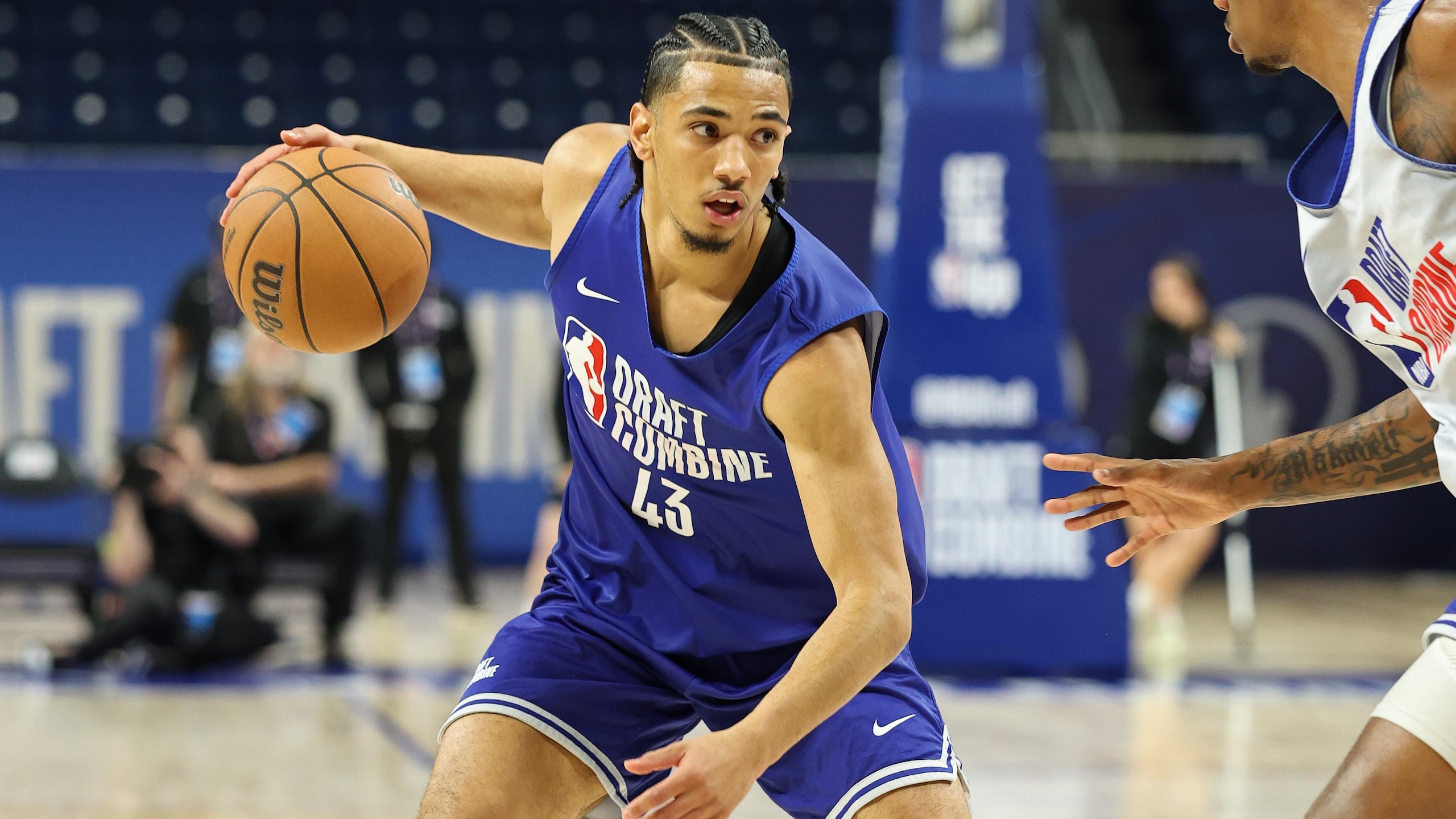
Discussed as a second-round pick last June, Milos Uzan chose to return for another potential Final Four run and jump up draft boards.
He was one of the nation's premier pick-and-roll ball-handlers with an excellent assist-to-turnover ratio and tough combination of pull-up shooting and floater touch. He also shot 45.6 percent off the catch, showing he can play some 2-guard with 6'4" size.
He's not explosive around the basket, and he'll be 23 years old by the draft, details that will probably keep Uzan from climbing too high.
55. Los Angeles Lakers: Tomislav Ivisic (Illinois, C)
55 of 60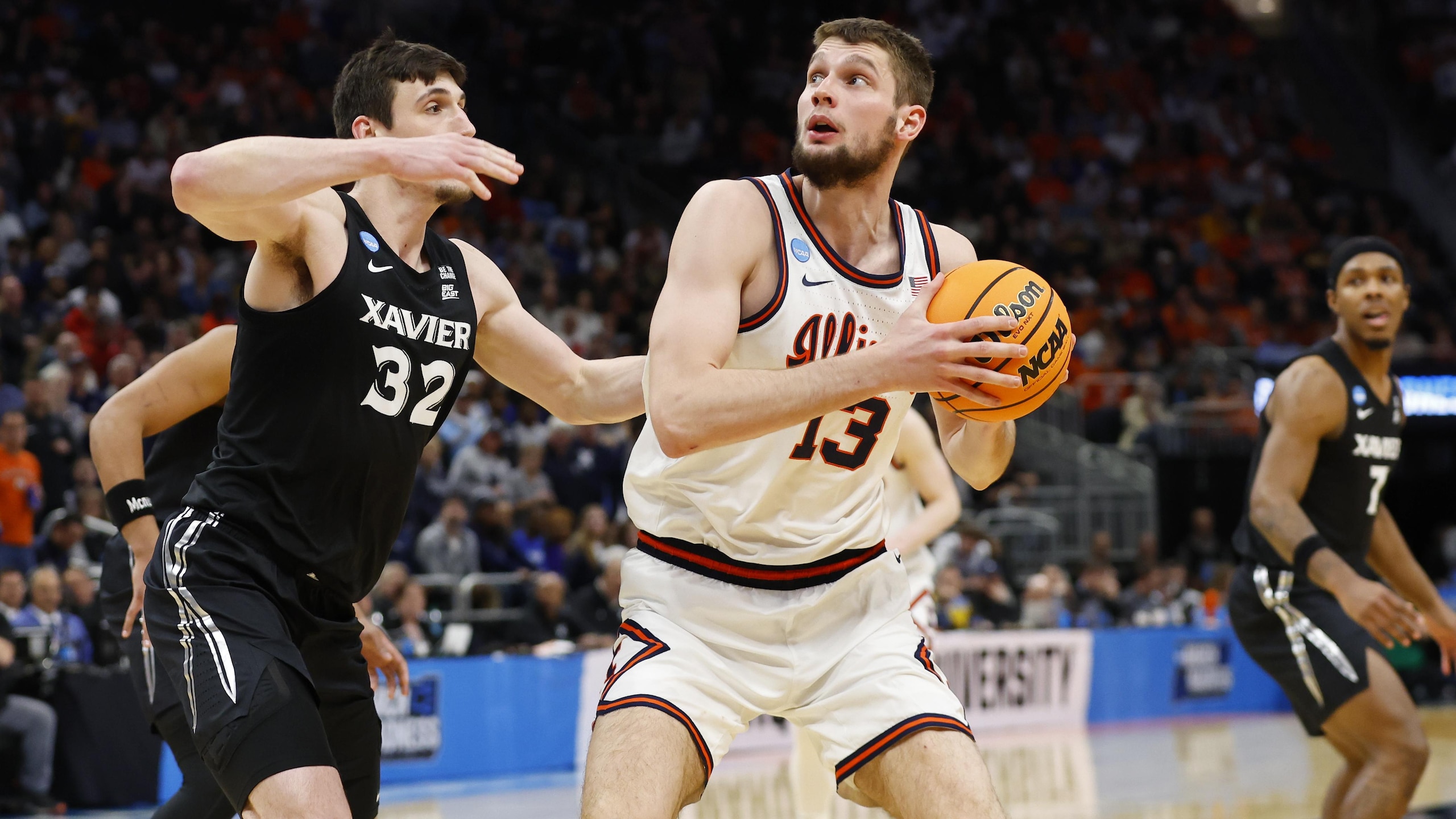
With a 7'1", 230-pound frame, shooting range and soft hands, Tomislav Ivisic returns as one of the nation's most effective pick-and-roll/pop players.
Aside from hitting 55 threes, which has become his big selling point, he showed high passing IQ and toughness around the rim for finishing and rebounding.
His defensive outlook isn't exciting, but there figure to be NBA teams that see an opportunity to find another version of Quinten Post.
56. Los Angeles Clippers: Amarion Dickerson (USC, SF/PF)
56 of 60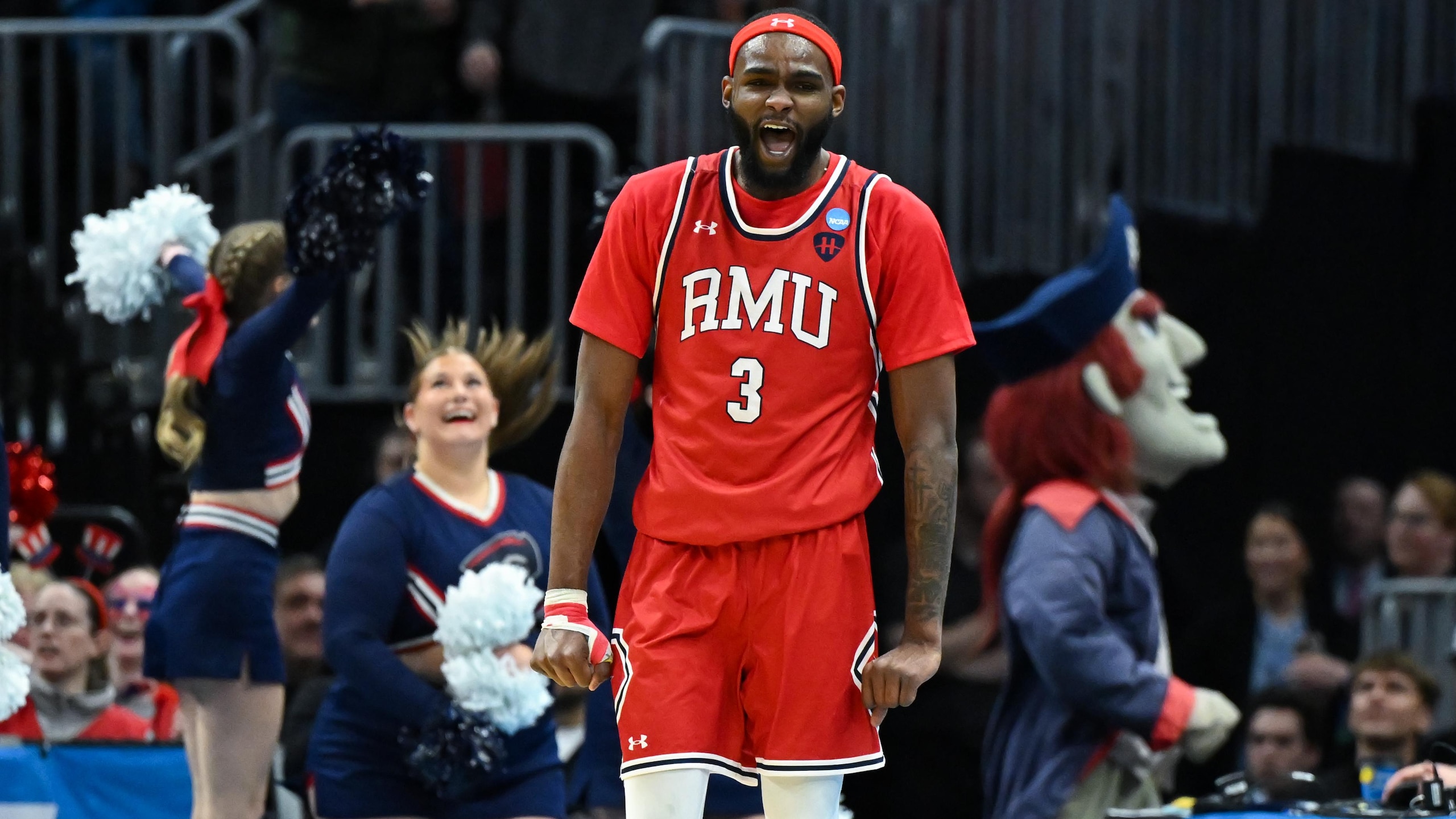
Amarion Dickerson should have made some preseason watch lists after winning Horizon League Defensive Player of the Year and scoring 25 points against Alabama in the NCAA tournament.
He became one of two NCAA players under 6'8" to ever put up an 8.0 block percentage and rack up 50 dunks in a season.
Dickerson may not even start this year at USC, and he'll want to raise his 27.6 three-point percentage. But there should still be interest in a big, long wing with his defensive court coverage and knack for driving and rim-running for easy baskets.
57. Houston Rockets: Otega Oweh (Kentucky, SF)
57 of 60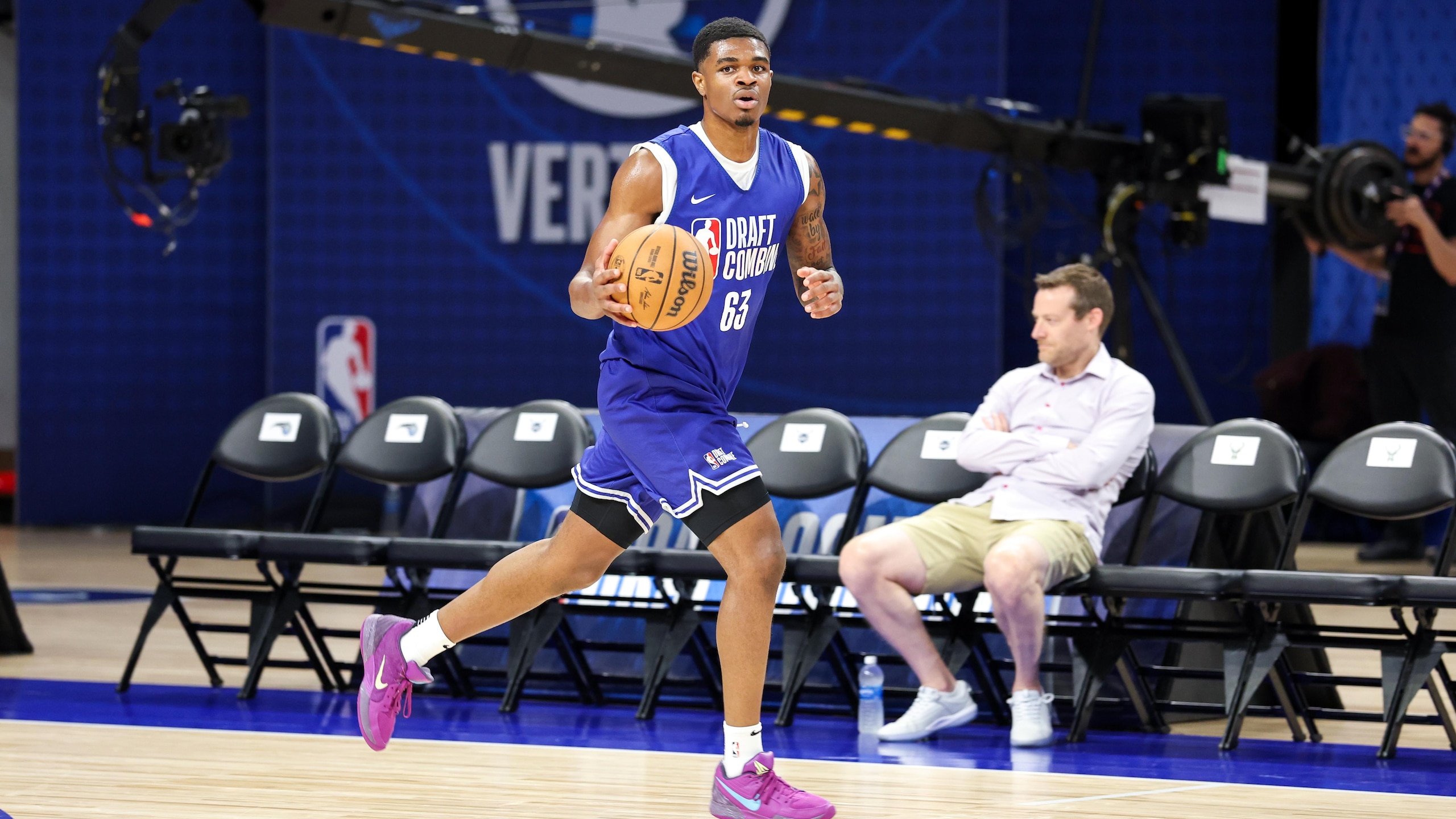
Otega Oweh followed a strong first season at Kentucky with some impressive flashes at the NBA combine.
He still wasn't a big enough shooting threat for a 6'4" wing/forward to rise up boards during the predraft process. He started to show he had some handles to create advantages and capitalize using his strength on drives.
Oweh's physical tools and defense are selling points as well, though scouts will want to see more than 0.8 threes per game to really buy his fit at the next level.
58. Cleveland Cavaliers: P.J. Haggerty (Kansas State, SG)
58 of 60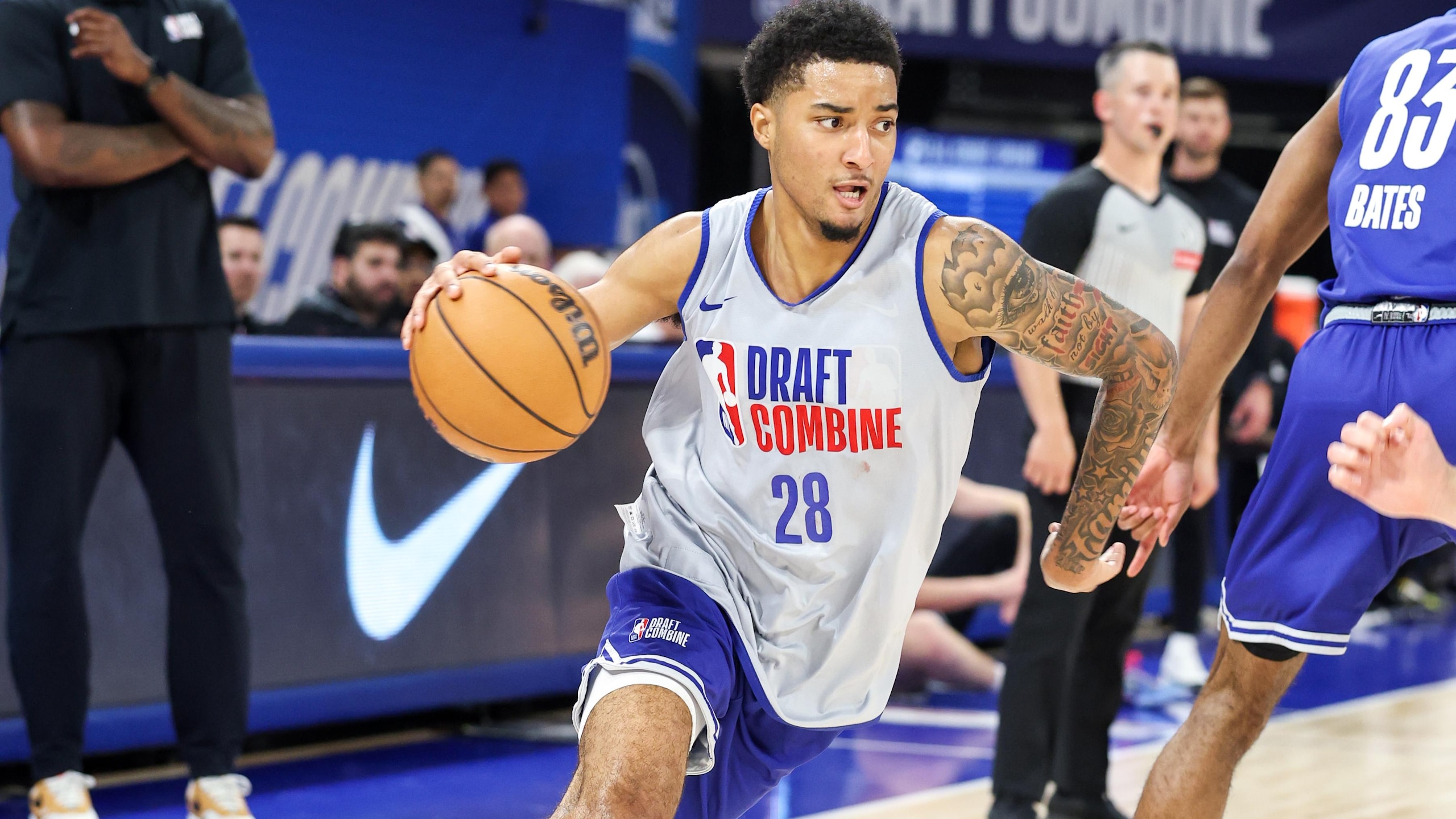
College basketball's third-leading scorer at Memphis will now try to sell scouts with Kansas State.
He's somewhat divisive as a prospect due to his 6'3" size for a high-usage scoring guard with low three-point volume. He has been extremely effective getting downhill, using touch in the lane, making shots in the mid-range and drawing fouls.
And he has shown marginal improvement with his shooting off the dribble, although mostly inside the arc.
59. Denver Nuggets: Xaivian Lee (Florida, PG/SG)
59 of 60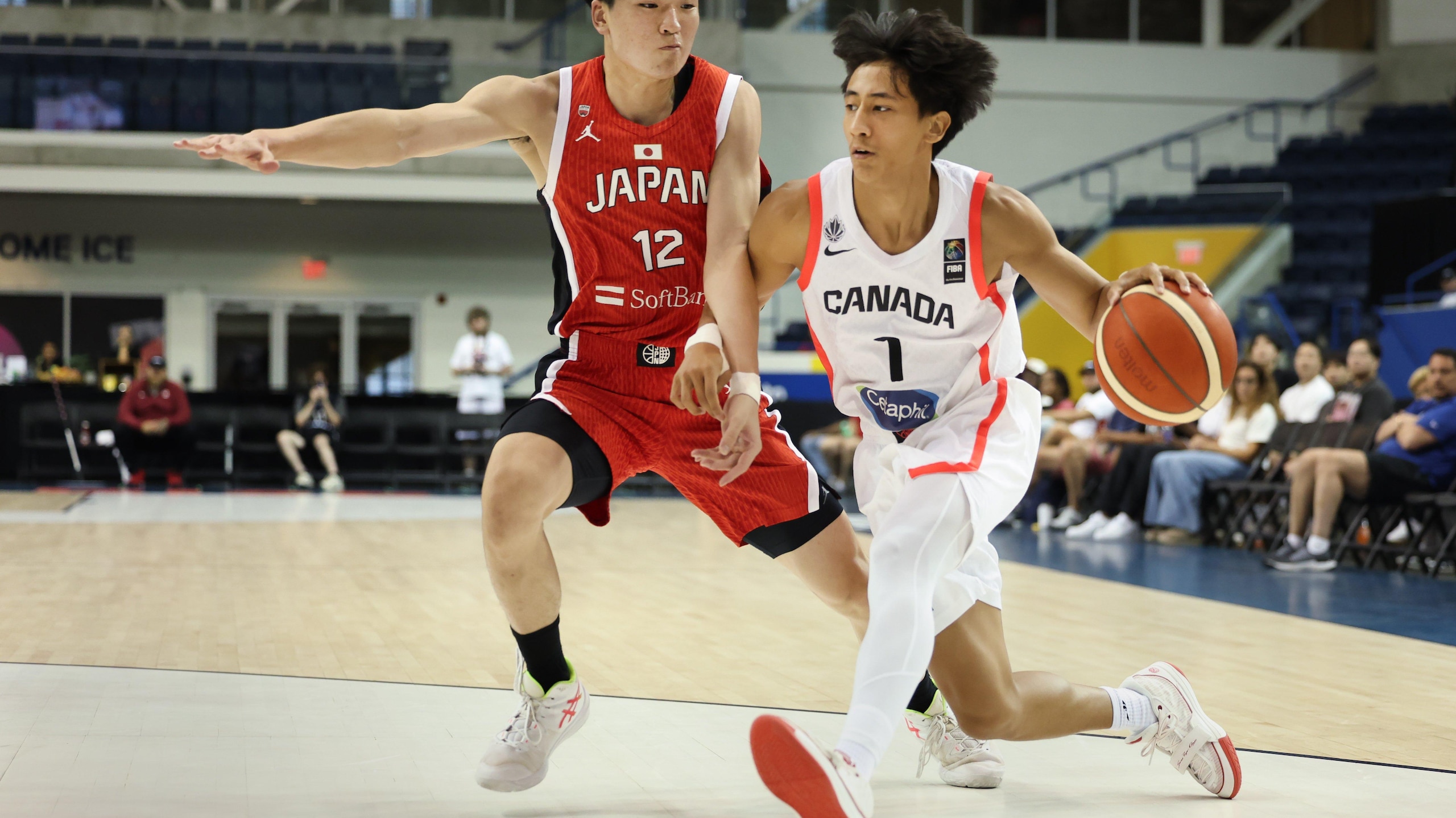
Now at Florida, Xaivian Lee now has a chance to validate his production and flashy highlights of creativity from Princeton. Boogie Fland should help take some pressure off him as well.
The senior guard has enough ball-handling shiftiness, shotmaking skill and playmaking IQ for scouts to consider for an offensive spark role at the next level.
60. Oklahoma City Thunder: Tarris Reed Jr. (Connecticut, C)
60 of 60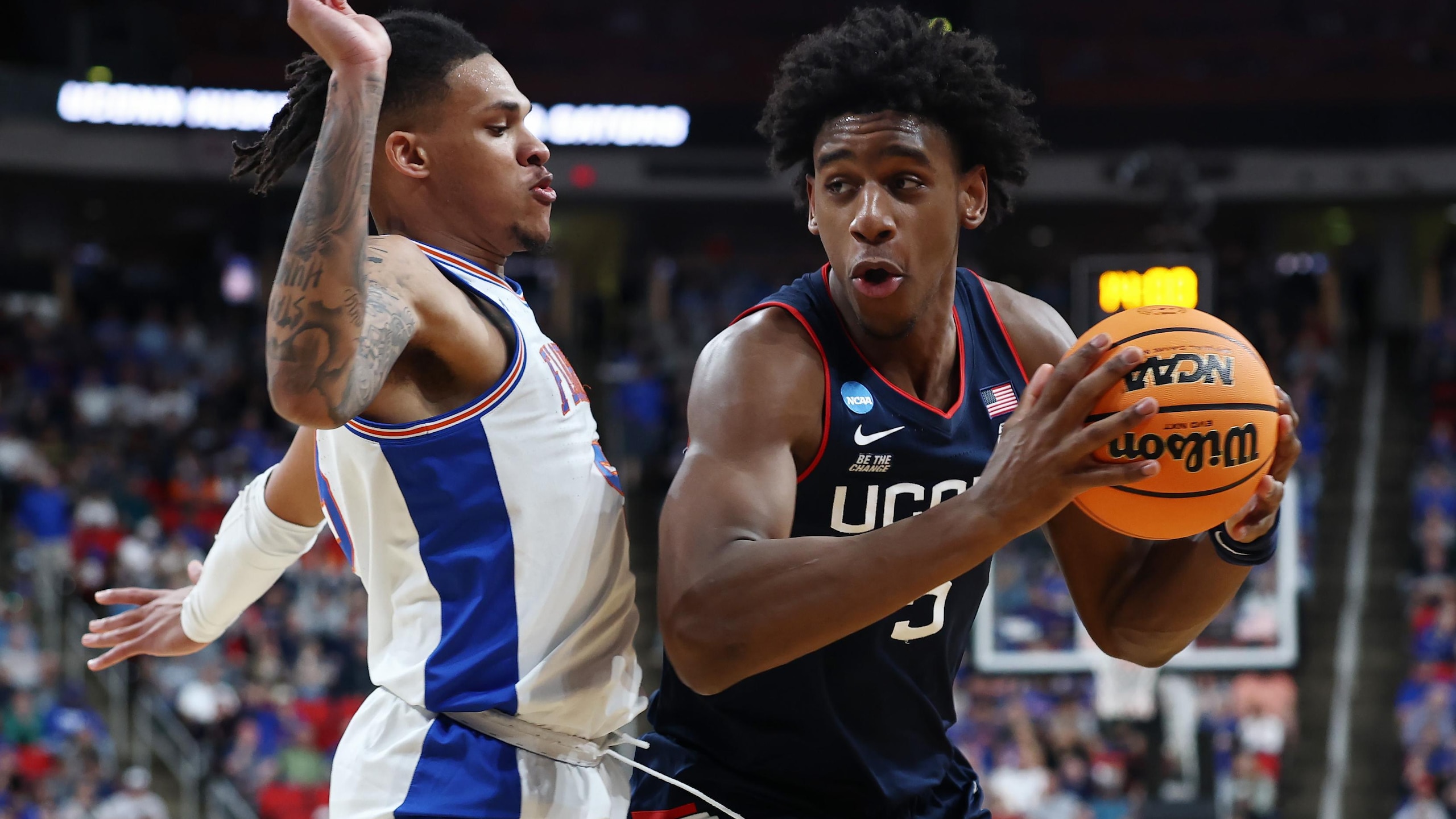
Fouls, spacing and defensive versatility likely played a role in Tarris Reed Jr. only playing 19.9 minutes per game last year.
But when he was in, he was always productive, using his 6'10", 260-pound frame to carve out space, finish through contact, put back misses and protect the rim.
A 22.7 rebounding percentage and 9.0 block rate are massive numbers. Though old-school offensively, Reed is still a service post threat who showed good footwork, patience and hands.
.jpg?w=2560 "49ers LB Suspended for Headbutt")
.jpg?w=2560 "Buzz: MHJ Hired Agents for Trade")
.jpg?w=2560 "Commanders OL HEATED After Tie ▶️")
.jpg?w=2560 "AD Trolls Bears WR on IG 😂")