
WWE SummerSlam 2025 wasn’t short on memorable moments, but they often didn’t come as a payoff to engaging storytelling.
That has been one of the most prevalent strengths and unfortunate drawbacks of the company’s programming for most of the year. For example, John Cena’s heel turn and subsequent return to form in time for The Biggest Party of the Summer were two of the highlights of 2025, but the weeks leading to them weren’t nearly as well executed.
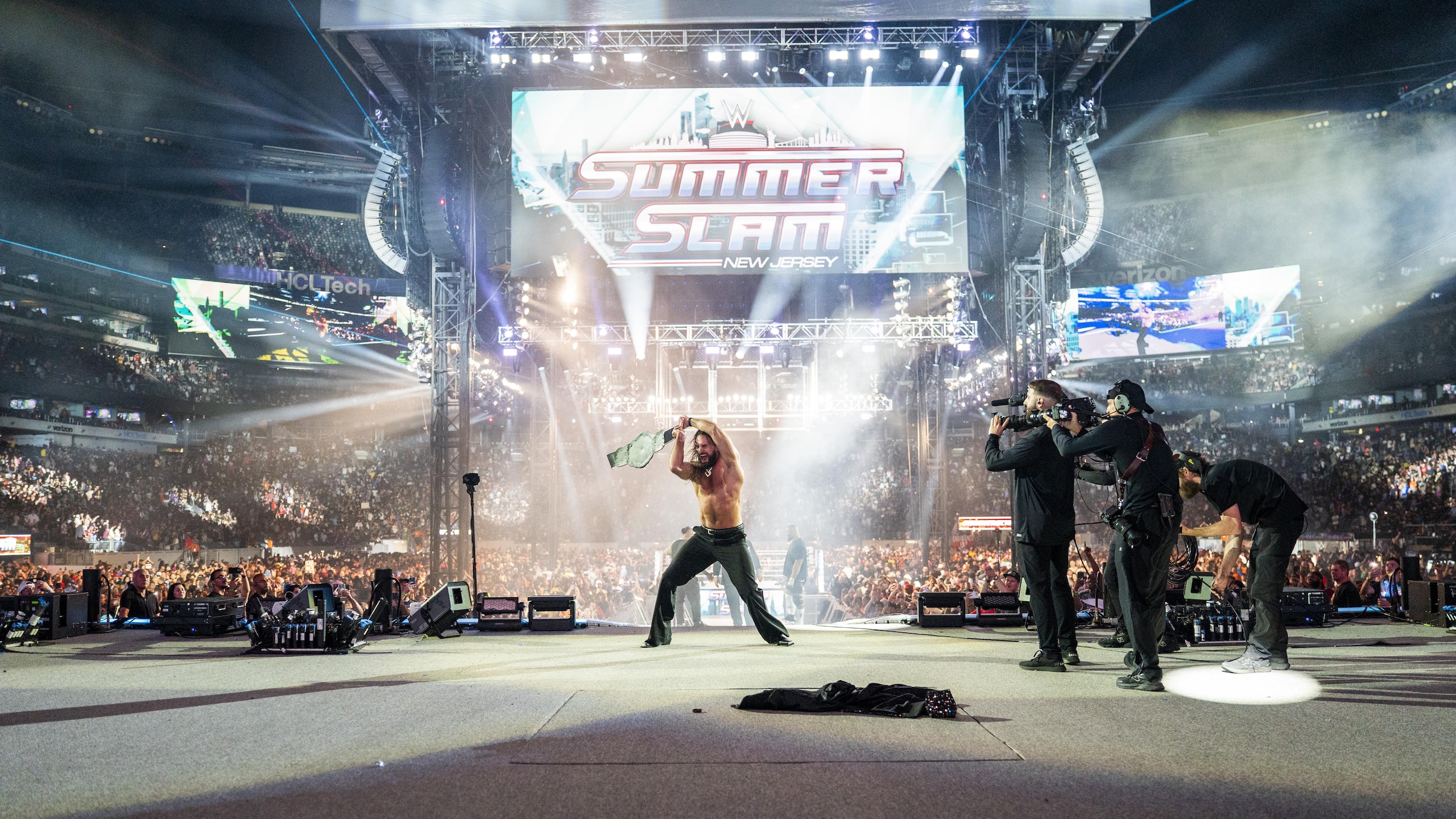
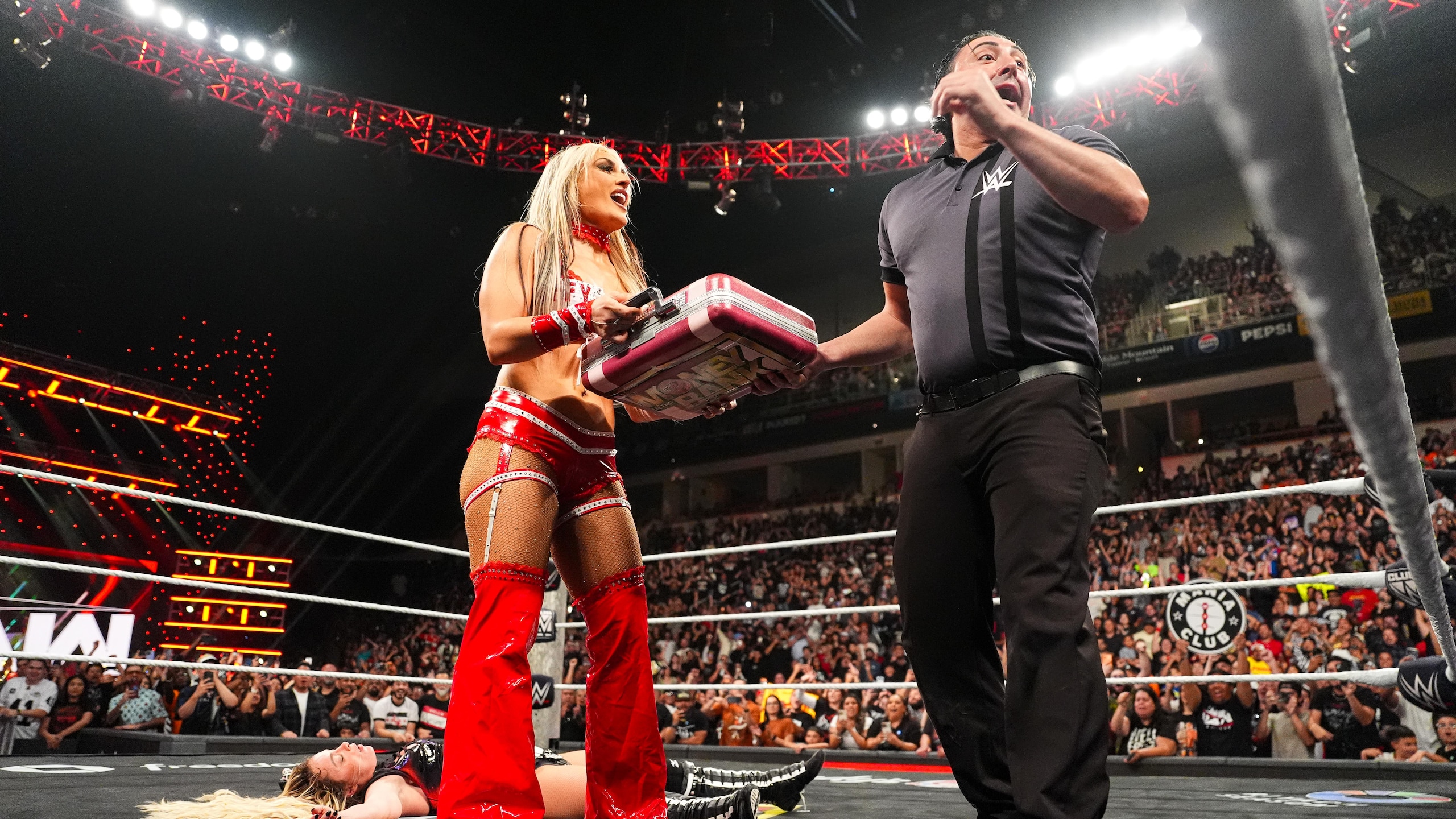
Similarly, Seth Rollins’ Money in the Bank cash-in was spectacular, but his actual plan to set it in motion didn’t make much sense. In fact, his explanation on the latest episode of Raw wasn’t much better, but we’re supposed to think the connective tissue between these moments is inconsequential.
.jpg?w=2560 "WWE NXT Live Grades October 27")
.jpg?w=2560)
In truth, it’s not even hard to see why, when a focal point from premium live events garners the intended reaction from the live audience. Many casual fans also keep up with WWE through YouTube clips, and its emphasis on viral moments makes it easier to digest without watching everything.
Then, the globally recognized juggernaut can gauge interest in the top highlight and tout the most successful numbers ad nauseam. Rinse, wash, and repeat. It happens so often that longtime viewers are probably used to it.
A Step in the Wrong Direction?
WWE has also heavily relied on celebrity appearances and shocking moments for years. Still, long-term storytelling was so effective during its latest hot streak that it seemed like the new norm.
For instance, most of us would praise the saga surrounding The Bloodline as the greatest storyline the company produced in the modern era. Yes, Roman Reigns’ familial drama delivered many incredible moments, like the ending of Royal Rumble in 2023 or Jey Uso’s redemption arc.
Nevertheless, the beauty of that story was that the weekly happenings and character development from each member kept us interested. This allowed WWE to gradually advance the plot and build anticipation for the high points.
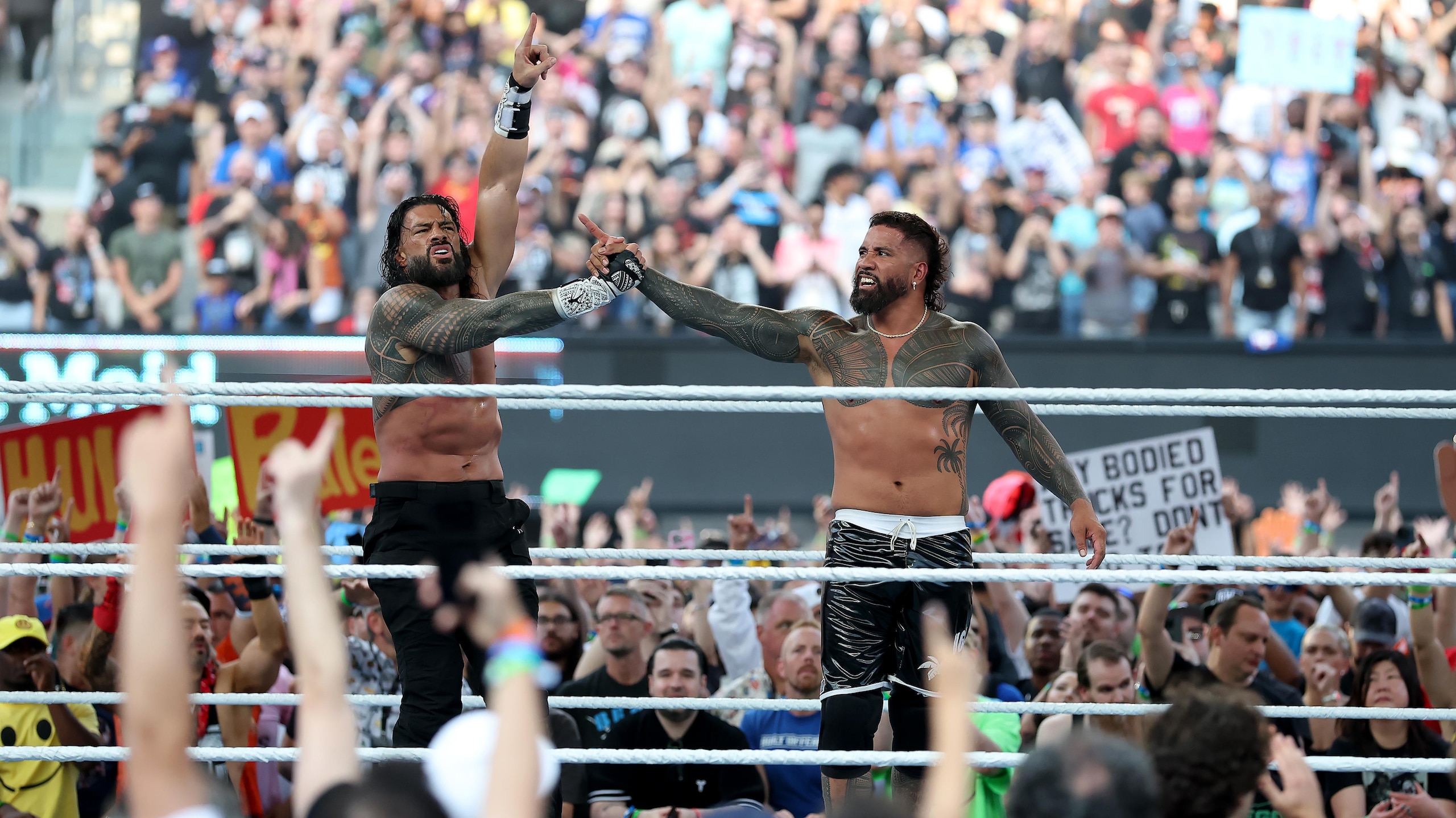
Sure, most viewers are still satisfied with their usual approach. However, the method that made The Bloodline into the most talked about story in years contributed to its most lucrative run since The Attitude Era.
That isn’t to say that it’s a bad formula because World Wrestling Entertainment excels at creating moments; it’s what the company does best. However, it can appear contrived when the creative team is seemingly always trying to go viral without a journey as compelling as the destination.
It worked so well because it was fresh and nuanced. Is it any wonder that some fans aren’t as pleased with a return to traditional tropes and matches that merely set up a potential viral moment?
Ever since the debut of Raw on Netflix, the flagship series has become the biggest culprit at times. So much of the weekly product often feels unimportant, but WWE must draw attention to celebrities and athletes waving in the front row.
Product placement is more omnipresent than ever, and every musician or influencer is getting in on the act. To that end, Travis Scott quickly went from a fun novelty to an unwelcome addition to Cena’s run as a heel because this company is determined to create a new photo op.
A Short-Term Fix Over Steady Results
Regardless, WWE is still making money hand over fist, and that likely won’t change anytime soon. After all, ESPN just announced a $1.6 billion rights agreement that will add its PLEs to the World Leader in Sports’ upcoming direct-to-consumer streaming service for the next five years.
The company’s pop culture imprint has grown exponentially over the last year, and pro wrestling legitimately feels cool again. However, you have to consider the long-term ramifications of overrelying on instant gratification and virality.
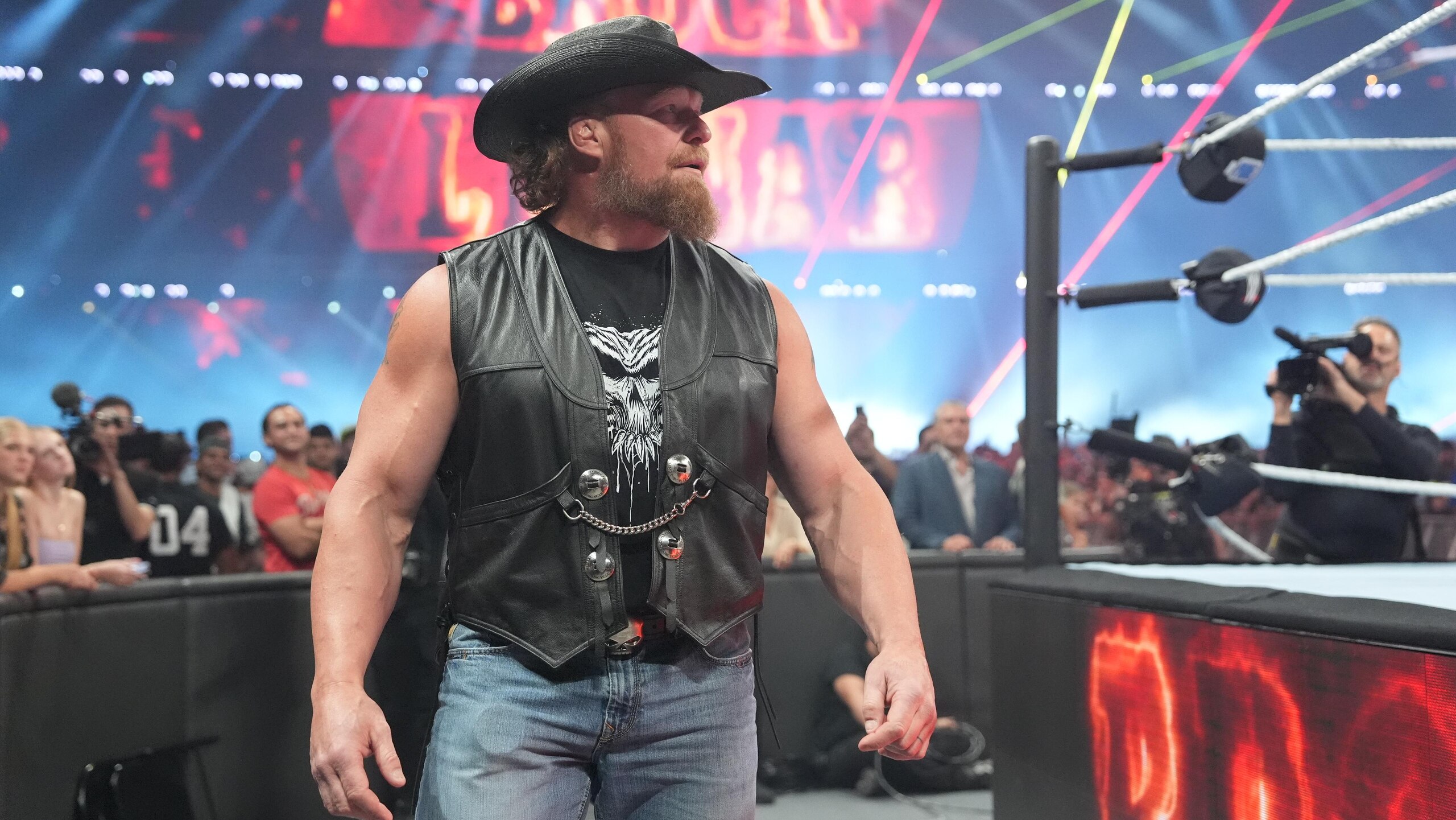
These short-term decisions have led to glaring creative misfires that won’t sink the ship, but they come off as unforced errors with diminishing returns. Frankly, the main event of night two of SummerSlam was excellent, and Brock Lesnar’s return felt like an unnecessary development that overshadowed a seminal moment.
It’s the latest example of Triple H and WWE’s obsession with getting to the next moment, and it hardly seems worth it in the long run.

.jpg?w=2560 "World Series Gm. 4 Highlights 🎬")