
College Fantasy Football 2025 Mock Draft, Cheatsheet and More Strategy Tips
Believe it or not, college football is about to make its return. The 2025-26 season is set to kick off with a five-game slate on August 23.
For college fans, this means that the wait is nearly over. For fantasy enthusiasts, it means that the window for drafting is rapidly closing. For those who have never tried college fantasy before, now is the perfect time to give it a try.
College fantasy leagues typically aren't too different from NFL leagues, though the massive player pool can make for an intimidating draft process. And since rosters change so much from year to year, information gathering is essential.
Here, you'll find a two-round mock and positional rankings, along with a drafting tips for the upcoming college fantasy season.
Two-Round Mock Draft
1 of 3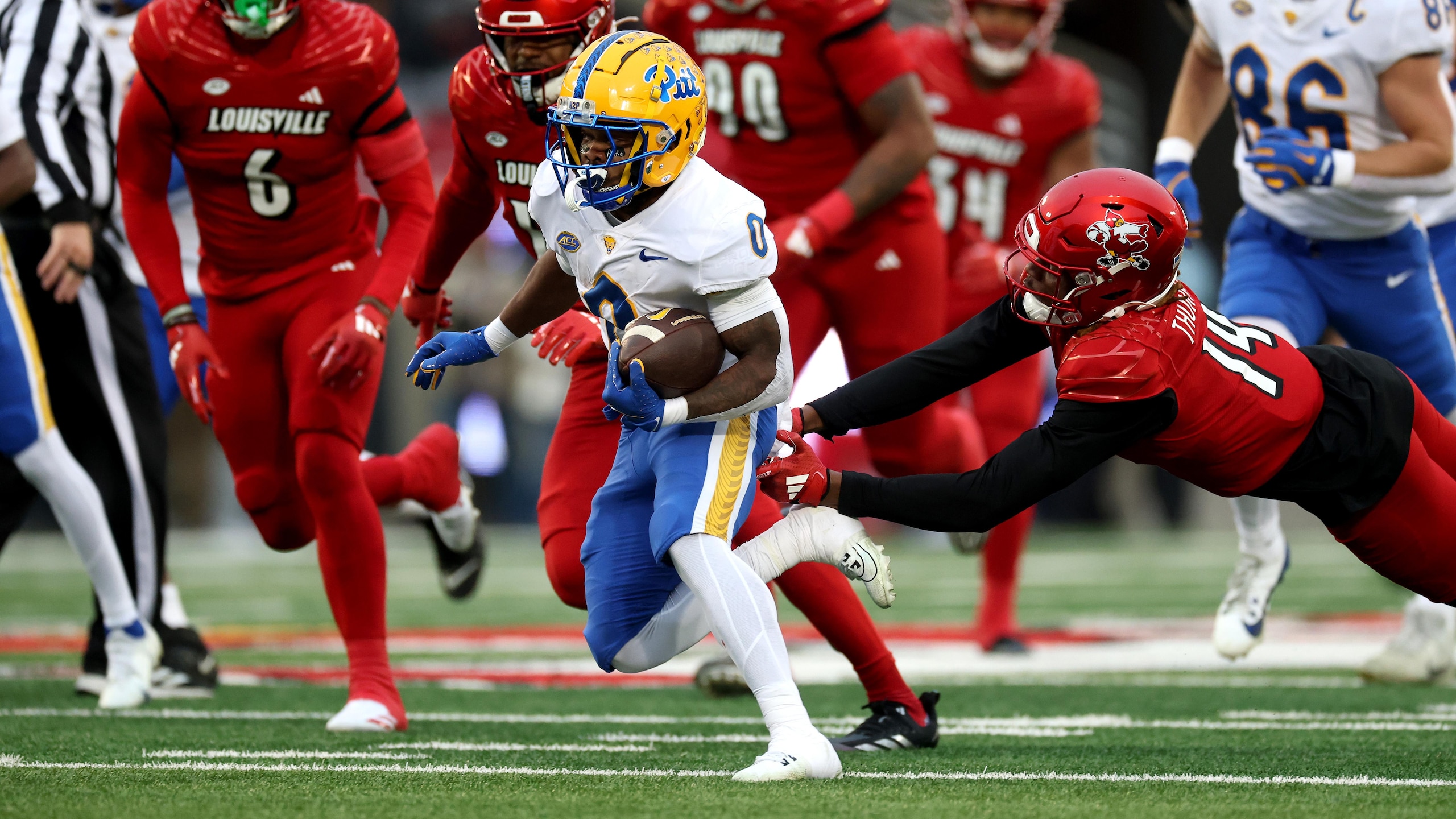
Round 1
- Desmond Reid, RB, Pittsburgh
- Darius Taylor, RB, Washington
- Bryson Washington, RB, Baylor
- Anthony Hankerson, RB, Oregon State
- Jeremiah Smith, WR, Ohio State
- Al-Jay Henderson, RB, Buffalo
- Isaac Brown, RB, Louisville
- Jordyn Tyson, WR, Arizona State
- Easton Messer, WR, FAU
- Dylan Edwards, RB, Kansas State
- Caden Durham, RB, LSU
- Makhi Hughes, RB, Oregon
Round 2
- Cam Coleman, WR, Auburn
- Antonio Williams, WR, Clemson
- Jeremiyah Love, RB, Notre Dame
- Jaheim White, RB, West Virginia
- Demond Claiborne, RB, Wake Forest
- Ryan Williams, WR, Alabama
- Denzel Boston, WR, Washington
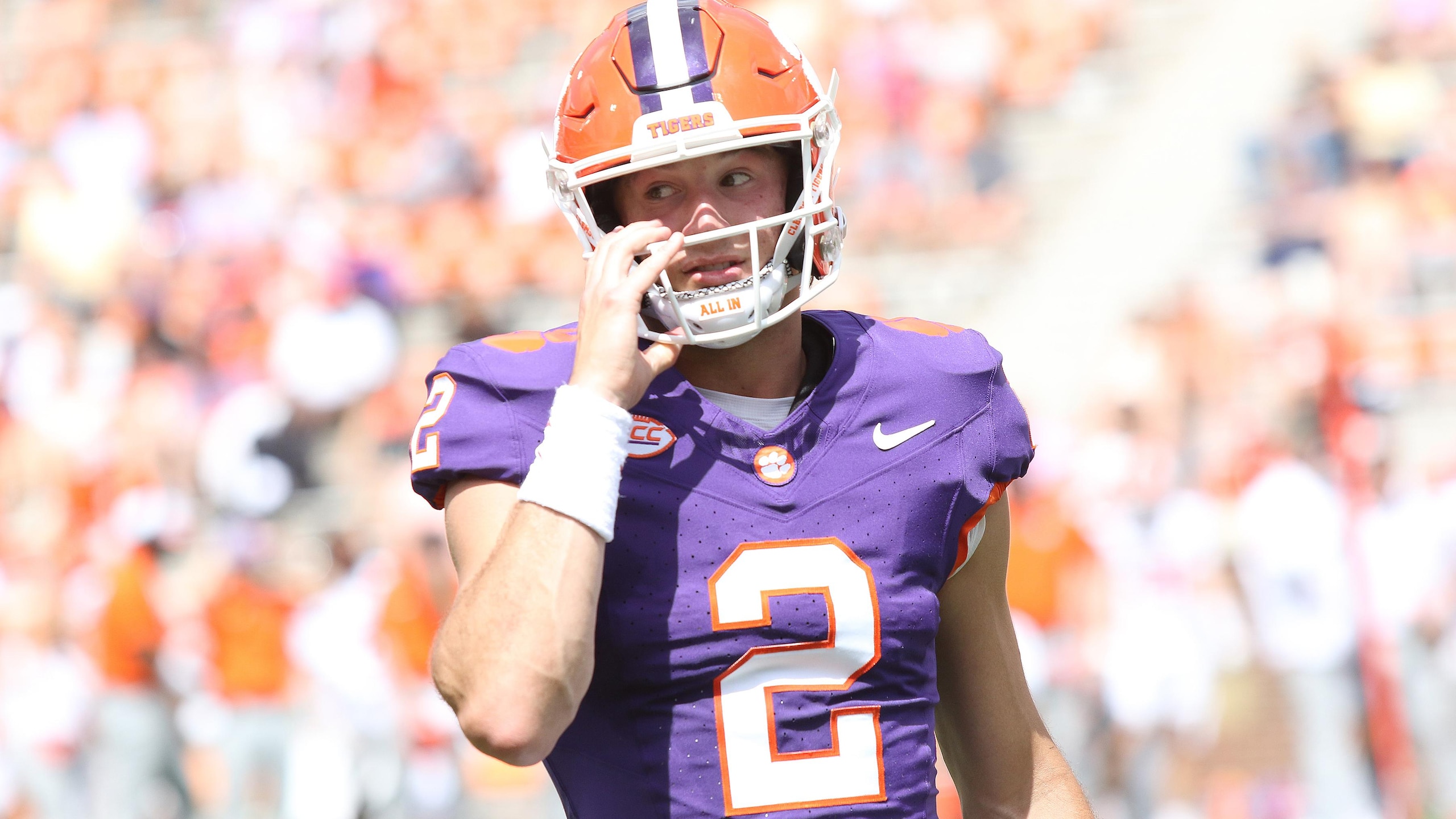
- Cade Klubnik, QB, Clemson
- Nick Singleton, RB, Penn State
- Jonah Coleman, RB, Washington
- Cayden Lee, WR, Mississippi
- Arch Manning, QB, Texas
*PPR Scoring
College Fantasy Cheatsheet
2 of 3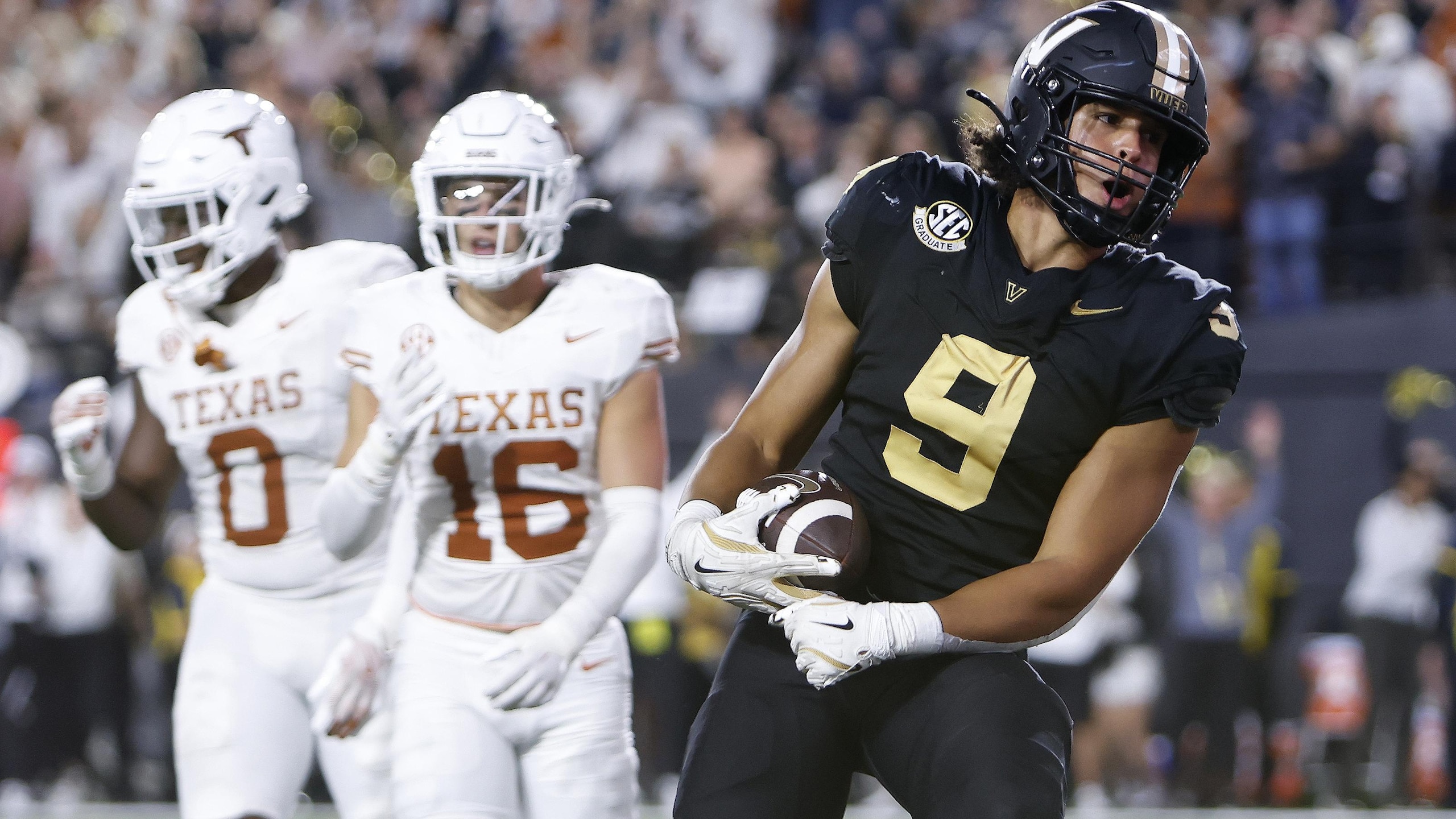
Quarterbacks
- Cade Klubnik, Clemson
- Arch Manning, Texas
- LaNorris Sellers, South Carolina
- Garrett Nussmeier, LSU
- Avery Johnson, Kansas State
- Sawyer Robertson, Baylor
- John Mateer, Oklahoma
- Blake Horvath, Navy
- Owen McCown, Texas-San Antonio
- Kevin Jennings, SMU
Running Backs
- Desmond Reid, Pittsburgh
- Bryson Washington, Baylor
- Anthony Hankerson, Oregon State
- Al-Jay Henderson, Buffalo
- Darius Taylor, Minnesota
- Isaac Brown, Louisville
- Makhi Hughes, Oregon
- Caden Durham, LSU
- Dylan Edwards, Kansas State
- Demond Claiborne, Wake Forest
Wide Receivers
- Jeremiah Smith, Ohio State
- Jordyn Tyson, Arizona State
- Easton Messer, FAU
- Ryan Williams, Alabama
- Cam Coleman, Auburn
- Antonio Williams, Clemson
- Denzel Boston, Washington
- Cayden Lee, Mississippi
- Eric McAlister, TCU
- Elijah Sarratt, Indiana
Tight Ends
- Eli Stowers, Vanderbilt
- Kenyon Sadiq, Oregon
- Joe Royer, Cincinnati
- Trey'Dez Green, LSU
- Justin Joly, North Carolina State
- Jack Endries, Texas
- Matthew Lauter, Boise State
- Elijah Lofton, Miami
- John Michael Gyllenborg, Wyoming
- Max Klare, Ohio State
*Rankings based on PPR scoring.
Strategy Tips
3 of 3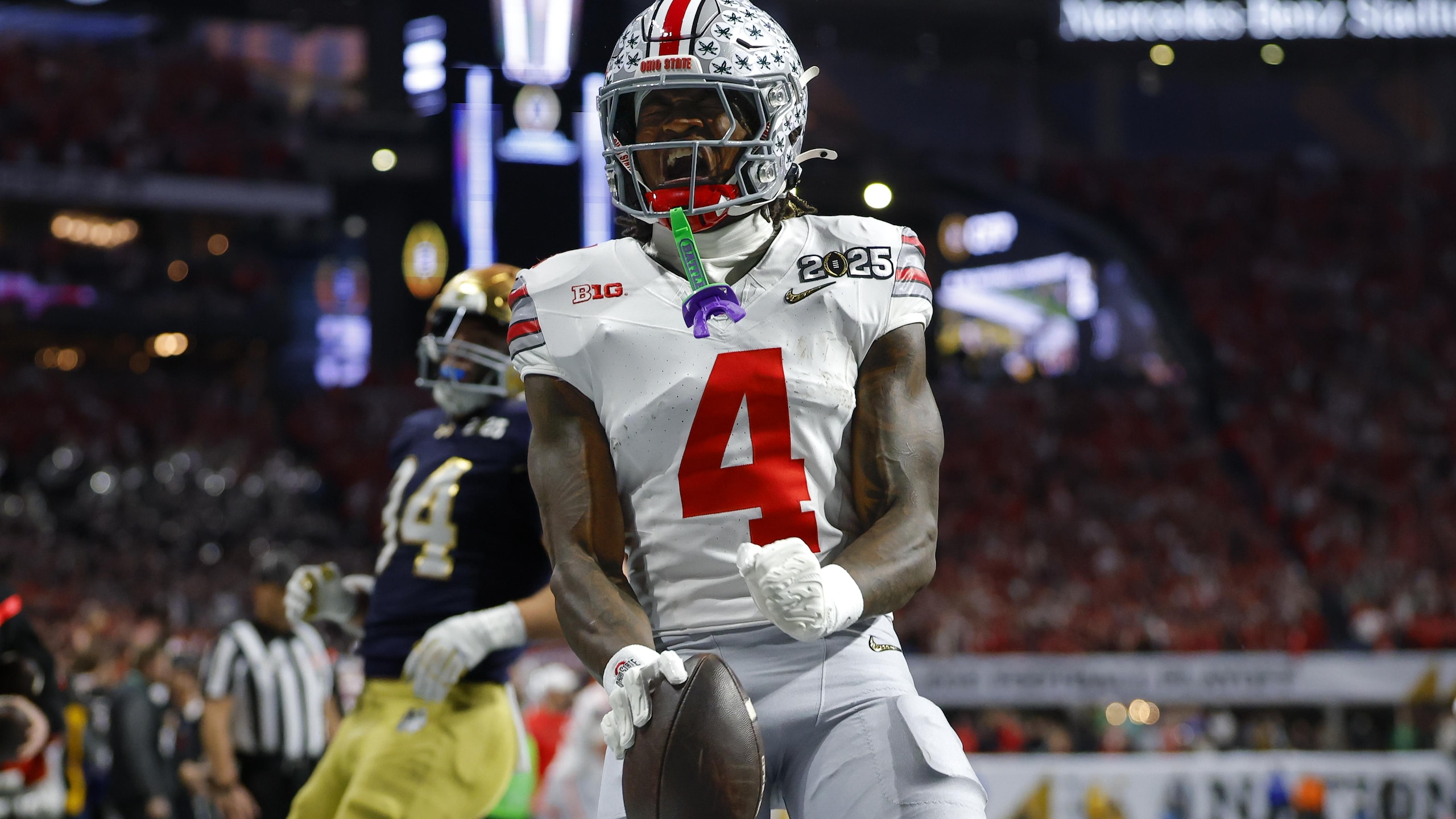
Fans familiar with NFL fantasy drafts shouldn't find college drafts to be altogether different. As with any draft, managers need to know their roster parameters and whether their league uses standard scoring or point-per-reception (PPR) scoring before making any picks.
As is the case in NFL fantasy, wide receivers and tight ends are a bit more valuable in PPR formats than in standard. However, high-volume running backs tend to dominate the early rounds. Since the college season is a bit shorter than the NFL season—and schools won't hesitate to hand out a heavy workload—many backs will see 20-plus touches weekly.
Pittsburgh running back Desmond Reid, for example, tallied 52 receptions and 184 carries for 1,545 yards and nine touchdowns in 11 games last season.
Proven returning players should also be trusted over relative unknowns in the early rounds. This doesn't mean that a redshirt freshman won't emerge as an instant star, but leaning on players who have already proven themselves is a smart strategy.
Ohio State receiver Jeremiah Smith, for example, has gone up against some of the best talent in the country and has produced. He recorded 76 catches for 1,315 yards and 15 touchdowns last season.
With quarterback Will Howard departing for the NFL in the spring, Smith's value might take a minor hit. The Buckeyes haven't established a starting QB yet and are still in the early stages of a positional battle.
"Every day you’ve gotta put your best guys out there to figure out who’s making progress and who isn’t," Ohio State coach Ryan Day said, per Stephen Means of Cleveland.com.
Yet, it's hard to envision Smith falling off much because the Buckeyes have a track record of getting production out of the receiver position.
And it is worth trusting certain programs at certain positions in fantasy drafts. Managers who are unsure about a younger player or one potentially stepping into a larger role can expect top-tier programs to generate results. Of course, it's worth paying attention to smaller programs since all stats are created equal.
Texas-San Antonio might not be a marquee program, but Owen McCown still threw for 3,424 yards and 25 touchdowns last season while rushing for 340 yards and three scores.
This brings us to one difference managers are likely to find between NFL and college fantasy drafts. Quarterbacks tend to go a bit higher in college drafts than they do in the NFL. There are a few reasons for this, but the simplest explanation is that there are only a handful of elite signal-callers and many, many high-volume backs and receivers.
While the NFL only features a handful of true every-down backs, the college landscape features dozens. This doesn't mean that managers have to target a quarterback in Round 1—some inevitably will—but those looking to land a big name like Cade Klubnik or Arch Manning will likely need to flip the switch within the first couple of rounds.
Managers who choose to pass on a quarterback early, though, can likely find value in later rounds by targeting run-heavy quarterbacks from smaller programs. Just make sure that your league awards rushing points to quarterbacks before taking this approach.
Once again, it's always important to check league rules well ahead of a draft.


_0.png?w=2560)

.jpg?w=2560 "NFL investigating 2 referees for separate viral exchanges")
.jpg?w=2560 "Report: Chiefs Contact Hill's Agent")
.jpg?w=2560 "OBJ Calls Out Giants 😳")
.jpg?w=2560 "Tyreek makes another cryptic post amid Chiefs rumors")


