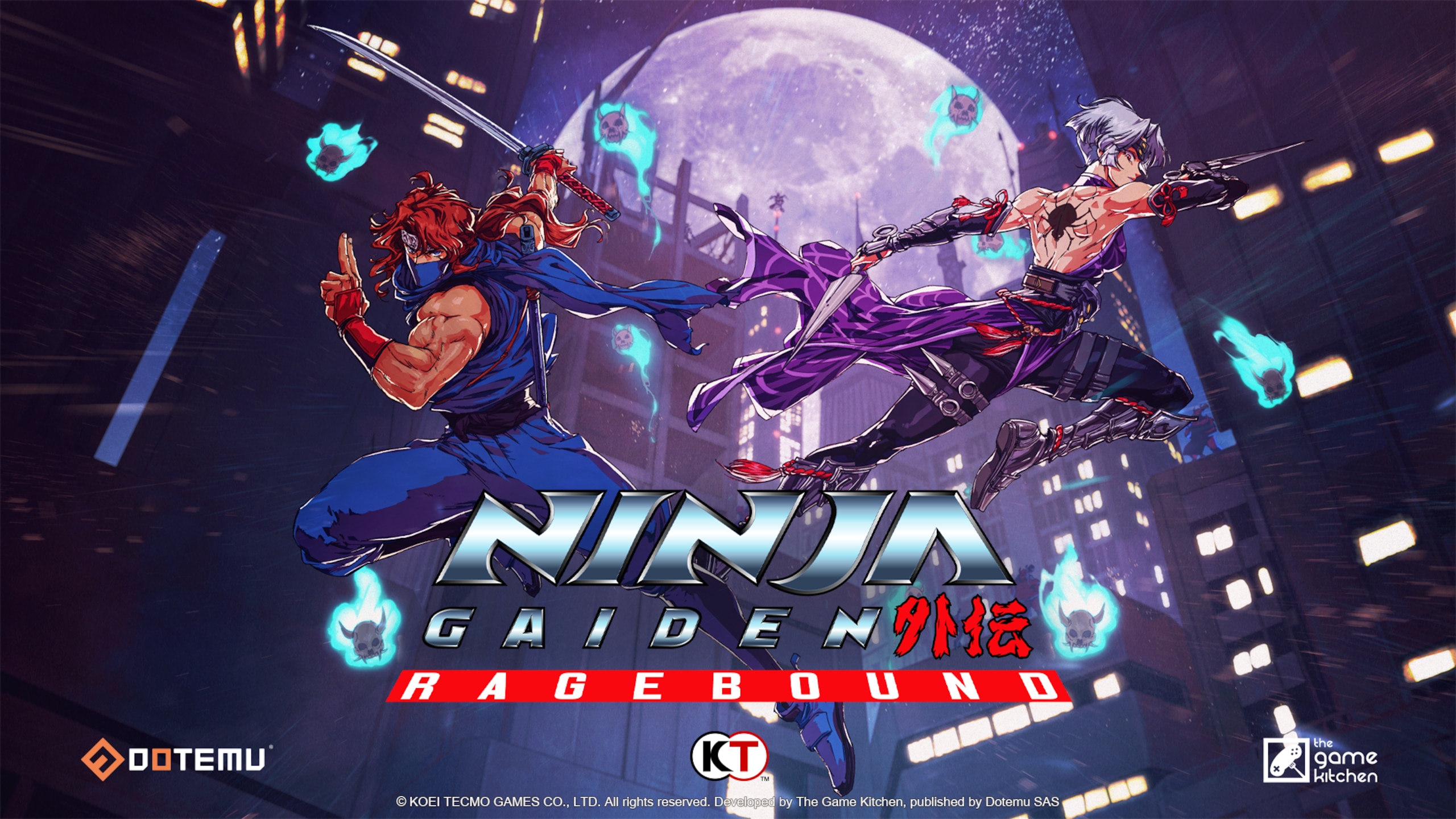

Ninja Gaiden Ragebound Review, Gameplay Impressions, Videos and Top Features

Ninja Gaiden Ragebound from developer The Game Kitchen is a spin-off of a classic series aiming to bring a fun old-school feel to modern times.
This is the year of a Ninja Gaiden revival, with Ragebound sandwiched between a remake of a classic and the upcoming Ninja Gaiden 4.
Ragebound might appeal to more players than the former because it’s a brand new experience, while serving as the perfect lead-up to the latter.
TOP NEWS

Unranked CFB teams cause chaos in Week 8

Brown with an all-time summary of relationship with Tatum

More top teams upset and more takeaways from CFB Week 8
An eye-popping pixel art effort, the side-scrolling action and little bits of innovation on the tried-and-true formula position Ragebound with the potential to be the best-in-class in its genre this year before the long-awaited series sequel attempts to do the same.
Graphics and Gameplay
Screenshots do Ragebound a certain amount of justice. The pixel art-sprite-like nature of the whole ordeal looks fantastic and a true throwback to an era that isn’t so bygone. It’s colorful, varied and distinctive enough to tell the immediate action from the impressive backgrounds.
Ragebound really makes its waves in motion, though.
Old-school sounds complement the action well, where even the busiest of scenes are still easy to digest, with proper timing, of course. Projectiles fly all over the screen, various enemies make their moves, and there’s always some path within the areas to uncover.
It all feels great and responsive, too. Staples of the sidescrolling action genre persist in a fun manner here, even in simple traversal. Abilities include air dashes, climbing up walls and on ceilings and more, all at a quick pace with enemies often targeting them.
One of the best features is a simple bounce that, when timed right, lets the player bounce off not just enemies, but even projectiles. Keeping a bounce chain going amid the action is both fun and super effective.
The acrobatics and smoothness of it all translate well to combat in a seamless way.
Many enemies go down in one hit, adding to the feeling of reward when a player’s timing and precision is right. Juggling the ever-expanding number of traversal and combat options is fun, too, especially when new enemy types start to roll out.
Beyond timing and when to apply abilities, a fun strategic layer is an ultimate move of sorts. Players can enter a hypercharged state, sacrifice some health and one-shot those enemies that can’t normally be one-shot, or even stun bosses.
Over time, felled enemies release “ki” that, when charged, players can use to summon help, too. Good thing, too, because the game’s boss battles continually add more challenge and variety to the progression.
In a fun twist, players hit a point where they “absorb” the abilities of another character. Swapping to that skill set opens up new opportunities in exploration and combat. The flavor of the latter is ranged and useful, while the traversal includes things like quick teleports to get across gaps that normal jumps wouldn’t clear, for example. Enemies can also then be color coded, making just one of the character’s abilities more effective than the other against them.
That twist puts more control in the hands of players and strategic depth to the overall experience. Sounds a little cliche, but there’s something to be said for a game in a genre as well-trodden as the 2D side-scroller in finding ways to expand depth anyway.
After a stage, players can receive grade feedback, so there’s plenty of replayability beyond simply wanting to run through the levels again for the heck of it because it’s just a fun romp.
Story and More
Over the years, heavyweights like Hollow Knight have reshaped how we think about storytelling in side-scrollers.
Ragebound isn’t going to reach those types of peaks narratively, but there’s some interesting stuff going on around the gameplay here, especially for those with an affinity for the series.
To keep it simple and spoiler-free, Ryu Hayabusa’s village has gone through some not-great things, and players take the role of protagonist Kenji Mozu, who, funnily enough, has to begrudgingly team up with assassin Kumori from a rival camp.
Perhaps more interesting than the direct narrative is the fact that little lore bits from the Tecmo Ninja Gaiden universe pepper the experience.
Beyond the story, secrets abound in the game, including platforming puzzles and secret missions. Players can stumble upon currencies to use in shops, too, giving plenty of reason to do much in the way of exploration, not just fighting.
Replayability is high not just because of the aforementioned grading process, either. There are also challenges to tackle, ranging from taking no damage throughout a level to other creative little feats to mix up the process of re-running the same levels.
Beyond the obvious list of options tucked into the menus, Ragebound also comes with varied difficulty settings. Unlocking the tougher ones lives up to the brutal rep of the series, as these aren’t just harder to clear, but also add new enemies and obstacles to a level.
Conclusion
Ragebound arrives as a surprise, mostly because the Nina Gaiden series hasn’t been 2D since the 90s and 2024 is already packed with goodness from the series.
But when it’s this good? More is always better.
What isn’t shocking about Ragebound is the snappy fun available, difficulty ramps if one wants and exploration. Some might come away disappointed that the game doesn’t go a, say, Metroidvania route, but this one is linear in an old-school-cool way that feels good.
Ragebound is a monster in its genre and a welcome one, at that.

.jpg?w=2560 "Colts Football")




