
1 Word to Describe Every NBA Team's Salary-Cap Situation
The June 25 NBA draft is just over two weeks away. Free agency kicks off soon after. How will the league reshuffle the deck?
Much depends on how much salary teams have on their books. Some are already capped out, which means they'll be seeking minimum-contract players or even salary dumps to bolster their roster. A select few have tremendous flexibility.
The following is one word to describe every team's salary-cap situation.
Atlanta Hawks: Young
1 of 30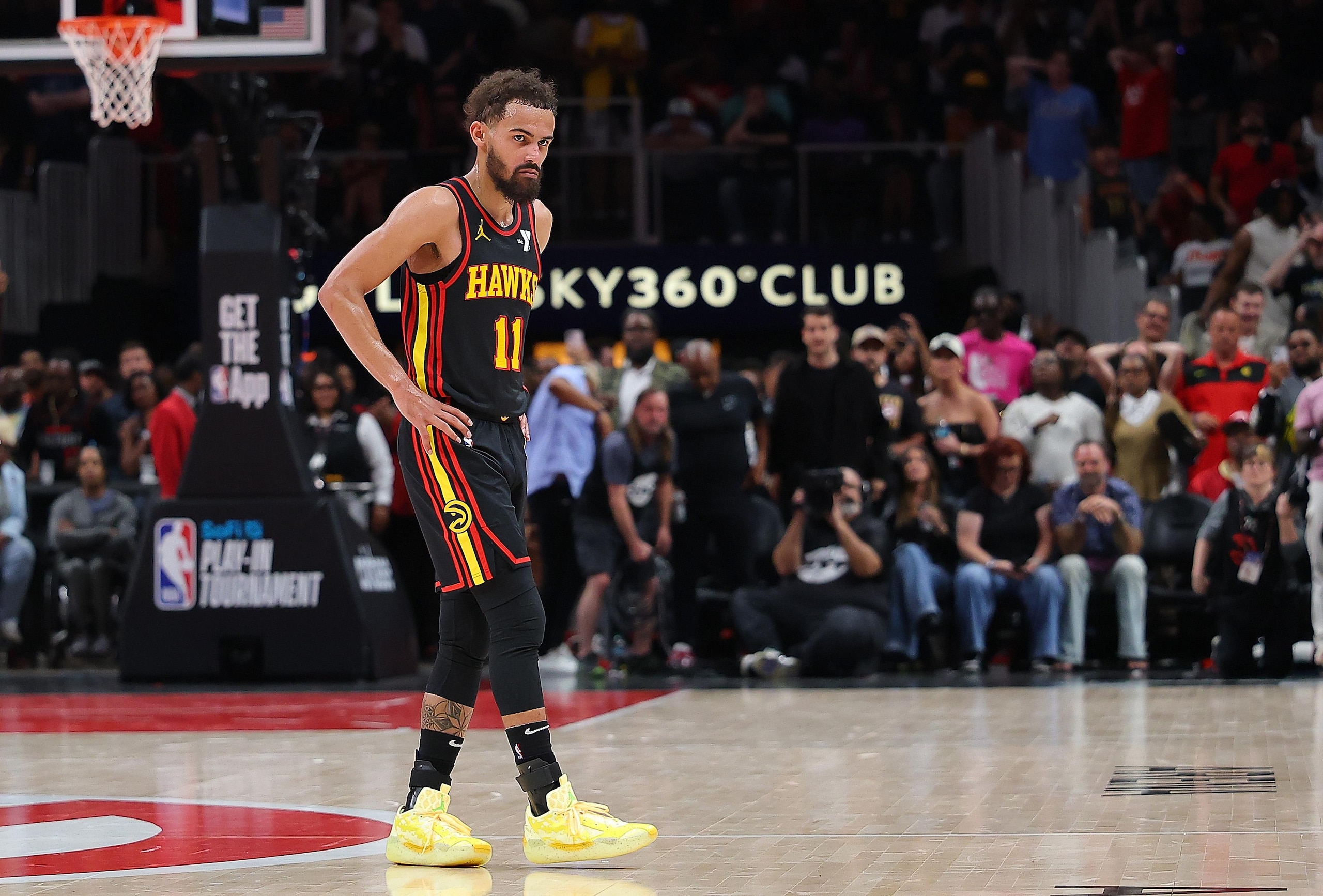
Tax Flexibility: High
Apron Flexibility: High
Cap-Room Flexibility: Low
First-Round Power: Medium
Second-Round Power: Medium
The Hawks are relatively optimistic about their direction, but their financial flexibility depends heavily on their commitment to building around guard Trae Young. He's extension-eligible in July, and if the team reinvests in Dyson Daniels and Young, the books will get more bloated quickly.
Historically, the Hawks have avoided the luxury tax. Until that changes, project that line (estimated at $187.9 million for 2025-26) as the team's self-inflicted hard cap.
The Hawks have some pick flexibility should a trade opportunity arise. However, most of their immediate future selections are tied up due to the 2022 Dejounte Murray trade, though they've since moved him to the New Orleans Pelicans.
Boston Celtics: Excessive
2 of 30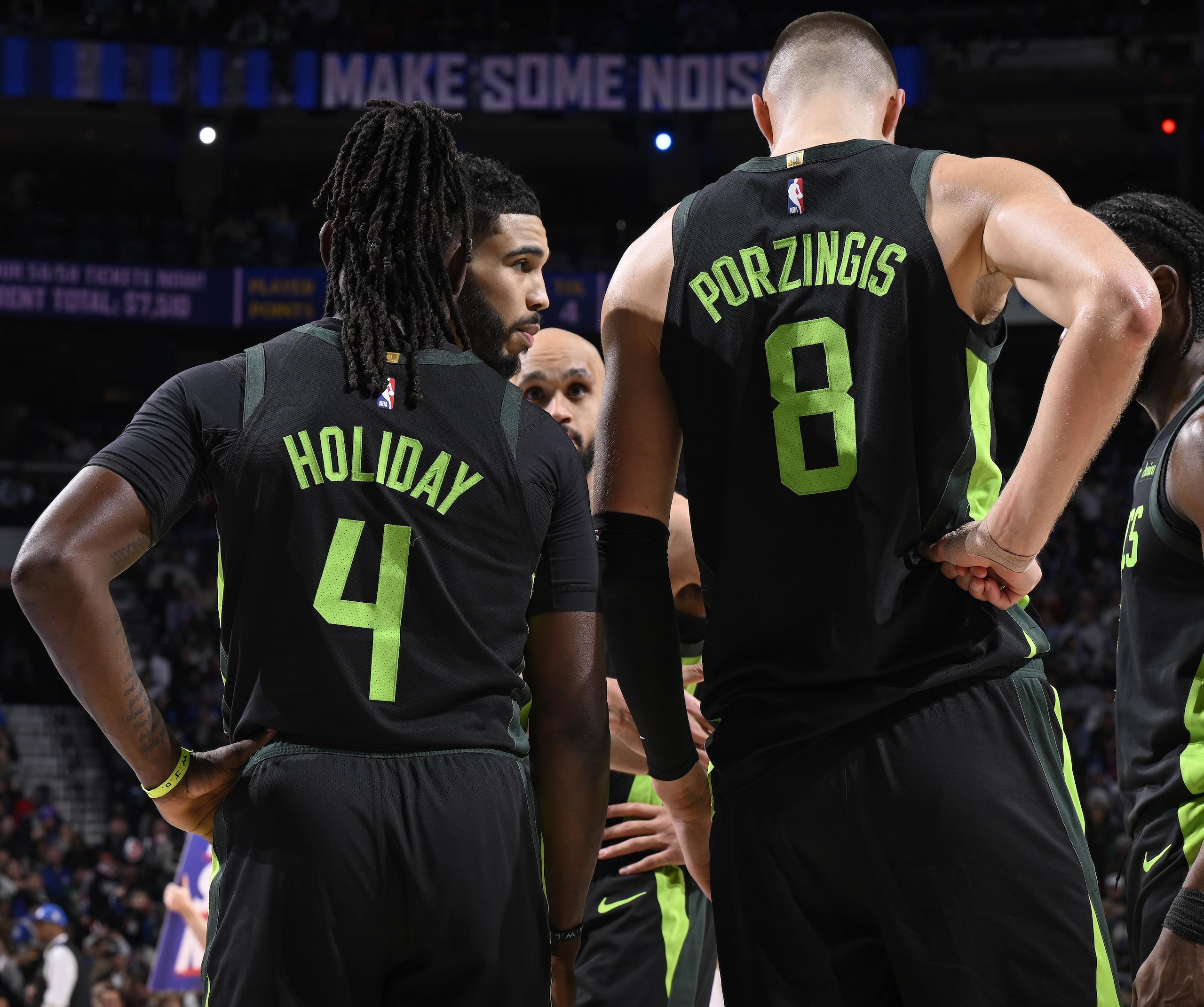
Tax Flexibility: Low
Apron Flexibility: Low
Cap-Room Flexibility: Low
First-Round Power: Medium
Second-Round Power: Medium-Low
Despite losing Jayson Tatum to an Achilles injury, the Celtics are too good to tank. At best, they are a second-tier postseason team in the Eastern Conference.
Under normal circumstances, the Celtics might play it out with hopes that its All-Star returns from a lost year and pushes them back into top contention. The issue is the repeat luxury-tax penalty, which doubles in price this coming season.
If the Celtics have $231 million in payroll, their tax penalty projects to be about $271 million. That's an excessive price for anything but an elite favorite, and even then, it's too much under the league's restrictive apron rules.
Look for the Celtics to shed money, possibly starting with Jrue Holiday and Kristaps Porziņģis.
Brooklyn Nets: Monopoly
3 of 30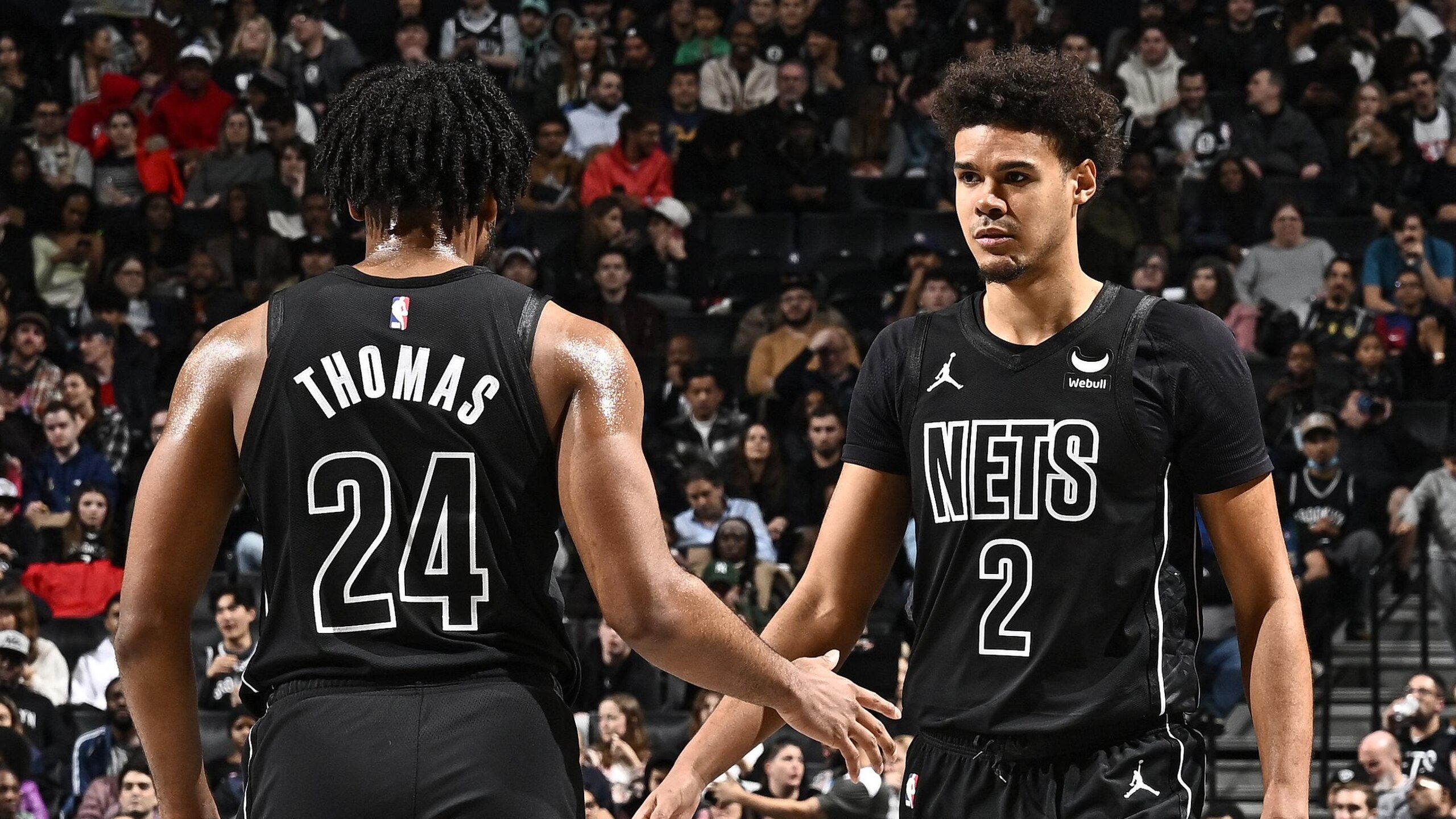
Tax Flexibility: Elite
Apron Flexibility: Elite
Cap-Room Flexibility: Elite
First-Round Power: High
Second-Round Power: Elite
No team in the NBA has anywhere close to the spending power the Nets can boast this offseason. They might not get to their maximum (in the $80 million range)—keeping the cap holds of Cam Thomas, Ziaire Williams, Day'Ron Sharpe, etc. would cut into their spending power—but they can chase stars via trade or free agency or take on unwanted contracts for prospects and draft picks. If they go the latter route, veterans like Cam Johnson and Nicolas Claxton could be on the trade block.
The Nets can take their time, possibly putting the free-agent market on hold while they decide on their direction. They will likely tip their hand with how they approach the draft. As it stands, Brooklyn has too many picks (Nos. 8, 19, 26, 27 and 36) in this year's draft.
Every team looking to shed salary this offseason should have Brooklyn on speed dial.



Charlotte Hornets: Uptight
4 of 30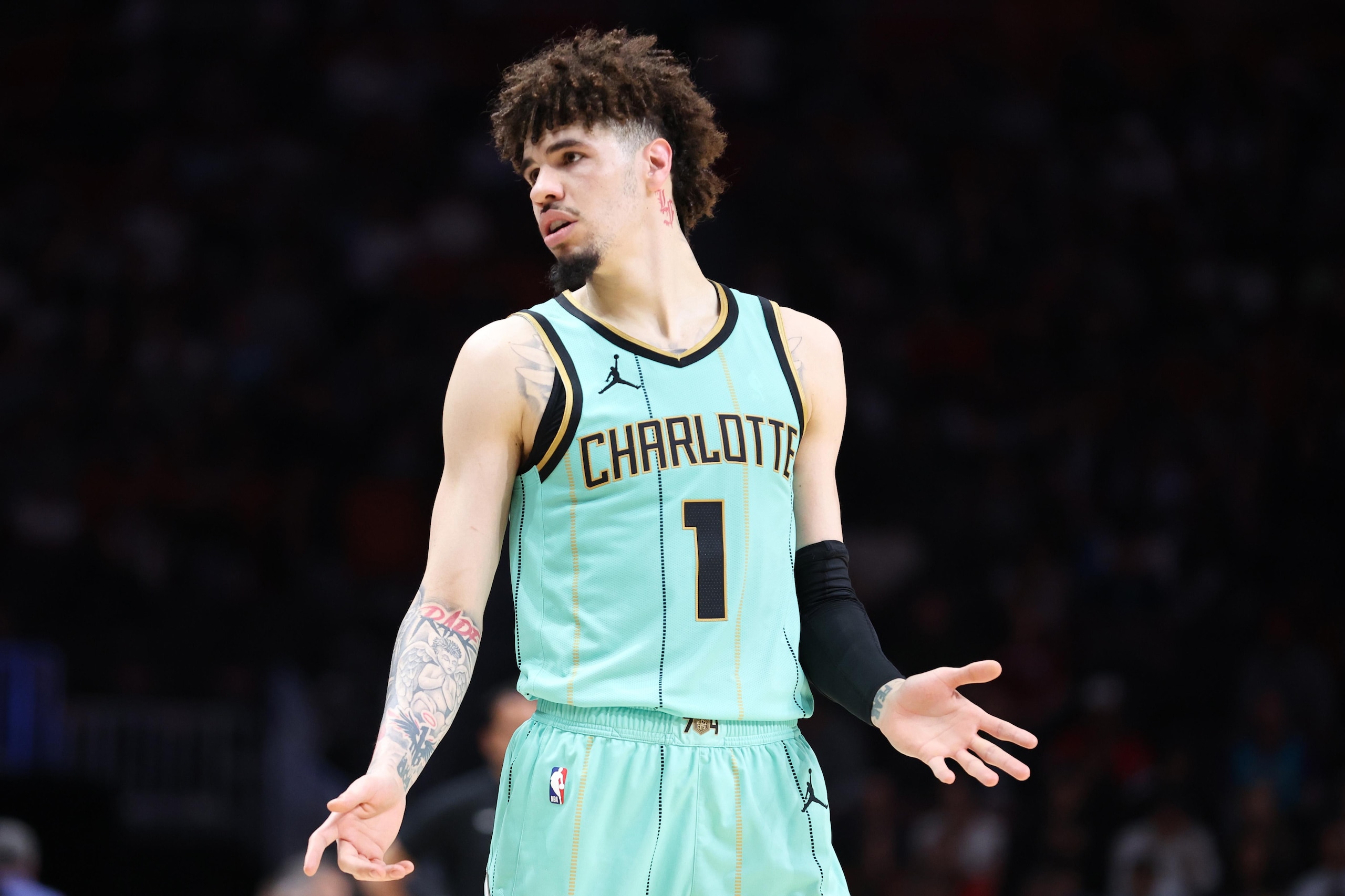
Tax Flexibility: High
Apron Flexibility: High
Cap-Room Flexibility: Low
First-Round Power: Medium-High
Second-Round Power: High
Do the Hornets buy into the sunk-cost fallacy, trying to make their heavy investment in LaMelo Ball the right decision? Or do they go in the opposite direction and shop the young former All-Star?
While other teams don't say Charlotte is actively trying to get rid of Ball, the sense they get is that he "could be available."
Similarly, is Mark Williams the center of the future? If so, the Hornets need to reinvest in him this summer with an extension (or next July when he's a restricted free agent). However, the scuttled trade-deadline deal with the Los Angeles Lakers suggests the Hornets are ready to pivot.
That could mean anyone outside Brandon Miller and possibly Tidjane Salaün is available.
Chicago Bulls: Powerful
5 of 30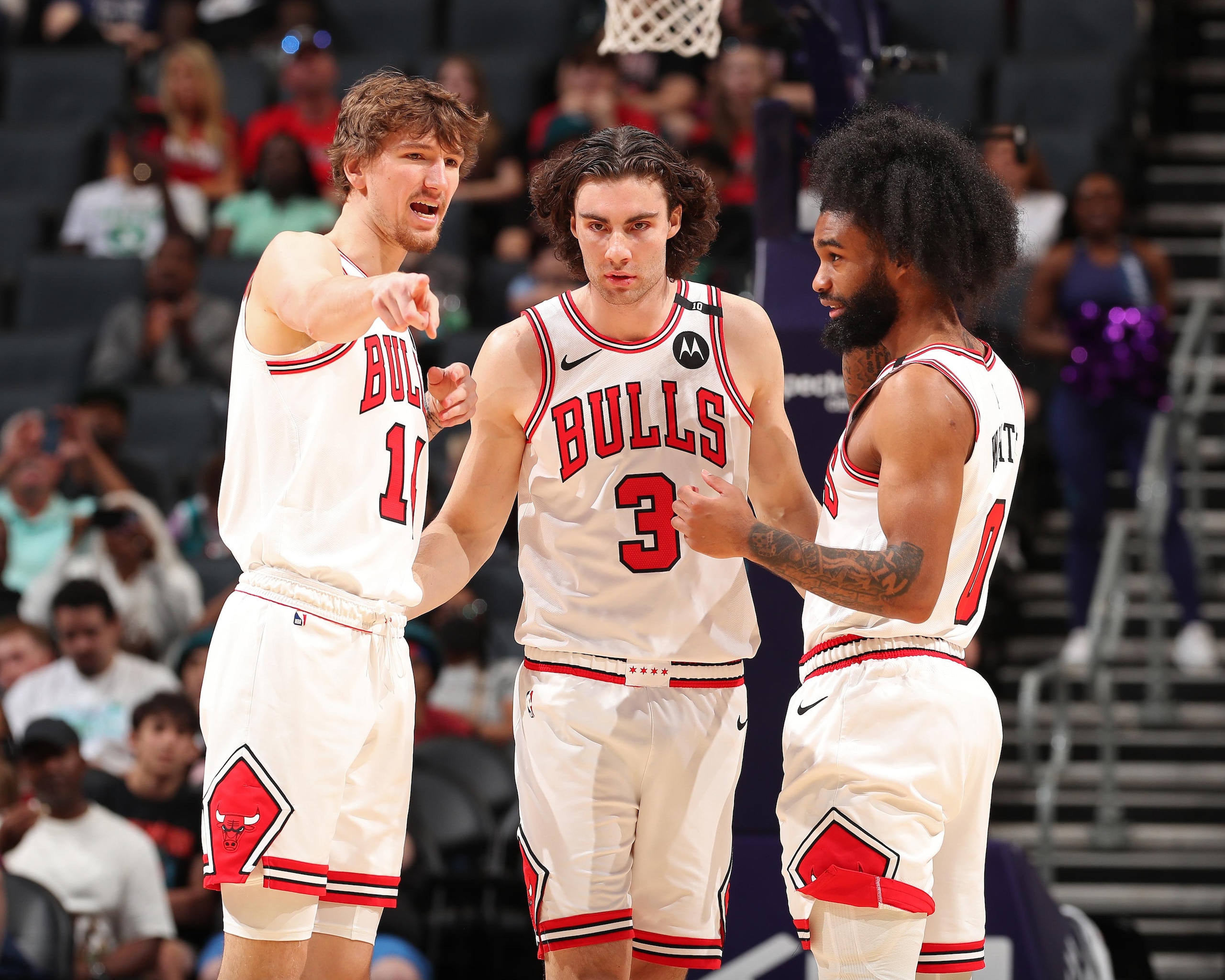
Tax Flexibility: High
Apron Flexibility: High
Cap-Room Flexibility: Medium-Low
First-Round Power: Medium-High
Second-Round Power: Medium
The Bulls are at a pivot point with a clean set of books. They can re-sign Josh Giddey to a contract in the $30 million range without hitting the luxury tax. After this coming season, Patrick Williams is their only player with an eight-figure salary ($18 million).
Coby White is extension-eligible this offseason, but he's far more likely to hit free agency in 2026 since the Bulls aren't allowed to offer him anything close to what Giddey is seeking. White is a flight risk, but his trade value may be diminished because any team acquiring him faces the same issue with an extension.
Assuming the Bulls intend to build around White and Giddey, does that include extending Nikola Vučević, or sending him out and finding a way to a younger big man? Whatever the answer, Chicago is in a powerful position moving forward. This offseason is a crucial time to make the right decisions.
Cleveland Cavaliers: Expensive
6 of 30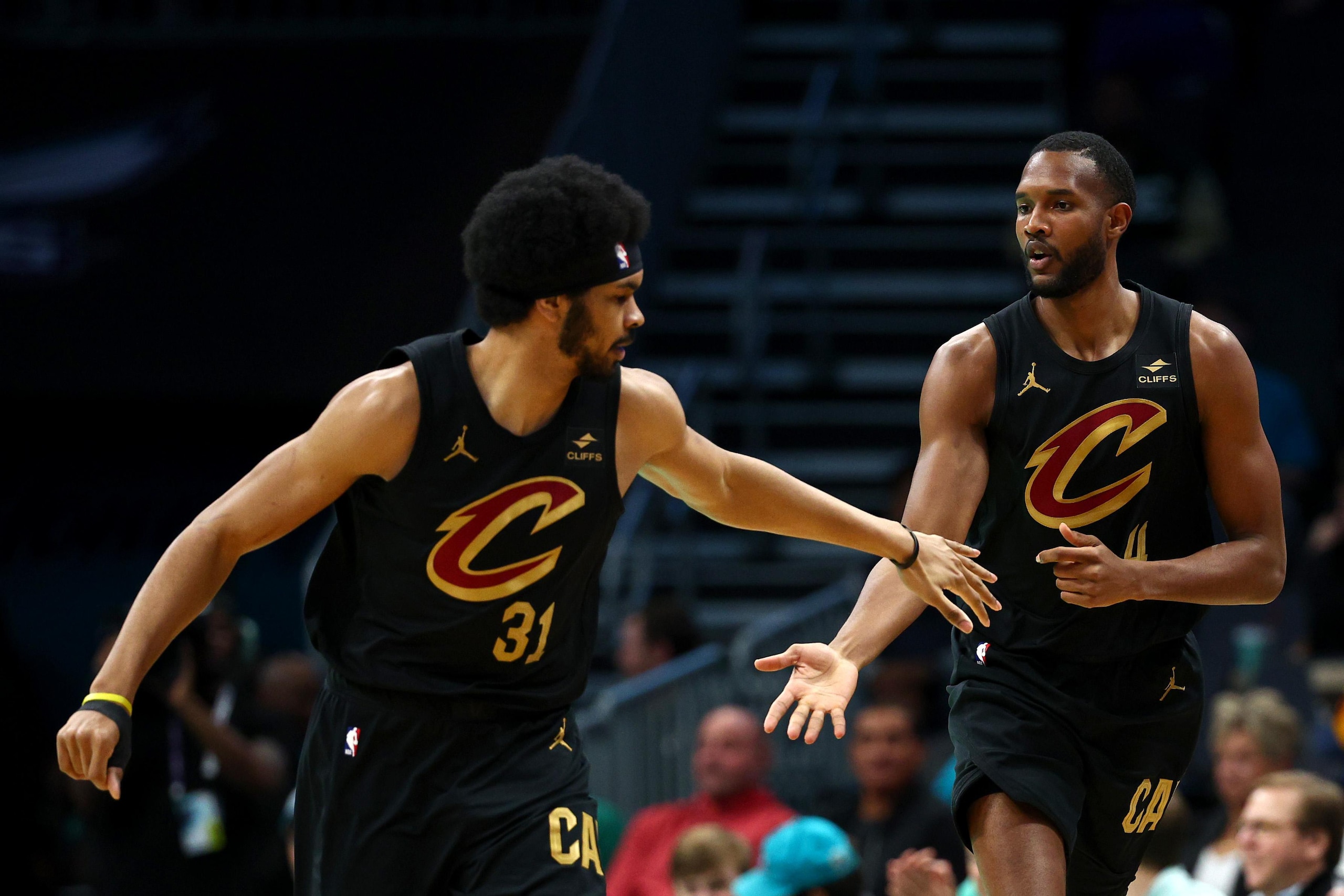
Tax Flexibility: Low
Apron Flexibility: Low
Cap-Room Flexibility: Low
First-Round Power: Low
Second-Round Power: Low
The Cavaliers went all-in this past season, giving Evan Mobley a maximum extension that got even costlier when he won Defensive Player of the Year, and trading for De'Andre Hunter. However, their tremendous regular-season run ended in a disappointing finish with a second-round loss to the Indiana Pacers.
Injuries ravaged the Cavaliers against the Pacers, so they might be tempted to run it back next year. However, they're far enough above the second apron that it may be tough to sustain their current roster.
Keeping bench contributor Ty Jerome may be difficult. Competing executives anticipate or hope Darius Garland and Jarrett Allen will become available. Either way, Cleveland is unlikely to stay at this high of a payroll for too long, as the league's new rules increasingly punish the freewheeling spenders.
Dallas Mavericks: Maxed
7 of 30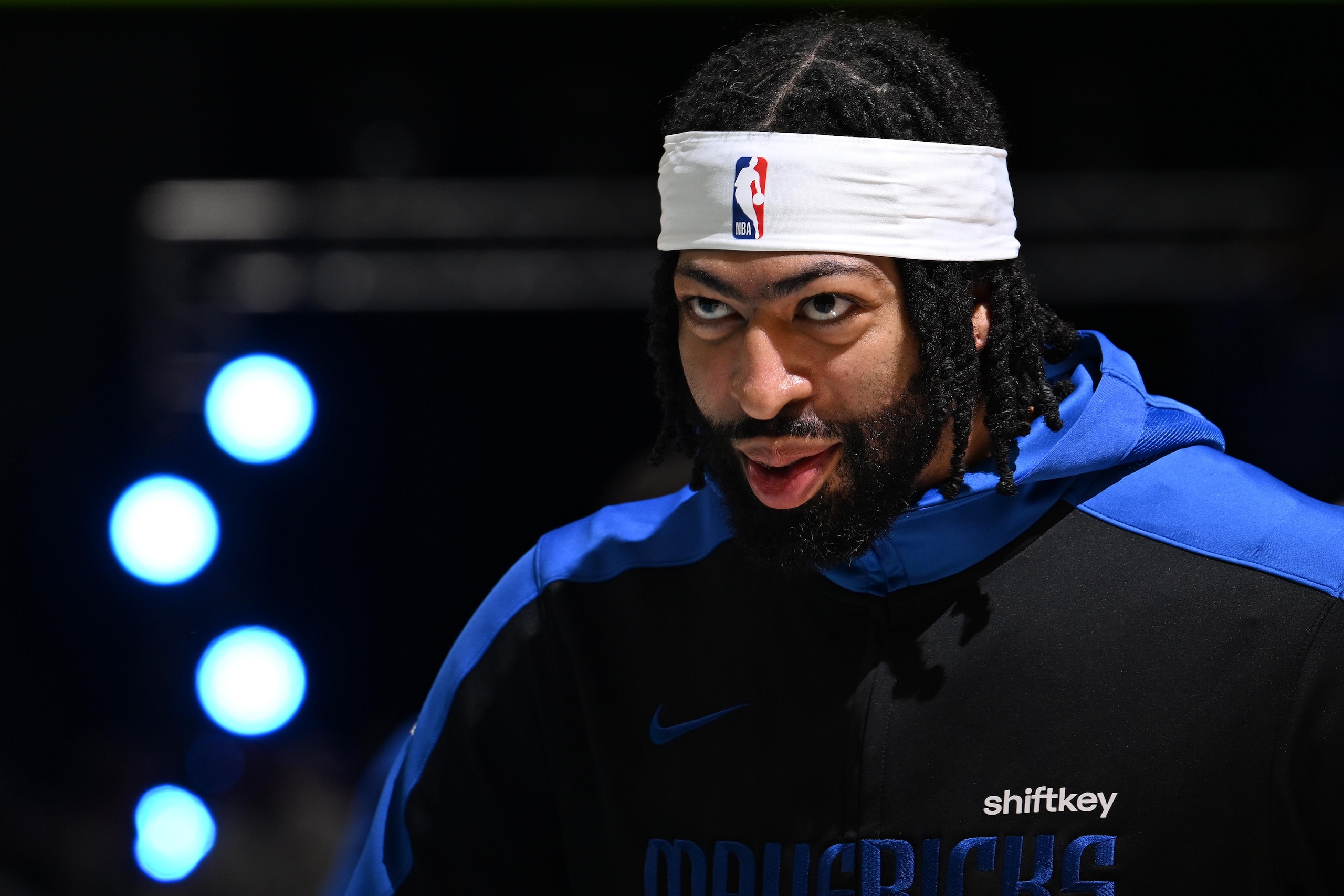
Tax Flexibility: Low
Apron Flexibility: Medium-Low
Cap-Room Flexibility: Low
First-Round Power: Medium-Low
Second-Round Power: Low
The Mavericks boldly traded Luka Dončić for the much older Anthony Davis in February to improve their chances of winning now. However, the Kyrie Irving knee injury puts them in a difficult position heading into 2025-26.
Winning the rights to Cooper Flagg in the lottery was a massive win for the Mavericks, but his higher salary pushes payroll above the projected second apron ($207.8 million). The solution may be getting Irving to decline his $43 million player option to re-sign on a new multiyear contract starting in the $30-35 million range. Whether he agrees to those kinds of terms remains to be seen.
In the meantime, Dallas needs to replace Irving's production until he's healthy. Improving may be possible via trade (perhaps P.J. Washington, Daniel Gafford, etc.), but the starting point is negotiating with Irving.
Denver Nuggets: Limited
8 of 30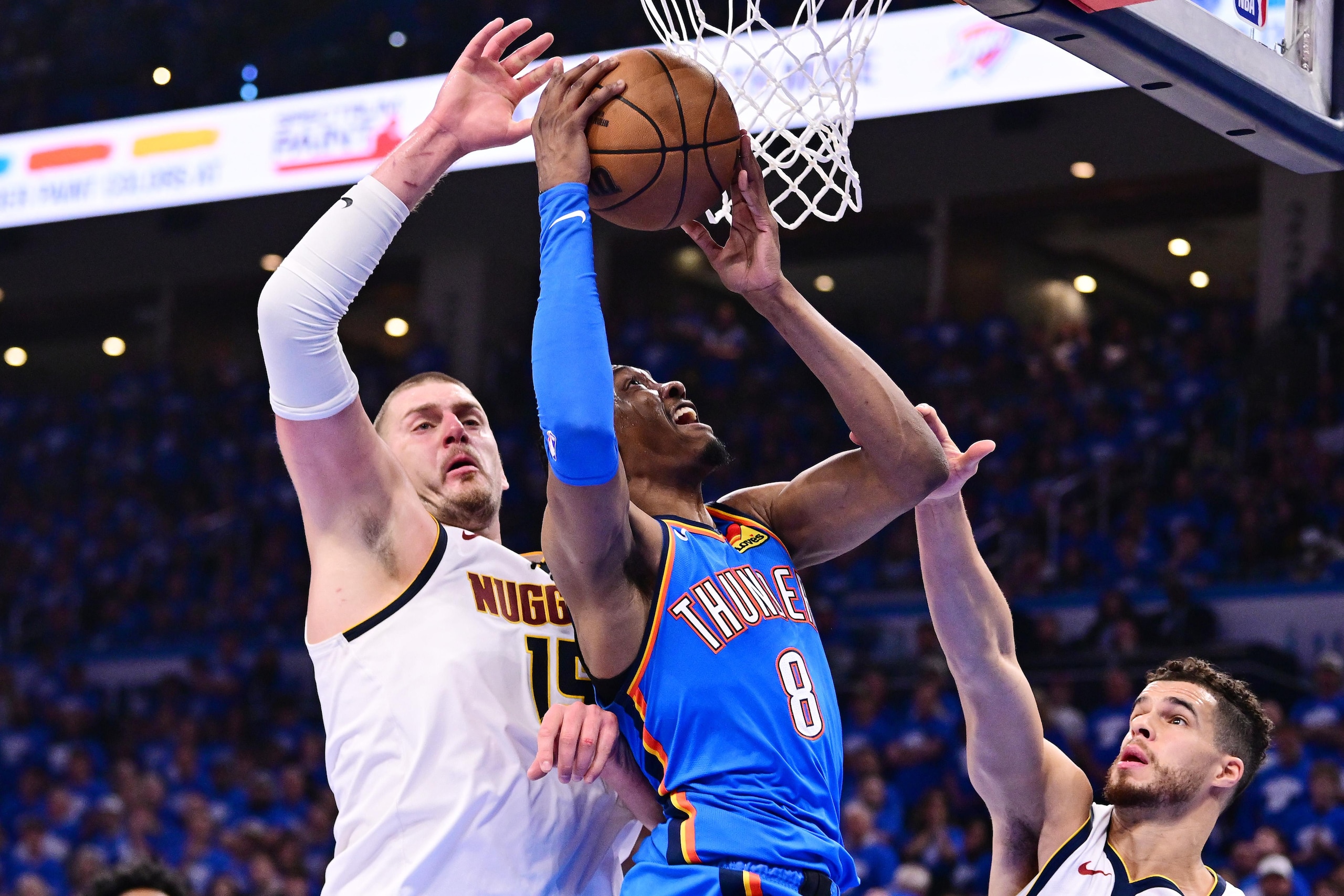
Tax Flexibility: Low
Apron Flexibility: Low
Cap-Room Flexibility: Low
First-Round Power: Low
Second-Round Power: Low
Even before winning the 2022-23 title, the Nuggets gave Michael Porter Jr. a gigantic extension. His salary and those of stars Nikola Jokić and Jamal Murray regularly keep Denver between the first and second aprons.
As a result, the Nuggets have lost depth pieces over the past two offseasons, and they haven't been as good since winning the 2023 title.
Can Denver navigate that issue without making a significant change? The obvious answer seems to be trading Porter for multiple players on smaller contracts.
The immediate impact might not fix the Nuggets' apron situation this coming season, but the added depth and flexibility could potentially sustain the core of Aaron Gordon, Jokić and Murray.
Detroit Pistons: Flexible
9 of 30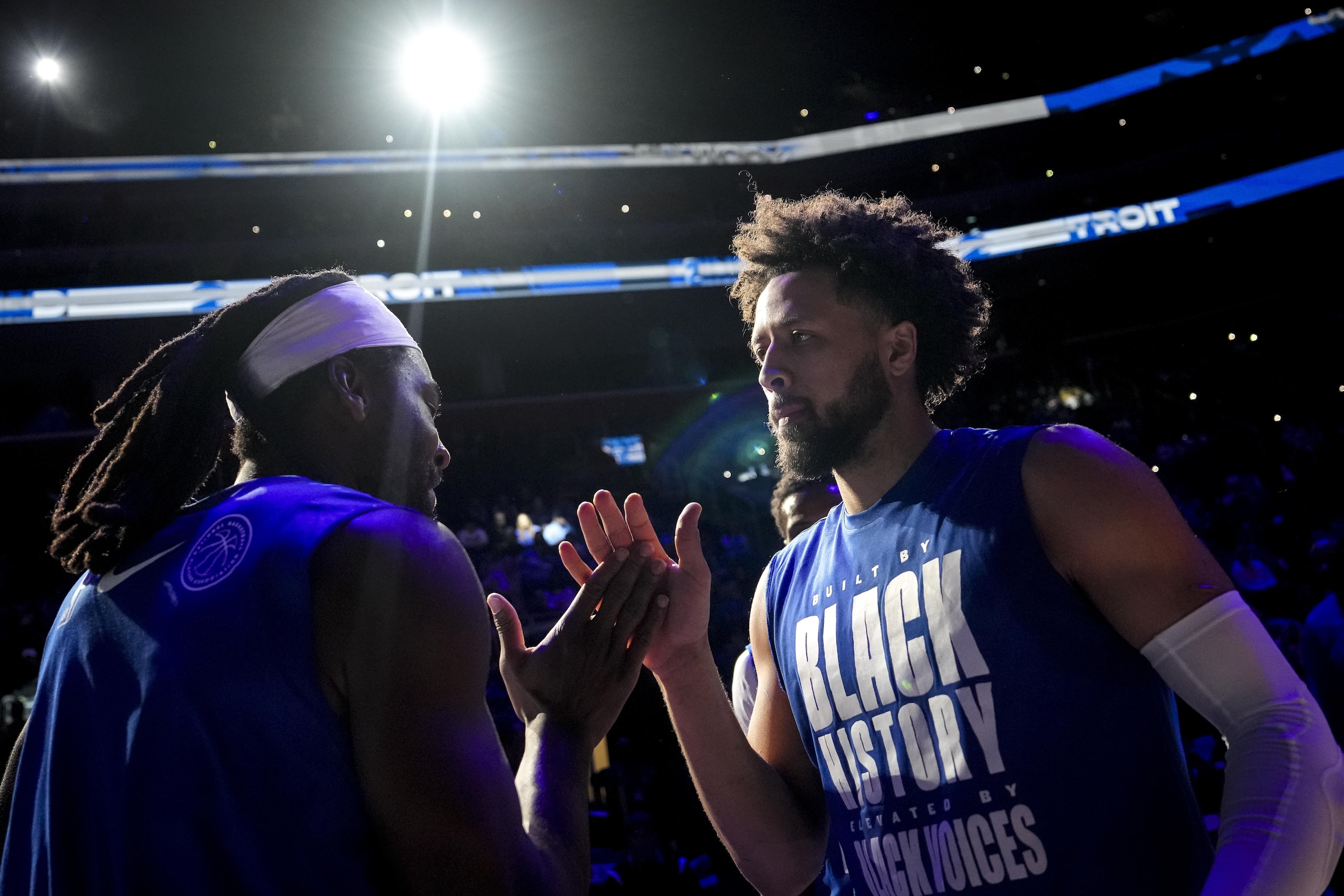
Tax Flexibility: High
Apron Flexibility: High
Cap-Room Flexibility: Medium-Low
First-Round Power: Medium-High
Second-Round Power: High
The Pistons gave Cade Cunningham a maximum extension worth up to 30 percent of the salary cap if he was named to an All-NBA team. At the time, Detroit was consistently among the worst teams in the league, but the 2024-25 season was a pleasant surprise. The playoff run was desperately welcomed, but Cunningham did earn his incentive, which negatively impacts the Detroit's cap room this summer.
Without a trade, the Pistons will probably stay over the cap to try and retain veterans like Malik Beasley, Dennis Schröder and possibly Tim Hardaway Jr. However, trading away Isaiah Stewart II without bringing salary back could open about $30 million in cap space, perhaps to chase veteran bigs like Naz Reid or Myles Turner.
Detroit has that flexibility, but the answer may hinge on getting the "yes" from a key free agent.
Golden State Warriors: Kuminga
10 of 30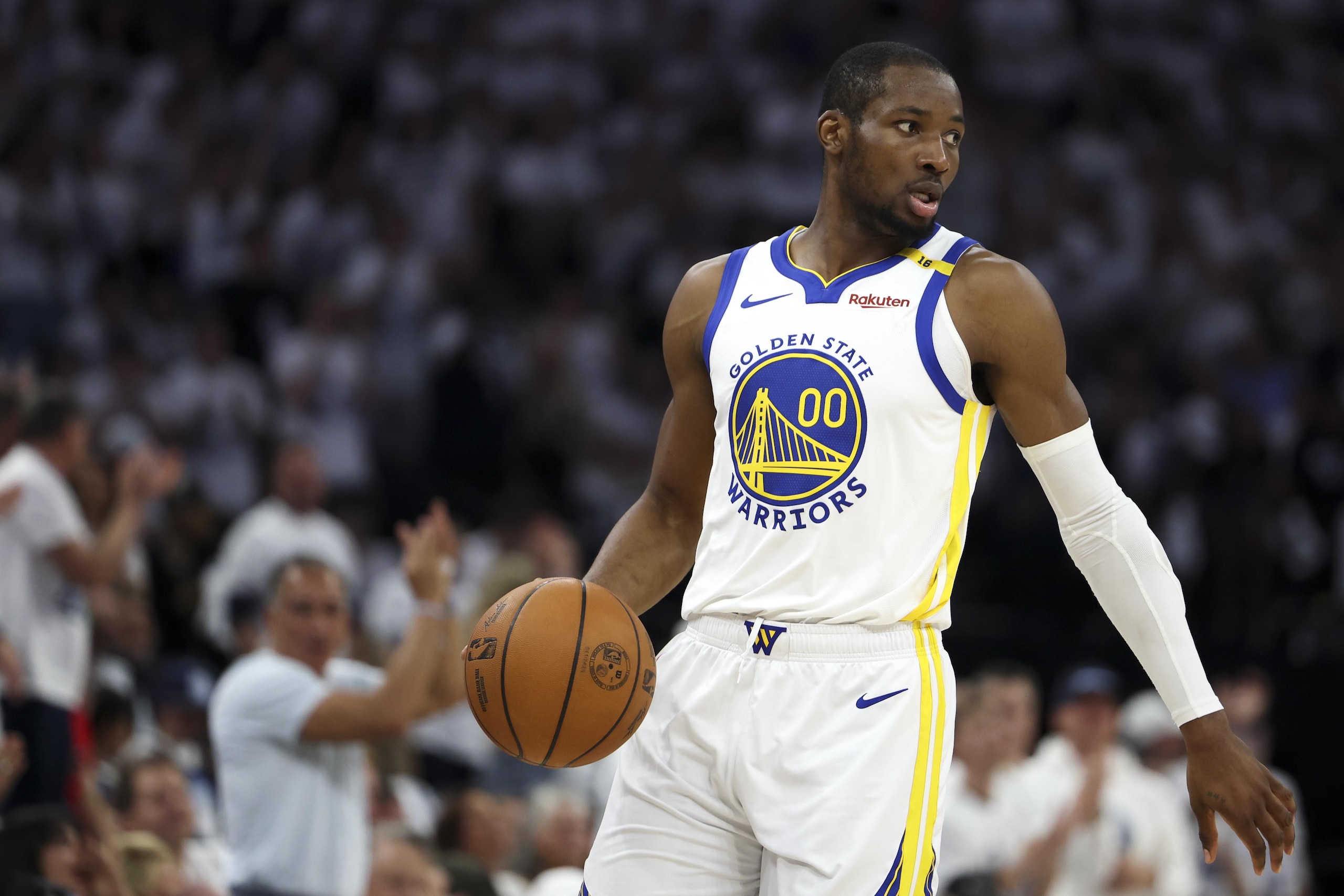
Tax Flexibility: Medium-Low
Apron Flexibility: Medium-Low
Cap-Room Flexibility: Low
First-Round Power: Medium-Low
Second-Round Power: Low
The Warriors' path forward hinges on a decision about impending restricted free agent Jonathan Kuminga. If he's seeking a contract starting in the $35 million range, what leverage does he have to force Golden State? The Brooklyn Nets are the only team with that kind of spending power, and the buzz around the league suggests they're less enamored with Kuminga than he may hope.
If head coach Steve Kerr doesn't believe Kuminga is a great fit alongside Jimmy Butler, how does the front office weigh in on the debate? Is the focus exclusively on the Steph Curry era (he's under contract for the next two seasons), or is it beyond, when Kuminga could be a cornerstone?
If the Warriors invest heavily in Kuminga, they'll lose most of their flexibility. If they send him out via sign-and-trade (a complex transaction due to base-year-compensation rules), can they find a taker willing to return something they need? Does a third team need to join the deal to make everything just right? It's one of the more intriguing questions of the summer.
Houston Rockets: Scary
11 of 30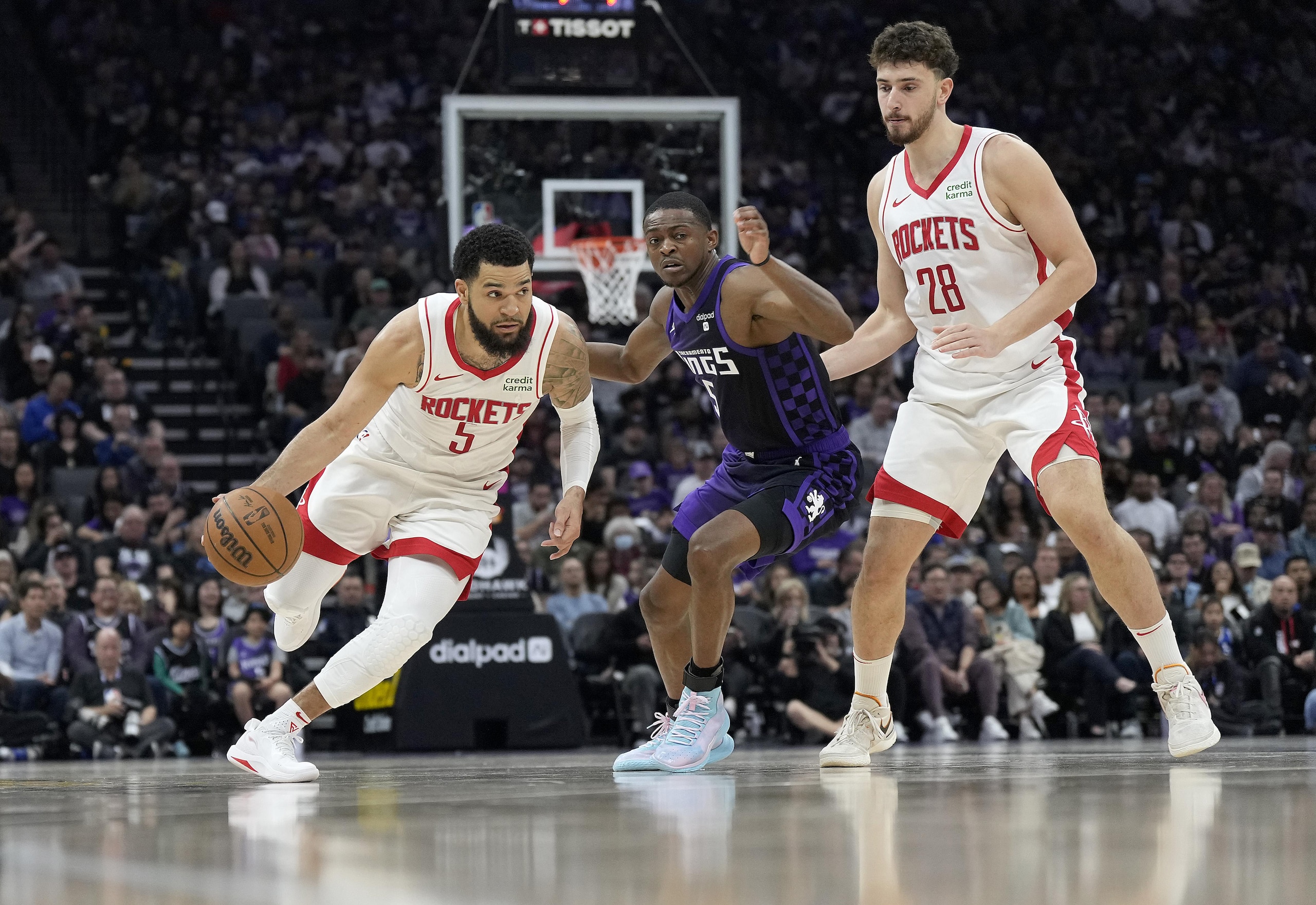
Tax Flexibility: High
Apron Flexibility: High
Cap-Room Flexibility: Medium
First-Round Power: Medium-High
Second-Round Power: Medium-High
The Rockets have enough movable contracts, salary-cap flexibility and draft currency to make a run at the next star player that hits the trade market. The path forward can include Jalen Green, who some around the league believe was extended with a trade in mind. Houston could also build a deal around younger players like Reed Sheppard, Jabari Smith Jr., and other movable contracts.
The Rockets also must come to terms with Fred VanVleet, who is almost a lock to return. They'll likely decline his $44.9 million team option and bring him back on a lower-cost but still lucrative multi-year deal.
There's a universe where they pick up his team option to trade him as an expiring contract, but that's the less likely scenario.
Indiana Pacers: Debut
12 of 30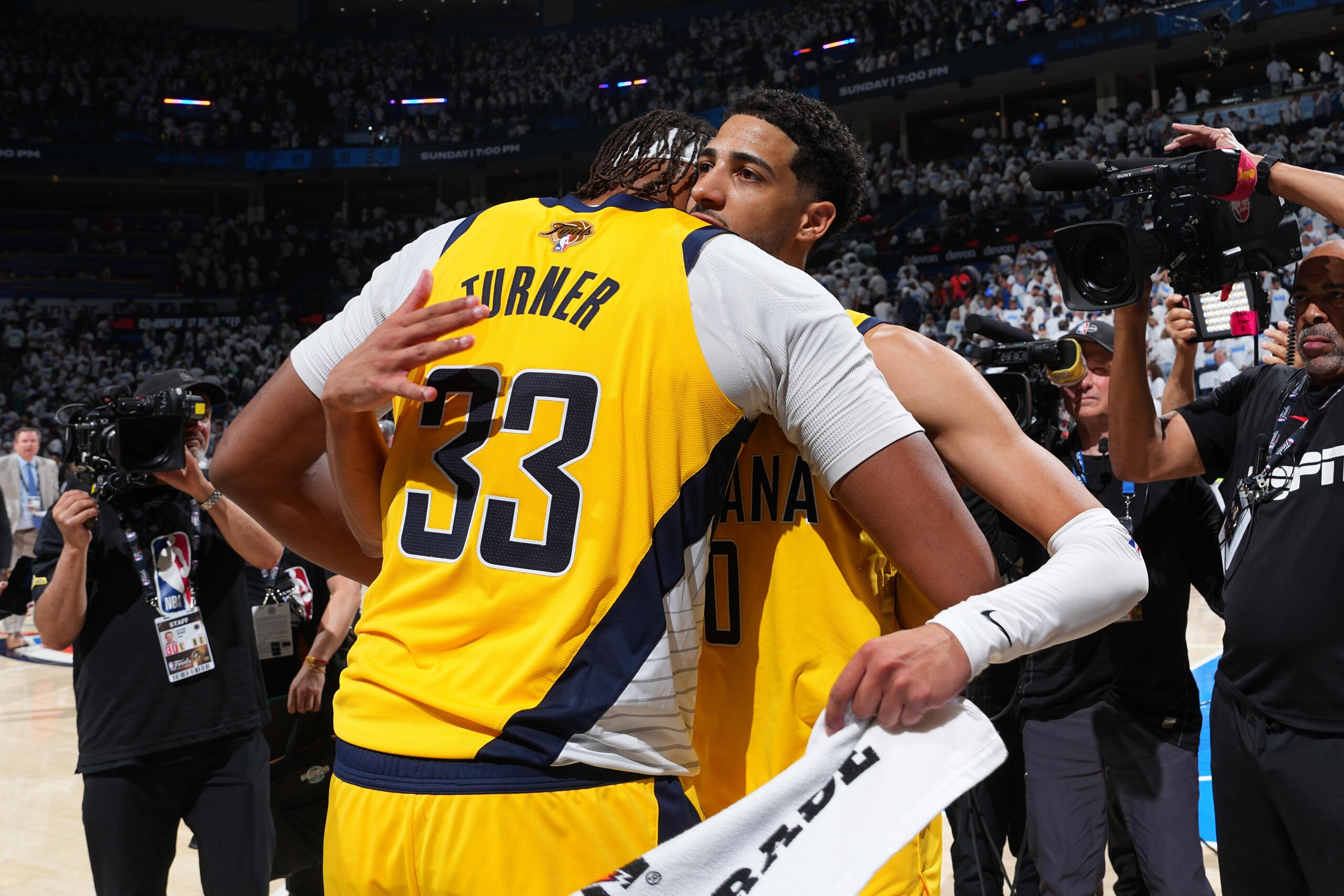
Tax Flexibility: Medium
Apron Flexibility: High
Cap-Room Flexibility: Low
First-Round Power: Medium
Second-Round Power: Medium-High
Throughout this century, the Pacers' front office has worked within the guidelines set by ownership: no tanking and no luxury tax. Despite those restrictions, which would doom most franchises to a middling existence, Indiana outperforms its peers and is currently in the NBA Finals.
With Myles Turner set to become a free agent and a connected, productive, dangerous roster otherwise in place, the Pacers may debut as a taxpaying team this summer.
Another team (like the Detroit Pistons) may make a run at Turner to price Indiana out, but the Pacers have his Bird rights and can just dip into the tax for a short time. They could also seek trade contracts like Obi Toppin and Bennedict Mathurin to duck the tax, though their current depth is a significant part of why they've been so successful over the past two years.
Los Angeles Clippers: Tentative
13 of 30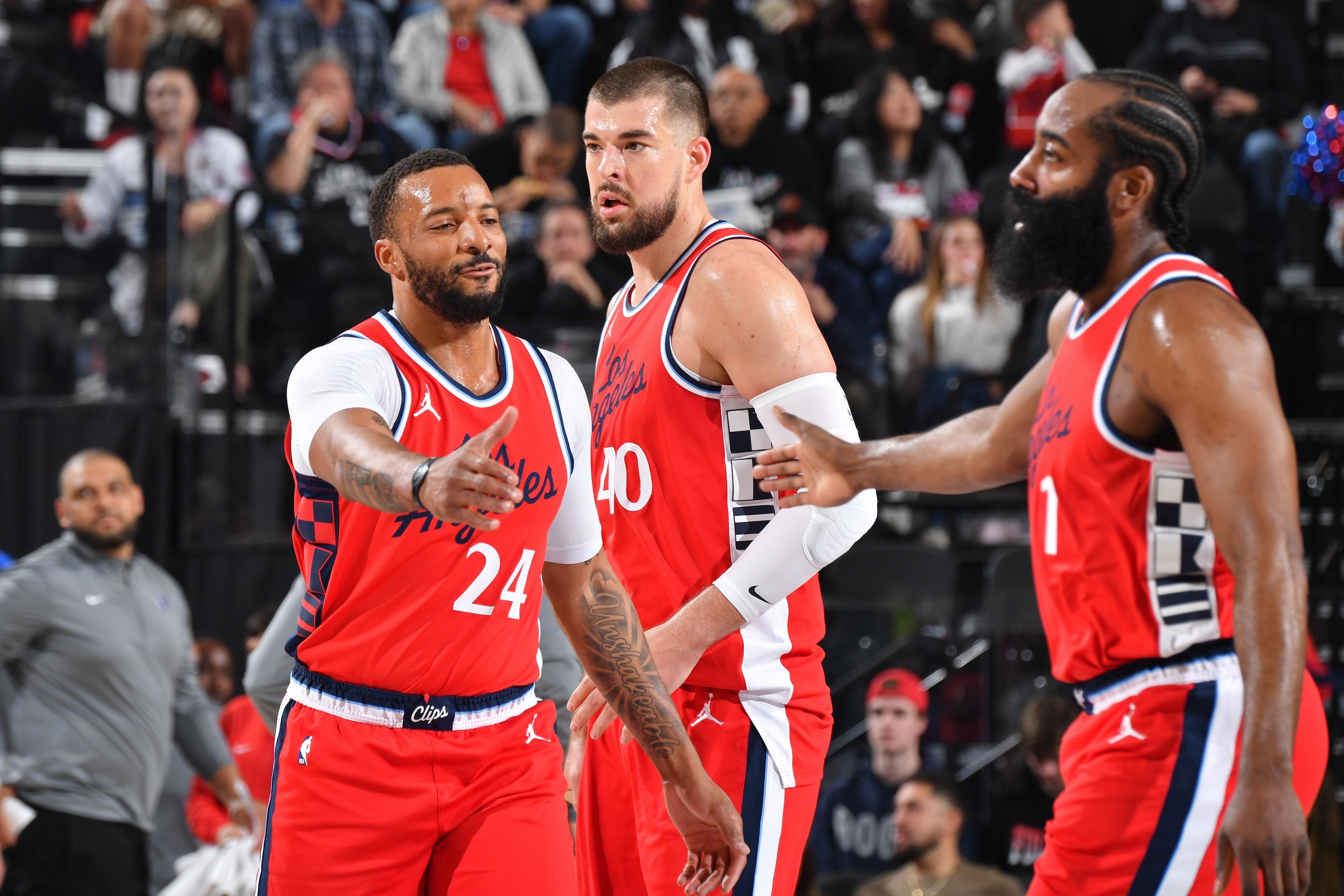
Tax Flexibility: Medium
Apron Flexibility: Medium
Cap-Room Flexibility: Medium
First-Round Power: Medium-Low
Second-Round Power: Medium-Low
The Clippers need to weigh their strong regular season against their quick postseason exit, even though it took a near-miraculous game-winning dunk from Aaron Gordon for the Denver Nuggets to steal the series. James Harden earned All-NBA honors and will probably decline his $36.3 million player option. He may be looking for a three-year deal and a raise.
L.A. has worked to keep nearly all of its contracts expiring with Kawhi Leonard's in 2026-27, but does the veteran also look to add onto his deal? How long do the Clippers invest (and possibly reinvest) in the current iteration? Is there a path forward that helps them add younger talent to build around? Should they cash out on Norm Powell's contract or extend him?
The Clippers need to tread carefully this offseason.
Los Angeles Lakers: Dependent
14 of 30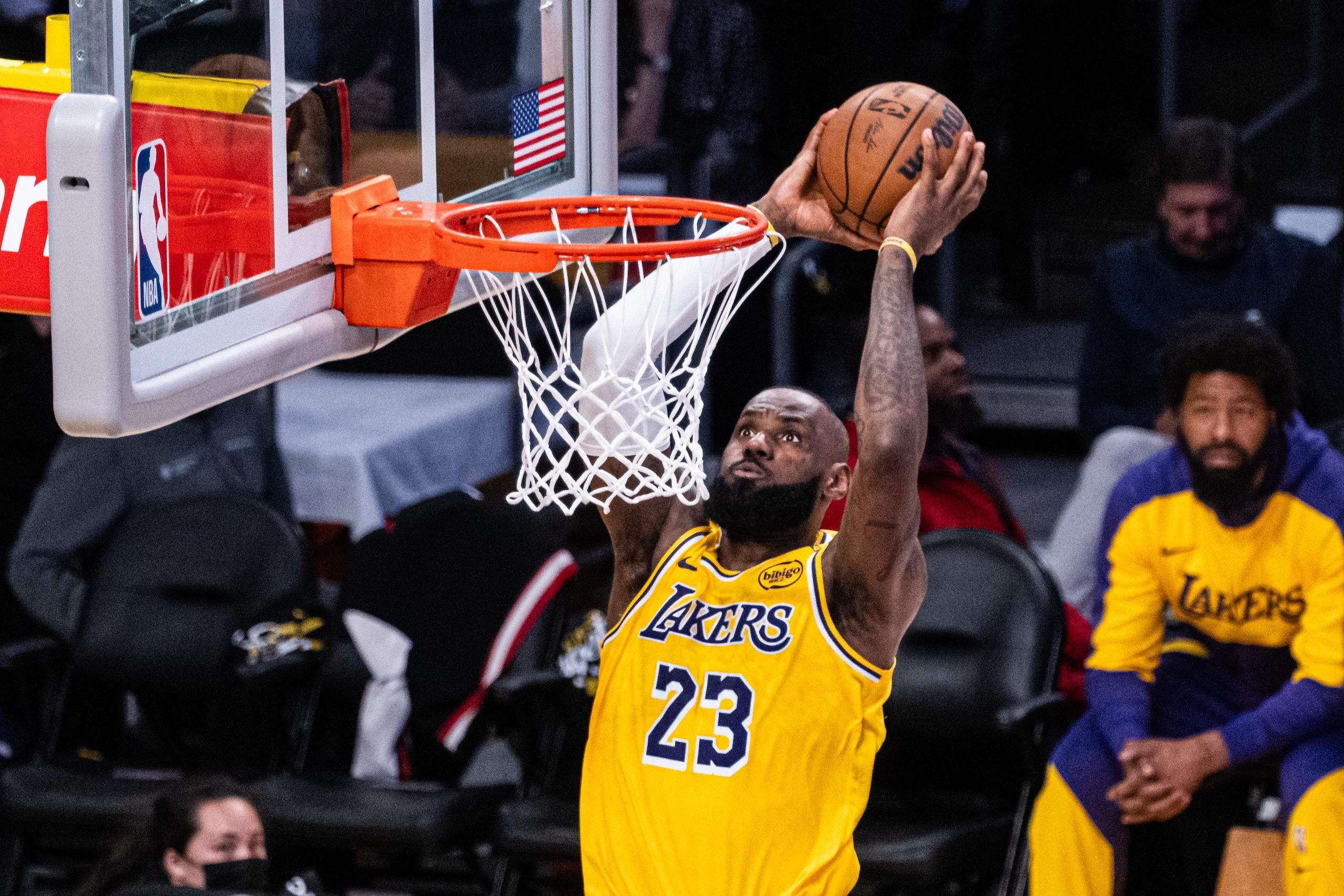
Tax Flexibility: Medium
Apron Flexibility: Medium
Cap-Room Flexibility: Medium
First-Round Power: Low
Second-Round Power: Low
The Lakers stunned the NBA by acquiring Luka Dončić from the Dallas Mavericks ahead of the trade deadline. Still, with 40-year-old forward LeBron James earning more than $50 million, they may not be able to build properly around Dončić until James retires.
The initial sentiment suggests L.A. will pay James for as long as he wants to play. Has that shifted now that Dončić is their new centerpiece?
James can decline his $52.6 million player option to become a free agent this offseason. Do the Lakers max him out on a two- or three-year deal? Will he give them a discount to help them add depth? (The buzz around the team is a resounding "no" for anything more than a slight cut.)
The future of the Dončić-led Lakers depends on what James decides to do and how long the team is willing to accommodate him.
Memphis Grizzlies: Renegotiate
15 of 30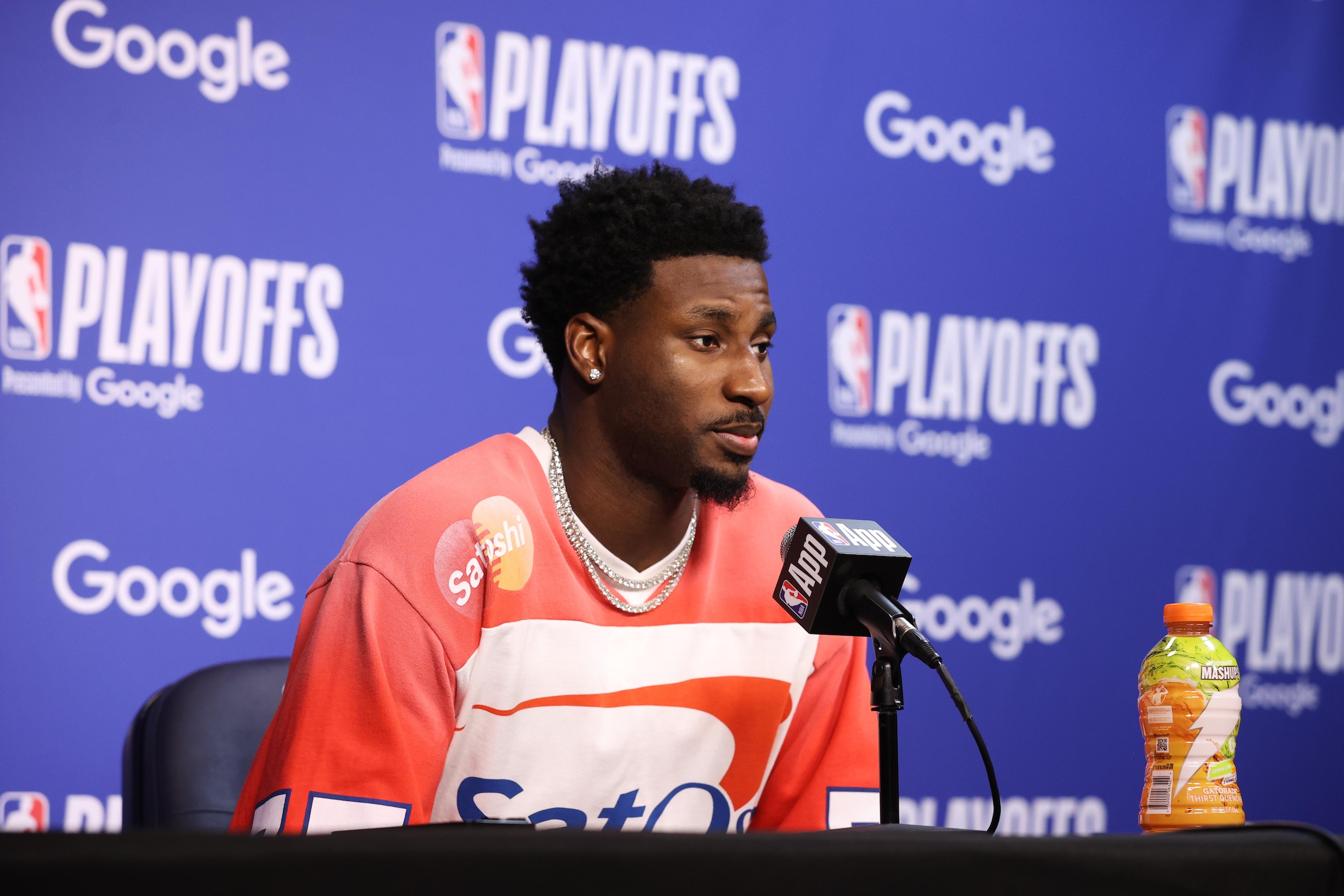
Tax Flexibility: High
Apron Flexibility: High
Cap-Room Flexibility: Medium-High
First-Round Power: Medium-High
Second-Round Power: Medium
Memphis is expected to get under the salary cap—not to chase free agents but to use its power to renegotiate and extend Jaren Jackson Jr.'s contract. The challenge will be maintaining the flexibility to retain restricted free agent Santi Aldama, which may necessitate getting out of contracts like John Konchar and/or Brandon Clarke.
Also, if the Grizzlies use their flexibility on Jackson, can they find a way to improve the roster, presumably via trade? It's certainly possible, but the priority appears to be making sure Jackson is under contract long-term to avoid the chance he leaves as an unrestricted free agent in July 2026.
Miami Heat: Strategic
16 of 30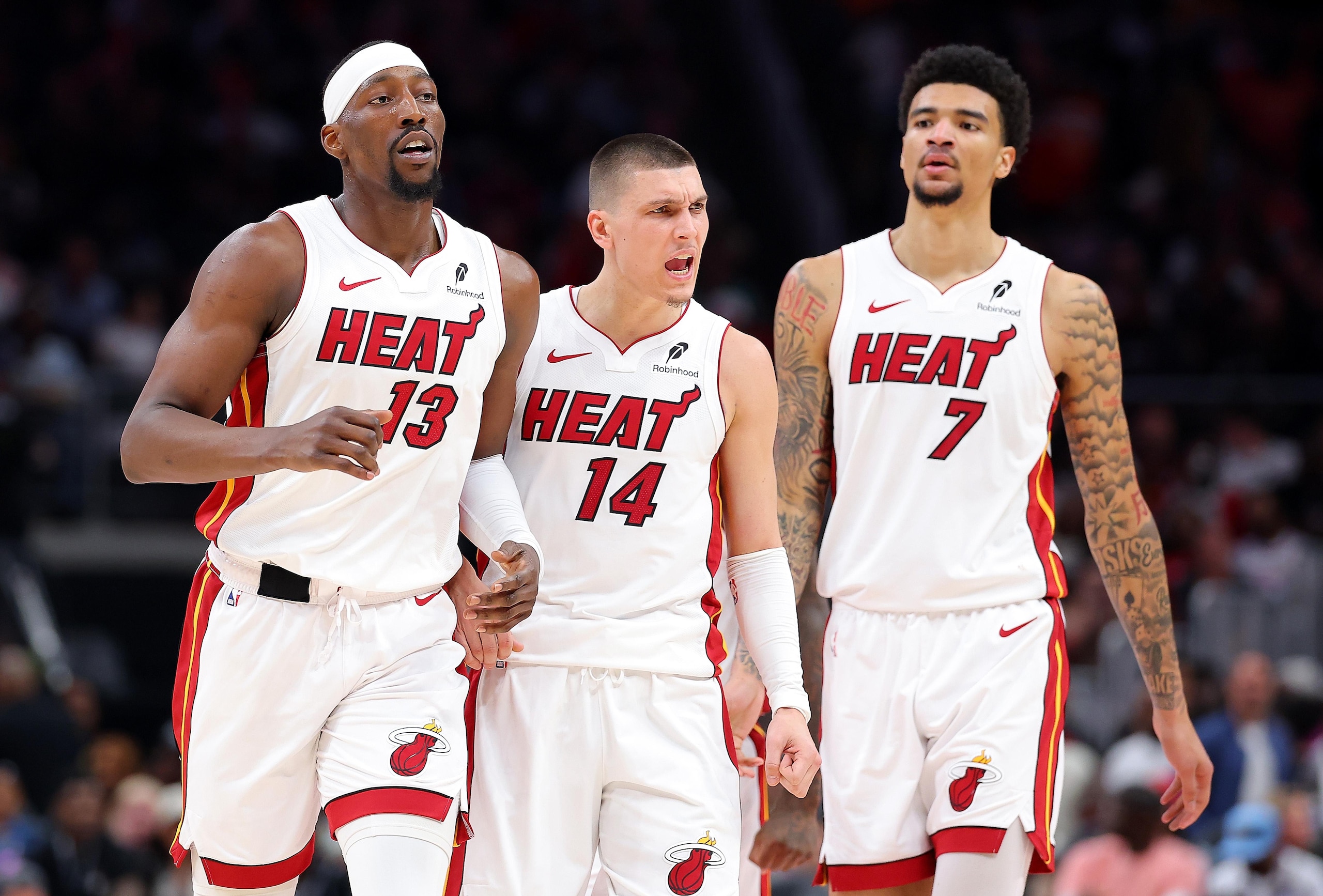
Tax Flexibility: High
Apron Flexibility: High
Cap-Room Flexibility: Low
First-Round Power: Medium-Low
Second-Round Power: Low
After trading Jimmy Butler to the Golden State Warriors, the Heat remain at an inflection point. Tyler Herro can sign an extension this summer. Terry Rozier and Duncan Robinson have expiring contracts (neither is fully guaranteed for 2025-26, though they may be earning too much to waive outright). Only Bam Adebayo and Kel'el Ware are under contract in 2027-28.
Miami has tremendous flexibility, some draft capital and a desire to improve upon a disappointing season. The path forward must be strategically considered, as they don't have a clear franchise player to build around at the highest level.
The Heat must avoid quick fixes, but they have enough flexibility with expiring contracts to start making changes as early as July.
Milwaukee Bucks: Giannis
17 of 30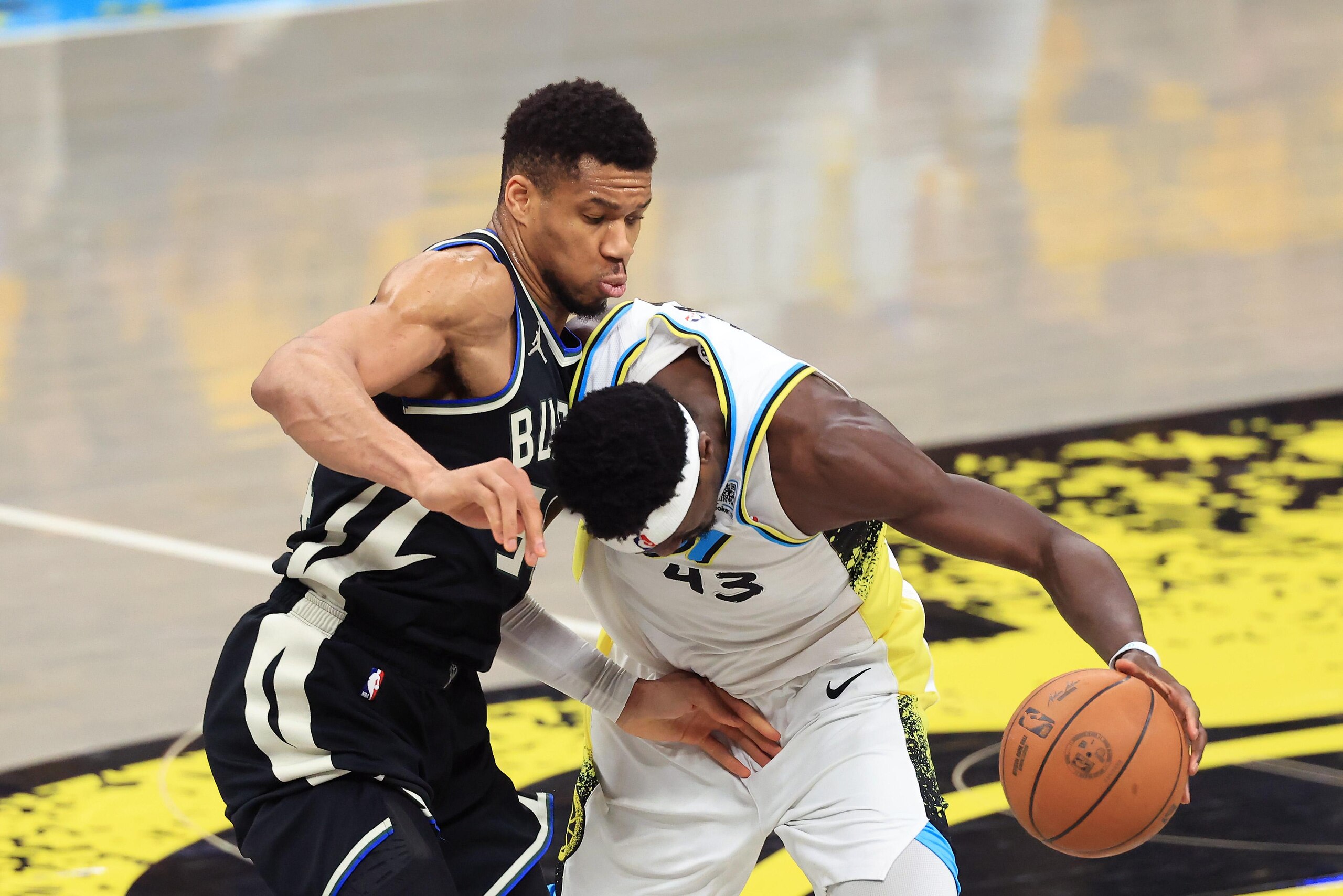
Tax Flexibility: High
Apron Flexibility: High
Cap-Room Flexibility: Low
First-Round Power: Low
Second-Round Power: Low
So far, the Bucks are treating the Giannis Antetokounmpo situation like a media creation. Nearly every team in the NBA has poked around at the possibility of an Antetokounmpo trade, so until he makes it crystal clear that he's not leaving, the conversation will continue.
If Milwaukee is going to move its franchise player, everything else will depend on the return. The Bucks already traded away 2026 swap rights to the New Orleans Pelicans, so an outright tank job isn't likely, but they may face significant changes this summer.
Or is Antetokounmpo is happy staying in Milwaukee even though Damian Lillard figures to miss the entire 2025-26 season with an Achilles injury?
Minnesota Timberwolves: Decisions
18 of 30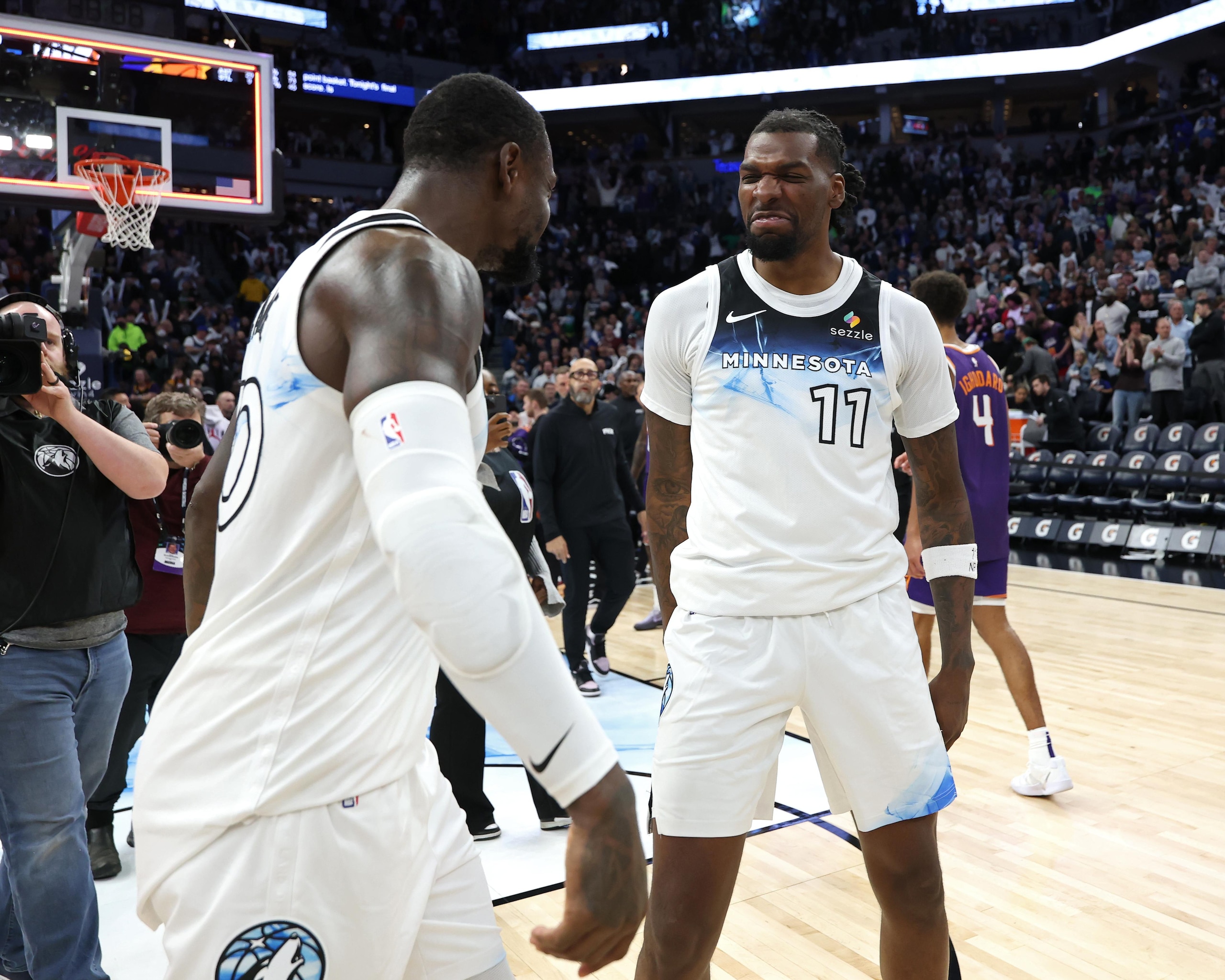
Tax Flexibility: Medium
Apron Flexibility: Medium
Cap-Room Flexibility: Low
First-Round Power: Low
Second-Round Power: Low
After reaching the 2024 Western Conference Finals, the Timberwolves traded star center Karl-Anthony Towns to the New York Knicks right before training camp. They returned to the WCF this year, but their increasingly unwieldy payroll means they might not be able to stand pat this offseason.
Julius Randle thrived in the postseason, which may prompt him to decline his $30.9 million player option to re-sign on a longer term deal (while possibly demanding a raise). Naz Reid is a virtual lock to decline his $15 million player option, though the limited number of teams with cap room may give Reid (and Randle) pause. What is their leverage if no team other than the Nets is in a position to pay them?
Even if Minnesota is able to retain Randle and Reid, it may be tough to re-sign Nickeil Alexander-Walker and stay below the second apron. He's likely to get an offer in the $14.1 million non-taxpayer mid-level range. That may be too much for Minnesota because of prior obligations and a pressing need at point guard to replace/supplement the aging-but-still-productive Mike Conley.
New Orleans Pelicans: Middling
19 of 30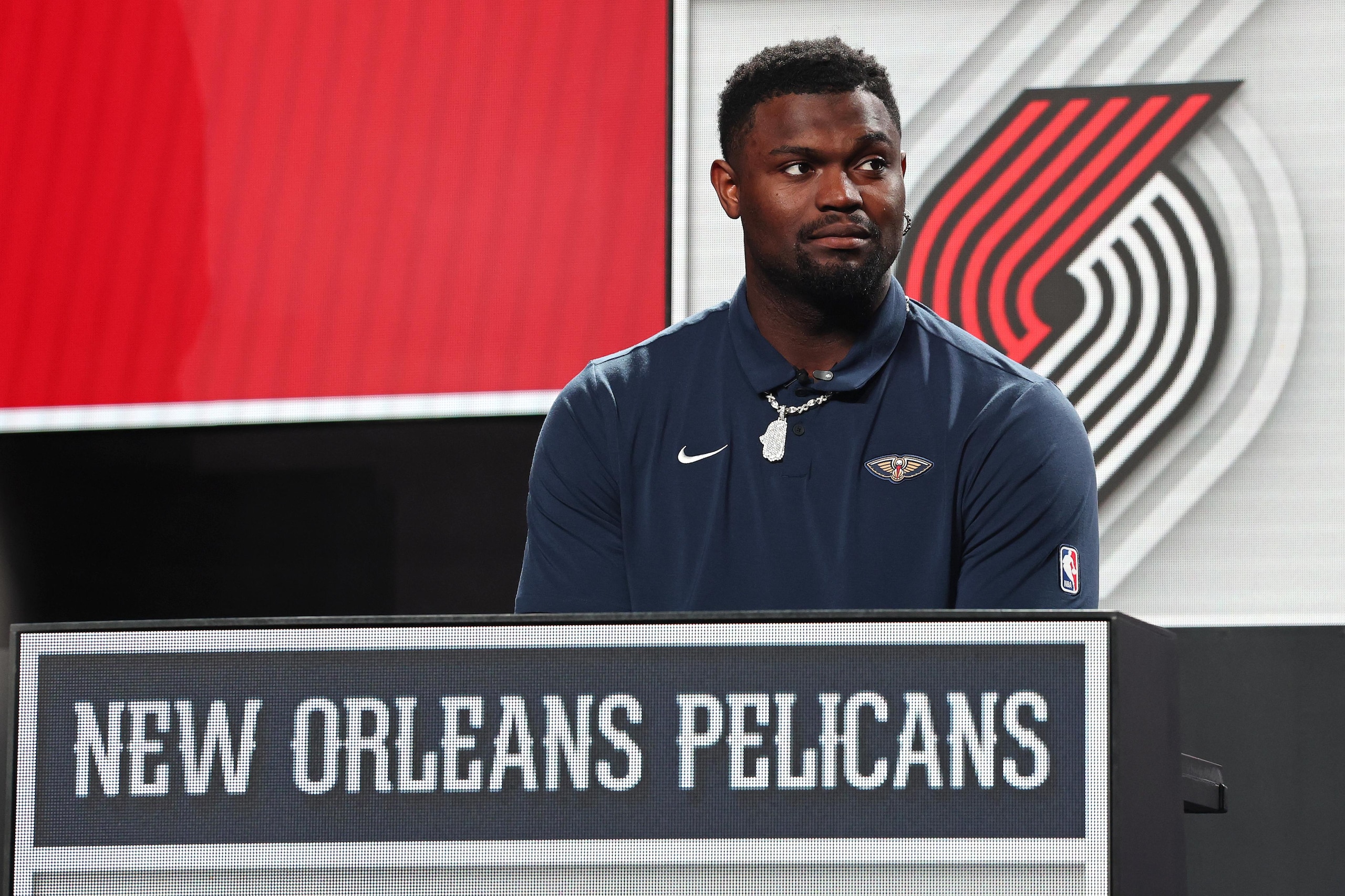
Tax Flexibility: Medium-High
Apron Flexibility: High
Cap-Room Flexibility: Low
First-Round Power: Medium-High
Second-Round Power: Low
Joe Dumars has taken over as the Pelicans' top basketball executive, and the initial buzz is that the team will stick with Zion Williamson. Since they habitually avoid the luxury tax, can the Pelicans improve with limited flexibility (if that's a hard line) and starting point guard Dejounte Murray out for an extended period with an Achilles injury?
Last year's product was downright bad. Can New Orleans make a significant jump or just a hop into the middle of the Western Conference?
The apparent move appears to be trading CJ McCollum. However, it's unclear how strong his market will be and how much New Orleans would need to attach to his expiring $30.1 million contract to yield long-term fits alongside Williamson, Trey Murphy III and Herb Jones.
New York Knicks: Invested
20 of 30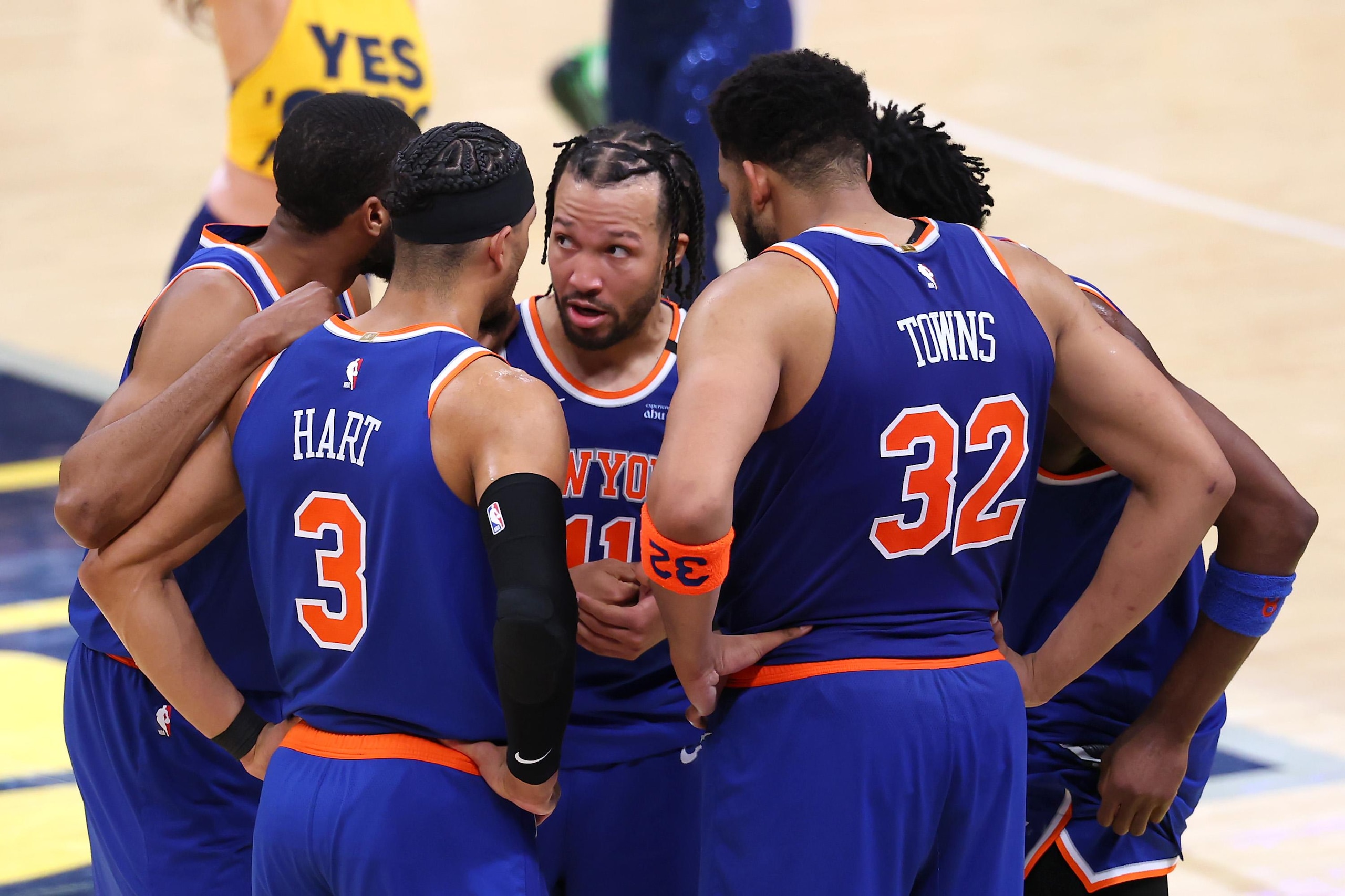
Tax Flexibility: Low
Apron Flexibility: Low
Cap-Room Flexibility: Low
First-Round Power: Low
Second-Round Power: Medium
The Knicks went all-in this past season, building around Jalen Brunson, Karl-Anthony Towns, OG Anunoby and Mikal Bridges. They had their best season in decades but fell to the Indiana Pacers in the Eastern Conference Finals. Despite the team's success, head coach Tom Thibodeau was fired soon after the playoff exit.
Does a new coach improve upon the existing product? Do the Knicks have many moves to make? Outside of possibly finding a free agent with the $5.7 million taxpayer mid-level exception, New York already sent out most of its first-round currency. They do have the rights to the Washington Wizards' 2026 first-round pick, but it will convey as two second-rounders if it falls inside the top 10.
The Knicks have limited flexibility, but it might only take minor changes to improve their outlook.
Oklahoma City Thunder: Due
21 of 30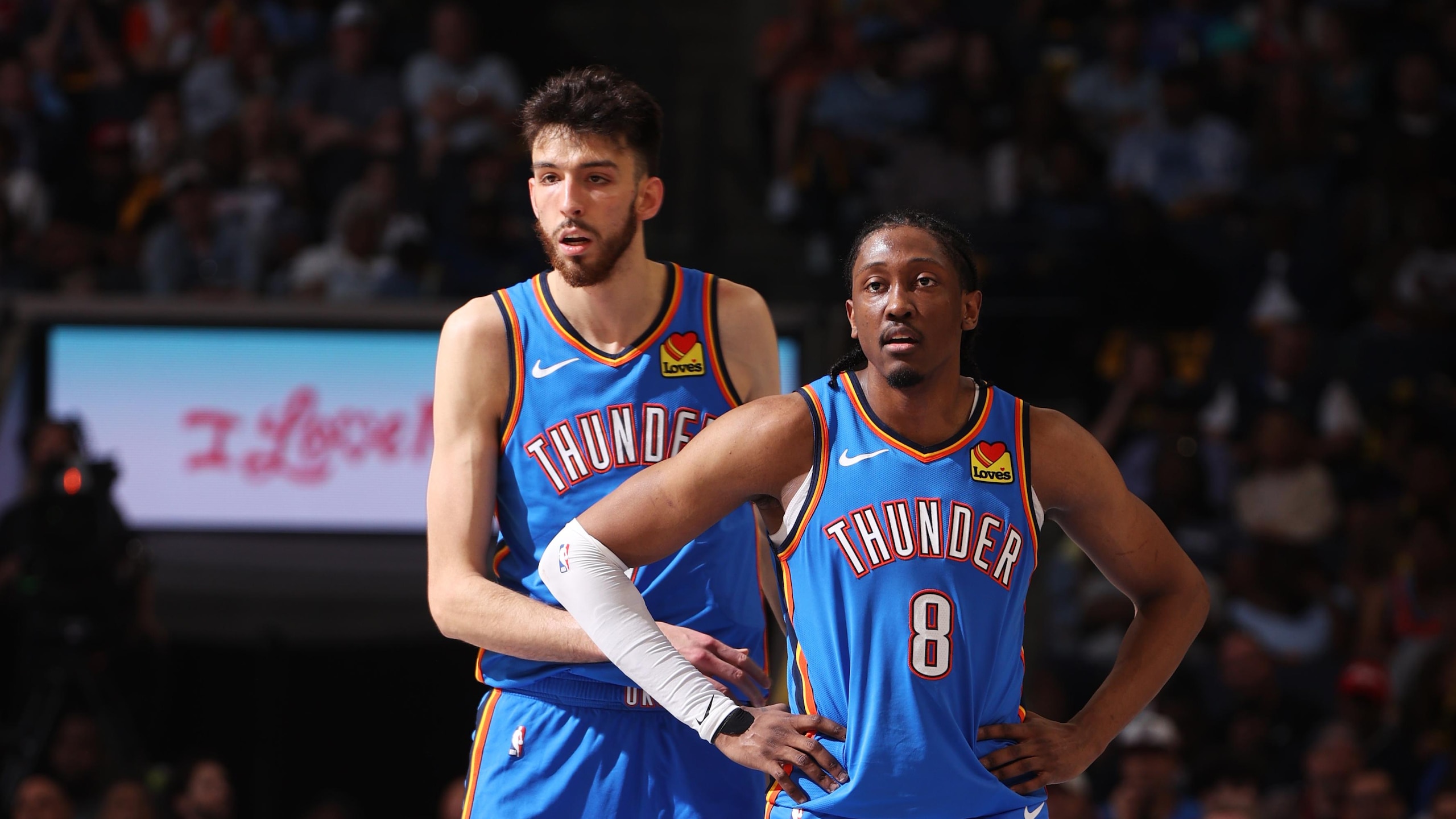
Tax Flexibility: High
Apron Flexibility: High
Cap-Room Flexibility: Low
First-Round Power: Elite
Second-Round Power: Elite
The Thunder are three wins away from a championship. Even if they fall short, they may not have much room to improve this summer, as they have a relatively full roster and two significant contracts to negotiate this summer. Jalen Williams and Chet Holmgren have extensions due and seem likely to get maxed out in July.
Oklahoma City must carefully mind its books with reigning NBA Most Valuable Player Shai Gilgeous-Alexander positioned to get a supermax extension. The short-term impact isn't deleterious, but adding an expensive salary to improve may be impractical.
The good news for Thunder fans is that the team has enough draft compensation to trade short-term picks for ones down the road—a path to future inexpensive talent to keep the core together for as long as it's similarly productive.
Orlando Magic: Delicate
22 of 30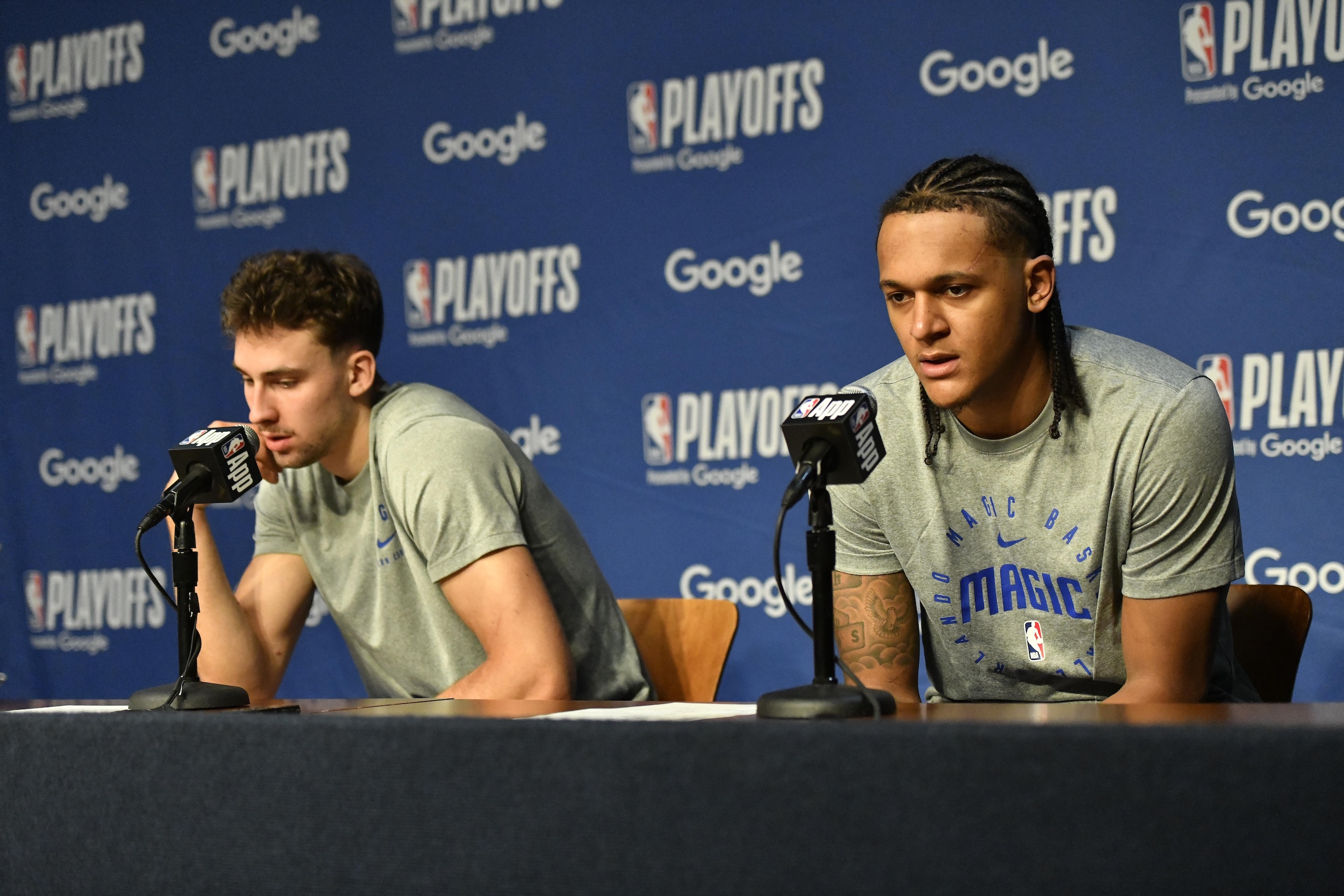
Tax Flexibility: Medium
Apron Flexibility: High
Cap-Room Flexibility: Low
First-Round Power: Medium-High
Second-Round Power: High
The Magic are like the Oklahoma City Thunder, though not as successful yet. They have a productive group of homegrown players who are rapidly becoming expensive. Franz Wagner and Jalen Suggs begin their rookie-scale extensions this season, while Paolo Banchero will presumably get a max extension in July.
Orlando has significant financial flexibility with contracts like Kentavious Caldwell-Pope, Cole Anthony, Jonathan Isaac, Mo Wagner (team option), and Gary Harris (team option), plus a draft pick every year to trade (or swap) as needed. The question is how to find the pieces to fit with its current core without pushing the payroll into a morass, as other teams have done without championship-level production.
Philadelphia 76ers: Challenging
23 of 30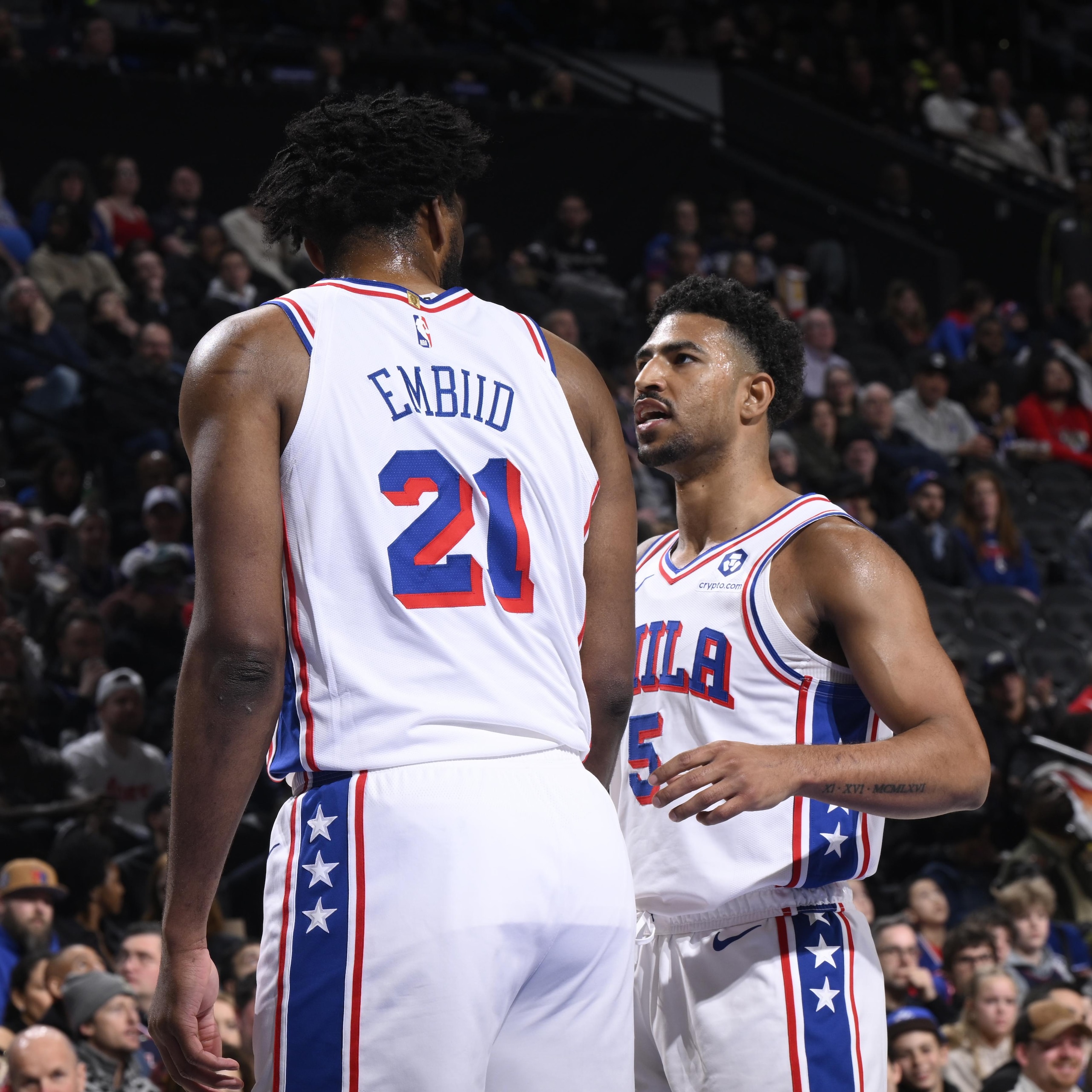
Tax Flexibility: Low
Apron Flexibility: Medium-High
Cap-Room Flexibility: Low
First-Round Power: Medium
Second-Round Power: Medium-High
The 76ers had the most financial flexibility of any team last summer, but the early returns on their investments were disappointing. Perhaps they're blessed with better health from stars Joel Embiid and Paul George this year. Barring that, Philadelphia has limited means to retain the same group, yet alone improve.
Quentin Grimes broke out after the trade deadline, but he could be a target of the Brooklyn Nets, who tend to chase restricted free agents. The Sixers have his Bird full rights, but re-signing him may hamper their ability to bring back Guerschon Yabusele.
The Sixers only have non-Bird rights on Yabusele, so they might need to spend a mid-level exception to re-sign him. However, doing so would hard-cap them at either the first apron (if they use the non-taxpayer MLE) or the second apron (if they use the taxpayer MLE).
That's a challenging situation to navigate, especially since returning nearly the same team that underperformed last year isn't ideal barring a significant uptick in durability.
Phoenix Suns: Overextended
24 of 30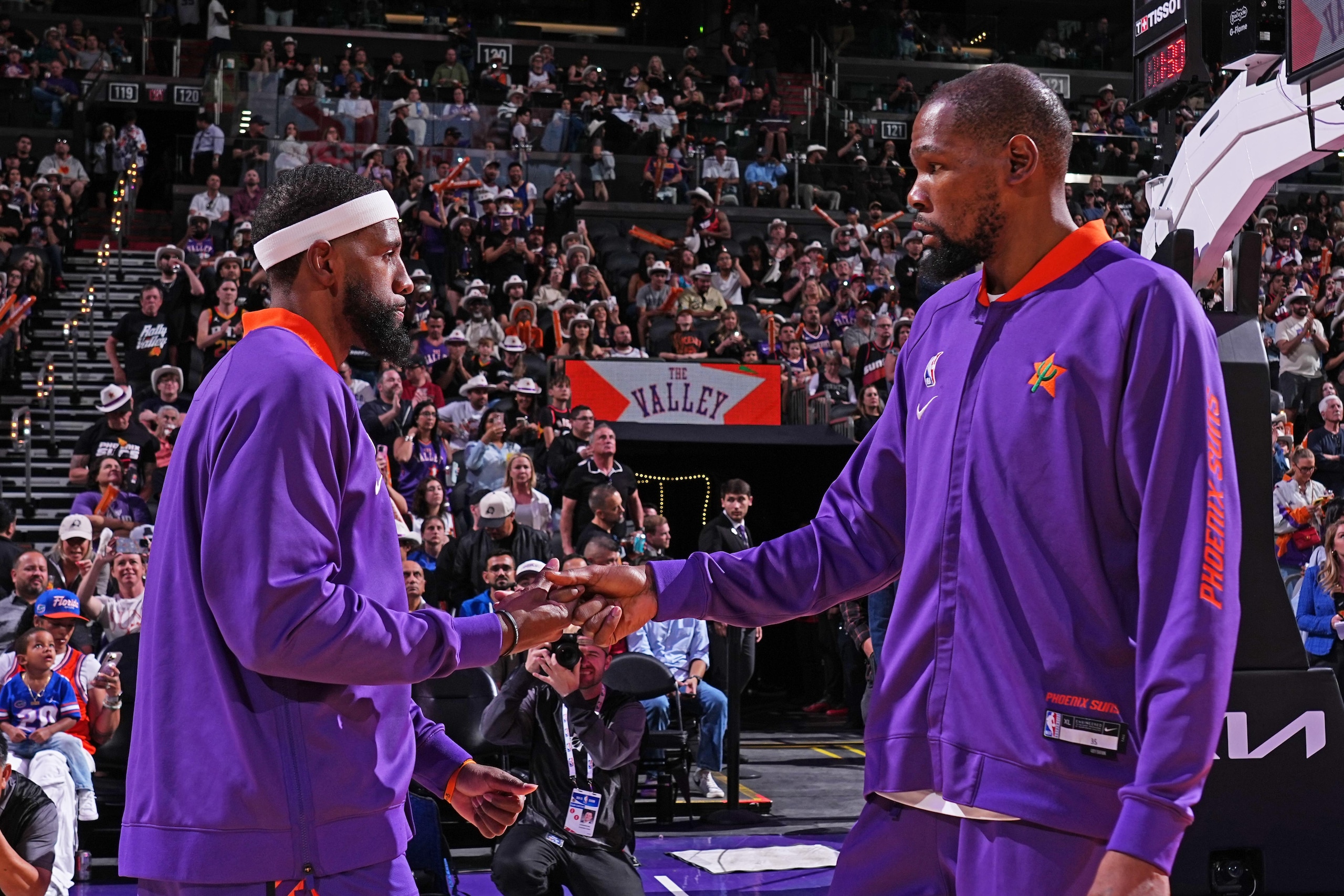
Tax Flexibility: Low
Apron Flexibility: Low
Cap-Room Flexibility: Low
First-Round Power: Low
Second-Round Power: Low
The Suns have one of the NBA's highest payrolls, but they didn't make the playoffs this past season. They've already hired a new head coach (Jordan Ott) and top front-office decision-maker (Brian Gregory) this offseason, but the same issues with their roster persist.
Phoenix is short in all flexibility metrics and isn't close to winning at a high level.
Devin Booker's long-term place in Phoenix appears safe, but Kevin Durant is likely to be moved this offseason. Can the Suns replenish their barren cupboard by dealing Durant? Given the scarcity of resources around the league, is there a path out of Bradley Beal's contract as well?
The answers to those questions will help shape the Suns' next era.
Portland Trail Blazers: Looming
25 of 30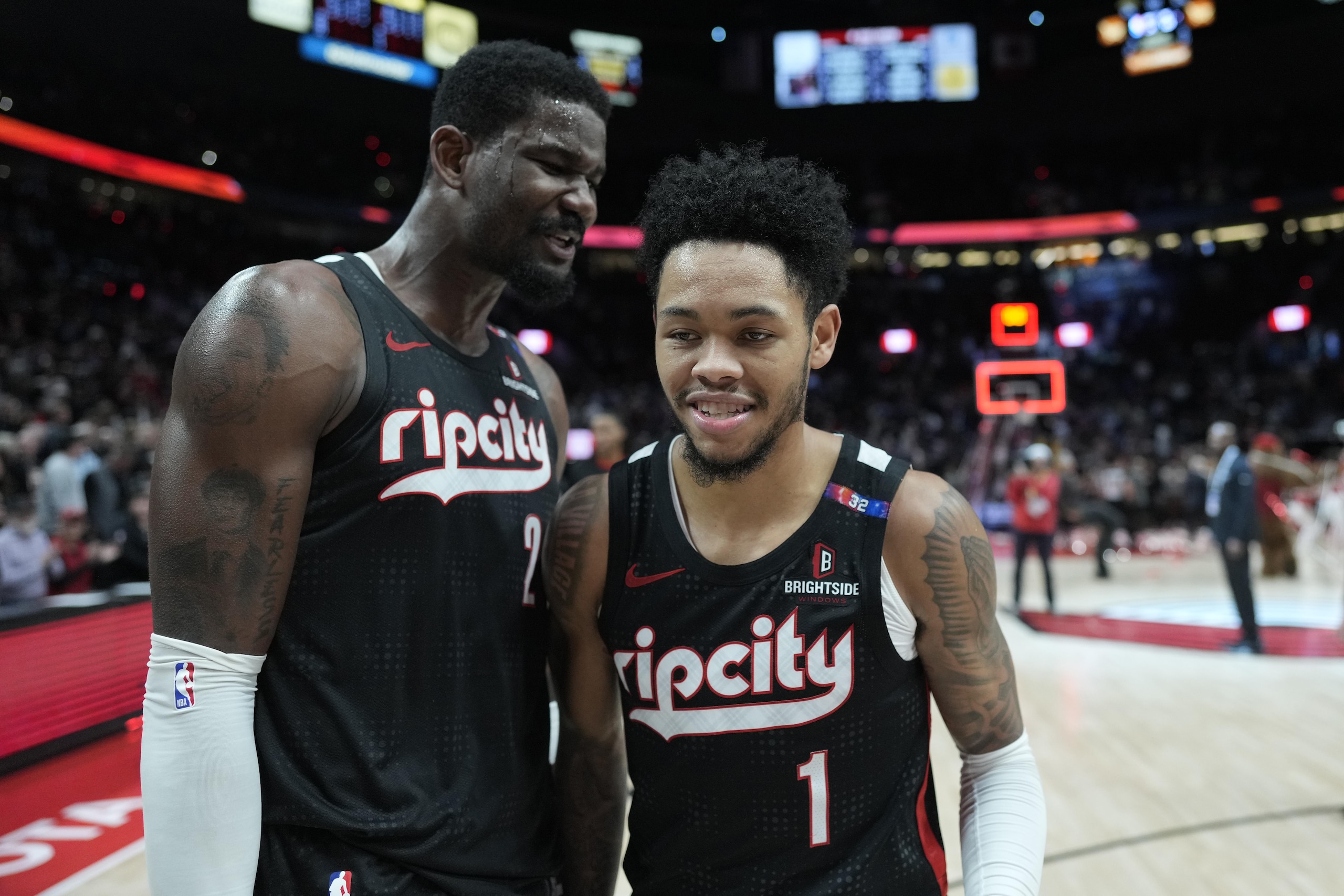
Tax Flexibility: High
Apron Flexibility: High
Cap-Room Flexibility: Low
First-Round Power: Medium
Second-Round Power: Medium
The Blazers took a leap midseason and nearly earned a play-in spot in the Western Conference. While they ultimately fell short of the postseason, that progress led to a new contract for head coach Chauncey Billups and may lead to an extension for Anfernee Simons.
Shaedon Sharpe also becomes eligible for a rookie-scale extension this offseason. If he doesn't reach an agreement with Portland by the start of the 2025-26 season, he'll become a restricted free agent next summer.
Meanwhile, veteran center Deandre Ayton is going into the last year of his contract. While Donovan Clingan may be the team's center of the future, depth is vital, and Ayton could stick around longer-term.
The Blazers have several looming decisions this offseason, but they must tread carefully and not overinvest in their step forward until they see it blossom into something powerful in the West.
Sacramento Kings: Potential
26 of 30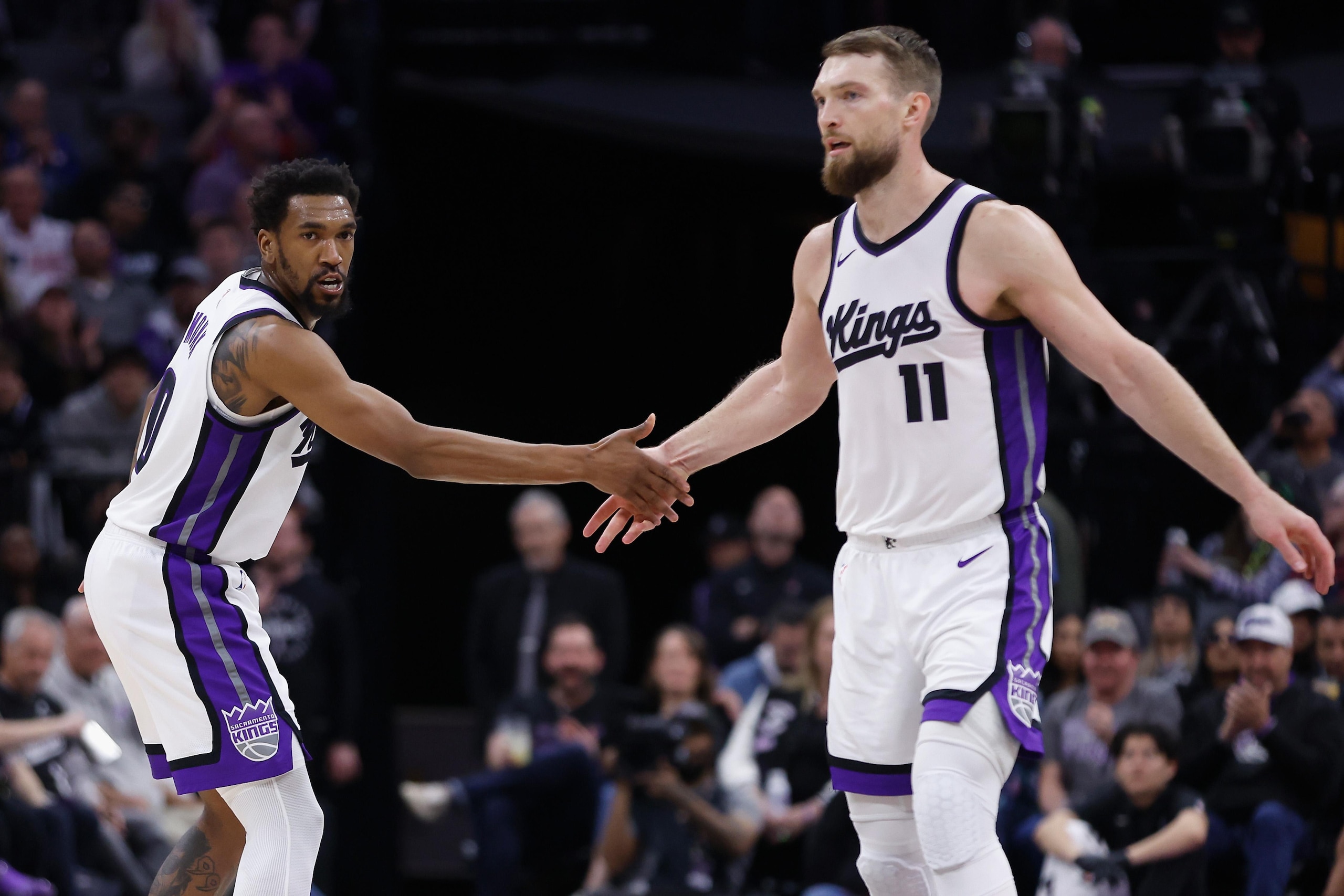
Tax Flexibility: High
Apron Flexibility: High
Cap-Room Flexibility: Low
First-Round Power: Medium-High
Second-Round Power: Medium
The Kings chose De'Aaron Fox over Tyrese Haliburton a few years ago, but they wound up trading Fox to the San Antonio Spurs at this year's deadline. The remaining pieces—Domantas Sabonis, Zach LaVine, DeMar DeRozan and Malik Monk—don't necessarily fit.
Keegan Murray will be eligible for an extension this offseason and figures to demand a significant raise. With all of that in mind, it's easy to be down on the Kings.
Still, Sacramento has tremendous potential with all of its first-round picks, plus a few from the Minnesota Timberwolves and Spurs, movable contracts and flexibility under the aprons.
The franchise, now under Scott Perry's leadership, needs to wisely shuffle the deck to build a roster with a stronger, complementary identity. Whether it can execute on that potential remains to be seen.
San Antonio Spurs: Ready
27 of 30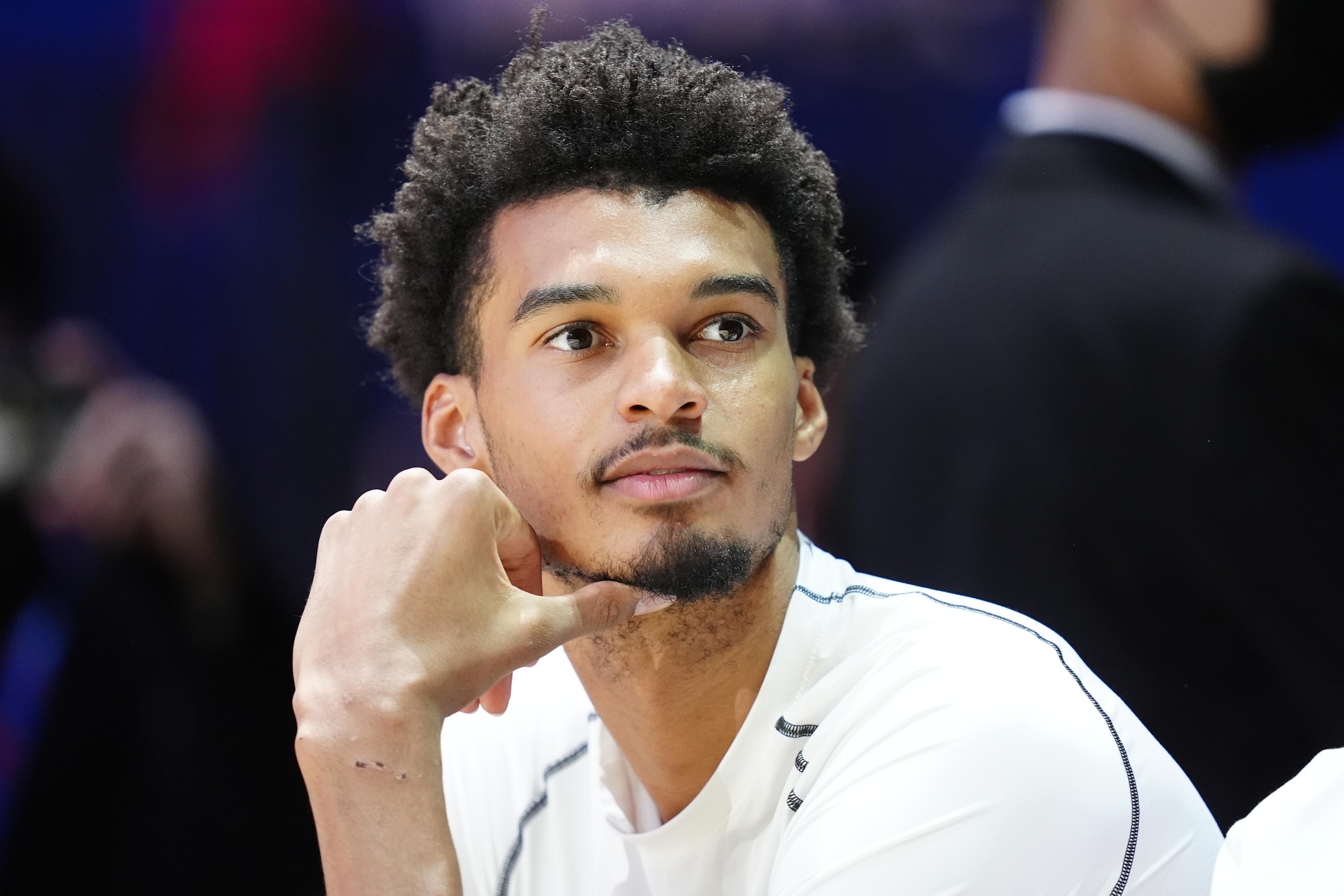
Tax Flexibility: High
Apron Flexibility: High
Cap-Room Flexibility: Low
First-Round Power: Medium
Second-Round Power: Medium
The Spurs are ready to take on the Western Conference with one of the NBA's most exciting young players (Victor Wembanyama), the reigning Rookie of the Year (Stephon Castle) and a former All-Star guard (De'Aaron Fox). They have financial flexibility, two high picks in the draft (Nos. 2 and 14) and some of their future draft capital remaining (although they spent some to acquire Fox).
Whether via trade or player development, the Spurs appear ready to become a force.
The obvious trade target would be Giannis Antetokounmpo. If he isn't available this offseason, Kevin Durant could help San Antonio make a shorter-term step forward until the team's younger players gain enough experience to take over completely.
Toronto Raptors: Tax
28 of 30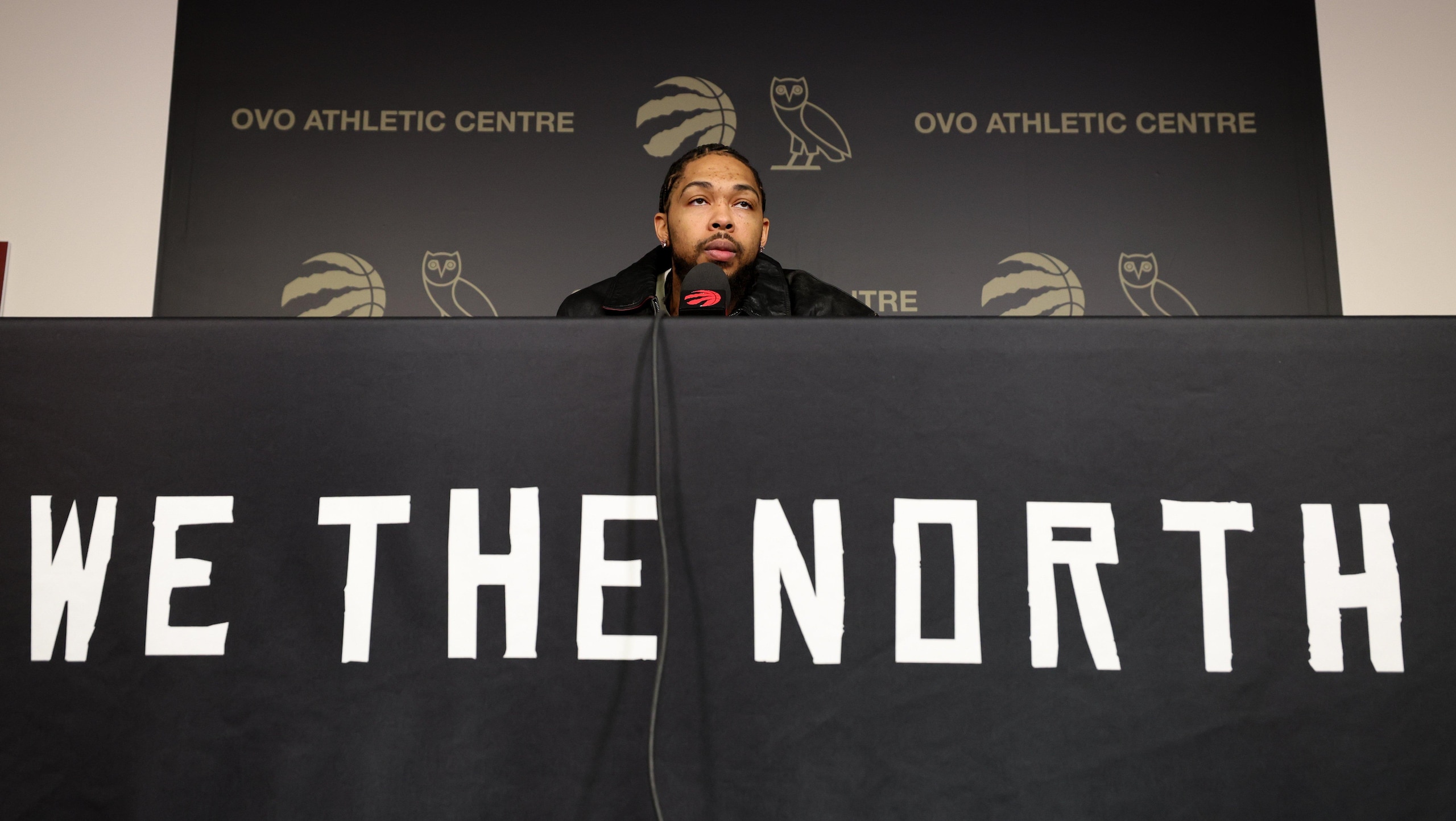
Tax Flexibility: Low
Apron Flexibility: Medium
Cap-Room Flexibility: Low
First-Round Power: Baseline
Second-Round Power: Medium
The Raptors took advantage of "pre-agency" by acquiring Brandon Ingram at the trade deadline and signing him to a long-term extension. Toronto will jump into the luxury tax this season without trading to reduce salary (possibly RJ Barrett).
Toronto is also close to the first apron due to with multiple unlikely incentives in the contracts of Immanuel Quickley, Jakob Pöltl and Barrett.
Don't sleep on the Raptors as a destination for Antetokounmpo. However, they would need to tread carefully around the various apron restrictions.
Utah Jazz: Patient
29 of 30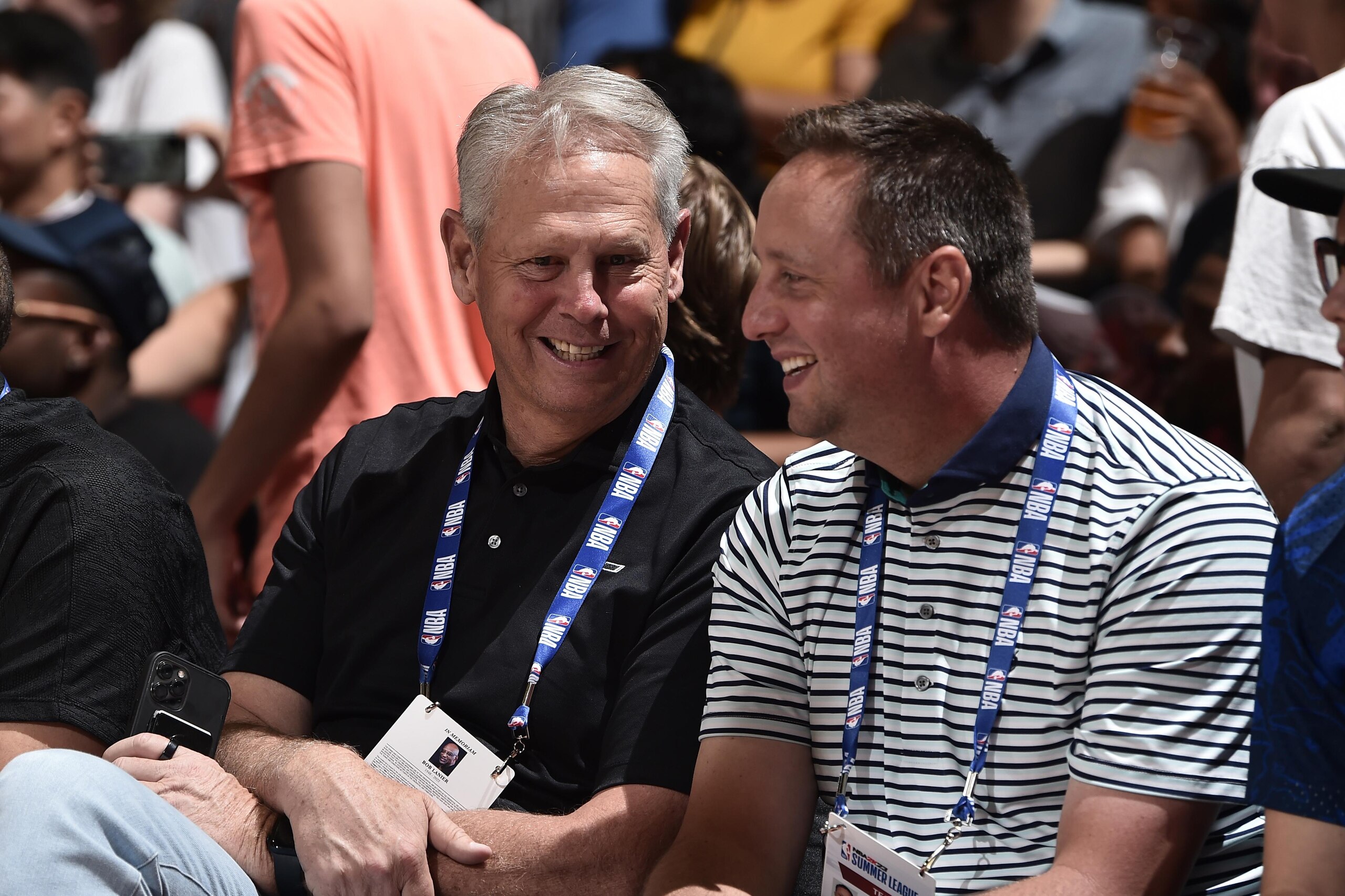
Tax Flexibility: High
Apron Flexibility: High
Cap-Room Flexibility: Medium-Low
First-Round Power: Medium-High
Second-Round Power: Medium
The Jazz had the worst record in the NBA last year, but they got unlucky at the draft lottery and fell four spots to No. 5. The prospect of another lost season with no guaranteed superstar awaiting in the draft isn't great.
New team president Austin Ainge, whose father, Danny Ainge, is the team's CEO, was clear in his introductory press conference that the Jazz won't tank this coming season.
Still, Utah owes its first-round pick to the Oklahoma City Thunder in 2026 if it falls outside of the top eight. Can the Jazz dramatically improve so they don't mind giving up their first-rounder? Or does they need to ensure they stay near the bottom of the standings to keep their pick?
The Jazz must remain patient and build slowly and diligently despite the pressure to start to win now. The roster isn't ready to sustain it.
Washington Wizards: Opportunistic
30 of 30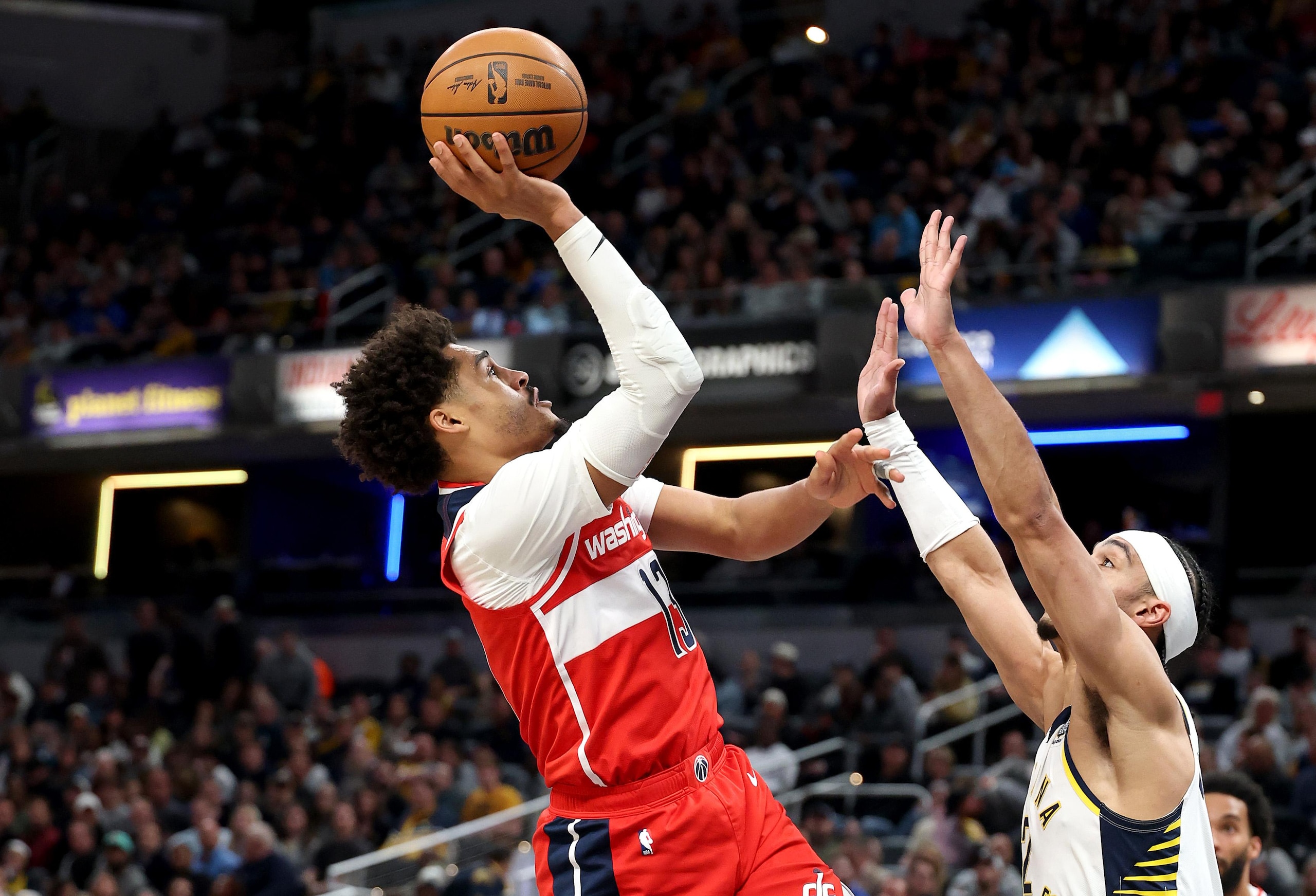
Tax Flexibility: High
Apron Flexibility: High
Cap-Room Flexibility: Low
First-Round Power: Medium-High
Second-Round Power: High
The Wizards' front office doesn't seem to have immediate pressure to churn out a winner. Instead, they may be taking the long-term path of taking on other teams' unwanted contracts for draft compensation and prospects.
Ideally, players like Alex Sarr, Bilal Coulibaly, Bub Carrington, Kyshawn George, and the draft haul this month (Nos. 6, 18 and 40) will help crystallize their direction.
In the meantime, Washington needs to stay opportunistic, swapping out contracts (Khris Middleton, Marcus Smart, Jordan Poole, and/or Corey Kispert) for additional assets to bolster the long-term plan.
Email Eric Pincus at eric.pincus@gmail.com and follow him on X @EricPincus and Bluesky.
.jpg?w=2560 "NFL investigating 2 referees for separate viral exchanges")
.jpg?w=2560 "Report: Chiefs Contact Hill's Agent")

.jpg?w=2560 "OBJ Calls Out Giants After Release")
.jpg?w=2560 "Tyreek makes another cryptic post amid Chiefs rumors")