
Sandy Alcantara and the 37 Starting Pitchers Who May Be Dealt at MLB Trade Deadline

If there's one sure thing about Major League Baseball's trade deadline (July 31 this season), it's that starting pitchers will be on the move.
Zach Eflin, Jack Flaherty, Yusei Kikuchi, Erick Fedde, Frankie Montas, Alex Cobb and plenty more were dealt ahead of last summer's deadline, and that was a quieter deadline than in years gone by.
As the buyers and sellers slowly but surely come into focus with less than eight weeks remaining to pick a lane, who are the starting pitchers likely to feature prominently on this year's trade block?
We've put together an early list of more than three dozen pitchers who may be dealt, although about two-thirds of that list is questionable at best, either due to injury, poor performance or the sheer fact that the team in question wouldn't be a seller if the deadline were today.
When push comes to shove next month, it's likely that only somewhere around 15 of these pitchers will actually be on the move. But we still can have a little fun ranking the best arms tentatively available as things currently stand.
Get Healthy First, Then Maybe We'll Talk
1 of 9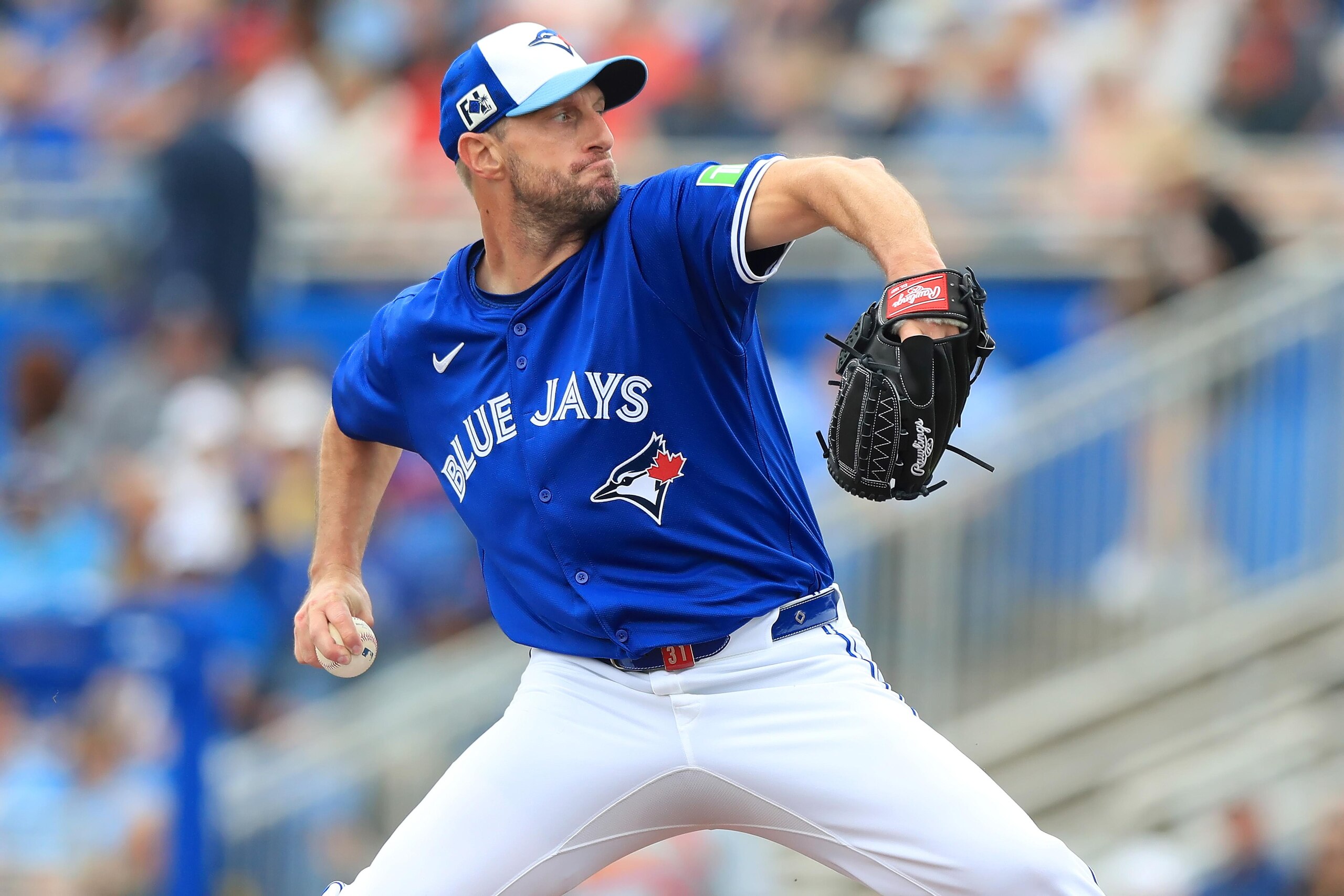
Max Scherzer, Toronto Blue Jays, $15.5M
Justin Verlander, San Francisco Giants, $15M
The elderly aces and former teammates should both be back on the mound later this month, Scherzer battling back from a thumb injury that has sidelined him for more than two months while Verlander has only been out a couple weeks with a pectoral strain. But these 40-somethings need to get healthy and their teams need to fall apart before either one would be available. Looking likely at this point they'll both stay put.
Brandon Woodruff, Milwaukee Brewers, $5M with a $20 mutual option (or $10M buyout) for 2026
Nestor Cortes, Milwaukee Brewers, $7.6M
Milwaukee could put an entire starting rotation on the trade block if it falls out of contention, but it's for these two that the medical records would be a big part of the negotiation process. Cortes is recovering from a flexor strain and probably won't be back until around the All-Star Break. Woodruff was nearing a return, but took a liner off his elbow in his last rehab start. Between that, the $10M buyout and the fact that he hasn't pitched in the majors in 20 months, it's hard to see him going anywhere.
Shane Bieber, Cleveland Guardians, $10M with a $16M player option for 2026
John Means, Cleveland Guardians, $1M with a $6M club option for 2026
Cleveland signed both of these former aces to back-loaded 1+1 deals, knowing neither one was likely to be available until the second half of this season. If they're still remotely in the postseason mix this summer, they'll surely hang onto both pitchers, given the current state of their rotation. Should they falter in these next eight weeks, though, look to the Josh Naylor and Andrés Giménez deals from this past winter if you need a reminder that Cleveland is always looking to save some money.
Jon Gray, Texas Rangers, $13M
Gray has yet to pitch this season after suffering a fractured wrist in spring training. His rehab assignment should be starting any day now, with initial estimates that he could return shortly before the All-Star Break. Could be a very interesting trade chip if Texas continues to flounder below .500.
Austin Gomber, Colorado Rockies, $6.35M
Hasn't pitched yet this season and has a 5.08 ERA over the past four seasons. Can't imagine there's a ton of interest here, but teams could do worse than a roughly $2M bet on Gomber, hoping that getting away from Colorado will help.
Martín Pérez, Chicago White Sox, $3.5M with a $10M mutual option (or $1.5M buyout) for 2026
Out since mid-April with a flexor strain with an initial estimate that he could return in September. Probably close to untradeable unless that timeline changes, but he did give Chicago a 3.15 ERA for the four starts he was able to make.
The "Does Not Work But Could Be Fun To Fix" Meme Tier
2 of 9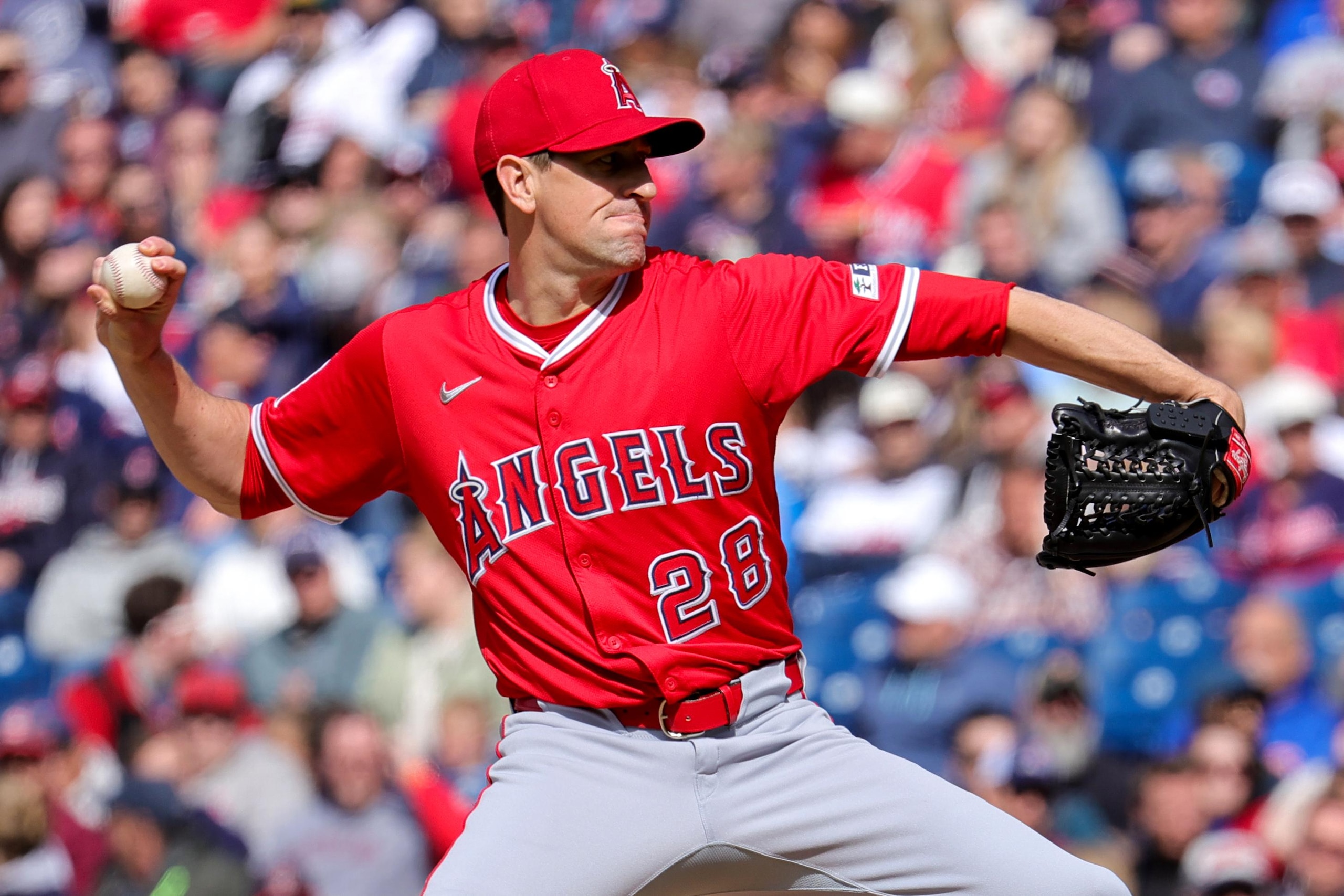
Kyle Hendricks, Los Angeles Angels, $2.5M, 5.40 ERA
At a pro-rated salary of what would be around $800k if traded on deadline day, at least the price is right for a prospective buyer. And Hendricks has made four quality starts this season. He's now going on a half-decade with a cumulative ERA of nearly 5.00, though, and it's hard to see anyone actually giving up something to acquire him.
Michael Lorenzen, Kansas City Royals, $5.5M, $12M mutual option (or $1.5M buyout) for 2026, 5.12 ERA
Lorenzen recorded a quality start in four of his first eight appearances, plus lost a quality start in the eighth inning of his ninth start of the year. But he has been getting lit up as of late in a fall from grace similar to two years ago when he tossed a no-hitter and then couldn't seem to get anyone out for the next month. (Kansas City wouldn't be a seller as of today anyway.)
Germán Márquez, Colorado Rockies, $10M, 6.98 ERA
Charlie Morton, Baltimore Orioles, $15M, 6.20 ERA
Each of these veterans has a brutal year-to-date ERA, but each has also been a whole heck of a lot better since Mother's Day weekend than he had been through the first five weeks. Both looked to be completely untradeable not that long ago, but they're getting interesting.
Michael Soroka, Washington Nationals, $9M, 4.86 ERA
Trevor Williams, Washington Nationals, $7M, $7M in 2026, 6.03 ERA
Williams has at least stayed healthy, but has pitched nothing like the guy who had a 2.03 ERA in 12 starts last season. Soroka has been serviceable in six starts since spending five weeks on the IL, but we'll see if he can make it to the deadline before another injury, given his history over the past half-decade. Neither one is part of Washington's long-term plan.
Could Become Available, But Would Not Be Available Today
3 of 9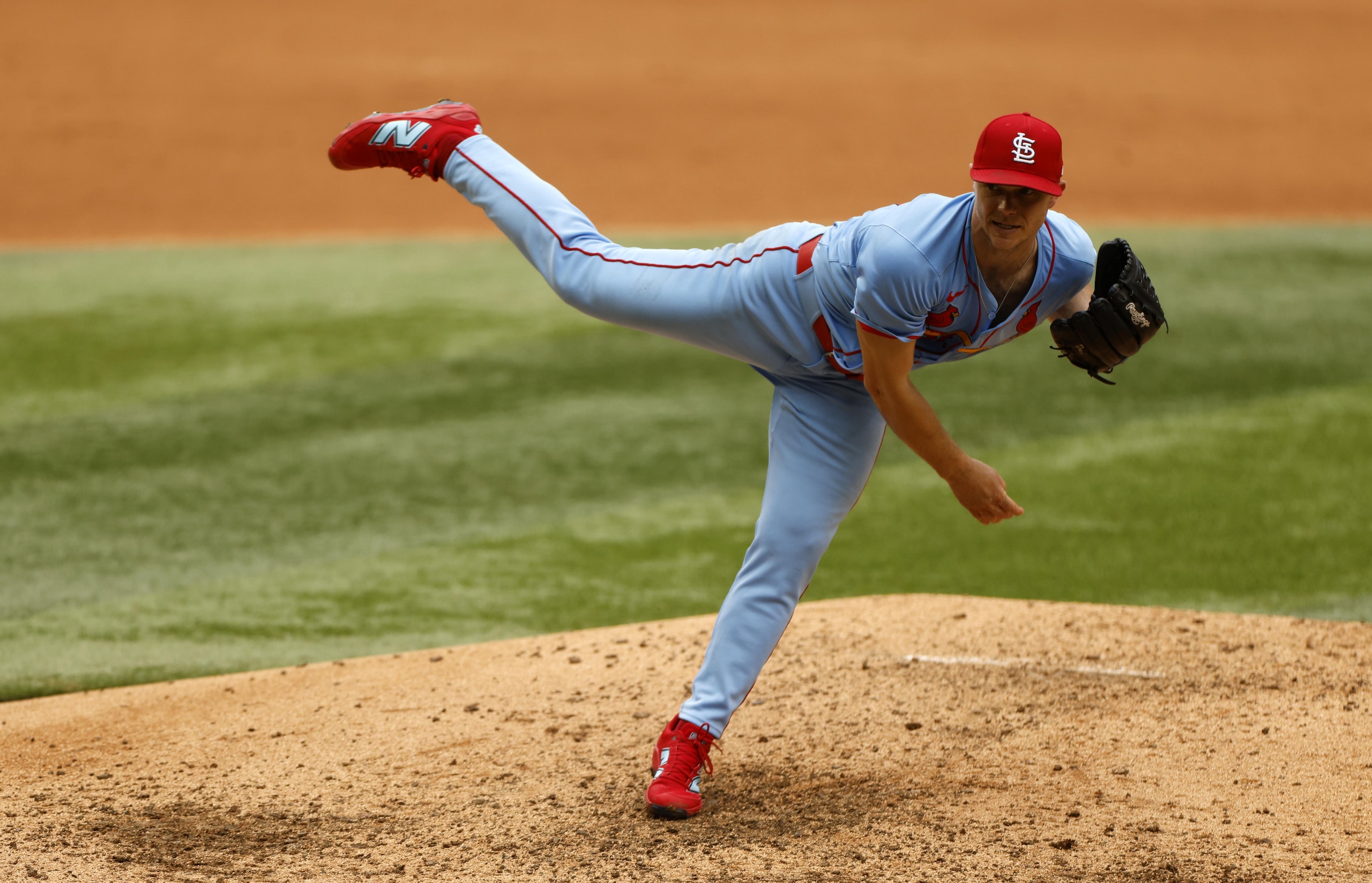
Sonny Gray, St. Louis Cardinals, $25M, $35M in 2026, $30M club option for 2027
Miles Mikolas, St. Louis Cardinals, $17.7M
Erick Fedde, St. Louis Cardinals, $7.5M
After an offseason full of hearing about how many valuable assets they could put on the trade block, the Cardinals decided to just start contending with all of that talent. Whether they have the staying power to still be in the hunt by the end of July remains to be seen, though, and this trio of starting pitchers—each with a sub-4.00 ERA thus far—would generate plenty of interest if St. Louis does fade a bit.
Chris Bassitt, Toronto Blue Jays, $22M
Kevin Gausman, Toronto Blue Jays, $23M, $23M in 2026
Toronto had spent the entire season within the window of four games above .500 and four games below .500, but a recent run of eight wins in nine games sure has the Blue Jays leaning more toward buyer than seller at the moment. Even if they do sell, they're probably not getting rid of Gausman, as they are already quite heavily invested in contending in 2026.
Jose Quintana, Milwaukee Brewers, $4M, $15M mutual option for 2026
Freddy Peralta, Milwaukee Brewers, $8M, $8M club option for 2026
A recent eight-game winning streak transformed the Brewers from a probable seller into a potential buyer, though it is highly unlikely they would be moving Peralta even if they crash and burn for the rest of this month. He is just too valuable and too affordable next season. But if teams come calling about Quintana's 2.77 ERA, the 36-year-old southpaw could be one of the bigger names on the move.
Framber Valdez, Houston Astros, $18M
Maybe the biggest domino of them all, but there's no way it's going to happen, right? Even if Houston cratered over the next few weeks, it would most likely hang onto Valdez and give him a qualifying offer, hoping to ultimately bring him back on something like a four-year, $90M deal. And after all the comebacks from slow starts that the Astros have made in recent years, it's unlikely they'd have any interest in moving the lone valuable trade asset they have.
Zac Gallen, Arizona Diamondbacks, $13.5M
Arizona making Gallen available is more likely than Houston putting Valdez on the block, but this is also probably a spot where the team will just stand pat until qualifying offer season. Doesn't help matters that Gallen is sputtering through the least productive season of his career, which would likely keep teams from offering the Diamondbacks enough to move him, if they even would entertain the possibility.
Chris Paddack, Minnesota Twins, $7.5M
Minnesota would be in the postseason as of today, but losing Pablo López to a shoulder strain for at least two months may well be the beginning of their downfall. Should they falter while Paddack remains healthy, however, he could be an unexpectedly coveted trade chip. He logged just 115.2 innings over the previous three seasons with a 4.82 ERA, but he has a 2.47 ERA in 11 starts since the beginning of April.

.png?w=2560)
Not Quite a Top 5 Option, But a Strong Candidate To Be Traded
4 of 9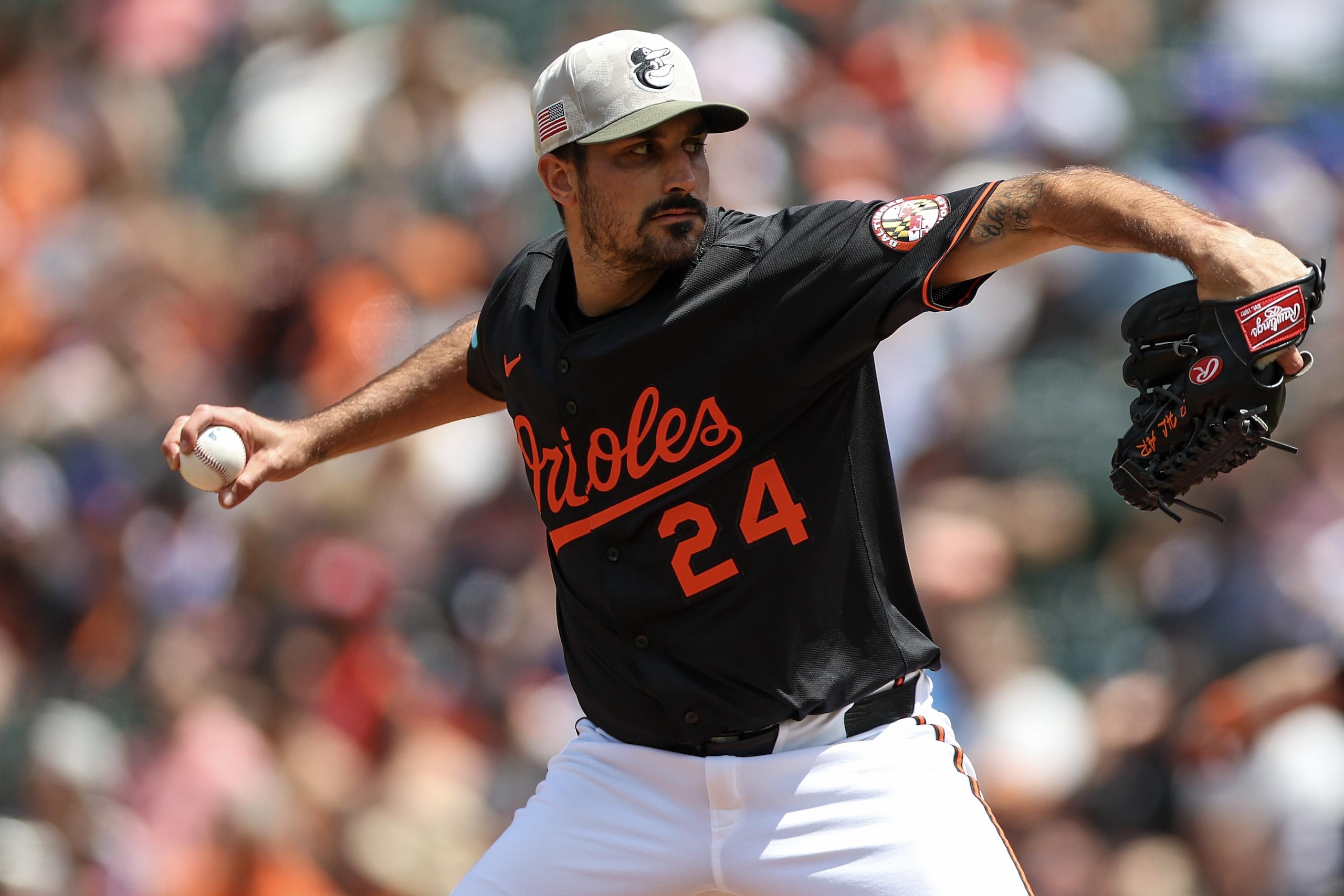
Walker Buehler, Boston Red Sox, $18.05M, $25M mutual option (or $3M buyout) for 2026
Goodness only knows where Boston will be or what it will be doing at the trade deadline, but Buehler hasn't been the asset they were hoping for, both with a sub-mediocre 5.18 ERA and already missing nearly a month on the IL. If the Red Sox put him on the trade block, though, plenty of contenders will be reminded of Buehler's 10 scoreless innings of work between last year's NLCS and World Series.
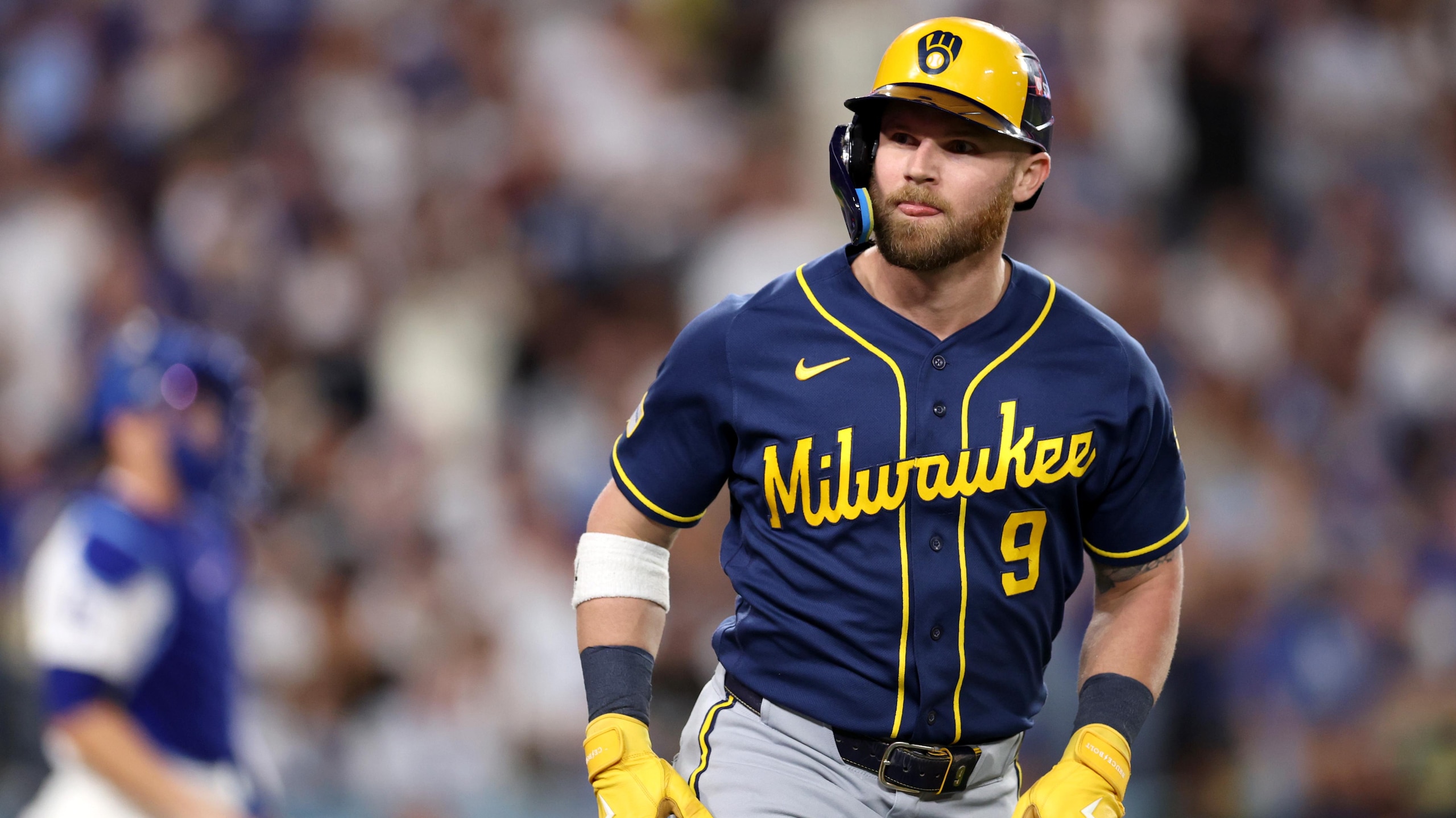
Aaron Civale, Milwaukee Brewers, $8M
Civale went from Cleveland to Tampa Bay ahead of the 2023 deadline, from Tampa Bay to Milwaukee ahead of last year's deadline, and maybe he'll come full circle back to the Guardians, who could use at least one affordable arm if they're still in the hunt. Since returning from the IL in late May, Civale has made three starts with a 3.14 ERA. If and when Brandon Woodruff and Nestor Cortes make it back, he figures to be expendable, even if Milwaukee is still in the October mix.
Patrick Corbin, Texas Rangers, $1.1M (with escalators)
There are a bunch of "innings pitched" escalators in Corbin's contract that could push his salary north of $3M, but he's still one of the cheapest options out there while enjoying quite the renaissance season. From 2020-24 with Washington, Corbin had a 5.62 ERA, allowing 139 more hits than any other pitcher. Compared to that, he has been surprisingly impactful for the Rangers, making 10 starts with a 3.52 ERA.
Zach Eflin, Baltimore Orioles, $18M
Hasn't been quite his usual self thus far this season, struggling in his first few starts back from more than a month on the IL. But Eflin had a sub-3.80 FIP in each year from 2020-24 and reasonably could become the top two-month rental on this year's trade block if he can re-establish that standard over the next few weeks.
Andrew Heaney, Pittsburgh Pirates, $5.25M
Heaney pitched like a certified ace for the first month of the season, but he has been more of a No. 5 starter since then, with 18 walks against 16 strikeouts over his next seven games. With such a low price tag on a team going nowhere fast, though, the odds of Heaney getting traded might be the highest of any pitcher on this list.
Zack Littell, Tampa Bay Rays, $5.72M
Similar to Civale in Milwaukee, Littell might be on the move regardless of whether Tampa Bay is more of a buyer or seller, as Shane McClanahan ought to be back in the mix by then. He's not much of a strikeout guy, but Littell has made nine quality starts this season, including tossing a rare complete game in a blowout victory over the Astros on May 31.
Nick Martinez, Cincinnati Reds, $21.05M
Cincinnati has scored three or fewer runs in nine of Martinez's 12 starts, but he had a streak of six straight quality starts while working on what would be his fourth consecutive season with a sub-4.00 ERA. The salary is a bit much for what is probably a No. 3 starter at best, but beggars can't be choosers at the deadline and he's having one of the better seasons among pitchers that might be available.
5. Tyler Anderson, LHP, Los Angeles Angels
5 of 9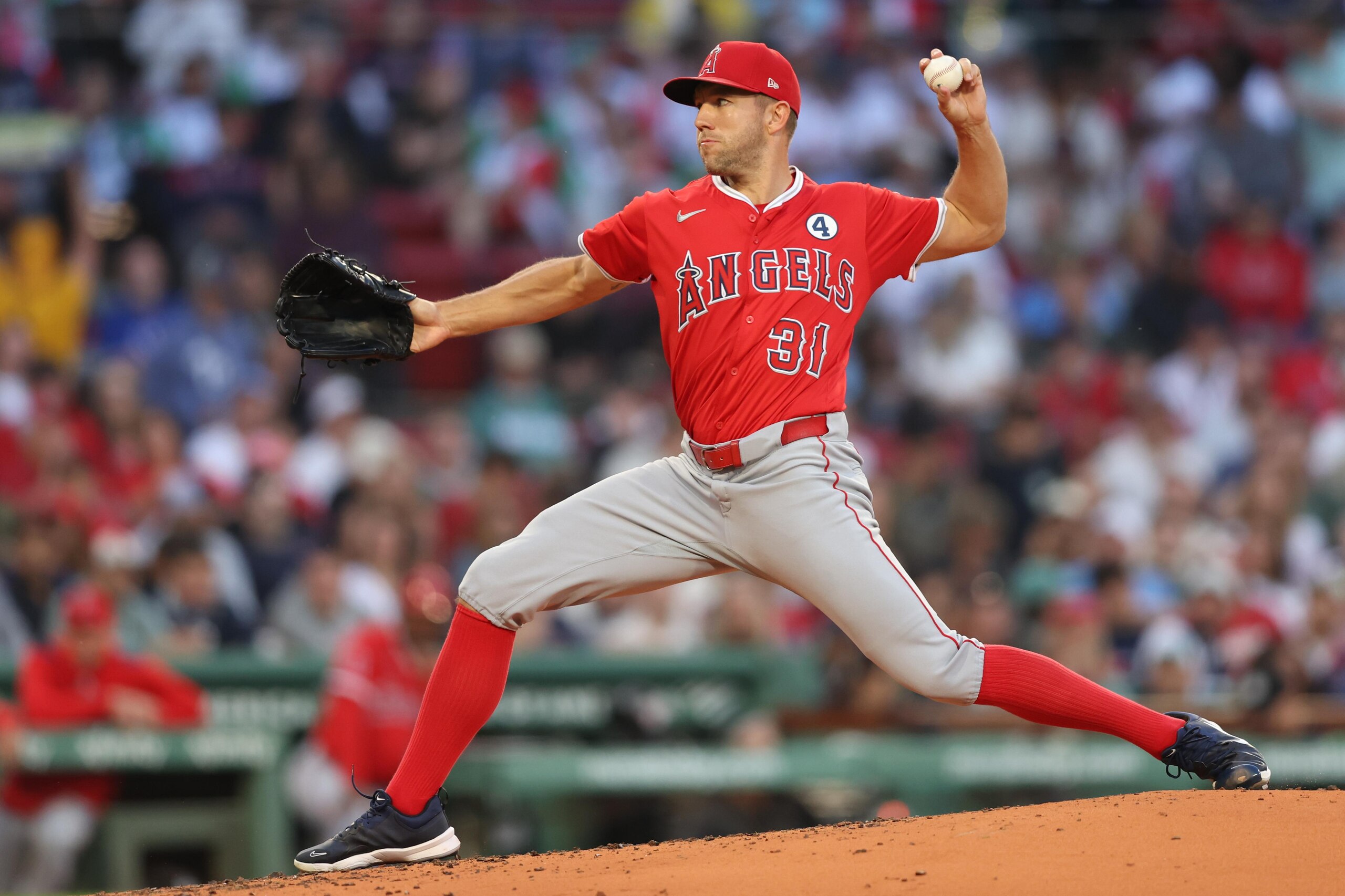
2025 Stats: 65.1 IP, 3.86 ERA, 1.27 WHIP, 7.0 K/9
Contract: $13M, Free Agent this winter
The big question with Tyler Anderson is whether he can continue to keep the regression monster at bay.
A fly ball pitcher who doesn't generate many strikeouts, Anderson's xFIP is usually pretty high. In fact, among the 46 pitchers who have logged at least 600 innings since the beginning of 2020, his 4.85 xFIP is the largest.
But in three of the past five seasons (as well as the current one), his ERA has been at least a full run below what it's "supposed" to be, as this two-time All-Star has made a solid career out of defying expectations.
Anderson has had a few rough outings against the Dodgers, Red Sox and Athletics in recent weeks, but did sneak a quality start against the Yankees into that mix, his fifth of the season.
His $13M salary—or around $4.3M prorated as of July 31—isn't a deal-breaker, and it's looking quite likely that the Angels will be sellers.
Maybe Anderson ends up back with the Giants, where he spent the 2020 campaign. Either San Francisco's Oracle Park or Kansas City's Kauffman Stadium would be good options for this fly ball pitcher.
4. Tomoyuki Sugano, RHP, Baltimore Orioles
6 of 9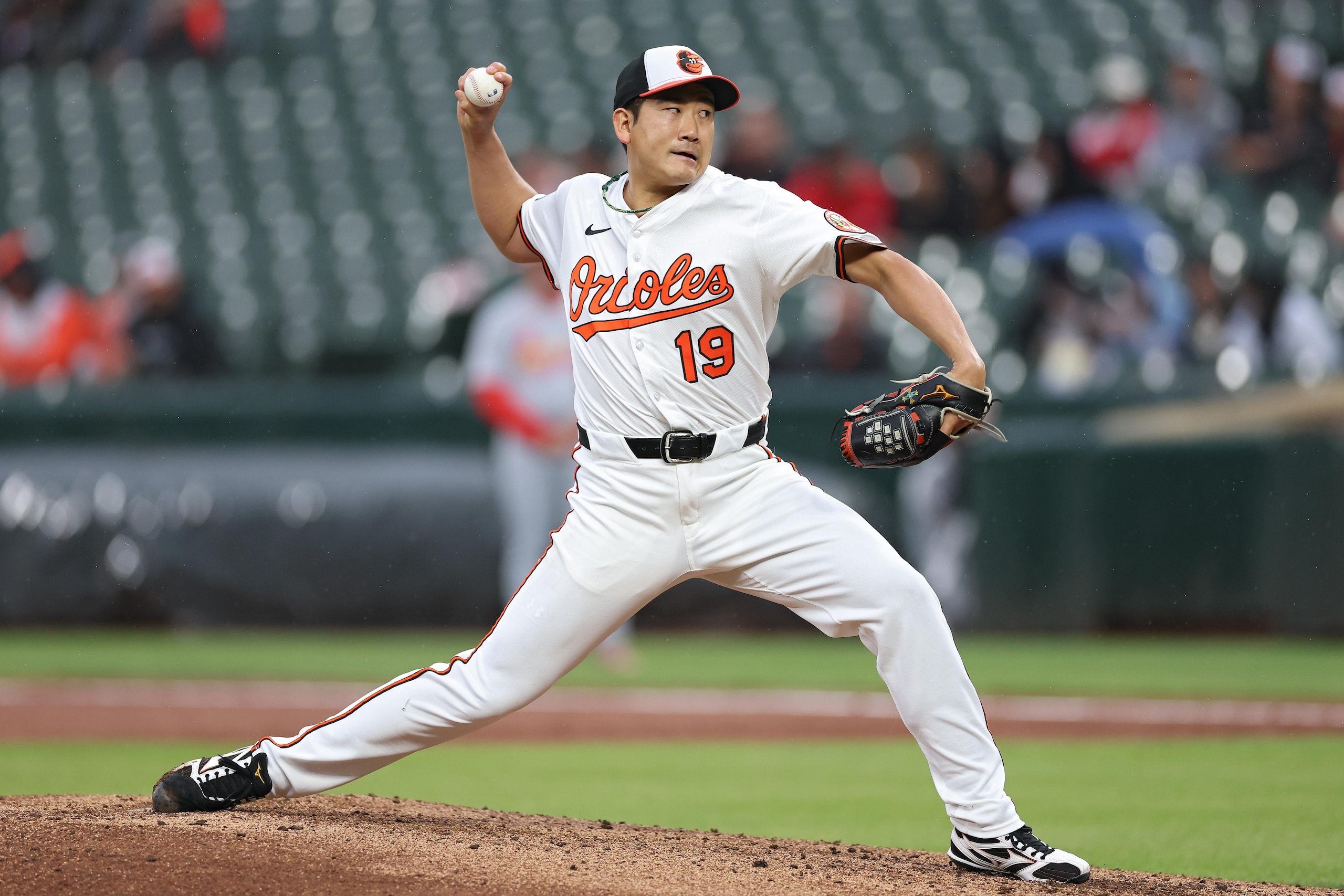
2025 Stats: 71.0 IP, 3.04 ERA, 1.04 WHIP, 5.1 K/9
Contract: $13M, Free Agent this winter
Well, if we're going to talk about Tyler Anderson's statistical expectation of regression, we probably need to do so for this other $13M impending free agent, too. Because among qualified pitchers, Tomoyuki Sugano has the second-widest gap between his ERA (3.04) and his FIP (4.69).
It would be more of a concern if that hadn't been the case for nearly two months at this point, as he had an even wider gap of 3.43 and 5.65, respectively, four starts into his MLB career before bringing both of those numbers down a bit.
The cause of the elevated FIP is two-fold: Sugano has one of the lowest strikeout rates in the majors while allowing more than his fair share of home runs (12 HR in 12 starts). And FIP is based entirely on home runs, strikeouts, walks/hit batters and innings pitched.
He rarely walks batters, though. In fact, he has allowed more home runs than walks (11).
The long and short of it is that Sugano pitches to contact. Occasionally, it's hard contact that travels more than 400 feet, but he's mostly a master of his craft, keeping hitters off-balance with his six-pitch arsenal.
His deadliest offering by far is the splitter. More than half of his limited strikeouts have come via that pitch, and over his last eight games, opponents are 5-for-55 with four singles and one double against it.
Most of Baltimore's season has been a disappointment, but not Sugano. And unless opponents figure out a blueprint for spoiling his splitter in the next few weeks, he's going to be one of the most coveted pitchers on the trade block.
3. Tyler Mahle, RHP, Texas Rangers
7 of 9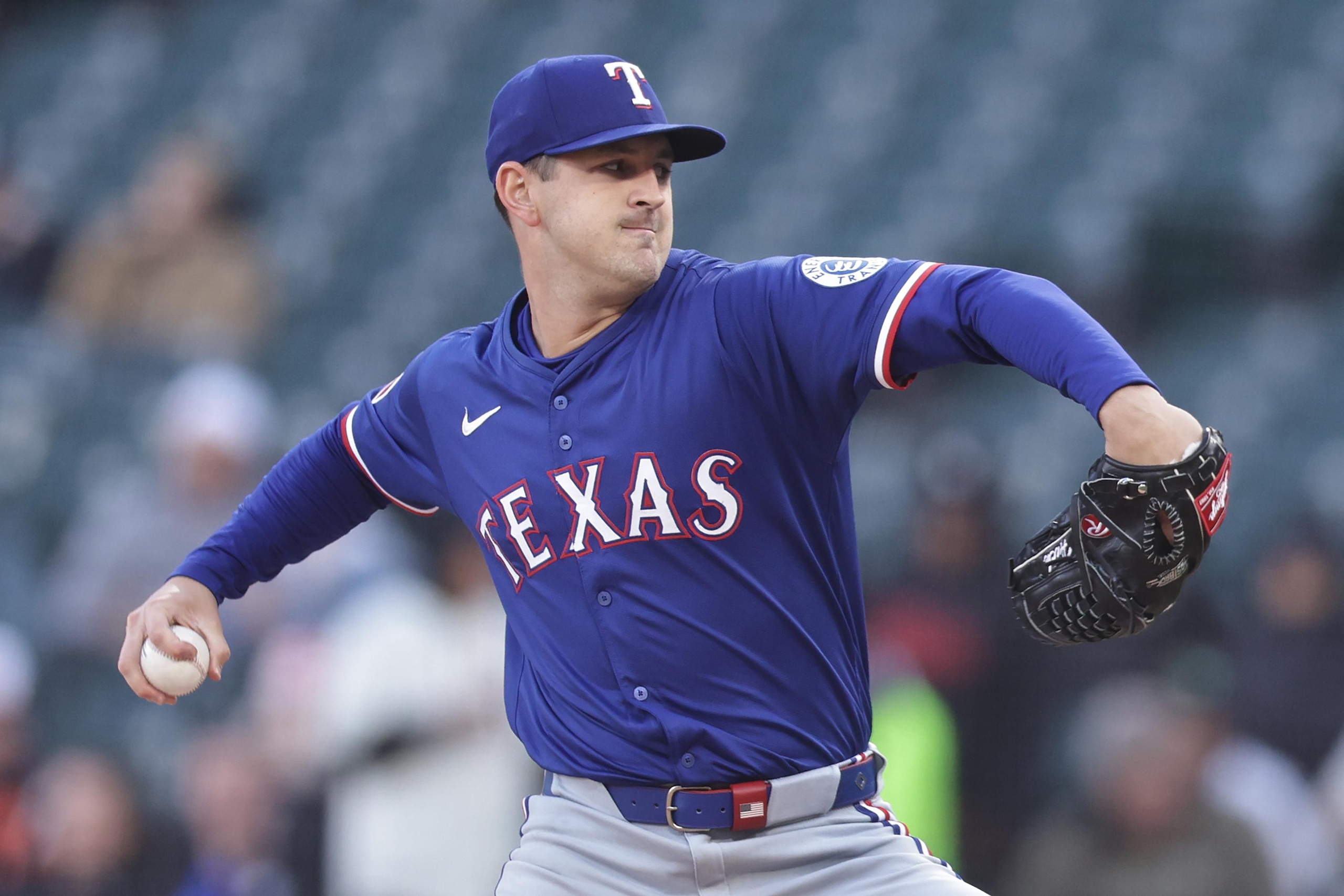
2025 Stats: 71.1 IP, 2.02 ERA, 1.07 WHIP, 6.7 K/9
Contract: $16.5M, Free Agent this winter
In Tyler Mahle, we find yet another eight-figure salaried, impending free agent pitcher with a modest strikeout rate and some concerning 'expected' statistics.
Quite the opposite of Sugano, though, the most worrisome thing about Mahle's numbers to date is that he hasn't been allowing home runs—and that that luck is going to inevitably run out.
His HR/FB ratio is 4.0 percent, which is the lowest among qualified pitchers. Pitchers who log enough innings to qualify for an ERA title very rarely end up below 6.0 percent. That marks is also drastically below his career ratio of 13.4. Home runs are almost certainly coming soon.
Granted, we're talking about a career where nearly 40 percent of innings pitched were done so at Cincinnati's Great American Ball Park, which notoriously has been a launching pad over the years. Perhaps this season's low home run rate is just a case of the baseball gods repaying him for his dinger-serving sacrifice.
However, between the uncommonly low HR/FB rate and a perhaps equally unsustainable LOB% of 83.6, Mahle does have an xFIP (4.19) that is A) more than double his current ERA and B) mighty close to what was a 4.32 career ERA heading into this season.
But ride the lightning, right?
Mahle has made seven quality starts this season, allowing either zero or one run in each. And even if he does regress to around a 4.00 ERA the rest of the way, there are plenty of contenders who would happily accept that sort of production in the middle of their rotation.
2. Merrill Kelly, RHP, Arizona Diamondbacks
8 of 9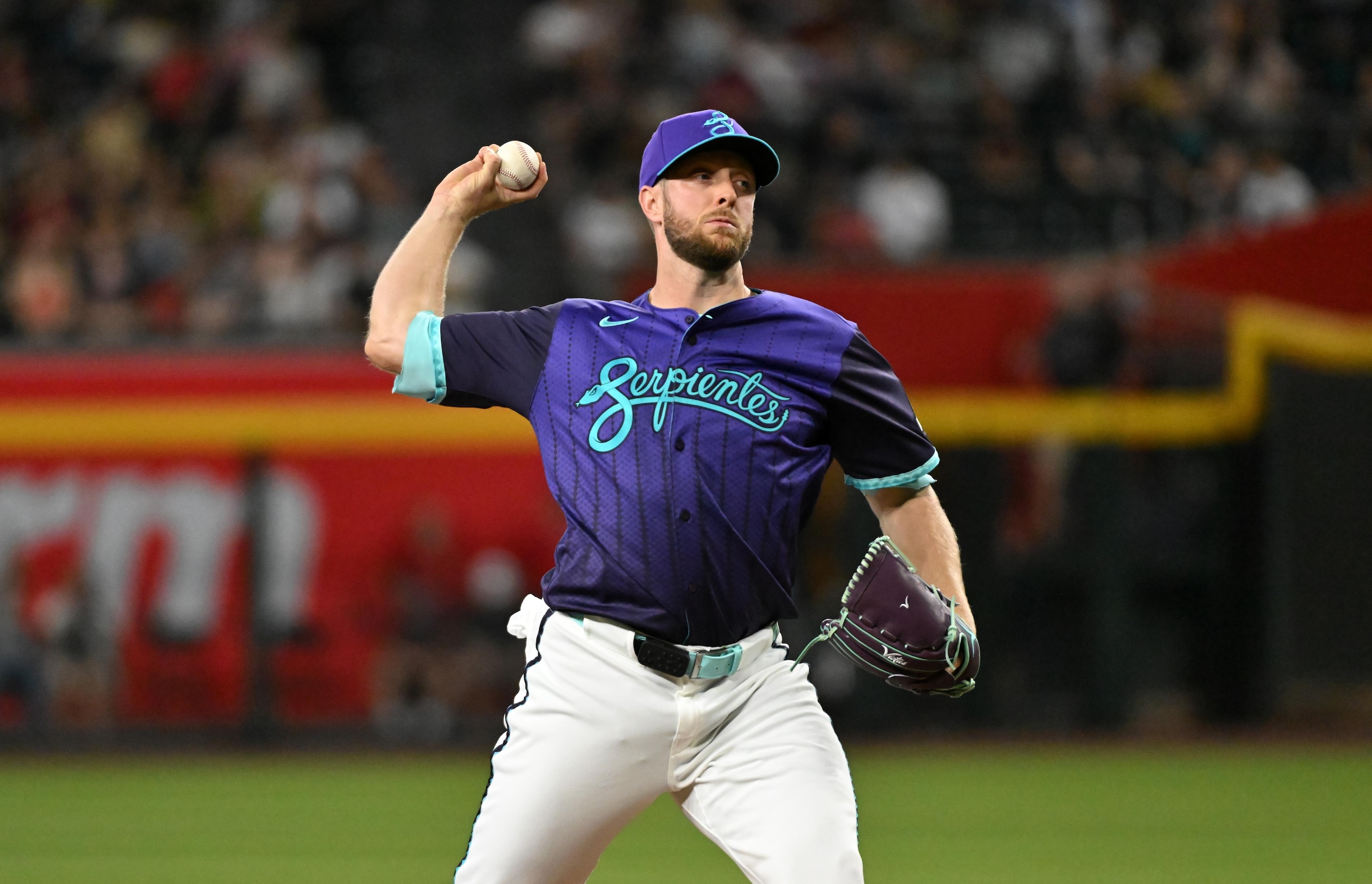
2025 Stats: 76.0 IP, 3.43 ERA, 0.99 WHIP, 8.5 K/9
Contract: $7M, Free Agent this winter
Between not making his MLB debut until he was 30 years old and spending his entire career thus far with the Arizona Diamondbacks, Merrill Kelly has never gotten the type of national attention that his talent deserves.
Dating back to the beginning of 2022, Kelly has now made 89 starts with a 3.45 ERA, 1.14 WHIP and 8.5 K/9—numbers darn near identical to Nathan Eovaldi's marks of 86, 3.45, 1.10 and 8.6, respectively, during that same time.
But while Eovaldi is in the first season of a three-year, $75M deal, Kelly is in the final season of a three-year, $23M extension that ended up being highway robbery for the Diamondbacks.
Kelly did get lit up for nine earned runs at Yankee Stadium in his second appearance of this season, but he has been one of the best in the business since then, making 11 starts with a 2.55 ERA.
In two of those starts—May 18 against the Rockies and this past Wednesday against Atlanta—he went seven shutout innings, allowing just one hit.
It's far from a sure thing he'll be available, though. Arizona's season has not gone according to plan, punctuated by the recent loss of Corbin Burnes to Tommy John surgery. But the Snakes aren't that far gone at 31-31. Nine straight games later this month against the Rockies, White Sox and Marlins could be just the shot in the arm they need to get back into the postseason mix.
But if they do end up selling, Kelly's $7M salary and his track record of success would pique a whole lot of interest around the league.
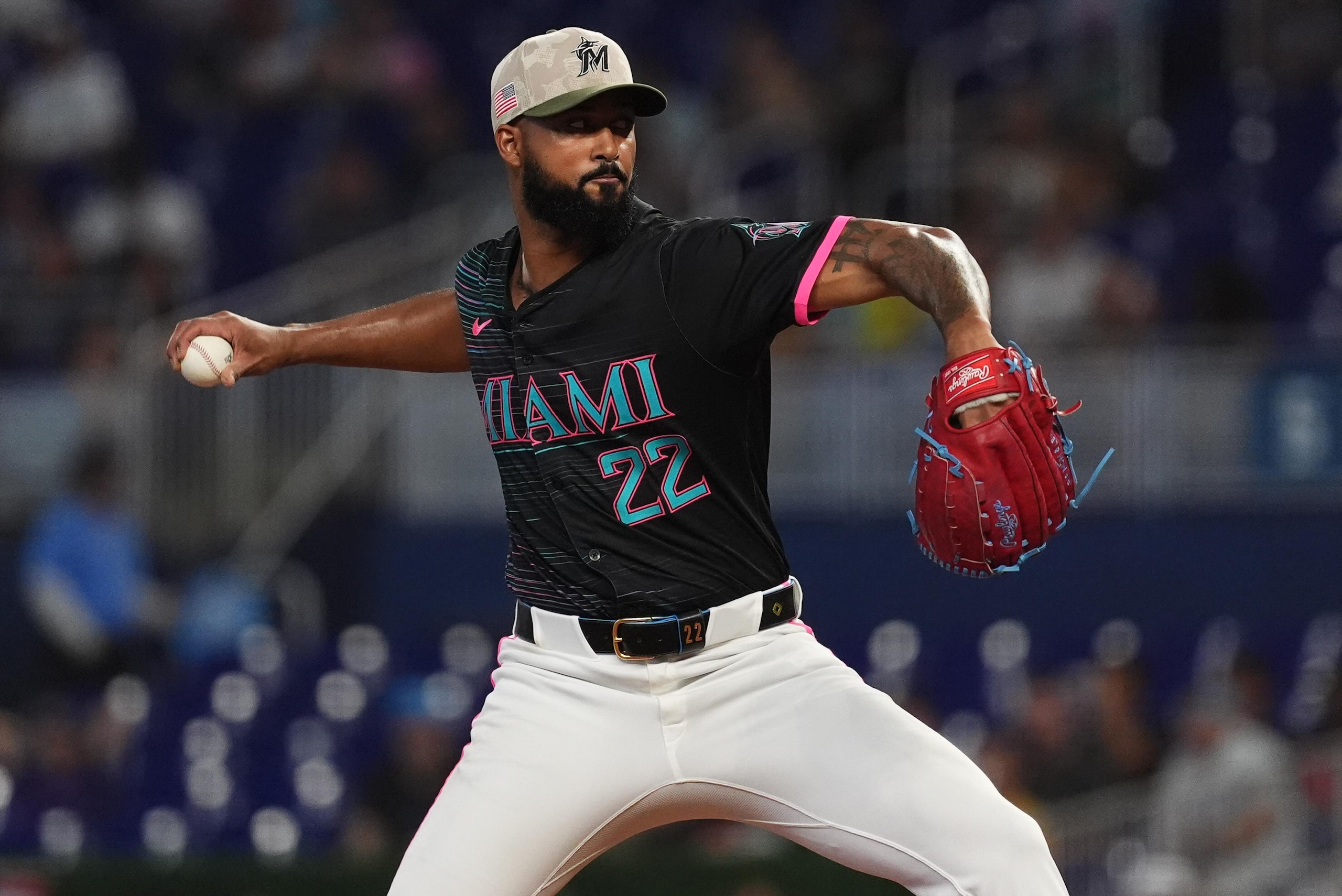
1. Sandy Alcantara, RHP, Miami Marlins
9 of 9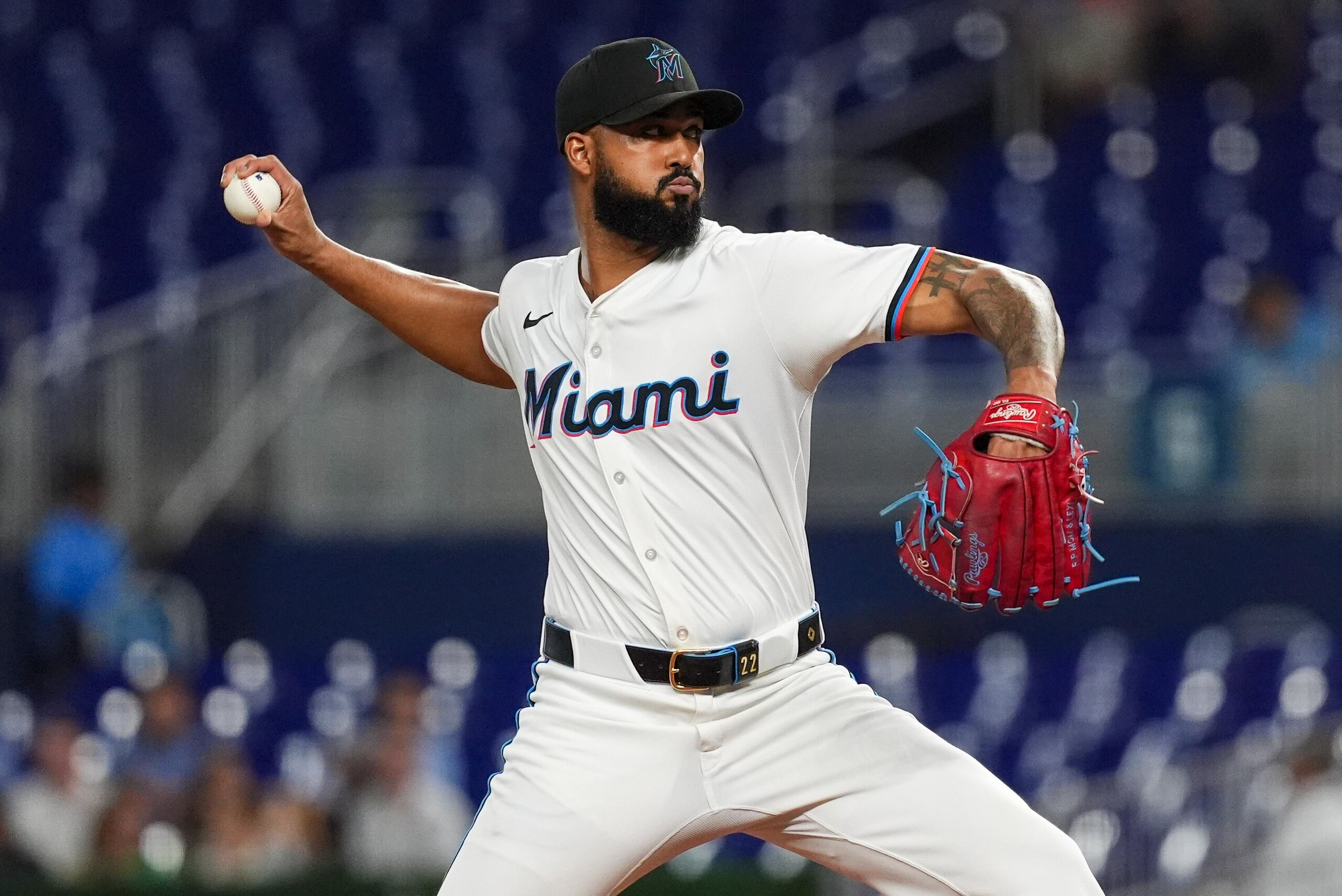
2025 Stats: 57.0 IP, 7.89 ERA, 1.58 WHIP, 6.9 K/9
Contract: $17.3M, $17.3M in 2025, $21M club option (or $2M buyout) for 2026
Among pitchers who have logged at least 50 innings this season, Sandy Alcantara has the worst ERA, and by a pretty wide margin. The only others north of 6.20 are Colorado's Antonio Senzatela (6.68) and Germán Márquez (6.98).
We can't even chalk this terrible start up to poor BABIP luck, as Alcantara's .294 BABIP against is only slightly worse than the league average (.289) and not drastically worse than his career mark (.274). He's simply walking more, whiffing less, allowing more home runs and stranding runners at an atrocious rate of barely 50 percent.
But it's not all bad news. He wouldn't still be the most coveted pitcher on the trade block if it was.
For starters, he's healthy. Alcantara did skip one start in early April when a game in Atlanta got rained out and Miami opted to just give him some extra rest and keep everyone else on their normal rest. Aside from that, though, he has taken the mound every fifth or sixth day, perpetually available since his return from Tommy John surgery.
And while he may not be pitching particularly well, Alcantara is at least throwing like his old self. He has gone at least 100 pitches on four occasions, and the velocity on his four-seamer and sinker is right on par with his pre-surgery norms.
He's also showing signs of improvement with a 4.08 FIP over his last five starts. His walk rate is starting to come down and his chase rate is beginning to increase. If he can just get the exit velocity against his four-seamer under control, he should be in business.
Maybe the quality start against Colorado on Tuesday was the beginning of his turnaround and the first positive step toward the trade block.

.jpg?w=2560 "Top Trade Targets Entering Week 6")