
Ranking the Top 10 Storylines of the 2025 NBA Offseason
The Indiana Pacers and Oklahoma City Thunder are the only teams with less than 100 percent focus on summertime plans, but this year's NBA Finals participants will soon join the rest of the league in looking ahead to next season.
Before the entire NBA shifts into offseason mode, we need to get a handle on the overarching narratives and key figures that will define the coming months.
Giannis Antetokounmpo and Kevin Durant loom large as trade candidates and, believe it or not, the Brooklyn Nets profile as power brokers.
Don't forget the draft, free agency and a level of parity that could convince a huge percentage of teams around the league they're only a move or two away from going the distance in 2025-26.
10. Where Did All the Free Agents Go?
1 of 10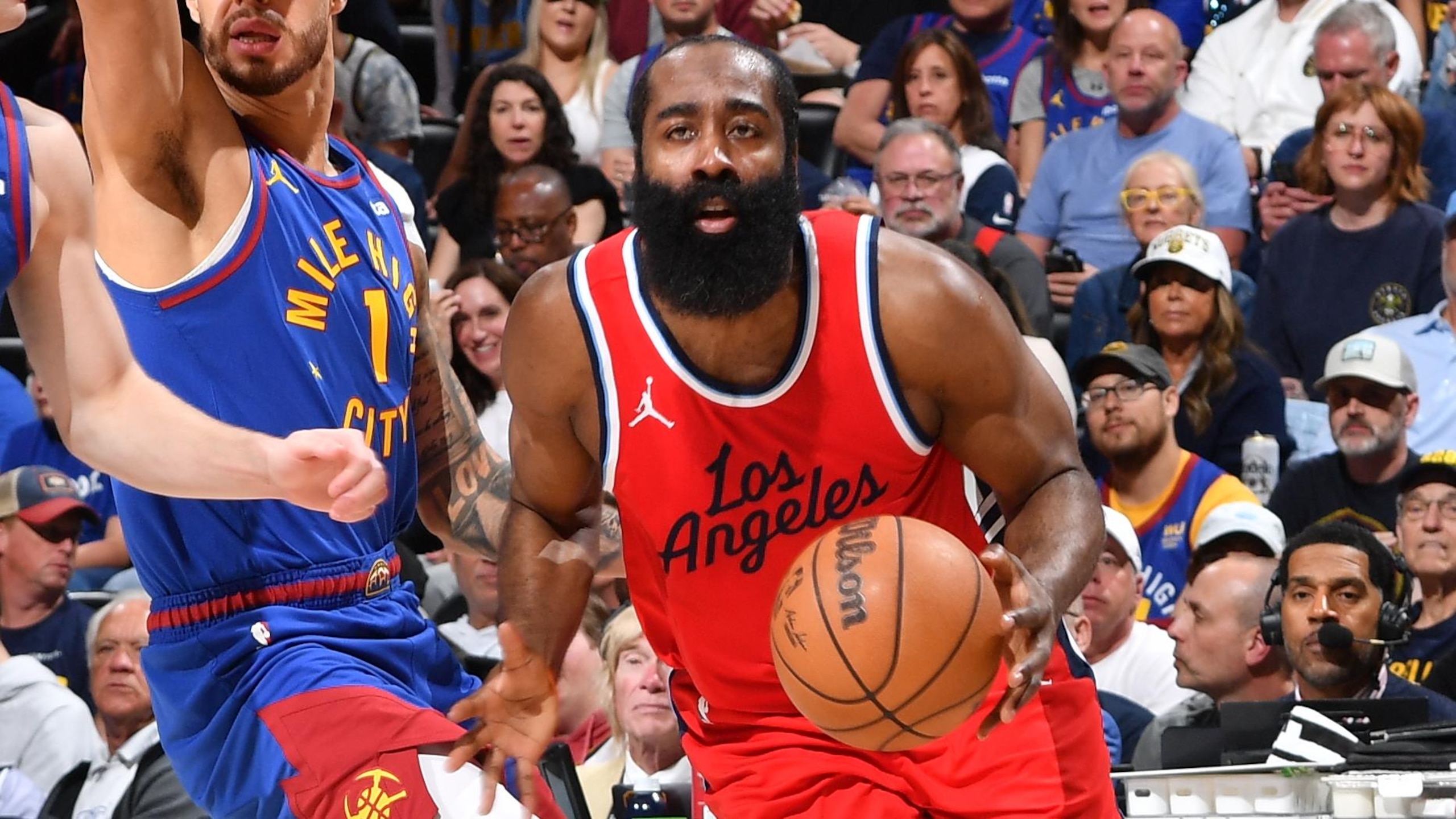
Contract extensions are very hot right now, which is terrible news for the free-agent market but potentially a great development for those hoping to see some wild trades this offseason.
A while ago, it seemed possible we would see Donovan Mitchell, Jimmy Butler, Jayson Tatum, Jamal Murray, Anthony Davis, Jalen Brunson and Lauri Markkanen lead a loaded group of 2025 free agents. But they have all signed extensions over the last year to take themselves off the market.
The biggest remaining names in the 2025 FA class—LeBron James, Kyrie Irving, James Harden, Fred VanVleet, Myles Turner—seem highly likely to stick with their current teams by opting in and/or re-upping on new deals.
If you think this is a one-year blip and 2026 free agency will be chock full of available stars, note that some of the potential headliners of that crew—De'Aaron Fox, Jaren Jackson Jr., Mikal Bridges, Aaron Gordon and all members of the 2022 draft class—can ink extensions this summer.
Free agents are an endangered species these days, and that's going to force aggressive teams to figure out trade packages if they want to get their hands on top-line names.
9. Further Knicks Fallout
2 of 10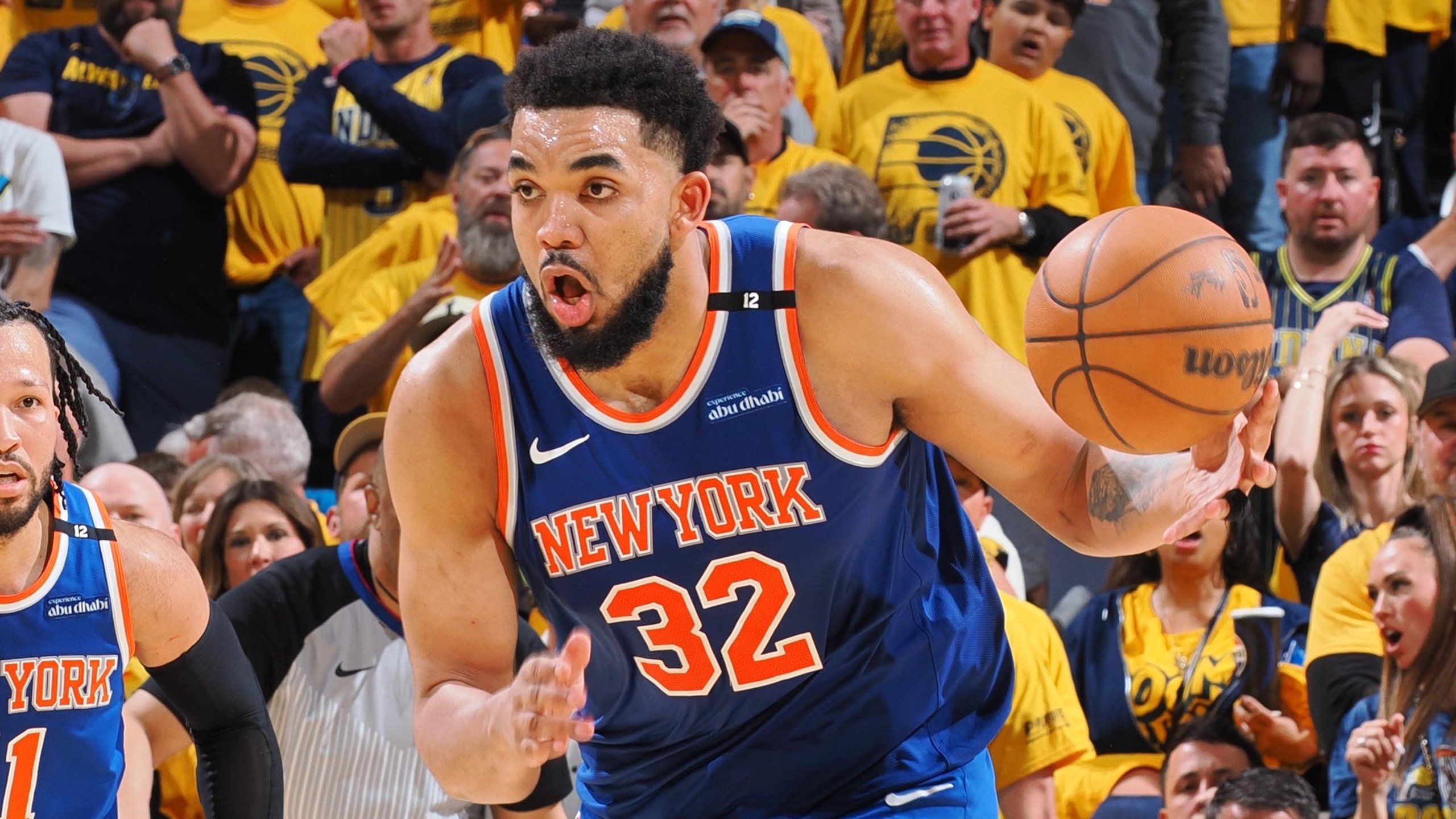
Tom Thibodeau got the boot just a couple of days after the Indiana Pacers eliminated his New York Knicks in the Eastern Conference Finals, a cruel reminder that "very good" is often not good enough—especially for a major-market franchise that mortgaged most of its future to build the current roster.
Canning Thibs was a risk because there's no guarantee a better coach is out there to replace him, but it theoretically offers upside. Maybe this same Knicks roster can be better deployed by another coach, and maybe slight improvement is all it will take to reach the 2026 Finals.
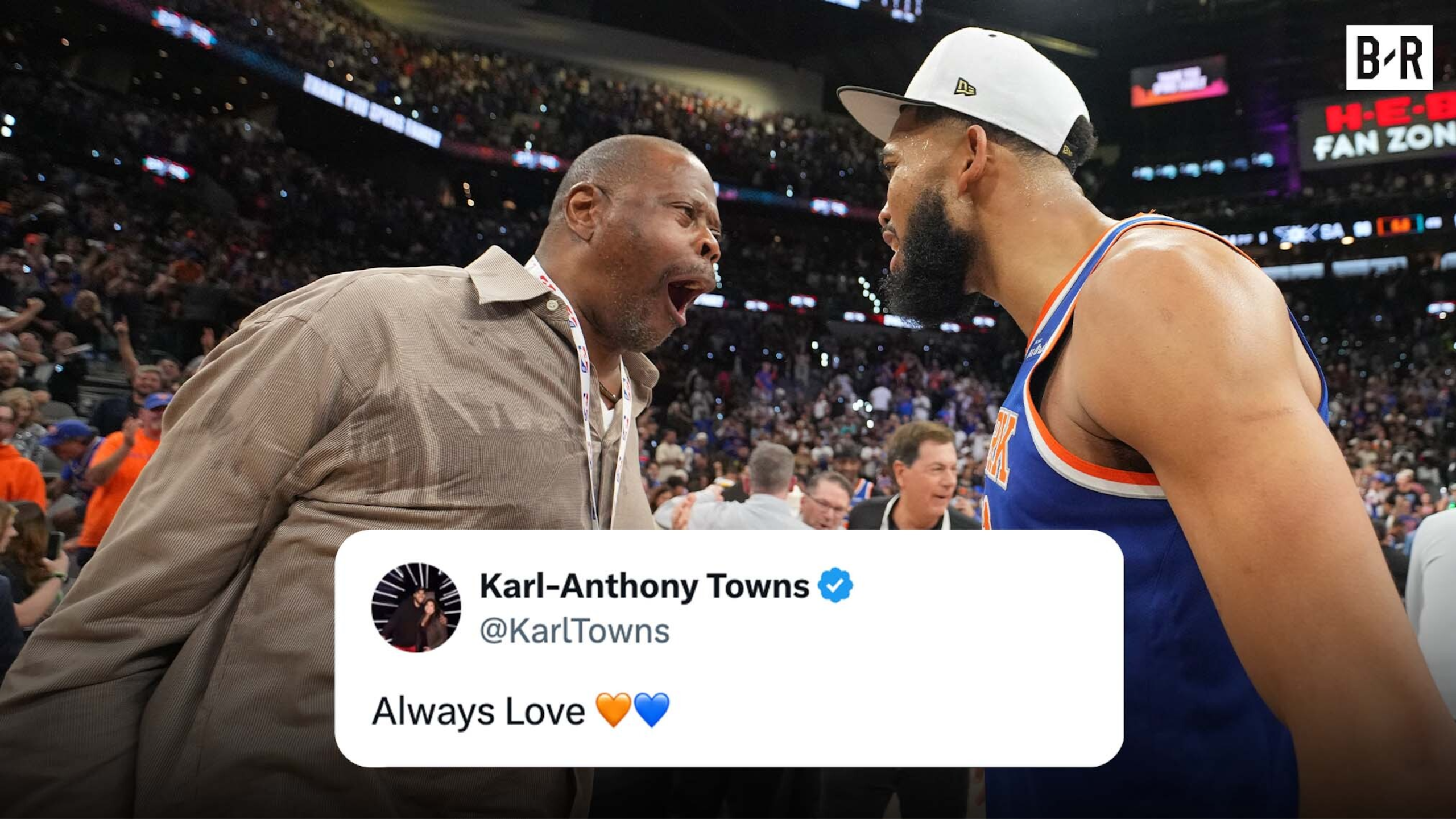
Then again, might the Knicks tinker further? Could they find a taker for Karl-Anthony Towns in the wake of a damning report from James L. Edwards III and Fred Katz that players and coaches "expressed frustration with Towns' defensive habits" and "worried Towns didn't grasp the importance of the matter?"
Might Mikal Bridges or OG Anunoby be sent elsewhere to build out depth (that the next coach might actually use)?
Could Jalen Brunson's usage be curtailed after postseason defenses had such an easy time predicting New York's offensive plans?
That the Knicks broke from the status quo by firing Thibs after the most successful season in a quarter-century suggests they will consider even more changes this summer.
8. Copycat Behavior
3 of 10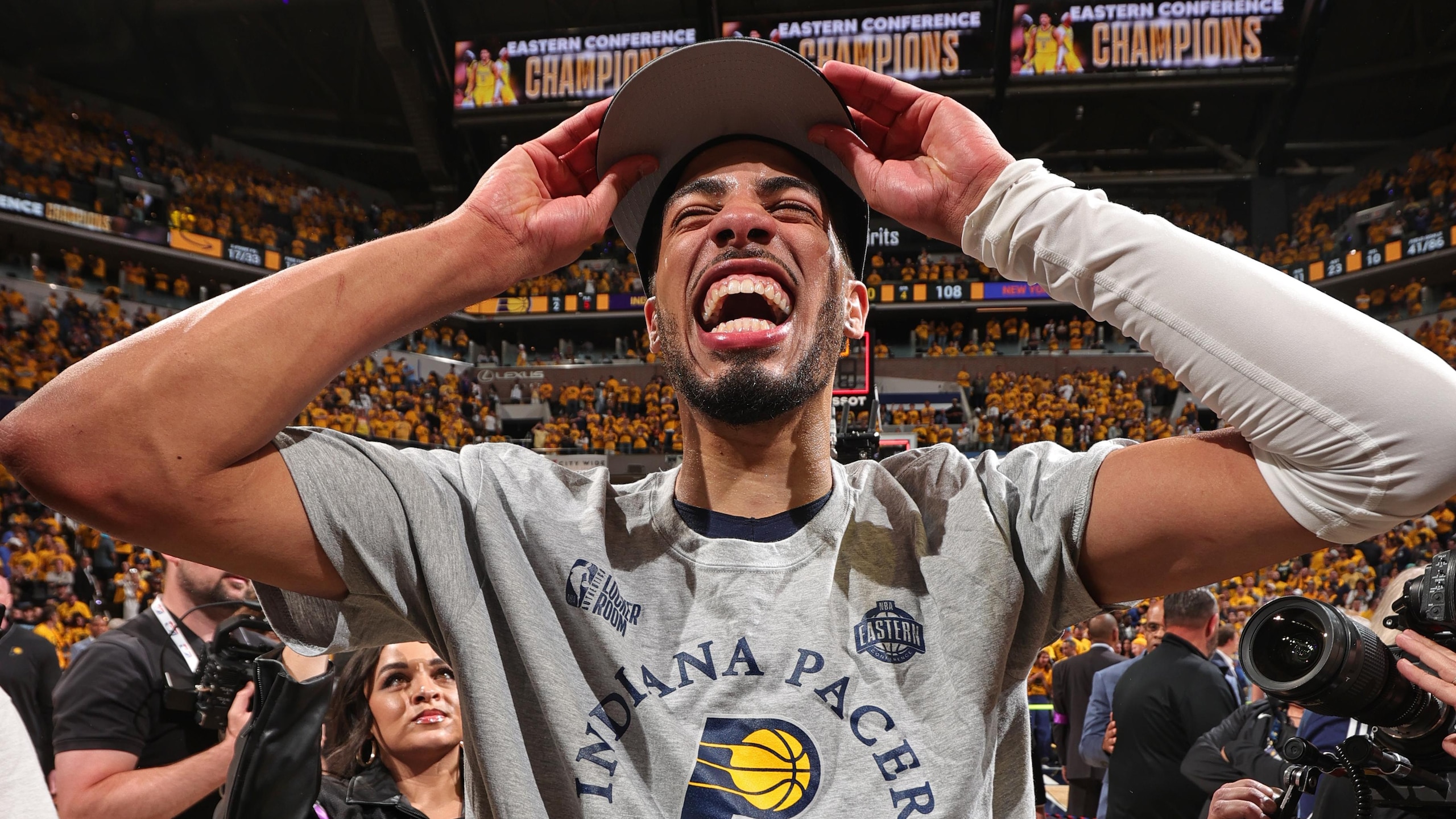
When Shaquille O'Neal seemed unstoppable, every team craved bulk up front. When three-point shooting took over, versatile wings and five-out lineups were all the rage in the fight to compete with the dynastic Golden State Warriors.
Change is the only constant in the NBA, and it's going to be fascinating to see how teams try to emulate the latest trends embodied by this year's Finals participants, the Oklahoma City Thunder and Indiana Pacers.
Much of what makes OKC dominant can't be replicated. That team was built over several years through the draft and shrewd trades. But as the Thunder and Pacers fly up and down the floor at breakneck speed, leaning on their depth and the playmaking skills of their lead guards, you'd better believe front offices around the league will be trying to figure out how to build similar rosters.
Any potential contender in 2025-26 has to put itself together with an eye toward beating those two teams—or at least competing with them on somewhat equal footing. That'll mean looking for speed, offensive dynamism, high-pressure defense and the depth to make all that calorie-burning sustainable.
Imitation is the sincerest form of flattery, and the 2025-26 offseason will be partly defined by teams trying to copy what worked for OKC and Indy.

7. Luka, LeBron and the Lakers
4 of 10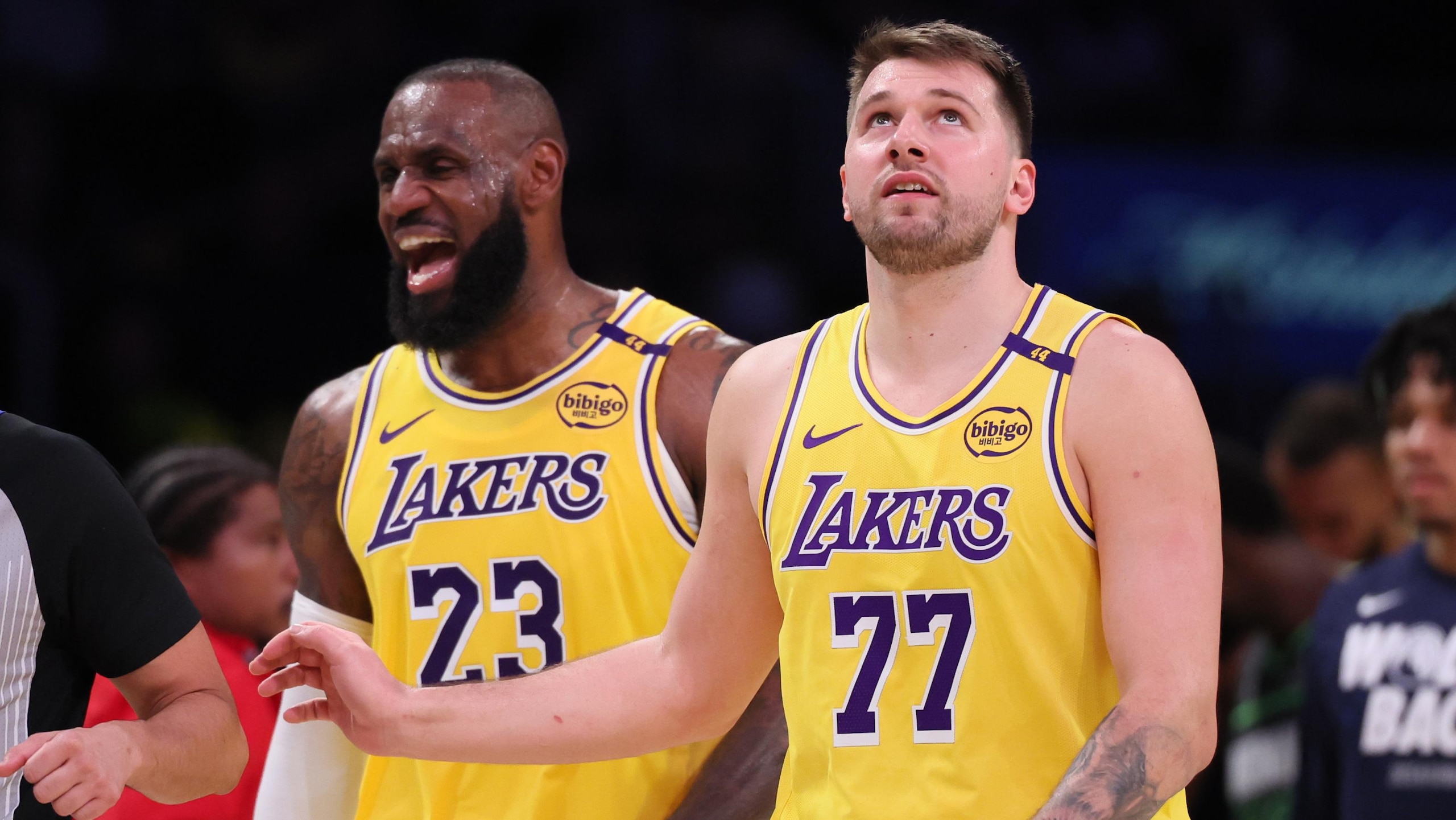
The Los Angeles Lakers landed Luka Dončić last season, but it wasn't enough to help a roster with real holes do more than win a single first-round playoff game.
So now what?
ESPN's Bobby Marks expects Los Angeles to be "extremely aggressive" this offseason, but it's going to take more than a go-for-it mentality to check off all the items on the team's priority list.
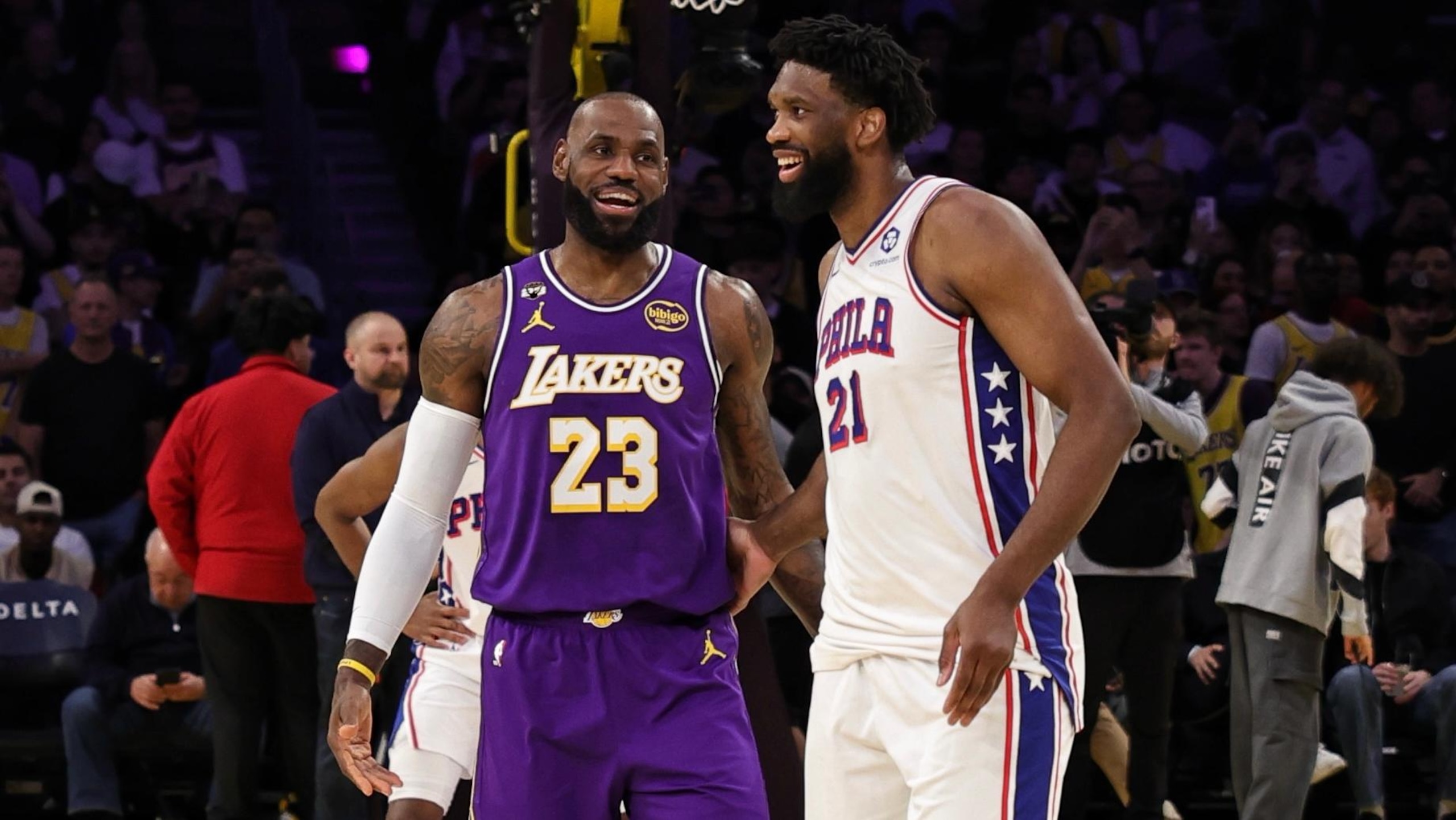
The Lakers have to figure out what to do with LeBron James' next contract, assuming he opts out in search of a new deal. Then there'll be Dončić's extension eligibility, which arises on Aug. 2, and Austin Reaves', which triggers on July 6.
That's to say nothing of a rotation that desperately needs a rim-rolling starting center, more athleticism and a bunch of supplementary shooting to space the floor for Dončić.
The Lakers have a ton of expiring money in Rui Hachimura ($18.3 million), Dorian Finney-Smith ($15.4 million), Gabe Vincent ($11.5 million) and Maxi Kleber ($11 million). Will they extend any of them, or dangle them as trade bait for another star?
6. Second Apron and CBA Fallout, Generally
5 of 10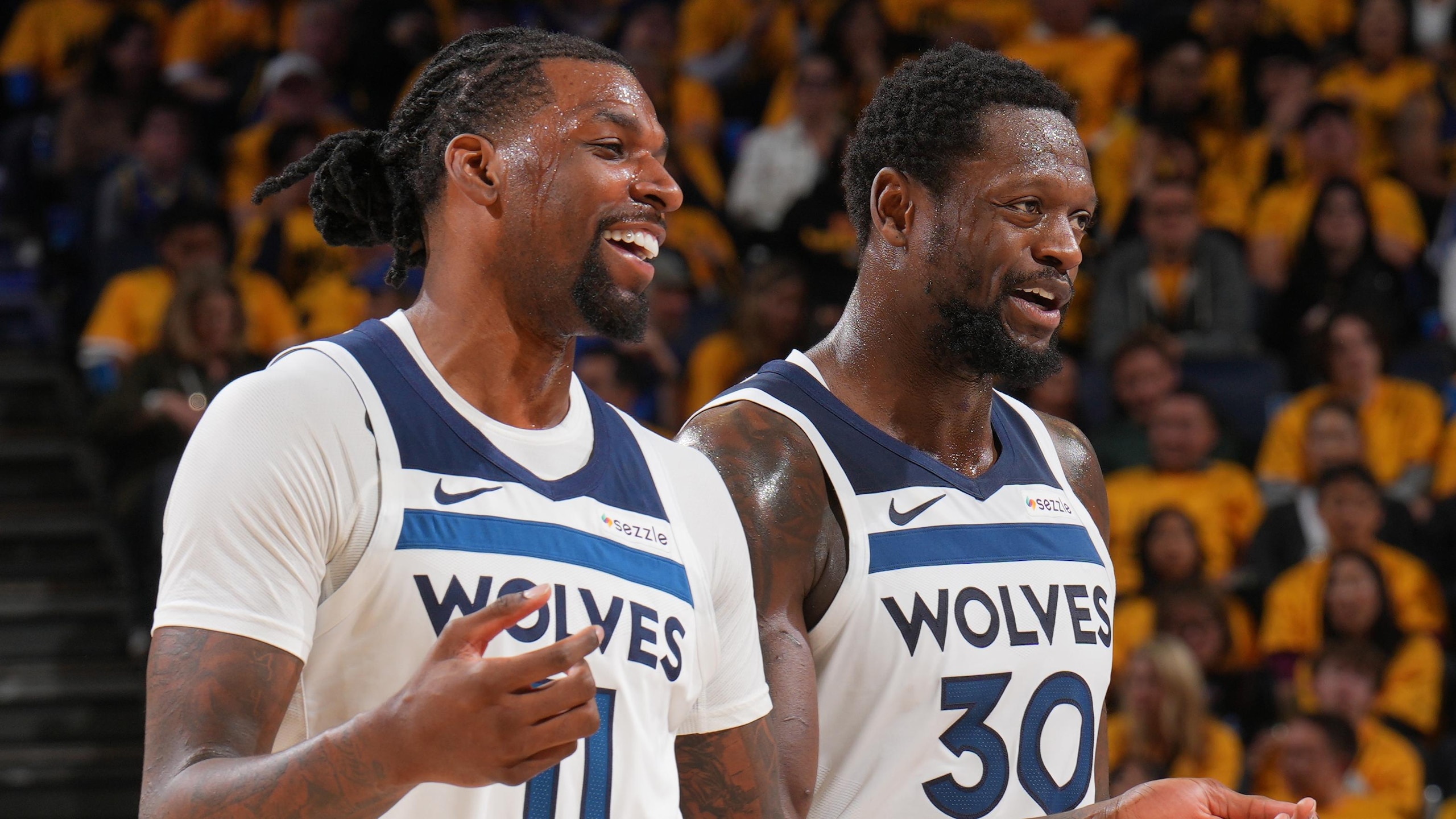
The Celtics are the highest-profile sufferers of the second-apron era, but this offseason will see virtually every good team (and plenty of bad ones) constrained in one way or another by the CBA.
The Phoenix Suns and Cleveland Cavaliers can't aggregate outgoing contracts in a trade, and the Minnesota Timberwolves probably can't keep their three key free agents—Naz Reid, Julius Randle and Nickeil Alexander-Walker—without going over the second apron.
The restrictions don't stop there. Any team using more than the taxpayer portion of the mid-level exception will become hard capped at the first apron and unable to exceed it for any reason during the year.
Acquire a player via sign and trade? That triggers a hard cap at the first apron, too. The same fate applies to teams that take back more salary than they send out in a trade, unless they can absorb the difference using cap space—which only the Brooklyn Nets project to possess.
These rules have been in place since the 2023 offseason, and some teams (looking at you, Suns) have acted as if they don't exist. Now, with the penalties and restrictions coming fully into play and several teams already feeling the pain, we're going to see extreme caution, surprising cost-cutting and some legitimately financial-fear-based decisions all across the league.
5. The Wide-Open East
6 of 10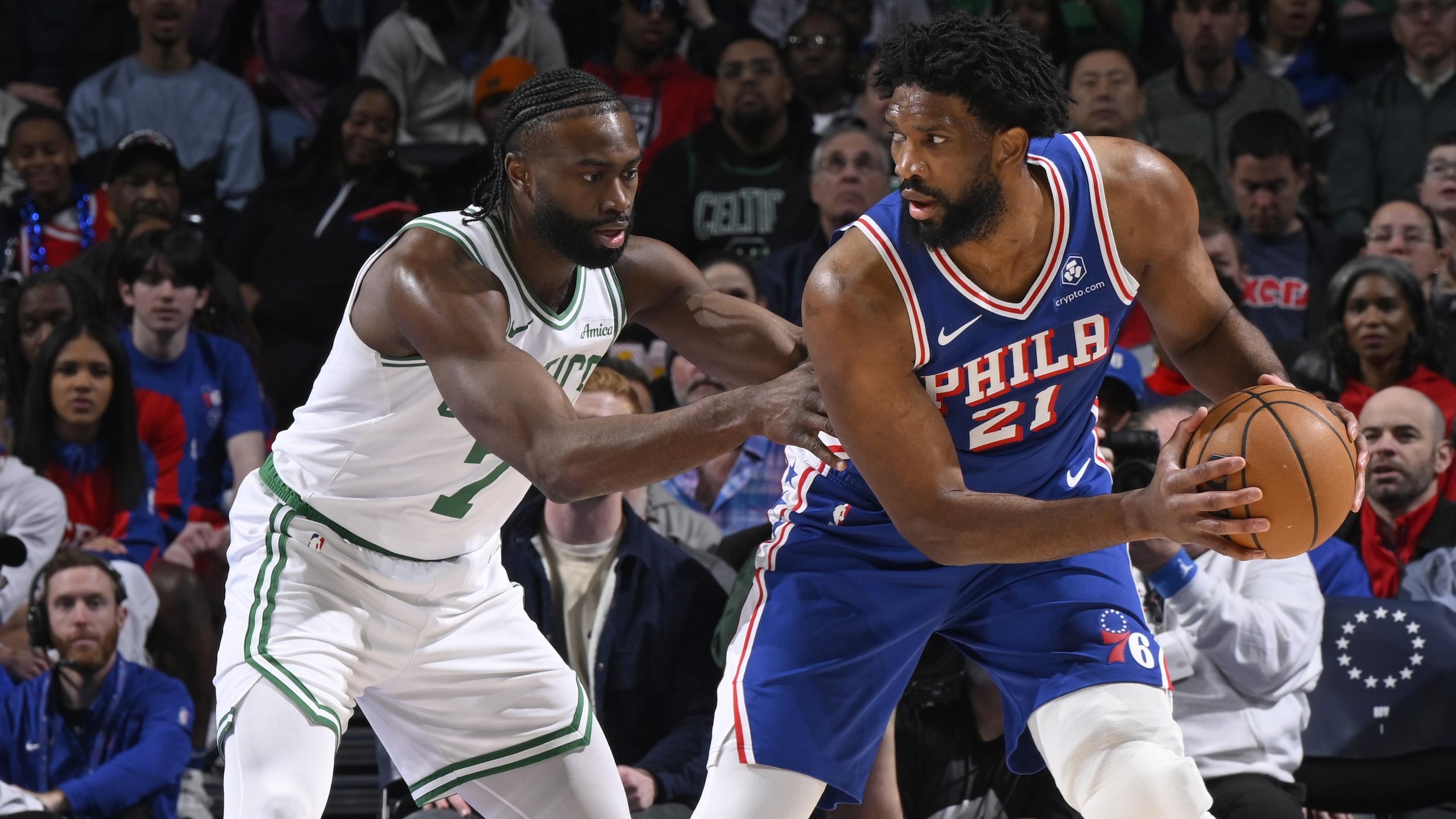
The Boston Celtics won't have Jayson Tatum next year and could strip down the roster, the Philadelphia 76ers are tethered to Joel Embiid's uncertain health, and the Cleveland Cavaliers fell apart after winning 64 games.
Meanwhile, the New York Knicks fired head coach Tom Thibodeau and might entertain a Karl-Anthony Towns trade. Don't forget the Milwaukee Bucks possibly ending an era by dealing Giannis Antetokounmpo.
Are the Detroit Pistons or Orlando Magic good enough to take a leap forward? Can the Indiana Pacers prove their run to the Finals was real?
Run down the list of almost every East team that made noise this past season, and you just come up with questions and uncertainty. Parity is reigning like never before.
So, do teams that made deep runs last year play it safe while assuming everyone else will fall off? Do one or two enterprising squads swing for the fences, thinking they have a chance to rise above a dubious class of competitors?
The East is there for the taking, and it will be fascinating to see how the entire conference deals with that reality.
4. The Celtics' Demolition
7 of 10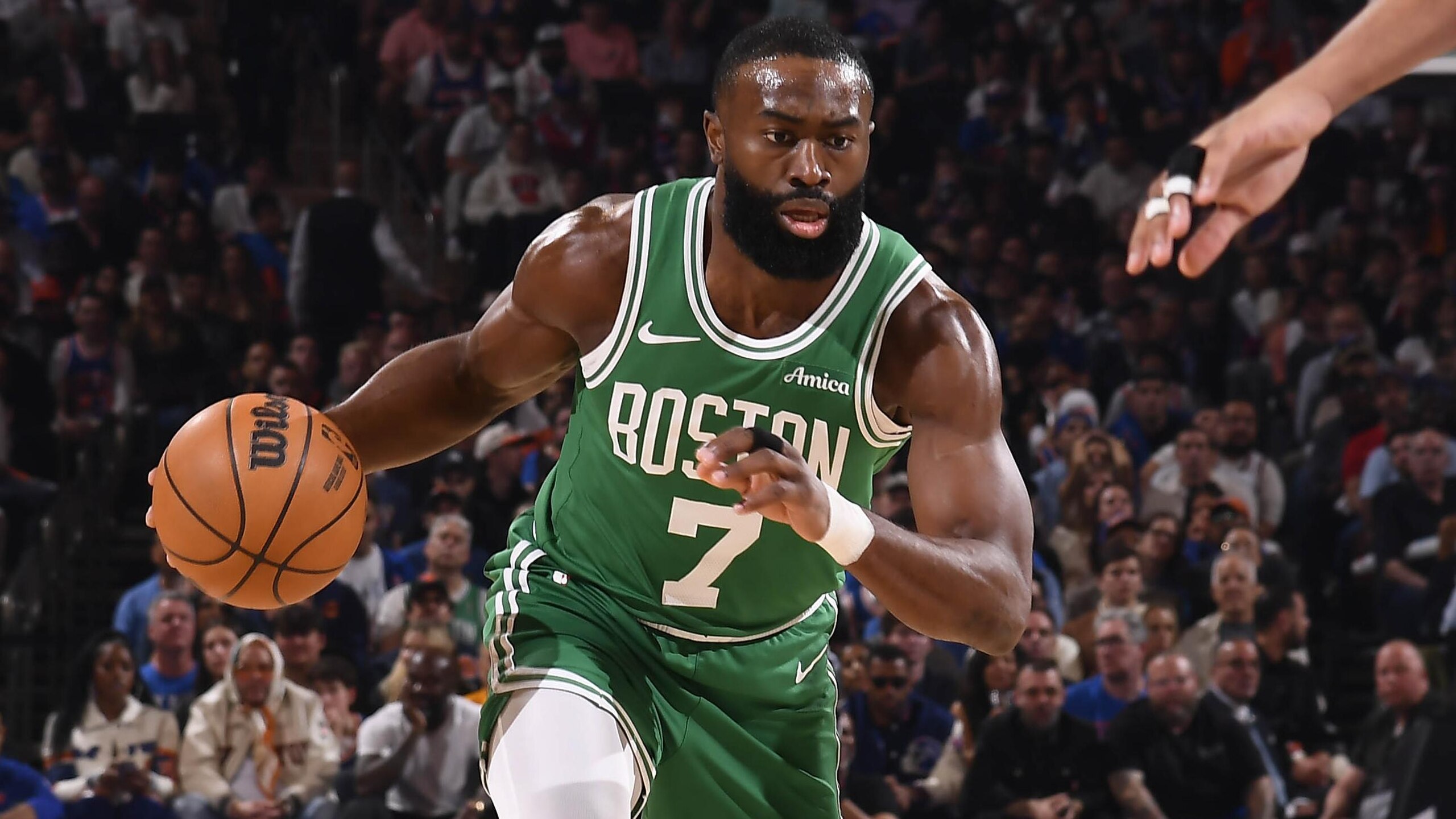
Had the Boston Celtics stayed healthy and won a second straight championship, they would have become the purest test of teams' tolerance for life beyond the second apron of the new collective bargaining agreement.
Surely, a team that good would have been worth keeping together for at least another year, even if it meant almost unfathomable cost and inflexibility.
Once Boston was eliminated in the second round, losing Jayson Tatum for most or all of 2025-26 with a ruptured Achilles in the process, everything changed.
Paying upwards of $500 million in payroll and tax for a two-time champ is one thing. Committing that much cash to a squad that can't realistically win a championship is another.
The Celtics are almost certain to cut payroll, and the only question is how they'll go about doing it.
Jaylen Brown, Kristaps Porzingis, Jrue Holiday and Derrick White are all candidates to be moved as Boston retrenches and tries to set itself up for another run with a healthy Tatum in 2027.
3. Brooklyn's Pivotal Position
8 of 10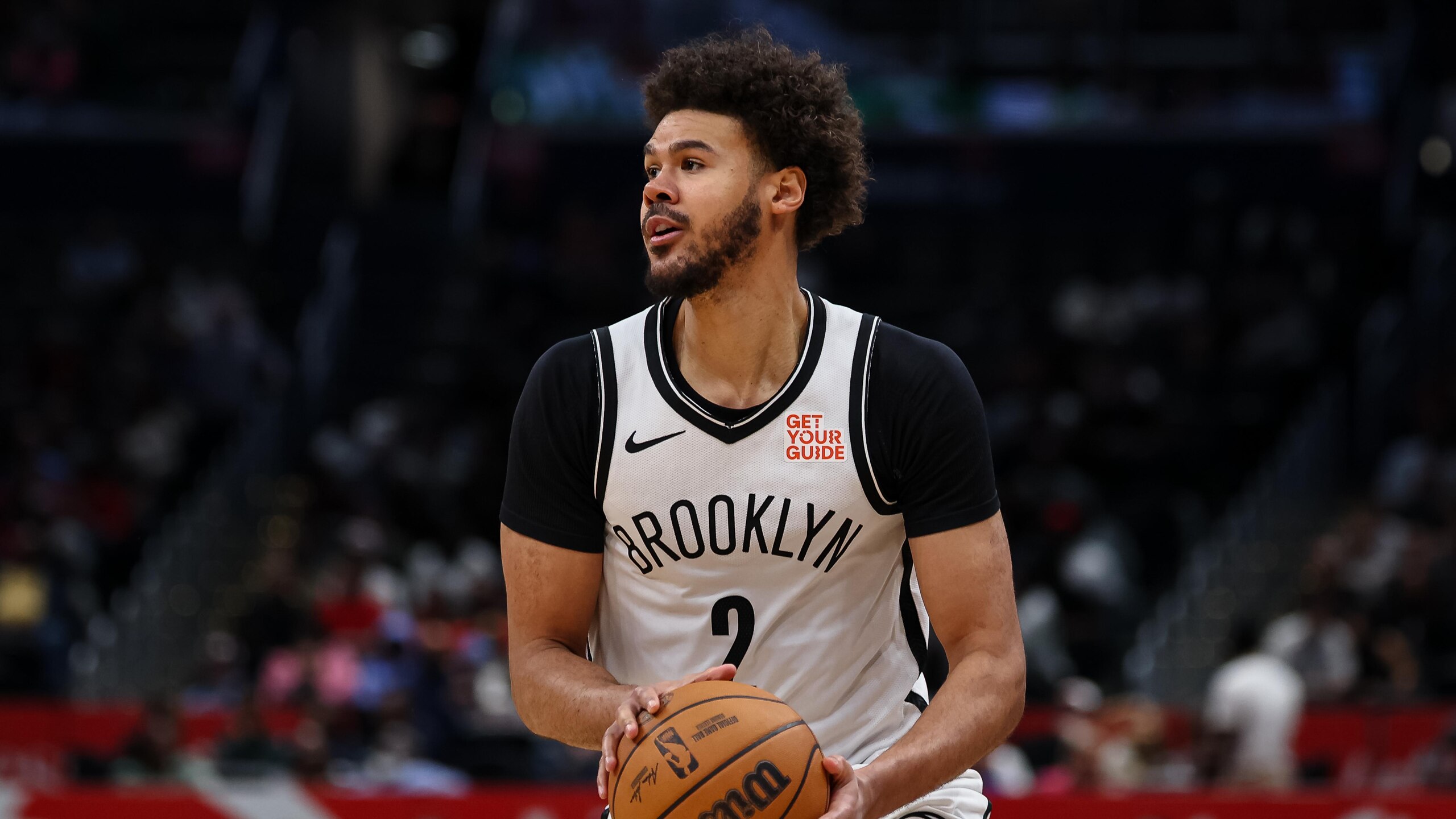
Depending on how the Brooklyn Nets decide to handle some of their own free agents, they could have upwards of $80 million in cap space to spend. That would be a big deal in any offseason, but it's singularly important in one where nobody else has that kind of flexibility.
If a superstar trade is going to get done, the Nets will almost certainly have to be involved to make the money work. Their ability to take on unwanted contracts, hoarding draft picks for their trouble, makes them this summer's true power players.
Not only that, but Brooklyn has four first-round picks in 2025, one of the most sought-after plug-and-play free agents in Cam Johnson and the luxury of swinging deals without caring how it affects its record this coming season.
When the Nets got back their 2026 first-rounder from the Houston Rockets last summer, it put tanking back on the table.
For a team that probably won't make any major acquisitions via trade or sign any marquee free agents, they are in a ridiculously powerful position.
2. An Inevitable Kevin Durant Trade
9 of 10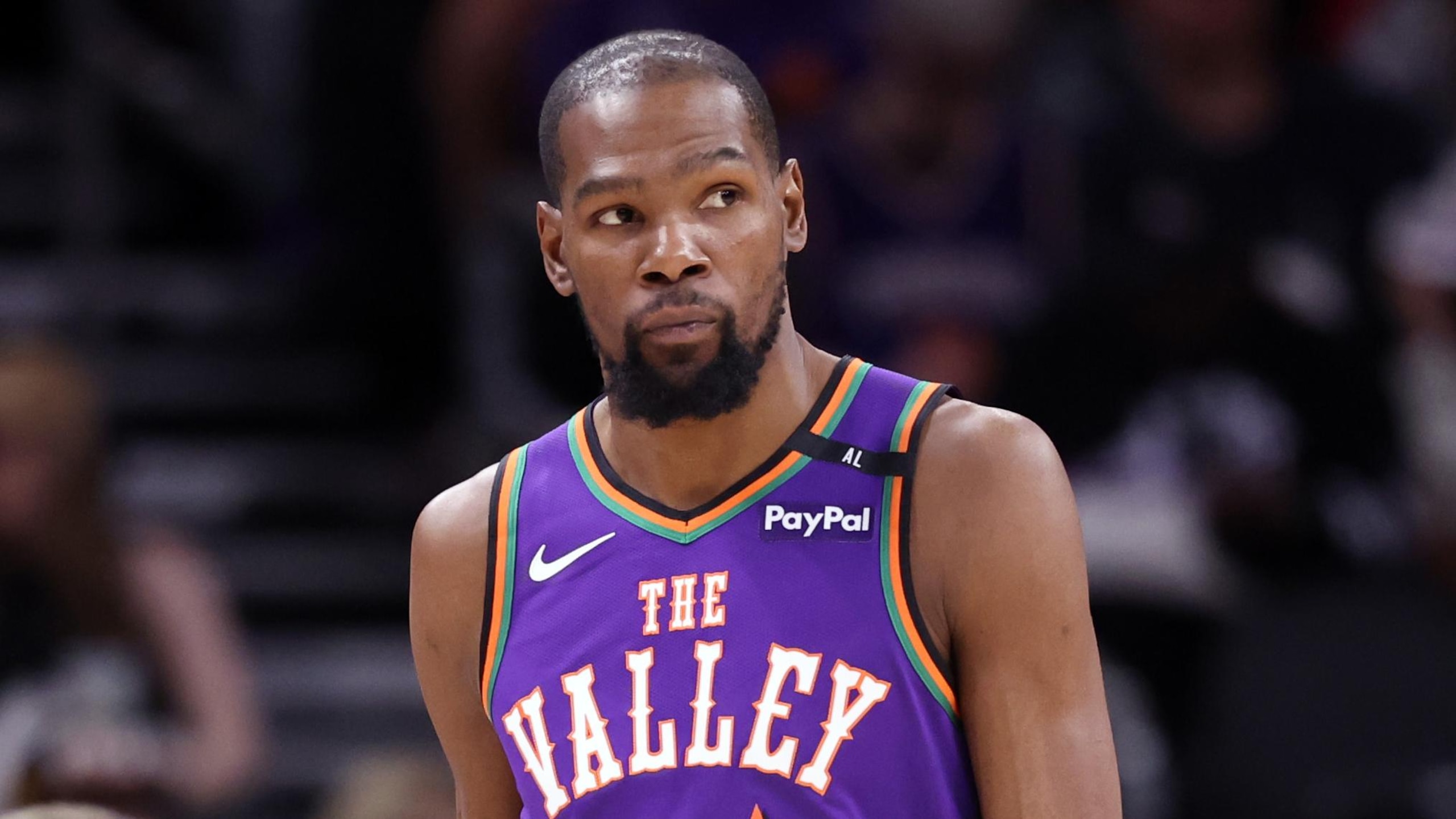
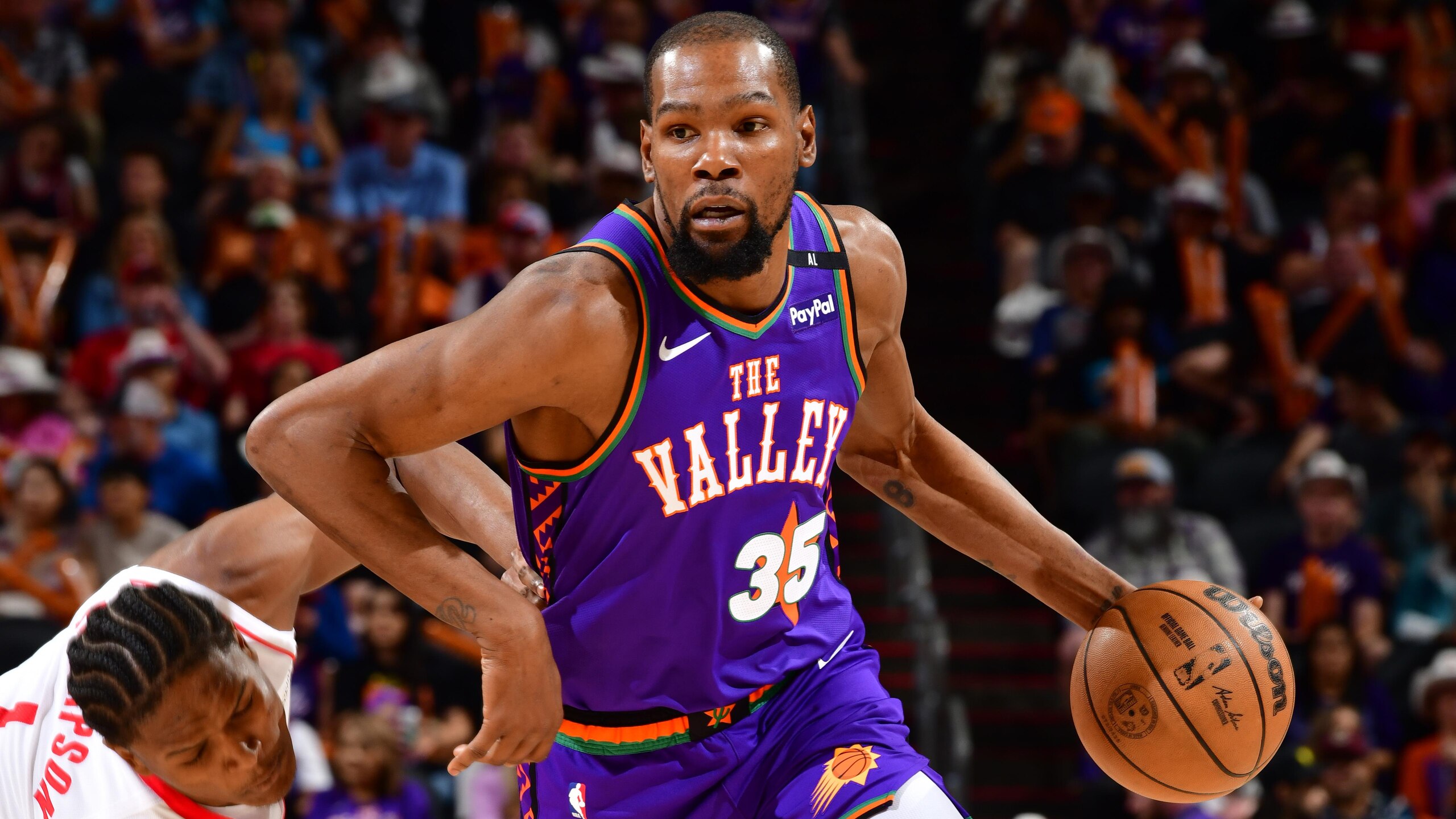
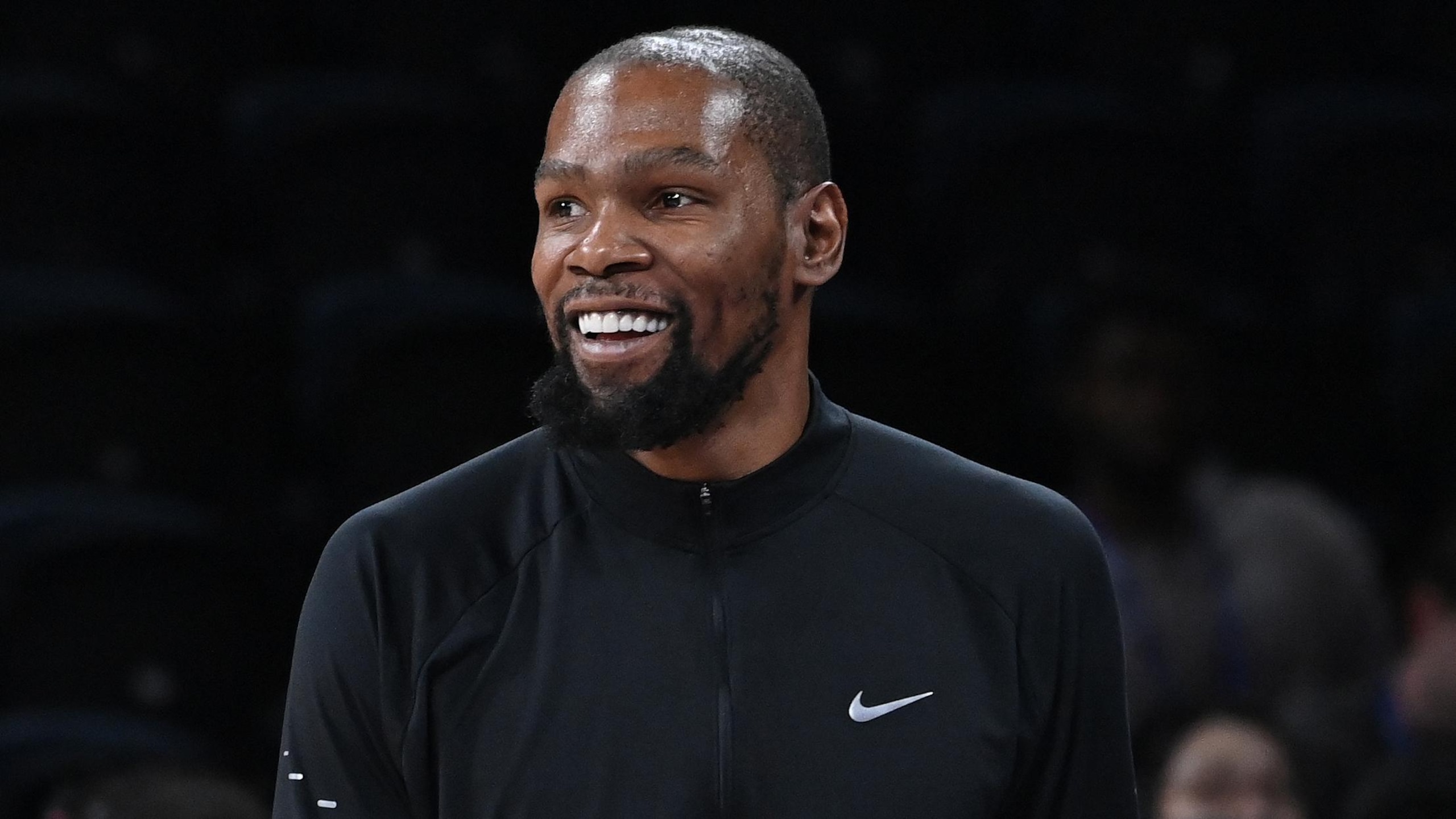
He's not the biggest name likely to change teams (which is saying something), but Kevin Durant seems like the safest bet to be traded this offseason.
Right after "one of the purest scorers of all time," Durant's career retrospective will include some version of "seemed to get sick of his teams increasingly quickly."
The Suns look like the next team in line to lose KD. As was the case in Oklahoma City, Golden State and Brooklyn, there's probably no salvaging this relationship.
Add to that Phoenix's recent habit of burning through draft assets and overspending, and a Durant trade becomes not just a vibes-cleansing priority but also a bookkeeping necessity.
The Suns' short-sighted, win-now recklessness leaves them preposterously expensive and inflexible. They have to get cheaper and deeper, and one of the best ways to do that is to move an aging star to a team that needs premium scoring.
It's worth noting that trading Durant and stopping there would constitute a lazy half-measure. Phoenix needs to extricate itself from the Bradley Beal quagmire and strongly consider dealing Devin Booker—especially if sending him to the Houston Rockets can get its own future first-rounders back.
But a Durant trade feels like the first, most obvious step.
1. A Potential Giannis Antetokounmpo Trade
10 of 10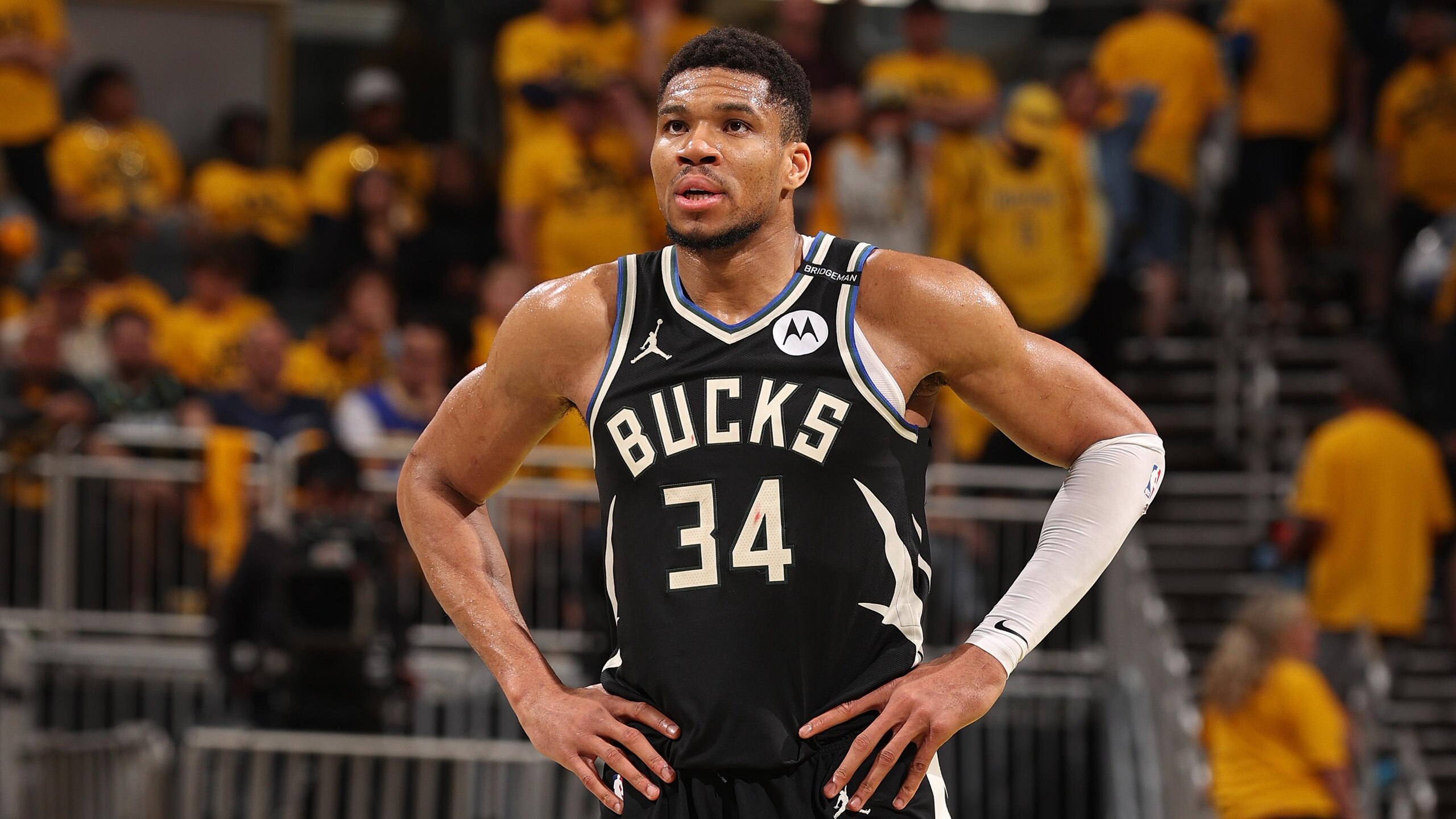
Giannis Antetokounmpo has flirted with the idea of leaving the Milwaukee Bucks before, but this time feels different.
For one thing, past instances tended to arise in connection with contract extensions. They were not-so-subtle pressure campaigns on his team to go out and add major talent.
The Bucks responded to that pressure by mortgaging their future, sending out picks and assets—first for Jrue Holiday (which yielded a title) and then for Damian Lillard.
As a result, Milwaukee is now tapped out, expensive and aging. It lacks the tools to improve the roster like it did in the past.
ESPN's Shams Charania reported on May 12 that Antetokounmpo "is open-minded about exploring whether his best long-term fit is remaining in Milwaukee or playing elsewhere."
That's basically a rhetorical question. Giannis could throw a dart at almost any other team in the league, and he'd likely land on a better long-term fit. Sentiment is the only argument for staying put. If he wants a better shot at another championship, he has to leave the Bucks.
Whatever big business gets done this summer will come after Antetokounmpo makes up his mind. And if he changes teams, the entire landscape of the league will tilt.
Stats courtesy of NBA.com, Basketball Reference and Cleaning the Glass. Salary info via Spotrac.
Grant Hughes covers the NBA for Bleacher Report. Follow him on Bluesky and subscribe to the Hardwood Knocks podcast, where he appears with Bleacher Report's Dan Favale.